
Luxury Product Photography: What It Is, What It Takes, and What It Costs
A luxury product and a mass-market product can occupy identical price points on a retailer's shelf and look completely different in photography. The product itself is not the variable. The photography is.
Brands that understand this build visual systems. Brands that do not end up competing on price even when their product does not require it.
Part of our complete guide: The Ultimate Guide to eCommerce Product Photography
What Defines Luxury Product Photography
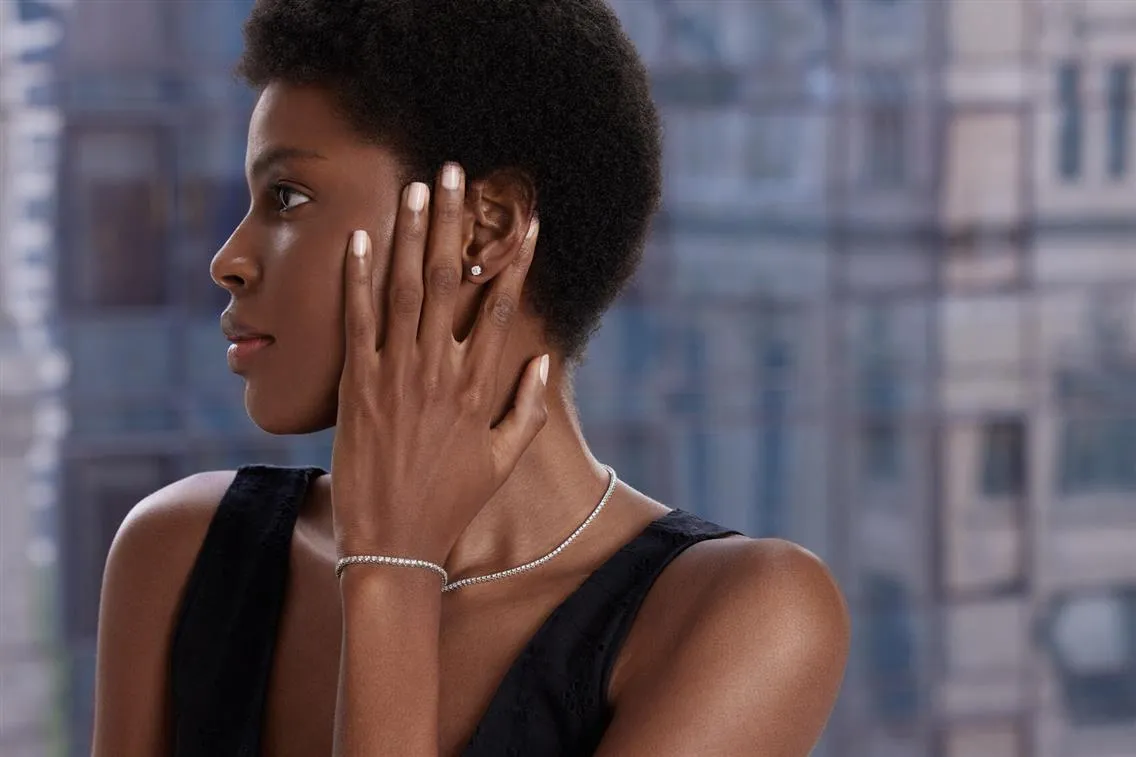
The word luxury in photography does not describe a style. It describes a standard of control — over light, color, material representation, and creative consistency — applied at every stage of production.
At this level, technical execution is assumed. The question is not whether the image is sharp or well-lit. The question is whether the image communicates what the product actually represents: the material quality, the craft behind it, the world it belongs to.
Two things have to happen simultaneously in every frame:
Precision — the image must show the product accurately. Correct color temperature. Resolved surface texture. Detail that survives zoom. Nothing fabricated in post that was not present in the physical piece.
Resonance — the image must communicate value before the viewer has read a price, a brand name, or a product description. This is done through composition, negative space, light character, and surface relationships. It cannot be applied retroactively in retouching.
When both are present, the photography does the work that a physical retail environment would otherwise do. When either is missing, the product is on its own.
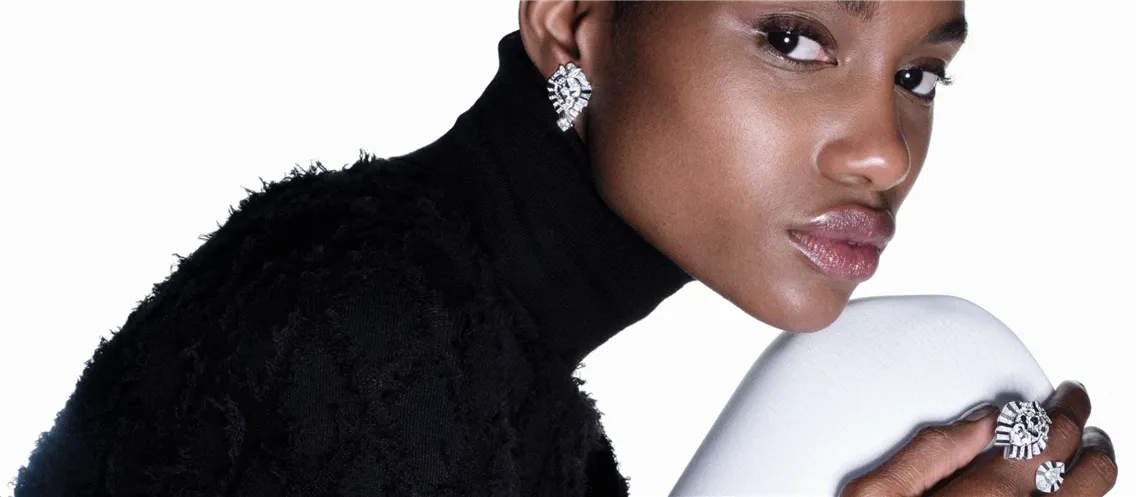
For a broader look at visual content strategy for luxury brands, including how visual direction separates luxury from mass-market positioning: How Luxury and Mass-Market Brands Differ in Visual Strategy
The Role of Fine Photography Training
Most photographers working at this level came from fine arts or photography degree programs — not because commercial photography requires academic credentials, but because that training develops the sensory literacy the work demands.
Understanding how a curve interacts with negative space. How texture carries emotional weight. How minimalism functions only when every element in a minimal frame earns its place. These are not instincts that develop through volume of commercial work alone. They are trained capacities.
Every LenFlash photographer holds a degree in fine photography. That foundation is visible in how frames are built — not improvised around a product but constructed to reveal it.
The practical difference shows up in details: microcontrast in metal surfaces, the decision to allow or remove a shadow, the choice of how much breathing room a composition needs. None of these are visible as individual decisions in the finished image. Their combined effect is what makes the photograph feel considered rather than produced.
The Role of Art Direction in High-End Photography
Technical excellence produces a great image. Art direction produces a brand.
The distinction matters because luxury brands do not simply need good photography — they need photography that accumulates into a recognizable visual identity across seasons, categories, and channels. That accumulation is what art direction builds.
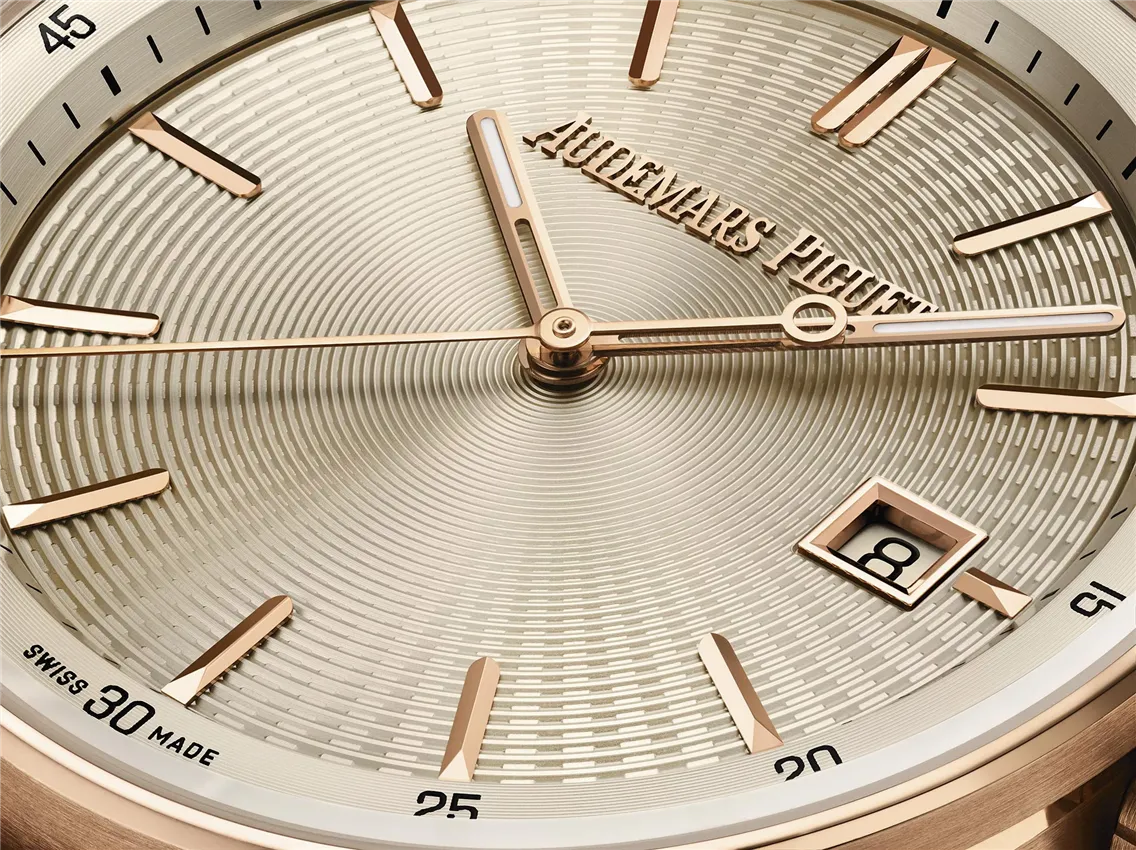
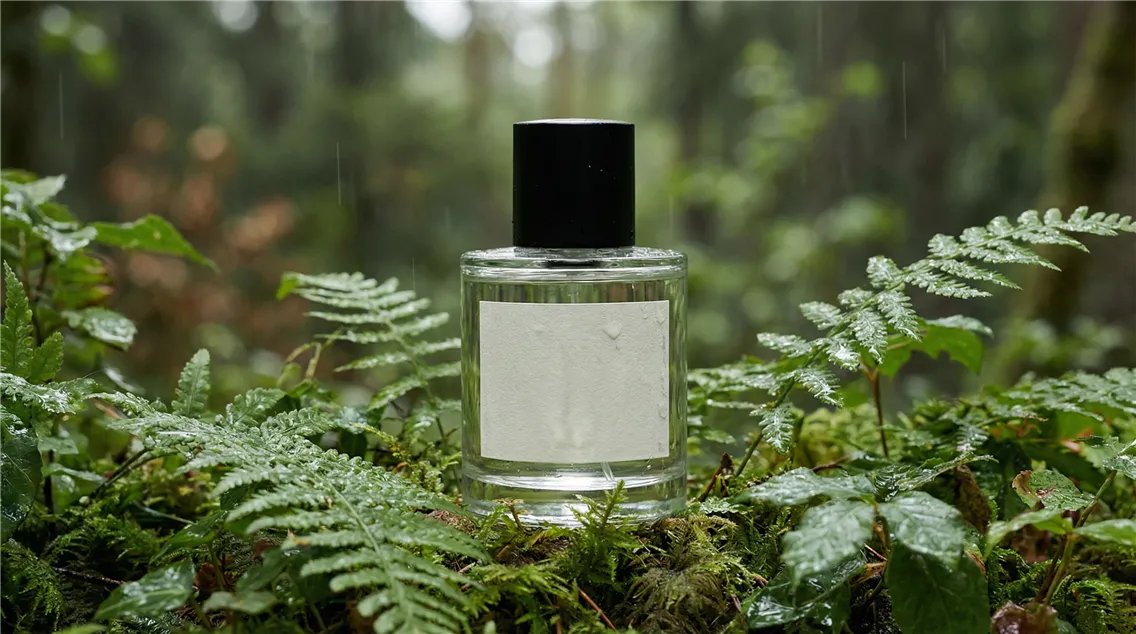
An art director doesn't think in single frames. They think in systems: tone, narrative, character. They define the reason behind every frame — how the product should make the viewer feel, how light defines its character, and how color and texture carry the brand's DNA. The decision to shoot a perfume bottle in fog or a watch in architectural light is not a styling choice. It is a statement about brand identity.
A brand with defined art direction doesn't rebuild its visual identity each season, it compounds recognition over time.
For a practical guide to developing art direction for a photoshoot: Art Direction Guidelines for Jewelry and Fashion Brand Photoshoots
For the distinction between creative direction and art direction in commercial production: Creative Director vs Artistic Director in Commercial Photography
Visual direction in practice: Chanel, Gucci, and Bottega Veneta
These three brands demonstrate what it looks like when visual direction becomes philosophy rather than aesthetic preference.
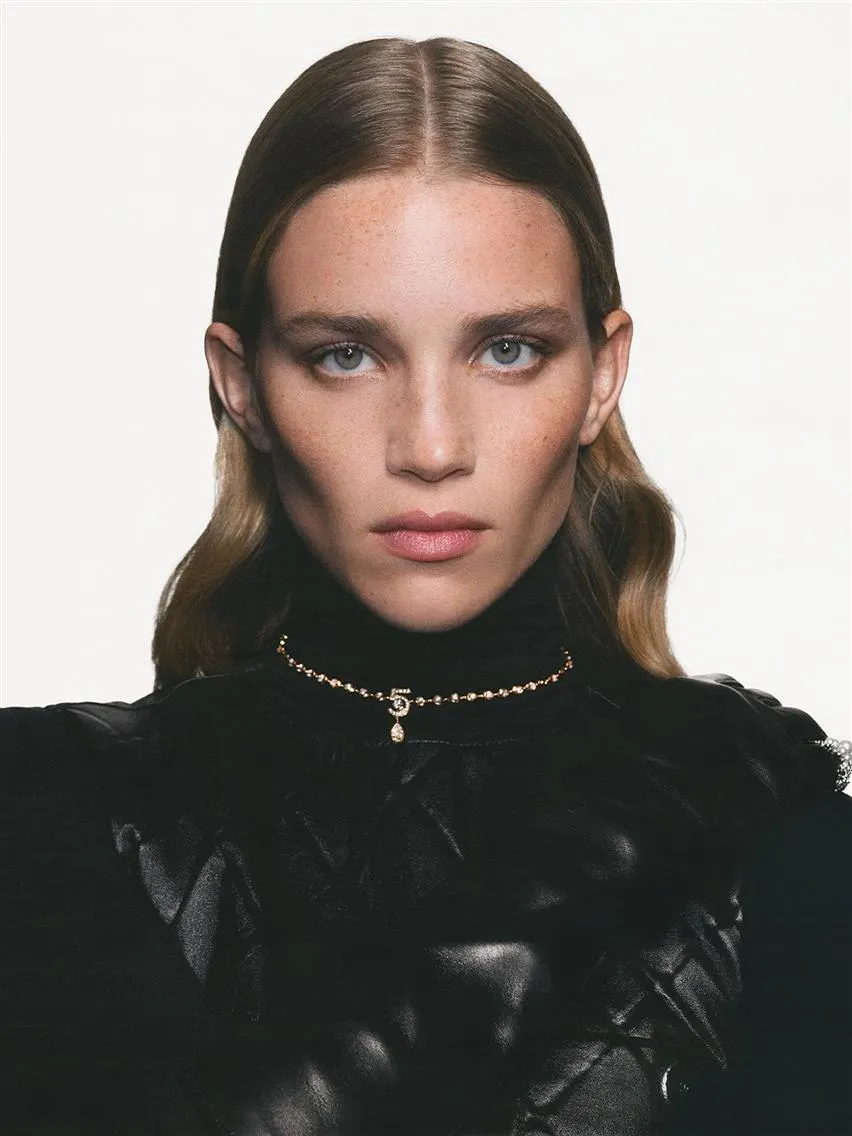
Chanel’s universe is all about composure and proportion. Light feels clean and intelligent, never indulgent. The mood mirrors the brand’s quiet self-assurance.
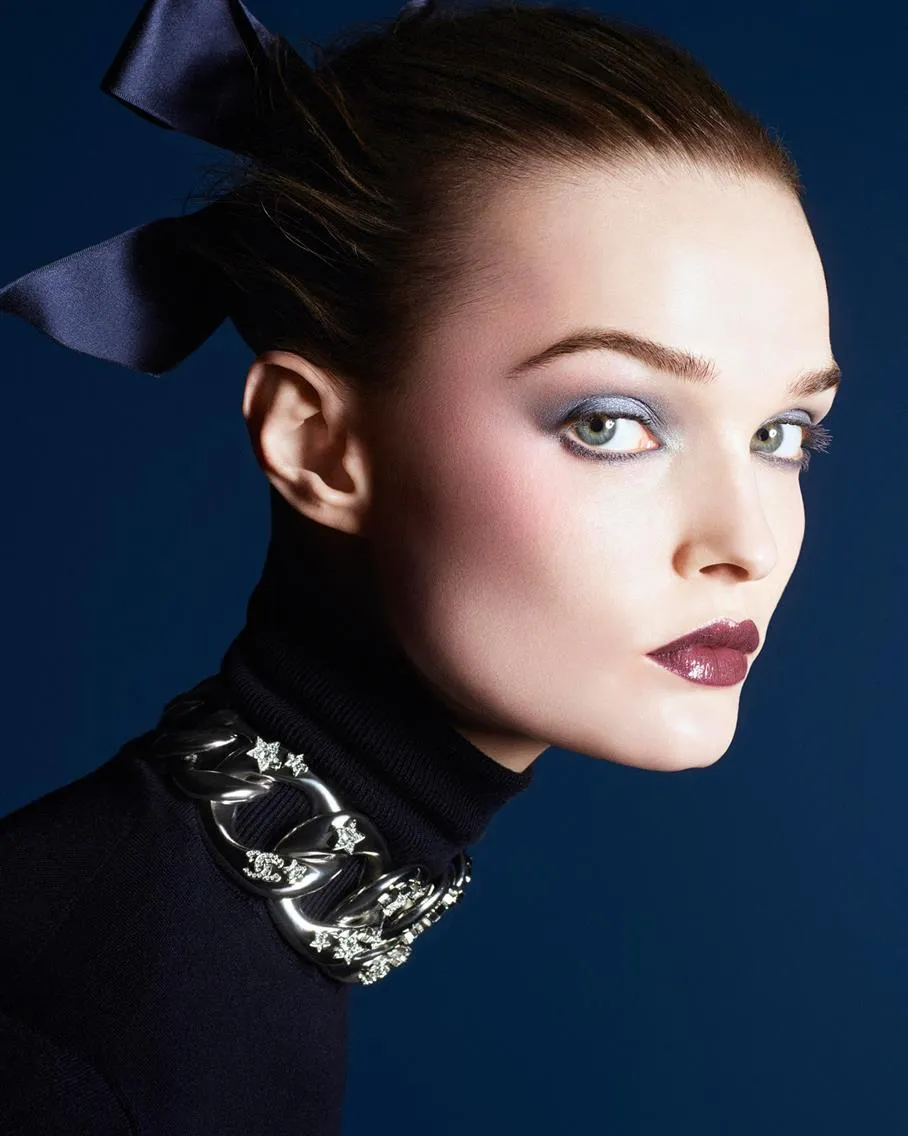
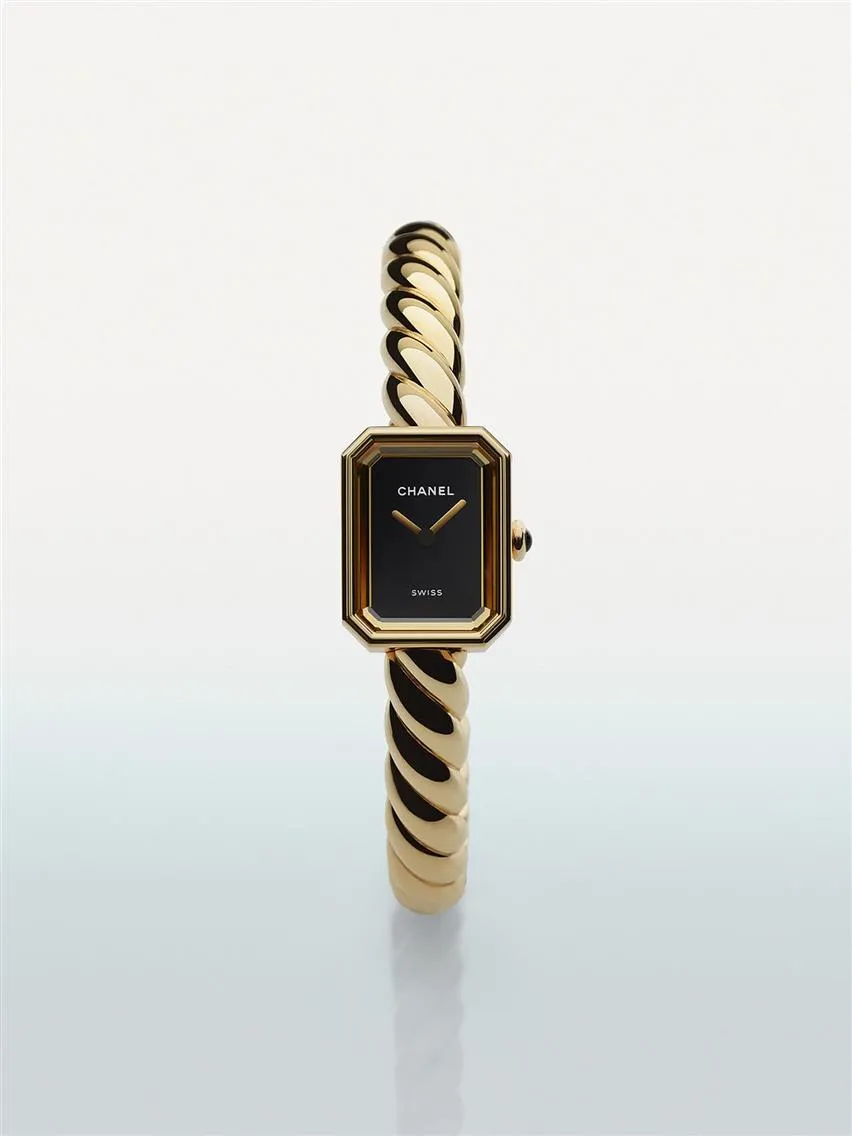
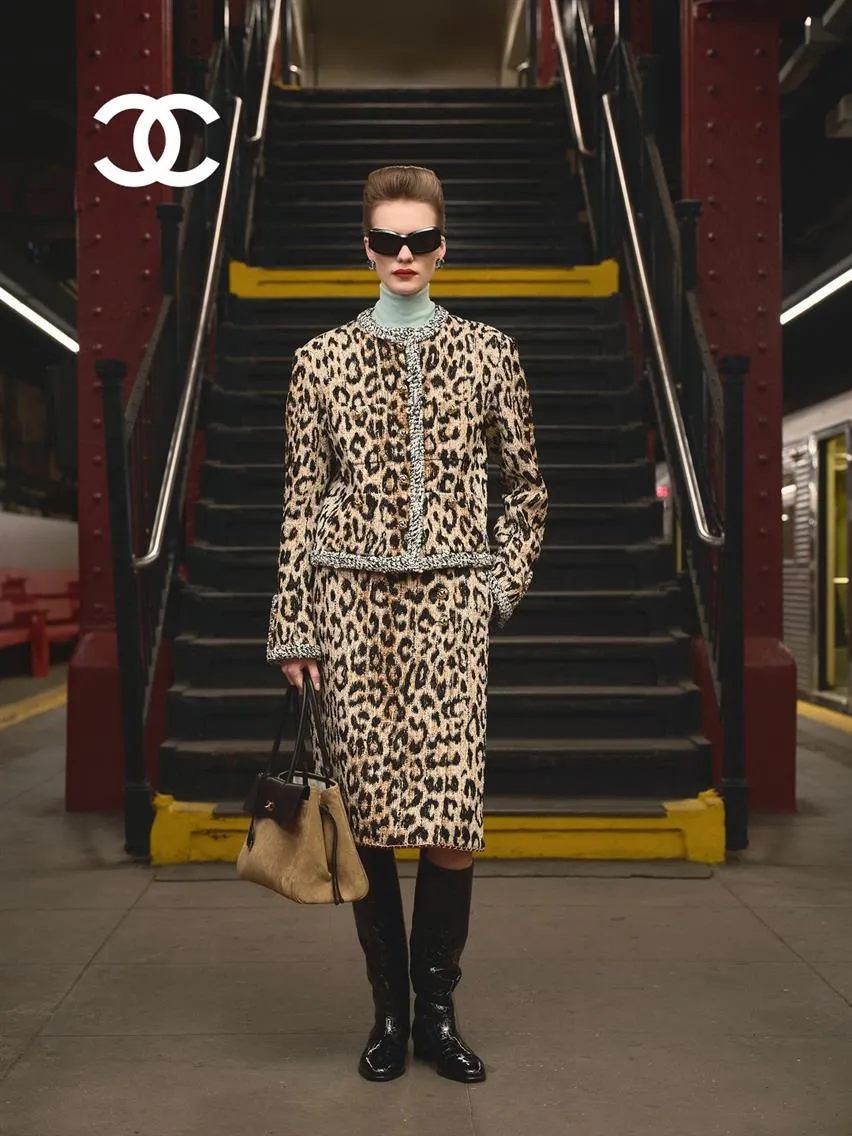
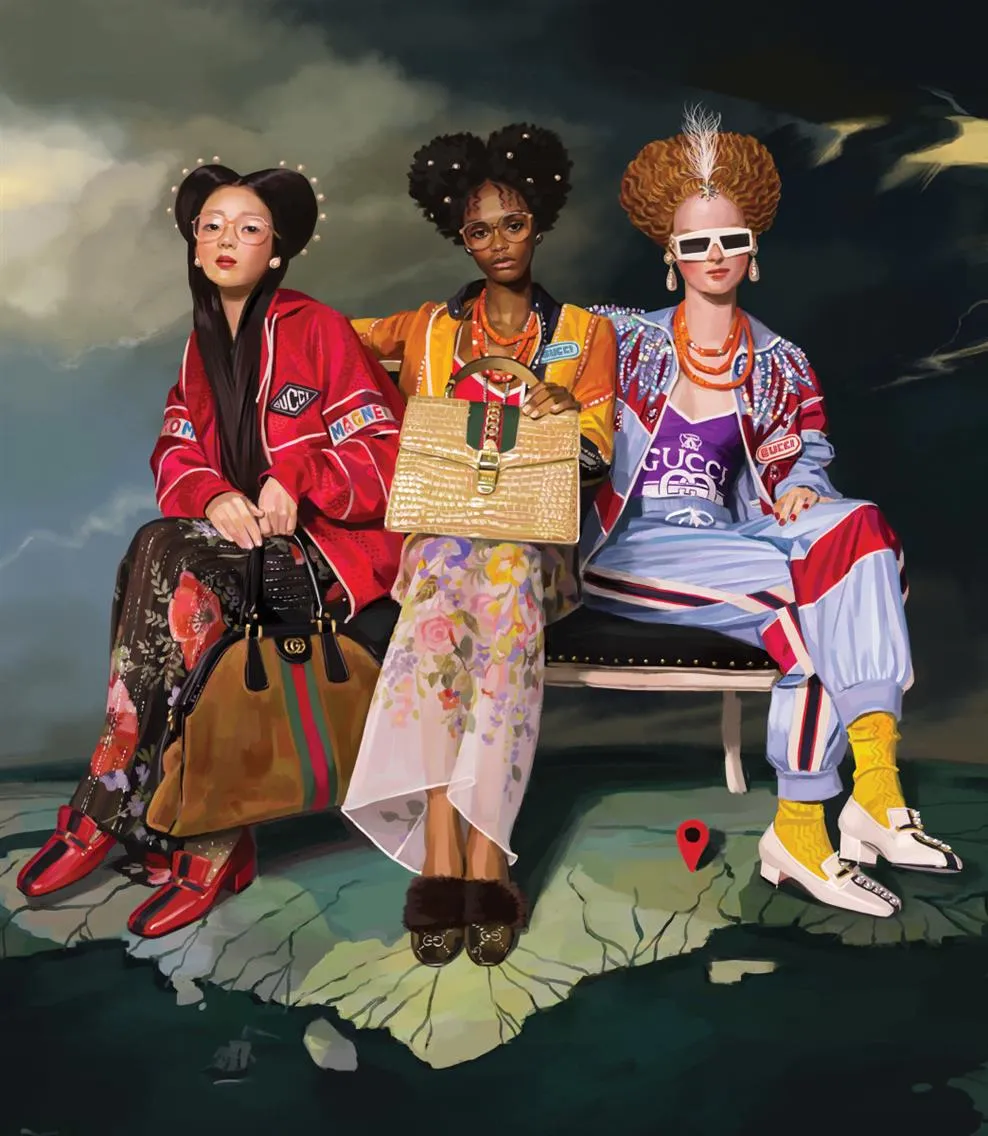
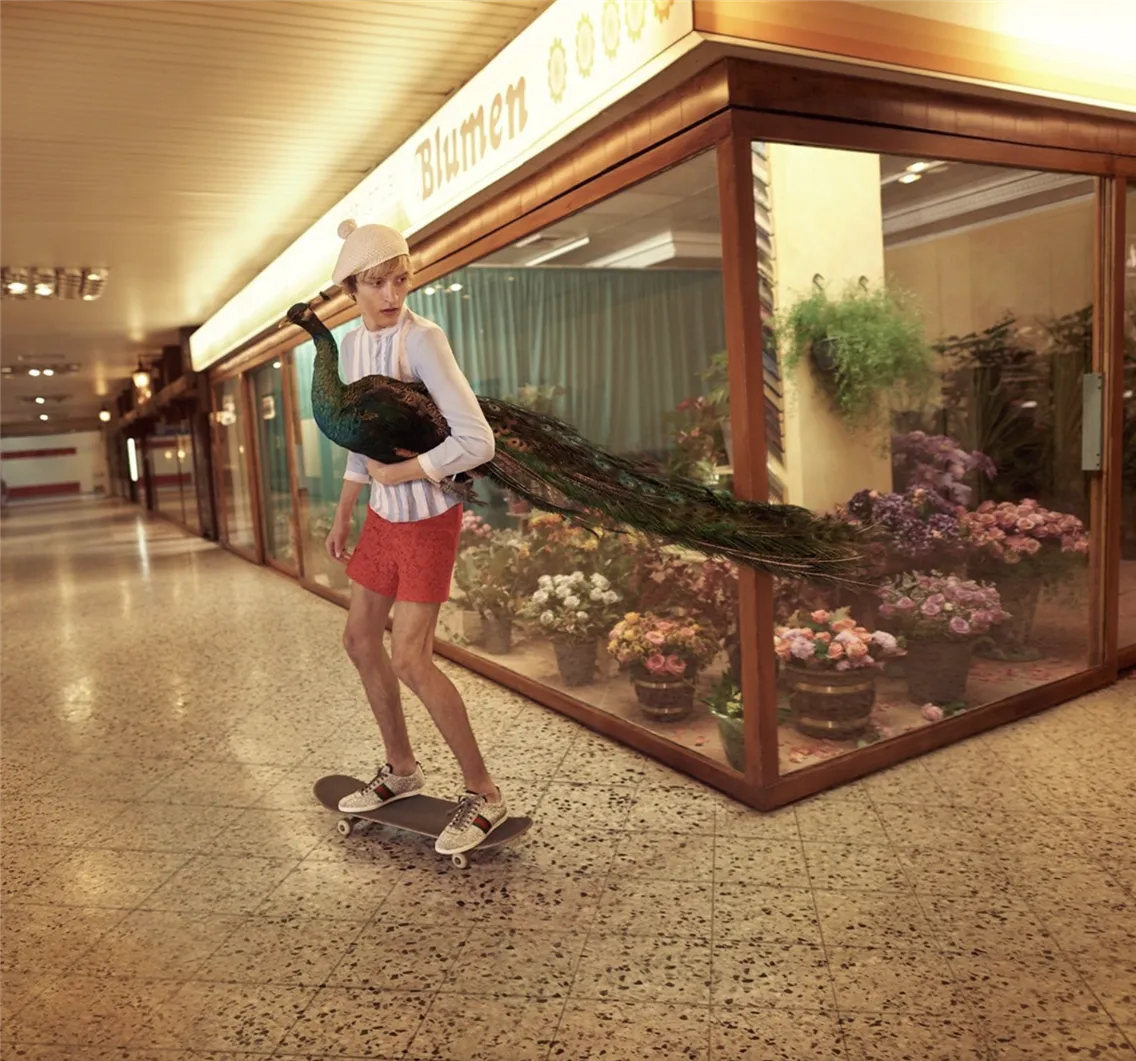
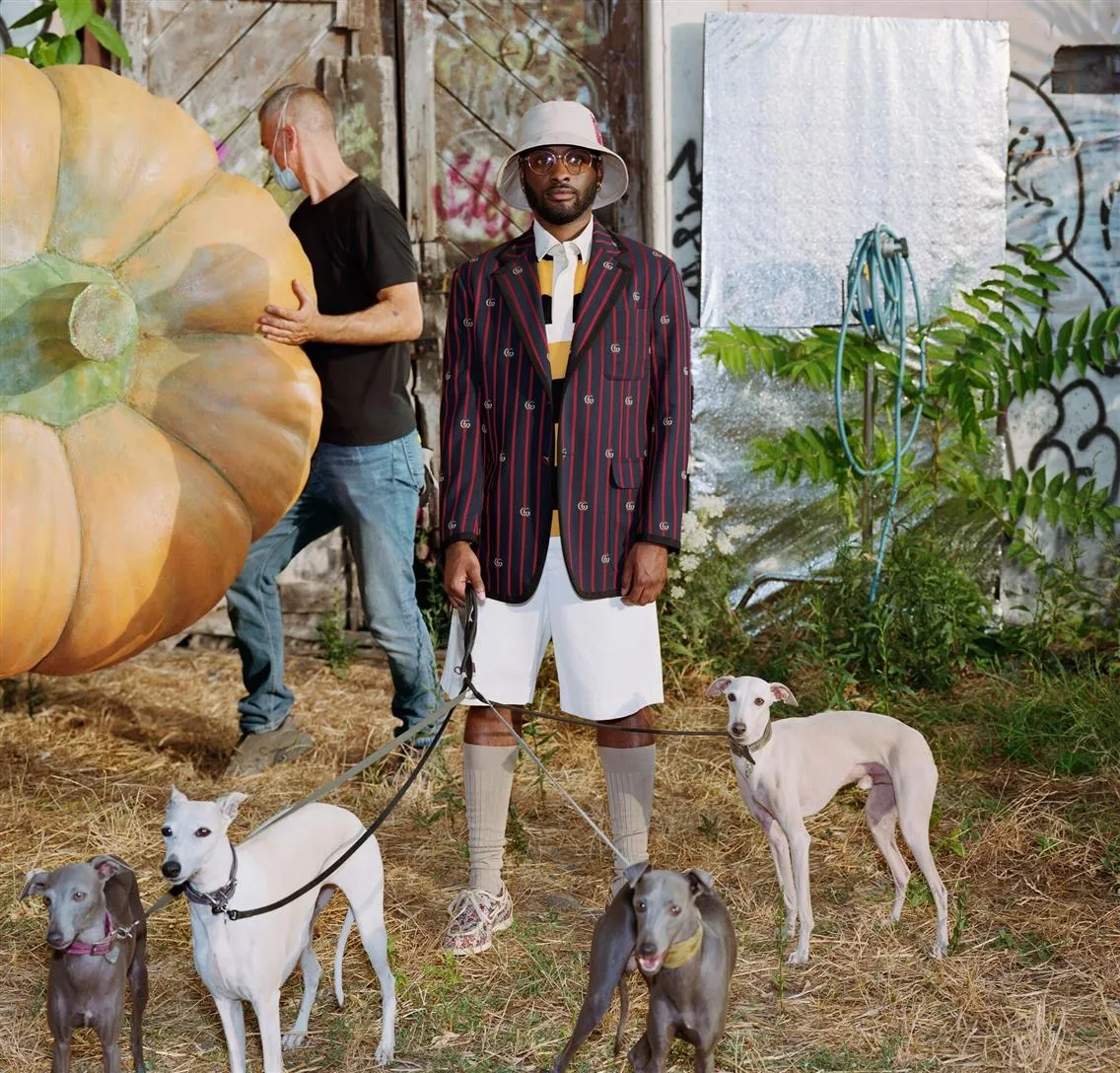
Gucci, under Alessandro Michele, went the opposite way — maximalist storytelling, saturated frames, deliberate chaos. The visual excess was still directionally consistent because it was rooted in a single idea: individuality.
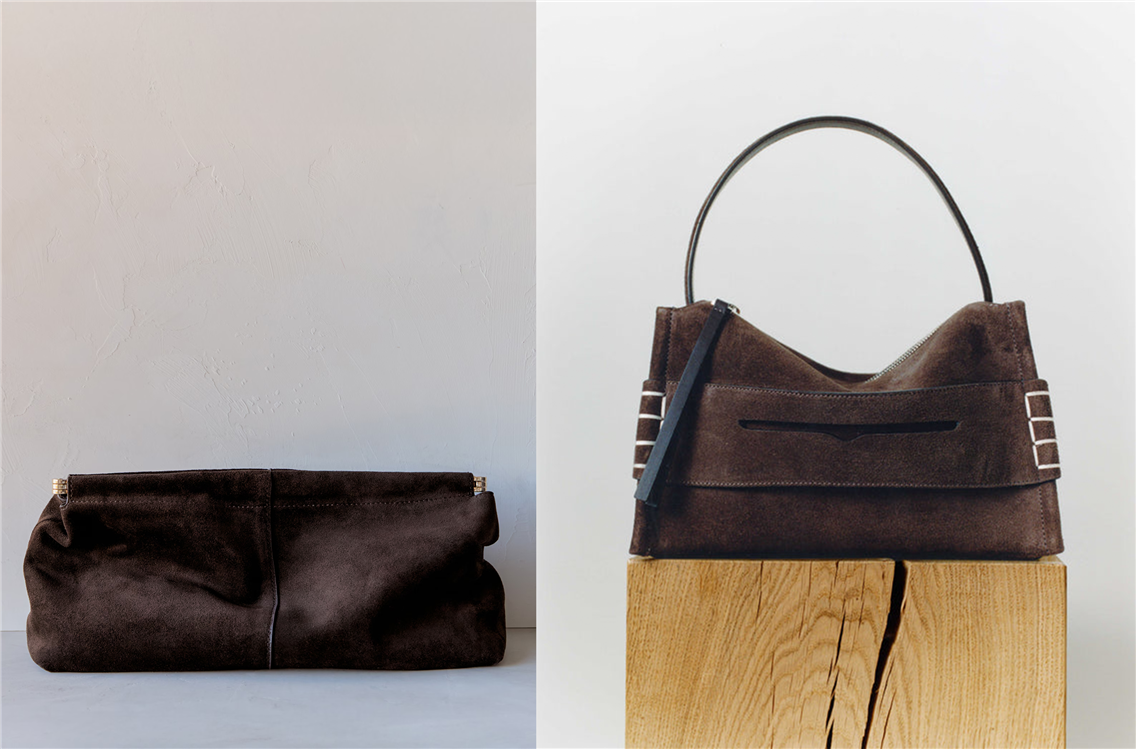
Bottega Veneta speaks through silence. The tone is architectural, the compositions built like still-life paintings. The absence of noise is the message.
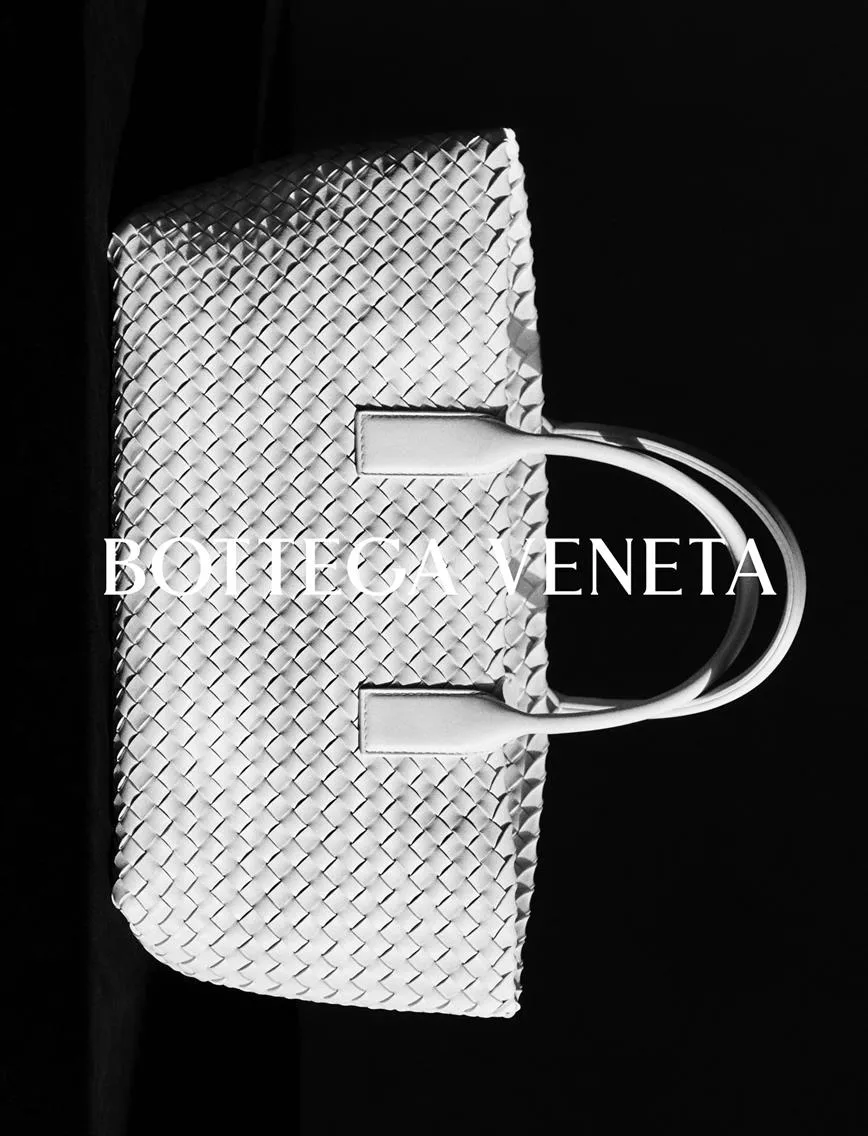
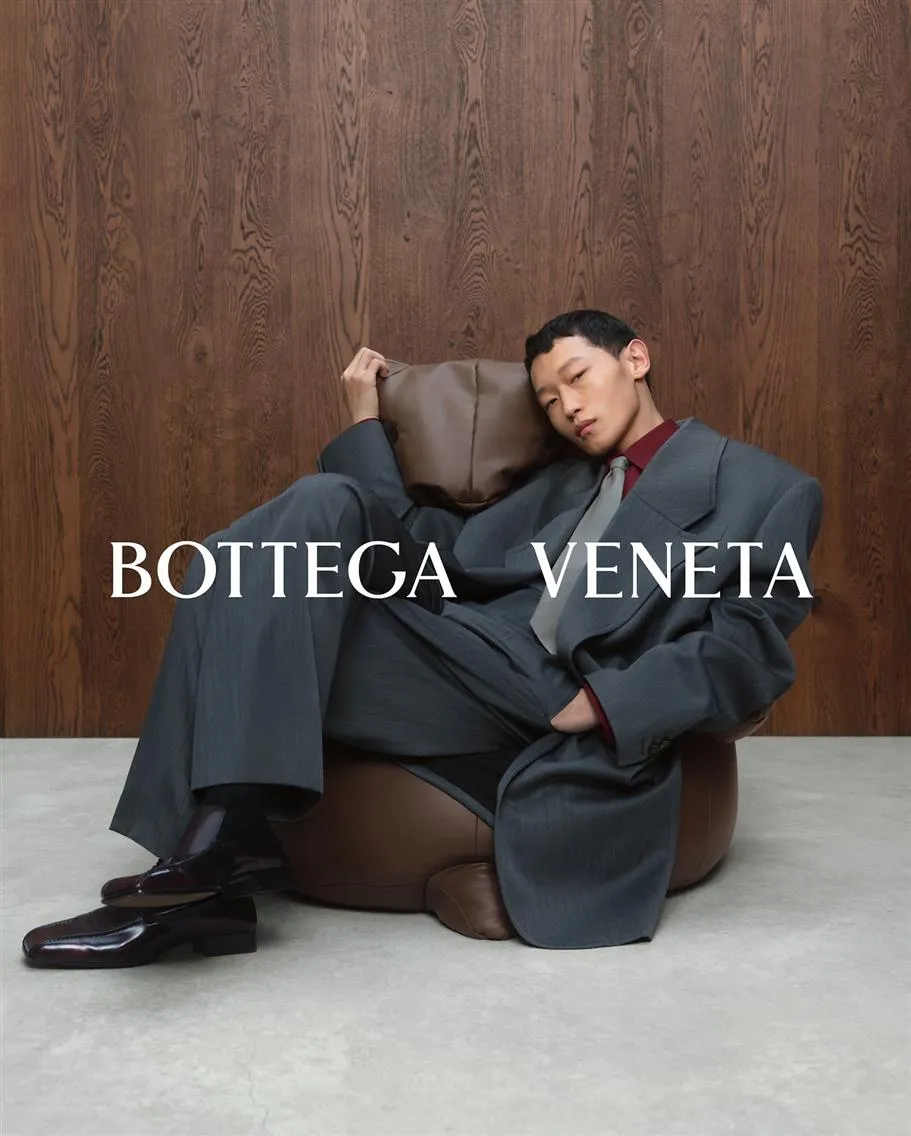
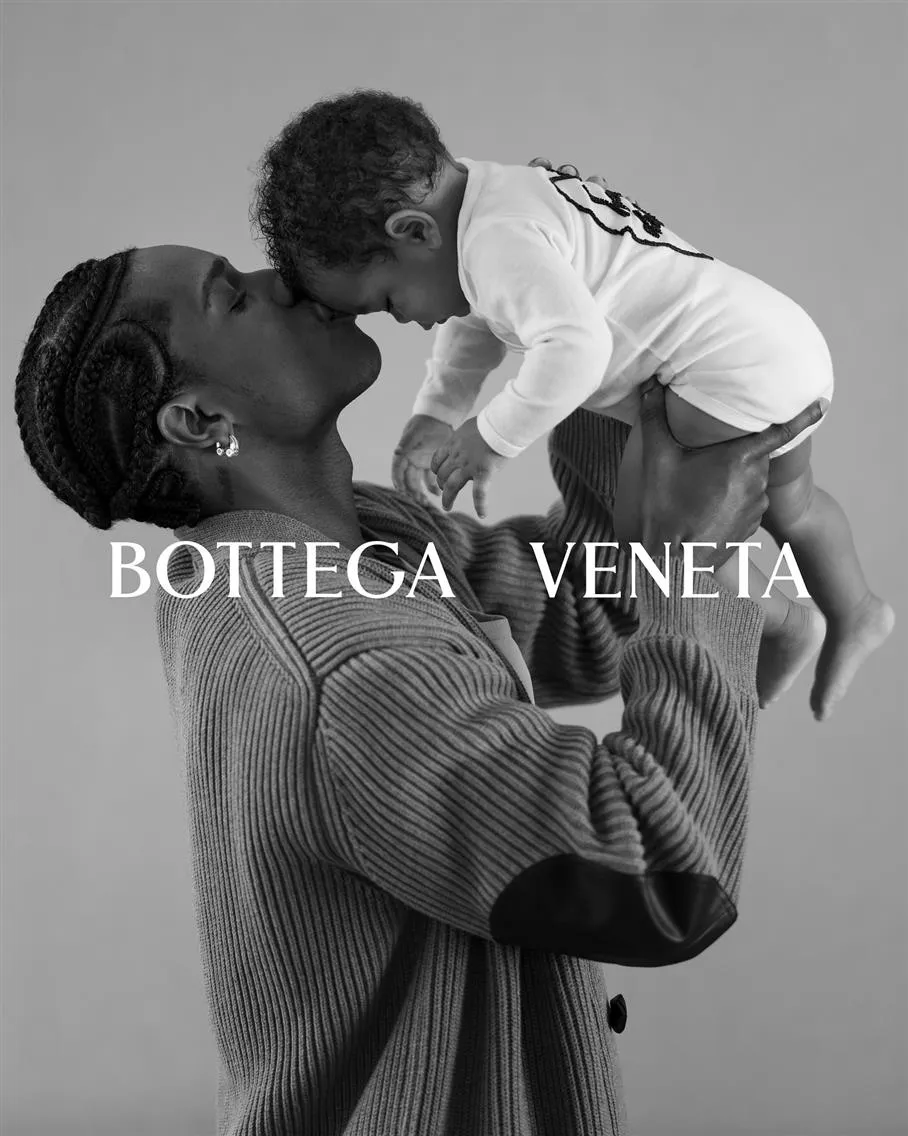
Each of these brands demonstrates the same core principle: in luxury, visual direction doesn't follow aesthetics — it defines them. The photography isn't illustrating the brand. It is the brand.
The Cinematic Approach at Luxurious Photography Studios
Every project begins with concept and mood, then moves through pre-lighting, prop styling, and technical tests before the first frame is captured. Nothing happens by chance.
A team operates like a film crew: photographers, lighting designers, stylists, and retouchers work in sync, each focusing on precision within their layer of the process. The coordination is what gives the final image its cinematic feel: detailed, structured, and emotionally consistent.
Luxury imagery requires that level of production management. The timing, hierarchy, and technical accuracy mirror what happens in a film production, and so do the expectations. When lighting, styling, and post-production all align under a single art direction, the result feels immersive and unmistakably premium.
At LenFlash, the studio is structured as a production house. Every project follows a defined creative process under a singular vision, so the final images carry the consistency that luxury brands require across every channel they appear in.
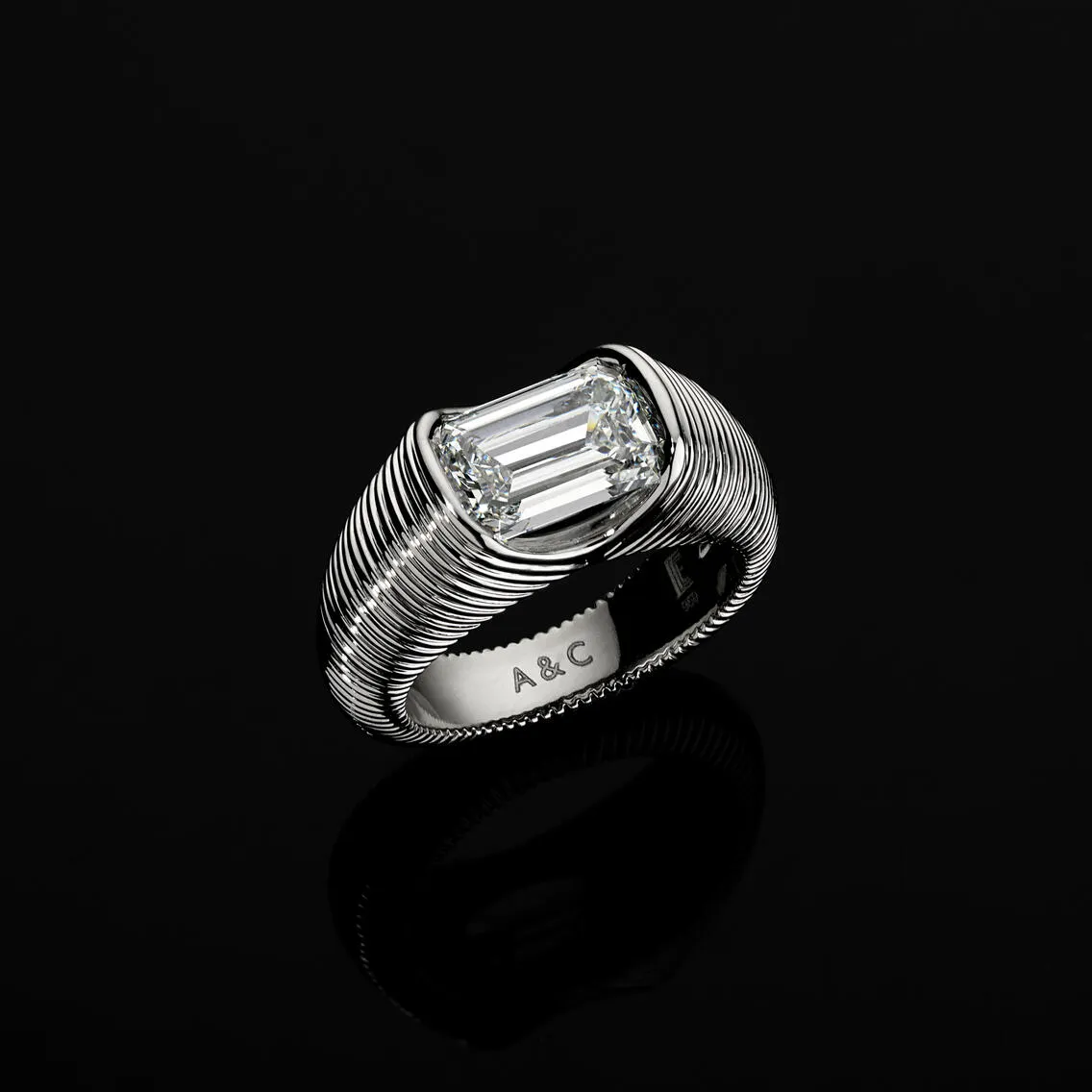
Related read: Luxury Fine Jewelry Photography
Production Workflow for Luxury Brand Teams
Luxury brands operate on compressed timelines — new collections, capsule drops, collaborations, pre-orders. The production workflow has to match that rhythm without compromising the standard the imagery requires.
A professional luxury studio functions like a production house, not a service provider. Each project runs through a defined sequence from pre-production alignment through delivery, with a timeline at every stage. Feedback is managed through a structured system rather than email chains and conflicting revision requests.
LenFlash operates LenFlashCloud for exactly this purpose — clients review images, approve selections, and request adjustments within a single project environment. Files are organized, versioned, and accessible to the full brand team in real time. For global teams where creative, eCommerce, and PR departments are all working from the same asset set, that structure prevents the visual drift that happens when feedback is fragmented.
The earlier the studio joins the process, the more coherent the output. Involving production at the concept stage — before briefs are locked and timelines are set — allows lighting approach, set design, and material choices to develop in alignment with the campaign direction rather than adapting to a brief written without those considerations.
For guidance on preparing products and briefs before a shoot: Product Shoot Preparation Guide
Why Luxury Photography Is Not Cheap to Produce
The cost of luxury photography reflects the number of people and the amount of time required to achieve the standard the work demands.
A single image may involve half a day of lighting adjustments before the first frame is captured. The difference between acceptable and exceptional often comes down to a one-degree shift in light placement or a subtle change in reflection angle. That precision requires specialists who understand what they are looking for — and the time to find it.
What the cost typically covers:
- Art direction — concept development, mood definition, and brand alignment before production begins: Art Direction Guidelines for Jewelry and Fashion Brand Photoshoots
- Team — art director, producer, photographer, stylists, hair and makeup artists, retouchers, and project managers working in coordination under one creative brief
- Set design and materials — backgrounds, surfaces, and props sourced or built for each shoot, particularly in a city like New York where location costs are significant: Why Your eCommerce Photography Needs a Set Designer
- Equipment — high-end cameras, macro lenses, calibrated lighting systems, and tethering infrastructure: Product Photography Equipment: The Complete Gear Guide
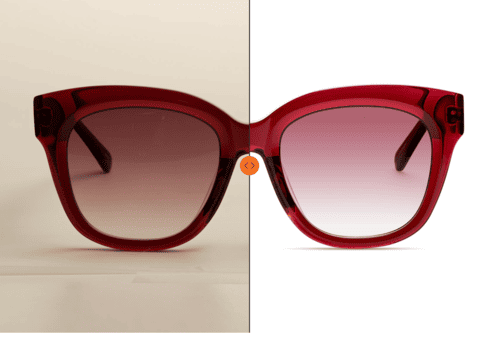
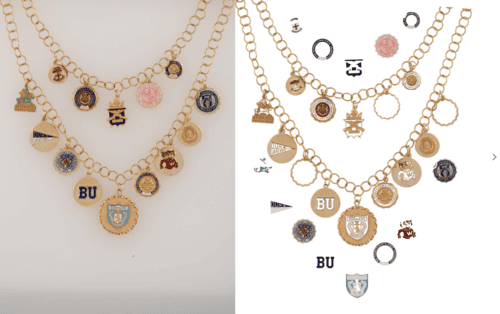
- Post-production — retouching that preserves material fidelity rather than replacing it: Advanced Product Photo Editing Techniques
The orchestration is the product. Every department must align to one creative vision, one tone, one material standard. When that alignment holds across a full collection, the result is a catalog that reads as designed rather than assembled. When it breaks, the inconsistency is immediately visible to the audience the brand is trying to reach.
For a full breakdown of how these roles work together on a commercial shoot: Understanding the eCommerce Photography Creation Process and Team Involved
Affordable Alternatives: AI-Powered Photography by LenFlash
Full-scale luxury productions are not always the right tool. A brand managing ongoing content needs across social media, seasonal updates, and regional market variations cannot sustain the budget and logistics of a full production for every asset requirement.
AI-assisted workflows address this by extending what a single production delivers.
How it works
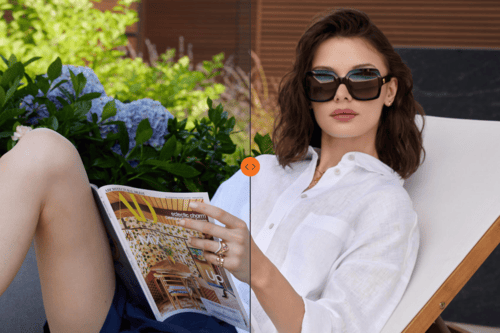
The process starts with properly executed catalog photography — on-white product shots, flat lays, or packshots shot and retouched to the brand's standard. From that foundation, AI production generates on-model lifestyle versions, environment variations, and seasonal adaptations without a separate shoot.
What determines the output quality
The quality ceiling is the source photography. Images shot with correct color calibration and retouching that preserves material character produce AI outputs that are visually consistent with the original work. Images that were not shot to that standard reflect those limitations in every AI output regardless of the tools used.
Where AI production fits and where it does not
Campaign work, hero imagery, and any production where brand identity, casting, and creative direction are central still requires a full team. AI extends what that production delivers across channels and timelines — it does not replace the original creative work.
For a full guide to AI visual production for brands: How Generative AI Powers Personalized Visual Content for Businesses and How AI is Reshaping Fashion Photography Now
Luxury Product Photography FAQ
What separates luxury product photography from standard commercial photography?
The standard for technical execution is higher, but the more significant difference is intentionality. Standard commercial photography is optimized for clarity and platform compliance. Luxury photography is optimized for perceived value — every decision about light, composition, surface, and color exists to reinforce what the product represents, not simply to show what it looks like.
How early should a luxury brand involve a photography studio?
As early as possible. Bringing production into the process at the concept stage allows lighting approach, materials, and set design to develop in alignment with the campaign mood rather than adapting to a brief that was written without those considerations. The earlier the involvement, the more coherent the final work.
Can AI-assisted production maintain luxury visual standards?
When the source photography is executed correctly, yes. The AI output inherits the color calibration, material representation, and tonal character of the original images. When the source photography is generic or inconsistent, AI amplifies those problems rather than correcting them. The source shoot is the quality ceiling.
What does luxury product photography cost?
The range is wide because the scope varies significantly — from a focused catalog production to a full multi-day campaign with location, talent, and editorial output. The relevant question is not cost per image but cost relative to what the imagery needs to do: the channels it will serve, the time period it will remain in use, and the positioning it needs to support. LenFlash provides real-time quotes online.
How is retouching handled for luxury products?
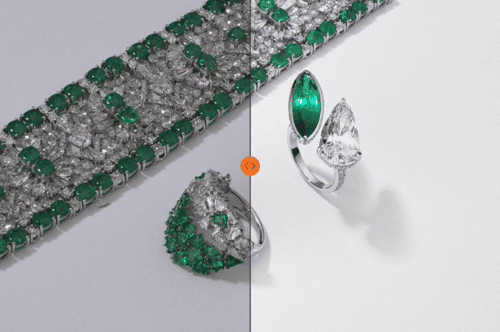
The standard is preservation, not enhancement. Dust removal, reflection correction, tonal consistency across a collection — these are standard. Color correction referenced against the physical sample is essential for accuracy. What luxury retouching avoids is artificial enhancement: added sparkle that was not captured in the original, skin retouching that removes material character, or metal smoothing that loses surface texture. For a detailed guide: Jewelry and Watch Retouching Guide