


What Does a Producer in eCommerce Do? Exploring Key Responsibilities
Most brands commissioning a photography production focus on the creative output: the images, the lighting, the styling. The producer is the person responsible for whether that output actually arrives on time, within budget, and in the format every platform requires. They are rarely the most visible person on set. They are almost always the reason the shoot runs.
This article covers what a producer does across all three stages of a commercial production — pre-production, on-set, and post-production — and what brand clients should understand about how the role works before briefing a studio.
Part of our complete guide: Understanding the eCommerce Photography Creation Process and Team Involved
What a producer is responsible for
The producer's primary job is converting a creative brief into a functioning production. That means taking the vision established by the creative director and turning it into a detailed plan with a budget, a schedule, a team, and a location — before anyone picks up a camera.
In practice, this involves more decisions than most brand clients realize.
Who gets hired for which role?
What the day's shooting order looks like given the number of SKUs and the setup changes required between them?
What happens when a model cancels the morning of the shoot?
How the retouching brief gets communicated to post-production so the editing matches what was approved on set?
These are operational decisions, and they have direct consequences for the quality and consistency of the final images.
Expert Planning and Coordination
Producers are the architects of smooth workflows, the ones who plan every move down to the smallest detail, ensuring that every person, tool, and task fits into place like a well-oiled machine. With their careful planning, they make sure the project stays on track.
Staying on Budget
A great producer knows how to stretch every dollar, making sure your budget is spent wisely without compromising on creativity. They monitor costs and make strategic decisions that balance quality and expense.
Problem-Solving Under Pressure
Things don’t always go according to plan. But when problems arise — whether it’s a sudden change in direction, an unexpected weather delay, or an issue with the equipment — the producer should be the lighthouse in the storm. Producers are the ones who think on their feet and find solutions that keep the project on track. It’s their quick decision-making and resourcefulness that ensures the show keeps going, no matter what curveballs come their way.
Delivering Results
At the end of the day, producers are responsible for turning your ideas into tangible results — high-quality visuals that work. It’s about making sure every piece of content aligns with the brand’s vision and business purposes.
A shoot without a producer tends to show its problems in the output: reshoots because the brief wasn't translated into a clear production plan, delays because scheduling wasn't built around the actual shoot requirements, inconsistency because different sessions weren't coordinated against the same visual standards
Pre-production: where most of a producer's work happens
The majority of what determines whether a shoot succeeds happens before production day. Pre-production is where the producer builds the operational structure that everything else runs on.
Defining the Vision
Before any shooting happens, the producer works closely with a creative director and CEO to clarify the goals of the project. What do you want to convey through this photo or video? What message should your visuals communicate to your target audience? The producer makes sure that everyone is aligned with the brand’s vision, so the shoot will move forward with purpose and direction.
Planning the Budget for eCommerce Photo and Video Production
One of the most critical stages of any project is determining how resources will be used. The producer breaks down the budget, considering everything from location fees to the cost of hiring talent. This ensures that the project stays within financial goals, while still delivering high-quality results.
Building the Perfect Team
Choosing the right people for the job is another crucial responsibility of the producer. From selecting photographers and stylists to coordinating with videographers, the producer ensures that the right mix of talent is brought together to execute the project flawlessly. Whether it’s a fashion shoot, a product launch, or a lifestyle video, the producer assembles the perfect team to make it happen.
Finding the Perfect Location
Producers are also responsible for securing locations that fit the brand and the creative direction of the shoot. They ensure that every location complements the message, whether it's a studio setup or an outdoor setting. This also includes handling all necessary permits, ensuring the location is accessible, and making the environment as productive as possible.
Creating a Schedule
A well-organized schedule is essential for any shoot. The producer maps out the day’s events, from setup to final shot, ensuring that everyone is on the same page. A carefully planned schedule ensures that time is used effectively, keeping everything on track so the project stays on deadline.
Team Coordination
Producers are the glue that holds the team together. They facilitate communication between all members, ensuring that everyone — from creative talents to business stakeholders — remains aligned to pursue goals. This allows the creative team to focus on what they do best.
On-Set: Keeping Everything Running Smoothly
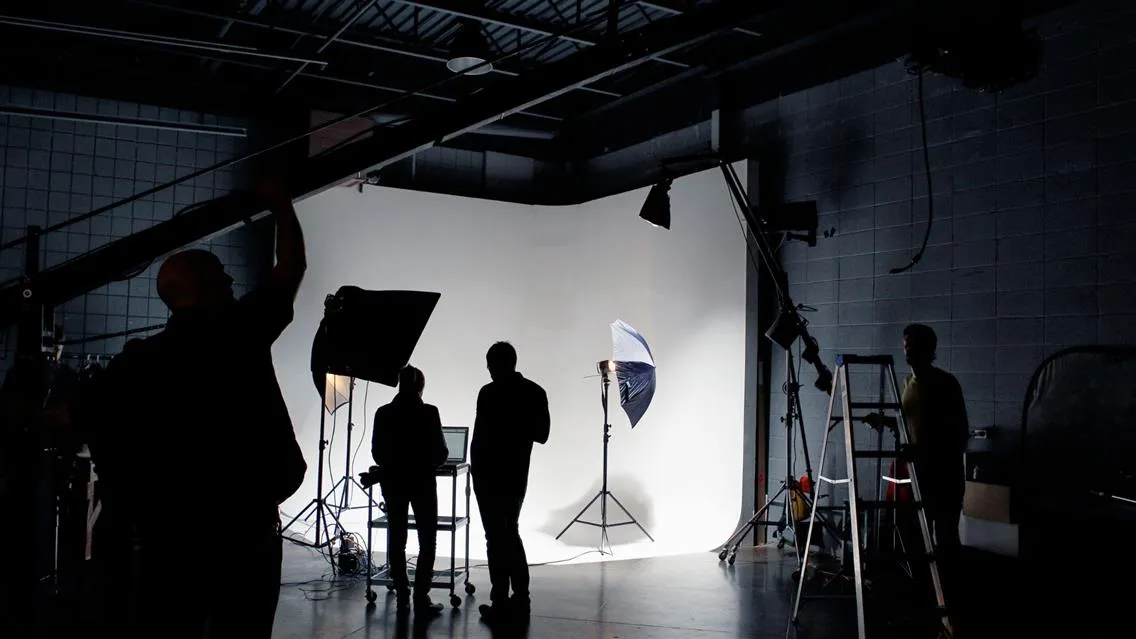
On production day the producer's job shifts from planning to management. They are the operational center of the set, not directing the creative work, but ensuring the environment in which creative work can happen stays functional.
Practically, this means monitoring the shooting pace against the schedule, coordinating between departments when something needs to change, solving logistical problems before they reach the photographer, and communicating with the brand client when decisions need sign-off. The creative director is managing what is in the frame. The producer is managing everything that makes it possible to be in front of the frame.
Staying on Time
They have a sharp focus on the big picture, keeping things moving efficiently so that deadlines are met, no matter how tight. But staying on time doesn’t just mean rushing through tasks. It’s about managing every moment of the day, ensuring that each shot or take is perfect before moving forward. Producers make it all seem effortless, but in reality, it’s their meticulous planning and constant attention to detail that keeps everything running like clockwork.
Handle Logistical Concerns & Problem-Solving in Real Time
No matter how much you prepare, things don’t always go according to plan. They’re the calm in the chaos, addressing any issue that arises with quick thinking and creative solutions. Their ability to solve problems on the fly ensures that no hiccup derails the project, keeping everything on track and moving toward the final goal.
Ensure That The Creative Direction Aligns With The Business's Expectations
While the creative team is focused on bringing the vision to life, producers are constantly making sure that everything aligns with the brand’s broader goals and business expectations. They act as a vital bridge between the creative side and the business side of the project, ensuring that the visuals produced are not only visually stunning but also on-message and aligned with the overall strategy.
Facilitate Communication Among Team Members and Team Coordination
At the heart of every successful project is a cohesive team. Producers make sure that everyone — from photographers and stylists to videographers and assistants — is communicating effectively and working towards a shared vision. This means not only facilitating communication between team members but also ensuring that everyone stays focused on their tasks. Producers are skilled at maintaining momentum, ensuring that the team stays in sync and that every step of the process flows smoothly.
Post-Production: Turning Good Work Into Great Results Delivering
You’ve wrapped the shoot, and everyone’s packing up. The hard part’s over, right? Not quite. Post-production is where all that effort turns into the polished, professional visuals your audience will actually see.
A producer holds everything together during this critical stage. They’re the ones ensuring that your images and footage are formatted perfectly, tailored for your specific needs. Every platform has its quirks, and the producer makes sure your content is ready to shine, no matter where it’s headed.
At the end of the day, the producer guarantees that what the business owner gets is exactly what it has asked for.
Producer vs. Creative Director: Don’t Confuse These Roles!
The roles of Creative Producer and Creative Director, while collaborative, differ significantly in their scope, strategic influence, and hands-on involvement.
A Producer acts as the execution specialist, bringing creative projects to fruition through diligent management of the production process.
- Their expertise is best suited for photo, video, and multimedia content production, where they oversee timelines, budgets, and logistics.
- Responsibilities encompass ensuring smooth photo and video shoots, close collaboration with creative teams (including photographers, videographers, and stylists), and meticulous post-production oversight to guarantee the final visuals align with the brand's standards.
- They typically report to a Creative Director or Marketing Leads.
In essence, the producer is hands-on, focused on the practical aspects of execution, logistics, and translating creative concepts into tangible realities.
Conversely, a Creative Director:
- Functions as the visionary leader, responsible for developing the overarching creative vision and maintaining brand consistency across all platforms.
- Their expertise shines in establishing brand identity, crafting compelling narratives, and spearheading multi-channel campaigns.
- The Creative Director defines the "big picture" for visuals and messaging through creative strategy and brand vision development.
- This role typically reports to the CMO (Chief Marketing Officer) or CEO.
Fundamentally, the creative director is focused on high-level strategy, shaping a brand's creative direction across all platforms.
In short, the Producer is the one who "gets things done" through meticulous logistics, coordination, and execution, while the Creative Director "sets the vision" by defining the concept, strategy, and brand storytelling.
For an explanation of how creative direction and art direction work in commercial photography production: Creative Director vs Art Director in Commercial Photography
Questions Every Good Producer Asks
A producer working from a solid brief needs answers to a defined set of questions before pre-production can begin. The most important ones:
The most important ones:
What is the total SKU count and how are products grouped by setup requirements?
What platforms and retailers will the images be submitted to, and what are the specific spec requirements for each?
What is the fixed budget and what is the contingency?
What is the delivery deadline and does it include revision rounds?
Are there existing brand guidelines or visual references that define the approved aesthetic?
These questions are not formalities. Each one determines a production decision that affects cost, timeline, or output quality. A producer who doesn't ask them is building the production on assumptions that will surface as problems later.
How LenFlash handles production management
At LenFlash, production management is built into the studio workflow rather than treated as a separate engagement. When a brand submits an order, the production scope is defined through the online ordering system — shot types, product count, retailer requirements, turnaround timeline. That brief goes directly into a production plan managed by our team.
Photography, retouching, and delivery all run through a single workflow. Feedback and approvals are handled through LenFlash Cloud, where brand clients can review images, annotate revision requests, and approve final assets without coordinating between multiple vendors or tracking version changes across email threads.