

Luxury Brand Strategies vs. Mass Market Visual Marketing Strategies
A tint on a product photo background can tank a luxury launch. Mass market customers buy more when shown fewer styling options, not more. These are not things you learn from marketing textbooks, they come from watching photography decisions produce measurable consequences across a lot of productions.
The brands that get this wrong almost always make the same mistake: they choose a visual strategy based on what they want to be rather than what their customer needs to see. A luxury brand that photographs like a mass market retailer quietly signals that its price point is not credible. A mass market brand that shoots like a luxury house leaves its customers without the practical information they need to actually buy.
The difference is not about budget. It is about what each audience is anxious about, and what the photography needs to resolve before they leave the page.
Part of our complete guides: What Luxury Product Photography Actually Involves and The Ultimate Guide to eCommerce Product Photography
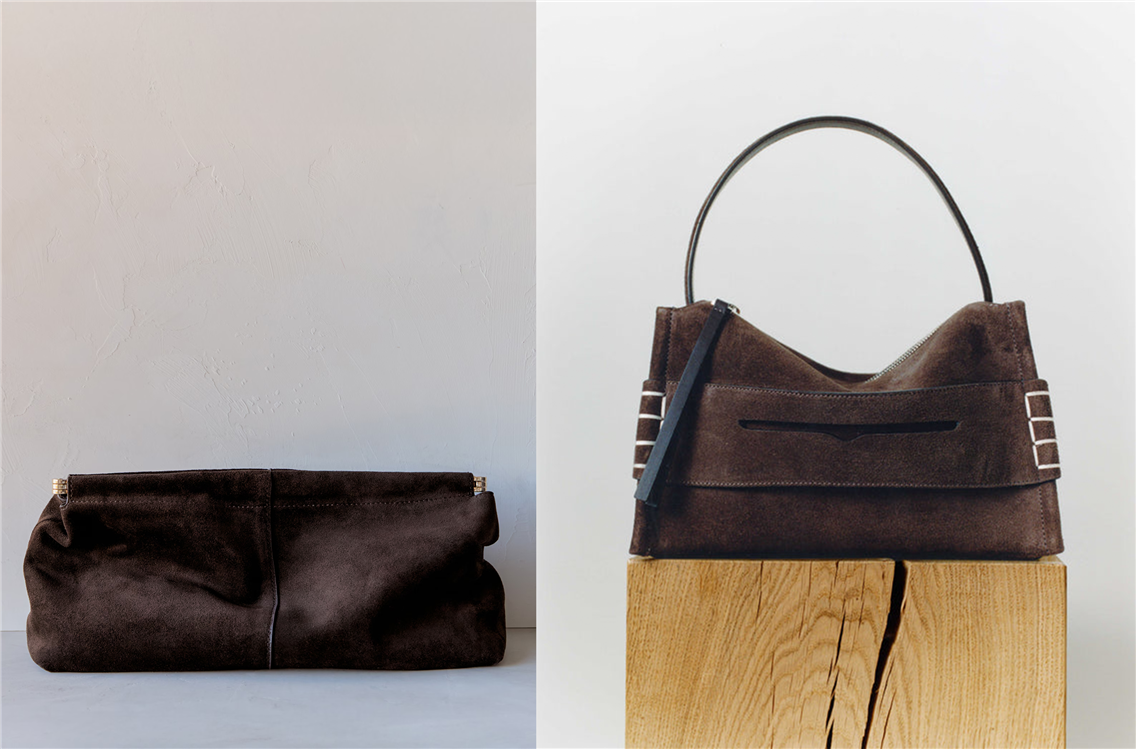
How Visual DNA Embodies Market Positioning
When Burberry nearly destroyed their brand in the early 2000s by letting counterfeiters flood the market, they did not fix it with better lawyers. They overhauled their visual strategy entirely — new photography style, different model casting, different approach to product shots. They understood that brand perception lives in visual details most people never consciously notice.
We have worked with brands that spent millions on product development, only to have everything photographed against generic white backgrounds with flat, even lighting. Those brands came to us after previous contractors failed to capture their actual value, and their customers assumed the products were inexpensive based on photography that signaled affordability, not quality.
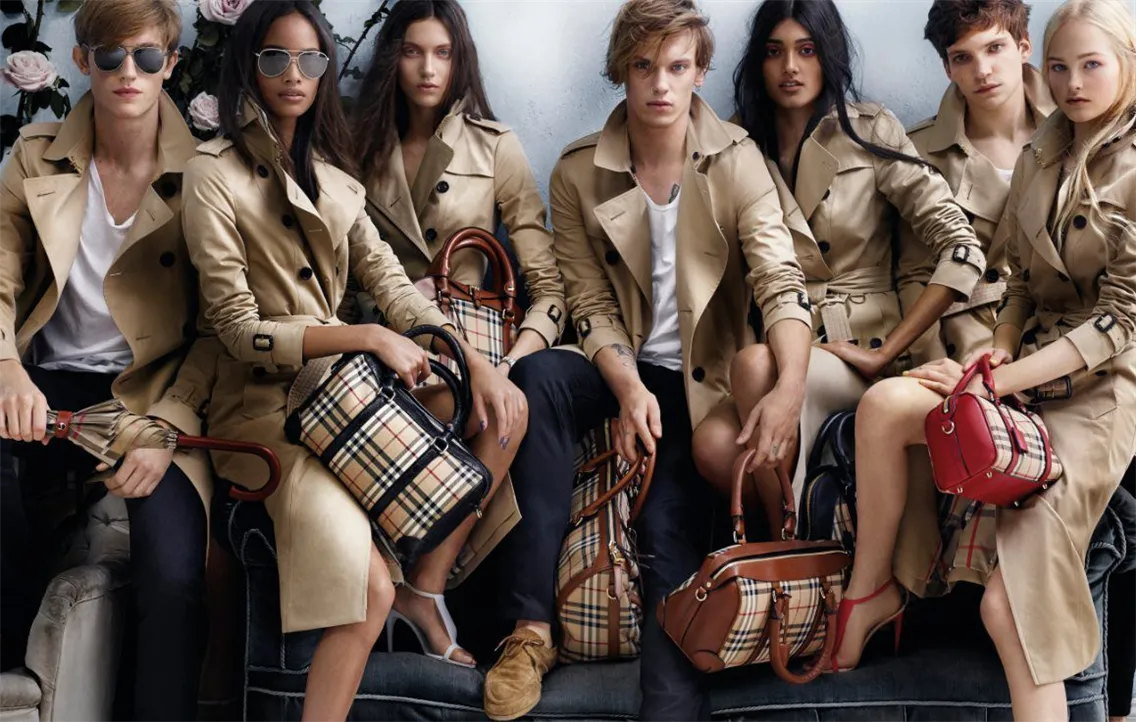
The difference between luxury and mass market is not just about price. These are completely different approaches to visual communication because they address fundamentally different customer needs.
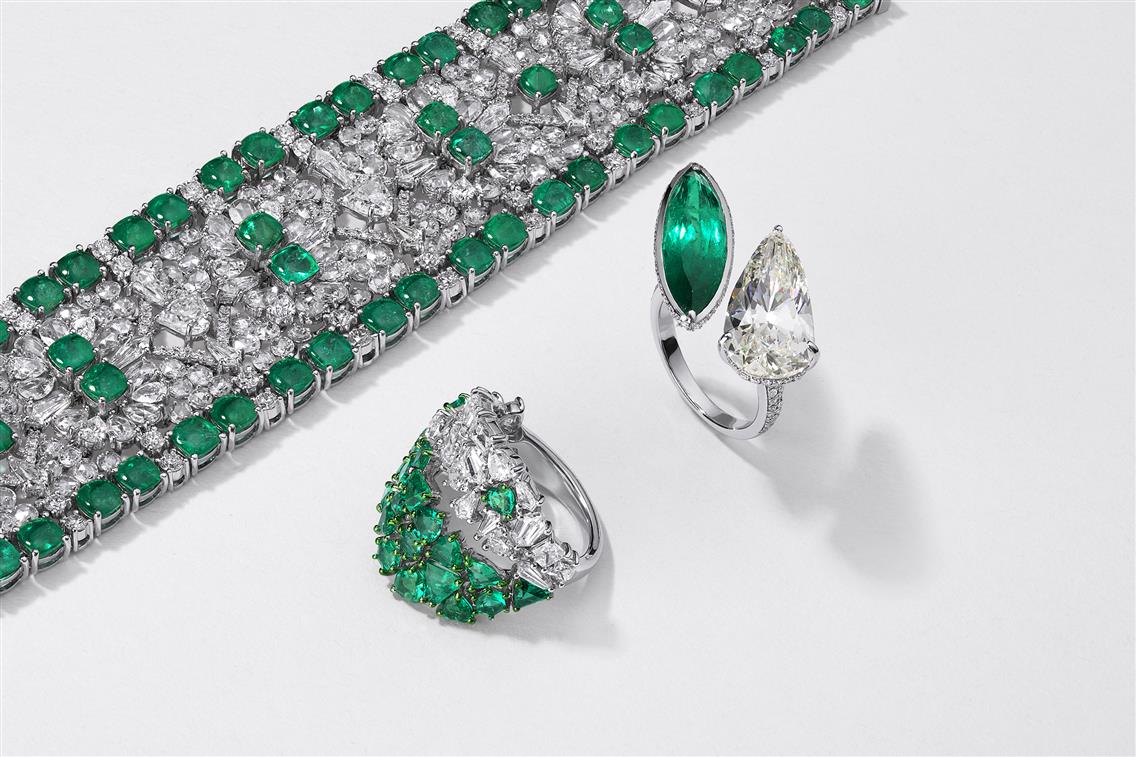
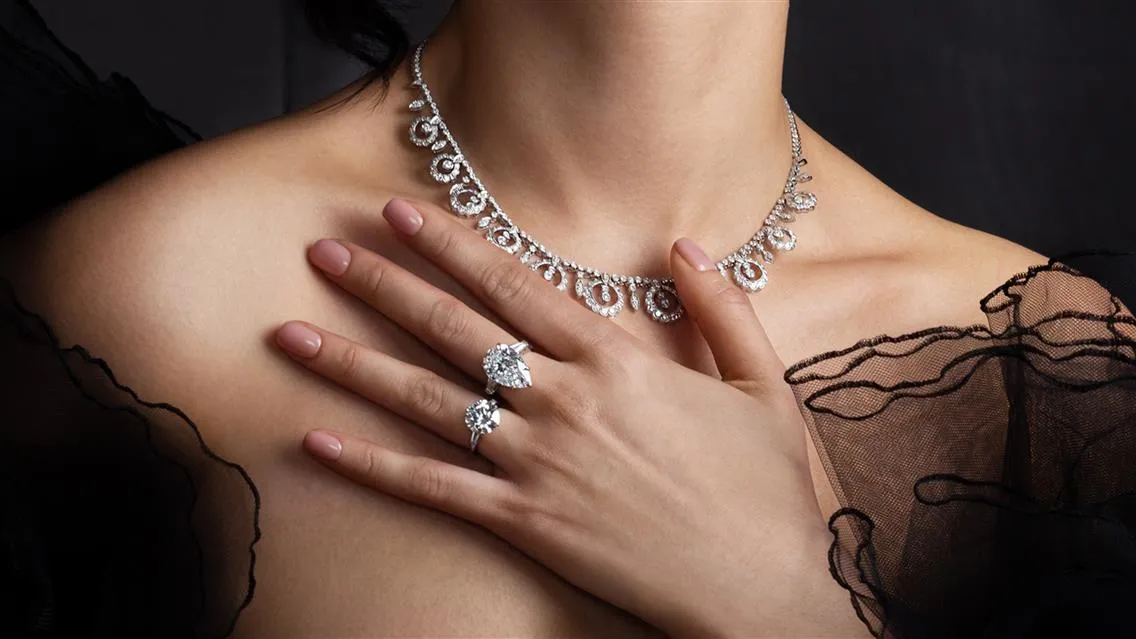
The luxury approach centers on restraint and obsessive detail. Fewer product shots per page, but each one represents significant investment and strategic thinking. On luxury shoots, the art direction team can spend hours getting shadow angles perfect on a watch face, because that level of detail comes through in ways customers cannot articulate but definitely feel.
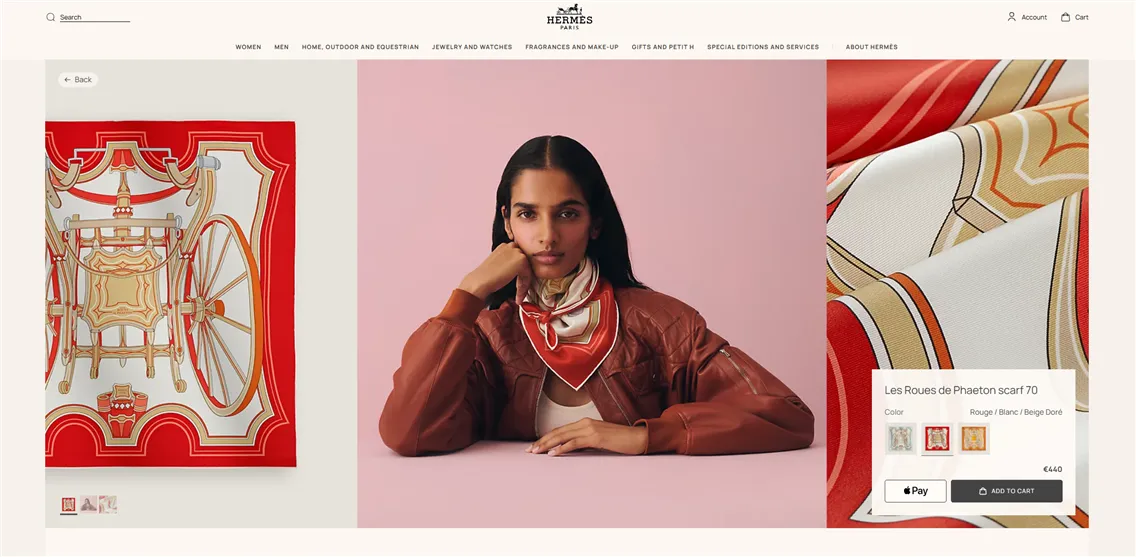
That Hermès product page with three carefully selected photos, and those 3 images cost more to produce than fifteen mass market shots, because each one undergoes extensive art direction, premium styling, and rigorous post-production.
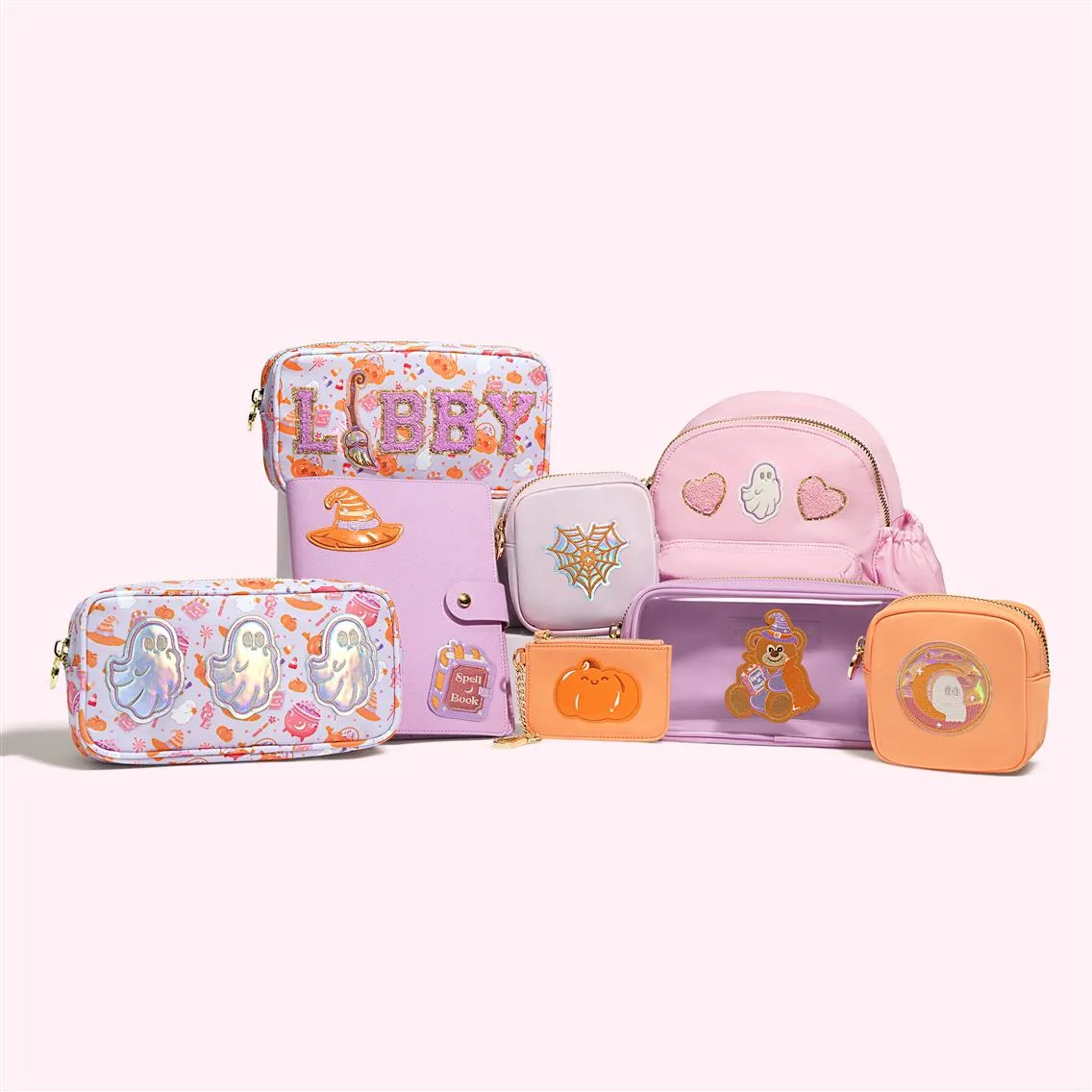
Mass market brands face completely different challenges. They need to speak to everyone while maintaining a coherent brand identity. Mass market visual strategy comes down to clarity. No artistic shadows, no mysterious lighting, no ambiguous product shots. Show items from every angle because customers need to know exactly what they are buying before clicking purchase.
We worked with a client from a major retail company who previously used an artistic boutique photography studio. Their fall campaign used moody lighting and editorial compositions, visually striking but practically useless for the audience. Return rates spiked 35 percent because customers could not accurately judge fit, color, or quality from the photos. The best mass market photography makes comprehensive product documentation feel effortless, it builds the trust that drives volume sales.
What Each Audience Needs From Photography
Luxury and mass market shoppers arrive at a product page with entirely different anxieties. Good visuals anticipate those concerns and resolve them before the customer hesitates or clicks away.
What luxury customers need
Luxury customers are not simply deciding whether a product is functional. They want proof that a purchase aligns with their identity.
They want to know whether the product will make them appear sophisticated and culturally relevant — which means the visual language needs to place the product within an artistic or intellectual context rather than a commercial one. They need to be convinced that the craftsmanship justifies the price, so close-up images of texture, stitching, and materials serve as evidence that explains the premium. And they need reassurance that the purchase will be socially understood within their circles — part of buying into a luxury brand is the confidence that others will recognize the choice as informed and elevated.
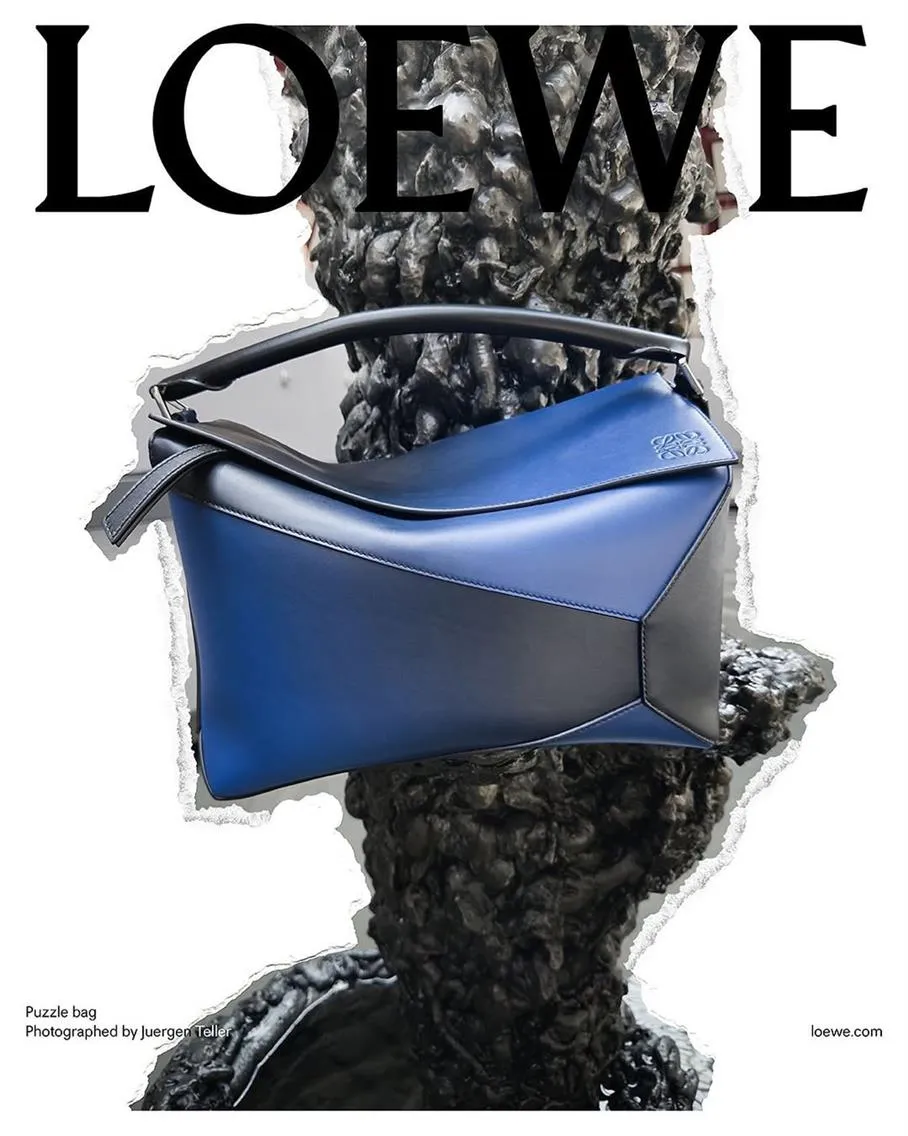
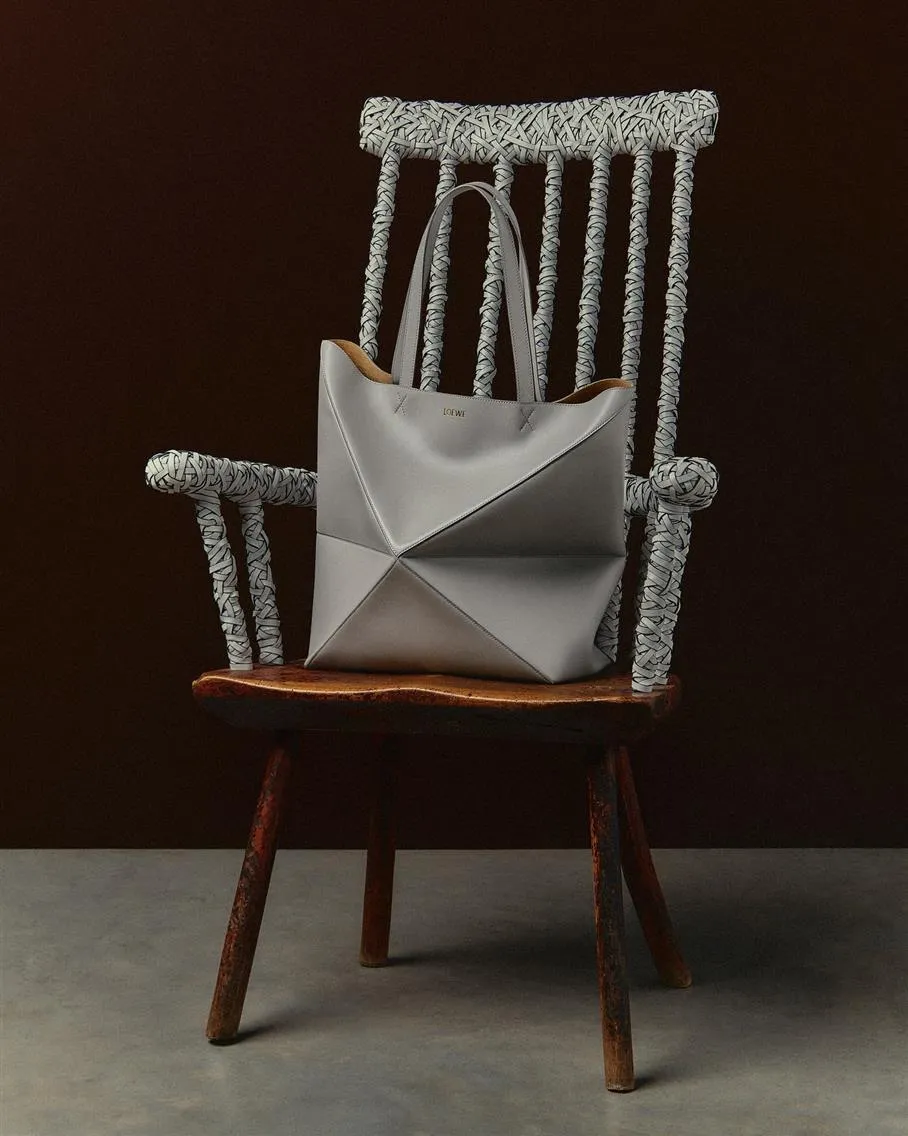
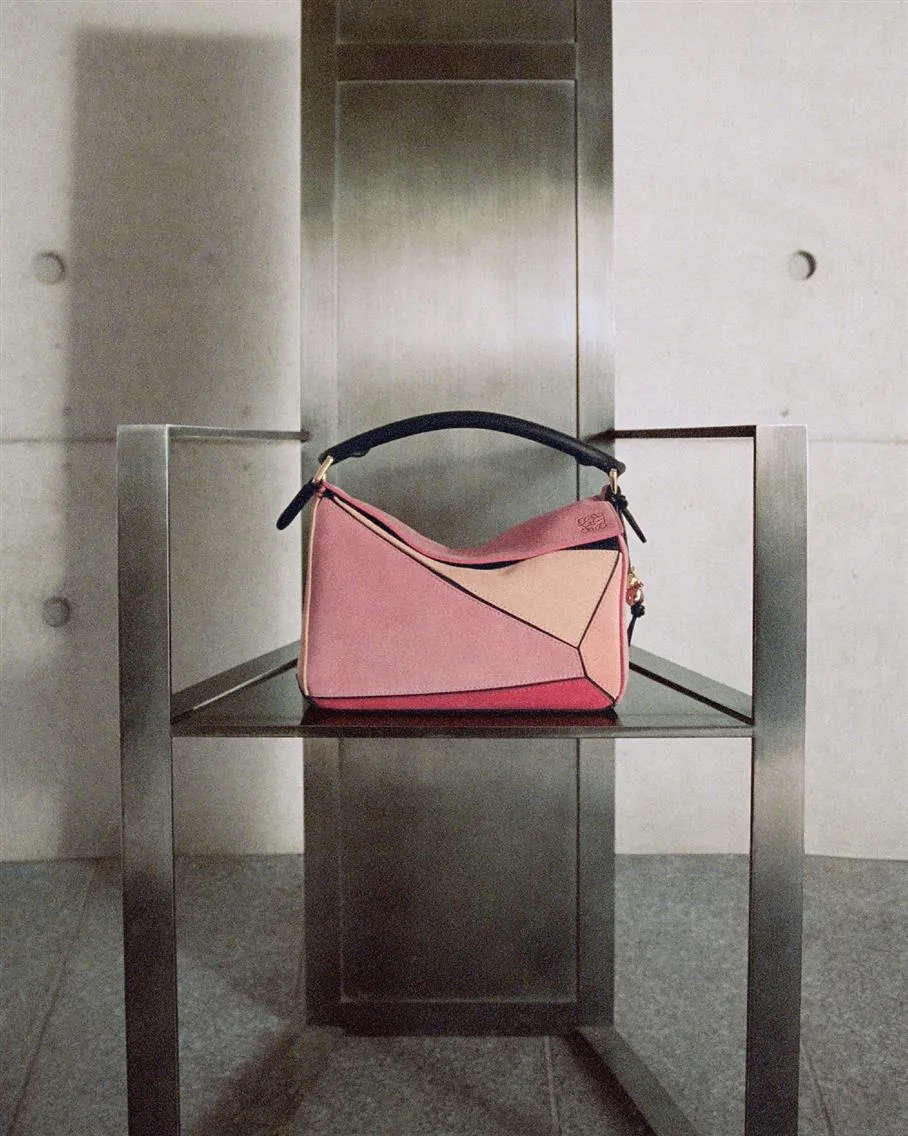
When Loewe presents its Puzzle bag, the product is photographed like a museum object. Lighting is sculptural, sets are minimal, and close-ups reveal meticulous craftsmanship. The message is clear: this is not just a bag, it is cultural capital.
For a detailed look at how luxury jewelry brands translate these principles into specific photography decisions: Photography That Appeals to Luxury Jewelry Buyers
What mass market customers need
Mass market customers are not worrying about cultural capital. Their concerns are grounded in practicality: will this item fit, will it hold up, and is the price fair?
They want to see how a product works for people like them — photographs on multiple body types, in different everyday contexts, so they can picture themselves using it. They need reassurance that the price is right, which detailed documentation provides. And they worry about risk: will the fit be correct, will the color match the screen, will it survive regular use? The more angles, scenarios, and styling options a brand provides, the lower the chance of disappointment and returns.
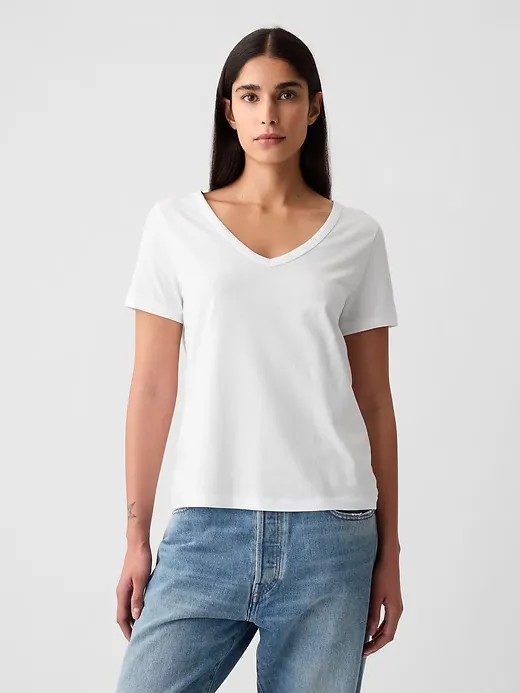
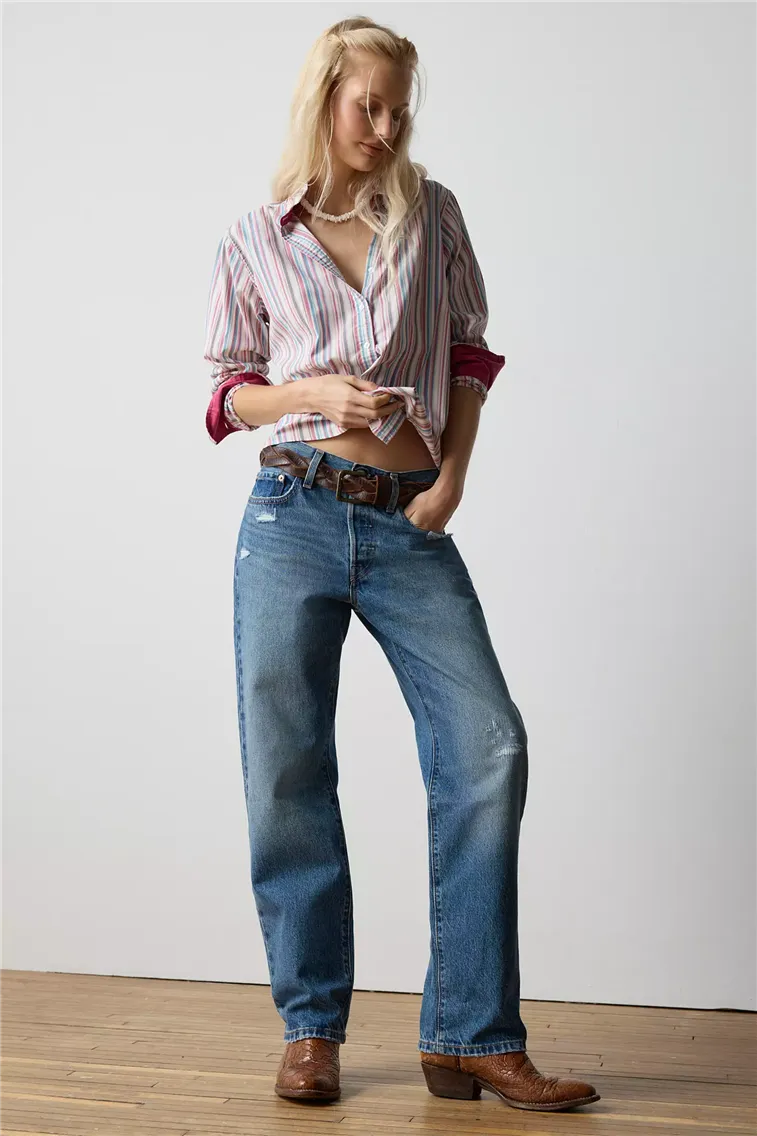
Gap's photography of basics illustrates this well. Their white T-shirt is shown on models of different sizes, styled in casual combinations, and accompanied by close-ups of fabric and stitching. Urban Outfitters blends practicality with lifestyle cues, ensuring customers see both the item itself and how it might look in their own lives.

How Luxury Brands Execute Visual Strategy
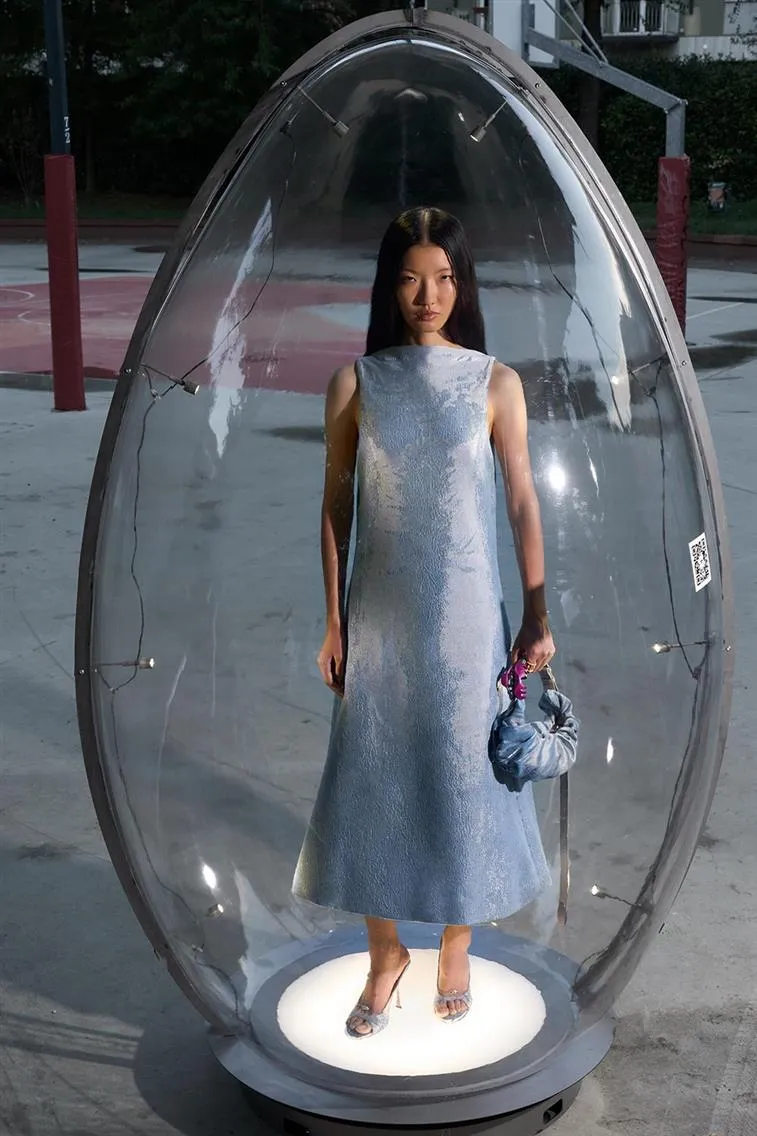
Luxury brands construct images that echo cultural positioning. Product photography in this space often resembles sculpture. Strong directional light creates depth and drama, while backgrounds are kept minimal with a deliberate twist: concrete, stone, soft light gradient, or handmade paper. The goal is to position the product beyond its utility as an object of art.
Comme des GarçonsWhen Comme des Garçons photographs their avant-garde pieces, they use unconventional angles and dramatic lighting that mirrors their design philosophy. Their model photography reflects this approach. Models are not styled to look approachable or relatable, they are cast and directed to embody the brand's artistic identity. The styling is editorial rather than commercial, creating images that feel like art installations rather than product demonstrations. | 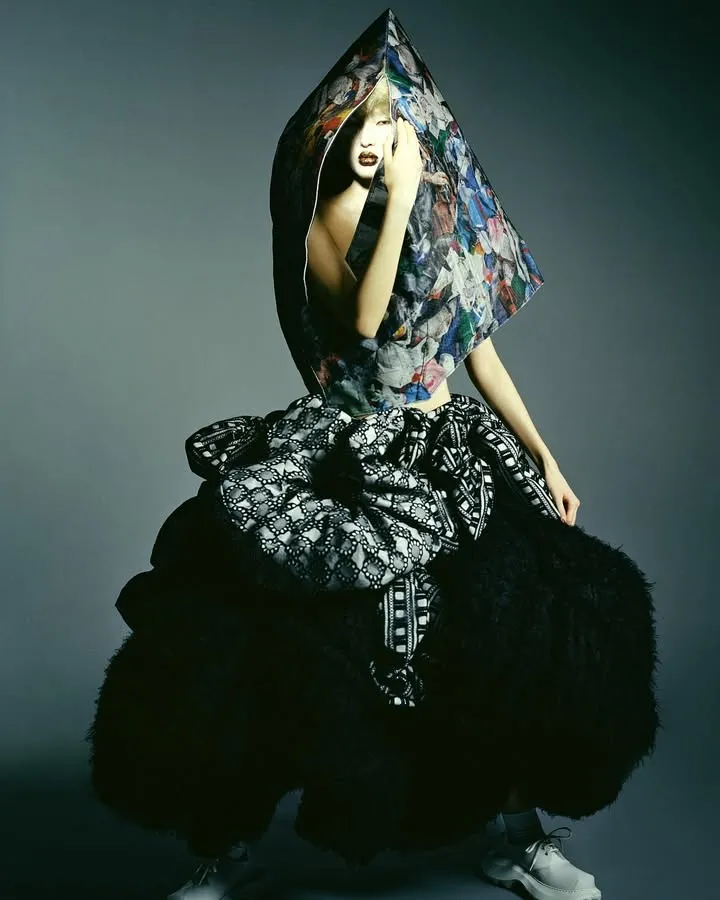 |
 | JW AndersonJW Anderson takes a similarly conceptual approach but with more commercial awareness. Their sculptural bags are photographed both as art objects and as functional accessories. Hero shots emphasize form and material innovation, while lifestyle images show how these avant-garde pieces integrate into sophisticated wardrobes. The balance creates desire while addressing practical concerns. |
SacaiSacai approaches their bags as sculptural objects first and functional accessories second. The photography reflects this, pieces are positioned at angles that emphasize form and construction rather than wearability, often against surfaces that feel more architectural than commercial. The result is imagery that makes a handbag feel like a collectible design object, which is precisely the perception the brand is building. | 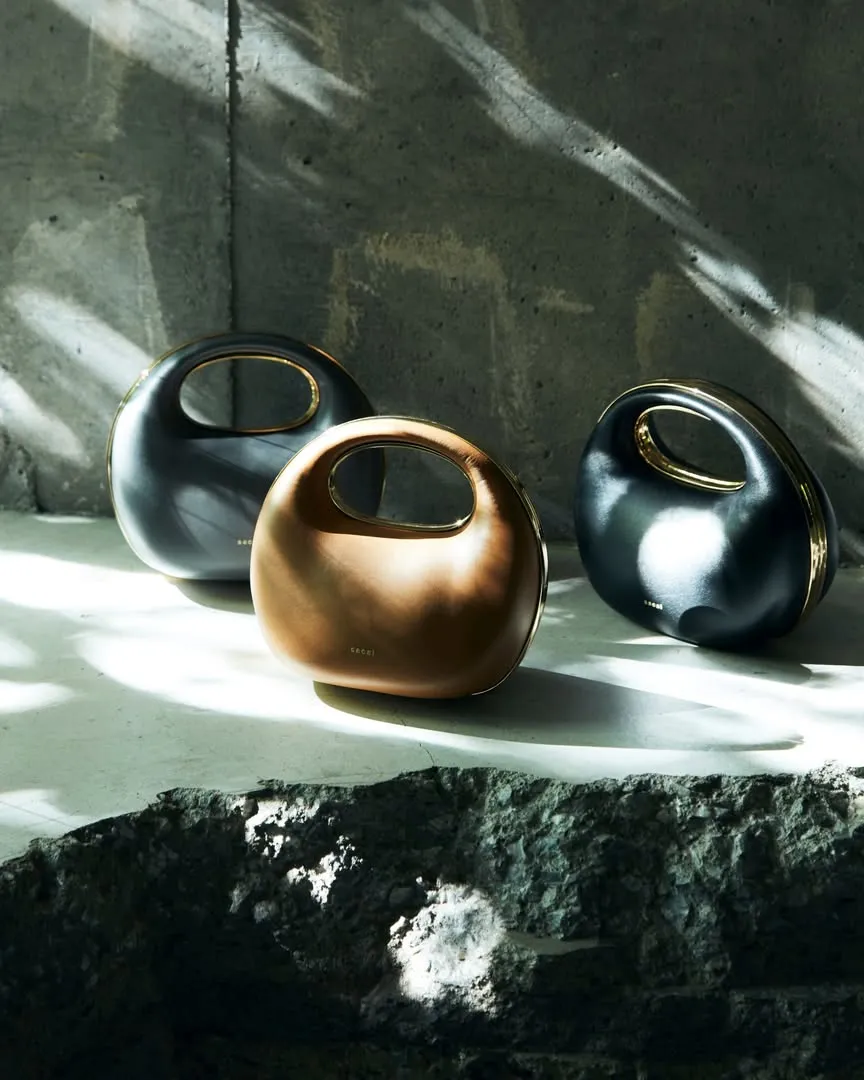 |
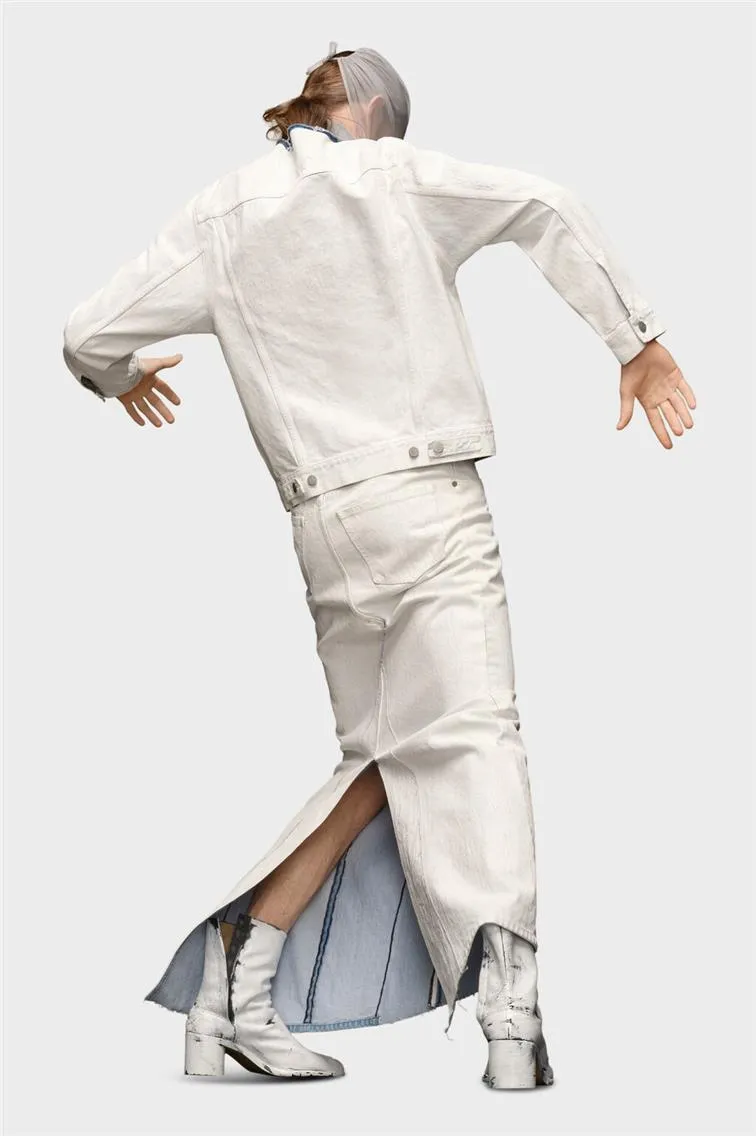 | Maison MargielaCasting and styling choices follow the same logic. Luxury brands select models who embody a very particular aesthetic rather than broadly appealing faces that invite anyone in. Hair, makeup, and wardrobe highlight the uniqueness of the garment rather than making the model relatable. The product, not the wearer, is the centerpiece. Garments are often shot in unusual angles or challenging compositions, reflecting the avant-garde design philosophy behind the clothes. The difficulty of reading the image is intentional, it signals that these pieces belong to an informed, insider audience.
|
For guidance on casting decisions in luxury fashion photography: The Smart Way to Find and Choose Models for Your Brand Photoshoot
Video content pushes this further. Luxury films unfold slowly, focusing on the texture of leather, the drape of fabric, or the process of craftsmanship. The tone is cinematic rather than commercial, inviting viewers to immerse themselves in a brand universe rather than assess product features. Loewe often releases campaign films that feel closer to art house cinema than advertising, placing the brand firmly in the cultural rather than transactional sphere.
How Mass Market Brands Execute Visual Strategy
Mass market brands approach visuals from a different angle entirely. The challenge is not to make a product look like an art object but to remove hesitation from the purchase. Every image is designed to answer the practical questions shoppers bring to the page.
Where luxury photography asks the viewer to interpret, mass market photography does the interpretation for them.
American Eagle
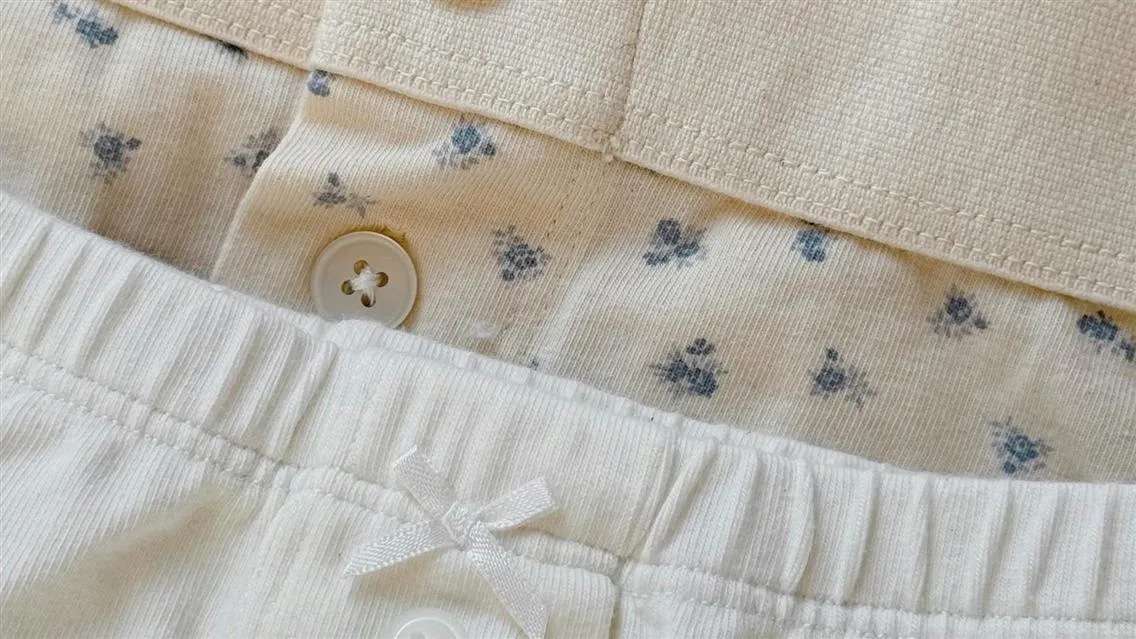
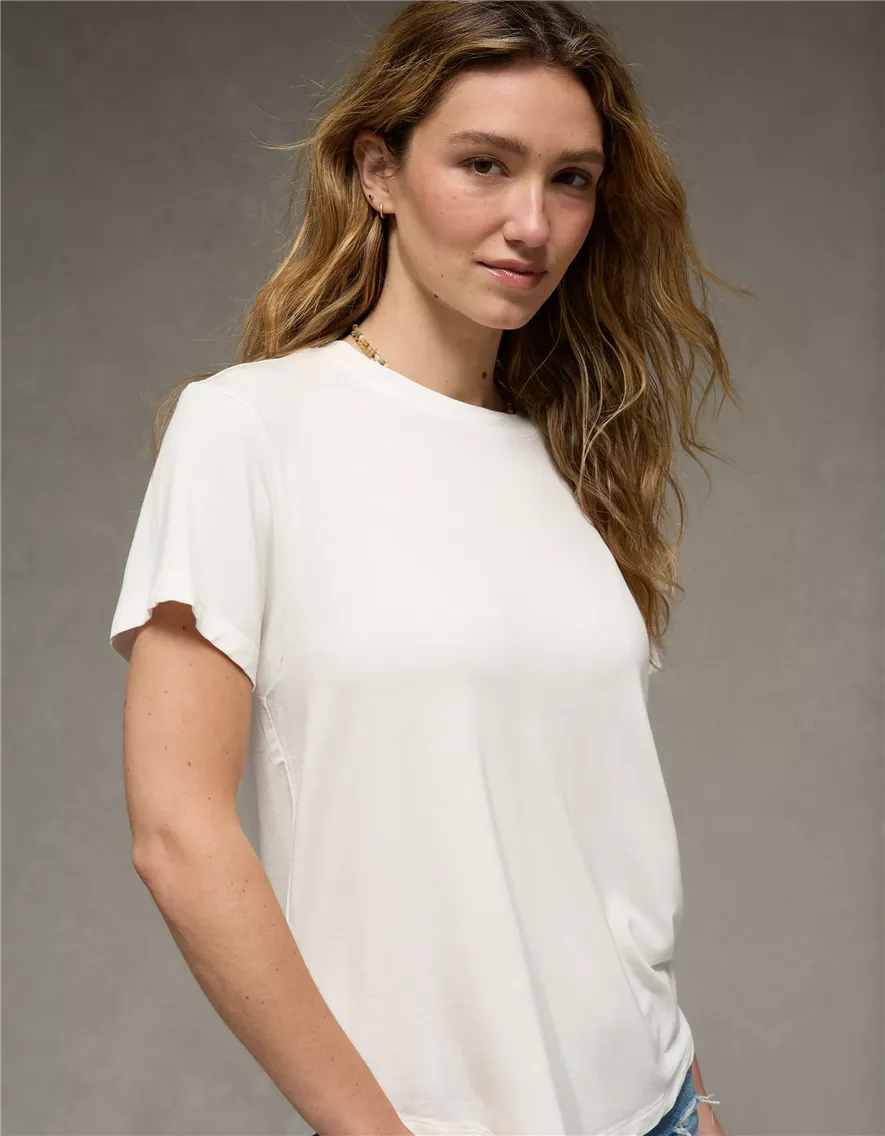
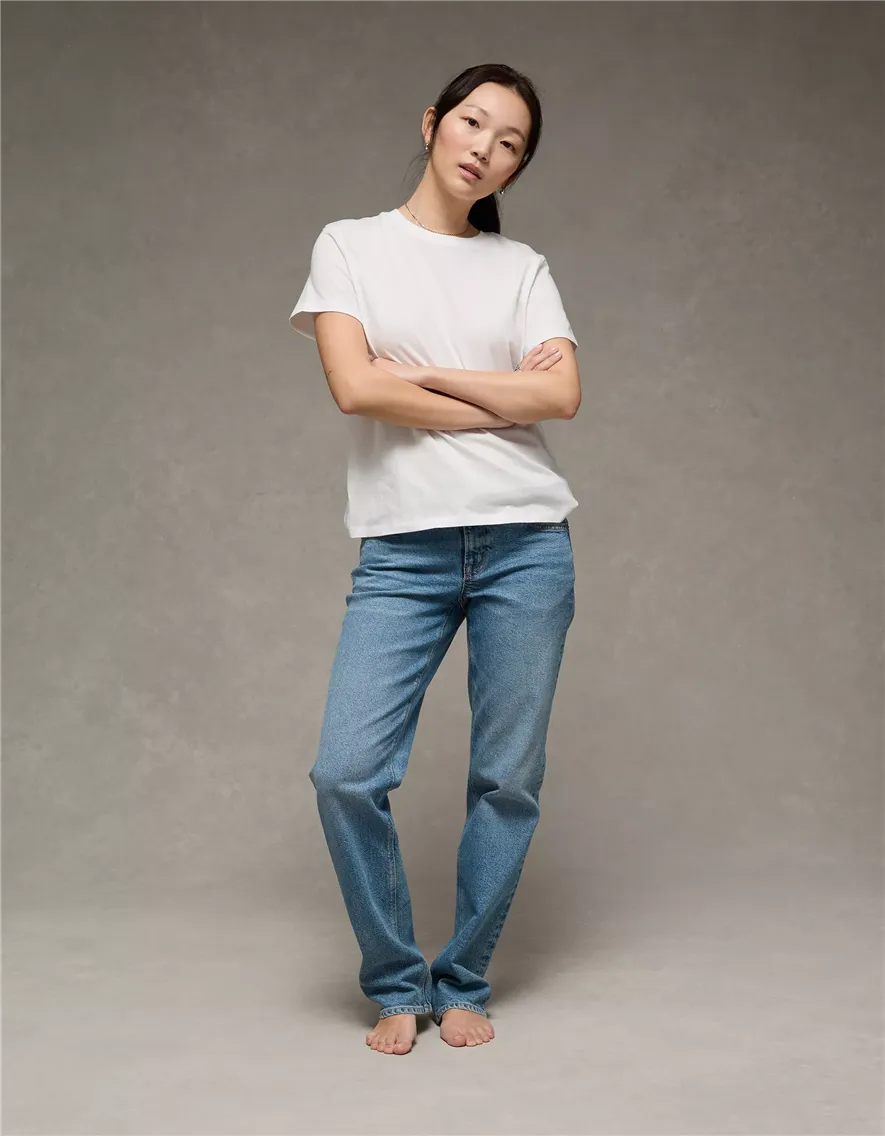
True-to-life representation is the foundation. Products are shown from every angle a customer might care about. In apparel, this means ghost mannequin images, front and back views on models, and close-ups of details such as stitching, care labels, and functional elements like zippers and buttons. American Eagle's approach to basics illustrates this perfectly — their simple white T-shirt is photographed in different fits, on various body types, and accompanied by fabric close-ups so there is no ambiguity about what the customer will receive.
H&M
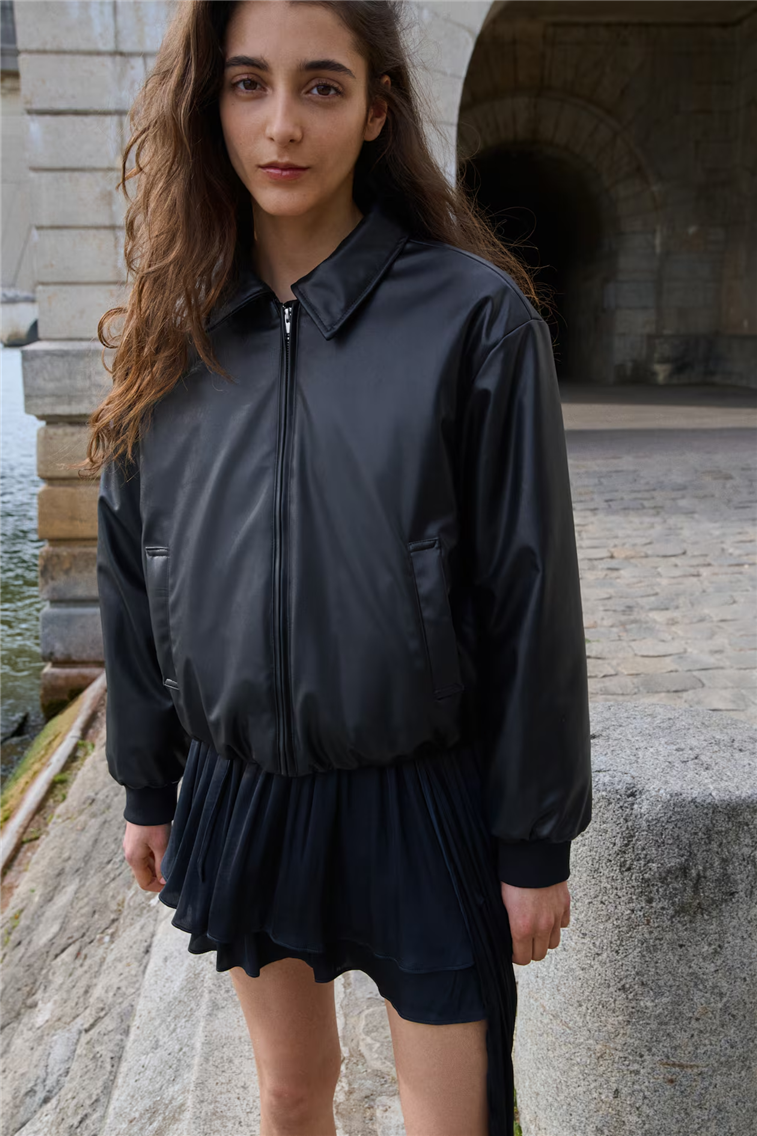
H&M's approach is built around removing friction at every stage of the purchase decision. Products appear on multiple models of different heights, body types, skin tones, because a customer who cannot picture themselves in the garment is a customer who does not convert. The same dress might appear styled three different ways in the same listing, because H&M's data shows that styling versatility is a purchase trigger for their audience: the customer is not just buying a dress, they are buying confidence that they will know what to do with it.
Generic Brands on Amazon
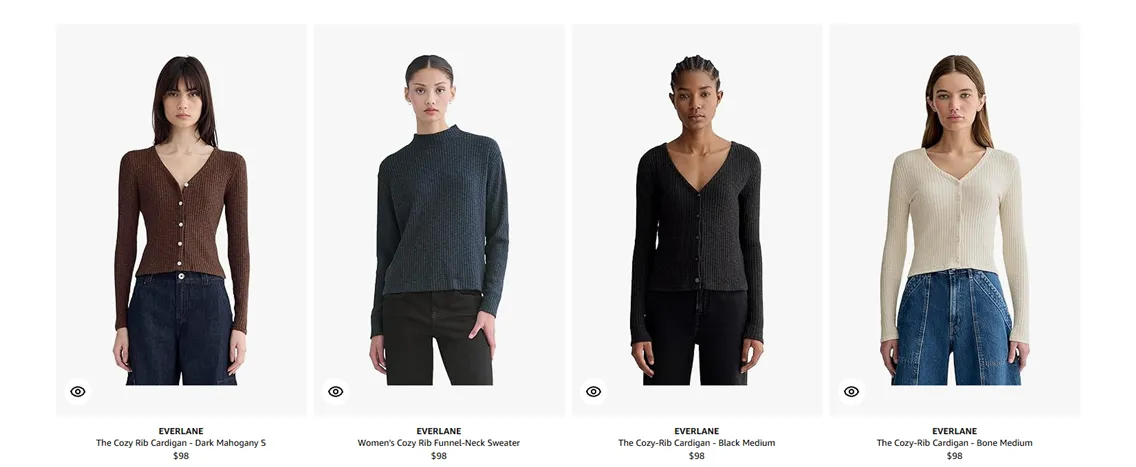
For generic brands selling unbranded clothing on Amazon, the visual brief is the simplest of all. Their shoppers are not looking for fashion references, brand worlds, or editorial cues. They want certainty — does this fit, what does it actually look like, will it match what arrives in the box.
No creative direction required. No mood, no atmosphere, no casting decisions about what kind of person the brand represents. The entire job is documentation: comprehensive angles showing front, back, and side, fabric close-ups that communicate weight and texture honestly, and on-model shots that show how the garment sits on a real body in a real size.
The brands that perform best in this category are the ones that execute the basics with the most consistency and accuracy — not the ones that try to borrow visual language from a tier their audience is not shopping in.
Video follows the same principle. Instead of slow cinematic pacing, clips are short, bright, and to the point. A 10-second video might show styling, demonstrate how fabric moves, and highlight a few key details. The goal is speed and clarity.
Why These Differences Drive Business Results
The impact of luxury visual strategies
Luxury visuals justify premium pricing. Customers are buying into a cultural message that affirms their sense of self — which is why brands like Loewe and Sacai command prices far above their fast-fashion counterparts. The presentation elevates the object into something that carries cultural weight, making the price feel logical rather than arbitrary.
Luxury visuals also build stronger brand loyalty. Because photography and video consistently reinforce a cultural or intellectual identity, customers come to see the brand as part of their own self-expression. The purchase becomes a marker of belonging to a particular world — and that emotional bond often outlasts satisfaction with the product itself.
Another effect is content longevity. Luxury visuals are typically detached from short-lived trends. A product hero image or an editorial campaign built around artistic direction can remain relevant for several seasons, extending the return on every production investment. Diesel's visual art direction played a direct role in the brand's comeback as luxury streetwear — a clear example of photography doing brand positioning work that no other channel could replicate.
The impact of mass market visual strategies
Mass market brands see different kinds of benefits. By answering every practical question through photography and video, they achieve higher conversion rates. Customers feel certain about what they are buying and are less likely to abandon the cart.
Detailed presentation also reduces return rates. When a customer knows the exact shade of blue, the fit on a body type similar to their own, and the weight of the fabric, there is less risk of disappointment. For businesses with tight margins, high return rates can erase profit entirely.
Representation broadens appeal without requiring separate campaigns for each demographic. And because imagery is straightforward and production processes systematic, assets can be created quickly to keep up with frequent product drops — which is the operational heartbeat of mass market retail.
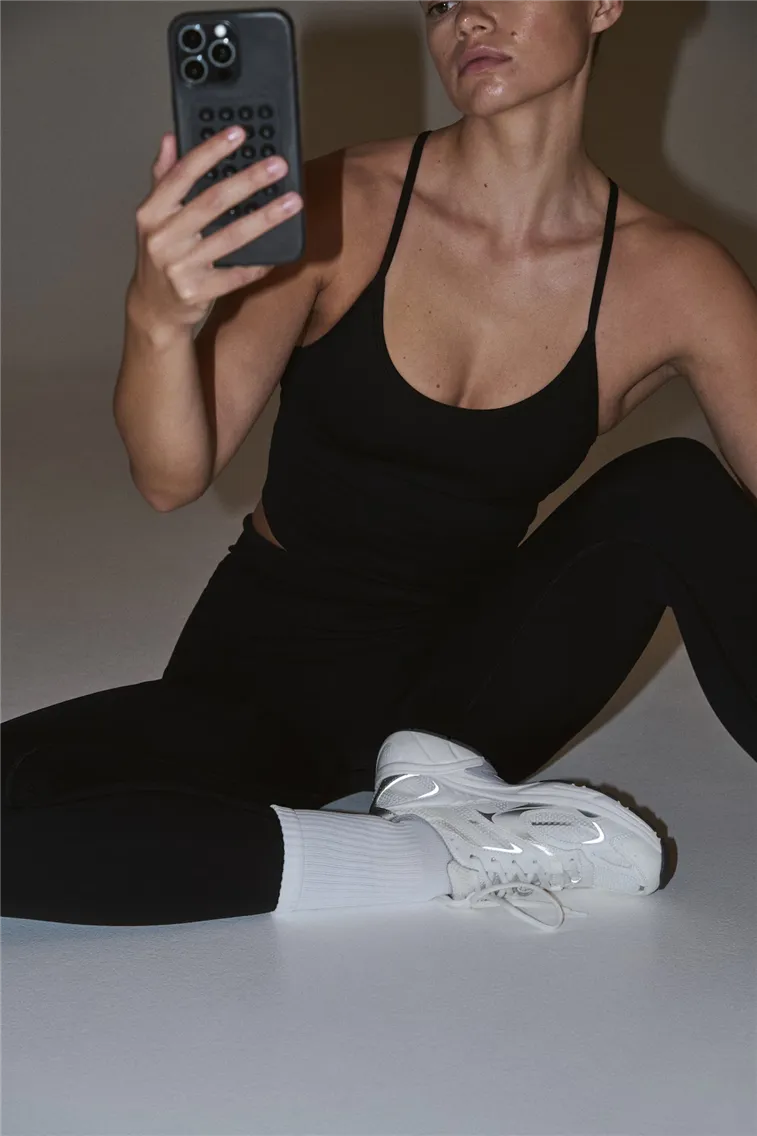
Luxury and Mass Markets Brand Strategies Are Finally Learning From Each Other
Smart luxury brands quietly adopt mass market efficiency techniques — informative product pages as online purchasing grows, data-driven optimization, and AI-powered content creation. They have realized that maintaining brand standards does not require reinventing the wheel for every single asset. Consistency and legacy carry luxury authenticity, not novelty alone.
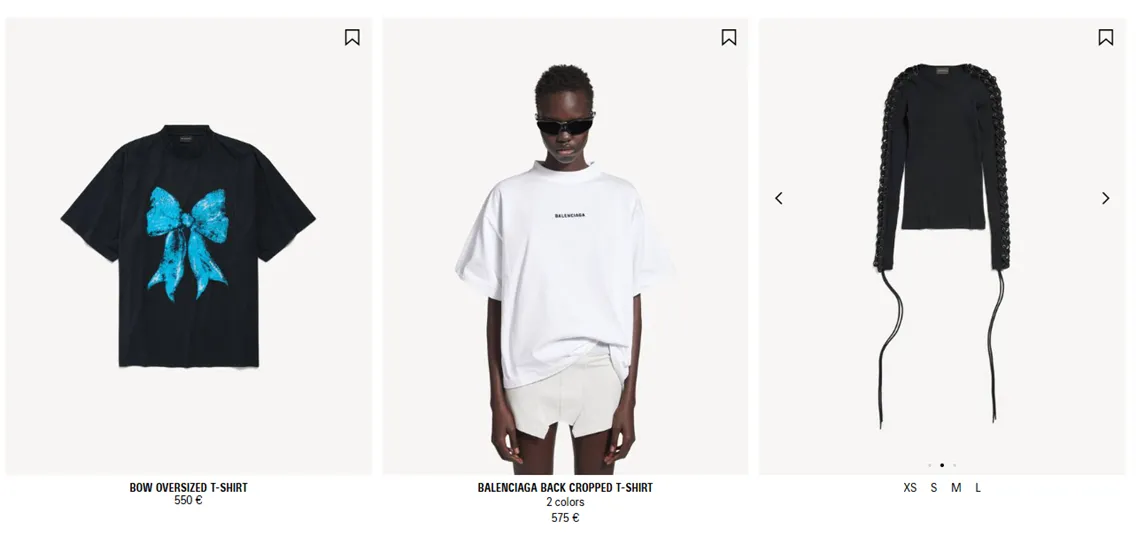
Balenciaga
Balenciaga is the clearest example of a luxury brand that has absorbed digital efficiency without compromising visual identity. Their product pages include detailed documentation like multiple angles, material close-ups, size reference shots, while their campaign imagery remains deliberately conceptual and difficult. The two registers coexist because they serve different moments in the customer journey.
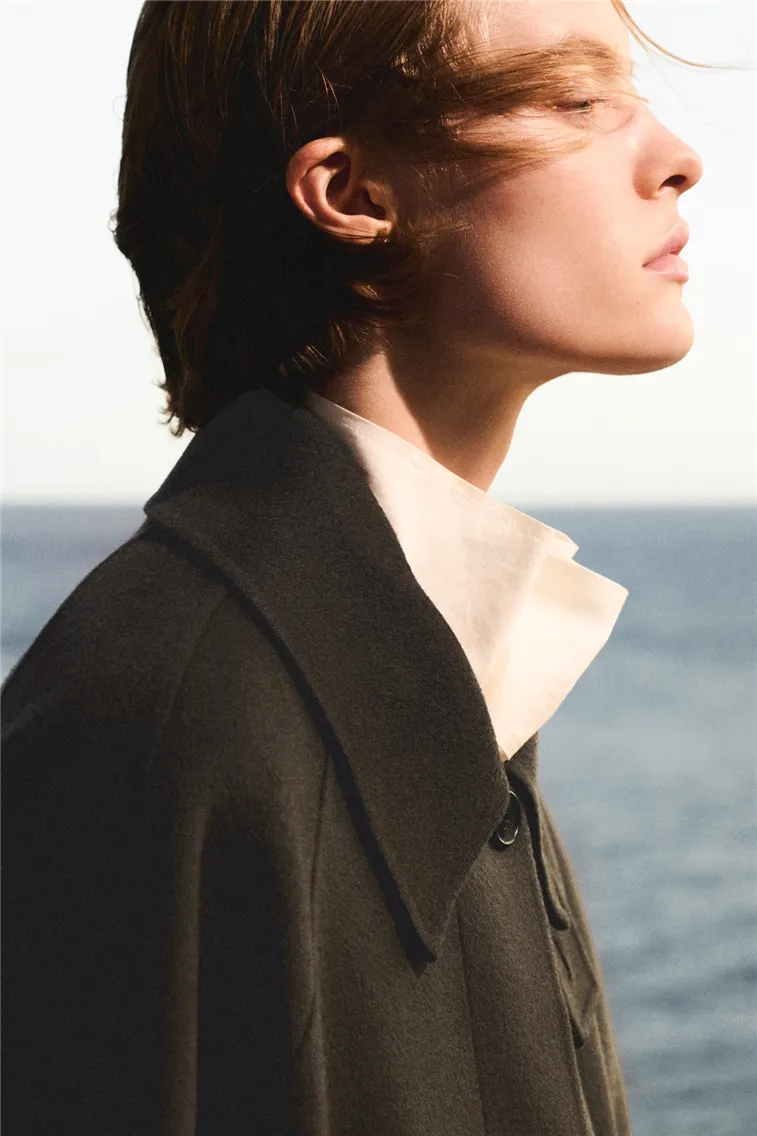
Massimo Dutti
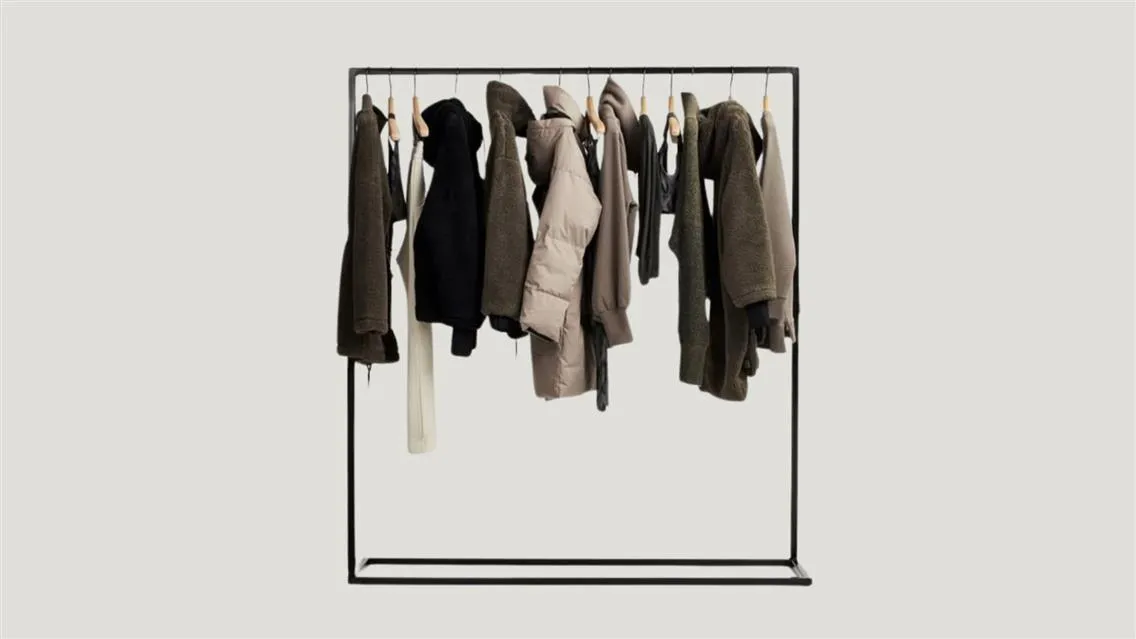
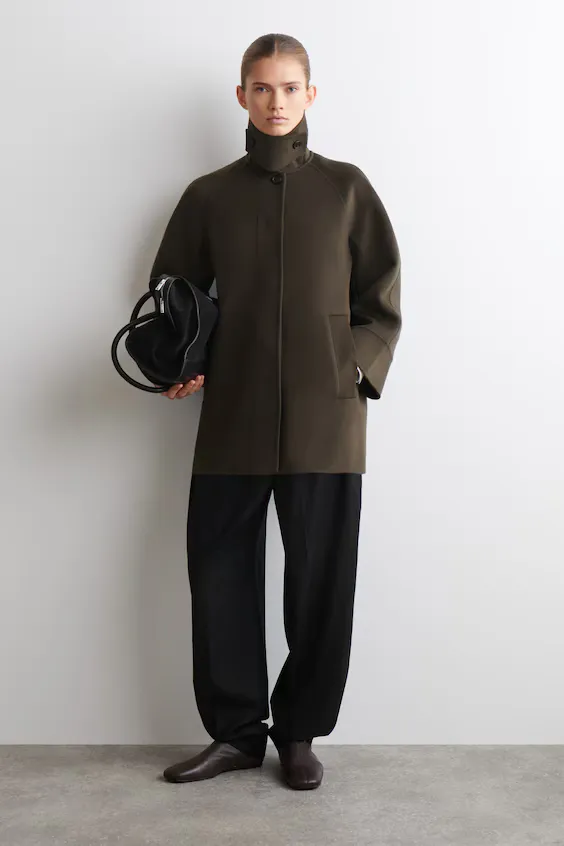
Massimo Dutti operates from the opposite direction: a mass market brand that has borrowed luxury's visual sophistication to position consistently above its price point. Their photography uses editorial lighting, considered negative space, and restrained color palettes that signal premium quality without the premium price tag. The strategy works because the execution is disciplined enough to sustain the positioning across every channel.
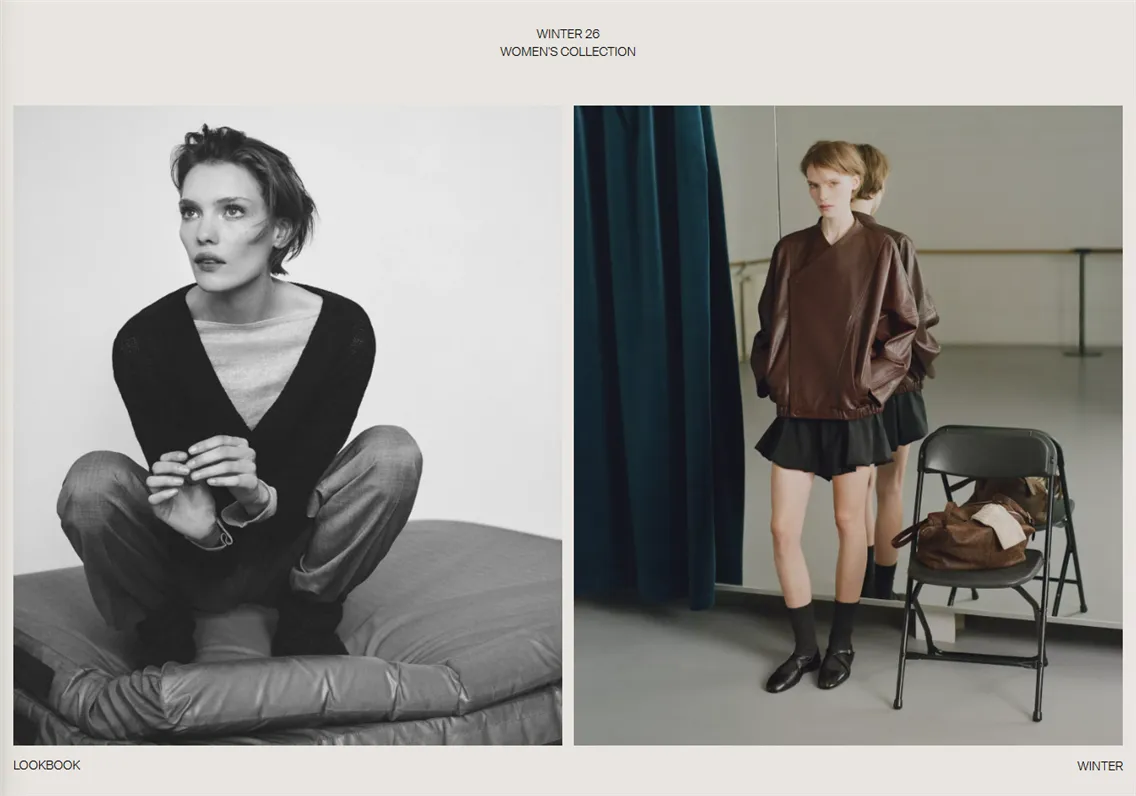
COS
COS shows how the balance works in practice. Their imagery carries an elevated, editorial tone, but their product pages include the thorough documentation expected from a mid-market brand — multiple angles, fabric detail shots, consistent neutral backgrounds. The combination reassures customers they are making a stylish choice without concealing functional details. Neither register undermines the other because both are executed with equal care.
Zara
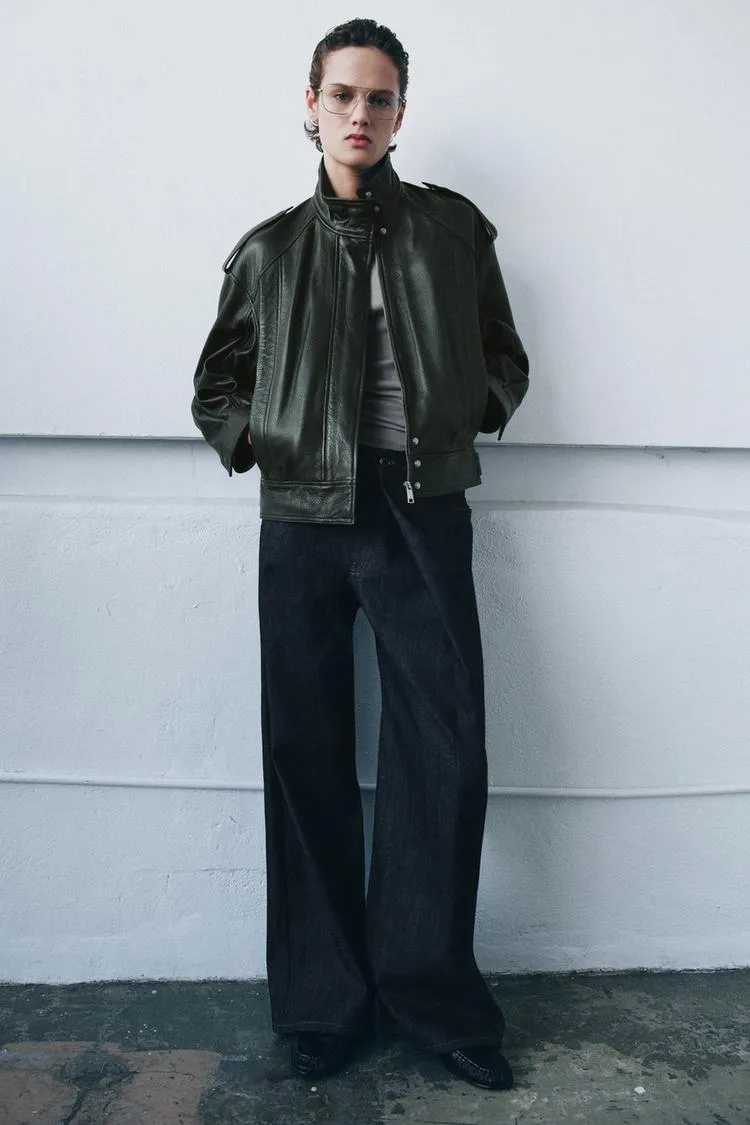
Zara has proven that a mass market player can borrow heavily from luxury editorial — moody lighting, high-fashion poses, sparse sets, and succeed, because its audience craves clothing that echoes luxury at an accessible price point. But look at Zara's product pages alongside their campaign imagery and the split is deliberate. The campaign targets the customer's desire to feel sophisticated. The product page targets their need to make a safe purchase decision. These are two separate psychological moments requiring two separate visual approaches within the same brand, and Zara executes both with enough precision that neither contradicts the other.
Choosing the Right Visual Strategy for Your Brand
For brands navigating this middle ground, the relevant question is not which category they belong to but which customer anxieties their photography needs to resolve. The visual strategy should be built around the customer who is actually buying, not the brand the company wishes it were. A premium brand that photographs like a mass market retailer undercuts its own positioning before the customer has read a single word. A mass market brand that shoots like a luxury house leaves its customers without the practical information they need to commit.
Both are expensive mistakes to reverse. The photography brief is where that decision gets made — or avoided.
For a practical guide to building a photography brief that reflects the brand's actual positioning: Art Direction Guidelines for Jewelry and Fashion Brand Photoshoots
For a visual framework that applies these principles to jewelry specifically: Visual Branding for Jewelry Companies
Whether the brief calls for editorial restraint or catalog precision, LenFlash handles both. Online ordering, real-time quotes.