
Why Your Next Commercial Shoot Needs a Professional Fashion Stylist
A fashion stylist's job is to make sure every visual element in a frame — garment fit, accessory placement, fabric drape, model presentation — serves the product and the brief. When styling is handled well, the photographer can focus entirely on light and composition. When it isn't, the photographer spends the day working around problems that shouldn't exist, and the retoucher inherits the ones that made it through anyway.
For eCommerce brands, the stakes are specific: images have to accurately represent what the customer will receive. A fashion stylist who modifies garments too aggressively or presents jewelry at angles that exaggerate scale creates a gap between the image and the physical product. That gap shows up in returns. Understanding what a professional fashion stylist does and where their work directly affects your production cost and return rate matters before you brief a studio.
Part of our complete guide: Understanding the eCommerce Photography Creation Process and Team Involved
What a fashion stylist is responsible for
The fashion stylist's work spans three stages of a production: pre-shoot preparation, on-set execution, and post-shoot coordination.
Pre-shoot preparation
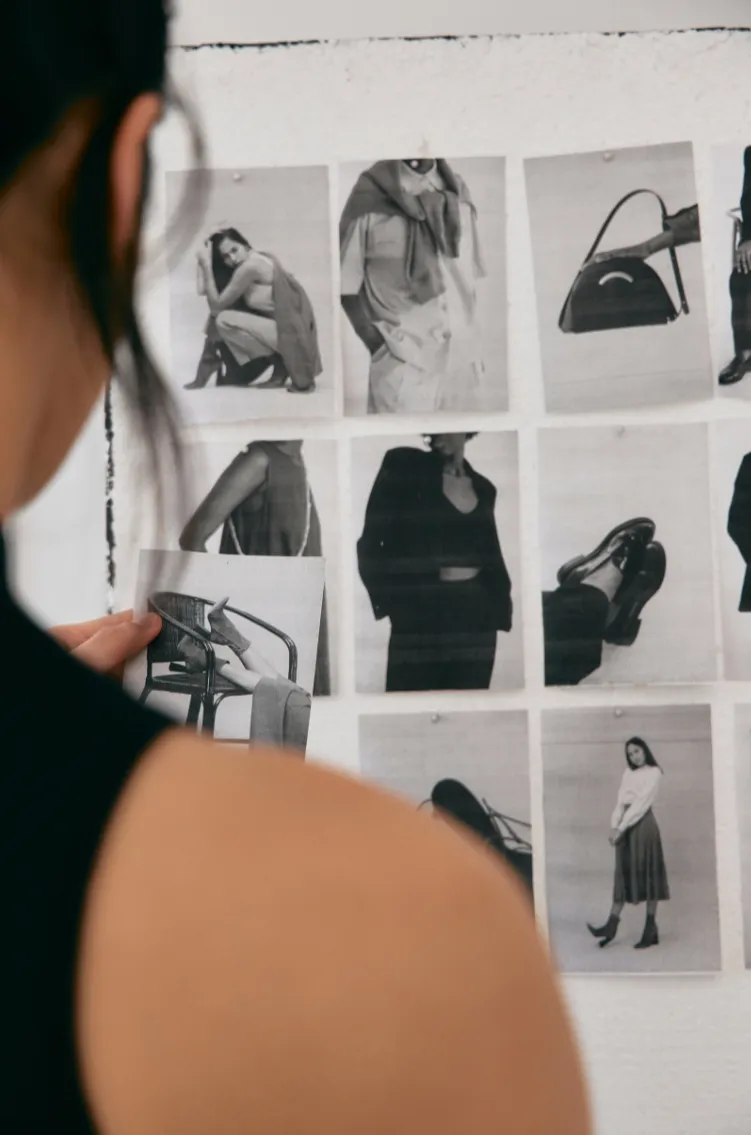
Before production day, the fashion stylist works from the creative director's brief and mood board to source and prepare everything the shoot requires. Sourcing means identifying the right garments, accessories, and props for each shot, from retail stores, designer wardrobes, or custom-made options depending on the production's requirements. For catalog shoots where the brand provides their own products, the fashion stylist's pre-shoot role shifts to preparation: every garment needs to arrive on set clean, steamed, and fitted. A poorly prepared garment on set creates delays, generates extra adjustment time for the photographer, and in the worst case produces images that require reshoots.
Garment preparation also includes basic fitting adjustments. A fashion stylist with sewing skills can make on-the-spot modifications, hemming, taking in a seam, adjusting a neckline, that prevent a garment from photographing awkwardly. These are decisions that happen before the camera is raised, not after the images are in post-production.
On-set execution
On production day, the fashion stylist is continuously active. They dress models, adjust garments between frames, monitor how fabric drapes under different lighting setups, and correct any presentation issue before the photographer captures it. Lighting changes how fabric reads: what looked correctly draped under one setup may gather shadows differently under another, and the fashion stylist adjusts accordingly.
They also watch for the accumulation of small problems: a collar that has shifted, a pin that is becoming visible, a belt that has rotated. Each of these is a retouching task avoided if caught on set. For high-volume catalog shoots where dozens of products are photographed in sequence, the fashion stylist's on-set attention directly affects how clean the post-production files are.
The fashion stylist works alongside the makeup artist and hair stylist to ensure the model's overall presentation is coherent. A bold lip color that reads correctly against one outfit may conflict with the next. These decisions get made in real time, and the fashion stylist coordinates them so each look holds together as a complete image rather than a collection of separately considered elements.
Post-shoot coordination
After the shoot wraps, the fashion stylist manages the return of any borrowed or sourced items, ensuring garments are cleaned and returned in the condition they were received. For productions that used custom or designer pieces, this responsibility is significant.
The fashion stylist can also provide notes to the retouching team about what was adjusted on set and what the intended final presentation was. If a garment was pinned in a specific way to achieve a particular drape, the retoucher should know what to preserve and what to remove. This handoff reduces revision rounds and keeps the post-production output aligned with what was approved on set. For more on the retouching stage: How to Choose the Best Product Photo Editing Services
How the fashion stylist fits into the production team
The fashion stylist works within a production team that includes the creative director, art director, photographer, makeup artist and hair stylist, set designer, and producer. Each role has a distinct function, and the fashion stylist's function is to manage the physical presentation of everything in the frame that isn't the set itself.
The producer builds the schedule and manages the logistics. The creative director defines what the images should communicate. The fashion stylist executes the wardrobe and product presentation decisions that make the communication possible. When these roles are clearly defined and each specialist understands their scope, a production day runs efficiently. When they overlap or are handled by the same person across multiple functions, decisions get made under pressure that should have been made in pre-production.
What poor styling costs
The consequences of inadequate styling show up in three places.
Returns. When a garment is styled in ways that don't reflect its actual fit, or when accessories are presented at angles that misrepresent their scale, the customer receives something that doesn't match the image. This is the most direct and measurable cost: return logistics, restocking, and the negative review that follows.
Reshoots. Garments that arrive on set uncleaned or unpressed, that fit incorrectly and can't be adjusted on set, or that are the wrong item for the brief generate production delays or require partial reshoots. Both outcomes cost more than the fashion stylist's fee would have.
Brand consistency. When styling decisions are made without a clear brief or a dedicated fashion stylist to implement it, different shoots produce different visual registers. The catalog looks inconsistent and the brand's visual identity erodes across product pages. Rebuilding that consistency requires reshooting, not just restyling.
How fashion styling works across product categories
Fashion and apparel
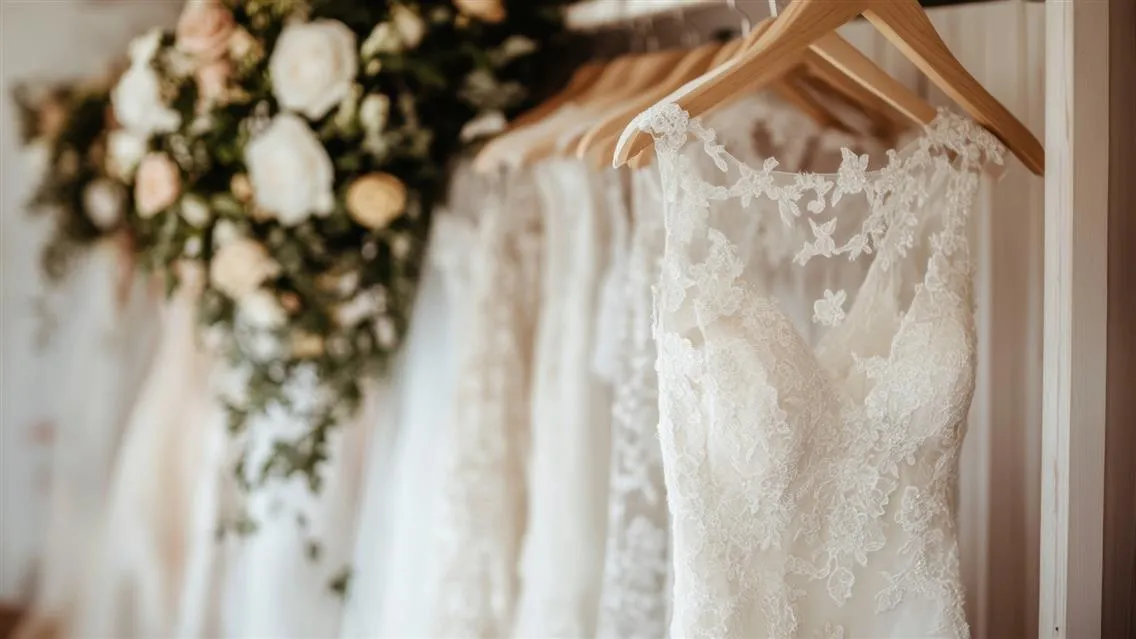
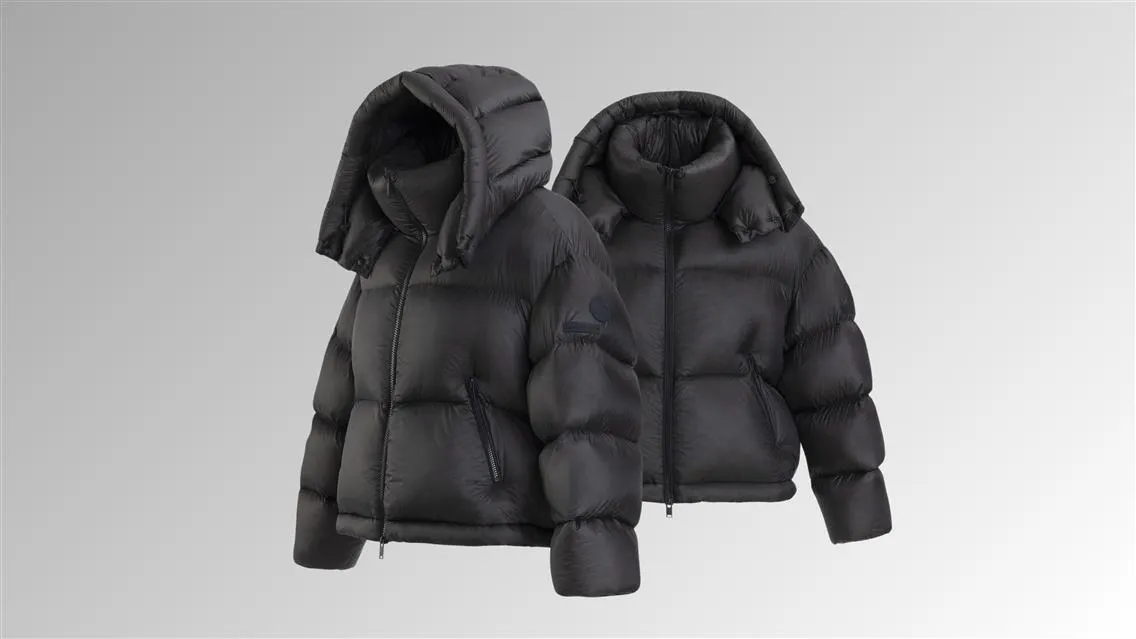
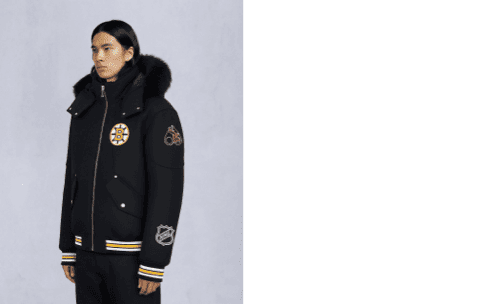
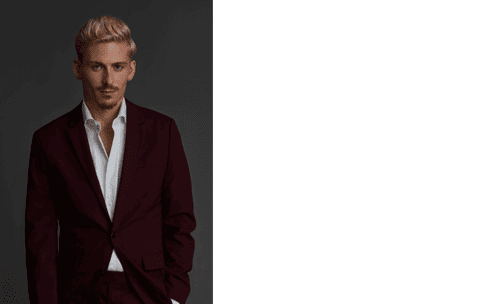
In apparel photography, the fashion stylist's primary function is ensuring garments fit the way the brand intends them to fit, not the way they fit off the rail on the model. They use clips, pins, and tape to achieve the silhouette the brief calls for, and they manage the transition between garments across a multi-look shoot without losing time to dressing changes.
The accuracy requirement matters here for commercial reasons. A garment that is clipped excessively to appear slimmer in photography will look different on the customer. That difference is what generates the "it looked different online" return reason. The fashion stylist's job is to make the garment look as good as it genuinely is, not better than it is.
Related read: Ghost mannequin vs flat lay photography: which is right for your brand
Jewelry and accessories
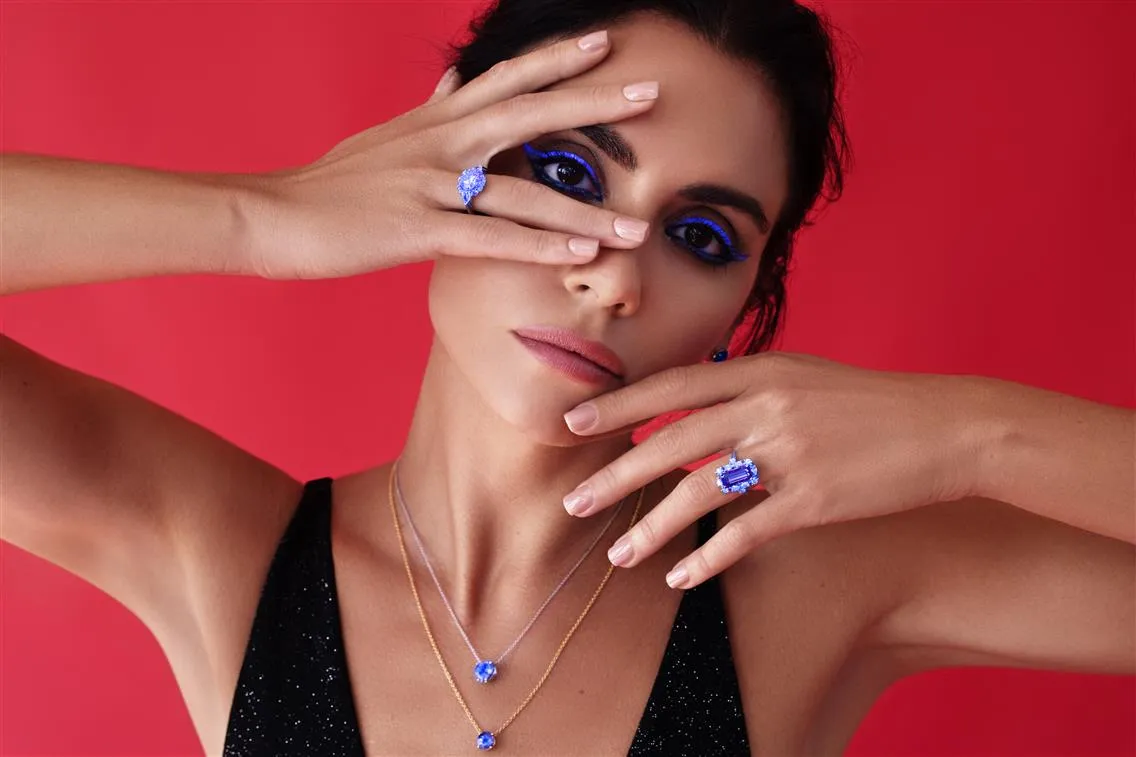
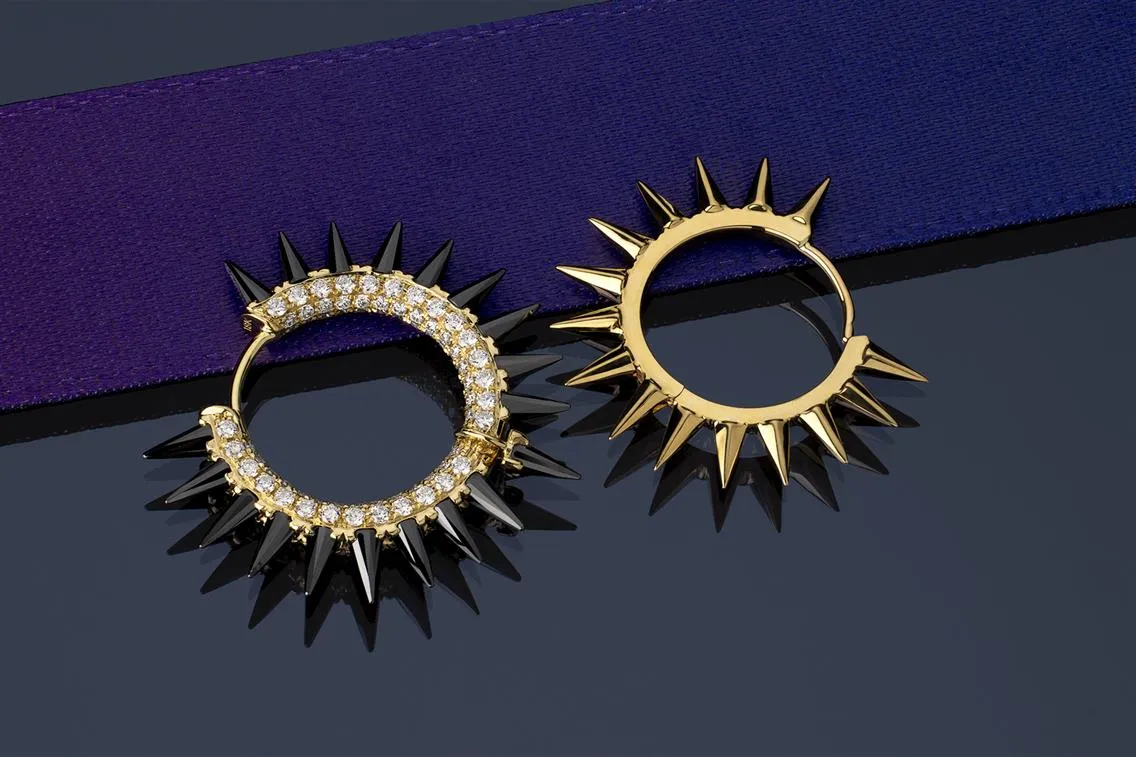
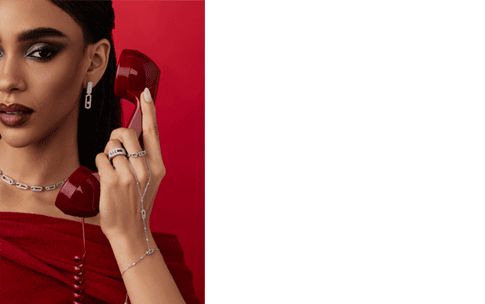
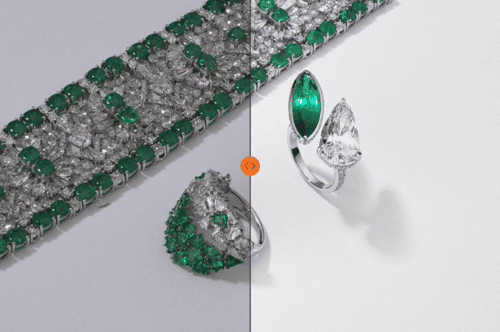
Jewelry styling requires precision in a different dimension: ensuring each piece is presented as the focal point of the frame without the surrounding wardrobe competing with it. The fashion stylist curates outfits that complement the jewelry's tone and price point, understated for pieces where the jewelry is the statement, more considered for editorial looks where the full composition tells the brand story.
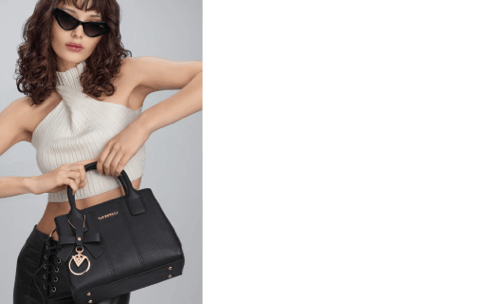
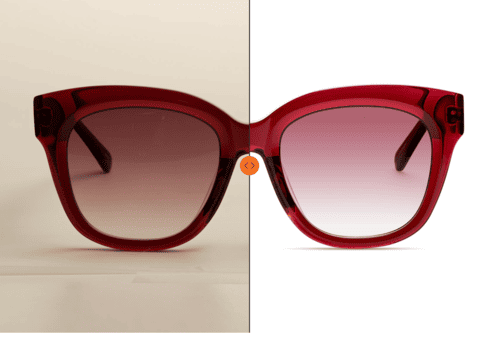
For accessories, handbags, scarves, belts, eyewear, the fashion stylist ensures the product reads as the hero of the frame. How a bag is held, how a scarf is draped, how glasses sit on the face: each of these is a styling decision that affects whether the product's design is clearly communicated or partially obscured.
Luxury products
In luxury photography, fashion styling is about alignment between every visual element and the brand's positioning. The model's wardrobe, the set elements, the props, and the product all need to occupy the same visual register. A luxury watch styled against casual wardrobe undermines the positioning regardless of how technically well the watch is photographed. The fashion stylist ensures this alignment holds across every frame in the session. For more on luxury visual production: Luxury Product Photography Explained
Consumer goods and electronics
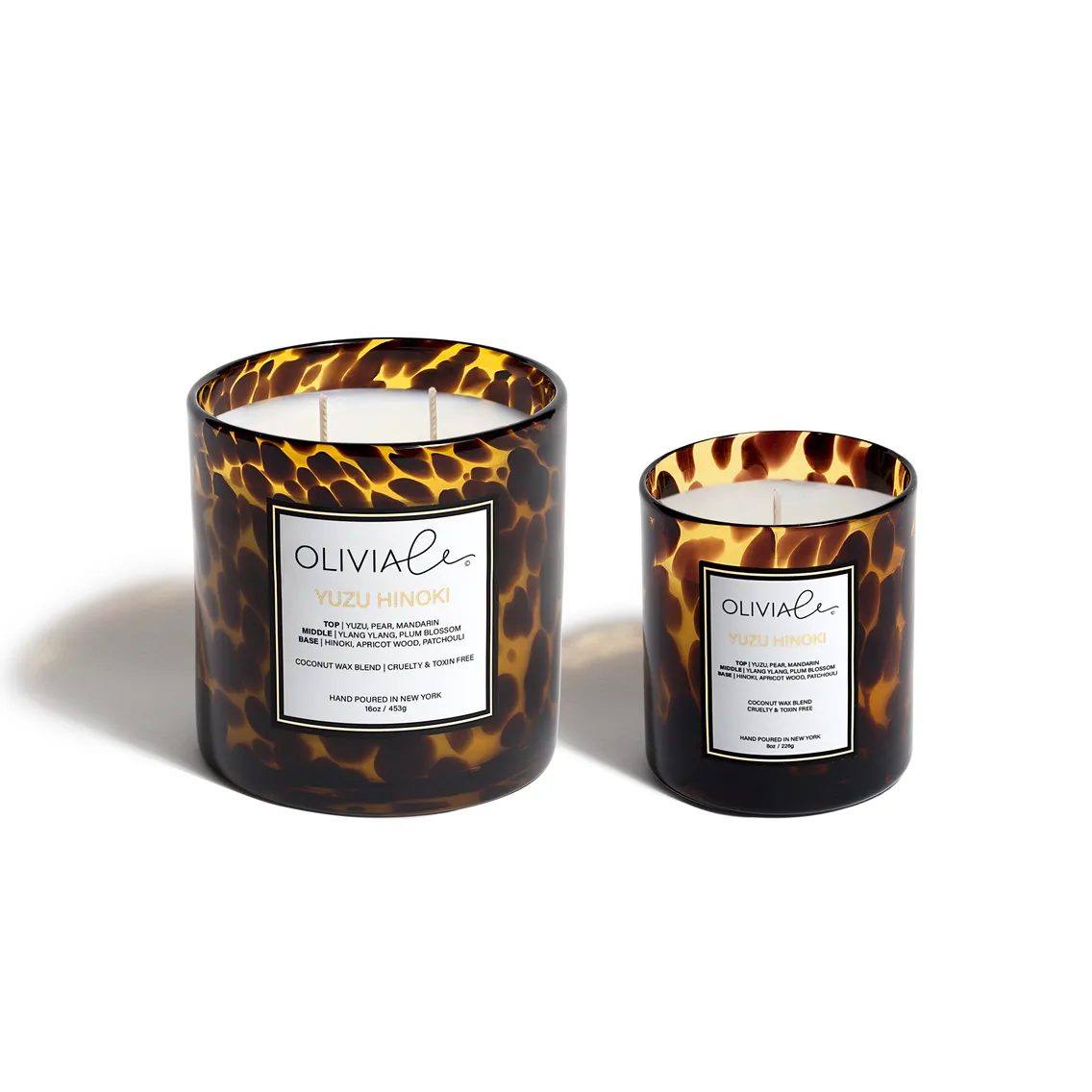
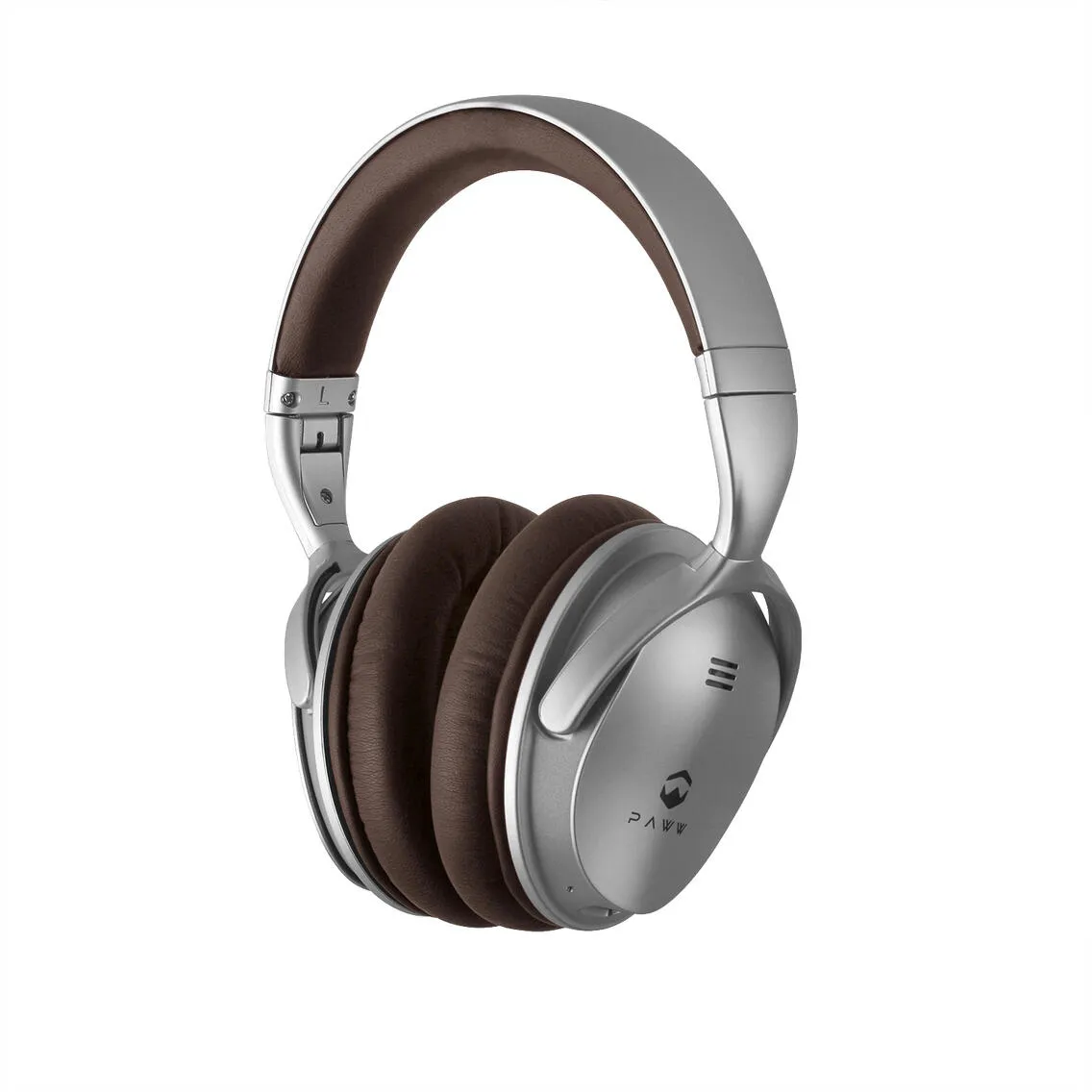
Fashion styling is relevant beyond fashion categories, though brands in these sectors often don't budget for it. A smartwatch styled with tailored office attire communicates a different use case than the same watch styled with athleisure. Both are valid depending on who the campaign is targeting, but the decision needs to be made deliberately. A coffee maker in isolation is an object; in the context of a morning routine with a model in specific wardrobe, it becomes an aspirational product that belongs to a particular lifestyle. The fashion stylist makes those wardrobe decisions in direct service of the product's intended market positioning.
Home Appliances
Even practical items like coffee makers or vacuum cleaners can be styled into aspirational lifestyle visuals. A coffee maker in isolation is just an object, but when styled with a model in an elegant morning robe or casual weekend loungewear, it evokes warmth and sophistication. For premium home appliances, a stylist ensures the wardrobe reflects a modern, aspirational home aesthetic.
Beauty Products
Skincare and cosmetics visuals rely heavily on the right wardrobe to set the tone. A silky robe or a neutral, relaxed outfit enhances the intimate and luxurious feel of the product, while a vibrant, fashion-forward ensemble can emphasize bold makeup products.
Furniture and Decor
For furniture campaigns featuring models, wardrobe choices are essential to aligning with the brand’s image. A model in a relaxed linen outfit lounging on a sofa conveys casual comfort, while a sleek cocktail dress next to a designer armchair communicates high-end elegance.
Many brands in these niches don’t realize how much styling can enhance their visuals. Yet, a stylist’s expertise can transform a simple product image into a compelling visual narrative that resonates with customers and drives sales.
LenFlash apparel and fashion shoots include professional fashion styling support. Bring us your brief and your products and our team handles the production, from styling and photography through retouching and delivery.
Start your order at LenFlash — apparel photography from $30 per image