

What Separates Professional Watch Photographer from Product Photographer
A basic product photographer will deliver something publishable. In the luxury watch segment, publishable is not the standard that matters. If the watch appears flat, the dial reads as cheaper than it is, or the materials lack depth, the customer subconsciously adjusts their perceived value downward before they have read a single specification. Professional watch photography exists to prevent that exact outcome.
Part of our complete guide: eCommerce Brand's Guide to Jewelry Photography
Why Luxury Watch Photography Requires a Different Approach
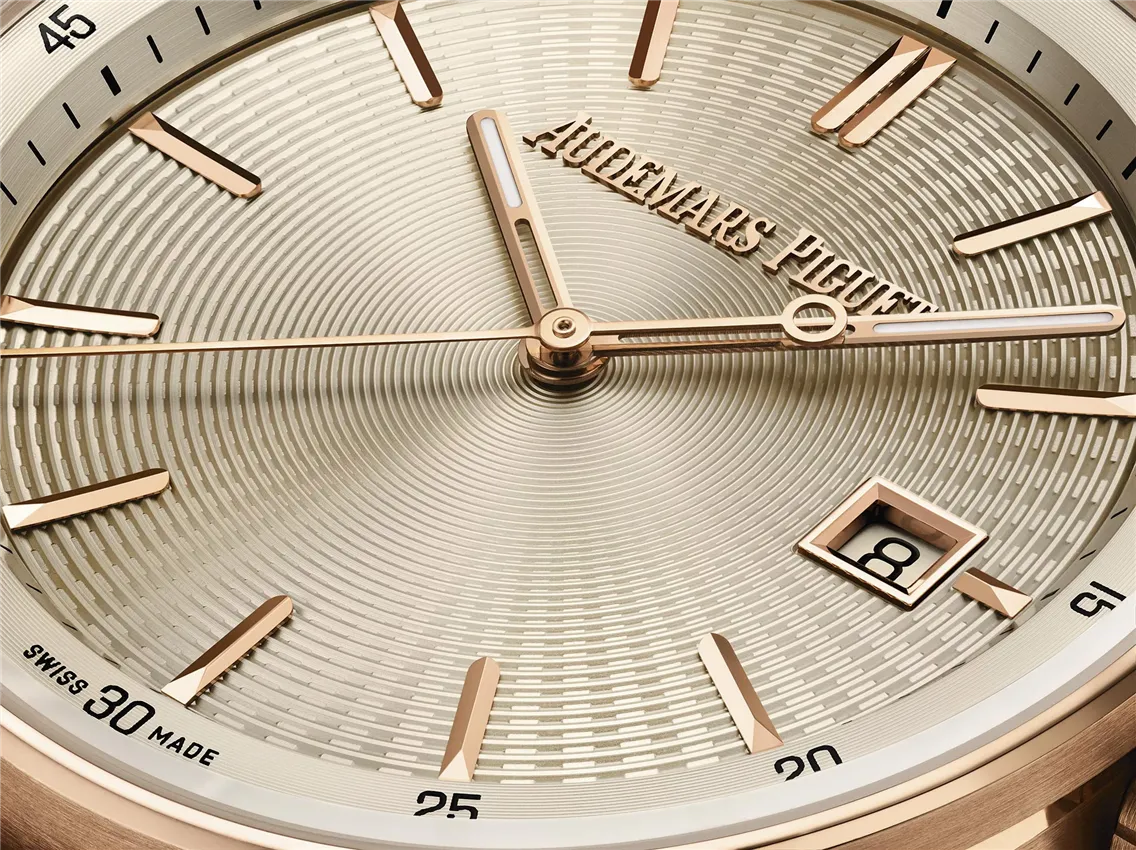
Luxury watch photography is subtle. It should feel calm, intentional, and confident. Most product photography works against this without intending to. It often introduces aggressive sharpness, unnecessary contrast, bright reflections that overpower the dial, or tones that make metal surfaces appear inexpensive. Those choices work for mass-market products that need to stand out quickly. They erode the emotional weight of a luxury object.
The distinction is not just aesthetic. Brands that use basic photography for premium watches consistently encounter the same pattern: the watch looks acceptable when reviewing files on a laptop. The problems surface when those files are used in real contexts. Scaling visuals for ads, banners, print, or retail partners reveals what the first review missed — weak details, uneven tones, surfaces that look plastic instead of metal. Professional studios work backwards from final usage, designing each image to perform equally well at a website thumbnail, a full-page magazine ad, and a large in-store print.
For a broader discussion of how visual positioning shapes perceived value across jewelry and watch brands: Visual Branding for Jewelry Companies
For the technical approach to lighting and reflection control for watches and reflective metal surfaces: Professional Jewelry Photography: A Practitioner's Guide
How the Five Main Types of Watch Photography Look When They’re Done Professionally
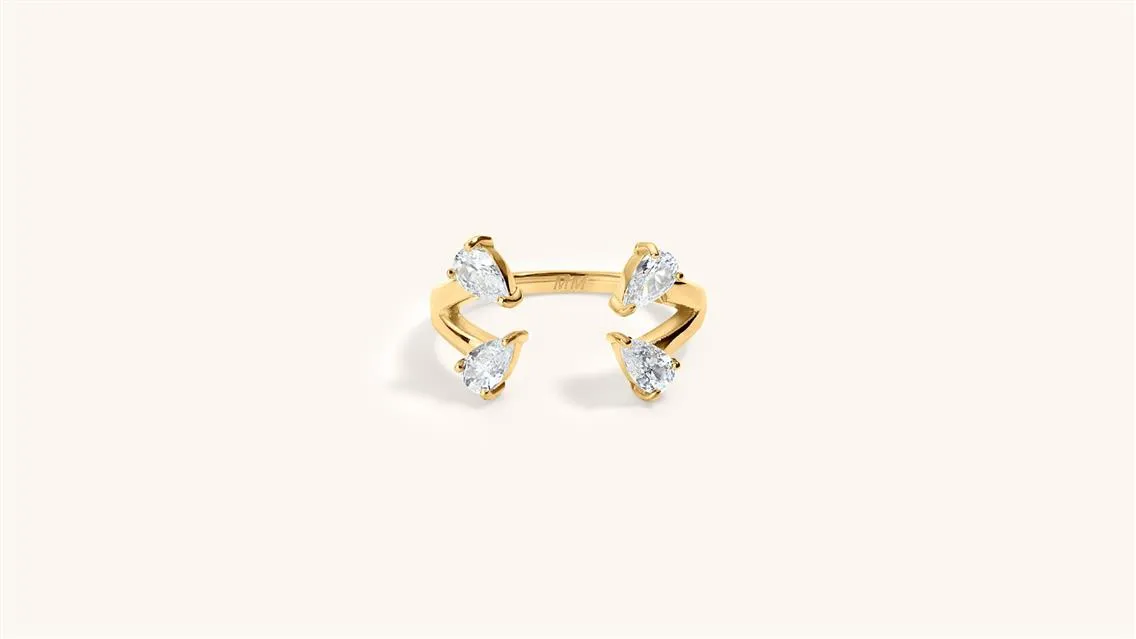
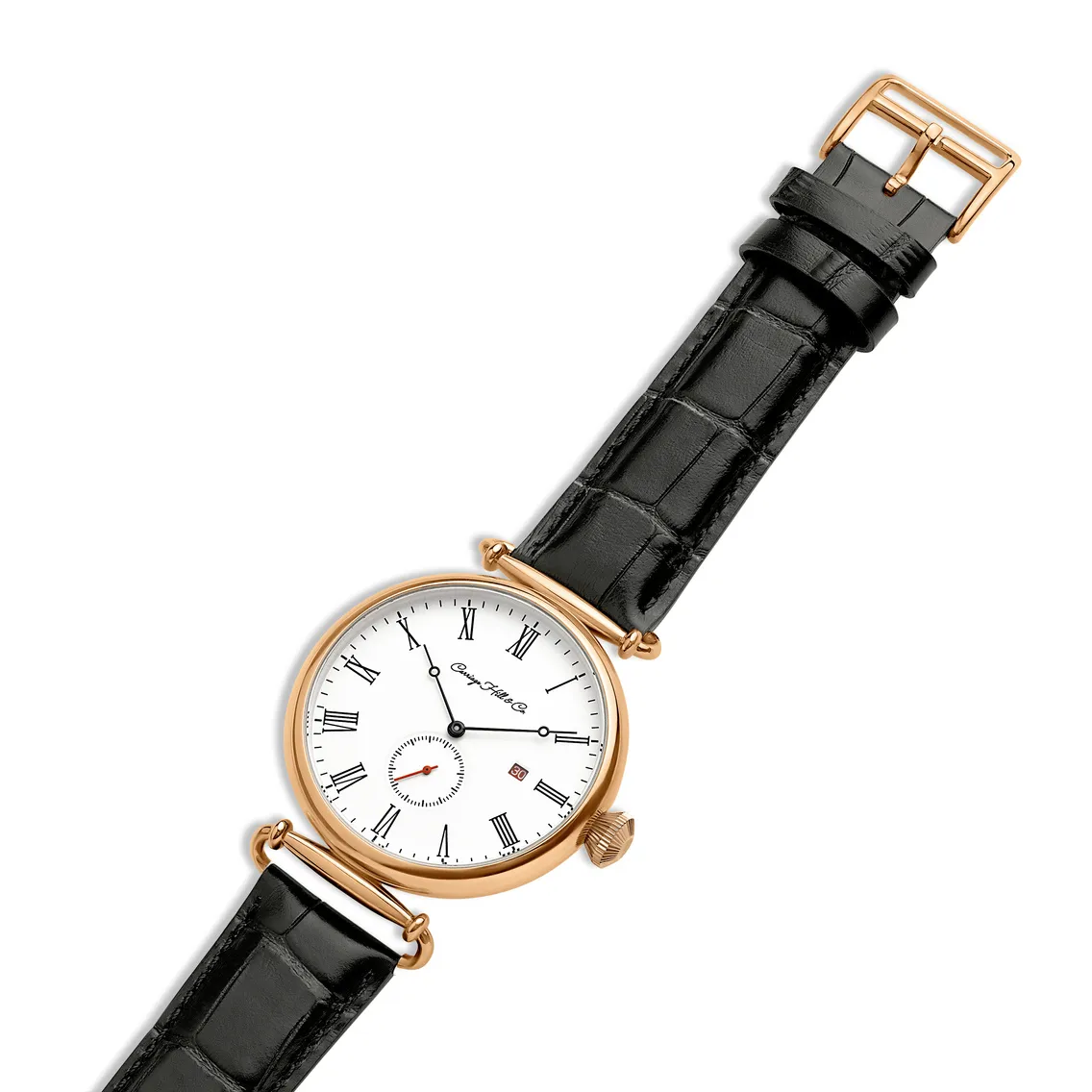
1. Watch Product Photography
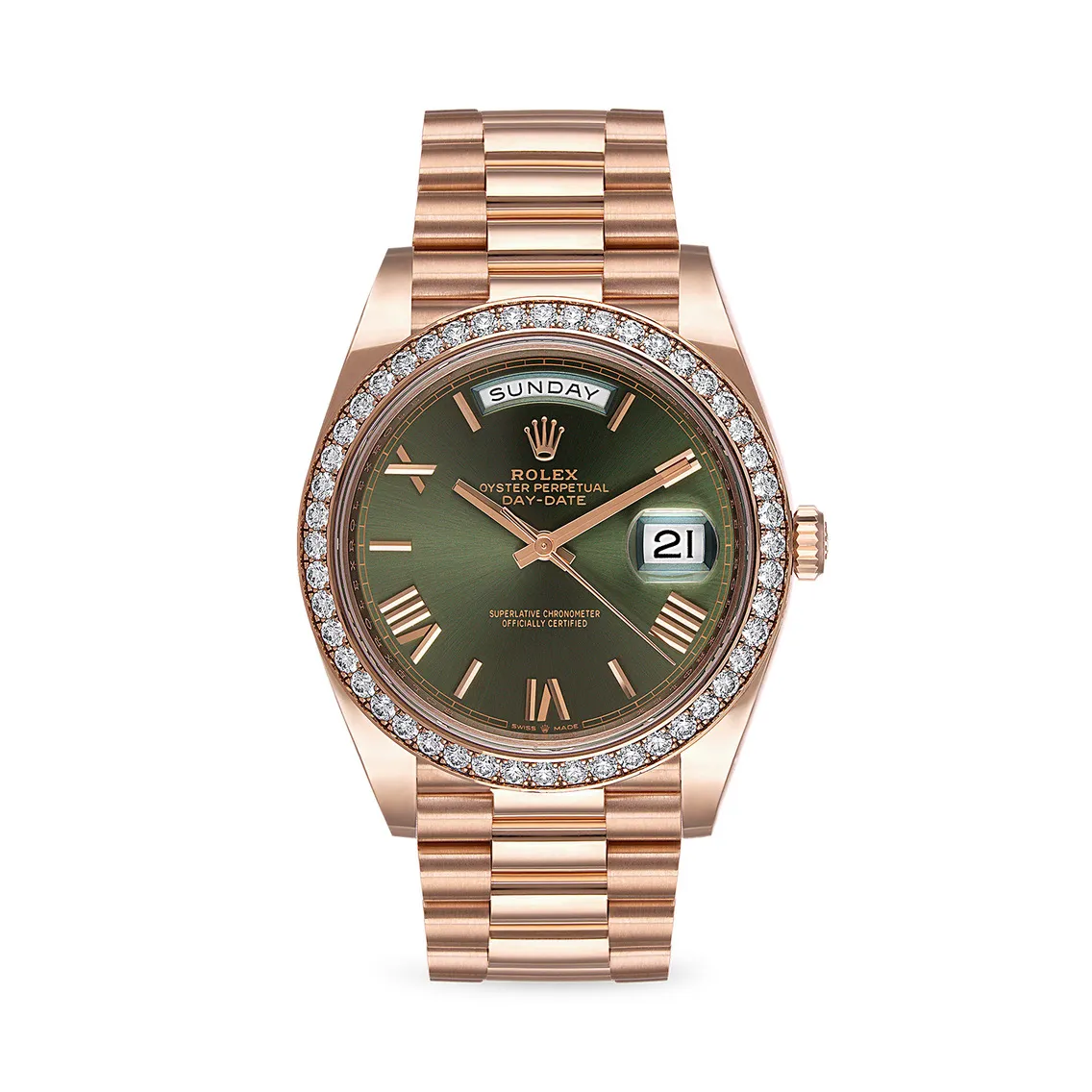
When product photography is done professionally, the watch looks exactly like the customer hopes it will look when they unbox it. The metal has the depth and richness you associate with premium objects. The finish is clean but not artificial. The dial reads clearly without feeling exaggerated. Most importantly, every watch in the catalog looks like part of the same collection. Whether the customer views a GMT, a diver, or a dress watch, the visual language holds together. The brand feels stable. The presentation feels intentional. When this consistency exists, price makes sense immediately, and nothing in the imagery contradicts it.
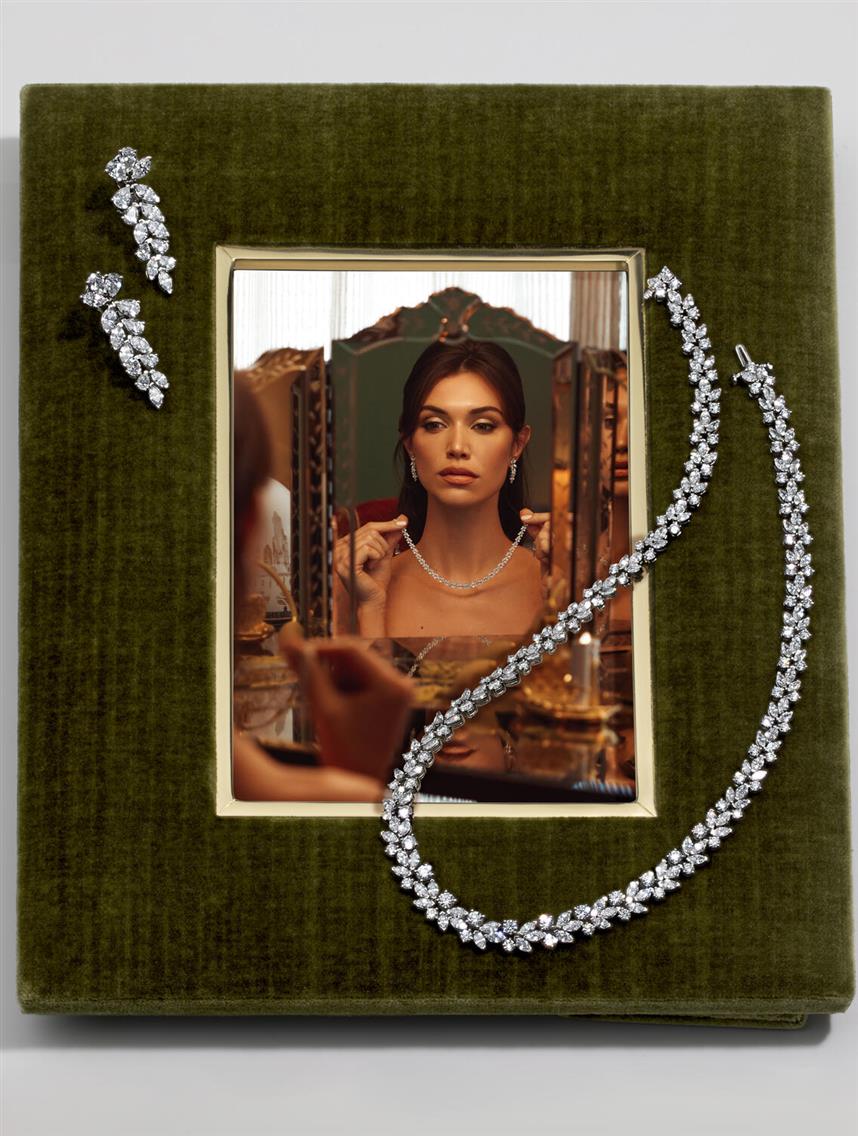
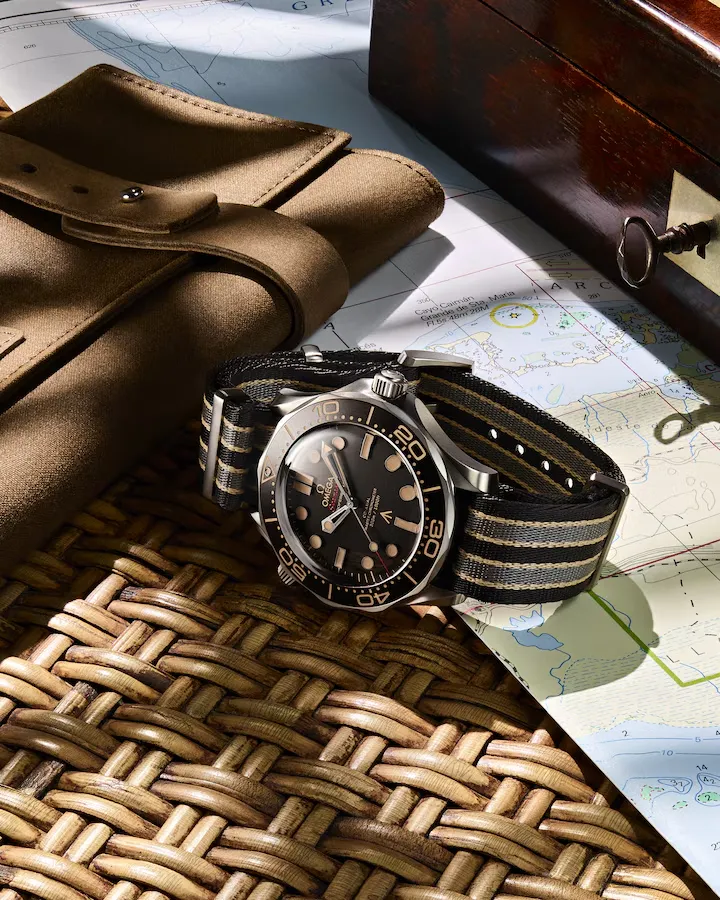
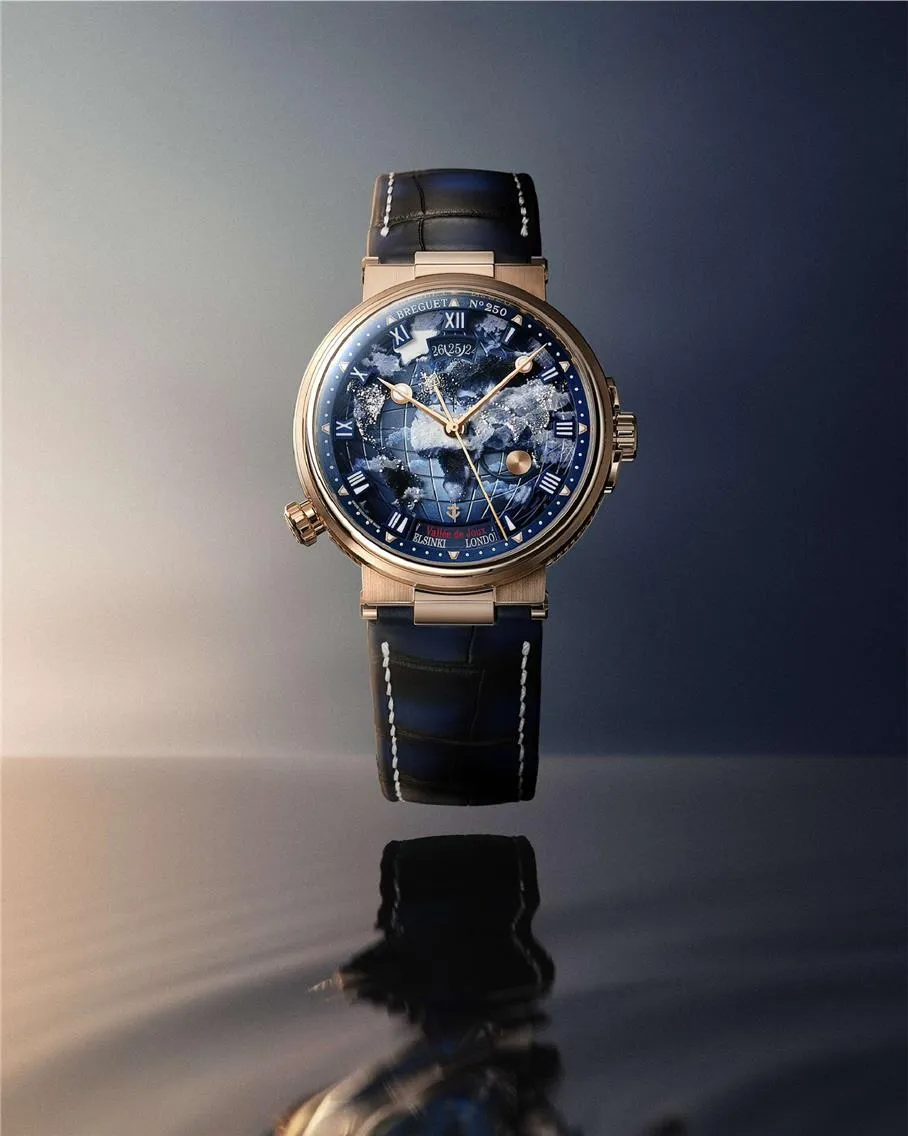
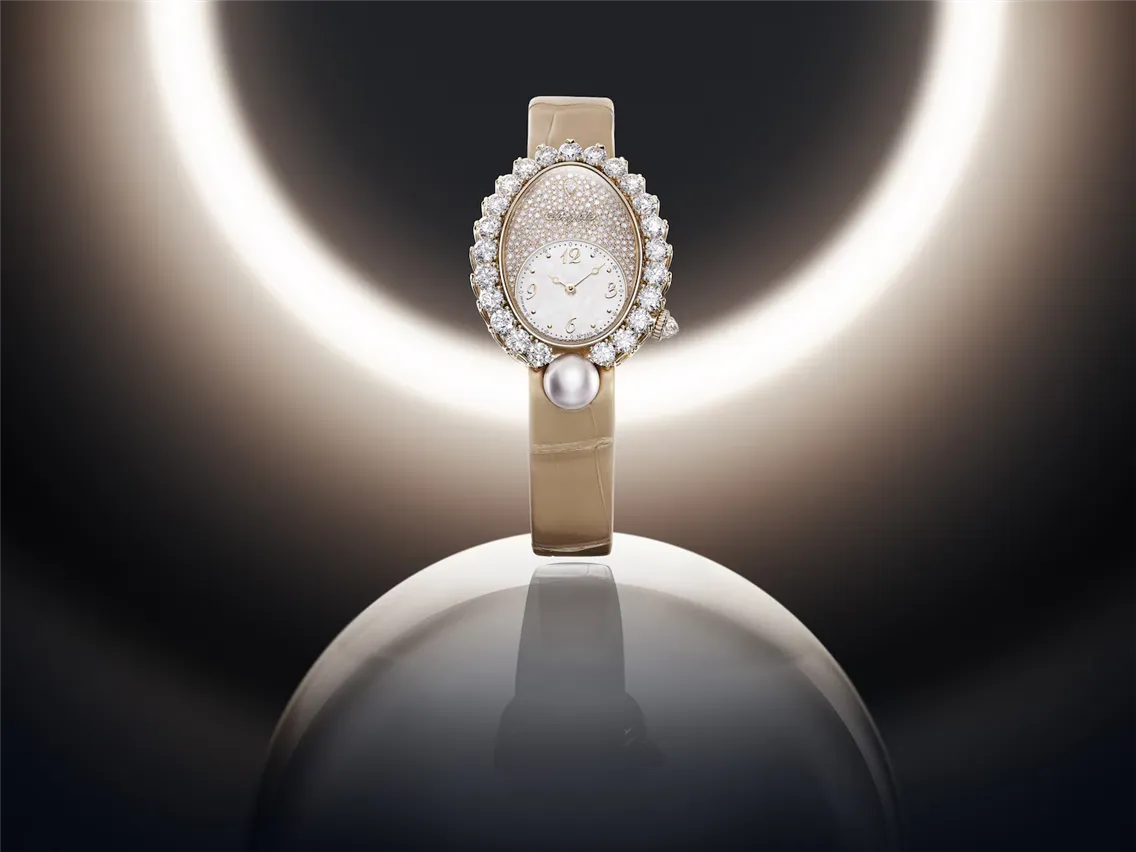
2. Creative Still Life Photography
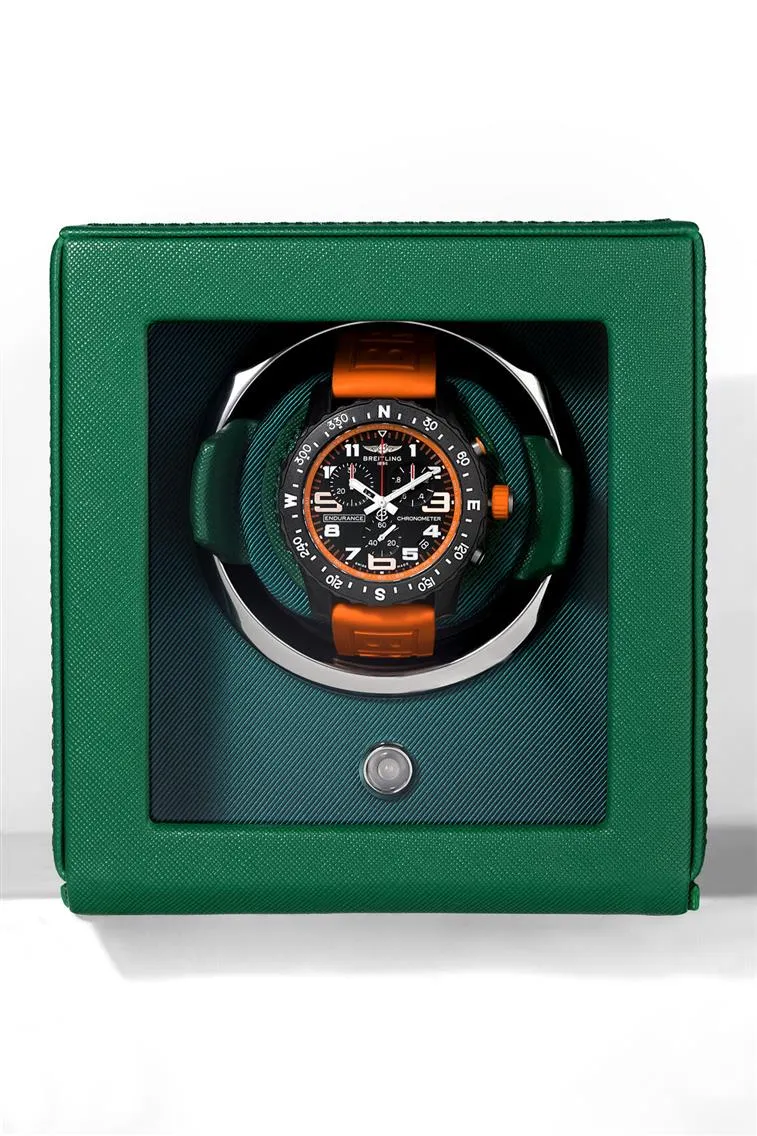
A professionally created still life gives the watch a world to belong to before the viewer has processed any detail. If the brand leans into technical sophistication, the still life feels structured and precise. If the brand expresses modern refinement, the still life feels calm, minimal, and elevated. If the brand has a design-driven identity, the image feels curated and almost sculptural.
Nothing in a professional still life is accidental. Colors echo the brand palette. Materials complement the watch rather than distract from it. The result is that the watch looks more valuable because the environment around it reinforces its character.
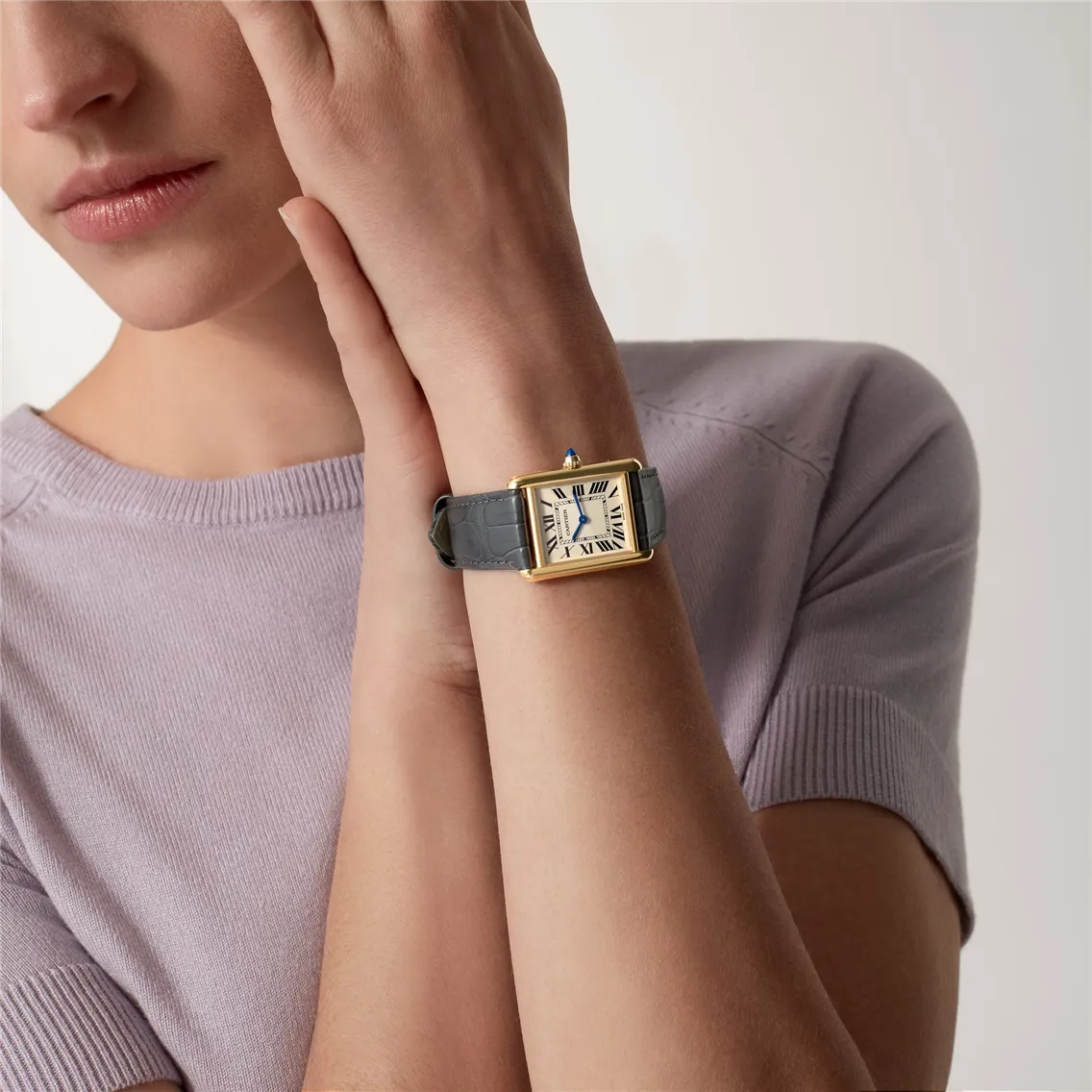
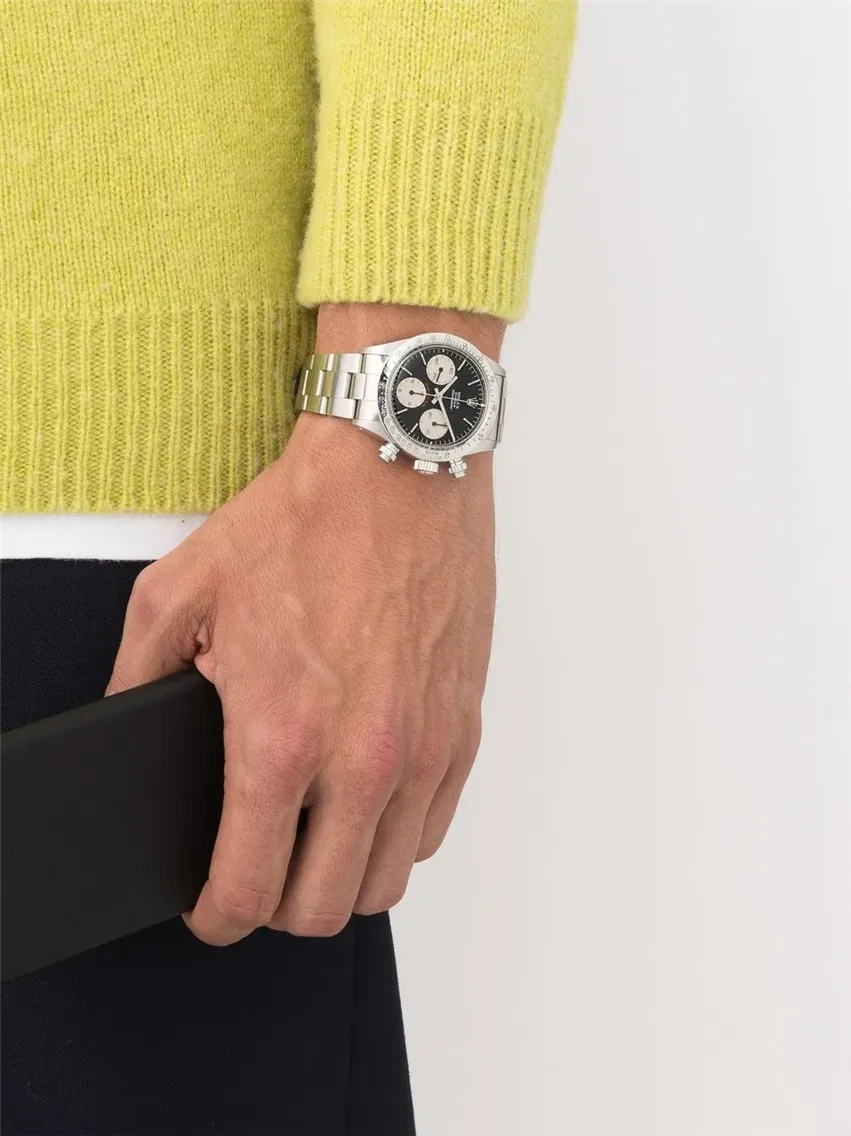
3. On-Model Catalog Photography
When shot professionally, on-model images make it immediately clear how the watch lives on the wrist. Proportion is correct. Skin tones feel real. The styling reflects the brand’s aesthetic rather than the photographer’s taste.
The watch remains the clear focus, even if the model is present. The image shows a lifestyle without becoming fashion photography. A luxury brand cannot afford a model image in which the watch visually disappears, feels too small, or competes with clothing. In professional execution, the model becomes a frame that elevates the watch, not a distraction that steals attention from it.
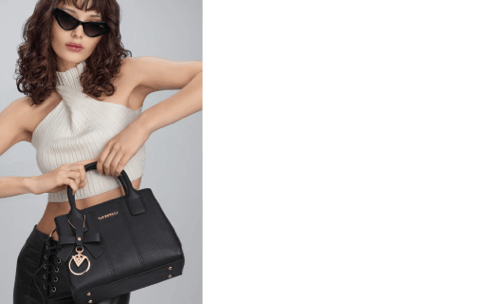
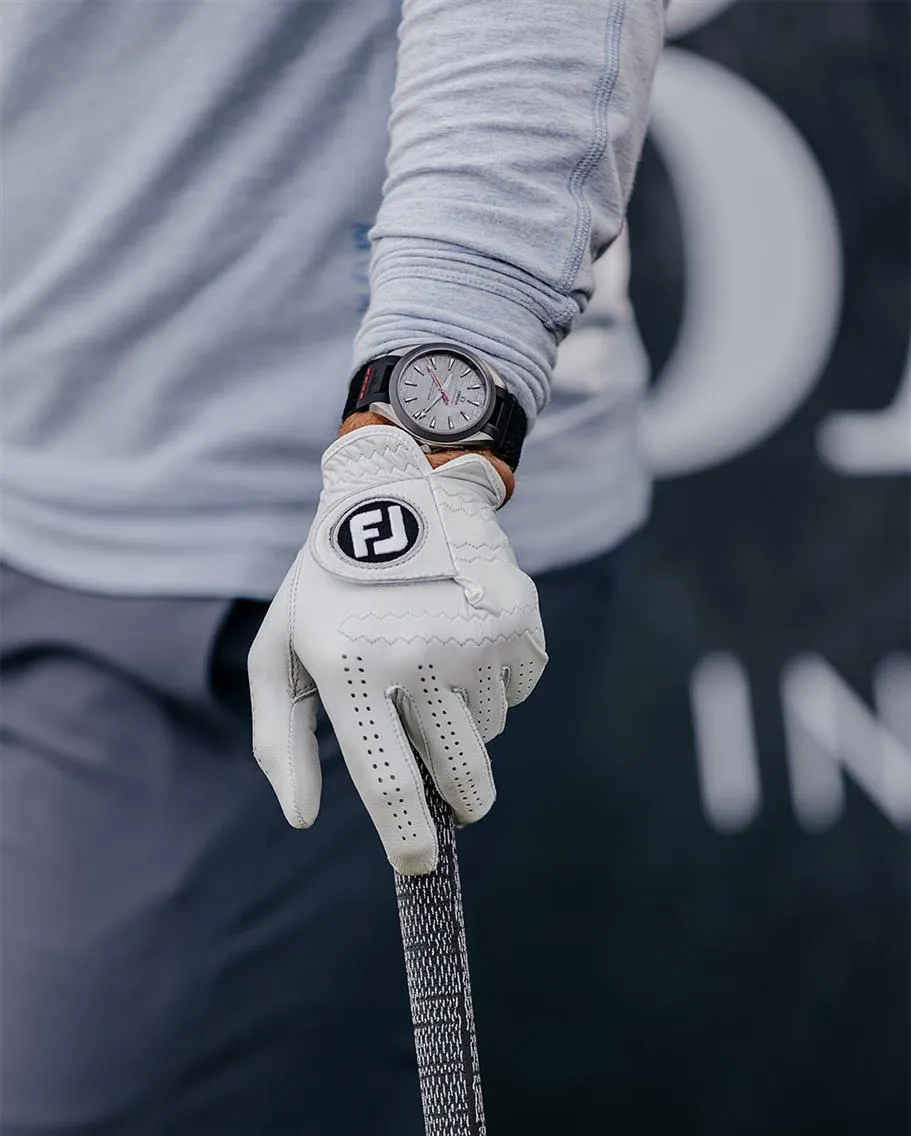
4. Lifestyle Watch Photography
Professional lifestyle photography doesn’t simply place a watch in a setting. It places the watch in its setting. The environment matches the brand’s cultural space. A technical sports watch feels natural in motion or adventure. A heritage dress watch feels at home in refined interiors. A minimalist contemporary brand thrives in clean, modern, architectural spaces.
Nothing feels random. The surroundings quietly justify the customer’s purchase by saying, “This is the kind of life this watch is built for.”
When lifestyle photography is professional, you see the identity that comes with wearing it. And that identity aligns precisely with the brand’s intended audience.
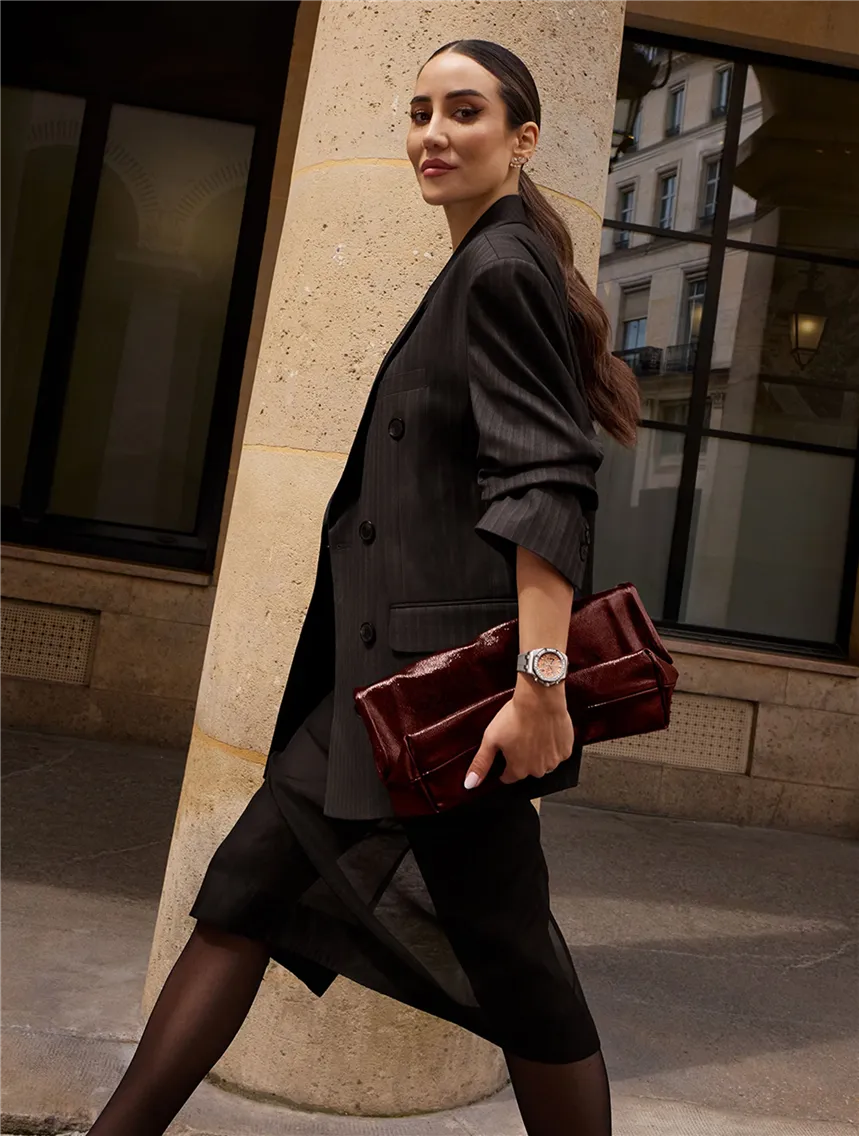
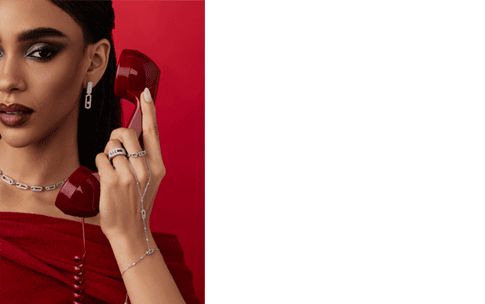
5. Editorial Luxury Watch Photography
Professional editorial photography is where everything becomes the brand unmistakably. You can often recognize the brand even without the logo because the visual signature is so clear. These images express a philosophy. They tell you what the brand believes in: precision, heritage, innovation, artistry, boldness, restraint. The storytelling is elevated but still commercially grounded.
Editorial photography at a luxury level feels like a campaign from a world that already exists in the customer’s mind, but is clarified and refined through the imagery. It is the form of photography that can define a season, a launch, or a brand era.
Basic product photography cannot imitate this because editorial work depends on taste, strategic thinking, and brand fluency, not on equipment or lighting tricks.
What Separates Basic from Professional Watch Photography
The difference shows up most clearly when images are used at scale. A watch image that looks acceptable reviewing files on a laptop breaks down the moment it is applied to a real campaign. Scaling visuals for ads, banners, print, or retail partners reveals what the first review missed: weak details, uneven tones, surfaces that read as plastic instead of metal. Professional studios work backwards from final usage, designing each image to perform at every scale from website thumbnail to large-format retail print.
The specific failure modes of basic watch photography are consistent across brands.
Hiding details instead of revealing them. A watch's value lies in the brushing of the case, the clarity of the dial, the depth of the markers, the sharpness of the hands, the refinement of the finishing. Photography that is too bright, too contrast-heavy, or handled without clear intent causes these details to disappear. The watch reads as less expensive than it is. The customer begins comparing it to mid-range competitors rather than the category it belongs in.
Inconsistency across the catalog. If one collection is photographed slightly brighter and another slightly darker, or one photographer favors a cooler tone and another a warmer one, the product range stops looking like a range. Customers see individual images but never see an identity. Brands that take this route typically end up reshooting assets, re-editing campaigns, or delaying launches because the visuals do not sit together — costs that quickly exceed the savings from the initial economy approach.
Poor retouching that cheapens the product. Bad retouching is often worse than bad photography. When metals look plastic, edges appear digitally smoothed, or details are unnaturally sharp, the watch no longer feels crafted. Poor retouching eliminates the subtle differences between polished and brushed finishes, flattens the depth of the dial, and introduces reflections or halos that do not exist on the physical object. The viewer never reaches an accurate perception of the product because the photograph has already misled them.
For the full guide to watch and jewelry post-production: Jewelry and Watch Retouching Guide
What to Look for When Evaluating a Watch Photography Studio
Consistency across images, not just a few good shots. Any photographer can show you one or two strong images. A luxury brand needs consistency across collections, seasons, materials, and formats. A professional studio's work holds together even when the watches differ significantly in design and finish. This is the difference between a vendor who can take pictures and a vendor who can support a brand over time.
Ability to build and maintain a visual system. A basic photographer works image by image. A professional studio thinks about how your next launch will sit next to your previous one, how your retailer images will match your direct-to-consumer assets, and how your brand should develop visually over time. If every project in a studio's portfolio feels stylistically disconnected from the others, they create outputs, not systems.
Understanding of how luxury positioning works visually. Luxury customers respond to confidence, refinement, and controlled sophistication. A photographer whose background is in mass-market products brings visual habits that are often incompatible with luxury: too much contrast, too much brightness, too much effect. These images can look appealing at first glance but quietly lower perceived value. If a studio cannot articulate how luxury positioning affects their visual decisions before discussing lighting or props, they are not equipped to represent a premium watch brand.
Ability to translate brand values into imagery. A professional studio should be able to look at your product, your history, and your competitive position and say clearly: this is the world your watch needs to live in. They then translate that into a shoot plan without needing to be managed through every decision. For guidance on what a proper creative brief for a watch or jewelry shoot should contain: Art Direction Guidelines for Your Jewelry or Fashion Brand
Photography tells the customer where your brand belongs and why your price is justified. Choosing professional watch photography is, ultimately, choosing the perception your brand will compete on.
LenFlash photographs watches and fine jewelry from our New York studio. Online ordering for catalog production, pre-production consultation for campaign and editorial work.