
Creative Director vs Art Director Responsibilities in Commercial Product Photography
If you’ve ever commissioned a photoshoot, you’ve probably noticed the same confusion: who exactly is responsible for making sure the images reflect your brand — the creative director or the artistic director? Some studios use the terms interchangeably, others blur the lines, and for business, that can mean uncertainty about who is actually accountable for your campaign outcome.
Let’s define it here and now.
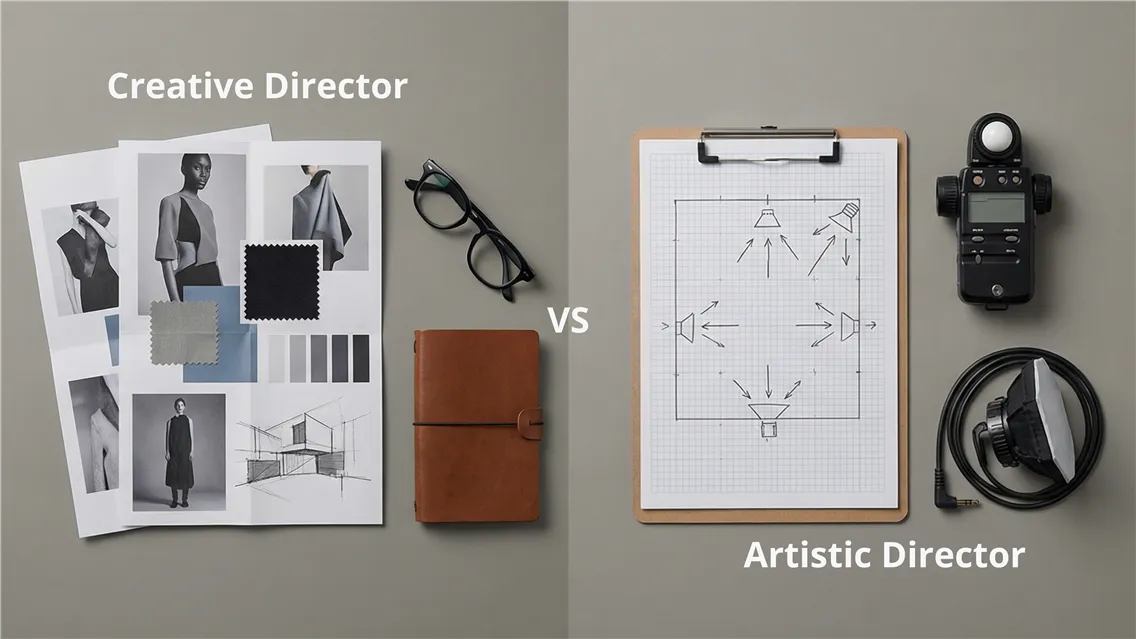
The creative director is responsible for defining the why and what of a campaign: the vision, the story, the strategy behind the visuals. The artistic director, on the other hand, is focused on the how: the set, the styling, the execution that makes the campaign look the way it does.
If you blur those lines, you risk ending up with photos that are technically beautiful but disconnected from your brand, or a big strategic idea that collapses in execution. Understanding the distinction can help you make smarter hiring decisions, save money on production, and protect your brand identity. Let’s explore this question together in this article.
Creative Director in Commercial Photography
Role and Core Responsibilities
The creative director is the strategist on your photography project. Their responsibility is to define the overall vision of the campaign, not to decide which scarf the model should wear. They are the ones who ask questions like:
- What does this campaign need to communicate about the brand?
- Who are we speaking to, and how do we want them to feel?
- How should these images connect to the rest of our marketing strategy?
Once those answers are clear, the creative director shapes the concept into something actionable. They build mood boards, define the storytelling direction, align messaging with marketing goals, and ensure everyone from the photographer to the retoucher is working toward the same outcome.
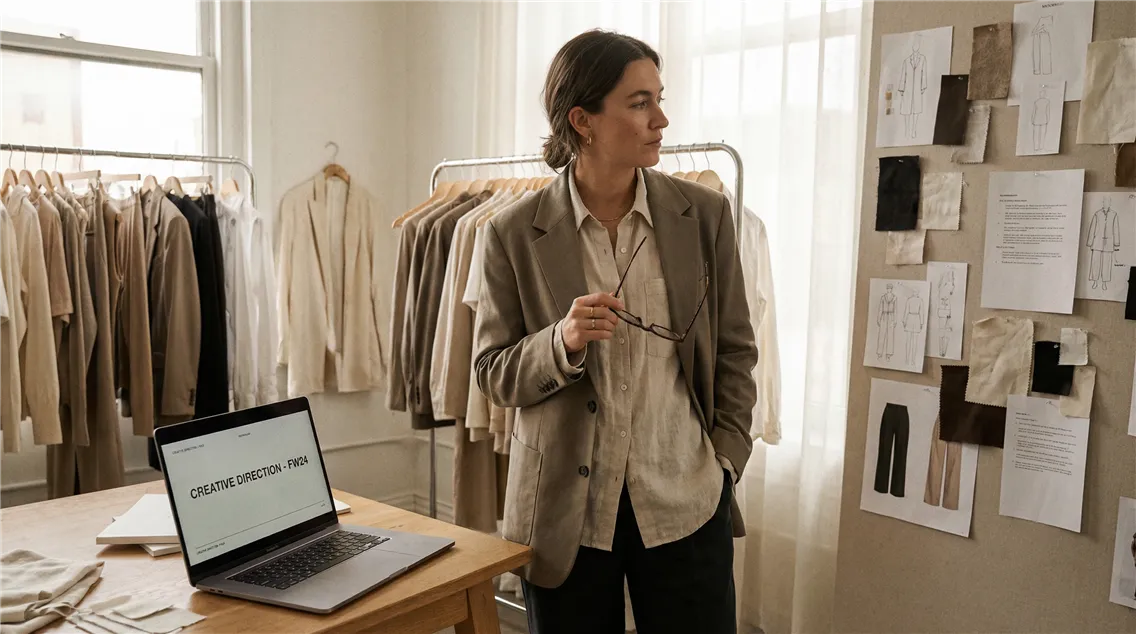
They’re also the person holding the bigger picture together. That means defining timelines, ensuring consistency across deliverables, and balancing creative ambition with budget reality.
Business Impact of a Creative Director
For a brand, a strong creative director is like a safeguard against wasted investment. Without one, you can end up with great photos that don’t resonate with your customers or, worse, visuals that contradict your brand identity.
Take a fashion example: if your label’s positioning is about sustainable luxury, the creative director ensures the campaign story reflects that from the casting to the setting to the final edits. If you’re running a fast-fashion brand, they’ll lean into speed, trends, freshness, and accessibility. In both cases, the goal is the same: to make sure the campaign is not just aesthetically pleasing, but strategically effective.
In short, the creative director makes sure your photography is a business tool that drives sales and strengthens your brand.
Art Director in Commercial Photography
Role and Core Responsibilities
If the creative director sets the blueprint, the artistic director is the one making sure that blueprint comes alive on set. Their role is executional, but in a highly creative way. They’re responsible for shaping the look and feel of the campaign while staying true to the vision.
On a typical shoot, the artistic director is the one who:
- Defines the mood through directing lighting, composition, and set design
- Approves props, textures, and backgrounds to match the story
- Guides the stylist, makeup artist, and photographer toward cohesive results
- Makes real-time adjustments when something doesn’t look right through the lens
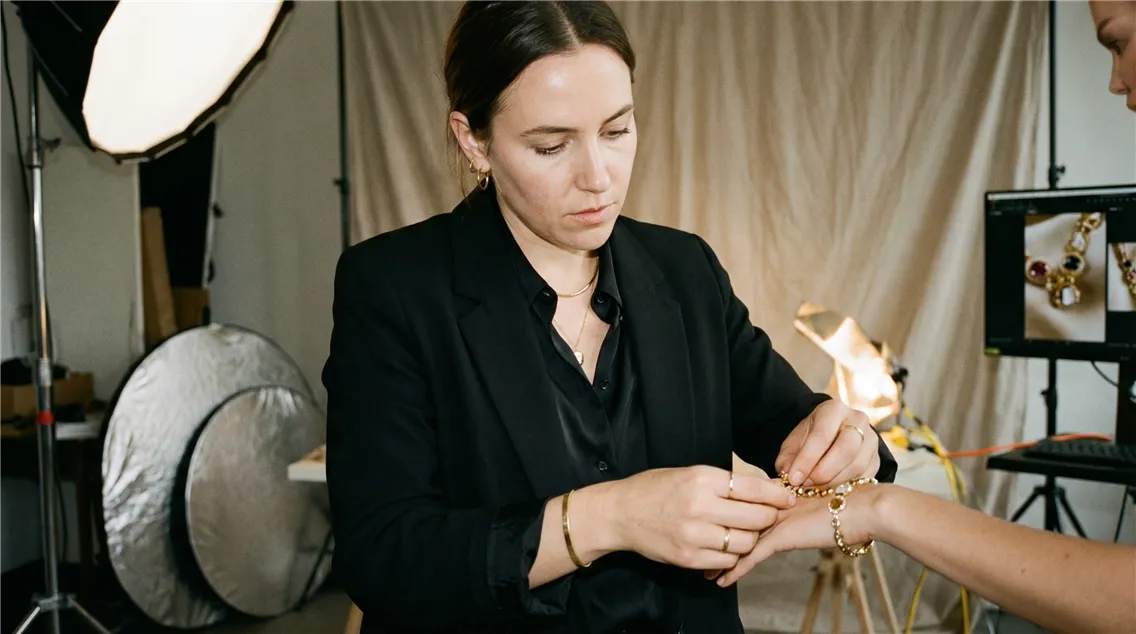
It’s an intensely hands-on role. While the creative director might step in at key points, it’s the artistic director who is constantly making micro-decisions that affect every frame.
Business Impact of an Artistic Director
For you as a business, the artistic director is the person who protects your campaign from “looking good on paper but failing in execution.” They’re the eyes on set, ensuring that every product, every detail, every shot meets the standard your brand requires.
Imagine a lookbook for a new clothing line. The creative director has already defined the story: minimal, urban sophistication. The artistic director turns that into reality by selecting a clean architectural location, pairing it with neutral props, and directing the lighting to highlight textures. They make sure the clothes don’t just appear in the frame but communicate the brand’s identity.
Without this role, you risk ending up with disjointed visuals: the wrong background, inconsistent lighting, or styling choices that dilute your message. With it, you get cohesion, quality, and visuals that feel effortless but are, in fact, carefully engineered.
Creative Director Key Differences from Art Director
It’s easy to see why these titles get confused. Both roles are creative, both influence the outcome, and both often work side by side. But when you break them down, the differences are obvious.
Vision vs Execution
The creative director defines the vision: what the campaign needs to say, how it aligns with brand goals, and the emotional reaction it should spark in your audience.
The artistic director is focused on execution: the practical, aesthetic decisions that make the vision tangible on set and in the final images.
Long-Term vs Short-Term Focus
The creative director thinks across the entire brand’s visual assets across multiple campaigns and seasons. Their scope is strategic and long-range. The artistic director zooms into the moment. Their focus is immediate: how does today’s shoot look, frame by frame, detail by detail?
Client Interaction
As a business owner, you’ll typically spend more time with the creative director during the planning and strategy phase. They’re the ones who translate your brand values into a campaign concept. On the shoot itself, you’ll see the artistic director leading the action, directing the look, and ensuring everything lines up with the brief.
Creative Director | Art Director |
|---|---|
Focus | |
| Shapes the big-picture vision: defines campaign story, ensures alignment with brand strategy and marketing goals. Example: deciding that a jewelry campaign should highlight “timeless heritage” instead of “trend-driven fashion.” | Delivers visual execution: decides how that vision looks on set — e.g., warm studio lighting with wood textures to support a “heritage” narrative, or sharp high-contrast lighting for a trend-driven vibe. |
Leadership Level | |
| Leads the entire creative process: from briefing through production to delivery. They orchestrate all departments, including photographers, stylists, and post-production. | Leads within a narrower scope: set styling, prop selection, working closely with photographers and models to bring the vision alive shot by shot. |
Client Interaction | |
| High — they’re often your main point of contact, presenting concepts, justifying choices, and translating brand goals into creative briefs. | Lower — their communication is mostly with the internal team. On set, you may see them making real-time aesthetic decisions, but they don’t typically present strategy to you. |
Decision-Making | |
| Strategic and managerial: approves mood boards, sets campaign tone, signs off on casting, and ensures the visual direction matches the brand’s marketing strategy. | Creative and executional: adjusts lighting, fine-tunes wardrobe styling, and ensures the composition is consistent with the creative director’s plan. |
Responsibility Scope | |
| Oversees campaign direction, project management, and budget allocation. They prevent overspending by keeping strategy consistent with deliverables. | Oversees visual quality: making sure each frame meets brand standards. For example, checking that product textures (fabric, gems, packaging) are captured authentically and retouchable. |
Why Both Creative and Art Directors Matter for Business Owners
Scenario 1: A fashion label hires a studio without a creative director. The team shoots beautiful images with edgy styling, but the brand’s actual positioning is about “comfort and inclusivity.” The campaign looks amazing, but customers are confused, and conversion rates drop.
Scenario 2: A jewelry brand invests heavily in creative direction but skimps on artistic direction. The strategy is strong, but the photos struggle with the wrong lighting style, the gems don’t sparkle, and the retouching feels flat. The message is right, but the execution kills the impact.
Both cases waste money, not because the teams weren’t talented, but because the balance between strategy and execution was missing.
When to Prioritize One Over the Other
The size of your project should guide where you invest.
Smaller campaigns (like seasonal drops or single-product launches) may lean more on an artistic director. These shoots don’t need big-picture strategic direction but do need someone on set ensuring visual quality.
Large campaigns (like multi-channel brand relaunches, international launches, or editorial-level productions) absolutely require both. The creative director ensures the vision scales across platforms, while the artistic director ensures each shoot maintains quality and cohesion.
Think of it as scaling your team to the stakes of your campaign. Skipping one role is like skipping quality control in manufacturing: you might get lucky once, but long-term it will cost you.
Do You Need Both Roles Covered?
Without clear role division, projects run into:
- Reshoots because the output didn't match the strategy
- Delays because last-minute adjustments replaced planning
- Inconsistency because different shoots don't align visually
Many brands already have their creative direction worked out internally. They know the audience, the story they want to tell, and often have mood boards or visual guidelines even if nobody called it creative direction. What they typically don't have is a team that can carry that vision through production without losing the thread.
At LenFlash, bring us your creative direction and we handle the art direction. You provide the brief, the references, the visual standards. Our team translates that into a production plan and executes every art direction decision on set: styling, composition, lighting, and the micro-choices that keep the visuals true to your brief.