

Will AI Replace Traditional Product Photography? What Today's AI Can and Can't Do for Your eCommerce Images
If you sell online, you've seen the pitch: skip the shoot, let AI generate your product images, save the time and the money.
A lot of brand owners are weighing it right now, so here's the straight answer: for the images that show your actual product, AI can't replace real photography.
It doesn't carry your real product over into a nicer setting. It rebuilds a brand-new one that only looks like it, and for a shot someone buys from, a look-alike isn't good enough.
Where no one's judging the exact product, testing ideas, spinning up variations, exploring a look, AI earns its keep. So every image comes down to one question, no matter how good the tools get. Here's how these tools actually work, then where each kind of image lands.
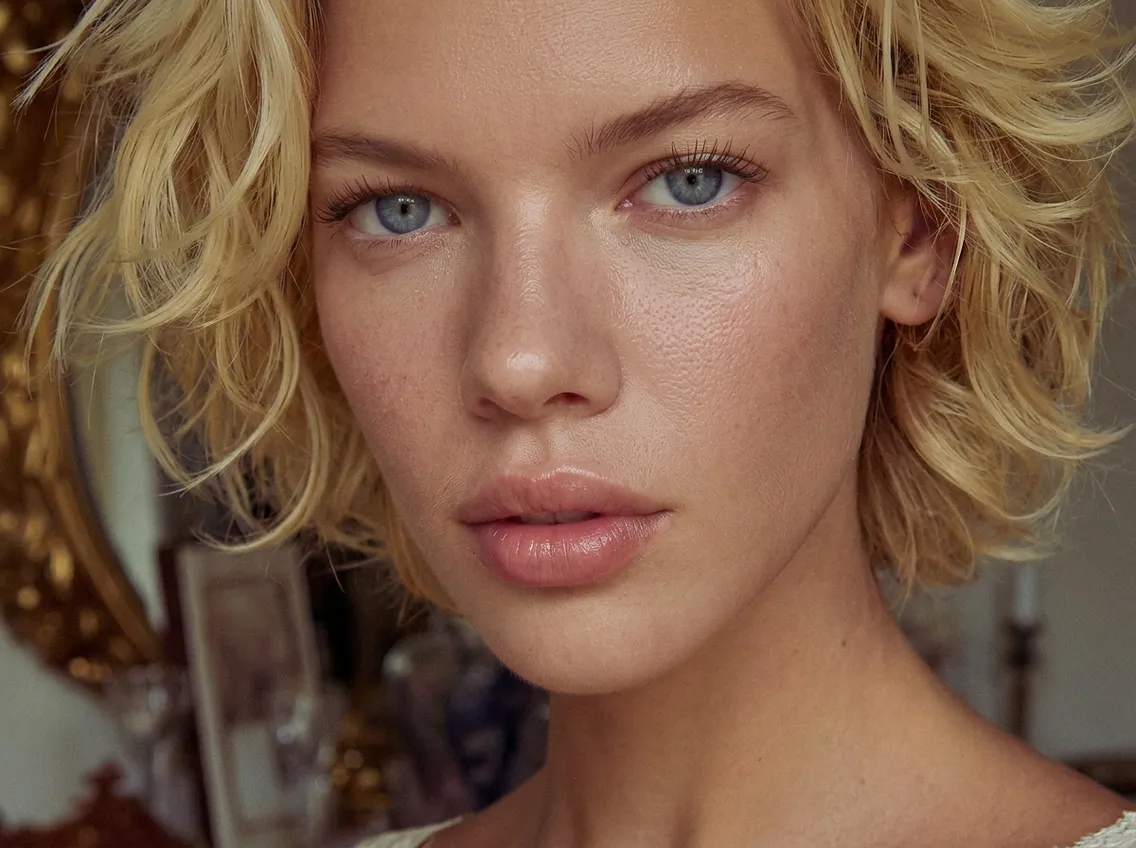
What AI Actually Does When It "Makes" a Product Image
Start with the misconception, because nearly everyone has it.
It Rebuilds, It Doesn't Cut and Paste
People picture AI as a kind of cut-and-paste: it lifts your real product out of one photo and drops it, untouched, into a nicer setting. The product stays fixed; only the background changes. That is not what happens, and the difference is the whole story.
AI does not move your product anywhere, and it doesn't keep a single one of your original pixels. What it actually does is take the picture apart, break it down into countless tiny fragments, and then rebuild a brand-new image from those fragments, step by step, steering toward something that looks like your product using your photo and the prompt as a guide. It reconstructs; it doesn't relocate.
This is why it's called diffusion AI, and it doesn't matter which model or tool you use. Rebuilding the picture from scratch is simply how AI generates graphics right now, across every tool on the market.
Your product is reassembled from scratch on every run, not carried across intact. And because it's rebuilt rather than kept, it is never quite the thing you photographed.
"Just Change the Background" Still Changes Your Product
This is the part that catches brand owners off guard, because it sounds like it should be safe. You don't want AI to touch the product, you only want a new background behind it. Surely that's harmless?
It isn't, because of how the tool works. When AI remakes the image to give you a new background, it remakes the whole picture, including the product sitting in it. Your item gets repainted to fit the new scene: the lighting shifts, the edges are redrawn, reflections and shadows are invented, and small details move. You asked for a new backdrop and got a new product too, one that's slightly off from the real one.
The Same Issue Shows Up With Fashion Photography
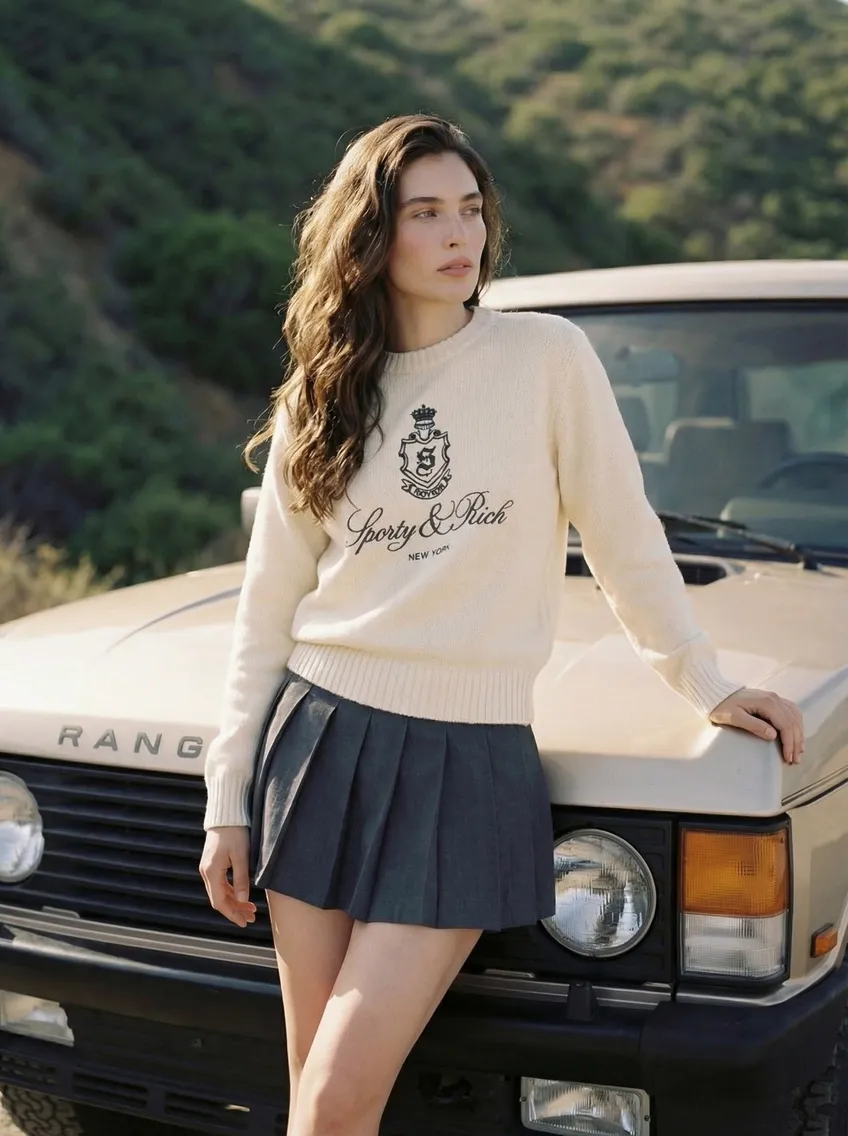
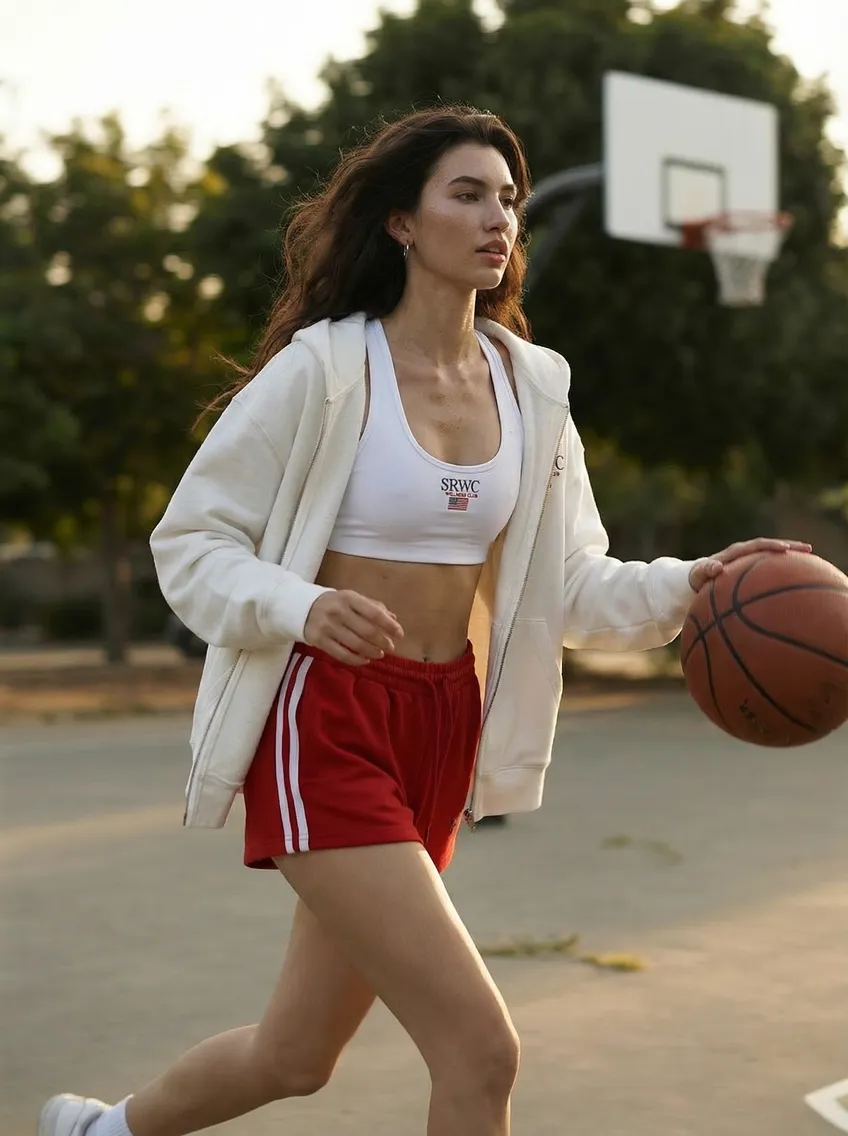
On-model and fashion imagery is where the "AI can just do it" promise is loudest, and where the trap is easiest to miss, because the frame holds a person and a product, and they don't carry the same risk.
Synthetic Models vs. Licensed Real Models
There is more than one way AI works with model imagery, and they are not equal.
A fully synthetic model. The person is invented by AI. This is powerful for casting flexibility, but a real-looking AI person is exactly the kind of output that new advertising rules increasingly require you to disclose as AI (more on that below).
A licensed real model. You contract a real model for the rights to her face and figure, then use AI to generate variations of her across looks and scenes. Here the person is real and licensed, which handles the disclosure and likeness questions around the model.
But notice what neither approach fixes: the garment. Whether the model is synthetic or a licensed real person, the product she is "wearing," if it's AI-generated, is still redrawn from scratch, with all the drift that implies. A real model does not make a generated dress the real dress.
Where the Garment Itself Breaks Down
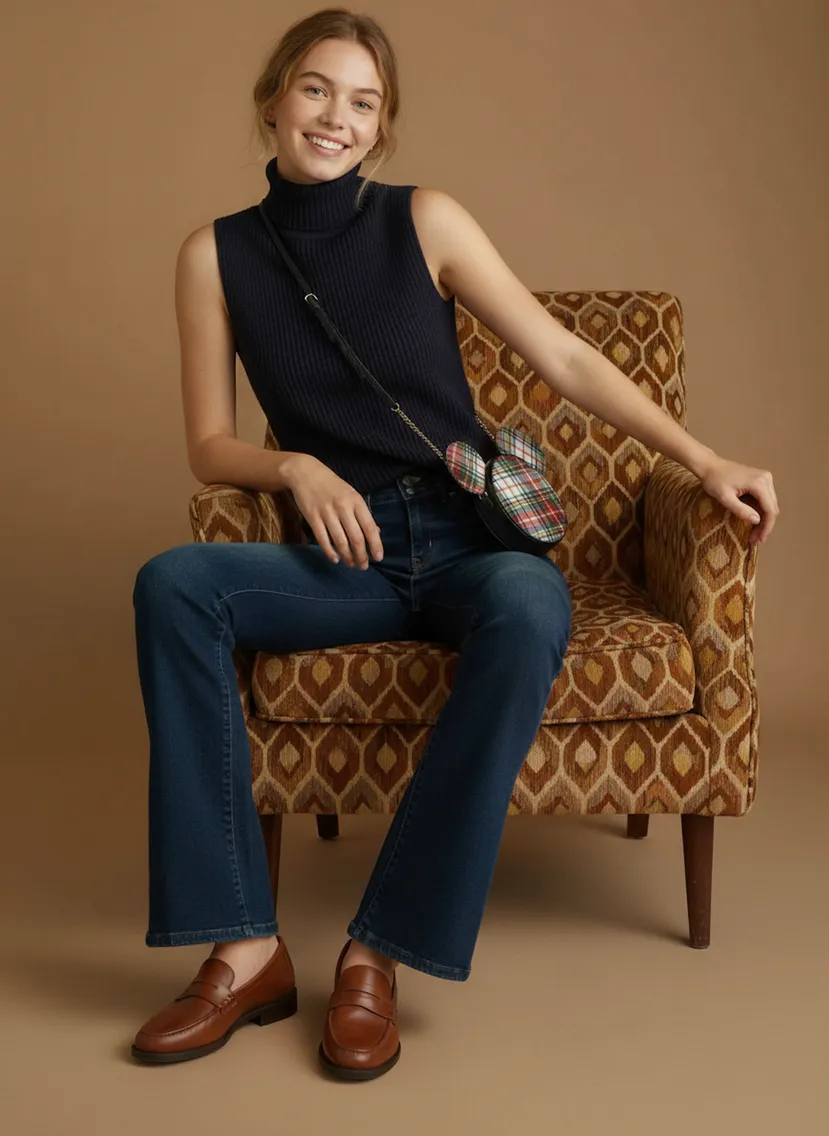
Fashion is unforgiving here, because shoppers read a garment closely before they buy. In an AI-generated apparel image, the fine, brand-critical detail is exactly what drifts:
Fit and proportion shift against the body.
Fabric drape and weight read wrong, silk that behaves like cotton, structure that collapses or stiffens.
Weave and texture change, so a knit or a twill loses its real hand.
Seams, stitching, hems, and hardware wander or duplicate.
Print and pattern alignment breaks across a placket, a pocket, or a sleeve.
The exact color comes out a shade off.
These are the details an apparel customer is trying to verify before buying, and they are precisely what a redraw cannot hold. For the on-model, ghost mannequin, and flat lay images a customer uses to judge fit, fabric, and color, the reliable path is a real photograph of the real garment.
The New Factor: AI Images Now Have to Be Labeled
There's one more reason this matters more in 2026 than it did a year ago. For most of its short life, AI imagery had a quiet advantage: shoppers couldn't tell. That's ending, by law.
What the Rules Say
Regulators are starting to require AI-generated images to be labeled as AI.
In the European Union, the AI Act requires AI-generated visuals to be marked so they're detectable as AI, with the rules phasing in through 2026.
In the United States, California's AI Transparency Act takes effect in August 2026, requiring providers to build disclosure into AI images. The FTC opened a dedicated AI enforcement unit in early 2026, with fines up to $53,088 per violation. New York now requires disclosure when an ad uses an AI-generated person. Analysts expect 10 to 15 states to have AI advertising-disclosure rules by late 2026.
Retail platforms are moving the same way. Amazon now asks sellers to label AI-generated people in listing images.
Why Labels Dent Trust
Labels hurt right where it matters. In a 2025 study, ads labeled AI-generated drew lower trust and lower purchase intent than the same ads labeled human-made, with the biggest gap on considered, higher-priced purchases. Recent surveys agree: roughly 72% of shoppers say they're concerned about AI-generated shopping content, about 31% say visibly AI-generated marketing lowers their trust in the brand, and about 63% treat inconsistent AI imagery as a sign of an unreliable seller.
A label by itself isn't a death sentence. Plenty of shoppers shrug at it, and some read it as honesty. The real damage comes from the small inaccuracies that give a fake away, the off color, the wrong texture, the proportions that don't sit right. A label just tells the shopper where to look.
Before the Shoot: Where AI Is Becoming Indispensable
AI has started to change how creative teams work.
Moodboarding used to take days. A creative director would pull references from a dozen sources, curate them into a coherent visual story, present them to a client, revise based on feedback, and finally arrive at a direction everyone trusted enough to build a shoot around. That process could easily consume a week of senior creative time, and it still might not land right.
AI has compressed that cycle. Tools like Midjourney, Adobe Firefly, and a growing range of purpose-built creative platforms allow teams to generate visual references from text prompts in minutes, iterate on them in real time, and arrive at a shareable moodboard in days. Misalignments that used to surface on shoot day now surface in a Figma file.
But there's a limitation worth naming here, because it matters more than most people admit. AI moodboarding tools are trained on the same enormous corpus of visual content, which means teams working independently, for different brands, in different categories, will often pull from an overlapping aesthetic vocabulary. The references start to rhyme. If a creative team isn't intentional about pushing past the first wave of AI outputs, visual strategies can converge toward a kind of algorithmic median. The tool is powerful, but the critical eye still has to be human.
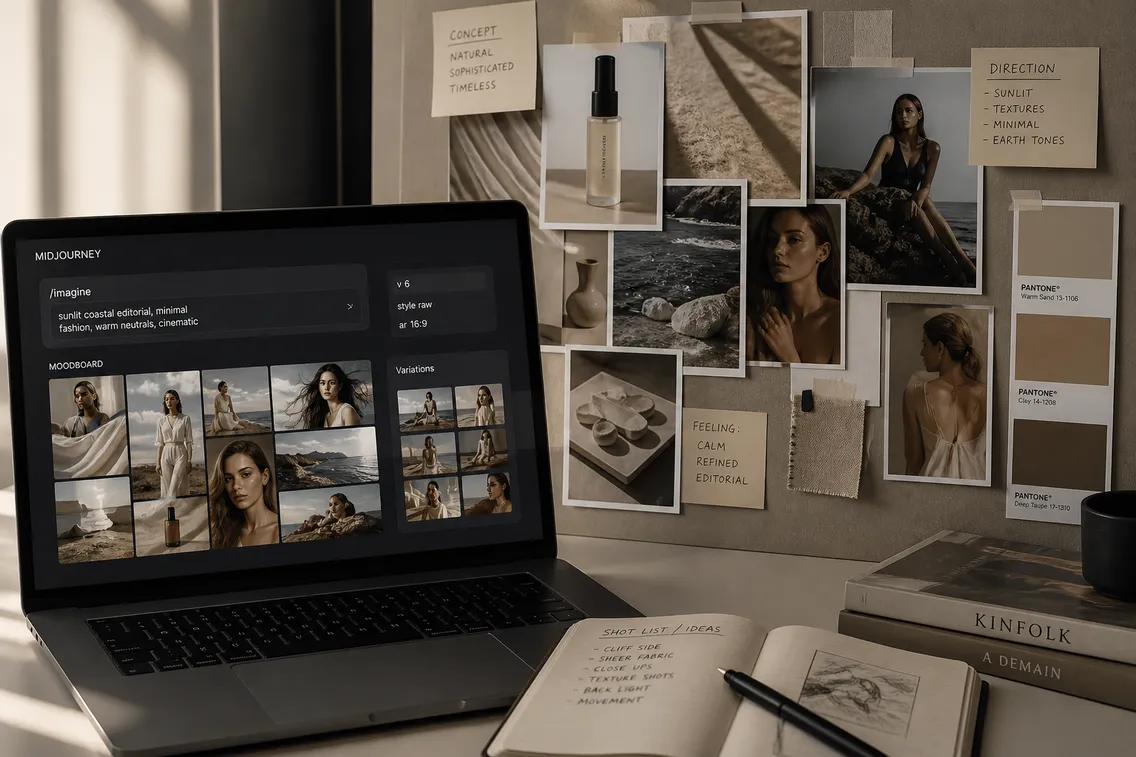
AI in styling and art direction is following a similar trajectory. For e-commerce brands managing large SKU catalogs, the ability to virtually test set concepts before physically building them has a direct impact on shoot efficiency and on-set costs. Fewer surprises at call time means fewer expensive decisions made under pressure.
But human art directors remain essential in the layer of brand-specific judgment that AI simply doesn't have access to. The cultural nuance in a casting decision. The instinct that a particular shot concept has been done to death in this category, even if it generates beautifully. The understanding that what this brand needs right now isn't the technically correct answer, but the creative one. AI can show you a hundred competent directions, but it can't yet tell you which one is right.
Lighting simulation and production set design pre-visualization round out the pre-production picture. Capabilities to preview angle options and simulate how a set layout will photograph are reducing the expensive improvisation that used to happen on set. Less improvisation means tighter shoot days, and tighter shoot days mean lower production costs.

For how set design and pre-production planning work in a traditional production, the baseline AI is being layered onto: What Is Set Design and Why Your eCommerce Photography Needs a Set Designer
A/B Testing and Ad Creative: b
Does AI Work in Retouching?
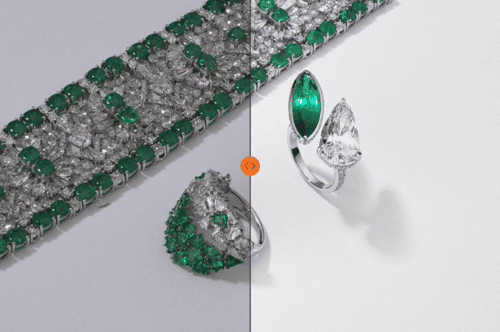
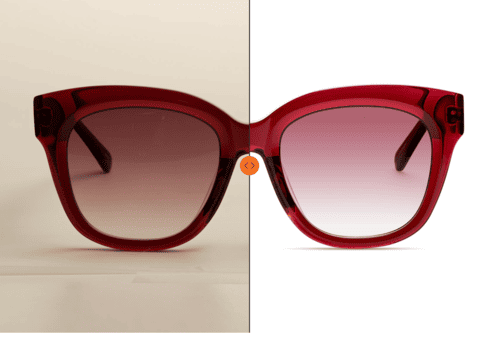
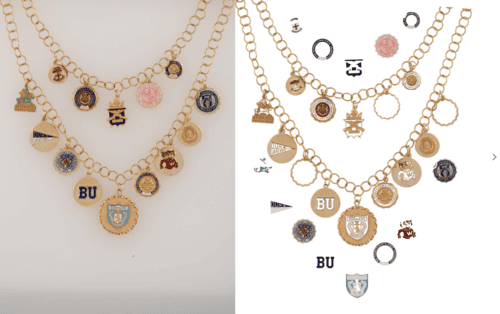
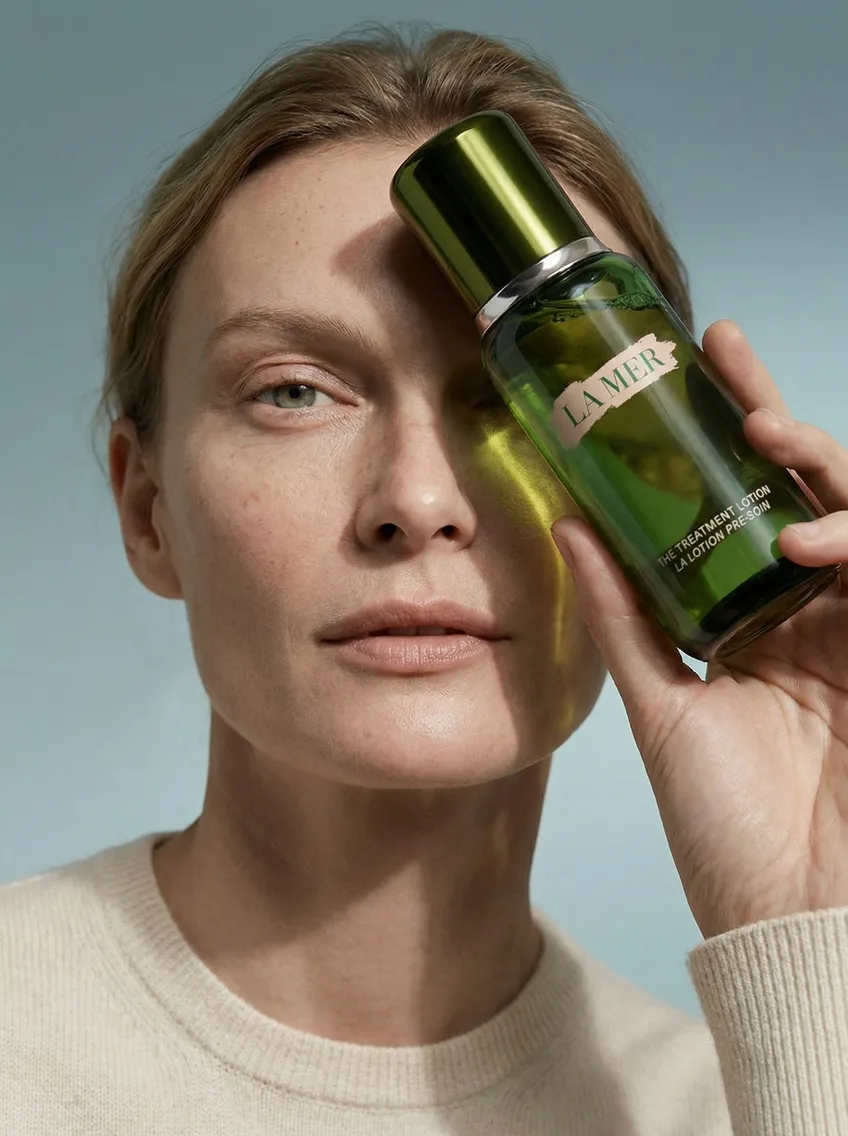
High-end and professional product retouching is not primarily a technical process, it's a decision process. A skilled retoucher isn't just correcting problems, they're making judgment calls about what serves the image. What to leave. What to adjust. When a shadow is doing structural work and shouldn't be touched. When a jewelry texture that technically reads as an imperfection is actually part of what makes a product real. AI doesn't have taste or thinking, it has patterns, and it applies those patterns consistently, which is a different thing entirely from applying them wisely.
Leather with genuine grain and wear, the particular sheen of heavy silk, the way raw denim loses detail at the fold, brushed metal that needs to feel cold – these are the material qualities that make products feel real in a photograph, and they are exactly what current AI retouching tools tend to flatten.
Brand consistency at a nuanced level is another area of real concern. AI retouching tools do not know your brand's specific visual language, your preferred skin tone treatment, your established approach to shadow and highlight. Applied at scale without careful oversight, inconsistencies accumulate in ways that are hard to catch in a standard QA pass and that gradually erode the coherence of a brand's visual identity.
Finally, AI retouching tools have a tendency toward over-processing that can make imagery feel synthetic even when it wasn't generated. For brands where authenticity and credibility are central to positioning, this is a genuine risk that deserves more attention than it typically receives.
For how AI is reshaping retouching workflows: New Trends in Retouching for eCommerce Product Photography
AI in Commercial Photography: Yes or No?
You don't have to pick "AI" or "traditional" as a brand. You choose per image, with one question: does this picture have to show the real product accurately?
If yes, shoot it for real and retouch it by hand, because a generated version can't promise it's your exact product, and a disclosure label will invite the very scrutiny that exposes the gap. If no, if it's a test, a variation, a mood, with nothing real a customer will inspect, that's where AI's speed and cost pay off.
Get this backwards, reaching for a generated shortcut on the images customers actually buy from, and you pay for it later in returns, lost trust, and now a label pointing straight at the weak spot. Get it right, and AI stops being a threat to your photography and becomes a cheap way to explore and test around images that are already telling the truth.
That's the line we hold for clients every time. LenFlash shoots real product photography for eCommerce brands from our studio in New York, with the accuracy that survives a customer's closest look, plus the human retouching to extend it.