



The Impact of CGI and 3D Technology on eCommerce Product Visuals
CGI and 3D rendering are reshaping how eCommerce brands produce product visuals, offering a way to create flexible, high-quality imagery without the constraints of a traditional photoshoot. This article covers what CGI actually is, how it compares to traditional photography, where it earns its place in a visual content strategy, and where real photography still wins.
This is a different discussion from AI-generated imagery. CGI is precise 3D modeling and rendering of a known product, built from accurate dimensions and materials, while generative AI creates images from text prompts without that same geometric foundation.

What CGI in eCommerce Photography Actually Is
CGI, or computer-generated imagery, means creating digital visuals using specialized 3D software. In eCommerce, this allows businesses to generate photorealistic product renders and animations without needing a physical sample or a full photoshoot setup. These visuals can be customized to a brand's exact specifications, which makes CGI a genuinely versatile production option.
Instead of staging a shoot for a new product line, a brand can use CGI to build lifelike images directly from a 3D model. This is particularly valuable for showcasing customizable options, complex designs, or interactive models that let customers rotate and examine an item before the physical product even exists. Brands can also experiment freely with lighting, settings, and styling without the cost of rebuilding a physical set each time.
CGI gives businesses three specific advantages. Rapid content creation suits frequent product launches and seasonal campaigns well, since new visuals can be generated without scheduling a new shoot. Cost efficiency comes from eliminating the need for physical prototypes or repeated photo sessions across color variants. And creative flexibility opens up options like virtual try-ons, interactive 3D models, and animations that would be difficult or prohibitively expensive to produce with a camera.
How Brands Are Actually Using CGI
Crocs has animated its footwear in a playful, stylized way built specifically to capture a younger, digitally fluent audience, reinforcing the brand as forward-thinking while boosting engagement on social platforms.

Jacquemus has pushed CGI further into digital fashion marketing, using fully rendered campaign visuals that generated significant buzz and engagement, demonstrating that CGI can carry a campaign rather than just support one.

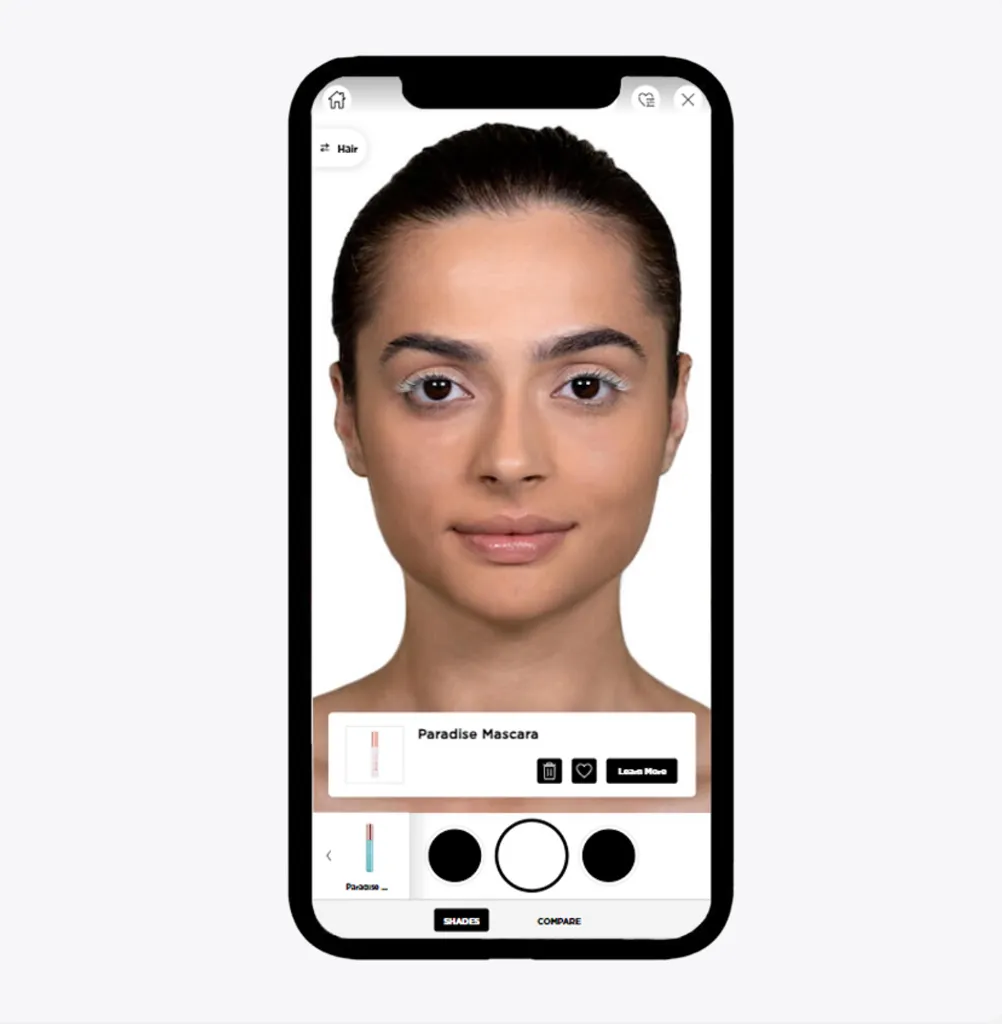
L'Oréal Paris has used CGI in its mascara campaigns to create a dramatic, aspirational visual register, and has paired this with virtual try-on tools that let customers preview the product's effect on their own lashes before buying.
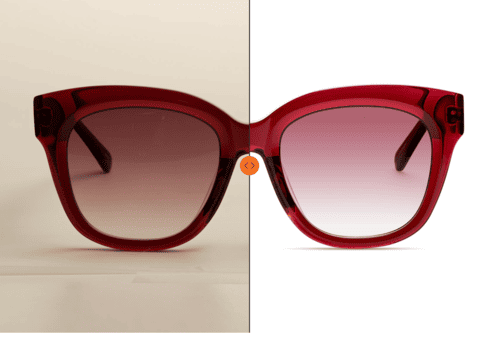
Ray-Ban has used hyper-realistic product renders alongside augmented reality try-on features to improve the shopping experience directly, while also using CGI to build campaign imagery that would be difficult to achieve through location photography alone.
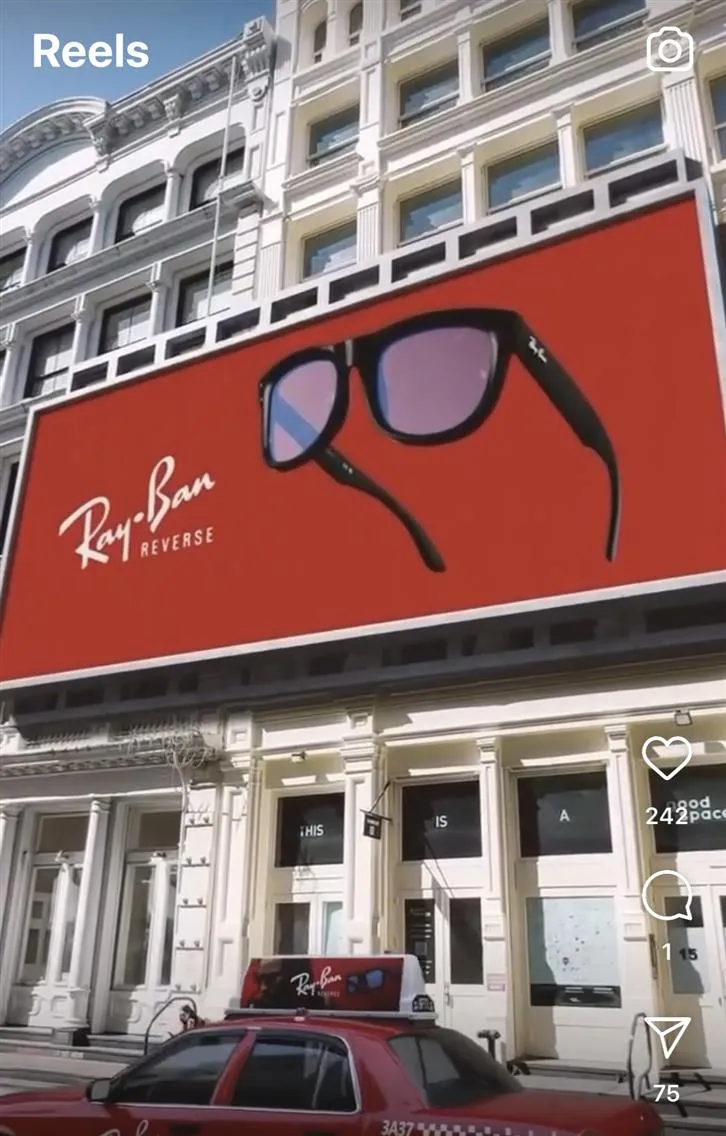
CGI's growth is driven by demand for engaging visuals that elevate the customer experience while controlling cost. Brands integrating CGI into their visual strategy often extend it naturally into augmented reality, letting customers visualize products directly in their own physical environment.
CGI vs. Traditional Product Photography
Where CGI Wins
CGI is more cost-effective over time for businesses with large catalogs or frequent updates, since color and configuration variants can be modified digitally rather than requiring a full reshoot for every version.
It allows for customization that traditional photography cannot match at the same speed. Colors, textures, and configurations can be adjusted without rebuilding a set, which suits brands offering personalized or niche product options.
It increases engagement through interactive formats. 360-degree viewing, zoom functionality, and dynamic animation give customers a hands-on sense of the product that a static photo cannot replicate.
And it opens genuine creative freedom, making conceptual campaigns, futuristic aesthetics, or imaginative settings achievable in ways that would be impossible or extremely costly to stage physically.
Where CGI Struggles
The setup cost is real. Software licensing, skilled CGI artists, and ongoing training represent a meaningful upfront investment, one that can be a difficult barrier for smaller brands without a track record to justify the spend.
There is a genuine learning curve. Teams new to CGI need time to understand rendering workflows and achieve consistent output quality, and without experienced talent the results can fall short of what a customer expects from a polished brand.
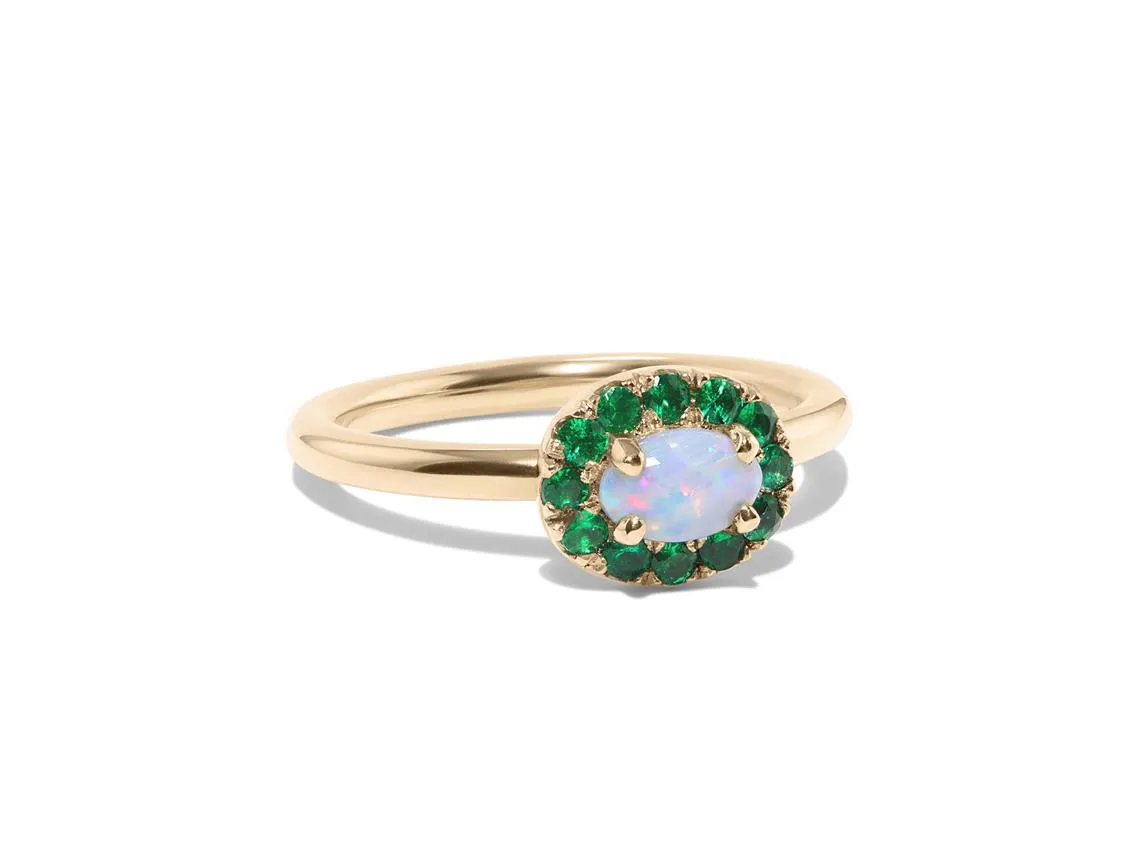
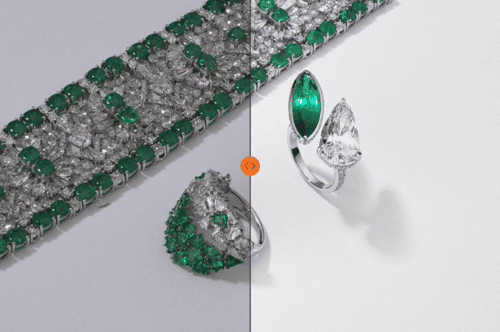
And CGI can read as artificial in categories where material authenticity matters most. It works well for products like standardized furniture, where clean, consistent visuals are the goal. It works less well for something like fine jewelry, where the customer is specifically evaluating intricate detail and the truthfulness of how a material behaves under light, qualities that current CGI still struggles to render convincingly at that level of scrutiny.
For how this same tradeoff plays out in budget planning across a full catalog: How to Plan a Product Photography Budget for Your eCommerce Brand
When to Use Each Approach
The strongest visual strategies combine both rather than picking one exclusively.
Traditional photography remains the right choice for eCommerce listings where customers need a true-to-life sense of texture and material. This is what builds the trust required for an online purchase decision, and it is difficult to fully substitute with rendering, no matter how advanced the software.
CGI is the right choice for advertisements and creative campaigns where flexibility and conceptual ambition matter more than literal accuracy, and where the cost of producing the same idea physically would be disproportionate to the result.
Highly detailed, fully photorealistic CGI for premium products can actually cost more than a traditional shoot once the model-building investment is factored in, so the cost argument for CGI is strongest at volume, across many SKUs or many variants of the same model, rather than for a single hero asset. For most eCommerce listings, traditional photography remains the more cost-efficient and trust-building choice. For immersive advertising or dynamic animation, CGI is often the more cost-efficient route.
For how to choose the right studio partner for either approach: How to Choose an eCommerce Photography Studio
Where CGI and 3D Are Being Used Across Categories
Fashion
Fashion brands use CGI for virtual try-ons and dynamic garment presentations that replace a traditional model with a 3D representation. Showing fabric movement or texture digitally gives tech-forward customers an experience that can rival trying a piece on in person.
Furniture
Furniture brands use CGI to build realistic 3D models for AR placement tools, letting customers see exactly how a piece will look in their own home before buying. This builds purchase confidence directly and measurably reduces returns driven by size or style mismatch.
Electronics
Exploded-view renders built with CGI give customers a clear, layer-by-layer look at a device's internal components and functionality, which is especially useful for educating buyers on complex products that are hard to explain in writing alone.
Cosmetics
CGI produces vibrant, lifelike renders of packaging, texture, and application results, and can simulate different lighting conditions to highlight a product's appeal in ways that make an online purchase feel closer to a tactile, in-person decision.
Customization at Scale
CGI's clearest advantage shows up at volume. Consider a product available in thirty colors. Capturing every variant through traditional photography means thirty separate shoots, and across a catalog of hundreds of products that cost multiplies fast.
Once the initial 3D model is built, generating color variations with CGI becomes fast and largely automated. Digital assets can be adjusted in a few clicks, which makes CGI especially valuable for brands offering extensive customization, since every variant can be shown without the production burden of a traditional shoot for each one.
CGI also makes unusual angles and perspectives easier to achieve. Shots that would require specialized rigs or heavy post-production work in traditional photography are often simpler to produce directly in a 3D environment.
Where CGI Is Heading
AI-driven rendering and real-time visualization are making CGI faster and more accessible. Automated lighting adjustment, texture enhancement, and object placement are reducing the manual effort needed to produce high-quality renders, and real-time tools let teams refine imagery instantly rather than waiting on long render cycles. This is lowering the barrier for smaller brands to experiment with CGI without a large production budget.
Photorealistic 3D models are also becoming a practical expectation rather than a novelty, particularly in furniture and electronics, where exploded views and virtual assembly instructions give customers a depth of understanding that reduces the uncertainty of buying online.
Augmented reality extends CGI into real-world interaction. A customer can place a virtual chair in their living room or see how glasses sit on their own face before purchasing, which tends to lift conversion and lower returns at the same time.
CGI and AR work together in a simple sequence: CGI builds the high-quality 3D model, and AR places that model into the customer's real environment. As this pairing matures alongside AI-driven personalization, brands will be able to generate tailored product presentations based on a customer's browsing behavior automatically, which is a meaningfully different shopping experience from a static product page.
CGI Complements Photography, It Does Not Replace It
CGI opens real creative possibility for eCommerce, particularly for advertising and AR experiences that would be difficult or impossible to produce with a camera. It can visualize products that do not yet exist, demonstrate complex features clearly, and build immersive experiences that elevate a brand.
What it does not replace is the authenticity that comes from real product photography. Customers rely on traditional images to judge texture, scale, and true material quality, and that judgment is part of what builds the trust required to buy something they cannot physically touch.
The strongest visual strategies use both deliberately: CGI for adaptability and creative reach, traditional photography for grounded, trustworthy product representation. Matching the method to the purpose is what makes the investment in either one worth it.
For when traditional photography is the right call and what that production actually involves: The Ultimate Guide to eCommerce Product Photography