

The Ultimate Guide to Apparel Photography for eCommerce: Clothing, Eyewear, Bag, and Other Fashion Brands
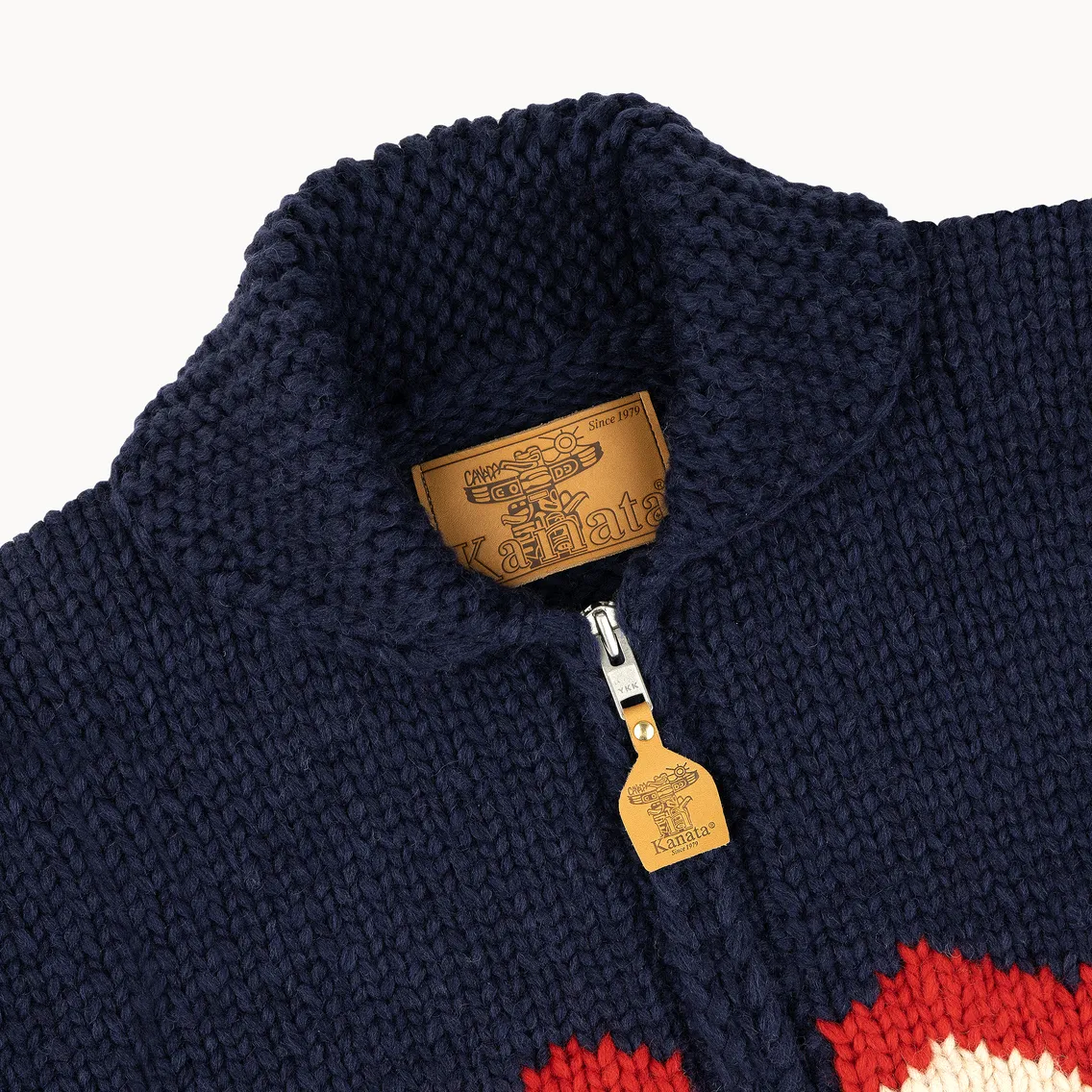
Apparel is one of the most demanding product categories to photograph well. Unlike a static object, clothing has no fixed form. It drapes, stretches, folds, and moves differently on every body. A garment that looks polished in person can appear shapeless in a photograph, or beautifully structured in a studio and completely wrong in real life.
Getting apparel photography right means solving two problems simultaneously: accurate documentation that meets platform requirements and builds purchase confidence, and aspirational imagery that communicates the brand's identity and makes customers want to wear the product. Neither works without the other.
This guide covers every aspect of product photography for clothing and accessories brands, from the essential shot types through platform requirements, garment-specific approaches, production planning, and how to build a visual system that scales with the brand.
Why Apparel Photography Is Different From Other Product Categories
The same garment can communicate premium quality or cheap construction depending on how it is lit, how it sits on a body or mannequin, and how fabric texture is handled in post-production. Fit can read as generous or sloppy depending on model selection and styling. Color can shift significantly between studio lighting and natural light.
This variability creates both the challenge and the opportunity in apparel photography. The challenge is that there is no shortcut to quality. The opportunity is that well-executed apparel photography creates a level of desire and purchase confidence that no other content type can replicate.
Returns are the direct commercial consequence of apparel photography done poorly. When a customer receives a garment that looks different from the image, fit feels wrong, color is inaccurate, or fabric appears to have a texture the photography did not reveal, they return it. For apparel brands, where return rates are consistently higher than other categories, photography accuracy is a direct commercial priority.
For how accurate photography reduces returns across all product categories: Reducing Product Return Rates Through Accurate Photography
Essential Shot Types for Apparel eCommerce
A complete apparel photography system uses several complementary shot types, each serving a different function in the customer journey. Most high-performing apparel brands use all of them.
Flat Lay Apparel Photography
Flat lay photography presents garments laid flat on a surface, shot from directly overhead. It is the most efficient format for high-volume apparel catalog work and performs well on Pinterest and Instagram where the graphic, overhead perspective reads distinctively in a feed.
Flat lay works best for garments that photograph well in two dimensions: knitwear, accessories, denim, and items where texture is the primary selling point. It is less effective for structured garments like blazers or tailored trousers where three-dimensionality communicates the garment's construction.
Styling is critical in flat lay photography. The garment must be prepared and positioned precisely, with fabric arranged to show the piece at its most appealing. Props and complementary items can add context and lifestyle suggestion without distracting from the hero garment.
For a complete guide to flat lay photography: Flat Lay Photography for Brands
For a comparison of when to use flat lay versus ghost mannequin: Flat Lay vs Ghost Mannequin Photography
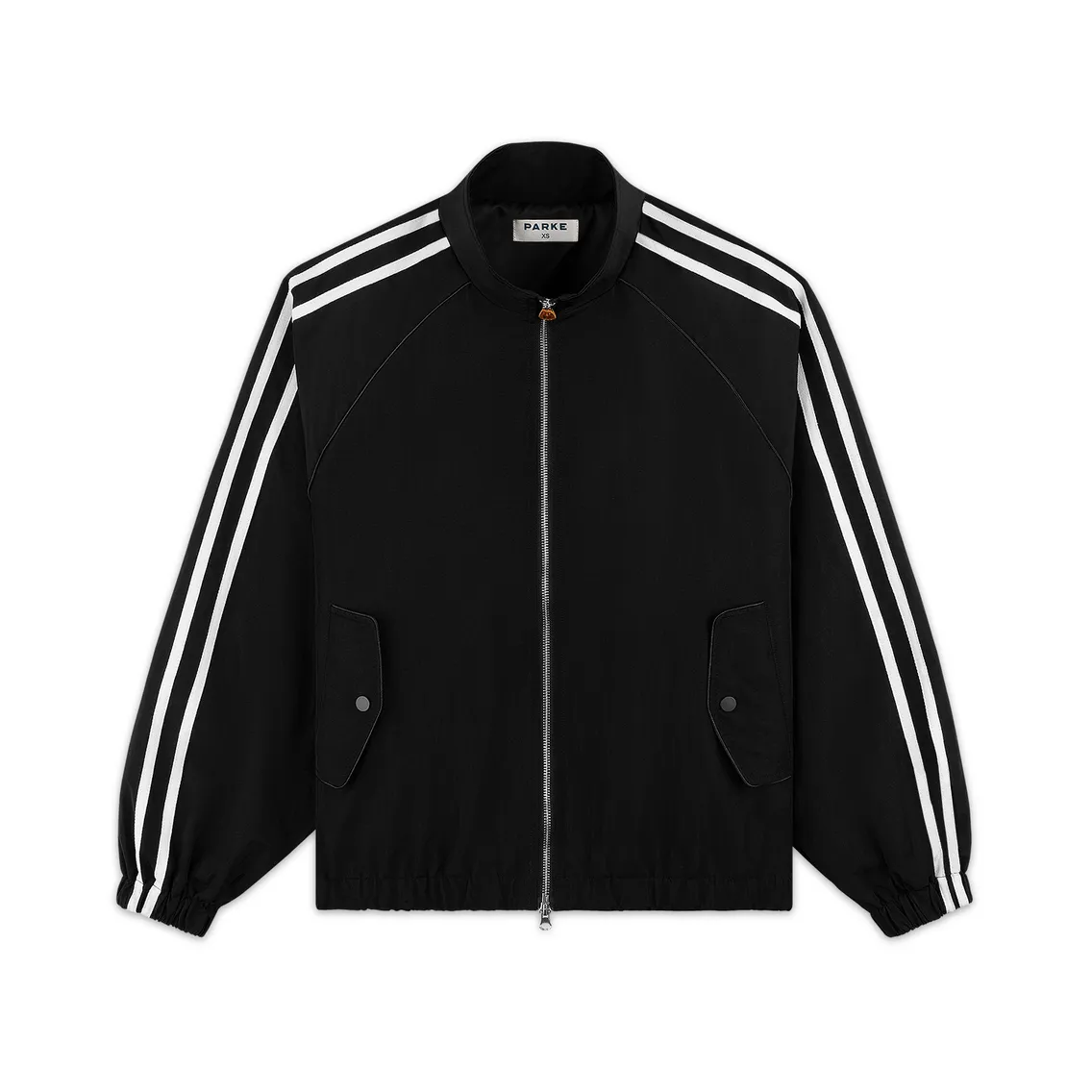
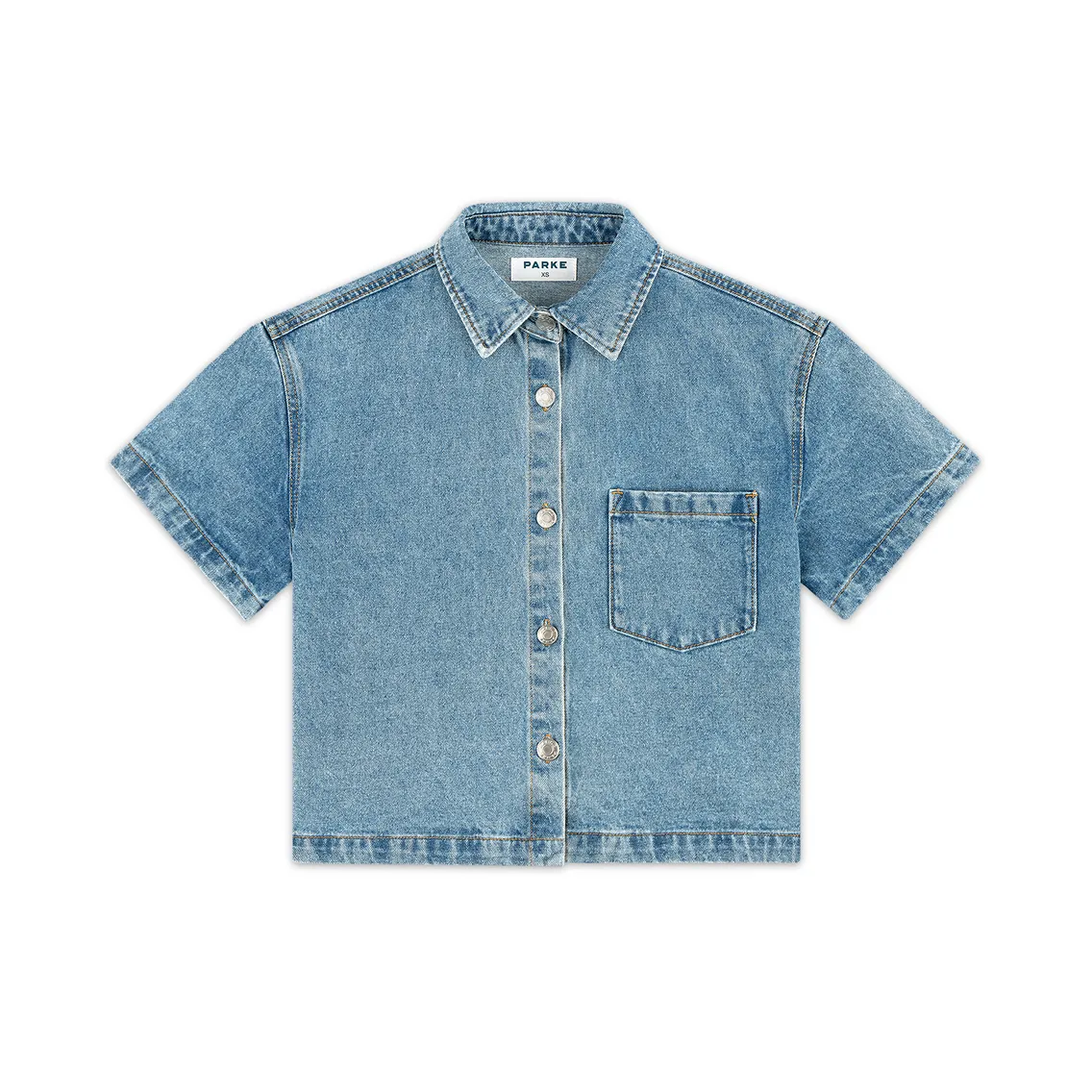
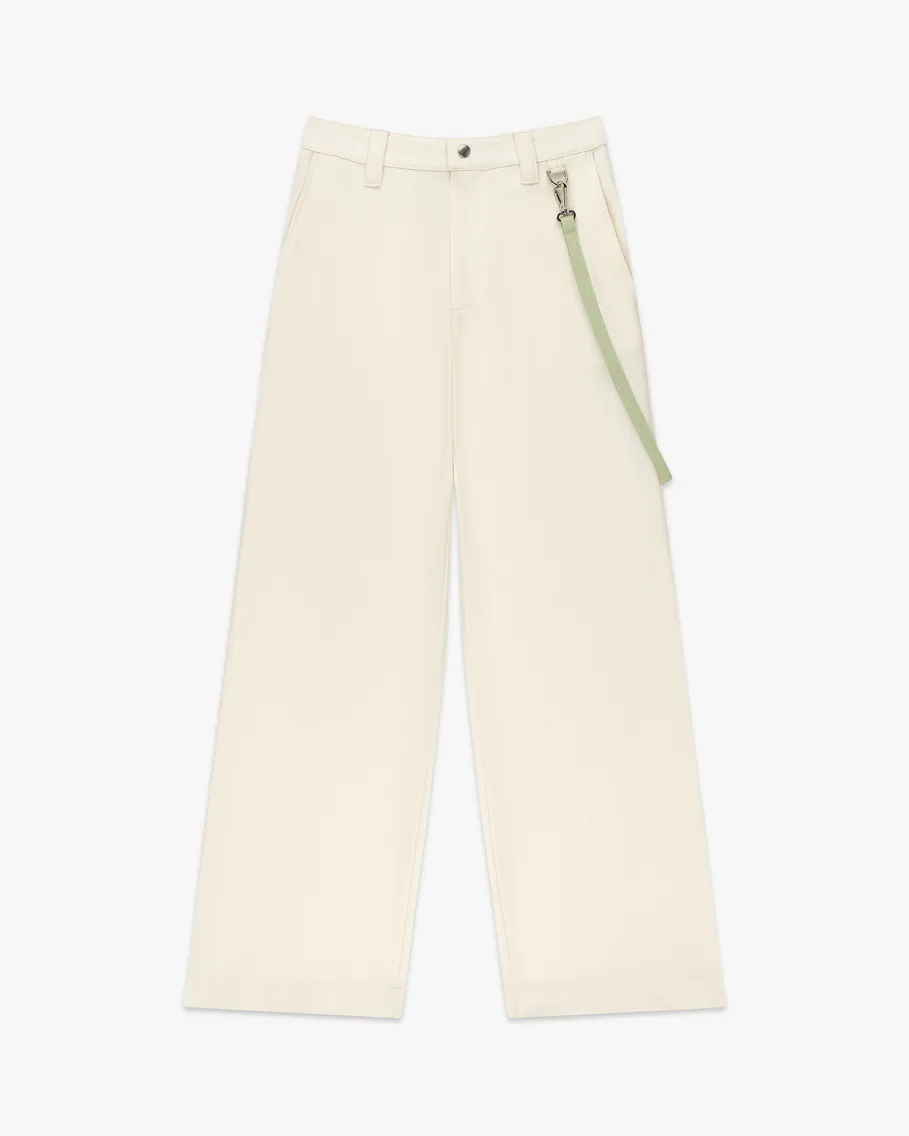
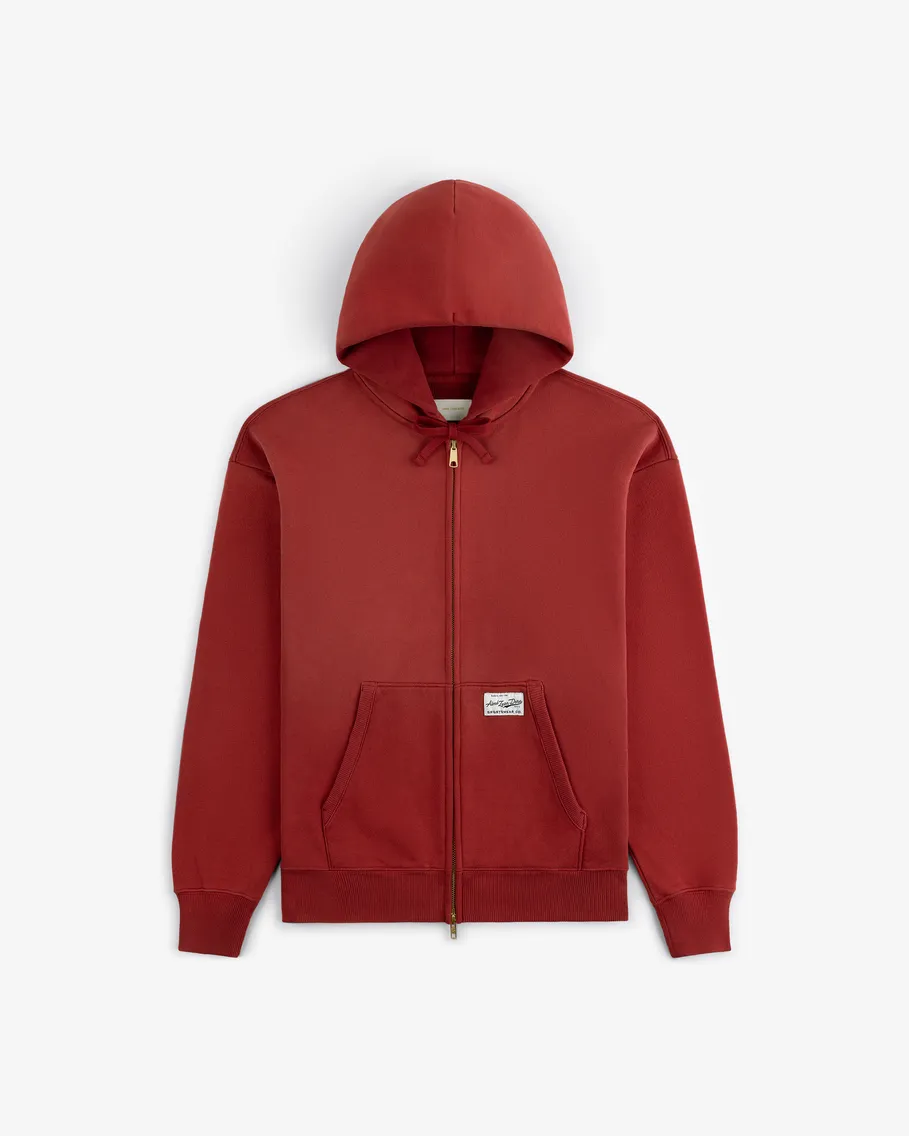
Ghost Mannequin Apparel Photography
Ghost mannequin photography, also called invisible mannequin or hollow man photography, shows garments in a three-dimensional form without a visible model or mannequin. The mannequin is photographed inside the garment, then removed digitally in post-production, leaving the clothing appearing to be worn by an invisible person.
This format is the catalog standard for many apparel categories because it communicates fit and construction clearly at a fraction of the cost of on-model photography. It works particularly well for structured garments like blazers, jackets, and shirts where the three-dimensional form is important for purchase decisions.
Ghost mannequin photography requires at minimum two shots per garment: the exterior view with the mannequin inside, and an interior shot showing the neck and collar area that will be composited in post-production to fill the void left when the mannequin is removed. Some garments require additional shots for sleeves, hems, and back panels.
For a complete guide to ghost mannequin photography and editing: Ghost Mannequin Photography for Apparel Brands
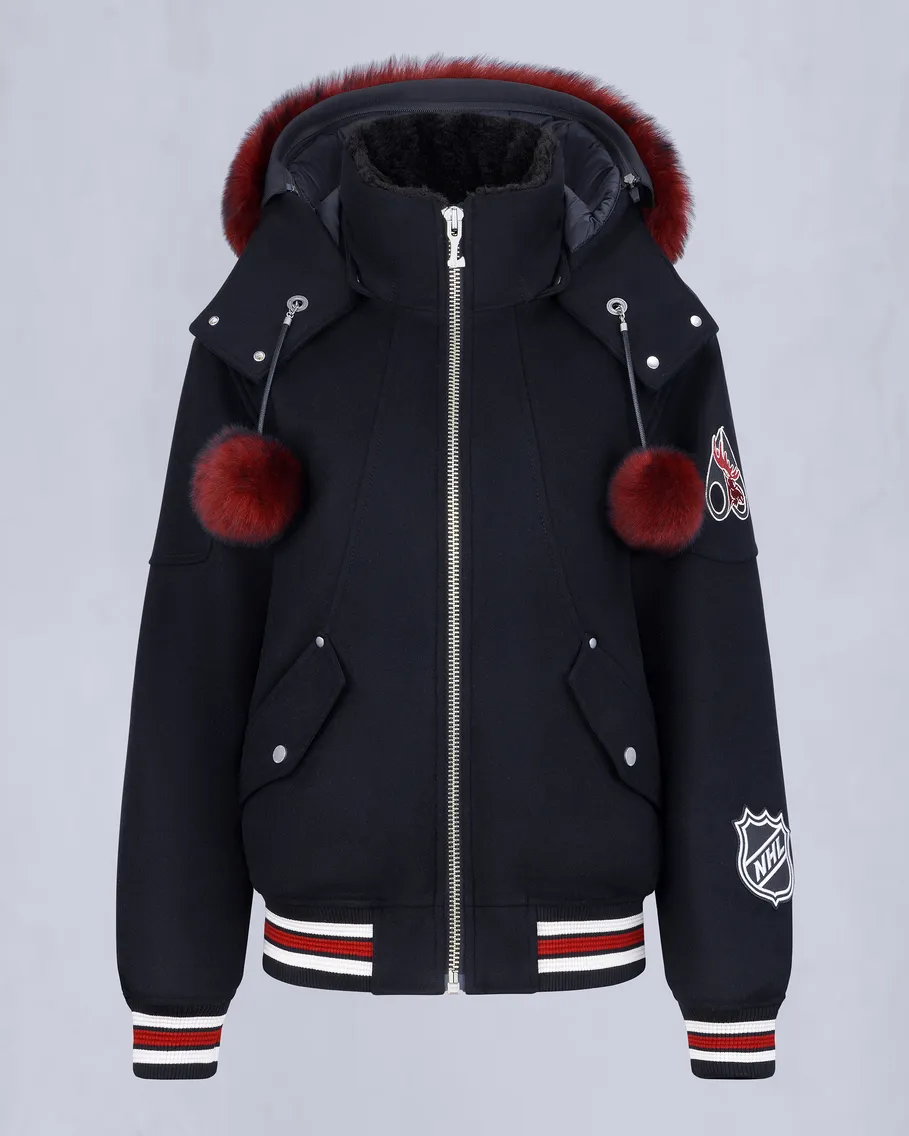
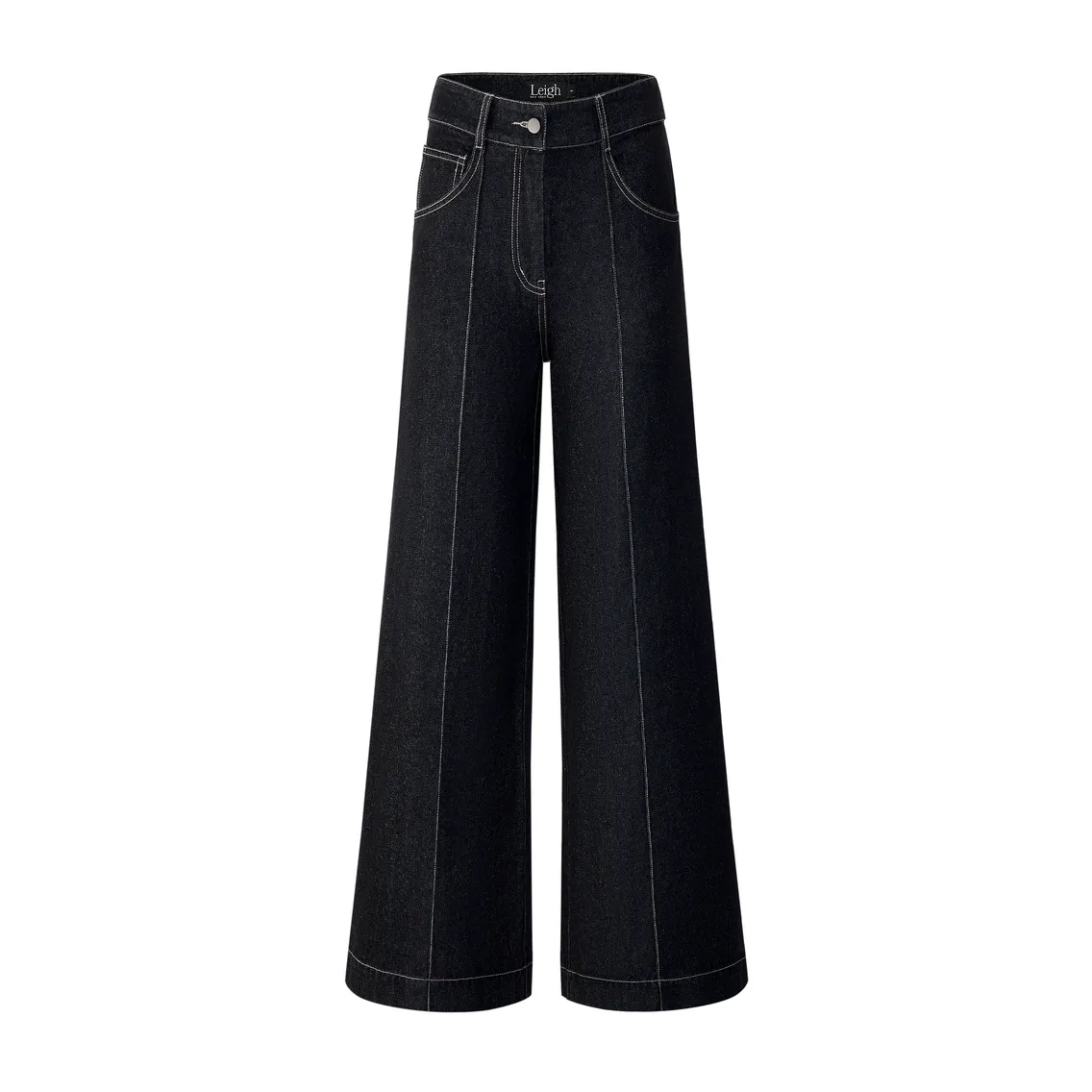
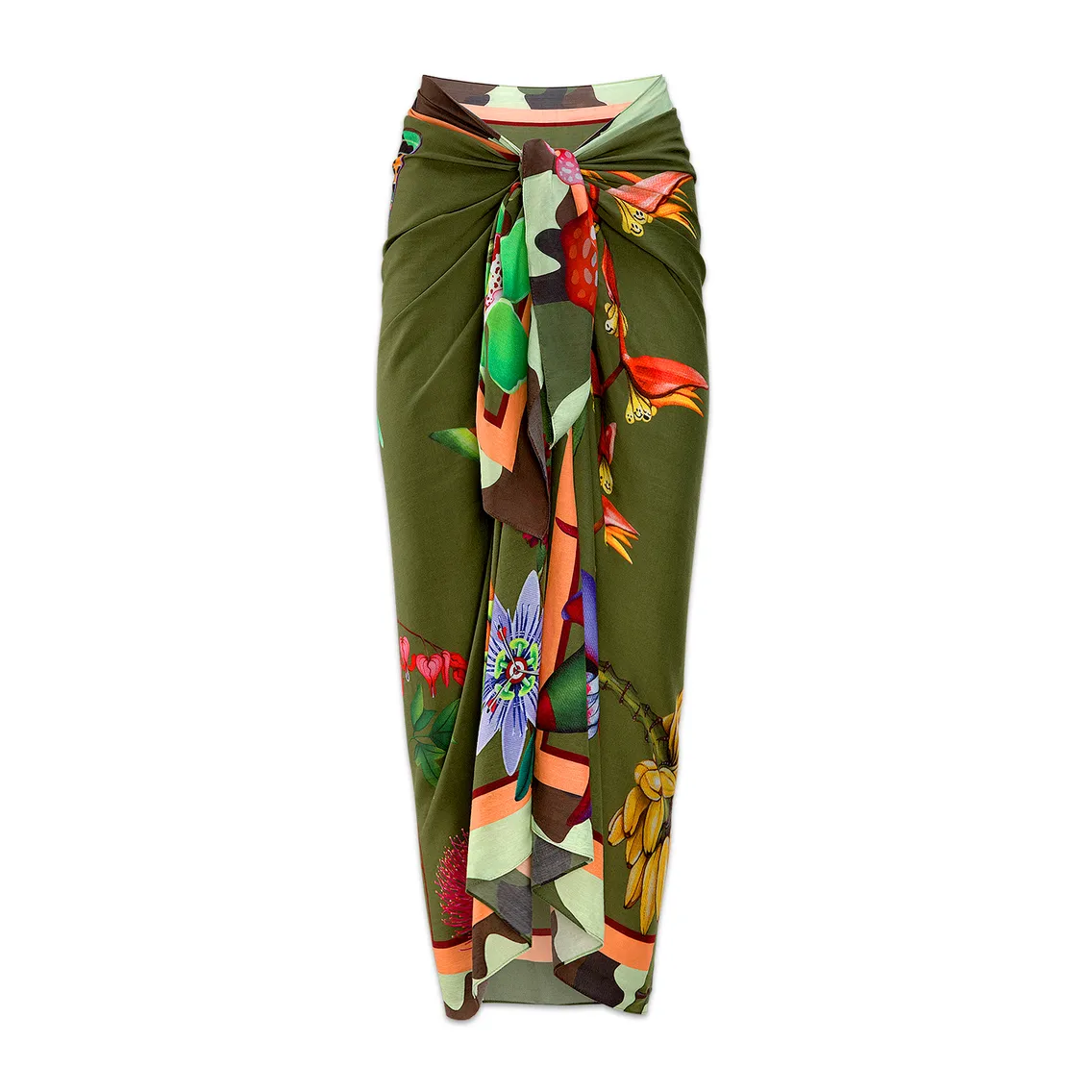
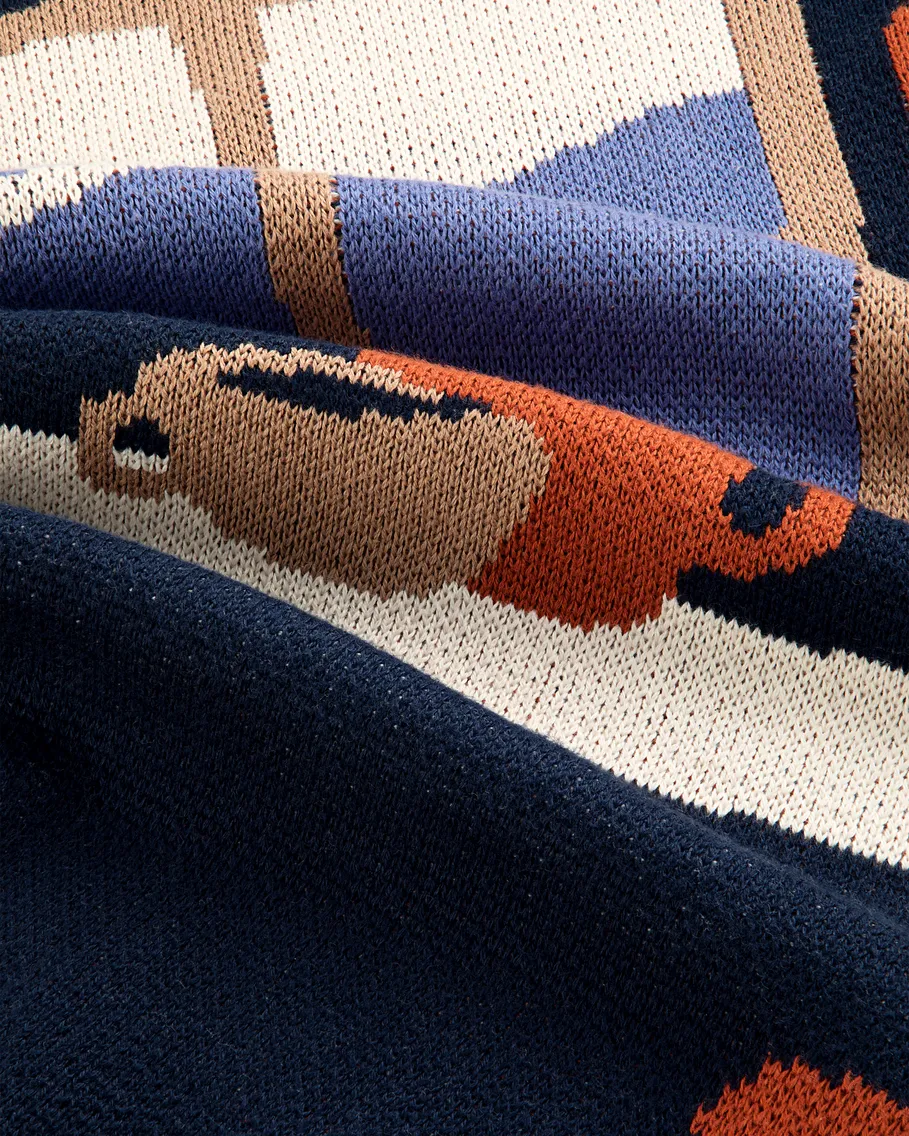
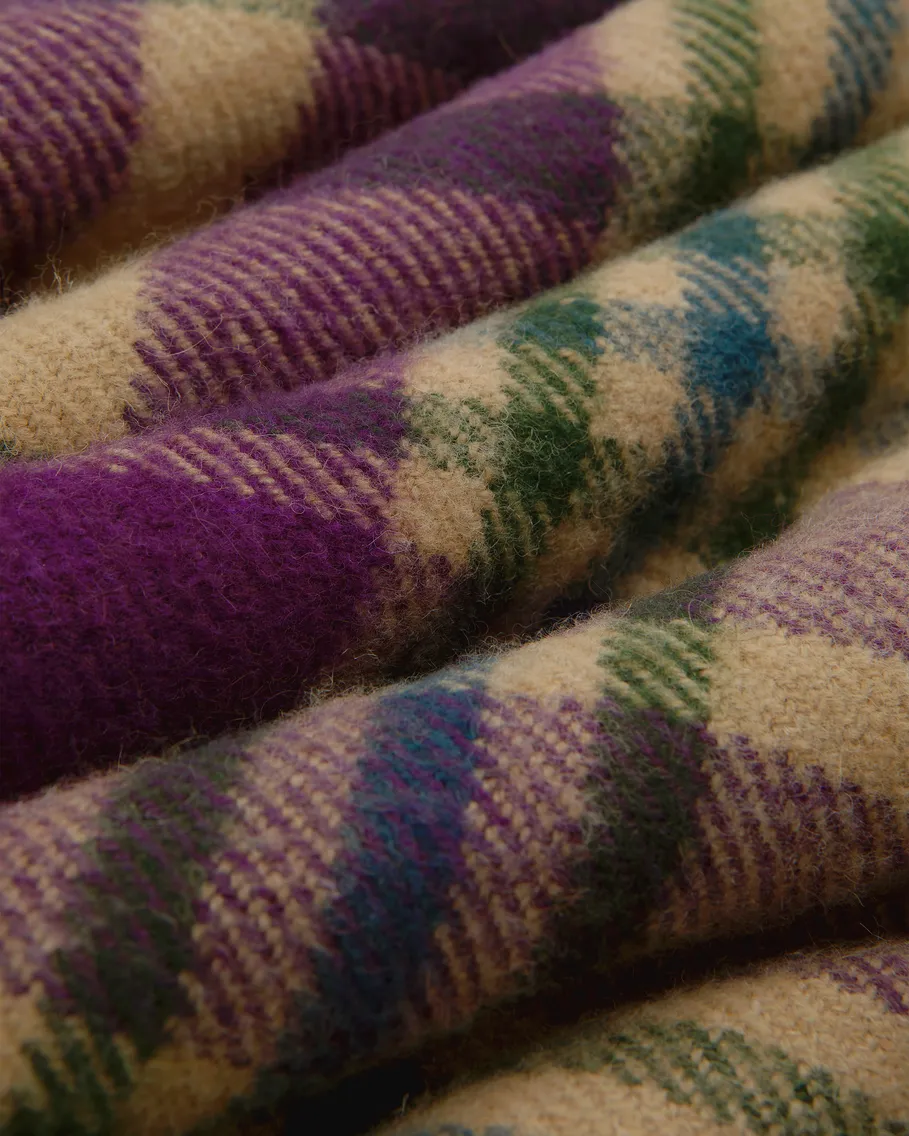
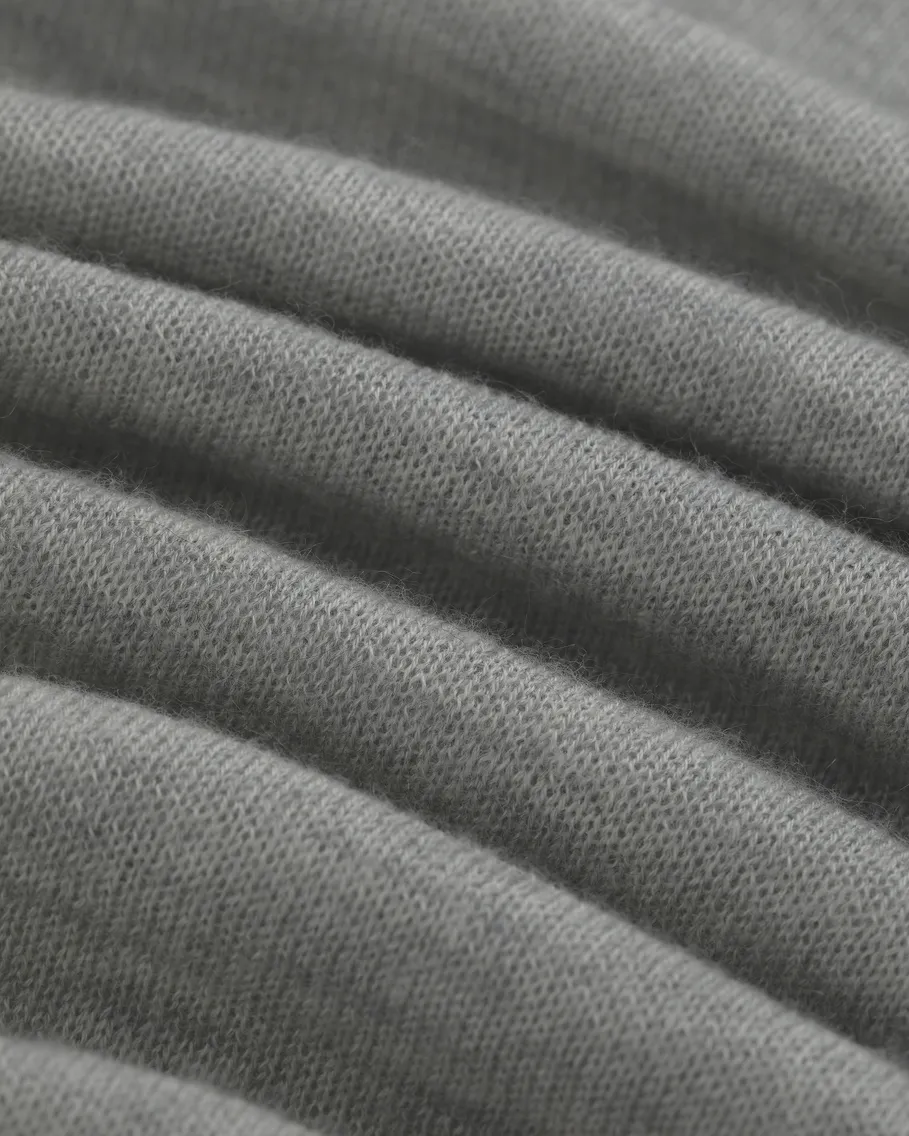
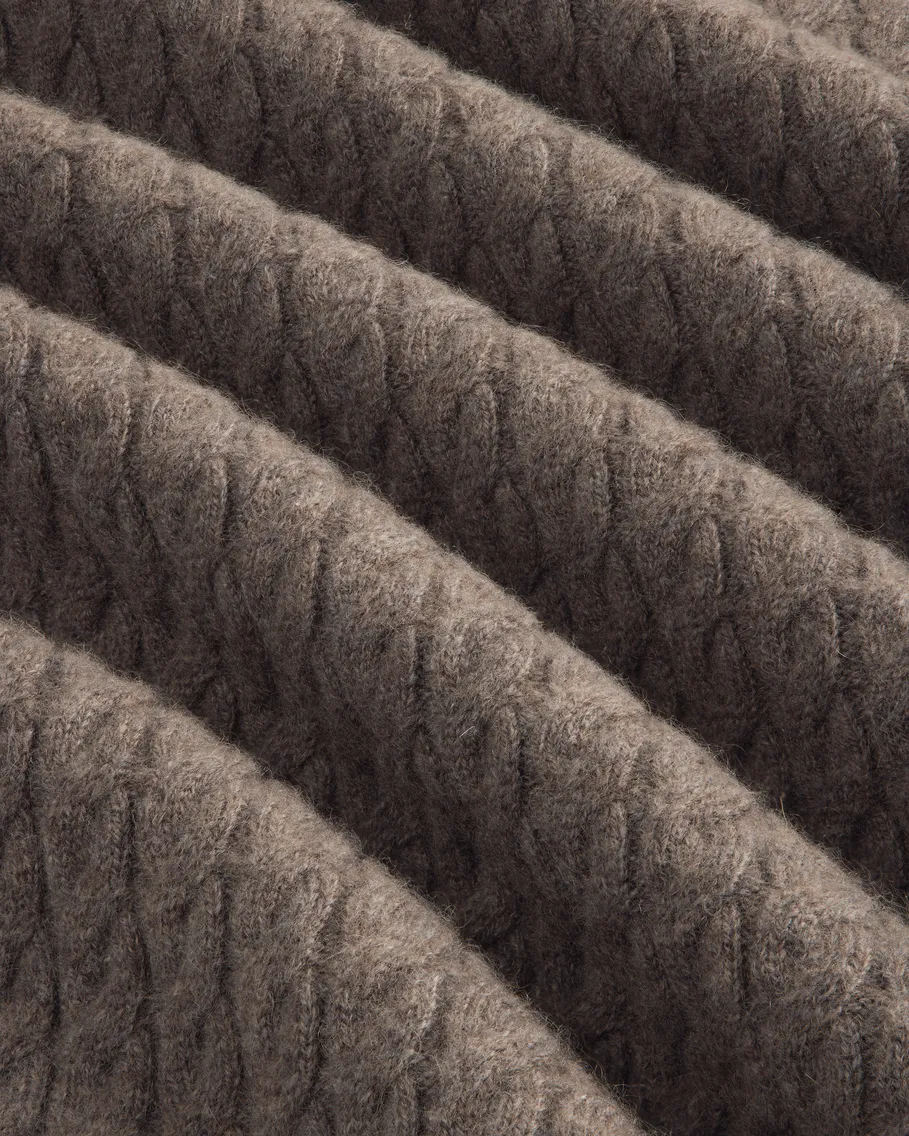
Detail and Texture Photography
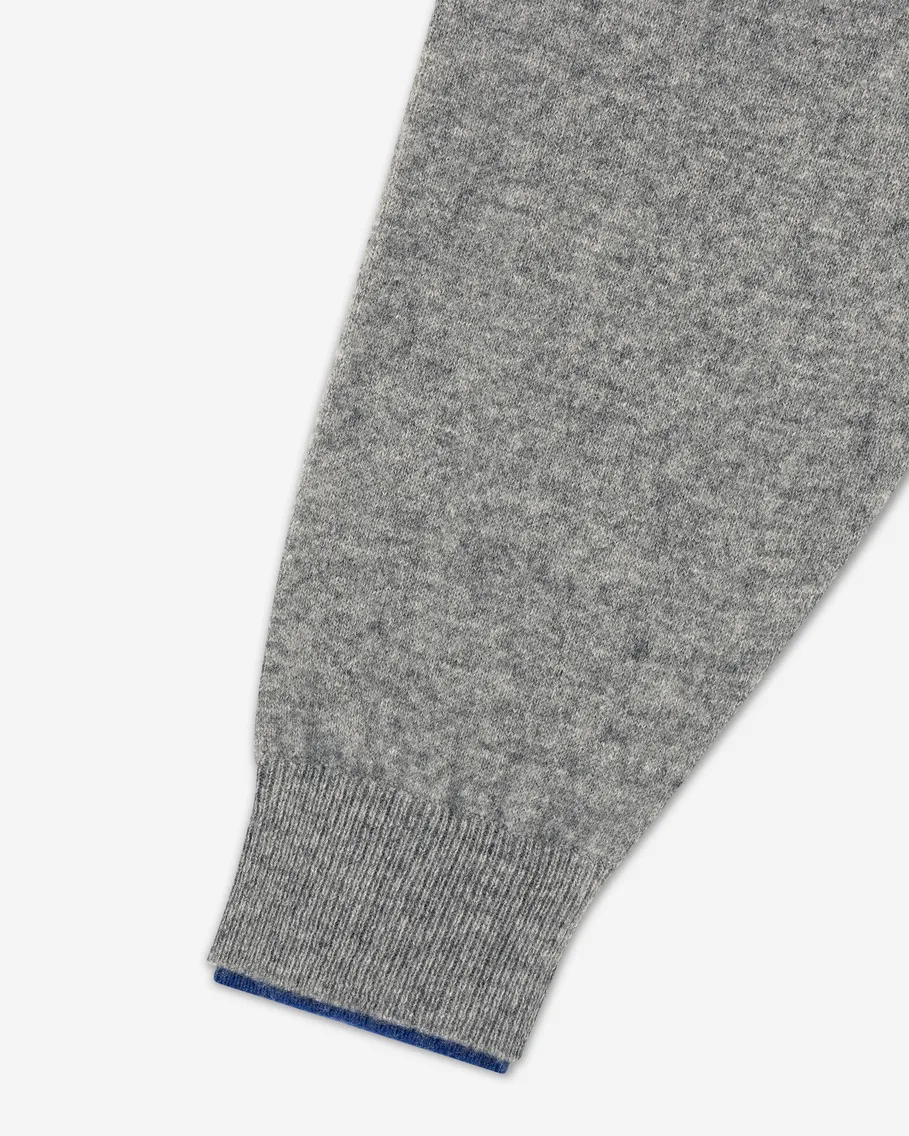
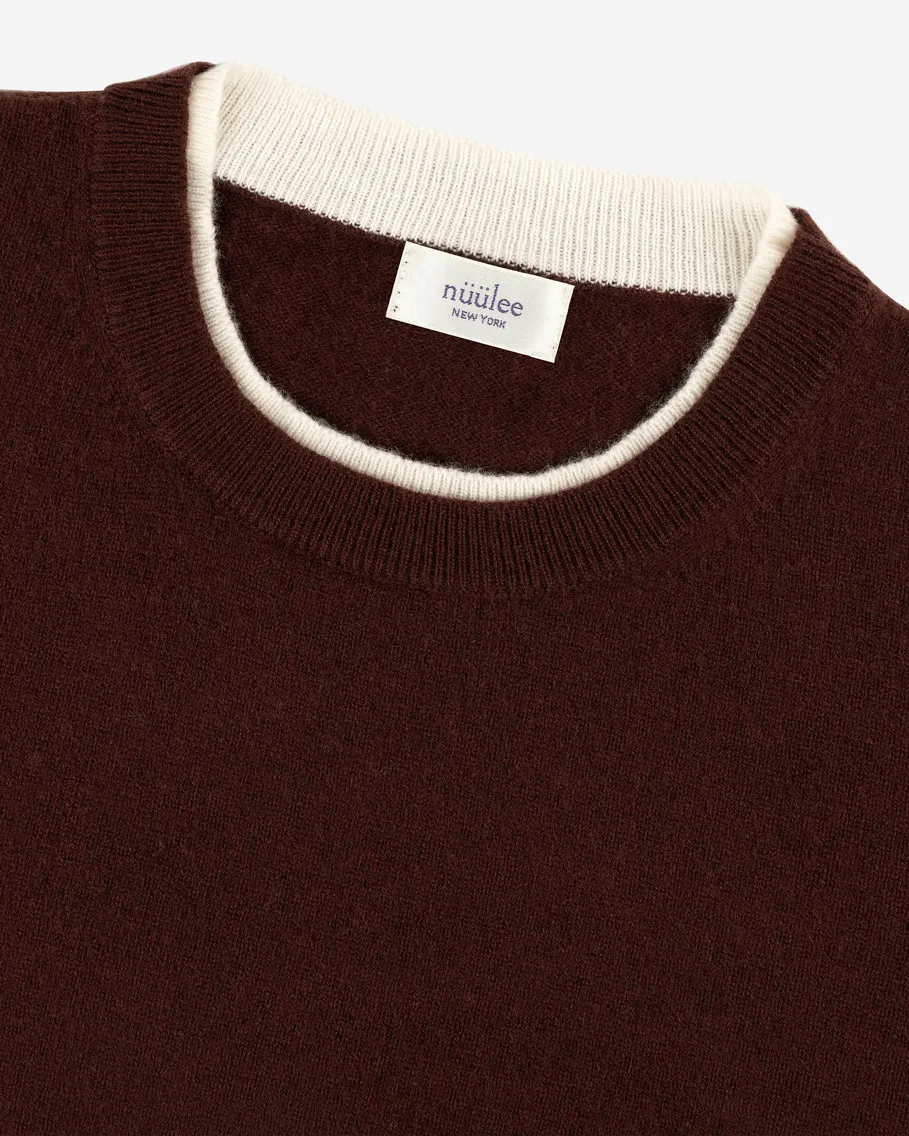
Close-up shots showing fabric texture, construction details, and functional elements complete the apparel photography set. These images address specific purchase concerns that standard views cannot resolve: what the fabric feels like, how seams are finished, what zipper quality looks like, how a print registers up close.
Detail photography is particularly important for premium and luxury apparel where craftsmanship justifies price point. A tailored jacket photographed with attention to lapel construction, lining quality, and button detail communicates a different tier of product than the same jacket shown only in standard catalog views.
On-model Catalog Photography
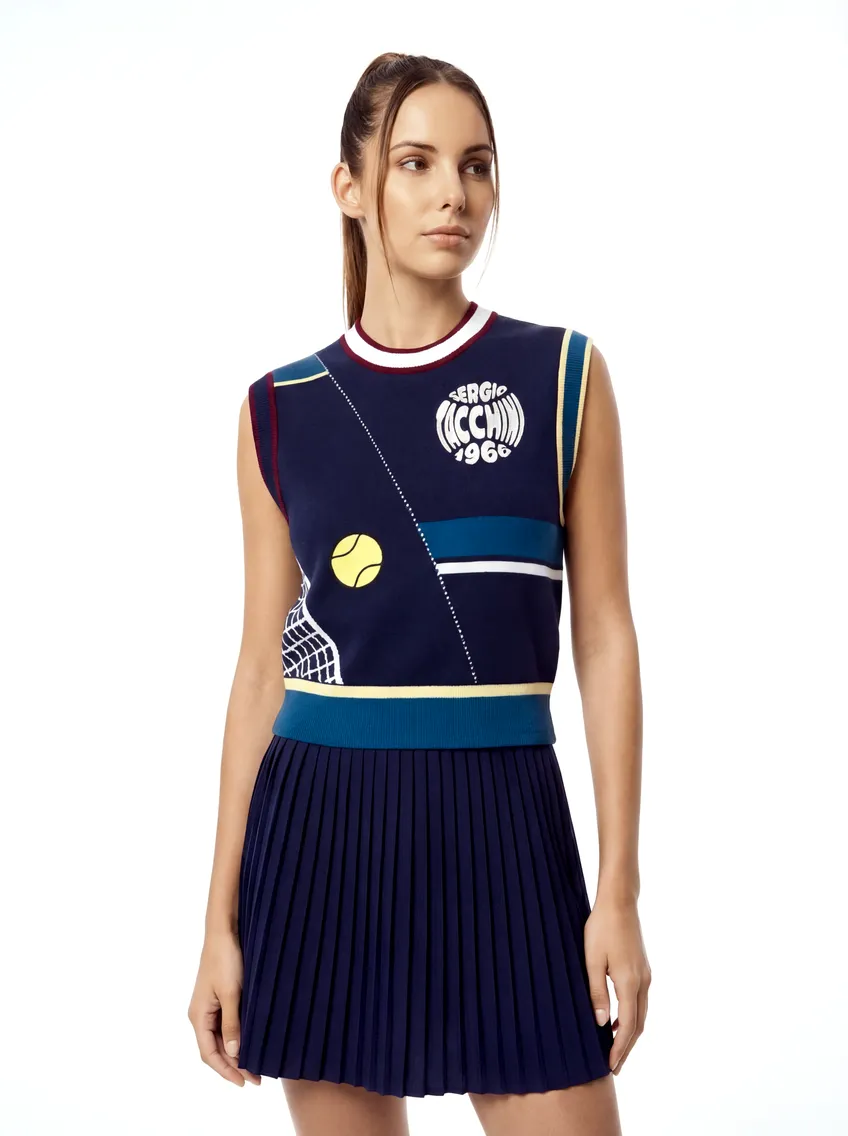
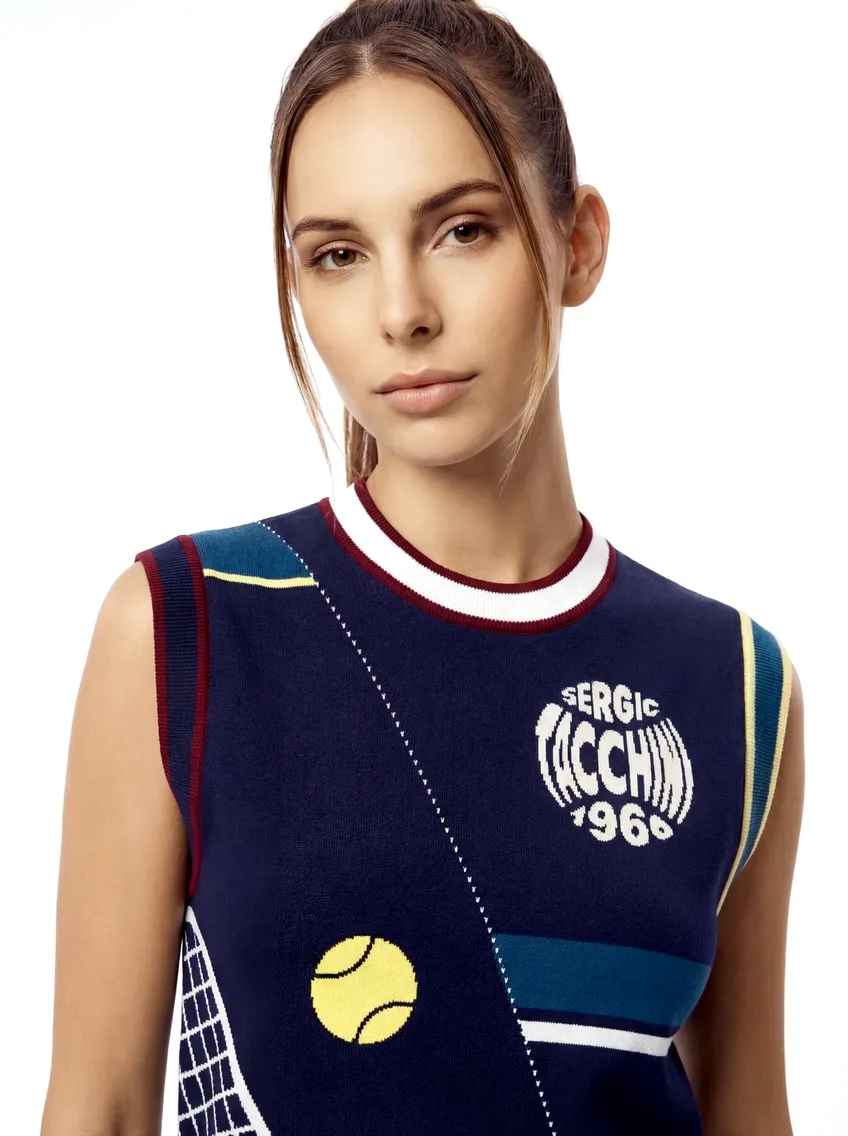
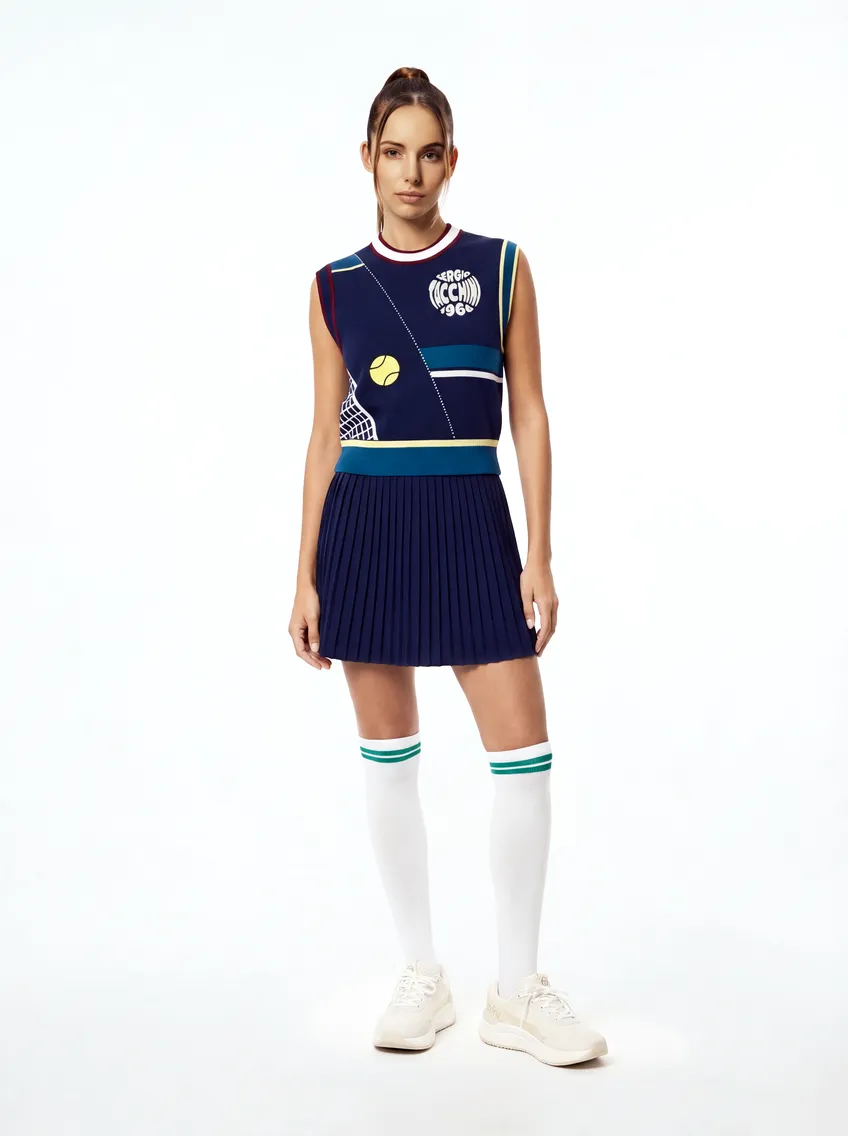
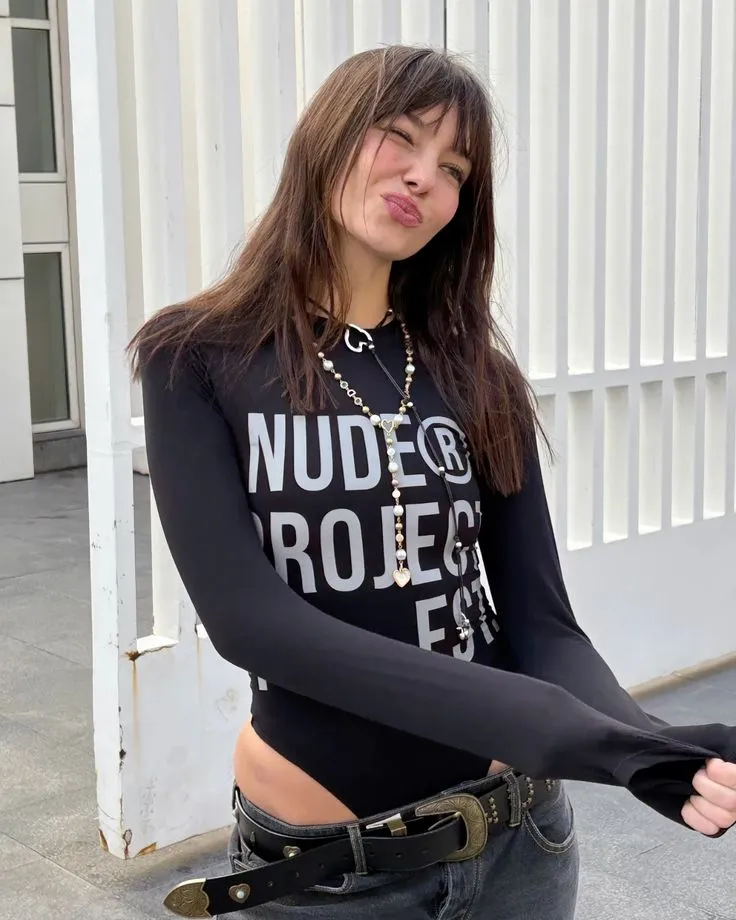
On-model photography is the most commercially important content type for apparel. It shows how a garment fits on a real body, how fabric drapes and moves, and how the piece looks as part of an actual outfit. These are the questions customers need answered before committing to a purchase, and no other format answers them as effectively.
On-model photography for eCommerce requires a front view, back view, and at least one three-quarter or side view for every garment. Detail shots showing construction, fabric texture, and functional elements like pockets, closures, and lining complete the set. For swimwear, underwear, and activewear, additional angles showing fit through movement are standard.
Model selection matters significantly for apparel photography. The model's proportions relative to the sample size, their ability to move naturally on set, and their alignment with the brand's visual identity all directly affect the quality and usability of the final images. For a complete guide to finding and selecting models for apparel shoots: The Smart Way to Find and Choose Models for Your Brand Photoshoot
The production team for on-model apparel photography goes beyond photographer and model. A fashion stylist prepares and maintains garments, selects accessories, and ensures every piece looks its best throughout the shoot. Hair, makeup, and nail artists complete the model's look in alignment with the brand's aesthetic. For the stylist's specific role: Why Your Shoot Needs a Professional Fashion Stylist
Lifestyle Apparel Photography
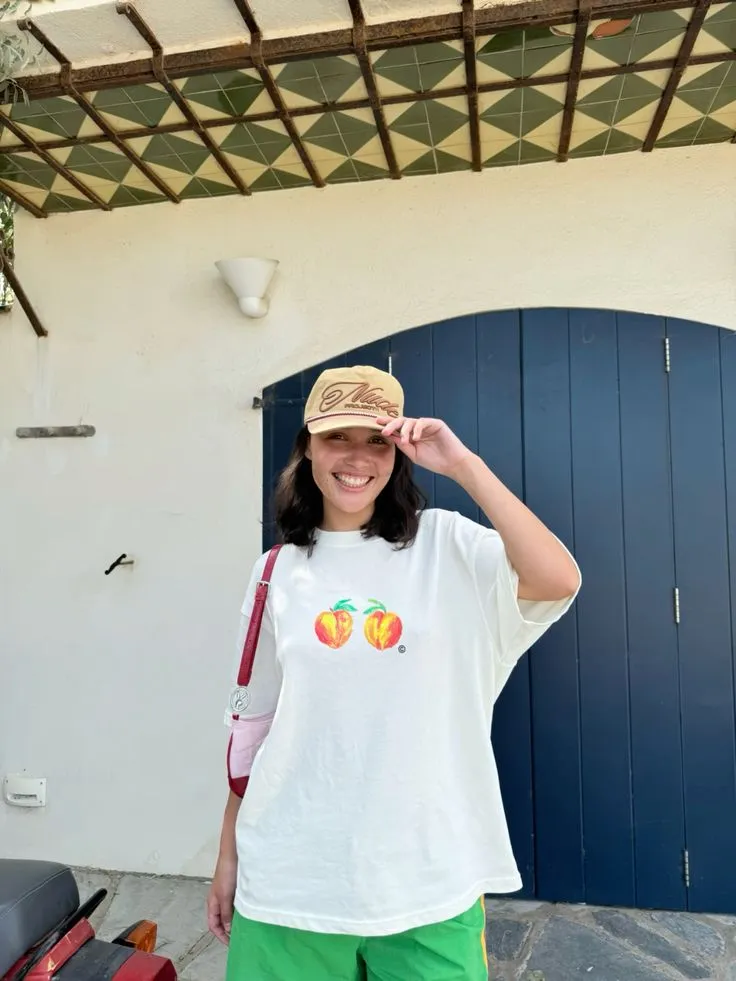
Lifestyle photography places garments in real environments with models, showing clothing in the contexts customers actually wear it. This content type builds brand identity and emotional connection, showing not just what a garment looks like but what wearing it means.
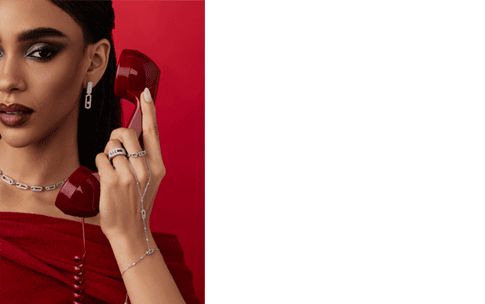
For fashion brands where identity and aspiration are central to the purchasing decision, lifestyle photography is as important as catalog documentation. Campaign imagery, seasonal lookbooks, social media content, and press assets all rely on lifestyle photography. For how to present a collection through editorial photography in lookbook format: How to Create a Lookbook for Your Fashion Brand
For a complete guide to lifestyle photography strategy for apparel brands: Strategic Impact of Lifestyle Photography on eCommerce Business
Fashion and Editorial Apparel Photography
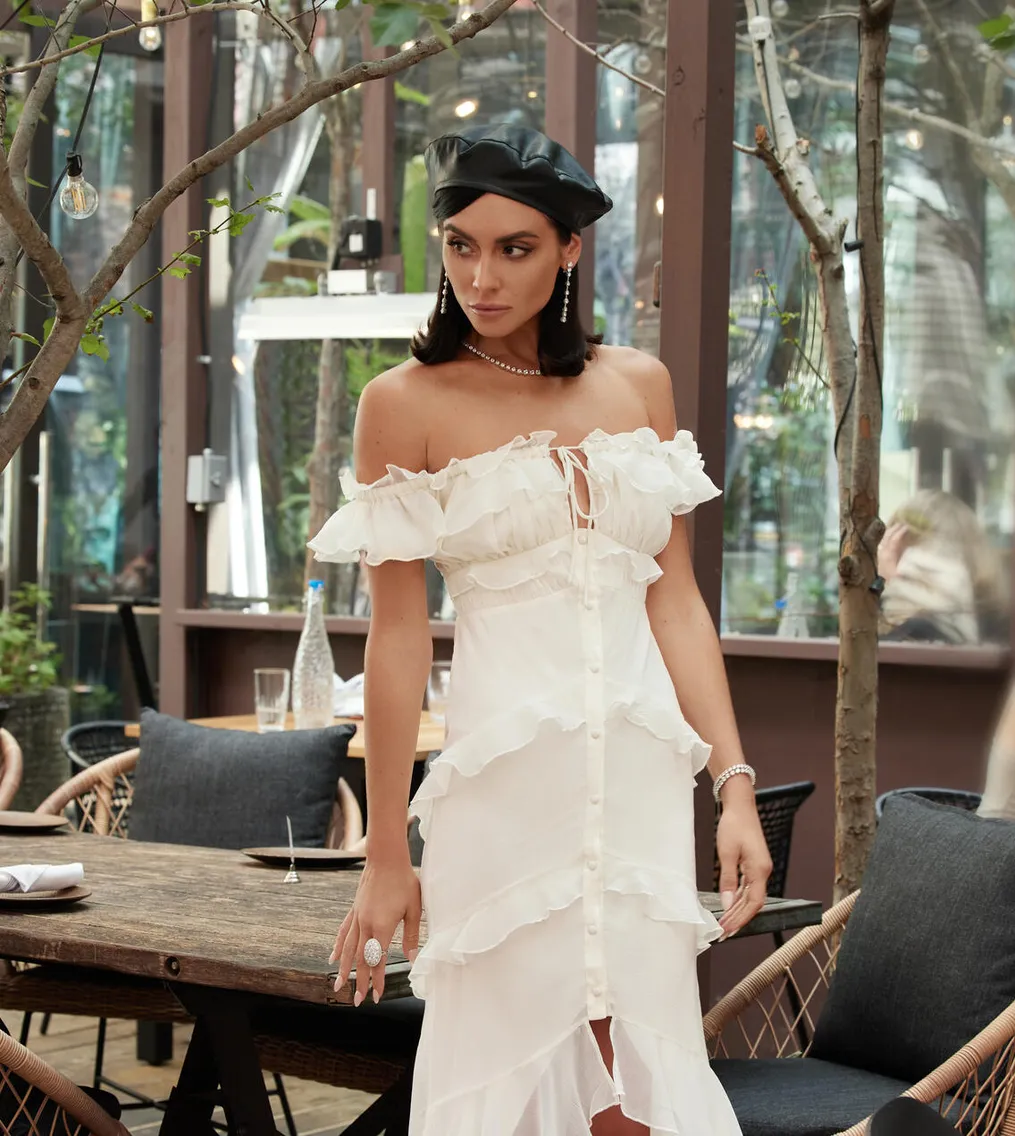
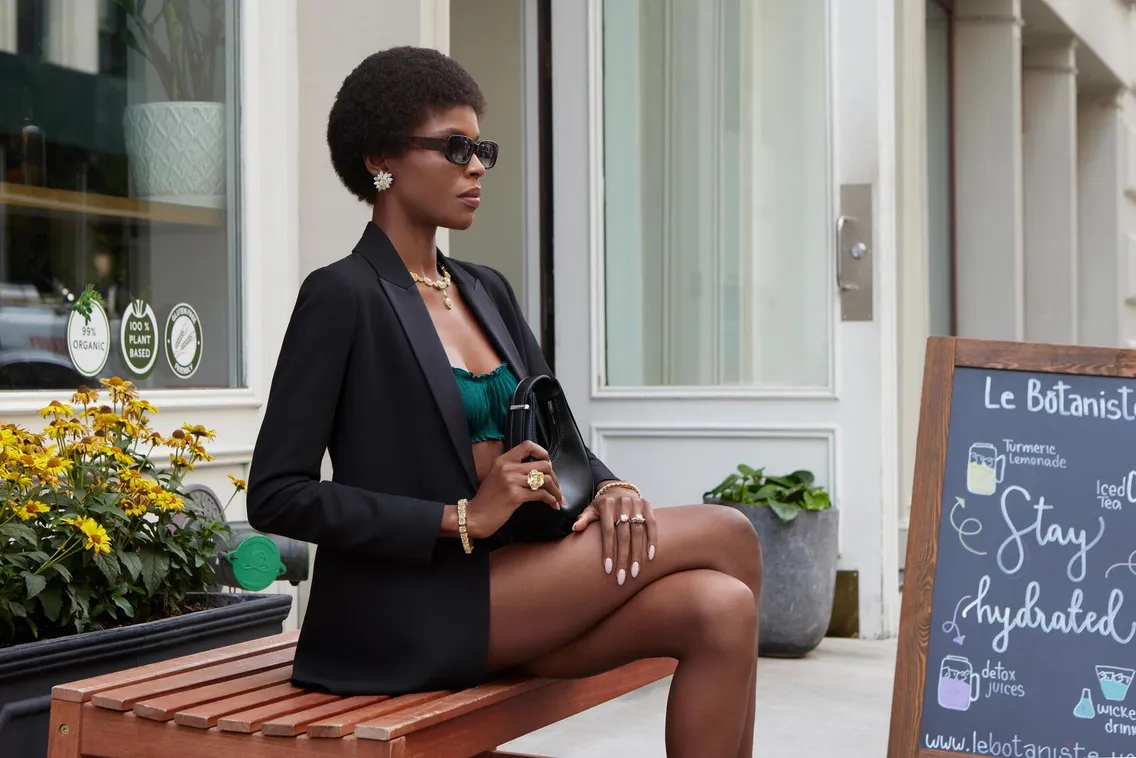
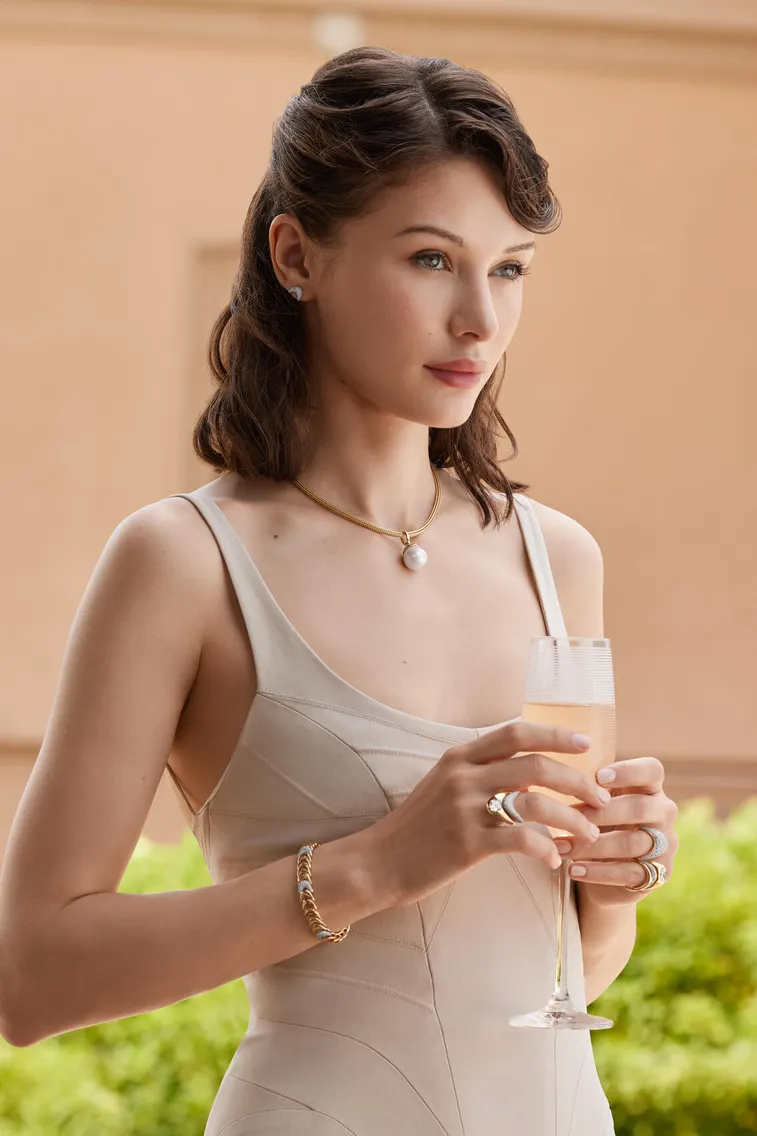
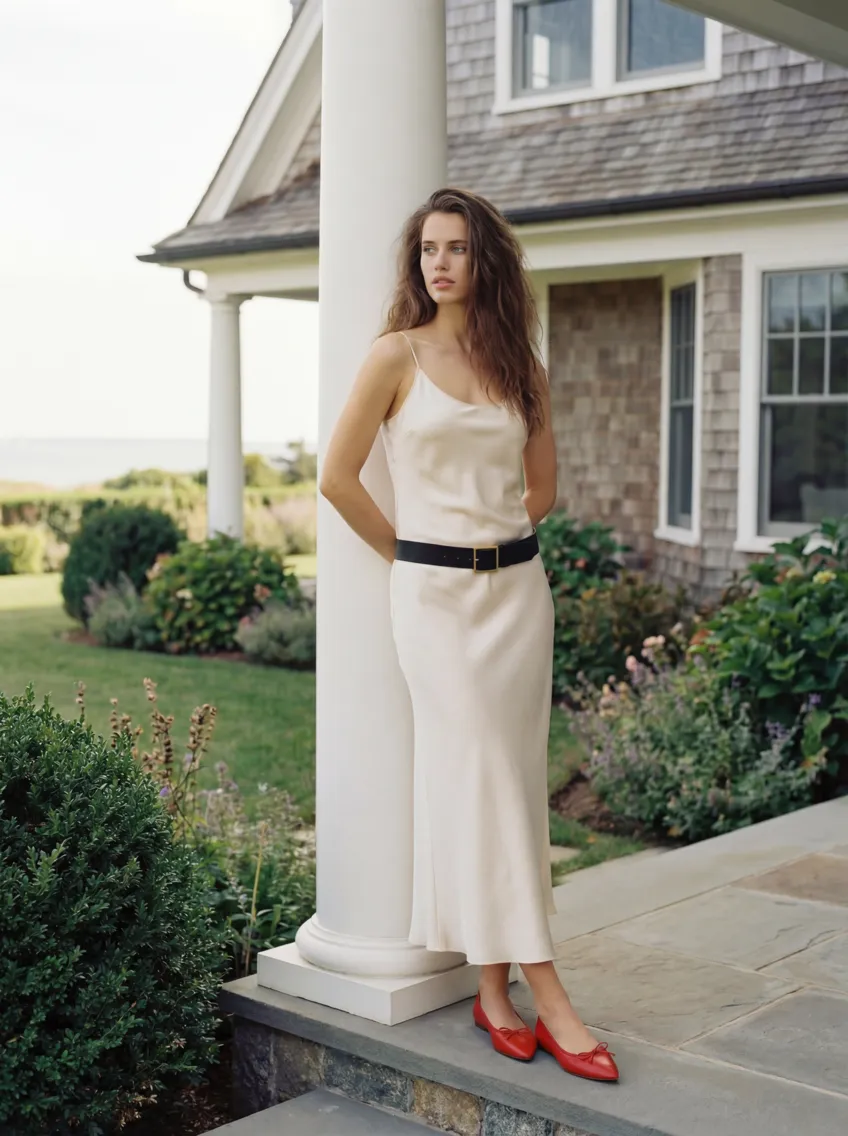
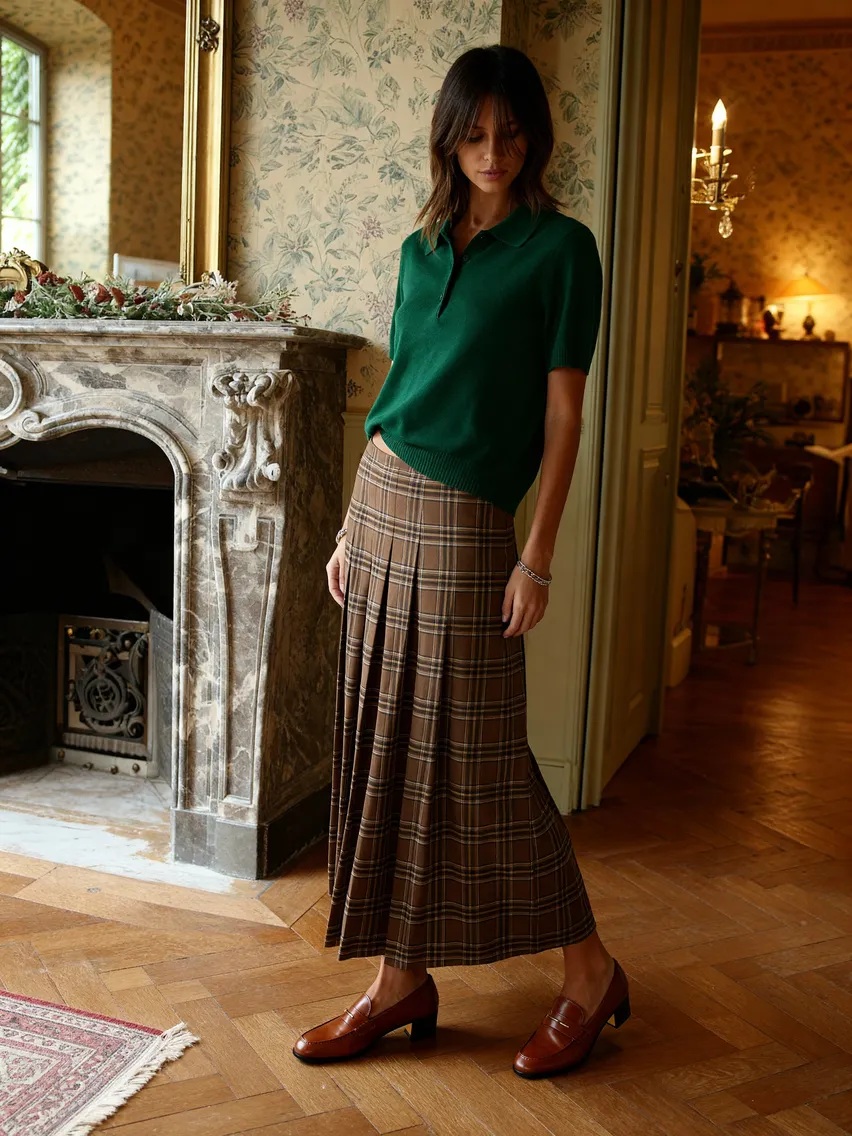
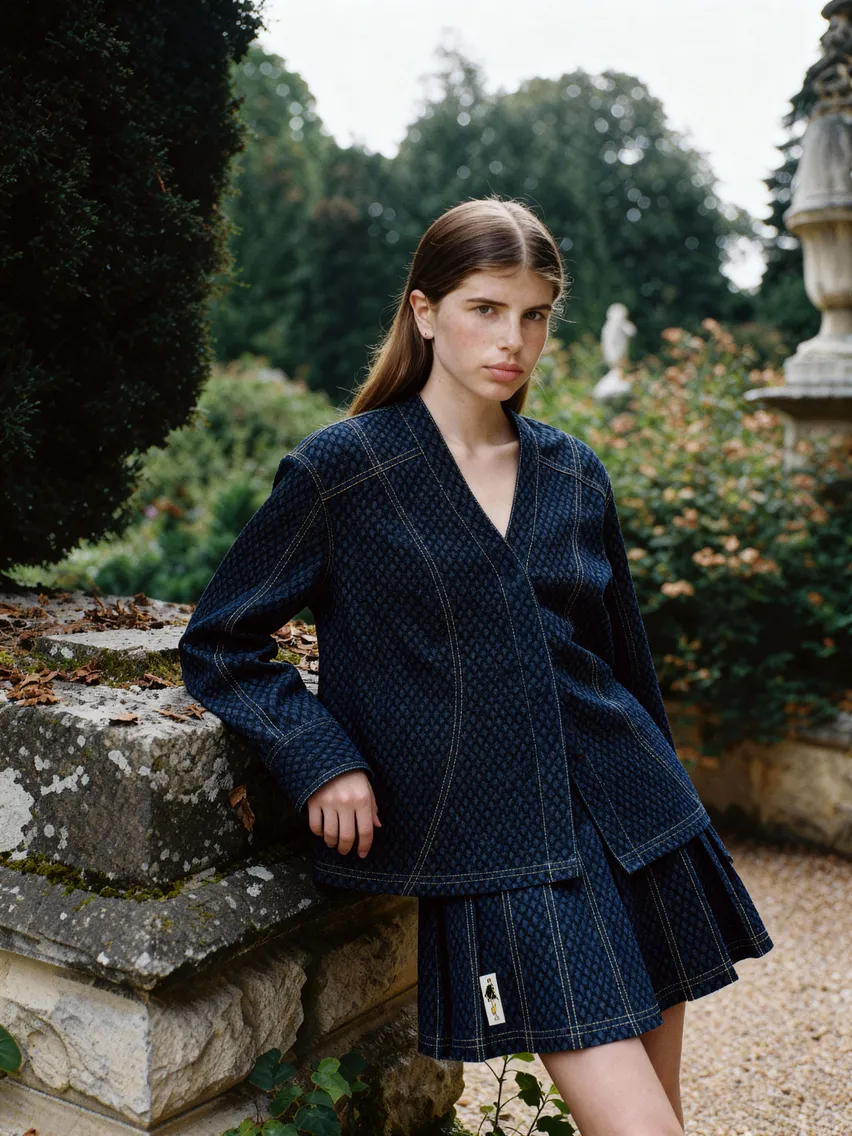
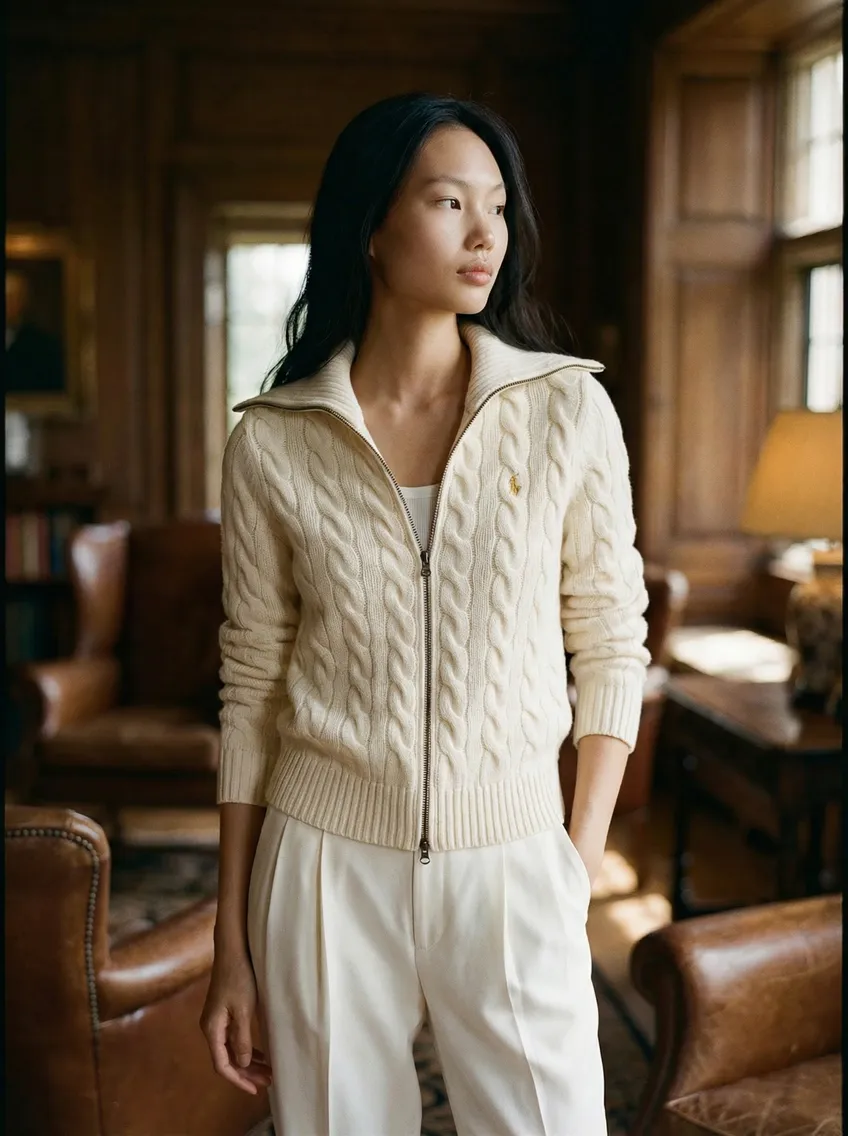
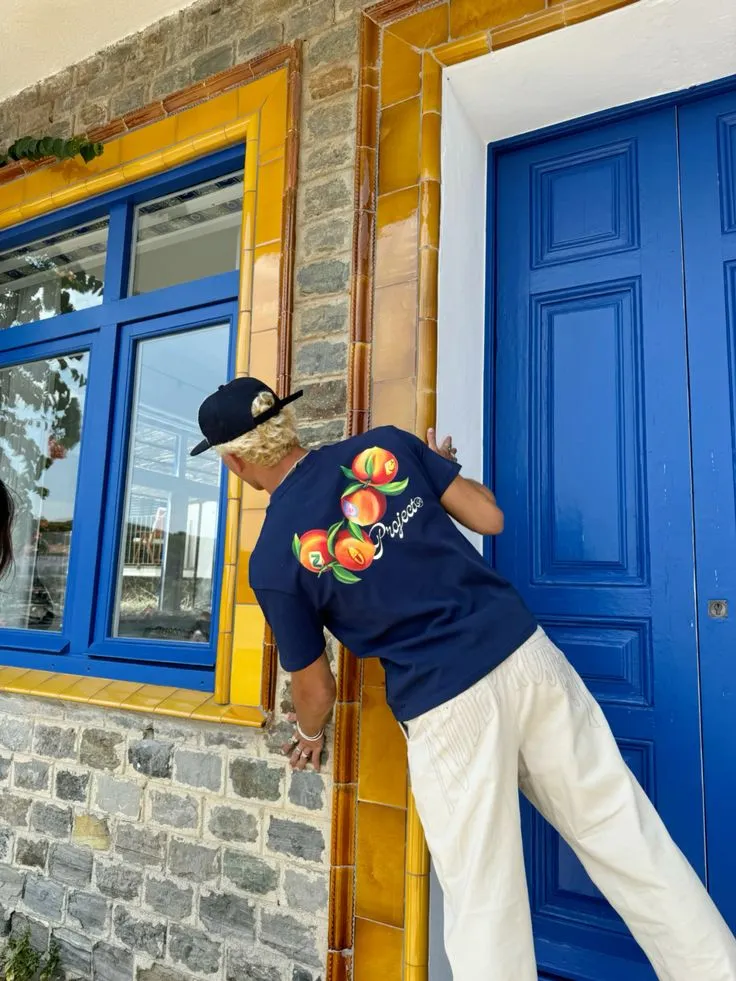
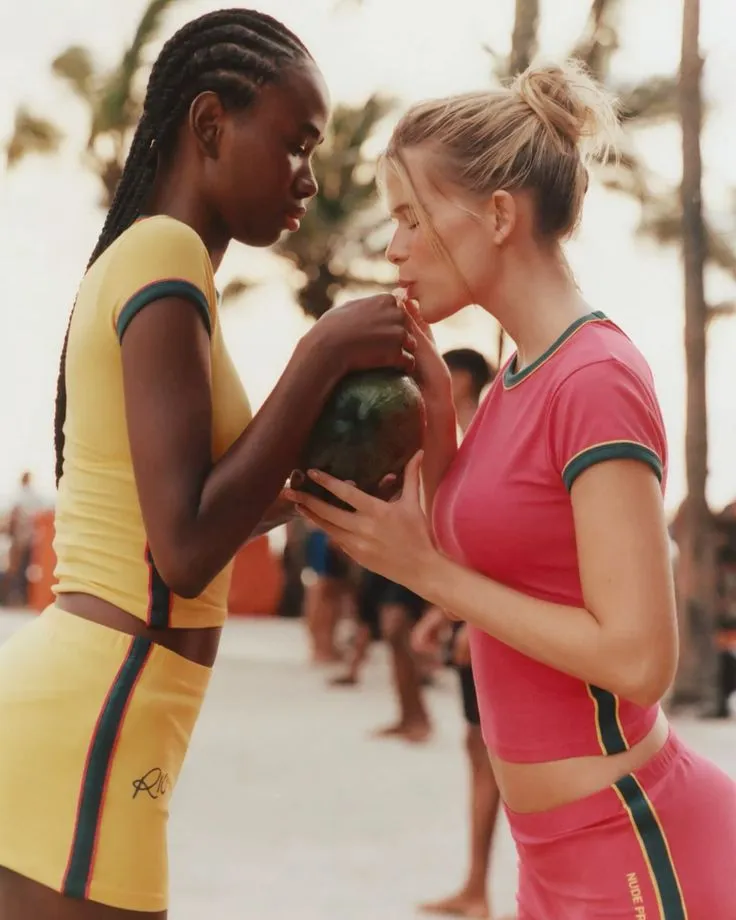
Fashion and editorial photography is distinct from every other format in this section. On-model photography shows how a garment fits. Lifestyle photography shows how it fits into a life. Fashion and editorial photography communicates what the brand stands for and what world it belongs to.
The product is present but not always the primary subject. The primary subject is a mood, a cultural reference, an idea. Production decisions reflect this: a creative brief replaces the shot list, styling builds a visual world rather than presenting individual garments accurately, and the photographer makes creative decisions that serve a narrative rather than a product page.
For apparel brands, fashion and editorial photography is not optional. It is the content that builds the desire that makes catalog photography convert. A customer who has never encountered the brand's visual world has no emotional reason to stop on a product page. Campaign images, lookbook spreads, social media hero content, and press assets do the upstream work that makes downstream catalog photography perform.
For how editorial fashion photography serves brand identity and campaign work see also: Professional Fashion Photography for eCommerce Brands
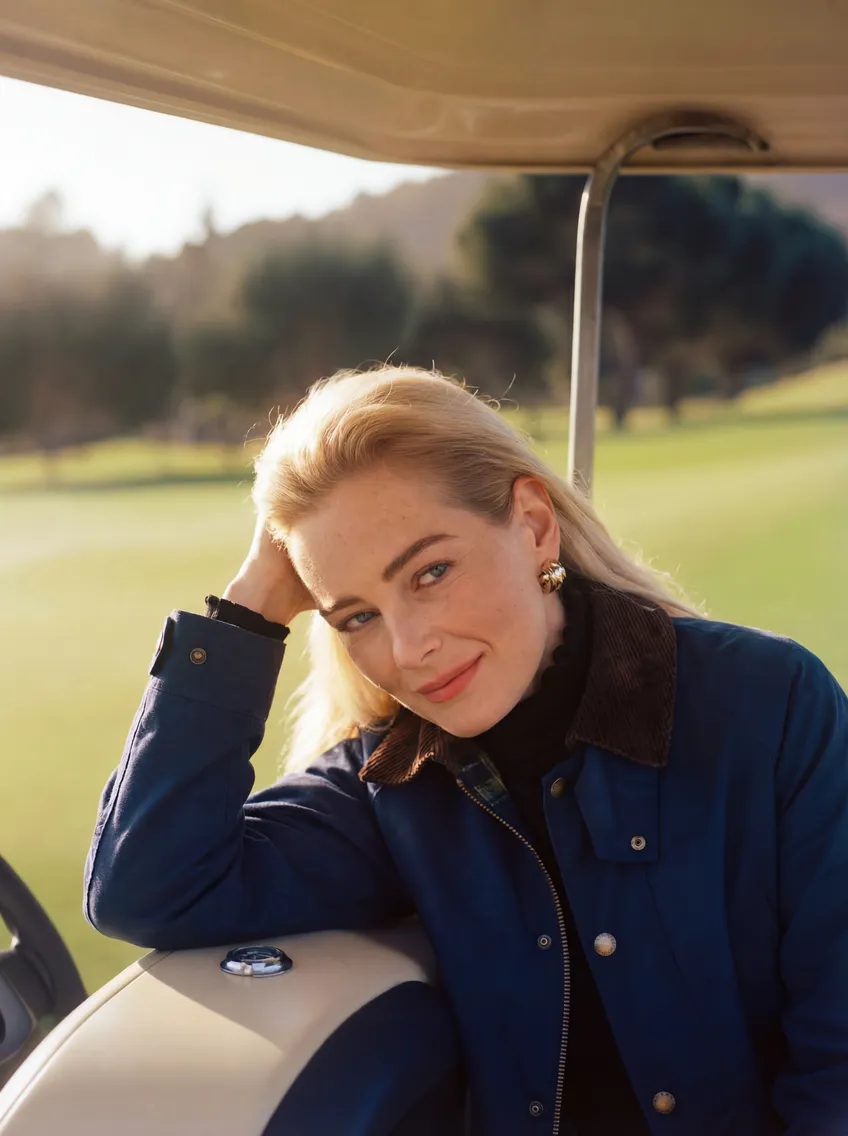
Social Media and Campaign Photography for Apparel Brands
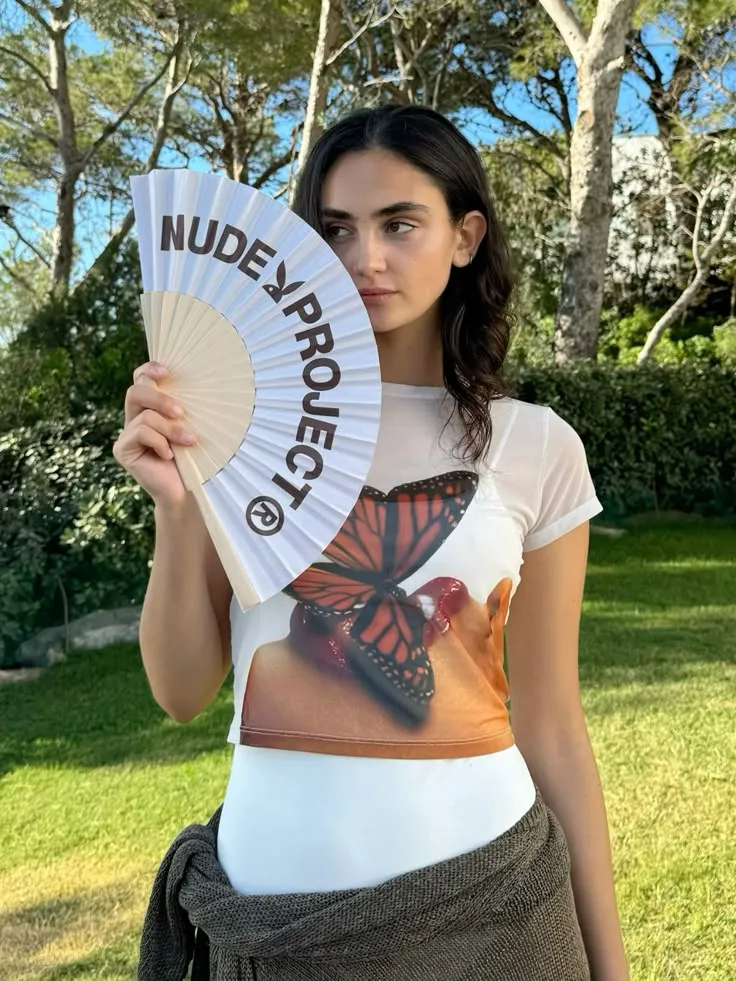
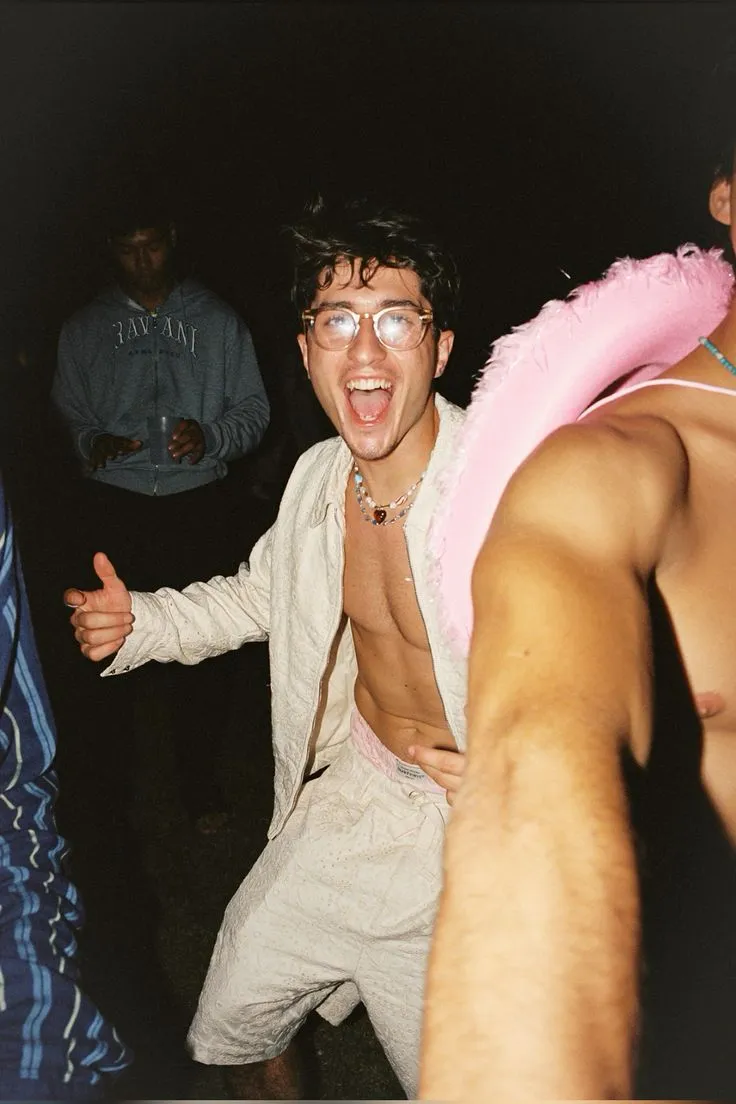
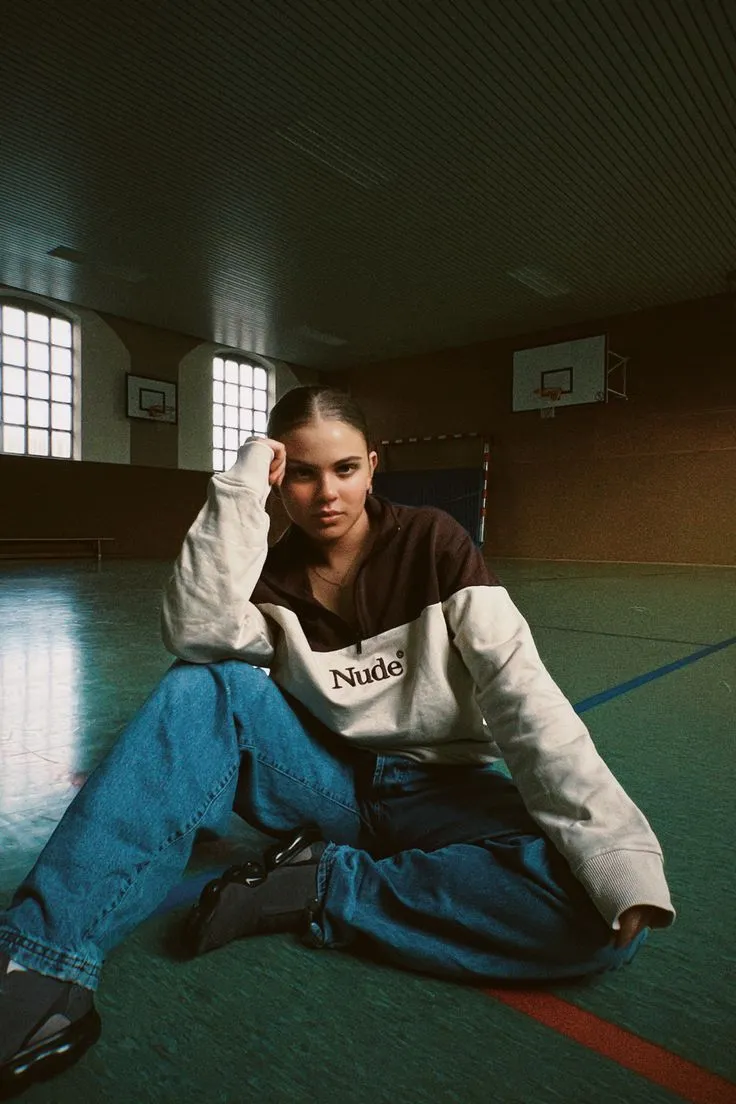
Beyond catalog photography that serves product detail pages and marketplace listings, apparel brands need a separate visual content stream for social media, campaigns, and press. This content serves the top of the funnel, building brand awareness and desire before customers reach the product page.
For fashion-specific social media photography strategy, see: Social Media Photography for Fashion Brands
Garment Preparation Before the Shoot
How garments arrive at the studio directly affects the quality and efficiency of the shoot. Poorly prepared samples waste time on set and produce images that require more retouching or reshoots.
Steaming — every garment should be steamed immediately before shooting. Even freshly unpacked samples develop fold lines and wrinkles in transit that are visible under studio lighting and require either on-set correction or retouching time in post-production.
Thread and tag removal — loose threads, hanging labels, and sample tags must be removed before shooting. These are consistently the most common fixable flaws in apparel images, and catching them before the shoot costs seconds. Catching them in post-production costs minutes per image multiplied by every SKU.
Structural support — structured garments like blazers, jackets, and bags benefit from internal support to help them hold their shape under lighting. Padded hangers for hanging shots, tissue paper for structured bags, and shoulder forms for jackets ensure the garment photographs in its intended silhouette rather than collapsing under its own weight.
Sizing and fit adjustment — garments are typically shot in sample sizes, which may not fit the model precisely. Clips, pins, and clear tape are used on set to adjust fit for the camera without altering the garment. Every adjustment made on set should be noted so it can be reversed when the garment is returned.
Color verification — before shooting begins, verify each garment's color against a reference standard under the shoot's lighting conditions. Colors that appear identical in natural light can read differently under studio strobes, particularly for navy versus black, off-white versus white, and similar close-tone pairs.
Sizing, Diversity, and Multi-Model Photography
Consumer and platform expectations around size diversity in apparel photography have shifted significantly. Brands like ASOS, Universal Standard, and H&M routinely show garments on multiple body types, and the commercial rationale is straightforward: a customer who cannot find a model with their proportions in the product images has less purchase confidence and higher return likelihood.
Multi-model photography increases shoot complexity and cost but produces measurable improvements in conversion and returns for brands selling across a wide size range. The practical approach is to shoot hero catalog images in the primary sample size, then schedule supplementary multi-model shoots for bestsellers and core catalog items where size representation matters most to the target audience.
For casting decisions that account for size representation alongside brand identity alignment: The Smart Way to Find and Choose Models for Your Brand Photoshoot
How Many Images Does Each Platform Require?
Platform image requirements for apparel are specific and non-negotiable. Non-compliant images face listing rejection or algorithmic suppression. Understanding these requirements before the shoot allows the shot list to be built correctly from the start.
| Platform | Primary image | Minimum images | On-model | Additional requirements |
|---|---|---|---|---|
| Amazon | White background RGB 255,255,255, product fills 85% of frame | 1 required, 7-9 recommended | Permitted as primary for apparel | Detail shots, size charts, lifestyle in secondary slots |
| Zalando | Neutral background, front on-model | 4 minimum | Required | Back view, detail shot, specific dimensions 1920x2240px |
| Farfetch | Editorial quality, multiple views | 4 minimum | Required | Hardware details, fabric close-ups, specific angle standards |
| ASOS | White or light grey background | 3 minimum | Required | Front, back, side; multiple model sizes encouraged |
| DTC website | Brand-defined | Brand-defined | Recommended | Full brand visual system applies |
For how Amazon photography requirements connect to conversion and sales performance: 5 Reasons Your Amazon Sales Have Slowed Down
Apparel Photography by Garment Category
Different garment types have specific photography requirements reflecting their construction, how customers evaluate them, and what information they need to make purchase decisions.
Womenswear
The standard shot structure of front, back, and three-quarter views applies across womenswear categories, with additional detail and movement shots for garments where these are primary selling points. Movement shots showing fabric behavior are particularly valuable for flowing fabrics and dresses.
Menswear
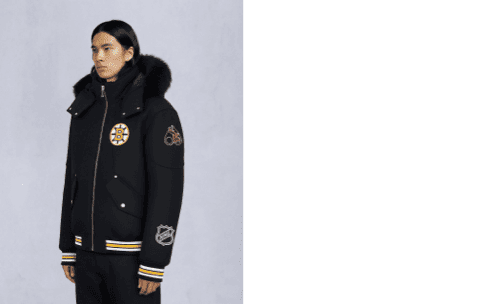
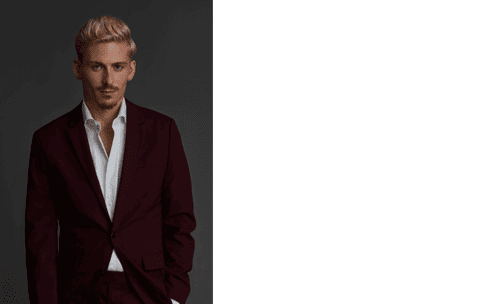
Menswear photography prioritizes fit and construction communication. Tailored garments require particular attention to shoulder line, lapel construction, and trouser break. Ghost mannequin photography works exceptionally well for structured menswear. For a complete guide: How to Elevate a Menswear Brand with Fashion Photography
Kidswear
Most brands use flat lay or ghost mannequin rather than child models for kidswear catalog photography. Size communication is particularly important in this category. For a complete guide: Kidswear Photography for eCommerce Brands
Underwear and lingerie
Fit accuracy is the primary concern for underwear photography. Platform restrictions apply on Amazon and several other marketplaces. Skin tone accuracy in post-production is critical since the contrast between fabric and skin is part of what customers evaluate. For a complete guide: Underwear Photography for eCommerce Brands
Activewear
Movement shots showing fabric performance are essential alongside standard catalog views. Technical fabric properties like stretch, moisture management, and seam construction are selling points that close-up detail shots communicate effectively. For a complete guide: Activewear Product Photography
Bridal
Bridal photography requires particular attention to embellishment detail, fabric quality, and scale communication. Detail shots of beading, lace pattern, and fabric texture are as important as full-length views. For a complete guide: Bridal Fashion Photography for eCommerce Brands
Footwear
Multiple angles showing the profile, toe, heel, sole, and interior are standard. On-foot photography showing scale is standard for most footwear categories. For a complete guide: Footwear Photography That Sells
Bags and accessories
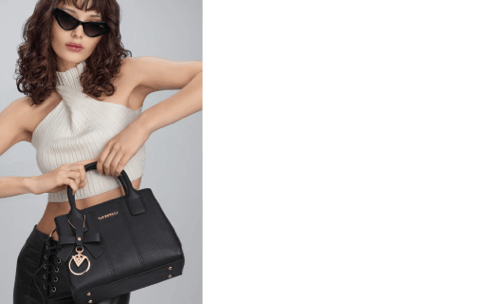
Multiple views showing front, back, side, interior, and hardware details are required. Scale reference shots showing the bag worn communicate proportions that product shots alone cannot establish. For a complete guide: Handbag Photography for eCommerce, Marketplaces, and Social Media
Building a Visual System for an Apparel Brand
The most effective apparel photography is not a series of individual shoots. It is a defined visual framework applied consistently across every production so the brand's catalog grows in a coherent, recognizable direction.
A visual system specifies the photography types used for each garment category, the lighting approach and color temperature standards, background standards for catalog photography, model selection criteria, retouching parameters, and file format standards for each distribution channel.
Once this system exists, every new collection is photographed within the same framework. The catalog builds visual equity over time rather than appearing as a series of disconnected productions.
For how luxury and mass market apparel brands approach visual strategy differently see also: Luxury Brand Strategies vs. Mass Market Visual Marketing Strategies
For visual marketing strategies from leading fashion brands: 8 Visual Marketing Strategies from Leading Fashion Brands
Production Planning for an Apparel Shoot
A professional apparel shoot requires coordination across multiple departments before a single frame is captured. The quality of that coordination determines whether the shoot runs on schedule, whether the images are usable, and whether the brand gets the coverage it needs from the production budget.
Pre-production
Pre-production is where most shoot problems are either prevented or created. Sample collection and quality checking identifies garments with production flaws before they reach set. Garment preparation — steaming, thread removal, structural support for tailored pieces — determines how much time is lost on set managing avoidable presentation issues. Shot list creation translates the brand's coverage requirements into a workable production schedule. Casting and fitting confirms that model sizing matches the sample range so fit can be assessed accurately during the shoot.
A complete guide to preparing garments, samples, and briefs before a shoot: Preparing Your Products for a Photoshoot
On set
A dedicated styling station where garments are prepared, maintained, and returned after each shot is essential for keeping an apparel shoot on schedule. A stylist or styling assistant manages this continuously throughout the day, re-steaming garments that crease under lights and maintaining the continuity of accessories and props across shots.
Tethered shooting with a calibrated monitor allows the photographer and art director to evaluate images on a large, color-accurate screen during capture. Problems caught on set cost minutes to fix. The same problems discovered after the shoot can require expensive reshoots of garments that may no longer be available in sample form.
The production team on an apparel shoot involves more roles than most brand owners initially expect. Understanding what each person contributes helps brands brief the team correctly and evaluate studio proposals accurately. For a complete breakdown of every role in a commercial apparel production read: Understanding the eCommerce Photography Creation Process and Team Involved
Post-production
Apparel post-production requires color correction referenced against the physical garment, fabric texture preservation that communicates material character accurately, ghost mannequin compositing where applicable, and consistency enforcement across the full collection so every garment reads as part of the same visual system.
The most common failure in apparel post-production is color drift, where images shot across a single day show subtle shifts in how colors render because of changing light conditions or inconsistent processing. A structured color grading workflow applied uniformly across the full set prevents this. For clothing and fabric retouching techniques specifically: Clothing and Fabric Retouching Techniques
Complete post-production workflow from raw files to final delivery: Best Practices for Retouching eCommerce Product Photos
Seasonal planning and budget
Most apparel brands require at minimum four shoot cycles per year aligned with seasonal collection drops. Planning these cycles in advance, with a clear understanding of SKU counts and platform requirements, allows production to be budgeted accurately and scheduled without last-minute scrambles. For how to align shoot cycles with marketing calendar and seasonal content requirements: Seasonal eCommerce Marketing Playbook
To learn more how to plan and allocate a production budget across an apparel brand's annual shoot calendar: How to Get More From Your Photography Budget
Choosing the Right Production Partner
A photography studio specializing in apparel eCommerce brings category-specific knowledge that generalist studios cannot match: familiarity with platform compliance requirements, experience with ghost mannequin compositing, understanding of how different fabric types behave under different lighting setups, and a production workflow designed for high-volume collections.
For a complete guide to choosing the right photography studio: How to Choose an eCommerce Photography Studio