

5 Product Photography Ideas for Activewear Clothing Brands
This article walks through five photography approaches that build an activewear brand's visual identity while directly supporting marketing goals. From dynamic action shots that prove fabric performs to inclusive size representation that builds buying confidence, each idea uses a different angle to connect with the customer who is actually deciding whether to buy.
Whether the goal is refreshing a website, planning the next campaign, or sharpening social media, these are concepts that capture attention and drive results through photography that does real work rather than just looking good.
Part of our complete guide: Product Photography for Clothing and Accessories Brands
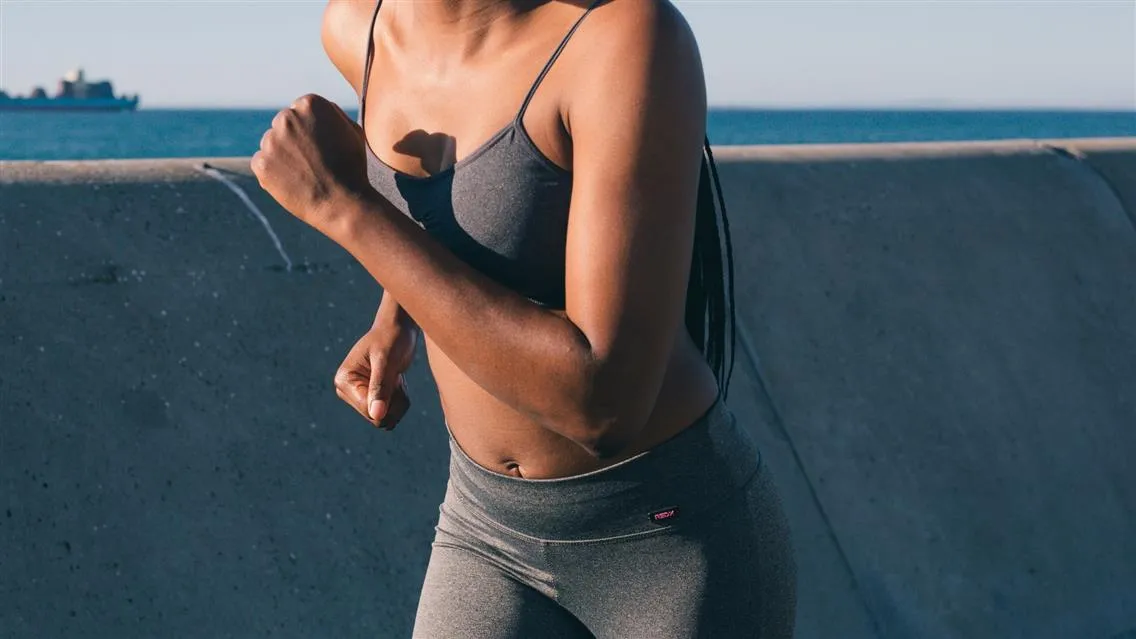
1. Show How Activewear Performs with Action-In-Motion Lifestyle Photography
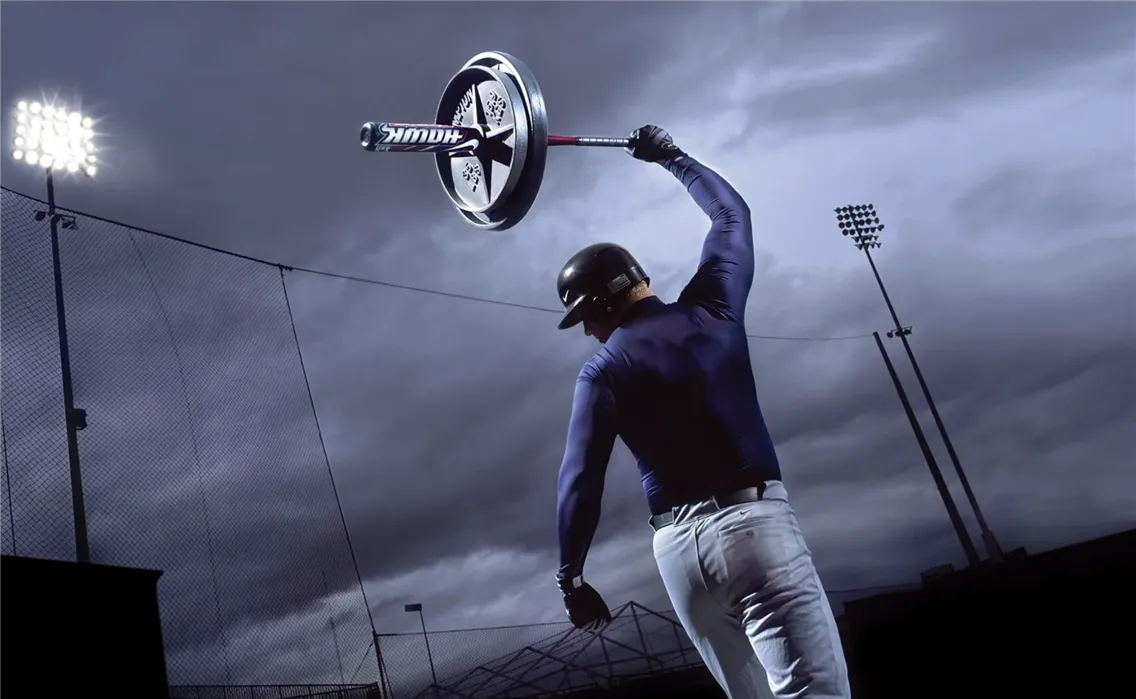
Static product shots inform. Dynamic photography convinces. When a shopper sees a technical fabric holding shape during a kettlebell exercise or visibly wicking moisture on a trail run, marketing claims stop being claims and become visual evidence.
That shift from telling to showing is what creates the purchase confidence a product description alone cannot generate, and it pays off in a few specific ways.
Fewer returns. Action photography helps match what a customer expects with how the product actually performs. When a garment is shown doing the job it was designed for, the purchase feels earned rather than speculative. Brands that build their visual strategy around this kind of in-use photography consistently report stronger conversion and fewer fit-related returns, simply because the gap between the marketing image and the lived experience closes.
Specs become visible. The eighteen months a design team might spend perfecting a four-way stretch fabric stays completely invisible until it is captured in motion. Dynamic photography turns an abstract spec sheet phrase into something a customer can actually see, which is part of what allows a brand to hold its price even as the category gets more crowded.
Faster decisions from cold traffic. Movement-based imagery is especially persuasive with first-time customers who have no brand loyalty to lean on. Seeing moisture-wicking technology actually wick moisture compresses a consideration cycle that might otherwise stretch across several site visits, which is exactly why this format earns its place in upper-funnel marketing.
One practical production note: many brands extend a single shoot day to capture both campaign imagery and functional demonstration footage at once. Same crew, same location, same models, twice the usable content without doubling the budget.
How Leading Activewear Brands Use This
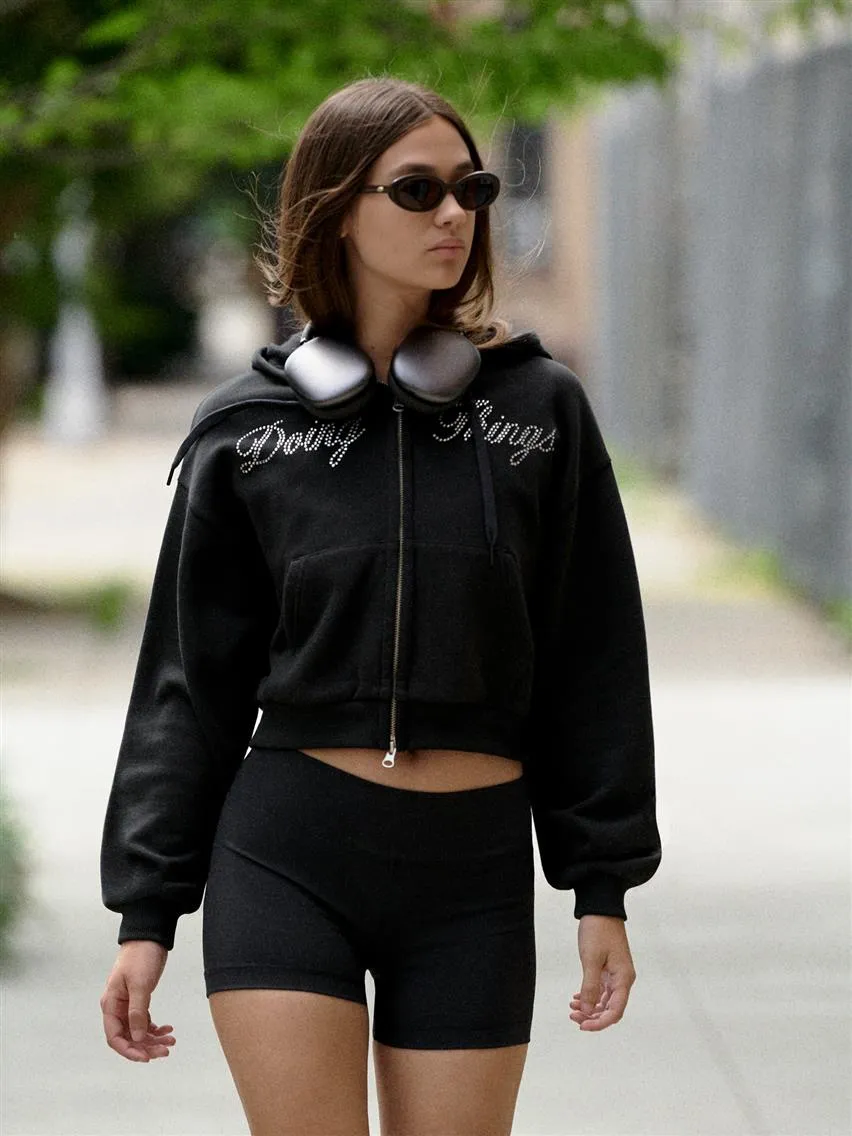 | Outdoor Voices redefined activewear marketing with its #DoingThings campaign. Rather than showing polished athletic form, the brand captured genuinely authentic movement that visualized its whole brand philosophy. That choice differentiated Outdoor Voices instantly from established competitors and helped carry it from startup to category challenger, resonating deeply with recreational athletes who care more about real-world functionality than competition-level performance. The consistency mattered as much as the content itself: the same movement-centered photography carried through digital channels, packaging, and retail spaces, reinforcing the same performance promise everywhere a customer encountered the brand. |
| Alo Yoga has built something different: an entire lifestyle philosophy told through imagery. Its visual content consistently features sun-drenched morning yoga sessions, post-workout smoothie runs through upscale neighborhoods, and meditation moments in architecturally striking spaces. These curated lifestyle moments position the product as part of an aspirational daily routine the target customer genuinely wants to live. The strategy works because the product is woven seamlessly into that narrative rather than sitting apart from it: the leggings are the uniform of someone who starts her day with intention, the sports bra is foundational gear for someone who prioritizes self-care. That positioning is part of how Alo commands premium pricing while building unusually strong brand loyalty. | 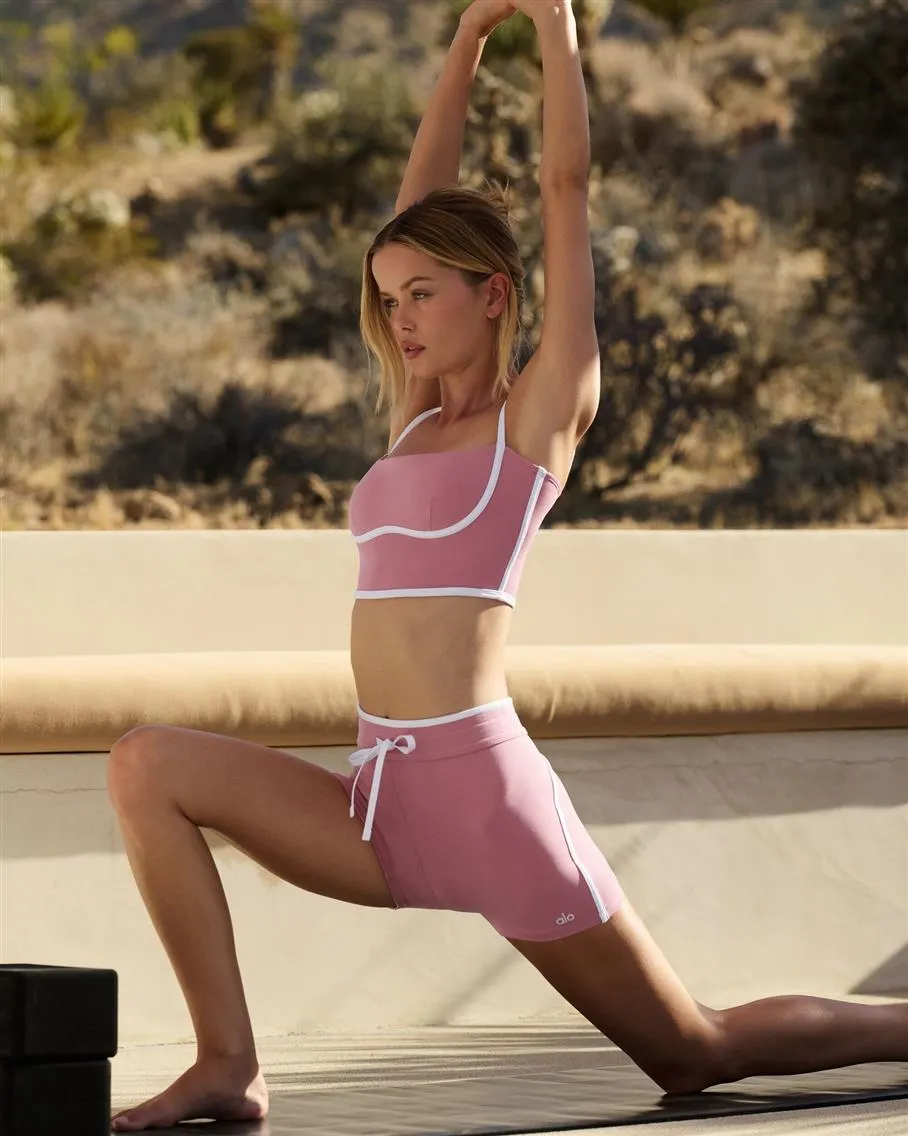 |
2. On-Model Studio Product Photography
Studio shots with neutral, controlled lighting are conversion engines. They deliver the product clarity a customer needs at exactly the moment they need it most.
A customer about to spend a meaningful amount on leggings does not need another aspirational shot of a model on a mountaintop. They are already inspired. What they need is reassurance: will these stay put during inversions, are they actually squat-proof, does that emerald green match what is in their head. Studio photography strips away distraction and delivers visual truth right when the customer is asking those exact questions. Will the seams chafe on a long run? Does the sports bra offer enough coverage for high-impact training? A well-executed studio shot, with a model pose chosen specifically to answer that question, settles the doubt directly.
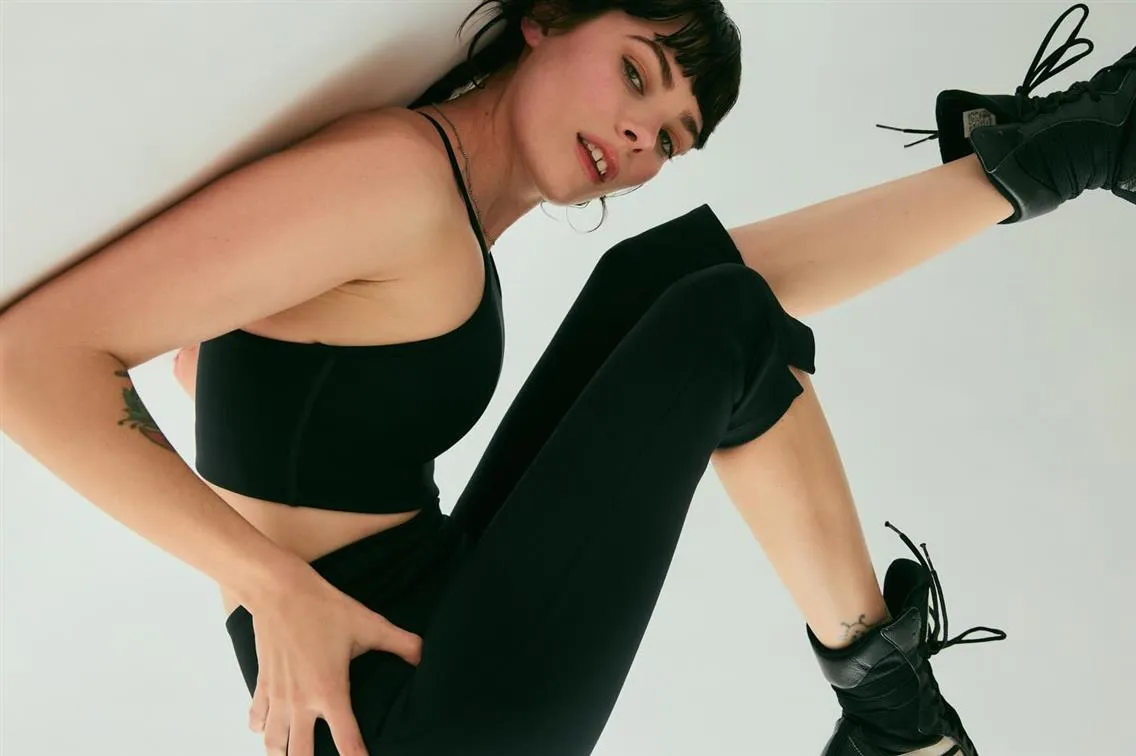
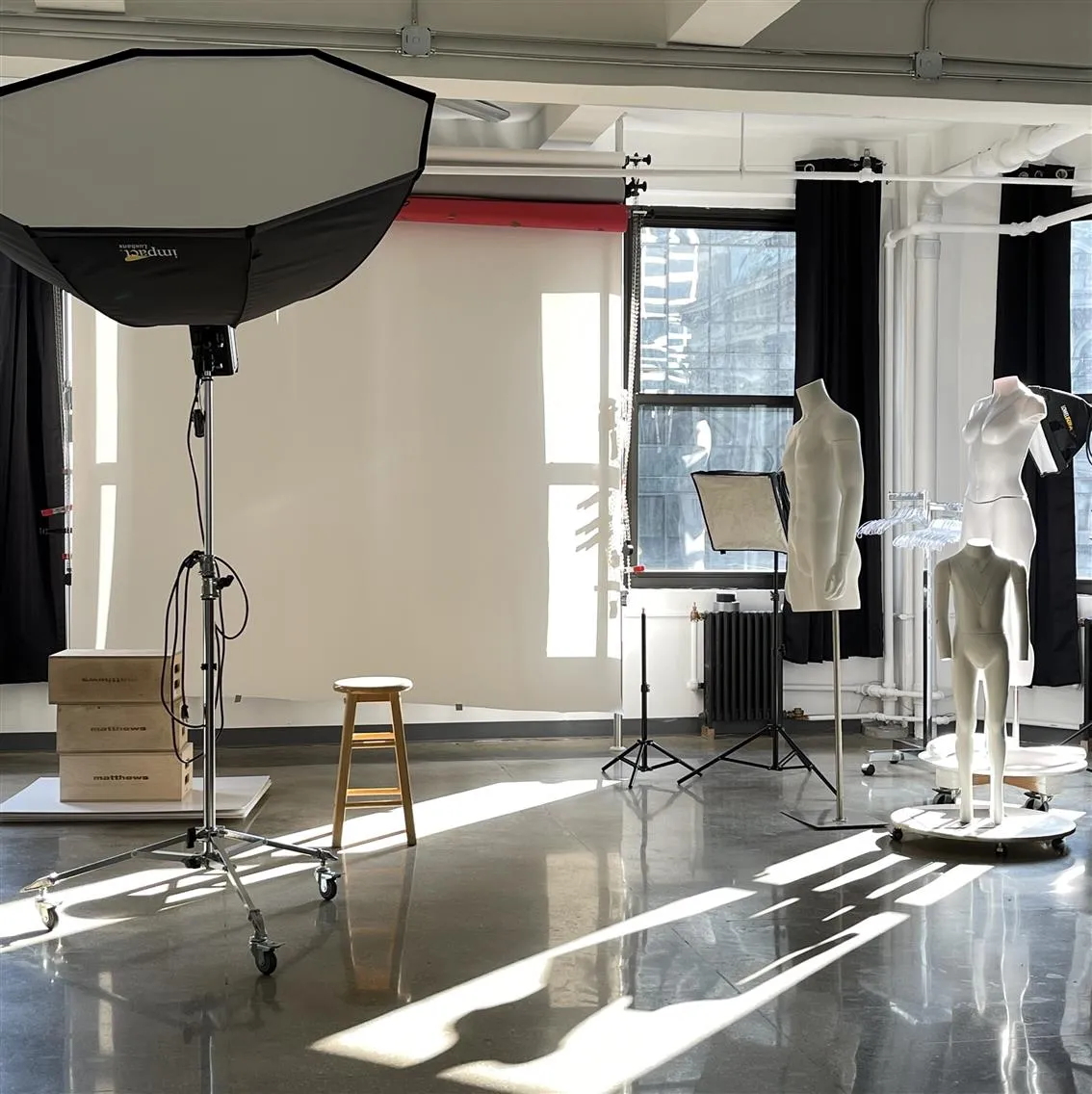
The most sophisticated brands treat this kind of photography as a system rather than a one-off shoot. Standardized shot lists and lighting specs get repeated season after season, which keeps representation consistent while cutting production time considerably. Many brands extend that efficiency further by photographing several collections in the same studio session, since the studio, talent, and lighting setup are already paid for either way.
These images earn their keep across the whole customer journey, performing especially well on product pages and marketplaces where clean, controlled backgrounds align with what platform algorithms tend to reward. The same images also do quiet work offline, in catalog merchandising, in-store banners, and wholesale sell sheets, all of which benefit from the same clarity and consistency.
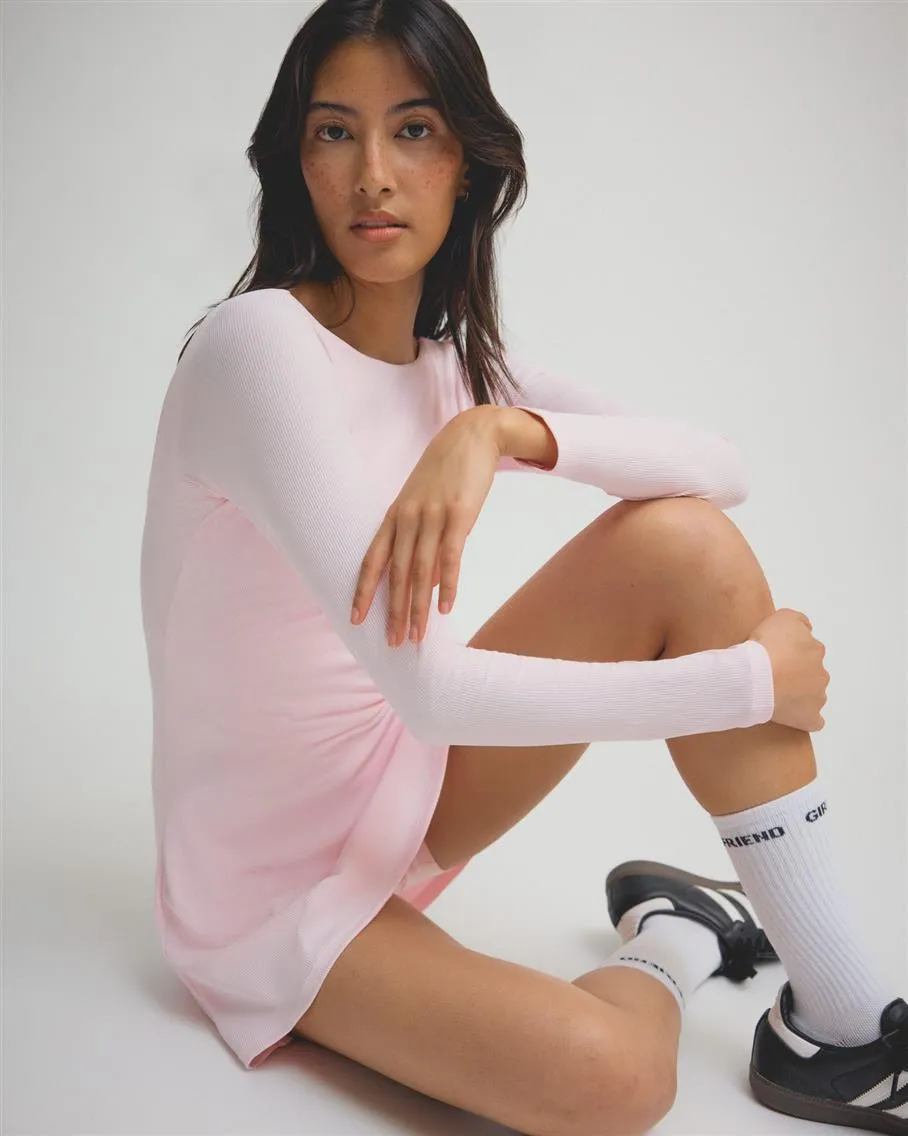
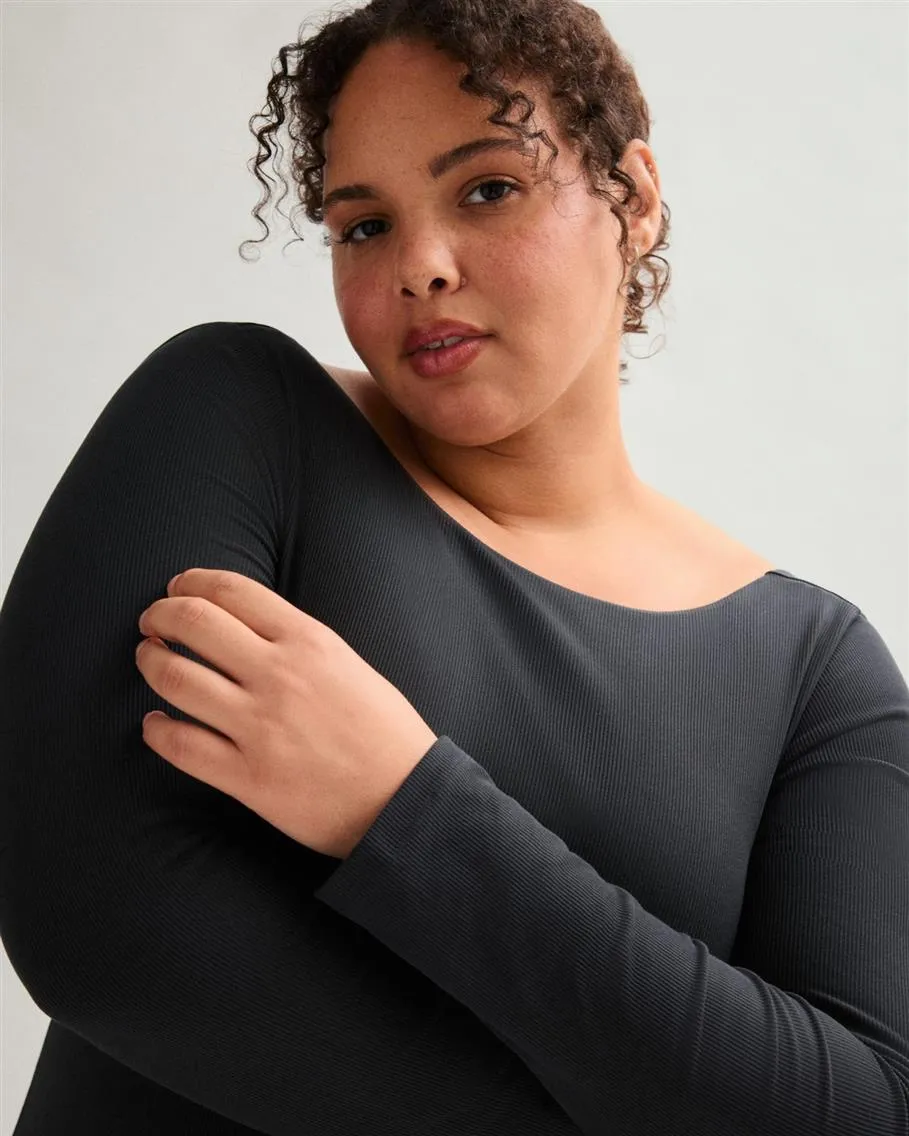
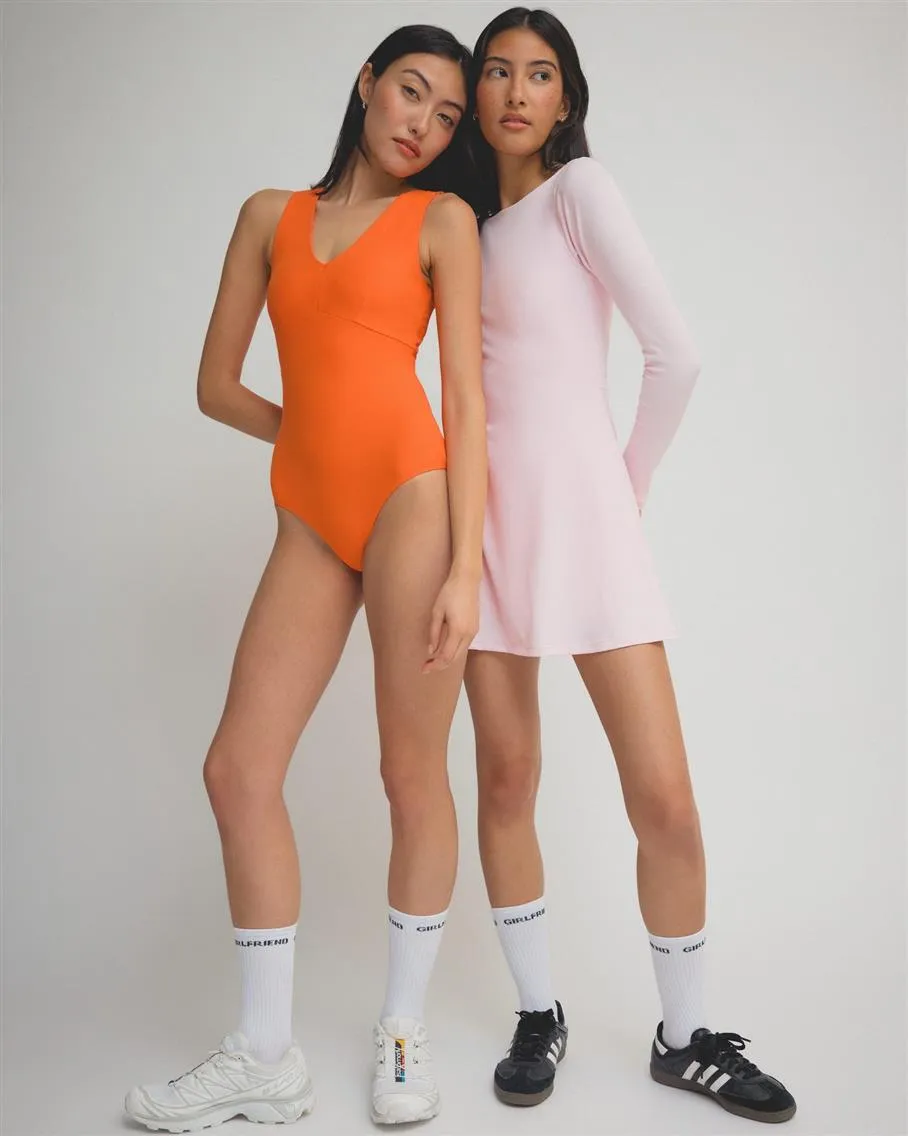
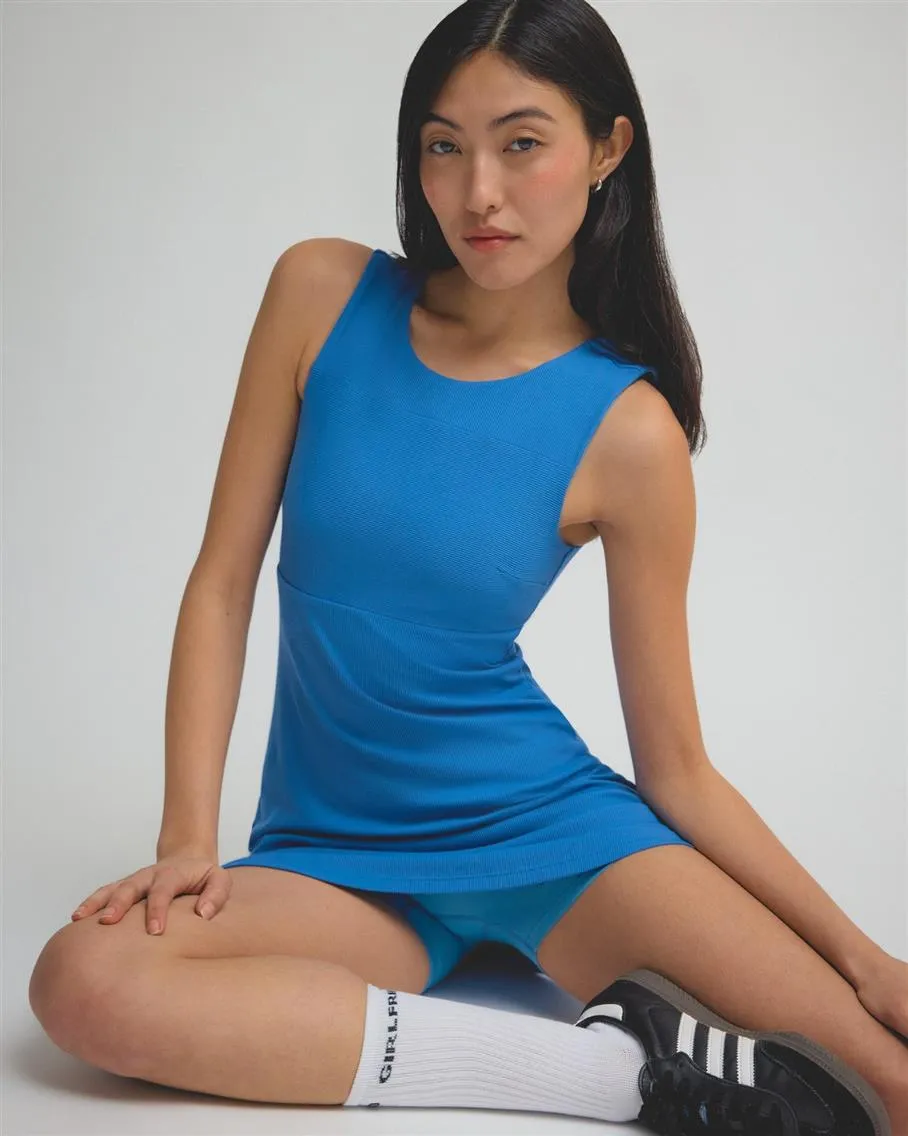
Girlfriend Collective built its brand almost entirely on disciplined studio on-model photography rather than elaborate campaigns. By photographing every product under identical lighting against neutral backgrounds, on a genuinely diverse range of models, the brand turned basic product documentation into a real statement about inclusion. The approach proved that studio photography does not have to feel sterile. Paired with a well-fitted model, the product comes through clearly without ever being overshadowed, and over time those consistent choices became signature brand elements in their own right. It is a clear example of how technical execution alone, applied with discipline, can set a brand apart.
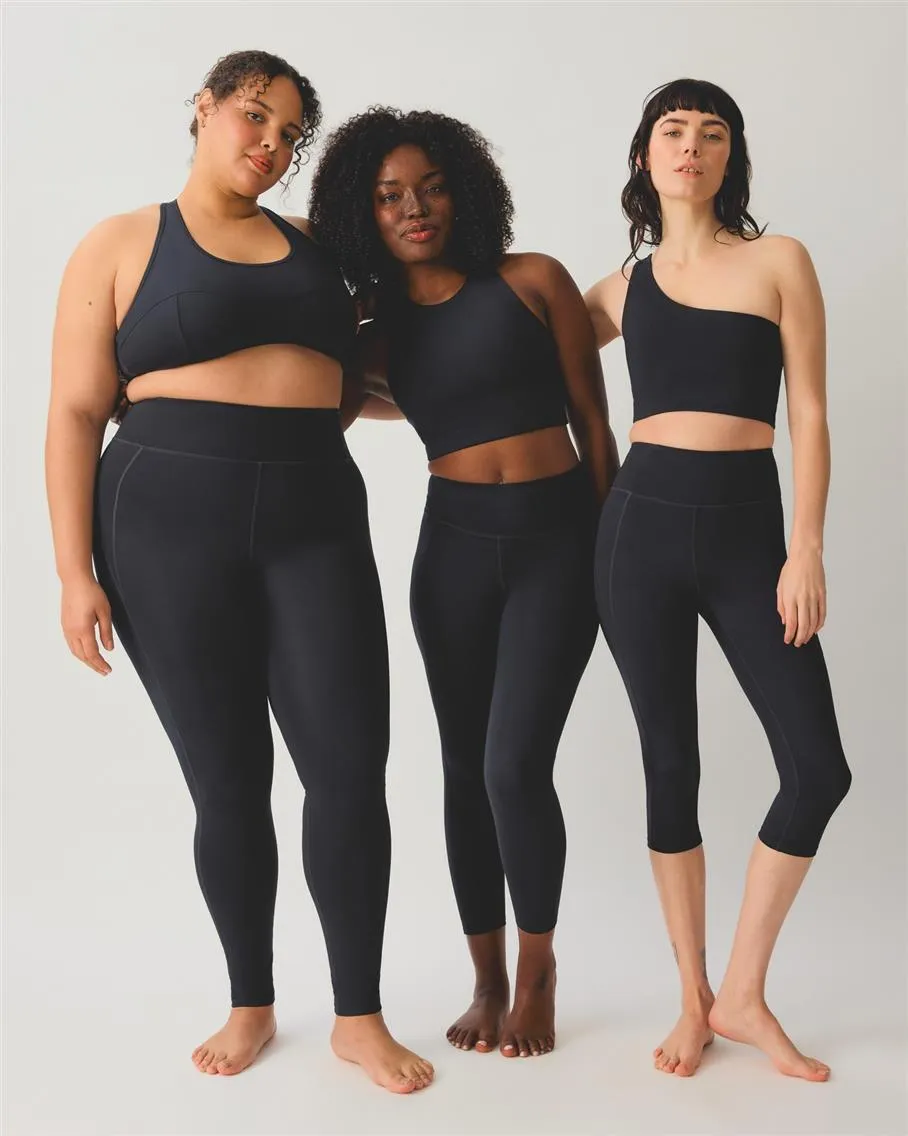
Size and Fit Grid for Athletic Clothes: One Product, Multiple Bodies
Size grid photography directly addresses one of the biggest drivers of returns in online activewear. When a customer sees a product on a body that resembles their own, confidence goes up and returns go down, because the core question, "how will this look on me," finally gets answered before checkout instead of after delivery.
For technical activewear specifically, where compression level and seam placement directly affect performance, seeing the product on a range of bodies provides information that a measurement chart simply cannot. The practical approach is to start with bestselling items where sizing questions come up most often, and to keep photography parameters identical across every body in the grid, same lighting, same angle, same positioning, so the comparison is genuinely apples to apples. Standing poses establish baseline fit. Activity-specific poses show how the garment behaves under the stress it was actually designed for.
3. Activewear Fashion Editorial Style Photo That Sets Mood
Editorial photography builds emotional connection through authenticity, and that connection does real work for brand positioning and social engagement.
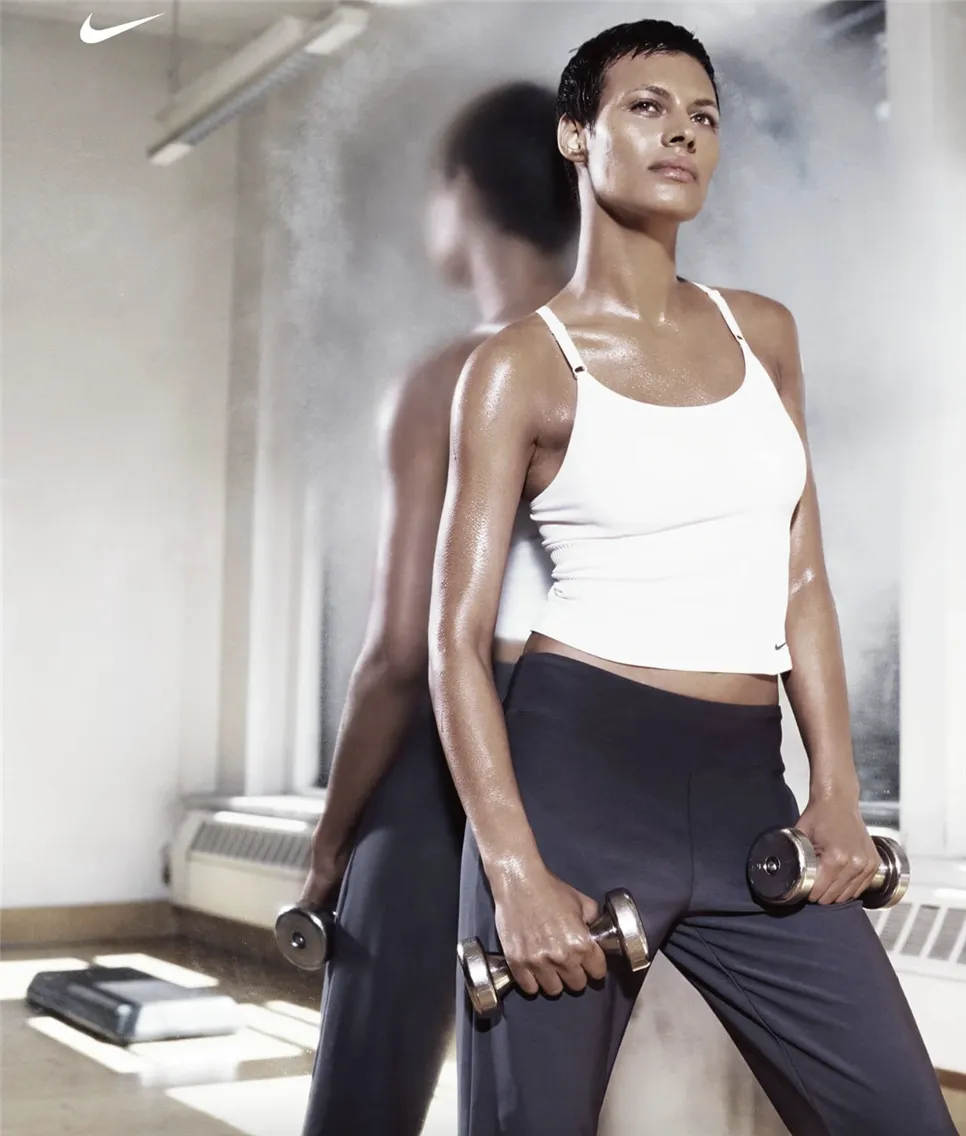
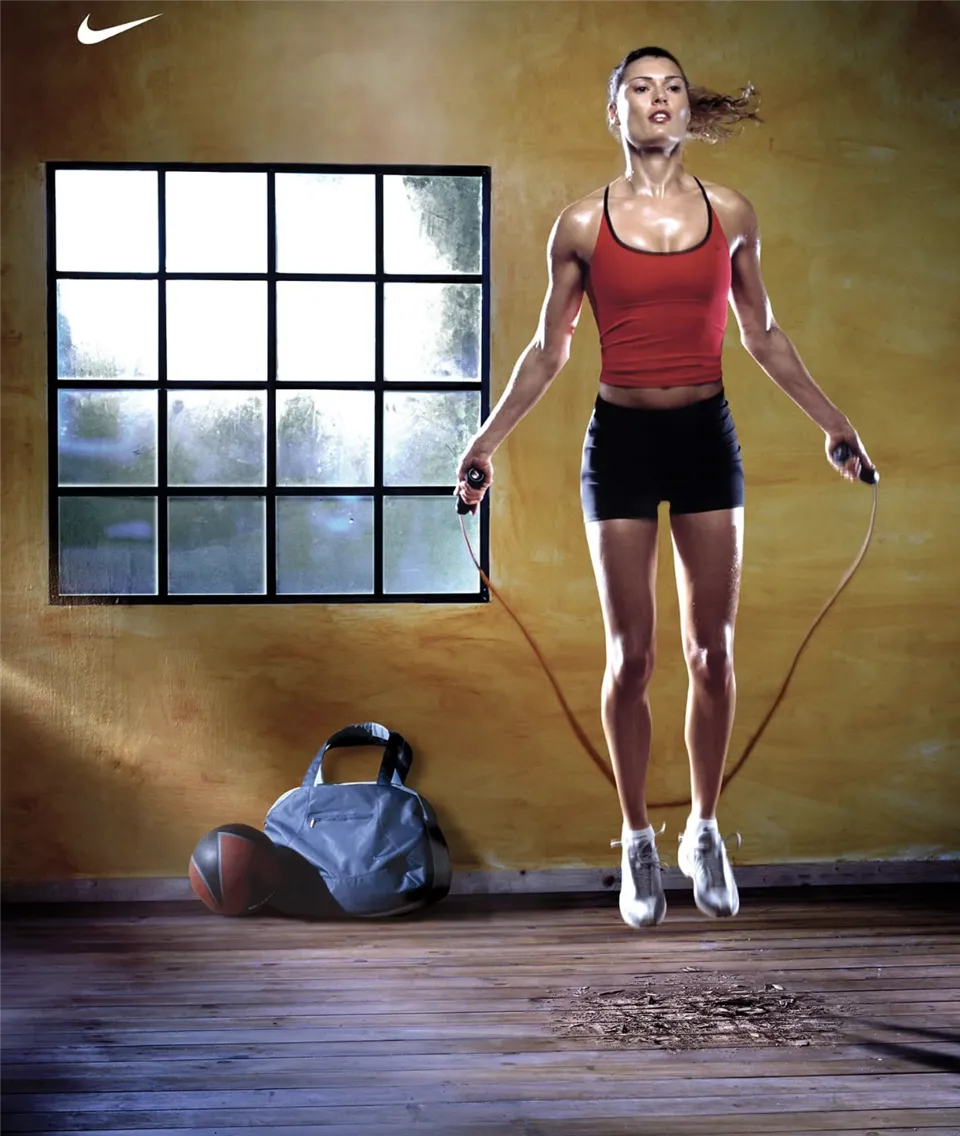
This style of photography tends to land hardest on social platforms, and the reason is simple: a meaningful share of fitness customers actively disengage from brands that feel too polished. Real sweat, undone hair, natural body positions, these create the relatability that an over-art-directed shot cannot fake, and that relatability is what builds a customer relationship that lasts past the first purchase.
It is also one of the more budget-friendly approaches available. These shoots typically need fewer styling assistants, less retouching time, and can often use a real location instead of an expensive studio build. The investment that actually matters is in choosing the right photographer, specifically someone who knows how to find and capture an authentic moment rather than direct a posed one.
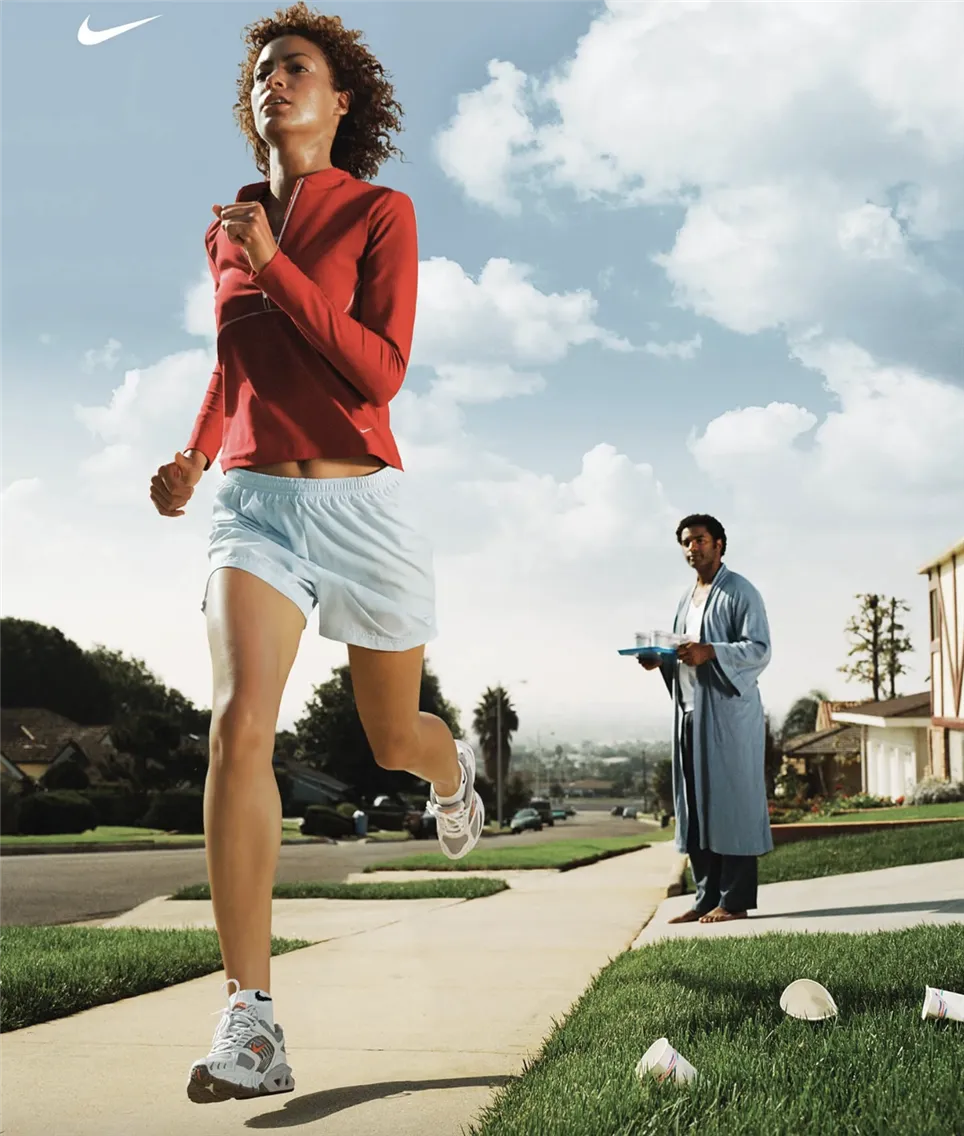
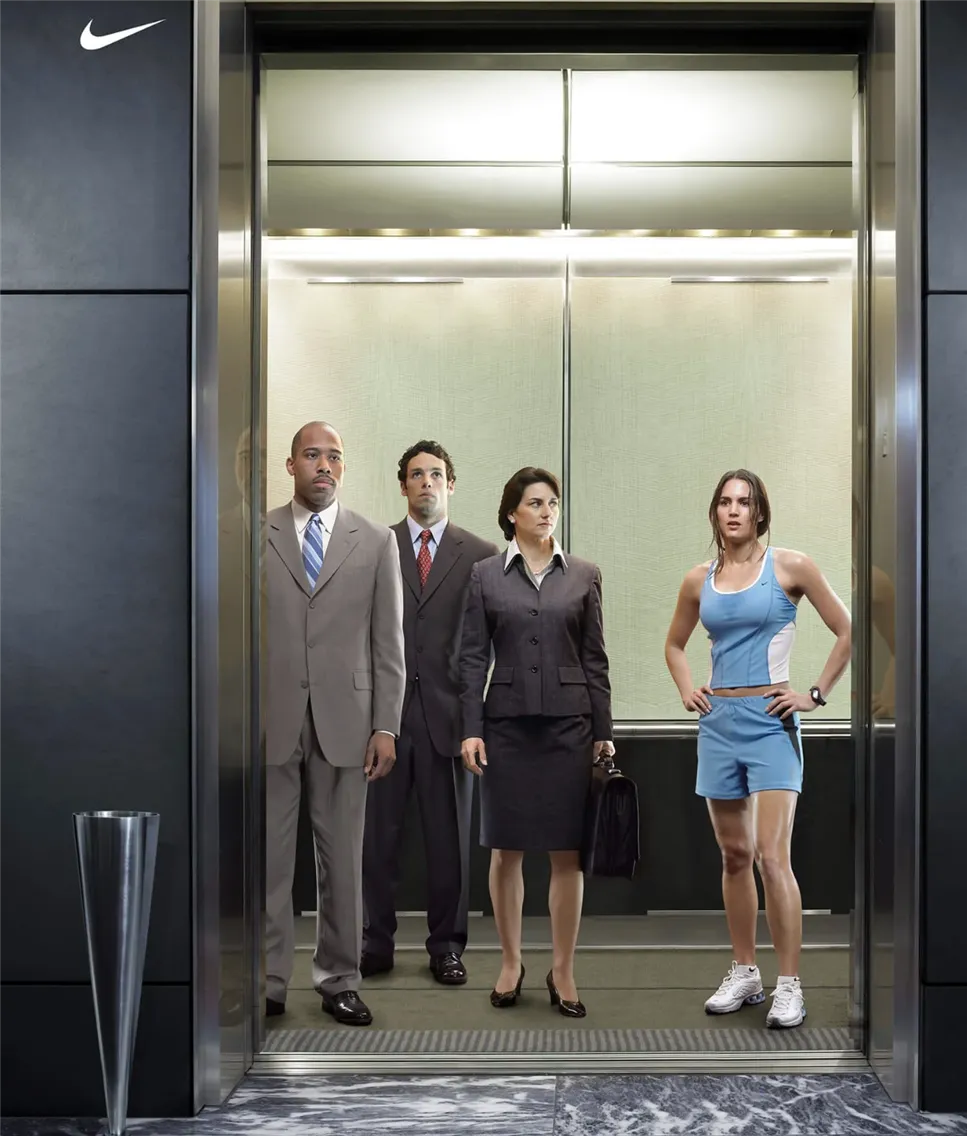
Nike Women's "Inner Strength" campaign is a strong example of this in practice, shot in real gym environments with visible sweat and authentic exertion. The approach helped the brand connect with a generation of athletes actively rejecting overly stylized fitness imagery, and it showed up in real category growth at a time when competition in women's activewear was only getting more intense.
4. Styled Sportswear Still Life Photo with Gear Pairings
Styled still life shots that pair a hero product with complementary gear are a quiet but effective driver of average order value.
Placed strategically on a product detail page, these compositions create natural upsell opportunities without ever feeling like a hard sell. A running short photographed alongside a performance top, socks, and a water bottle presents a complete solution rather than a single item, and it speaks directly to the customer's identity as a runner rather than just someone shopping for shorts.
This format is also genuinely accessible to produce. Unlike on-model photography, which requires talent, fitting, and more complex lighting, a still life composition can be built in a small space with modest equipment, provided the set design and art direction are thoughtful. That makes it a particularly good fit for brands without a large production budget.
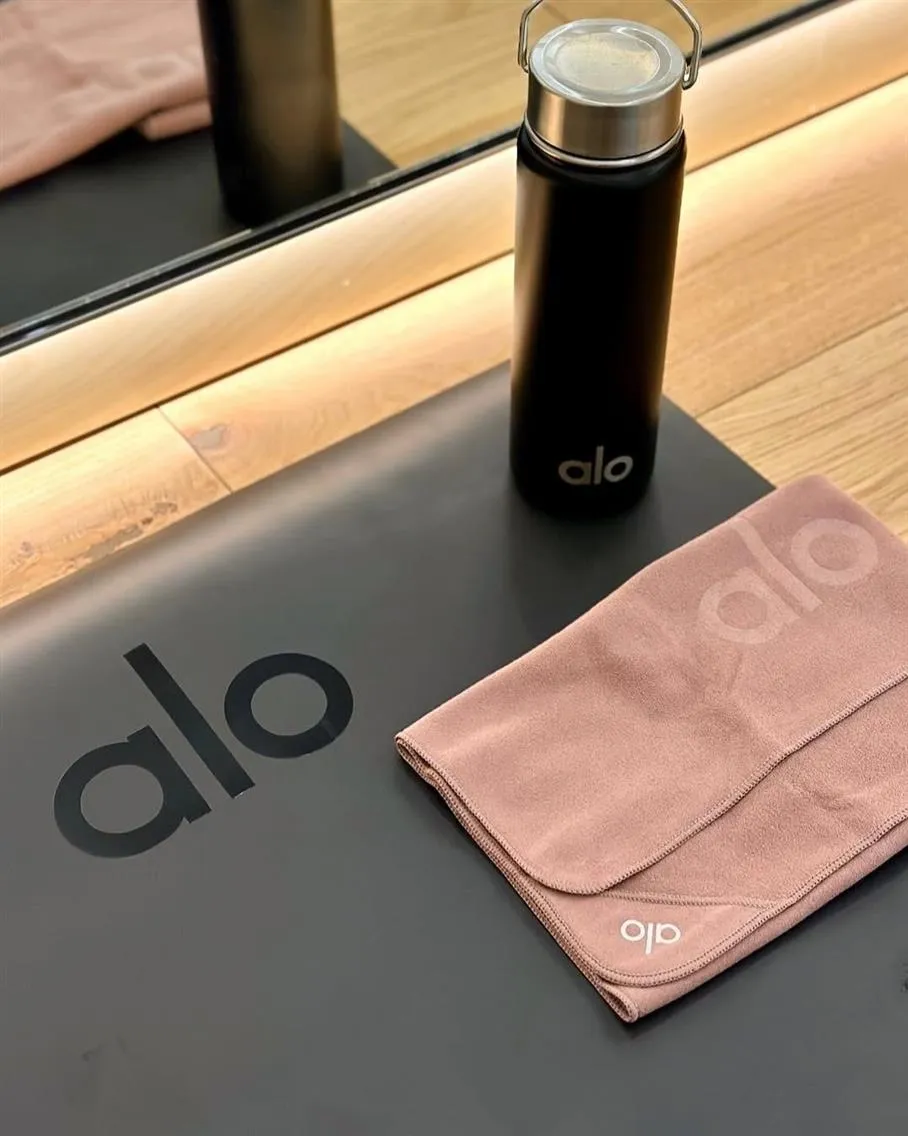
These images tend to perform especially well in email, where they consistently outperform single-item shots in click-through rate, and they are particularly effective in abandoned cart sequences, where showing a complementary item can reignite interest that a single product image could not. Social commerce has expanded the format's reach too: shoppable posts built around styled arrangements consistently outperform plain single-product images, partly because the visual richness gives a scrolling thumb a reason to stop.
Alo Yoga uses still life pairings deliberately to lift its accessories attachment rate. Premium flat lays featuring water bottles, mats, and headbands alongside core apparel pieces have helped push the brand's average order value above typical category benchmarks. Alo also extends this beyond a basic flat lay into more dynamic compositions with fabric draping that communicates material quality directly, turning what could be routine product documentation into something closer to aspirational lifestyle imagery, without losing the product focus that makes the format convert.
5. Flat Lay and Ghost Mannequin Activewear Photography
Flat lay photography means photographing a single activewear item arranged neatly on a flat surface, shot directly from above. No model, no mannequin, just the garment itself laid out with intention. The technique highlights detail, fabric texture, and design without distraction, which makes it a strong fit for individual pieces like leggings, sports bras, or jackets. A single consistent setup, lighting rig, and overhead angle can move through an entire size run or colorway lineup quickly, which is part of why the format performs so reliably on eCommerce listings and why it scales so well across large catalogs without losing visual consistency from one product to the next. | 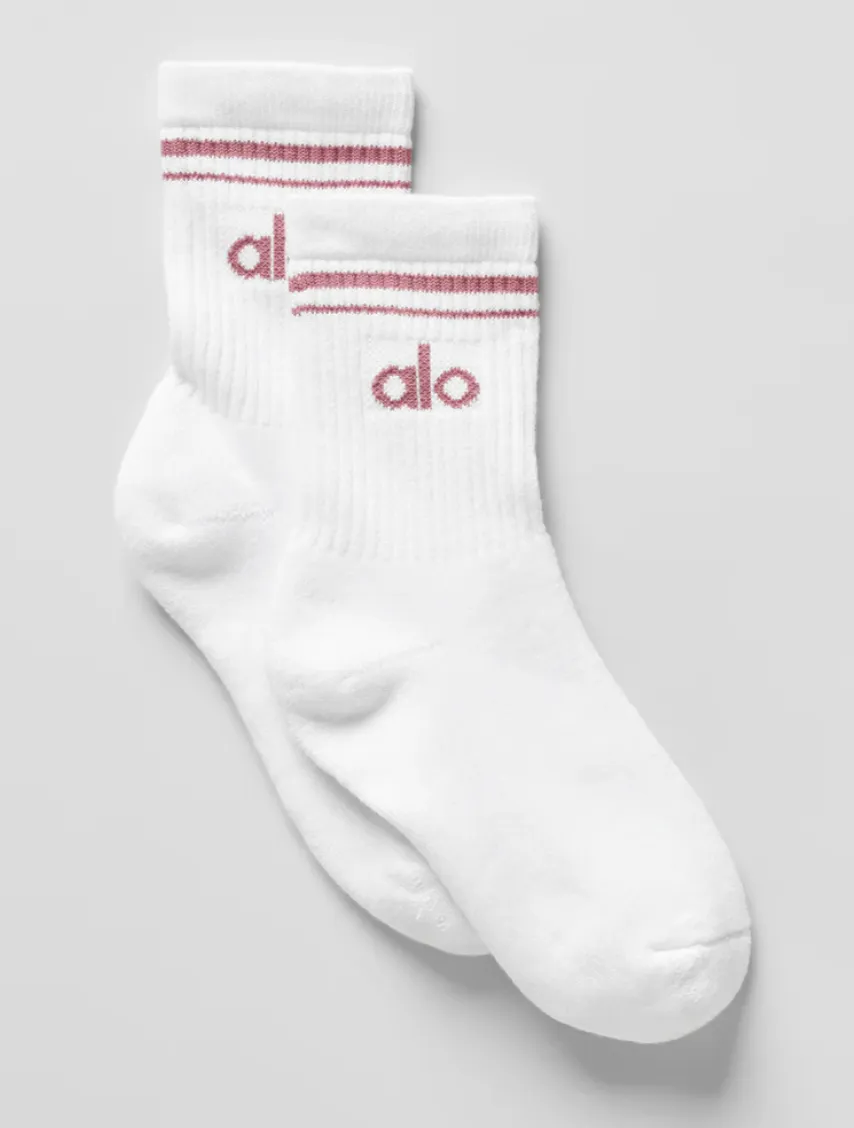 |
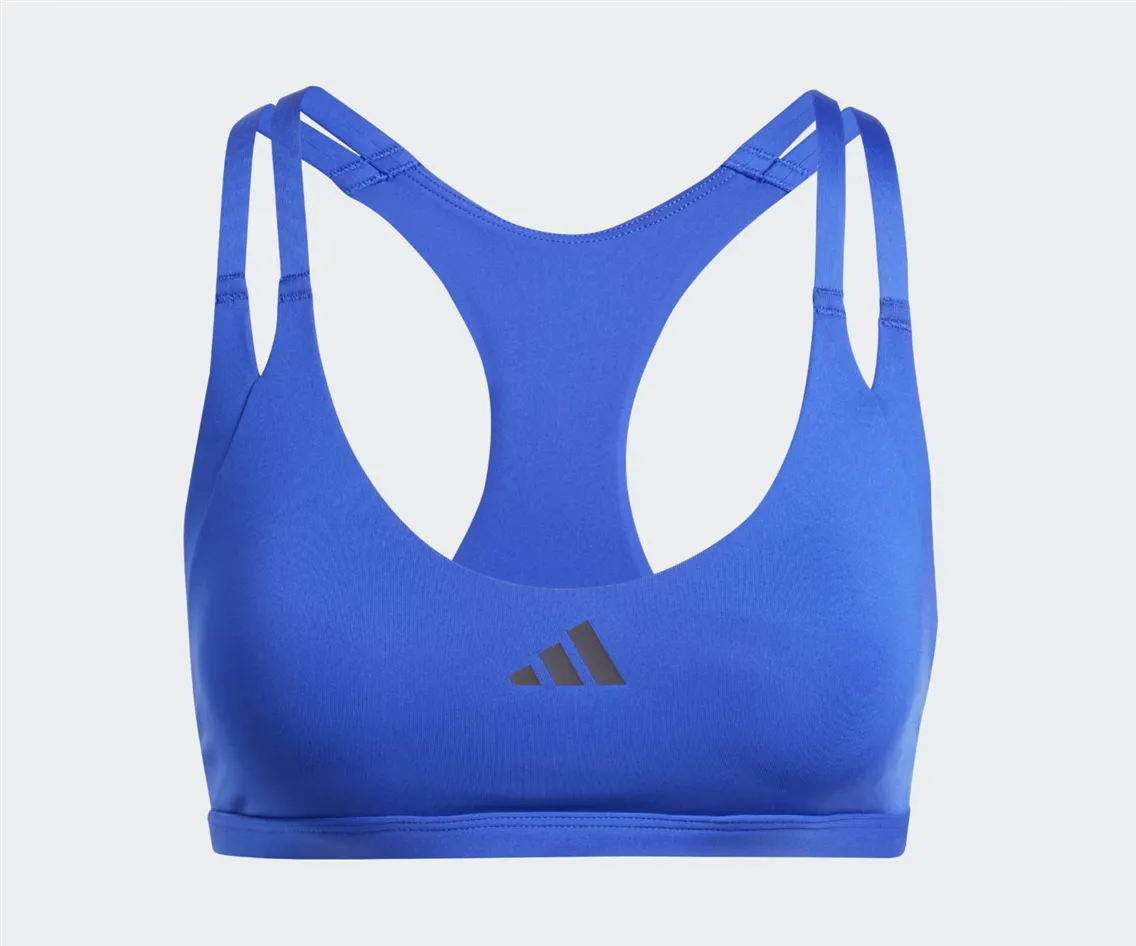 | Ghost mannequin photography takes a different route to the same clarity. The garment is photographed on a mannequin, which is then digitally removed in post-production, creating a three-dimensional "invisible mannequin" effect that shows the shape and fit of the activewear without any distraction. It is especially useful for fitted sports tops or jackets, where a customer needs to visualize exactly how the garment contours to the body. The technique is also more cost-effective than a full model shoot while still delivering a clean, professional look that puts product detail front and center. |
For how to decide between these two formats for a specific product: Flat Lay vs Ghost Mannequin Product Photography: Choosing the Best for Your Business
Building a strong activewear photography library means treating each of these five approaches as a different tool for a different job. Action shots turn technical claims into visual proof. Studio photography strips away distraction and answers the practical questions a customer is actually asking. Editorial work builds the emotional connection that keeps someone coming back. Styled still life lifts order value quietly in the background, and flat lay or ghost mannequin photography gives a customer the clarity to buy without hesitation.
Used together, these become real levers for conversion, retention, and brand positioning, not decoration layered on top of a product page. LenFlash photographs activewear across all five approaches, from action-in-motion to studio and still life.