


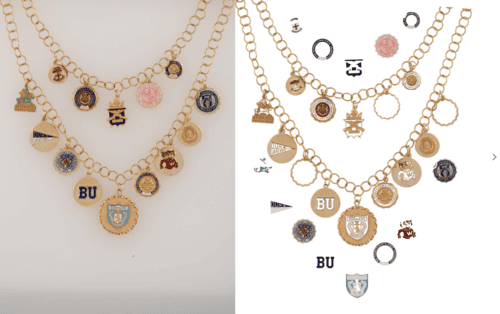

Social Media Photography to Elevate Your Fashion Brand's Digital Presence
Instagram and Pinterest are now primary channels for fashion discovery, brand building, and direct purchase. The photography that performs on these platforms operates by different rules from catalog or eCommerce product photography — different formats, different pacing, different emotional registers.
In this article, we’ll dive into the essentials of social media photography for fashion brands. We will walk you through the key elements, best practices, how luxury brands like Balenciaga and mass-market giants like H&M use social media to their advantage, and how you can build a winning strategy. Whether you’re running a high-end brand or something more accessible, this article is for you.
What is Social Media Photography for Fashion Brands?
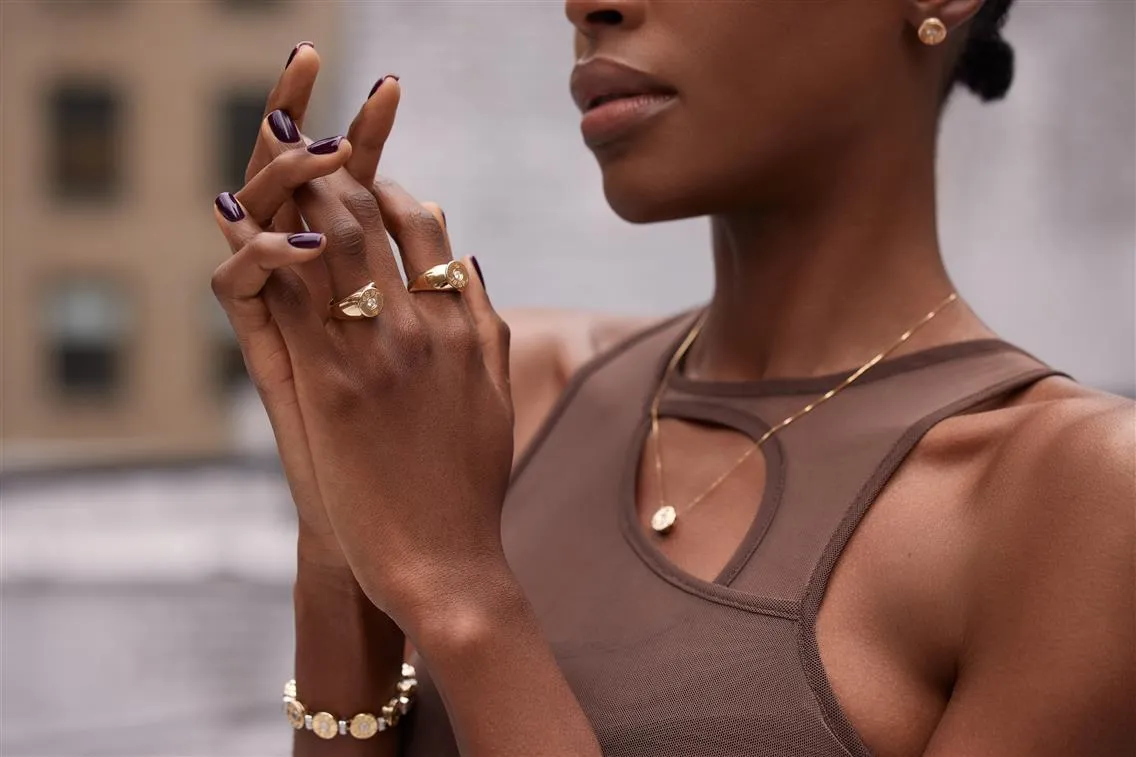
Social media photography for fashion brands is visual content designed to stop scrolling, communicate brand identity, and drive engagement on platforms like Instagram, Pinterest, TikTok, and Facebook. It is not catalog photography repurposed for social — it is a distinct content type built around the specific requirements of each platform and the specific emotional response the brand wants to create.
3 Key Characteristics of Social Media Photography for Fashion
Platform-specific. Every platform has different format requirements, audience behavior, and content norms. Instagram rewards editorial-quality photography and consistent aesthetic feeds. Pinterest rewards tall, information-rich imagery with high save rates. TikTok rewards authentic, spontaneous content where polish is less important than personality.
Emotionally driven. Social media fashion photography sells feeling before product. Whether it is the aspiration of a luxury editorial or the relatability of a lifestyle shot, the emotional response comes first.
High volume. Social content requires consistent production at a pace that catalog or campaign photography cannot sustain alone. A social media visual strategy has to account for this volume requirement from the planning stage.
How Social Media Photography for Fashion Differs from Other Types of Photography
Social media photography is fast-paced, requiring brands to produce a high volume of content quickly. Unlike traditional print or e-commerce photography, social media visuals must be engaging from the very first glance to stop users from scrolling past. It demands a balance between art and commerce, telling a story while promoting products.
Planning Visual Content by Platform
The Instagram feed is the brand's most visible visual asset. It functions like a storefront — the first impression a potential customer forms when they visit the profile. The key is cohesion: individual posts must work together as a whole, not just as isolated images.
Color palette and tone — choose a consistent color palette that aligns with the brand's identity. Whether bold and vibrant for a youthful brand or soft and restrained for something more refined, maintaining tonal consistency across posts creates visual recognition.
Content pillars — plan content around specific themes: product launches, behind-the-scenes production, seasonal campaigns, influencer collaborations. This keeps content varied but intentional rather than reactive.
Grid layout — balance close-up product shots with wider atmospheric images to create visual rhythm across the grid. Tools like Planoly or Preview allow grid planning before posting.
Content calendar — plan at least a month ahead, aligning posts with product releases, collaborations, and industry events. Brands that plan ahead produce more consistent content and avoid the visual discontinuity of last-minute posts.
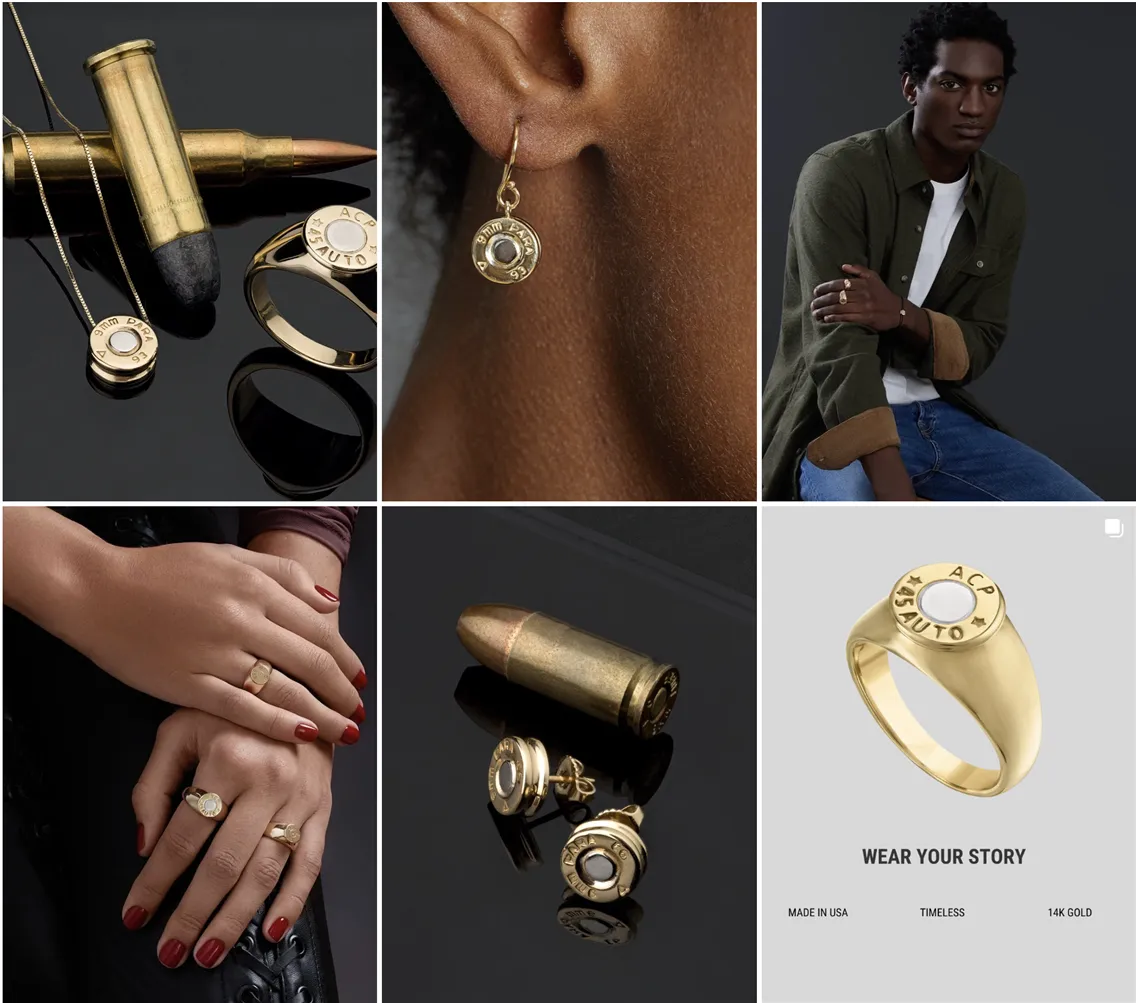
Pinterest is an inspiration and discovery platform. Users come to save ideas, plan outfits, and explore aesthetics which means content that performs here is aspirational and information-rich rather than immediate and reactive.
Vertical images perform significantly better than square or horizontal formats. Longer pins take up more screen space and are saved more frequently. Boards should go beyond product images to include seasonal styling, editorial looks, and lifestyle content that speaks to the audience's aspirations rather than just the brand's product range.
Pinterest analytics reveal which pins are saved and clicked most. These patterns should directly inform the content strategy, the boards and image types generating the most saves are the ones worth producing more of.
TikTok
TikTok rewards authenticity over polish. Behind-the-scenes content, spontaneous moments, and personality-driven video perform better than produced campaign content. This is where a brand's human side matters more than its aesthetic consistency.
Facebook and LinkedIn
Facebook caters to a broader and older demographic than Instagram or TikTok. More polished content works here alongside community-building posts. LinkedIn positions a fashion brand as an industry voice, business-focused narratives, production insights, and brand milestones work well on this platform for brands building wholesale and press relationships.
Content Types for Social Media Fashion Photography
Lifestyle photography — products shown in real or aspirational contexts that help audiences imagine owning them. The most versatile content type across Instagram, TikTok, Facebook, and Pinterest. For a complete guide: Strategic Impact of Lifestyle Photography on eCommerce Business
Behind-the-scenes content — production moments, studio previews, team introductions. Builds authenticity and brand transparency. Works particularly well on Instagram Stories and TikTok where the format rewards informality. For how production teams are structured: Understanding the eCommerce Photography Creation Process and Team Involved
User-generated content — customer photos and videos wearing or using the products. Carries a higher trust signal than brand-produced photography because audiences recognize it as unfiltered. Effective for community-building and for setting realistic purchase expectations that reduce returns. For how UGC connects to return reduction: Reducing Product Return Rates Through Accurate Photography
Flat lay and still life photography — products arranged in composed overhead or tabletop setups. Efficient to produce and well-suited to Instagram and Pinterest where clean, graphic compositions perform well. For a complete guide: Product Still Life Photography for eCommerce Brands
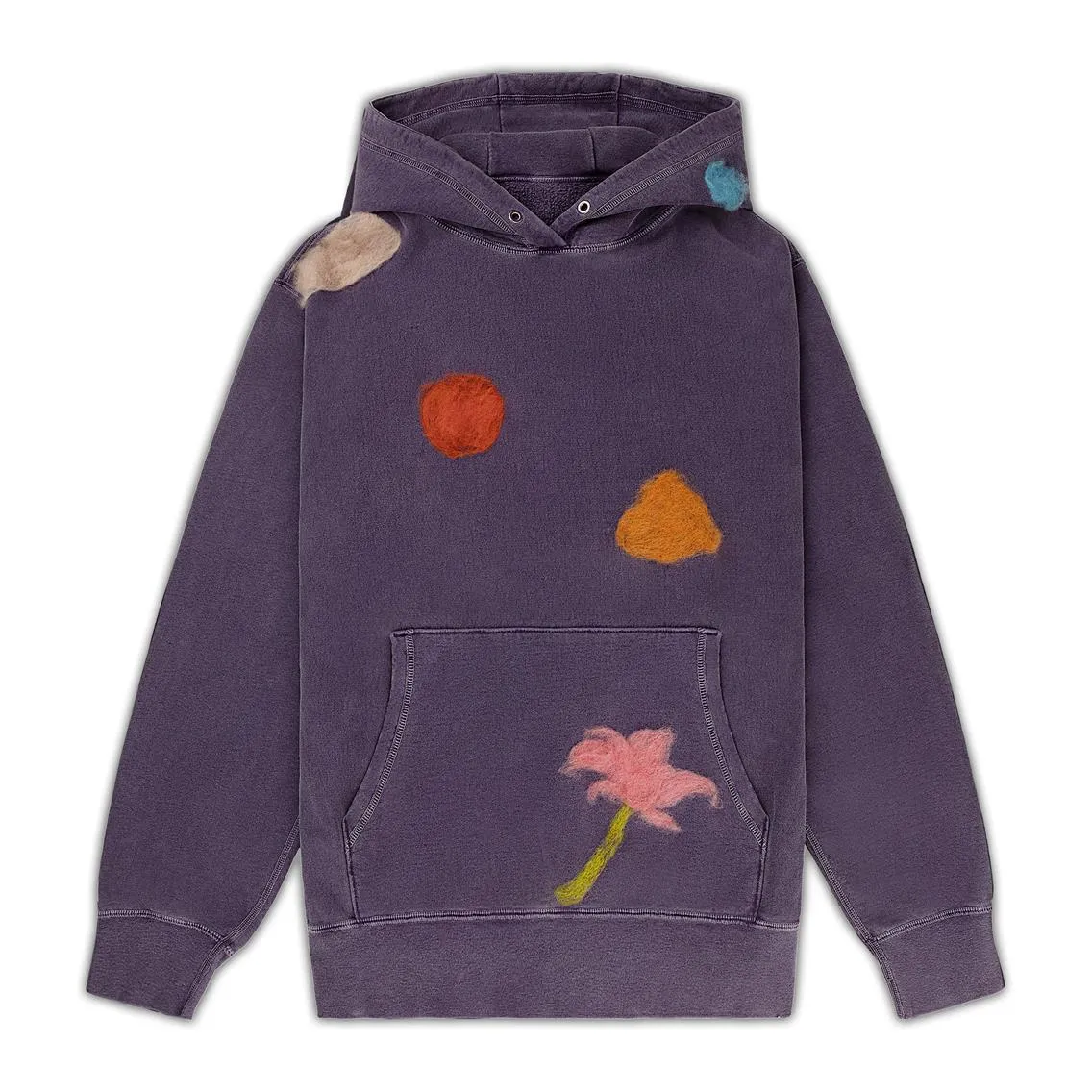
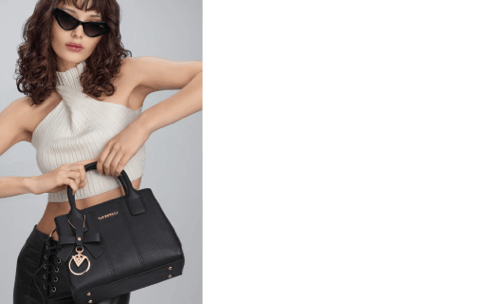
Influencer collaborations and on-model content — content produced with models or influencers who represent the brand's target audience. Adds scale context for apparel and accessories while extending reach to new audiences. For guidance on casting and model selection: The Smart Way to Find and Choose Models for Your Brand Photoshoot. For the stylist's role in making on-model content work: Why Your Shoot Needs a Professional Fashion Stylist
Fashion and editorial photography — campaign-quality images that communicate brand identity rather than product specification. The content type that builds long-term brand recognition and positions the brand within a cultural context. For a complete guide: Professional Fashion Photography for eCommerce Brands
Seasonal and thematic campaigns — content aligned with specific moments: holiday collections, cultural events, seasonal drops. Creates time-sensitive relevance and gives the feed a structured rhythm across the year. For seasonal campaign planning specifically: Seasonal Marketing Playbook and Christmas Photography for Your eCommerce Brand
Short-form video — product demos, styling videos, behind-the-scenes clips, and campaign teasers optimized for Reels and TikTok. For a complete guide to video content types and production: Essential Video Content Types for Your eCommerce Business
Packaging and unboxing content — the moment of receiving and opening a product is a content opportunity that performs particularly well on TikTok and Instagram Stories. For how packaging photography works across channels: Packaging Photography and Videography
Common Mistakes Fashion Brands Make with Social Media Photography
Visual content that does not match the brand's DNA
Posting content that does not align with the brand's core identity is the most damaging social media photography mistake. When visuals feel inconsistent with the brand's values and aesthetic, they confuse the audience and weaken the brand signal. A minimalist high-end brand posting overly colorful or casual images dilutes the positioning it has spent money and time building.
The fix is a documented visual style guide that specifies the types of visuals, color palettes, and tonal registers that reflect the brand's identity. Every post should be evaluated against that guide before it goes live. For a practical guide to building a visual brief: Art Direction Guidelines for Jewelry and Fashion Brand Photoshoots
Poor image quality
Low resolution, blurry images, and poorly color-corrected photography undermine the impact of even well-considered content. Social media audiences register image quality instantly and associate it with brand quality.
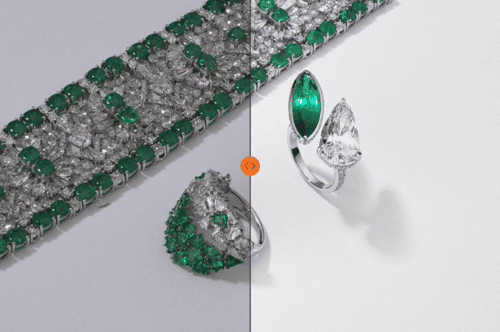
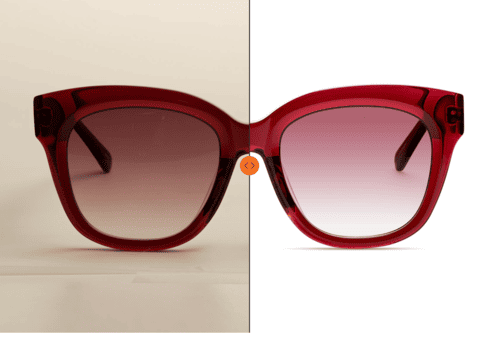
Invest in professional photography or high-quality in-house equipment. Color correction, retouching, and platform optimization should be applied to every image before posting — not as extras but as standard.
Ignoring platform differences
Content that works on Instagram does not automatically work on TikTok or Pinterest. Each platform has different audiences with different expectations and different algorithmic rewards. TikTok rewards raw, real, fast-moving content. Instagram requires more polished, aesthetically considered visuals. Pinterest rewards tall, inspiration-rich imagery. Producing identical content for every platform wastes production spend and underperforms on every channel.
Over-reliance on product shots
A feed that consists only of product photography becomes repetitive and fails to build the emotional connection that drives brand loyalty. Product shots are essential but they need to be balanced with lifestyle imagery, UGC, and behind-the-scenes content that shows what the brand represents beyond its product range.
Case Study: Luxury Brands vs. Mass-Market Brands Social Media Photography
When it comes to social media photography, luxury and mass-market brands have entirely different approaches. These approaches reflect their target audiences, brand identities, and the emotions they want to evoke. Balenciaga and H&M represent opposite ends of the fashion market and their social media photography strategies reflect that completely. For the full analysis of how luxury and mass market brands approach visual strategy across all channels: Luxury Brand Strategies vs. Mass Market Visual Marketing Strategies
Balenciaga’s Social Media Photography Approach (Luxury Brands Social Media)
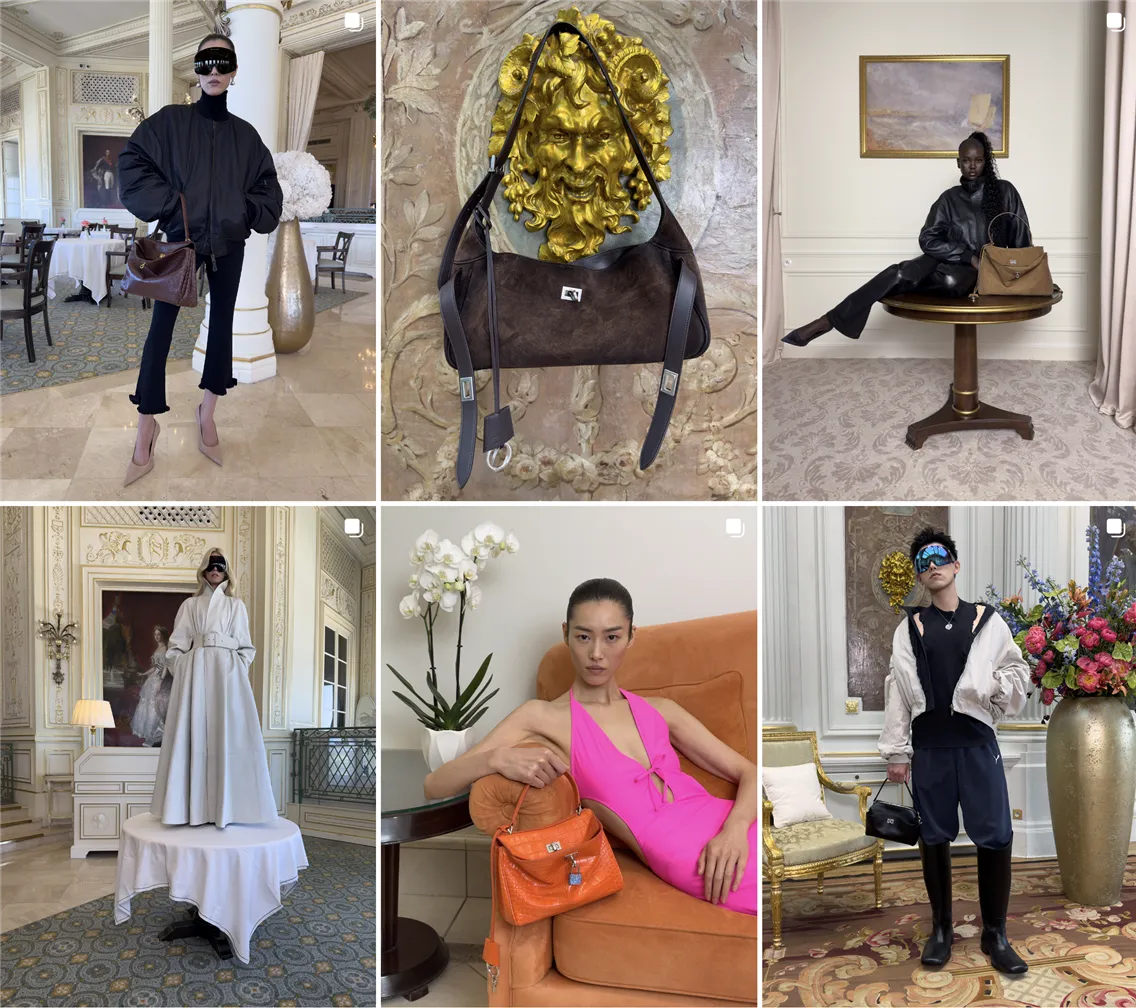
Tone and Visual Aesthetic: Balenciaga is all about pushing boundaries. Their social media feed feels more like an editorial spread in a high-fashion magazine than a product catalog. The tone is avant-garde, edgy, and often provocative. Instead of focusing solely on showcasing products, Balenciaga uses their imagery to tell a story that aligns with the brand’s artistic and rebellious spirit. The color palette is typically moody and dark, with a sense of mystery.
Example: A campaign featuring unconventional models in dramatic, dystopian settings, with minimal emphasis on the product itself but more on the overall atmosphere of exclusivity and high fashion.
User Engagement: Unlike mass-market brands, Balenciaga doesn’t rely on user-generated content. Instead, they focus on creating highly controlled, curated content that feels unattainable and aspirational. Their followers are drawn in by the exclusivity — they want to be part of an elite world.
Engagement Strategy: Rather than encouraging likes and comments, Balenciaga's content fosters intrigue and rumors. It’s less about mass engagement and more about solidifying their position as a trendsetting brand that dictates fashion, instead of following someone else’s example of it.
Photography Style: Editorial and artistic photography dominate their feed. Balenciaga isn’t trying to sell you just a jacket; they’re selling you an idea, a mood, a lifestyle. The photography features bold angles, unique models, and often abstract or surreal backgrounds. The product becomes part of an artistic narrative, subtly placed in the context of a larger visual story.
Visual Tactics: Balenciaga’s images often challenge traditional fashion norms. Instead of focusing on the wearer or the outfit’s practical use, the brand places emphasis on creativity, high fashion concepts, and unique compositions that break the mold of conventional advertising.
Emotional Impact: Balenciaga’s content evokes feelings of aspiration, intrigue, and exclusivity. Their posts make you feel as though you’re glimpsing into a high-fashion world that is not for everyone, but for the select few who "get it." This creates a sense of allure that draws in their target audience — fashion-forward consumers who view themselves as trendsetters rather than followers.
H&M’s Social Media Photography Approach (Mass-Market Brands Social Media)
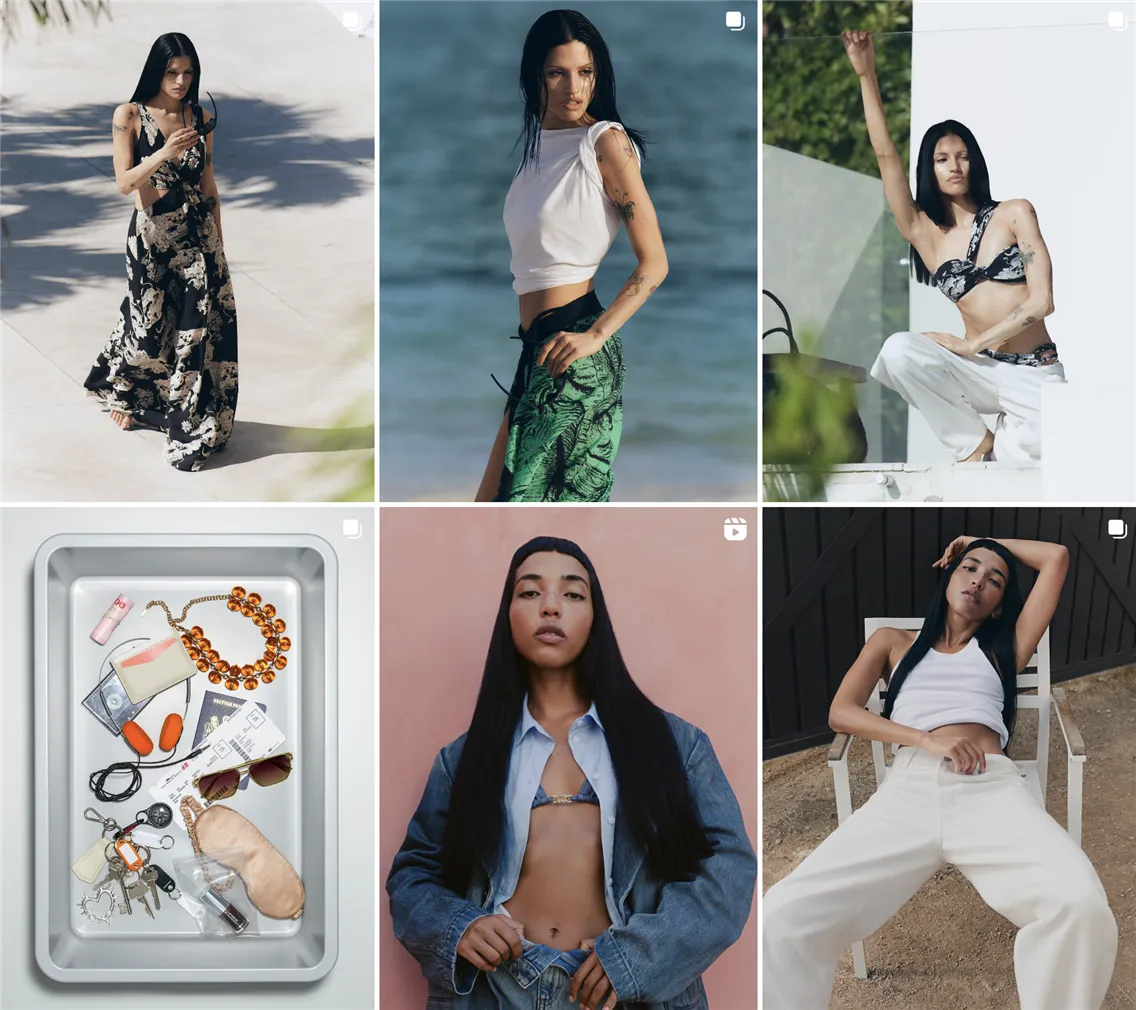
Tone and Visual Aesthetic: H&M’s social media strategy is the opposite of Balenciaga’s. H&M focuses on accessibility, relatability, and inclusivity. Their imagery is bright, approachable, and fun, featuring everyday people and influencers who reflect their diverse customer base. The tone is casual and upbeat, with an emphasis on trendy yet affordable fashion that fits into daily life.
Example: A lifestyle shot featuring a diverse group of friends wearing H&M outfits at an outdoor picnic, highlighting how easy and fun it is to wear their products in real-life scenarios.
User Engagement: H&M thrives on community engagement. They frequently feature influencers and user-generated content, encouraging their customers to share how they style their H&M pieces. Their Instagram feed often highlights real people, micro-influencers, and everyday users, which fosters a sense of community and involvement.
Engagement Strategy: H&M’s approach focuses on creating conversations, encouraging likes, comments, and shares. They regularly repost content from their customers, which strengthens the bond between the brand and its audience. This strategy makes customers feel seen and valued, which is crucial for mass-market brands that rely on volume and customer loyalty.
Photography Style: H&M’s photography is dominated by lifestyle imagery. It’s less about high-concept fashion and more about showing their products in practical, everyday situations. Their images often have clean compositions, bright natural light, and are focused on real-world usage. The goal is to create visuals that make the audience feel like they could be the person in the picture.
Visual Tactics: By showing relatable settings like streetwear in urban environments or cozy outfits at home, H&M makes fashion feel fun and achievable. Their visuals are designed to encourage immediate action—whether it’s buying an item or sharing the content with friends.
Emotional Impact: H&M’s visuals are designed to evoke feelings of inclusivity, fun, and accessibility. The message is clear: fashion should be easy, affordable, and for everyone. Their content invites people to be part of a community where they can express their style without breaking the bank. This creates a strong emotional connection, especially with younger audiences who want to look trendy without paying luxury prices.
What both approaches have in common
Both Balenciaga and H&M have mastered their respective social media strategies, but they’re catering to entirely different audiences:
Balenciaga targets a niche, high-end consumer base that’s looking for exclusivity and artistry. Their content is minimalistic, carefully curated, and designed to evoke a sense of aspiration and exclusivity. Their strategy revolves around high-fashion editorial photography that prioritizes creativity over product-focused imagery.
H&M, on the other hand, targets a mass audience, focusing on inclusivity and relatability. Their content is bright, fun, and focuses heavily on user engagement and real-world use of their products. H&M’s imagery is designed to encourage customers to feel connected to the brand and to see their products as easily accessible.
Despite the visual distance between them, both brands are consistent. Every Balenciaga post exists within the same visual logic. Every H&M post reflects the same accessible, community-first aesthetic. That internal consistency — not the specific aesthetic itself — is what makes both strategies work. A brand can occupy any point on the spectrum between Balenciaga's exclusivity and H&M's accessibility and succeed, as long as the visual logic is applied consistently.
For how fashion photography serves the eCommerce brand beyond social media: Professional Fashion Photography for eCommerce Brands