
Professional Headshots for eCommerce Brand Owners and Teams
An eCommerce brand has no storefront, no in-person staff, and no physical handshake to build trust with a new customer. Almost everything that signals credibility happens visually: the product photography, the website design, and, more than most brand owners account for, the faces behind the business.
A founder bio with a flat, poorly lit phone photo communicates something different than a founder bio with a confident, well-shot portrait, regardless of how strong the actual business is. The same applies to a team page, a LinkedIn profile linked from a press mention, or a media kit sent to a journalist covering a product launch. These are all moments where a brand's credibility is being evaluated, and the photography either supports that credibility or quietly undermines it.

This article covers why professional headshots matter specifically for eCommerce brand owners and their teams, what to use them for, and how to plan a shoot that produces images worth using across every one of those moments.
Corporate Photography vs Headshot Photography
These two terms get used interchangeably, but they cover different territory.
Corporate photography is the broader category: team photos, leadership portraits, office and workspace imagery, and any visual content used across a company's website, press materials, and marketing. It is about presenting the business as a whole in a cohesive, polished way.
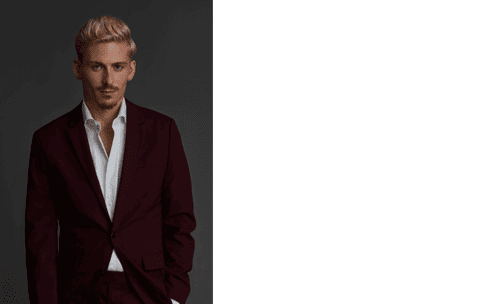
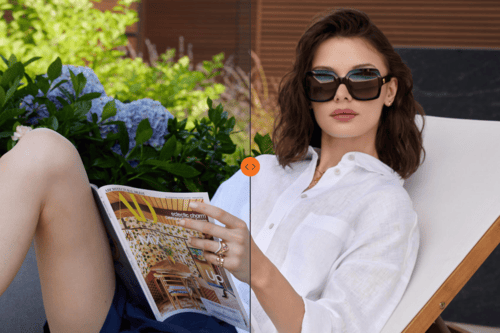
Headshot photography is more specific. It is the portrait-style image focused on one individual, used for a founder bio, a LinkedIn profile, a team page, or a press kit. The goal is to make that person look approachable, confident, and credible in a single frame, since for most of these uses, one image is doing all the work.
An eCommerce brand typically needs both: a small set of individual headshots for the founder and key team members, and occasionally a few broader corporate images if the brand has an office or studio worth showing.
Why This Matters More for eCommerce Brands Specifically
A retail business with a physical location builds trust through the experience of walking in. An eCommerce brand has to build that same trust entirely through what shows up on a screen.
This means the founder's photo on an About page is doing real commercial work, not just decorative work. A customer deciding whether to trust a smaller or newer brand often clicks through to the About page specifically to see who is behind it. A confident, well-lit, professional photo signals that the business is established and serious. A casual phone photo, even an objectively fine one, signals the opposite, regardless of how good the products actually are.
The same logic applies to press and PR. A founder being interviewed or featured needs a photo that publications can use without it looking out of place next to professionally shot product imagery elsewhere in the same article. And for a growing brand building out a team, employee headshots on a careers page or LinkedIn do quiet work in attracting talent who are evaluating whether the company looks like a place worth joining.
None of this needs to be elaborate. It needs to be consistent, professional, and aligned with the same visual standard the brand already applies to its product photography.

Where eCommerce Brands Actually Use Headshots
Founder and Leadership Headshots
For a founder-led brand, this is usually the single most-used headshot in the business. It appears on the About page, in press features, on investor materials if the brand is raising funding, and often as the founder's own LinkedIn photo. Because it gets reused across so many contexts, it is worth getting right once rather than relying on whatever photo happens to exist.
Team Headshots for the About Page
A team page with a consistent set of headshots, same lighting, same background, same general framing, communicates that the company is organized and put together. A team page with five different photo styles, some professional, some clearly cropped from a phone photo, communicates the opposite, even if every individual photo looks fine in isolation.
LinkedIn and Professional Networking
For team members who are public-facing, whether in sales, partnerships, or customer-facing roles, a professional LinkedIn photo functions as a kind of digital business card. It is often the first visual impression a potential partner, journalist, or candidate forms before any conversation happens.
Press Kits and Media Features
When a brand gets press coverage, journalists typically need a usable photo of the founder or spokesperson on short notice. Having a current, high-resolution headshot ready to send removes friction from press opportunities and avoids the brand being represented by whatever low-resolution image a journalist finds through a quick search.
What Makes a Strong Set of Headshots
Consistency is the most important factor. A uniform style across every team member's headshot, same lighting setup, same backdrop, same general crop, reinforces that the company is organized and intentional about how it presents itself.
Wardrobe and setting should reflect the brand. A more formal, minimalist eCommerce brand calls for cleaner, simpler styling. A brand with a more playful or casual identity can reflect that in a slightly more relaxed setting, as long as the choice is intentional rather than accidental.
Authenticity matters more than perfection. The best headshots show genuine confidence rather than a forced smile. A natural expression reads as more trustworthy than an overly polished, stock-photo-like result, which is part of why working with a photographer experienced at directing non-models through this specific kind of shoot makes a noticeable difference.
Preparing for a Headshot Shoot
A few practical guidelines help everyone on a team look their best and keep the shoot running smoothly.
Dress in solid, neutral colors that align with the brand. Avoid busy patterns or anything overly bright that distracts from the face. A haircut or grooming a few days before the shoot helps, as does well-rested, hydrated skin. Practicing a natural, relaxed expression in a mirror beforehand sounds minor but genuinely helps people feel less stiff in front of a camera. Arriving on time keeps a multi-person shoot day on schedule. Bringing a backup outfit is a reasonable precaution. Strong but relaxed posture, shoulders back rather than slouched, reads as confident on camera. Reflective accessories can cause distracting glare and are worth leaving at home. And ultimately, following the photographer's direction on angles and expression produces a noticeably better result than trying to self-direct.
Studio, Office, or On-Location
A studio setting gives full control over lighting and background, which is usually the most efficient and consistent choice for a team headshot session covering multiple people in one day. In-office headshots can work well when the workspace itself is part of the brand's story worth showing. On-location or lifestyle-style headshots, shot somewhere more relaxed than a formal studio, suit brands whose identity leans more casual or personality-driven.
Choosing a Photographer for Corporate and Headshot Work
Experience with this specific type of shoot matters. Headshot photography requires directing people who are not professional models, often somewhat self-conscious in front of a camera, into natural-looking results quickly. A portfolio with a consistent track record across multiple individuals and teams is a stronger signal than a handful of striking single portraits.
Clear communication before the shoot matters just as much as technical skill. A photographer who asks about the brand, the intended use of the images, and the tone the company wants to project is more likely to deliver something usable than one who treats every headshot session identically regardless of context.
For brands that already commission product photography, working with a studio that can also handle headshots avoids a noticeable style gap between polished product imagery and an unrelated headshot aesthetic. One team, one visual standard, across everything the brand puts in front of customers.