





Christmas Product Photography Ideas and Campaign Planning for eCommerce Brands
Christmas is the highest-stakes visual content moment of the eCommerce calendar. The brands that perform best during the holiday season are almost always those that planned their visual production in September or October rather than November. By the time most brands are thinking about Christmas photography, the brands that will dominate the season have already shot, retouched, and delivered their assets.
This article covers the three core photography formats that make up a complete Christmas visual content strategy, the creative decisions that separate generic holiday imagery from Christmas campaigns that build brand equity, how leading brands have approached Christmas visual production, and the production timeline every eCommerce brand should follow.
Part of our complete guide on how visual content strategy serves the full marketing calendar: Visual Marketing Strategy for eCommerce Brands

The 3 Photography Formats Every Christmas Campaign Needs
A complete Christmas visual content strategy requires three distinct photography types. Each serves a different commercial function and a different stage of the customer journey. Brands that produce only one or two of these formats leave significant revenue on the table.
Format 1: Catalog Photography
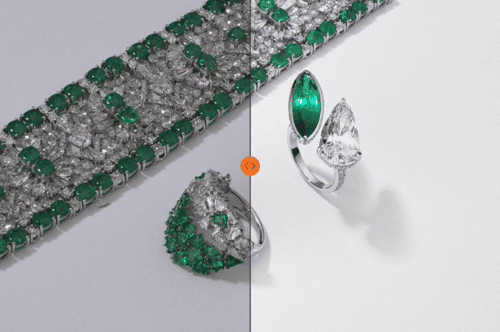
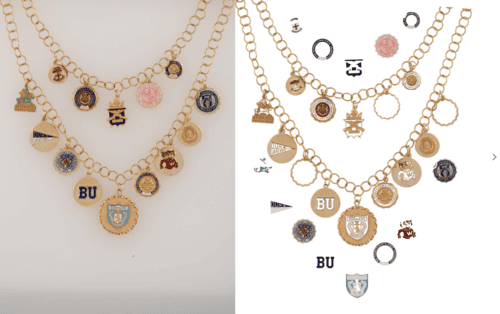
Clean catalog images on white or near-white backgrounds are the foundation of Christmas eCommerce performance. Marketplace listings on Amazon, Etsy, and department store platforms require compliant primary images that show the product clearly without distraction. During the Christmas shopping period, customers are evaluating dozens of similar products quickly. A clean, technically precise catalog image communicates quality and professionalism in the fraction of a second it takes to form a first impression.
Christmas-specific catalog photography does not necessarily mean adding Christmas props to a standard product shoot. For most product categories, the catalog images that perform best during the holiday season are the same high-quality white background images that perform year-round. What changes is the context around them: the platform placement, the ad targeting, and the supporting lifestyle and still life content that builds the brand's seasonal presence.
The exception is gift-specific product presentation. For products sold primarily as gifts during the Christmas season, showing the packaging alongside the product, demonstrating the unboxing experience, and including scale reference images that help gift buyers evaluate appropriateness all add commercial value specific to the Christmas context.
For how many catalog images are needed per product across platforms: How Many Product Photos Do You Really Need for Your Product Pages?
Format 2: Christmas Still Life Photography
Still life photography is where the Christmas visual identity of a brand is established. Unlike catalog images, which document products, Christmas still life photography creates a visual world that the product inhabits. The set design, props, surfaces, lighting, and color palette communicate the emotional register of the brand's Christmas message before the customer has read a word.
The most effective Christmas still life photography is specific to the brand rather than generic to the season. Pine branches, fairy lights, and red ribbons communicate Christmas but they communicate it in the same way as every other brand using the same props. The brands whose Christmas still life photography is memorable are those that bring their own visual identity to the seasonal context.
Dior Maison demonstrates this approach consistently. Their Christmas visual productions use their signature deep jewel tones, sculptural arrangements, and architectural compositions rather than conventional Christmas iconography. The result is photography that communicates the season while remaining unmistakably Dior. A customer who knows the brand recognizes it immediately. A customer who does not know the brand understands instinctively that this is a premium product.

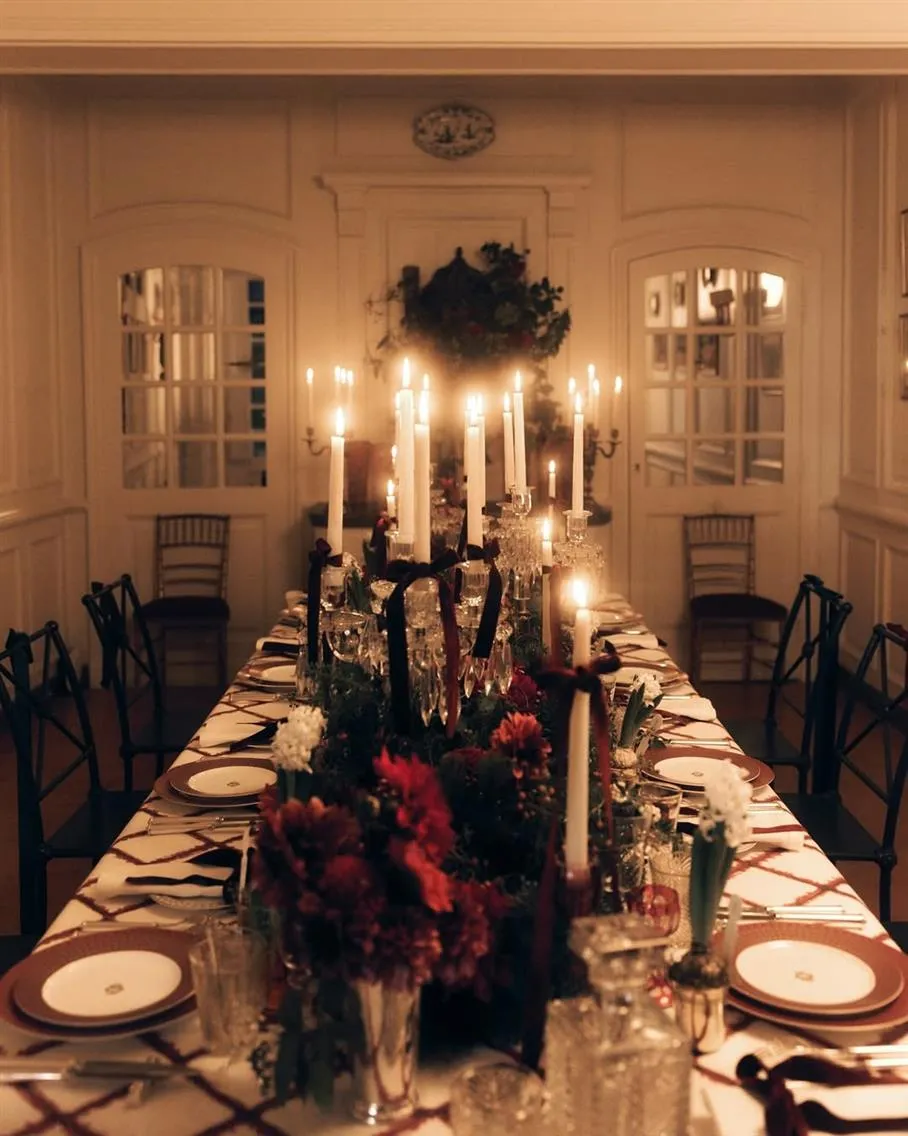


Tiffany's approach is equally specific. Their Christmas photography uses their signature robin egg blue and white alongside silver and gold elements that reference the season without abandoning the brand's visual identity. The result feels like Christmas but it feels like Tiffany's Christmas, which is a meaningfully different commercial proposition from generic holiday imagery.



Christmas still life creative direction principles
Lead with brand identity, not seasonal convention. The props, surfaces, and color palette should reflect the brand's visual system first and the season second. A minimalist brand should produce minimalist Christmas photography. A maximalist brand should produce rich, layered Christmas imagery. Both communicate the season. Only the brand-consistent approach builds brand equity while doing so.
Use props that have a relationship with the product. Props that share material, texture, or aesthetic qualities with the product create compositions that feel considered rather than assembled. A jewelry brand using velvet and metallic surfaces. A beauty brand using botanicals and glass. A homeware brand using natural materials and warm textiles. Each prop selection reinforces what the product communicates rather than competing with it.
Control the color temperature. Christmas photography defaults to warm amber tones from fairy lights and candle-adjacent props. For brands with cool-toned visual identities, this can create a jarring mismatch. A brand with a clean, cool, modern aesthetic should produce Christmas photography with cool-toned lighting even during the warmest season of the year. The emotional register of the brand should govern the lighting temperature, not the season.
Plan for multiple crops. Christmas still life images serve product pages, email campaigns, social media, and paid advertising simultaneously. The master image needs to be composed with sufficient negative space to accommodate square, portrait, and horizontal crops without losing the product as the primary subject.
For how still life photography communicates product character: Product Still Life Photography for eCommerce Brands
Format 3: Christmas Lifestyle Photography
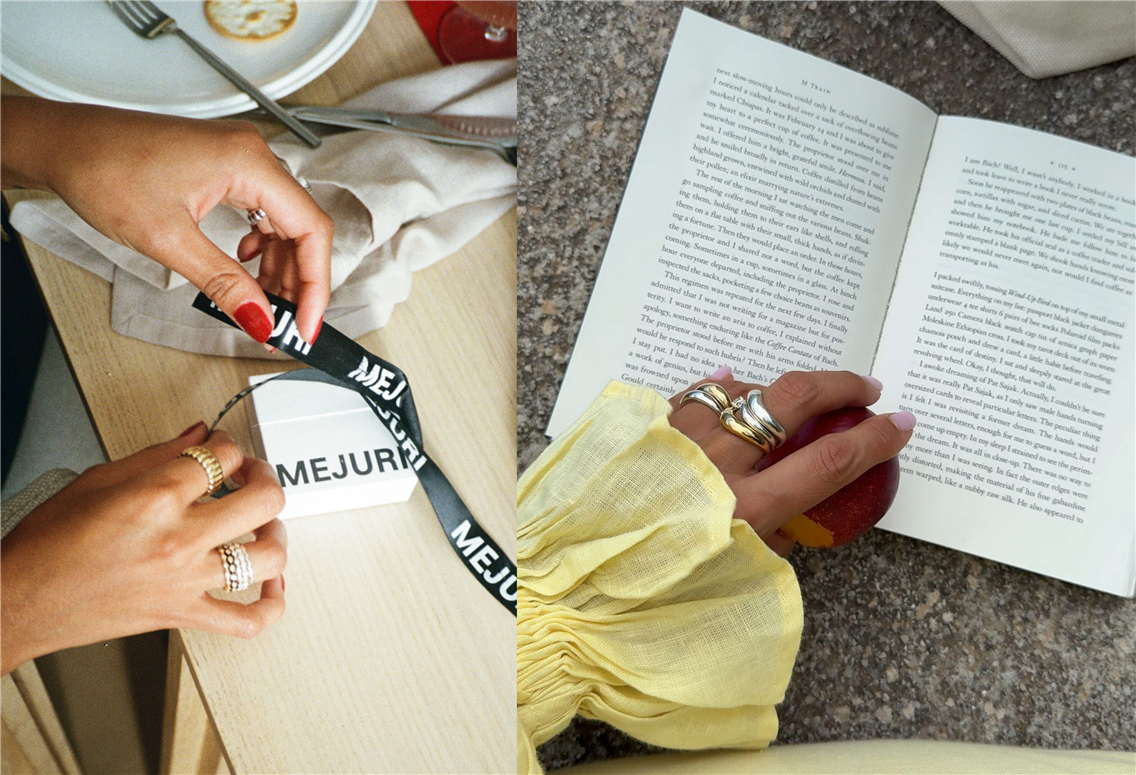
Lifestyle photography places the product in human context. For Christmas, this means showing products being given, received, worn, used, and enjoyed within the social and emotional context of the holiday season. This content builds the brand desire that drives customers to product pages in the first place.
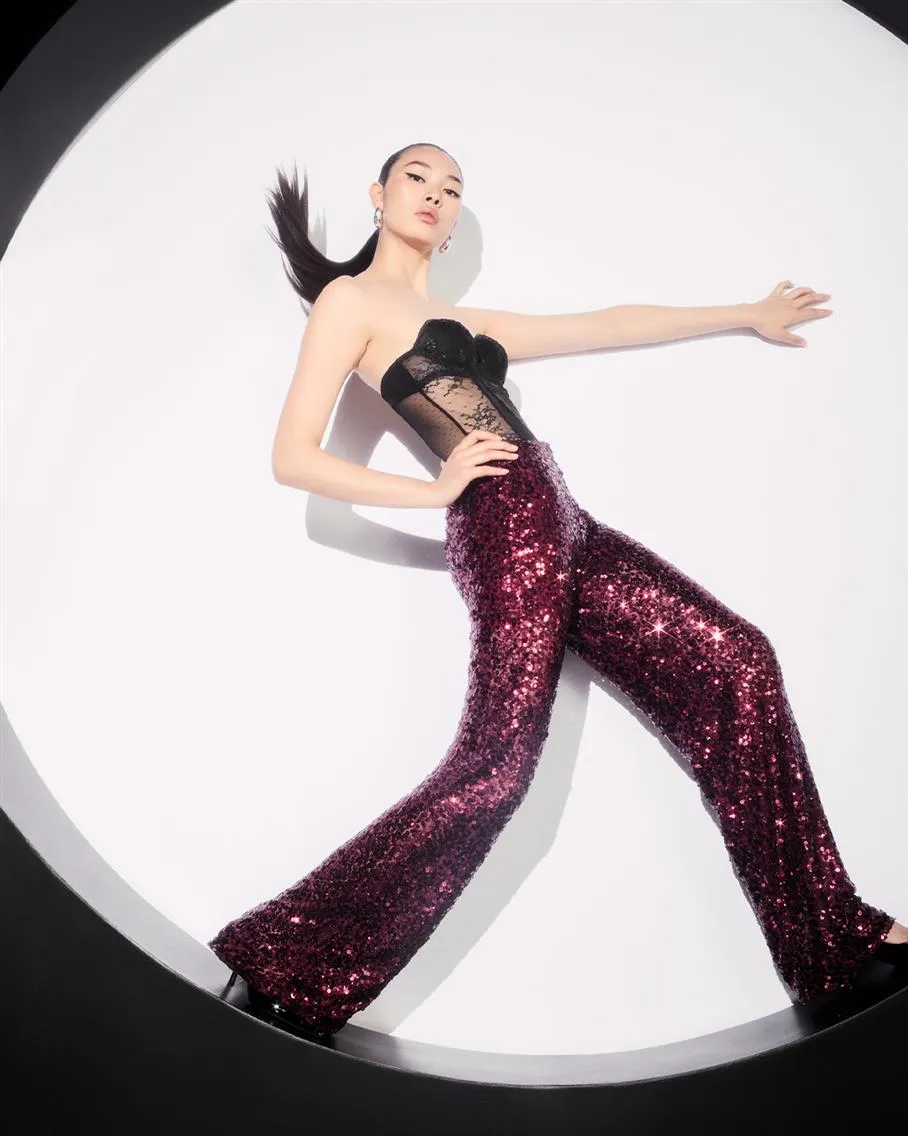
Calzedonia's Christmas lifestyle photography demonstrates how lifestyle content can feel specific to a brand rather than generic to the season. Their holiday campaigns use the brand's signature warm, sensual aesthetic within Christmas settings rather than replacing the brand aesthetic with seasonal convention. The models, styling, and environments are recognizably Calzedonia before they are recognizably Christmas.


Christmas lifestyle creative direction principles
Match the lifestyle scenario to the actual customer. Christmas lifestyle photography works when it shows scenarios the target customer recognizes as their own experience or their aspirational version of it. Research what Christmas actually looks like for the brand's demographic before planning the shoot. A brand targeting young urban professionals should show different Christmas scenarios from a brand targeting families or a brand targeting luxury buyers.
Cast models that reflect the customer base. Model casting for Christmas lifestyle photography should reflect the brand's customers rather than a generic aspirational standard. Diversity in age, background, and body type within the brand's customer profile builds authenticity and broadens emotional resonance.
Show the product in its natural gift context. For products that are bought as gifts, showing the giving and receiving moment creates the emotional connection that motivates purchase. The decision to buy a gift is often made in a moment of imagining the recipient's reaction. Lifestyle photography that captures that moment, the unwrapping, the reaction, the wearing or using, gives the buyer the visual confirmation that this is the right product for the person they are buying for.
Capture movement and emotion. The most effective Christmas lifestyle images have energy. Laughter, movement, interaction between people, the physical experience of wearing or using a product in a seasonal context. Static posed images work for catalog but lifestyle photography earns its commercial value through the feeling it generates rather than the product detail it documents.
For how lifestyle photography serves brand building across eCommerce channels: Strategic Impact of Lifestyle Photography on eCommerce Business
Christmas Photography Ideas by Product Category
Different product categories require different creative approaches to Christmas photography. The format and the emotional register need to match both the product and the customer's relationship to it during the holiday season.
Jewelry
Christmas is the highest-revenue period for most jewelry brands. The gift context, the emotional significance of jewelry as a gift, and the visual drama of fine jewelry under controlled lighting all make this category particularly well-suited to seasonal still life production.
The most effective Christmas jewelry photography combines the technical precision required to show stone quality and metal finish with seasonal styling that communicates the gift context. A ring in a velvet box surrounded by subtle holiday elements. Earrings against a dark draped surface with a soft warm light source. A necklace displayed on a jewelry stand with seasonal botanical elements framing the composition.
For how to approach jewelry photography technically: eCommerce Brand's Guide to Jewelry Photography
Apparel and Fashion
Christmas fashion photography serves two distinct customer needs. Dressing for the season, which means outerwear, knitwear, party dressing, and cold-weather accessories, and gift buying, which means all categories at all price points.
For the dressing need, lifestyle photography showing the garments in use during Christmas social occasions performs best. For the gift buying context, on-model catalog photography that clearly communicates fit, scale, and styling performs better.
The production challenge for apparel is volume. Christmas requires content across a large portion of the catalog to serve both needs simultaneously, which makes production planning and efficiency particularly important.
For how apparel photography serves eCommerce across formats: Product Photography for Clothing and Accessories Brands
Beauty and Cosmetics
Christmas is the gifting peak for beauty brands. The packaging becomes as important as the product because gift buyers evaluate the unwrapping experience alongside the product quality.
Christmas beauty photography should show the packaging in gift contexts alongside the standard product documentation. A fragrance bottle on a vanity surface with subtle festive styling. A skincare gift set arranged with seasonal elements that communicate the luxury of the gift. Makeup products with metallic or jewel-toned Christmas color palettes that naturally align with the season's visual language.
Home Goods and Lifestyle Products
Home goods have a natural affinity with Christmas visual production because the home is the primary setting of the season. Products that decorate, furnish, or enhance the home photograph most effectively when shown in fully dressed Christmas environments that demonstrate how the product transforms a space.
The production requirement is scene construction rather than simple product placement. A candle photographed in a fully dressed Christmas living room setting communicates its place in the customer's holiday experience in ways that a catalog image on a white background cannot.
How Leading Brands Plan Christmas Visual Campaigns
Gucci
Gucci's Christmas campaigns consistently demonstrate how a luxury brand can embrace the exuberance of the season without abandoning its visual identity. Their holiday imagery is rich, layered, and referential in the same way as their year-round campaign work, but with color palettes, set design, and product curation that explicitly acknowledge the season.
The Gucci approach shows that Christmas visual production can be ambitious and brand-specific simultaneously. The season provides the context. The brand provides the visual language. The combination produces imagery that generates conversation and cultural visibility beyond the immediate commercial context of holiday shopping.
Burberry
Burberry's Christmas campaigns are consistently anchored in the brand's British heritage and its associations with countryside, tradition, and quality. Their holiday visual production uses settings and styling that reference English country Christmas, which aligns naturally with the brand's positioning while giving the campaigns a specific seasonal character.
The production approach is location-based lifestyle photography with full team crew including set design, styling, and talent. The investment is significant and the visual equity it generates compounds across the full season as the campaign imagery appears across every brand channel.
Net-a-Porter
Net-a-Porter's Christmas content strategy demonstrates how a multi-brand retailer manages Christmas visual production across a large catalog. Their approach separates hero campaign imagery for brand-building from product-specific photography for conversion, and manages the two streams independently.
The hero campaign imagery is shot by a small creative team working with a defined aesthetic brief that governs the full season's visual identity. The product photography is produced at volume with consistent technical standards across the full catalog. Both streams are governed by the same visual style guide to maintain coherence across all brand touchpoints.
Christmas Photography Production Timeline
The most consistent reason Christmas visual campaigns underperform is insufficient production lead time. Brands that commission Christmas photography in November receive their assets too late to use them effectively across all channels.
For how to budget photography production across seasonal and evergreen needs: How to Get More From Your Photography Budget
September
The brief should be finalized and the studio should be confirmed by the end of September for November and December campaign use. This allows adequate pre-production time for moodboard development, prop sourcing, model casting, and set design planning. Studios book up in October and early November for Christmas productions. Confirming in September ensures the preferred production partner is available.
For how to prepare the brief before the studio is confirmed: How to Work With a Photography Studio Effectively
Early October
Pre-production should be complete by early October. Moodboard approved, shot list confirmed, styling direction locked, models cast, props sourced, and set design planned. The production brief should specify every deliverable including format, dimensions, and naming conventions for each channel.
Mid October
Shoot days should be completed by mid October. This allows four to six weeks of post-production before November campaign launch dates.
Late October
Post-production, retouching, and delivery should be complete by late October. This gives the marketing team two to three weeks to build campaign assets, schedule email sequences, load product pages, and prepare paid advertising creative before November campaigns launch.
Early November
All Christmas visual content should be live on product pages by early November to capture early holiday shoppers. Email campaigns, paid advertising, and social media content can begin rolling out from the first week of November. Content produced in November rather than October is already behind the optimal campaign window.
December
Last-minute social content and short-form video can supplement the core campaign photography during December without requiring the full production infrastructure of the main shoot. User-generated content, behind-the-scenes footage, and reactive social content all serve this function.
For how to plan visual content production across the full year: How to Scale Visual Content Production as Your Brand Grows
Christmas Photography and the Full Year Visual Strategy
Christmas photography is the most commercially significant single production investment most eCommerce brands make in a year. Treating it as a standalone project rather than as the peak moment of a year-round visual strategy underutilizes the assets produced.
Christmas catalog images can serve product pages year-round with seasonal supplementary images added and removed according to the marketing calendar. Christmas lifestyle images can be repurposed for Valentine's Day, gifting campaigns, and other emotional purchase occasions throughout the year with minimal adaptation. The production investment in Christmas photography pays back across more than the six to eight weeks of the immediate holiday season when the asset strategy is planned with this longer view.
For how visual content performance is measured across campaigns: How to Measure the Impact of Product Photography on eCommerce Sales