



Shoe and Footwear Product Photography That Sells: Types, Ideas, Mistakes
Photography is often the deciding factor in footwear. Competitors sell similar styles, comparable materials, and matching price points, and what differs is the visual presentation. Whether through minimalist compositions highlighting craftsmanship, lifestyle imagery that connects emotionally with a target audience, or bold editorial concepts that position a brand at the forefront of trends, photography strategy is among the most significant differentiators available to footwear brands selling online.
Part of our complete guide: The Ultimate Guide to eCommerce Product Photography
Choosing the Footwear Photography Style to Strengthen Your Footwear Brand
Footwear photography is a visual extension of brand DNA. Every image published should align with the brand's identity, target demographic, and market positioning. A luxury footwear brand targeting affluent professionals requires a different visual approach than a youth-focused streetwear label, even when photographing structurally similar products.
Before selecting any photography style, the brand needs to answer three questions: what emotions should the imagery evoke, what lifestyle do the products belong to, and what does the target customer need to see before making a confident purchase decision. The answers inform the visual strategy and determine which photography types belong in which channels.
Most successful footwear brands deploy a combination of styles across different touchpoints rather than committing to one approach for everything.
5 Key Photography Styles
- eCommerce product
- Catalog / lookbook on-model
- Lifestyle
- Creative product / still life
- Fashion / editorial
eCommerce Product Photography for Footwear Brands
This is the functional baseline every footwear brand needs before anything else. Clean images on white or neutral seamless backgrounds, consistent lighting, standardized angles across every SKU. Front view, side view, back view, top-down, interior sole, detail close-ups — the full set that lets a customer examine the shoe the way they would in a physical store.
The job here is accuracy and uniformity. Correct color temperature so the leather reads as it actually is. Resolution that holds up at full zoom when a customer is examining stitching or sole construction. Consistent framing so every shoe in the catalog sits at the same scale and position, which matters enormously when a customer is comparing colorways or styles side by side.
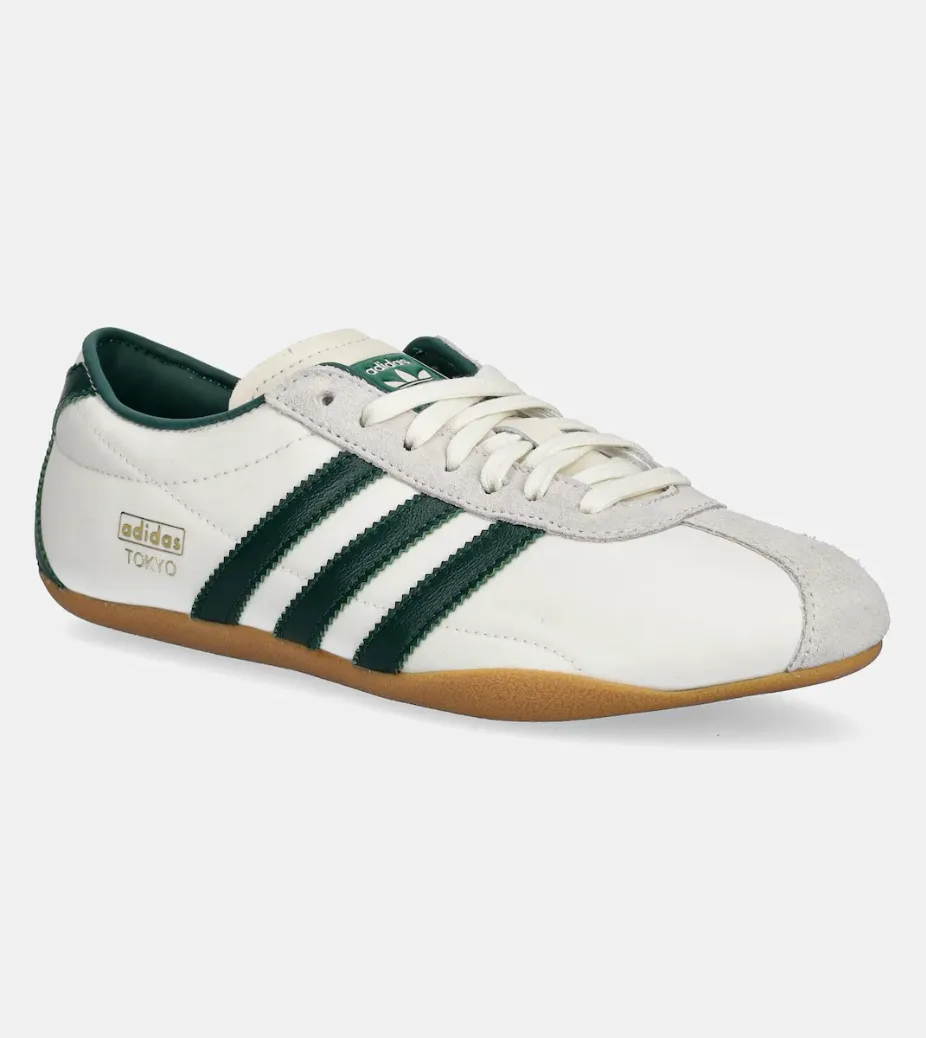
This is also the photography type that determines marketplace eligibility. Amazon, Zalando, Farfetch, Nordstrom — all of them publish specific requirements for background values, image dimensions, angle counts, and file formats. Non-compliant images get suppressed or rejected before a customer ever sees them.
Catalog and lookbook on-model photography
On-model photography answers the questions that product-on-white cannot. How large is this shoe relative to a real foot? How does it sit on the ankle? How does it interact with clothing? These are purchase-decision questions, and for footwear specifically they are critical, proportion and scale affect whether a customer feels confident committing to a size.
Catalog on-model photography is structured and consistent. Models are styled to represent the target customer, the same foot angles are used across styles, and the lighting matches the seamless background shots so the full catalog reads as coherent. It is functional and deliberate.
Lookbook photography is a step up in creative ambition, still on-model but now building a seasonal narrative. A complete collection presented as a coherent visual argument about how the pieces work together, what lifestyle they belong to, what the brand's direction is this season. Lookbooks are produced for press, wholesale buyers, and brand-owned channels where the brand has full creative control.
For guidance on casting models for footwear catalog and lookbook shoots: The Smart Way to Find and Choose Models for Your Brand Photoshoot
Lifestyle photography
Lifestyle photography is where footwear gets placed in the world. Real or constructed environments, models in context, shoes being worn during activities that reflect the brand's target audience and their actual lives. The product is still the subject but the frame is wider. The customer is buying into a scene, not just a shoe.
The scenarios that work are specific rather than generic. Vans' skateboarding shoes photographed at actual skate parks with real community members resonate because the context is precise and honest. Christian Louboutin's cinematic Parisian scenes work for the same reason. The specific cultural reference is exactly right for the audience. Generic lifestyle imagery set in non-specific environments with non-specific models produces non-specific responses.
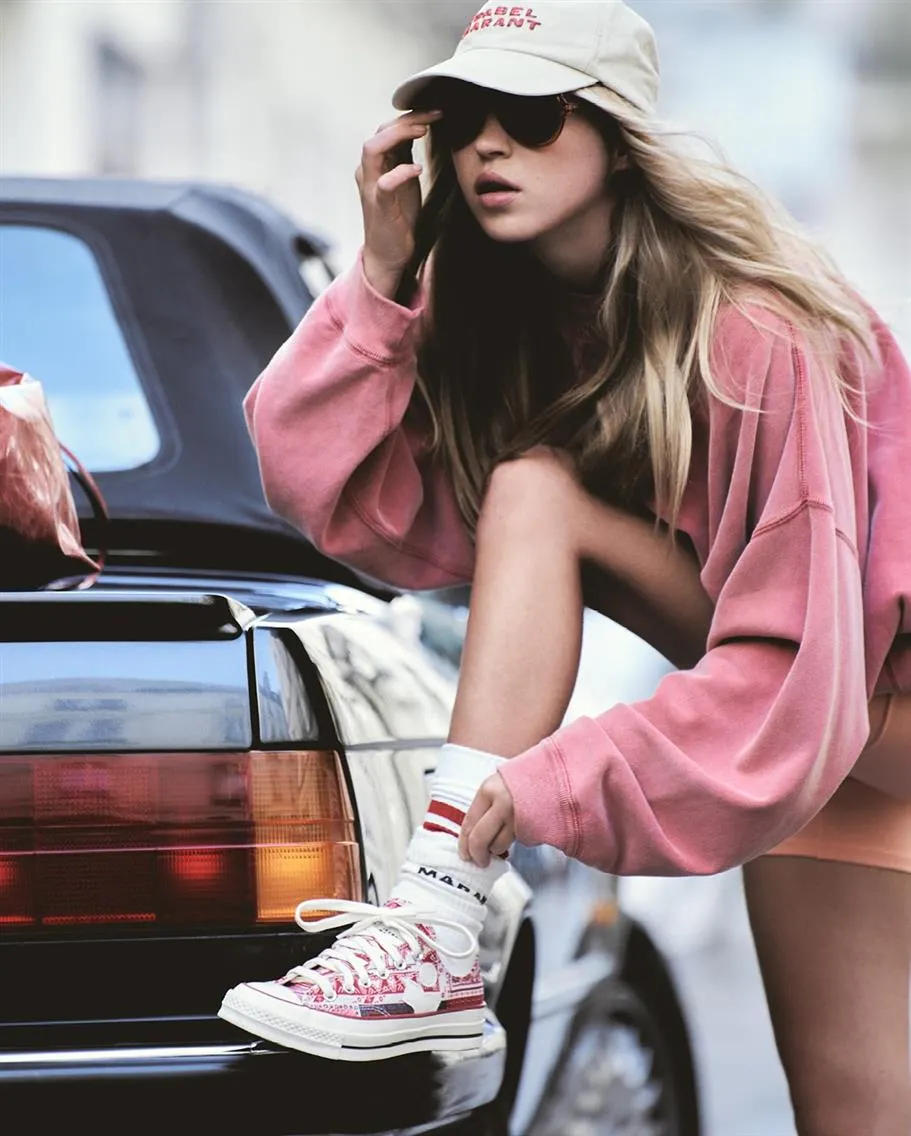
The scenarios that work by category:
A running shoe photographed mid-stride through puddles communicates performance and commitment to outdoor exercise regardless of conditions. It speaks to a runner who will not skip a session because of weather. A versatile casual shoe shown across a morning coffee run, a workplace setting, and an evening gathering demonstrates daily adaptability without stating it. Luxury footwear in elevated but attainable contexts sells accessible aspiration. Streetwear and athletic shoes in community settings sell belonging and identity alongside the product. Handcrafted boots photographed in workshops or natural environments connect the customer to the origin story and the craft behind what they are buying.
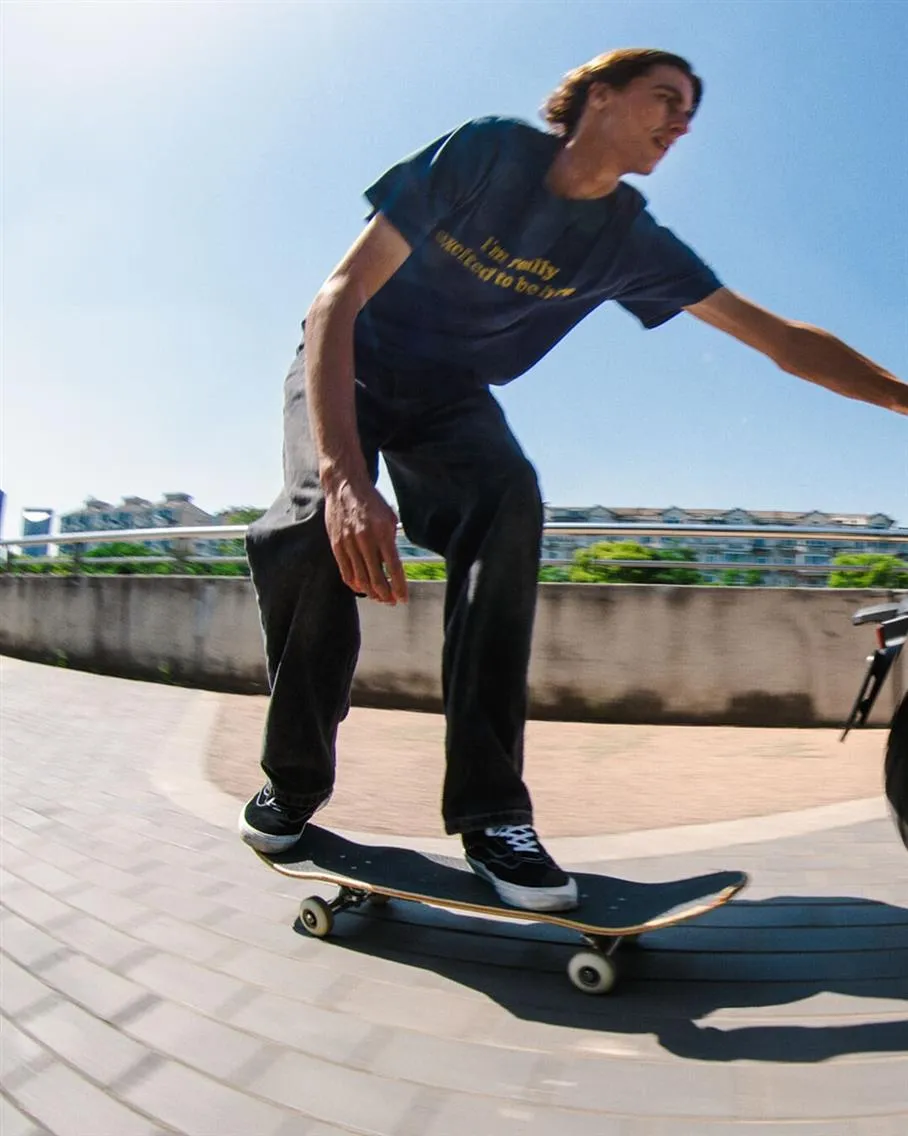 | Vans' Community Spotlight: Their skateboarding shoes are captured at local skate parks with real community members, creating authentic representation that resonates with their core audience while building brand loyalty. |
| Christian Louboutin's Lifestyle Editorials: Their luxury footwear is photographed in cinematic Parisian scenes that tell a story of sophistication and cultural appreciation, selling a luxury lifestyle that can be achieved by buying a pair of heels, justifying the price. | 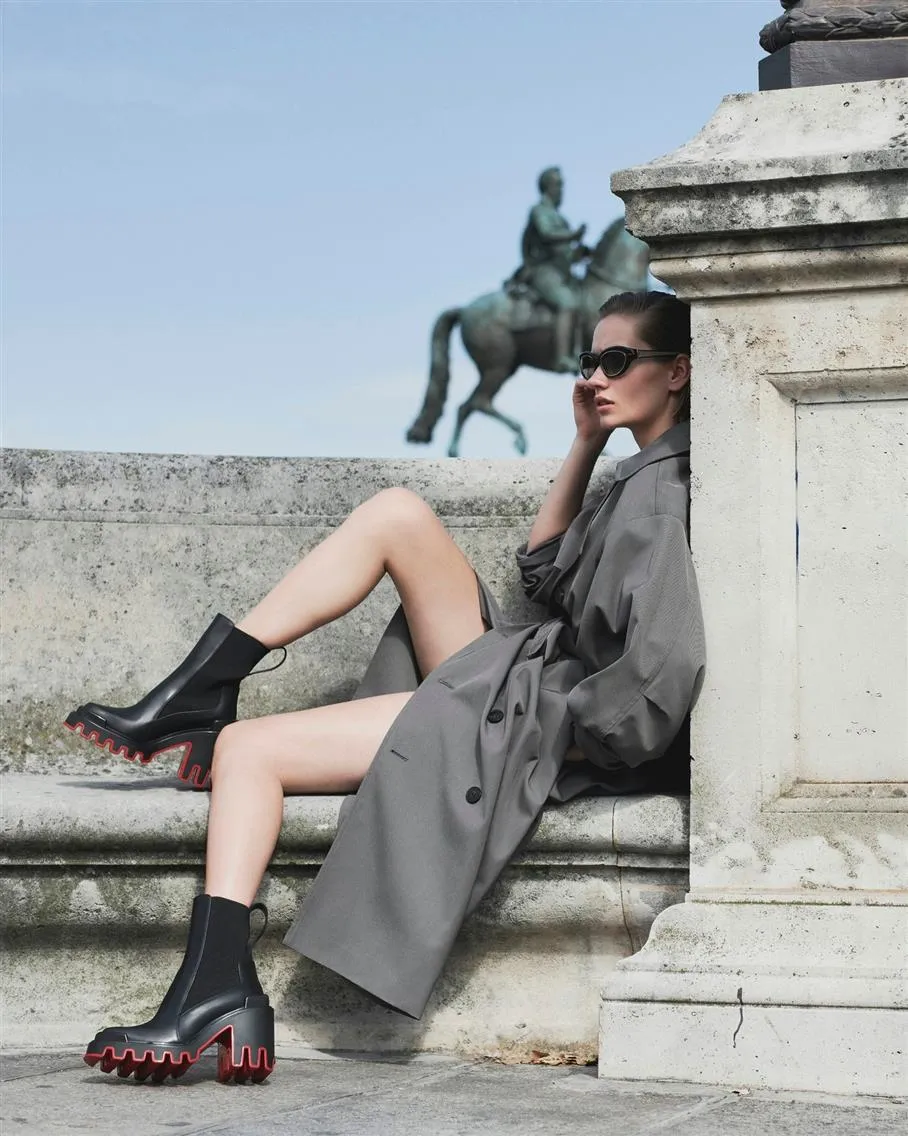 |
For the stylist's role in lifestyle production: Why Your Shoot Needs a Professional Fashion Stylist
Creative product and still life photography
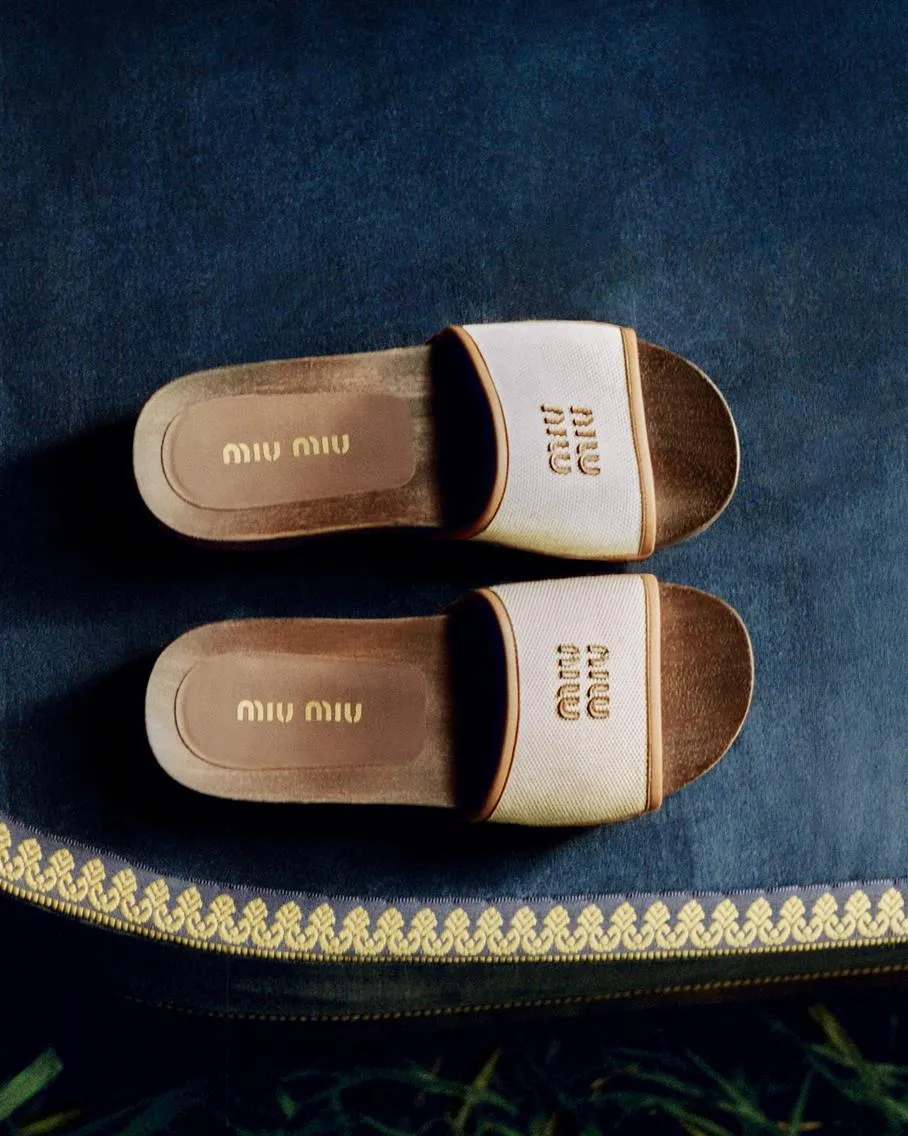
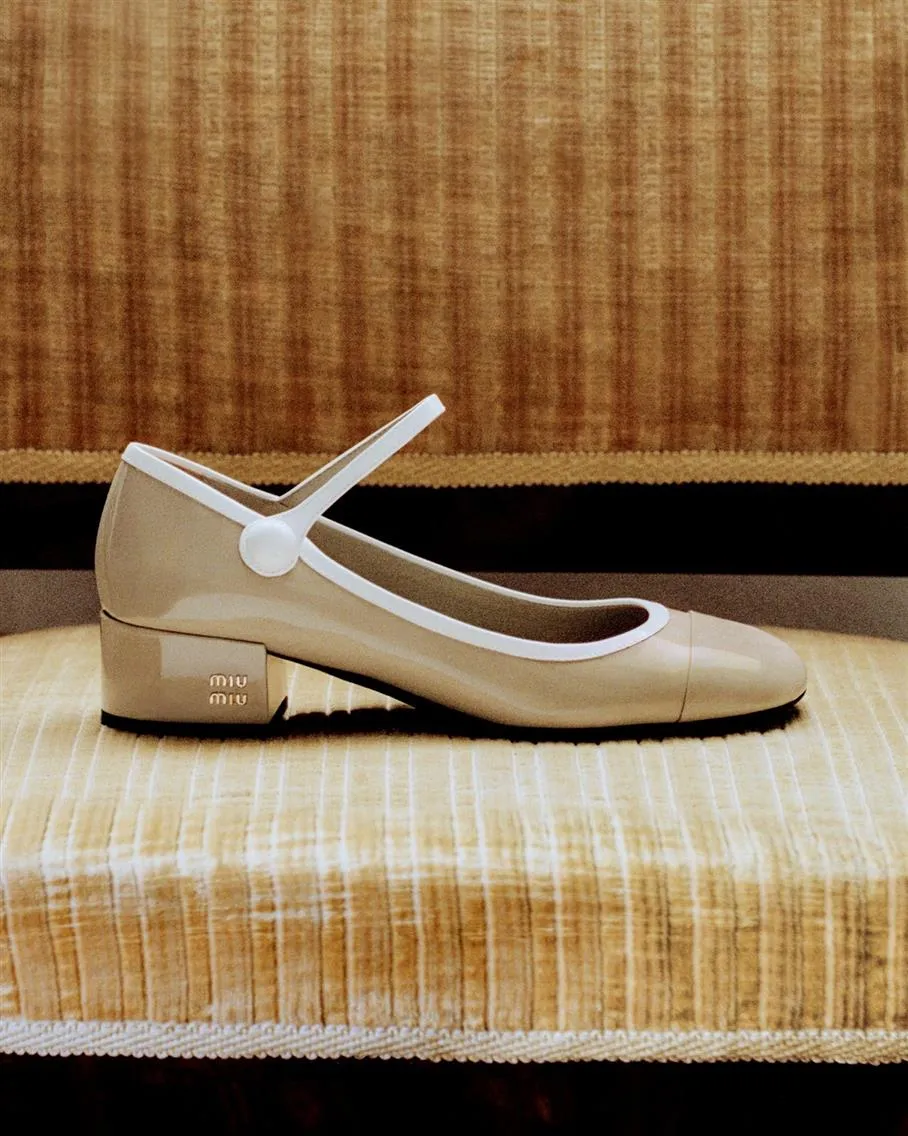
Still life and creative product photography arrange footwear in composed scenes where the environment communicates something about the product that catalog and lifestyle photography cannot. The props, surfaces, lighting choices, and color relationships all carry meaning. Nothing in the frame is incidental.
Approaches that work:
Material focus. Photograph the shoe alongside the raw materials used to make it. A leather Oxford photographed with the same premium leather in different stages of production communicates the entire supply chain narrative in a single image.
Deconstructed views. Show inner construction, materials, and techniques not visible from the exterior. Particularly effective for handcrafted shoes where the hidden construction is part of the value proposition.
Craftsman's perspective. Style the shoe with the tools of its production. Traditional shoemaking tools for heritage brands, technical equipment for performance footwear. This creates an authentic connection to process.
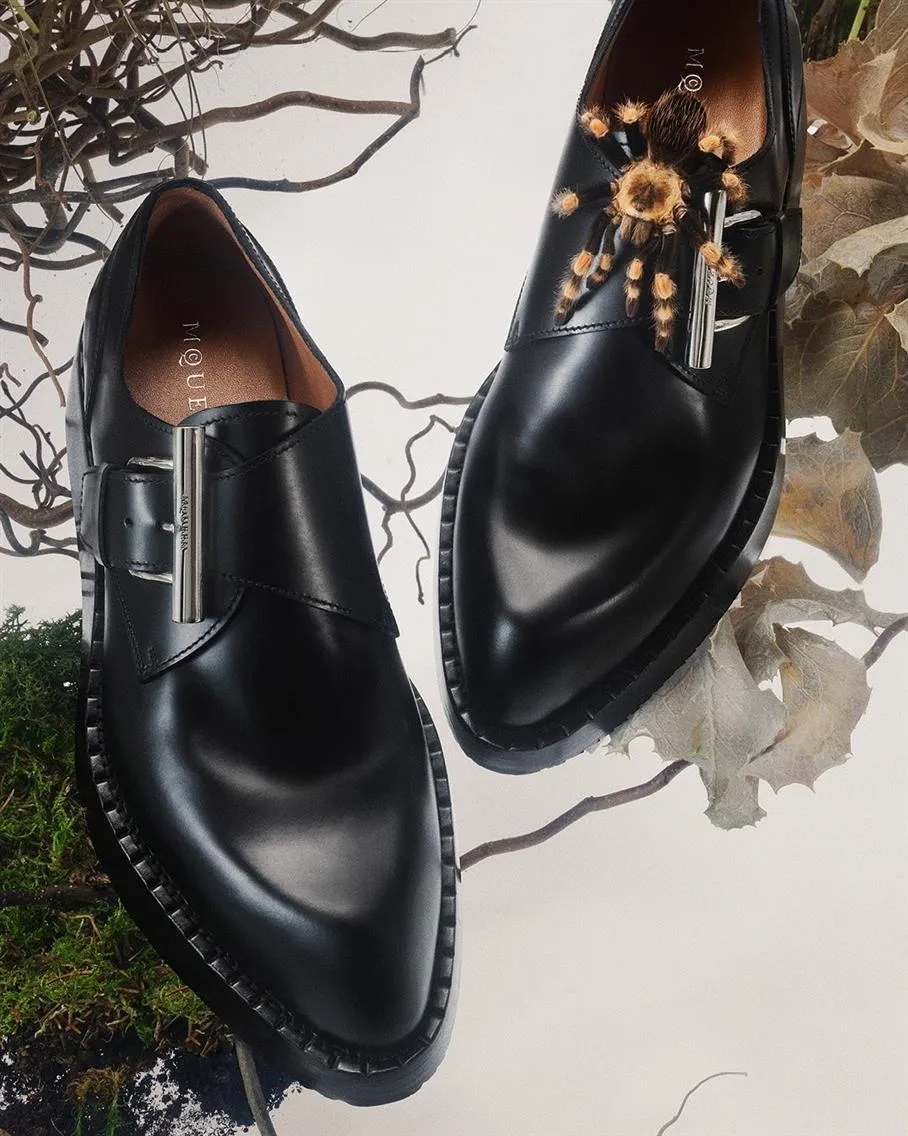
Texture exploration. Macro photography on the grain of leather, the stitching on a welted sole, or the weave of a technical fabric. These images work as standalone social content and as detail shots within a product listing.
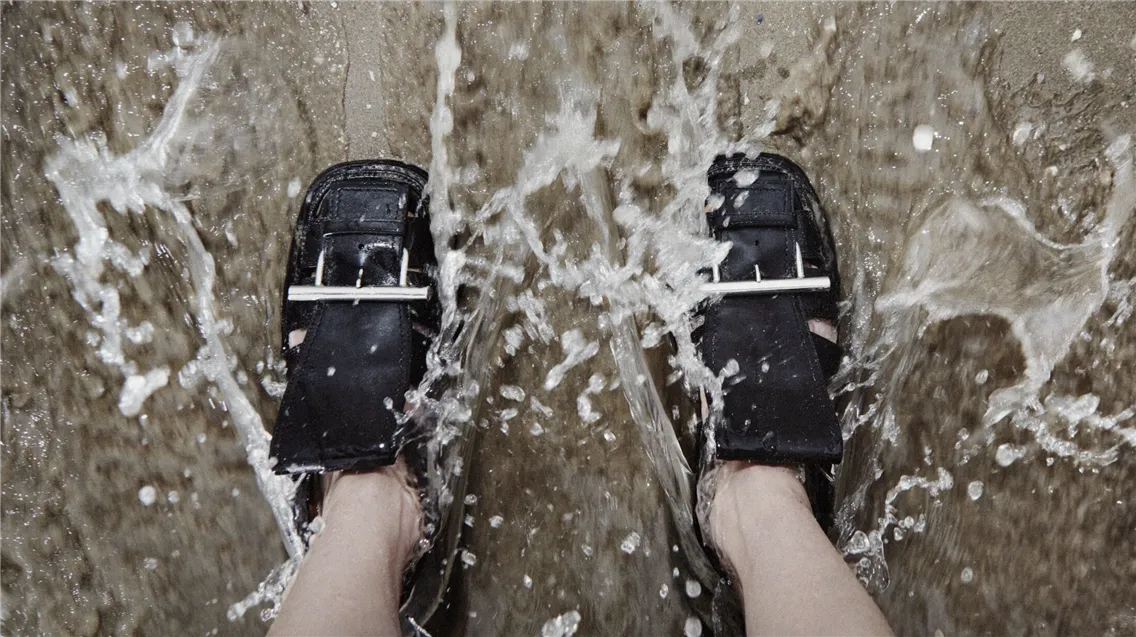
Contextual contrasts. Lightweight running shoes on rough stone emphasize construction without a word of copy. Water-resistant boots emerging from puddles communicate waterproofing the same way.
Material comparison. Photograph the shoe alongside other objects of equivalent quality: fine watch mechanisms, premium automotive details, or architectural elements that share craftsmanship values. The comparison elevates perceived value through association.
 |  |
Fashion and editorial photography
Editorial photography does not document a product. It makes a statement about where a brand sits culturally and creatively. The shoe is still the subject but the image is making an argument about design philosophy, cultural relevance, and what the brand stands for.
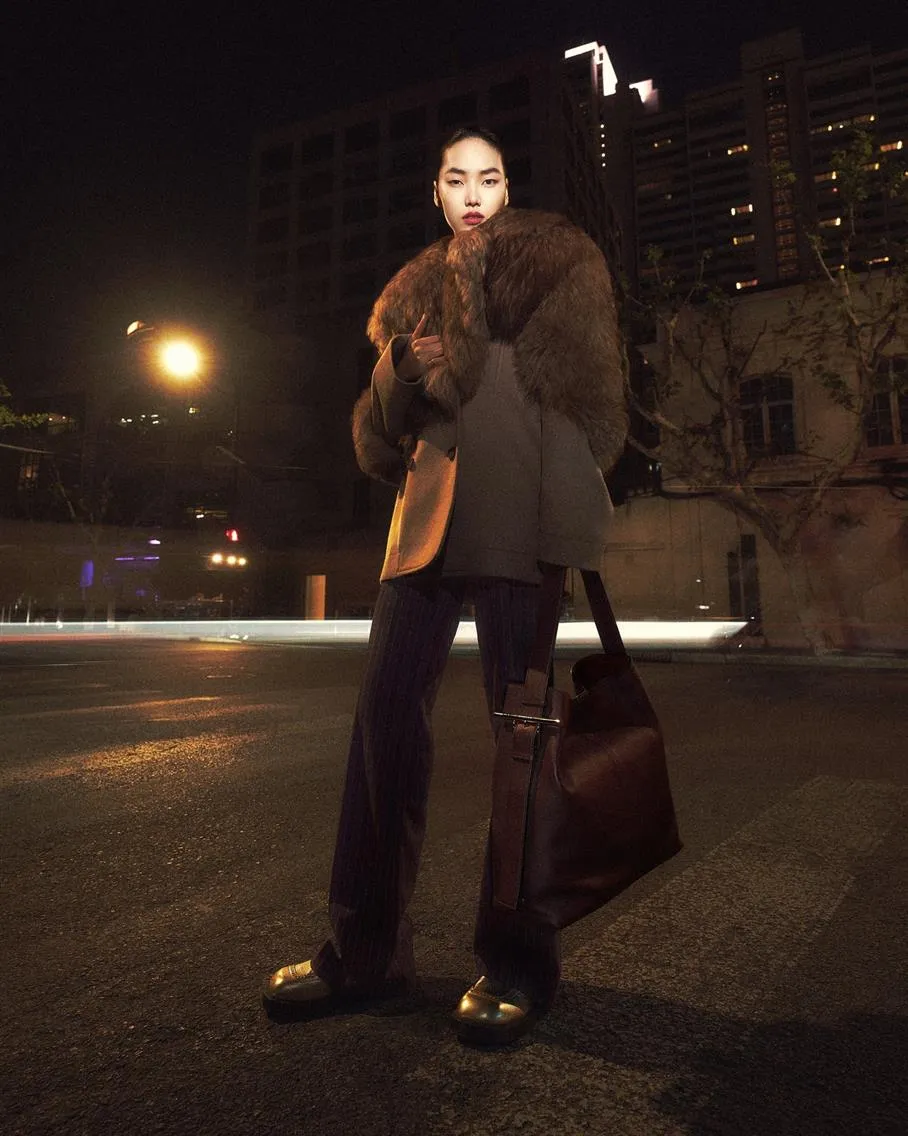
This is the format where unexpected angles, dramatic lighting, high-fashion styling, and conceptual scenarios replace conventional product presentation. The result is imagery that generates conversation, social sharing, and press coverage rather than direct conversion. Its commercial value is in brand positioning and perceived authority rather than click-through rate.
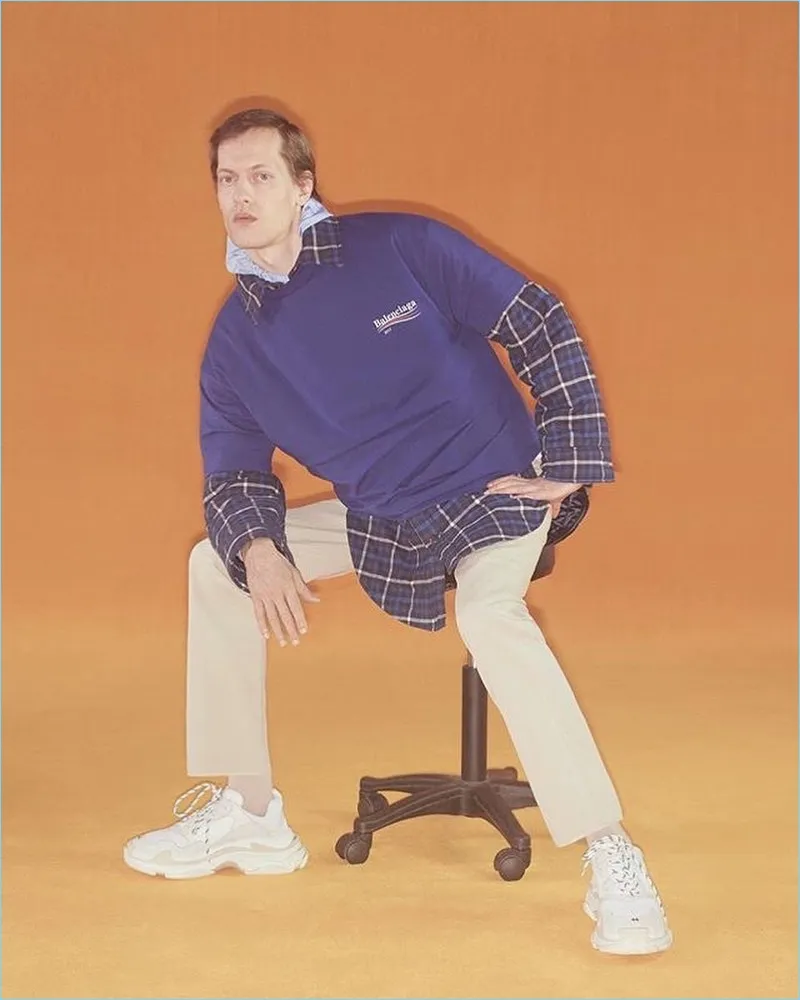
Balenciaga's Triple S campaign is the most discussed recent example of editorial footwear photography that worked precisely because it broke the rules deliberately. Slightly off-kilter compositions, models in awkward poses, unexpected styling choices. The photography positioned the brand as a disruptor, redefining what luxury footwear campaigns looked like and generating massive social media engagement in the process.
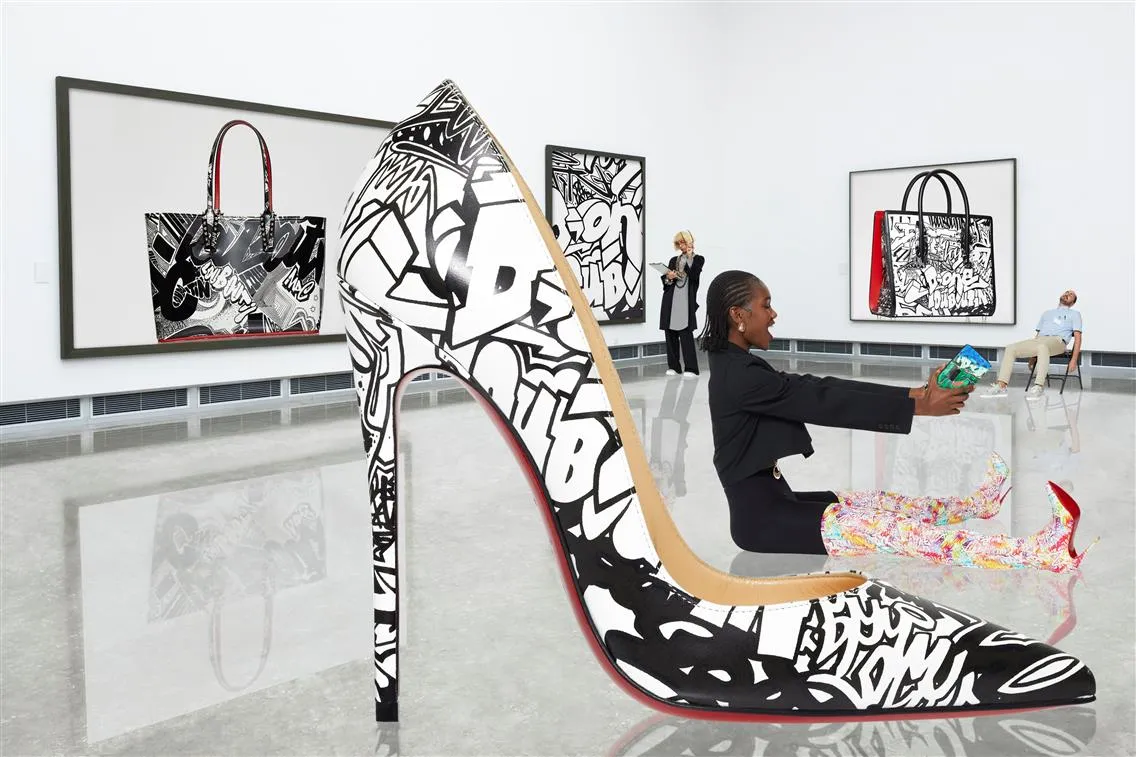
Christian Louboutin's LoubiGraf campaign partnered with street artists to photograph their red-soled shoes against hand-painted graffiti backdrops. The creative fusion placed the brand at the intersection of high fashion and street culture, expanding cultural relevance beyond their traditional luxury audience in a way that a conventional editorial approach would not have achieved.
Manolo Blahnik's fantasy world campaigns placed their legendary shoes in elaborately constructed miniature sets, creating surreal narratives where the footwear became the protagonist. Whimsical, immediately recognizable, and entirely consistent with the brand's reputation for imaginative design.
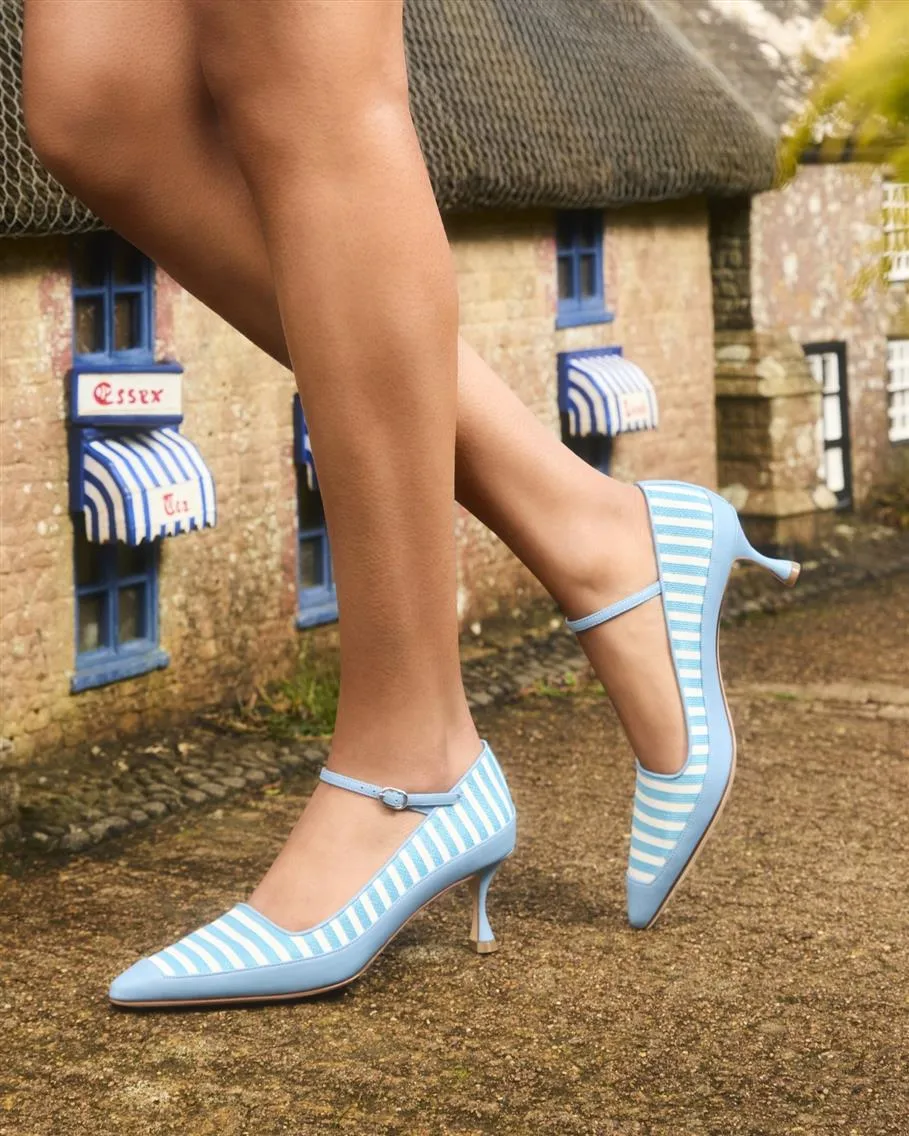
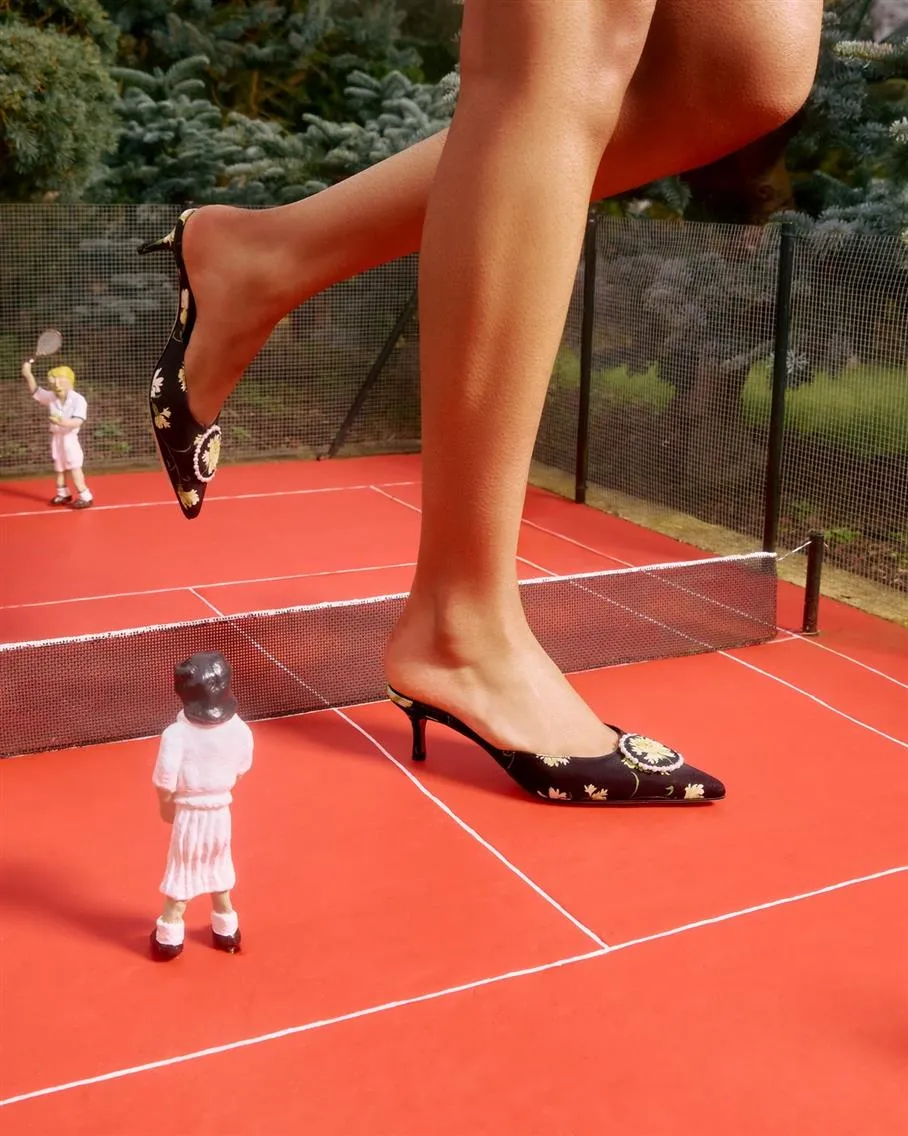
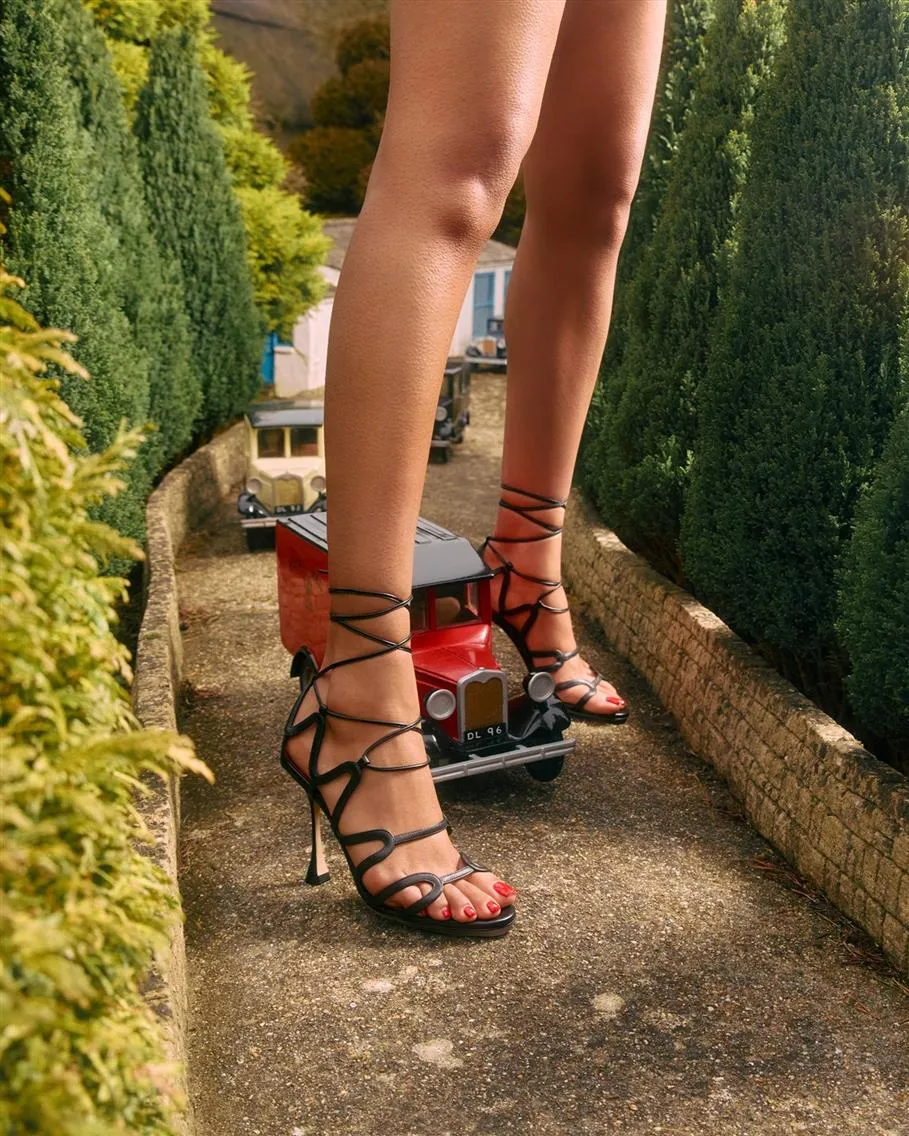
All three demonstrate the same principle: editorial footwear photography works when the creative approach is a genuine extension of a brand point of view rather than an aesthetic choice made in isolation. The brands that produce memorable editorial work are not trying to make striking images. They are trying to say something specific, and the photography is the vehicle.
For the full guide to fashion photography and how editorial builds brand identity: Professional Fashion Photography for eCommerce Brands
The most successful footwear brands maintain visual consistency while deploying different photography styles across different stages of the customer journey — from discovery to consideration to purchase decision.
For a complete guide to visual marketing strategy and how different content types serve different funnel stages: Ultimate Guide to Visual Marketing Strategy for eCommerce Business
For measuring the commercial impact of photography improvements: Measuring Your eCommerce Brand's Professional Product Photography Impact
Set Design for Footwear Photography
The environment in which footwear is photographed shapes consumer perception before they have processed any product detail. Thoughtful set design creates context that reinforces brand positioning, highlights product features, and establishes emotional connections with the target audience.
Set design functions as visual shorthand for brand values. Materials, textures, colors, and props create immediate associations in the viewer's mind, communicating quality level, brand personality, and target lifestyle without requiring the customer to read anything.
For heritage and craftsmanship-focused brands: a workshop narrative built around traditional shoemaking tools, leather scraps, and worn work surfaces highlights the human craftsmanship behind the product. Vintage elements, worn workbenches, and historical references communicate longevity and mastery.
For contemporary fashion brands: architectural minimalism using clean geometric sets, monochromatic color schemes, and simple architectural elements complements design-forward footwear without competing with it.
For performance and athletic brands: sets that reference the environments the footwear is designed for — urban concrete, trail surfaces, water environments — communicate performance capabilities through visual context rather than copy.
For accessible lifestyle brands: relatable environment vignettes showing footwear in morning coffee settings, workspace corners, and entryway arrangements that feel authentic to the customer's actual daily life rather than an aspirational version of it.
Regardless of category, texture contrast is a universal set design tool. Rough surfaces emphasize sleek leather. Soft fabrics showcase structured elements. Strategic elevation through pedestals or platforms places the footwear in the dominant visual position within the frame.
For the set designer's role in a commercial photography production: Why Your eCommerce Photography Needs a Set Designer
Signs Your Footwear Photography Needs Attention
Inconsistent visual presentation
Product images that do not follow consistent angles, lighting conditions, and backgrounds across a catalog create consumer confusion and erode brand trust. A grid of product images where each shot looks slightly different communicates that the brand does not have a defined visual identity.
Poor feature communication
Technical footwear brands frequently fail to visually highlight the performance features that justify their price point. Photographing shoes without strategically showcasing proprietary technology, material innovations, or structural details leaves customers with no visual evidence for the premium being charged.
Brand value disconnection
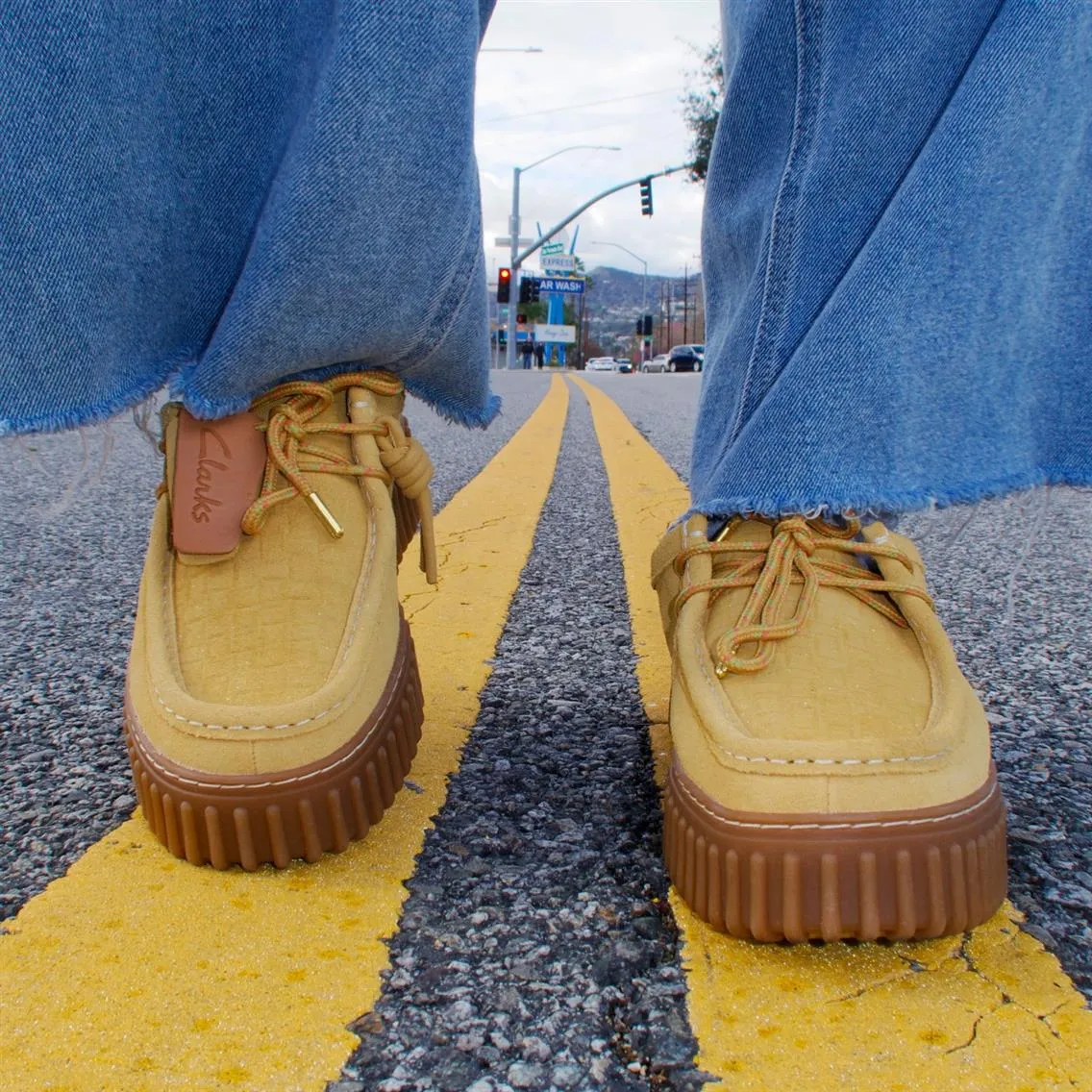
When photography style contradicts established brand values, trust erodes. Luxury footwear photographed with budget styling, or performance shoes shown in inappropriate environments, creates a disconnect between what the brand claims and what the imagery communicates.
![Alt: Clarks footwear photography showing brand-appropriate visual context]
Clarks
Resolution problems
Low-resolution or compressed images that pixelate when customers zoom in actively damage conversion rates. Customers examining texture, materials, and craftsmanship detail at zoom expect clarity. Images that cannot support that scrutiny signal a lack of confidence in the product itself.
Color inaccuracy
When product colors in photography do not match what the customer receives, returns follow. Incorrect white balance, inconsistent color temperature between shoot sessions, or post-production color grading that diverges from the physical product all create this problem. Color accuracy is not an aesthetic consideration — it is a returns management consideration.
No context beyond white background
Footwear photographed only on white backgrounds lacks the contextual information customers need to feel confident about how the product fits into their lives. Scale references and usage scenarios are not optional for categories where wearability and proportion matter this much.
Most of these problems originate in production decisions rather than post-production. Lighting setup, color calibration, shot list completeness, and visual consistency across the catalog are all determined before the first frame is captured. If any of the above describes your current imagery, the most direct solution is a production brief that addresses each point from the start rather than attempting to correct it afterward.
For guidance on building that brief: Art Direction Guidelines for Jewelry and Fashion Brand Photoshoots
Whatever your brand's unique positioning, professional photography is the foundation of effective visual marketing, LenFlash offers comprehensive footwear photography services spanning all approaches discussed:
- Catalog Product Photography: Consistent, high-quality product presentation that builds purchase confidence
- Still Life Photography: Creative product arrangements that highlight craftsmanship and quality
- Lifestyle Photography: On-model and contextual imagery that connects products to aspirational lifestyles
- Fashion Photography: Editorial-style visuals that position your brand at the forefront of trends
Invest in photography that aligns with your brand strategy, communicates your unique value proposition, and connects emotionally with your target audience. Your footwear deserves to be showcased with the visual excellence that drives measurable business results.