
Strategic Impact of Lifestyle Photography on eCommerce Business
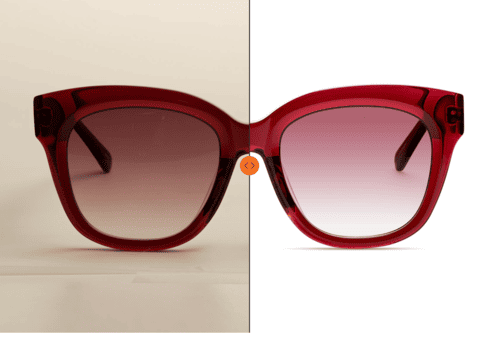
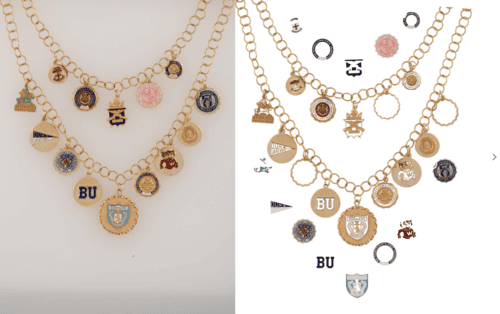
A clean white background still has its place. It is essential for marketplace listings, catalog documentation, and platform compliance. But it does not build a connection. It shows the product, not the life around it.
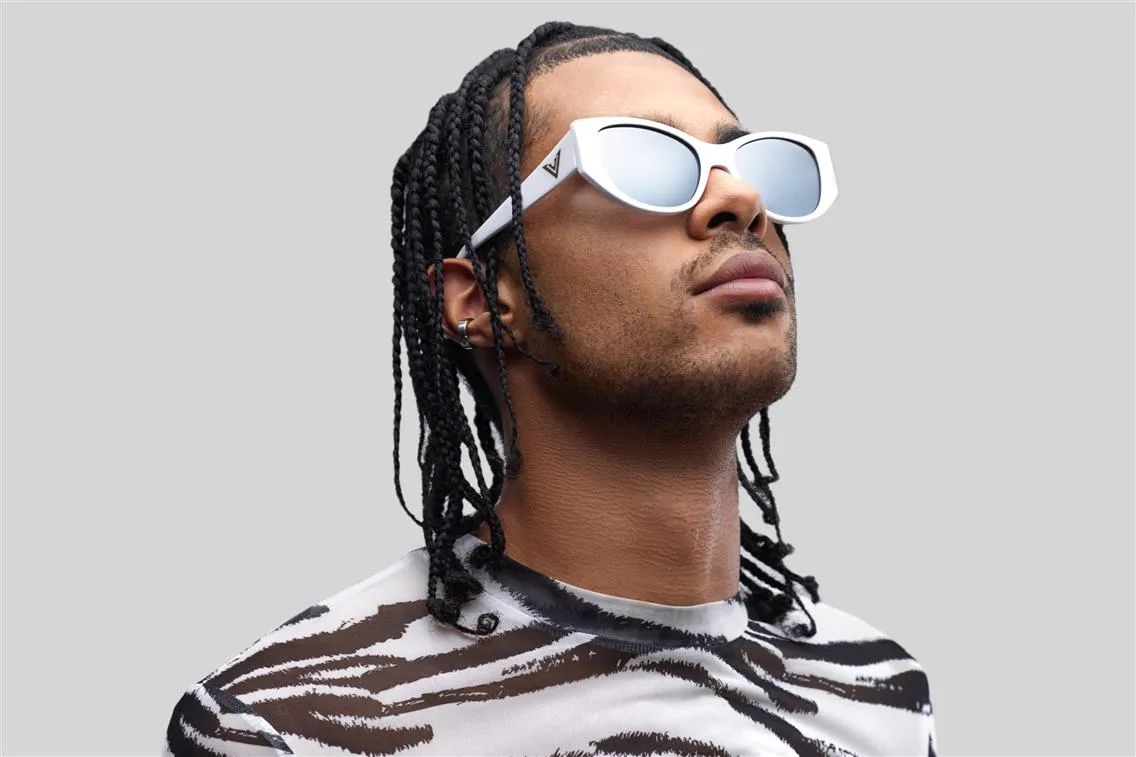
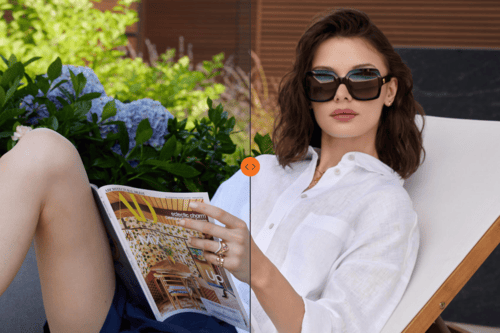
Lifestyle photography changes that dynamic. It gives visuals emotion, context, and a sense of belonging. A lipstick on a bathroom counter, a ring catching natural sunlight, a smartwatch on someone's wrist at a café — these images show how a product lives in the real world and, more importantly, how a customer might imagine themselves using it.
For brands that sell an idea as much as a product like fashion labels, jewelry designers, skincare brands, wellness companies, lifestyle photography is not optional. It is the primary vehicle through which brand identity is communicated.
This guide covers what lifestyle photography does for an eCommerce business, when it is the right tool, how location shapes brand perception, and how to plan a shoot that generates usable assets across multiple channels.
Part of our complete guide: The Ultimate Guide to eCommerce Product Photography
What Lifestyle Photography Is and How It Differs from Product Photography
Product photography and lifestyle photography serve different functions in the customer journey and should not be treated as interchangeable.
Product photography documents the product accurately. Clean backgrounds, controlled lighting, multiple angles, consistent crop ratios. Its job is to show the customer exactly what they are buying — to eliminate uncertainty at the point of purchase. It belongs on product detail pages, marketplace listings, and retailer submissions where platform compliance and detail clarity are the primary requirements.
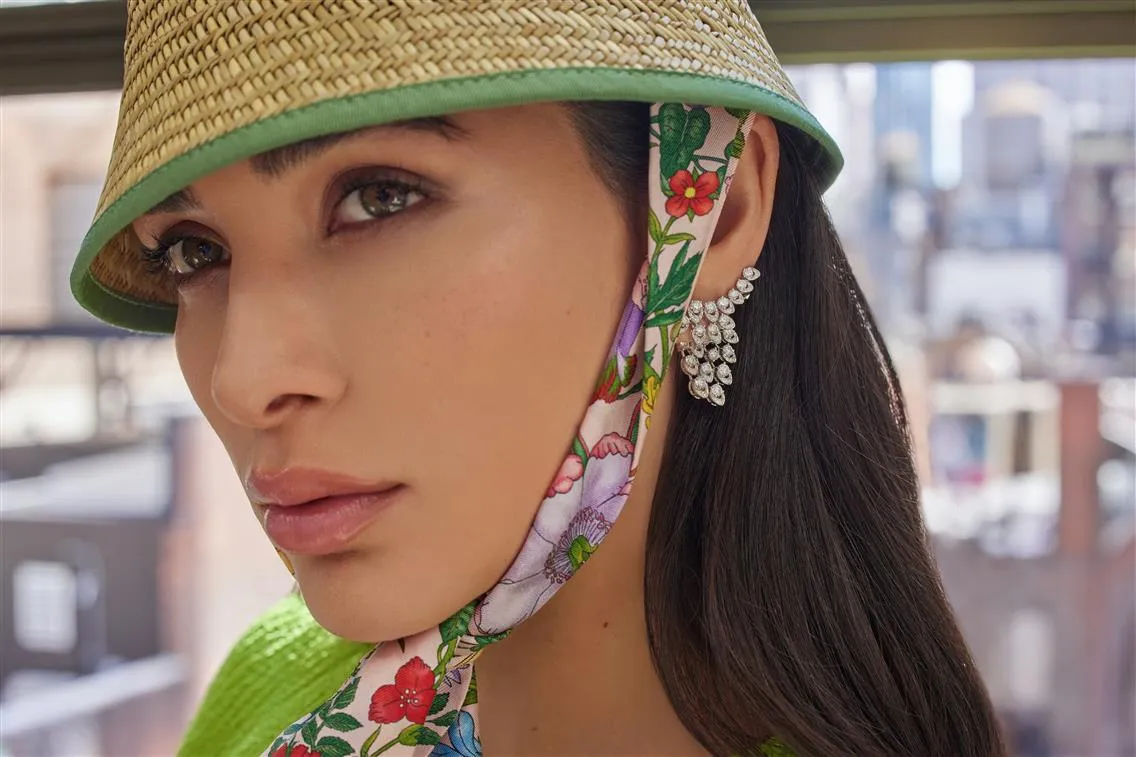
Lifestyle photography contextualizes the product within a world. It places the product in environments, with people, in situations that communicate how the product fits into a customer's life and aspirations. Its job is not documentation but desire — to make the customer want to inhabit the world the image depicts.
The two approaches serve different stages of the customer journey. Product photography belongs at the bottom of the funnel where purchase decisions are made. Lifestyle photography belongs at the top — building brand awareness, creating emotional connection, and driving the aspiration that eventually converts to purchase.
A third content type sits between them: still life photography, which places the product in composed settings with deliberate props and surfaces without requiring models or real environments. For a complete guide to still life photography for eCommerce: eCommerce Still Life Photography for Fashion and Jewelry Brands
What Makes Lifestyle Photography Work for Your Brand
6 principles determine whether lifestyle photography builds genuine brand connection or simply places a product in a nice setting.
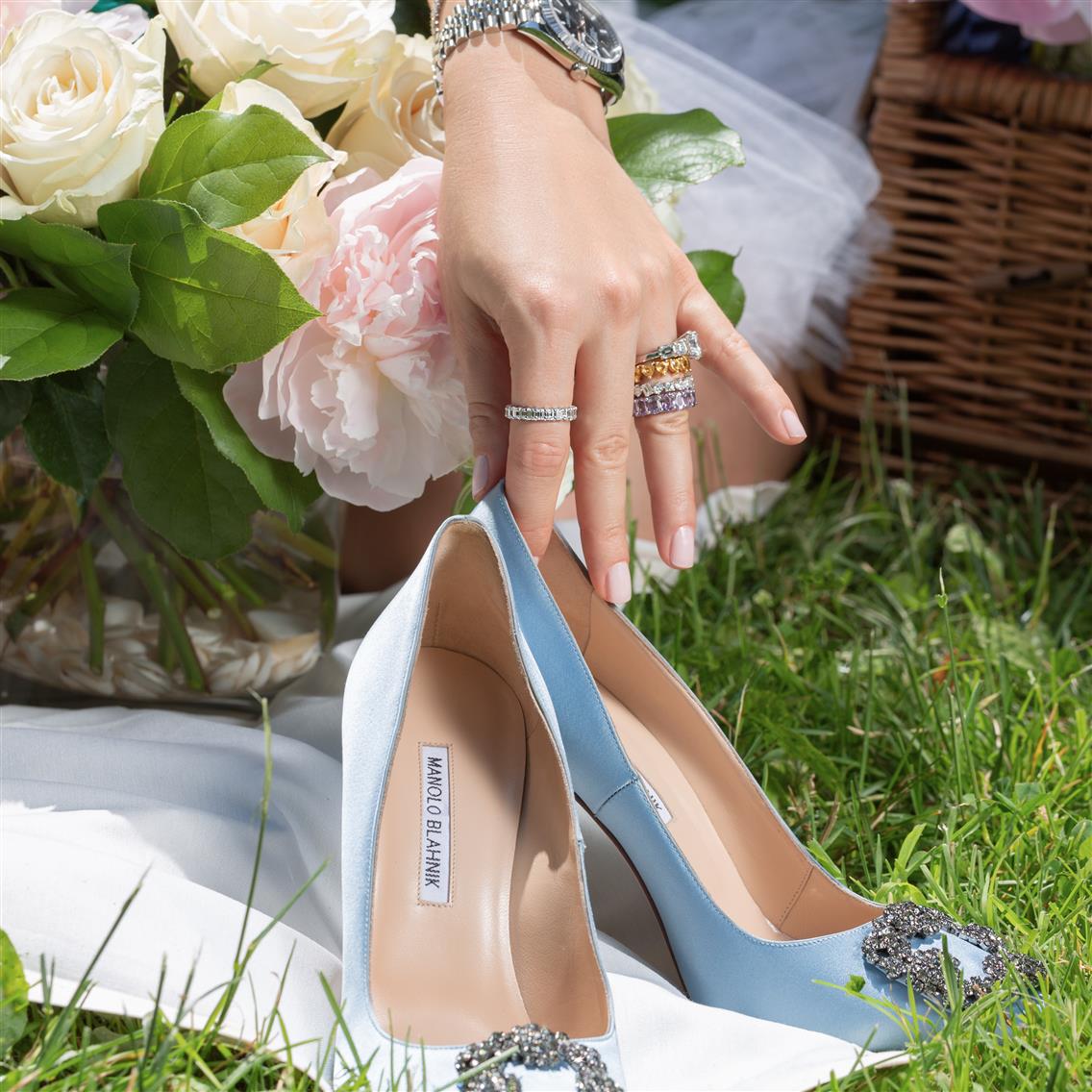
Authenticity and realism — customers have become adept at identifying overly staged or digitally perfected imagery. Real people, real settings, and genuine interactions between people and products read as trustworthy in ways that art-directed perfection does not. This does not mean unpolished — it means that the people and environments feel like they could exist outside the frame.
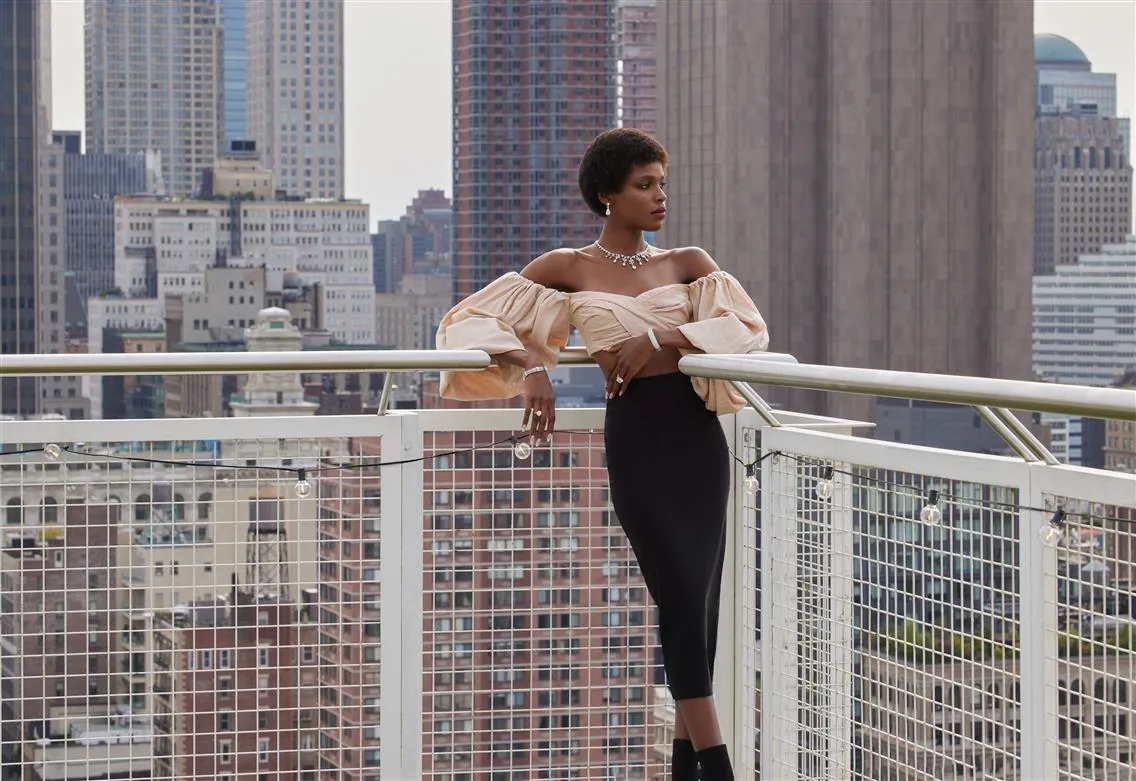
Contextual relevance — the environment must make the product feel indispensable rather than decorative. A tech gadget on a sleek office desk contextualizes its utility. A luxury handbag in a city setting places it in its natural social environment. The context should answer the question the customer is unconsciously asking: where does this belong in my life?
Storytelling through emotional specificity — lifestyle photography is most effective when it connects the product to a specific moment rather than a general aspiration. Shoes worn on an actual journey communicate more than shoes placed in a scenic landscape. Jewelry shown at a significant life moment — an anniversary dinner, a milestone celebration — carries more emotional weight than jewelry on a plain background however beautifully lit.
Balancing product focus with lifestyle integration — the product should not dominate the scene, but it cannot fade into the background either. It needs to be an integral part of the environment, present enough to be clearly seen, integrated enough to feel like it belongs there naturally. This balance is particularly critical in fashion, home goods, and luxury categories where aesthetics and functionality are inseparable.
Mood, lighting, and atmosphere — lighting defines the emotional register before a viewer has consciously processed the image. Soft, warm light communicates comfort and approachability. Sharp, controlled light signals precision and sophistication. Natural daylight communicates authenticity and freshness. Every lighting decision should align with the brand's identity and the emotional response the image needs to create.
Visual cohesion with brand identity — lifestyle images that feel disconnected from the broader brand identity undermine both. Whether it is the color palette, the styling approach, or the emotional tone, everything must align with the brand's values. Cohesion is what makes the difference between a brand that feels scattered and one that feels intentional.
When Lifestyle Photography Is the Right Tool
Not every product or campaign moment requires lifestyle photography. Understanding when it is the strategic choice prevents wasted production spend.
1. Rebranding or moving upmarket
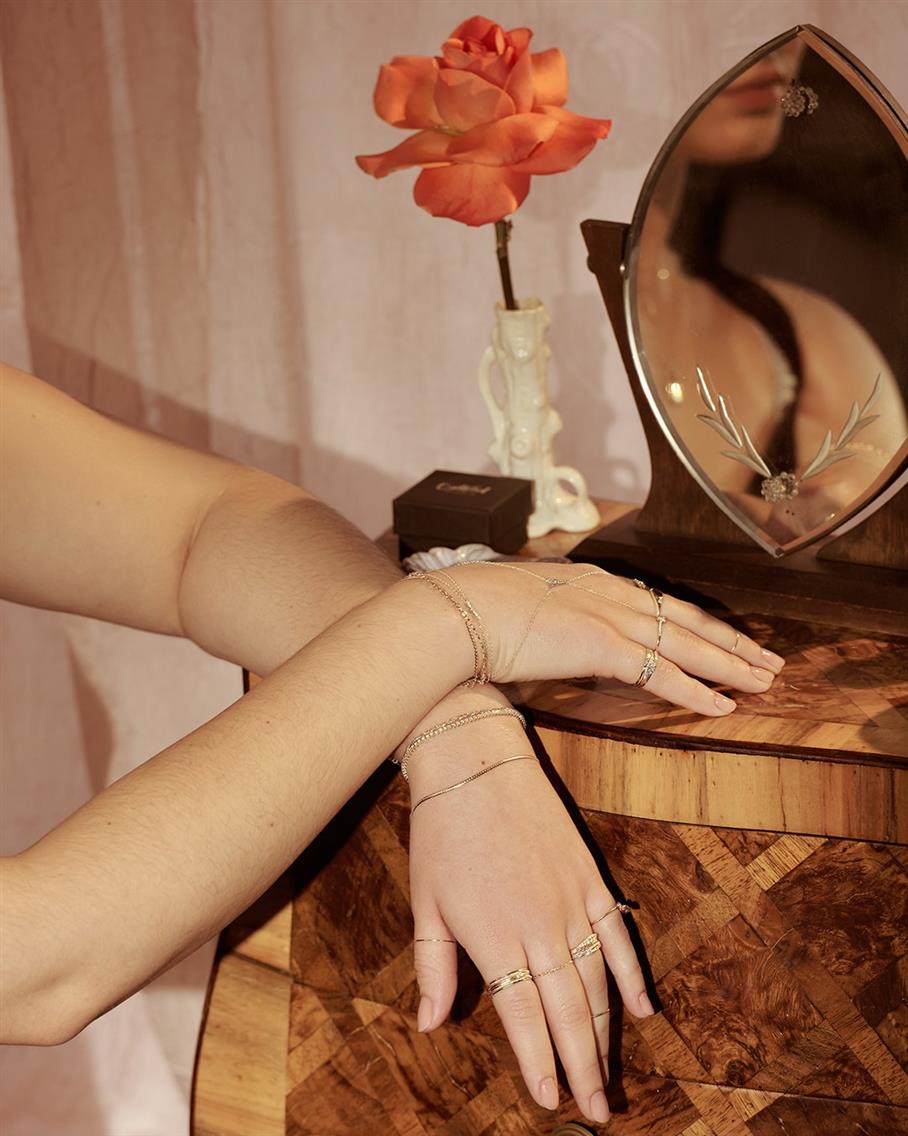
Whenever a brand redefines its tone, price point, or audience, visuals have to rewrite that narrative faster than text can. Take a jewelry label moving from Etsy-level craftsmanship to boutique-grade design, move the same pieces into a real interior, textured stone, or architectural space, and the price point instantly feels justified.
We’ve seen this across categories. A clean beauty brand transitioning from “natural” to “clinical” repositions overnight when shot in structured, monochrome interiors instead of warm domestic bathrooms. A footwear company entering the fashion segment needs concrete, glass, and scale, not plywood flats. The setting teaches the audience what to expect next.
2. When lifestyle becomes part of the product narrative
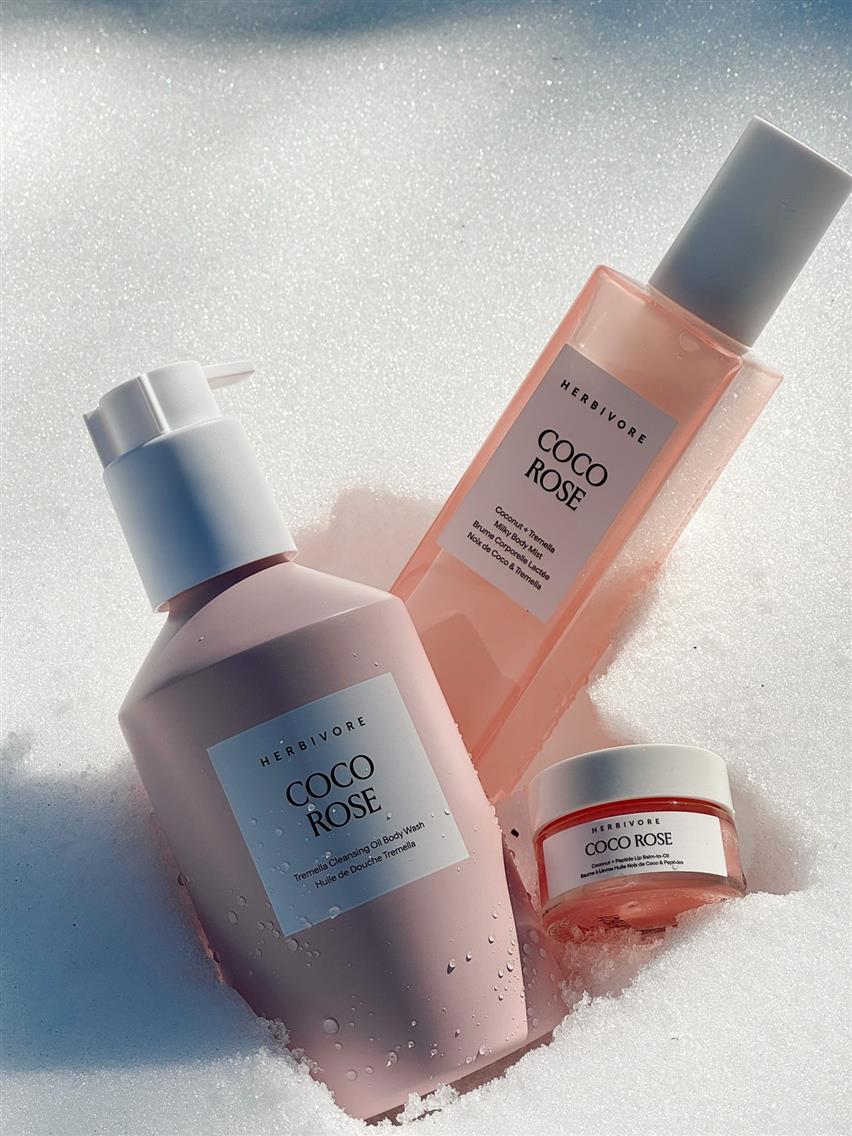
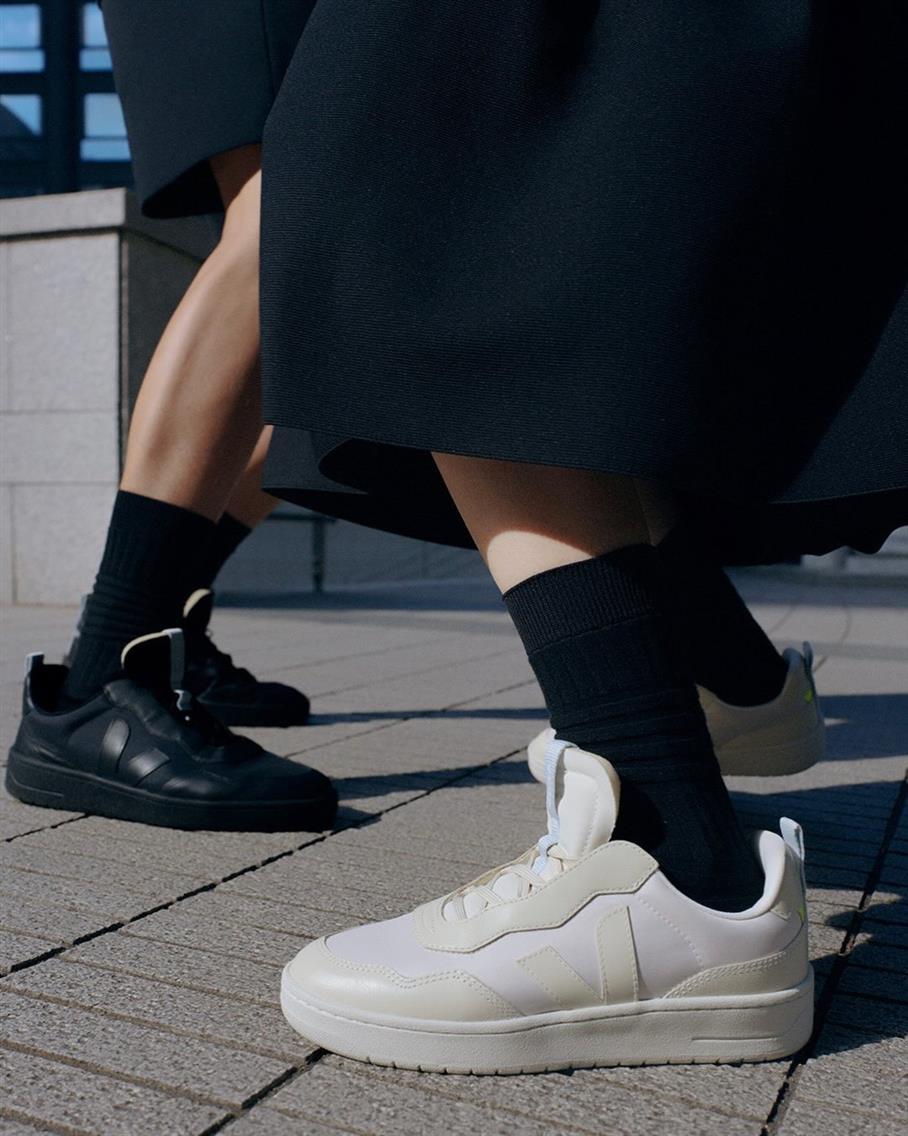
For fashion, jewelry, skincare, home goods, and wellness, the emotional context is the product. Customers aren’t buying fabric, metal, or formula; they’re buying a scene they want to step into.
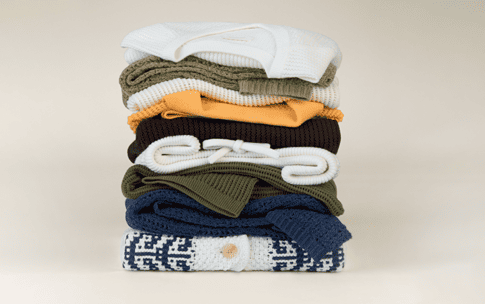
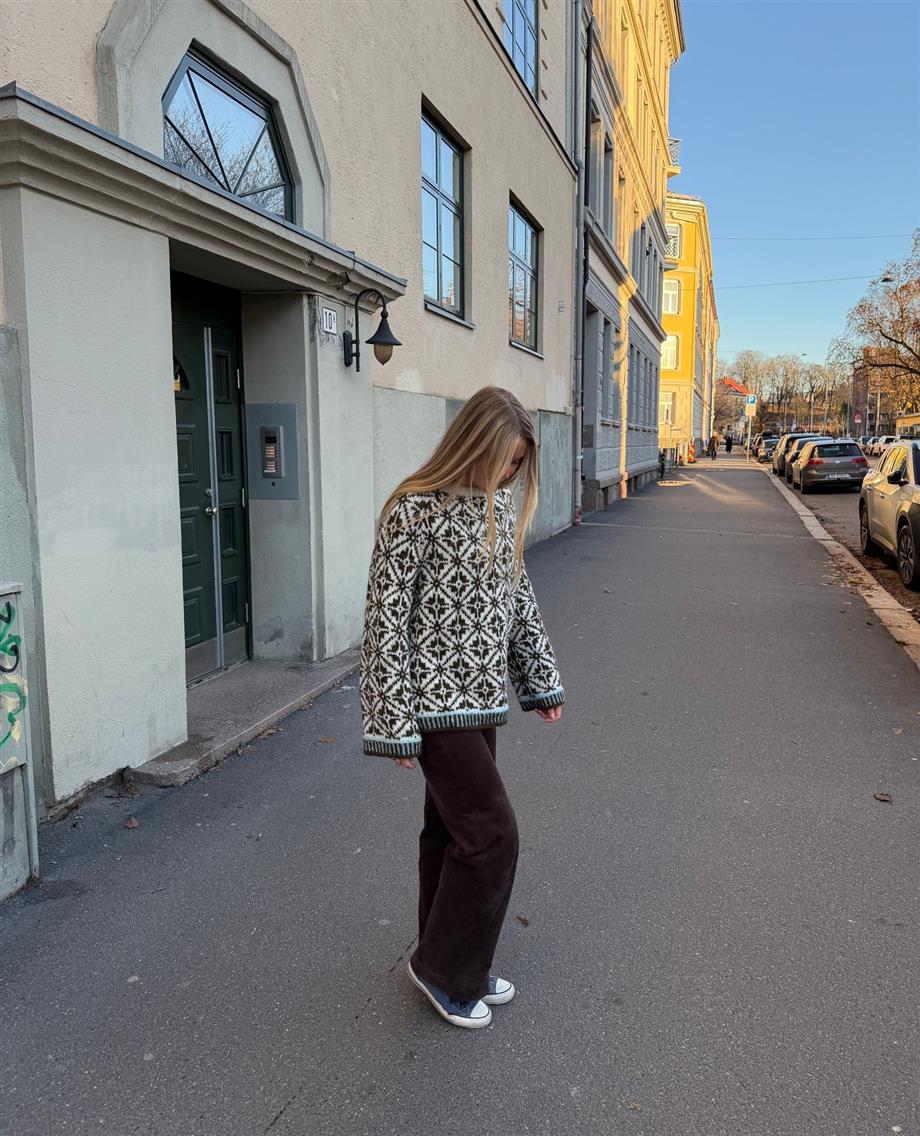
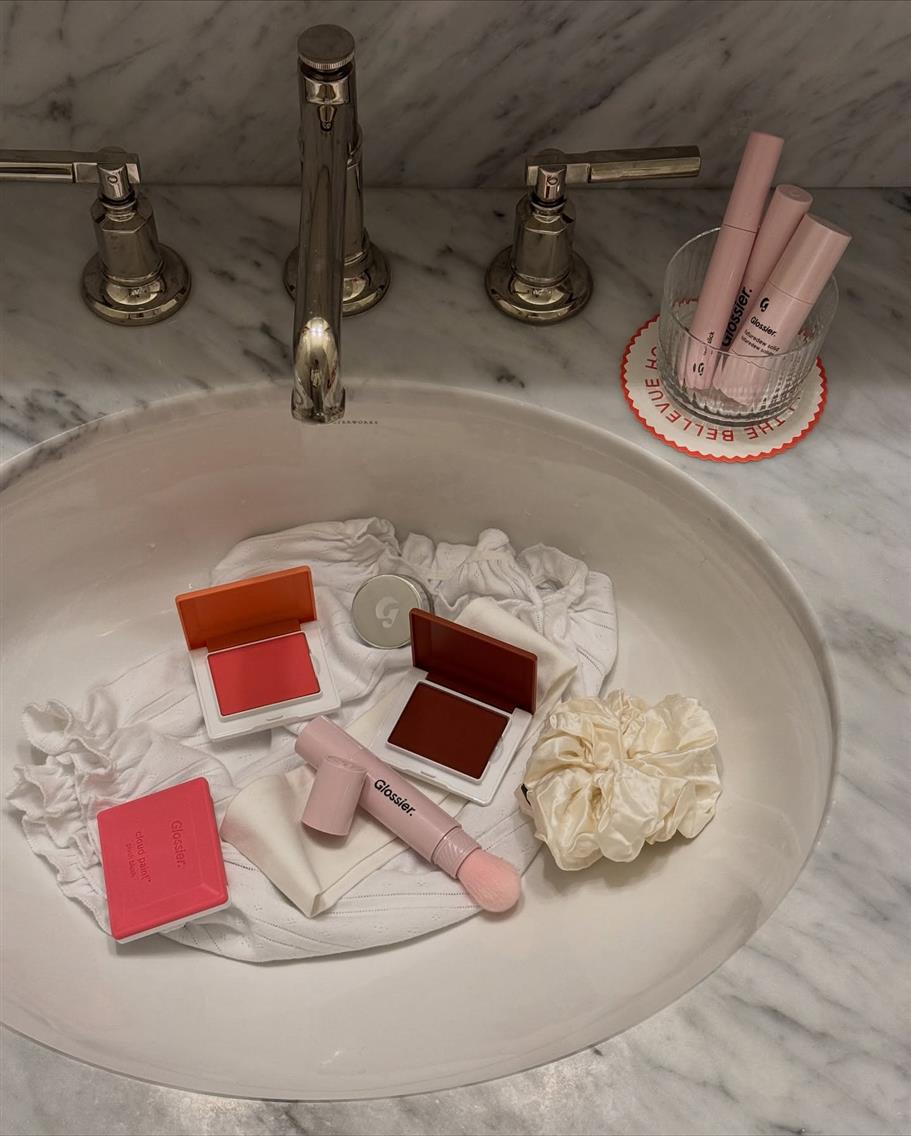
A knitwear label shooting on the streets of Copenhagen communicates effortless minimalism. The same collection photographed in a studio reads as generic. A cosmetics brand placing its products on a marble sink surrounded by natural light feels authentic; move it to a white cyclorama, and you lose that intimacy.
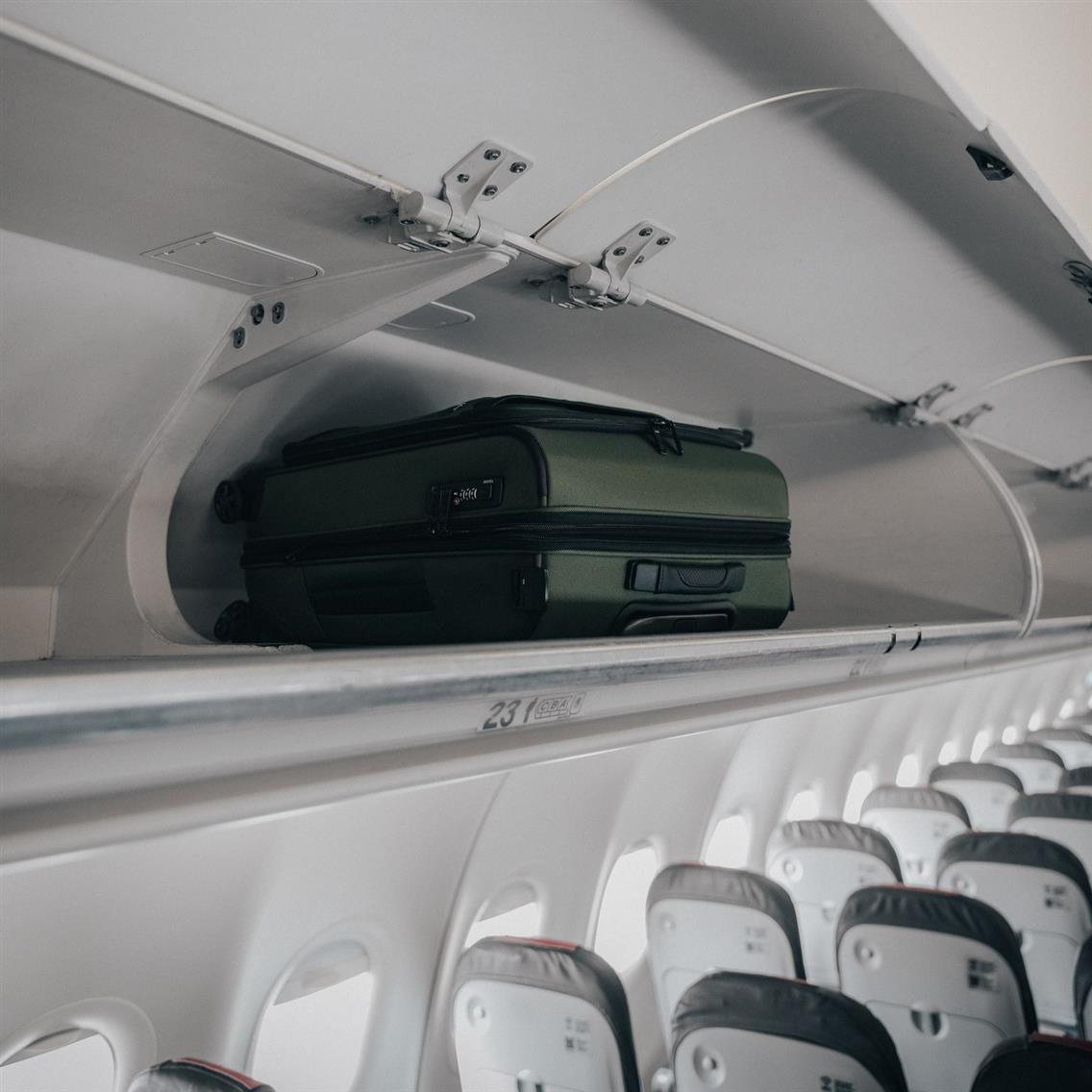
Even functional categories can benefit. A luggage company photographing travelers in real transit zones conveys trust and endurance. A home-tech brand showcasing its device in a designed apartment gives warmth to something otherwise perceived as cold tech.
3. When campaigns need high-performing brand content
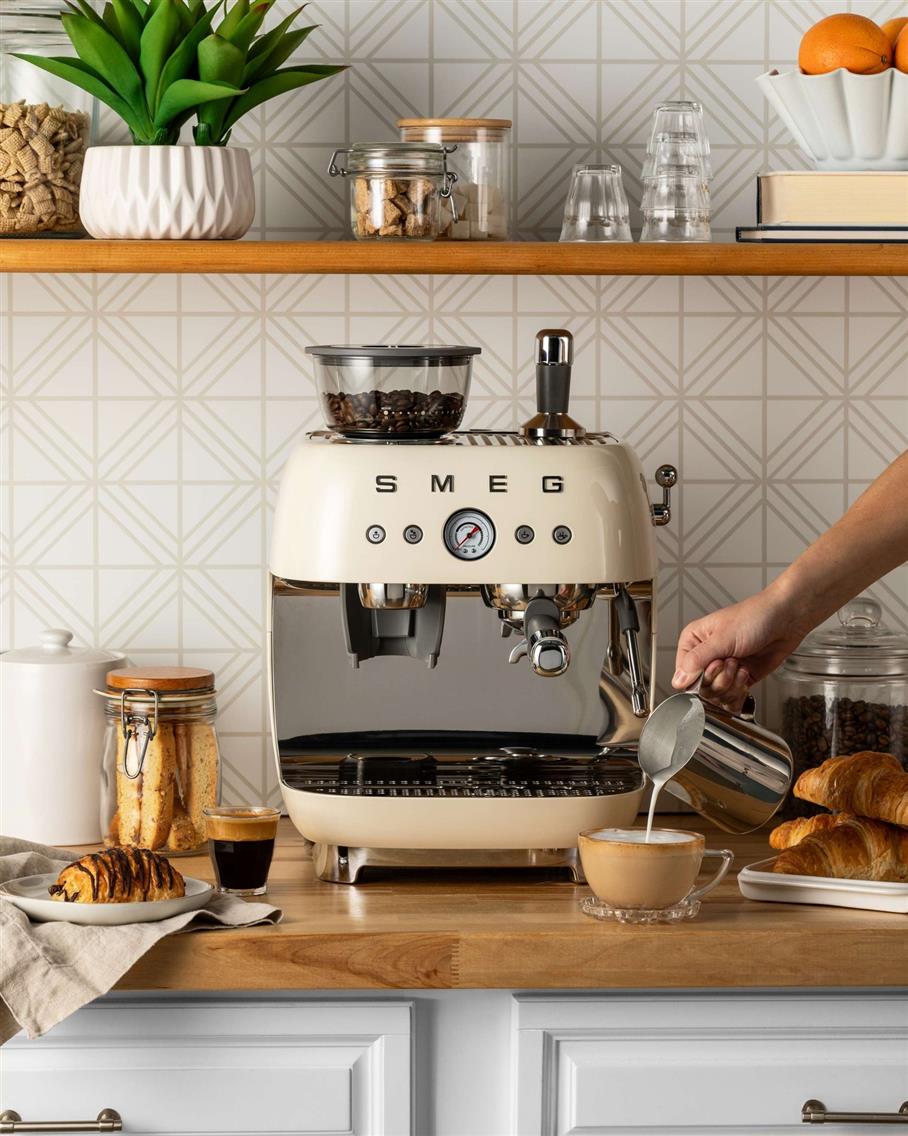
Studio imagery works for marketplaces and PDPs, but it doesn’t drive awareness or engagement. Paid social, PR, influencer, and editorial channels all demand visuals with atmosphere, and images that don’t look like ads.
A fashion startup running Meta ads will see lower CPMs and higher CTRs when its visuals look like lifestyle posts, not product renders. A jewelry brand pitching to Vogue editors must deliver narrative visuals that fit the magazine’s tone. A wellness company collaborating with influencers needs assets they can blend naturally into their feeds. None of that can be shot in isolation.
4. When product scale, material, or story demands real light
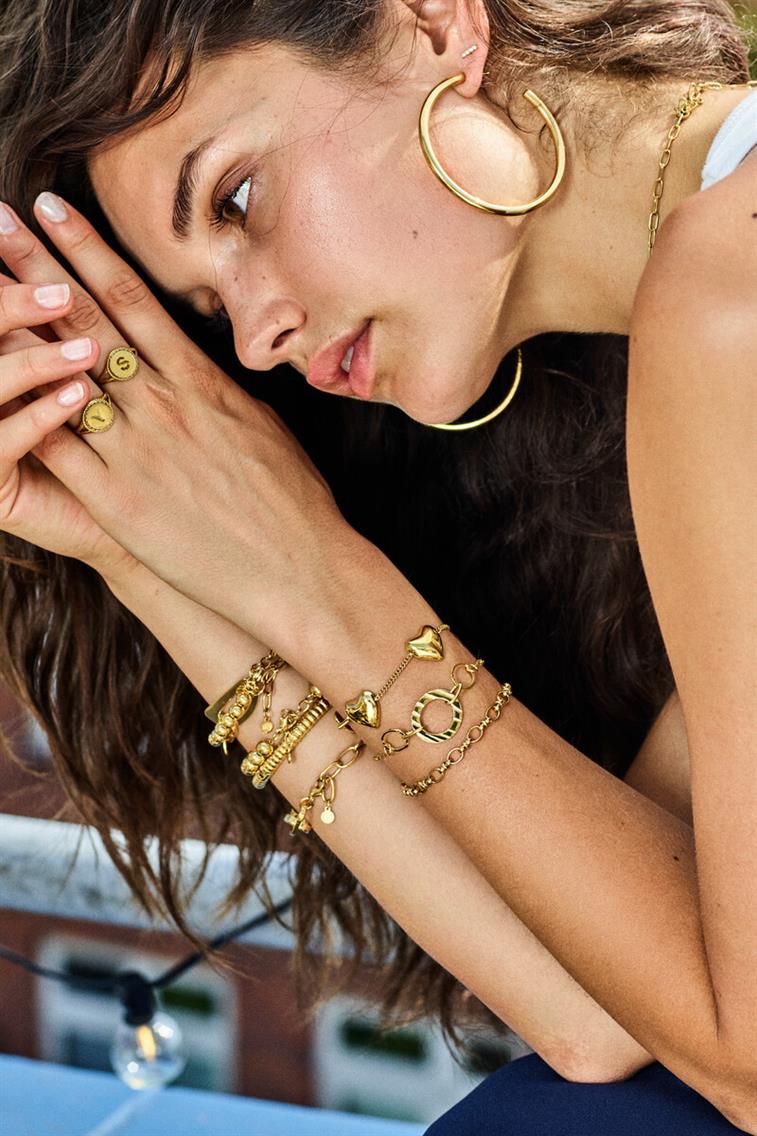
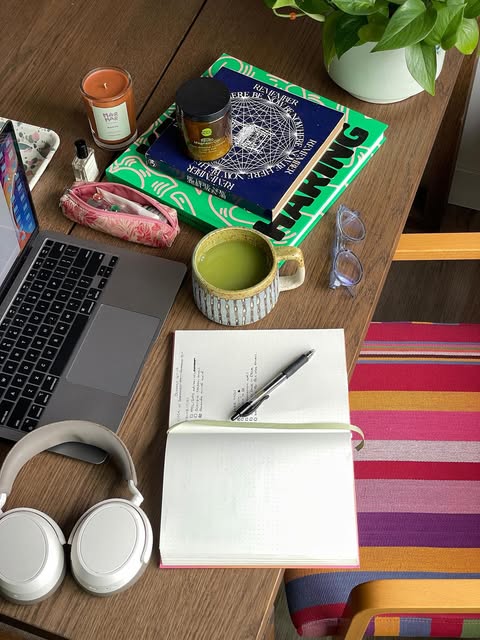
Some items simply can’t be understood in studio lighting. Reflective surfaces come alive only in uncontrolled, directional light. Furniture, large decor, and apparel with movement all require space to breathe.
Lifestyle brands, homeware designers, even bike and automotive accessories often discover that location light gives more accurate color, more believable proportion, and more editorial value per frame.
5. When the brand needs multi-channel longevity
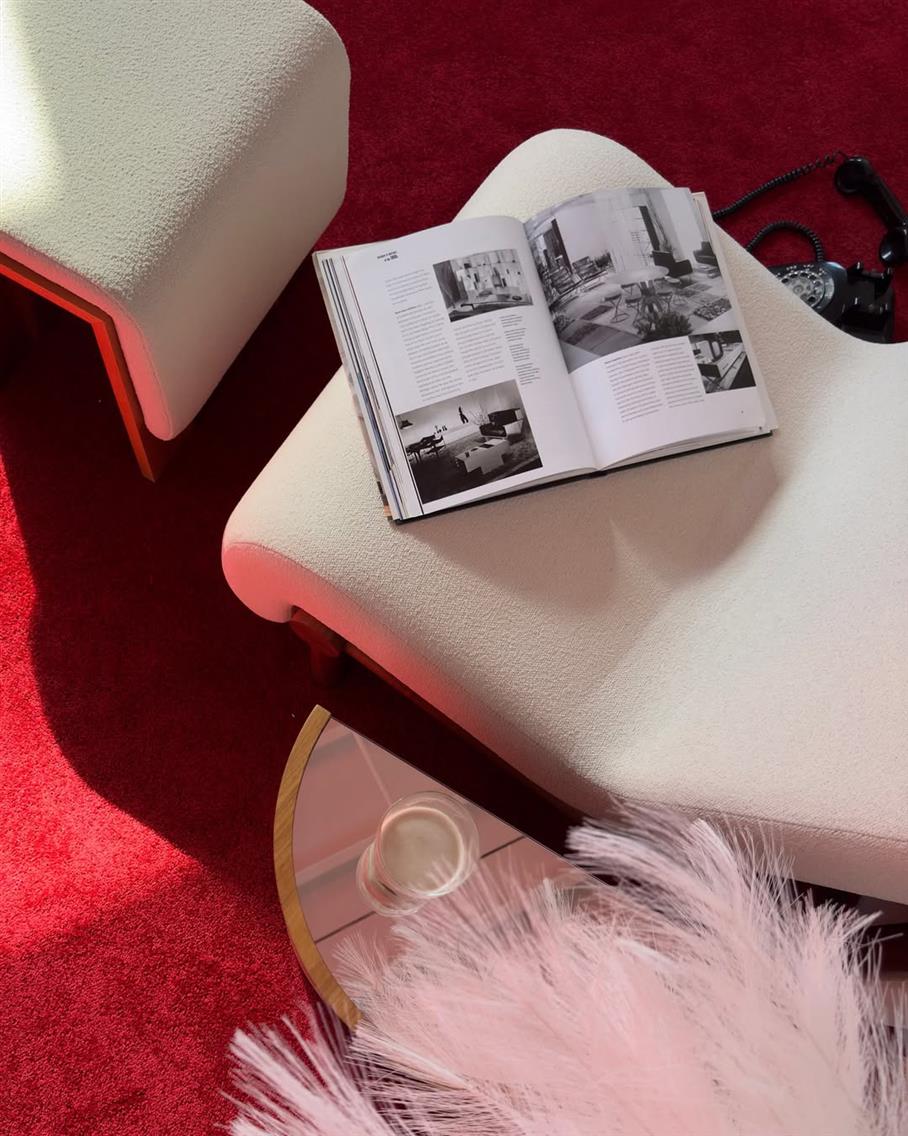
An on-location shoot often generates a quarter’s worth of content: hero shots for ads, lifestyle imagery for social, texture studies for product pages, and campaign assets for retailers. It’s a one-day production that expands across the brand ecosystem.
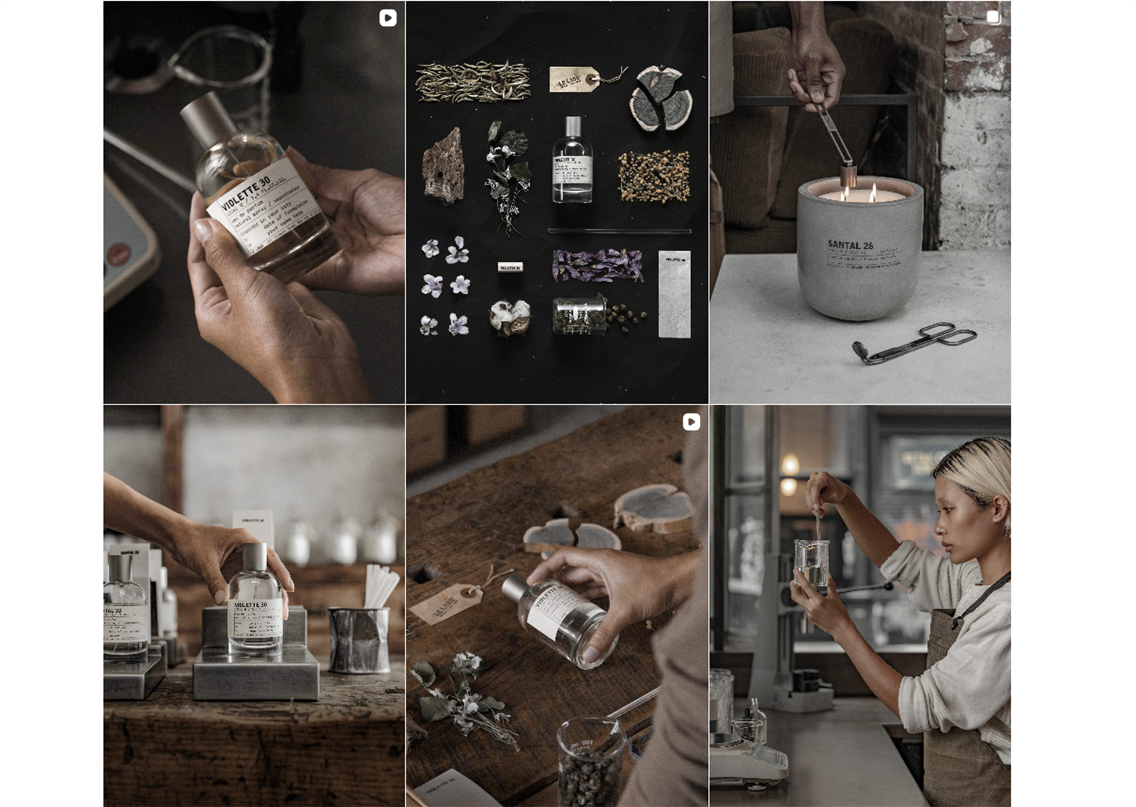
For the creative direction framework that translates location decisions into a shoot brief: Art Direction Guidelines for Jewelry and Fashion Brand Photoshoots
Planning a Lifestyle Shoot That Generates Usable Assets
Professional lifestyle shoots look natural but nothing about them happens by chance. Every effortless image is the result of detailed coordination between creative direction, production logistics, and channel requirements.
Start with distribution requirements, not creative ideas
A strong shoot plan starts not with creative concepts but with content requirements. Work backward from where the images will be used:
- Which visuals are needed for hero banners and campaign headers?
- Which formats need to crop well for vertical paid social placements?
- What detail or lifestyle cut-ins will support organic social storytelling?
- What assets does a retail partner or press kit require?
Every channel imposes different technical and compositional requirements. The shot list should reflect those requirements before anyone steps on set. A well-structured shot list balances essential locked frames with space for improvisation when light or environment adds unexpected value.
For a complete guide to preparing products and briefs before a shoot: Product Shoot Preparation Guide
Pre-production: scouting, scheduling, and styling
Site scouting should evaluate creative fit and production logistics simultaneously. A beautiful location that cannot accommodate the equipment, crew, or natural light requirements wastes the entire day. Permits, insurance, and access timing all require confirmation before the shoot date.
Scheduling around the sun path — not convenience — determines the quality of natural light available. Pre-light testing and mood sessions let the crew start shooting within minutes of arrival rather than spending hours finding the right angle. Group similar lighting setups together to maintain color consistency and reduce crew overtime.
Every prop in frame must be intentional, including the casual coffee cup, the towel edge, and the background chair. What appears incidental in the final image was placed deliberately during production.
For the full production team structure and each role's contribution to a lifestyle shoot: Understanding the eCommerce Photography Creation Process and Team Involved
The Role of Model Choice in Lifestyle Photography
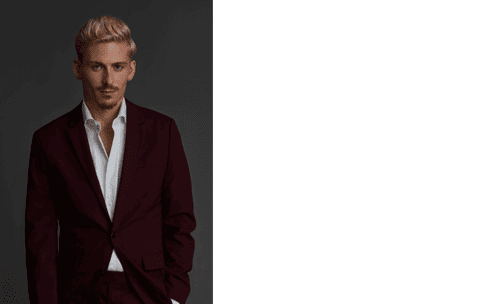
In lifestyle product photography, models bring the brand story to life. A relatable model helps customers imagine themselves using the product, turning a simple photo into an emotional connection. Whether it is a warm smile or a natural gesture, the model's presence makes the product feel authentic and desirable.
Selecting the right model means matching their age, style, and personality with the brand and target audience. The model should embody the brand's personality, whether it is bold, elegant, or casual, and be able to express genuine emotion rather than directed performance. Their style and aesthetic should complement the product's visual world, and their demographic profile should align with the brand's target customer.
A test shoot before committing to a full production reveals both fit and ability to take direction. Experienced models may cost more but often save time and deliver better results by reducing the number of frames needed to get a usable shot.
For a detailed guide on choosing the perfect model for a lifestyle shoot: The Smart Way to Find and Choose Models for Your Brand Photoshoot
Multi-angle capture for maximum asset value
Every setup should be treated as a content cluster. The same product, props, and environment can produce hero shots, detailed close-ups, vertical crops for social, and short motion loops. Efficient teams shoot with multiple focal lengths simultaneously — one wide establishing shot, one mid shot, one detail crop — so a single setup yields a complete set of deliverables under identical light.
Post-Production for Lifestyle Photography
On-location light is variable. Color temperatures shift across a shoot day, shadows move, and the visual consistency that makes a catalog feel designed rather than assembled requires deliberate post-production work.
A consistent post-production pipeline aligns all images from a lifestyle shoot into a single visual language. This means reference-based color grading, tonal consistency across the full asset set, and retouching that preserves the natural character of the environment while correcting distractions.
When the same studio manages both capture and post-production, the reference standards developed during shooting carry directly into editing. This prevents the mixed-sources look that undermines even strong photography — where individual images are technically correct but collectively feel like they came from different shoots.
For a complete technical guide to post-production workflow for eCommerce photography: Best Practices for Retouching eCommerce Product Photos
For retouching services and standards by product category: How Product Photo Editing Services Impact Online Sales
Lifestyle Photography Across Channels
Lifestyle imagery serves different functions on different platforms and should be planned for each rather than repurposed universally.
Website and product pages — lifestyle imagery on collection and homepage pages builds brand positioning and establishes the emotional register before a customer reaches individual product listings. It should complement the catalog photography on product pages, not replace it.
Social media — Instagram, Pinterest, and TikTok each reward different approaches to lifestyle content. Instagram builds brand world through consistent aesthetic territories. Pinterest serves purchase-intent discovery through aspirational, information-rich imagery. TikTok rewards authentic process-led content over polished editorial. For a complete guide to social media photography strategy for fashion brands: Social Media Photography for Fashion Brands
For the psychology behind why lifestyle photography outperforms product shots on social discovery platforms: Why Choose Lifestyle Photography for Your Brand's Social Media
Paid advertising — lifestyle creative consistently outperforms product-only creative in paid social environments where content is evaluated in under a second. The emotional register of lifestyle imagery drives click-through rates that product documentation cannot match in awareness and consideration placements.
Email marketing — lifestyle imagery prevents content fatigue across a subscription period where the same template repeats. A mix of catalog documentation and lifestyle context communicates both product range and brand world across a campaign sequence.
Press and editorial — publications and media partners require narrative imagery that fits their own editorial aesthetic. Lifestyle photography produced to editorial standards opens doors that catalog photography cannot.
Marketplace and multi-channel distribution — for a complete guide to distributing visual content across all channels: Multichannel Visual Content Strategies for eCommerce
Packaging content — unboxing and packaging photography is a lifestyle content type that performs particularly well on TikTok and Instagram Stories. For how packaging photography works across channels: Packaging Photography and Videography
What are the Main Industries That Can Benefit from Lifestyle Photography?
Lifestyle photography's potential spans across industries. Tech companies use it to humanize and explain the utility of their gadgets, wellness brands use it to inspire self-development, and home goods brands use it to evoke comfort and aspiration. Any industry that offers a product or service with a human connection, whether aspirational, practical, or emotional, can use lifestyle photography to interact more meaningfully with customers. Let’s explore some of the key industries that can reap the rewards of lifestyle photography.
Fashion & Apparel
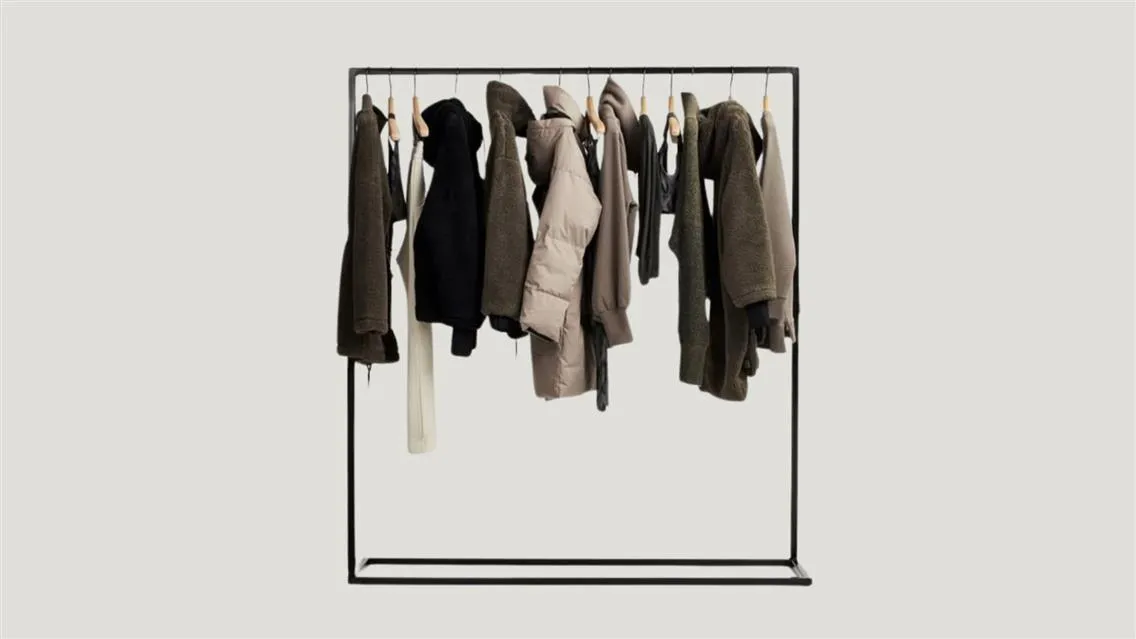
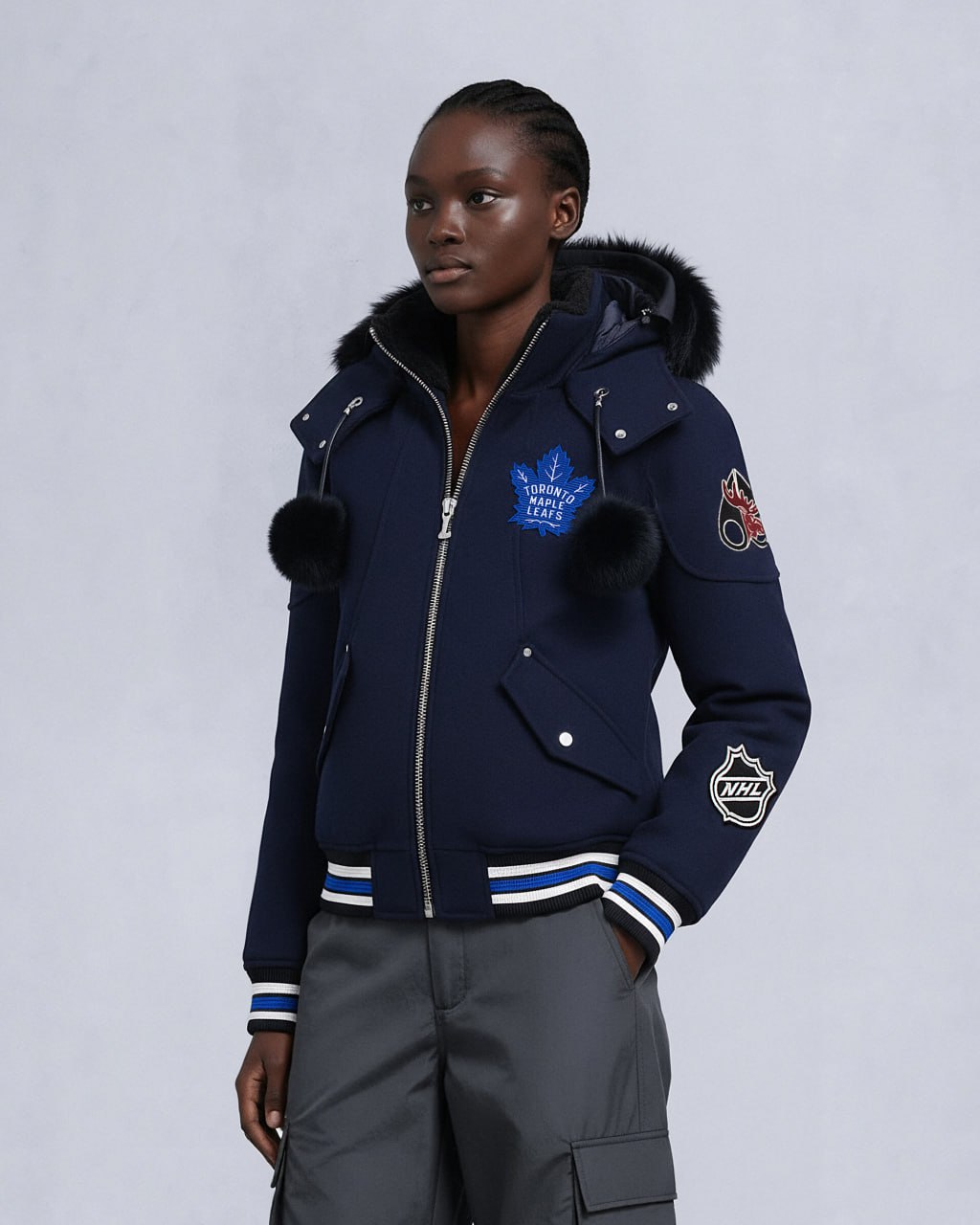
Fashion thrives on visual storytelling. Lifestyle images show customers how clothing fits into real life, whether it’s streetwear for daily activities or formal attire for special events. These visuals help customers imagine themselves wearing the products in relatable or aspirational settings.
For fashion-specific photography strategy: Professional Fashion Photography for eCommerce Brands
For visual marketing strategies from leading fashion brands: 8 Visual Marketing Strategies from Leading Fashion Brands
Jewelry
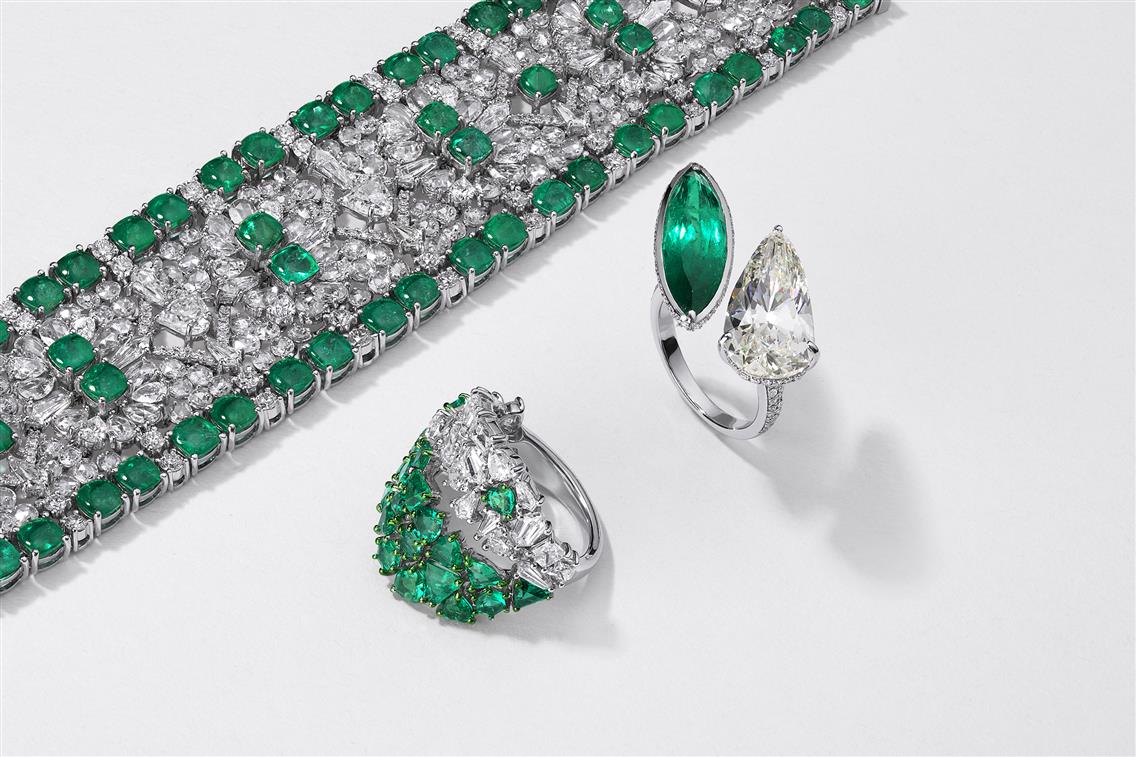
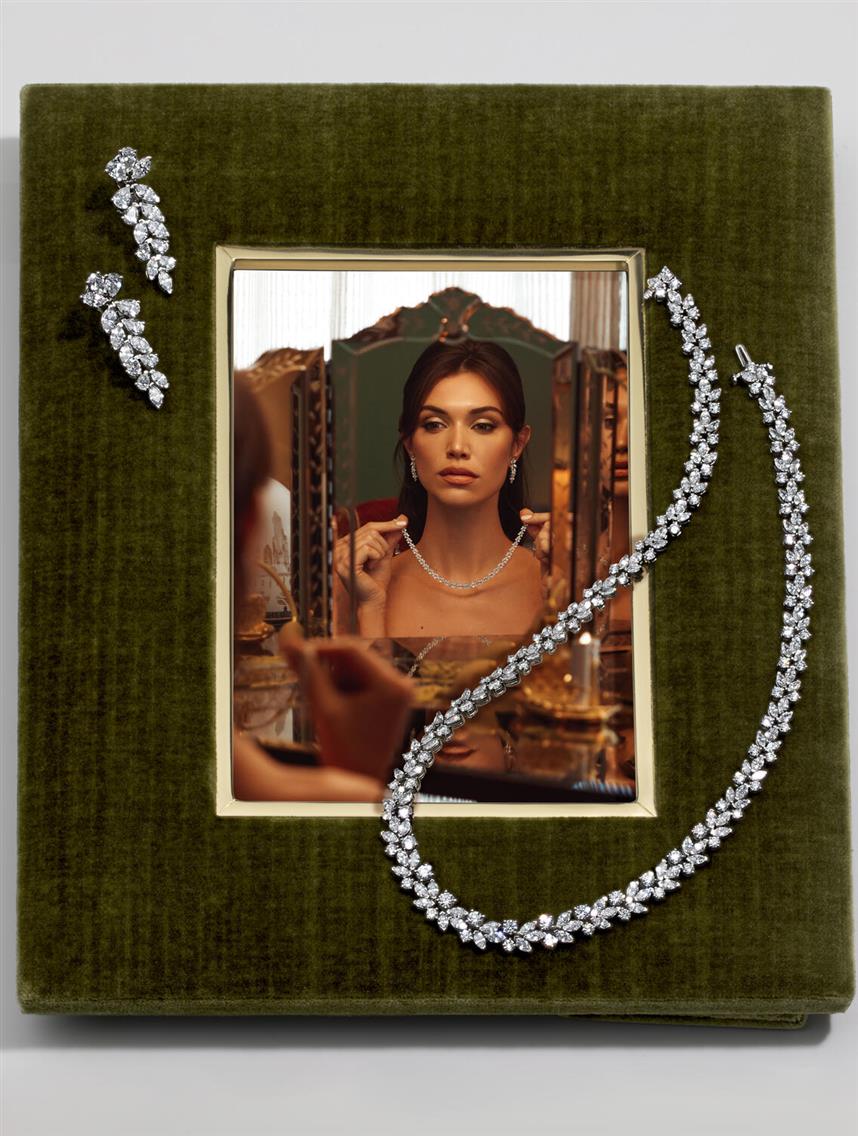
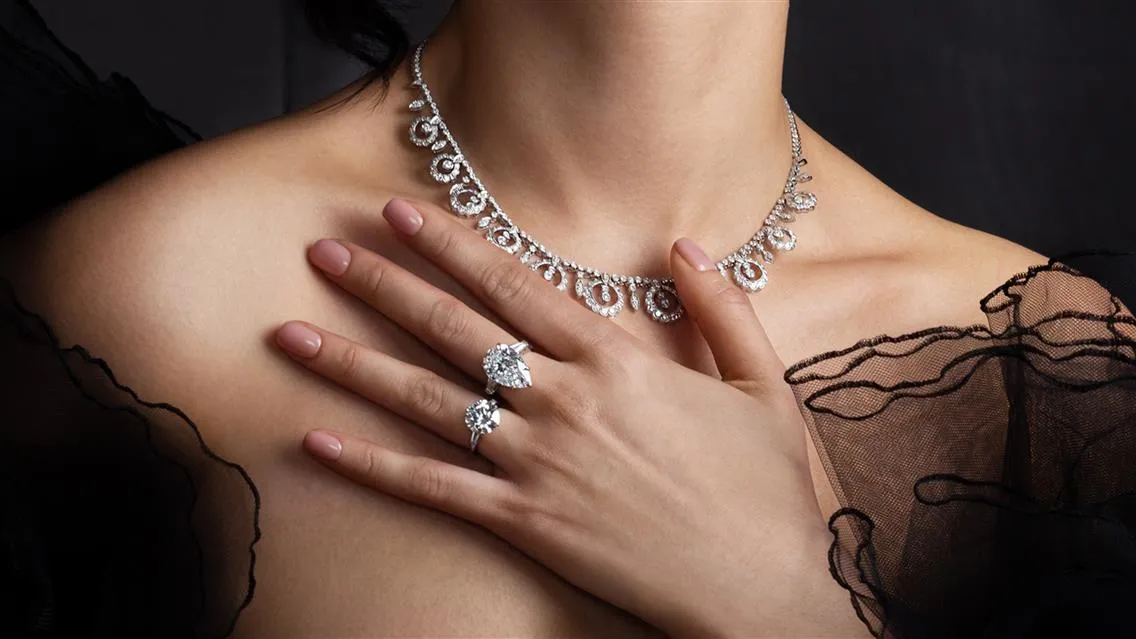
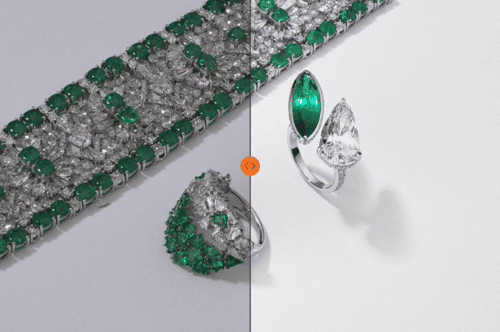
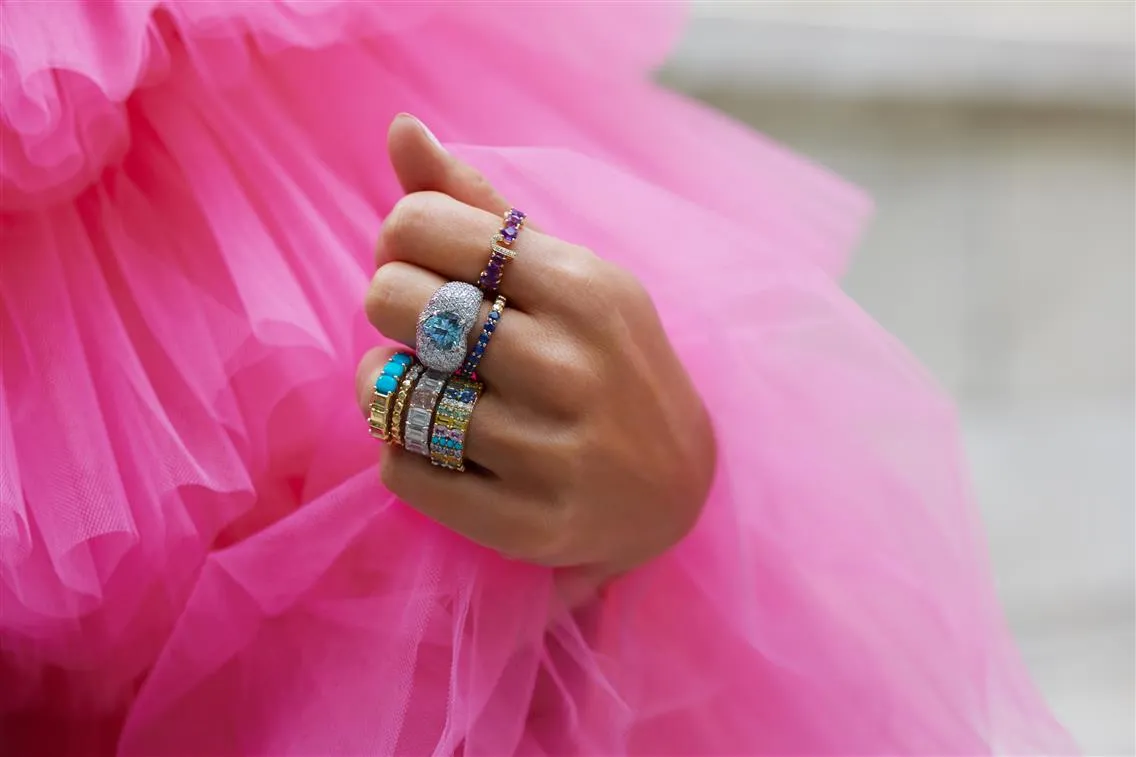
Jewelry often evokes emotion and memories. Lifestyle photography shows how pieces shine in everyday moments or life’s most memorable events, making them feel personal and versatile.
For a complete guide to jewelry photography across catalog, still life, lifestyle, and editorial: eCommerce Brand's Guide to Jewelry Photography
For how luxury jewelry brands use lifestyle photography to communicate value: Photography That Appeals to Luxury Jewelry Buyers
For visual marketing strategies from leading jewelry brands: 6 Visual Marketing Strategies from Leading Jewelry Brands
Beauty, Health & Wellness
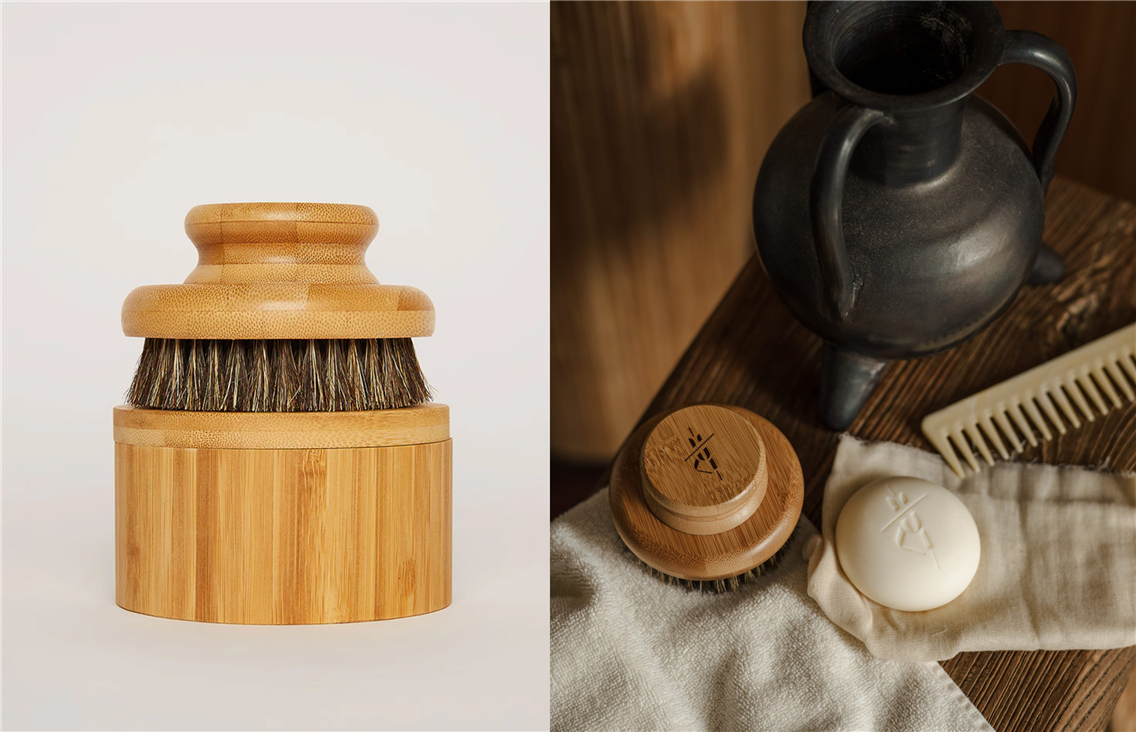
In beauty, health, and wellness, lifestyle images illustrate enhanced daily routines. These visuals create an emotional connection by portraying real-life moments where products support self-care and well-being, inviting consumers to imagine the positive impact on their lives. Lifestyle imagery helps brands inspire trust and align products with a holistic, healthy mindset.
For beauty and cosmetics photography techniques: Macro Beauty Photography for Makeup, Cosmetics, and Skincare Brands
For fragrance photography specifically: How Perfume Photography Turns Invisible Scents into Brand Stories
For visual marketing strategies from leading beauty brands: 7 Beauty Brands Redefining Visual Marketing Strategies
Technology & Gadgets
Tech products can be intimidating, but lifestyle photography humanizes them. By showing gadgets being used in relatable environments, brands demystify their products and make them feel essential.
Home Goods & Decor
Customers want to see how decor and home goods fit into real-life spaces. Lifestyle images lead customers to decisions by showing these items in beautifully styled, yet attainable environments.
Lifestyle photography is adaptable across industries, turning products into experiences. Whether you’re in fashion, tech, food, or beyond, the right imagery creates emotional connections that drive consumer action.
What Does Lifestyle Photography Cost?
The cost of lifestyle photography varies based on several factors, including:
- Creative director’s fee
- Producer’s fee
- Photographer’s fee
- Assistants’ fees (steaming the clothes, carrying equipment around)
- Location costs
- Talent fees (models)
- Stylist fees (wardrobe, hair, make-up)
- Additional crew (lighting, assistants, etc.)
- Wardrobe and props
- Photo retouching
- Usage rights for images
Because so many specialists are involved simultaneously, a structured studio that manages all of these internally is significantly more efficient than assembling individual freelancers for each role. The production cost is not just paying for a single shoot — it is investing in a content library that serves multiple channels across an extended period. For a detailed breakdown of how to plan and allocate a photography production budget: Photography Financial Planning and Budget Allocation
How to Choose the Best Partner for Lifestyle Photography
Finding the right photography partner means reviewing their portfolio for relevant industry experience, ensuring their creative vision matches the brand, and confirming they offer flexibility, clear communication, and efficient project management within the production budget.
Look specifically at whether they can manage creative direction, production logistics, and post-production under one roof. Fragmented production — where photography, retouching, and creative direction are handled by separate unconnected parties — produces inconsistency that undermines even strong individual work.
For a detailed guide on choosing the right photography studio: How to Choose an eCommerce Photography Studio