

How Product Photo Editing Services Impact Online Sales
Scrolling through websites of product photo editing providers can feel like déjà vu: everyone promises “high quality,” “fast turnaround,” and “affordable pricing.” But once you dig deeper, the differences between them are massive. Some can handle 5,000 SKUs in a week; others struggle with 50. Some keep your colors consistent across a catalog; others send back a mix of tones that don’t match on your storefront.
For business owners and photographers, the right question is not only how to find a sweet deal, but how to choose a partner who can actually support your brand’s or your clients’ needs. The wrong choice costs more than money: it means delayed launches, mismatched visuals, lost sales, and a damaged reputation.
This guide breaks down the exact criteria you should use when evaluating editing services. From portfolio checks and pricing models to workflow integration and long-term scalability, you’ll see what separates a reliable partner from a risky gamble.
For the complete guide to product photography production before retouching begins: The Ultimate Guide to eCommerce Product Photography
Stages of Product Photography Editing
Culling/Photo Selection: This is the process of selecting the best images from a shoot, filtering out any that are poorly lit, off-angle, or unfocused. Only the most suitable images are sent forward for editing to ensure quality.
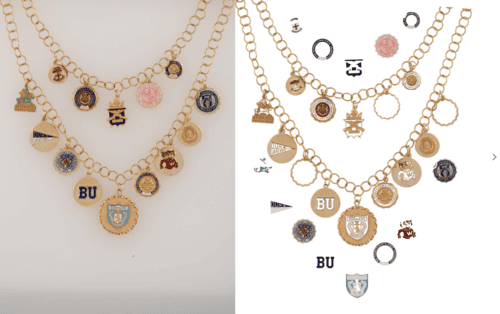
Clipping: This isn’t just about isolating your product from the background. It’s also about creating layers so we can adjust colors and details with precision, ensuring your product looks its best.
Basic Editing: This stage includes cropping and resizing images to fit specific platform requirements, ensuring all product images are correctly aligned and displayed at their best.
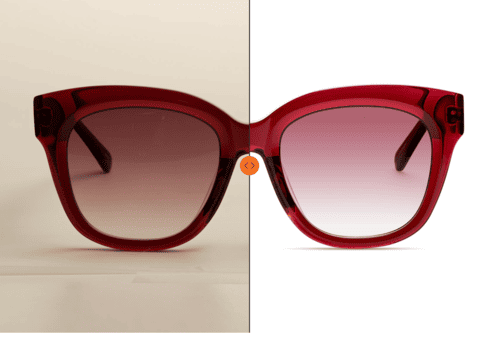
Background Removal or Replacement: We either clean up the existing background or replace it with something that complements your brand aesthetic.
Removing Imperfections: Dust, scratches, and unwanted reflections are removed to present the product in its best light. This is particularly important for high-detail products like jewelry, where even minor imperfections can be highly visible. But it is important to say that we don’t alter a product, we simply enhance it.
Color Correction: This is where we make sure the colors are true to life. Customers expect what they see online to match what arrives at their door, and color correction helps us achieve that.
Detail Enhancement: Sharpening, adding reflections or shadows, and enhancing textures help make the product stand out while keeping it realistic. These enhancements give the product a more tactile and visually engaging appearance, increasing its appeal without distorting its true characteristics.
Core Factors to Evaluate in Product Photo Editing Services
High Quality and Consistent Product Photo Editing
When reviewing a provider’s portfolio, you should test it against very specific markers of professional editing. Here are three practical checks:
- Texture retention
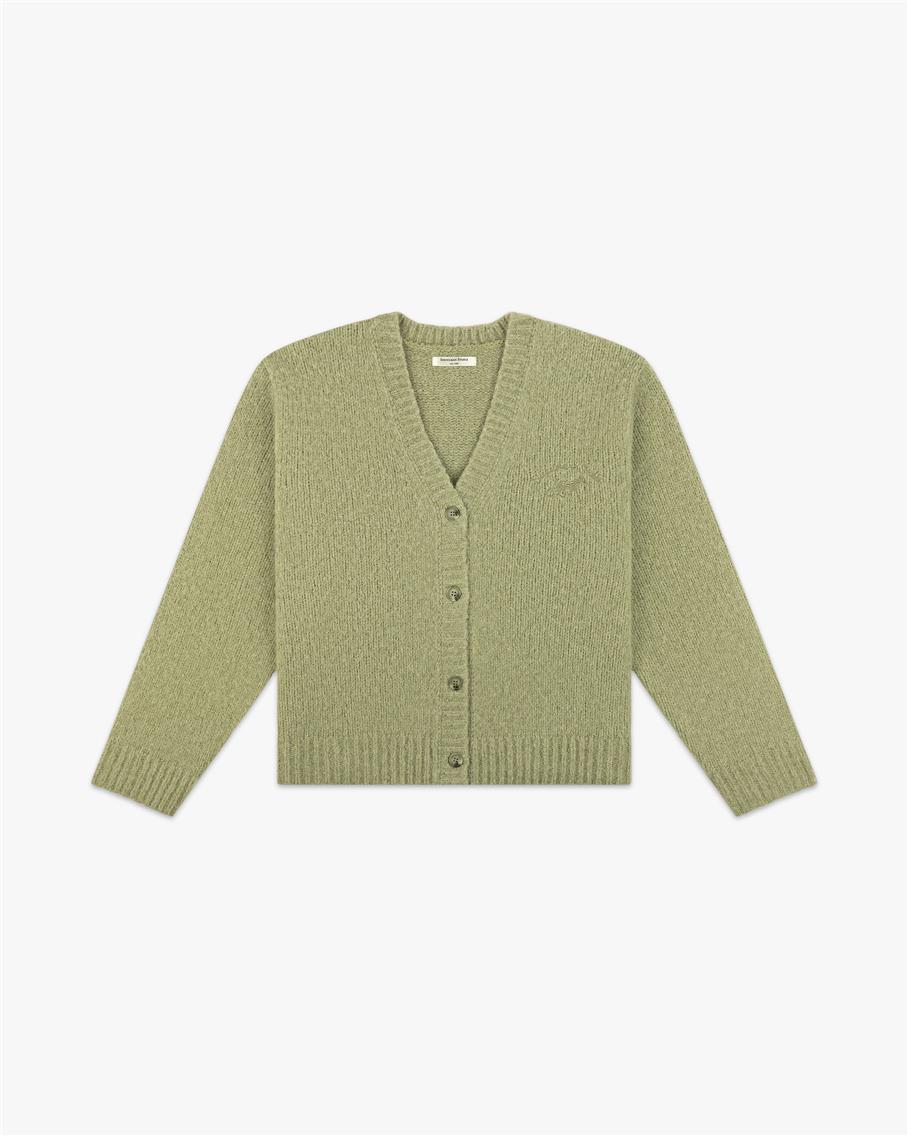
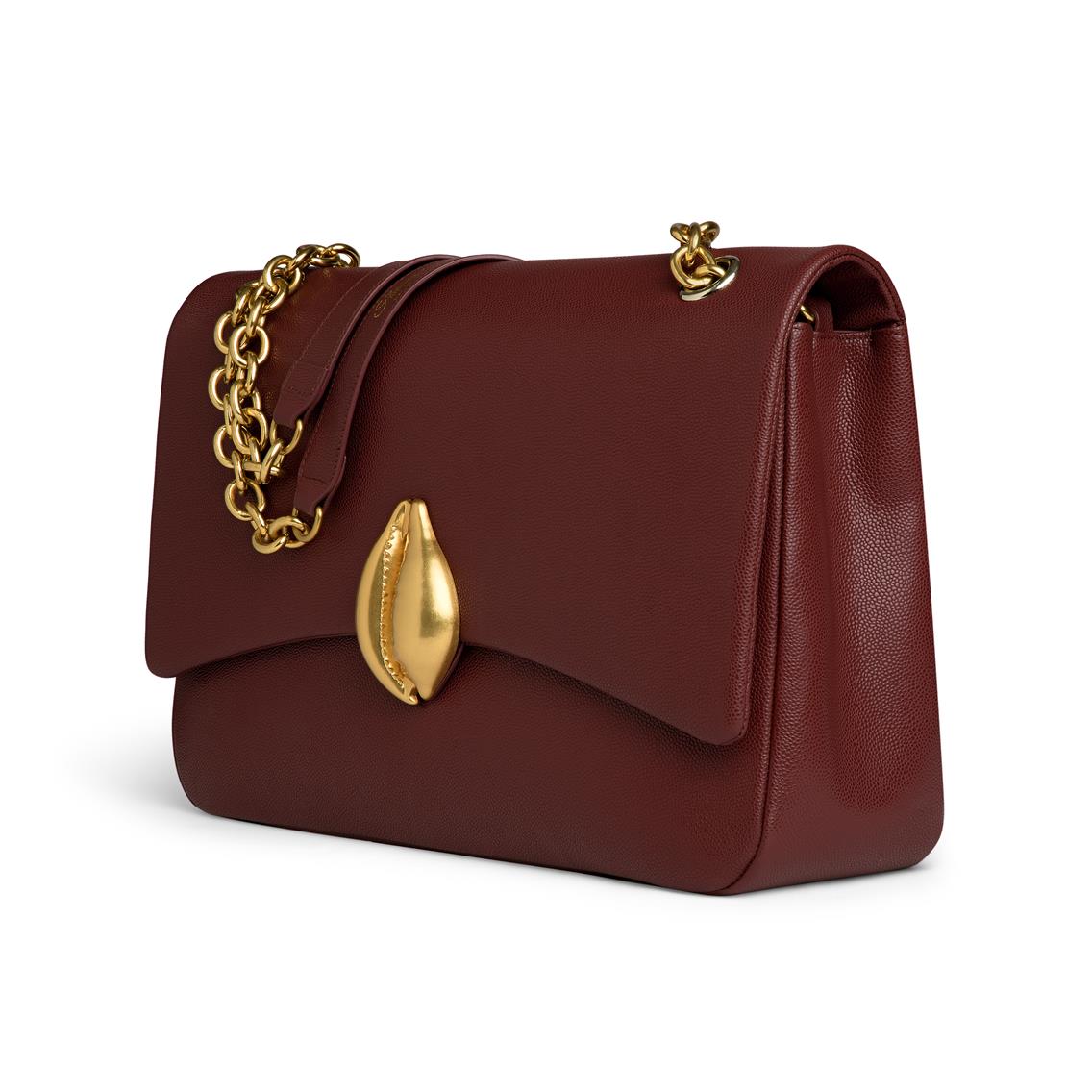
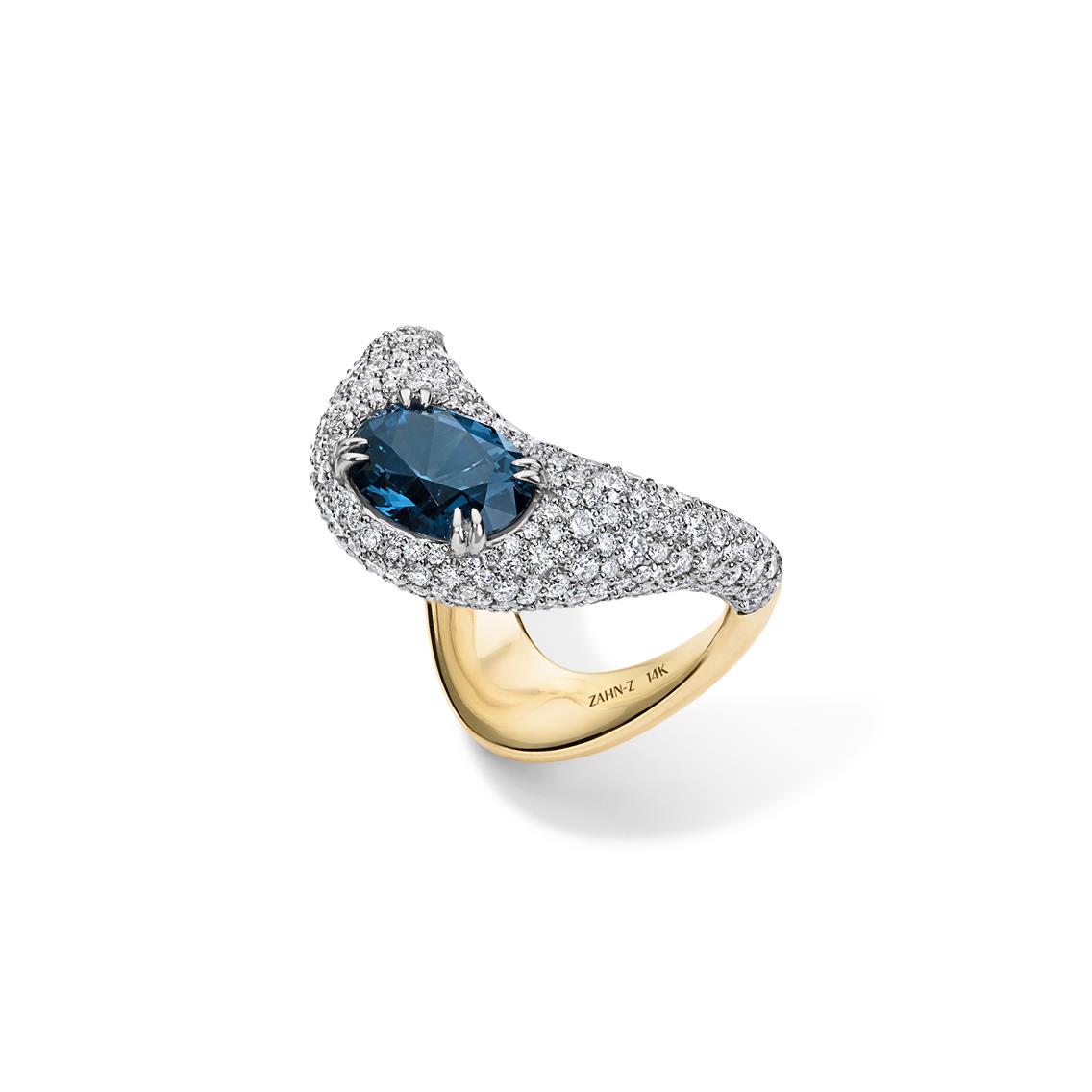
Fabrics should show weave, leather should keep its grain, and gemstones should reflect light naturally. If editing makes everything look like flat plastic, it’s a sign of poor retouching.
- Color accuracy across sets
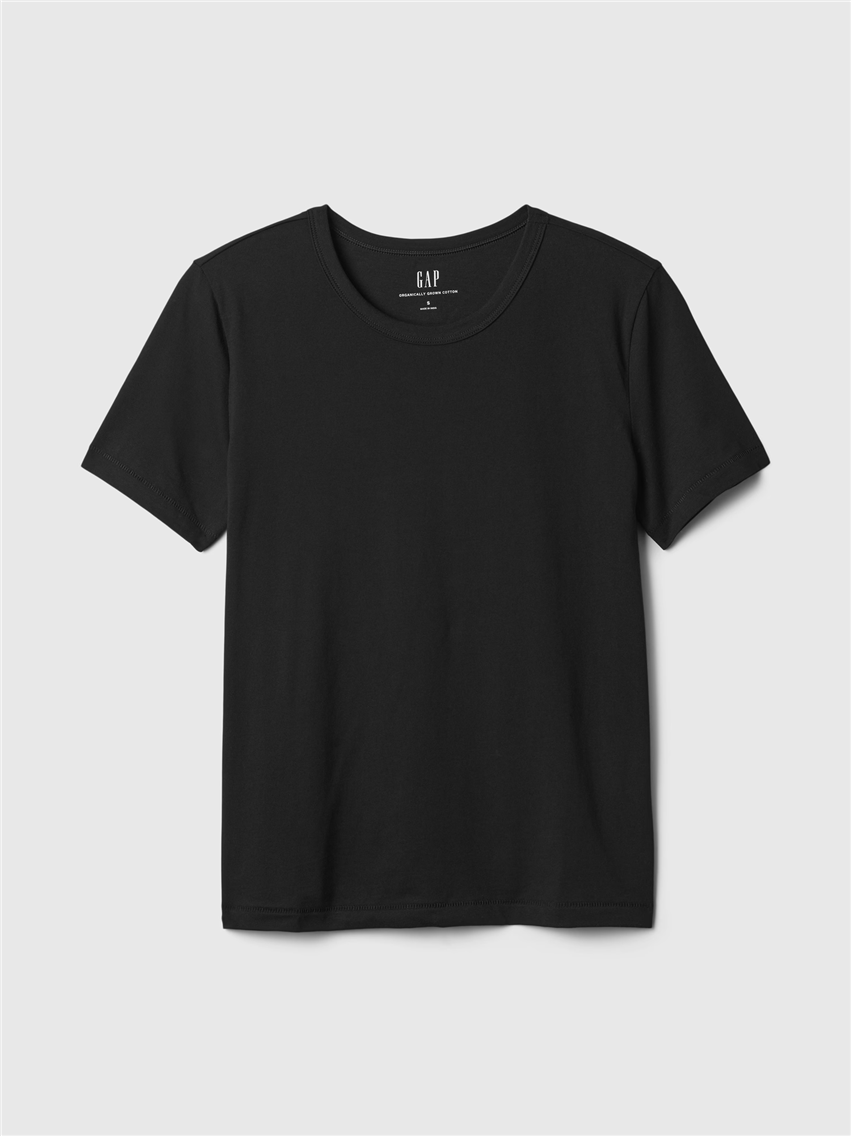
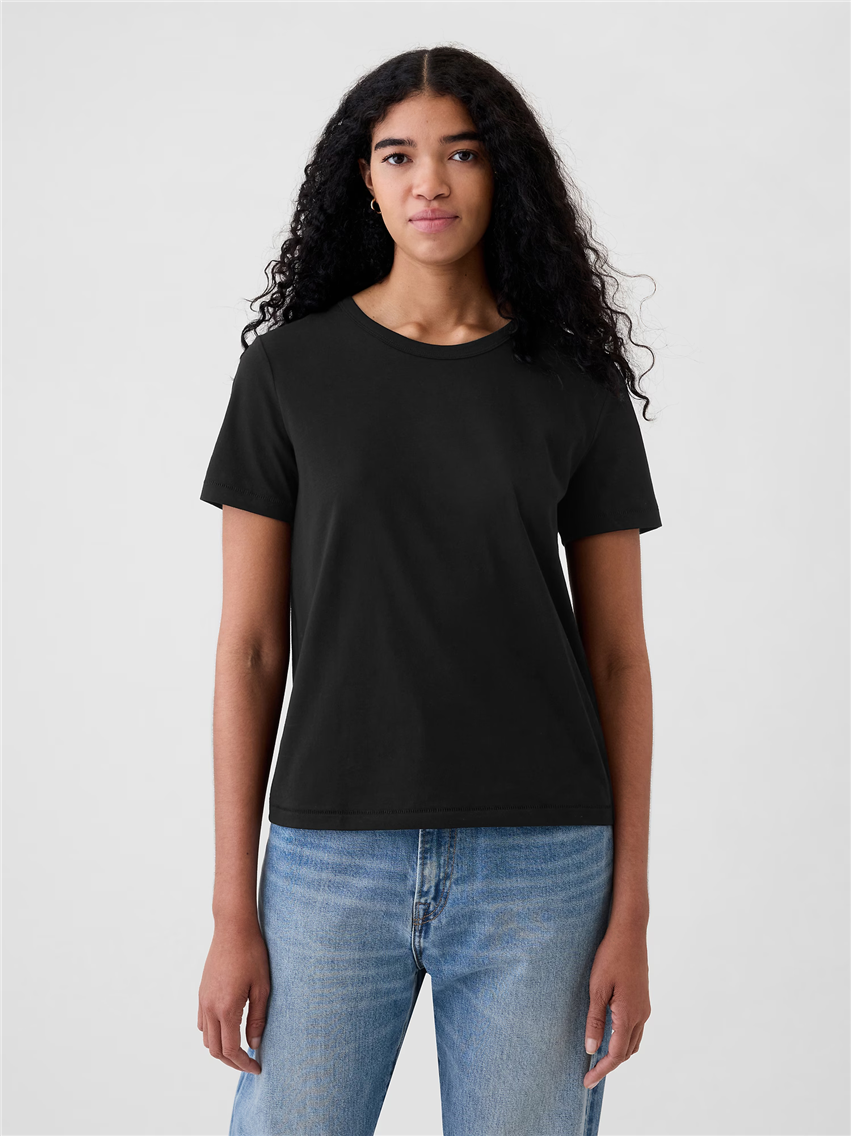
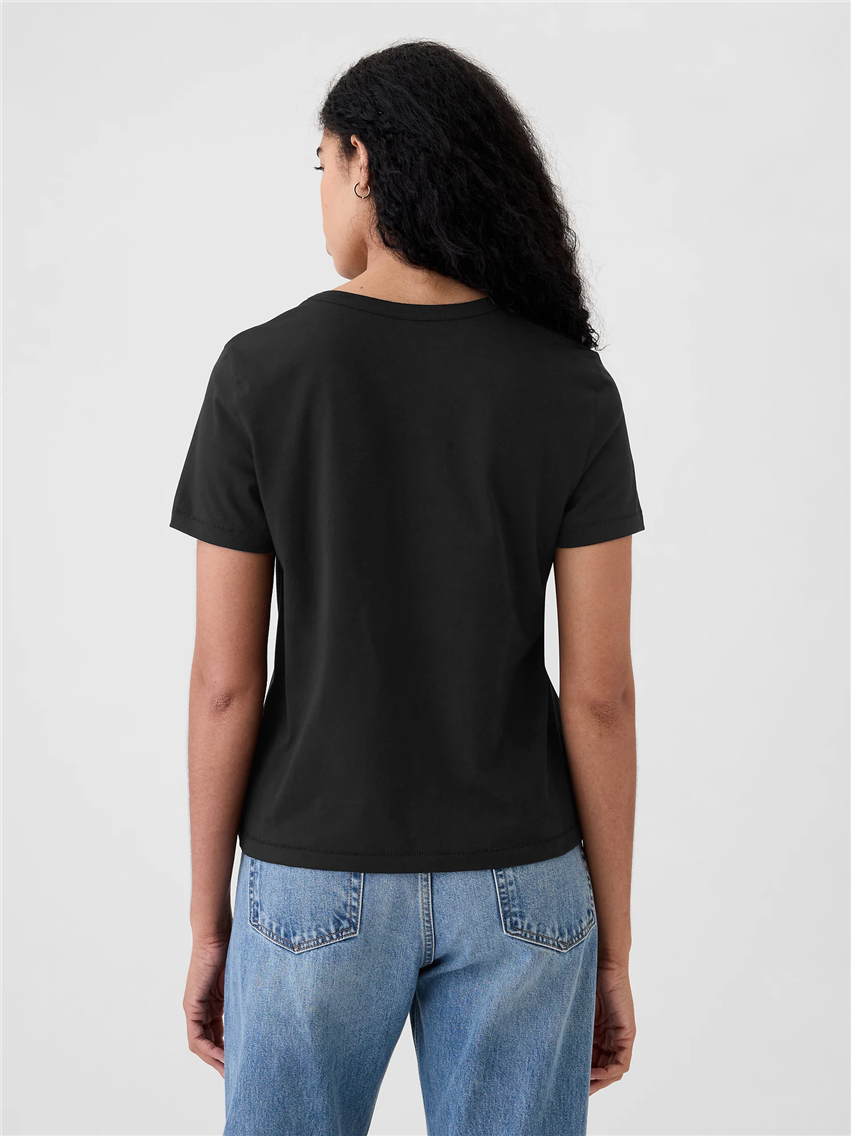
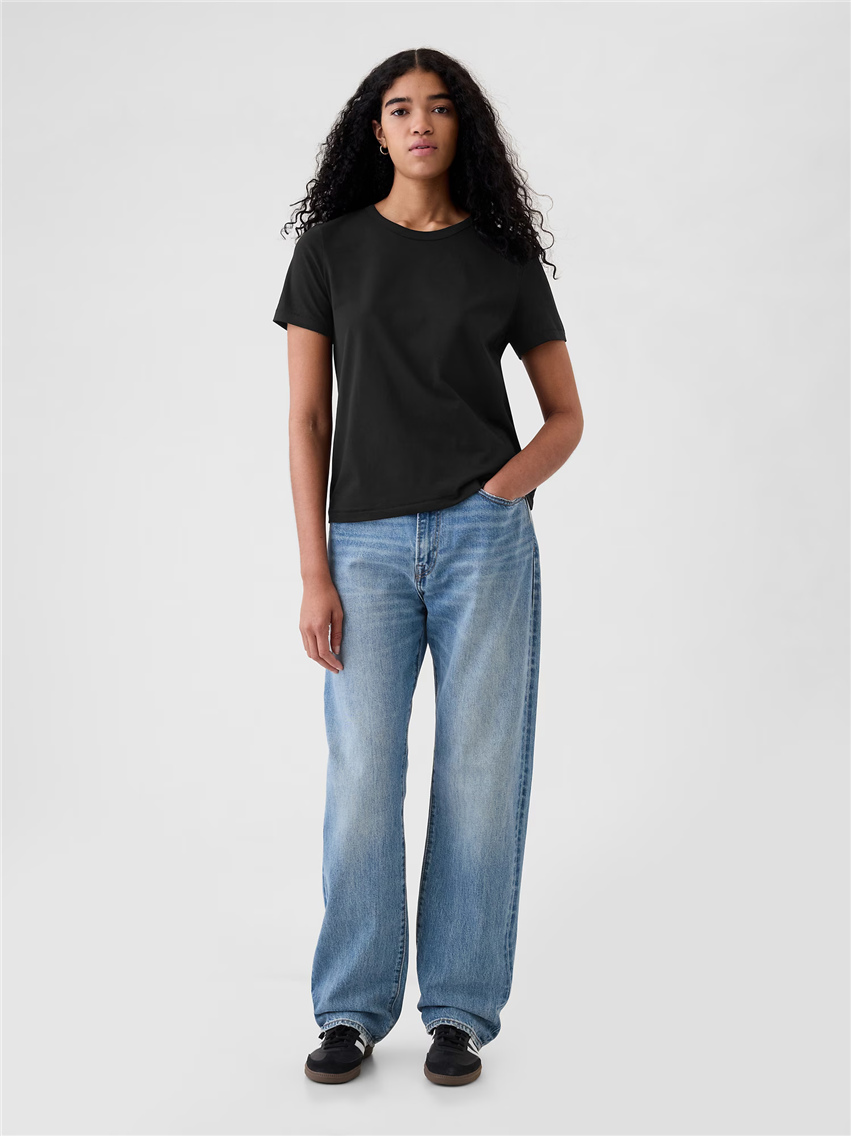
A “black” T-shirt should look like the same black in every image, not washed out in some and jet black in others. Ask how the provider ensures color matching (do they work with calibrated monitors? Do they use color reference charts during editing?).
- Catalog-wide consistency
If you can, browse a gallery of 50+ images, not just a few highlights. Are the crops uniform? Are shadows treated the same way? Inconsistency here creates a fragmented brand impression on a site or marketplace storefront.
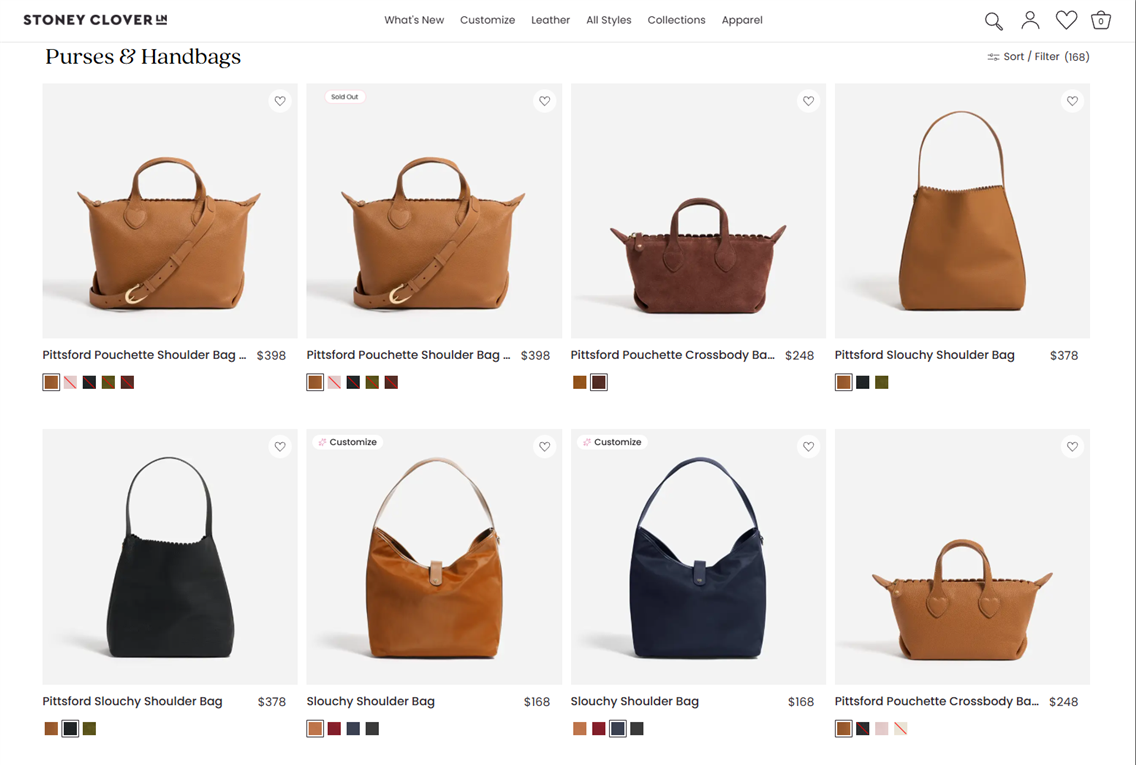
Professional studios address these issues by establishing editing standards for each client — essentially a visual manual that covers shadows, crop ratios, margins, background, retouching specifications, contrast levels, and even how small details like reflective surfaces should be handled. Without this framework, consistency relies on individual editors’ judgment, which is where brands often start to see mismatches. Figure out whether the provider can replicate the same standard across hundreds of files, week after week. That’s where the real value lies.
Tailored Approach to Professional Photo Editing Services
When comparing editing providers, you’ll quickly realize that “editing is a cluster of highly specialized workflows. The demands of a jewelry brand are completely different from those of an apparel retailer, and both differ from fashion houses running editorial campaigns. LenFlash structures its services around these specific categories, ensuring each product type gets the editing it actually requires.
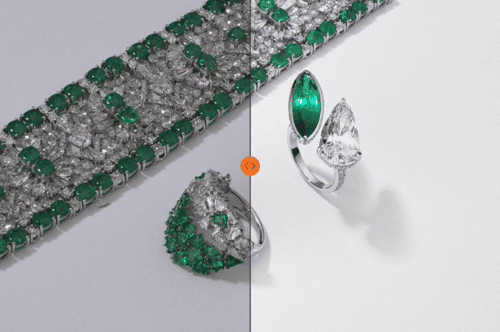
Jewelry & Watch Retouching
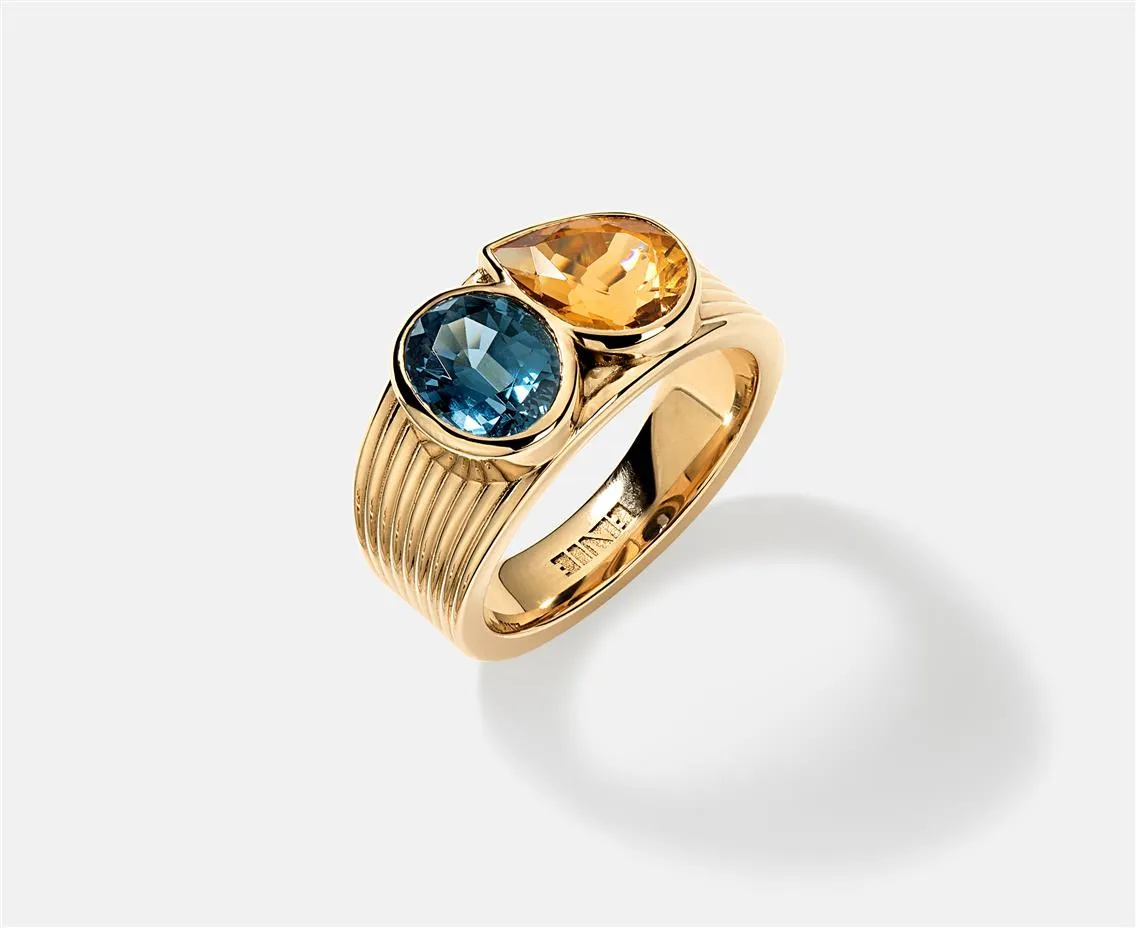
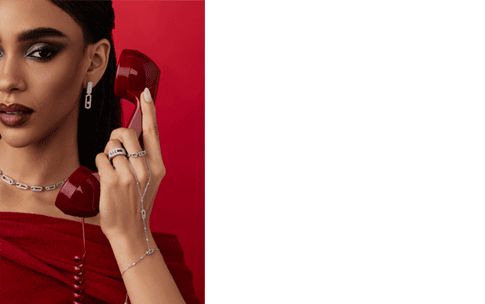
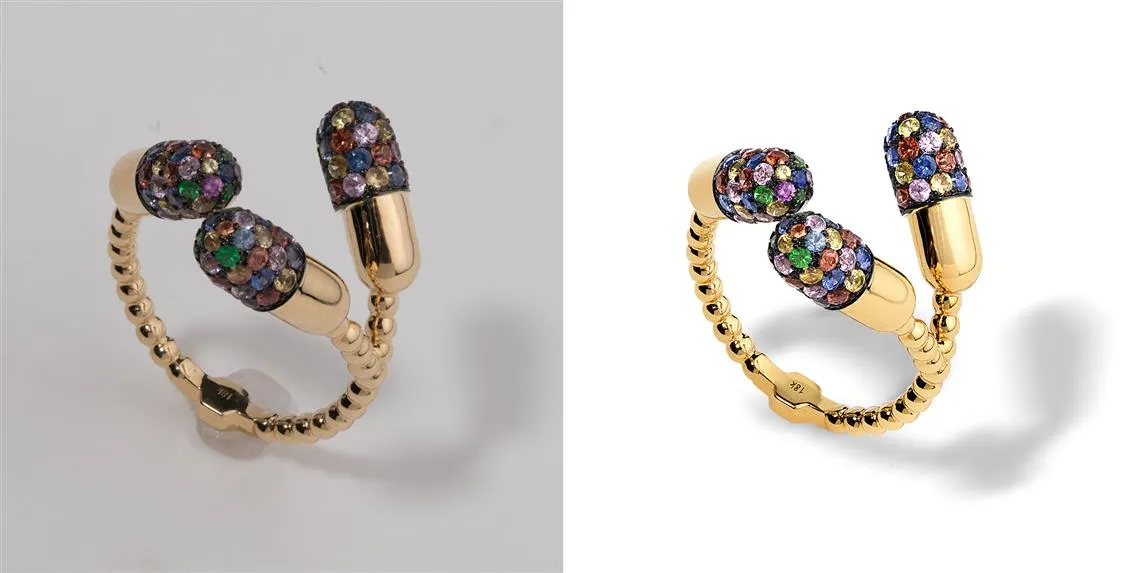
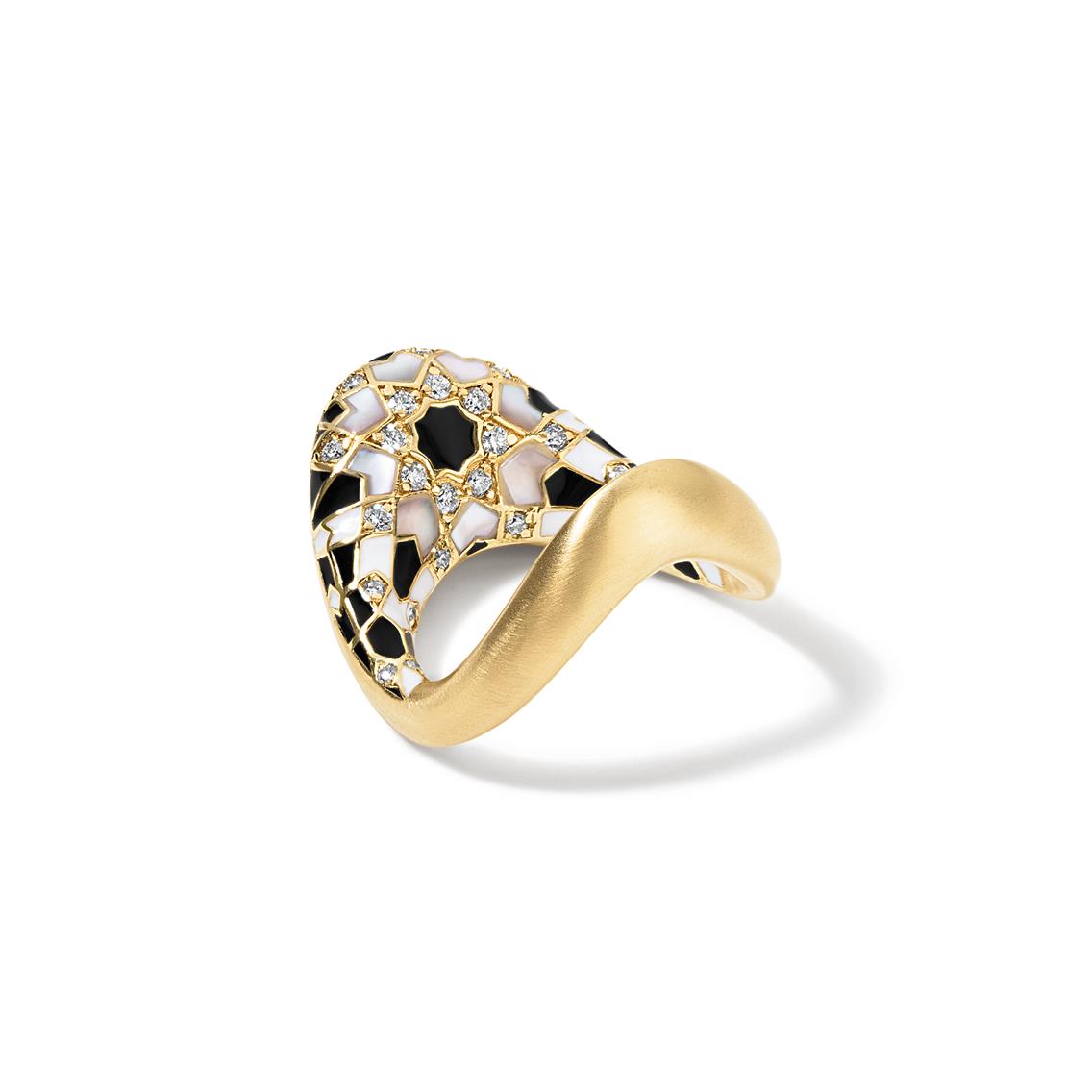
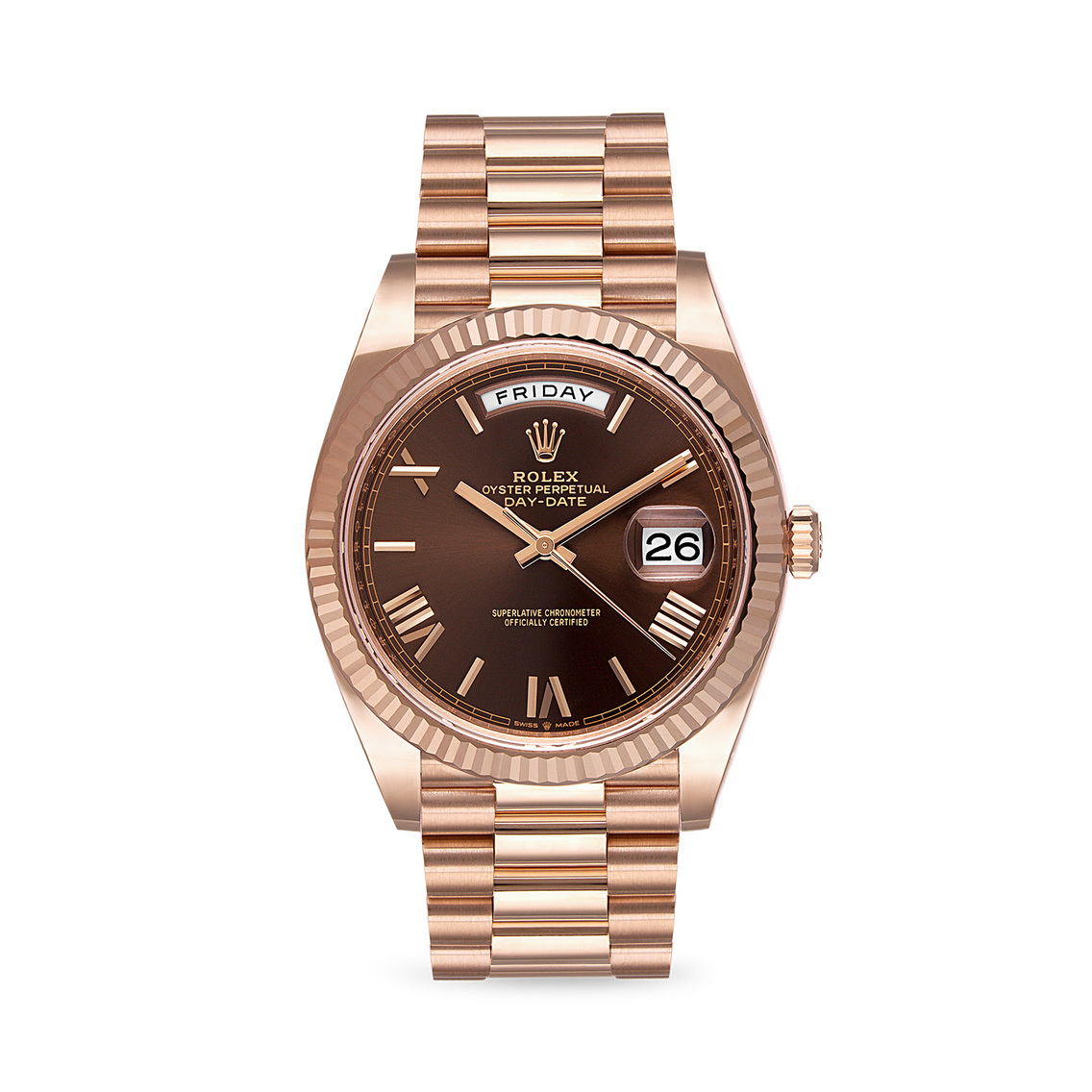
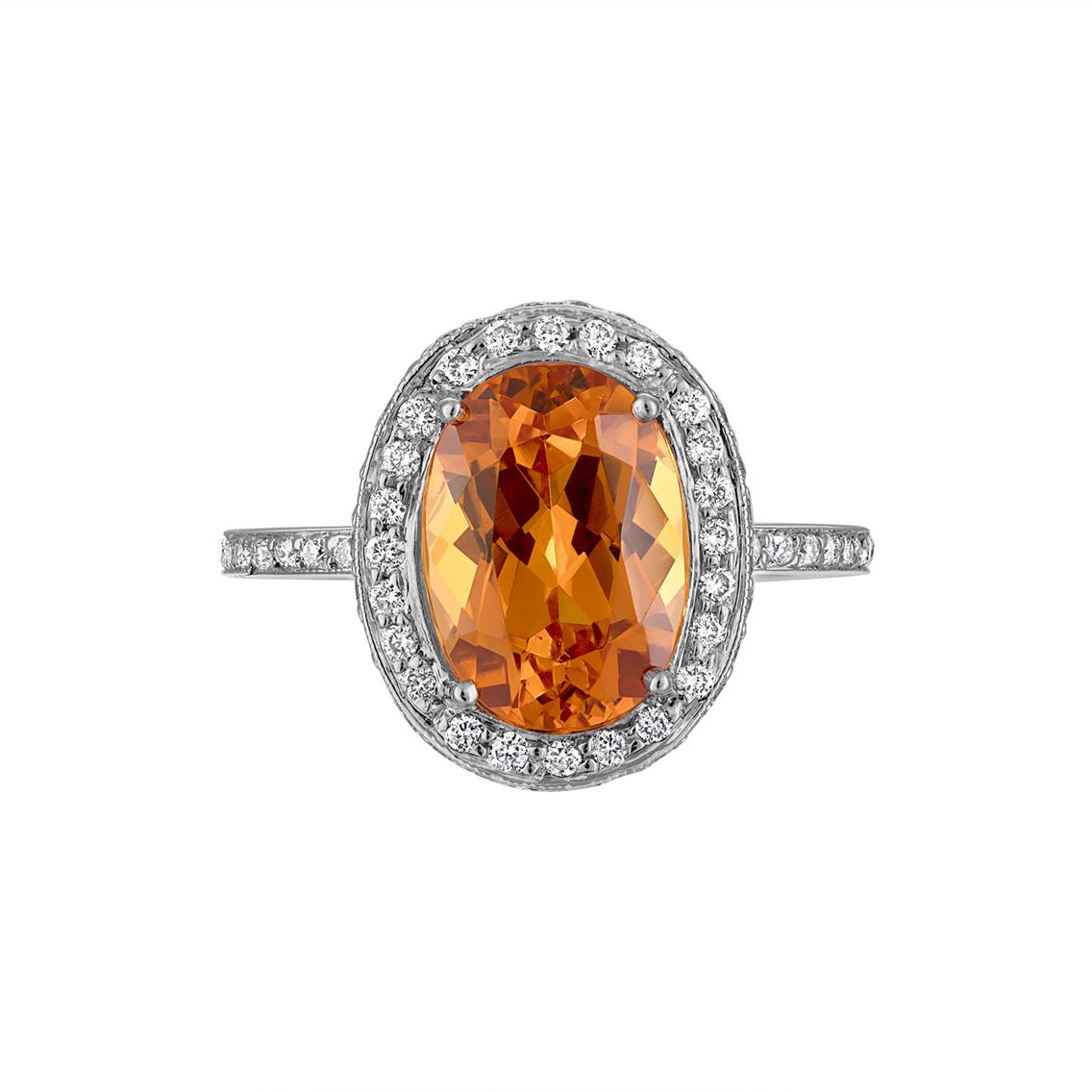
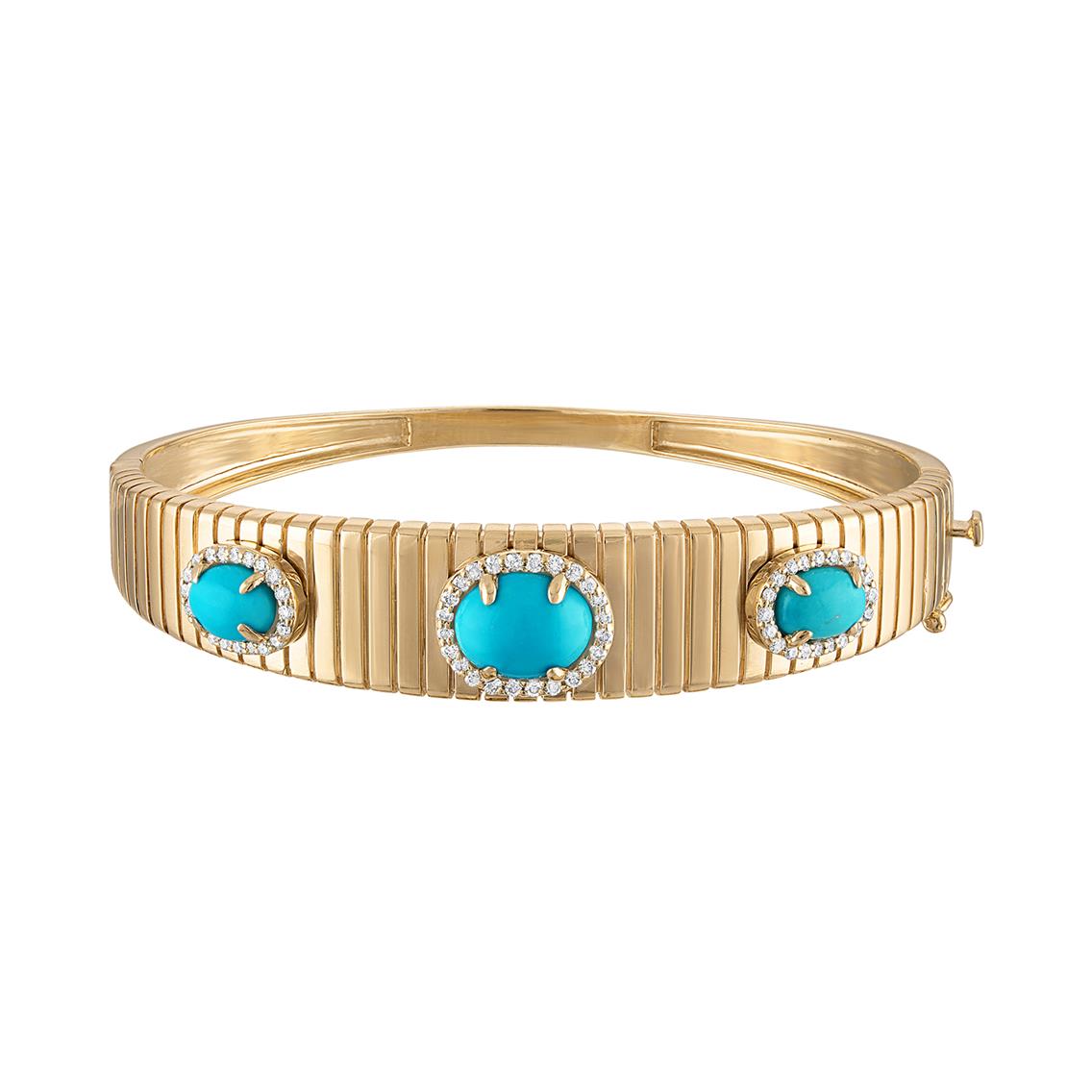
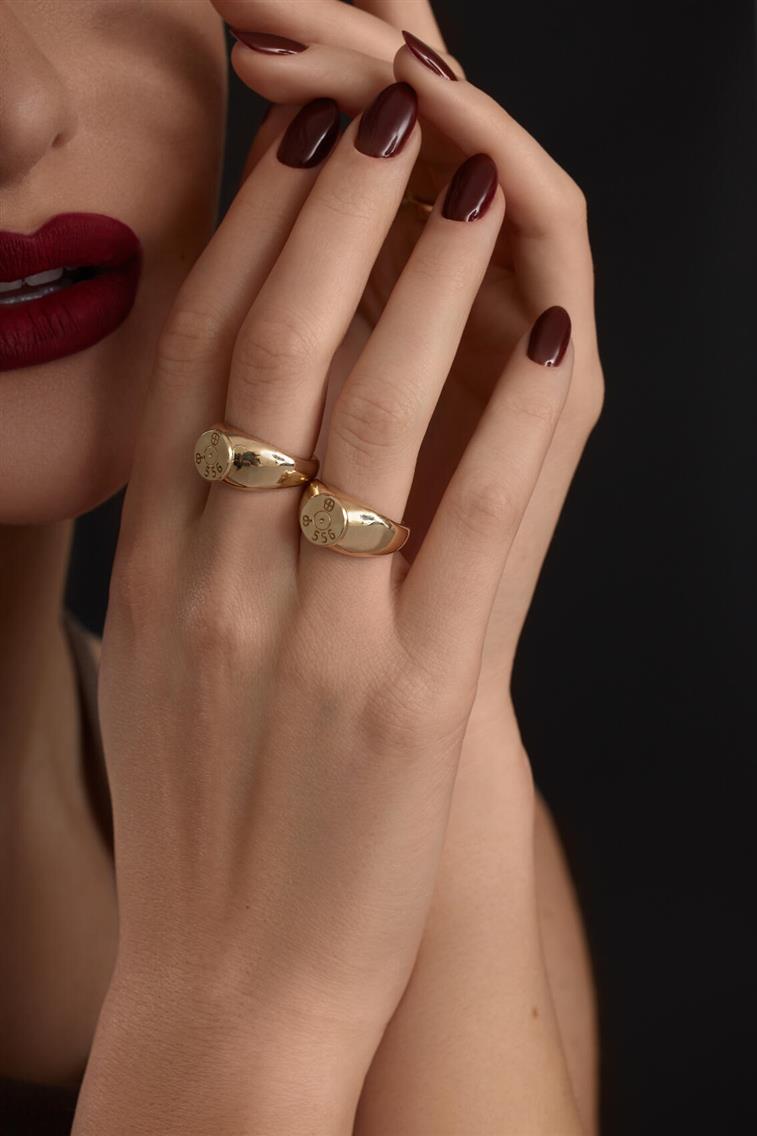
Editing jewelry and watches is among the most specialized areas of retouching. Customers buy based on detail, brilliance, and authenticity. If editing makes a diamond sparkle unnaturally or alters the shade of gold, trust is immediately broken. What to expect from professional retouching here:
- True-to-life gemstone rendering: facets, sparkle, and color are appealing, but enhanced only to match what the human eye sees in reality, never exaggerated.
- Accurate metal representation: silver, platinum, gold, or stainless steel each reflects differently. Retouching removes dust but never “polishes” surfaces to look different from what they are.
- Reflection control: watches and jewelry are highly reflective. Retouchers manage unwanted reflections and glare so the product is clearly visible, without distorting its natural shine.
- Color calibration: gemstonesand metal tones must remain consistent across an entire collection.
Apparel Retouching
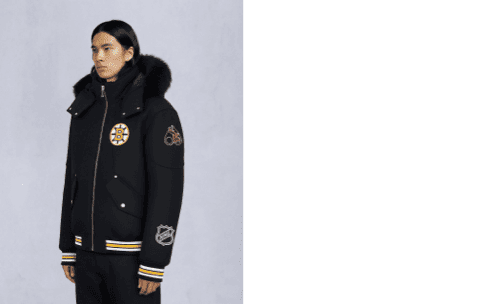
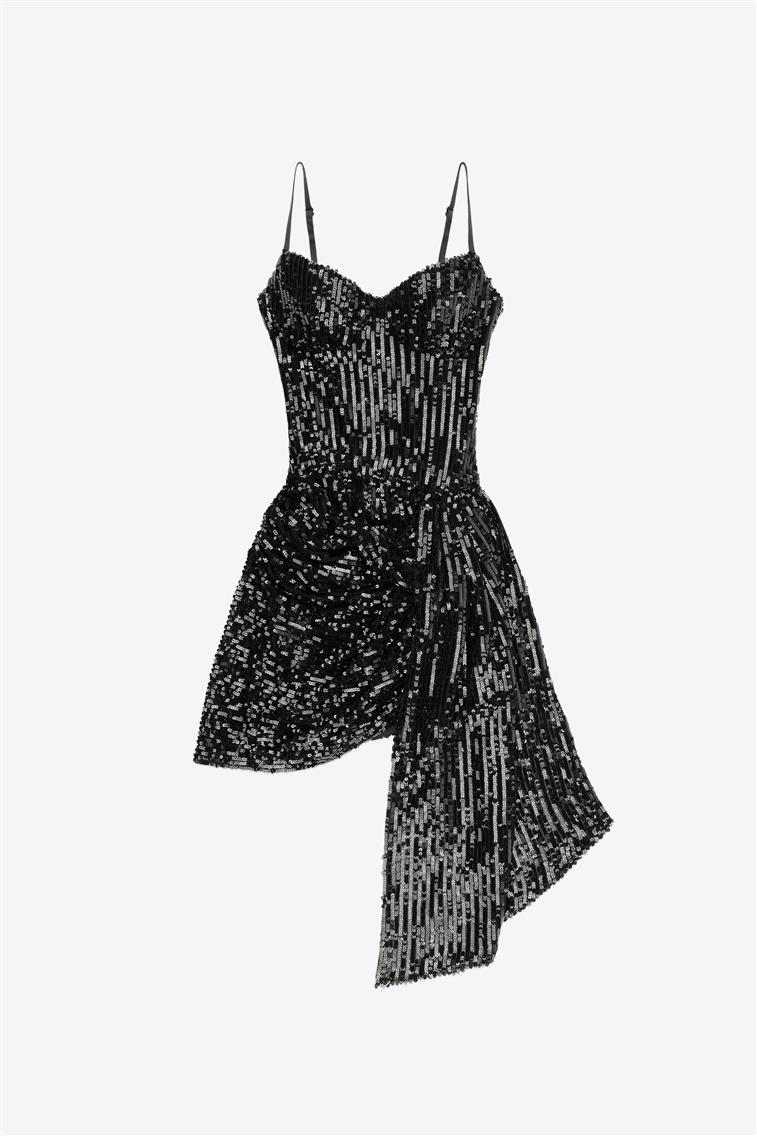
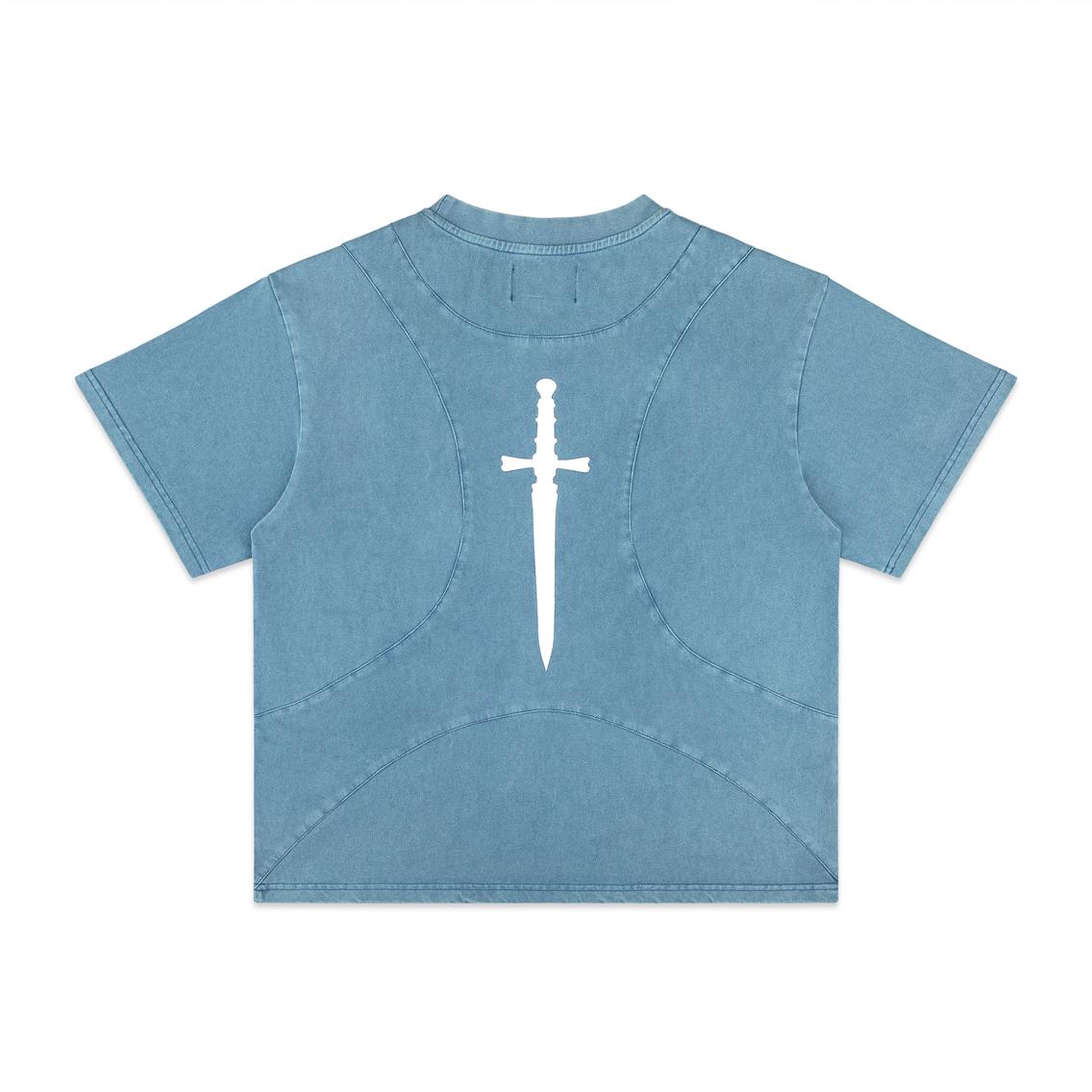
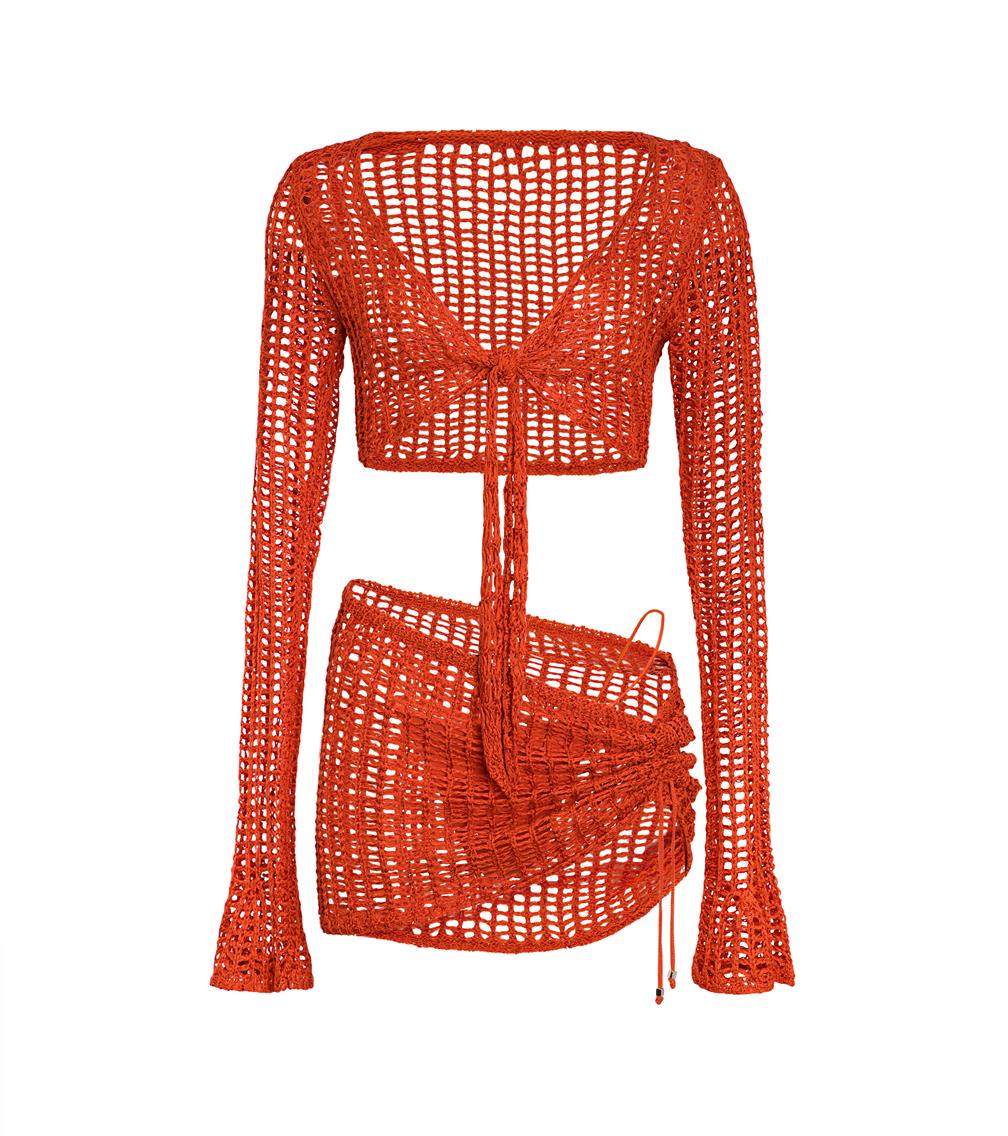
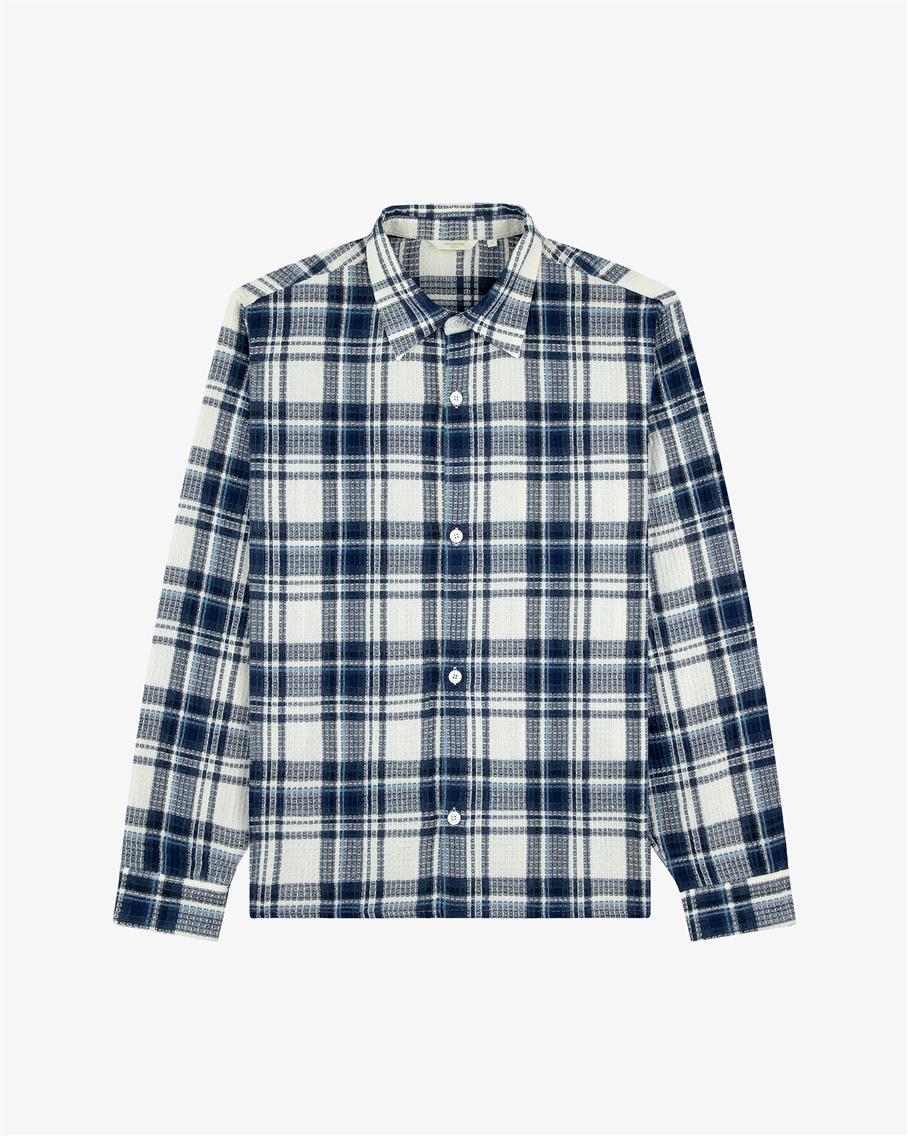
Apparel buyers expect garments to look structured and accurate online. A bad crop or distorted fabric can cause instant distrust. Key adjustments to explore:
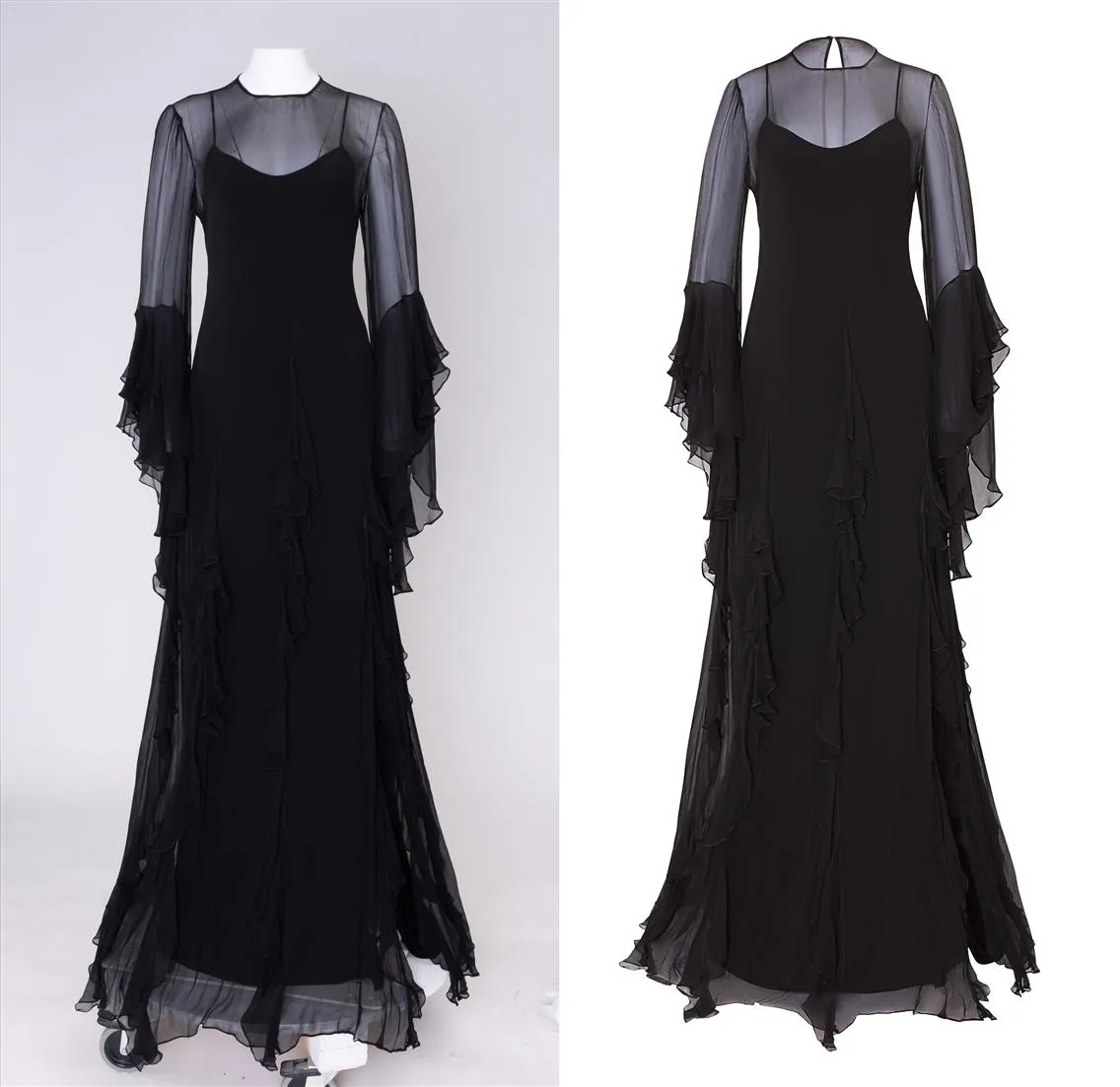
- Ghost mannequin editing: removing mannequins while preserving the natural drape and 3D shape of the garment. This technique is essential for catalogs where flat-lay doesn’t convey fit.
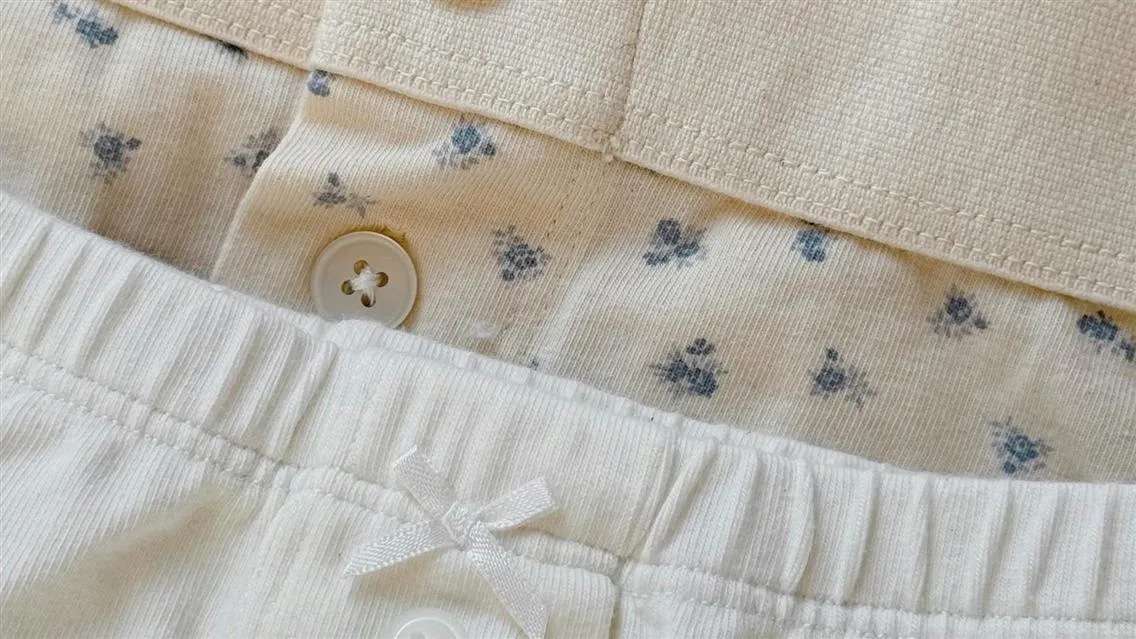
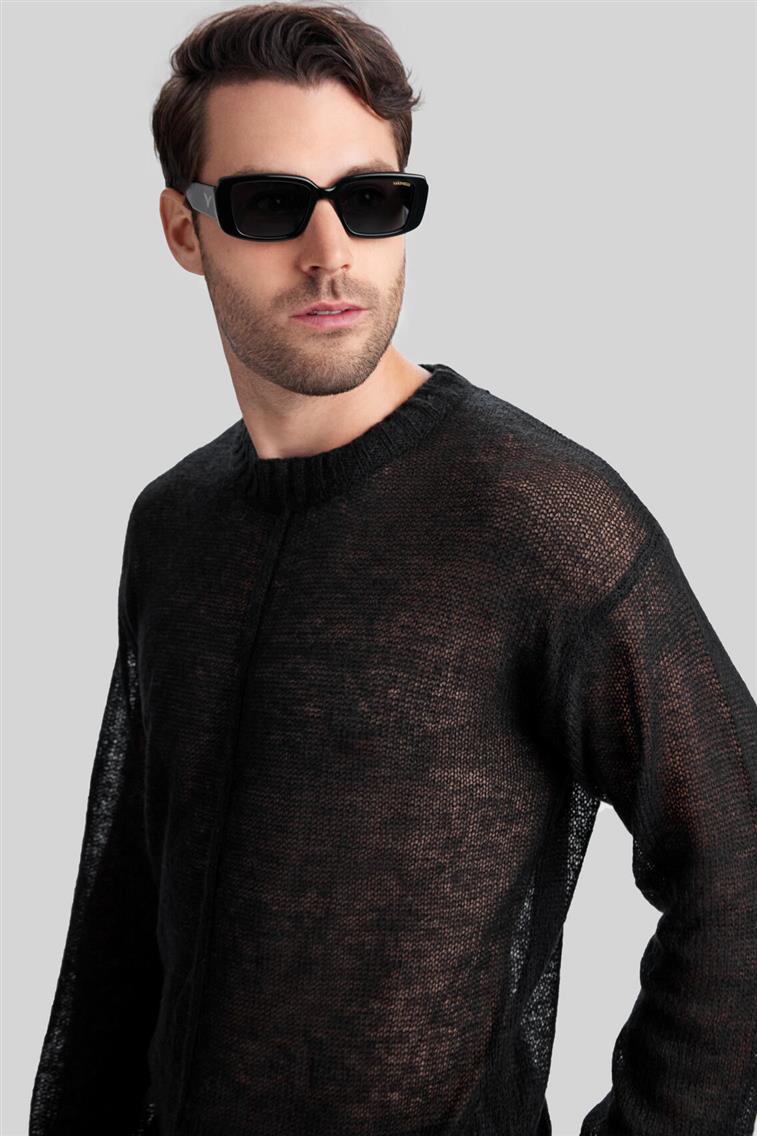
- Fabric detailing: keeping texture visible, whether it’s silk, denim, or knitwear. Over-editing can erase weave patterns and make clothing look fake.
- Symmetry correction: sleeves, collars, and hems often look uneven in raw photos. Precision editing restores clean lines without altering design.
- Stitch and tag cleanup: loose threads, lint, or sample labels are common during shoots and must be retouched out before publishing.
For fashion brands, these edits directly impact product return rates. Customers buy based on how real and trustworthy the garment looks.
Clipping Path
Clipping paths are the backbone of reusable, flexible visual assets. By cutting out products with precision, brands can repurpose images across ads, catalogs, social media, and print without reshooting.
Why it matters:
- Marketing flexibility: one clean cut-out can be dropped into seasonal campaign backgrounds, holiday banners, or lifestyle composites.
- Platform adaptation: the same image can be delivered in multiple background versions (white for Amazon, styled for Instagram).
- Precision: poorly drawn paths leave jagged edges or halos — unacceptable in professional eCommerce.
For decision-makers, clipping paths aren’t exciting on their own, but they save enormous costs by extending the lifespan and usability of every product photo.
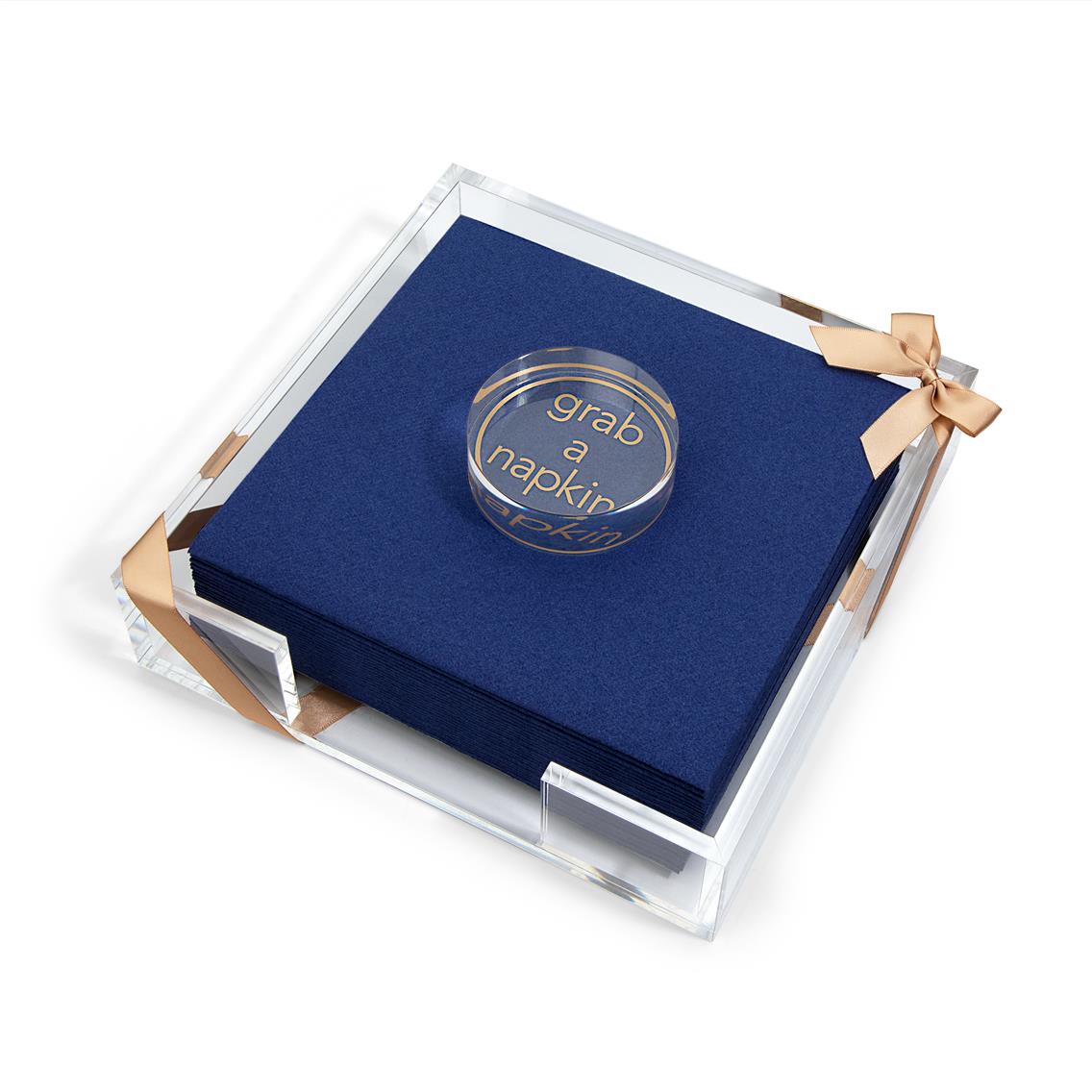
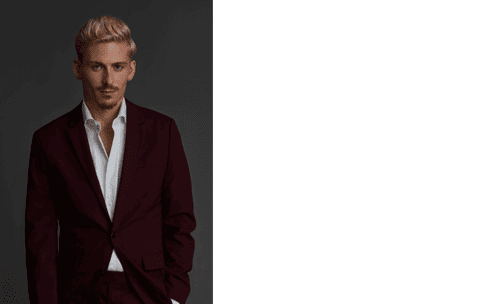
Fashion, Model & Editorial Retouching
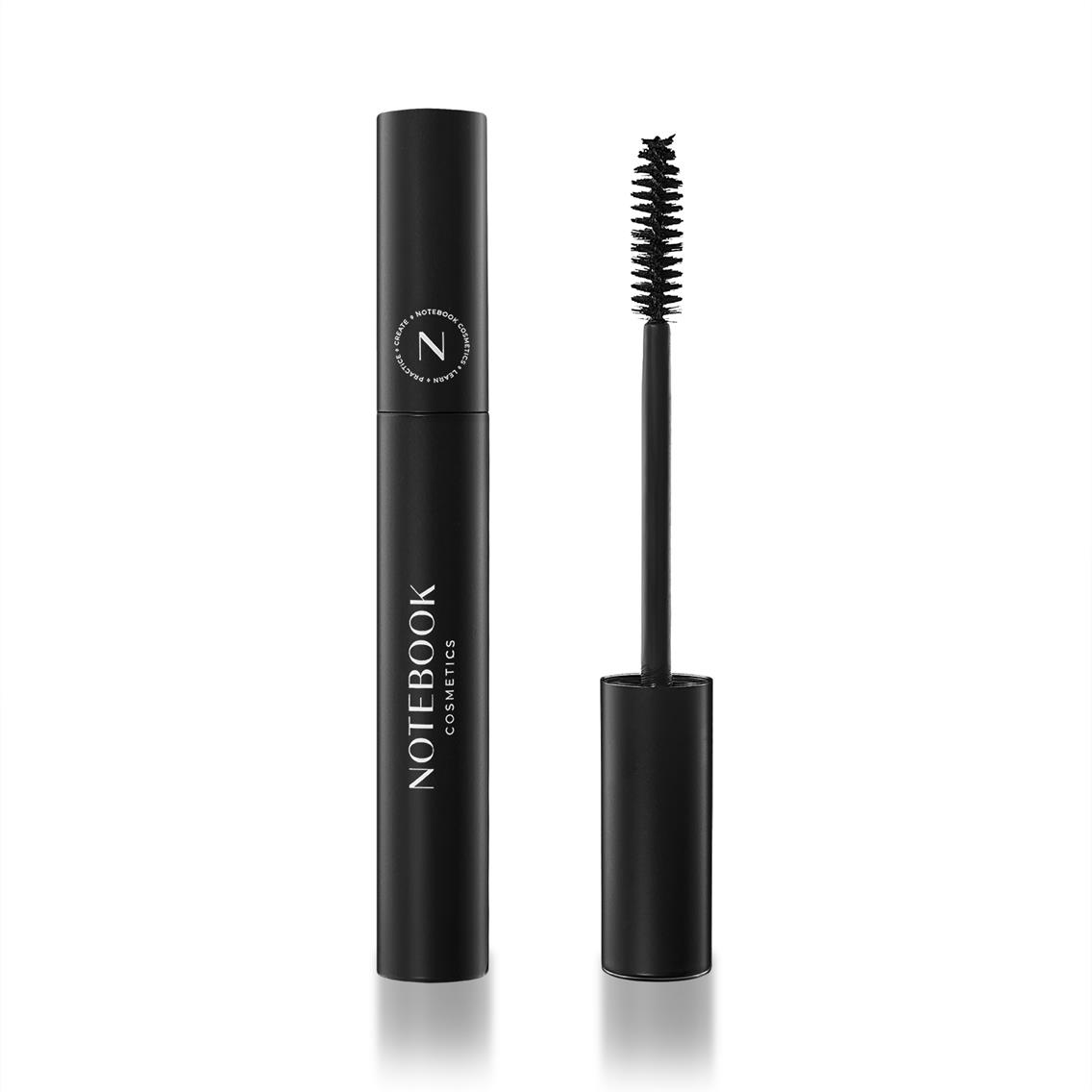
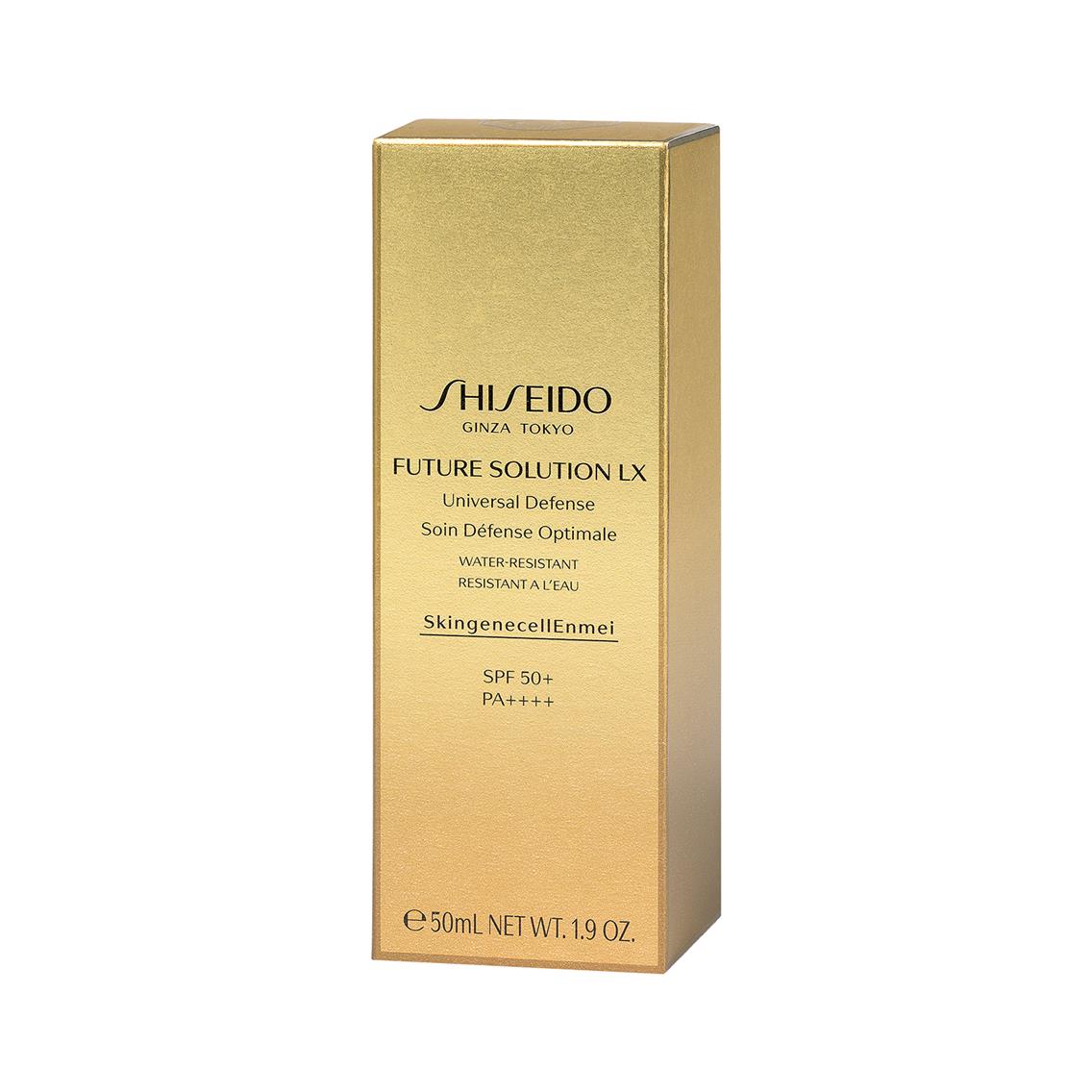
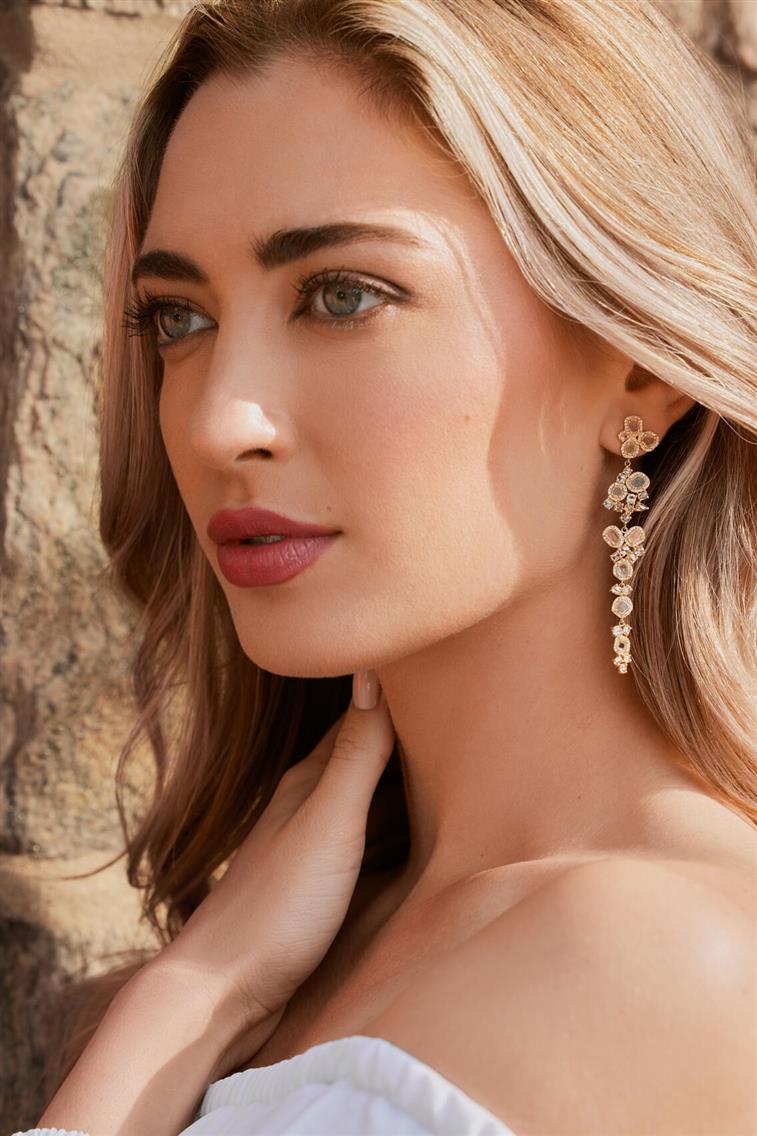
From on-model catalog to high-end editorials, these edits demand a balance: models should look polished but still real, and visuals should align with overall brand positioning. Key editing aspects to inspect while exploring portfolios:
- Skin retouching with texture preservation: blemish removal without creating the “plastic skin” effect. Pores and natural texture should remain intact.
- Color and tone grading: aligning campaign visuals with brand mood: warm for luxury, cool for modern minimalism, high-contrast for streetwear.
- Detail work on garments: smoothing wrinkles while keeping natural folds, correcting fit distortions, and enhancing fabric richness.
- Editorial finishing: magazine-standard polish that ensures ads and lookbooks carry the same visual authority as major fashion publications.
Choosing a photo editing service means finding a provider with tailored workflows for your specific product type. Jewelry, apparel, consumer goods, and editorial campaigns each require distinct expertise. LenFlash designs its editing services around these categories to deliver precise, category-focused results, not generic solutions.

Fast Product Photo Editing Services and Workflow Integration
For many brands, speed is the breaking point. A seasonal drop, Amazon Prime Day, or a last-minute campaign launch doesn’t wait for a slow editing pipeline. If your provider can’t process thousands of files on time, you risk missing critical sales windows. This is what you should look for:
1. Turnaround you can plan around
High-volume eCommerce edits (background removal, color correction, ghost mannequin) are processed in structured production flows. Deadlines are defined up front, and SLAs ensure you know exactly when files will be delivered.
2. Workflow designed for scale
Images are uploaded, tracked, and delivered through LF Cloud, LenFlash’s in-house digital asset management system. Every image is version-controlled, so if you ever need to re-export or roll back edits, the source is preserved.
3. Flexible capacity
Need 50 editorial shots polished for a lookbook? The same team can handle that in parallel with 5,000 catalog SKUs. Instead of juggling multiple vendors, you centralize editing under one roof and scale output as your collection grows.
For business, the key is predictable delivery at scale, with files structured so your team doesn’t waste extra hours renaming, resizing, or re-uploading. The right provider safeguards your launch schedules and your marketing ROI.
Photo Editing Pricing and Cost Transparency
Pricing models in product photo editing can look similar at first glance, but the differences affect your bottom line. Some providers lure you in with ultra-low rates, then pile on hidden charges for things you assumed were included. Others keep pricing simple but can’t scale when you need more. To choose wisely, you need to know exactly what model you’re dealing with.
Per-image pricing is the most straightforward: you pay for each file delivered. Works well for brands with unpredictable workloads: maybe one week you need 20 product edits, the next week 200. LenFlash also offers per-image fees, but with professional standards built in: color accuracy, clipping paths, and platform-ready outputs aren’t treated as “extras.”
Pitfall to watch for: some budget providers treat per-image pricing as an entry point, then add separate fees for shadows, resizing, or layered files.
Subscription models
You pay a flat fee for ongoing access or a fixed monthly quota of edits, attractive for steady, predictable eCommerce flows.
Reality: “unlimited” offers often come with vague caps, and volume spikes can lead to slower delivery or unexpected add-ons.
Package or tiered models
Typically offered by professional studios when handling campaigns or large catalogs. Instead of micro-billing for every variation, you buy a bundle with a clear scope. The advantage is that everything you need to launch a collection or campaign is priced upfront, reducing friction between finance and creative teams.
But be sure to identify hidden costs:
- Revisions: Is one round included, or will you be billed again if a color tone is off?
- Rush fees: Some providers double the rate for urgent turnarounds.
- File formats: Need PSDs with layers, transparent PNGs, or platform-specific crops? Check if they’re included or treated as upgrades.
- Color matching: Essential for fashion and beauty, but sometimes hidden behind premium fees.
LenFlash’s approach works for you, not against you. A single edit includes professional standard, calibrated color, correct formatting, secure delivery through LF Cloud, without nickel-and-diming for every extra detail. Plus, unlimited revisions. This makes it easy to budget campaigns confidently and scale volume without unexpected invoices. When placing an order, clients can immediately see all available add-ons and add them to their order, no surprises or hidden fees.
Avoiding Bad Photo Editing Services: Red Flags to Watch
A polished portfolio can look impressive, but the real issues often appear once you’re mid-project. Here are the warning signs that should make you pause before committing to a provider.
Over-Retouched or Unnatural Results
Good editing should make products look true-to-life, not airbrushed into something they’re not. Watch out for:
- Jewelry that sparkles like a 3D rendered image, with unnatural color shifts in gemstones.
- Skin that looks plastic or poreless in fashion shots.
- Apparel that’s been “liquified” to look symmetrical, distorting the actual garment.
If you wouldn’t recognize the product when it arrives from the warehouse, the editing has crossed the line. Professional retouching enhances reality; it never rewrites it.
Missed Deadlines and Poor Communication
In eCommerce, timing is money. A provider who promises “fast turnaround” but delivers late will disrupt launches, ad campaigns, and seasonal sales windows.
Red flags include:
- No clear delivery dates in the proposal.
- Responses that take weeks.
- Excuses instead of status updates when delays happen.
A reliable partner provides predictability you can build a schedule on.
No Retouching Revision Process
Every brand has its own style standards. If a provider doesn’t include revisions, you risk paying twice to get the images aligned with guidelines.
Always ask how many revision rounds are included. Providers without a structured revision process often push responsibility back on you, leaving your team to fix what you already paid for.
Test Photo Editing Services Before Committing
The safest way to evaluate a provider is to run a small, paid trial project. Choose a sample that reflects your real workload: A jewelry piece with gemstones for precision testing, a set of tricky apparel shots for ghost mannequin edits, or a mixed batch of catalog items.
What to check in the results:
- Do the images align with your brand’s visual standards?
- Is color consistent across variations?
- Were files delivered in the correct formats for your platforms?
- Did the turnaround time match what was promised?
A trial makes it clear whether the provider understands your needs and whether they can scale up once you commit larger volumes.
For real businesses, choosing a photo editing service isn’t about saving a few cents per image. It’s about securing a reliable partner who can support growth, protect launch schedules, and deliver visuals that customers trust.
Freelancers and mass outsourcing platforms can fill gaps, but if your brand depends on catalog-wide consistency, fast delivery, and category-specific expertise, a professional studio is the only sustainable option.
At LenFlash, retouching is structured for exactly that:
- Specialized services for jewelry, apparel, fashion, and product photography.
- Predictable, secure delivery through LF Cloud.
- Transparent pricing with professional standards included.
Explore LenFlash today to make your entire business more efficient, scalable, and trustworthy in the eyes of your customers.
Choosing Between Freelancers, Outsourcing Platforms, and Professional Photography Editing Studios
Once you know what editing standards and workflows you need, the real question is who should handle it. The options usually fall into three buckets: freelancers, mass outsourcing platforms, and professional studios. On the surface, they all promise retouching, but the business implications are very different.
Photo Editing Freelancers: Personal but Limited Approach
Working with an individual retoucher gives you the benefit of one-on-one communication. You can brief them directly, build a personal relationship, and often negotiate flexible terms. For smaller projects, say, a capsule collection of 30 SKUs or a test shoot for a lookbook, this setup can work well.
But there are structural limits. One freelancer can only process so many images per week. If your brand suddenly scales or you need a seasonal catalog edited on deadline, capacity becomes a bottleneck. Quality can also fluctuate if the freelancer juggles multiple clients or doesn’t work with formalized editing guidelines. And there’s a risk factor: if they get sick or disappear mid-project, your production pipeline grinds to a halt.
Freelancers make sense for boutique labels and creative one-offs. They’re rarely sustainable for established eCommerce businesses that live and die by speed and volume.
Outsourcing Retouching Services Platforms
The opposite end of the spectrum is outsourcing platforms. Large services help you to distribute your files to a pool of anonymous editors, often overseas. They’re built for scale and can churn out thousands of images at very low cost. For pure background removal or clipping paths, they get the job done quickly.
The problem is consistency and control. Platforms are designed to optimize speed and cost, not brand identity. Security is another concern. If you or your client are launching new designs or unreleased products, sending files into a mass editing pool can put intellectual property at risk. For brands where visuals carry the brand’s reputation, they’re a gamble.
Professional Studios for Structured, Scalable, and Brand-Aligned Results
Professional studios like LenFlash sit in a different category altogether. Instead of treating editing as a commodity, we approach it as part of a brand’s visual strategy. That means:
Structured workflows. Every client gets editing standards alignment (shadow rules, crop ratios, color calibration) to guarantee catalog-wide consistency.
Capacity and flexibility. The same studio that can process 5,000 Amazon-ready images also handles your high-end jewelry campaign or fashion editorial.
Secure delivery. Files are managed through LF Cloud, with version control, high-resolution file storage, and 24/7 access for you and your team members.
Integrated services. From clipping path and color changes to comprehensive product and model retouching, you have it all in one place.
The trade-off is price. Studios are traditionally more expensive than freelancers or platforms — but what you’re paying for is reliability, brand alignment, and the ability to scale without switching providers every season. For those who run serious eCommerce operations, this stability often saves more money than it costs.
The takeaway: freelancers are personal but limited, platforms are cheap but inconsistent, and studios are structured for businesses that can’t afford delays, mismatches, or visual shortcuts.
FAQ for Brands About Professional Retouching
Why is product photography retouching important for online sales?
Product photography retouching is crucial because it enhances product images to look polished, consistent, and true to life, which builds trust with customers and increases conversion rates. Without physical interaction, high-quality, retouched photos tell the true story of the product, encouraging buyers to make a purchase.
How does professional retouching differ from basic editing?
Basic editing involves simple tasks like cropping and resizing, while professional retouching includes advanced enhancements such as color correction, detail sharpening, background removal, and removing imperfections. This level of detail ensures images are uniform and visually appealing, which drives sales and customer confidence.
What impact does retouching have on reducing product returns?
Accurate and realistic retouching ensures that product photos match the actual product, reducing customer disappointment and confusion. This alignment minimizes returns, saves costs, and improves overall customer satisfaction.
Why is consistency important in product photography retouching?
Consistency in lighting, color, and presentation across all product images creates a cohesive brand experience that builds trust and smooths the online shopping journey. Inconsistent images can confuse customers and damage brand perception.
What are the risks of misleading or over-editing product photos?
Over-editing or misleading retouching can make products appear better than they are, leading to broken trust when customers receive items that don’t match the images. Maintaining authenticity is essential to foster long-term customer loyalty.
How does retouching adapt to different eCommerce platforms?
Each platform has specific image guidelines and customer expectations. Professional retouching customizes images to meet these standards, such as clean white backgrounds for Amazon or authentic looks for Etsy, while maintaining brand and product consistency across platforms.
Is professional retouching worth the investment?
Yes. The cost of professional retouching is outweighed by benefits such as higher conversions, fewer returns, and stronger brand perception. Quality images work harder to communicate and market products effectively, leading to increased sales and customer loyalty.
What should you look for when choosing a professional retouching service?
Choose a service with a strong portfolio showing natural, consistent retouching, proven eCommerce expertise, ability to meet platform-specific requirements, quick turnaround, scalability, and excellent customer support with clear revision policies.