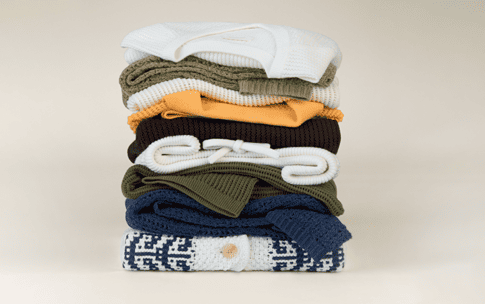
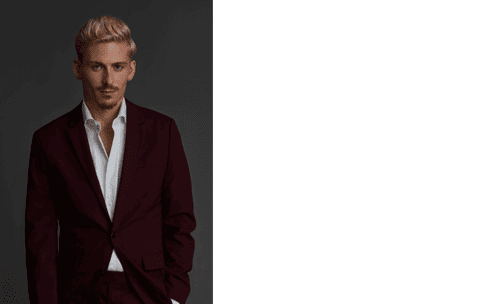
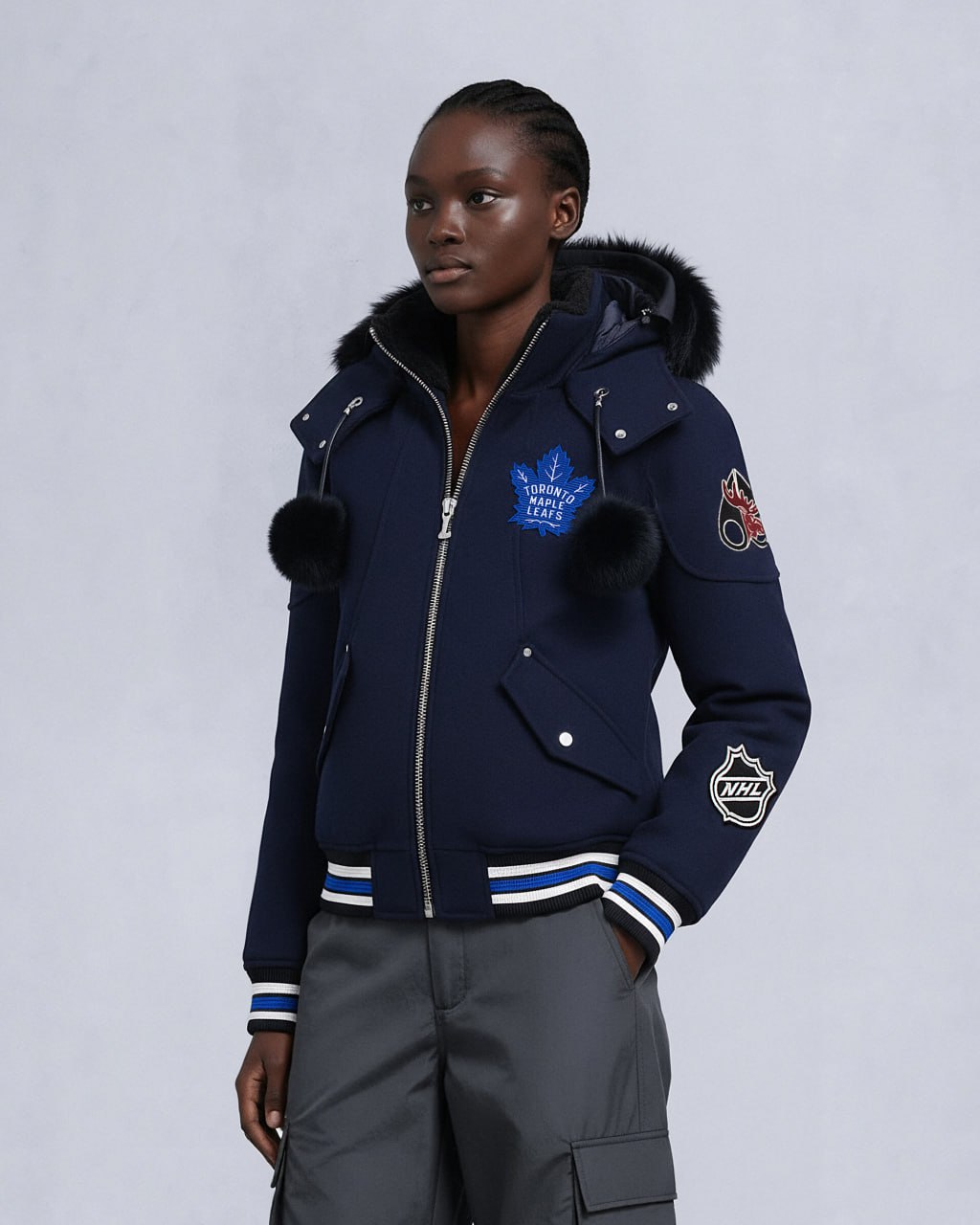

Professional Fashion Photography for eCommerce Brands
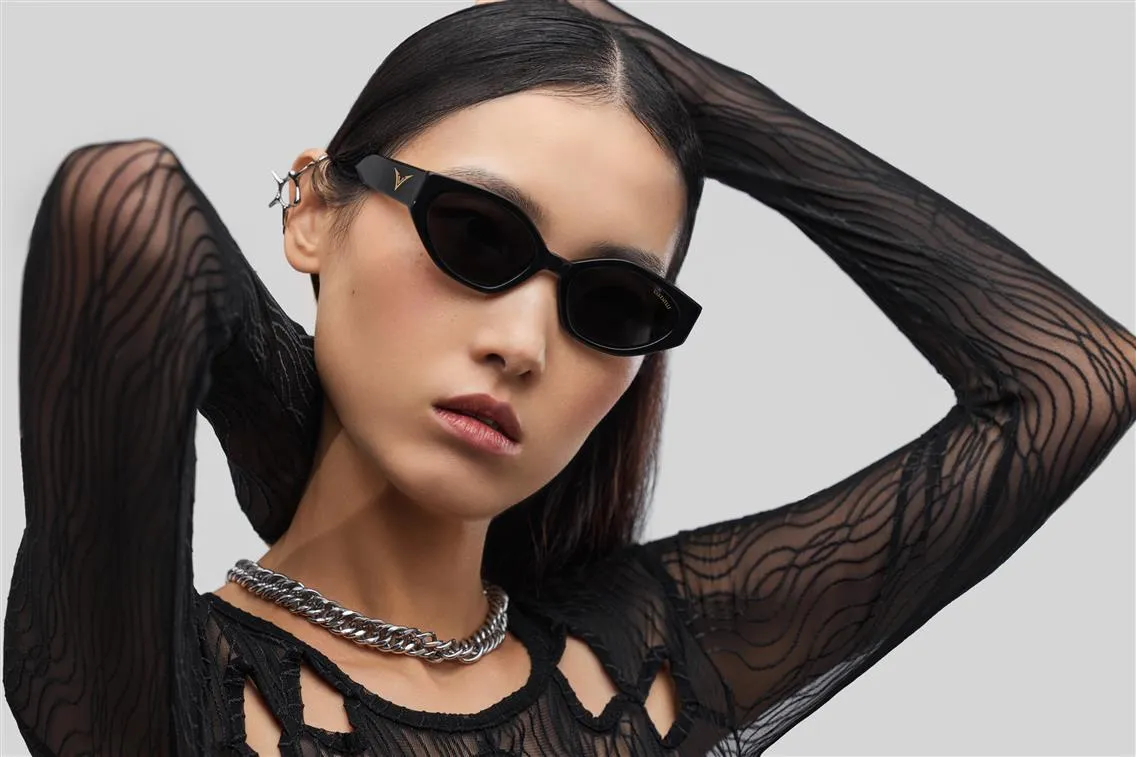
Gucci, Yves Saint Laurent, Balenciaga — these brands are not asking "do you want these pants?" They are asking "do you want to be this person?" Fashion photography is the mechanism through which that question gets answered before a customer reads a single word.
For eCommerce brands, this creates a practical tension. The same image has to make someone want the product and show them exactly what they are buying. Too far toward aspiration and the product disappears into concept. Too far toward documentation and the brand disappears into a catalog.
Understanding how fashion photography works — how it differs from product photography, how it builds brand identity, and how it is produced — is what this guide covers.
Part of the Ultimate Guide to eCommerce Product Photography
What is eCommerce Fashion Photography, and How Does It Distinguish from Other Types
eCommerce fashion photography is focused on clarity, functionality, and supporting purchase decisions. Images are designed to show accurate colors, textures, and details — allowing customers to see exactly what they are buying, how a garment fits, and how it moves. It merges art and commerce, creating visuals that appeal to a customer's sense of style while meeting practical requirements around product representation and platform compliance.
This distinguishes it from pure editorial fashion photography, which aims to evoke emotion and communicate brand identity rather than drive immediate transactions. Both are necessary for a complete brand visual system, but they serve different moments in the customer journey.
The differences between fashion photography and product photography run deeper than aesthetics — they reflect different business objectives.
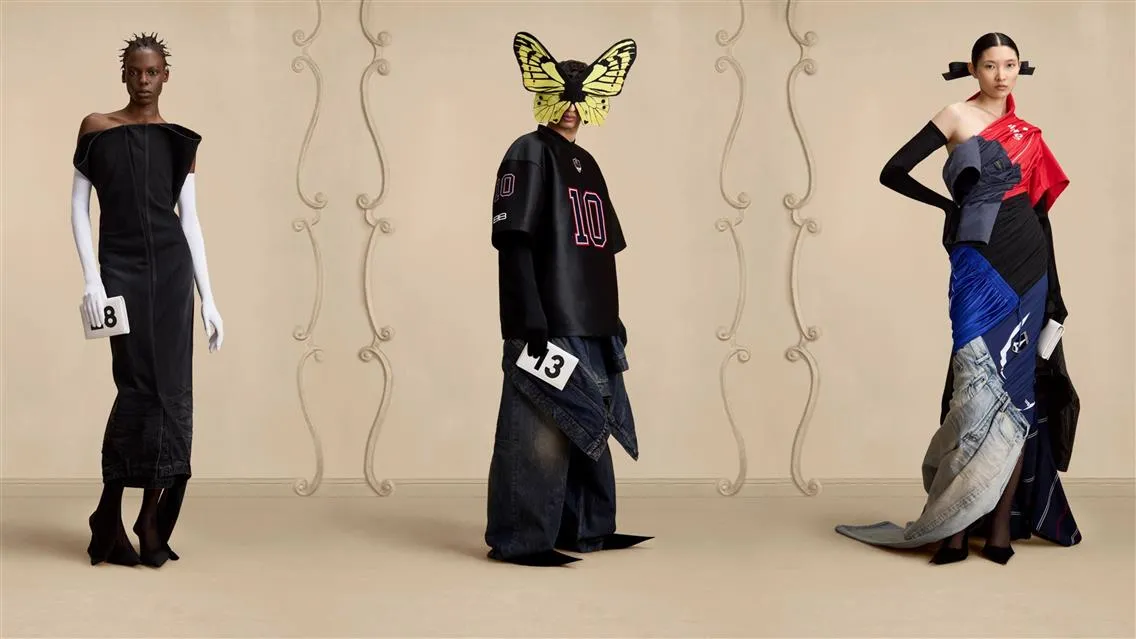
How Fashion Photography Differs from eCommerce On Model Photography
What makes fashion photography distinct from standard product photography? The differences run deeper than aesthetics — they reflect fundamentally different business objectives.
Fashion Photography | Product Photography |
|---|---|
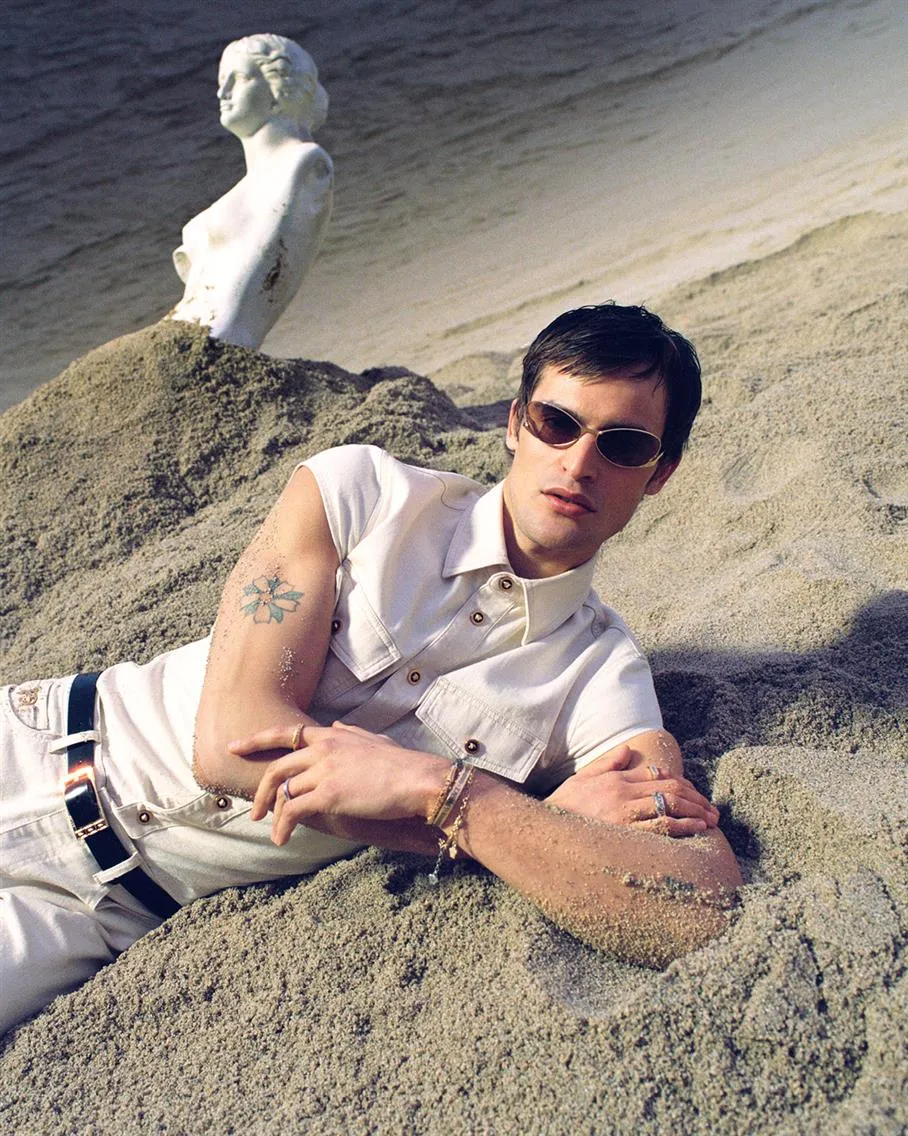 | 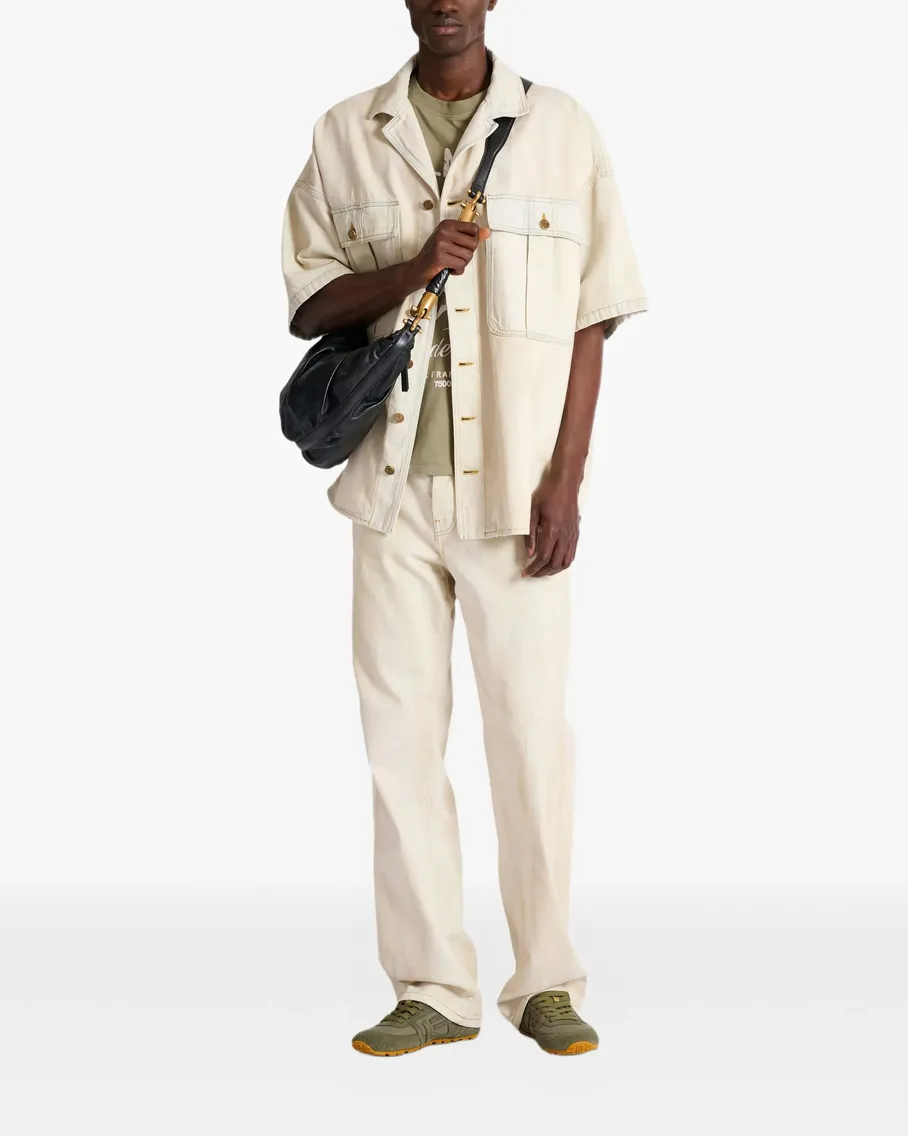 |
Main Purpose | |
| Creates a mood, tells a story, and builds a brand identity. | Showcases the product clearly to facilitate informed purchasing decisions. |
Visual Focus | |
| Prioritizes emotional and aspirational storytelling over detailed product representation. | Focuses on accurate, true-to-life representation of the product's features, colors, and textures. |
Styling and Settings | |
| Uses artistic direction to evoke lifestyle or cultural narratives. | Employs neutral poses or flat-lay setups with minimal styling to highlight the product itself. |
Lighting and Composition | |
| Creative and experimental, often using dramatic lighting and unconventional angles. | Standardized lighting ensures consistency and clear visibility of all product details. |
Audience Engagement | |
| Builds long-term brand desirability by associating products with aspirational values or lifestyles. | Encourages immediate purchase decisions. |
Role in Customer Journey | |
| Top-of-funnel: Attracts attention, creates intrigue, and fosters emotional connections with the brand. | Bottom-of-funnel: Provides clarity and removes barriers to purchase at the decision-making stage. |
Standardization | |
| Highly variable depending on campaign goals; each shoot is unique. | Consistent across all products for easy comparison in online catalogs. |
Business Objective | |
| Differentiates the brand in a competitive marketplace through creativity and cultural relevance. | Drives conversions by providing reliable, professional visuals that build trust with consumers. |
In summary, while fashion photography focuses on creating desire and building brand identity through storytelling, e-commerce photography is about clarifying the functionality of your product, driving immediate sales. Both are essential for a seamless customer journey, from inspiration to purchase.
How and Where to Use eCommerce Fashion Photography
High-quality fashion visuals extend well beyond product pages. Each channel has different requirements and rewards different approaches.
Your website and online store
Product listings need clear, high-resolution images as their foundation — but strong fashion photography also shapes the entire site experience through homepage imagery, campaign banners, collection headers, and promotional landing pages. The visual consistency across all of these communicates brand professionalism and builds the confidence that leads customers to buy.
Social media platforms
Different platforms reward different approaches. Instagram favors aspirational, visually distinctive content. Pinterest works well with styled, clean product shots that communicate a complete look. Facebook and broader lifestyle platforms respond to contextual images showing products in realistic settings. TikTok rewards authenticity and behind-the-scenes content over polished campaign imagery. Tailoring visual content to each platform's specific strengths makes the same underlying photography work much harder.
Digital advertising
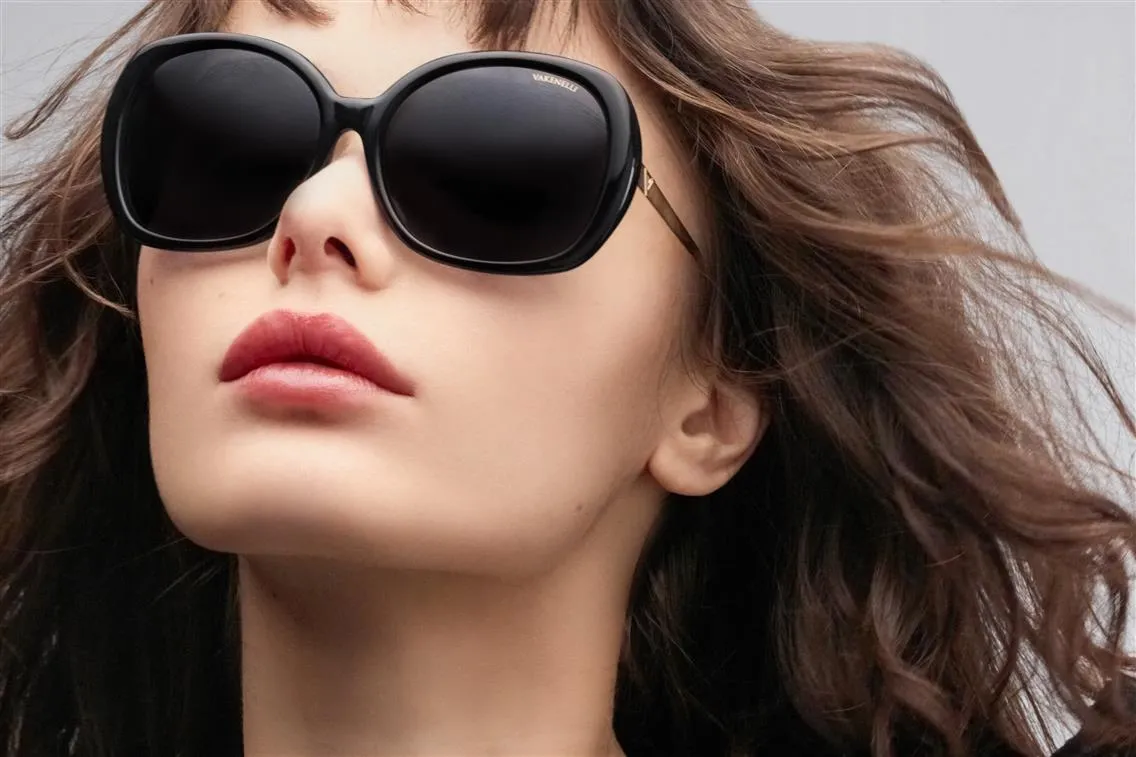
In competitive fashion markets, campaign photography that creates an immediate emotional response outperforms generic product imagery in click-through and conversion metrics. Images used in Google Shopping, paid social, or display advertising need to communicate the brand's positioning at a glance — which is a creative brief, not a technical specification.
Email marketing
Product photography anchors newsletters and promotional emails, but lifestyle and on-model imagery keeps campaigns visually engaging across a subscription period where the same template repeats. A mix of catalog shots and styled looks prevents content fatigue and communicates the brand's range.
Marketplace listings
On Amazon, Etsy, or similar platforms, images need to meet technical specifications while standing out in a crowded catalog. Showing fabric texture, fit, and product details that shoppers cannot assess from a description is the primary job. Consistent, professional presentation differentiates a brand from competitors presenting the same category.
Lookbooks and catalogs
Lookbooks remain a powerful tool for presenting a collection as a coherent visual argument rather than a series of individual products. They communicate how pieces work together, what lifestyle they belong to, and what the brand's creative direction looks like when given room to develop across multiple images. For guidance on lookbook production: How to Create a Lookbook for Your Fashion Brand
Fashion magazines
For brands building toward editorial presence, print and digital magazine features position the brand as aspirational and trend-aware. The prestige of editorial placement carries weight beyond the immediate audience, influencing how wholesale buyers, press, and new customers perceive the brand's market tier.
Fashion Photography for Different Product Categories
Different product categories benefit from specific approaches to on-model photography. Here's how to optimize your visual strategy based on what you're selling:
Apparel
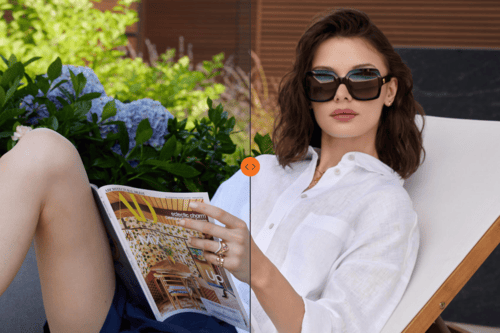
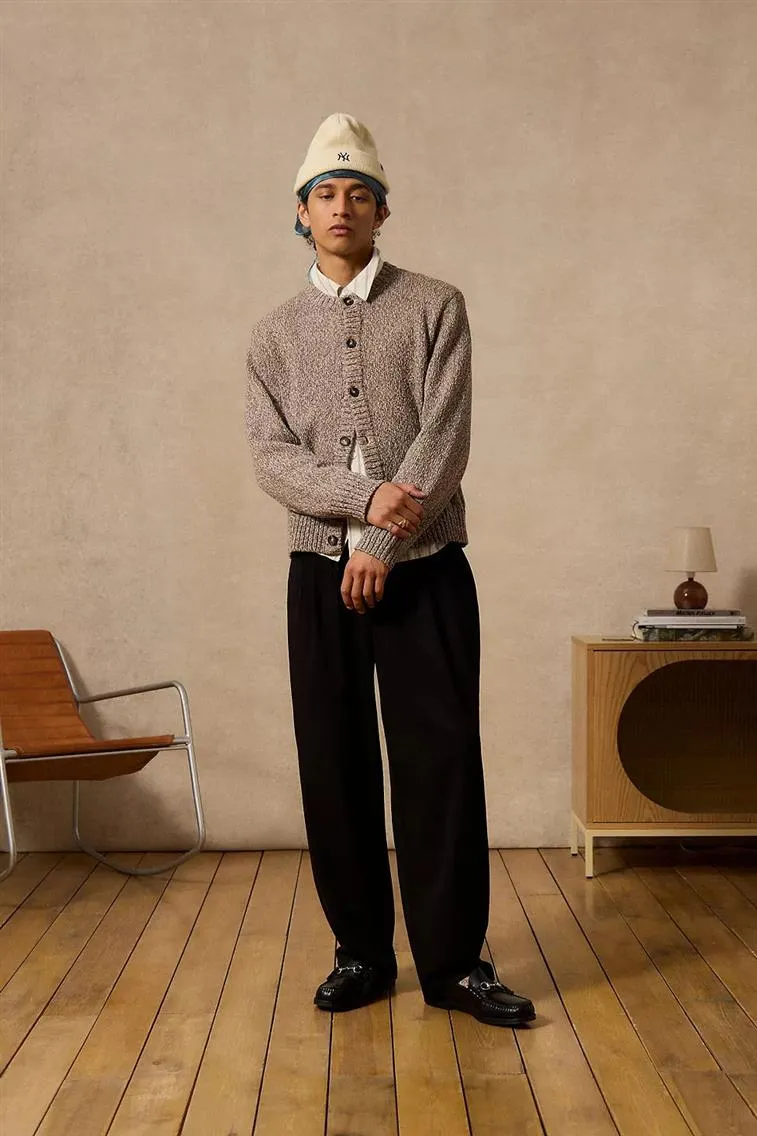
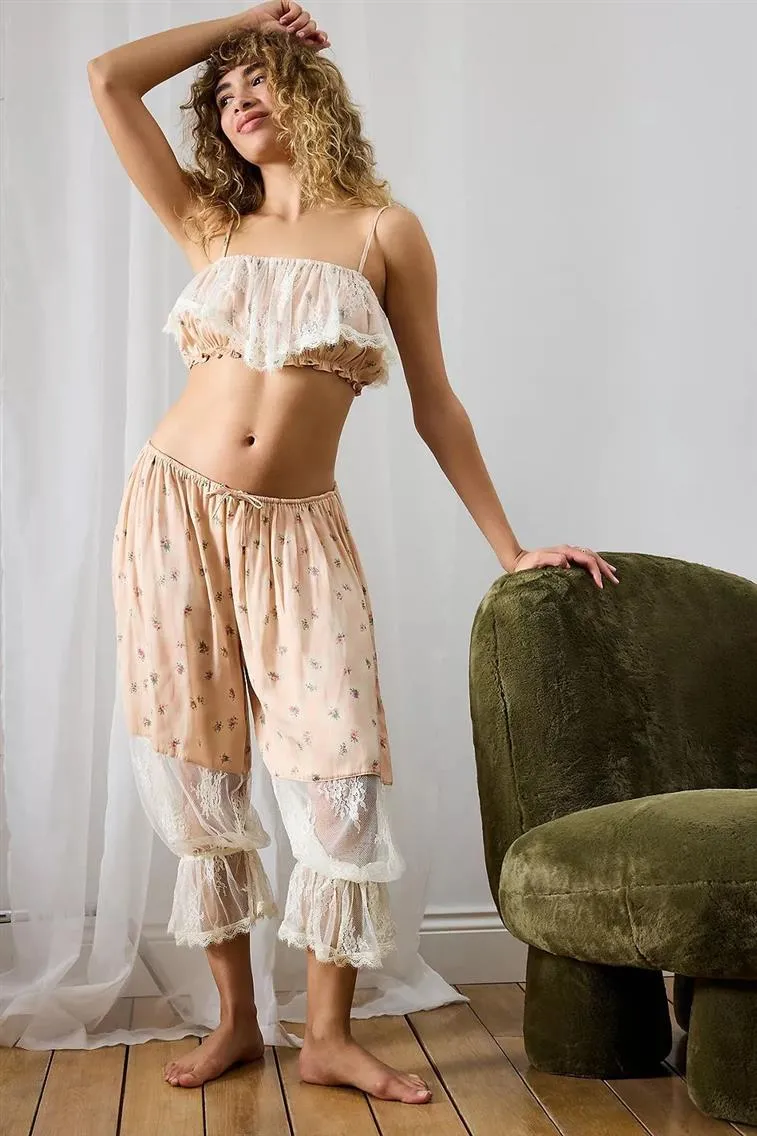
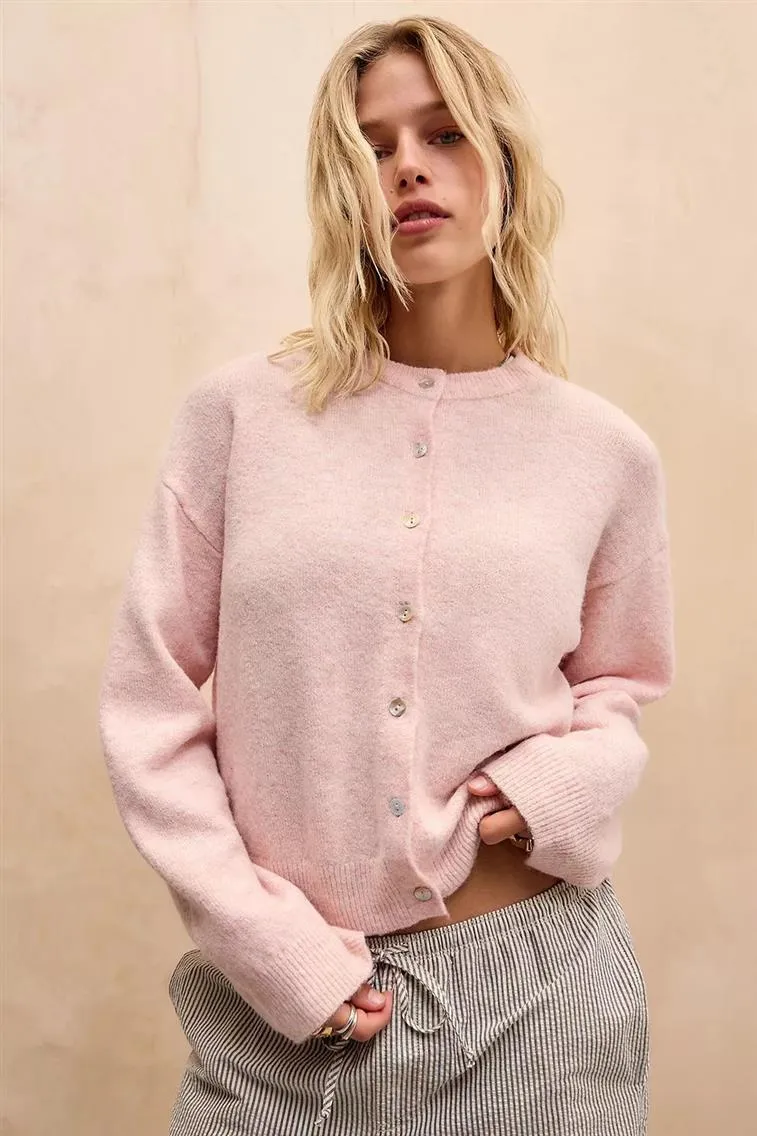
Effective apparel photography requires both technical representation and lifestyle aspiration. The catalog foundation — front, back, and side views on neutral backgrounds showing fit, cut, and construction — is the baseline every platform requires. Beyond that, contextual images showing the garment in realistic settings demonstrate versatility and help customers envision where they would wear the piece.
Model diversity is a practical requirement, not just a values statement. Customers need to see how a garment fits different body types to make confident purchase decisions. Brands like Urban Outfitters combine clean catalog shots with relaxed styled images to address both functional and emotional purchase factors within the same visual system.
Related read: How to Elevate a Menswear Brand with Fashion Photography and Bridal Fashion Product Photography
Jewelry and Accessories
These smaller items require specialized techniques to showcase scale, detail, and wearability:
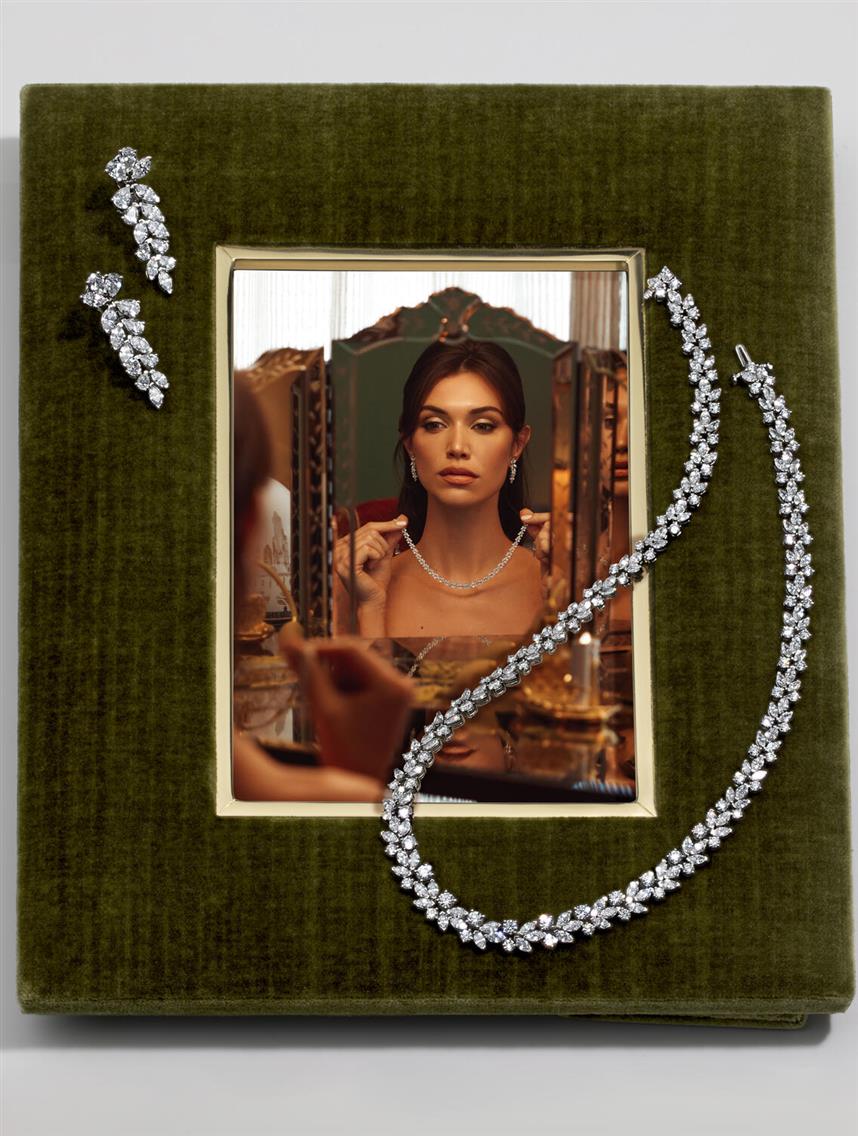
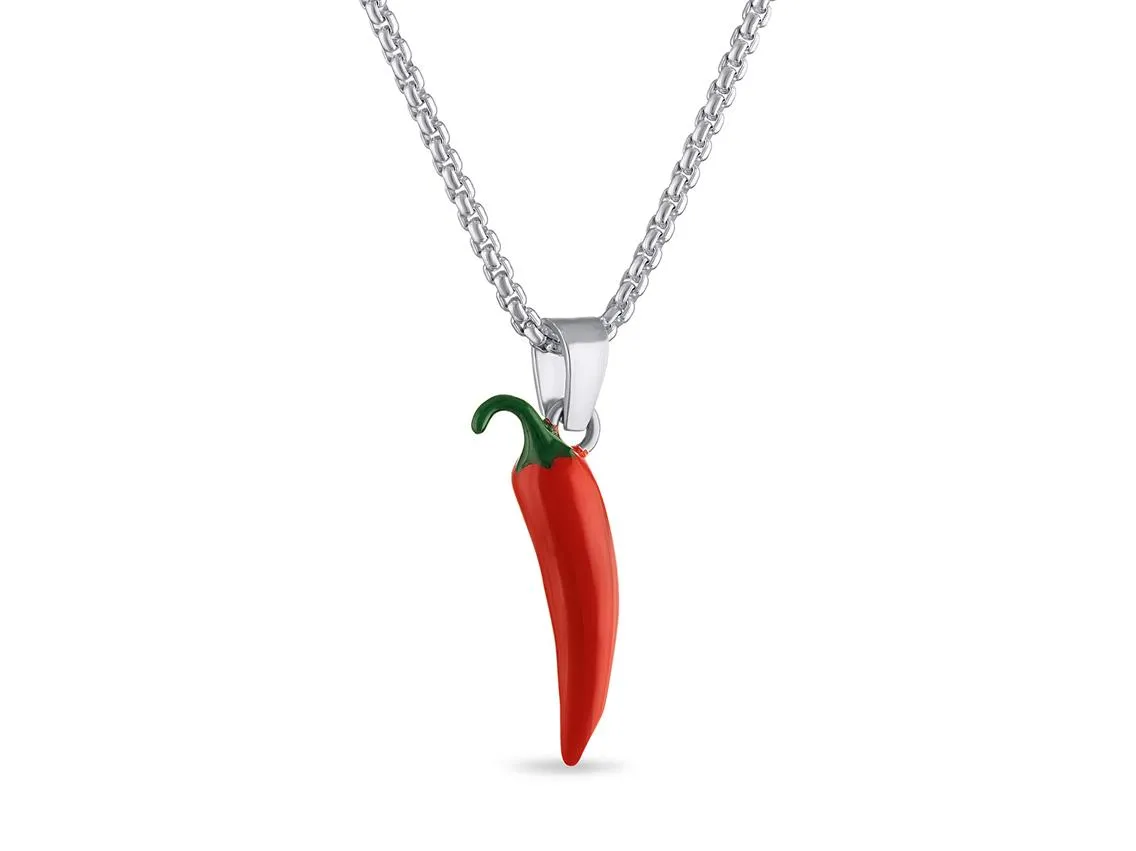
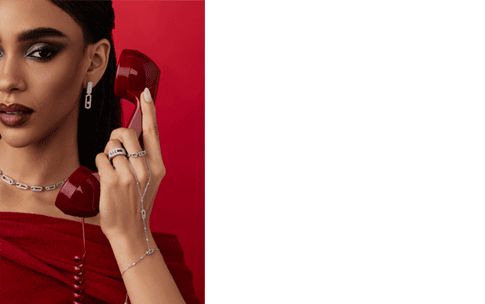
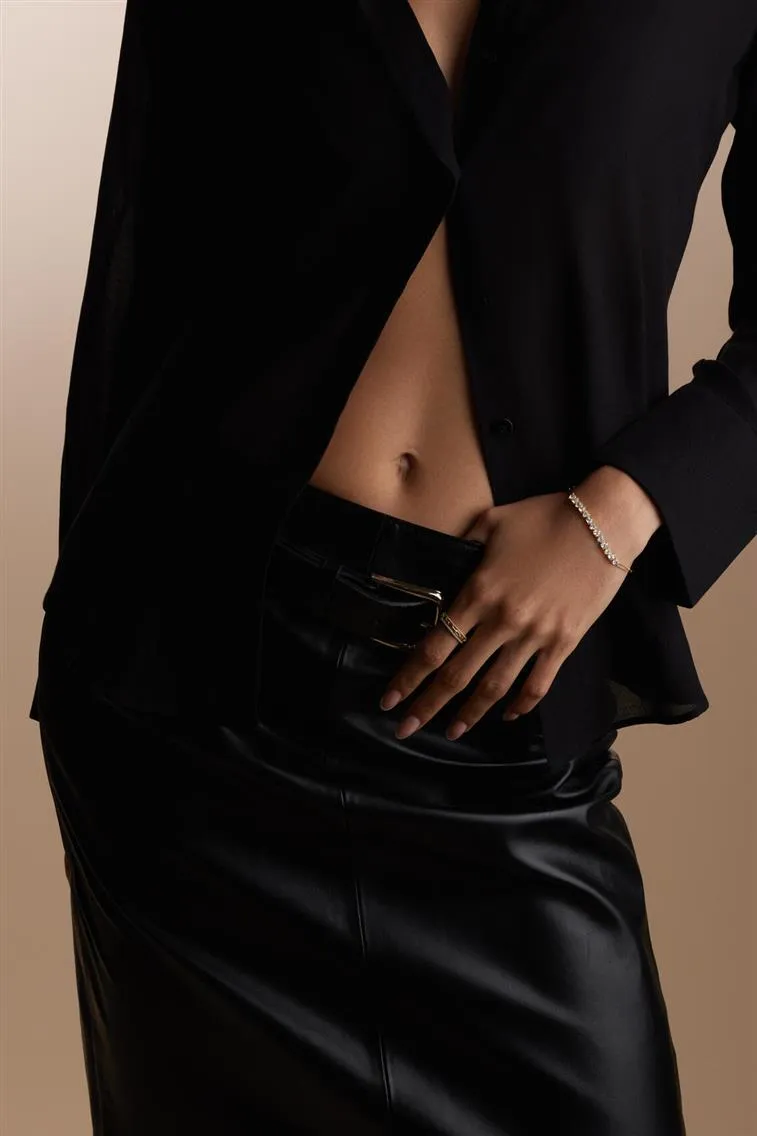
- Cropped body sections: Focus on relevant body areas (neck, wrists, ears) to provide scale context
- Multiple angles: Show how pieces look from different viewpoints
- Layering demonstrations: Display how items can be combined with other pieces
- High-End styling: Create aspirational settings that elevate perceived value
- Extreme close-ups: Highlight craftsmanship details and material quality
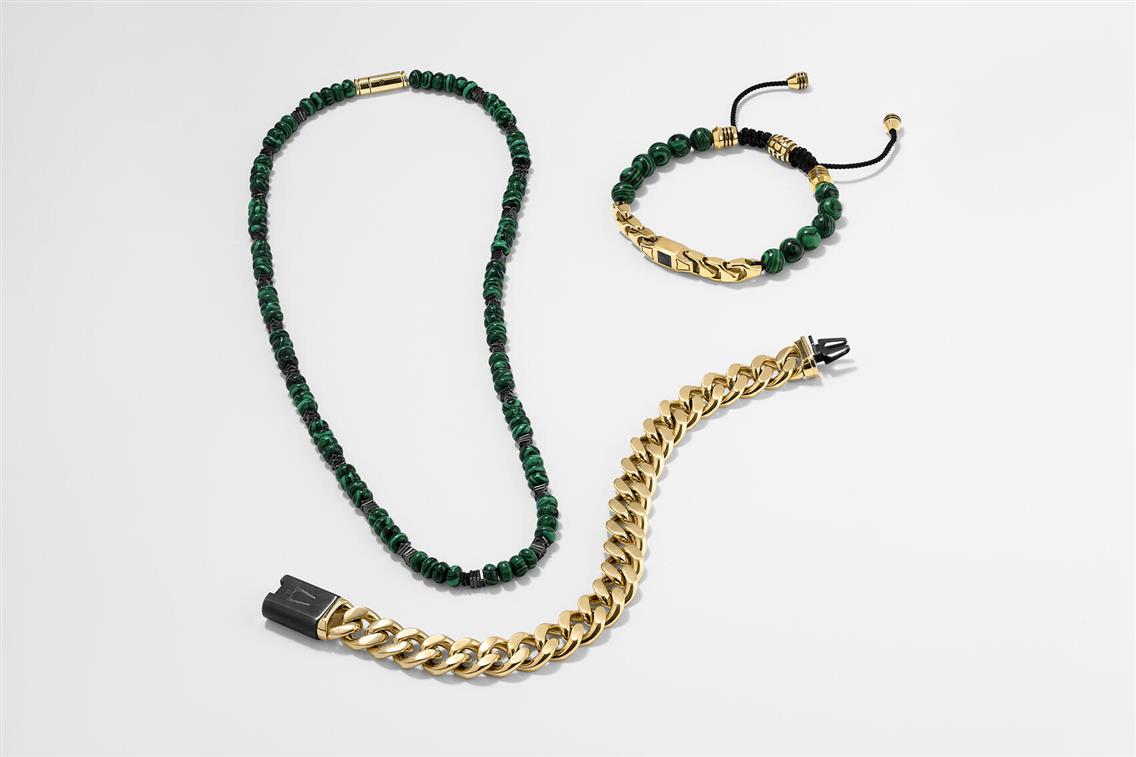
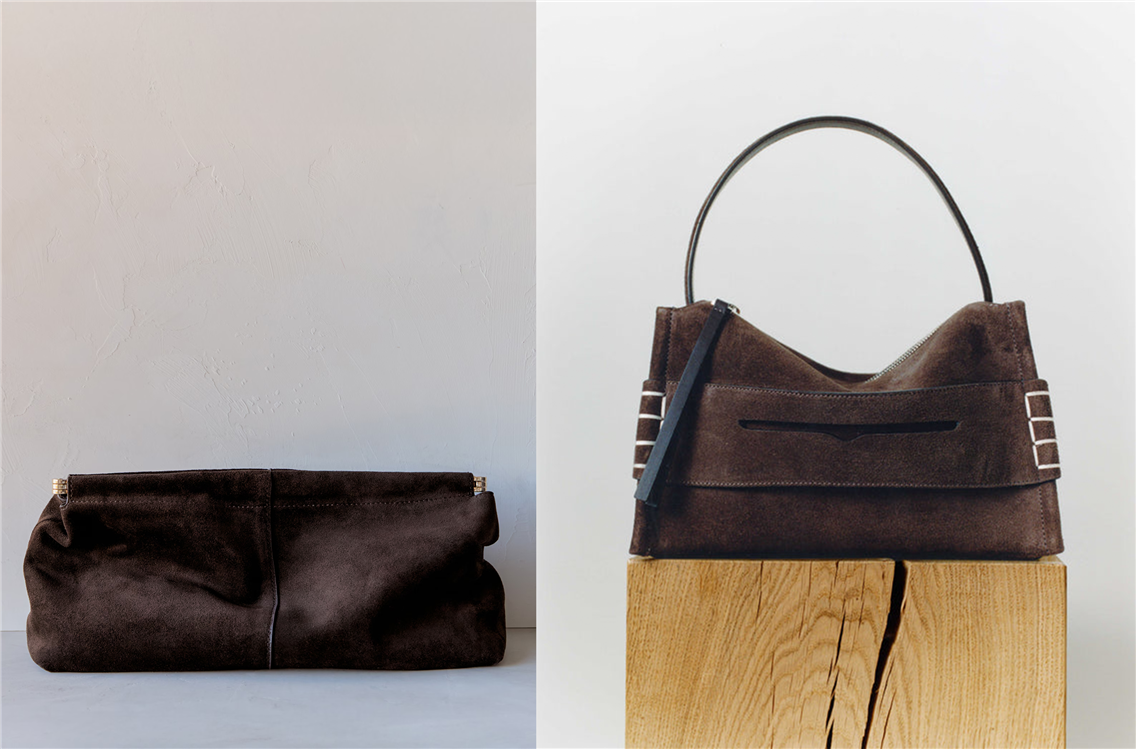
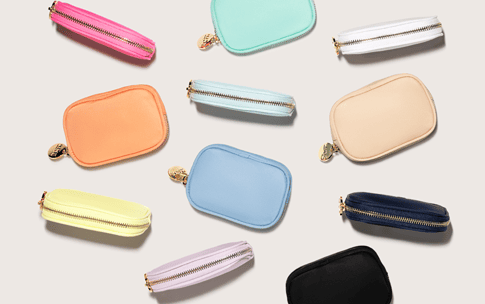
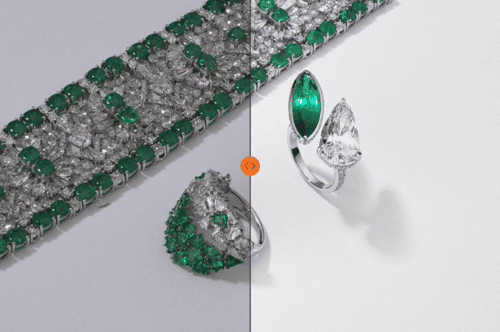
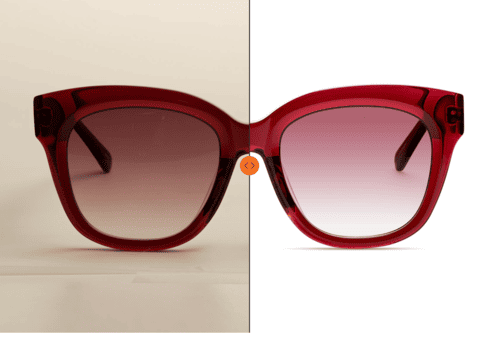
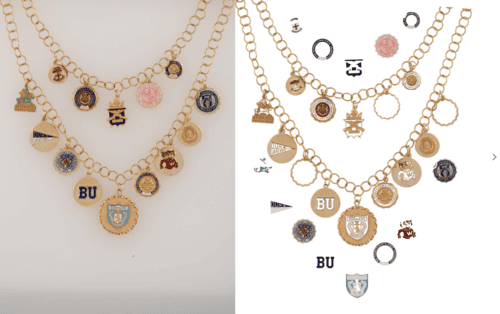
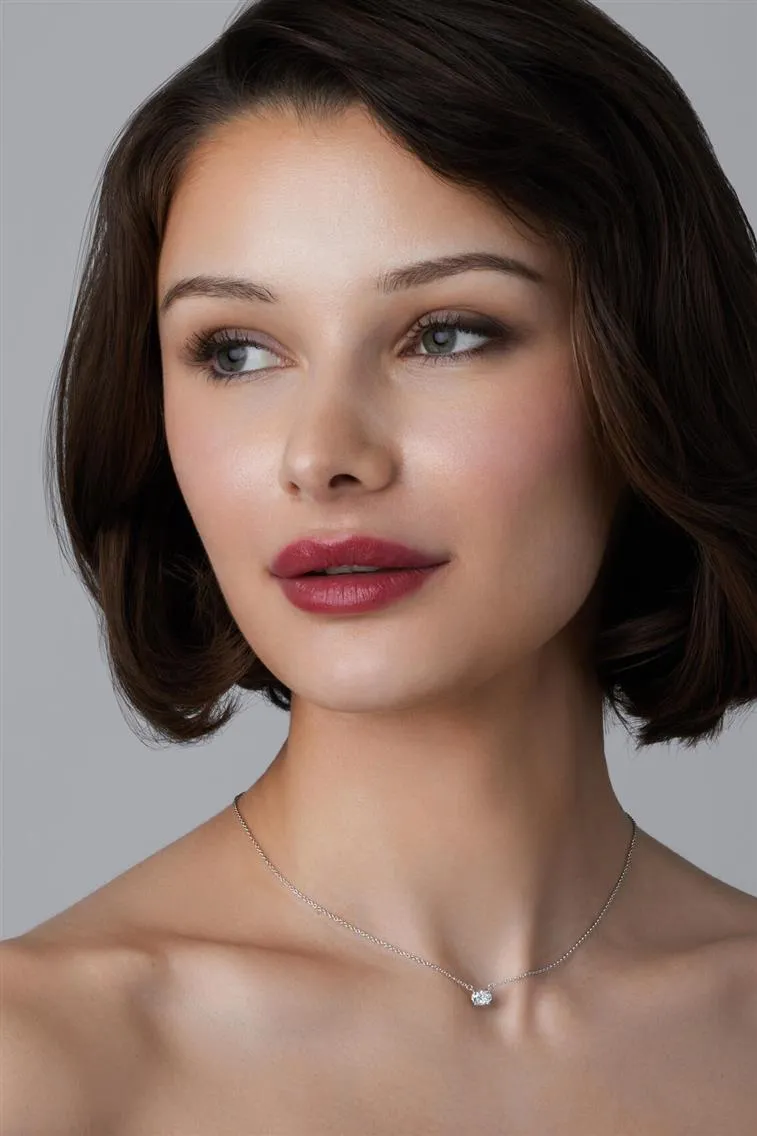
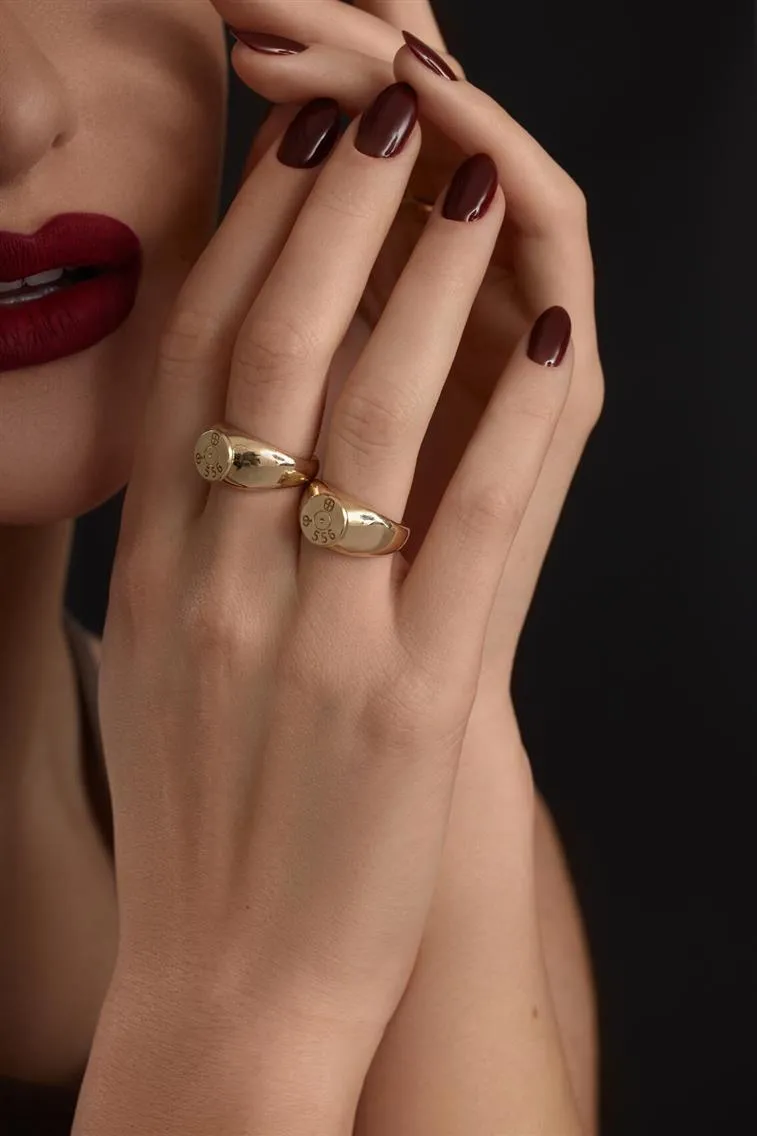
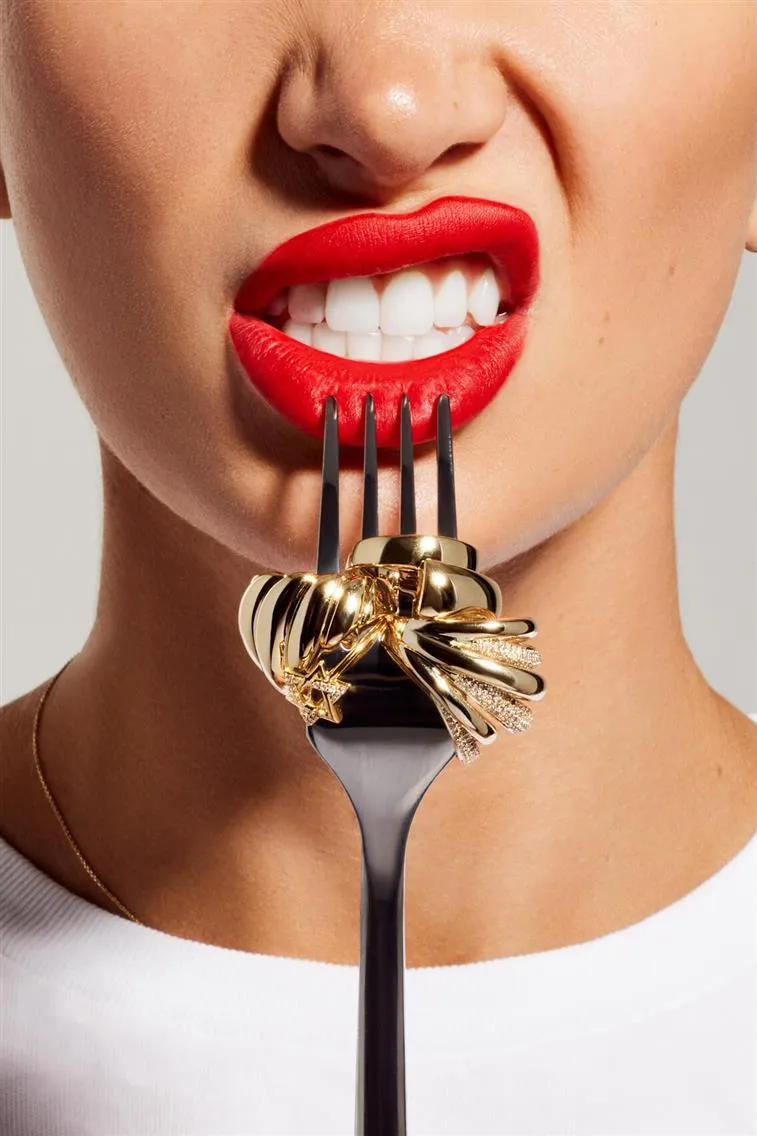
Successful jewelry brands excel by combining these approaches, showing both detailed close-ups and contextual body shots that help customers understand proportions. Explore some fashion jewelry shots from LenFlash studio portfolio:
Beauty and Skincare
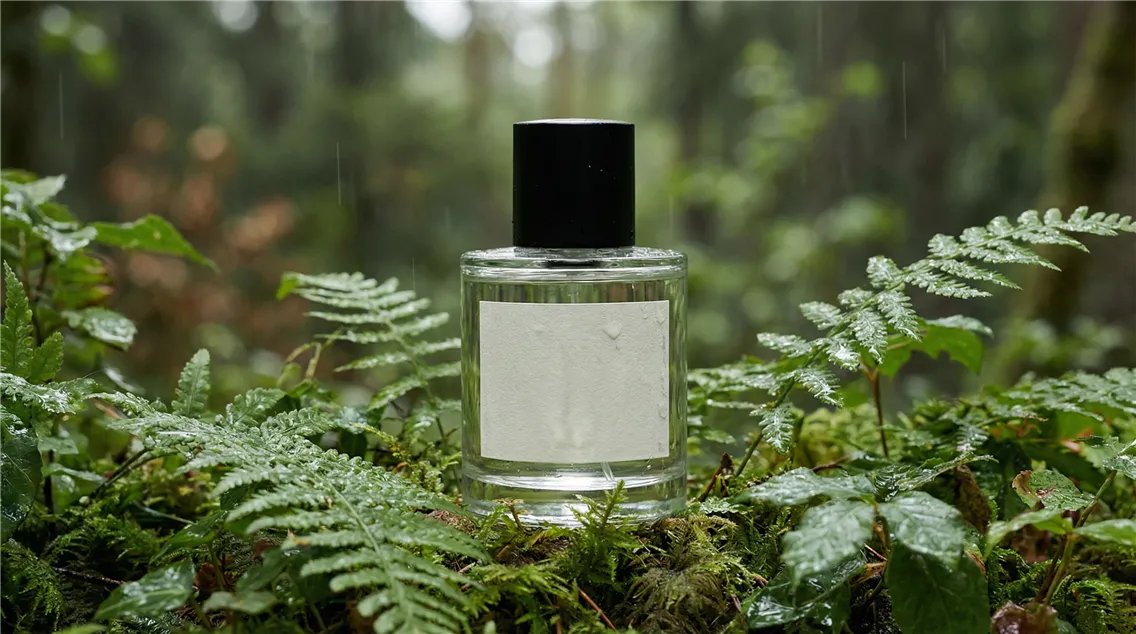
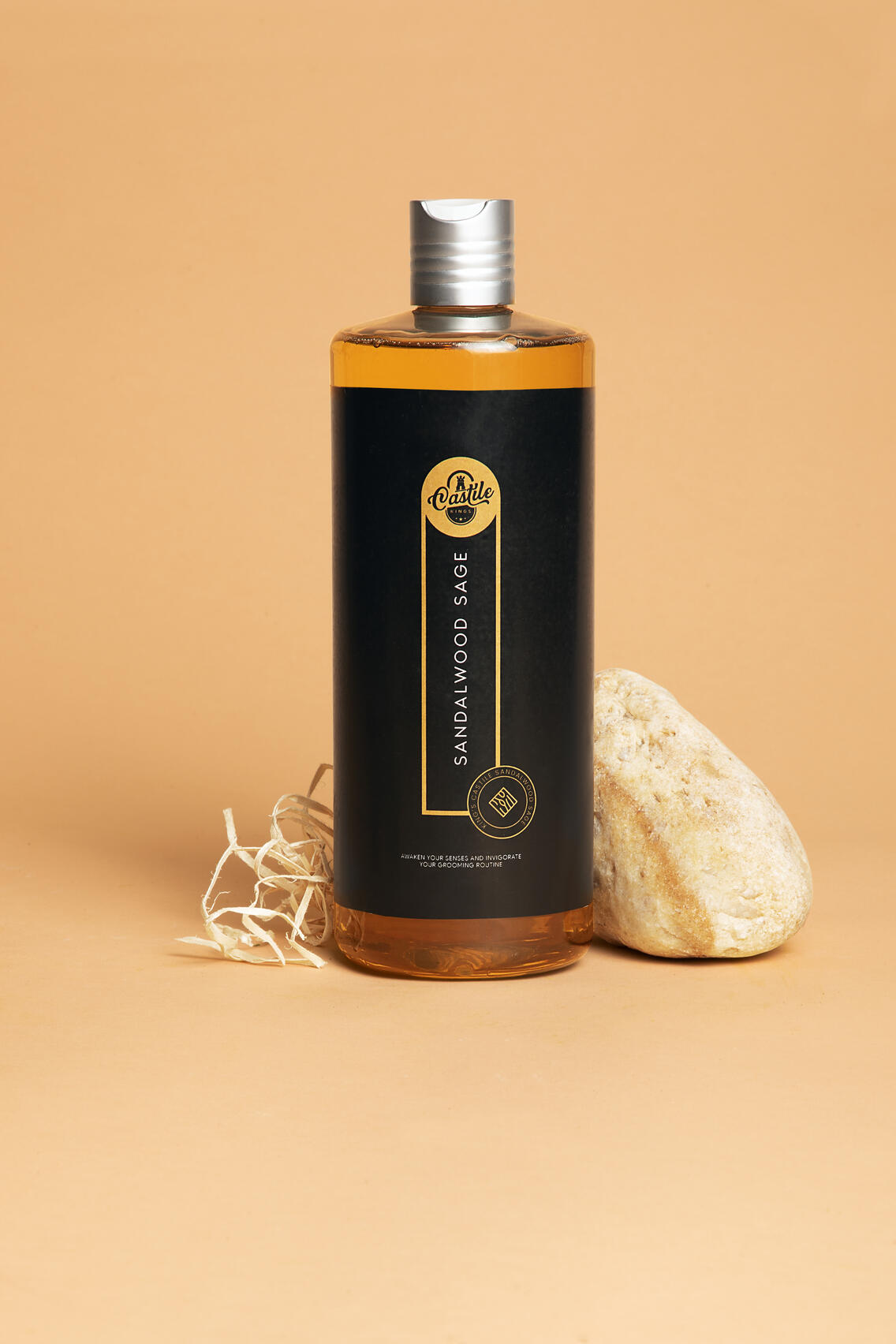
Beauty photography must demonstrate product performance while representing diverse skin tones and types accurately. Skin texture should be retouched but not airbrushed into unrealistic smoothness — authentic skin builds more purchase confidence than perfected digital skin. Application sequence shots are particularly effective for complex products, showing what customers can realistically expect from use. Color accuracy is critical for cosmetics specifically, where a wrong shade representation is a direct cause of returns.
The balance between clean studio shots showing color and texture and contextual lifestyle imagery showing the product in a real routine determines how well a beauty brand communicates both credibility and aspiration.
Footwear and Activewear
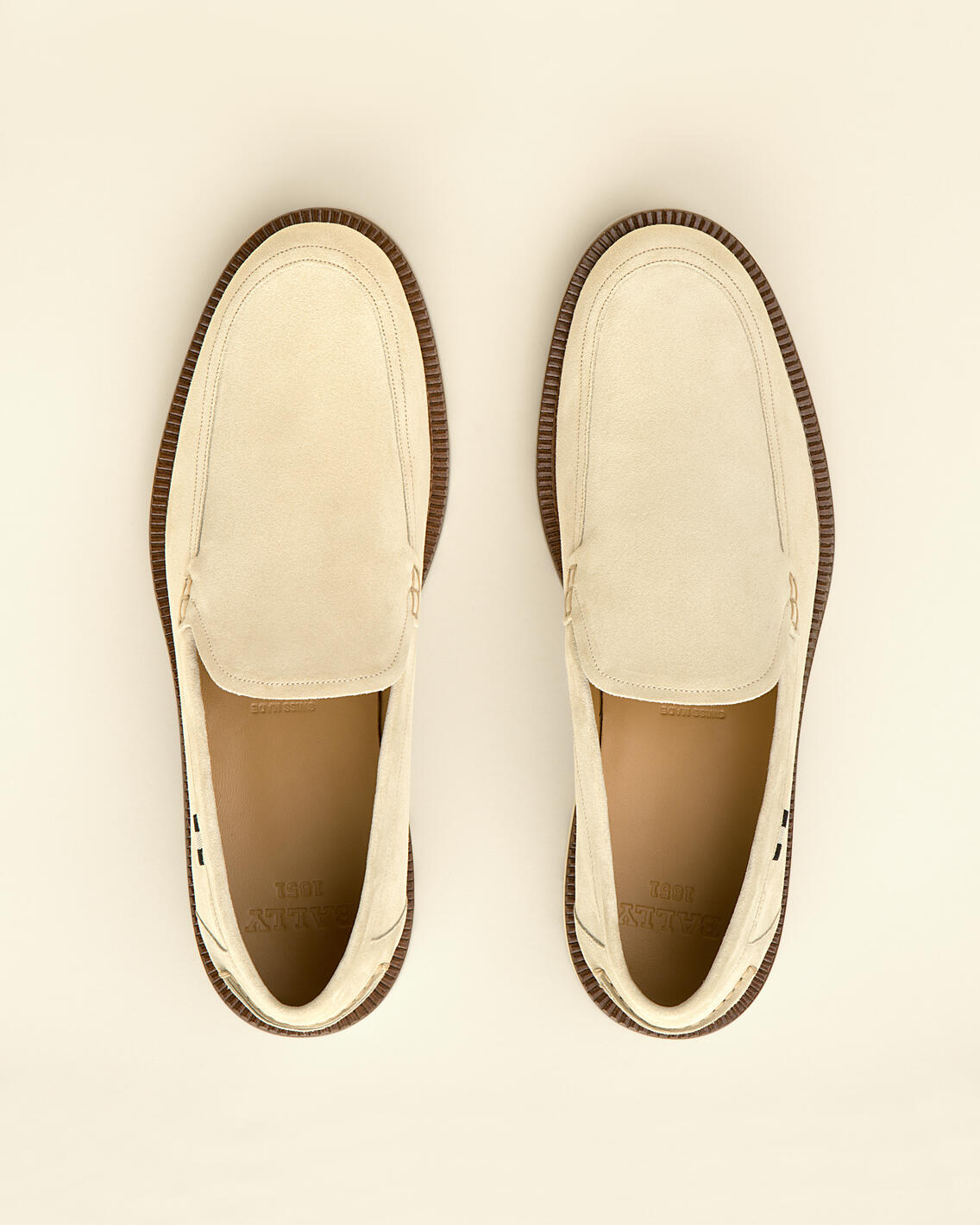
These categories require dynamic imagery showing performance and comfort in context. Movement-focused photography shows products during relevant activities (running shoes in motion, yoga pants in poses) communicating fit and function in ways static images cannot. Multiple angles are essential for footwear: profile, heel, toe, and sole each serve different customer questions. Lifestyle context that shows appropriate usage scenarios helps customers understand where and how the product belongs in their lives.
Related read: Fashion Footwear Photography Tips and Ideas for Brands
Home, Wellness, and Lifestyle Products
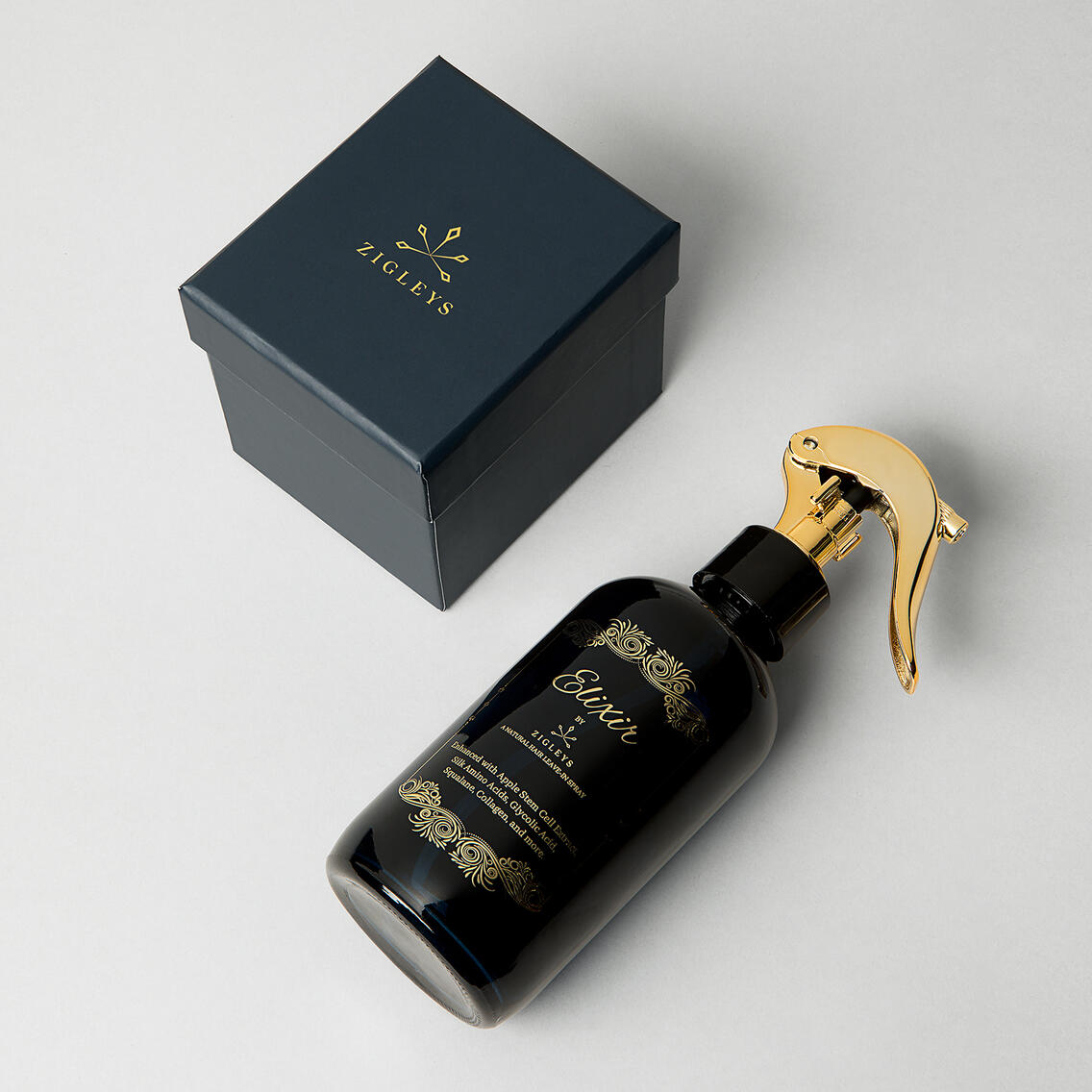
Contextual demonstration in realistic environments is the primary job for these categories. Showing products in actual living spaces, in use rather than simply displayed, communicates functionality in ways that product descriptions cannot match. The lifestyle alignment of the environment, whether the scene reflects the target customer's actual home aesthetic, determines how relevant and desirable the product feels.
Editorial Fashion Photography to Define Your Visual Brand Language
Communicating Brand DNA Through Imagery
Every successful fashion brand has a visual DNA — a combination of values, aesthetics, and emotional associations that makes it recognizable before a logo is visible.
Think about what makes Prada different from Gucci, or how a Calvin Klein campaign is instantly distinguishable from an Adidas one. These distinctions are not accidental. They are the result of deliberate decisions about how a brand's identity gets expressed through photography — decisions about lighting, casting, color, and environment that are made consistently across every production.
The most effective fashion photography reveals brand personality directly:
- A rebellious, edgy brand communicates through hard light, unconventional casting, and raw environments
- A sophisticated, minimal brand communicates through restraint, negative space, and controlled palettes
- A playful, irreverent brand communicates through unexpected compositions, humor, and color
These traits should inform every photographic decision from pre-production through post.
Editorial photography in particular gives brands room to develop visual narratives across extended image sequences rather than single product shots. Unlike catalog imagery, editorial spreads create immersive brand worlds that customers can step into. When applied consistently, these narratives build the emotional shorthand between brand and customer that communicates complex positioning in milliseconds — before a single word is read.
Establishing Visual Consistency
When consumers can identify your brand from imagery alone, you've achieved true visual brand equity. This recognizability doesn't happen by accident. It comes from establishing and maintaining consistent visual elements across all photographic assets.
This consistency doesn't mean repetition or monotony. Rather, it's about creating a cohesive visual language that can flex across different collections, seasons, and platforms while remaining distinctively yours. Think of it as creating a photographic handwriting that's instantly recognizable regardless of what's being written.
The components of this visual consistency include:
Lighting Signature
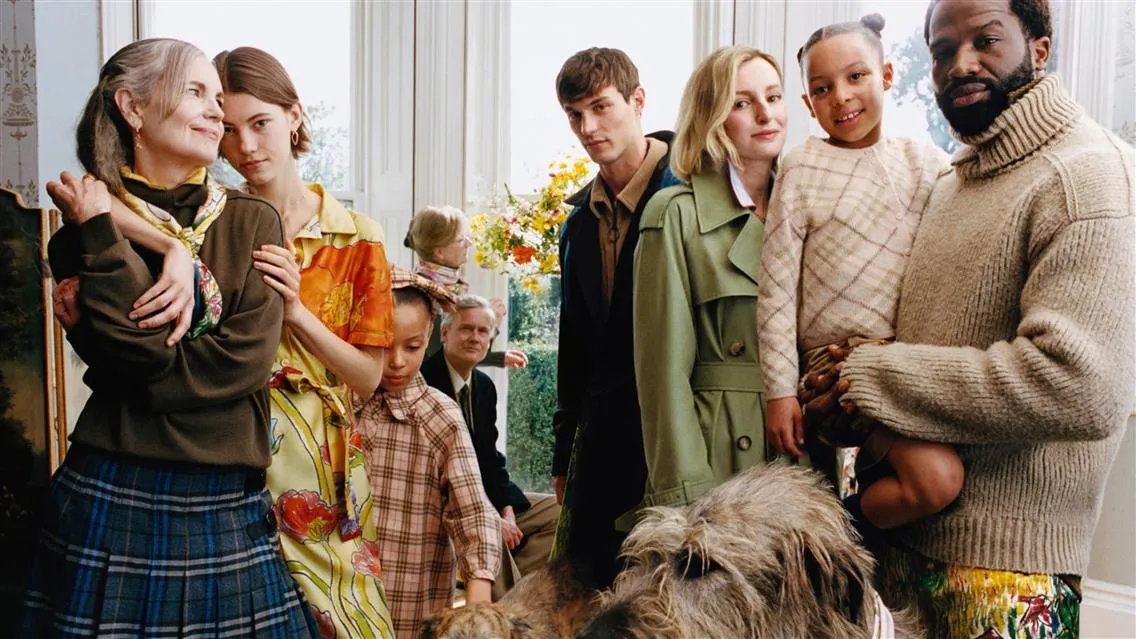
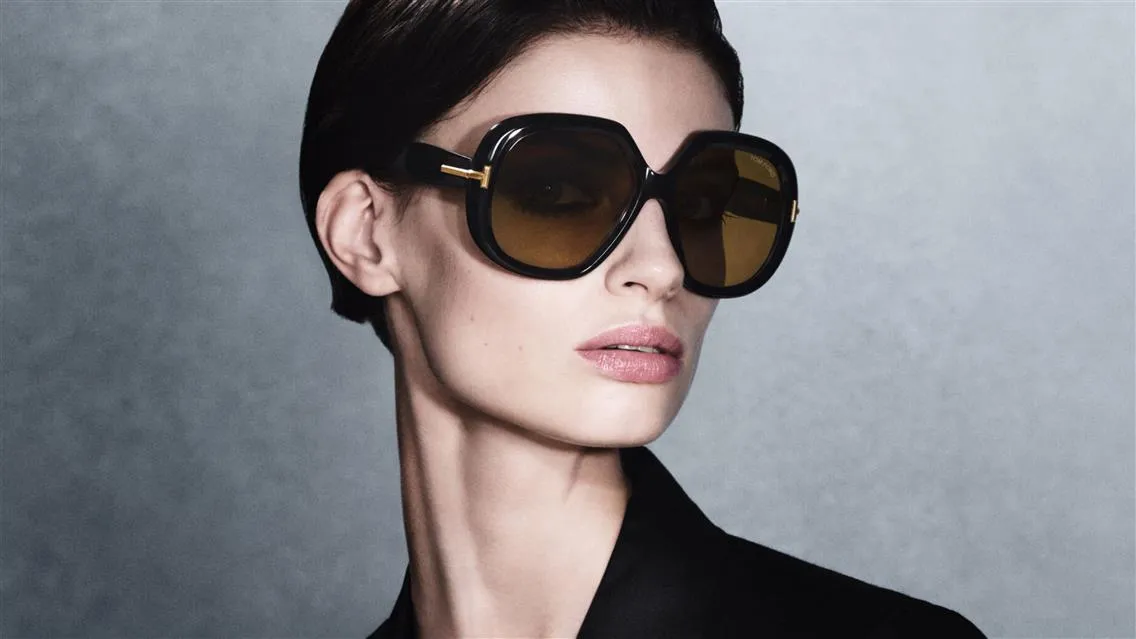
Your approach to lighting — whether harsh and dramatic or soft and natural— becomes a key brand identifier. Burberry's campaigns often feature a distinctive British outdoor daylight that communicates heritage and authenticity. Meanwhile, Tom Ford consistently employs dramatic, high-contrast lighting that exudes luxury and sensuality. These lighting choices aren't just aesthetic — they're strategic expressions of brand positioning.
Color Palette and Grading
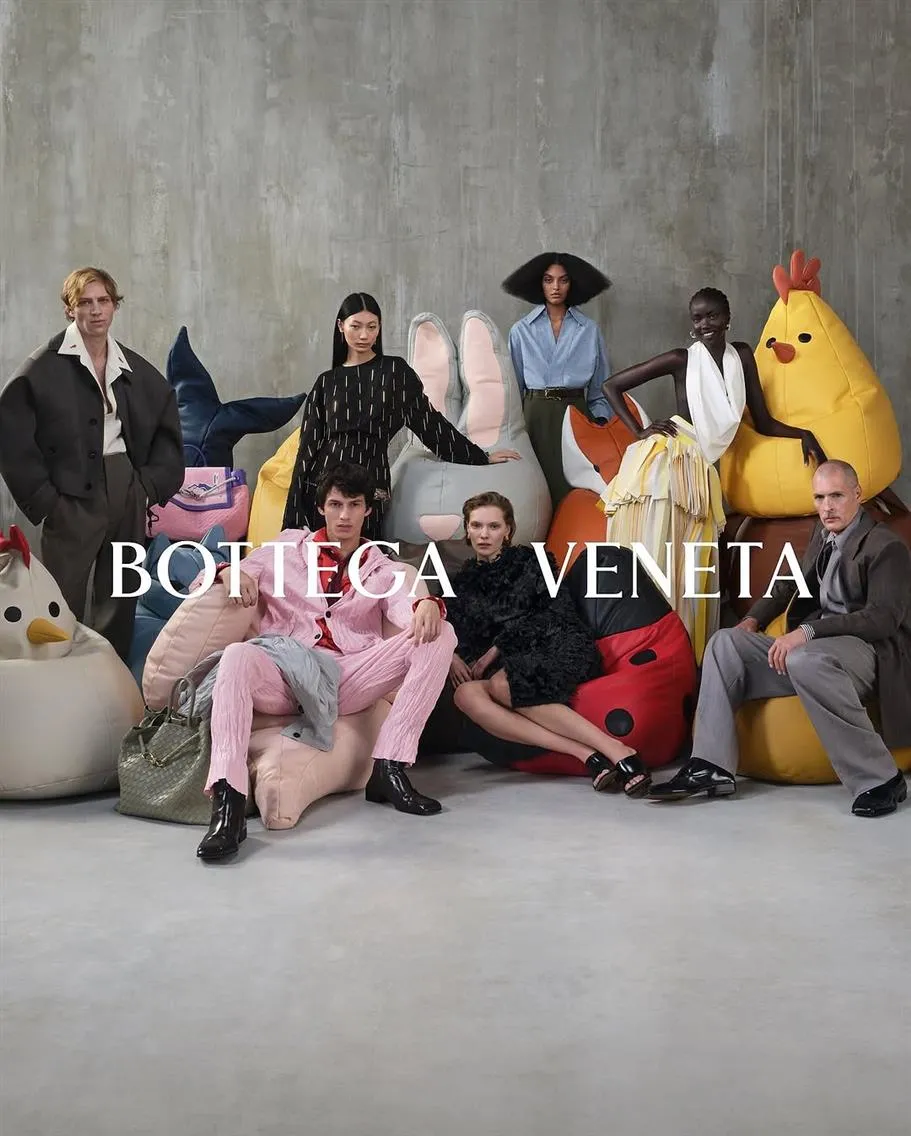
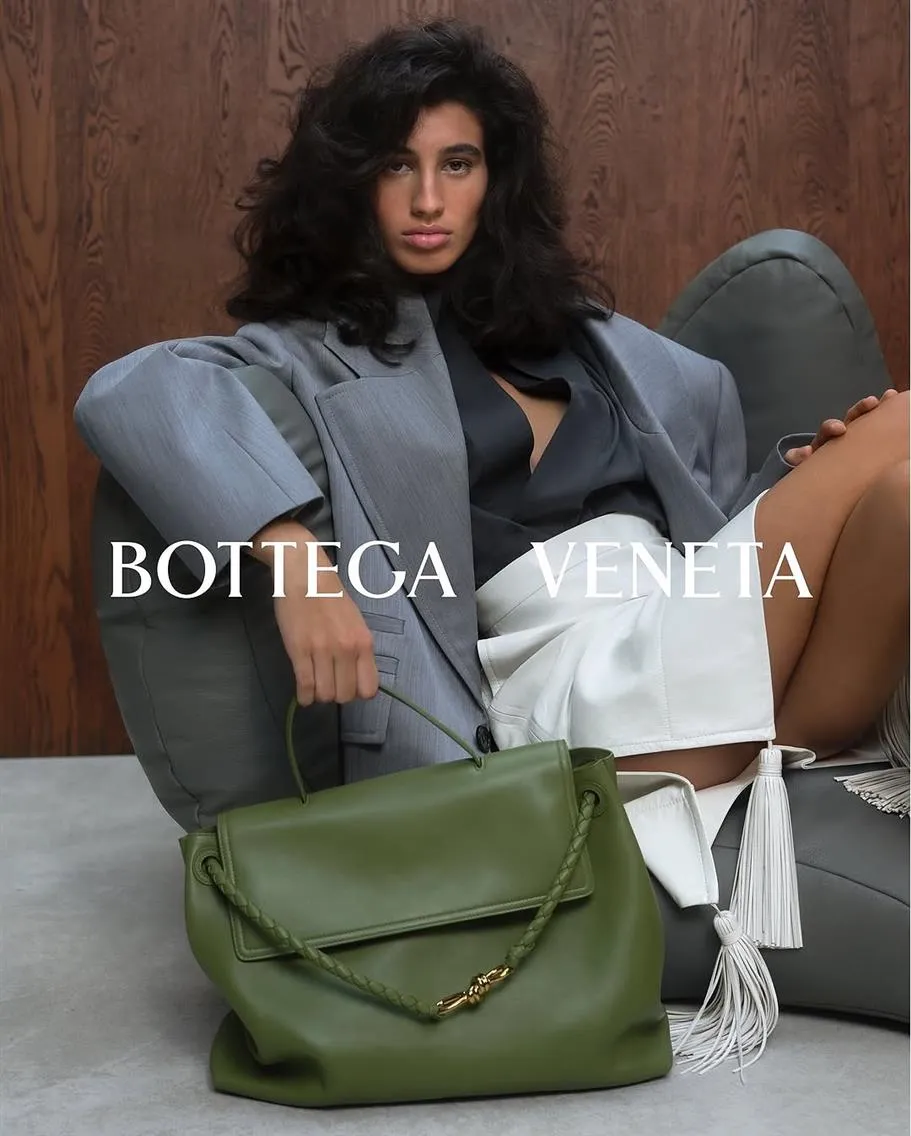
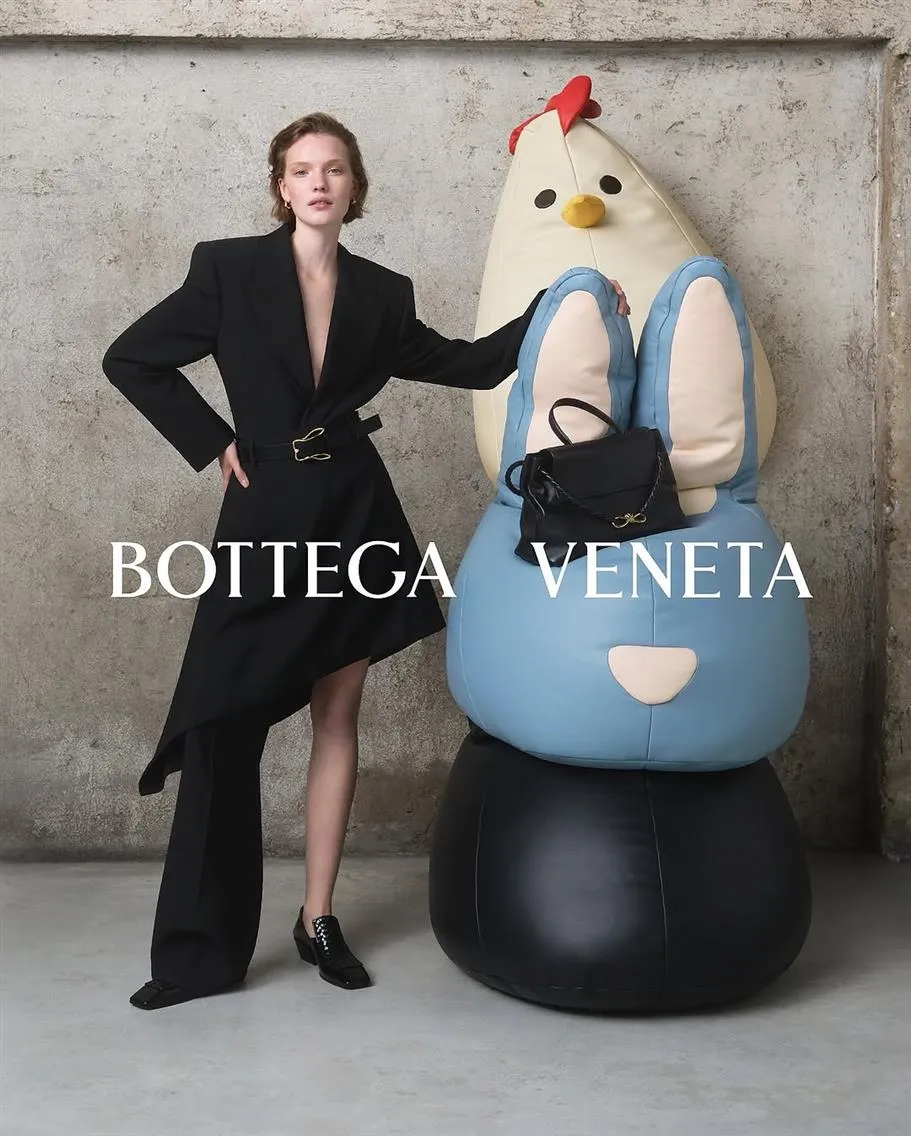
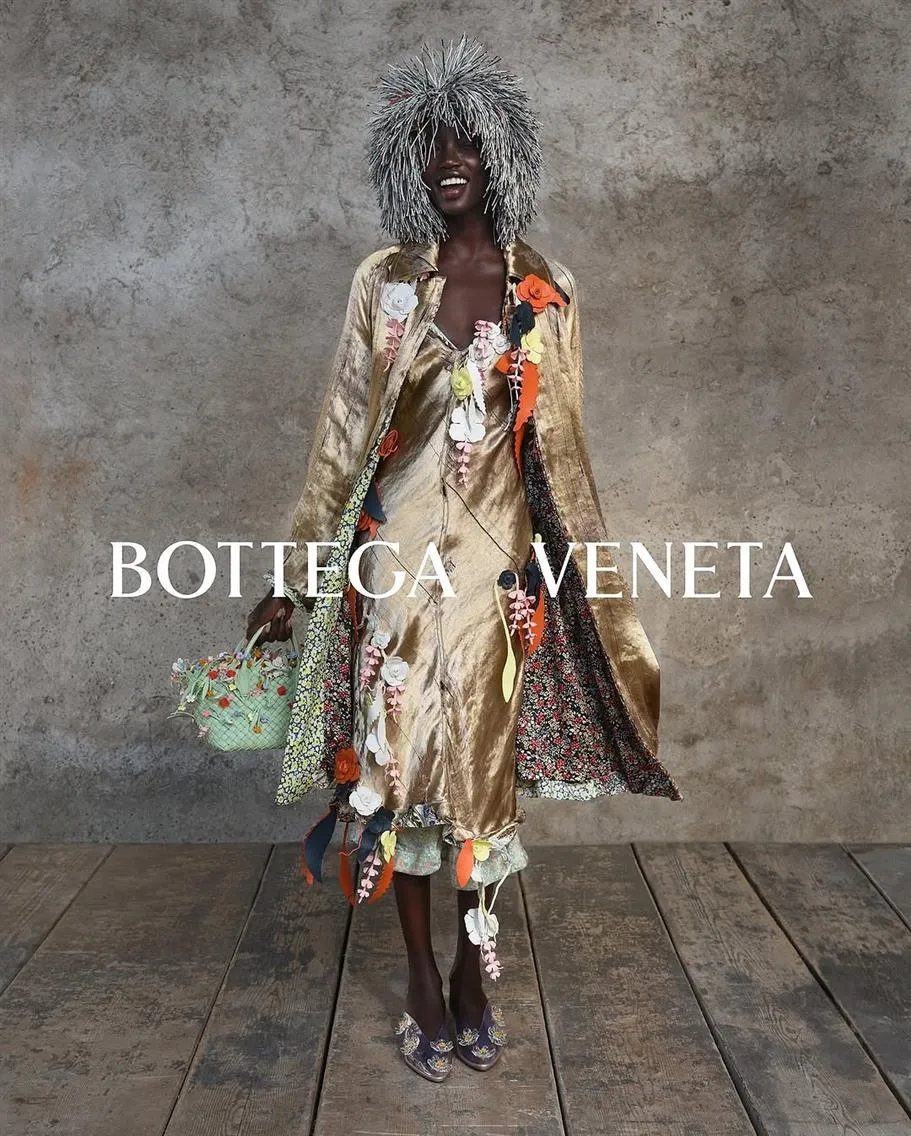
The way you handle color in your photography creates immediate brand recognition. Bottega Veneta's recent campaigns feature a distinctive natural color grading that instantly signals the brand's contemporary luxury positioning. Some brands opt for desaturated palettes that communicate understated sophistication, while others embrace vibrant hues that convey playfulness and energy. Your post-production color decisions are as important as the physical colors in your collection.
Models and Casting Choices
The faces that represent your brand become inextricably linked with your identity. Consistent casting doesn't necessarily mean using the same models, but rather selecting individuals who embody your brand values. Are they diverse or homogeneous? Conventionally attractive or uniquely distinctive? The human element in your photography is often what customers connect with most emotionally, making casting one of your most crucial brand decisions.
Setting and Environment
The worlds in which you place your products communicate volumes about your brand positioning. Urban concrete jungles, pristine natural landscapes, minimalist studios, or opulent interiors — these environments place your products in cultural contexts that influence how customers perceive their value and relevance. Your consistent choice of settings creates a sense of place associated with your brand.
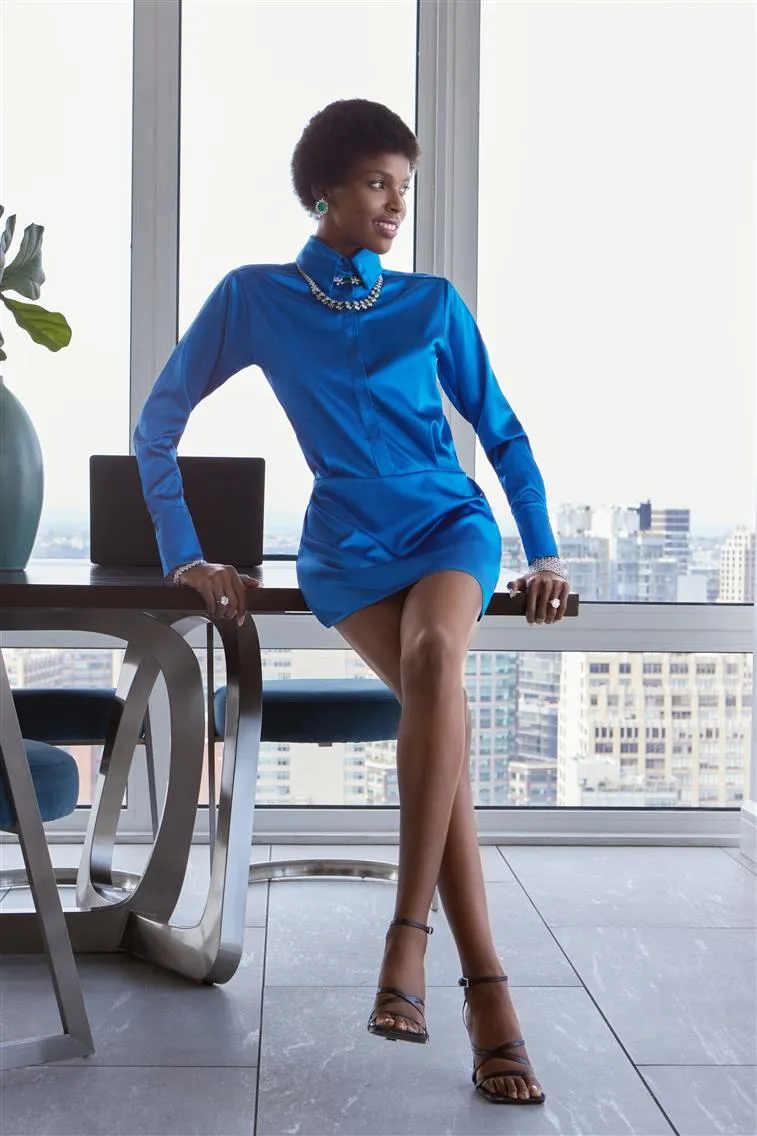
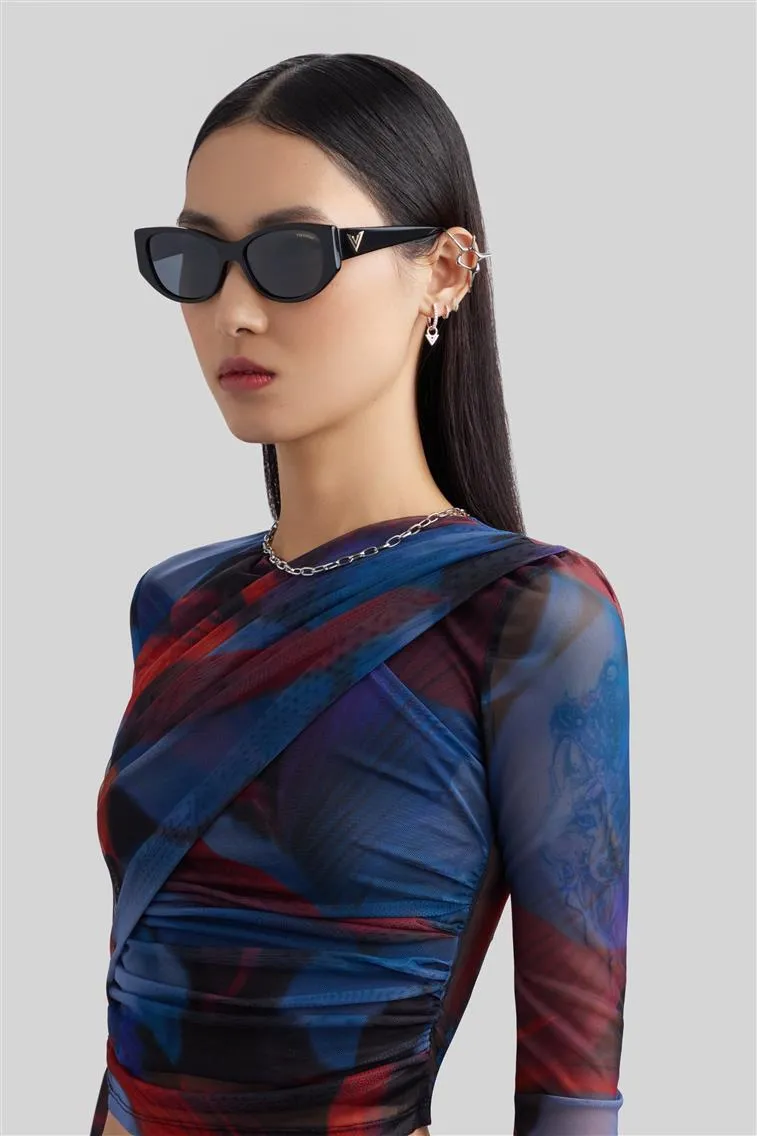
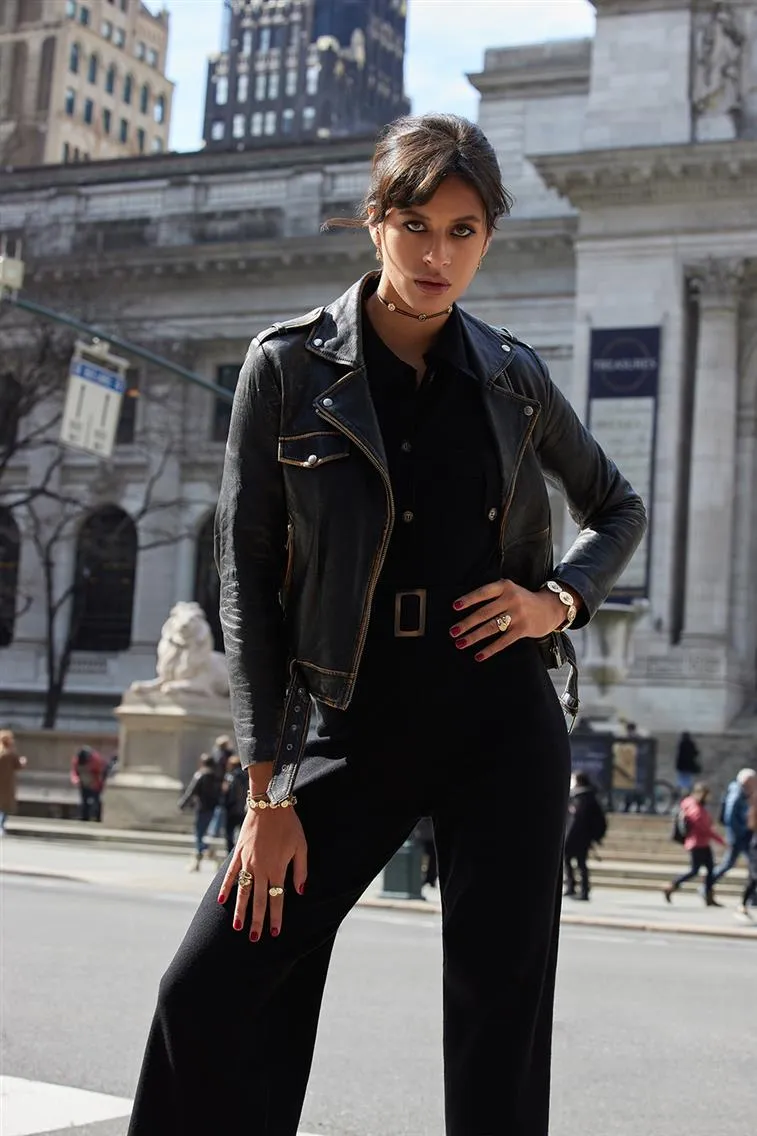
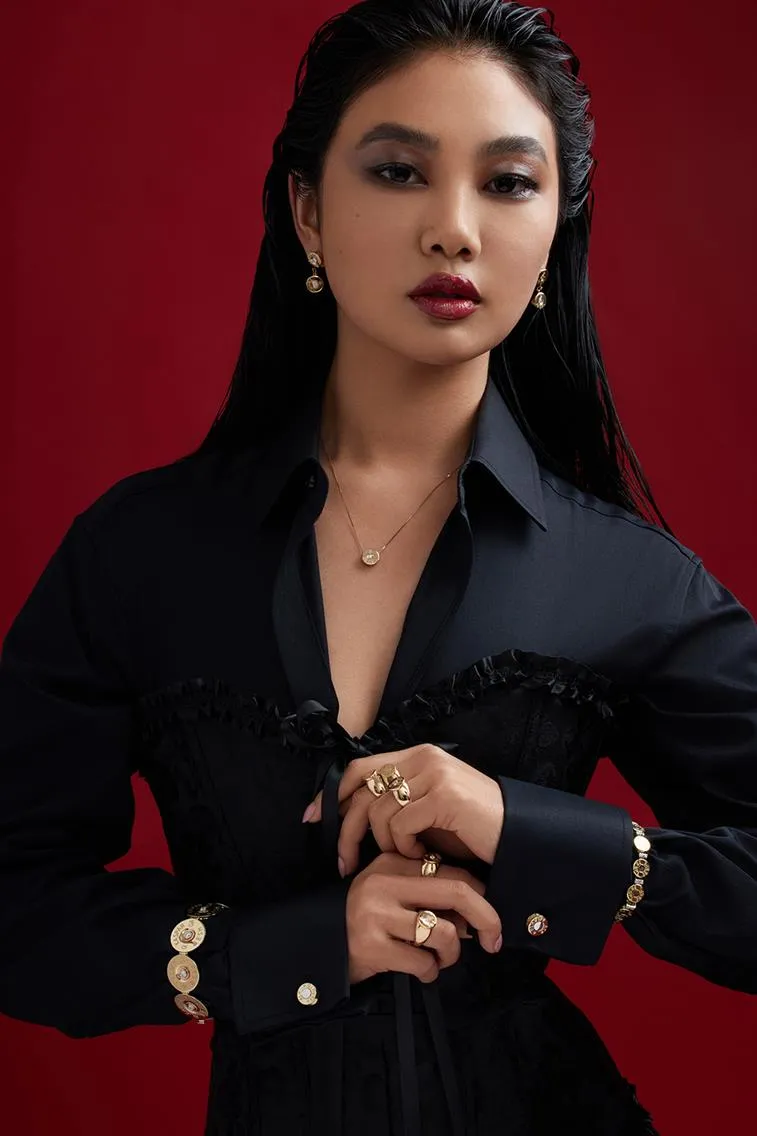
When these elements work together consistently across campaigns, the cumulative effect is powerful brand recognition that goes beyond logos or product features. This visual consistency creates efficiency in your marketing—each new image builds on the recognition established by previous ones, creating compound returns on your photography investment.
For business, this means developing clear visual guidelines for photographers that communicate not just technical specifications but brand values and positioning. The most successful brands treat photography as a strategic business asset rather than a departmental deliverable, with leadership involved in establishing the visual language that will define their market position.
Creating Narrative Through Fashion Photography
Customers rarely purchase fashion items purely for functional reasons. They are buying into a story about who they are or aspire to be. Lululemon does not simply show yoga pants, their photography depicts a lifestyle of wellness, mindfulness, and community. The product becomes a gateway to a desirable state of being, which shifts the purchasing equation from cost-benefit analysis to emotional investment.
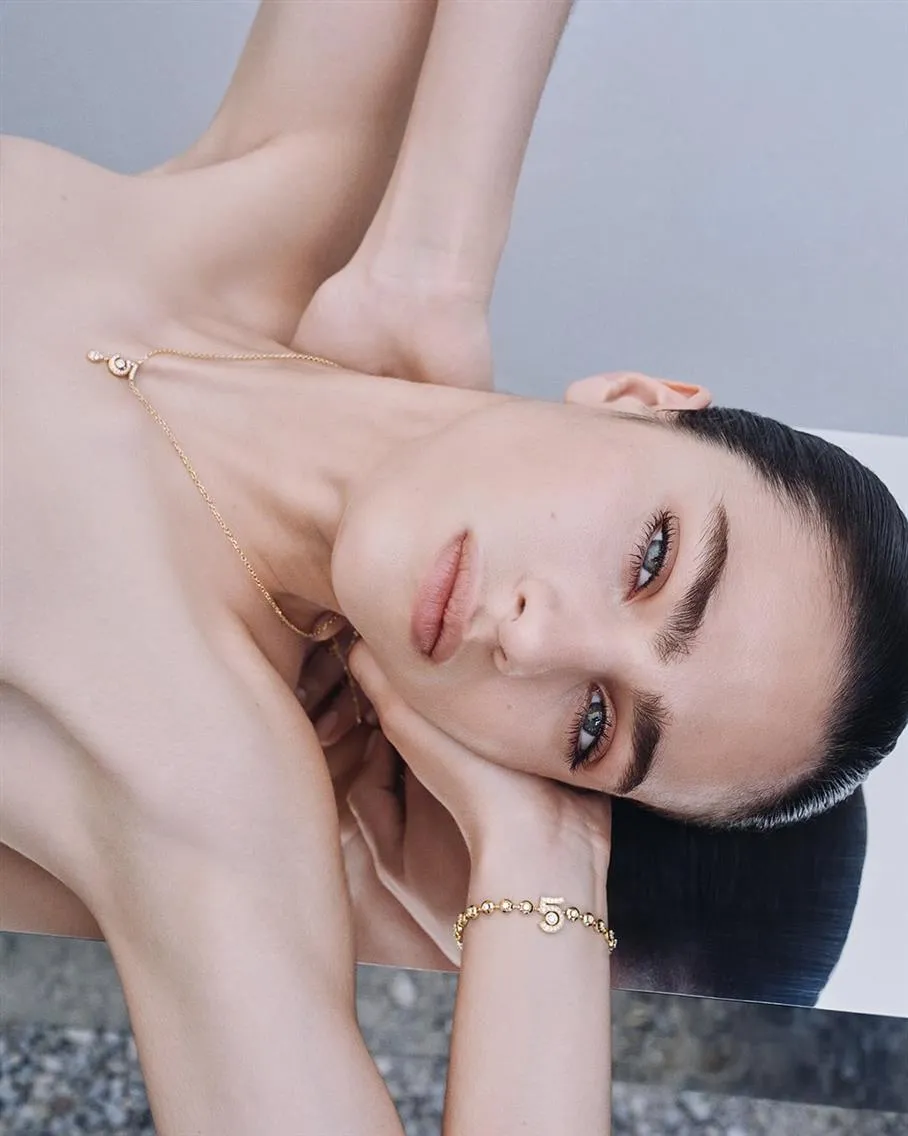
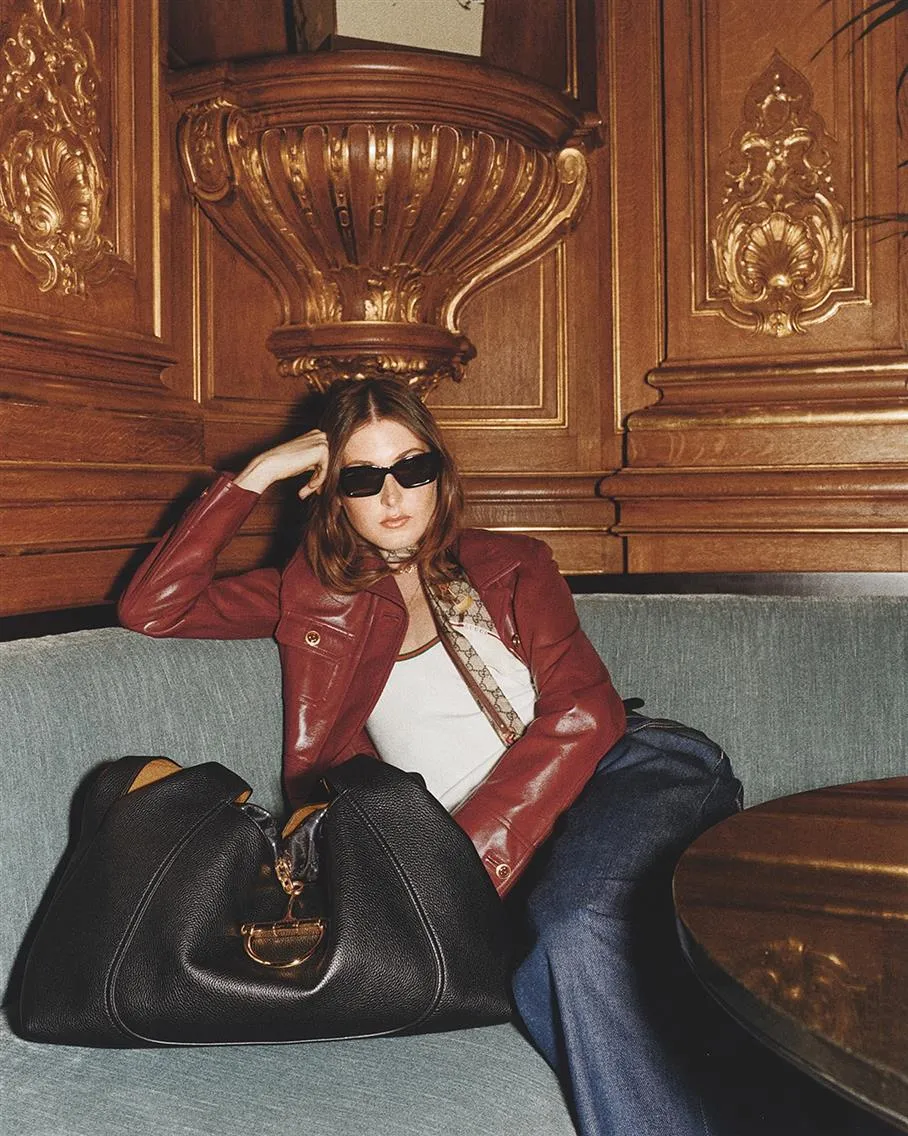
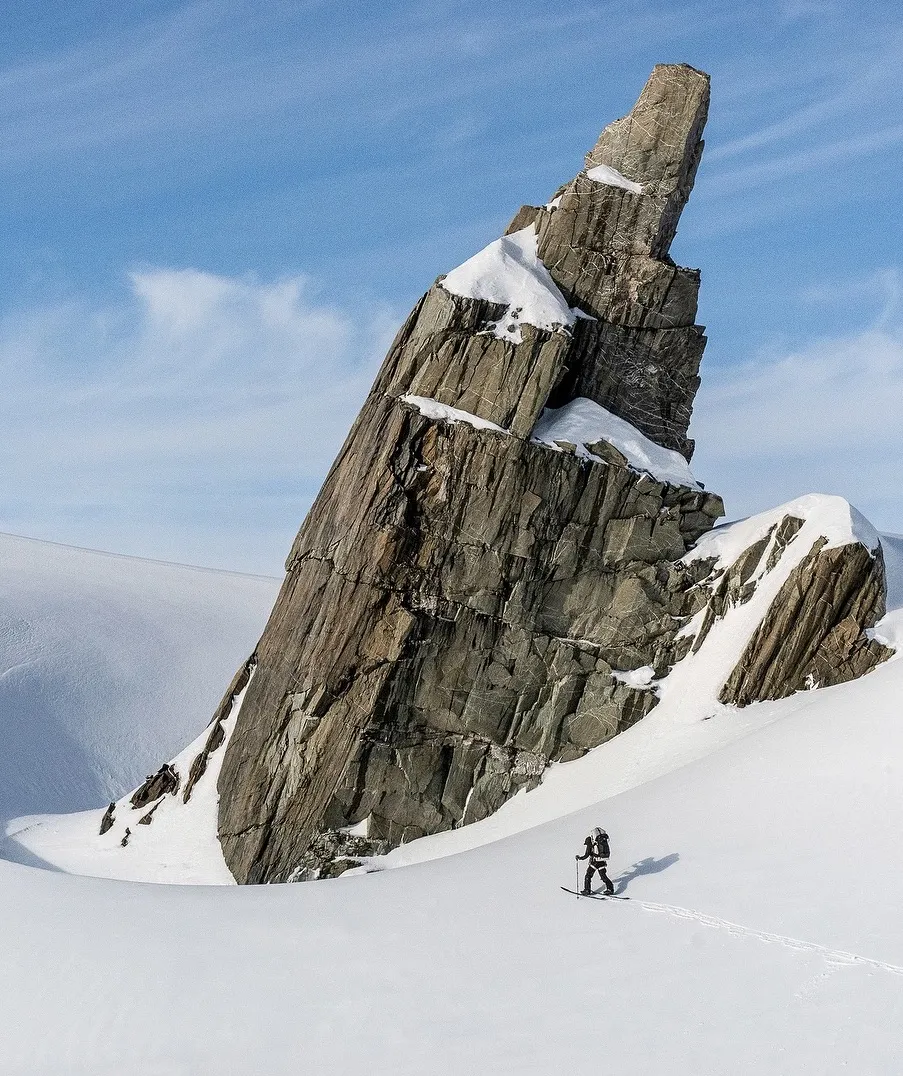
Chanel sells sophistication. Patagonia sells adventure and environmental values. Gucci sells creative expression and cultural irreverence. In each case the photography depicts not just clothing but a version of the self that customers want to embody. The garments are vehicles for personal storytelling and identity expression.
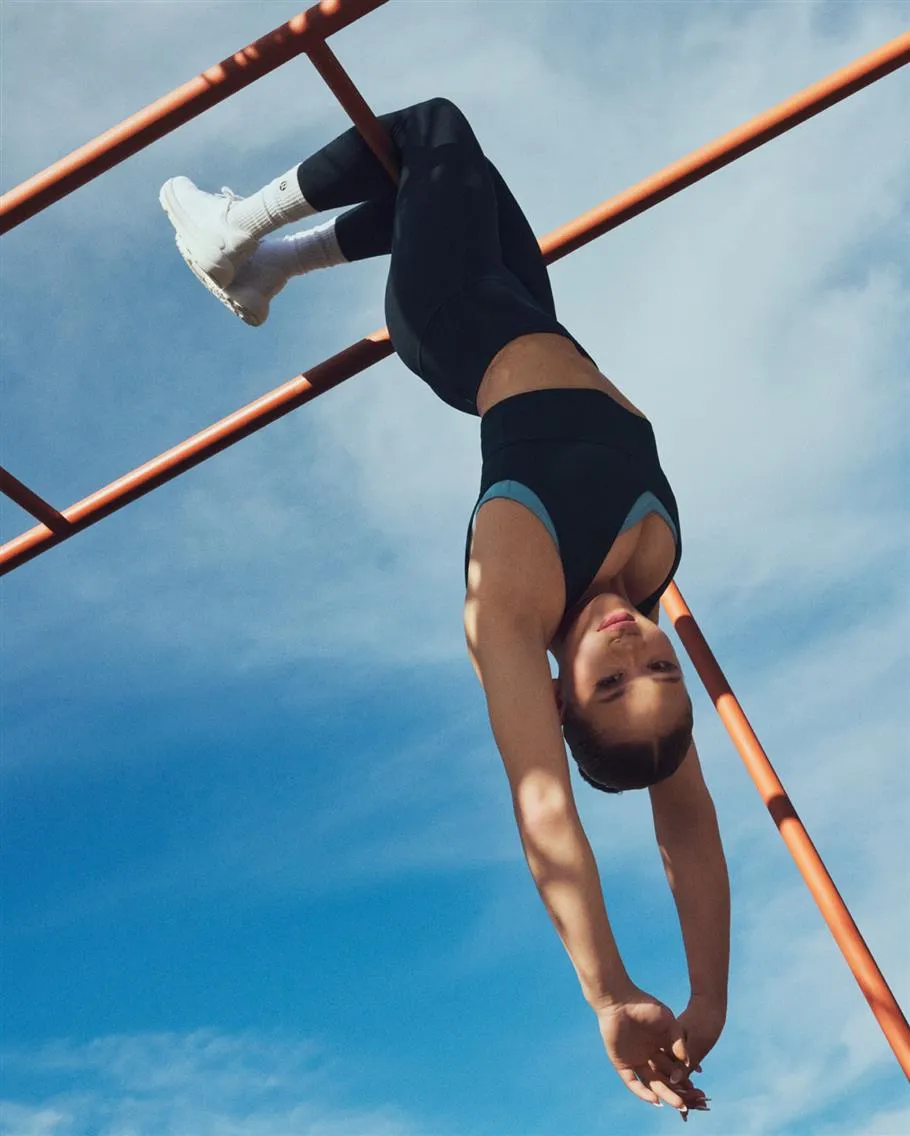
Seasonal campaigns extend this narrative across multiple images and platforms. Unlike individual product shots, campaign photography develops thematic stories that create memorable moments in a brand's timeline — reference points that customers associate with the brand's evolution. A well-executed campaign can reposition market perception more effectively than dozens of disconnected product images. For brands planning seasonal campaigns and lookbook productions: How to Create a Lookbook for Your Fashion Brand
Balancing Artistic Vision with Commercial Requiered
The most effective fashion photography aligns creative ambition with commercial function rather than choosing between them. Brands that lean too far toward artistic expression produce images where the product becomes incidental. Brands that prioritize technical clarity over creative direction produce images that convert but build nothing over time.
Showing Product Details, Not Just Mood
Even the most conceptual fashion photography must provide enough product visibility for customers to make informed purchasing decisions. This doesn't mean sacrificing creative vision — it means ensuring that key product details remain visible amid artistic expression.
Styling That Highlights Key Features
Styling plays a crucial role in balancing artistic vision with commercial objectives. While editorial styling might layer multiple pieces or use unconventional combinations to create mood, commercial considerations require highlighting sellable features that drive purchasing decisions.
Effective commercial styling:
- Emphasizes distinctive design elements that differentiate your products
- Creates complete looks that help customers envision how pieces work together
- Uses accessories and props that enhance rather than distract from key products
- Considers how garments will appear in thumbnail images and search results
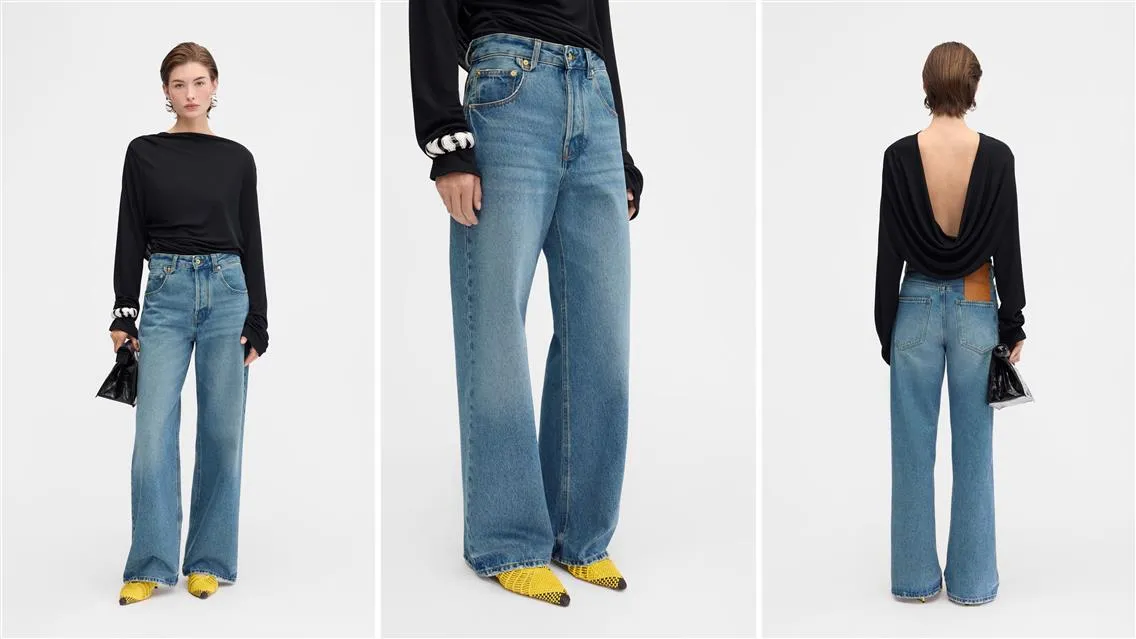
The Team Behind a Fashion Photoshoot
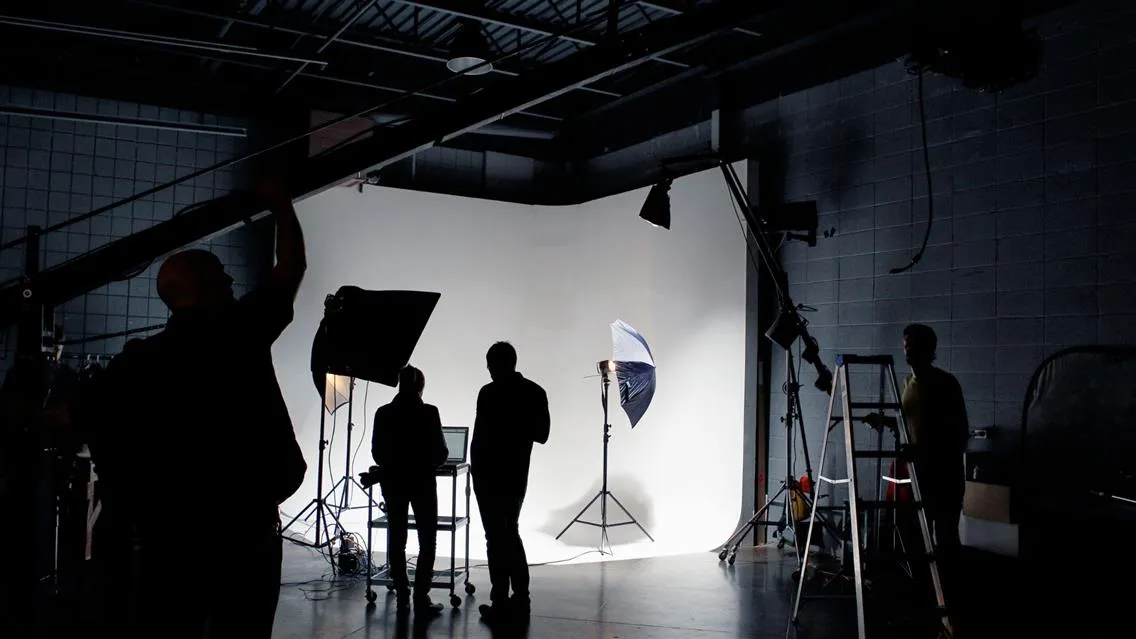
A fashion photoshoot requires a substantially larger team than a product shoot because the goals are fundamentally different. Product photography focuses on the object. Fashion photography focuses on how the object inhabits a world — which requires building that world on set.
The photographer sets up lighting and captures angles that showcase garments while bringing the brand's visual identity to life. Models represent the brand's target audience and show how clothing fits and moves on real bodies. The fashion stylist selects and prepares garments, accessories, and props aligned with the brand's creative direction. The hair, makeup, and nail artist enhances the overall aesthetic without drawing attention away from the product. The creative director guides the overall vision and ensures every decision aligns with brand positioning. The producer manages logistics, scheduling, and budget. Retouchers polish the final images and maintain color consistency across the full asset set.
A product shoot is leaner — focused on precise lighting and composition to document the product accurately, with a stylist or assistant managing product presentation but without the full creative team that fashion production requires.
Fashion shoots are built around storytelling, with a full creative team bringing a brand's identity to life through people, styling, and atmosphere. Product photography is a focused, detailed showcase of the item itself.
For a full breakdown of each role and how they work together: Understanding the eCommerce Photography Creation Process and Team Involved
AI-Generated Fashion Visuals
AI production is becoming a realistic option for certain fashion content types, particularly for brands that need to scale visual output without scheduling additional shoot days. Studio images that were shot and retouched to a professional standard can be extended into on-model lifestyle versions, background variations, and seasonal adaptations — covering multiple channels and formats without a separate production.
The results depend almost entirely on the quality of the source photography. Well-lit, properly retouched originals produce AI outputs that are commercially usable. Flat or inconsistent source files produce outputs that are immediately recognizable as artificial regardless of the tool used.
AI production works alongside traditional fashion photography rather than replacing it. Campaign work, hero imagery, and any photography where brand identity, casting, and creative direction matter still requires a full production. AI extends what that production delivers — it does not substitute for it.
For a full analysis of how AI tools are changing fashion photography production specifically: AI is Reshaping Fashion Photography
Professional Fashion Photography at LenFlash
LenFlash produces fashion photography for apparel and accessories brands from our 12.000 sq m photography studio. Online ordering for catalog and eCommerce work, pre-production consultation for campaign and editorial productions.