


The Commercial Product Photographer's Complete Guide
Commercial product photography is a discipline with its own technical requirements, client expectations, and business logic. It is distinct from editorial, portrait, and fine art photography in one fundamental way: the image has a commercial job to do. It needs to communicate product value accurately, meet platform specifications, and perform in the context where it appears, whether that is a product detail page, a marketplace listing, a paid social ad, or a campaign lookbook.
For photographers building a career in this space, the technical and business challenges are interconnected. Technique determines the quality of what gets delivered. Post-production workflow determines how efficiently it can be delivered at scale. Business and career decisions determine whether the work is sustainable long-term. This guide covers all three, with links throughout to the dedicated articles that go deeper on each topic.
For what brand owners actually need from a product photographer, see The Ultimate Guide to eCommerce Product Photography.
What Commercial Product Photography Involves
Commercial product photography sits at the intersection of technical precision and creative communication. Unlike still photography, where the aesthetic is the end in itself, commercial work serves a business objective: making a product look desirable, accurate, and credible to a buyer who cannot physically handle it.
That objective creates requirements that simply do not exist in other photography disciplines. Color accuracy matters commercially, not just aesthetically: a garment photographed under the wrong light that reads as navy instead of black generates returns. A gemstone shot under flat lighting communicates lower quality than the physical piece actually has. A product that looks smaller or larger than its real dimensions because of lens perspective creates an expectation gap that damages trust before the customer even opens the box.
Platform compliance adds another layer entirely. Amazon, Zalando, Farfetch, and most major eCommerce channels publish specific technical requirements for primary product images, and understanding those requirements before the shoot is what prevents producing assets that simply cannot be used on the channels the client actually needs. A commercial photographer who understands both the technical side and this business context is consistently more valuable to clients than one who only understands the technical side.
Equipment for Commercial Product Photography
Equipment decisions in this field are rarely about owning the most expensive gear. They are about having the right tool for the specific technical challenge in front of you, and the three variables that matter most are cameras, lenses, and lighting.
Cameras. Full-frame mirrorless and DSLR bodies with manual exposure control, resolution above 24 megapixels, strong dynamic range, and RAW support are the standard for commercial work. Tethered shooting, reviewing images on a calibrated monitor in real time, catches problems at the capture stage rather than after the shoot has wrapped, which is the difference between a five-minute fix and a reshoot. Best Cameras for Product Photography covers the full selection criteria.
Lenses. Lens choice directly affects how accurately a product gets represented. Wide lenses introduce perspective distortion, stretching edges and making objects look wider than they actually are. The 85mm to 105mm range renders proportions neutrally and has become the standard for most commercial categories, while macro lenses in the 90mm to 100mm range are essential for jewelry and small detailed products that need 1:1 magnification to resolve surface detail properly. Best Lenses for Product Photography breaks this down by category.
Lighting. This is the highest-leverage variable in the entire setup. The same product under two different lighting configurations can communicate two entirely different quality levels. Studio strobes with softboxes, continuous LED panels, and specialized setups like lightboxes for jewelry and reflective surfaces each serve a different purpose, and open light photography, using directional, natural-feeling light to build dimension and communicate material quality, has become the standard for premium eCommerce brands specifically. Essential Lighting Setups for Product Photography covers setups across categories, and the complete equipment guide ties cameras, lenses, lighting, and accessories together in one reference.
For photographers setting up their own production space, or advising clients who want to build one in-house, DIY Product Photography: Setting Up a Home Studio covers what a home studio setup realistically requires and where its limits are.
Product Categories and Technical Specializations
Commercial product photography spans a wide range of categories, and photographers who build deep expertise in one or two of them are consistently more competitive for commercial work than generalists who spread themselves across all of them.
Jewelry
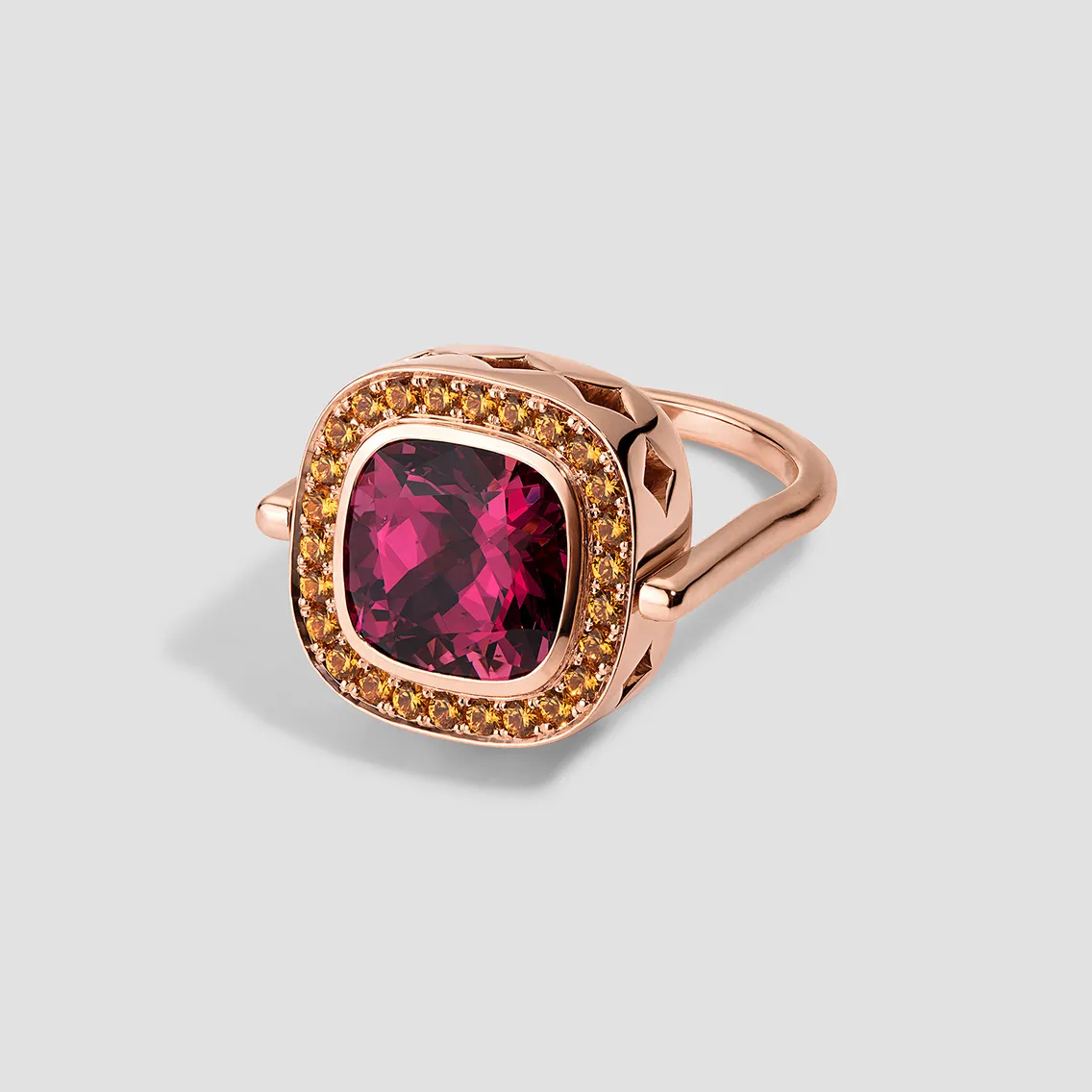
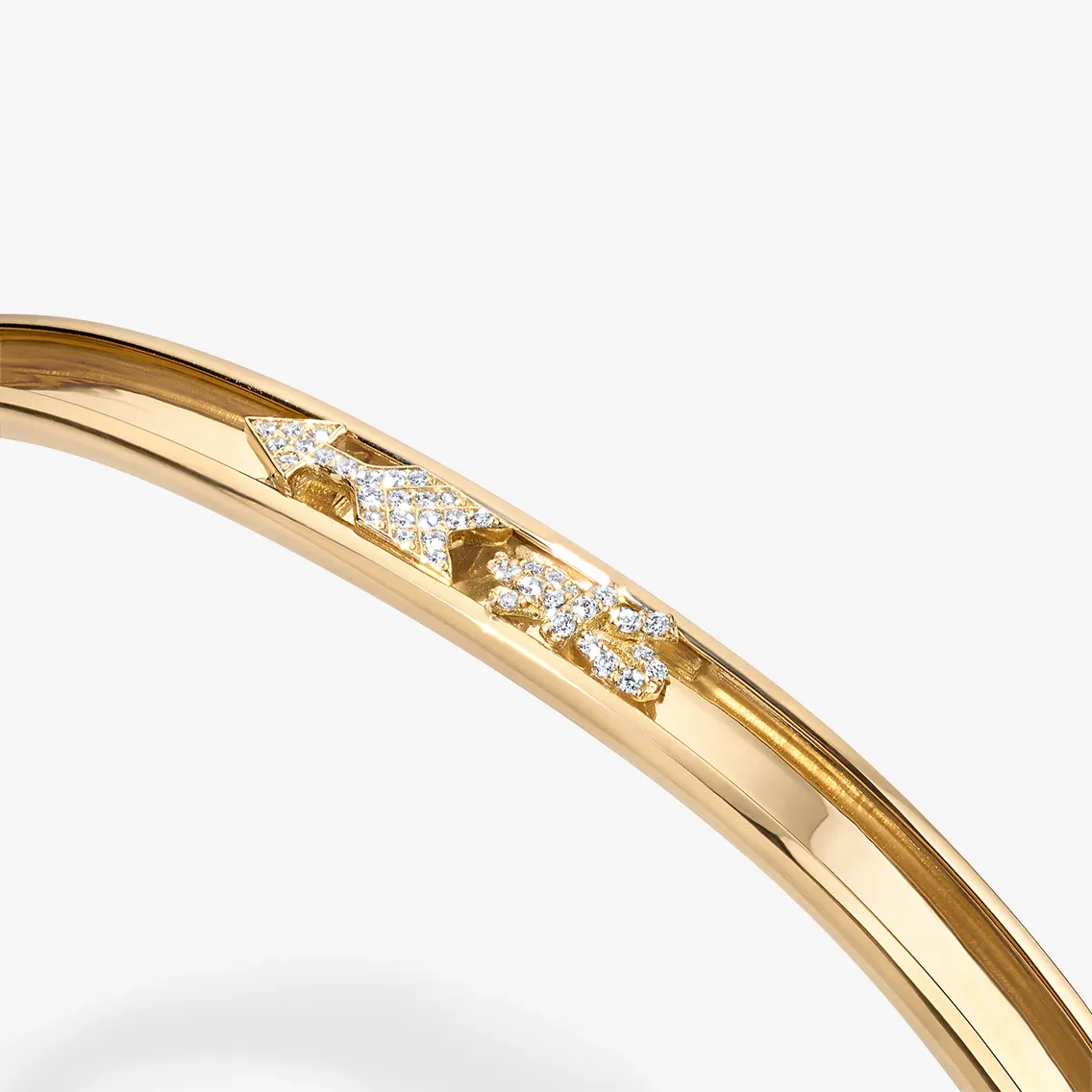
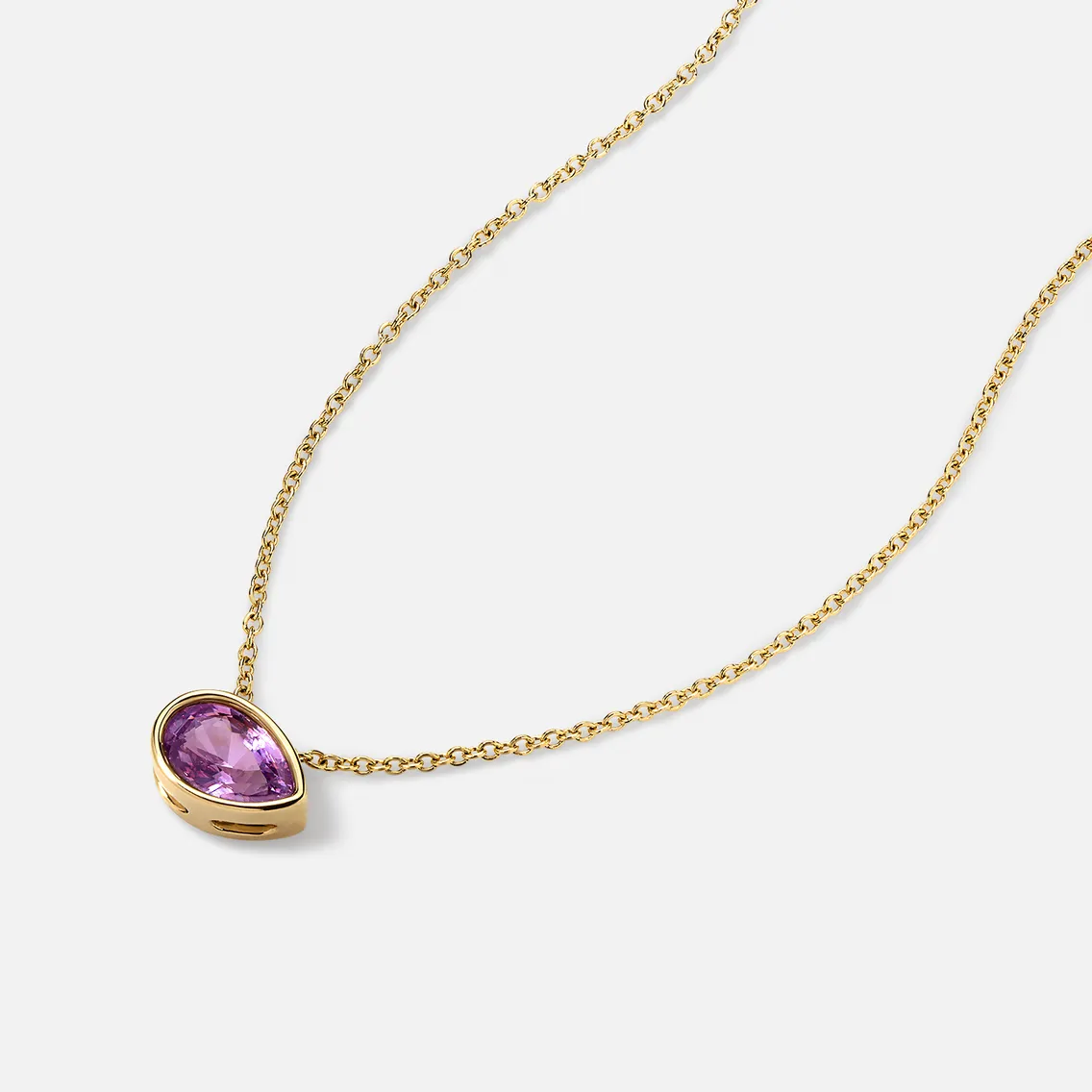
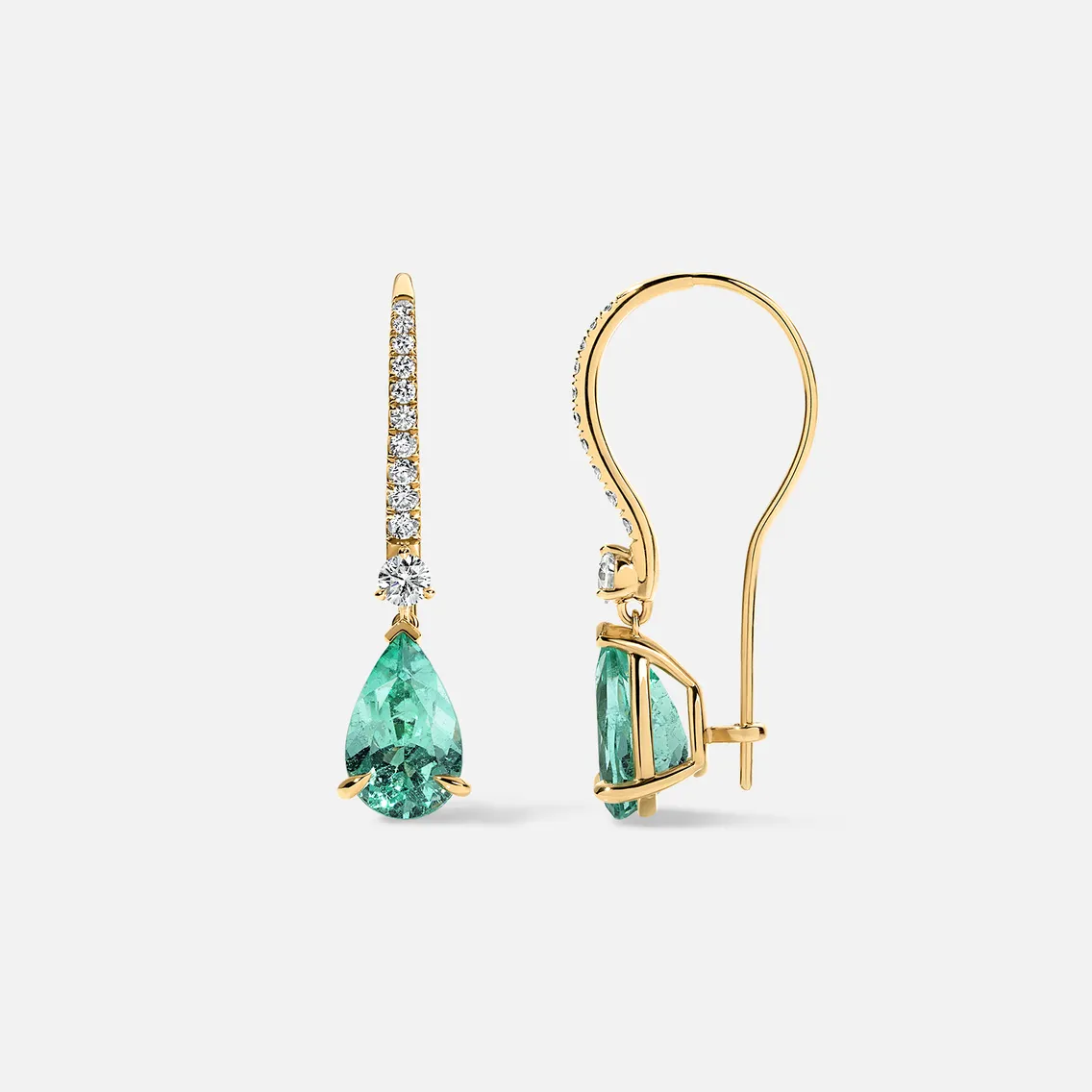
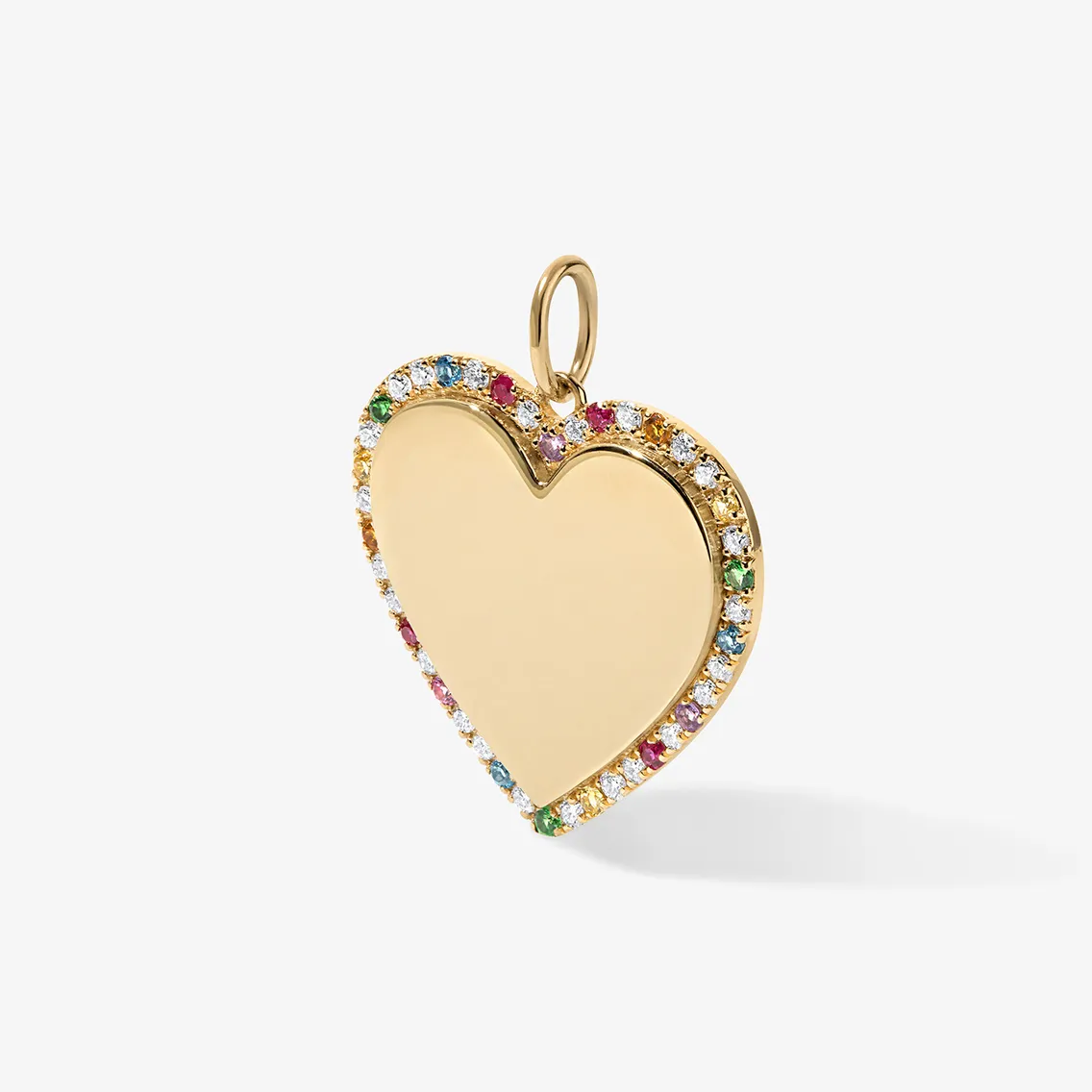
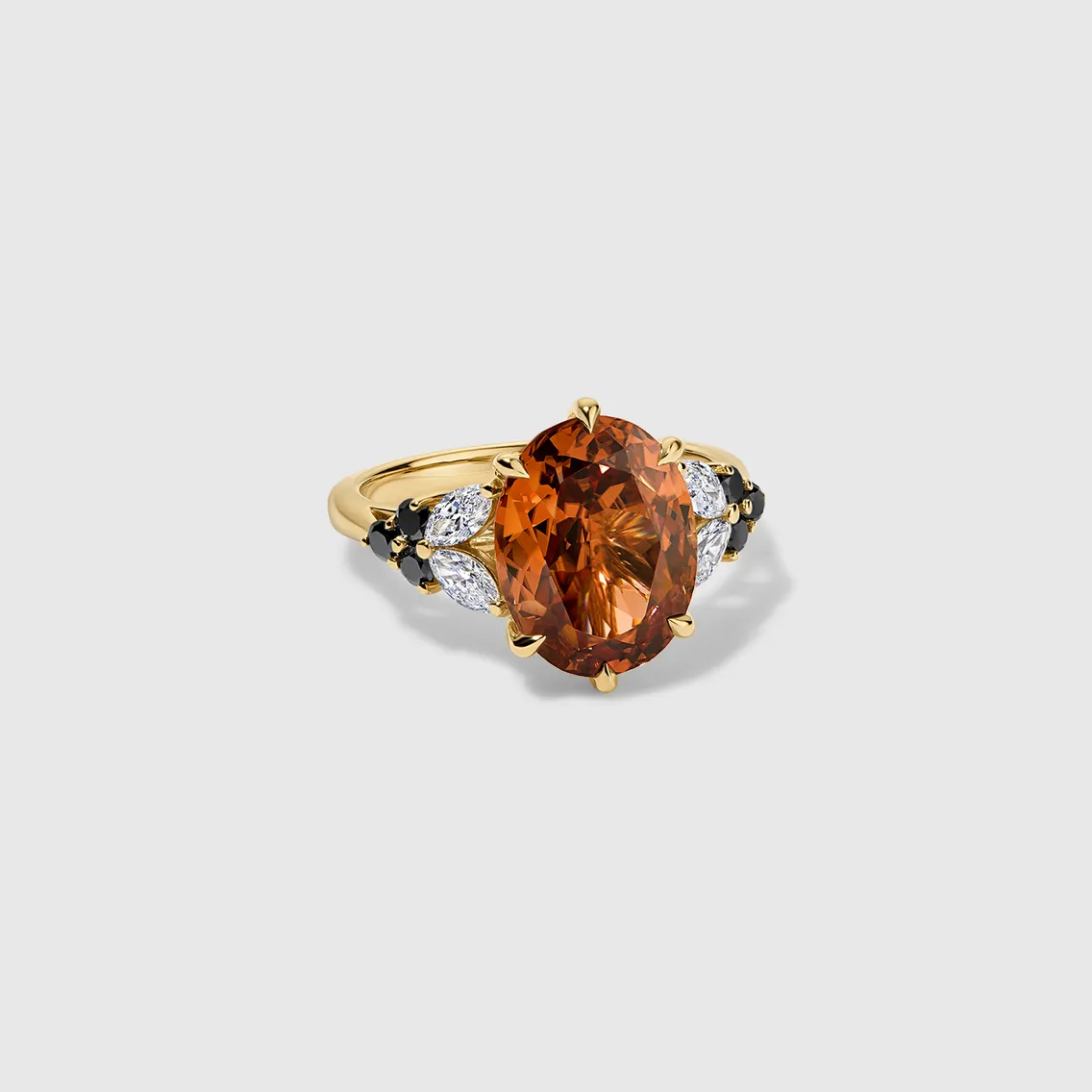
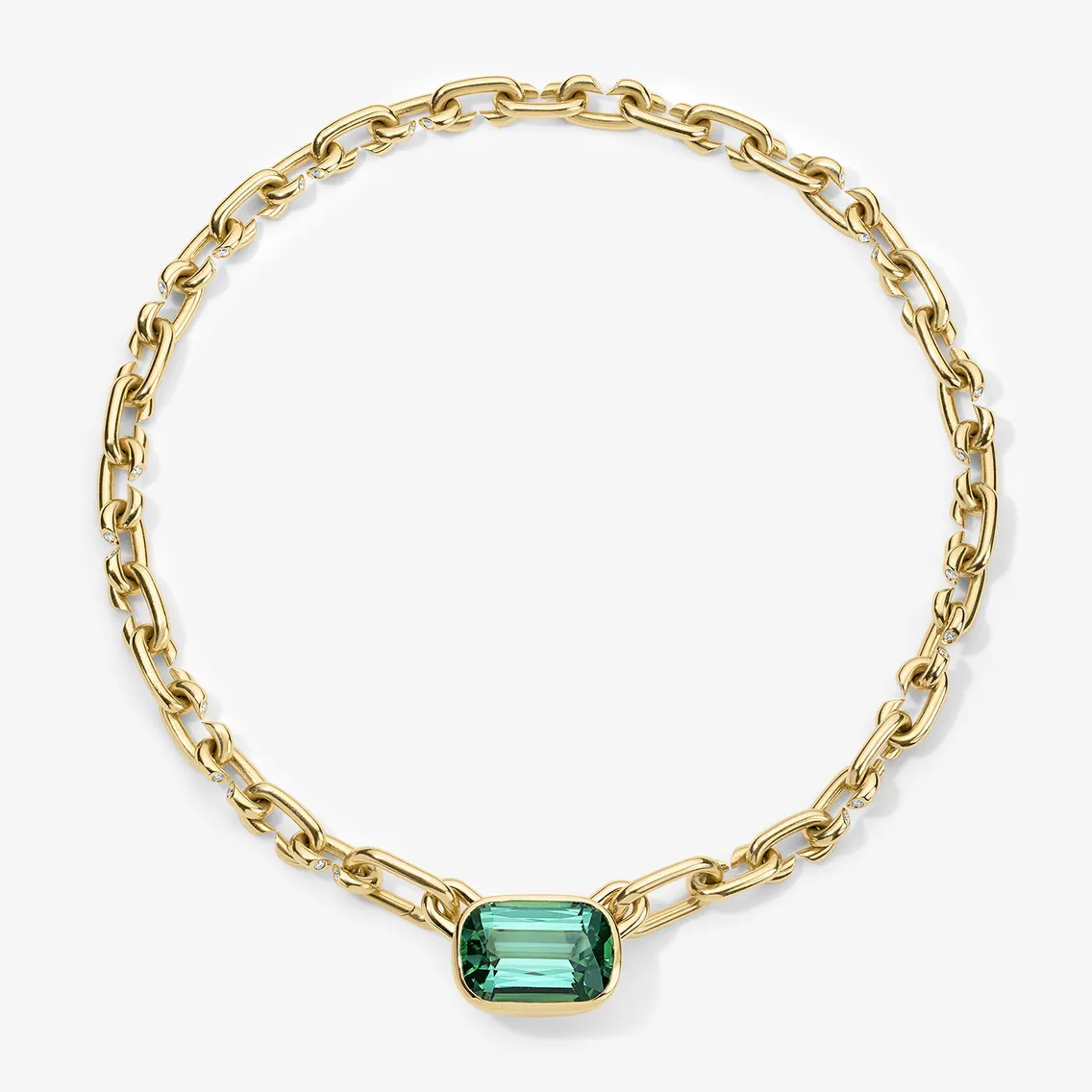
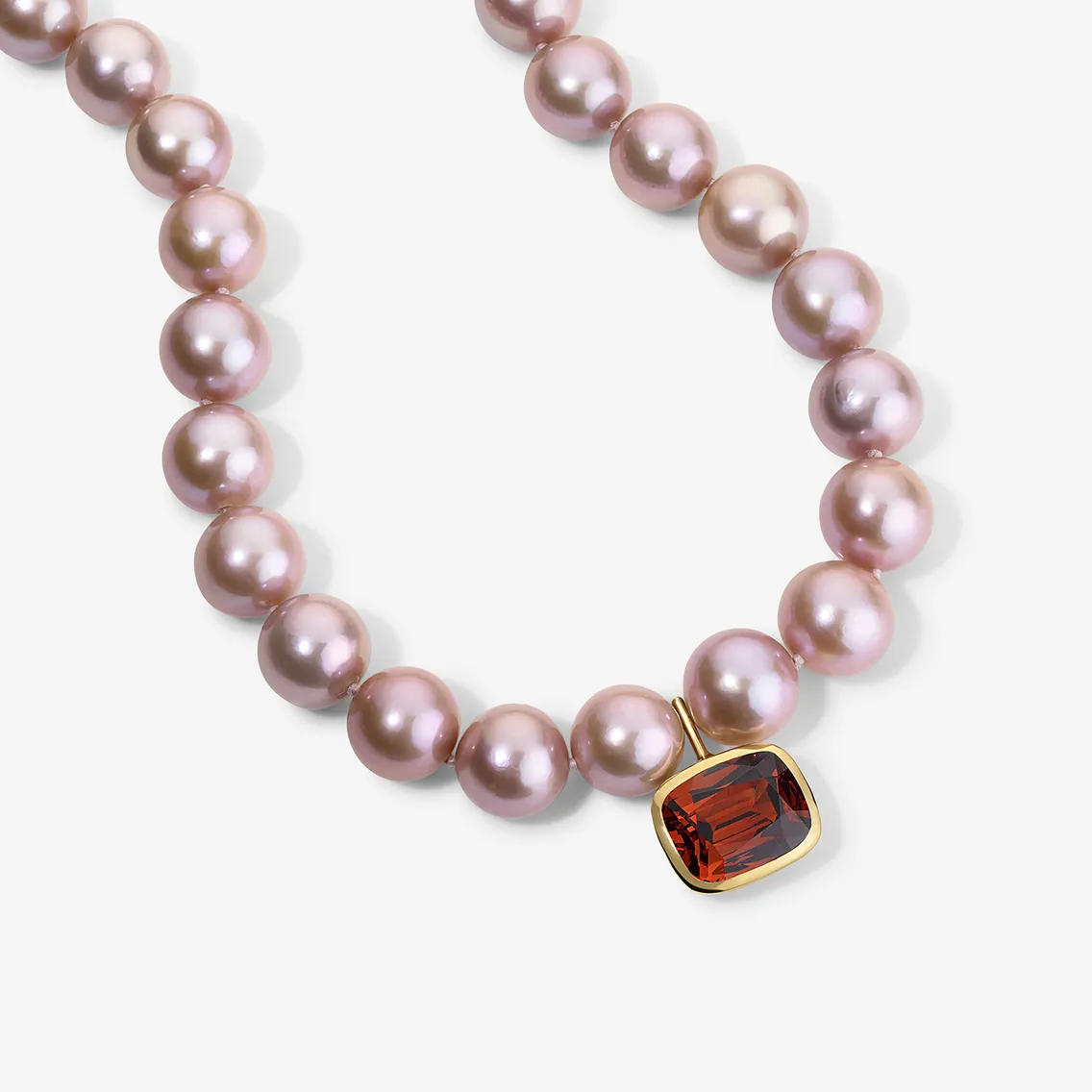
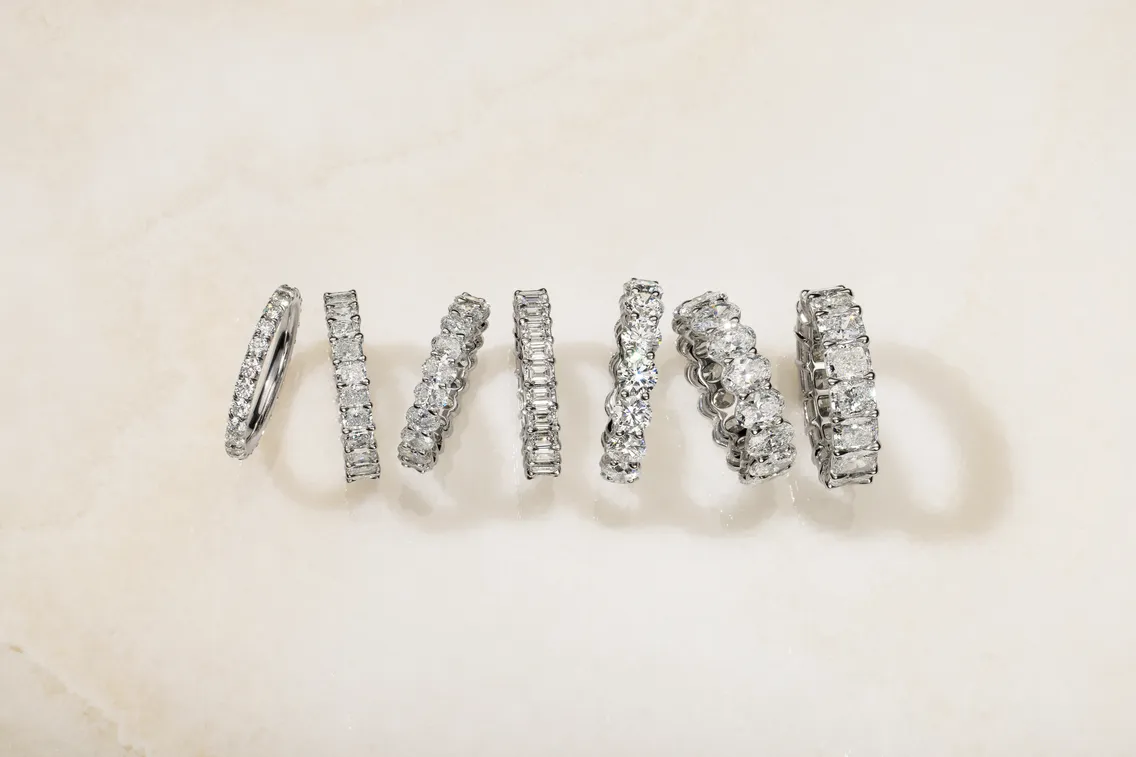
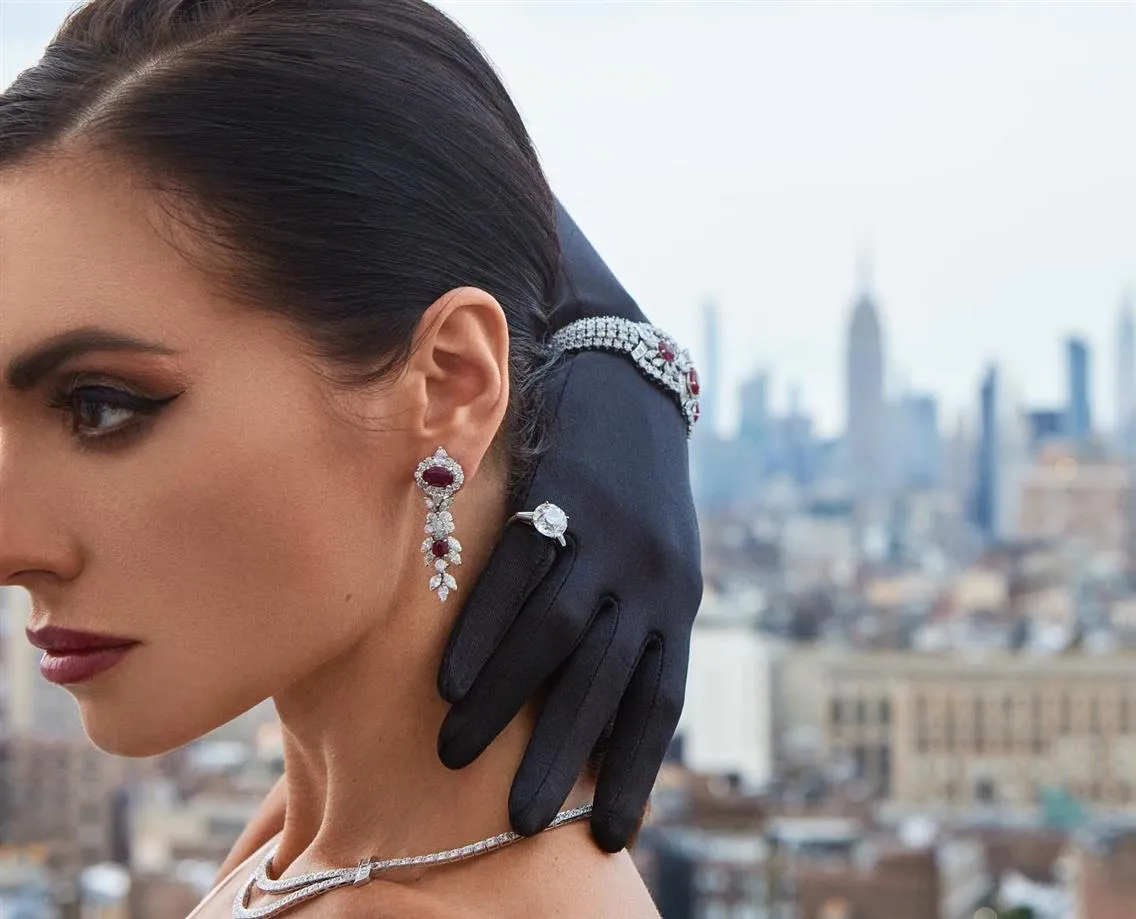
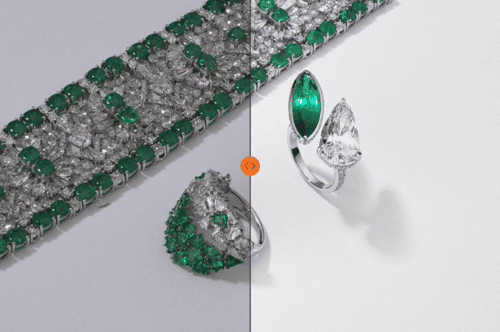
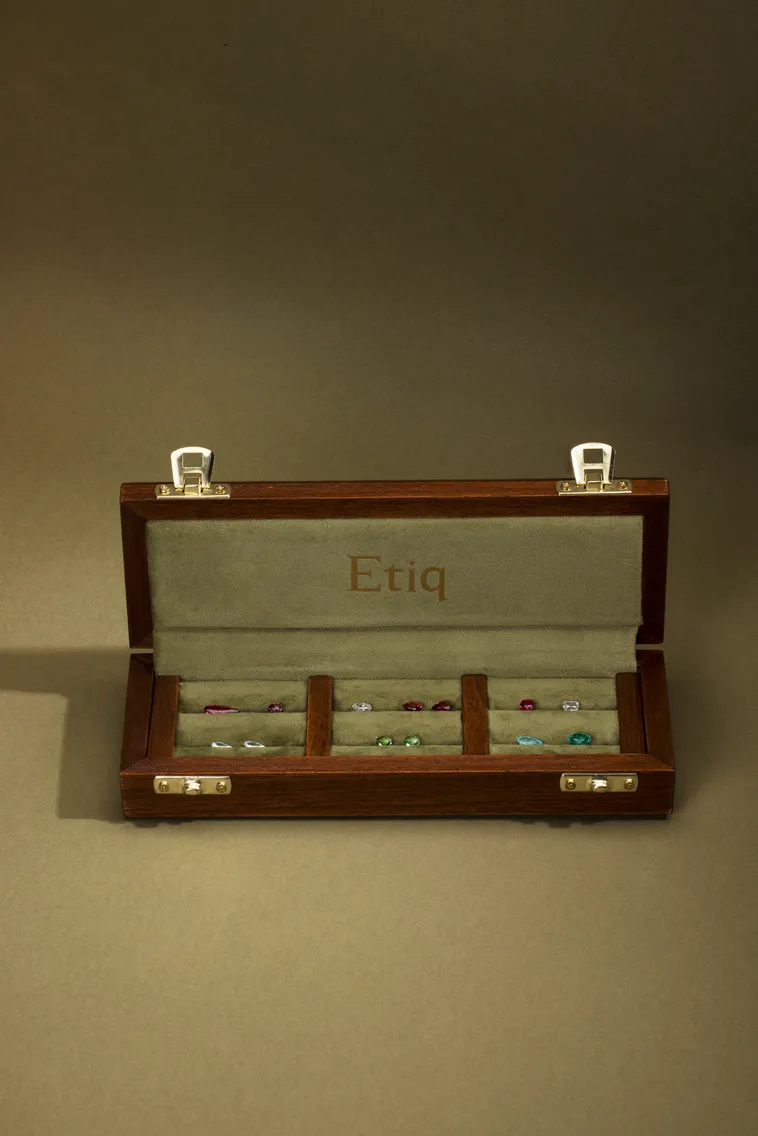
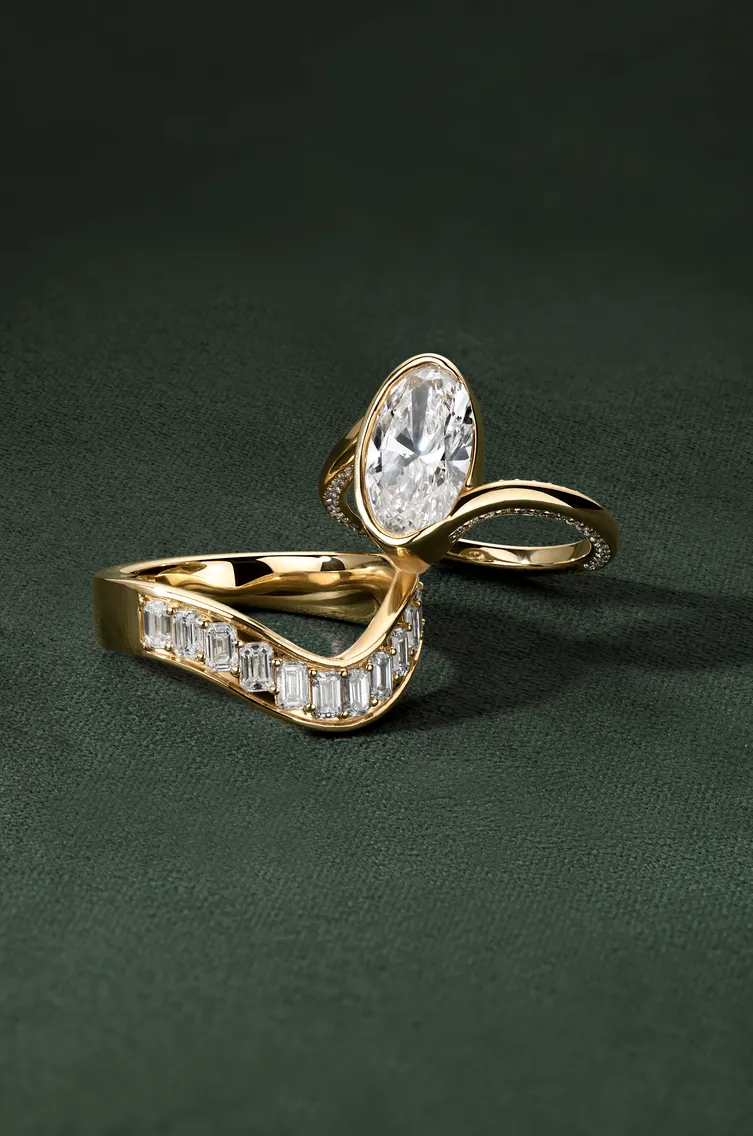
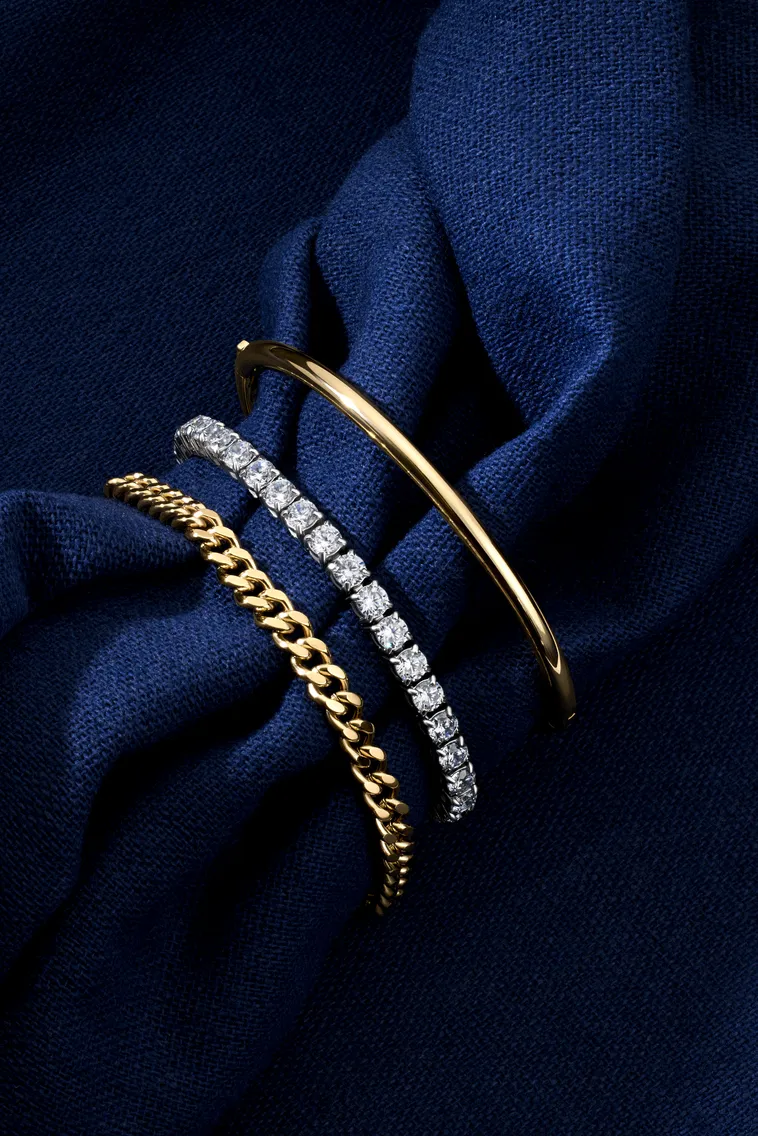
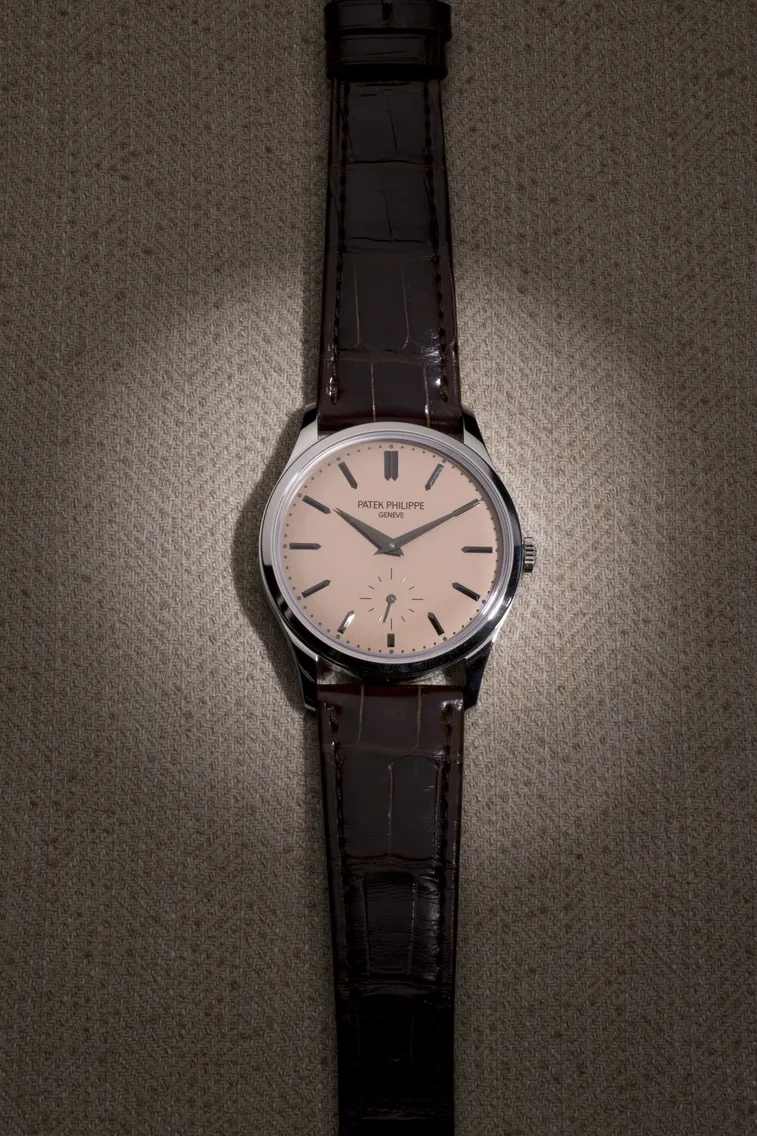
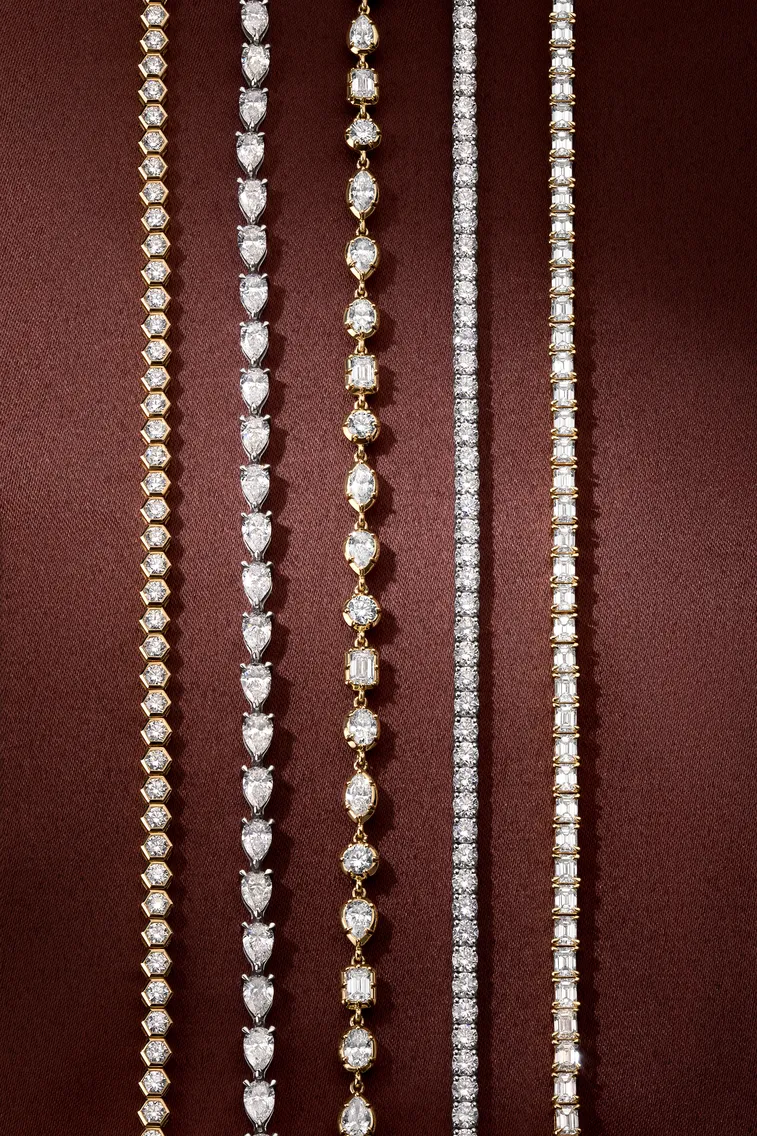
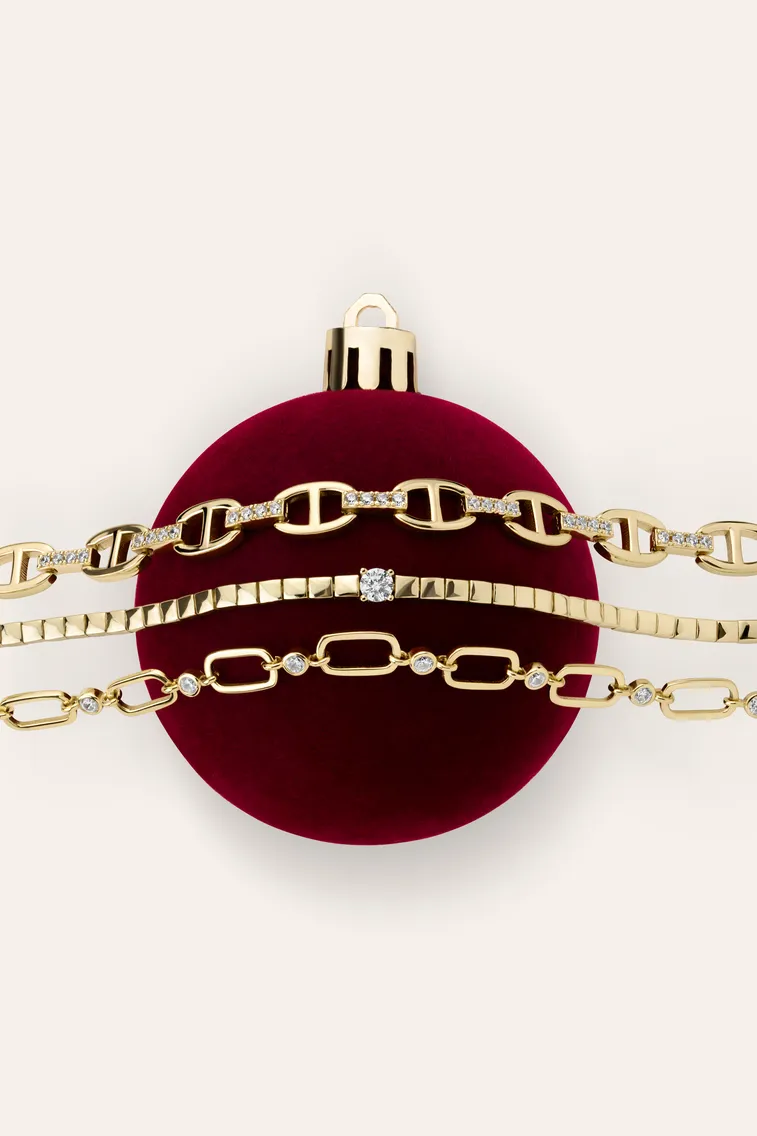
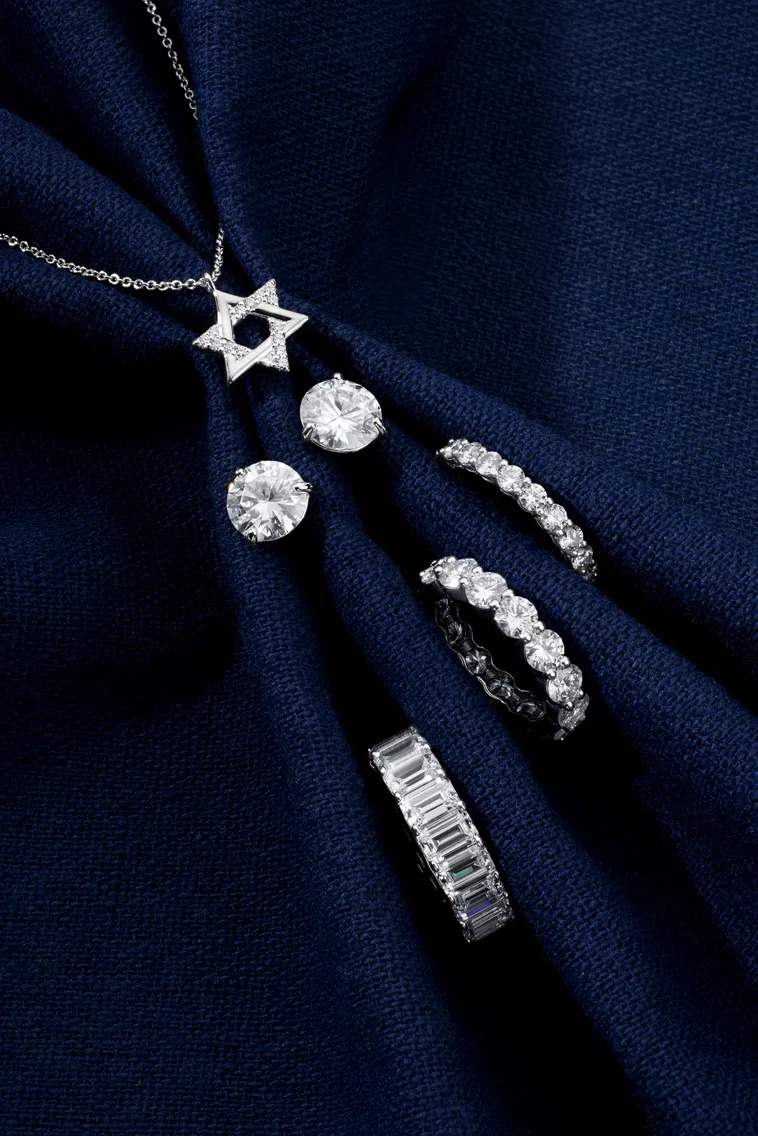
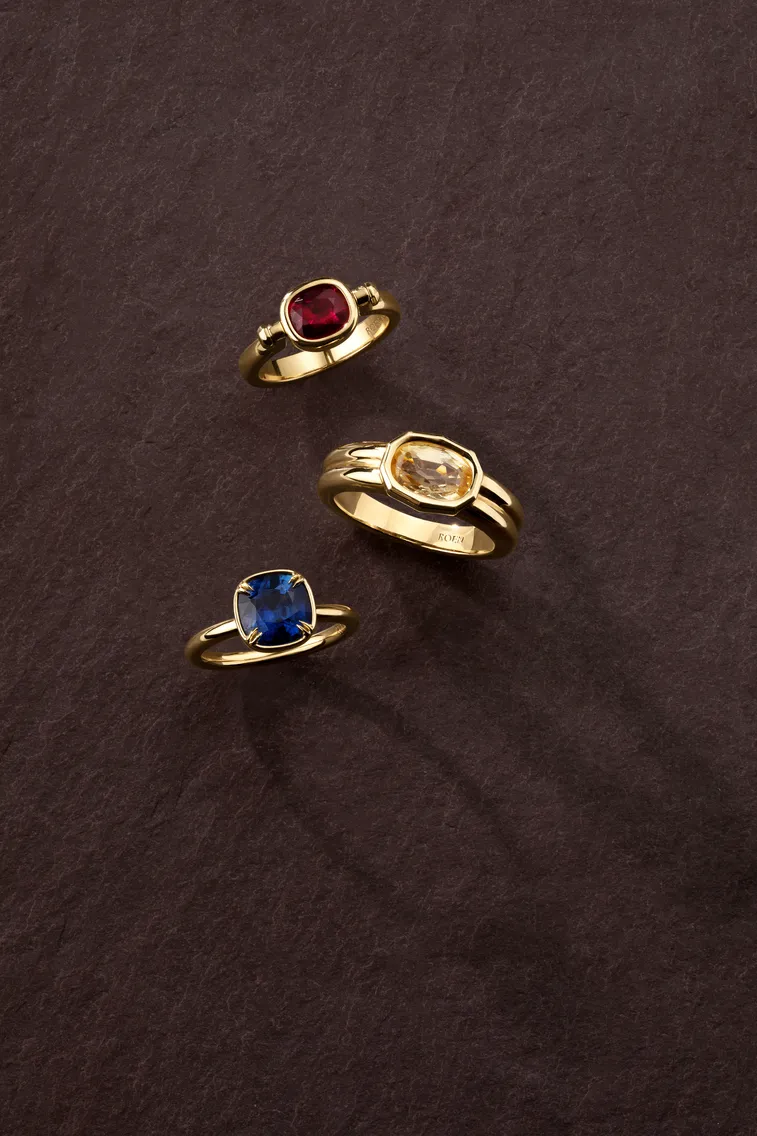
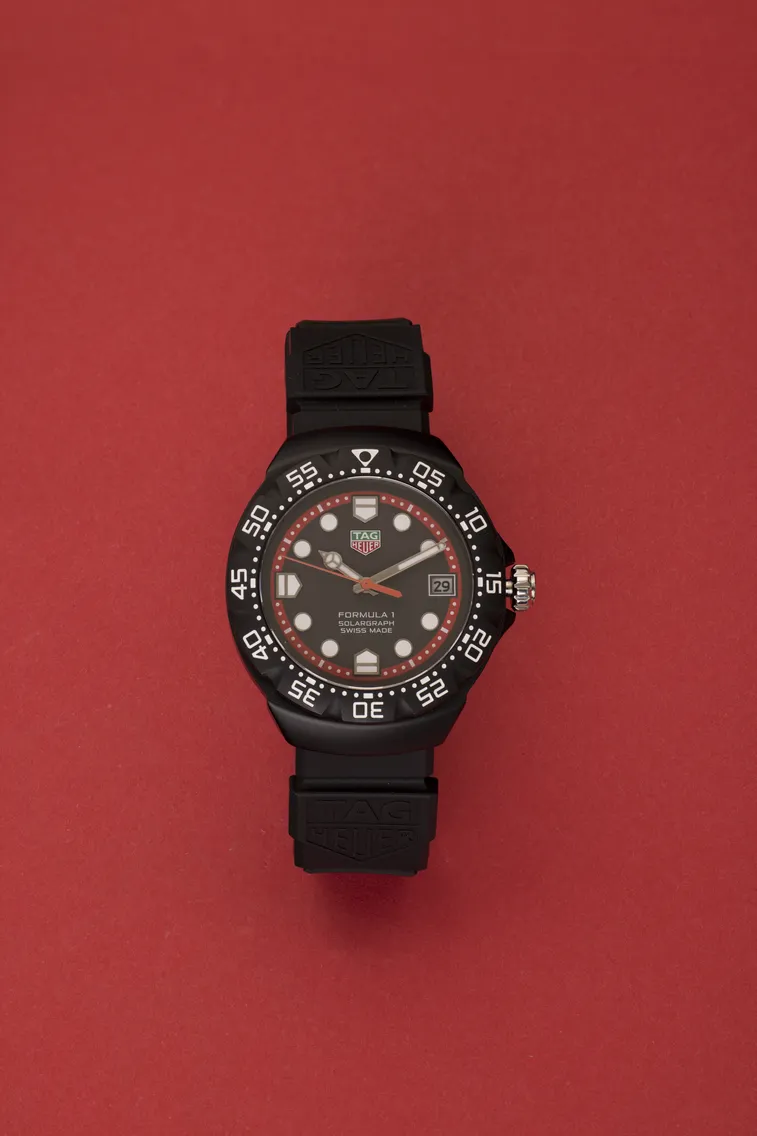
Jewelry is one of the most technically demanding categories in the field. Reflective metal surfaces, translucent gemstones, intricate detail at macro scale, and strict color accuracy requirements all stack on top of each other, which is why jewelry work depends on a specific toolkit: focus stacking to manage depth of field, polarizing filters for reflection control, daylight-balanced lighting for accurate gemstone color, and color reference cards to keep output consistent across sessions. A Guide to Commercial Jewelry Photography Techniques for Photographers is the full technical breakdown, and Jewelry and Watch Retouching Guide covers what happens after capture.
Apparel and Fashion
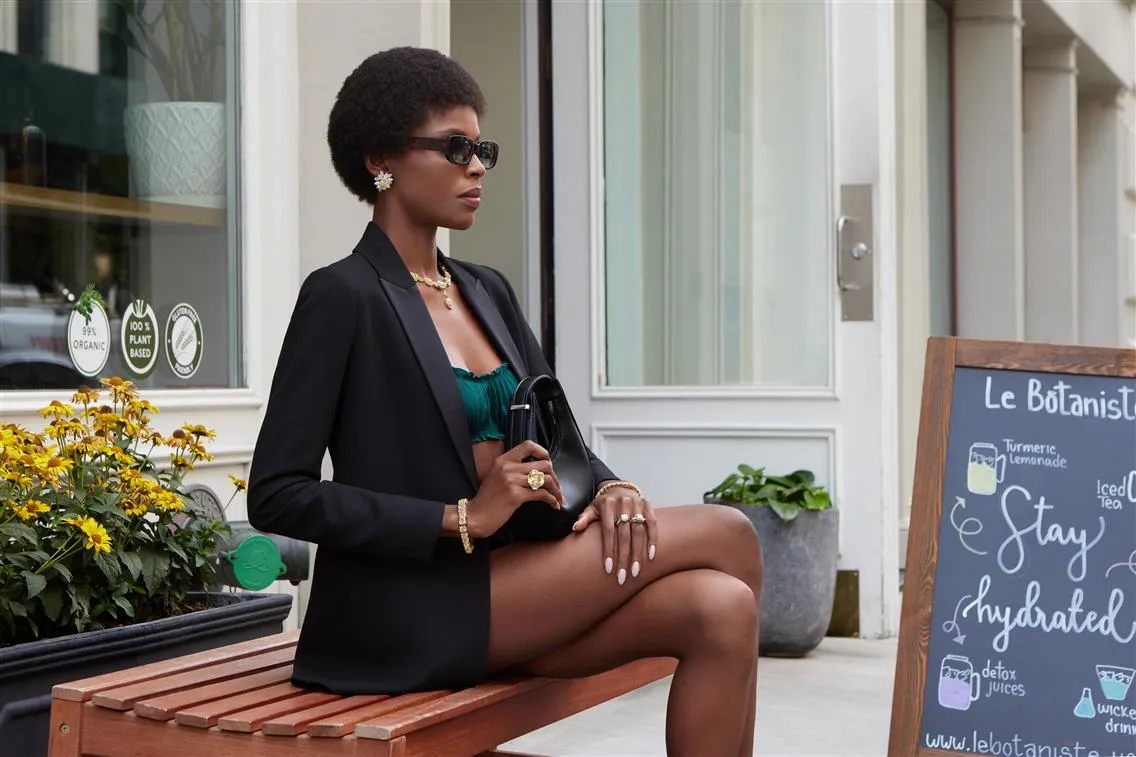
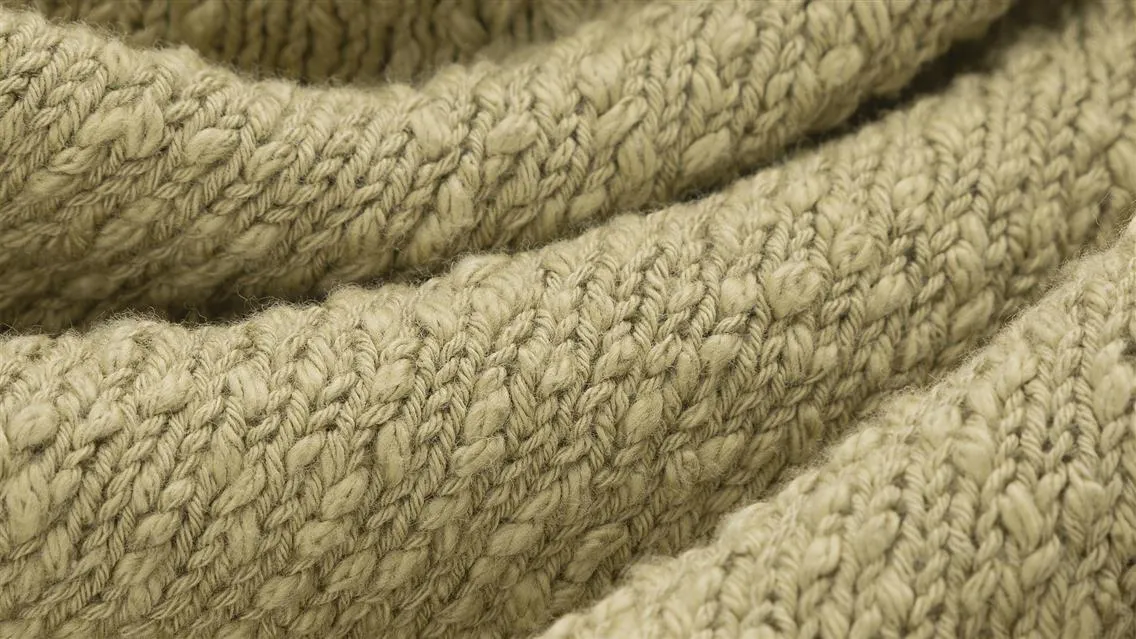
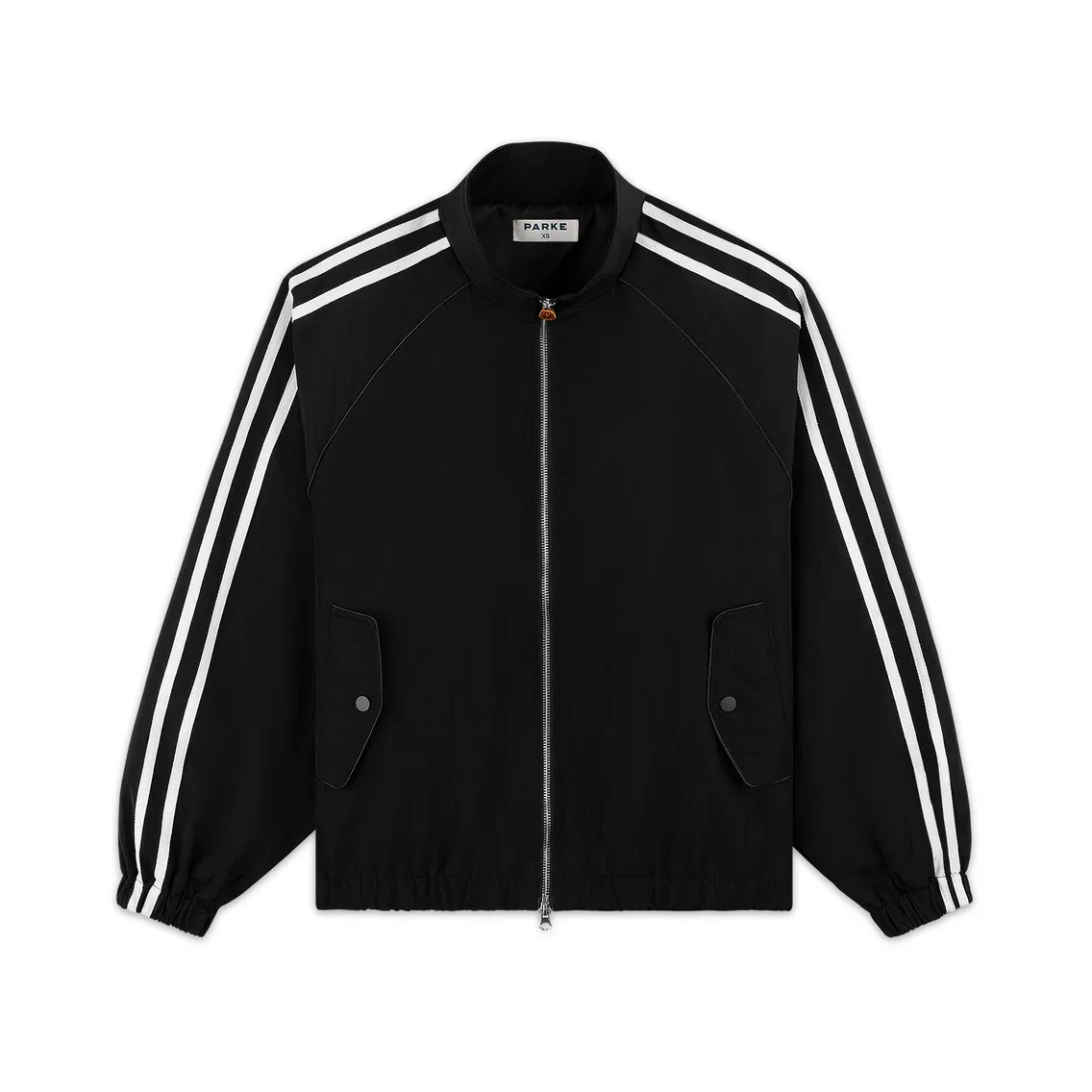
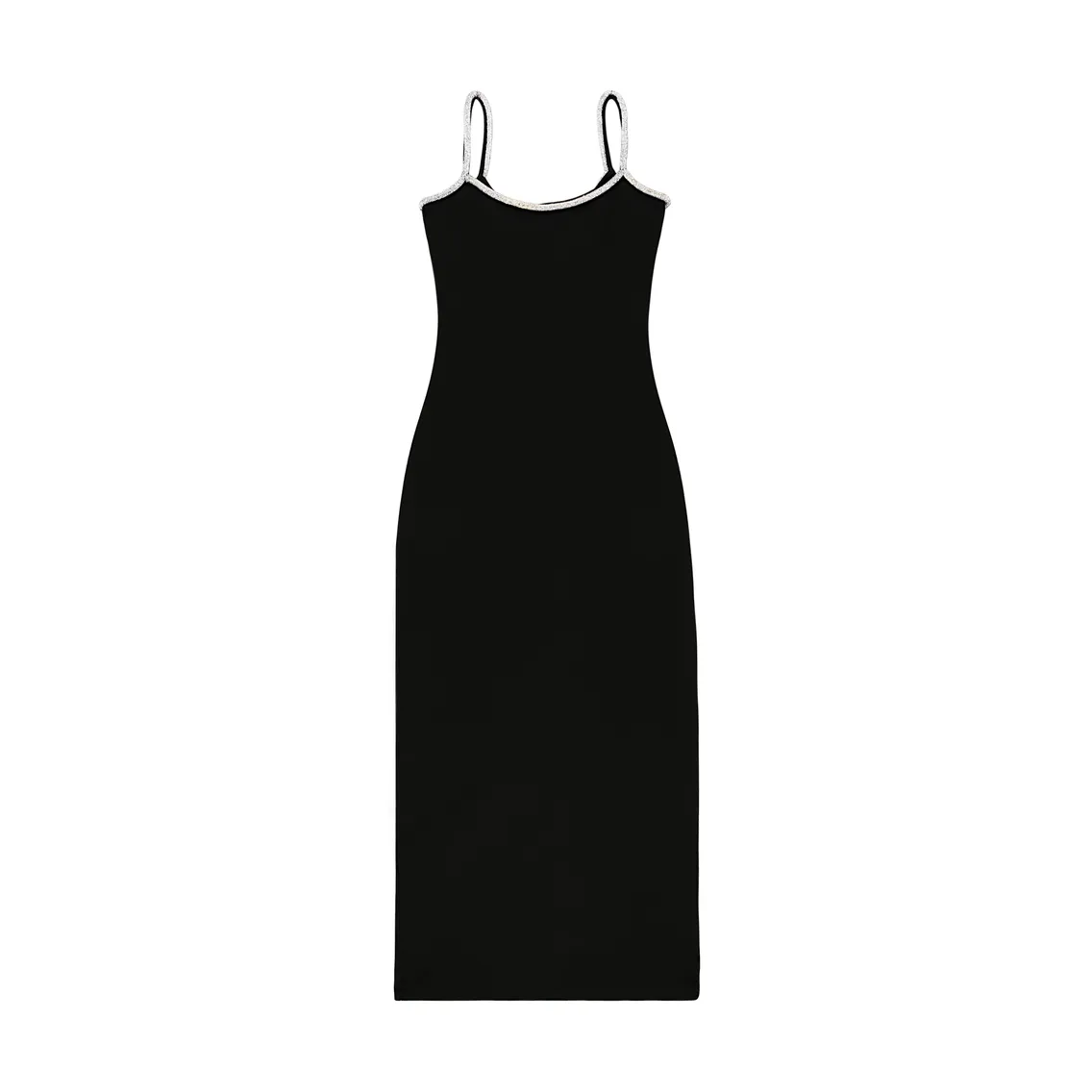
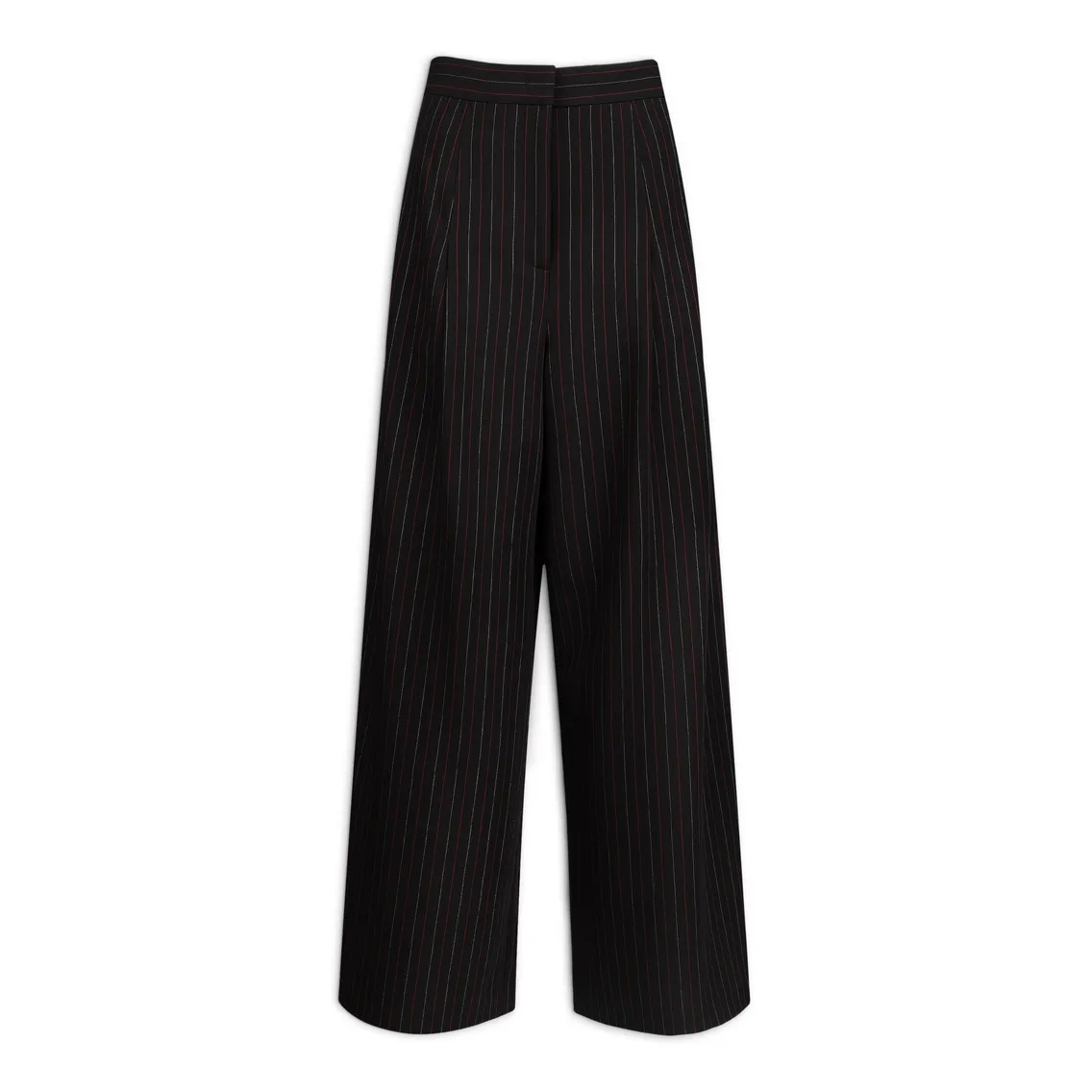
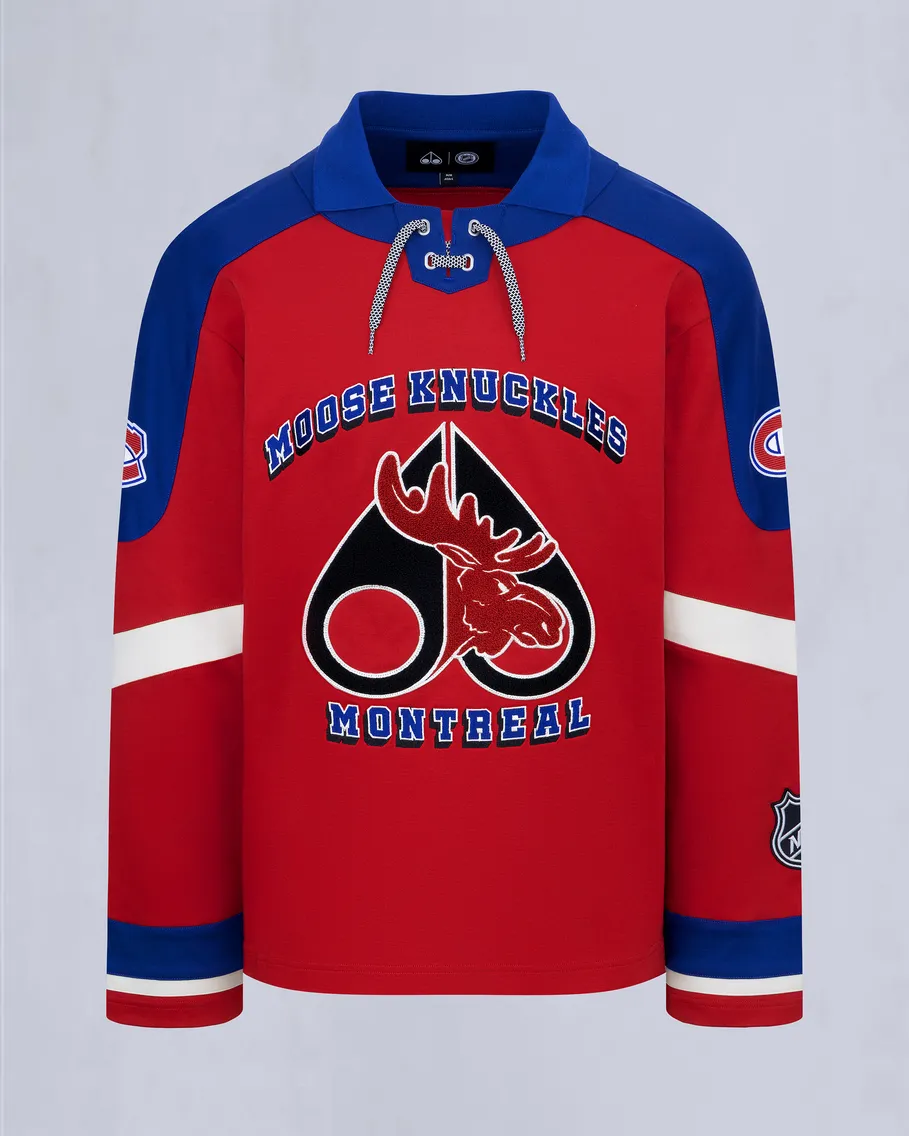
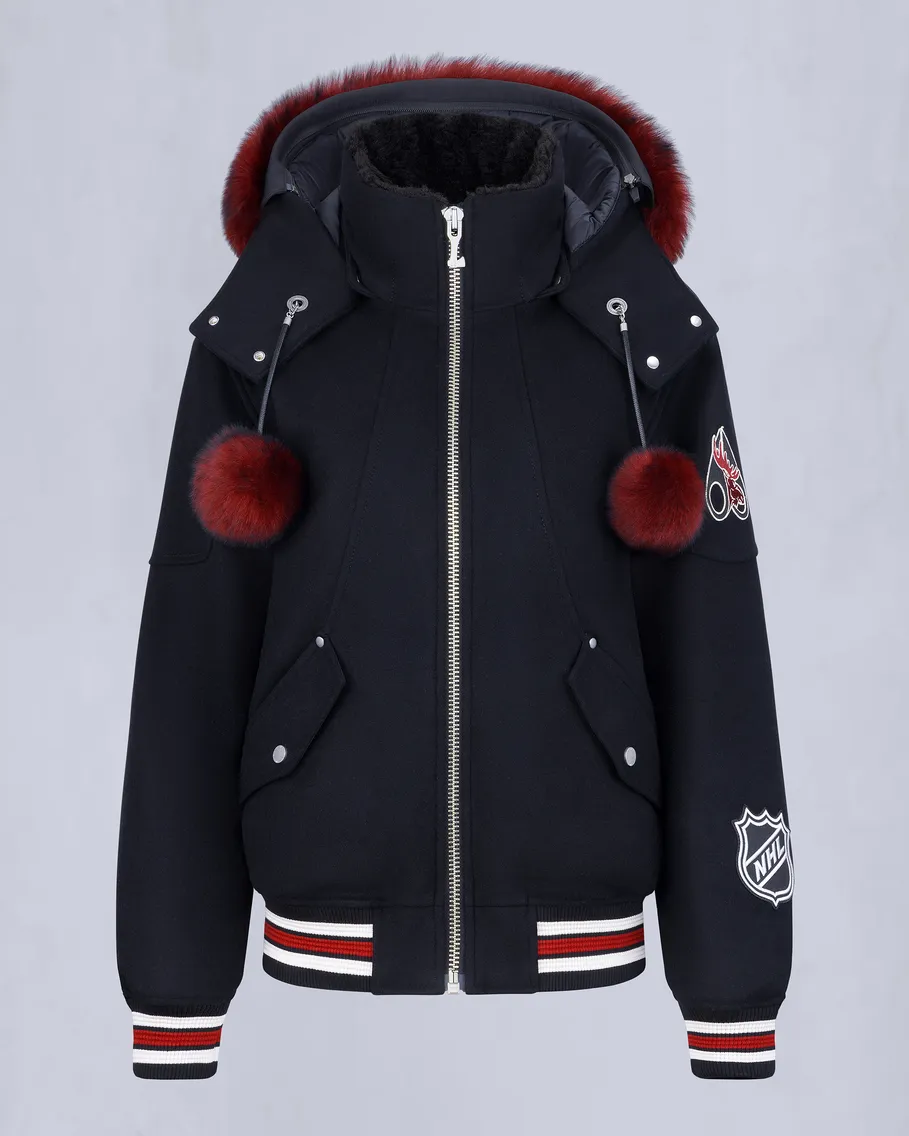
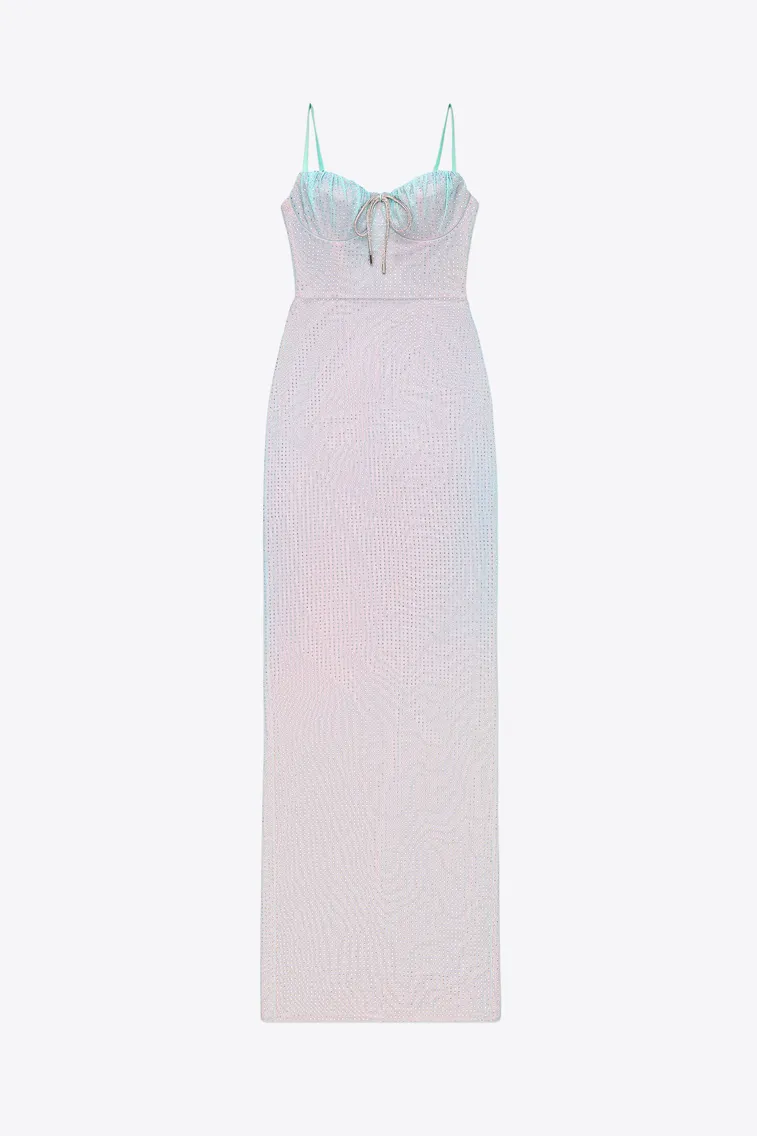
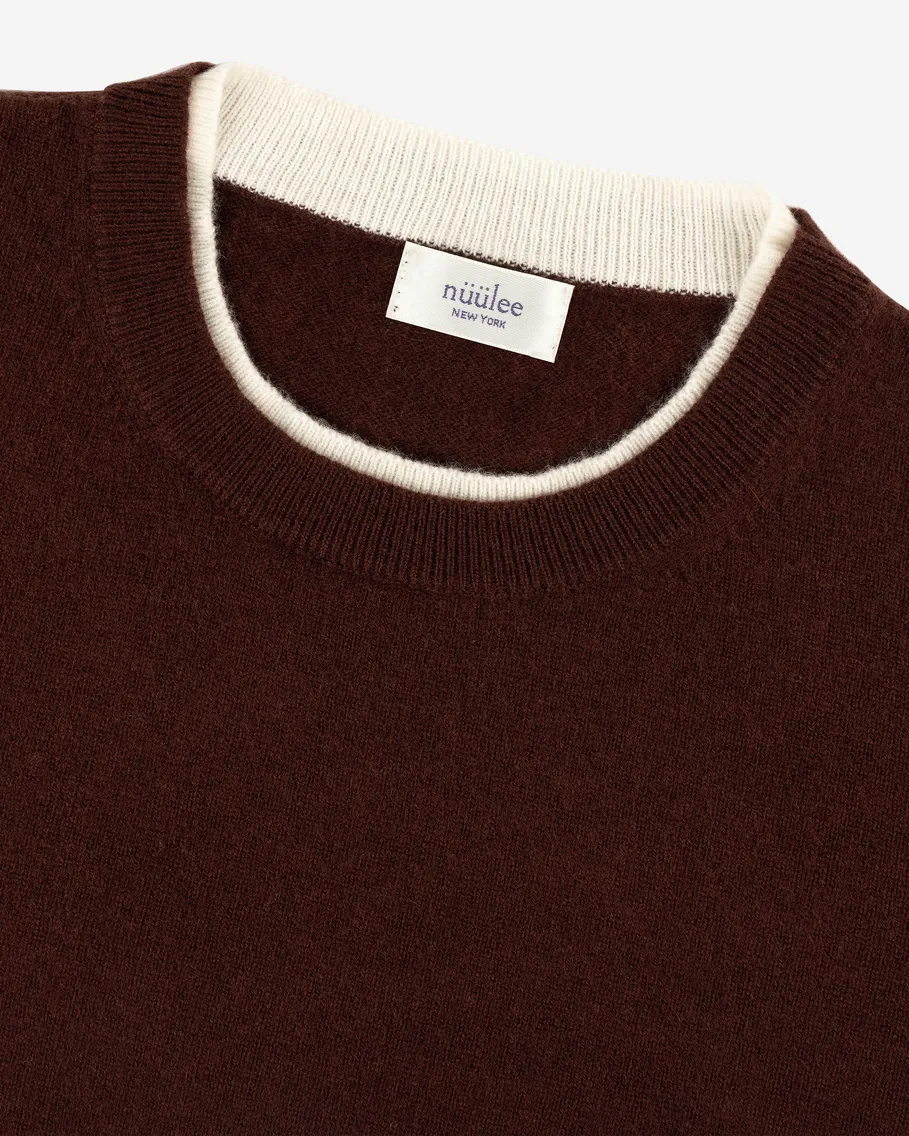
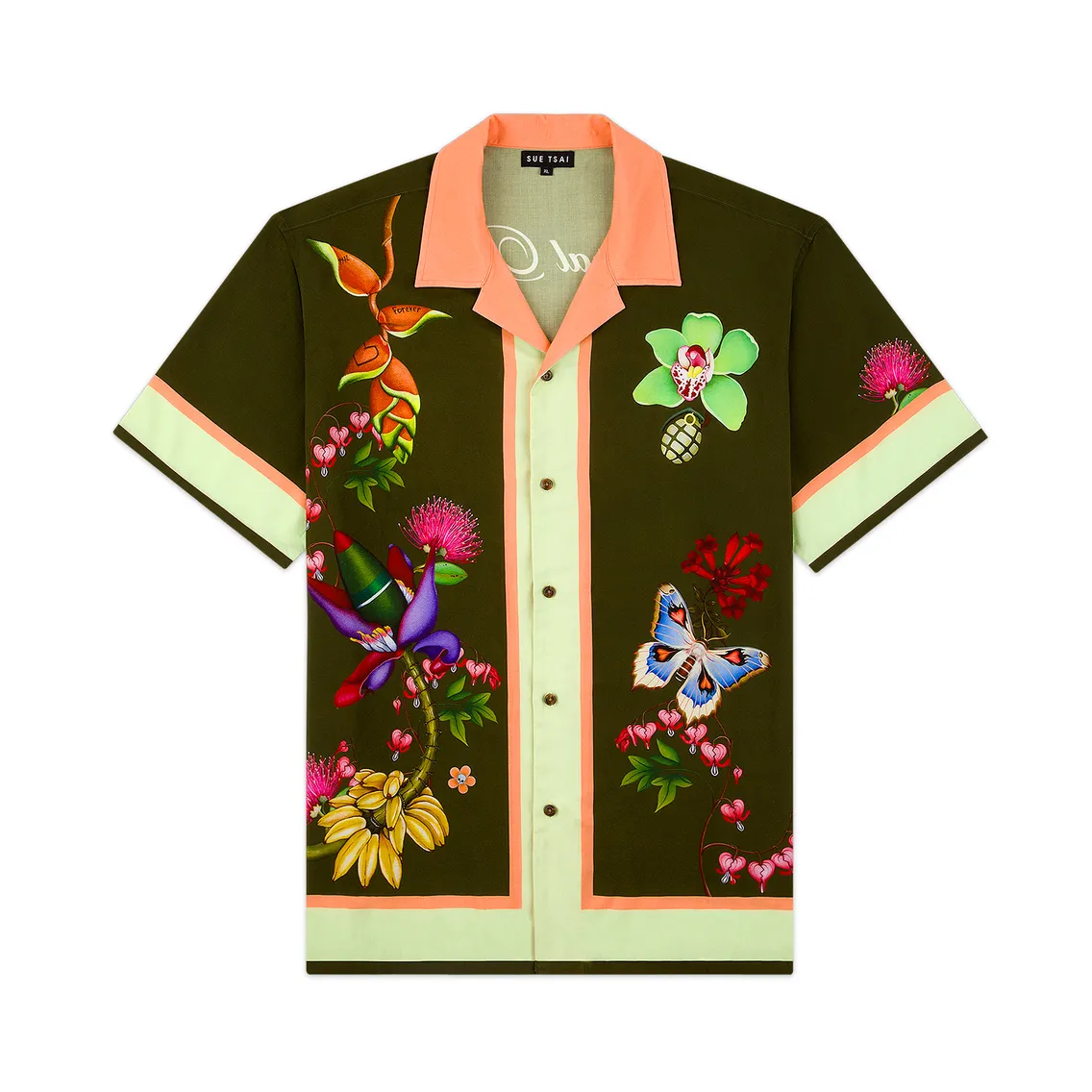
Apparel and fashion photography is about showing how a garment fits, how the fabric drapes, and how construction quality reads on camera. Ghost mannequin, flat lay, and on-model photography each serve a different function within a catalog, and all three need to hold consistent lighting and cropping standards across a full collection, since color accuracy for fabric is a commercial requirement here, not an aesthetic preference. Lifestyle Photography Techniques for Commercial Photographers extends this into the lifestyle and editorial side of apparel work.
Handbags and Accessories
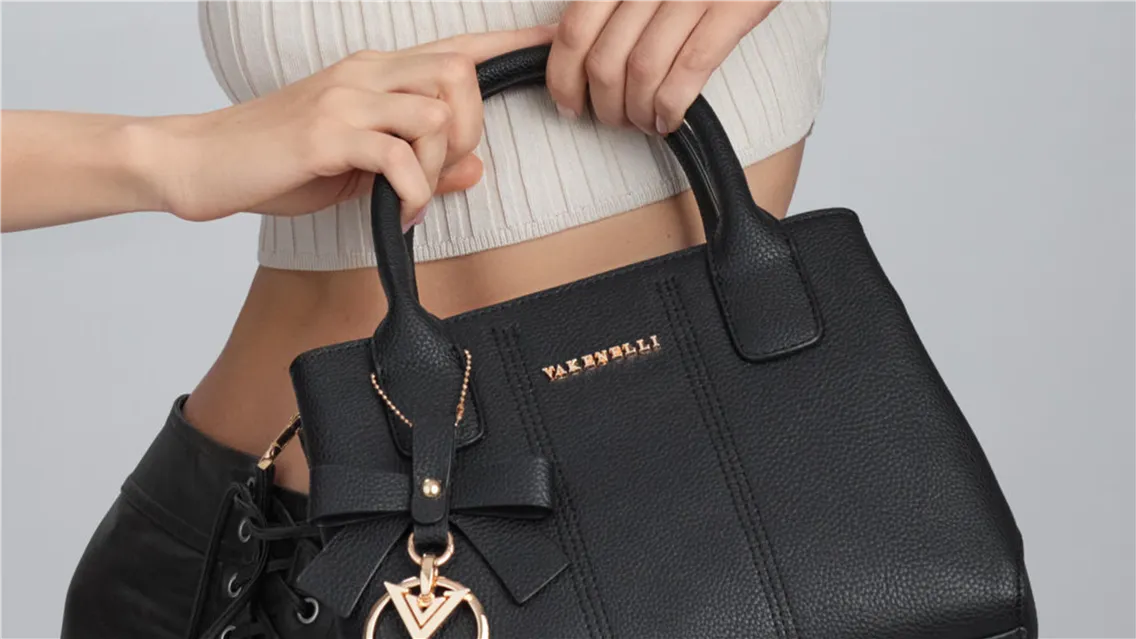
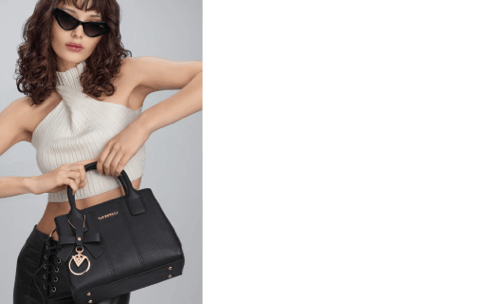
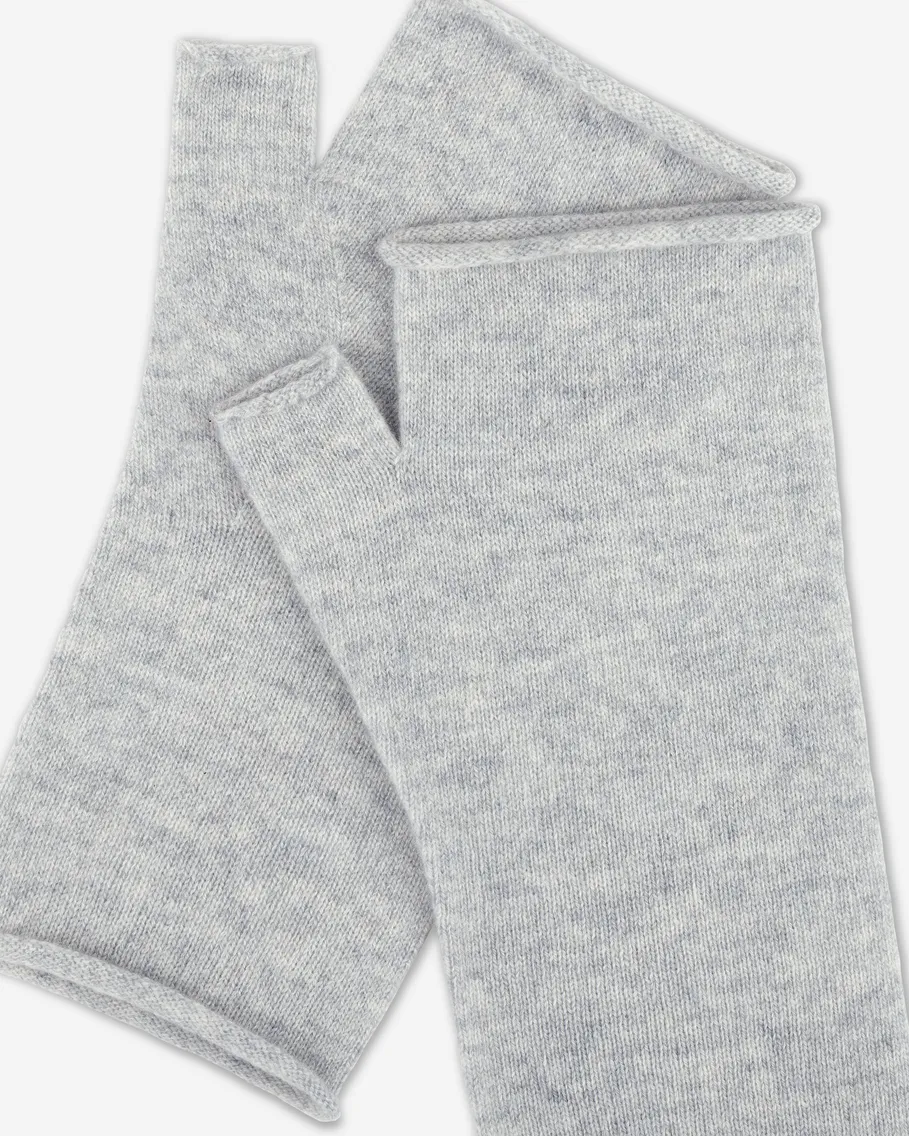
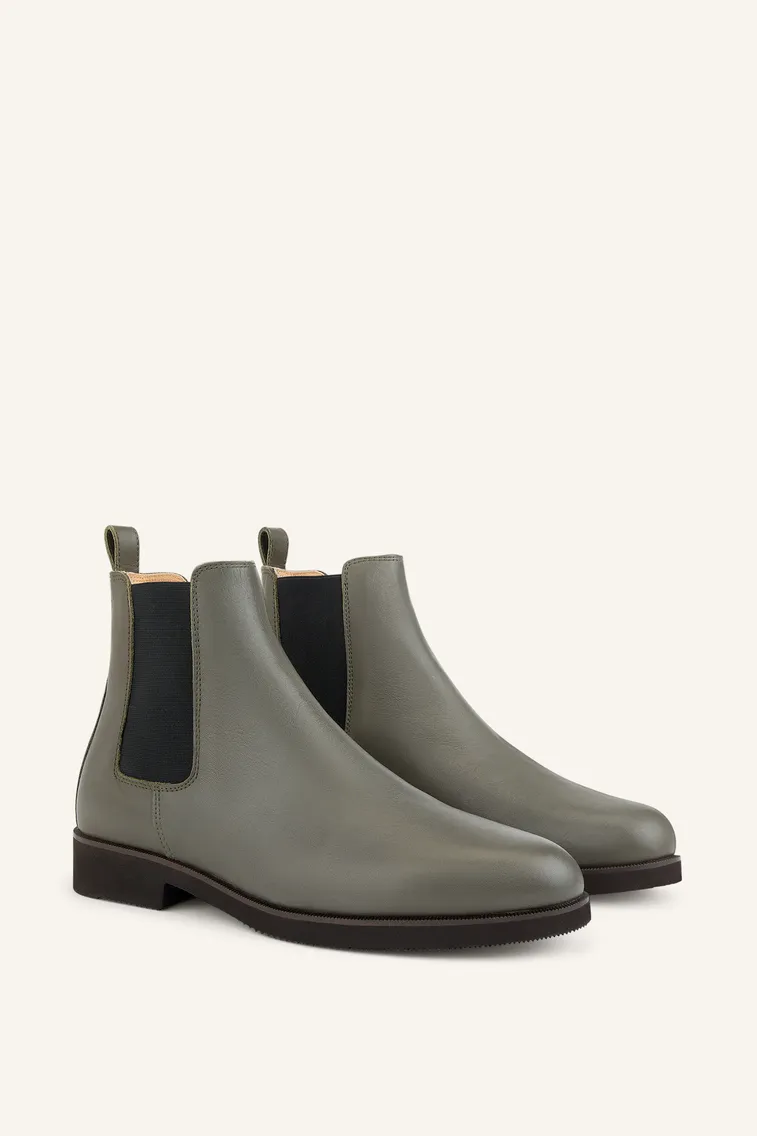
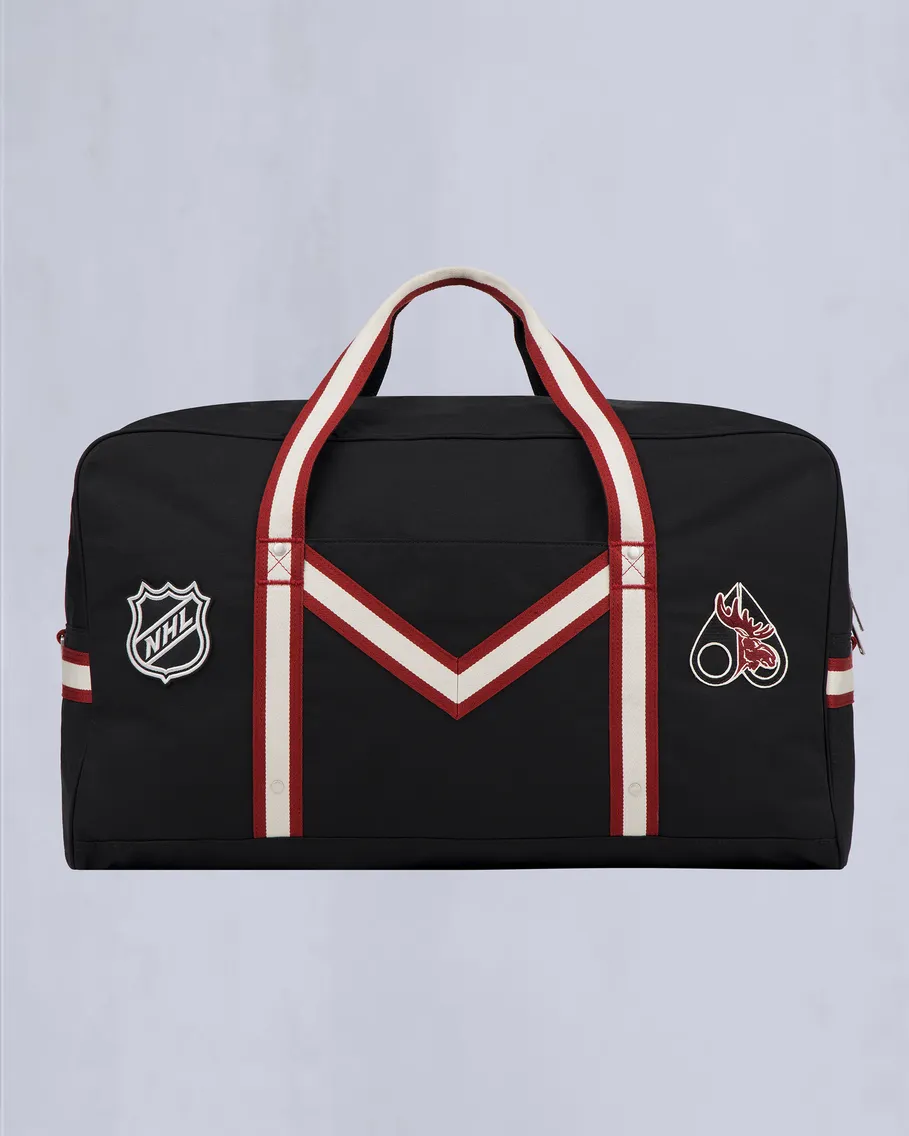
Handbags and accessories require multiple angles, front, back, sides, interior, and hardware detail, since scale and proportion are things a single product-only shot simply cannot establish. Lighting here has to reveal material texture, leather grain, canvas weave, hardware finish, without creating distracting hotspots on reflective surfaces. How to Photograph Handbags: From Setup to Creative Ideas walks through the full setup.

Still Life
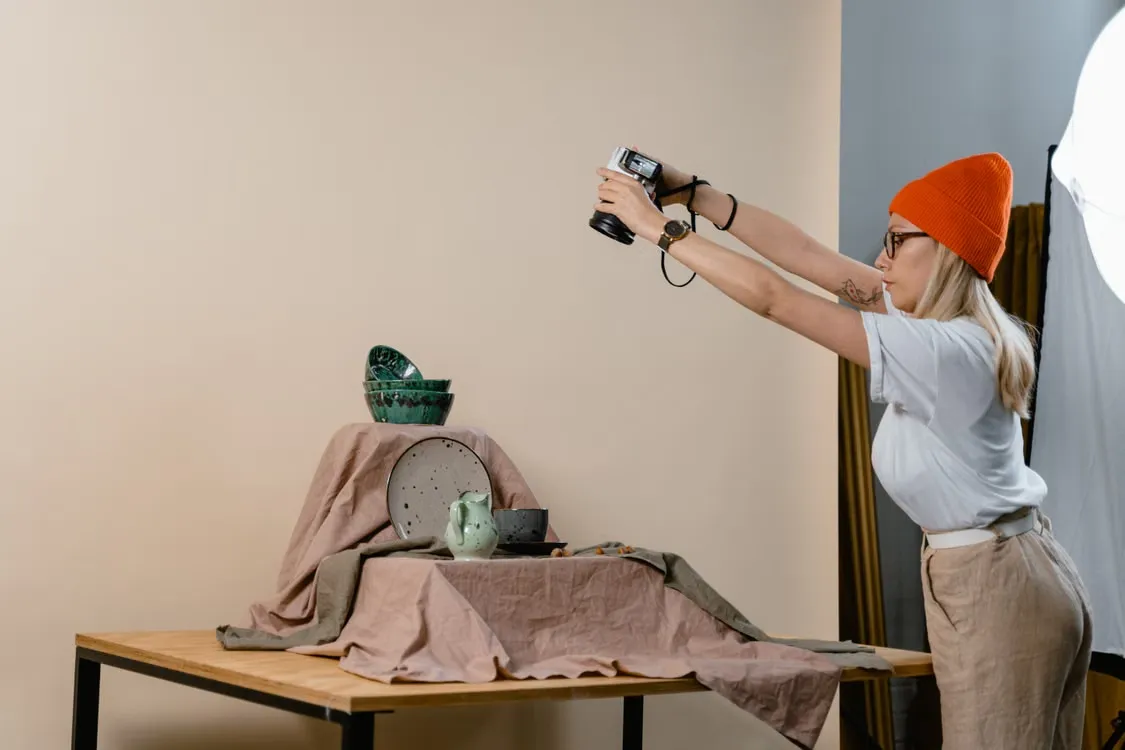
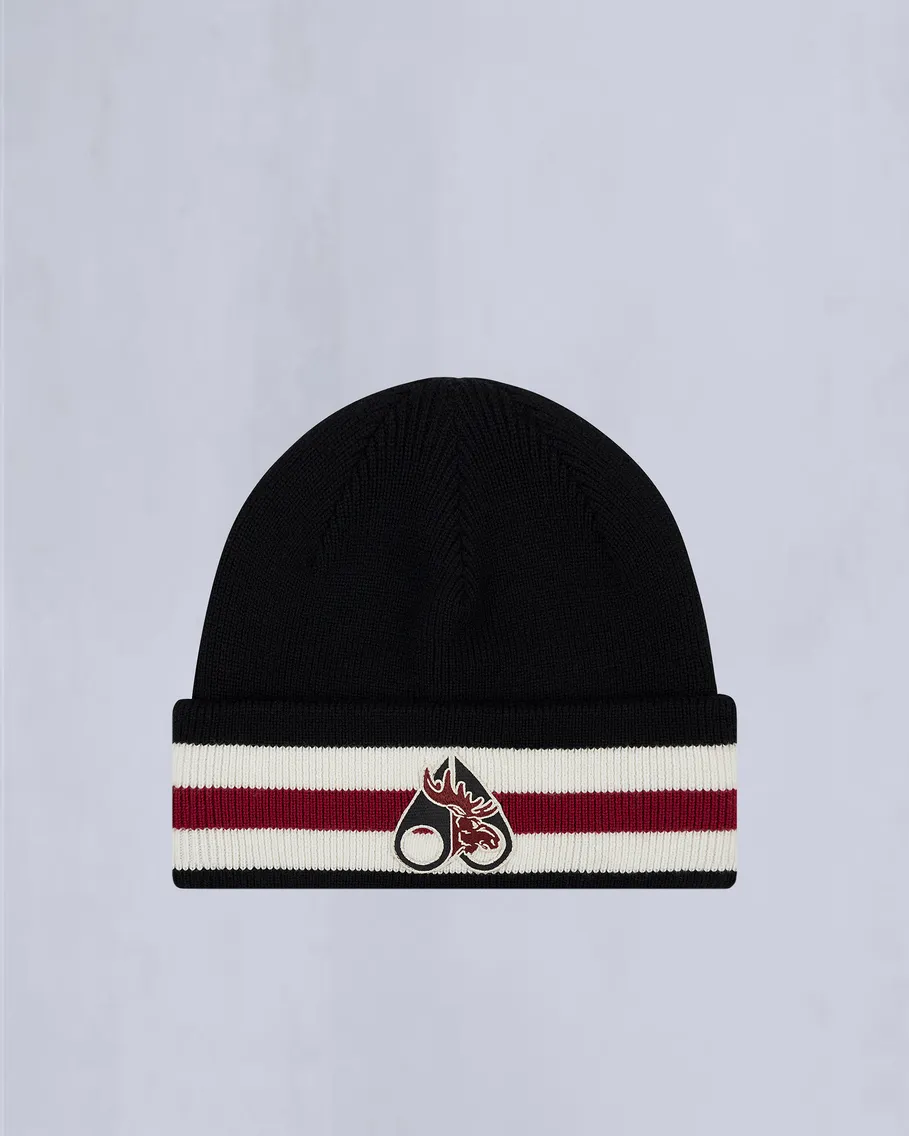
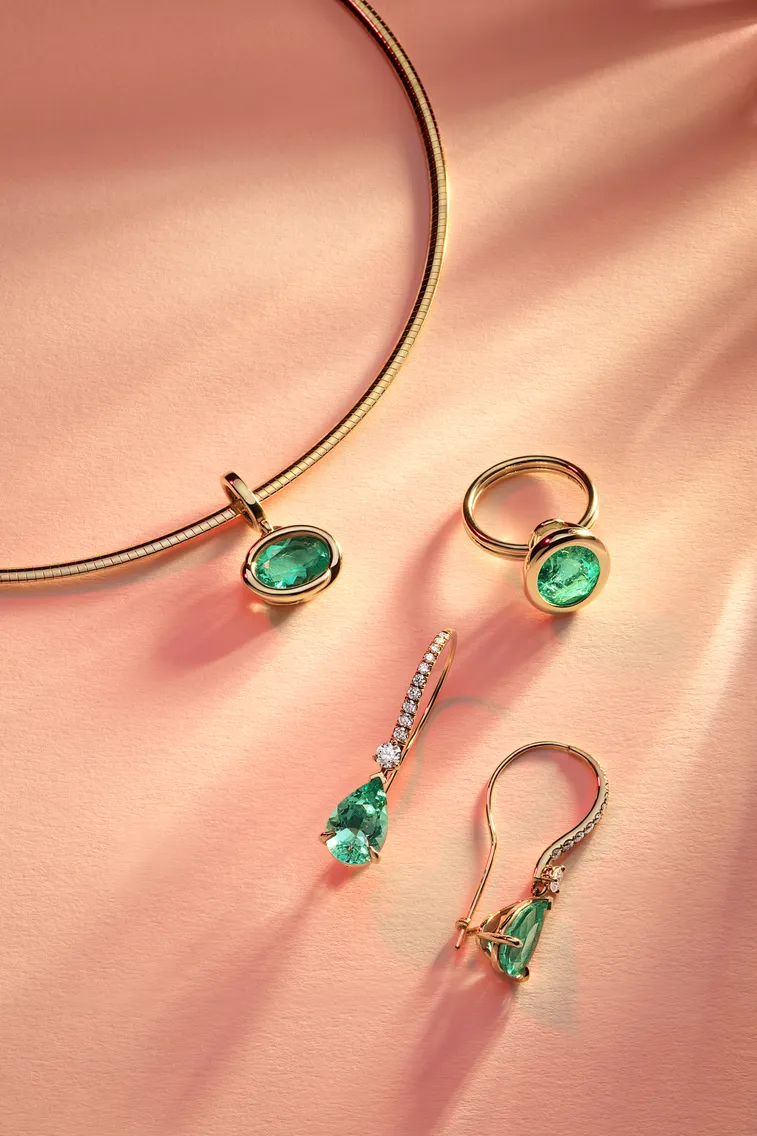
Still life photography places products inside composed settings with deliberate props and surfaces, which makes it more creatively demanding than white background catalog work. It asks for strong compositional judgment on top of technical precision, since the lighting has to serve both the product and the narrative the image is trying to build. How to Improve Your eCommerce Still Life Photography covers the technique in depth.
Career Paths in Commercial Product Photography
There is no single career track in commercial product photography. The paths differ meaningfully in income potential, creative autonomy, and how much operational complexity comes with them, and most photographers move between more than one over the course of a career.
Freelance offers the most autonomy and the highest income ceiling, but it also means owning everything else that comes with running a business: client acquisition, contracts, equipment investment, and the post-production workflow described above. The freelancers who build the most sustainable businesses tend to specialize in one or two categories and build real relationships within those verticals rather than trying to be generalists for everyone.
Studio employment, by contrast, trades some of that autonomy for consistent volume, access to professional equipment, and built-in team support across a wider range of clients and categories. The income tends to be more predictable but lower at senior levels than a strong freelance practice can reach, which is part of why studio work is often a strong place to build technical and commercial fluency before going independent. Freelance vs Studio Photography: Which Path is Right for You? compares the two in detail.
For photographers who want to go further, building a photography business, with employed photographers, dedicated post-production staff, and real operational infrastructure, opens up significantly higher income potential, but it requires a different skill set than photography alone: client acquisition at scale, studio management, equipment investment, and team coordination all become part of the job. The photographers who make this transition well are usually the ones who already had strong client relationships and steady freelance volume, and who understood the business side before taking on that overhead. How to Build a Commercial Photography Business covers what that transition actually looks like.
Finding Work and Building a Portfolio
Landing the first few commercial clients calls for a different approach than maintaining a long-term business. Direct outreach to brands in a specific category, a portfolio built to mirror the kind of work those brands actually need, and consistent positioning across social media and industry platforms are the most reliable paths for photographers early in their commercial careers. Start a Fashion Photographer Career and Where Fashion Photographers Find Work both go deeper into this stage specifically.
Whatever stage a photographer is at, the portfolio itself has one job: prove to a potential client that this photographer can produce images that solve their specific business problem. The aesthetic considerations that matter in editorial or fine art work are secondary here to demonstrating commercial competence directly. Strong commercial portfolios tend to answer the same four questions clearly: does the photographer have real experience in this product category, are the images technically correct (accurate color, sharp detail, consistent lighting and cropping across the set), does the lighting communicate quality rather than just document the product, and are the images actually platform-ready in terms of background and technical spec? A portfolio that answers yes to all four for one specific category will consistently outperform a broader portfolio that spreads thin across many. Build a Strong Fashion Photography Portfolio covers how to build exactly that.
Formal education can support all of this, though its value varies a great deal by institution and program. The most commercially useful education pairs technical training with real production experience, ideally through assisting or interning with photographers or studios who are already doing the work. How Fashion Photographers Develop Their Skills and Eye covers how to evaluate options.
Post-Production and Retouching
Post-production is where a commercial photography workflow either scales or quietly breaks down. A photographer who is technically excellent at capture but slow to deliver finished images will consistently lose clients to someone with comparable shooting skill and a faster turnaround.
The challenge here really has two dimensions. The first is quality: the retouching standard has to match both the client's expectations and the specific category's norms, since jewelry retouching calls for different skills and tools than apparel retouching does. The second is volume: eCommerce clients routinely shoot dozens or hundreds of SKUs per session, and being able to deliver a large catalog without quality dropping off toward the end of the batch is a real competitive advantage.
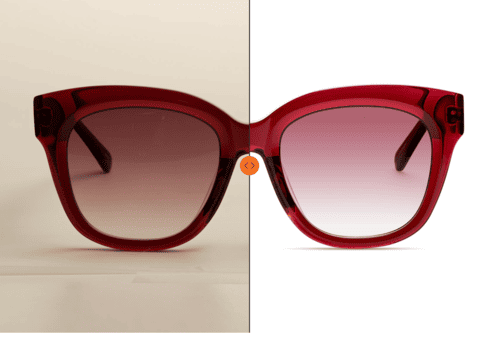
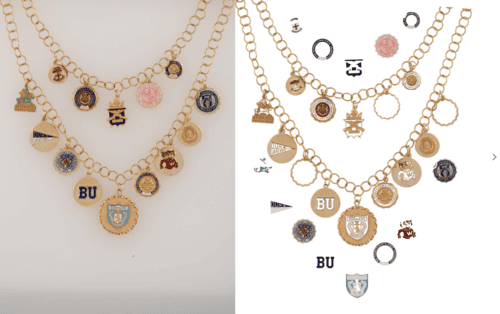
A structured retouching workflow is what makes that volume manageable. Defined color grading parameters, documented conventions per product category, and a review step that catches inconsistencies before delivery all matter, because without that structure, retouching quality starts to drift as decisions get made one image at a time rather than systematically. Best Practices for Retouching eCommerce Product Photos lays out the full workflow and standards, and Step-by-Step Retouching Guide for Beginners is the right starting point for anyone building this skill from scratch.
At some point, most commercial photographers face the same decision: handle retouching in-house, or delegate it to a specialist. In-house gives maximum control but eats into time that could go toward additional shoots. Delegating frees up that time and speeds up turnaround, at the cost of some direct control. The clearest signal that delegation makes sense is when post-production time starts regularly outpacing shooting time, or when retouching quality is the thing standing between a photographer and premium clients. Product Retouching: Mastering or Delegating? walks through that decision in full, and it's worth revisiting periodically, since retouching itself keeps evolving.
AI-assisted tools for background removal, batch processing, and masking have changed what's achievable and how fast, and knowing which parts of the workflow genuinely benefit from automation versus which still need a trained eye is increasingly part of staying competitive. New Trends in Retouching for eCommerce Product Photography tracks where that line currently sits.
The Post-Production Partnership
For commercial photographers at any career stage, post-production quality and turnaround time directly affect client satisfaction and repeat business. LenFlash provides professional retouching services for commercial photographers, handling the post-production work that requires specialist time and skill so photographers can focus on capture.
Online ordering with real-time quotes and standard 7 to 8 business day turnaround. Rush options available for time-sensitive deliveries.
Order retouching at LenFlash