




How to Choose the Right Camera for Product Photography
The camera body matters less than most photographers expect, and more than most eCommerce brand owners realize. A mid-range full-frame body with a professional lens and calibrated lighting will consistently outperform an expensive medium-format system used by someone who doesn't understand how sensor size interacts with depth of field in a studio environment.
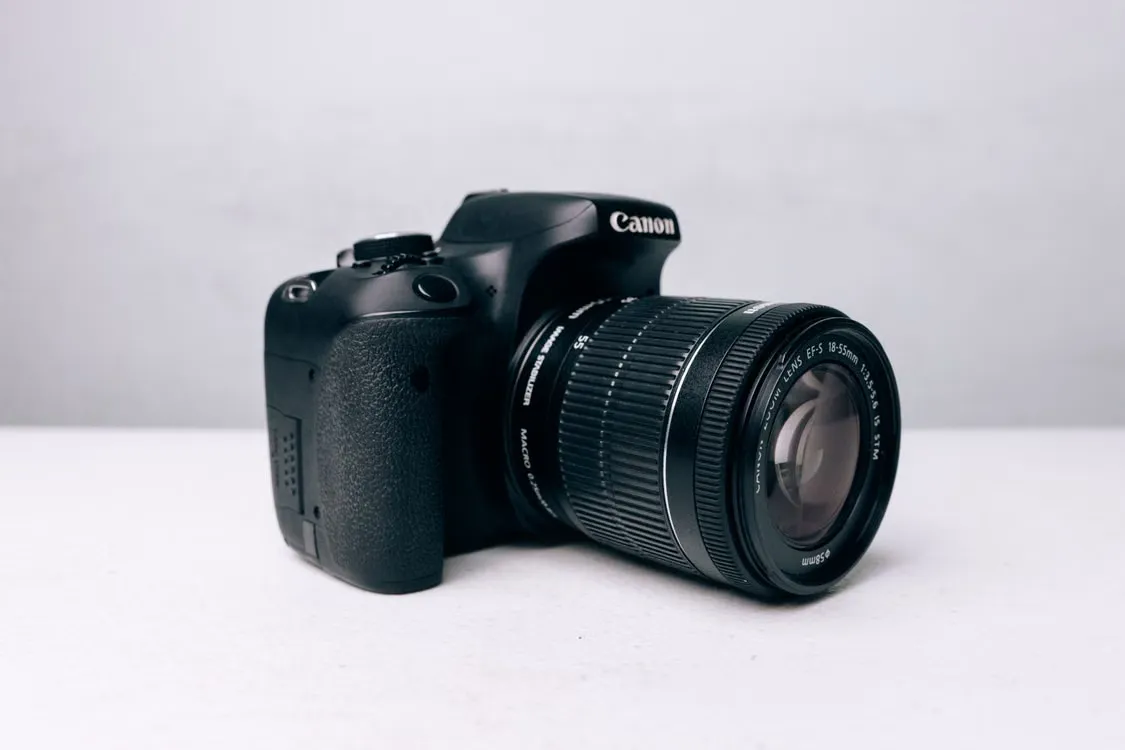
That said, camera choice does matter — particularly sensor size, tethering capability, and color science. This guide covers what actually determines camera performance in a product photography context, which systems professional studios use and why, and how to match a camera to your specific workflow and budget.
Part of our complete equipment guide: Product Photography Equipment: The Complete Gear Guide
Types of Cameras For Product Photography
The sensor is the component that converts light into an image. Every meaningful difference between cameras — resolution, dynamic range, low-light performance, color depth — originates at the sensor level. Understanding sensor types is the starting point for any camera decision in product photography.
Sensor Types: Mirrorless vs. DSLR
This is a more practical distinction than sensor size for most photographers making a camera decision today.
DSLRs use a mirror mechanism to redirect light from the lens to the optical viewfinder. When the shutter fires, the mirror flips up and the sensor is exposed. The advantages for studio product photography are significant battery life — DSLRs can shoot thousands of frames per charge — and a mature, extensive lens ecosystem developed over decades. The optical viewfinder shows the scene as it actually appears rather than a digital representation, which some photographers prefer for composition decisions. DSLRs are also generally more affordable at equivalent sensor size relative to mirrorless.
The limitations: the mirror mechanism introduces vibration at the moment of capture, which requires mirror lockup for long exposures. The bodies are larger and heavier. Autofocus in live view (relevant for tethered shooting where you're composing on a monitor) is slower on most DSLRs than on mirrorless systems.
Mirrorless systems remove the mirror entirely, with the sensor exposed continuously and the viewfinder showing a live digital feed. For product photography, the practical advantages are real-time exposure preview in the viewfinder — you can see exactly how the image will be exposed before capturing it, which significantly speeds up setup — and generally better autofocus in live view mode. Silent shooting (electronic shutter) is available on most mirrorless systems, which matters in environments where shutter noise is a consideration.
The trade-offs: battery life is shorter, typically 300 to 500 shots per charge versus 800 to 1,500 on equivalent DSLRs. Battery grips mitigate this for studio use. The native lens ecosystems for mirrorless are newer than DSLR systems, though Canon, Sony, and Nikon have all built substantial mirrorless lens libraries.
For studio product photography specifically, mirrorless is now the default choice for new systems. The real-time exposure preview, better live view autofocus, and generally more accurate color preview on-screen are meaningful advantages in a controlled studio environment. The battery limitation is manageable with spare batteries or a grip.
Sensor size comparison
APS-C (crop sensor) is the entry point for interchangeable-lens systems. The crop factor (1.5x on most systems, 1.6x on Canon) narrows the field of view relative to a full-frame sensor, which affects how focal lengths behave in practice. A 50mm lens on a crop sensor behaves more like a 75mm to 80mm lens on full-frame. APS-C sensors are cost-effective and the bodies are lighter. For product photography in a controlled studio environment with good lighting, a high-quality APS-C system produces results that most buyers cannot distinguish from full-frame output. The limitation becomes apparent in dynamic range and shadow recovery — relevant when photographing products with extreme contrast between highlights and dark areas.
Full-frame is the professional standard for studio product photography. The larger sensor captures more light per pixel, produces lower noise at equivalent ISO settings, and delivers broader dynamic range. For jewelry, cosmetics, and any product where accurate color and fine surface detail are critical to the purchase decision, full-frame is the practical minimum. The depth of field at equivalent apertures is shallower than APS-C, which is generally an advantage for isolating product detail.
Medium format uses sensors larger than full-frame — typically 44 x 33mm in digital medium-format systems, compared to 36 x 24mm for full-frame. The resolution advantage is significant: current medium-format systems from Fujifilm and Phase One produce files in the 50 to 150 megapixel range. This level of detail reveals material texture and surface quality at a level that no full-frame system matches, which is why medium format is the standard at luxury product studios shooting jewelry, watches, leather goods, and high-end fashion.
The practical trade-offs: medium-format bodies and lenses cost substantially more, files are larger and require more processing power, and the ecosystem of available lenses is narrower. For a studio shooting high-volume catalog work across multiple product categories, the added cost and workflow complexity is rarely justified. For a studio specializing in luxury products where image quality is the primary differentiator, medium format is worth the investment.
Camera brand comparison
When selecting a camera for product photography, it’s important to consider the features that align with your needs and workflow. Different brands offer unique advantages
Canon
Canon's color science produces accurate, natural-looking skin tones and product colors, particularly for fashion, beauty, and lifestyle photography. The RF lens system (for Canon mirrorless) is one of the strongest mirrorless lens ecosystems available. Tethering support in Capture One and Lightroom is reliable and well-established. Canon's EOS R5 and R6 Mark II are the current standard choices for full-frame mirrorless product photography. For medium-format needs, Canon does not offer a medium-format system — Fujifilm or Phase One are the relevant choices.
Sony
Sony's mirrorless system has been the dominant professional mirrorless platform for several years. The dynamic range on Sony full-frame sensors is among the best available, which is particularly useful for products with challenging lighting conditions — reflective surfaces, glass, highly polished metals. The autofocus system is the most advanced of any major brand, which is less relevant for stationary product photography but useful for any work involving motion. The Sony A7R series (high resolution) and A7 IV are the primary choices for product photography. Tethering support is solid in Capture One.
Nikon
Nikon's Z series mirrorless cameras offer excellent image sharpness and one of the best dynamic range performances in the full-frame category. The Z 7II is particularly strong for high-resolution catalog work. Nikon's color rendering is accurate and neutral, which suits product photography well. The Z lens system is growing rapidly and now covers all the focal lengths relevant to product work. Tethering support is reliable.
Fujifilm
Fujifilm occupies two distinct positions in the market. Their APS-C X-series cameras are excellent mid-range systems with distinctive film simulation modes that can be useful for lifestyle and editorial product photography. Their GFX medium-format system is the most accessible entry point into medium format, with the GFX 50S II and GFX 100S covering the range from high-quality to ultra-high-resolution production. For studios considering medium format without the Phase One price point, Fujifilm GFX is the standard recommendation.
Key features to evaluate
Tethering support. For studio product photography, tethering to Capture One or Lightroom is standard practice. Verify that the camera you're considering is supported in your capture software before purchasing. Canon, Sony, Nikon, and Fujifilm all have solid tethering support in Capture One. Some older or less common bodies have limited or unstable tethering connections.
Resolution. For most eCommerce catalog work, 24 to 45 megapixels is more than sufficient. Amazon's maximum image display size, Shopify product pages, and most retail website specifications do not require files beyond this range. Higher resolution matters when images are cropped significantly in post-production, when large-format print output is required, or when shooting medium-to-large products where you need detail across a wide frame.
Dynamic range. The ability to retain detail in both highlights and shadows in a single exposure. Particularly relevant for products with extreme contrast — a white product against a white background, or a dark leather good with bright metal hardware. Sony and Nikon lead in measured dynamic range across their current full-frame systems.
Battery life. For high-volume studio sessions running all day, a camera that requires battery changes every 300 shots creates unnecessary interruptions. A battery grip doubles the capacity on most systems. DSLRs have a natural advantage here; for mirrorless systems, plan for at least three batteries per full shooting day.
Burst mode. Less relevant for standard product photography where the subject is stationary, but matters for any work involving liquid pours, falling products, or stop-motion production where you need to capture a specific moment in a sequence.
Optimizing Camera Settings for Product Photography
RAW Format: Always shoot in RAW to retain maximum detail and flexibility in post-production.
ISO Settings: Keep ISO low (100-200) to minimize noise, especially for high-detail shots.
Aperture: Use f-stop up to f/24 for sharpness across the entire product; wider apertures like f/2.8 are suitable for artistic shots but can blur edges.
Shutter Speed: Ensure stability by pairing slow shutter speeds with a tripod; for handheld shooting, maintain at least 1/125.
Multi-Exposure Techniques: For products with challenging lighting or high contrast, use multi-exposure (HDR) photography. Capture multiple shots at varying exposures (e.g., one for highlights, one for shadows, and one that is balanced) and merge them in post-production to achieve perfect detail retention across all tonal ranges. This technique is particularly effective for reflective surfaces like glassware or polished metals.
White Balance: Set the white balance manually to ensure accurate color representation. Products with specific color requirements, such as apparel or branded items, demand precise calibration to avoid color shifts. Use a gray card or white reference during setup to standardize the lighting environment and maintain consistency across shoots. Incorrect white balance can lead to products looking overly warm or cool, which may mislead customers and result in returns.
Related guides
Product Photography Equipment: The Complete Gear Guide
How to Choose the Best Lens for Product Photography
Essential Lighting Setups for Professional Product Photography
The Ultimate Guide to eCommerce Product Photography
Shooting the images yourself? LenFlash handles post-production for professional photographers — retouching from $10.99 per image, 7-day turnaround.