
How to Build a Fashion Photographer Portfolio That Gets Commercial Work
A fashion photography portfolio has one job: convince the right people to hire you. The right people depends entirely on what kind of work is being pursued. A portfolio built to attract editorial commissions from Vogue looks different from one built to attract eCommerce brand work. A portfolio aimed at advertising agencies looks different from one aimed at independent fashion labels. Most photographers build portfolios that try to serve all of these audiences simultaneously and end up serving none of them effectively.
This article covers how to build a portfolio with a clear commercial purpose, what different types of clients actually look for, how to generate portfolio work when starting out, and how to present and develop the portfolio as the career grows.
Part of the full guide: Commercial Product Photography for Photographers
Commercial Portfolio vs Editorial Portfolio
The most important decision in portfolio building is understanding which audience the portfolio is primarily serving, because the criteria for evaluation are genuinely different.
What Commercial Clients Look For
Commercial clients — eCommerce brands, marketing agencies, fashion retailers, and product companies — evaluate a portfolio against specific practical criteria.
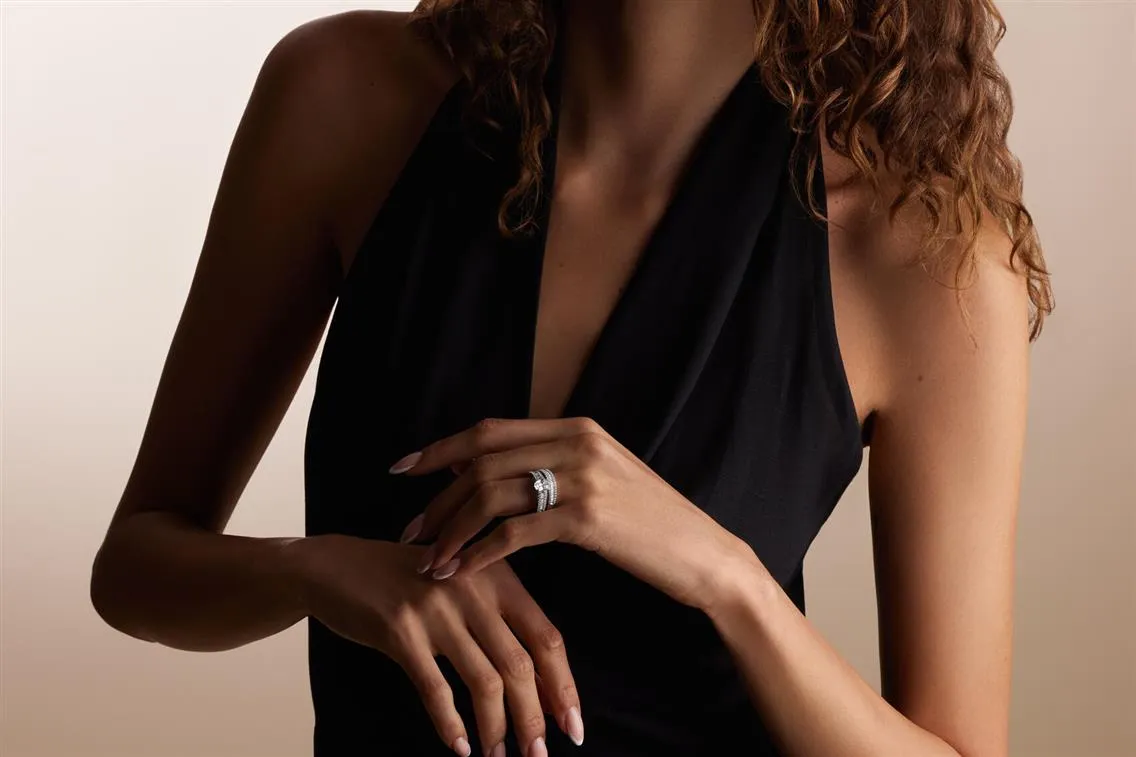
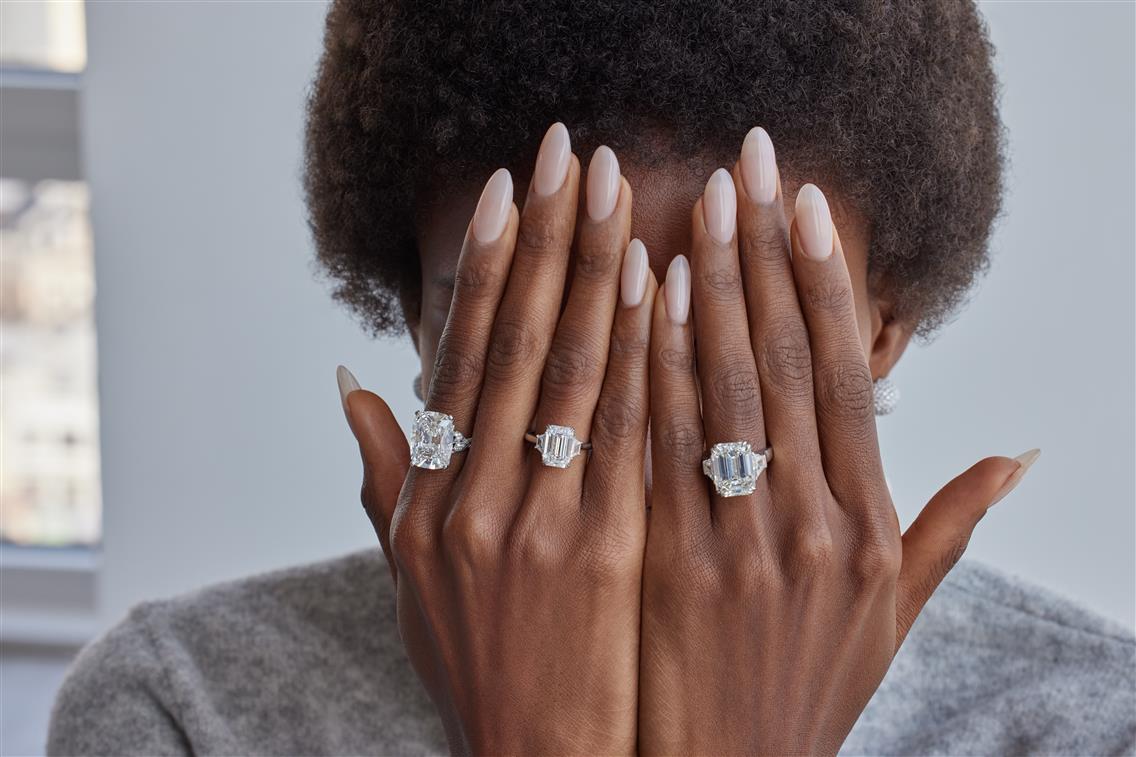
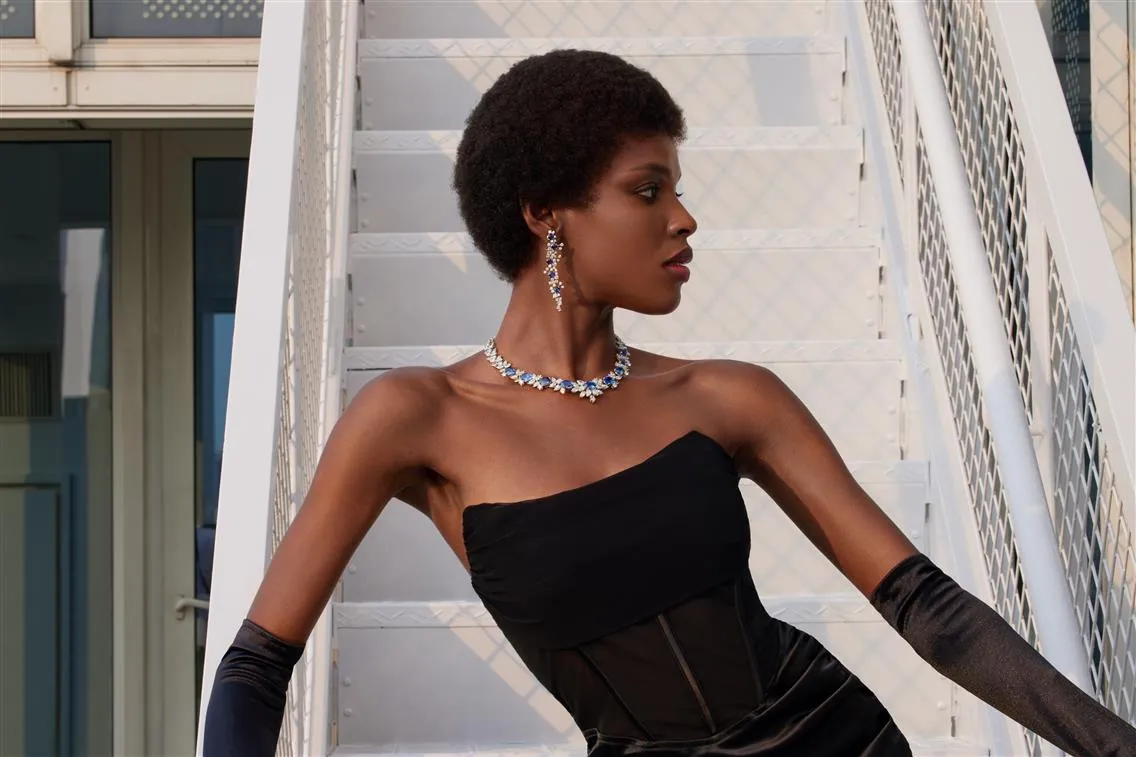
Category experience. Does the photographer have demonstrated experience with the specific product type the client sells? A jewelry brand evaluates jewelry work. An apparel brand evaluates garment photography. A beauty brand evaluates packaging and on-skin work. Showing work from the relevant category is more persuasive than showing technically superior work from an unrelated category.
Consistency. Can the photographer deliver uniform output across a large set? Commercial clients are not hiring for a single hero image. They are hiring for a catalog, a lookbook, or a campaign that will produce dozens or hundreds of images. A portfolio where every image looks like a different photographer shot it signals that consistent output at volume is not reliable.
Platform literacy. Does the photography understand how images will be used? Amazon listing images have different requirements from Instagram editorial content, which differs from wholesale lookbook photography. A portfolio that demonstrates understanding of how different image types serve different commercial purposes communicates professionalism that purely aesthetic portfolios do not.
Technical cleanliness. Sharp focus, accurate color, clean backgrounds, and proper exposure are baseline requirements, not differentiators. But their consistent presence across a portfolio signals production reliability. Their absence in even a few images signals risk.
What Editorial Clients Look For
Editorial clients — magazines, creative directors, and fashion publications — evaluate against different criteria.
Point of view. Does the photographer have a recognizable visual identity? Editorial clients want photographers who bring something to the collaboration beyond technical execution. The portfolio should communicate a consistent aesthetic perspective, not just versatility.
Narrative ability. Can the photographer tell a story across a series of images? Editorial work is sequenced. A single strong image is less persuasive than a cohesive set of six that build a visual narrative with rhythm and progression.
Conceptual ambition. Is the work doing something visually or conceptually interesting? Magazine creative directors are looking for images that reward close attention, that have layers, references, or unexpected elements that distinguish them from competent commercial work.
For how to produce work specifically aimed at editorial publication: How to Shoot for Fashion Magazines: The Roadmap to Vogue
Building Portfolio Work When Starting Out
Test Shoots
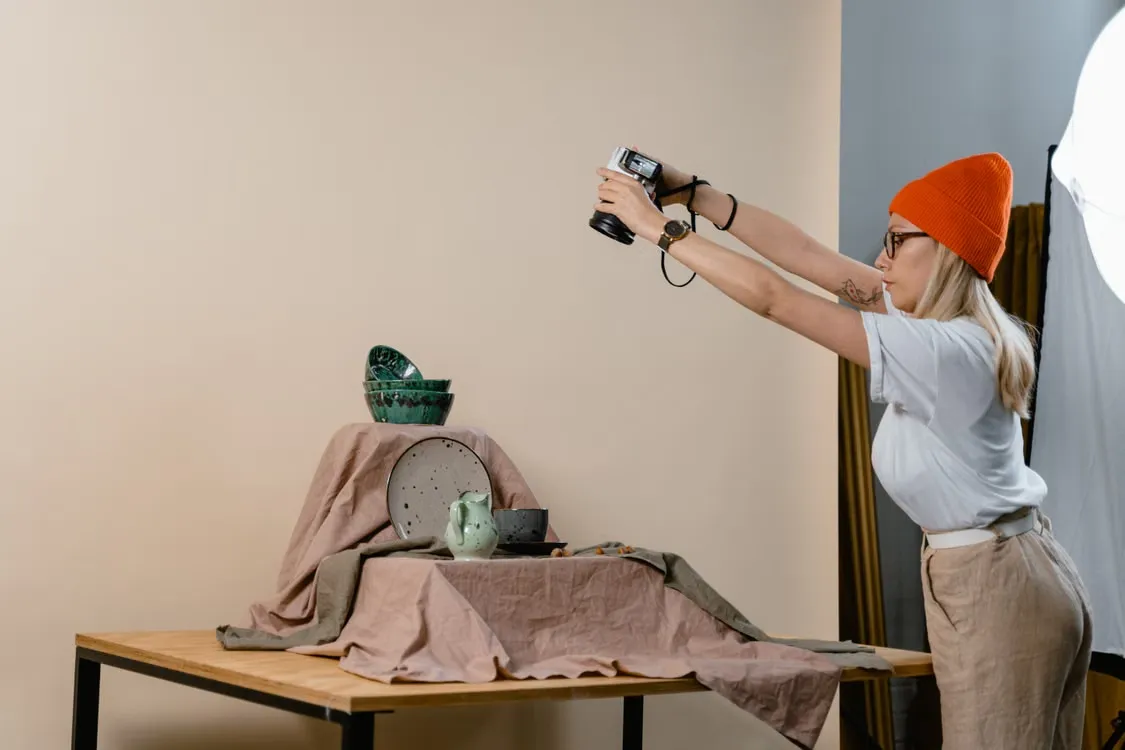
A test shoot in fashion photography is an informal, collaborative session where photographers, models, stylists, makeup artists, and other creatives come together to experiment with new ideas, techniques, or aesthetics without the commercial constraints. Unlike paid shoots, test shoots are primarily about creative exploration, skill development, and building a portfolio that reflects the kind of work you want to be known for professionally
Test shoots allow you to experiment with concepts, refine your style, and build a professional portfolio without a client’s brief pressure. They also help you expand your network by working with models, makeup artists, and stylists. How to organize a test shoot:
1. Develop a Creative Concept
Create a Pinterest or Milanote board with inspiration images, colors, lighting setups, and styling ideas. Will your shoot be editorial, commercial, or high fashion style? Decide the mood and purpose of your shoot. Choose between studio vs. outdoor settings based on your vision. The difference between a good and an exceptional fashion shoot often comes down to thoughtful planning.
2. Assemble a Creative Team
Fashion photography is a collaborative field, so you’ll need a team to bring your ideas to life. Find models through Instagram, modeling agencies, or websites like Model Mayhem. Connect with beauty professionals via Instagram or local creative groups. Reach out to emerging designers or wardrobe stylists to provide clothing and accessories. Offer portfolio collaboration opportunities in exchange for experience — many emerging talents will work on test shoots to build their own portfolios.
3. Plan the Technical Setup
Technical decisions should match your creative concept. Choose the lighting setup that perfectly aligns with your intended mood. Use prime lenses (50mm or 85mm) for capturing intimate portraits, or zoom lenses (24-70mm) for dynamic, storytelling compositions.
4. Direct the Shoot & Capture Dynamic Shots
Guide your models with poses and expressions to match the story. Experiment with angles and compositions; not every shot needs to be center-framed.
Collaborating closely with creative or art directors can elevate your shoot even further, bringing fresh perspectives, cohesive storytelling, and a deeper understanding of brand identity. Their input can transform a good concept into an unforgettable visual experience.
Capture behind-the-scenes content for social media to showcase your creative process.
Collaborating with Emerging Brands
Small and emerging fashion brands often need photography and have limited budgets. Shooting for these brands at reduced rates or on a trade basis builds portfolio work that demonstrates real commercial production rather than test shoot simulation. The images produced have genuine commercial context, which makes them more persuasive to future clients than test shoots can be.
The trade-off is accepting work with fewer creative constraints than a test shoot allows. This is commercially valuable experience regardless of the portfolio outcome.
Assisting Established Photographers
Assisting working commercial photographers provides access to professional productions and builds technical knowledge that test shoots cannot replicate. Many photographers build their understanding of commercial lighting, production workflow, and client management through assisting before they start shooting independently.
Creating a Proper Portfolio
Your portfolio should be curated to highlight your strongest work while demonstrating versatility. Fashion clients look for photographers who can adapt to different styles while maintaining a unique artistic voice.
To attract a diverse range of clients, include images across different fashion photography genres. Include powerful examples from diverse fashion photography branches, such as:
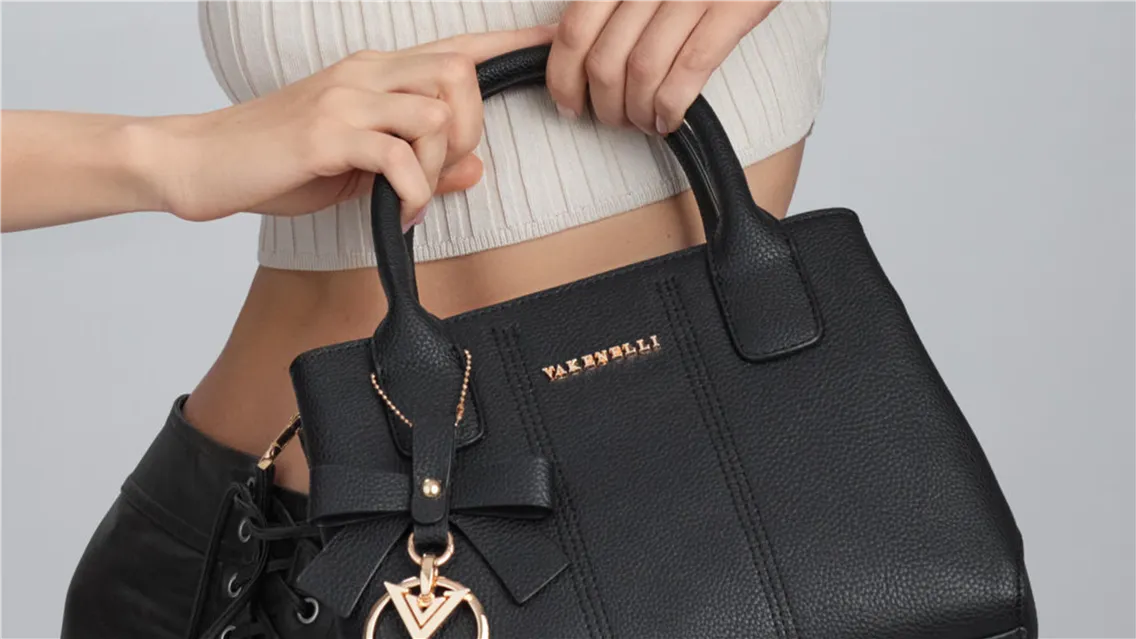
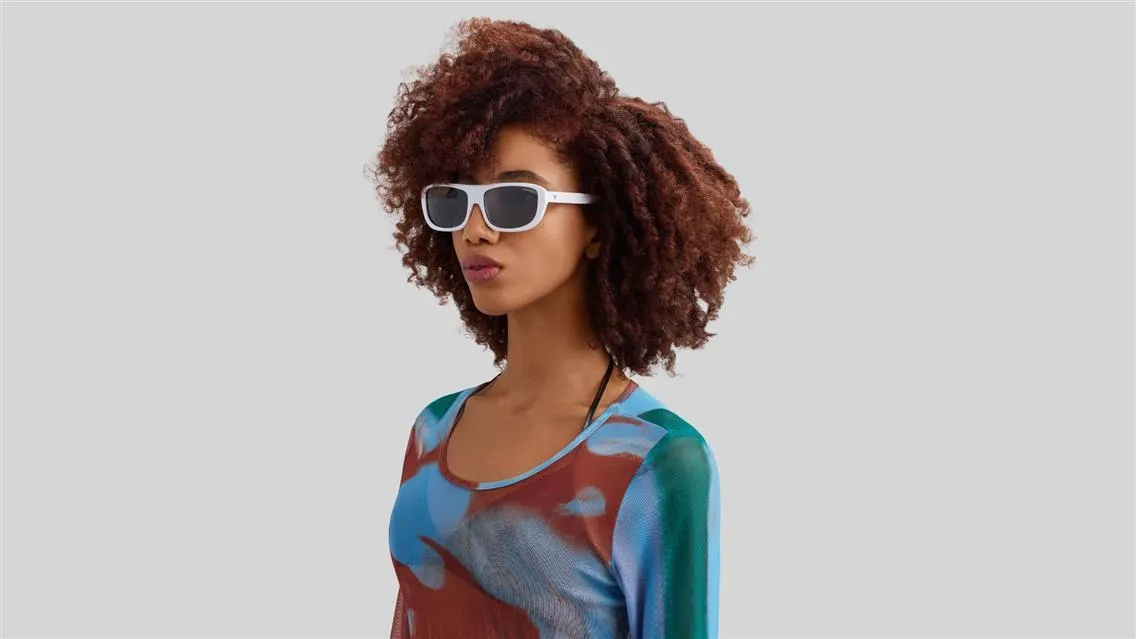
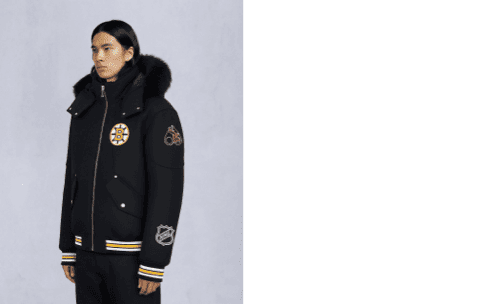
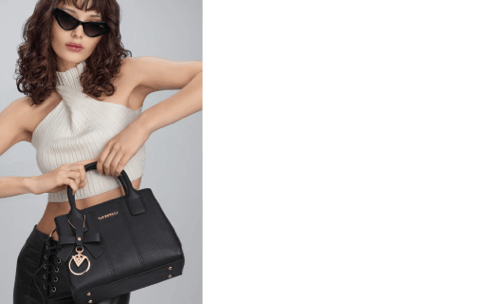
- eCommerce photography: Polished, highly market-oriented shots that demonstrate your ability to visually translate brand identity and clearly highlight products. Mastering commercial style shows potential clients your adaptability to business objectives.
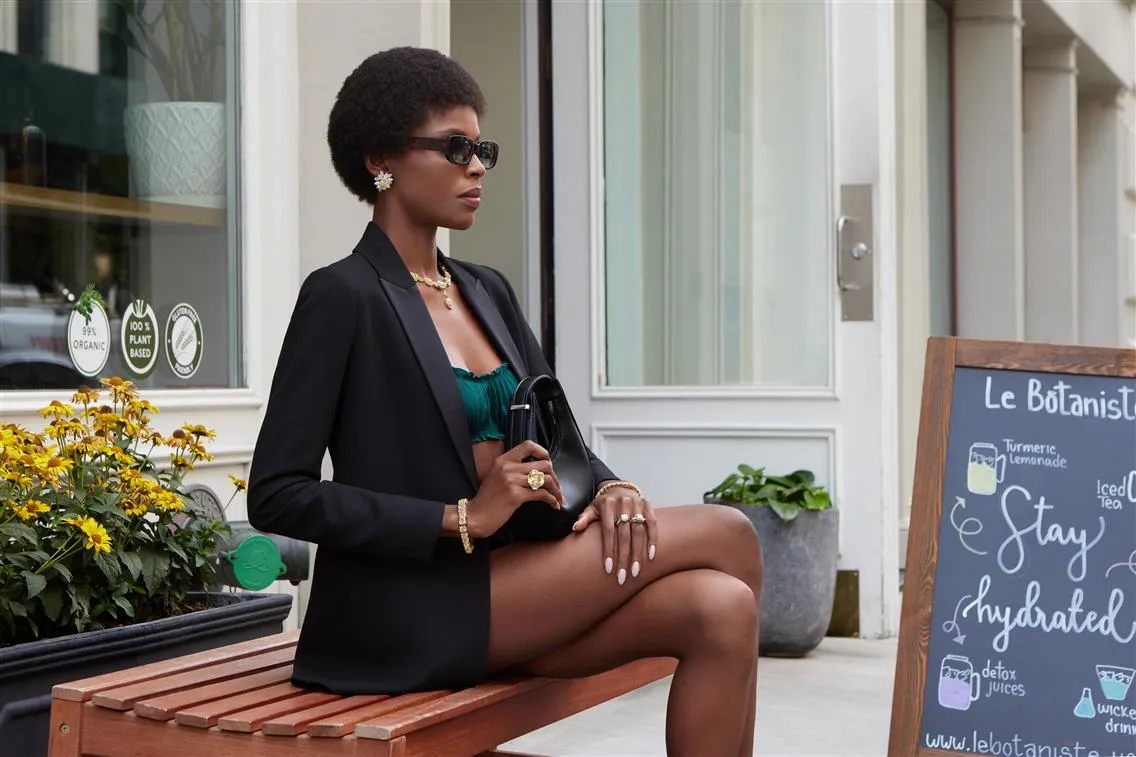
- Street-style photography: Raw, candid, authentic shots often seen in social media campaigns or lifestyle-focused brands. Street-style images highlight your ability to capture spontaneity, urban culture, and relatable fashion trends that resonate with broader, younger audiences.
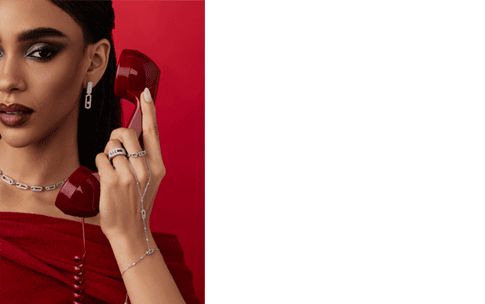
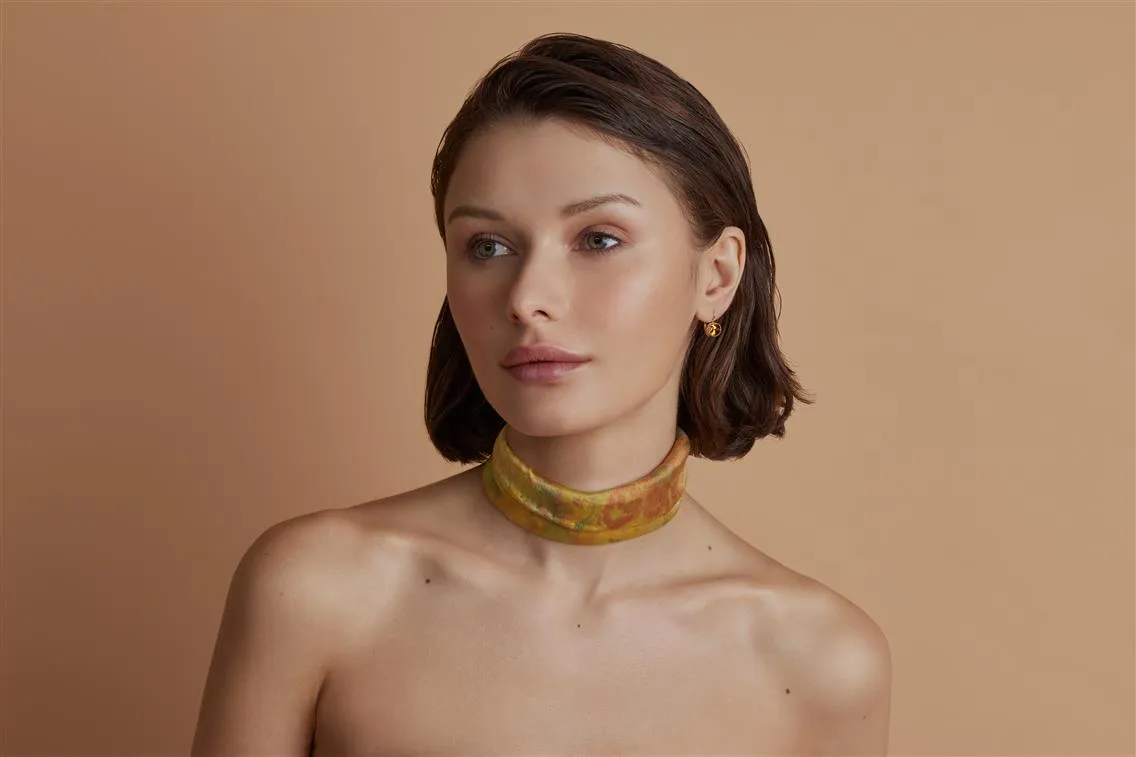
- Beauty photography: Close-ups and detailed portraits focusing primarily on makeup, hairstyles, skincare, and beauty trends. High-end retouching, lighting mastery, and meticulous attention to facial details signal your technical expertise and attract cosmetics or skincare clients.
- Lifestyle photography: Relatable imagery that captures moments, emotions, and experiences. Lifestyle photography blends authenticity with aesthetics, making it ideal for brands looking to connect with audiences on a personal level.
- Editorial photography: Focus on storytelling. Editorial images should demonstrate your ability to express complex narratives, evoke emotions, and align visuals with a brand’s creative concepts. Editors seek photographers who can execute cohesive narratives that resonate deeply with readers.
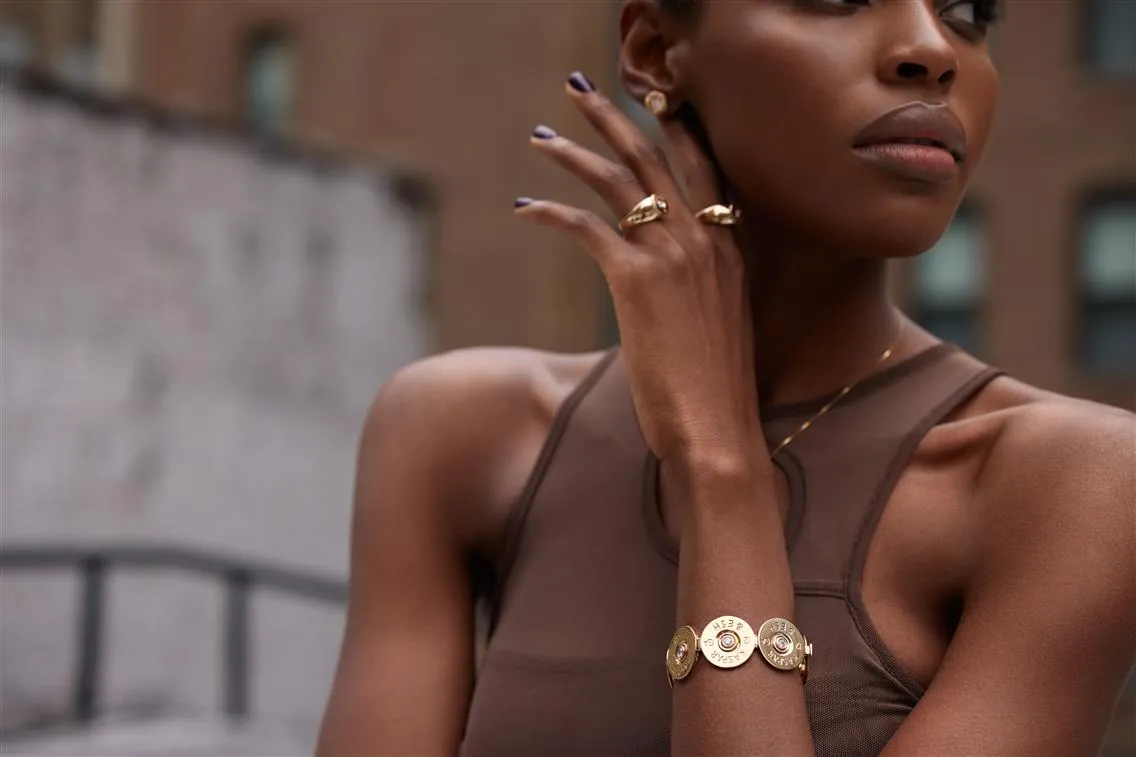
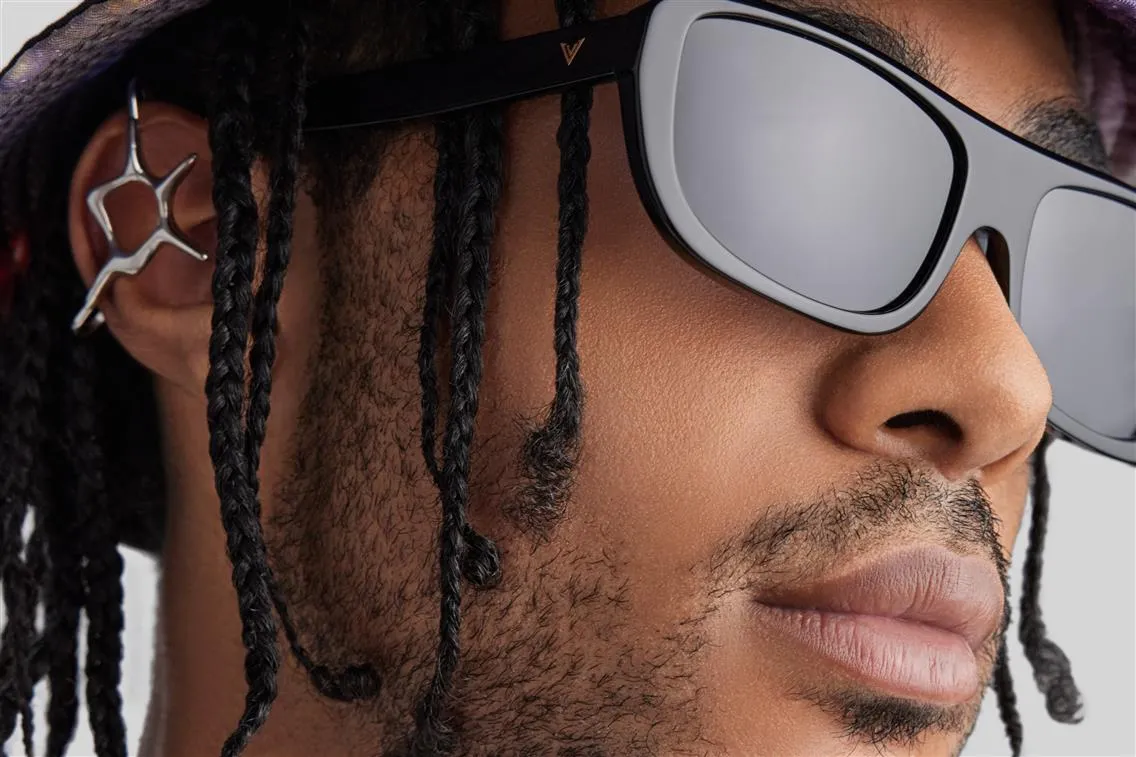
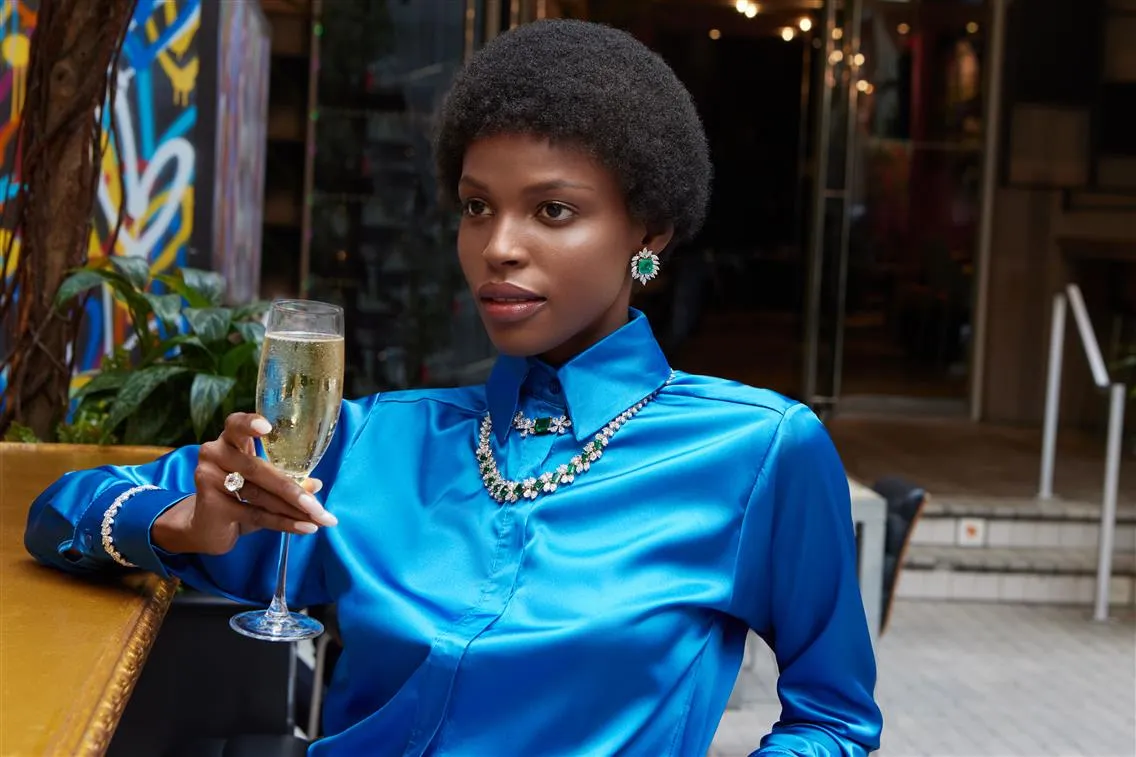
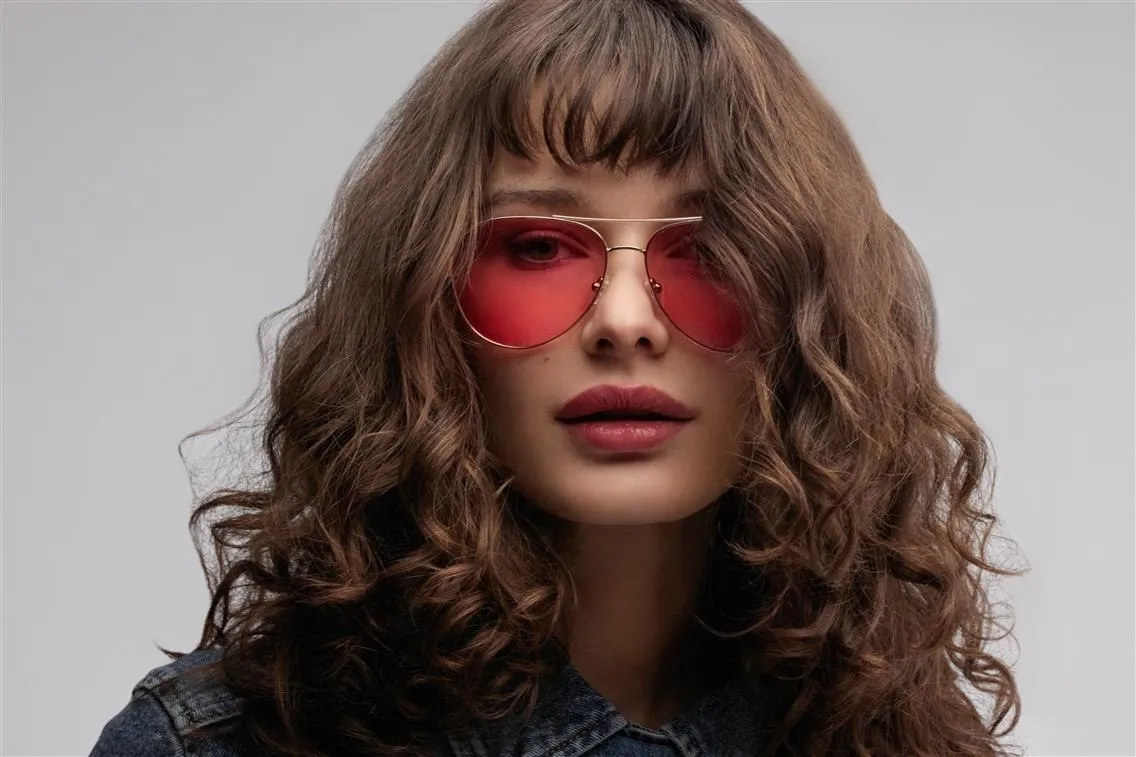
It’s important not to overload your portfolio with repetitive images. Each image should serve a distinct purpose and showcase a different aspect of your skills. A strong portfolio is about quality, not quantity.
Retouching Standards for Portfolio Work
Portfolio images represent the photographer's best work. The retouching standard should be higher than for routine commercial delivery. This means:
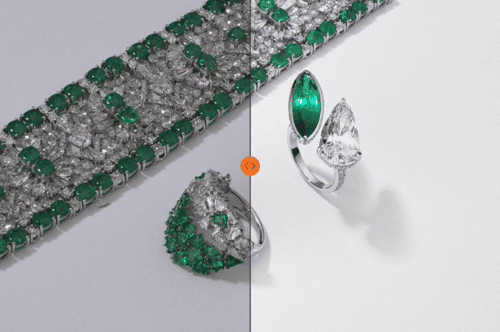
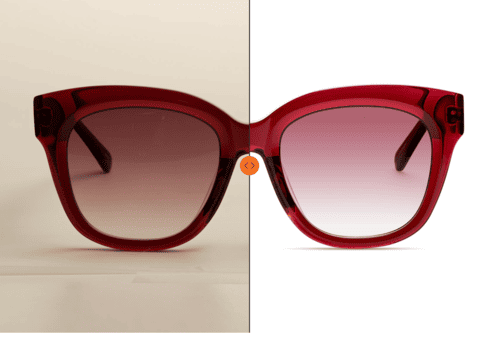
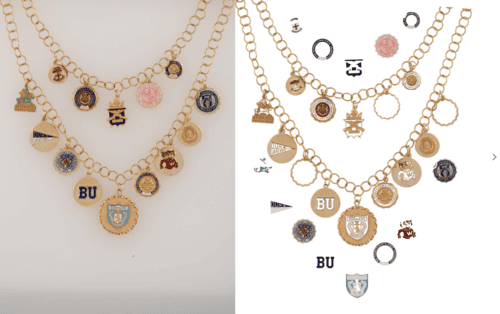
Clean background removal with no visible edge artifacts. Accurate color that matches the physical product. Consistent white balance and exposure across the full portfolio. Skin and fabric retouching that enhances rather than removes texture.
Overretouching is as damaging to a portfolio as underretouching. Images that look processed rather than photographed signal that the quality is dependent on post-production rather than capture. Editorial clients in particular are sensitive to this.
For photographers who handle retouching in-house, the portfolio is the right place to invest the most retouching time. For photographers who outsource retouching, ensuring the retoucher understands the portfolio context and the standard being pursued is essential.
For retouching standards in commercial fashion photography: Best Practices for Retouching eCommerce Product Photos
Best Platforms to Showcase Your Fashion Photography Portfolio
Portfolio Website
A dedicated portfolio website is the primary professional presentation. It allows full control over image sequencing, section organization, and overall aesthetic impression. Platforms including Squarespace, Format, and Adobe Portfolio provide the design flexibility and image quality needed for professional fashion photography portfolios.
The website should have clearly organized sections for different photography types, high-resolution images that load quickly, a concise about page that communicates the photographer's background and approach, and a direct contact method. The domain name should be the photographer's name where possible.
Instagram serves a different function from the portfolio website. Where the website presents a static curated selection of the best work, Instagram documents the ongoing creative practice. Behind-the-scenes content, work in progress, and new shoots all belong on Instagram in ways that would disrupt the coherence of a portfolio website.
A consistent aesthetic across the Instagram feed communicates brand identity and attracts followers from the fashion industry who may become clients or collaborators. Engaging with the work of brands, agencies, and creative directors builds visibility within the professional community.
Submission Platforms
Kavyar and similar platforms allow photographers to submit editorial work to multiple publications simultaneously. For photographers building toward editorial publication, these platforms reduce the administrative burden of magazine submission and increase the volume of work that can be submitted at once.
Getting Published in Magazines
Being published in fashion magazines significantly boosts your credibility and opens doors to new opportunities. Even getting featured in smaller independent publications can build your reputation and help you connect with industry professionals.
Start by researching the right magazines for your work. Not every magazine will be a good fit, so target publications that align with your photography style. Vogue Italia’s PhotoVogue, L’Officiel, Schön!, Kaltblut, and Dreamingless all accept submissions from emerging photographers. Smaller niche magazines can also be valuable for building your name in the industry.
Before submitting, carefully read the magazine’s submission guidelines, which are usually available on their website. They will specify image size, format, and any theme requirements. Some magazines also require a short artist statement or a description of the project.
To increase your chances of getting published, network with fashion editors and art directors. Connect with them on LinkedIn or Instagram, engage with their content, and introduce yourself professionally. Attending fashion networking events can also help build relationships that lead to publication opportunities.
Another way to get published is through submission platforms like Kavyar, which allows photographers to submit editorial work to multiple publications simultaneously.
Building a strong portfolio takes time, but it is one of the most important steps in establishing yourself as a fashion photographer. A diverse, high-quality portfolio will not only help you attract clients but also make you more appealing to magazines and agencies. By focusing on strong test shoots, strategic collaborations, and effective online presentations, you can position yourself as a professional in the industry.
Developing the Portfolio Over Time
A portfolio is not built once. It is continuously revised as the work improves, the client base shifts, and the photographer's positioning evolves. Also, most photographers include too many images and not enough of the right ones.
Quality Over Volume
A portfolio of fifteen exceptional images is more effective than forty images of varying quality. Clients who see a weak image in a portfolio remember it. They use it to calibrate their confidence in the photographer's judgment. Every image included should represent work the photographer would be proud to have associated with their name in any context.
Sequencing and Visual Rhythm
The order of images in a portfolio creates an impression that individual images cannot. The first image should be the strongest and most representative. The sequence should create visual variety without visual chaos, alternating between different formats, scales, and moods while maintaining a coherent overall aesthetic.
Within a category section, the images should demonstrate range: different garment types, different lighting approaches, different compositional structures. Showing five images of the same model in similar poses against the same background signals limited adaptability even if each individual frame is technically accomplished.
The Lead Image
The image that appears first in the portfolio or at the top of a portfolio website sets the expectation for everything that follows. It should answer the question "what kind of photographer is this?" in the most compelling way possible. For a photographer targeting commercial brand work, the lead image should demonstrate commercial relevance and technical precision alongside aesthetic quality.
Removing Work That No Longer Represents the Current Level
The portfolio should be reviewed after every significant production. Any image that no longer represents the current standard should be removed regardless of how strong it seemed when it was produced. The portfolio is a forward-looking commercial document, not an archive.
This article is part of our series for photographers building a career in commercial and fashion photography: