



New Trends in Retouching for eCommerce Product Photography
As eCommerce has grown, so has the sophistication of retouching. What used to be about making everything picture-perfect has evolved into a more nuanced approach that balances appeal with authenticity.
Product returns are a significant driver of that shift. When what customers receive does not match the images online, it hits the bottom line directly. Advanced technologies like AI, combined with the rise of minimalist retouching, are reshaping how visuals are handled. For eCommerce businesses, visuals are now the opportunity to differentiate, build trust, reduce returns, and boost conversions.
Part of our complete retouching guide: How Product Photo Editing Services Impact Online Sales
Minimalist Retouching Trends for Product Photos
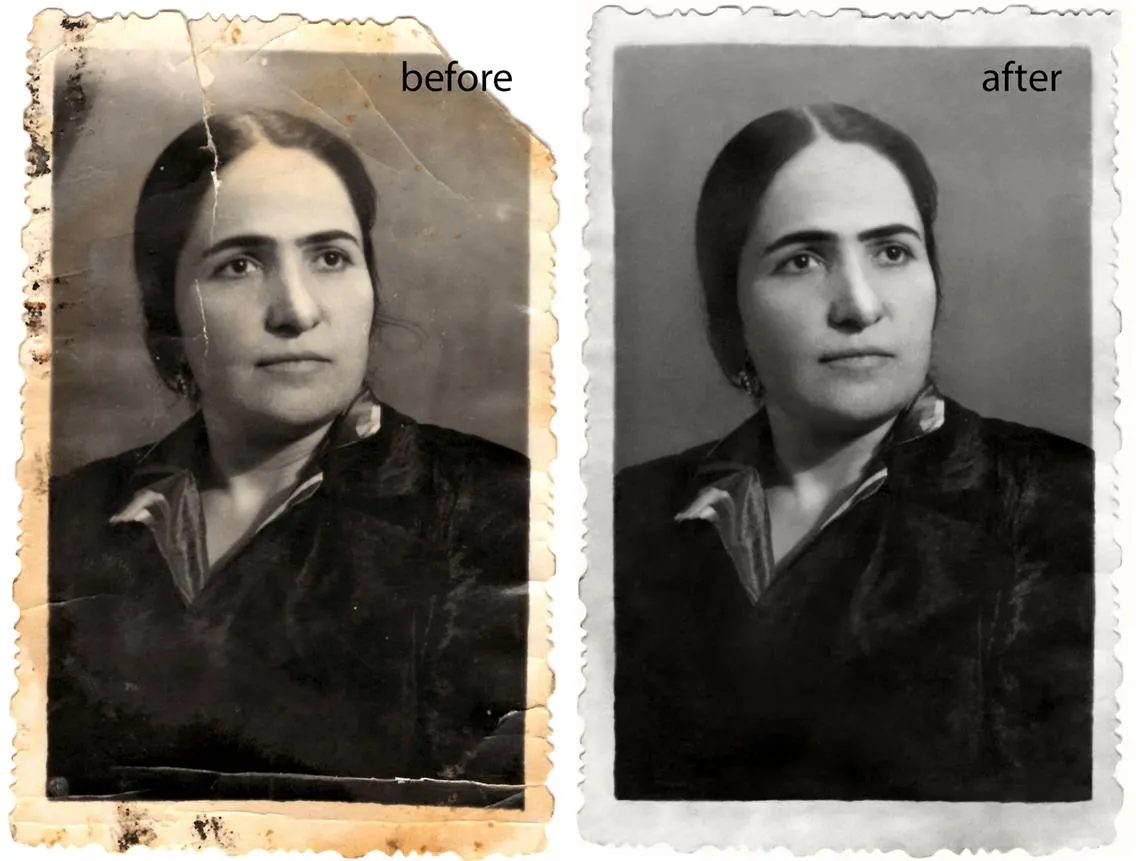
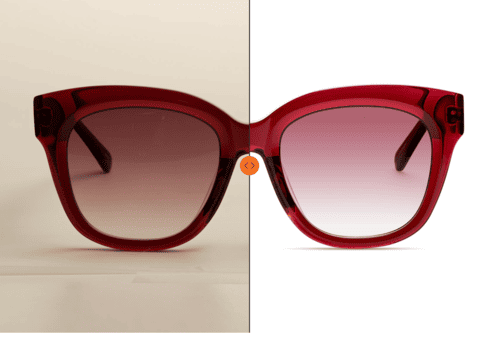
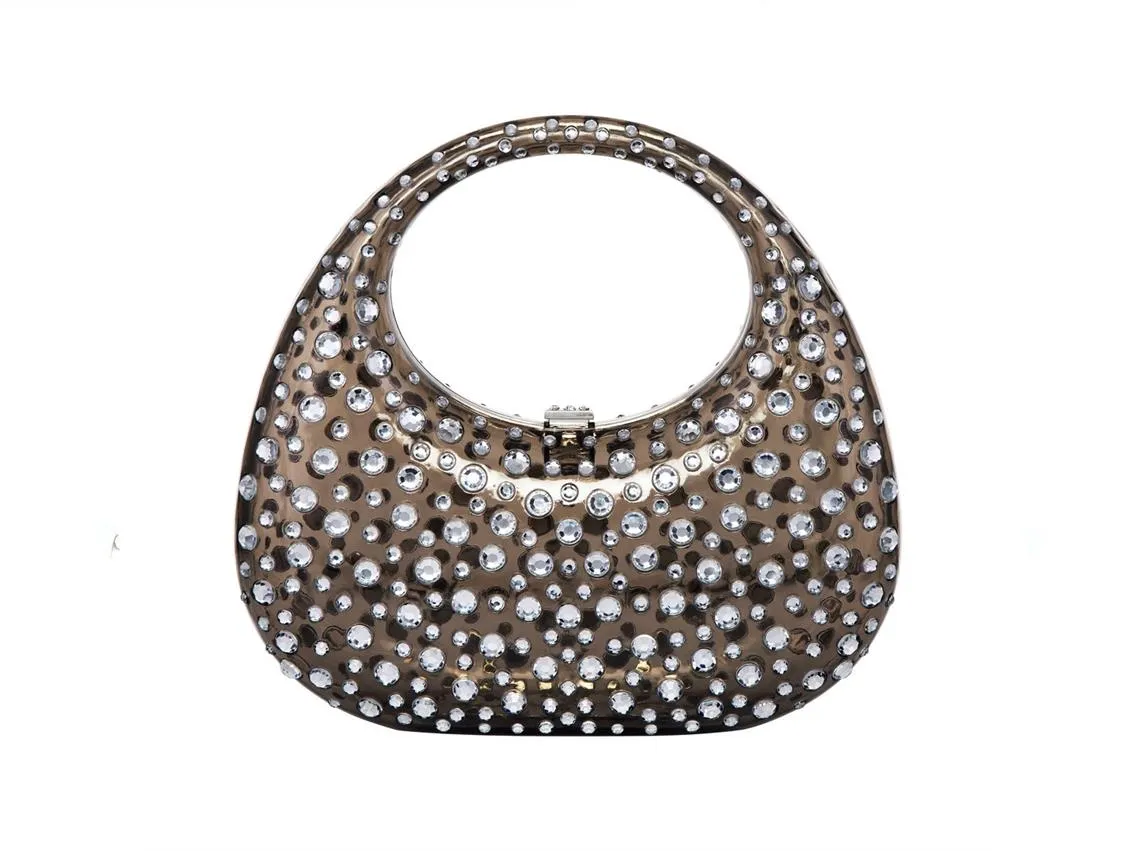
Minimalist retouching means enhancing a product's natural look without making it look overly processed. Subtle tweaks like refining shadows, removing tiny flaws, and maintaining texture are what modern eCommerce businesses want from a retouching team.
This does not mean taking shortcuts. Minimalist retouching requires precision and restraint. It is about doing just enough to make the product stand out without over-editing it into something unrecognizable.
Why Minimalist Retouching is a Growing Trend in eCommerce
Today's customers can spot an over-retouched image from a mile away, and when they do, it creates doubt. Authenticity is more important now than ever. People want to know that what they see online is what they will actually receive. That is why brands are shifting towards a more natural, "less is more" approach. Minimalist retouching delivers exactly that — realism with just the right amount of polish.
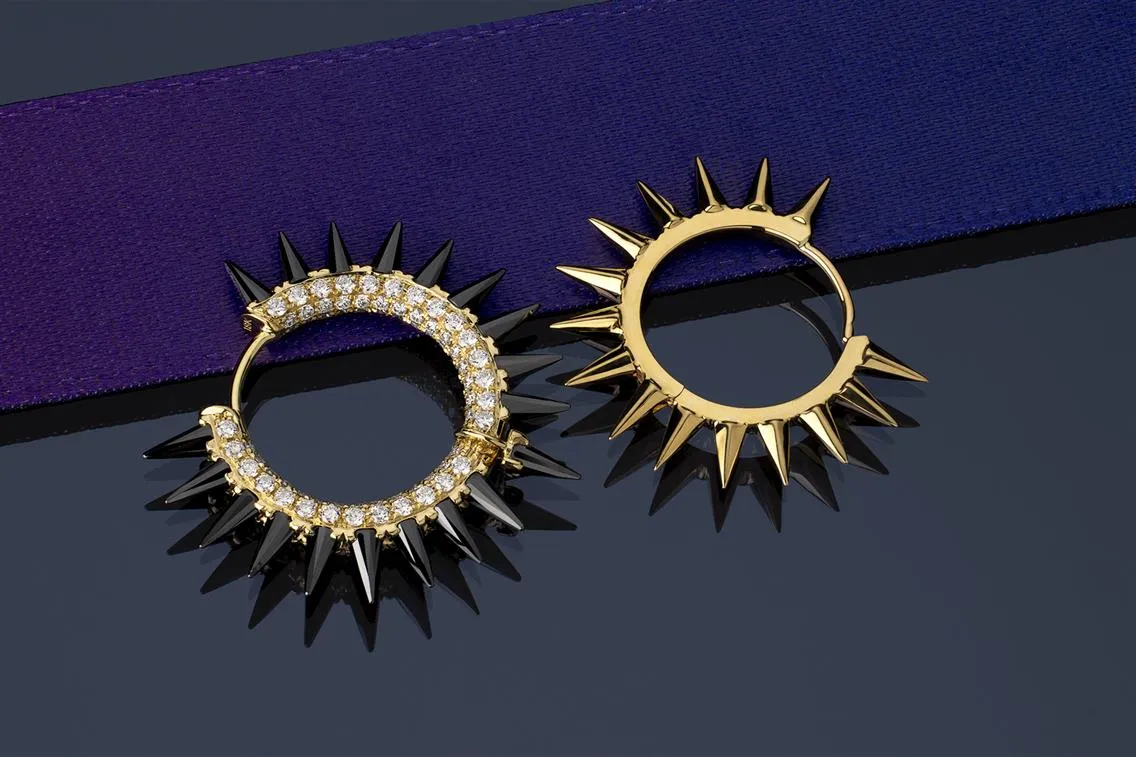
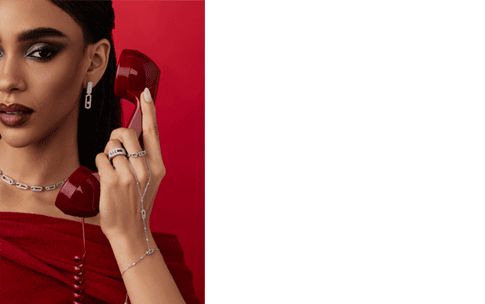
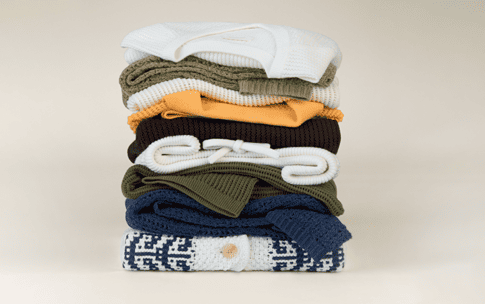
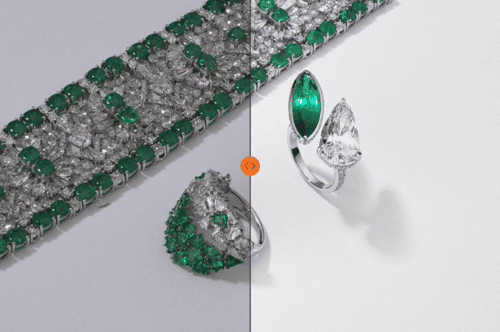
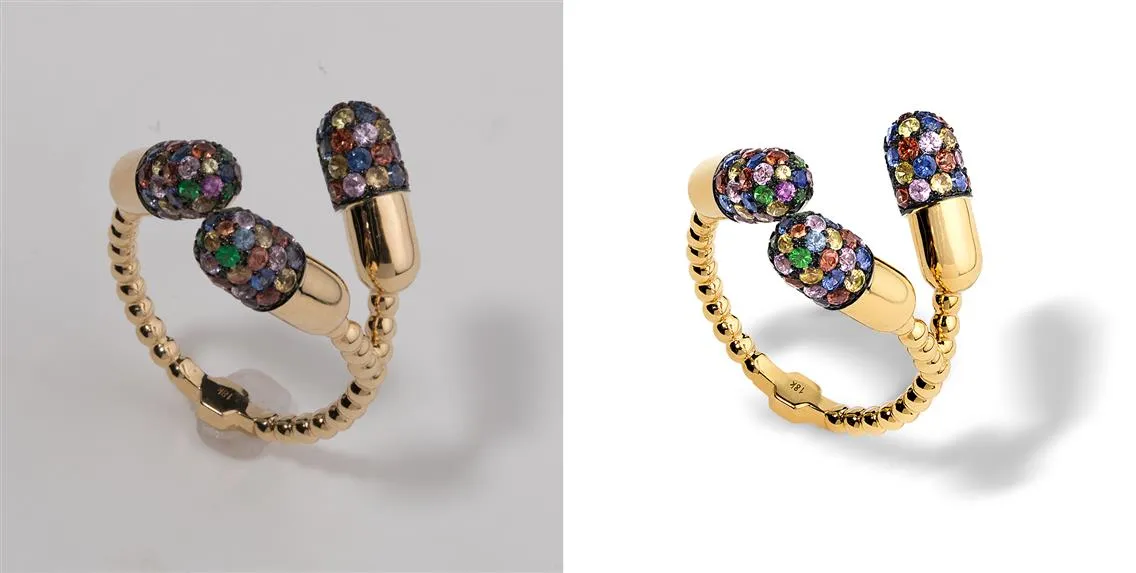
Take fashion photography: minimal edits might involve enhancing fabric texture to highlight quality while ensuring colors and stitching are true to life. Jewelry, which often involves high-detail shots, benefits from a light touch, ensuring every facet sparkles without making it look artificial. Even in on-model photography, brands have moved away from airbrushing models to perfection, choosing to highlight real skin with subtle, well-placed corrections instead.
For the specific errors that minimalist retouching avoids: 10 Common Retouching Mistakes to Avoid
How to Keep Photos Looking Natural with Ethical Retouching
Natural-looking retouching hinges on a few key techniques. Non-destructive editing ensures flexibility, allowing for adjustments without permanently altering the image. Layer masks enable retouchers to work on specific areas without compromising the whole photo. Blending layers and controlling highlights and shadows helps maintain the product's texture and three-dimensionality.
Instead of relying on automated filters, experienced retouchers fine-tune details — using tools strategically to enhance depth and light play. The goal is to enhance without masking the product's true characteristics.
Over-editing is a brand's worst enemy. Over-smoothing erases important details like texture, while excessive brightness can make a product look flat. Similarly, unnatural lighting and poor color correction can give products an unrealistic glow, turning potential buyers away. Keeping edits subtle and focused on enhancing the product's true appearance prevents these issues from creeping into the final image.
For a complete technical guide to ethical retouching standards: Best Practices for Retouching eCommerce Product Photos

Speeding Up Photo Editing Workflows with Automation Tools
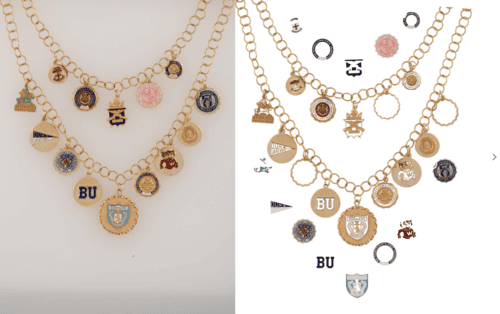
In eCommerce there are always deadlines. A product launch or a seasonal campaign can require hundreds, or thousands, of images retouched quickly. With automated tools handling repetitive tasks like background removal or color correction, a retouching provider can deliver faster without compromising quality. Automation produces consistency — whether processing 50 images or 500, the result is a uniform look across the board.
Automation handles the basics well, but the personalized touch of a skilled retoucher remains essential. Automation speeds up the workflow, but the retouching team must review key images individually. Products that require special attention, like intricate jewelry or high-end fashion, should never be left entirely to automated processes.
LenFlash Cloud for Smooth Project Management
LenFlash operates LF Cloud, a system designed to streamline communication and keep projects on track. It allows clients to stay involved, see updates in real time, and ensure deadlines are met. The project management process should be as seamless as the retouching itself.
For how workflow structure affects retouching quality and output: Outsourcing Photo Editing vs Hiring In-House
Social Media Retouching: Fast and Lightweight Edits for the Digital World
Why Social Media Demands a Different Approach to Retouching
Social media is fast-paced and visually driven. Platforms like Instagram, TikTok, and Pinterest require rapid content production, meaning retouching needs to be quick, lightweight, and optimized for mobile screens. Users do not have time to zoom in and scrutinize every pixel. What matters is that the product looks great at first glance, even on smaller screens.
Social media retouching often involves streamlining the process through templates and batch editing. Quick color corrections, optimized file sizes, and standardized crops ensure that images are ready for fast upload while still maintaining visual appeal. The aim is to create high-impact visuals with minimal processing time, allowing brands to maintain a constant presence on platforms that demand frequent updates.
Adapting Retouching for Various Social Platforms
Each platform has its own aesthetic and technical limitations. Instagram favors square and portrait ratios, while Pinterest prefers taller images. TikTok prioritizes motion, where subtle editing enhances videos rather than static images. Mobile-friendly retouching requires that all visuals maintain clarity even at reduced resolutions, ensuring the product looks sharp regardless of screen size.
Mobile Retouching in eCommerce Product Photography
Mobile retouching apps are built for speed and convenience, but they are worth evaluating carefully for brands that rely heavily on visual quality to drive sales.
Mobile retouching tools are typically designed for lightweight edits — cropping, applying basic filters, and enhancing colors — but they lack the depth and precision that professional retouching software offers. These apps often cannot handle more complex tasks such as detailed texture refinement, shadow adjustments, or ensuring that a product's true color is accurately represented.
For eCommerce brands, the stakes are higher. Customers rely on product images to make purchase decisions, and when image quality is compromised, it is more than aesthetics at risk. Inaccurate or overly simplified edits can lead to a mismatch between what the customer expects and what they receive, increasing return rates and damaging brand trust.
Related Read: Mobile Phone Photography and Its Impact on eCommerce Brands
AI-Powered Editing for eCommerce Photos
How AI is Changing the Retouching Landscape
AI is disrupting the traditional retouching process by automating tasks that once took hours of manual labor. AI tools offer consistency, reducing variation and producing uniform images across entire product lines.
AI is a tool, not a replacement for human judgment. It works best under the guidance of an experienced retoucher. AI speeds up the process, but it cannot make critical decisions about how to enhance a product's unique features. A skilled retoucher controls the workflow and ensures the final images meet the brand's quality standards.
Advantages of AI in eCommerce Product Retouching
Beyond speed, AI also ensures precision in specific tasks — edge detection, maintaining consistent lighting across a series of images, and standardizing crops at scale.
With AI, retouching providers can offer faster turnaround times for repetitive tasks like consistent color treatment or cropping hundreds of images. The results improve when AI and human retouching are combined. AI handles volume and repetition, but skilled retouchers refine the details. That combination delivers consistent, high-quality results that a fully automated process cannot match.
AI excels in precision cropping, color correction, and consistent adjustments across large image sets. Retouchers use AI to streamline workflows while remaining in control of every image that represents the brand's visual standards.
For how AI is changing the broader landscape of visual production: How AI Is Changing the Visual Content Production Pipeline in E-Commerce