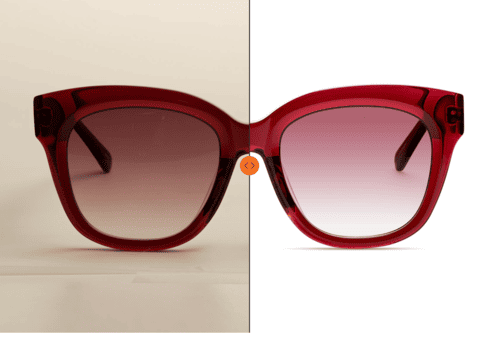
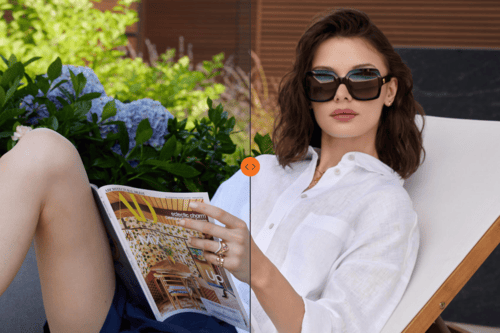
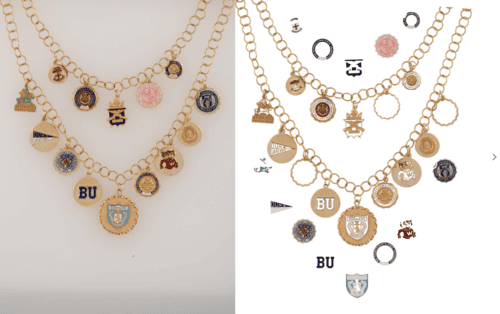

What is Ghost Mannequin Photography and Why Your Brand Needs It for eCommerce
In fashion eCommerce, product images carry the entire burden of communicating fit, quality, and construction to a customer who cannot touch or try on the garment. Ghost mannequin photography is the technique that solves this problem most efficiently — it shows clothing shaped, three-dimensional, and ready to wear, without the cost of model shoots and without the limitations of flat lay photography.
Part of our complete guide: Product Photography for Clothing and Accessories Brands
What is Ghost Mannequin Photography?
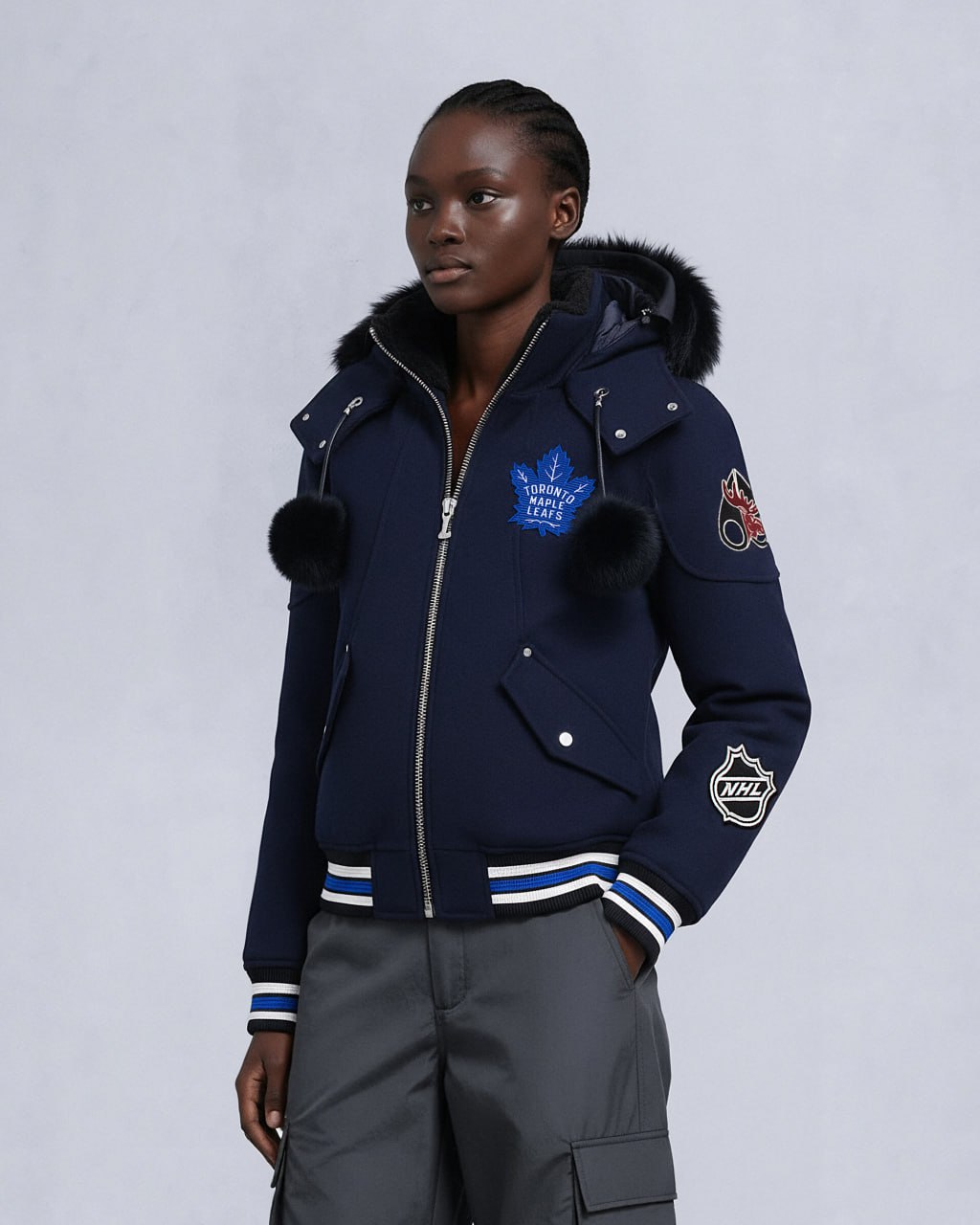
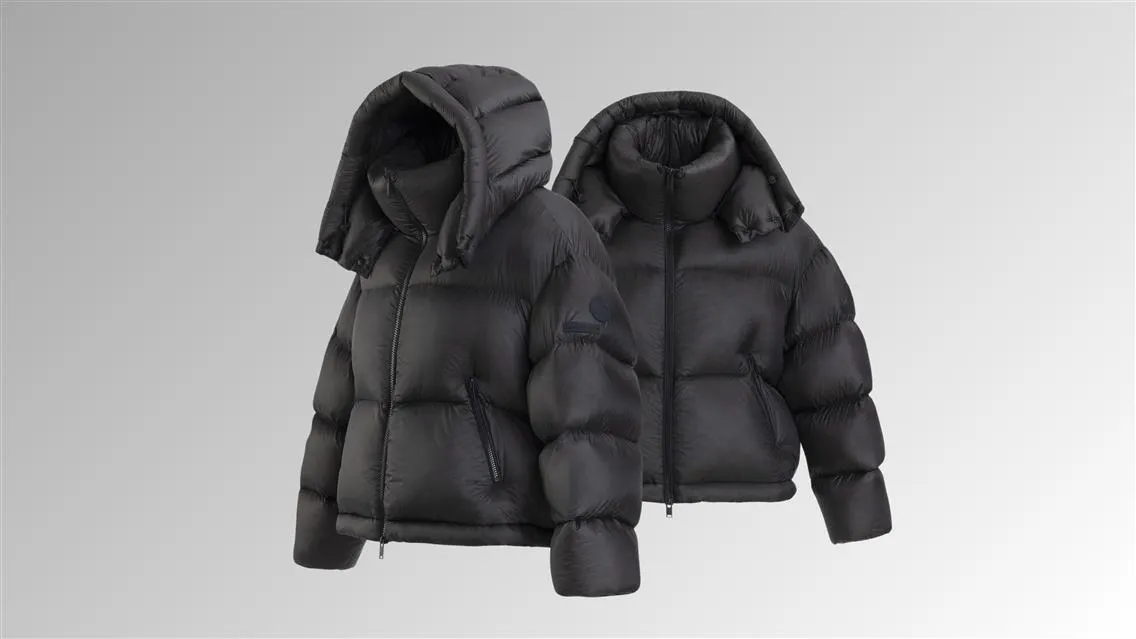
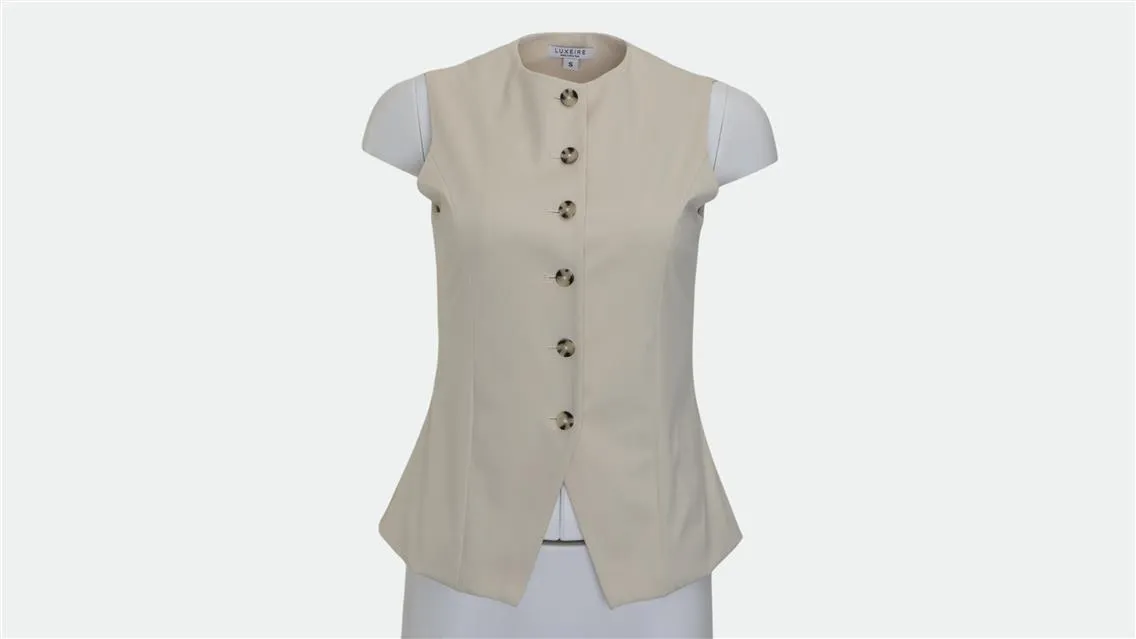
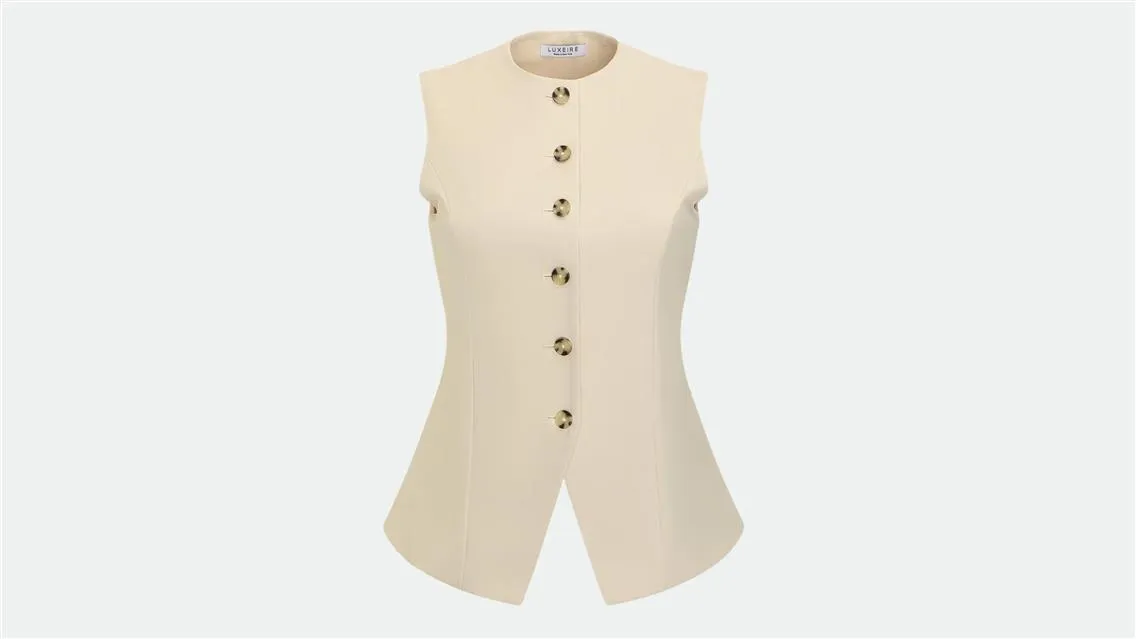
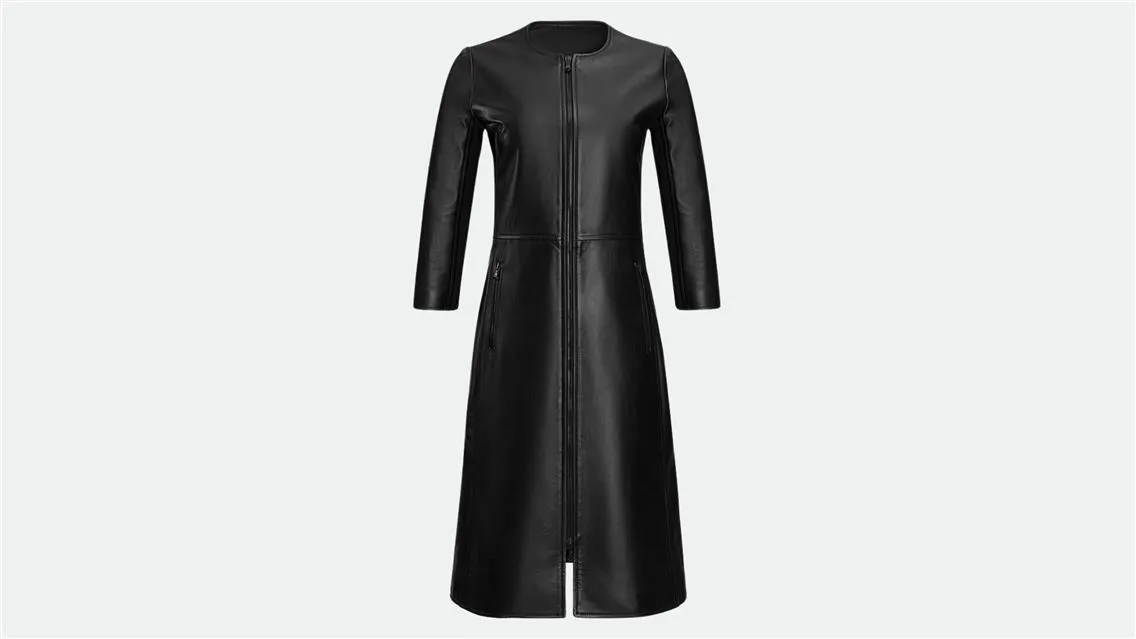
Ghost mannequin photography is a technique used to showcase clothing in its true shape without showing a model or mannequin. The garment is photographed on a mannequin, then the mannequin is removed in post-production. The result is a product that appears to be floating and filled out naturally, with every seam, contour, and construction detail visible.
A perfectly styled shirt or jacket that holds its form creates a clear sense of fit. A dress that shows how it drapes across the chest or narrows at the waist becomes easier to imagine on the body, and much easier to buy.
This method has become the industry standard for fashion product pages, particularly in DTC and multi-brand eCommerce. It offers a clean, high-end look that focuses entirely on the garment, making it practical to present full collections with consistency and precision.
How the Ghost Mannequin Technique Works
Ghost mannequin photography combines styling, technical photography, and high-end retouching to create a final image that feels dimensional, polished, and true to life.
1. The Garment Is Photographed on a Mannequin
The garment is carefully placed on a mannequin shaped to highlight structure and fit. No creases, no poor fit. Every button aligned, every fold intentional. Lighting is set to reveal the fabric's texture and volume, not just its color. The goal is to make the clothing look its best before retouching begins.
2. Key Apparel Shots Are Captured Separately
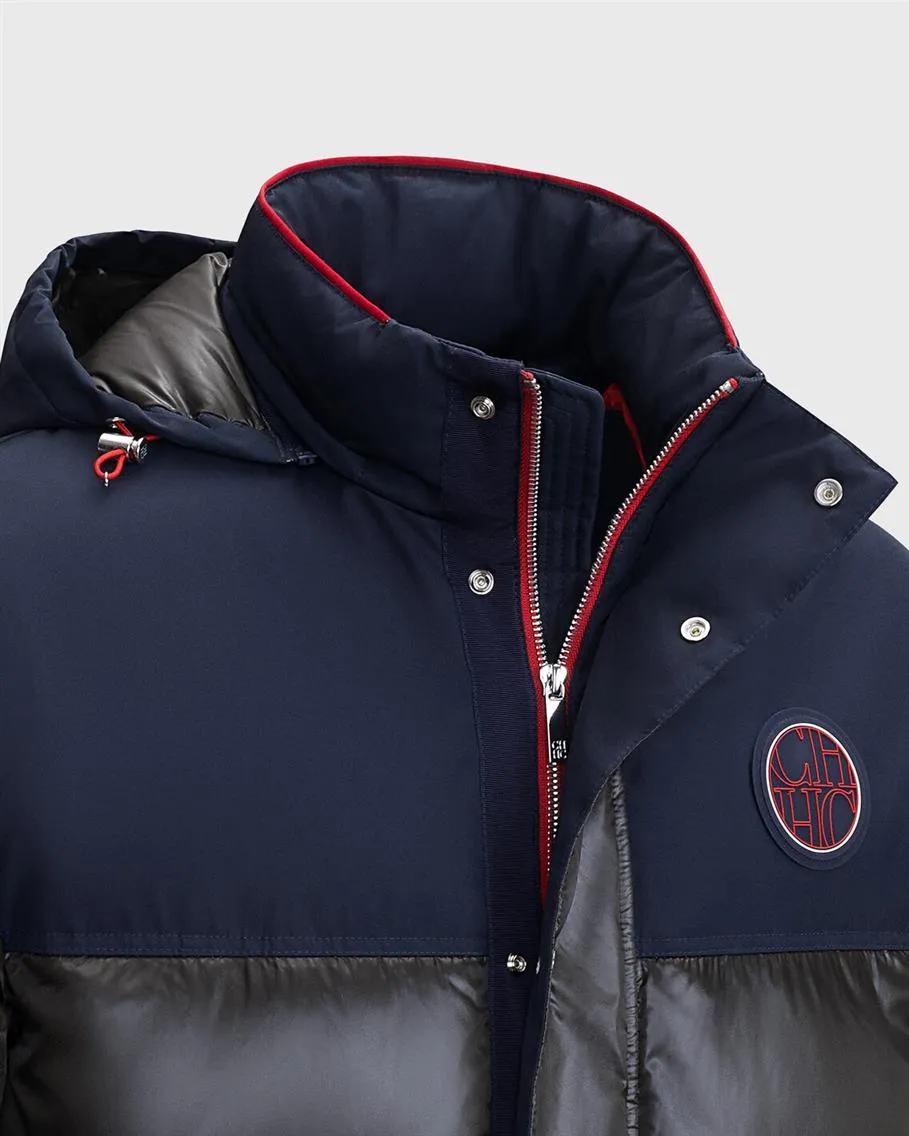
The areas hidden by the mannequin (inner collars, back necklines, hoods, sleeve openings) are photographed separately. These secondary images are essential for a seamless composite later. Without them, the final image looks incomplete.
This is what differentiates professional ghost mannequin work from single-shot mannequin removal. The process goes beyond removing the mannequin, it involves reconstructing the product's shape and fit to present it authentically and completely.
3. Post-Production Brings It All Together
The mannequin is removed and the inner details are composited back cleanly, invisibly, and with natural shadowing that gives the product a sculpted, comprehensive appearance. Positioning, cropping, and file formats are standardized so the entire collection aligns perfectly across product pages, category views, and marketplaces.
For the retouching techniques involved in ghost mannequin compositing: Clothing and Fabric Retouching Techniques
For how retouching services handle ghost mannequin editing at scale: How Product Photo Editing Services Impact Online Sales
Ghost Mannequin vs. Traditional Mannequin Photography
Traditional mannequin photography and ghost mannequin photography both involve shooting a garment on a mannequin, but the outcome and its impact on how clothing is perceived are completely different.
In traditional mannequin photography, the mannequin is removed from a single shot, leaving a basic silhouette that often misses crucial details like the inside of a collar, the back of a hood, or the natural shape of the sleeves. Ghost mannequin photography solves this by capturing additional images of those hidden interior areas and combining them in post-production. This reconstruction restores the garment's full shape and structure, creating a realistic worn appearance without the mannequin being visible.
Why That Matters for eCommerce
- Fit and Form: Ghost mannequin shows how the product fits on a body, with clear dimensions, shape, and structure. Traditional editing can’t recreate that level of realism.
- Interior Visibility: Shoppers can see the inside of collars, linings, or hoods — important for judging quality and construction. Traditional mannequin edits skip this completely.
- Professionalism: Ghost mannequin images look polished, premium, and intentional. Traditional edits can feel unfinished or amateurish, especially when interior sections are just filled in with white or left out.
Both techniques remove the mannequin, but only ghost mannequin builds the garment back up. For brands that want product images to convey structure, fit, and construction detail, ghost mannequin is the method that delivers.
Why Fashion Brands Rely on Ghost Mannequin Photography
Conversion Rates Rely On Realistic Product Photos
Online shoppers cannot touch, try on, or feel garments, but they can analyze images. Ghost mannequin photography gives products a dimensional, shaped appearance that communicates how they will look on the body. That level of realism builds purchase confidence.
A shopper who can see the structure of a blazer or the drape of a dress is far more likely to buy than one who is guessing from a flat lay or a hanger shot with no visible form.
Consistent Product Images Build Brand Perception
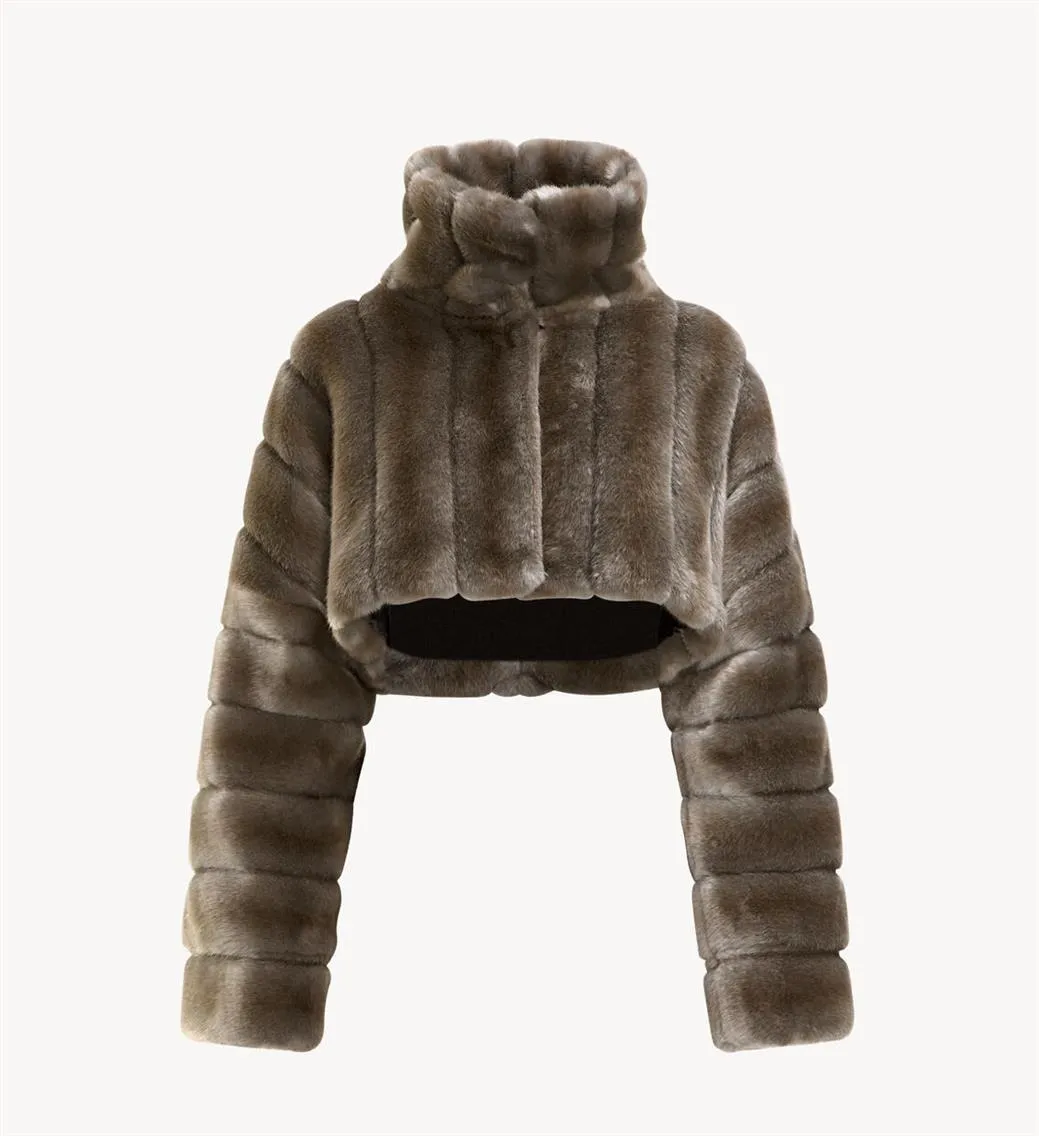
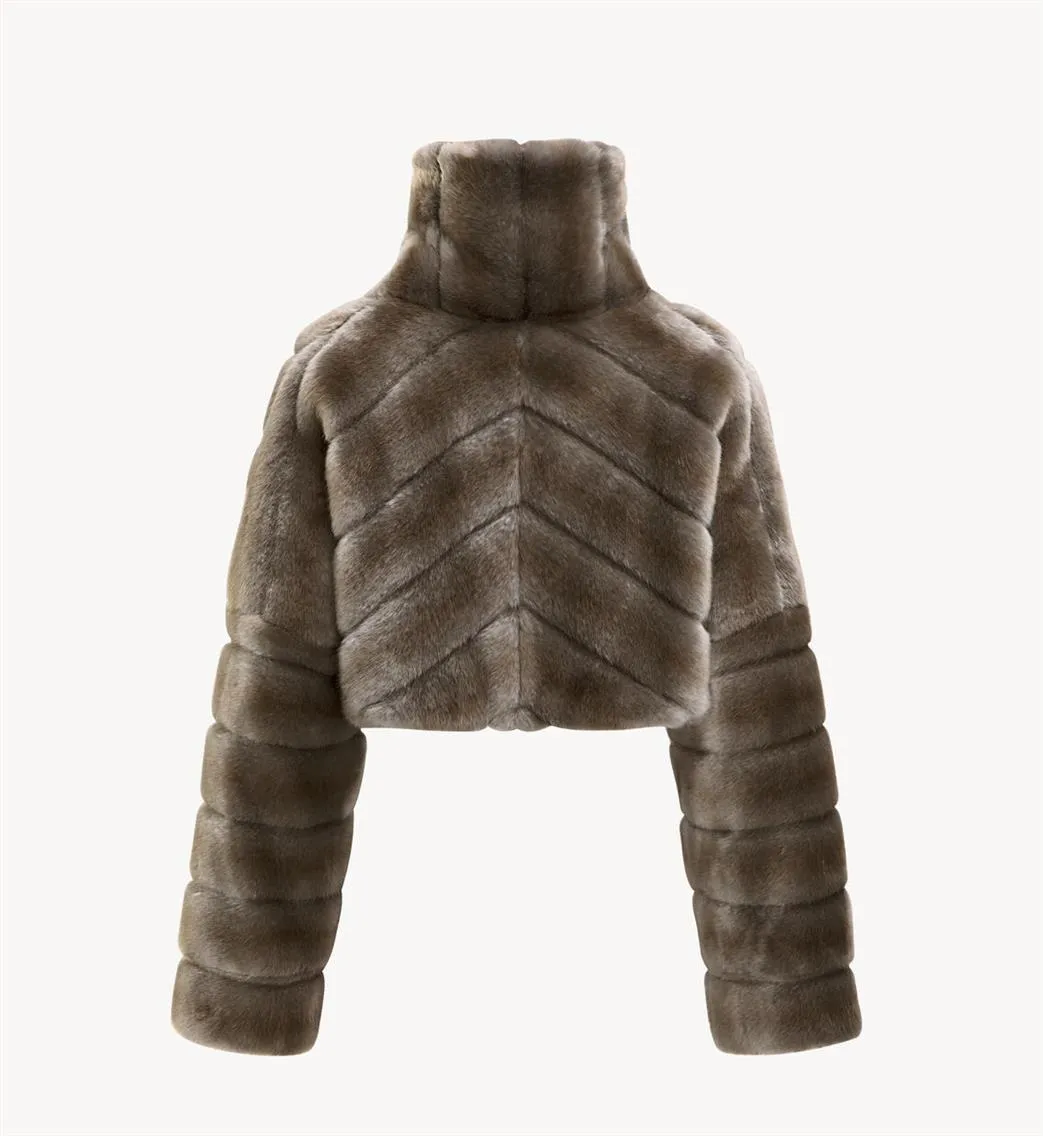
Clean, uniform product visuals instantly communicate professionalism. Whether selling basics or luxury pieces, consistency in lighting, angles, and proportions builds trust across a catalog.
Ghost mannequin images create cohesive catalog pages, product grids, and marketplace listings while maintaining a high-end look that reflects the quality of the garments.
Production Costs Are Lower Than Model Shoots
Model shoots are powerful, but expensive. Between casting, location fees, styling, and talent usage rights, the cost per SKU increases quickly.
Ghost mannequin photography offers a leaner alternative: it showcases the garment in its best form without models, stylists, or full-day productions. More items can be shot more often with less overhead, while still delivering a clean, conversion-ready presentation.
For brands with seasonal releases, fast-changing collections, or product variants across colors or cuts, this is a scalable cost-effective solution for catalog production. For traffic-generating campaigns and lookbooks, the budget can be directed toward on-model and lifestyle photography where the investment in model and production costs delivers proportionally more brand-building value: Professional Fashion Photography for eCommerce Brands
For how to plan a photography budget across catalog and campaign production types: How to Get More From Your Photography Budget
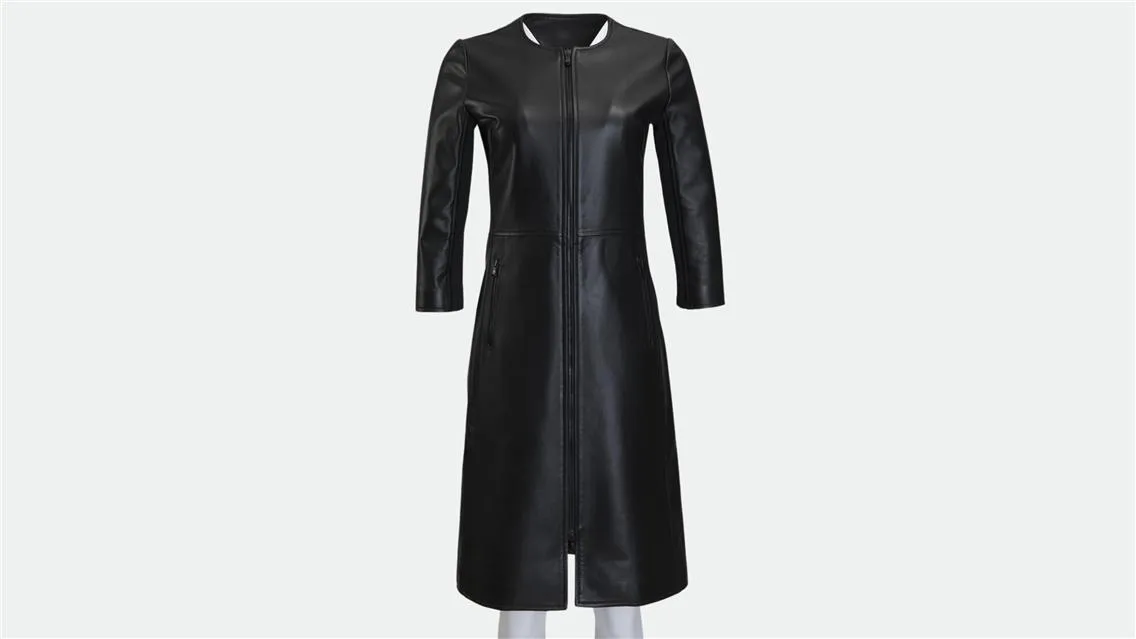
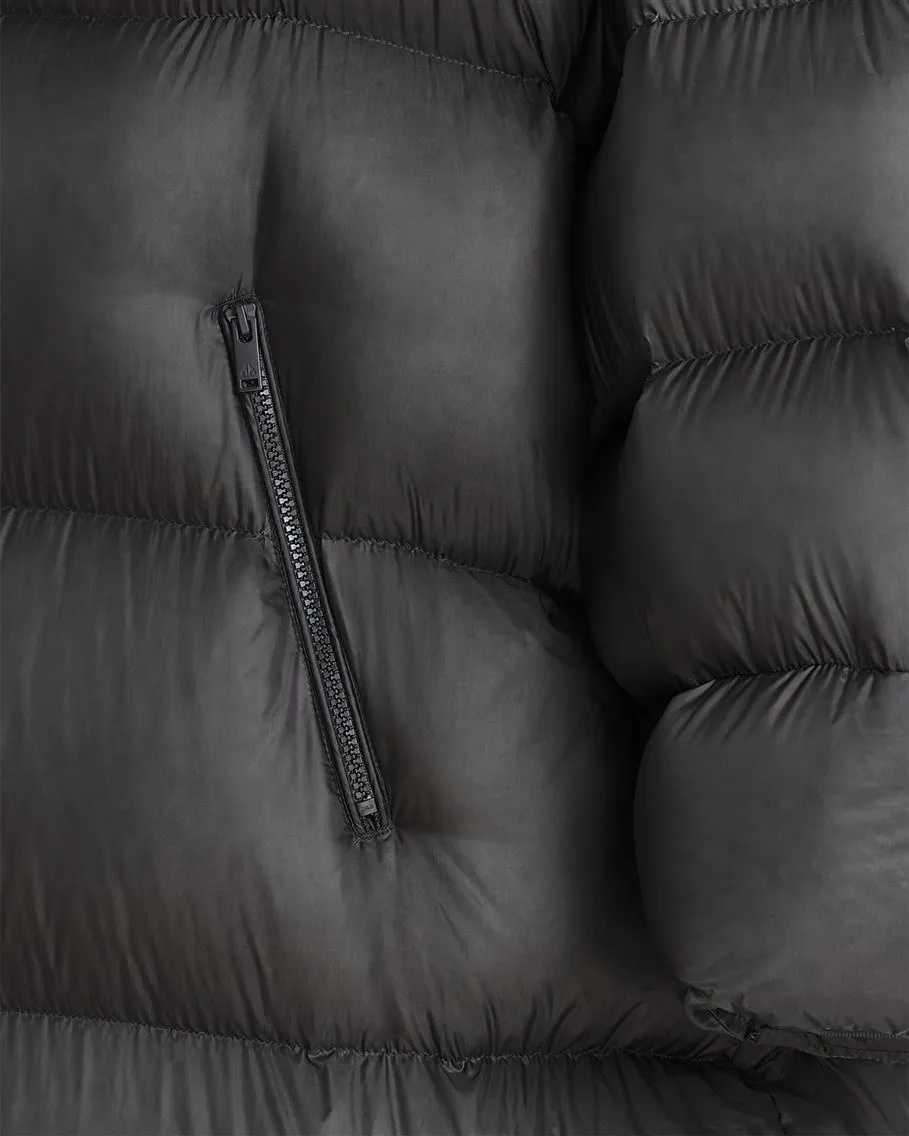
Fabric Quality and Construction Details Are Visible
Today’s consumer shops with scrutiny. They zoom in. They analyze every seam. They want to know what they’re buying before it lands on their doorstep.
Ghost mannequin images showcase the things that matter:
- How fabric folds or stretches
- Where the hemline are sown on the garment
- What the shape of the neckline and collar are when worn
- Whether the tailoring of the garment is structured or relaxed
Performance Across Marketplaces
For brands selling across multiple platforms like a branded website, Amazon, Zalando, Ssense, Macy's — ghost mannequin photos provide a single high-quality asset that meets requirements across channels. They crop to different ratios efficiently, work on different backgrounds, and meet the visual expectations of both buyers and category managers.
For how marketplace image requirements affect listing performance: 5 Reasons Your Amazon Sales Have Slowed Down
When Should You Use Ghost Mannequin vs. Models?
There is no need to choose between ghost mannequin photography and model shoots. The most effective brands use both, depending on the image's purpose and placement.
Use Ghost Mannequin Photography for Product Pages and Online Catalogs
Ghost mannequin imagery is ideal for product detail pages (PDPs), where the primary goal is to show the item clearly, accurately, and consistently. These images are focused, conversion-oriented, and practical to produce at scale across large collections.
They're also perfect for:
- Online shops with grid layouts
- Retailer and marketplace uploads
- Bulk SKU listings and seasonal updates
- Wholesale line sheets and digital catalogs
In short: anytime clarity and consistency matter, ghost mannequin is the right tool.
Use Models to Tell Your Brand Story and Show Fit on Real Bodies
Model photography adds lifestyle, personality, and movement. It is the content type that connects emotionally with the customer, shows styling ideas, and reflects body diversity.
Model shots work best for campaigns and lookbooks, lifestyle stories, social media and paid advertising, homepage banners and collection previews, and editorial content across blog and email.
For guidance on casting models whose proportions suit specific garment types: The Smart Way to Find and Choose Models for Your Brand Photoshoot
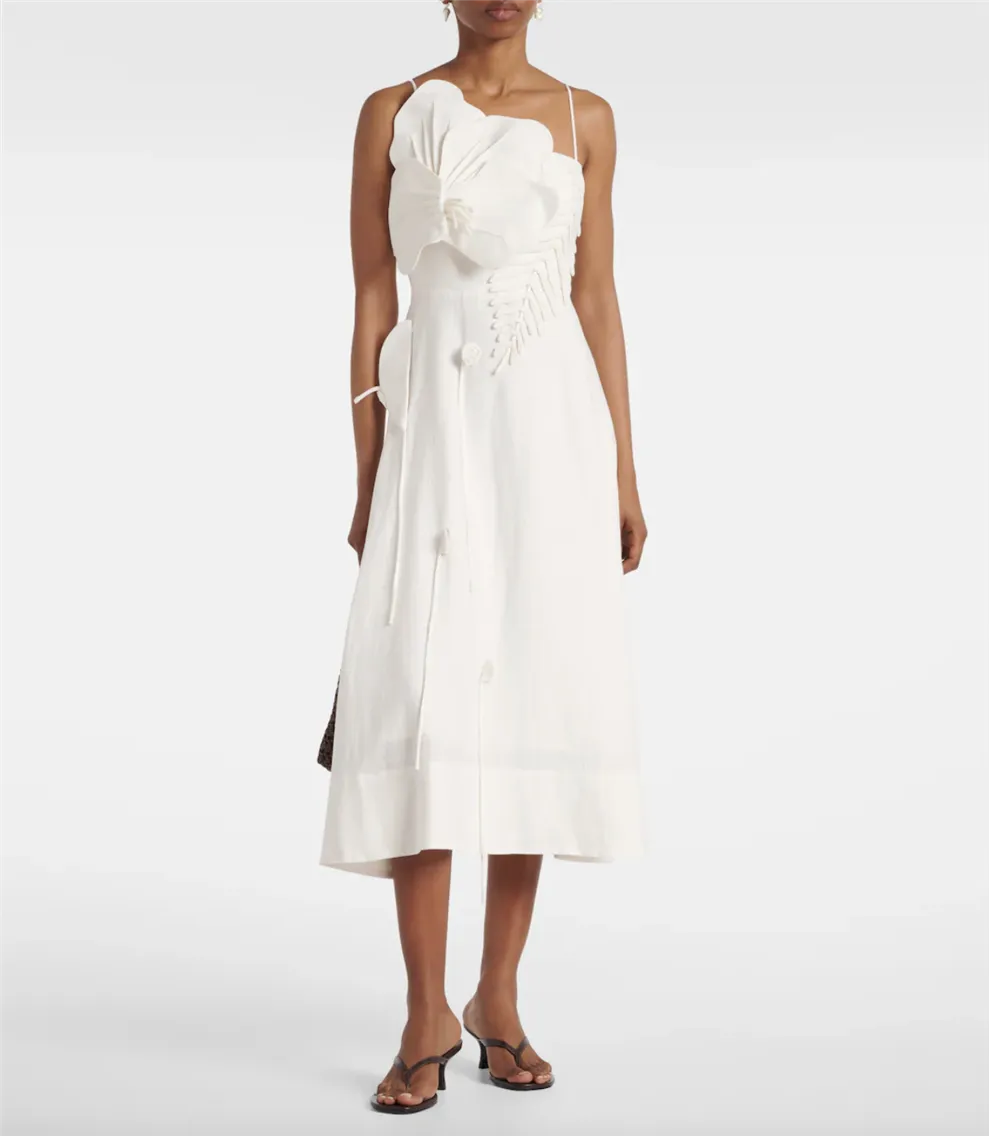 | 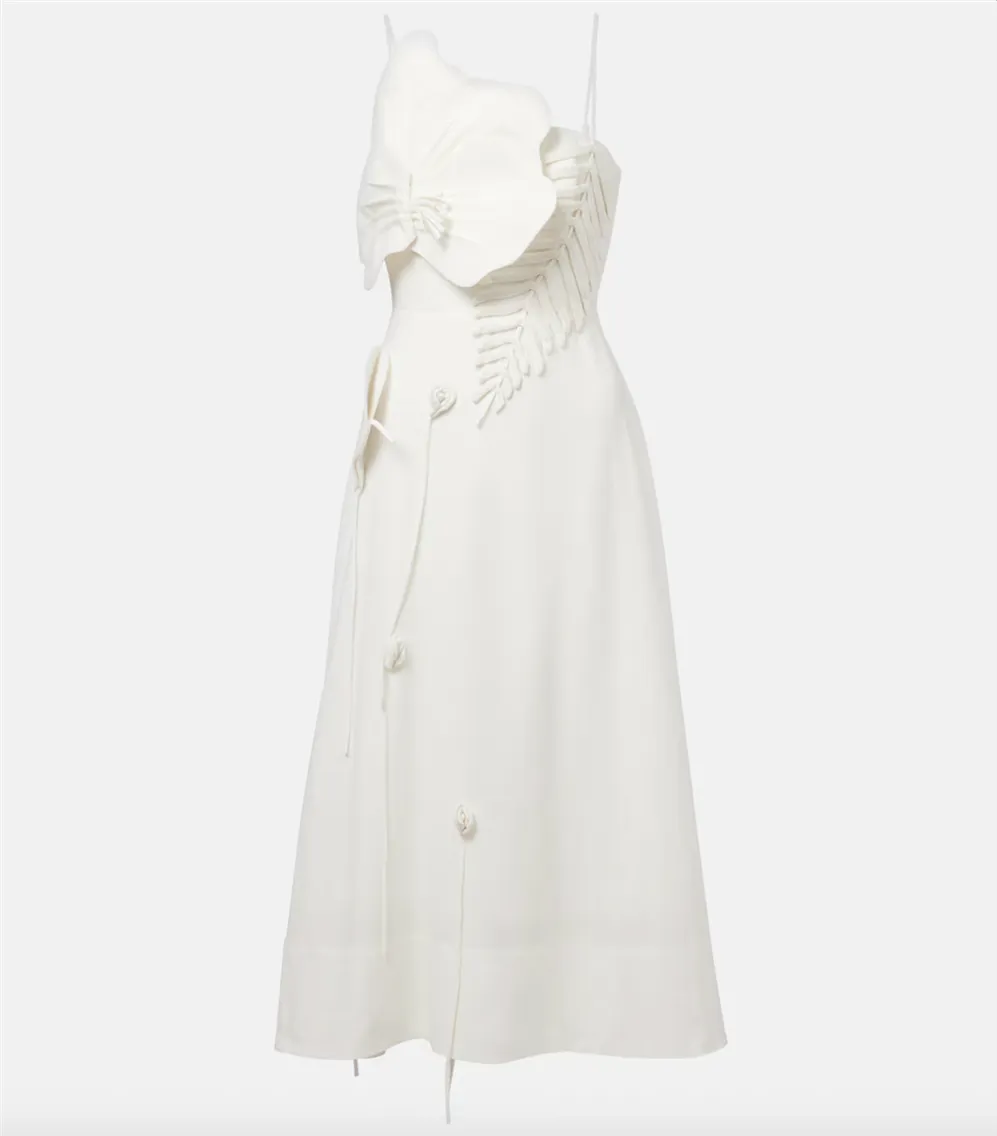 |
Model photos capture the brand's world. Ghost mannequin photos close the sale. A strong visual content strategy uses both. Ghost mannequin imagery gives the website structure and clarity. Model photography adds human connection and lifestyle context. Together, they create a complete brand experience.
For how lifestyle photography serves the brand-building function that ghost mannequin catalog photography cannot: Strategic Impact of Lifestyle Photography on eCommerce Business
Ghost Mannequin vs Flat Lay
There’s no universal winner here, the best technique depends on your product and how you’re presenting it.
Each method has strengths, but if you’re unsure how to choose between flat lay and ghost mannequin, we’ve prepared a full comparison to help you decide based on your actual garments, goals, and budget.
Read our breakdown: Flat Lay vs Ghost Mannequin Photography: Choosing the Best for Your Product
What to Expect from a Professional Ghost Mannequin Shoot
A professional ghost mannequin shoot delivers polished, consistent, and realistic product images ready for eCommerce. Through meticulous preparation, precise shooting, and expert post-production compositing, the garment's full shape and detail are reconstructed so every item looks premium and uniform across the collection.
The workflow covers garment preparation and styling before the shoot begins, primary and secondary shots captured for every garment, post-production compositing that restores hidden interior areas cleanly, and standardized cropping and file delivery ready for product pages and marketplace submissions.
For brands with large catalogs or frequent seasonal releases, a professional studio like LenFlash that offers ghost mannequin photography services regularly brings both technical precision and the production systems needed to maintain consistency at scale, something that is difficult to achieve with one-off productions assembled from separate vendors.
FAQ: Ghost Mannequin Photography
What is the difference between ghost mannequin and invisible mannequin photography?
They are the same technique referred to by different names. Ghost mannequin, invisible mannequin, and hollow man photography all describe the same process: photographing a garment on a mannequin, then removing the mannequin in post-production and compositing hidden interior areas back in to create a fully shaped, three-dimensional product image.
How much does ghost mannequin photography cost?
Cost depends on the number of SKUs, the complexity of the garments, and whether the shoot is standalone or part of a larger catalog production. Simple garments requiring standard front, back, and interior shots cost less per SKU than complex pieces requiring additional angles. Professional studios typically price ghost mannequin photography per garment or per shot, with volume discounts for larger collections. At LenFlash, online ordering provides real-time quotes before any garments are shipped.
Can ghost mannequin photography be done in-house?
Technically yes, but the results are difficult to achieve without professional equipment and retouching expertise. The challenge is not the mannequin removal itself — basic retouching tools can handle that — but the secondary shot capture and compositing that reconstructs hidden interior areas accurately. Inconsistent lighting between the primary and secondary shots, incorrect mannequin positioning, and insufficient retouching experience consistently produce visible seams and unnatural results that undermine the intended professional appearance.
How many shots are needed per garment for ghost mannequin photography?
A standard ghost mannequin set requires a minimum of two shots per garment: the exterior view with the mannequin inside, and an interior shot of the neck and collar area used in the composite. More complex garments require additional shots. A hooded jacket typically needs a separate shot of the hood interior. A garment with a visible lining may need additional interior angles. Structured pieces with complex back panels sometimes require back interior shots as well. A professional studio will specify exactly how many shots are needed per garment type during the pre-production brief.
What software is used for ghost mannequin editing?
Adobe Photoshop is the industry standard for ghost mannequin compositing. The process involves masking the mannequin from the primary shot, placing the interior shots on separate layers beneath, and blending the two sets of images using layer masks, cloning, and healing tools to produce a seamless result. The quality of the composite depends far more on the retoucher's skill and the quality of the secondary shots than on the specific software used.
Does ghost mannequin photography work for all garment types?
It works best for structured garments where three-dimensional form communicates fit and construction: blazers, jackets, tailored shirts, dresses, and outerwear. It is less effective for very lightweight or sheer fabrics where the mannequin cannot adequately support the garment's natural drape, and for knitwear where flat lay photography often communicates texture and fabric character more effectively. For a detailed breakdown of which technique suits which garment type: Flat Lay vs Ghost Mannequin Photography: Choosing the Best for Your Product
How long does ghost mannequin photography take?
A professional studio can typically shoot 40 to 60 garments per day for standard catalog ghost mannequin work, including the secondary interior shots needed for compositing. Post-production turnaround at LenFlash is 7 to 8 business days standard, with rush options available. Delivery time depends on the number of SKUs, the complexity of the compositing required, and whether the shoot is part of a larger collection production.