





Breaking Down 360-Degree Spin Videos for eCommerce
360-degree spin videos are one of the most effective tools for reducing purchase uncertainty in eCommerce. They replace the in-hand moment that online shopping removes, giving customers the ability to turn a product over, examine every angle, and develop a visual sense of its construction and proportions.
For categories where customers inspect products closely before buying, a well-executed 360 spin addresses objections that static photography leaves open.
Part of our complete guide: Essential Video Content Types for Your eCommerce Business
What a 360-Degree Spin Video Actually Is
A 360-degree spin video is a continuous looping video file of a product rotating on a platform, captured by a camera recording the full rotation in real time. The result is a smooth, seamless loop that plays automatically on a product page. No customer interaction is required. The video plays, showing the product from every angle.
This is different from two other formats that are frequently confused with it.
360-Degree Spin Video vs 360-Degree Photo Viewer
A 360-degree photo viewer is not a video. It is a series of still images taken at regular intervals around a product, typically 24 to 72 individual photographs, stitched together into an interactive viewer. The customer drags or swipes to rotate the product themselves.
The two formats produce completely different results and are produced differently.
A 360-degree photo viewer requires a turntable, a camera, and post-production to align and sequence the individual frames. It gives the customer control over rotation speed and direction, and the images are typically sharper than video frames because each one is a full-resolution still photograph. The interactive element can increase engagement on product pages but requires platform support for the viewer software.
A 360-degree spin video is a continuous recorded loop. It plays automatically, requires no customer interaction, and is compatible with any platform that supports standard video files. The production is more technically demanding because the rotation must be perfectly smooth and the lighting must remain consistent through the full rotation. Any vibration, lighting shift, or camera movement is immediately visible in the final output.
Both formats serve the same commercial purpose: showing the product from every angle. The choice between them depends on the platform, the product, and the brand's priorities.
360-Degree Spin Video vs Stop-Motion
Stop-motion is a third format that is sometimes confused with 360 spin. Stop-motion is a series of still images edited together to create the appearance of movement, but the movement is not a continuous rotation of the product. Stop-motion allows more creative control over what is shown and how. A necklace charm that opens and closes, a product being assembled, or a piece of jewelry being placed on a surface are all scenarios stop-motion can capture that a simple rotation cannot.
For products with functional mechanisms or multiple states, stop-motion often communicates more than a 360 spin. For products where all-angle inspection is the primary need, 360 spin is the more appropriate format.
For a complete guide to stop-motion animation for eCommerce: What Is Stop Motion Animation and How It Works in eCommerce
When 360-Degree Spin Video Is the Right Format
Not every product benefits from 360 spin video enough to justify the production cost. The format works best when several conditions are true simultaneously.
The product has significant detail on multiple sides. A ring with a detailed band and setting, a handbag with structured hardware on the front and back, a perfume bottle with complex embossing. When every angle of the product carries purchase-relevant information, showing all angles in a single seamless loop adds real commercial value.
The product's three-dimensional form is a selling point. Footwear, structured bags, and jewelry all have forms that flat photography can only partially communicate. The full rotation allows customers to understand proportion, volume, and construction in a way that even multiple static angles cannot replicate.
The brand's target platforms support video. 360 spin video files are standard video formats and work on virtually every platform. However, if the brand's primary channel is a marketplace with strict image-only requirements for primary listings, 360 spin video serves better as a secondary or supplementary asset.
The product return risk is driven by visual expectation gaps. If a significant portion of returns in a category come from customers saying the product looked different than expected, 360 spin video directly addresses that risk. For how photography and video accuracy connect to return rates: Reducing Product Return Rates Through Accurate Photography
How 360-Degree Spin Video Production Works
Creating a 360-degree spin video requires precision, specialized equipment, and a skilled team working in close coordination throughout the production.
Pre-Production
The project manager coordinates the schedule and the shoot. The creative director oversees the product's presentation to ensure its best features are highlighted for each specific category being shot. For fashion items or accessories, a photographer assistant may be involved to ensure fabric drapes, product placement, and surface presentation are optimized before the camera rolls.
Setup
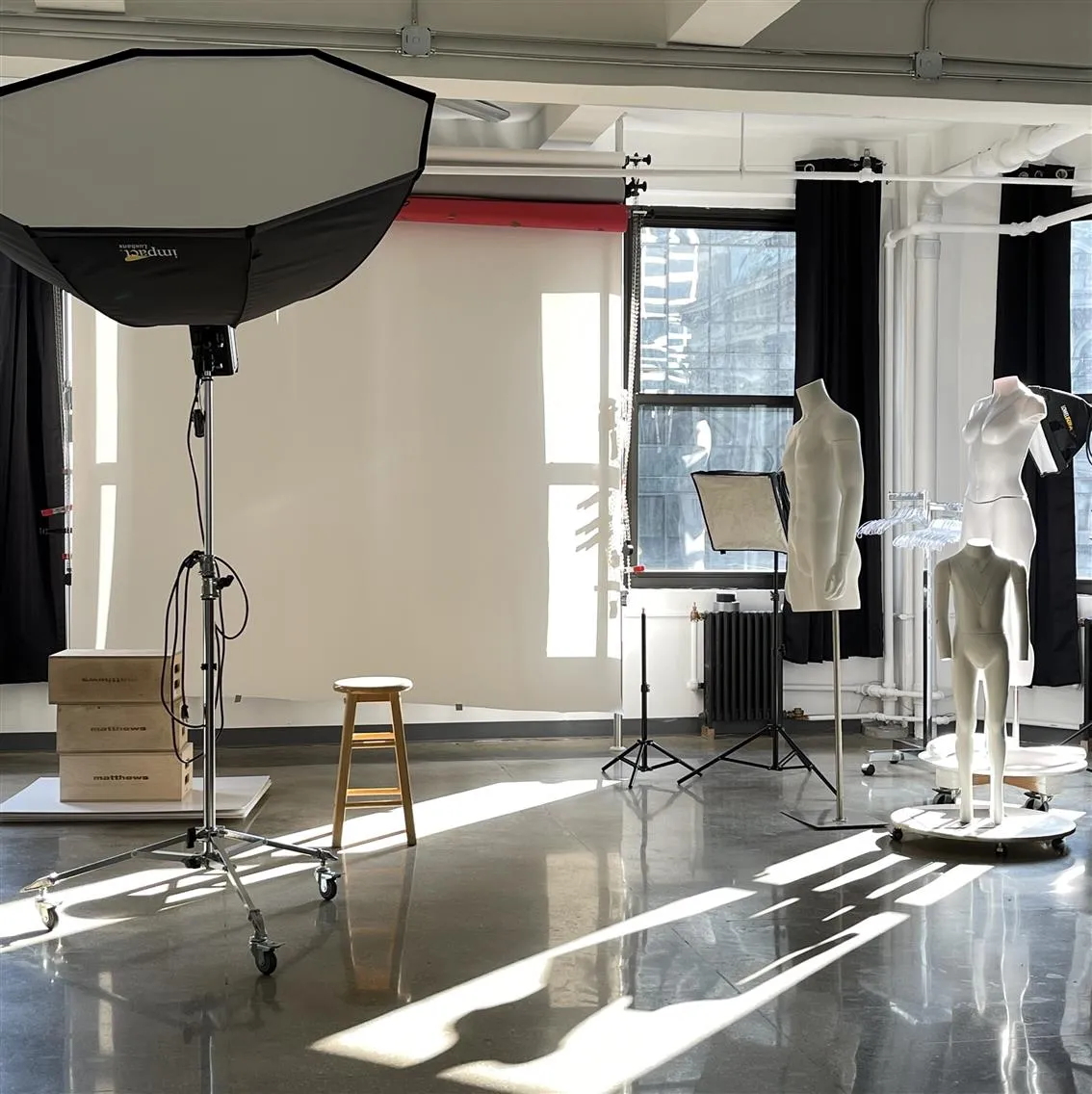
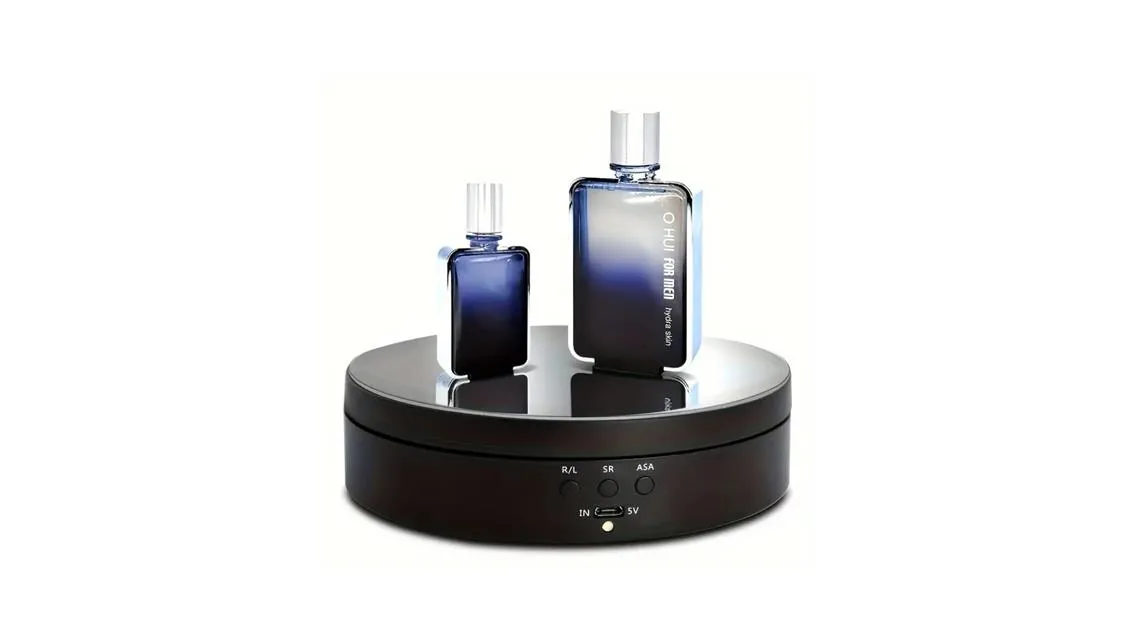
The product is placed on a motorized rotating platform. Videographers use high-end cameras stabilized by gimbals or dedicated camera rigs to ensure smooth, consistent shots throughout the rotation. Stability is critical at every level of the production. Even the smallest vibrations, including those from footsteps around the setup or a building elevator in operation, can cause noticeable disruptions in the video, particularly with macro shots of jewelry or other highly detailed items.
Lighting technicians calibrate the lighting to eliminate shadows or glare, creating a consistent environment across all angles. A single inconsistency in lighting as the product rotates will be visible in the final output and requires correction in post-production.
Filming
The rotation is slow and deliberate, allowing videographers to capture the product's full spin without any visual inconsistency. Lighting technicians and photographer assistants make real-time adjustments throughout. Whether ensuring the sparkle of a gemstone reads correctly at each angle or the drape of a garment falls naturally, every detail is managed continuously.
Post-Production
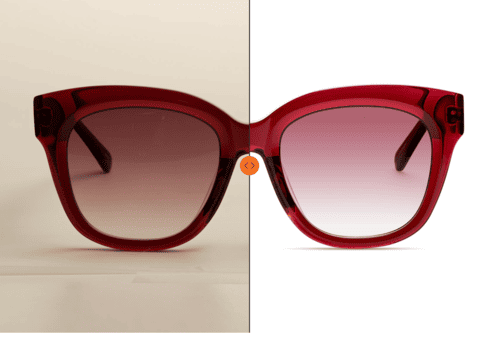
Video editors and color grading specialists smooth transitions, remove imperfections such as dust or unwanted reflections, and correct colors to ensure the product's true tones are accurately represented. This phase is as important as the shoot itself. A perfectly captured rotation that is not properly finished in post-production will not perform commercially.
Product Categories Where 360 Spin Video Performs Best
360 Jewelry Videos
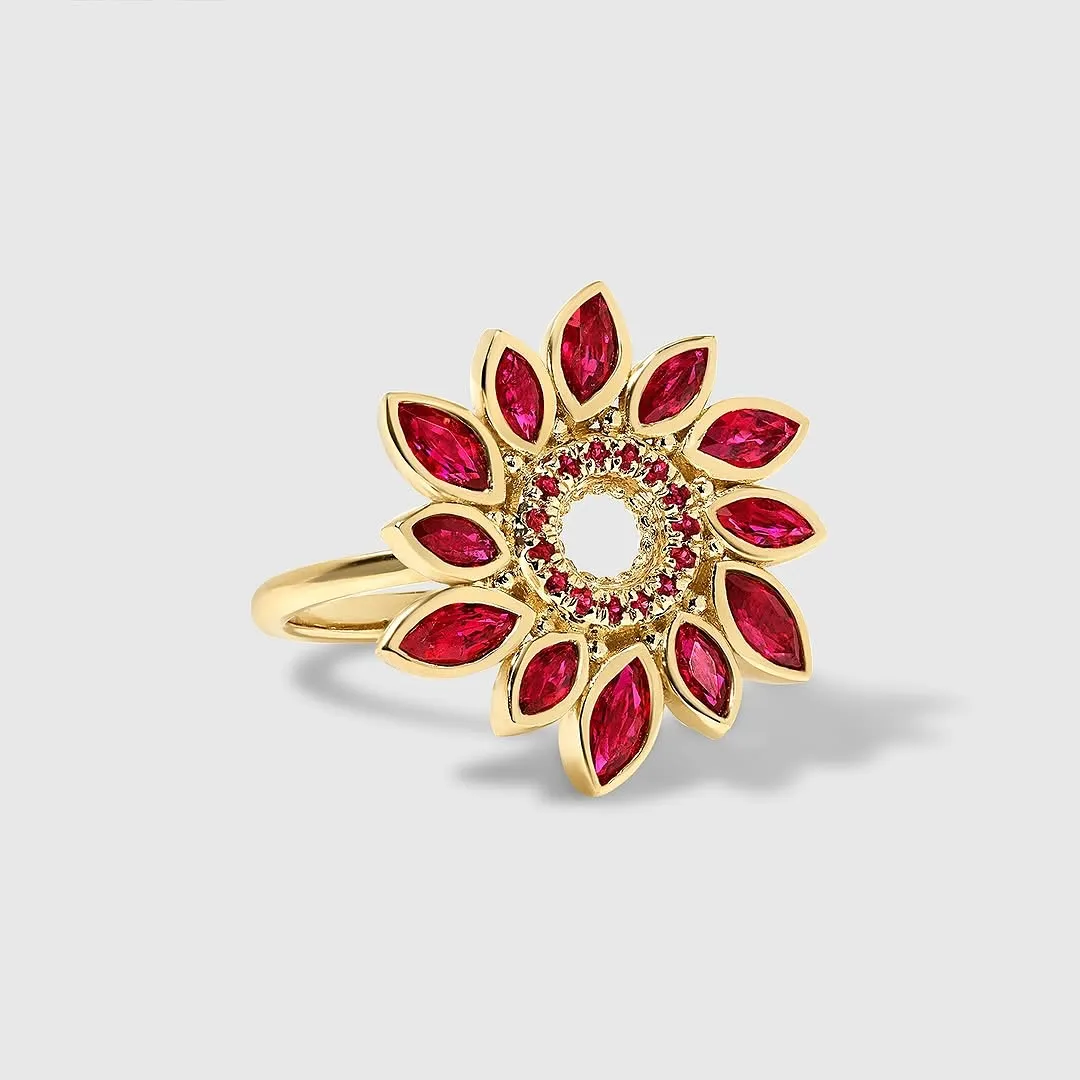
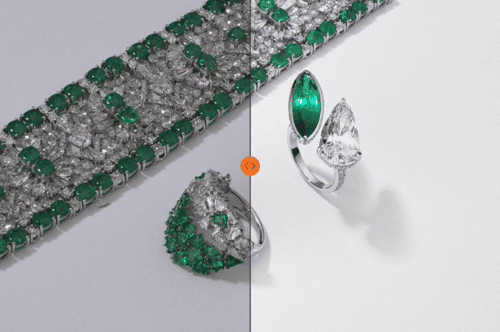
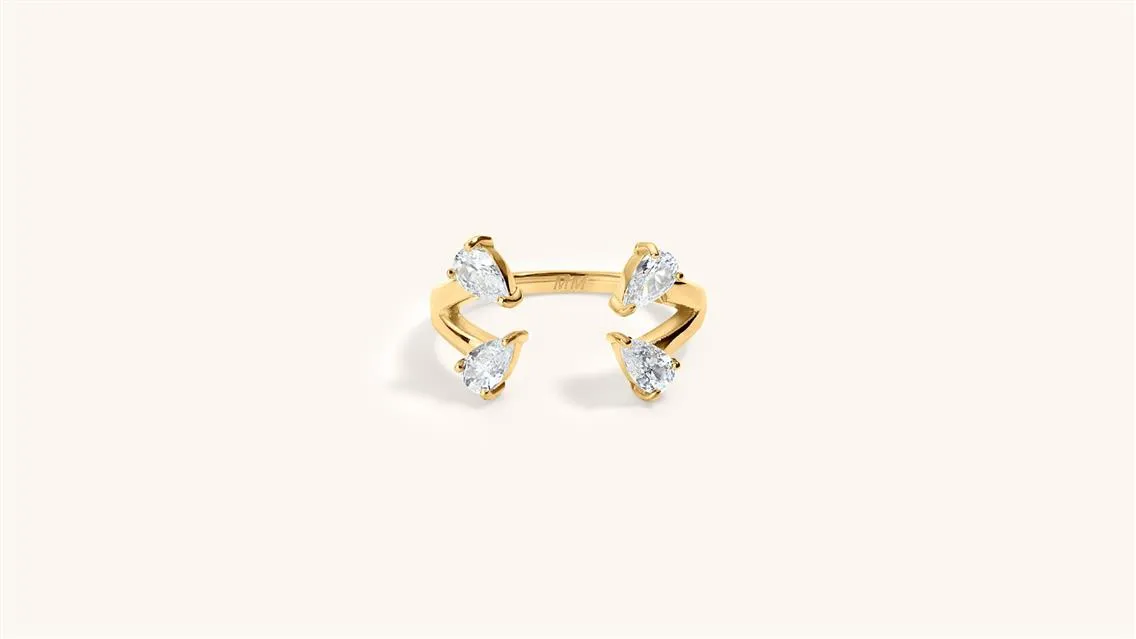
Jewelry is one of the strongest applications for 360 spin video. The way a gemstone interacts with light changes at every angle, and the construction details of a setting, a clasp, or a band all carry purchase-relevant information that flat photography cannot fully communicate. A 360 spin loop running on a product page gives the customer the visual inspection experience that would normally require handling the piece in a store.
For how jewelry video strategy works within a broader visual content plan: What Should a Fine Jewelry Product Video Be Like?
360 Videos for Fashion and Accesories
360-degree fashion videos show how clothing moves, fits, and drapes from every angle. A flowing dress, a structured jacket, or a knit with specific texture all communicate their qualities more completely in motion than in static photography. For accessories like handbags, 360 spin shows the hardware, stitching, lining, and silhouette from every angle, providing the comprehensive view that directly reduces purchase uncertainty.
For how apparel photography formats work together across catalog and marketing channels: Product Photography for Clothing and Accessories Brands
360 Video Production for Beauty and Cosmetics Products
Packaging matters in beauty. A 360 spin video lets customers examine the design of a perfume bottle, the applicator mechanism on a skincare product, or the compact construction of a makeup palette from every angle. For beauty brands where packaging communicates positioning and quality, showing the full three-dimensional form builds the trust that static photography alone cannot establish.
360 Product Video for Consumer Electronics
Technology shoppers evaluate ports, buttons, vents, and physical design details closely before purchasing. 360 spin video gives them the complete product view they would have when holding a device, helping them make informed decisions without physical access to the product.
When 360 Spin Is Not the Right Choice
Some product categories do not benefit significantly from 360 spin production. Flat garments like t-shirts and basic tops, very small products where the rotation adds little additional information, and products where lifestyle context matters more than physical inspection are all cases where the production investment may deliver better results in a different format. Ghost mannequin photography or lifestyle video will typically serve these categories more effectively.
Best Practices for 360 Spin Video Production and Delivery
Platform Optimization
Each eCommerce platform has specific technical requirements for video formats, dimensions, and file types. Ensuring compatibility before delivery prevents formatting issues such as cropping or distortion on product pages. Technical editors adjust video specifications to meet each platform's guidelines and maintain presentation consistency across all distribution channels.
File Compression
High-quality videos must be optimized for load speed without sacrificing visual detail. Video editors use compression techniques to reduce file sizes while maintaining the clarity needed to showcase product details at the level of precision a 360 spin requires. A slow-loading video will be abandoned before it communicates its value.
Mobile Optimization
A significant portion of eCommerce browsing happens on mobile devices. Post-production teams ensure that video resolution adapts correctly to different screen sizes, maintaining sharpness and quality on smartphones and tablets. Mobile users need the same quality of visual inspection experience as desktop users.
Brand Consistency
360 spin videos should feel like a coherent part of the brand's visual system, not standalone production assets. The lighting approach, background choice, and overall styling should align with the brand's broader photography and video identity. For how visual consistency functions across a brand's full content system: Visual Marketing Strategy for eCommerce Brands
What 360 Spin Video Costs and What Drives the Price
360 spin video is a premium production format. Several variables determine the cost of a production.
Product complexity is the primary driver. A simple cylindrical bottle requires less setup, lighting adjustment, and post-production than a piece of fine jewelry with multiple reflective surfaces, stone settings, and intricate metalwork.
Volume affects cost per unit significantly. A production covering 50 SKUs in a single session is considerably more cost-efficient per item than 50 individual single-product shoots.
Post-production requirements vary by product. Products with complex reflective surfaces, transparent elements, or very fine detail require more retouching and color correction time than matte products with simpler surfaces.
Turnaround time also affects cost. Standard production timelines allow for careful post-production work. Rush deliveries require additional resources and are priced accordingly.
LenFlash produces 360-degree spin video and product photography for eCommerce brands for over than 20 years. Order 360-degree spin video at LenFlash