

What Is Stop Motion Animation and How It Works in eCommerce
Stop motion animation is a filmmaking technique that creates the illusion of movement by capturing a series of still photographs. Each frame shows a slight change in the position of objects or characters, and when played in sequence, these frames produce continuous motion.
The technique has existed for over a century, appearing in early cinema and defining films like King Kong (1933) and Wallace and Gromit. In eCommerce and brand marketing, it has become one of the most commercially effective short-form content formats because its handmade, tactile aesthetic stands out in digital environments dominated by standard video and computer-generated imagery.
For brand owners, understanding how stop motion is produced makes briefing a production team significantly more effective and prevents the most common commissioning mistakes.
Part of our complete guide: Essential Video Content Types for Your eCommerce Business
How Stop Motion Animation Is Produced
Stop motion production is more labor-intensive than standard video. A ten-second finished clip requires several hundred individual frames, each requiring careful physical repositioning of the subject and precise capture before moving to the next frame. Understanding each production stage helps brand owners communicate their vision clearly and set realistic expectations for timelines and budgets.
Planning and Storyboarding
Effective stop motion production begins with detailed planning. The creative direction is defined at this stage: what story the animation tells, how the product moves through the frame, what props and surfaces are used, and how each moment connects to the next.
A storyboard maps the full sequence frame by frame before any shooting begins. For stop motion specifically, storyboarding is more critical than in standard video production because the entire sequence needs to be planned in advance. Unlike standard video where a director can adjust on the fly, stop motion does not allow for improvisation once production has started. Any change to the plan after shooting has begun typically means reshooting from the beginning.
Camera angles, transitions between scenes, and the timing of movements are all resolved at this stage. The storyboard also functions as the production brief that aligns the full team before the shoot day.
Set Design and Props
The physical environment in which the animation takes place is as important as the product itself. Backgrounds and props are selected to align with the brand's visual identity, support the narrative, and maintain visual consistency across every frame.
Lighting must remain absolutely constant throughout the entire production. Any shift in lighting between frames, even a minor change in ambient light from a nearby window, creates visible inconsistency in the finished animation. Professional stop motion productions use controlled studio environments with fixed artificial lighting for this reason.
Color schemes, textures, and object placement are all calibrated to produce a cohesive result. The set designer works from the storyboard to ensure that every visual element serves the animation's commercial purpose.
For how set design functions in commercial visual content production: What Is Set Design and Why Your eCommerce Photography Needs a Set Designer
Photographic Frames
At the core of stop motion is the photographic frame. Each frame captures a single moment, with the subject adjusted slightly between each capture. The smoothness of the final animation is determined by how many frames are captured per second of finished content. Professional stop motion production targets 12 to 24 frames per second. A ten-second finished sequence therefore requires between 120 and 240 individual frames, each captured separately.
More frames per second produces smoother, more fluid motion. Fewer frames per second produces the distinctive choppy quality that is characteristic of classic stop motion. Both approaches are commercially valid depending on the aesthetic the brand is pursuing.
Capturing Images
The capture process is methodical and slow. The photographer positions the subject, takes a frame, makes a precise small adjustment to the subject, takes another frame, and repeats until the full sequence is complete. The adjustments between frames must be consistent in size and direction. Larger adjustments create unnatural acceleration. Inconsistent adjustments create irregular motion that reads as error rather than style.
The camera must remain completely fixed throughout the entire capture sequence. Any camera movement between frames introduces a shake or jump in the finished animation that is extremely difficult to correct in post-production. A robust tripod and remote shutter release are non-negotiable equipment requirements.
Image Retouching
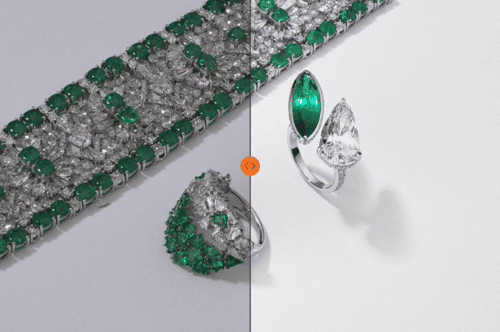
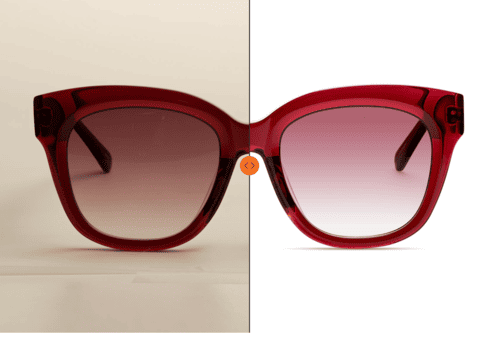
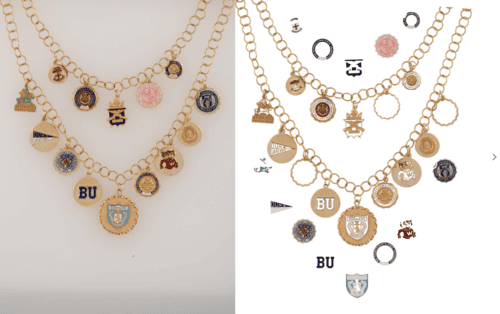
Individual frames are retouched before assembly. This includes color correction to ensure consistency across the full sequence, removal of any production artifacts such as the rigs or supports used to position objects, and refinement of textures and surfaces. For jewelry and cosmetics stop motion, retouching at the individual frame level is as demanding as standard product photography retouching, multiplied by the number of frames in the sequence.
Final Video Editing
The retouched frames are imported into video editing software and assembled into the finished sequence. Frame rate, transitions, and timing are adjusted at this stage. Sound design, music, and any motion graphics or text overlays are integrated. The relationship between the visual movement and the audio track is a significant creative decision that affects the finished animation's commercial impact substantially.
The Production Team
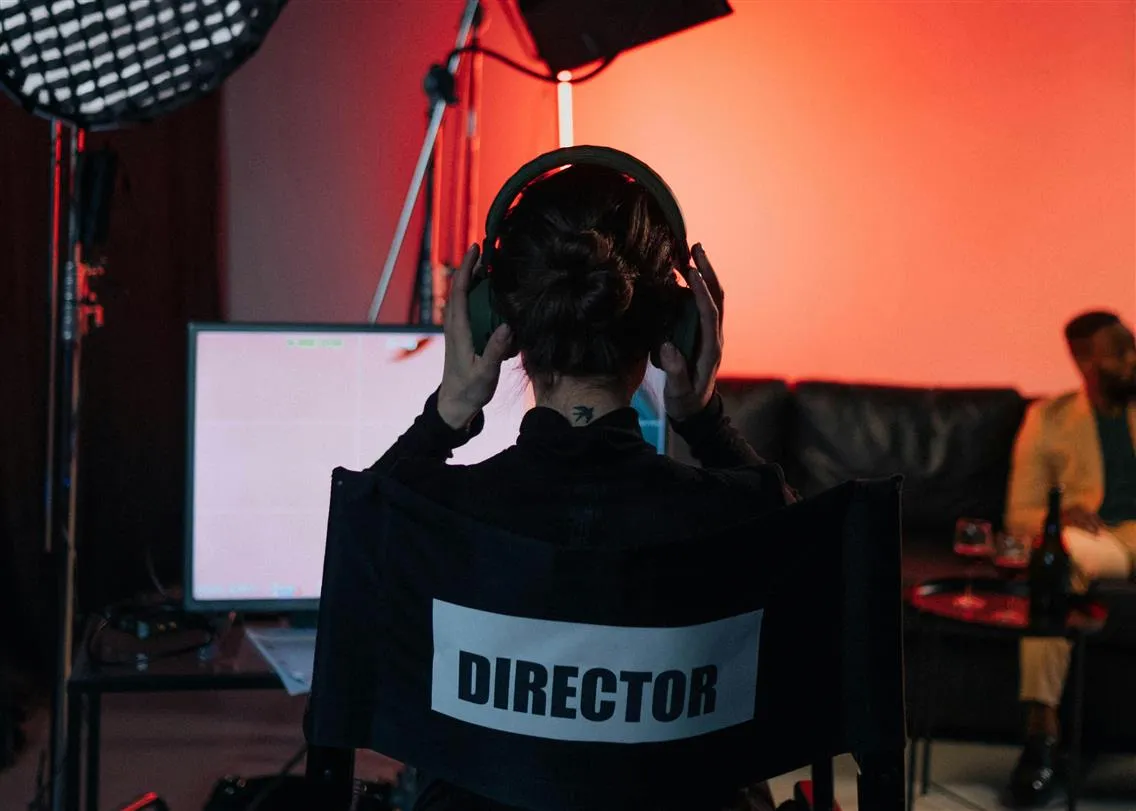
Stop motion production requires a coordinated team. A creative director sets the visual direction and ensures the animation serves the brand's commercial objectives. A photographer or camera operator handles the frame-by-frame capture. A set designer builds and maintains the physical environment. A lighting technician ensures absolute consistency across the full shoot. An editor and retoucher handle post-production. For productions involving talent, a stylist and model are also required.
Every second of finished animation is the result of several hours of precise collaborative work.
For a complete breakdown of commercial video production team roles: Understanding the eCommerce Video Content Production Process and the Team Involved
Why Brands Use Stop Motion for eCommerce Content
Visual Distinctiveness
Stop motion has a visual character that standard video and photography cannot replicate. The frame-by-frame quality, the physical presence of real objects moving in real environments, and the handcrafted aesthetic create content that reads differently from everything else in a social media feed or on a product page. In environments where most content looks similar, visual distinctiveness is a commercial advantage.
Creative Control Over Product Movement
Standard video captures movement as it happens in real time. Stop motion creates movement that is physically impossible in real time. A fragrance bottle that assembles itself from individual components. Flowers that bloom in seconds around a jewelry piece. A cosmetics product that opens, applies itself, and closes again. These scenarios can only be produced through stop motion, and for brands whose products have interesting physical properties or whose identity benefits from a sense of magic and craftsmanship, this creative control is the primary commercial argument for the format.
Performance on Social Platforms
Stop motion performs consistently well on Instagram Reels, TikTok, and Pinterest. The movement captures attention in feed environments where static imagery is ignored. The typically short duration of stop motion content fits the consumption behavior of social media audiences. The distinctive aesthetic generates saves and shares at rates that standard product video does not match.
Authenticity and Brand Personality
The handcrafted quality of stop motion communicates brand investment and creative intention in a way that highly produced CGI content often does not. For brands whose positioning is built around craft, quality, or personality rather than scale and efficiency, stop motion communicates those values through the format itself before the viewer has processed the content.
How Brands Have Used Stop Motion Effectively
Oreo
Oreo has used stop motion for social content that directly reinforces the brand's core interaction — the cookie being twisted apart, the cream filling being revealed, the dunk into milk. Stop motion allows each of these moments to be slowed, extended, and made visually precise in a way that real-time video cannot. The format serves Oreo because the product's defining characteristic is its physical interaction ritual, and stop motion is the technique best suited to making that ritual visually compelling at social media scale.
Lego
Lego's stop motion productions show bricks constructing environments and characters in real time, which is the brand's fundamental promise: the power to build imaginative worlds from small components. The alignment between the format and the product's identity is nearly perfect. Every stop motion production Lego makes demonstrates in form what the brand communicates in concept.
Gucci
Gucci has used stop motion to create surreal, dreamlike campaign content that transforms fashion pieces into animated works of art. The format allows Gucci to present their products as objects with their own animated presence, which serves a luxury brand positioning that is built on the idea that their pieces are more than garments. The handcrafted quality of stop motion also communicates the artisanal values that luxury fashion brands need to maintain even when their communication is digital.
Stephanie Gottlieb
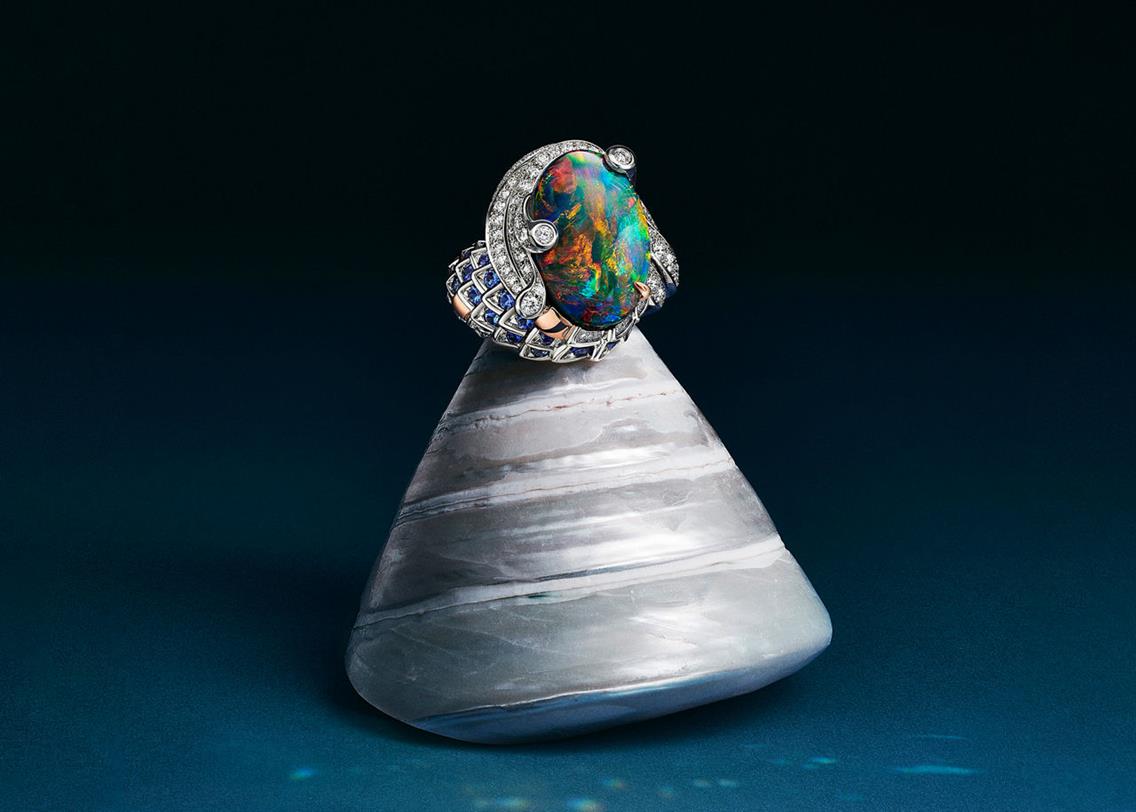
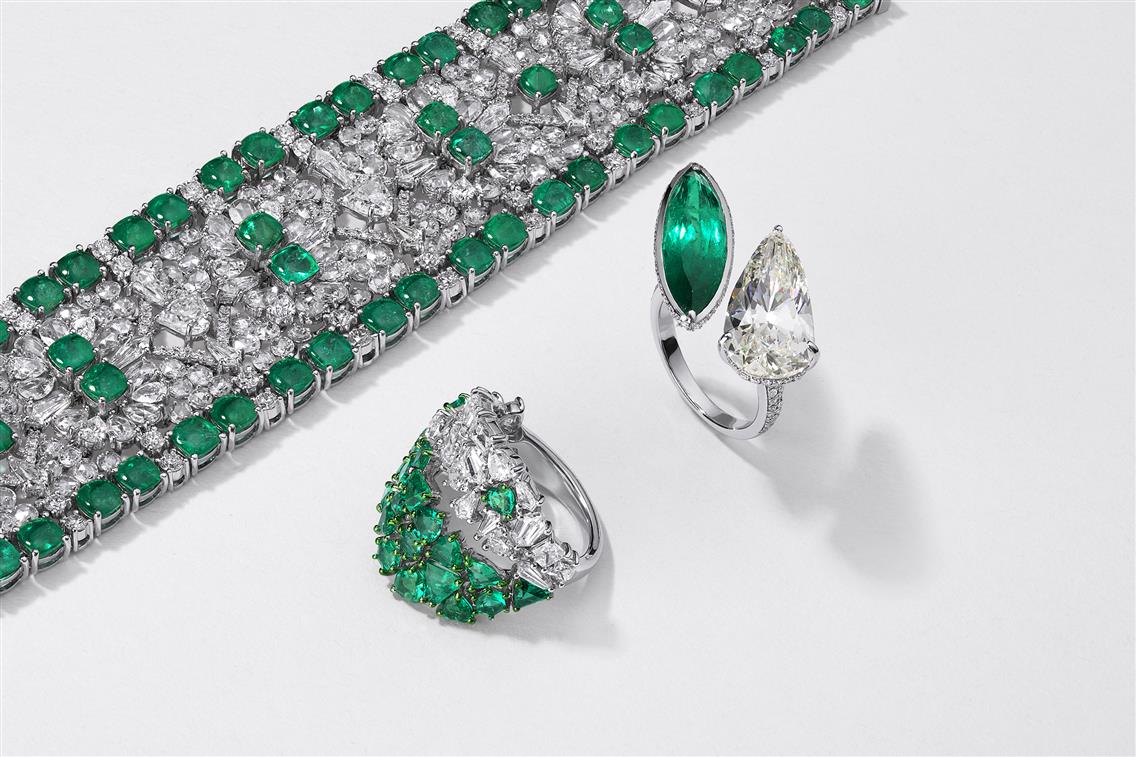
The jewelry brand Stephanie Gottlieb uses stop motion to highlight intricate designs through controlled movement that catches and distributes light across gemstones in a way that static photography cannot achieve. The frame-by-frame technique allows the production team to position each stone at precise angles to maximize sparkle across the sequence, producing content that communicates the brilliance of the pieces more effectively than standard video.
ASOS
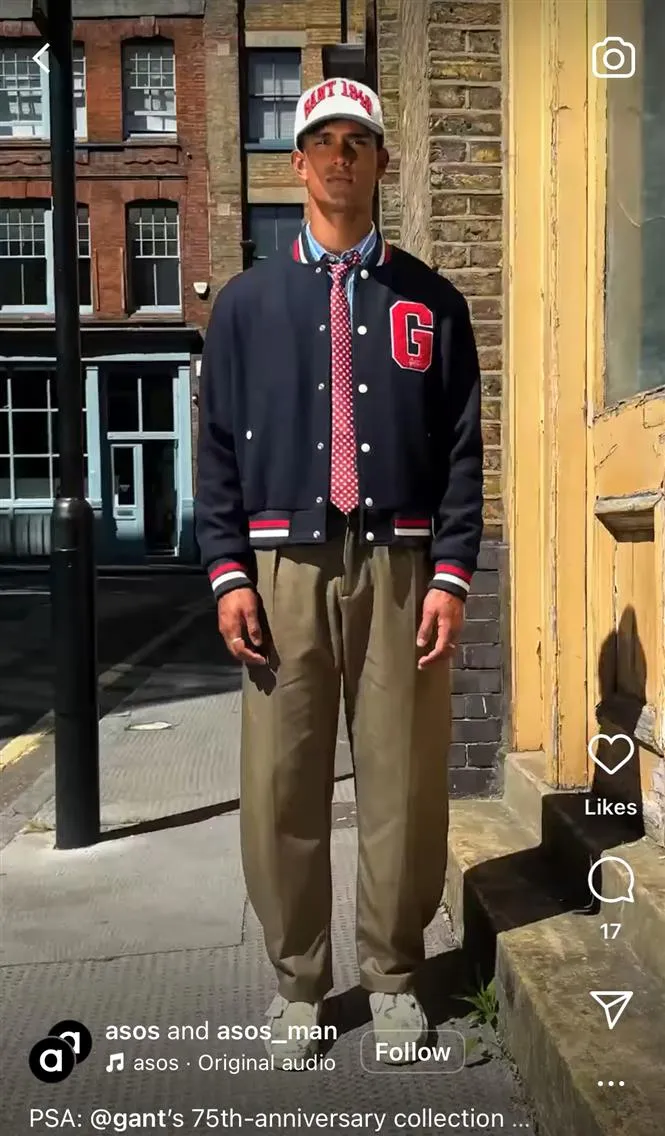
ASOS uses stop motion for outfit transition content on social media, showing garments changing in a single continuous sequence. The format makes fashion content dynamic and fast without requiring on-model video production, which is a significant operational advantage for a brand managing content across thousands of SKUs. The visual energy of the transitions communicates the breadth and variety of the range while fitting naturally into the consumption behavior of their social media audience.
L’Oréal
L'Oréal has used stop motion to demonstrate makeup application in product launch content, showing product movement and color payoff in a format that is more visually engaging than standard tutorial video. For a beauty brand where texture, color, and application experience are the primary purchase signals, stop motion's ability to show these qualities through deliberate, controlled motion serves both the brand's visual identity and the practical communication needs of the product category.
Stop Motion Applications for eCommerce Brands
Engagement and Viewer Retention
A stop motion reveal of a new product shows its features, packaging, and character in a format that generates stronger engagement than standard announcement content. The movement creates an element of reveal and discovery that static and standard video formats do not produce.
How-To and Tutorial Content
Stop motion can demonstrate product use, application, and assembly in a format that simplifies complex information into a short, visually clear sequence. For products with multi-step use processes, beauty application techniques, or assembly requirements, stop motion condenses the full process into digestible content that is more watchable than extended tutorial video.
Seasonal and Campaign Content
Stop motion adapts well to seasonal themes. Holiday, spring, back-to-school, and other campaign moments can be integrated into the physical environment of the animation through props, surfaces, and color palettes. The result is campaign-specific content that feels considered and crafted rather than templated.
Unboxing and Product Reveal
Stop motion can show packaging opening, contents emerging, and products revealing themselves in a sequence that communicates packaging quality and the physical experience of receiving the product. For subscription box brands, gift products, and premium packaging where the unboxing experience is part of the value proposition, this application directly communicates the experience that drives gifting and repeat purchase behavior.
Product Creation and Craft Narratives
Stop motion can narrate a product's creation from raw materials through finished piece. Leather goods brands showing the stitching process. Jewelry brands showing stone setting. Cosmetics brands showing ingredient blending. This application builds trust and communicates craftsmanship in a format that is more compelling than documentary-style video at the same duration.
On-Model Content
Stop motion with models creates content where outfit transitions, accessory swaps, and styling changes happen in a single continuous visual sequence. For fashion and accessories brands, this format produces social content that is energetic and fast-paced while remaining product-focused.
When Stop Motion Makes Commercial Sense
Stop motion is not the right format for every brand or every content need. It is the right format when the product has physical properties that benefit from controlled frame-by-frame movement, when the brand's identity is built around craft or creativity, when the content objective is social media engagement rather than product documentation, and when the production timeline and budget accommodate the format's specific requirements.
It is not the right format for high-volume catalog documentation, marketplace primary images, or content that needs to be produced quickly at scale. For those needs, standard product video or photography is more appropriate.
LenFlash produces stop motion animation for eCommerce brands from our studio in New York. Online ordering with real-time quotes, standard turnaround discussed at briefing stage given production complexity.