


The Ultimate Guide to eCommerce Product Photography for Brands that Sell Online
Most brands that come to us for the first time are dealing with one of four problems, and none of them are what they think the problem is.
They think the issue is the photos themselves. In most cases, it's the decisions behind them.
Good eCommerce photography isn't about making products look better than they are. It's about making them look exactly like they are — accurately, consistently, and in a format that every platform and retailer will accept without reshooting.
This guide covers the shot types that work for each product category, the technical requirements of the major platforms and retail chains, what professional studio production actually involves, and how to avoid the four problems above before they cost you a listing rejection or a spike in returns.
We've been shooting product lines for vendors supplying Nordstrom, Macy's, Signet Jewelers, and Amazon from our New York studio since 2004. Everything in this guide comes from that experience.
Types of Commercial Product Photography
Catalog Product Photography
This is your bread and butter: clean, detailed shots of your products, typically on a white background, but not necessarily. It’s not the flashiest type of content, but it’s absolutely essential. These images help customers see what they’re buying, with no distractions.
Pro Tip: Invest in high-quality photography, even for simple product shots. These images are often the first point of contact with your brand, and a well-lit, crisp product image says, “we’re serious about quality.”
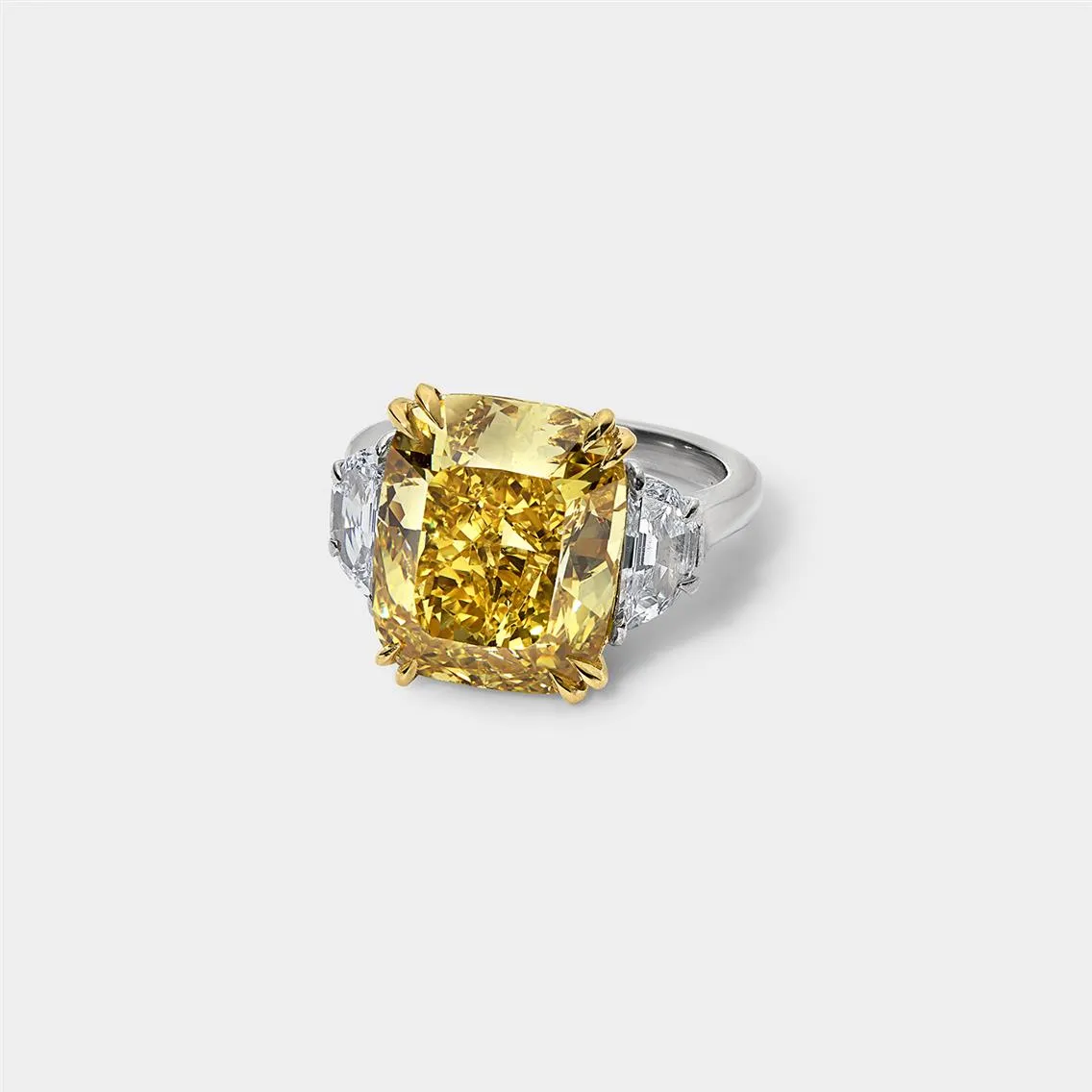
Still Life Photography
Still life shots allow brands to get a bit more creative. Instead of focusing solely on the product, you can introduce props, textures, and backgrounds that reflect your brand’s personality. These photos work wonders for social media or online store pages, where creativity catches attention.
Pro Tip: Use still-life photos to showcase how your product fits into everyday moments. For example, instead of just placing jewelry on a plain background, pair it with items that people might naturally have nearby, like a favorite book, a cup of coffee, or a handwritten note, to suggest how the jewelry complements daily life.
For skincare, show the product alongside things like a clean towel, a glass of water, or a small plant to hint at freshness and routine without feeling staged. These simple, relatable setups help customers imagine using the product in their own space, making your photos feel authentic and inviting.
Related read: Product Still Life Photography: Full Guide for Your Business
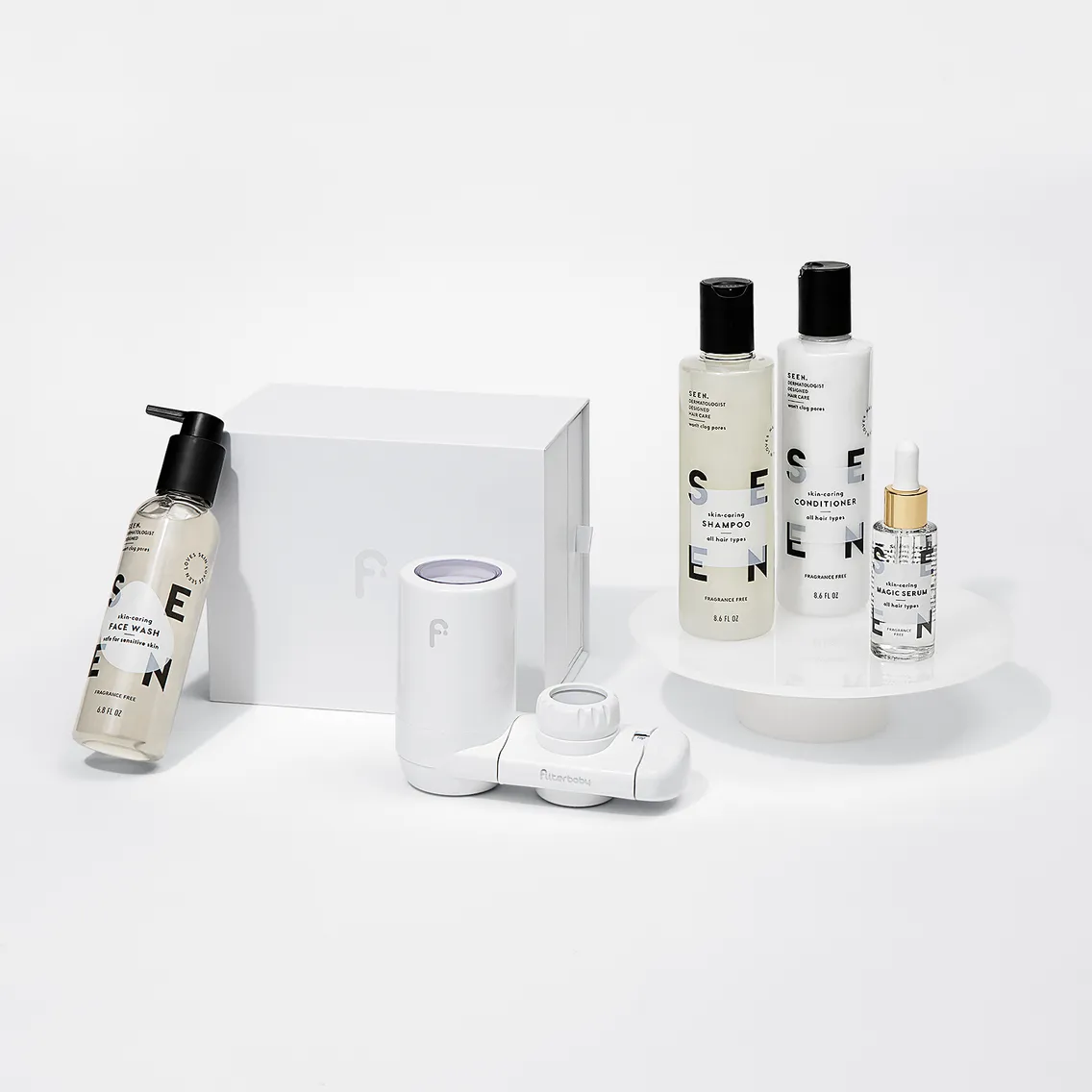
Lifestyle Photography
Here’s where you show your product in action by capturing an actual person interacting with it. Lifestyle photography takes your product out into the real world, letting potential customers visualize themselves using it.
Pro Tip: Keep an audience in mind. If your customer is likely a young professional in a sprawling metropolis, show your product in settings that resonate with that lifestyle, maybe in a trendy café or at a chic office space.
Related read: Strategic Impact of Lifestyle Photography on eCommerce Business

Fashion Editorial Photography
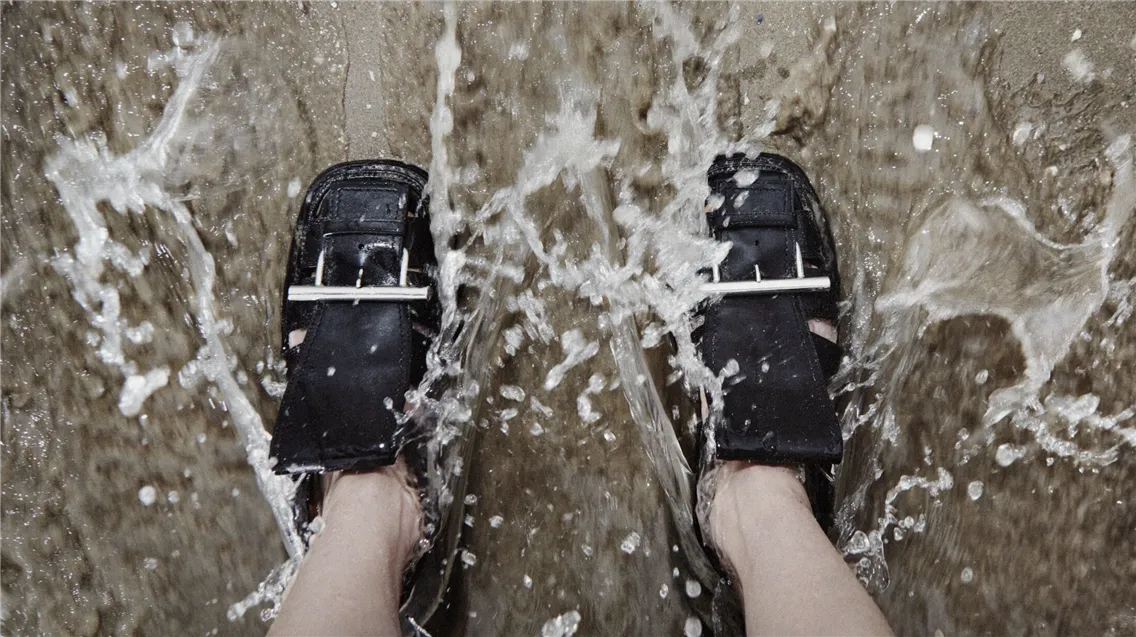
Fashion brands, take note: editorial photography is where things can be truly artistic. It evokes the feeling and tells the story behind your brand. These are stylized, high-end shoots that often end up in lookbooks or as some of the most impactful campaign images.
Pro Tip: Use this photography to create a mood that uniquely belongs to a brand. Whether it’s eclectic or minimalist, editorials bring a brand’s style to life.
Related Read: The Essential Role of Fashion Photography in Branding
Fashion Campaign Photography
If you’re launching a new product or collection, fashion campaign photos tie it all together. These high-impact images are designed to tell a concept and are often the foundation of larger marketing pushes. Think of them as the hero shots for a campaign.
Pro Tip: Plan campaign visuals to be consistent across all promotional channels regardless of whether it's your website, social media, PR, and email marketing. Campaign photos should be instantly recognizable and on-brand.
Social Media Photography
Social media is fast, effortless, and often less polished than traditional product shots. But that doesn’t mean they should be taken lightly. Social media photos need to be engaging, on-brand, and often tailored to the specific platform.
Pro Tip: Mix it up! Show behind-the-scenes content like snapshots from events or collaborations. Social media is a brand-awareness playground; use it to connect with your audience in a more casual, authentic way.
Related read: Social Media Photography to Elevate Your Fashion Brand's Digital Presence
User-Generated Content (UGC)
There’s no stronger endorsement than real customers showing off products. UGC adds authenticity and builds a sense of community around a brand. Encourage customers to share their photos featuring your brand’s products and reward them by shouting out their content. Or consider collaborations with influencers and content creators.
Pro Tip: UGC is perfect for social proof, so showcase it on product pages or social media to build trust and create a sense of inclusion.
eCommerce Product Photography by Category
eCommerce product photography isn’t one-size-fits-all. The approach varies greatly depending on the industry, as each category has unique requirements, consumer expectations, and visual priorities. From fashion and jewelry to electronics and home goods, different types of products demand different styles of presentation. Below are the main categories of e-commerce product photography based on industry:
- Fashion and Apparel (Clothing, Accessories, Bags, Footwear)
- Jewelry (Rings, Necklaces, Bracelets, Earrings)
- Beauty Products(Cosmetics, Skincare, Haircare)
- Electronics (Gadgets, Devices, Home Tech)
- Packaged Goods (Snacks, Beverages, Health Items)
- Home & Living (Furniture, Decor, Kitchenware)
Each of these categories has its own best practices, visual standards, and technical nuances. In the sections below, we’ll dive into each type to show how photography should be tailored to suit the products you’re selling.
Fashion Product Photography for Clothing, Accessories, and Footwear
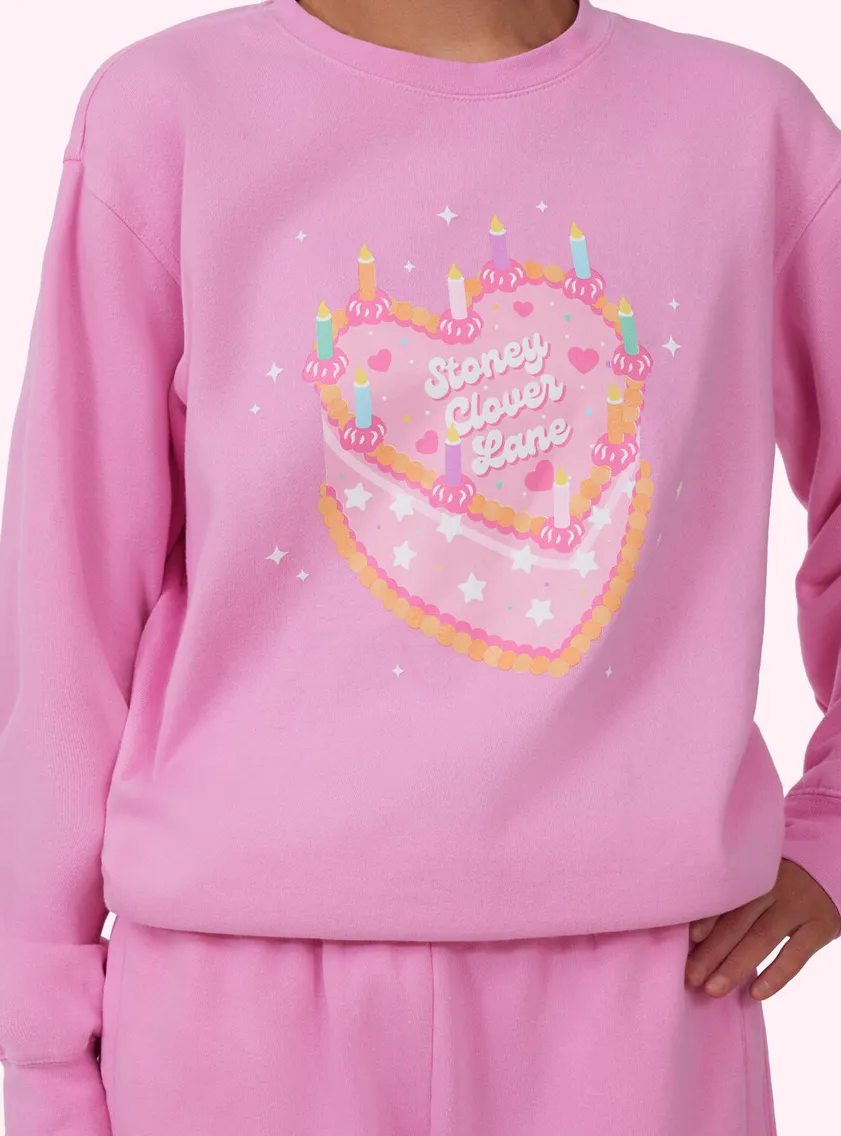
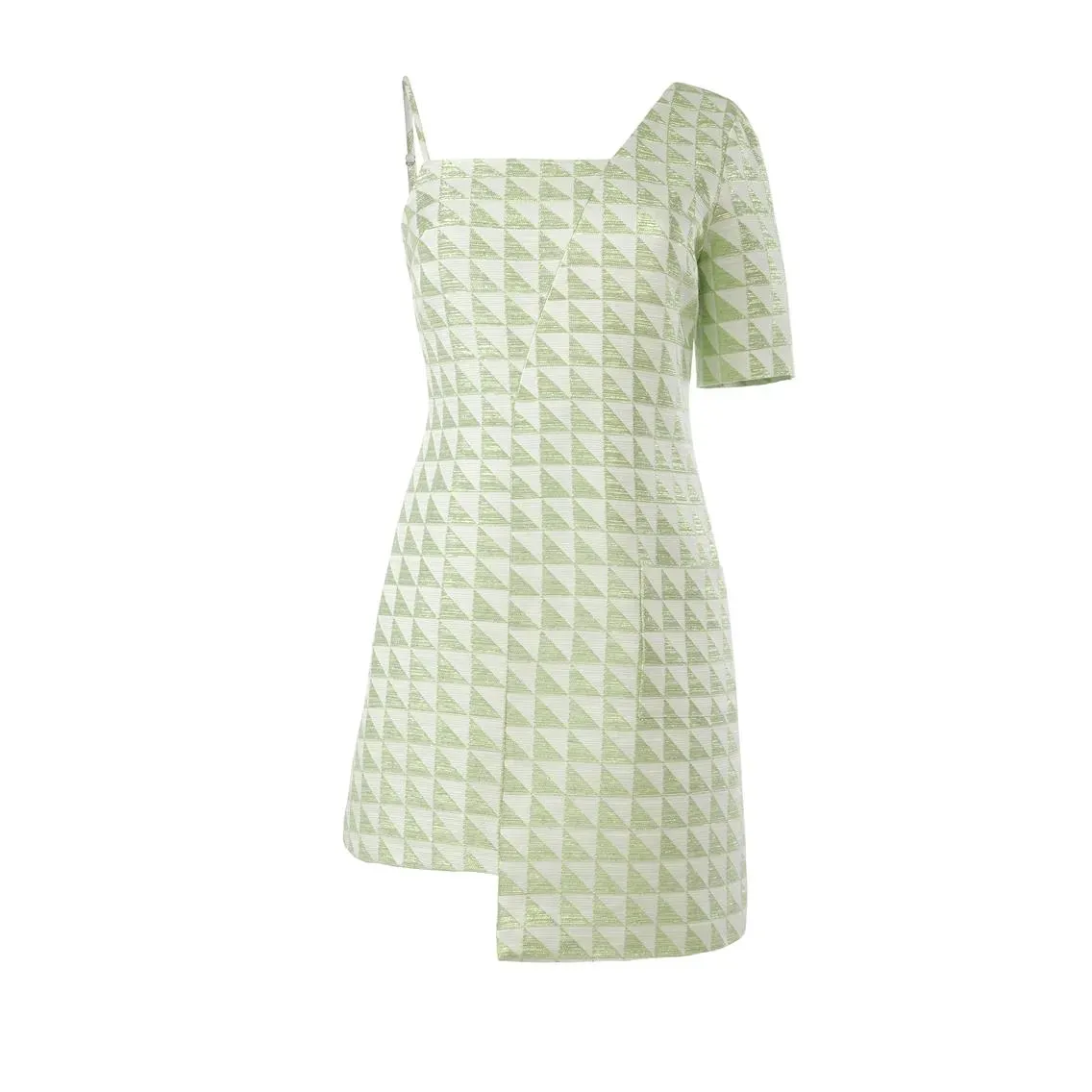
Apparel photography splits into four distinct approaches depending on how the garment needs to be presented.
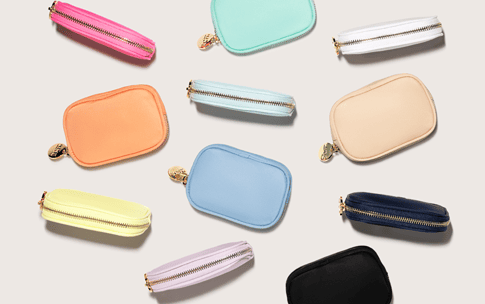
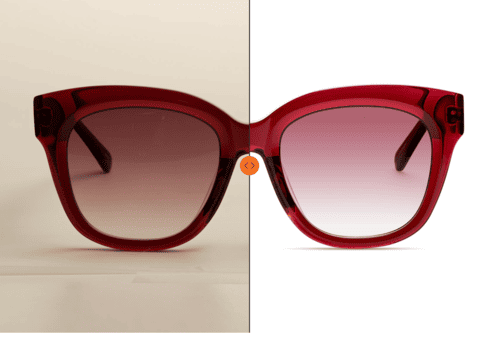
White Background Photography — flat lay or ghost mannequin against a pure white background — is the Amazon and mass-market retail standard. Consistent, efficient, and platform-compliant.
Related Read: Do You Need White Background Photos for an eCommerce Website?
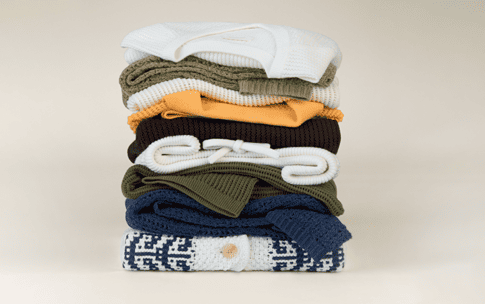
Flat lay — garment photographed from directly overhead on a flat surface — works well for accessories, folded items, and social media content. Faster and cheaper per image than ghost mannequin. Less effective for structured garments where the three-dimensional shape is part of the product.
Related Read: How to Use Flat Lay Photography for Your eCommerce Brand
Ghost mannequin (invisible mannequin) gives clothing a three-dimensional shape without a visible mannequin. The mannequin is removed in post-production, leaving the garment appearing filled out. Standard for catalog photography where you need consistent product-forward images at volume. LenFlash maintains men's, women's, and children's mannequins in-studio.
Related Read: Flat Lay vs Ghost Mannequin Product Photography: Choosing the Best for Your Business
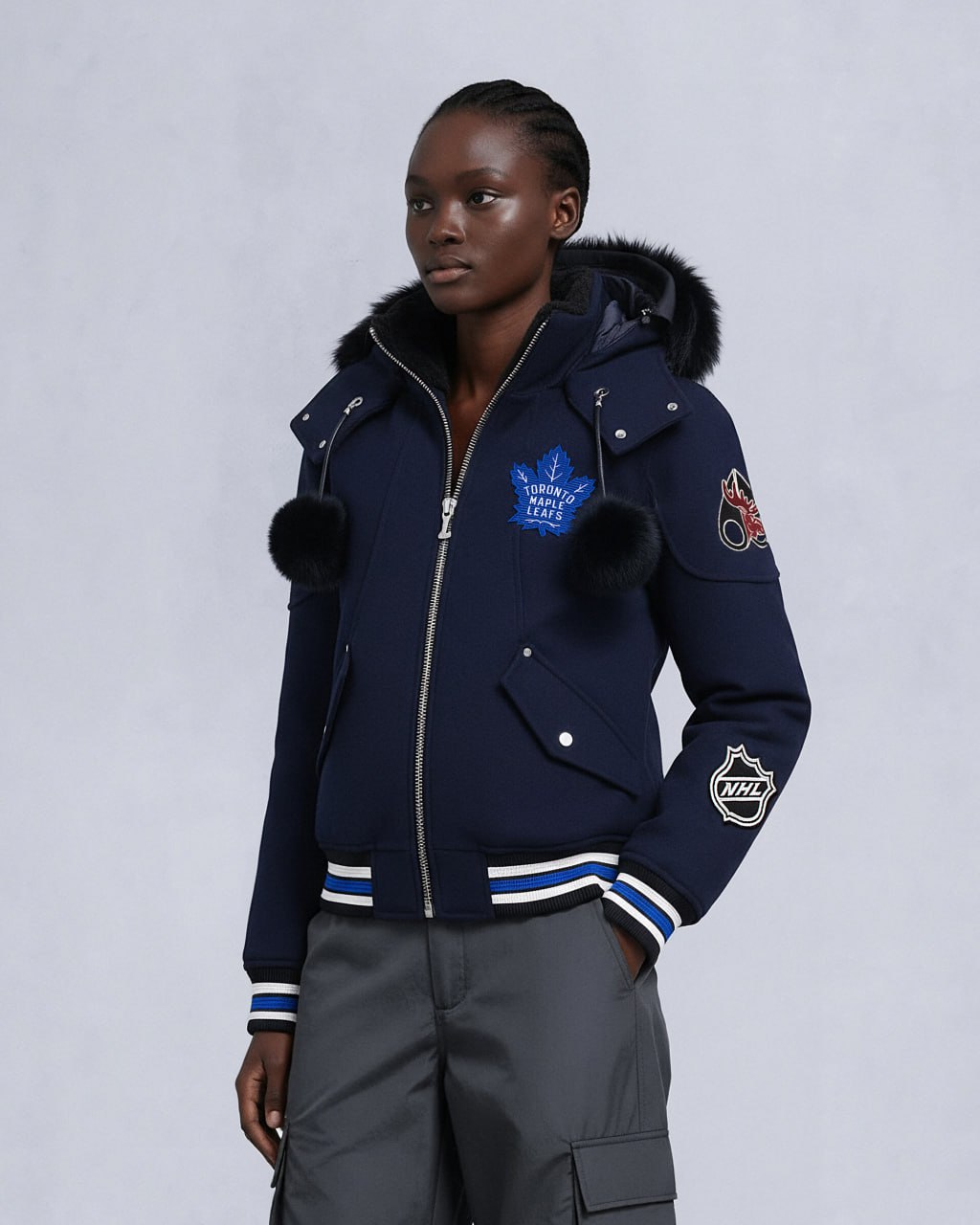
On-model photography shows the garment on a person, giving customers fit, drape, and scale context. Converts better than ghost mannequin or flat lay for fashion brands where the lifestyle context matters. Requires more pre-production (casting, styling, MUA) and costs more per image.
Related Read: Professional Fashion Photography for eCommerce Brands
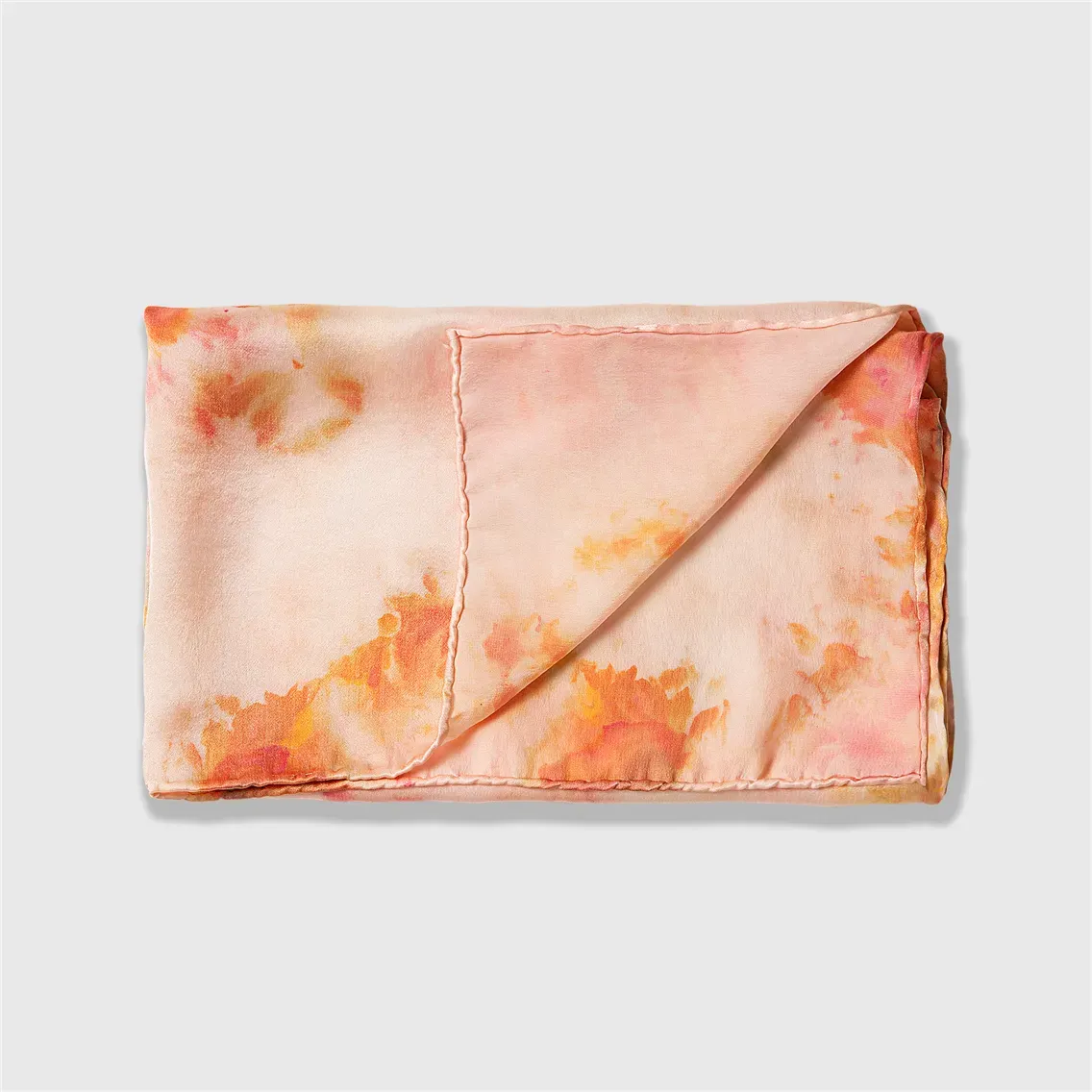
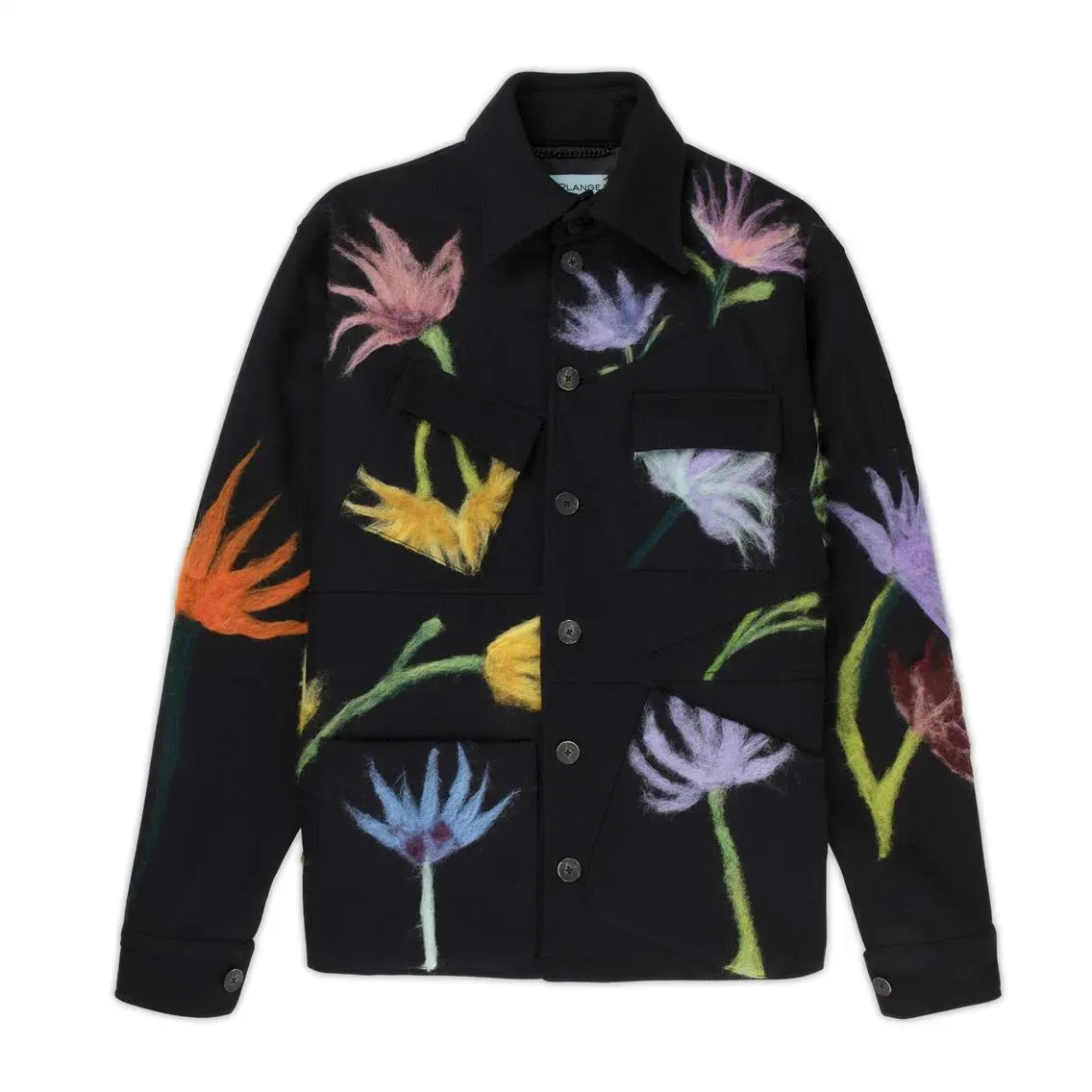
Jewelry Product Photography for Rings, Necklaces, Bracelets, Earrings, etc.
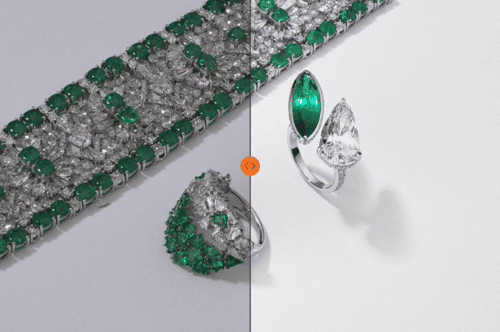
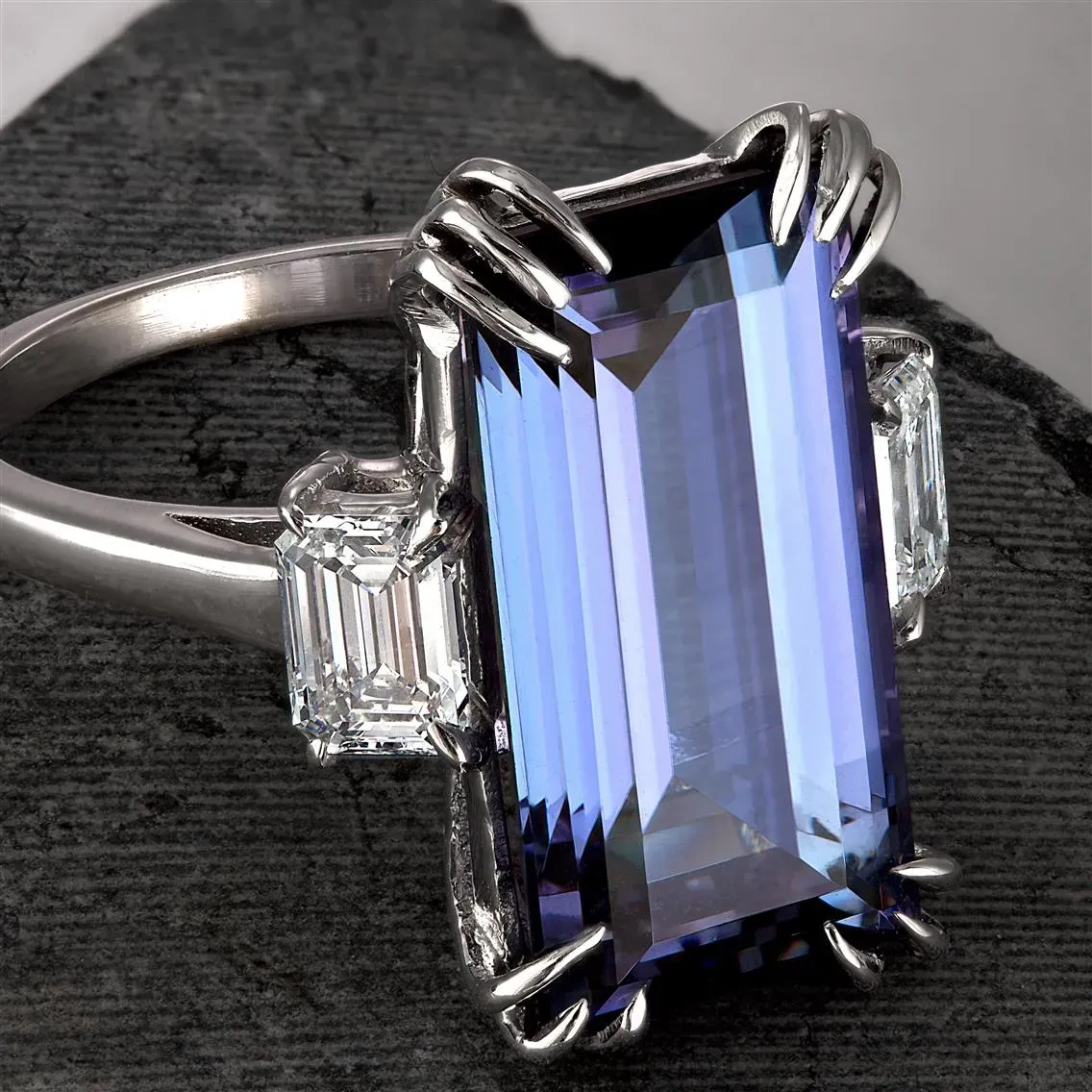
Jewelry photography is technically the most demanding category in eCommerce. Reflective metal surfaces, refractive gemstones, and small physical scale all create challenges that don't exist for other product types.
Read the full guide: Brand’s Guide to Jewelry Photography
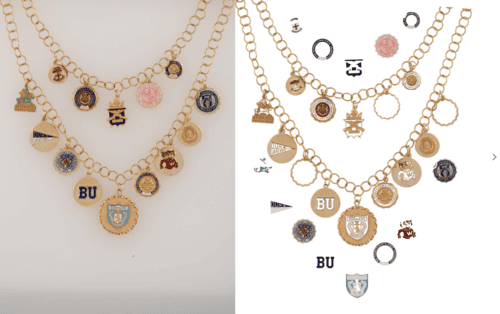
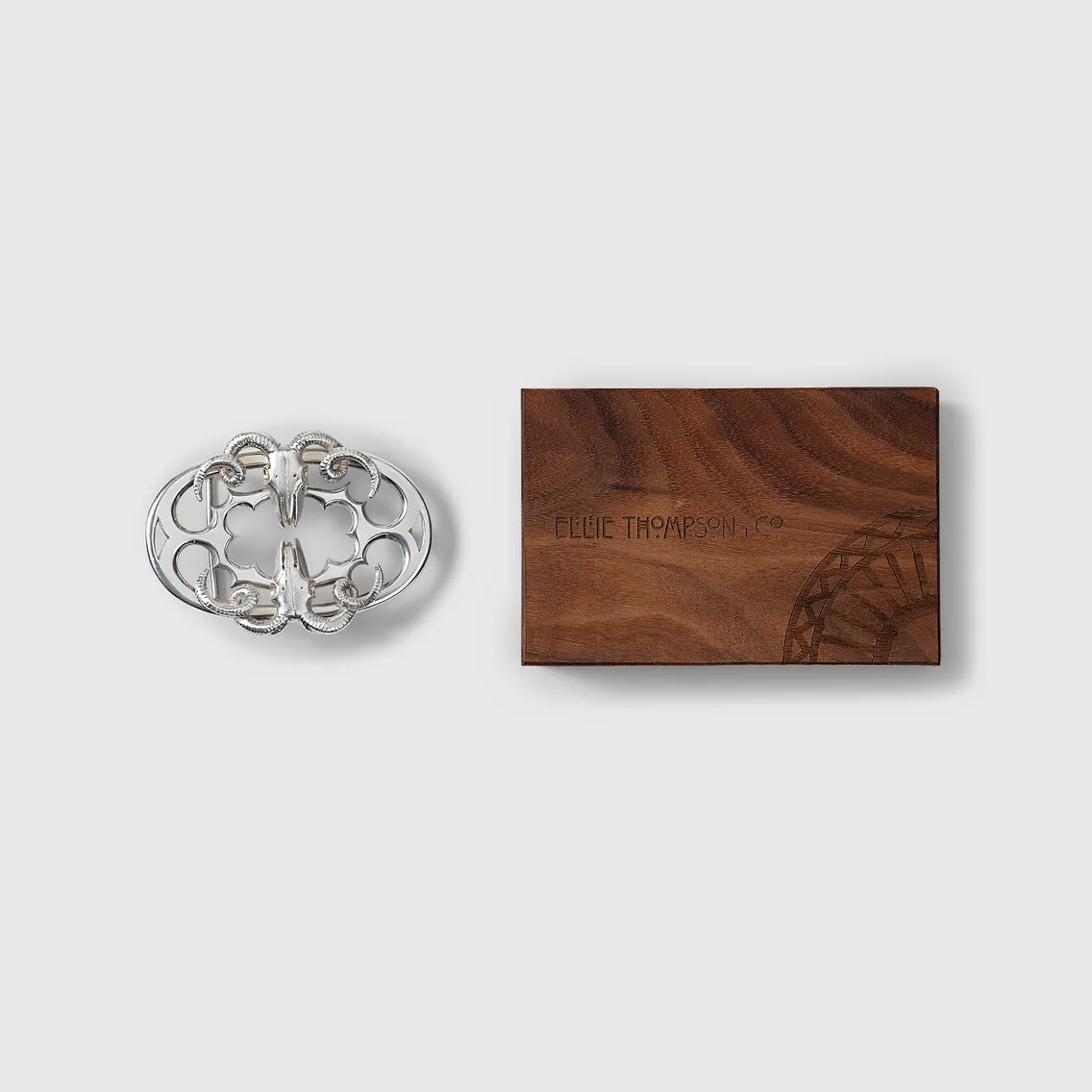
White and off-white background remains the standard for retailer submissions. Signet Jewelers (Zales, Kay, Jared), Macy's, Kohl's, JCPenney, Helzberg, Fred Meyer, and Sherwood all specify specific background requirements in their vendor guidelines. Pure white is the default; some retailers now accept off-white or gradient.
Open light photography uses harsh lighting to capture jewelry with natural reflections. Better for showing true depth of the item.
Related read: Introducing Open Light Product Photography Technique
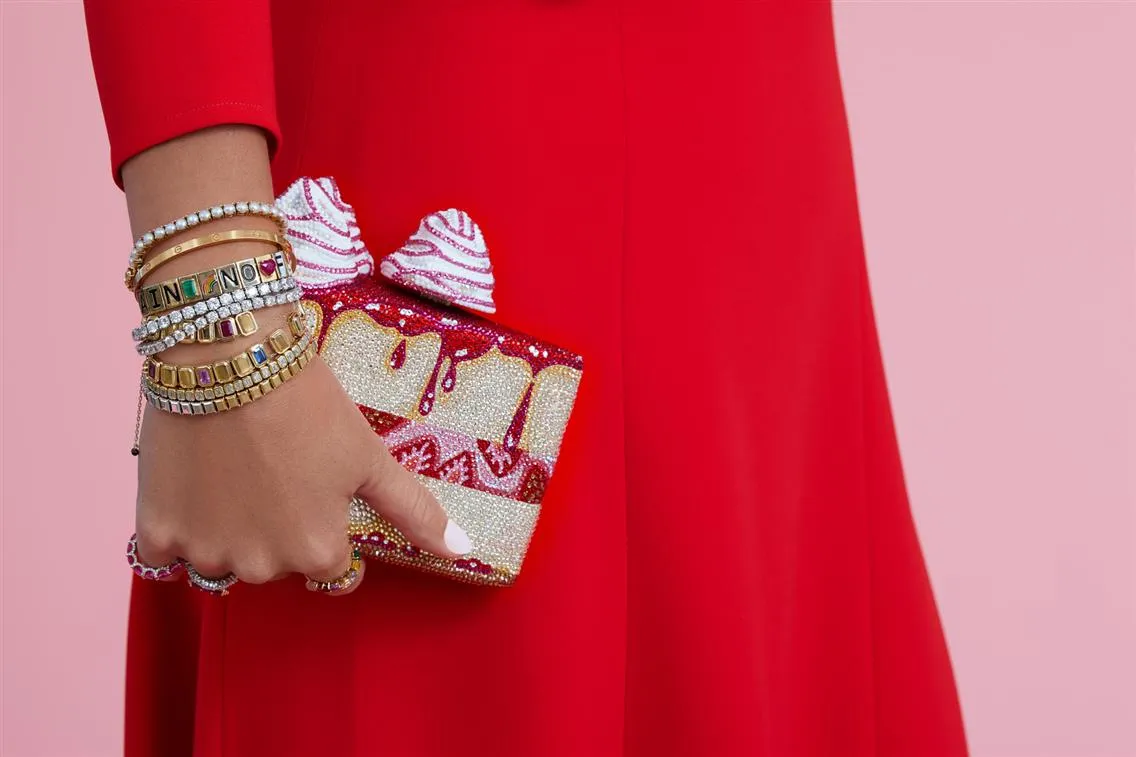
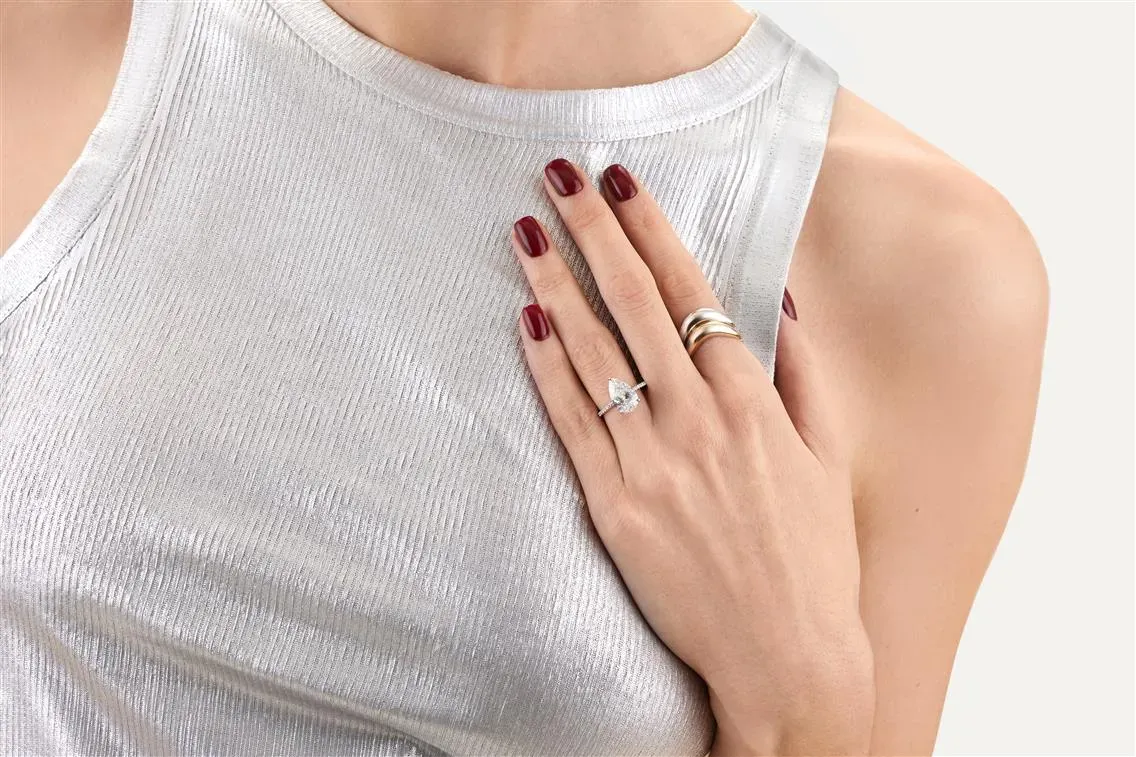
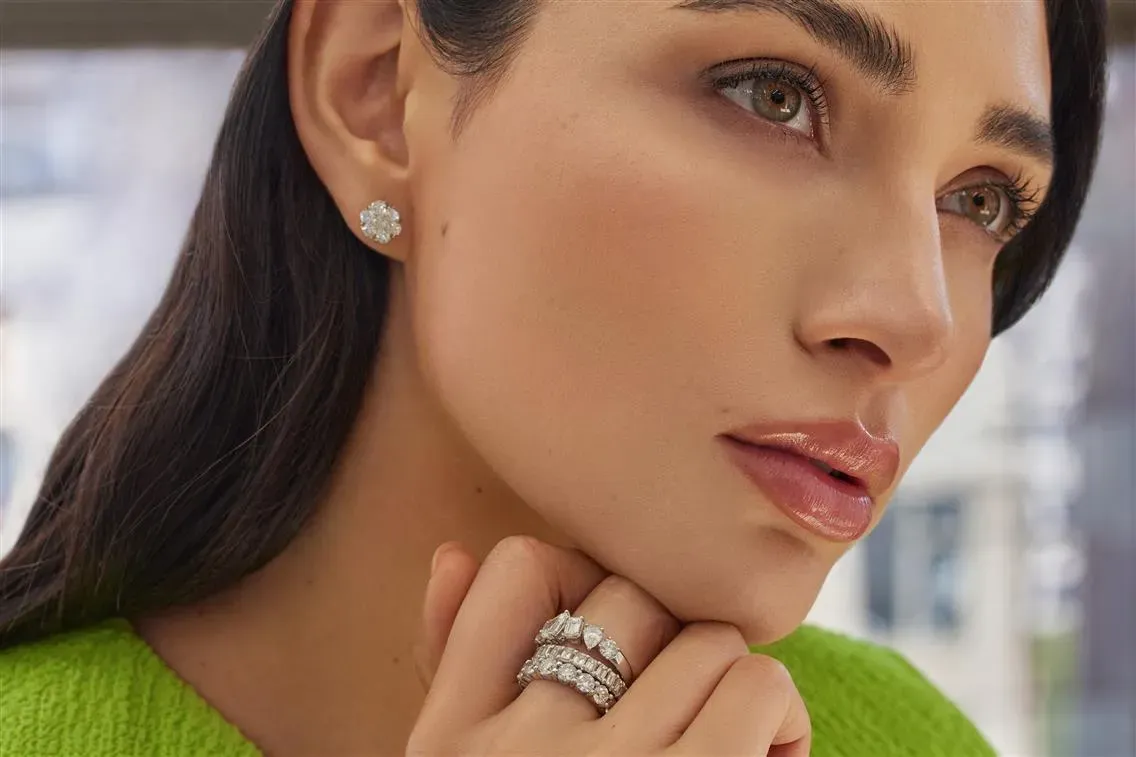
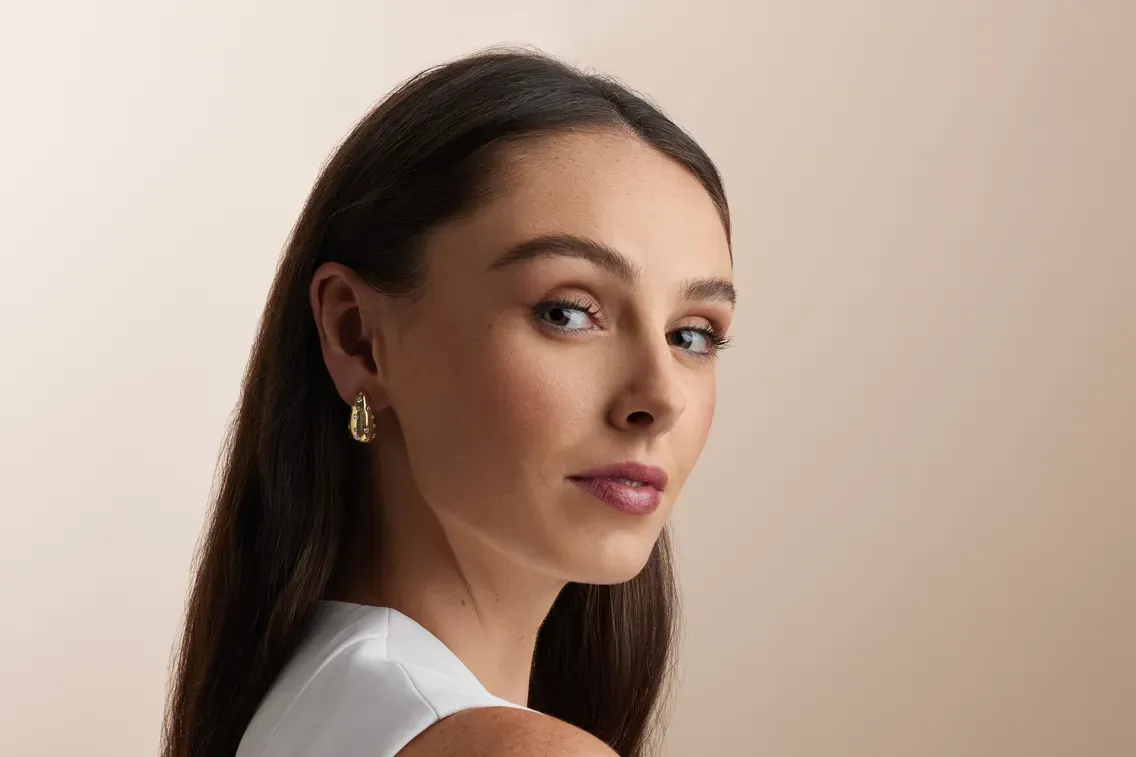
On-hand and on-model shots (ring on finger, necklace on neck, earrings on ear) give scale context and make jewelry feel wearable rather than abstract.
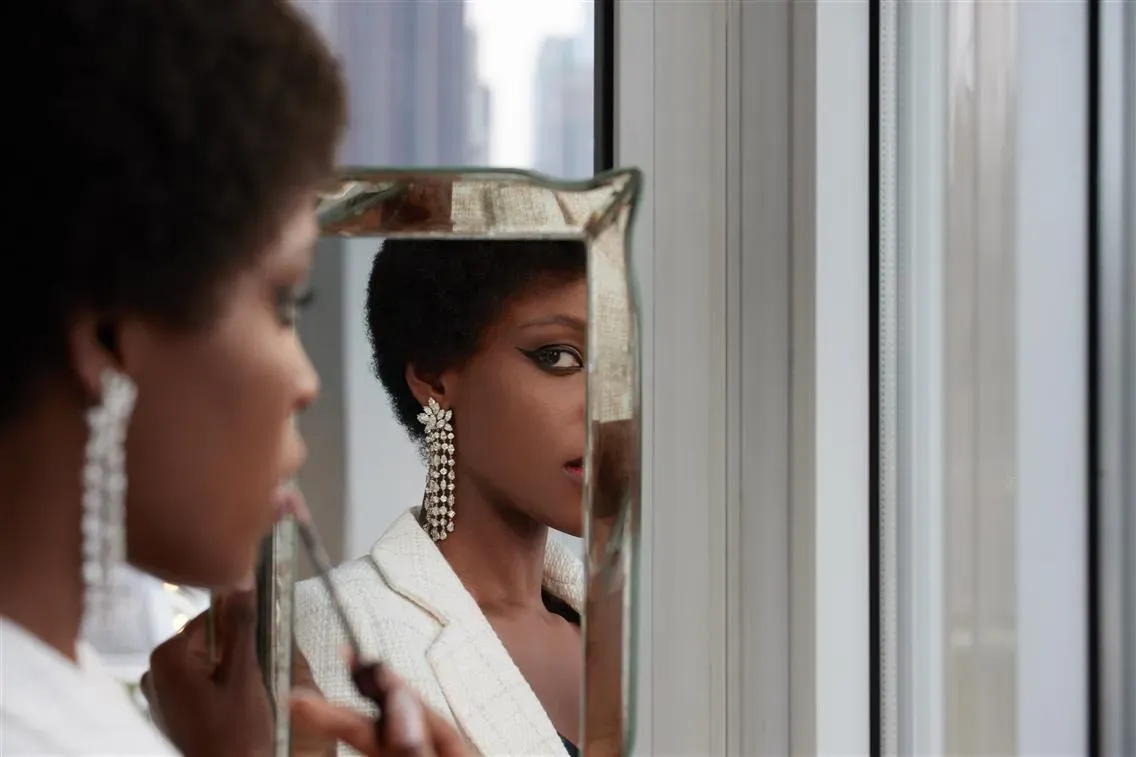
Lifestyle Jewelry Photography places jewelry in real-world settings, that tells a story, creating a luxurious or aspirational feeling that resonates emotionally with customers. It helps them picture the jewelry in their own lives, which is crucial for driving engagementand building brand identity.
Related read: Strategic Impact of Lifestyle Photography on eCommerce Business
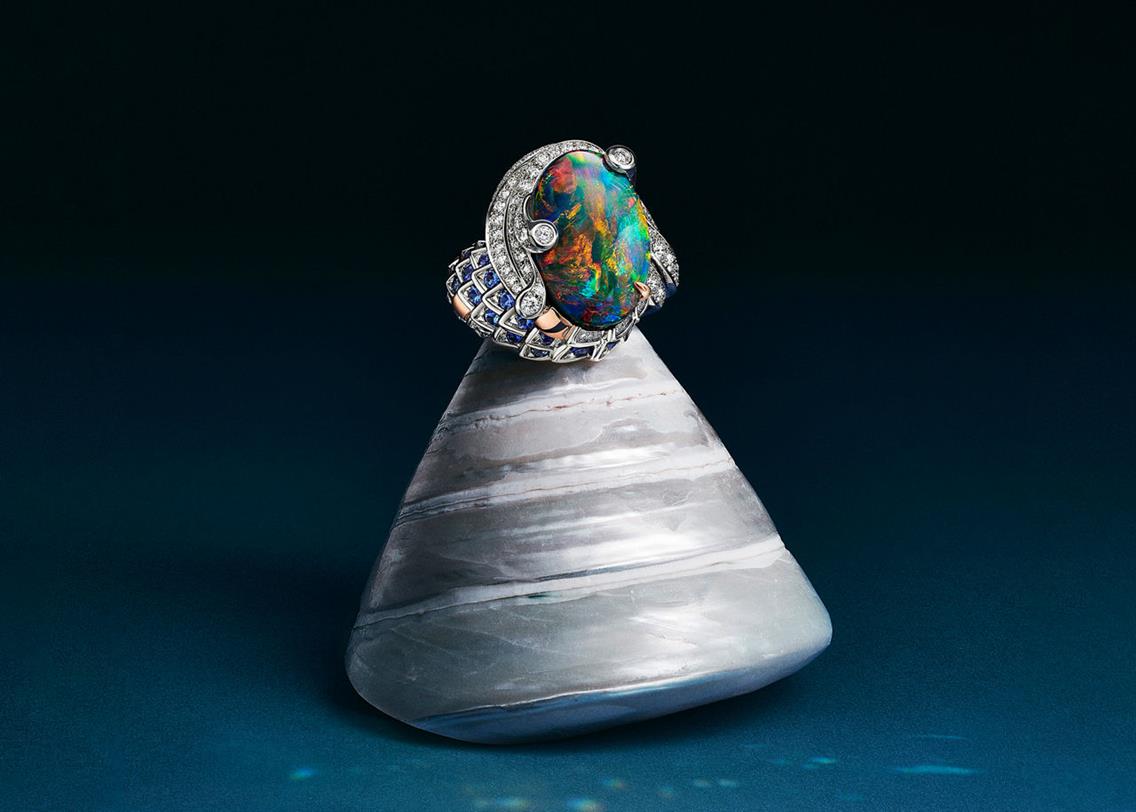
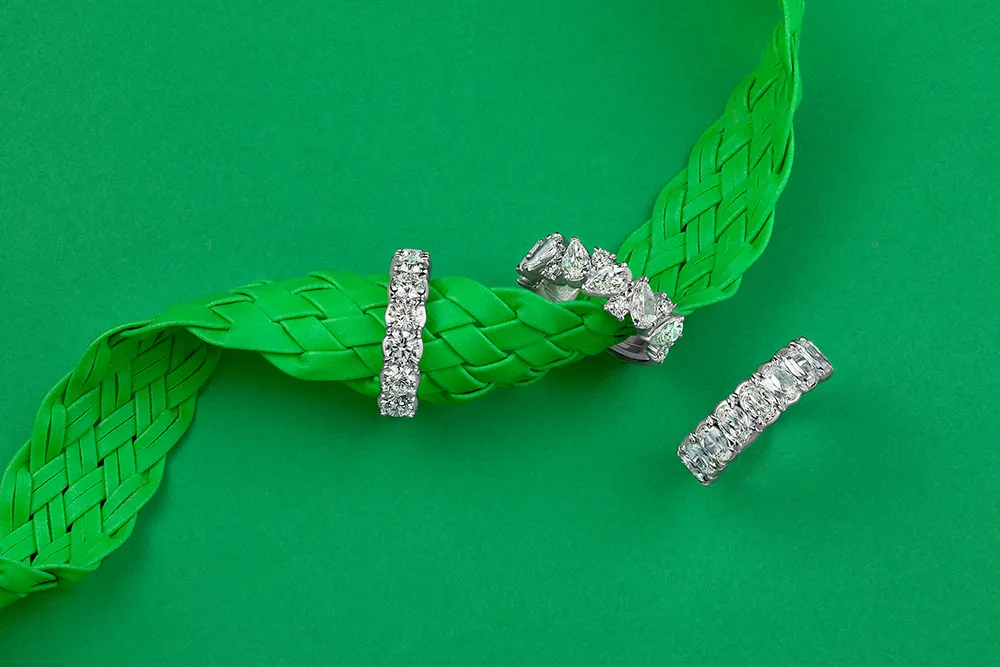
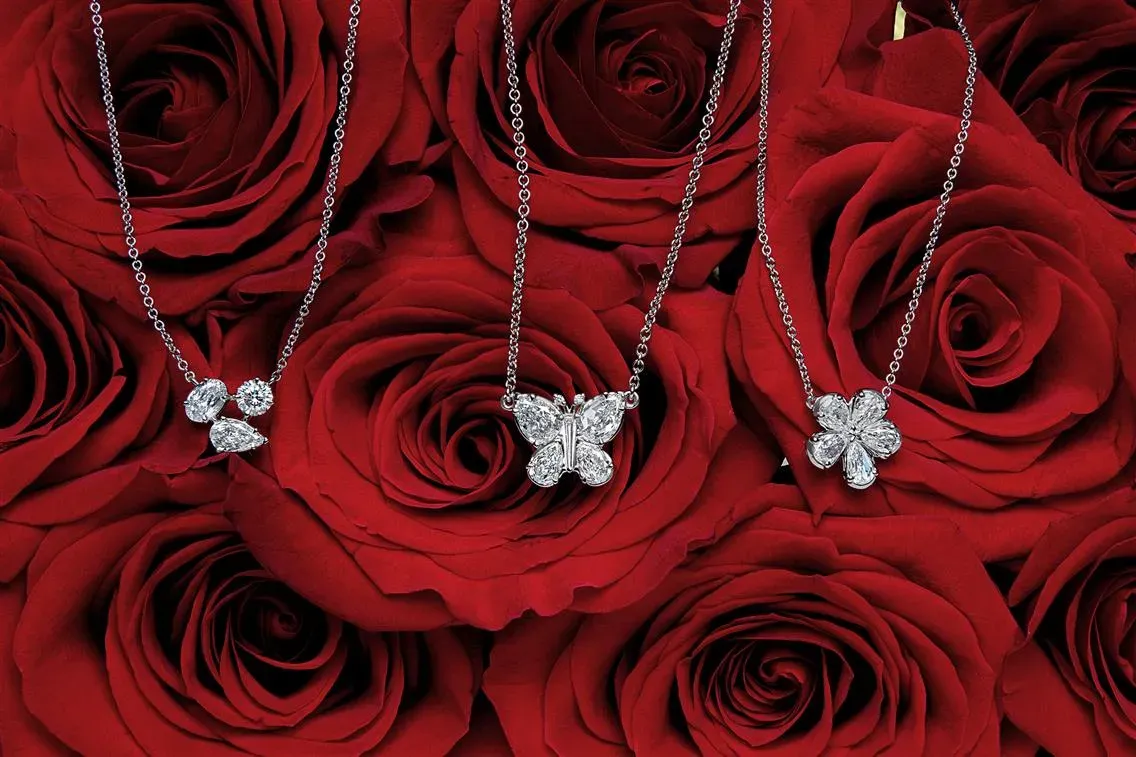
Still Life Jewelry Photography allows for more creative compositions, often used in marketing campaigns, catalogs, or social media to capture the essence of the brand while keeping the focus on the product’s luxurious appeal.
Related read: eCommerce Still Life Photography for Fashion and Jewelry Brands
360 Spin Jewelry Photography offers a complete view of the jewelry. This interactive style allows users to rotate the product and examine it from all sides, giving them a better understanding of its dimensions and details. It’s particularly useful for high-end jewelry where every facet of the design is important to the customer.

Beauty Product Photography for Cosmetics, Skincare, and Haircare
Beauty product photography focuses on packaging presentation and aspirational context. The brand's visual identity is often more visible in the packaging than in the product itself — the photography has to do justice to both.
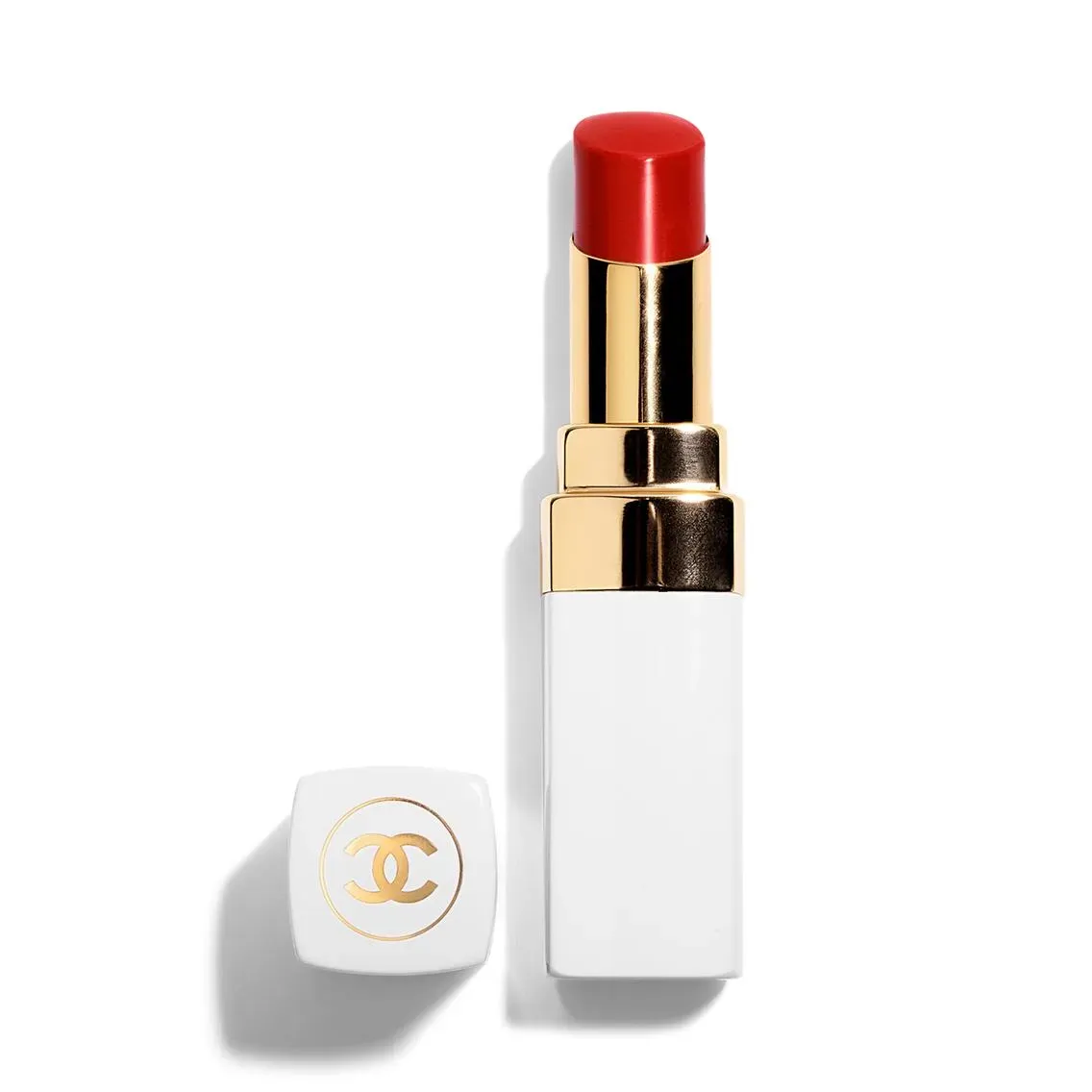
White Background for platform compliance (Amazon, Ulta, Sephora). Primary image requirements are strict: no props, no lifestyle elements, product only.
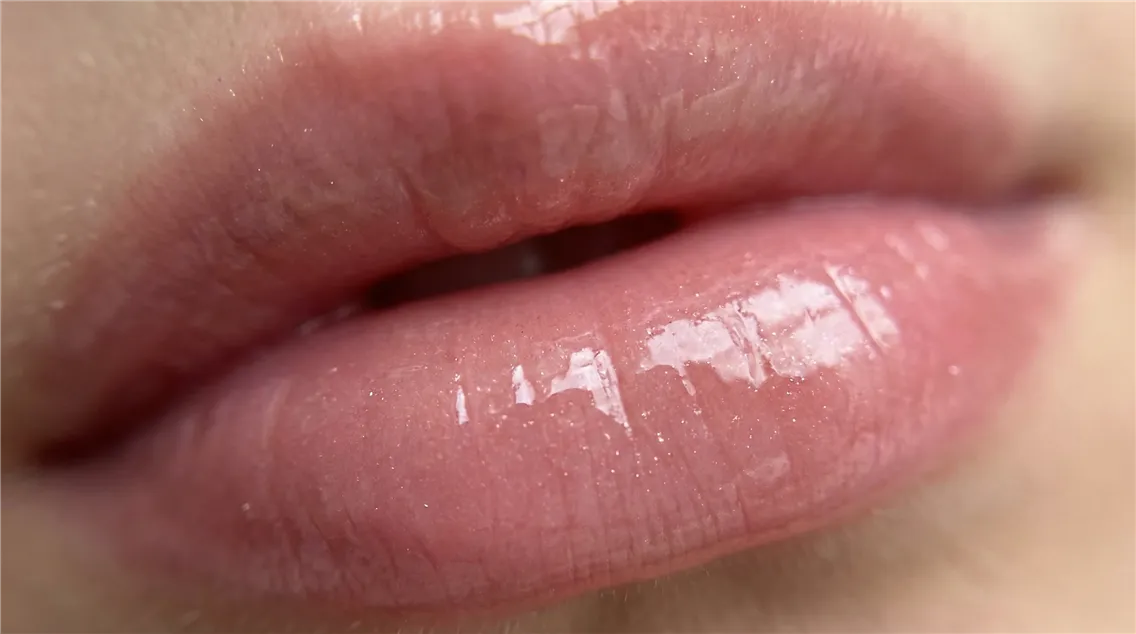
Flat lay group shots work well for skincare routines, gift sets, and collection launches. Effective on Instagram and Pinterest. Macro shots of product texture (serum consistency, foundation coverage, powder shimmer) support purchase confidence, particularly for skincare and makeup. In-set photography places beauty products in bathroom, vanity, or lifestyle settings. Builds a brand world for DTC and editorial use.
On-model — foundation, lipstick, skincare on skin — shows product results rather than product packaging. Essential for cosmetics brands where the buyer decision depends on seeing the effect.
Related read: Cosmetics Product Photography for Beauty eCommerce Decoded
Electronics Product Photography for Gadgets, Devices, and Home Electronics
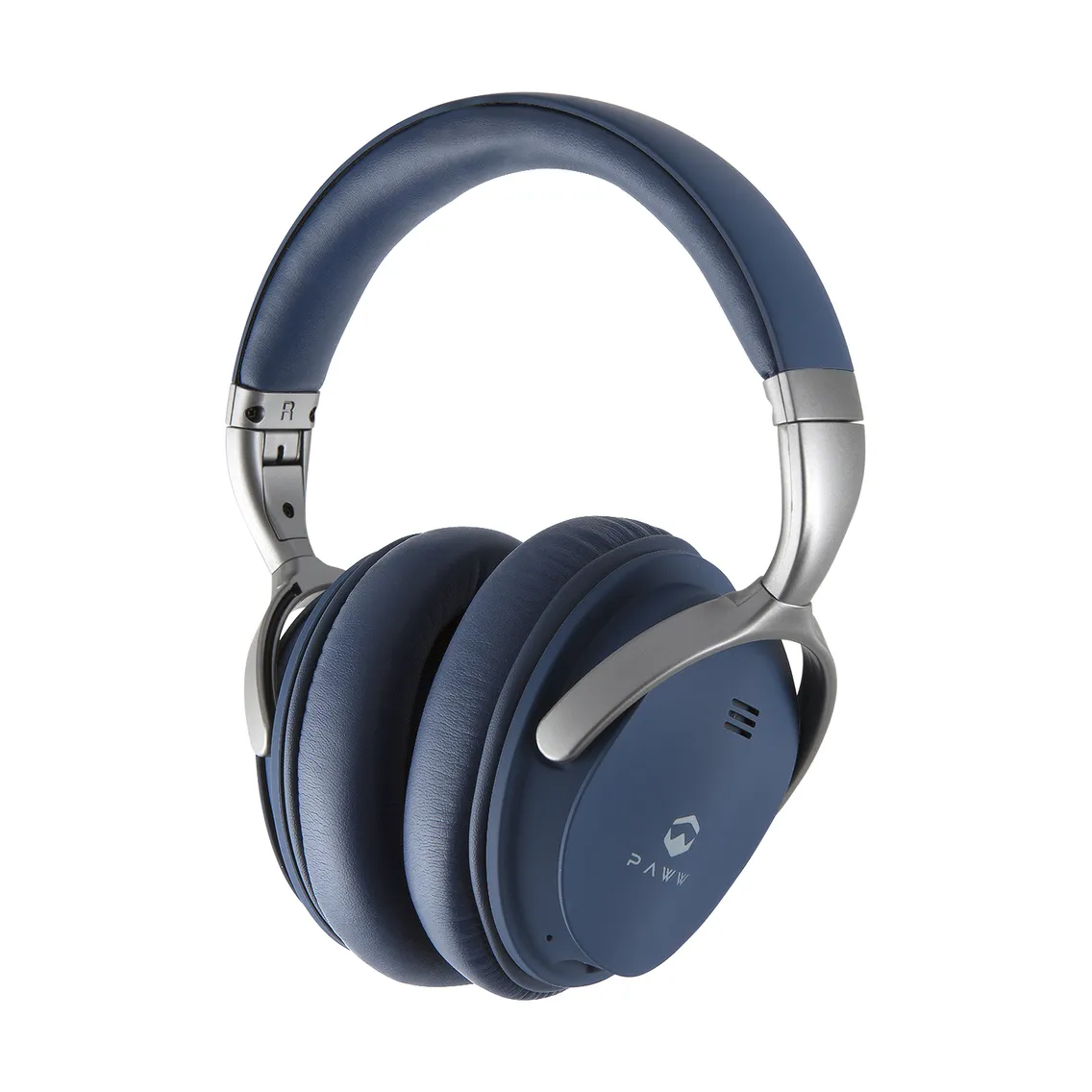
Electronics photography prioritizes clarity of function and feature communication. Buyers want to see ports, screens, dimensions, and interface elements before purchasing.
White background is the Amazon and marketplace standard. Screens should be either powered-on (showing the UI) or black — powered-off screens with visible reflections read as lower quality.
Still life and workspace shots show the product in context — laptop on a desk, speaker on a shelf, phone alongside accessories. Effective for A+ content and brand pages.
360-degree spin is particularly valuable for electronics, where buyers examine form factor closely. Reduces the "it looked different in the picture" return reason.
Packaged Goods Product Photography
White Background Photography for packaged goods ensures that the focus remains on the packaging and branding, ideal for online listings where product clarity and consistency are crucial. This is especially important for consumable products like snacks, beverages, or health items.
Group Product Photography is useful for presenting multiple items in one shot, creating a cohesive visual that shows off product bundles, family packs, or seasonal collections. This approach is particularly effective for showing the variety within a product line, whether it’s different flavors of a snack or various wellness products. Group shots also work well for promotional purposes, where brands want to highlight the range or value of their offerings.
Related read: Packaging Photography and Videography
Home & Living Product Photography
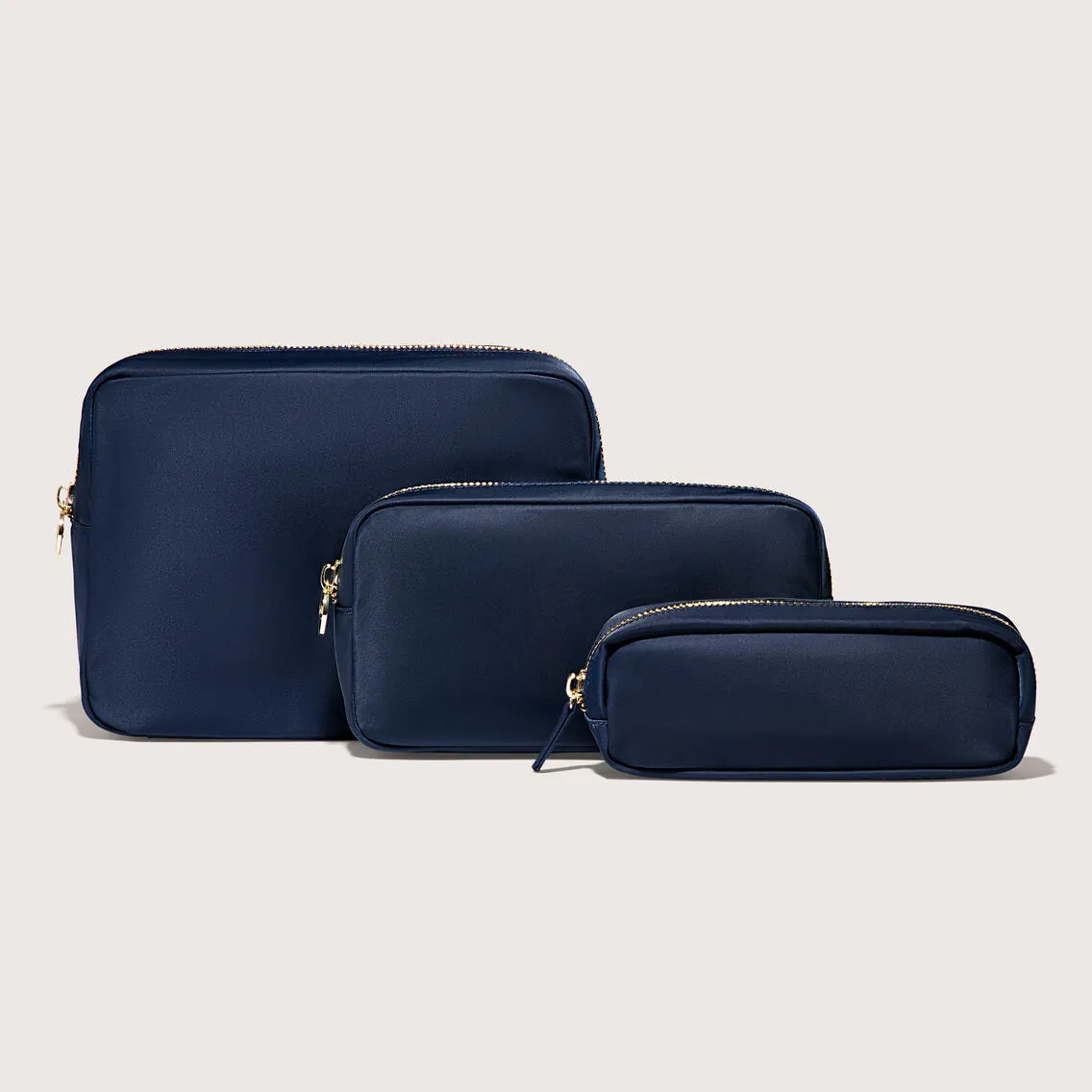
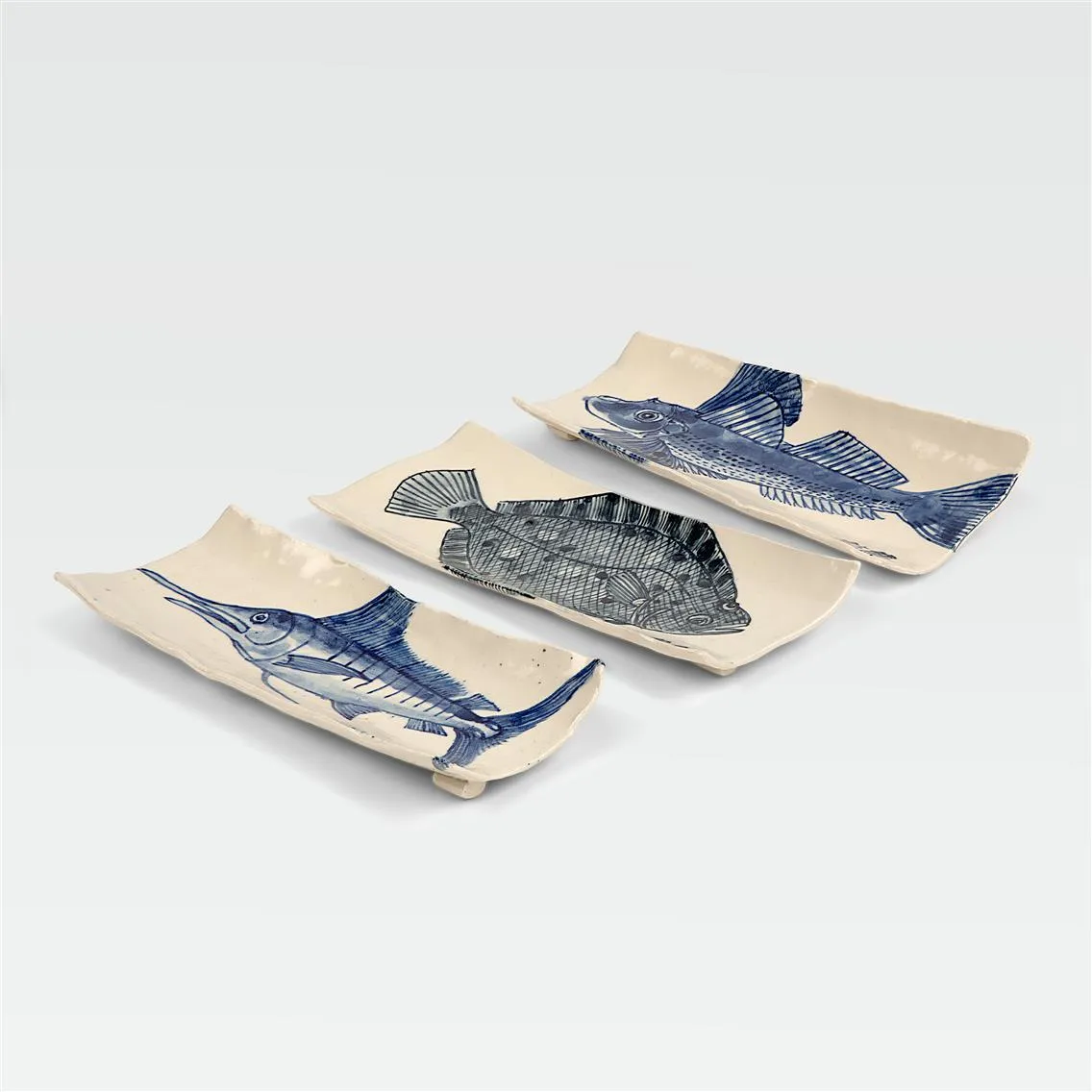
White Background Photography keeps the focus on the product’s design and features. Whether it’s a set of ceramic bowls or a decorative lamp, the simplicity of a white background allows customers to focus on the craftsmanship and details.
In-Set Photography (In Interior) is an effective way to help customers visualize how the product fits into their space. This approach enhances the emotional connection customers have with the product, making it easier for them to imagine incorporating it into their daily lives.
5 Key Principles in Creating eCommerce Visual Content that Sells
How do you create visuals that not only look good but also sell? Here are a few key principles.
1. Consistency in eCommerce Visual Content
Consistency is not a buzzword. From product images to social media posts, visuals should all be showcased in the same way. This means using the same color, lighting styles, and retouching across the board. Consistency reinforces brand identity and helps customers recognize brands instantly.
Think of visuals as puzzle pieces. Each one should fit into the larger picture of your brand’s identity, building a cohesive experience that keeps customers coming back.
2. Ethical Editing in eCommerce Visual Content
Let’s be real: Editing is necessary, but it should never cross the line into deception. Ethical editing means enhancing visuals while staying true to what the product actually looks like. Customers appreciate authenticity, and misleading visuals will only lead to disappointment (and returns).
Touching up an image or a video to remove dust or imperfections is fine. Changing the color or altering the product to look better than it is? Not so much. We always keep it real to make customers happy.
Related read: Reducing Product Return Rates in eCommerce Through Accurate Photography and Ethical Retouching
3. Aligning eCommerce Visual Content with a Brand’s DNA
Your visuals should scream YOU. Whether you're a luxury jewelry brand or a casual fashion label, content needs to reflect a brand’s DNA. This means everything from the style of photography to the models chosen should be in line with brand values and the lifestyle your customers aspire to.
Your brand's DNA should guide every visual decision. A high-end brand might use dramatic lighting and models in glamorous settings, while a playful, everyday brand might opt for bright colors and more approachable imagery.
4. Visual Storytelling in eCommerce Visual Content
Visuals should do more than just show a product. Whether it’s the story of how your product is made, how it fits into your customers' lives, or the ethos of your brand, storytelling builds emotional connections.
Visual storytelling turns a one-time transaction into a long-term relationship. Customers who connect with brands on an emotional level are more likely to become loyal, repeat buyers.
5. Right Production Team
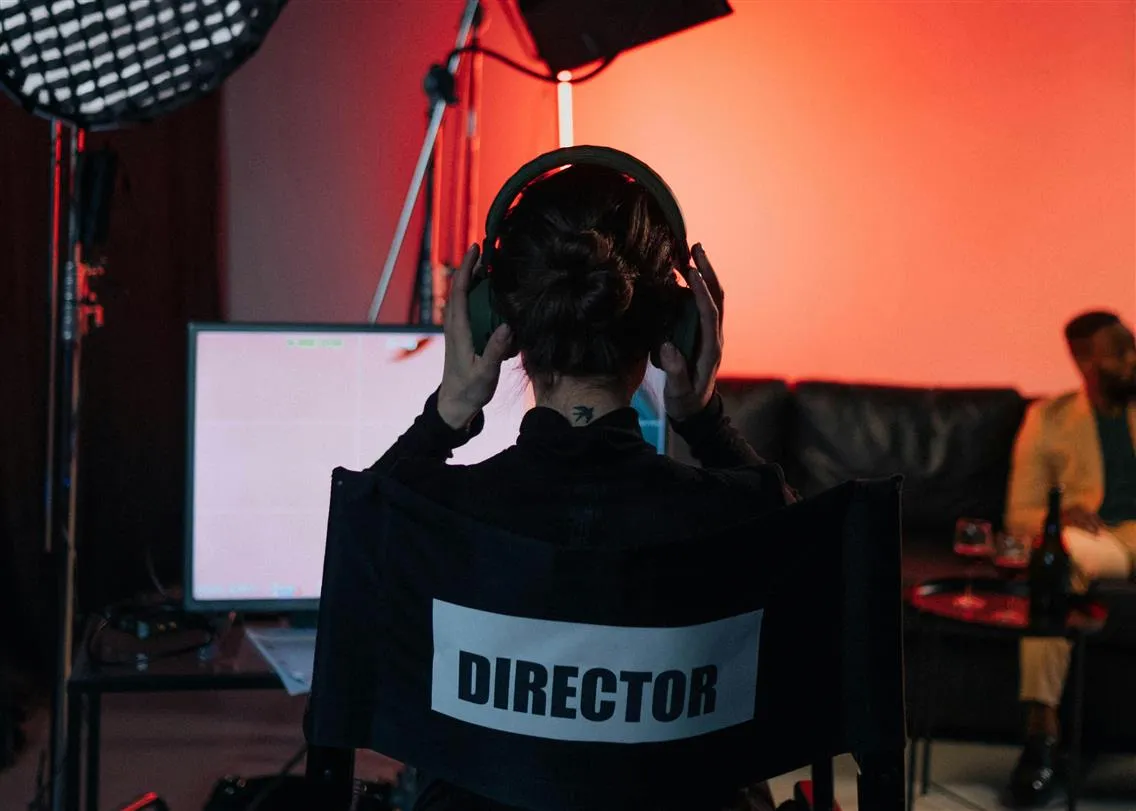
The quality of visual content depends as much on who produces it as on the equipment used. A photographer working alone produces different results from a coordinated team where a creative director sets the visual direction, a stylist prepares the product, a producer manages the timeline, and a retoucher finishes the images to a consistent standard.
For brands scaling their visual content production, understanding who does what in a commercial shoot prevents both budget waste and missed shots. The roles are distinct and each one affects the final output in ways that are difficult to compensate for in post-production.
For a full breakdown of every role in a commercial eCommerce production: Understanding the eCommerce Photography Creation Process and Team Involved
How to prepare your products for a shoot
Preparation directly affects the quality of the finished images and the speed of production. The most common issues we see:
Jewelry: tarnish that the client has stopped noticing, missing stones, scratched surfaces from improper storage. Inspect every piece under good light before shipping. Use anti-tarnish pouches for shipping.
Apparel: creases, loose threads, missing buttons, stains. Steam or press every garment. Ship on hangers in a garment bag, not folded in a box.
Products with packaging: fingerprints on clear packaging, dented corners, label misalignment. Clean with a microfibre cloth. Wrap individually.
All products: label each item clearly with your SKU. We process hundreds of products at a time — unlabelled items slow production significantly.
Full prep guide: How to prepare your products for a professional photoshoot
How to structure visual content production as your brand scales
Early-stage brands handle visual content reactively: shooting new products as they launch, often with inconsistent resources and no defined style guide. This works until catalog volume and channel complexity outgrow what a single photographer or piecemeal approach can handle.
The inflection point for most fashion and eCommerce brands is somewhere between 80 and 150 SKUs per season. At that scale, the production variables multiply: multiple product categories with different technical requirements, multiple retail channels with different spec requirements, multiple content types needed from each shoot. Managing this without a structured system — style guide, shoot schedule, asset management, delivery workflow — creates compounding inconsistency that becomes progressively harder to correct.
The right production structure depends on your volume, your channel mix, and whether you're selling through retailers with formal vendor requirements. Brands selling on their own DTC site have more flexibility than brands submitting to Nordstrom or Kohl's, where non-compliant images are rejected outright and have to be reshot. Build your production system around your most demanding channel, and everything else will be easier.
Related read: How to scale visual content production as your brand grows
Choosing a product photography studio
The right studio for your brand depends on three things: whether they have experience with your product category, whether their turnaround works with your production calendar, and whether their pricing structure scales with your volume.
For brands working with major US retailers, retailer spec compliance matters as much as image quality. An image that looks great but fails Nordstrom's file spec requirements gets rejected and has to be reshot. Ask specifically about retailer experience before booking. That knowledge should come standard, not be something you have to supply.
For jewelry brands in particular, it goes one level deeper: the studio needs to understand how a piece is actually constructed: how it sits, where the design detail lives, how the metal behaves under light, because the difference between an approved submission and a rejection can be a matter of a few degrees that look identical to the untrained eye but read completely differently to a retailer's review team.
LenFlash has photographed product lines for vendors supplying Nordstrom, Macy's, Signet Jewelers, Kohl's, JCPenney, Helzberg, Amazon, QVC and others since 2004. Our studio is at 45 West 36th Street, New York, we offer online ordering, real-time quotes, cloud delivery.
Related read: Collaboration with a Professional Photo Studio: Setting Correct Assignments and Expectations