




Seasonal eCommerce Marketing Playbook: Plan, Shoot, Launch, Sell
Seasonality reshapes the entire consumer psychology landscape. This is like a silent decision-maker, invisibly guiding customer preferences, purchasing timelines, and product desirability. As a business, understanding these subtle shifts in consumer sentiment isn’t just advantageous — it’s essential for sustained profitability and brand relevance.
Brands that treat seasons merely as calendar checkpoints miss a fundamental truth: consumer buying decisions are emotional and context-driven. The buyer looking for skincare in winter has drastically different motivations from the summer shopper. Similarly, someone considering home decor in spring responds to entirely different marketing stimuli than a fall buyer.
This seasonal marketing playbook is designed to help you deeply understand seasonal shifts and integrate these insights into your marketing calendar. We will explore when and how to effectively plan, develop visual content, and launch campaigns tailored specifically for fashion, jewelry, beauty, food, home decor, and tech brands.
Part of our complete guide: Visual Marketing Strategy for eCommerce Brands

The Impact of Seasonal Marketing on Consumer Behavior
Consumer decisions flow, change, and evolve as each season sets in. Successful brands don't force consumers into buying; they anticipate these evolving emotional needs and position themselves accordingly. Let’s break down exactly how consumer behavior and emotional triggers shift seasonally.
Spring Marketing Trends
Spring is the season of rejuvenation. Consumers are driven by an innate desire for renewal, often prompted by warmer weather, longer days, and the natural symbolism of growth and new beginnings. Whether consciously or subconsciously, your audience is primed to seek out products and messaging that embody freshness, optimism, and transformation.
In practical terms, your marketing narrative for spring should be visually fresh and communicate the deeper emotional resonance of starting anew. To tap into spring's marketing potential, adopt messaging focused on personal growth or lifestyle shifts. Visual aesthetics should be airy, minimalist, and full of natural light. Campaign storytelling could center on authenticity, sustainability, or gentle encouragement of new habits.
Summer Marketing Strategies
Summer shifts consumer priorities from introspection and renewal toward leisure, freedom, and outdoor social engagement. This is the season where experiences dominate purchases. Consumers spend on travel, gatherings, and social activities, naturally gravitating towards products that complement a lifestyle built around social enjoyment and mobility.
Brands must position their campaigns to align with this consumer mindset. Marketing narratives highlighting travel, social occasions, and vibrant experiences resonate strongly during summer months.
Effective summer marketing visuals should communicate energy, color, and dynamism. Campaigns that embrace user-generated content and lifestyle-driven imagery resonate with consumers who see themselves reflected in authentic, enjoyable summer experiences.
Fall Marketing Campaigns
As summer fades, consumers naturally transition toward routine, familiarity, and comfort. Fall is about a psychological return to stability, productivity, and comfort after the spontaneity and freedom of summer.
Fall visuals and storytelling should reflect warmth, nostalgia, and functionality. The emotional focus should highlight security, stability, and comfort — a sharp pivot from summer's dynamic experiences.
Winter Marketing Success
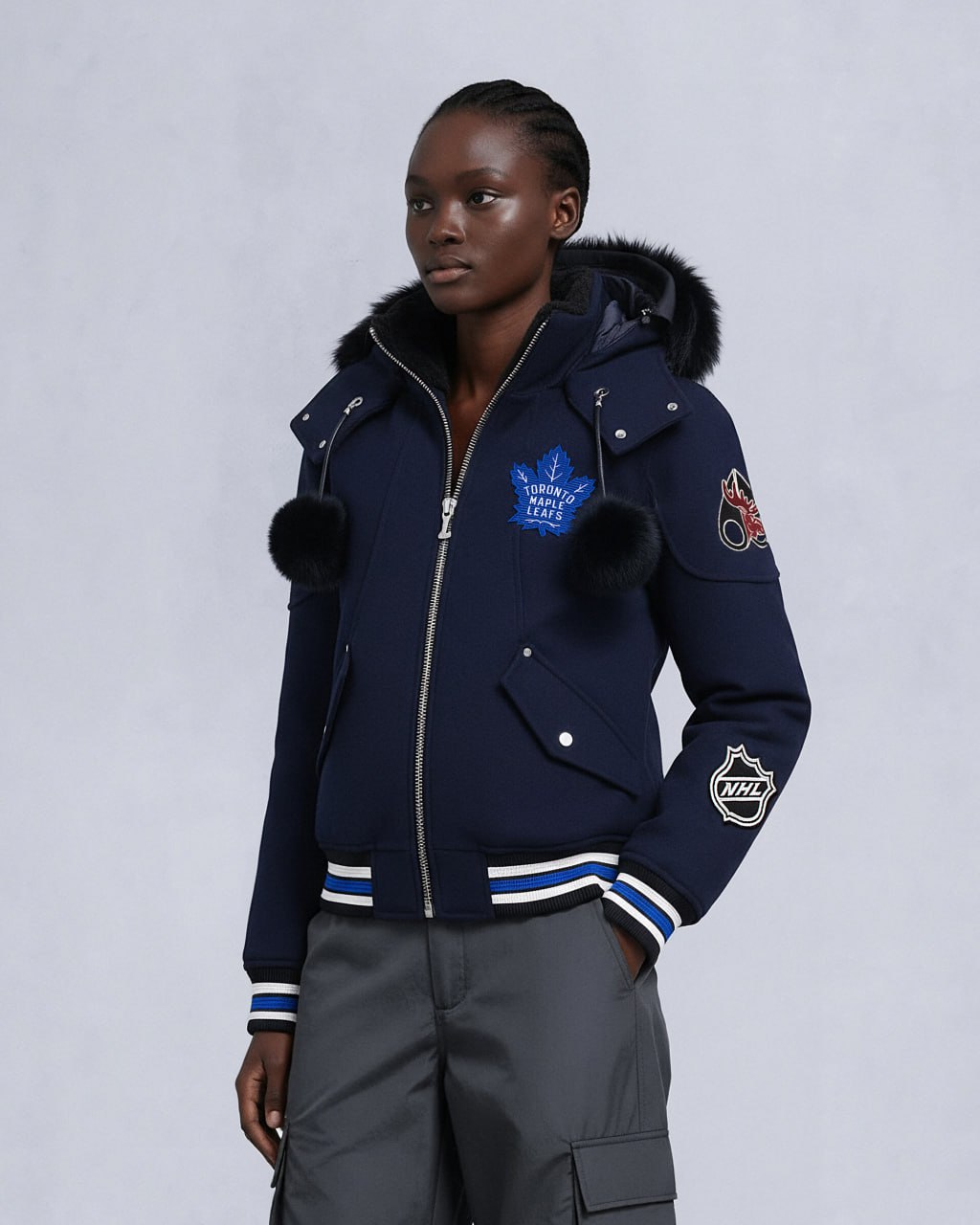
Winter uniquely amplifies emotional purchasing. Cold weather naturally draws consumers inward, sparking deeper emotional needs for comfort, indulgence, and generosity. It is a prime opportunity for brands that effectively tap into luxury, exclusivity, and personal or collective celebrations.
Winter visuals and campaign messaging should emphasize warmth, exclusivity, and intimacy. Emotional storytelling is essential.
Seasonal Marketing Timeline: When to Plan, Create Visuals, and Launch
Effective seasonal marketing is orchestrated months ahead of consumer demand. The brands consistently winning in seasonal campaigns are tracking data, forecasting trends, and proactively creating visual and narrative content tailored for each seasonal shift.
Planning and Trend Forecasting: 4 to 6 Months Ahead
Timing is critical. To avoid scrambling at the last moment, your team needs to anticipate consumer behaviors and plan at least half a year in advance. This lead time allows you to translate consumer insights into actionable strategies rather than superficial last-minute adjustments.
How to strategically plan:
- Consumer Search Intent Analysis: Your customers telegraph their intentions well before purchasing. For example, "best summer skincare" searches peak months before the actual season begins. Leveraging Google Trends and keyword analysis tools gives you a clear, data-driven view of these consumer search patterns.
- Emotional Trigger Alignment: Clearly identify emotional states dominating each season (renewal in spring, indulgence in winter), and map your products and messaging to these sentiments. Avoid generic themes — successful seasonal campaigns tap into specific psychological states unique to each period.
- Historical Sales Data: Past performance isn’t merely reflective; it’s predictive. Analyze prior seasonal campaign data to pinpoint exactly what drove past successes or failures. Which visual approaches resonated? Which messaging fell flat? Use this knowledge to craft sharper, better-informed seasonal strategies.
For how to brief a visual content studio at the planning stage: Art Direction Guidelines for Jewelry and Fashion Brand Photoshoots
Content Production for Seasonal Campaigns: 2 to 4 Months Before Launch
With strategic planning complete, the next critical step is producing visual content that communicates your seasonal message with clarity and emotional resonance. While consumers encounter countless brands vying for attention, your visuals set you apart — driving higher click-through rates, improved conversion, and increased brand recall.
Creating seasonally relevant visuals:
- Spring Freshness: Utilize airy compositions, natural lighting, pastels, and minimalist setups that communicate rejuvenation and clarity.
- Summer Vibrancy: Emphasize dynamic, energetic, lifestyle-driven imagery. Outdoor settings, vibrant palettes, and real-life experiences resonate strongly during this season.
- Fall Coziness: Create visuals steeped in warmth, texture, and comfort. Layered styling, earthy tones, and relatable lifestyle contexts resonate deeply with fall audiences.
- Winter Indulgence: Produce visuals that communicate exclusivity or emotional warmth. Rich textures, festive styling, and intimate atmospheres best engage winter buyers.
Branding Updates — refresh your website imagery, packaging designs, and social media templates to visually reflect each new season's personality. Consistency across channels reinforces your narrative, deepening consumer connection.
PR and Influencer Alignment — collaborate early with PR agencies and influencers who genuinely embody the emotional tone of the season. Authentic alignment ensures credibility and amplifies reach.
SEO Optimization for Seasonal Pages — your product collections and promotional landing pages must be optimized months before consumer searches peak. Focus on capturing high-intent, seasonally specific queries such as "best holiday gifts for her" or "luxury winter skincare" and reinforce with targeted paid ad campaigns.
For how a full production team executes a seasonal visual content brief: Understanding the eCommerce Photography Creation Process and Team Involved
Launching Seasonal Promotions and Campaigns: 1 to 2 Months Before Season Starts
With strategic planning and content creation in place, your launch must be expertly timed for maximum engagement and conversions. Successful seasonal marketing launches intentionally shape consumer expectations and buying urgency.
Email and Social Media — trigger early anticipation and urgency. For winter campaigns, emails highlighting exclusivity and limited availability resonate best. Conversely, summer emails showcasing experiential benefits drive stronger results. Tailor your approach distinctly for each season's emotional state.
Implement Seasonal Conversion Triggers — on your website, use subtle but effective triggers to increase conversions. Each trigger should precisely align with the psychological mindset dominating the current season.
Test and Refine Conversion Strategies — continuously A/B test headlines, calls-to-action, and visuals. Consumers shift preferences seasonally; even minor refinements can significantly boost your conversion rates. Data-informed adjustments outperform static assumptions.
To truly leverage seasonality, move beyond surface-level tactics and look deeply into consumer analytics and real-world behavior. Let's explore how it work across different indusries.
How Seasonal Trends Shape Marketing Campaigns for Fashion & Accessories Brands
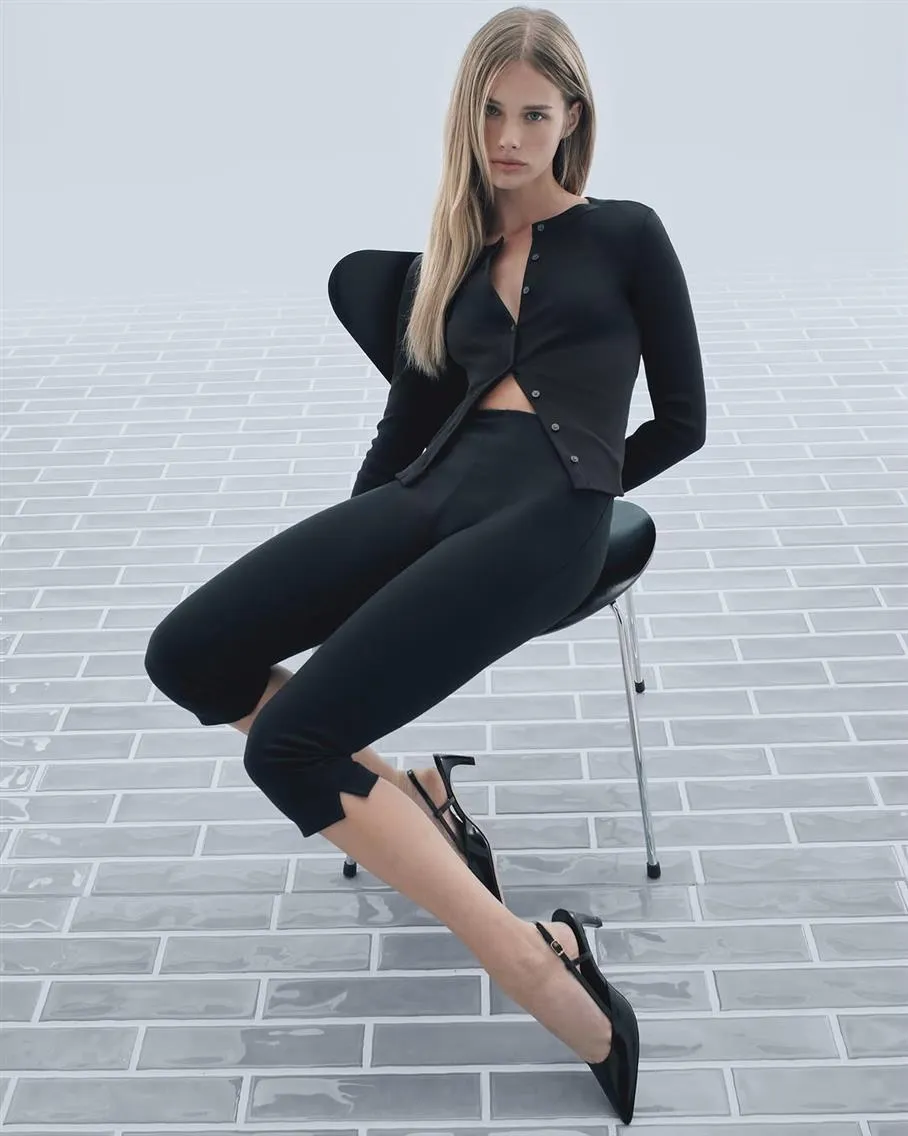
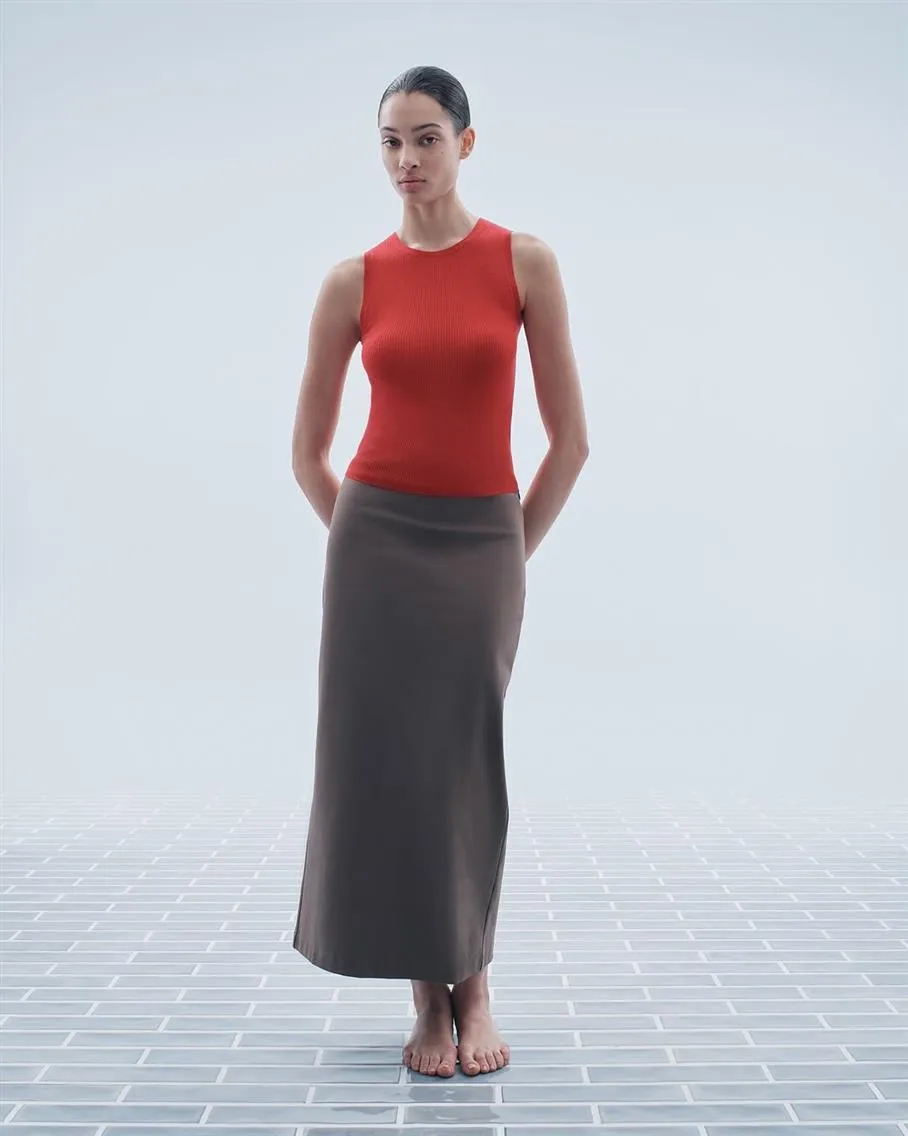
Spring — consumer searches for terms like "capsule wardrobe" surge significantly from February to April, indicating a consumer mindset oriented toward simplification and renewal. Brands like Everlane capitalize on this by showcasing versatile basics with clean, minimalistic visuals — crisp lighting, soft shadows, pastel backgrounds — to underline freshness and simplicity.
Visual Content to Produce: Minimalist lookbooks, short-form video reels showing versatile styling, behind-the-scenes sustainability-focused production videos. For lookbook production: How to Create a Lookbook for Your Fashion Brand


Summer — Instagram content tagged with vacation outfit themes sees dramatically higher engagement from June to August. Fast-fashion brand Zara successfully aligns campaigns around travel themes, using vibrant outdoor lifestyle imagery depicting real-life scenarios like beach gatherings or city exploration.
Visual Content to Produce: Lifestyle campaigns, Instagram story takeovers with UGC influencer content, and vibrant short videos showing products used in outdoor and travel contexts. For lifestyle photography production: Strategic Impact of Lifestyle Photography on eCommerce Business



Fall — consumer search terms like "layered outfits" spike significantly in August and September. Madewell leverages this with warm, cozy visuals, featuring lifestyle imagery that clearly communicates comfort, layering, and functionality.
Visual Content to Produce: Lifestyle photography capturing authentic home or work environments, short-form tutorials showcasing styling tips. For fashion photography production: Professional Fashion Photography for eCommerce Brands




Winter — luxury fashion brands achieve significantly higher conversions during winter by using storytelling that emphasizes exclusivity and limited availability (McKinsey Luxury Report, 2023). Gucci, for example, creates visuals highlighting sophisticated gifting, luxurious textures, and stunning set design.
Visual Content to Produce: Editorial-style gift guides, luxury lookbooks, still life emphasizing indulgence and gifting.
For still life production see also: Product Still Life Photography for eCommerce Brands
For video content: Essential Video Content Types for Your eCommerce Business
For fashion brand seasonal visual strategy examples: 8 Visual Marketing Strategies from Leading Fashion Brands
Seasonal Marketing for Jewelry Brands
Spring — searches for dainty jewelry rise significantly from February to March annually, according to Pinterest. Consumers respond positively to delicate designs and soft aesthetics. Brands like Mejuri highlight subtle, nature-inspired visuals with bright lighting and botanical elements, reinforcing the theme of personal renewal.
Visual Content to Produce: Close-up lifestyle shots with natural elements (flowers, leaves), short-form videos showcasing craftsmanship, GIF animations emphasizing delicate aesthetics. For jewelry photography production: eCommerce Brand's Guide to Jewelry Photography
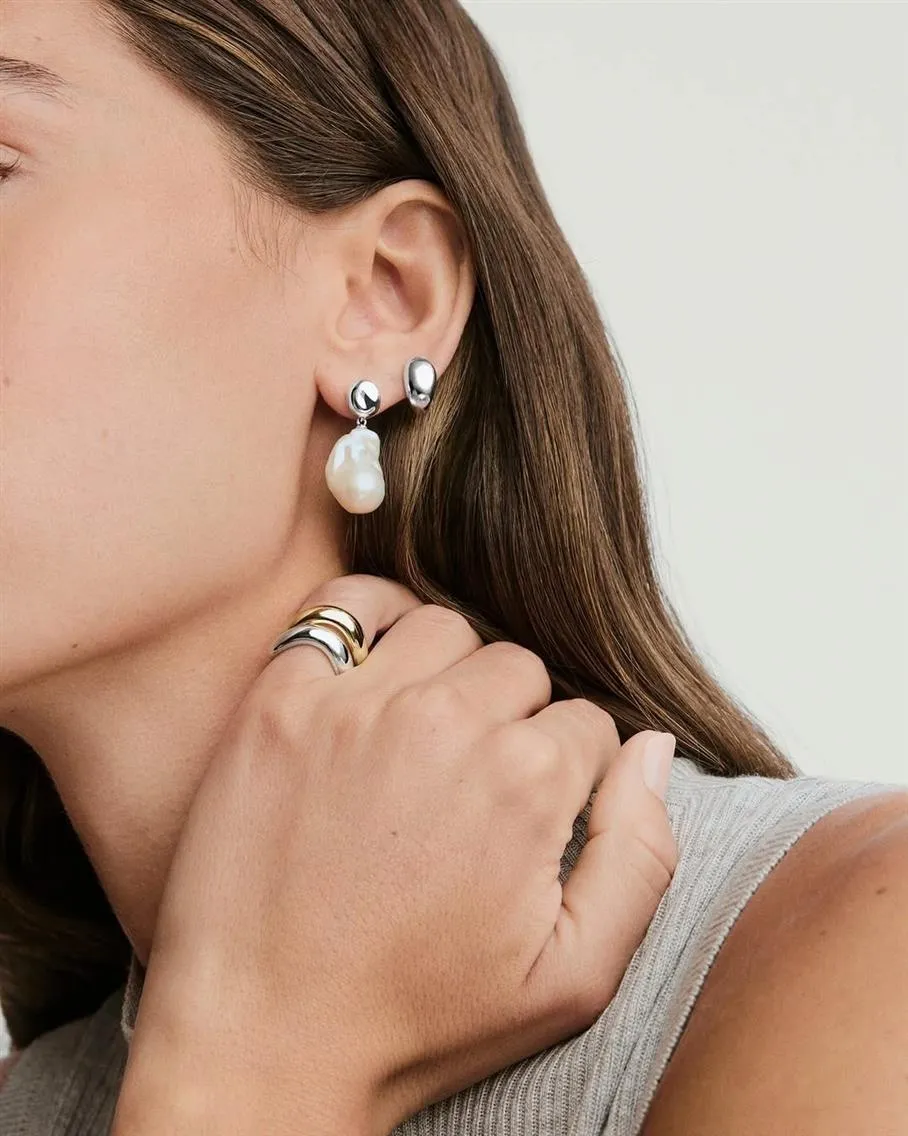


Summer — searches for travel-friendly jewelry increase significantly in June and July. Monica Vinader aligns its marketing to summer by visually positioning minimalist, durable pieces in vibrant, vacation-inspired lifestyle imagery.
Visual Content to Produce: Influencer travel partnerships, Instagram reels or short TikTok videos showing jewelry in dynamic travel scenarios, visual tutorials showcasing durability or versatility.



Fall — consumer demand for personalized jewelry — engraved pieces and birthstone designs — spikes in early fall, as shown by Etsy's annual trends report (2024). Emotional resonance and personalization storytelling help convert significantly higher.
Visual Content to Produce: Short storytelling videos of personalized gifting moments, emotive product imagery highlighting warm metals (gold, rose gold), seasonal lifestyle images focused on family and intimacy.


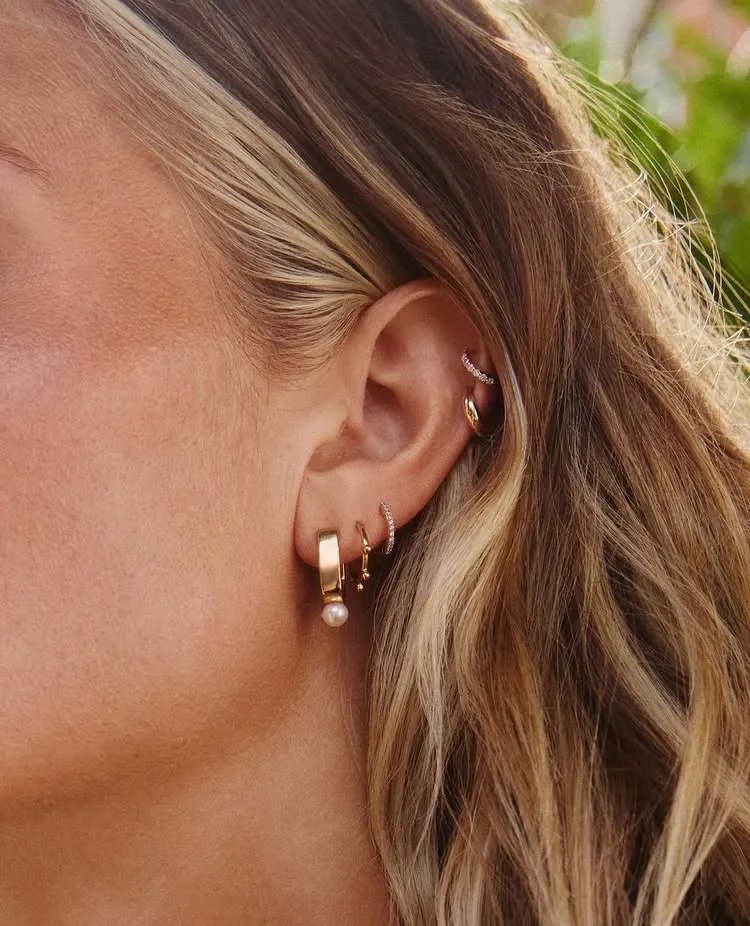

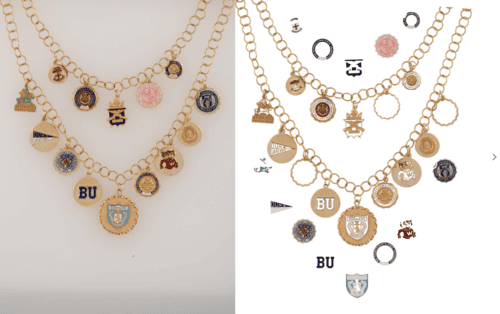
Winter — diamond and luxury jewelry-related search terms consistently peak around November and December. Tiffany and Co.'s holiday campaign famously leverages powerful storytelling visuals centered on gifting and intimate relationships, driving year-over-year double-digit sales growth.
Visual Content to Produce: High-quality videos emphasizing gift presentation, professional photography of luxury packaging, emotional storytelling campaigns focusing on relationship milestones.
For luxury jewelry photography see also: Photography That Appeals to Luxury Jewelry Buyers
For packaging photography: Packaging Photography and Videography
For how specific jewelry brands have executed seasonal visual strategies: 6 Visual Marketing Strategies from Leading Jewelry Brands
Beauty & Skincare Brands: Seasonal Marketing & Consumer Psychology
Spring — Google Trends indicates a significant increase in searches for "vitamin C serums" and "skin brightening" in March and April.
Strategy: Position products around freshness, rejuvenation, and brighter complexions.
Visual Content to Produce:
- Minimalist lifestyle imagery featuring bright, natural sunlight
- Short-form videos highlighting glowing skin transformations
- Educational content such as infographics on ingredient benefits
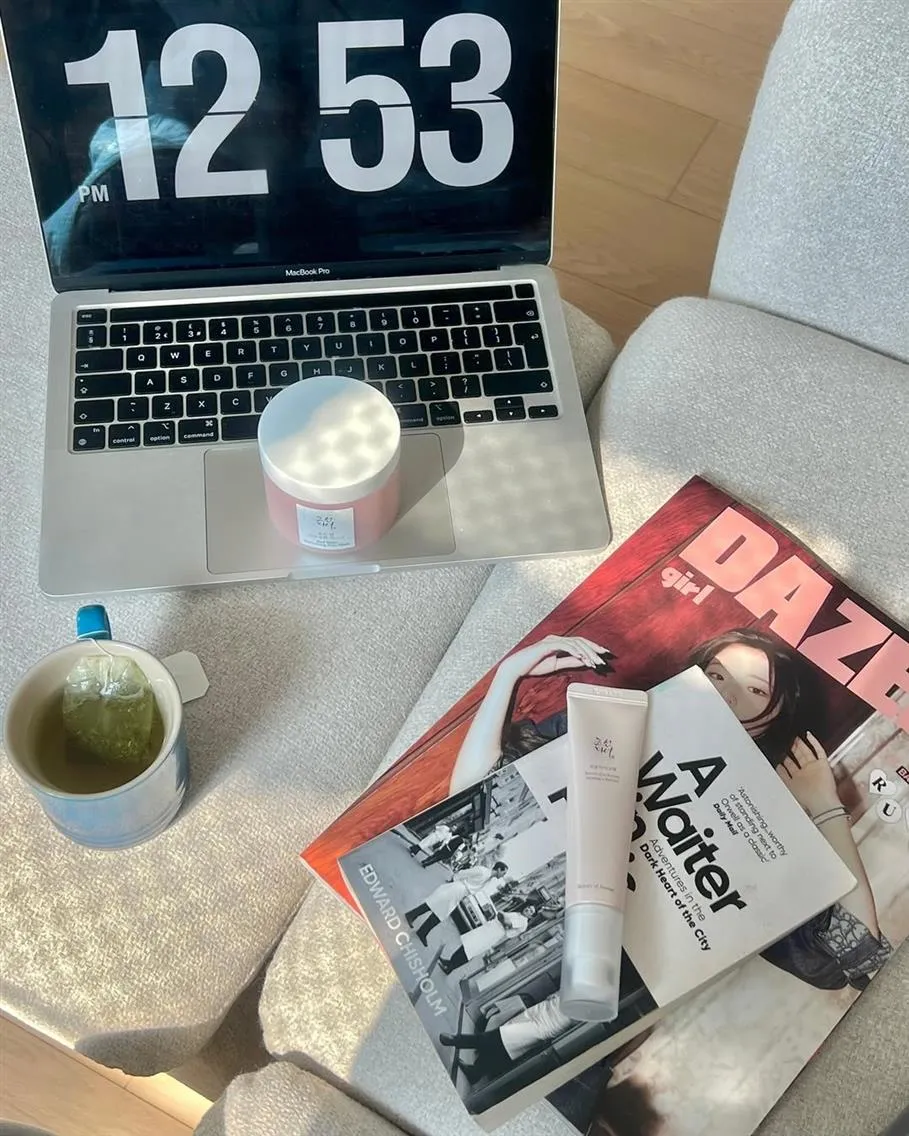
For beauty photography production see also: Macro Beauty Photography for Makeup, Cosmetics, and Skincare Brands
Summer — according to Pinterest Predicts, searches for "oil-free moisturizer" and "melt-proof makeup" spike significantly from May through July.
Strategy: Emphasize sweat-proof reliability and protection.
Visual Content to Produce:
- Short demonstration videos showcasing water-resistant features
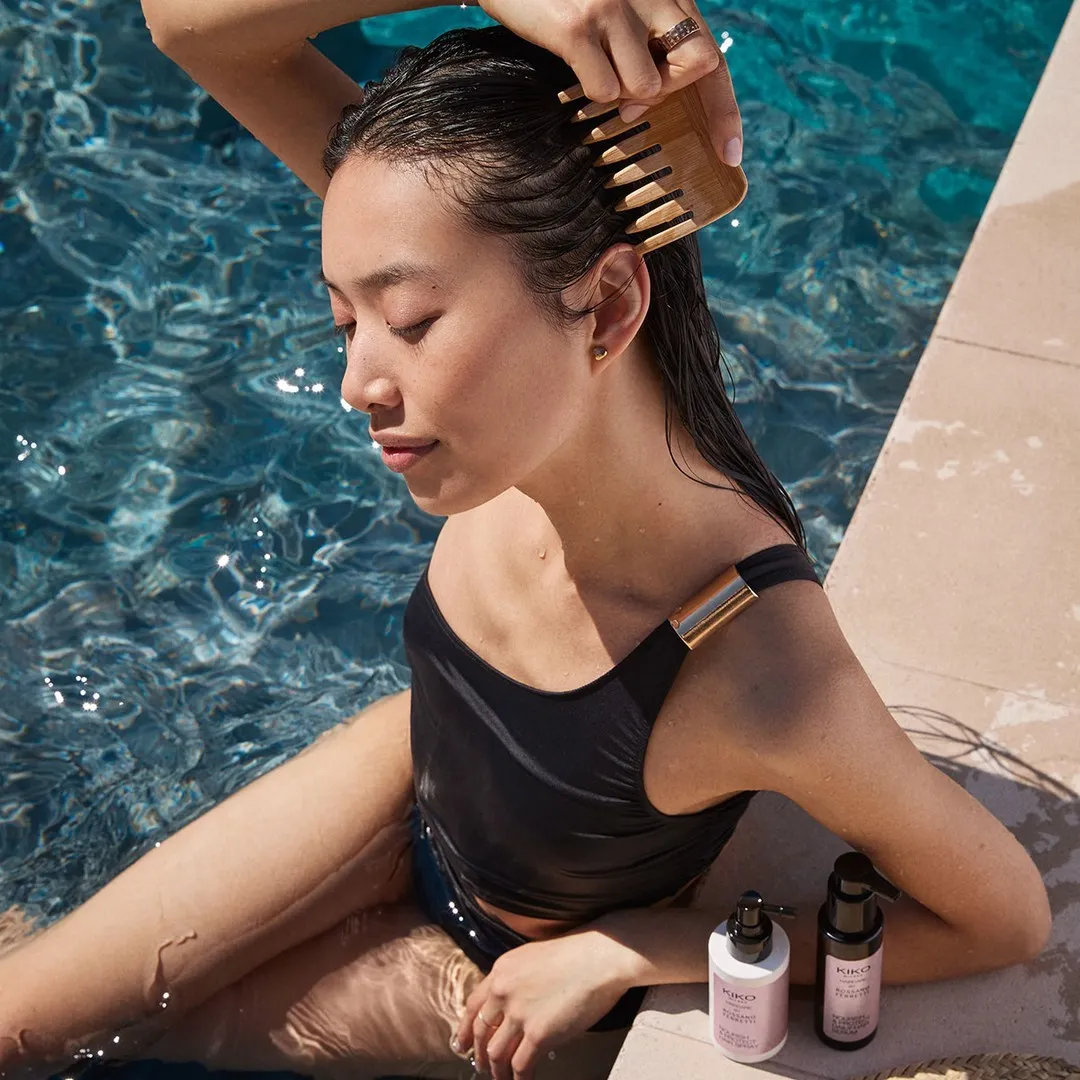
- Vibrant outdoor lifestyle imagery such as poolside and beach settings
- Instagram reels on sweat-proof makeup routines
Fall — data from Amazon's Beauty Trends report shows a significant spike in searches for "hydrating skincare" and "skin barrier repair" starting in late September.
Strategy: Comfort-driven, protective messaging focusing on repairing summer skin damage.
Visual Content to Produce:
- Warm, comforting visuals highlighting textures and creams
- Instagram stories showing before-and-after results of hydration treatments
- Tutorials featuring cozy, evening skincare routines

Winter — NielsenIQ reports a 70% increase in premium skincare sales during November and December.
Strategy: Luxury-focused, indulgent narratives positioning skincare as a gift or personal luxury.
Visual Content to Produce:
- Elegant, festive imagery emphasizing luxury packaging
- High-quality videos showcasing gifting experiences
- Professional flat lays styled for premium gift guides
For perfume and luxury beauty packaging photography see also: How Perfume Photography Turns Invisible Scents into Brand Stories · Packaging Photography and Videography
For beauty brand seasonal visual strategy examples: 7 Beauty Brands Redefining Visual Marketing Strategies
How Seasonal Moods Drive Consumer Choices for Food & Beverage Brands
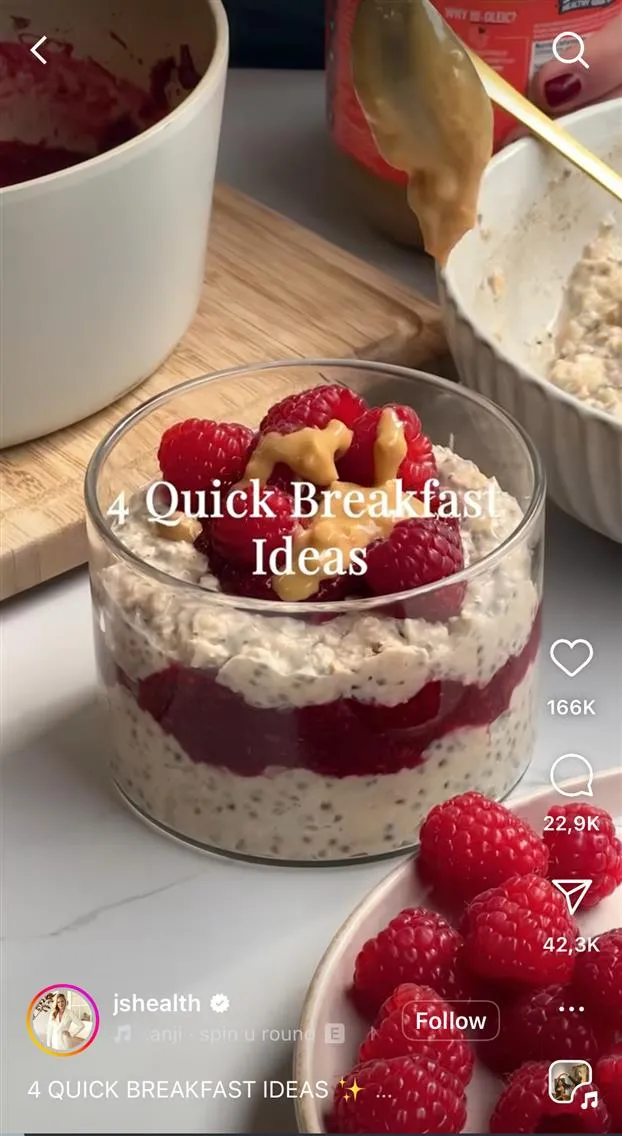
Spring — searches for "detox smoothie recipes" and "healthy breakfast ideas" spike significantly in March, according to Google Trends.
Strategy: Promote rejuvenation and healthy living.
Visual Content to Produce:
- Brightly-lit, vibrant photos of fresh ingredients
- Short recipe videos emphasizing health-focused meals
- Infographics highlighting nutritional benefits
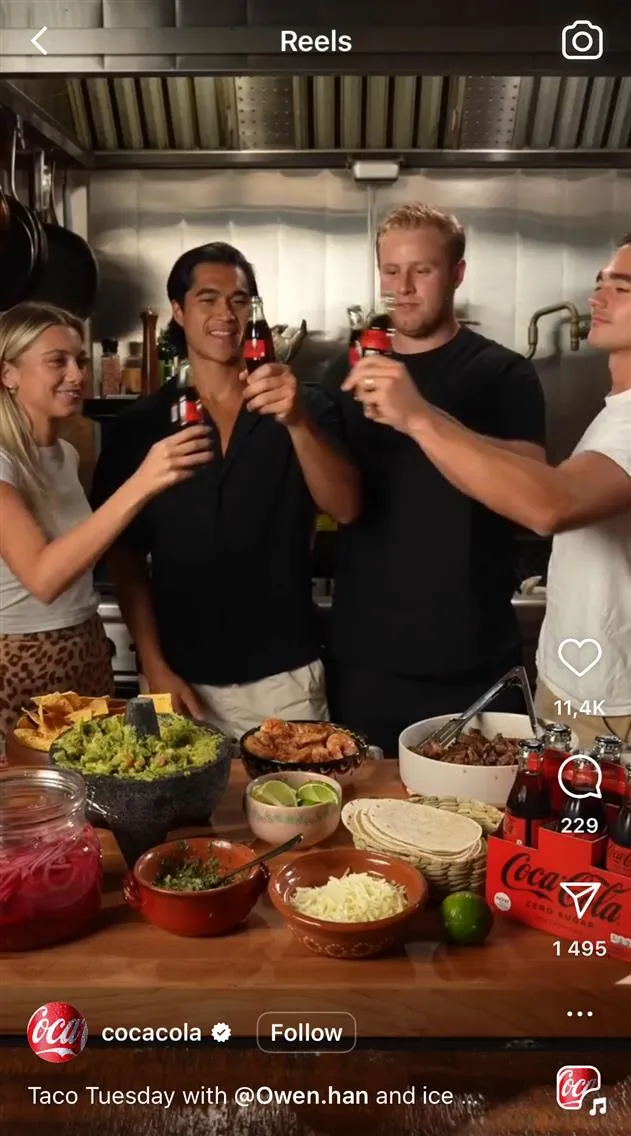
Summer — Statista notes a 45% increase in consumer spending on beverages marketed for outdoor activities in June through August.
Strategy: Lifestyle-oriented promotions for beverages and snacks ideal for outdoor entertainment.
Visual Content to Produce:
- Outdoor, vibrant lifestyle imagery such as BBQs and beach gatherings
- Social media reels featuring easy summer recipes
- Product-in-action videos showing drinks poured and food shared
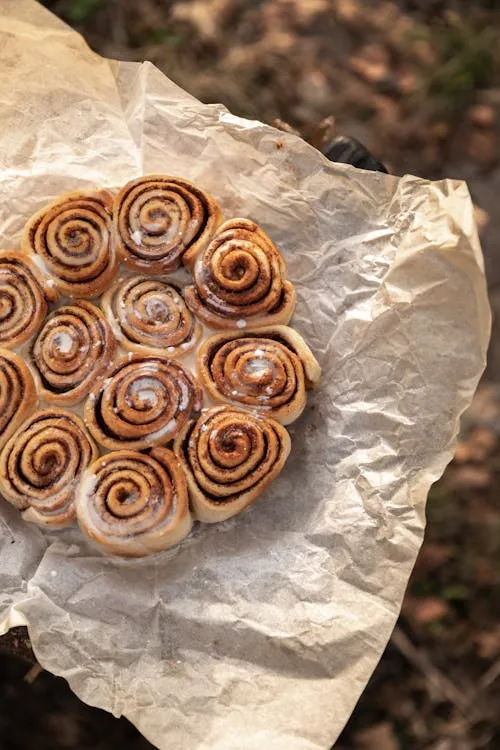
Fall — Pinterest data reveals "comfort food recipes" searches jump 120% from September through November.
Strategy: Emphasize comfort, nostalgia, and home-cooking warmth.
Visual Content to Produce:
- Warm-toned imagery featuring hearty, comforting meals
- Cozy, family-oriented video content showing preparation and eating together
- Step-by-step visual recipes featuring pumpkin spice, soups, and baking
Winter — Nielsen shows 80% of consumers indulge more during the holidays.
Strategy: Premium indulgence and celebration-oriented messaging.
Visual Content to Produce:
- Rich, indulgent close-ups of chocolates and holiday treats
- Festive, elegant table settings for premium dining
- Emotional storytelling videos around holiday gatherings

For video production across all food and beverage seasonal content: Essential Video Content Types for Your eCommerce Business
Home Decor & Furniture: Seasonal Demand & Marketing Strategies
Spring — IKEA's data shows a 35% rise in searches related to organization and minimalist decor in March.
Strategy: Promote "declutter, refresh, renew" campaigns.
Visual Content to Produce:
- Bright, minimalist home imagery
- Before-and-after room transformations
- Short-form styling tips videos
For lifestyle photography in home environments: Strategic Impact of Lifestyle Photography on eCommerce Business

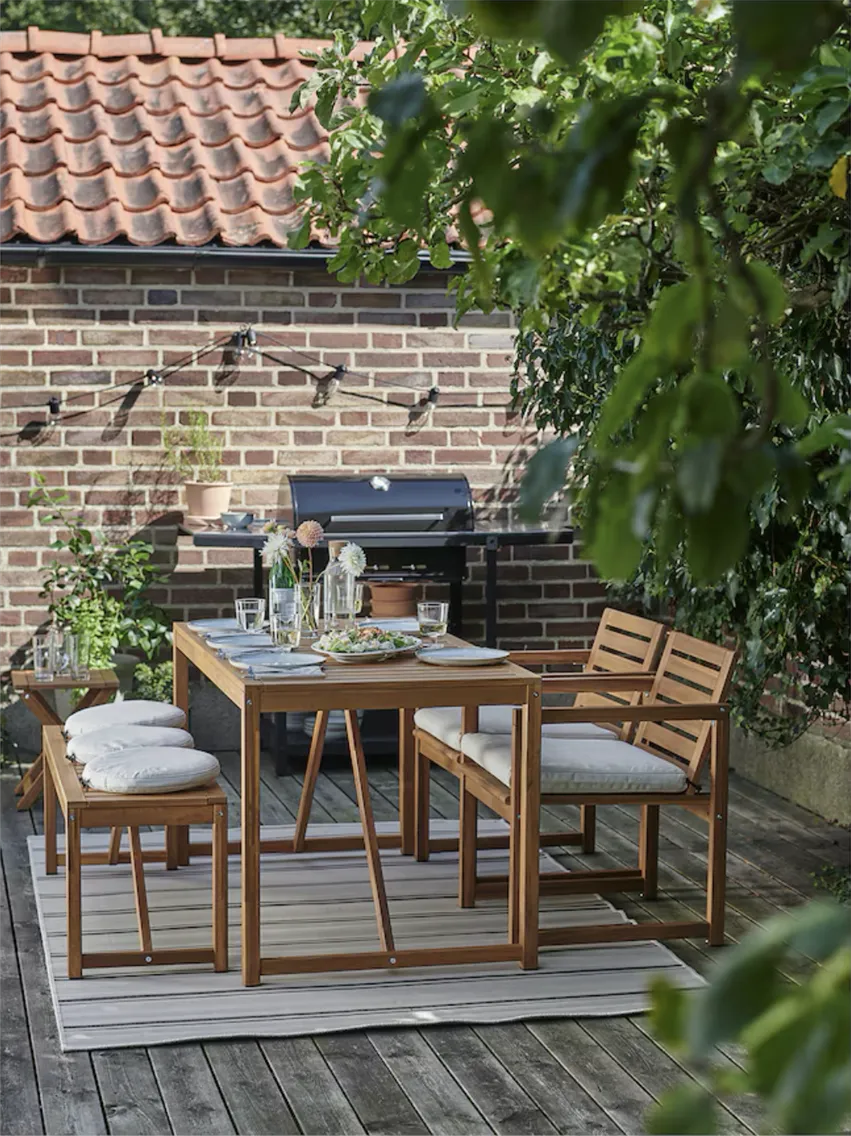
Summer — Google search trends indicate outdoor decor and patio furniture searches increase 50% between May and June.
Strategy: Outdoor entertainment and relaxed home lifestyles.
Visual Content to Produce:
- Outdoor settings featuring gatherings and barbecues
- Short videos showcasing furniture's weather-resistant features
- Inspirational visuals of bright interior refreshes
Fall — searches for "cozy decor ideas" surge 65% in October.
Strategy: Hygge and comfort-oriented messaging.
Visual Content to Produce:
- Warm visuals featuring layered blankets, candles, and ambient lighting
- Videos showing autumn-inspired home transformations
- User-generated visuals of customers sharing their fall decor
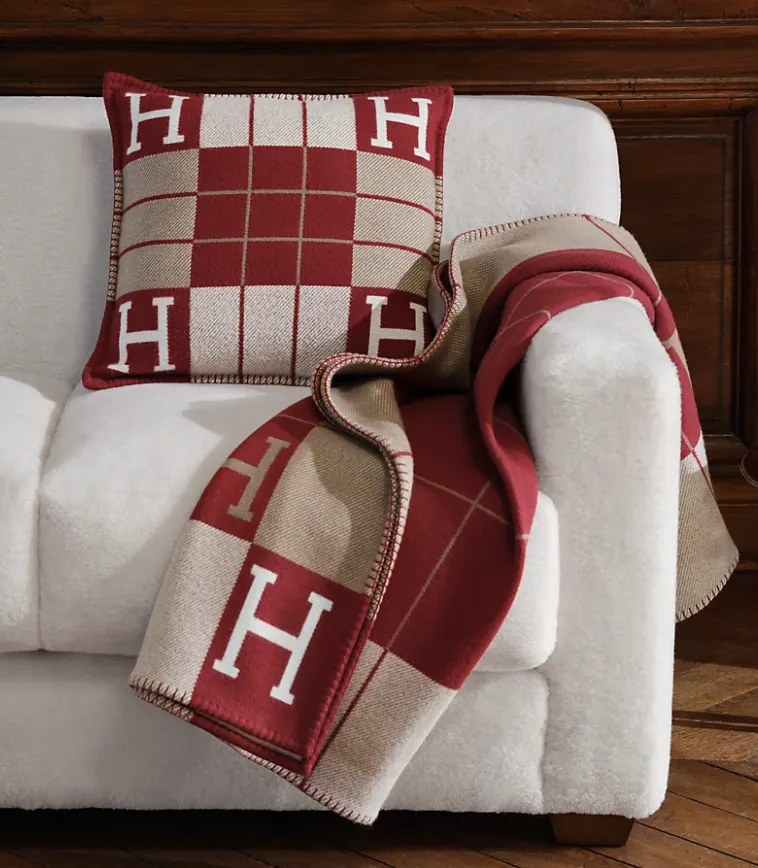
Winter — Deloitte (2024) notes home decor gifting surges around the holidays, driving a 50% increase in average basket value.
Strategy: Emphasize nostalgia, premium gifting, and cozy, festive atmospheres.
Visual Content to Produce:
- Festive-themed home setups
- Luxurious styling of interiors with warm lighting
- Gift guide visuals emphasizing premium quality

Tech & Gadgets: Seasonal Shopping Trends & Consumer Behavior
Spring — search volume for "home office upgrades" and "spring cleaning tech gadgets" peaks significantly in March.
Strategy: Market tech as tools for productivity and wellness.
Visual Content to Produce:
- Videos demonstrating productivity tech in home offices
- Bright imagery showcasing organization-focused gadgets
- Visual tutorials on home optimization with smart devices
Summer — tech marketplaces see significant growth in portable device sales between May and July.
Strategy: Focus on mobility and outdoor functionality.
Visual Content to Produce:
- Action-packed lifestyle imagery featuring beach trips, hiking, and outdoor events
- Short-form demo videos highlighting durability and portability
- Influencer-generated travel content showcasing product versatility
Fall — Deloitte (2024) confirms a 45% jump in laptop and tablet sales during August's back-to-school period.
Strategy: Position tech products as essentials for productivity.
Visual Content to Produce:
- Real-life scenarios of students or professionals using gadgets
- Short-form video content highlighting practical features
- Back-to-school product comparison visuals



Winter — tech sales spike by 70% in November and December due to premium gifting.
Strategy: Luxury gifting and premium tech positioning as Dyson does.
Visual Content to Produce:
- High-quality, aspirational gifting scenarios
- Cinematic unboxing experiences
- Luxury product close-ups
For how visual marketing strategy connects seasonal campaigns to long-term brand positioning see also: Visual Marketing Strategy for eCommerce Brands
Common Mistakes in Seasonal Marketing
Underestimating Consumer Emotions And Motivations
Each season has deeply rooted psychological triggers. Brands that ignore these emotional cues risk creating disconnected messaging, ultimately diluting engagement and sales potential.
In spring, many skincare brands mistakenly market product features like moisturizing creams without explicitly linking messaging to the consumer's emotional desire for renewal. Brands like Caudalie succeed by centering campaigns explicitly around renewal narratives, highlighting not only product benefits but emotionally appealing language and visuals centered on themes of rejuvenation, freshness, and new starts.
Reusing the Same Visual Content Throughout the Year
Using identical or overly similar visuals across seasons conveys detachment and a lack of brand awareness. Consumers subconsciously associate visual aesthetics with seasonal moods and needs.
A home decor brand that uses bright, summery visuals during fall or winter reduces emotional resonance and lowers conversion potential. IKEA counters this by carefully tailoring visuals for each season — bright and airy for spring, cozy and warm for fall, festive and inviting for winter.
Plan quarterly photoshoots tailored explicitly to seasonal visual styles. Adjust website visuals and social media imagery in alignment with these quarterly themes. For how to budget and plan quarterly visual content production efficiently: How to Get More From Your Photography Budget
Ignoring the Timing of Seasonal SEO and Paid Advertising
Too many brands launch seasonal ads too late — after search peaks. Searches related to seasonal topics such as "holiday gift ideas" peak weeks before most brands launch their seasonal campaigns, causing lost traffic and revenue opportunities.
Searches for "summer skincare essentials" peak as early as May, yet many beauty brands delay their marketing until June or July. Experienced brands launch early, capturing a greater share of organic traffic through well-timed SEO and paid advertising.
Regularly analyze seasonal search data via Google Keyword Planner, Surfer, or SEMrush. Launch seasonal landing pages and optimized ads at least one to two months ahead of demand peaks.
How to Stay Ahead in Seasonal Marketing
To stay ahead of competitors in seasonal marketing, consider these proven approaches backed by successful brands and data-driven tactics:
Go Beyond Product-Focused Messaging
Successful seasonal campaigns are built on emotional narratives, not merely on product features. Identify emotional triggers specific to each season and weave them into your storytelling. Instead of selling winter skincare based solely on ingredient benefits, position products as part of luxurious self-care routines or thoughtful gifting.
Strategic Timing Is Everything
Seasonal planning must be proactive, not reactive. Use tools like Google Trends, Pinterest Insights, and your historical sales analytics to guide exactly when to launch campaigns for maximum exposure and sales. Apple positions its tech products around back-to-school narratives precisely when search volume for productivity tools peaks.
Prioritize Visual Excellence
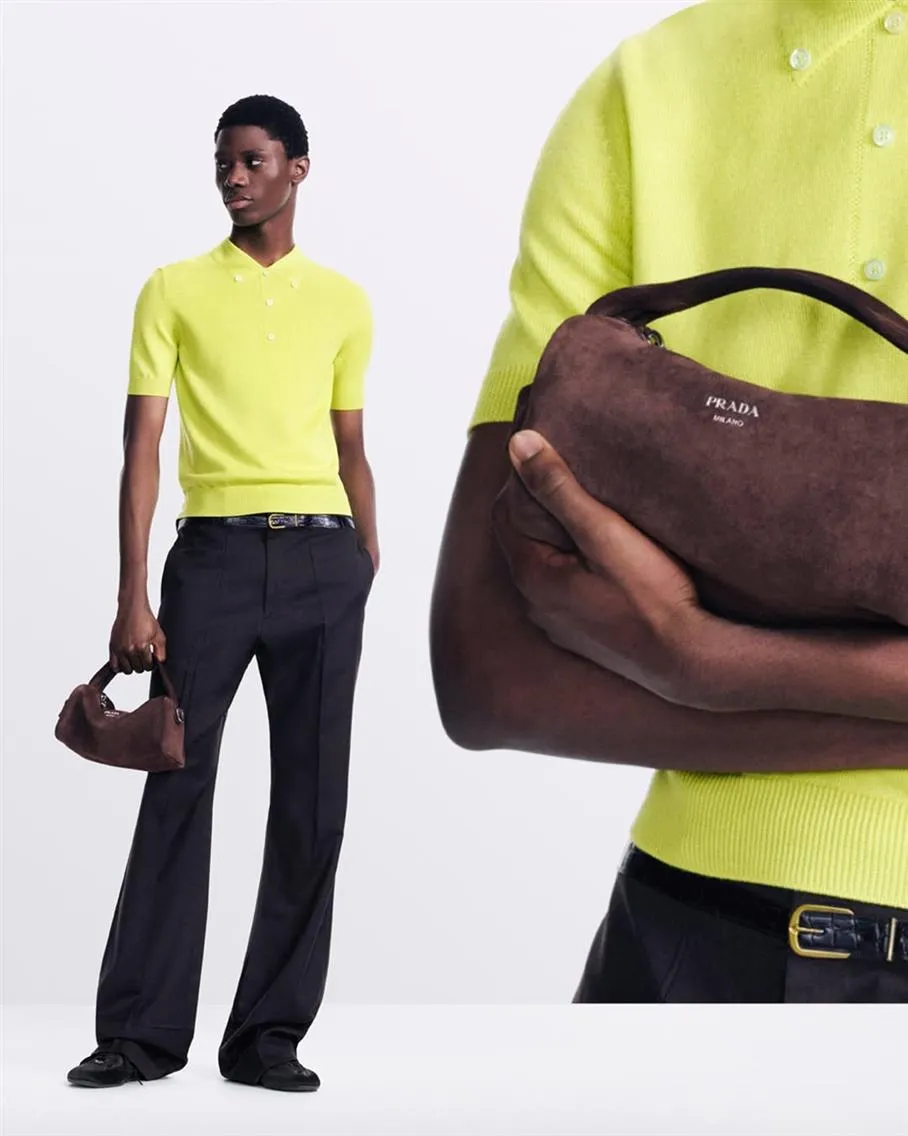
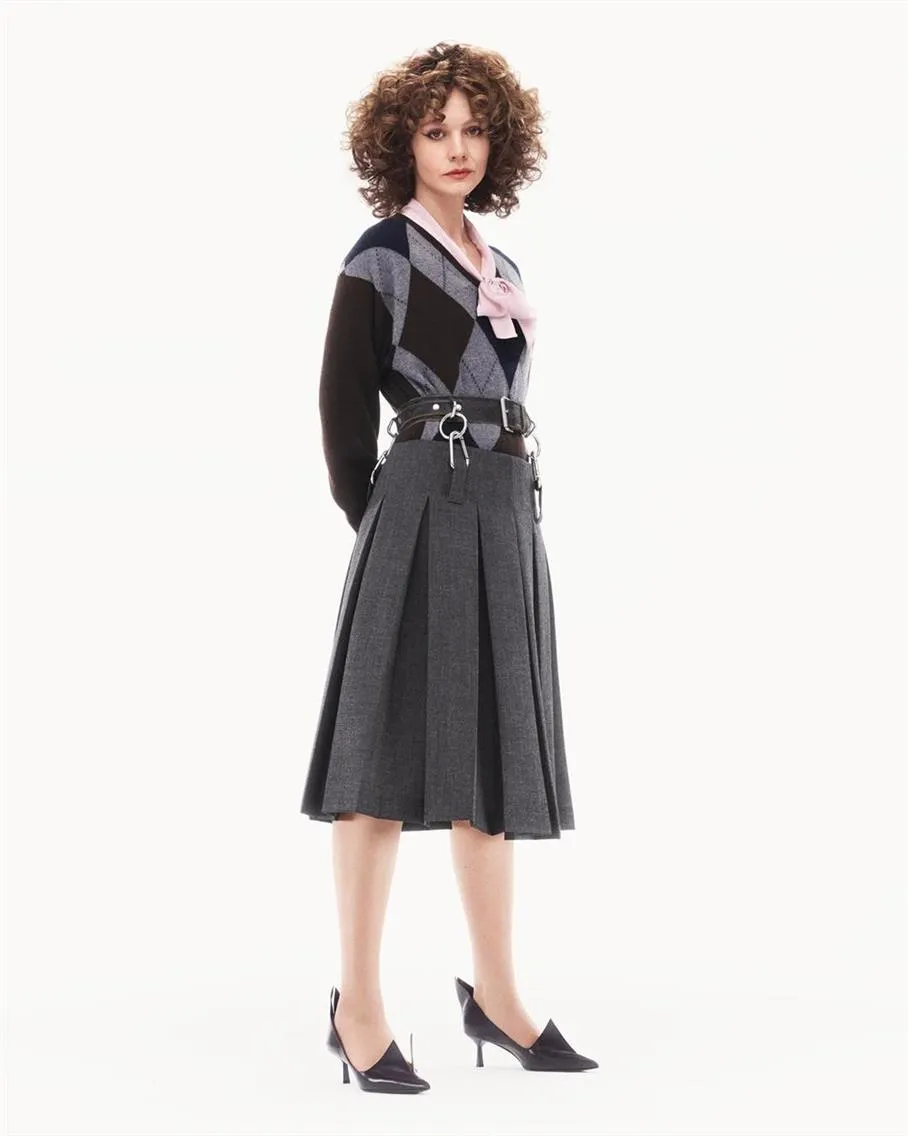
Strong visuals drive conversions. Choosing a trustworthy visual content studio or investing in in-house expertise pays measurable dividends in brand perception and consumer trust. Pandora achieves consistently high engagement through visually compelling seasonal campaigns developed by professional studios, not stock imagery.

Test, Measure, and Refine
Continuously analyze seasonal campaign performance, from ad click-through rates to website conversion rates, adjusting in real-time based on hard data.
Metrics to track:
- Seasonal ad CTR and ROI
- Landing page conversion rates per seasonal theme
- Email open and engagement rates for seasonal promotions
Cross-Channel Coordination
Multi-channel consistency is critical. Your message should be coherent across email marketing, social media channels, ads, and website visuals, maximizing clarity and reinforcing seasonal themes throughout every touchpoint.
For how visual content works across all marketing channels simultaneously: Multichannel Visual Content Strategies for eCommerce
Seasonal marketing goes hand-in-hand with holiday-driven marketing. To extend your strategic advantage, explore the tactics behind major event opportunities: Christmas Photography Planning for Your eCommerce Brand