


Flat Lay vs Ghost Mannequin vs On-Model Photography: Which is Better for Your Apparel Brand?
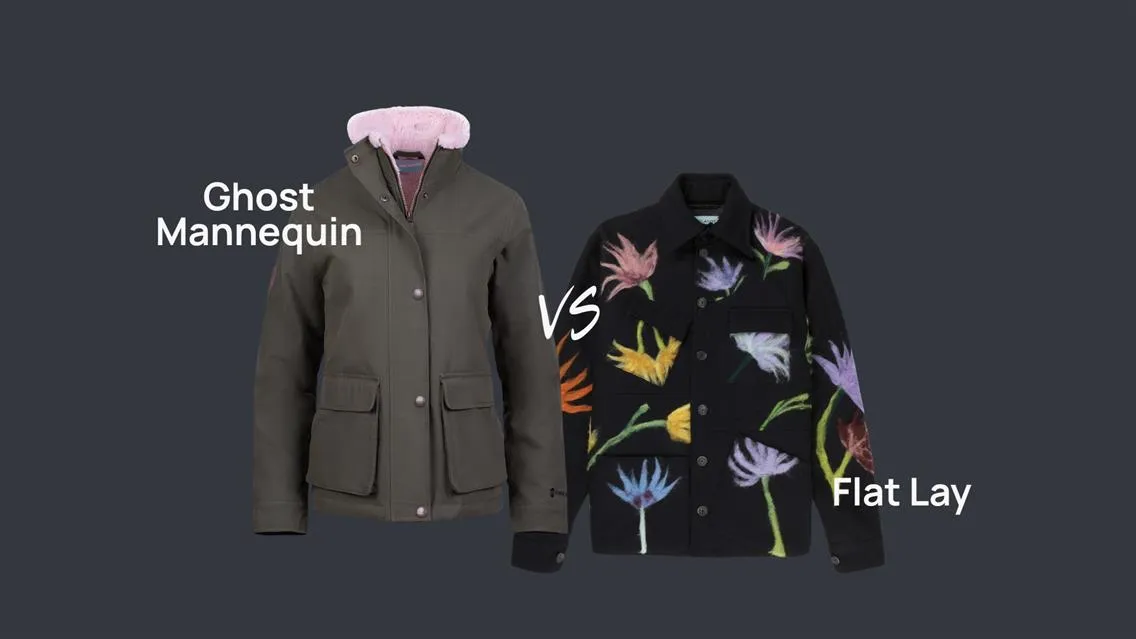
Every apparel brand faces the same core decision when planning a product shoot: which photography format communicates the garment most effectively to the customer who cannot try it on. Flat lay, ghost mannequin, and on-model photography each solve this problem differently, at different cost levels, with different results for conversion and brand perception.
Most successful apparel brands use all three. The question is not which format to use exclusively, but which format to use for which garments, which channels, and which stage of the customer journey.
This guide covers the pros, cons, and practical application of each format, then maps them to specific garment types, platforms, and budget levels so you can build a photography strategy that works for your catalog.
Part of our complete guide: Product Photography for Clothing and Accessories Brands
Flat Lay Apparel Photography
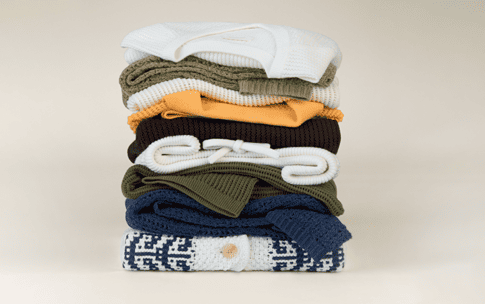
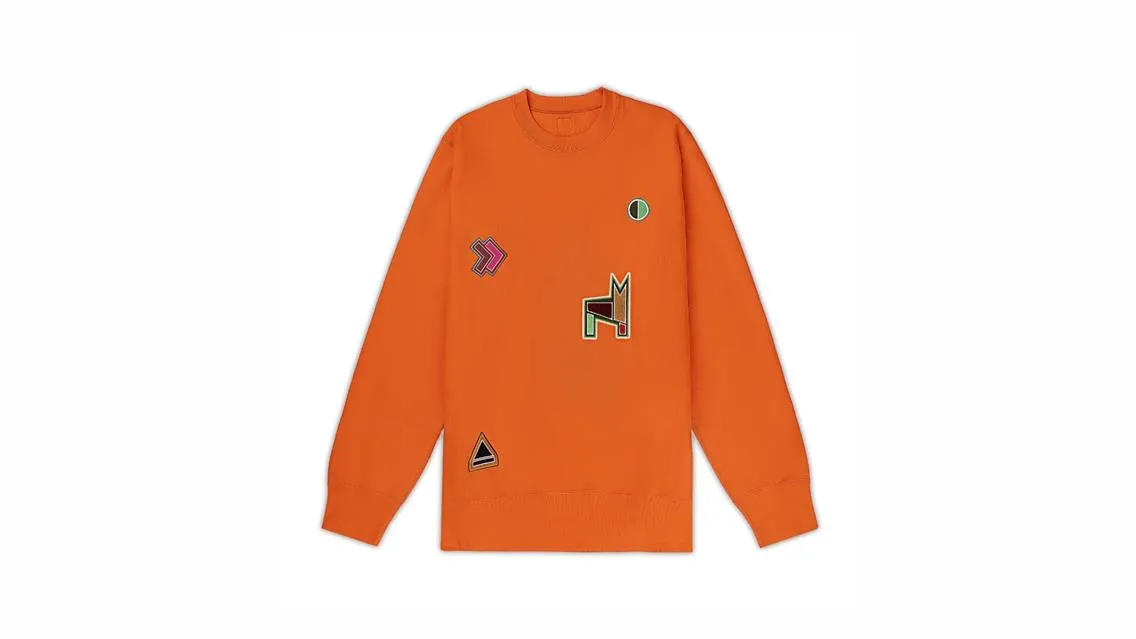
Flat lay photography captures a top-down view of a garment laid flat on a surface and photographed from directly above. It is the most efficient format for high-volume catalog work and performs well on Instagram and Pinterest where the graphic, overhead perspective reads distinctively.
Advantages
Cost-effective and fast to produce — flat lay requires no mannequins, models, or elaborate setups. A high-resolution camera, good lighting, a clean background, and careful product positioning are enough to achieve professional results. For brands with large inventories, this method reduces both production time and cost per SKU significantly.
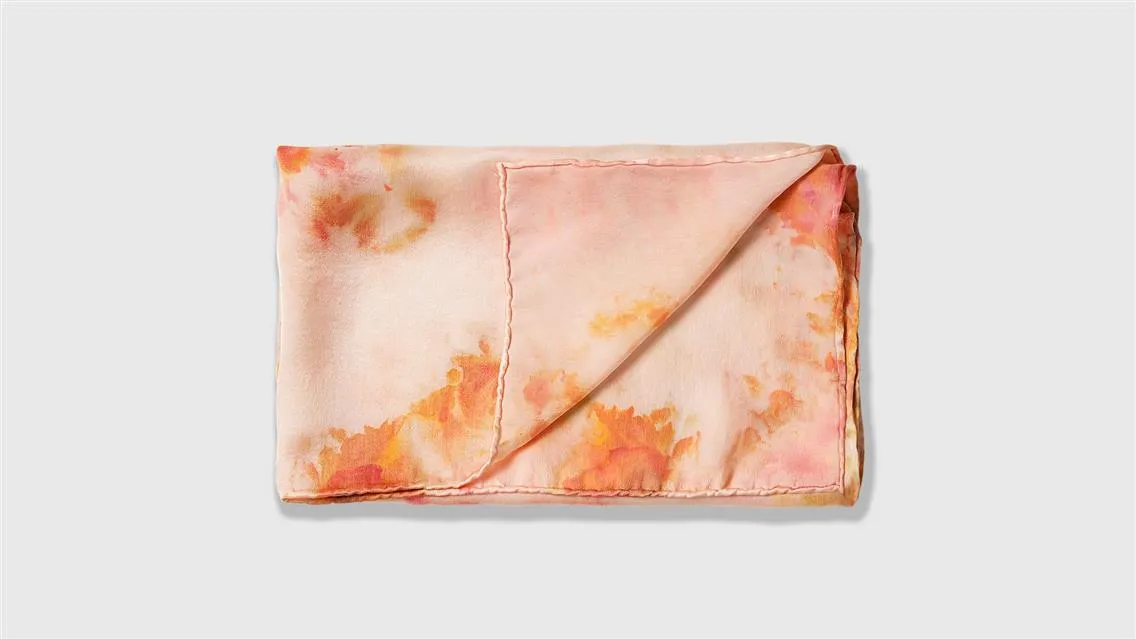
Works well for specific product categories — t-shirts, scarves, accessories, and soft fabric items often photograph just as effectively in flat lay as in any other format. Products that do not rely on three-dimensional structure for customer evaluation are well-suited to this approach.
Efficient at scale — setting up a product, capturing the shot, and moving to the next item is faster than mannequin or model setups. For brands shooting hundreds of SKUs seasonally, this efficiency compounds significantly across a production calendar.
Strong for texture and detail — flat lay makes it easier to capture fabric texture, stitching, logos, and construction details without distortion. Well-lit, high-resolution flat lay images communicate craftsmanship effectively.
Social media performance — the overhead perspective works particularly well on Pinterest and Instagram where graphic compositions generate high save and engagement rates.
Challenges
Lacks depth and realism for structured garments — flat lay does not show how a garment fits when worn. For blazers, dresses, and tailored pieces, customers cannot assess proportions, drape, or how the item interacts with the body.
Requires precise styling — proper product placement and preparation are critical. Garments must be steamed, shaped, and often pinned to create a polished result. Uneven fabric, creases, or incorrect alignment make a product appear lower quality than it is.
Perspective distortion risk — without careful alignment, flat lay images can distort proportions, making garments look wider or shorter than their actual dimensions. This is a direct cause of returns for size-sensitive categories.
More post-production work — while flat lay eliminates mannequin removal from editing, shadows, wrinkles, and surface imperfections often require significant retouching.
For a complete guide to flat lay photography for apparel brands check out: Flat Lay Photography for Brands
Ghost Mannequin Apparel Photography
Ghost mannequin photography, also called invisible mannequin or hollow man photography, shows garments in three-dimensional form without a visible model or mannequin. The garment is photographed on a mannequin, then the mannequin is removed in post-production and hidden interior areas (collars, necklines, sleeve openings) are composited back in to create a fully shaped, realistic result.
Advantages
Communicates fit and structure clearly — ghost mannequin preserves depth and shows how fabric falls, how shape holds, and how the garment fits around curves and seams. Customers can assess the product far more accurately than flat lay allows for structured garments.
Professional and polished appearance — ghost mannequin images create a consistent, high-end look that suits premium and mid-market brands equally. The clean format works across product grids, marketplace listings, and catalog pages.
Interior details are visible — shoppers can see collar construction, lining quality, and structural details that communicate craftsmanship and justify price point. This information is entirely absent from flat lay and standard mannequin photography.
Reduces returns — because ghost mannequin images provide a more accurate depiction of fit and drape, customers make more informed purchasing decisions. The expectation gap between image and physical product is significantly smaller than with flat lay for structured garments.
Scalable without model costs — more garments can be shot more often without the casting, usage rights, and full-day production costs of model shoots.
Challenges
Higher production cost than flat lay — ghost mannequin requires mannequins, multiple shots per garment, and skilled post-production compositing. Cost per SKU is higher than flat lay, though significantly lower than on-model photography.
More time-consuming — the multi-step process of primary shots, secondary interior shots, and compositing increases turnaround time. Precise styling on the mannequin is critical — even minor misalignments require additional retouching.
Requires advanced retouching — poorly executed ghost mannequin images look artificial or distorted. The quality of the composite depends entirely on retouching skill and the quality of the secondary shots captured during the shoot.
Not suitable for all categories — accessories, shoes, and small items gain nothing from ghost mannequin photography. Very lightweight or sheer fabrics cannot be adequately supported by a mannequin.
For a complete guide to ghost mannequin photography technique and workflow see: Ghost Mannequin Photography for Apparel Brands
On-Model Photography
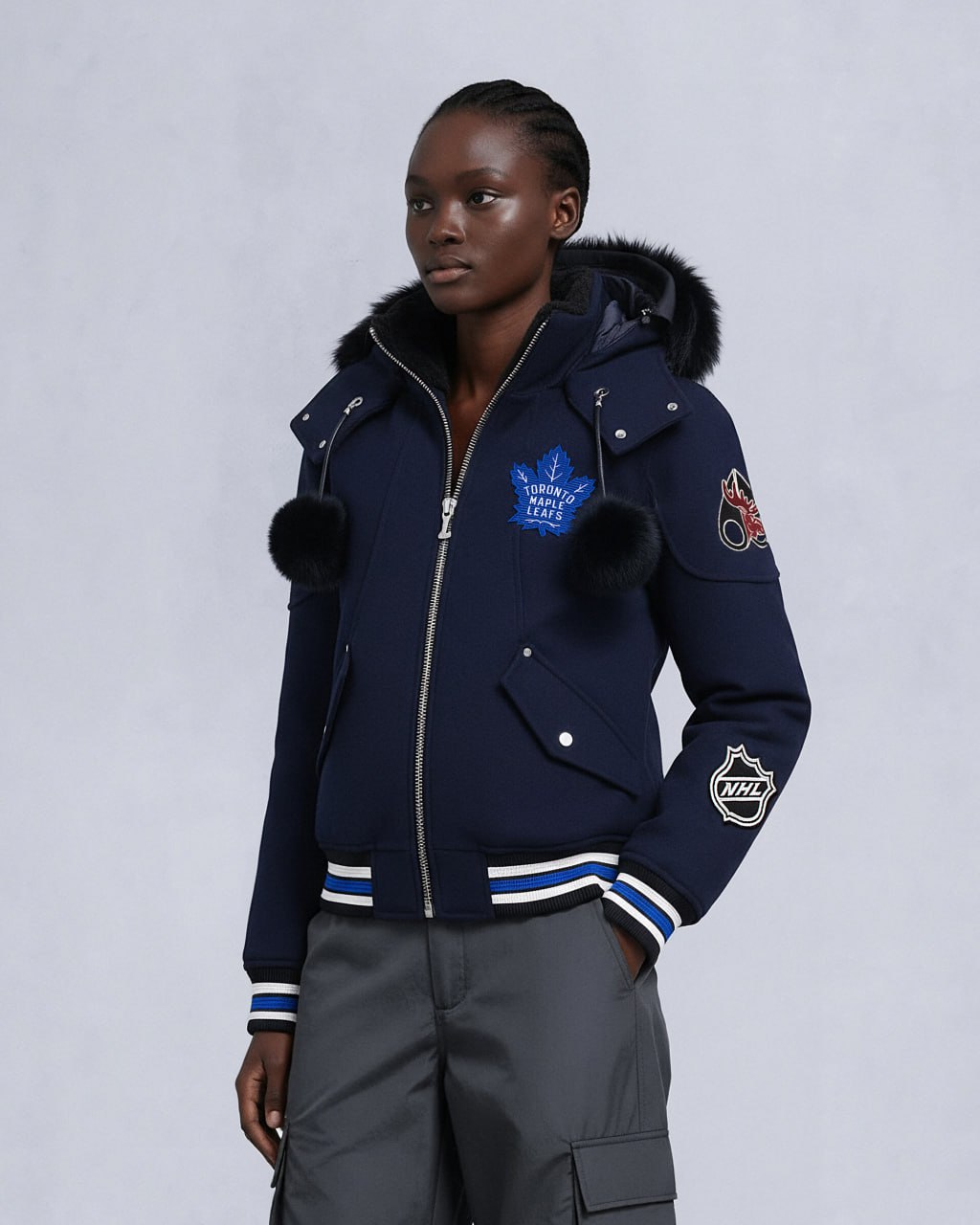
On-model photography places real garments on real people and photographs them in studio or lifestyle settings. It is the most commercially powerful format for apparel because it answers every question the customer has simultaneously: fit, drape, proportion, styling, and how the garment looks in the context of a real person's life.
Advantages
Shows actual fit on a real body — no other format communicates garment fit as effectively. On-model photography eliminates the primary source of apparel returns: customers receiving garments that do not fit as expected because the image gave no indication of how it would actually sit on a body.
Builds emotional connection — model photography adds personality, movement, and lifestyle context. It gives customers something to aspire to and a human reference point for their purchase decision. This is the format that builds brand identity, not just product documentation.
Versatile across channels — on-model images work for product detail pages, campaign content, social media, paid advertising, lookbooks, press assets, and homepage banners. The same shoot generates assets that serve every marketing function.
Diversity and size representation — showing garments on multiple body types directly improves purchase confidence for customers who cannot find their proportions in a standard sample size image. Brands like ASOS and Universal Standard have demonstrated measurable conversion improvements from multi-model approaches.
Supports premium positioning — for luxury and premium apparel, on-model photography communicates the brand's world in ways that catalog formats cannot. Editorial model photography is the content type that justifies high price points.
Challenges
Highest production cost — casting fees, usage rights, stylist fees, hair and makeup, and full-day studio or location production make on-model photography significantly more expensive per SKU than either flat lay or ghost mannequin.
Least efficient at scale — shooting a full collection on-model requires more time per garment than any other format. For brands with large SKU counts, on-model photography for every garment is rarely practical or cost-effective.
Introduces variables — model expressions, poses, and styling create variation that requires careful art direction and quality control. Inconsistent styling or poor model-garment fit can undermine the catalog's visual consistency.
Marketplace limitations — Amazon permits on-model as the primary image for apparel but most marketplace guidelines require specific styling conventions. Maintaining compliance across multiple platforms adds complexity to the production brief.
For lifestyle photography as an extension of on-model content see: Strategic Impact of Lifestyle Photography on eCommerce Business
Ghost Mannequin vs. Flat Lay vs. On-Model: Key Differences
Three-Way Comparison
| Flat lay | Ghost mannequin | On-model | |
|---|---|---|---|
| Cost per SKU | Lowest | Medium | Highest |
| Production speed | Fastest | Medium | Slowest |
| Fit communication | Poor | Good | Excellent |
| Texture and detail | Excellent | Good | Good |
| Brand storytelling | Limited | Limited | Excellent |
| Platform compliance | Works everywhere | Works everywhere | Platform-specific rules |
| Retouching complexity | Low | High | Medium |
| Best channel | Social, catalog | Product pages, marketplaces | All channels |
| Return reduction | Low | Good | Best |
| Luxury positioning | Limited | Good | Excellent |
Which Format for Which Garment
This is the most practical question and the one brands most often get wrong by applying one format universally across a catalog.
| Garment type | Flat lay | Ghost mannequin | On-model |
|---|---|---|---|
| Blazers and tailored jackets | No | Yes | Yes |
| T-shirts and casual tops | Yes | Sometimes | Yes |
| Knitwear and sweaters | Yes | Sometimes | Yes |
| Structured dresses | No | Yes | Yes |
| Flowing and wrap dresses | No | Sometimes | Yes |
| Activewear | Sometimes | Yes | Yes |
| Underwear and lingerie | No | Yes | Sometimes |
| Swimwear | No | Yes | Yes |
| Outerwear and coats | No | Yes | Yes |
| Sheer and lightweight fabrics | Sometimes | No | Yes |
| Accessories and shoes | Yes | No | Sometimes |
| Kidswear | Yes | Yes | Sometimes |
| Bridal and occasionwear | No | Sometimes | Yes |
| Menswear tailoring | No | Yes | Yes |
How to read this table:
Yes means the format works well as a primary image for this garment type. Sometimes means the format works for specific styles within the category but not universally. No means the format does not communicate the garment's key qualities effectively enough for primary product page use.
For most garment types where both ghost mannequin and on-model show Yes, the practical decision comes down to budget and channel. Ghost mannequin is the right choice for high-volume catalog production where cost efficiency matters. On-model is the right choice for hero products, campaign content, and any situation where brand identity and emotional connection are the primary goals.
Platform Requirements by Format
Different platforms have specific image requirements that affect which format can be used as the primary product image.
1. Amazon
On-model photography is permitted as the primary image for apparel, making it one of the few marketplace categories where lifestyle-quality model shots can serve as the hero image. Ghost mannequin works well for secondary images showing fit and construction. Flat lay is permitted but tends to underperform on-model and ghost mannequin for conversion.
2. Zalando
On-model photography is required as the primary image, with specific positioning and styling guidelines. Ghost mannequin is used for secondary catalog images. Zalando's requirement for on-model primary images exists because their data shows it produces higher conversion rates for apparel.
3. Farfetch
Editorial-quality on-model photography is required, with standards reflecting the platform's luxury positioning. Multiple angles and detail shots are mandatory.
4. ASOS
On-model is required for primary images, with specific styling conventions. Multiple model sizes are encouraged to improve size representation across the catalog.
5. DTC websites
Brand-defined standards. The most effective approach uses ghost mannequin for product detail page primary images, on-model for collection pages and hero banners, and flat lay for editorial and social content.
For how platform requirements connect to listing performance: 5 Reasons Your Amazon Sales Have Slowed Down
How to Combine All 3 Formats Strategically
The most effective apparel photography strategy uses all three formats in combination, allocating each to the context where it performs best.
The core catalog layer uses ghost mannequin for structured garments and flat lay for soft garments and accessories. This covers marketplace requirements and product detail pages at the most efficient cost per SKU.
The brand layer uses on-model photography for hero products, new collection launches, campaign content, and social media. This is where the brand's identity is communicated and where the production investment in casting and full team production is justified by the breadth of channels the content serves.
The editorial layer uses lifestyle photography, lookbooks, and campaign imagery to build the brand world that makes the catalog layer convert. This is the most expensive content per image but generates the longest-lived brand assets.
A seasonal shoot calendar for an apparel brand typically alternates between catalog shoots covering new SKUs in ghost mannequin and flat lay, and campaign shoots generating the on-model and lifestyle content that drives traffic and builds desire.
For how to plan a seasonal production calendar: Seasonal eCommerce Marketing Playbook
A/B Testing Your Photography Formats
Select a Sample Product
Choose an item that could be photographed both as a flat lay and as a ghost mannequin image.
Create Two Product Page Variants
Page A: Uses flat lay photography, page B: Uses ghost mannequin photography.
Measure Key Metrics
Track conversion rates, time spent on page, and engagement (zoom-ins, clicks, etc.). Monitor return rates to see if one method leads to fewer product misunderstandings.
Analyze Results and Scale What Works
If ghost mannequin images convert significantly better, it’s worth investing in this technique across all structured garments. If flat lay performs well for certain items, it might indicate that your audience prefers simple visuals for that category.
Continue Iterating
A/B testing should be ongoing. Consumer preferences, platform algorithms, and brand positioning all evolve, and format decisions made based on data from two years ago may not reflect current performance accurately.
For how visual content testing connects to broader marketing strategy see: Visual Marketing Strategy for eCommerce Brands
For how retouching quality affects the performance of any format see: Reducing Product Return Rates Through Accurate Photography
The Right Format Is a System, Not a Single Choice
The right photography format is not a decision made once, it is a system built around your catalog structure, your channels, and your budget. Ghost mannequin for the structured pieces that need to show fit. Flat lay for the soft goods and accessories where efficiency matters. On-model for the hero products and campaign content that builds the brand identity everything else benefits from.
Most brands start with one format and expand as the catalog grows. The data from A/B testing tells you where the investment in more expensive formats pays back in conversion and return rates. The garment suitability table gives you a starting point before that data exists.
When you are ready to produce across all 3 formats under one roof, LenFlash handles flat lay, ghost mannequin, and full on-model production with styling, hair and makeup, and creative direction in-house.