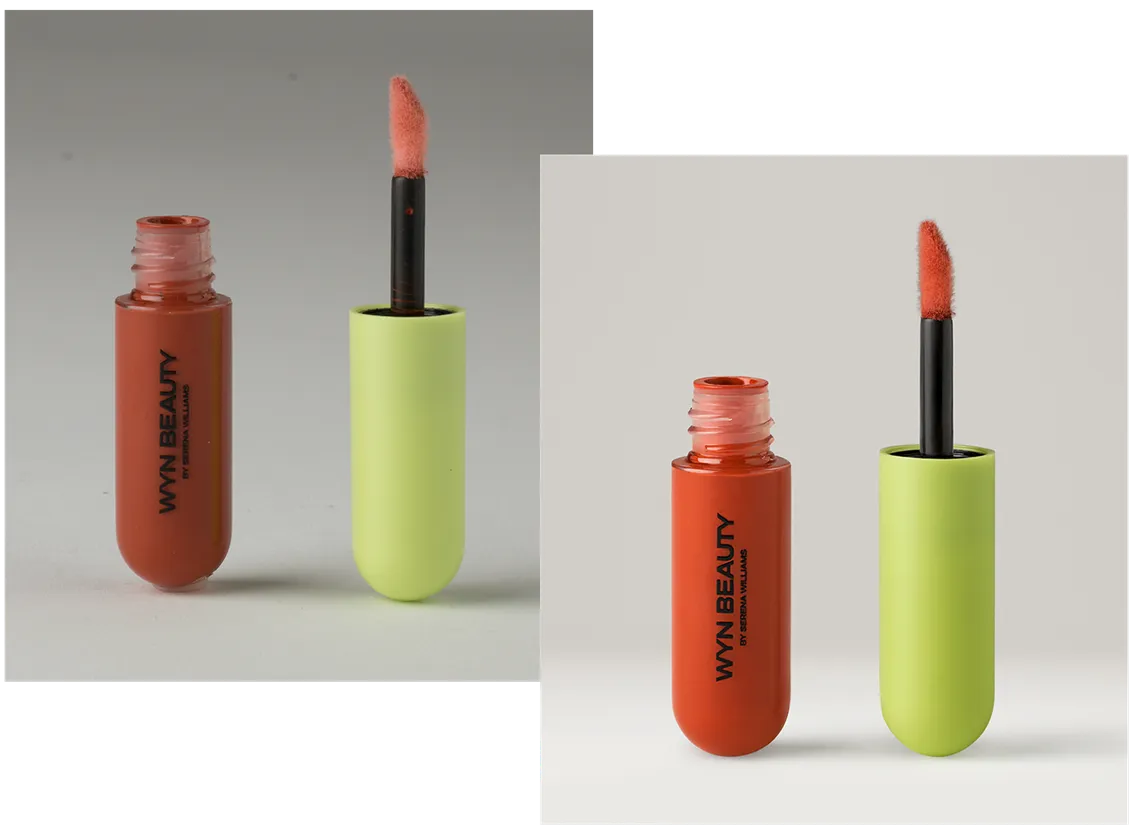









Product Photography Editing for eCommerce Photographers: Mastering or Delegating?
No matter how skilled you are behind the camera, raw images often need a finishing touch. Wrinkles, inconsistent lighting, or minor imperfections can distract from the overall presentation. Professional retouching bridges the gap between what was captured and what the client needs to publish.
Some product photographers choose to handle their own retouching, believing it gives them full creative control. While learning Photoshop and Lightroom is valuable, doing all retouching comes at a cost, and not just a financial one.
Part of our complete retouching guide: How Product Photo Editing Services Impact Online Sales

The Hidden Costs of DIY Retouching
Time-Intensive Process
Retouching a single image can take 30 minutes to several hours, depending on the complexity. When you're handling dozens or hundreds of product images for an e-commerce client, editing quickly becomes a bottleneck in your workflow.
Consider the typical timeline for an e-commerce catalog shoot:
- Shooting Day: 100-200 products photographed
- Culling: 1-2 hours to select final images
- Basic Retouching: 30-60 minutes per image
- Advanced Retouching: 1-3 hours per image for complex products (jewelry, textured fabrics, reflective surfaces)
For a modest 100-product shoot with basic retouching needs, you're looking at 50-100 hours of post-production work. That's potentially 2-3 full weeks dedicated solely to retouching — time that could be spent booking and shooting new clients.
The financial impact becomes clear when you consider opportunity cost. If your day rate for shooting is $1,500-$2,500, every day spent retouching represents lost income. For many photographers, retouching time often exceeds shooting time by a ratio of 3:1 or higher, creating a significant limitation on annual revenue potential.


Technical Expertise Required
As a product photographer, you know the devil is in the details. Retouching is effectively an independent discipline within e-commerce visual production. Many photographers underestimate the learning curve required to achieve professional-level results consistently across different product categories.
Professional retouchers typically specialize in specific product categories and techniques. The expertise required includes:
Software Proficiency: Beyond basic Photoshop skills, professional retouchers utilize specialized tools, actions, and plugins optimized for product work. They employ advanced layer management techniques, non-destructive workflows, and batch processing methods that take years to master.
Category-Specific Knowledge: Different product types require entirely different approaches. Jewelry retouching involves complex masking and luminosity adjustments, while apparel requires natural fabric shaping and texture preservation techniques that aren't intuitive to learn.
Technical Standards Knowledge: E-commerce platforms have specific requirements for image dimensions, file formats, color profiles, and other technical specifications. Professional retouchers stay current with platform-specific guidelines for Amazon, Shopify, eBay, and other marketplaces.
Color Management Systems: Professional retouchers work within calibrated environments with standardized lighting and properly color-managed workflows. They understand the nuances of RGB, CMYK, and how images will appear across different devices and print media.
Mastering these aspects requires a substantial time investment. And most working photographers struggle with the lack of time to find between client shoots, business development, and personal life.
Essential Retouching Services Your Clients Expect
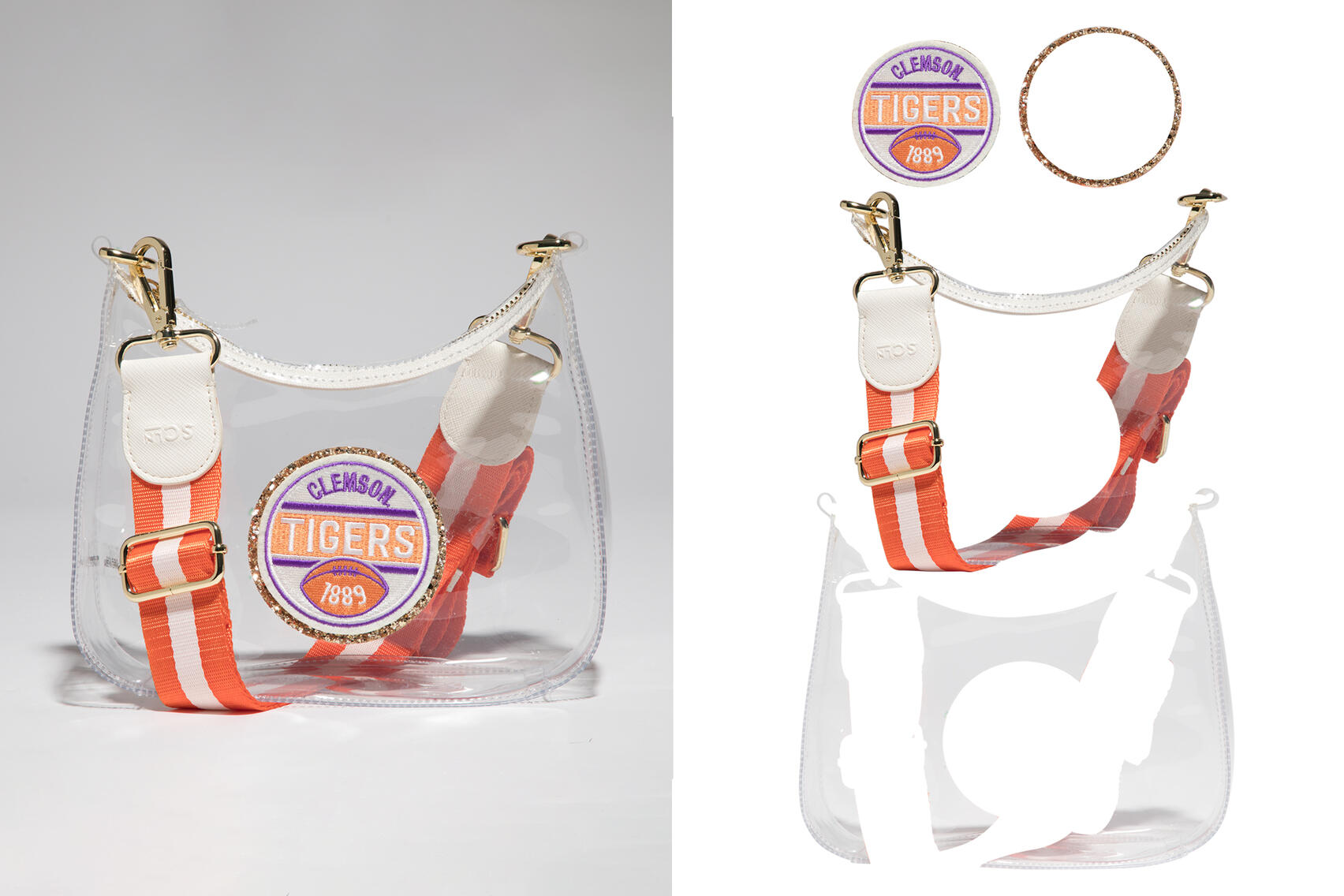
Clipping Path
Your clients need products isolated from backgrounds for use across multiple platforms. Clean, precise clipping paths are non-negotiable for e-commerce, especially when clients reuse images across their website, Amazon listings, and print catalogs.
For photographers handling their clipping, this single task often consumes 15-20 minutes per image for even moderately complex products. Specialized retouchers using optimized workflows can reduce this to 5-10 minutes while maintaining higher quality.
Color Correction
Studio lighting can alter product colors, particularly with fabrics and textiles. Your clients count on color accuracy to reduce returns and customer complaints. Proper color correction ensures consumers see exactly what they're getting.
Color accuracy directly impacts return rates in e-commerce, and business owners know this.
For color accuracy standards by product category: Best Practices for Retouching eCommerce Product Photos

Model Skin Retouching
For apparel photography, natural-looking skin retouching focuses on the products while presenting a polished, professional appearance. The industry standard requires balance—enough retouching to look professional without crossing into uncanny territory.
Professional retouchers understand industry standards for ethical retouching, avoiding excessive thinning, reshaping, or alterations that create unrealistic body standards.


Jewelry Retouching
Jewelry clients expect their pieces to sparkle on screen as they do in person. This specialized retouching enhances brilliance while managing reflections and maintaining a realistic appearance. Metals and gemstones require different approaches to showcase their best qualities.
Jewelry retouching is among the most time-intensive specializations. A single complex piece with multiple stones and detailed metalwork can require 2-3 hours of professional retouching time. For a complete guide to jewelry retouching techniques: Jewelry and Watch Retouching Guide


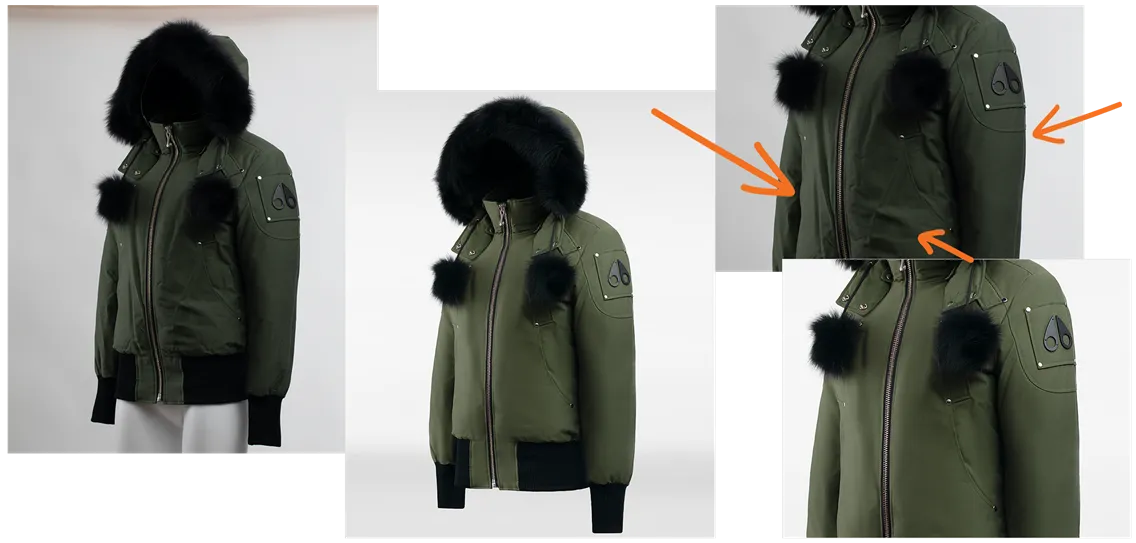
Wrinkle Removal
Even with meticulous styling, garments show unwanted creases under studio lights. Post-production wrinkle removal creates that perfect, catalog-ready appearance without excessive pre-shoot preparation time. Effective wrinkle removal typically takes 15-30 minutes per garment and requires significant experience to achieve natural-looking results.
Distraction Removal
When shooting at volume, you can't catch every loose thread or dust particle during the session. Removing these distractions in post ensures client products look flawless and manufacturing-perfect.
Distraction removal is highly detail-oriented work that requires viewing images at 100-200% magnification to identify all imperfections. This tedious process can add 15-30 minutes per image but is critical for presenting products in their ideal form.

Fabric Texture Enhancement
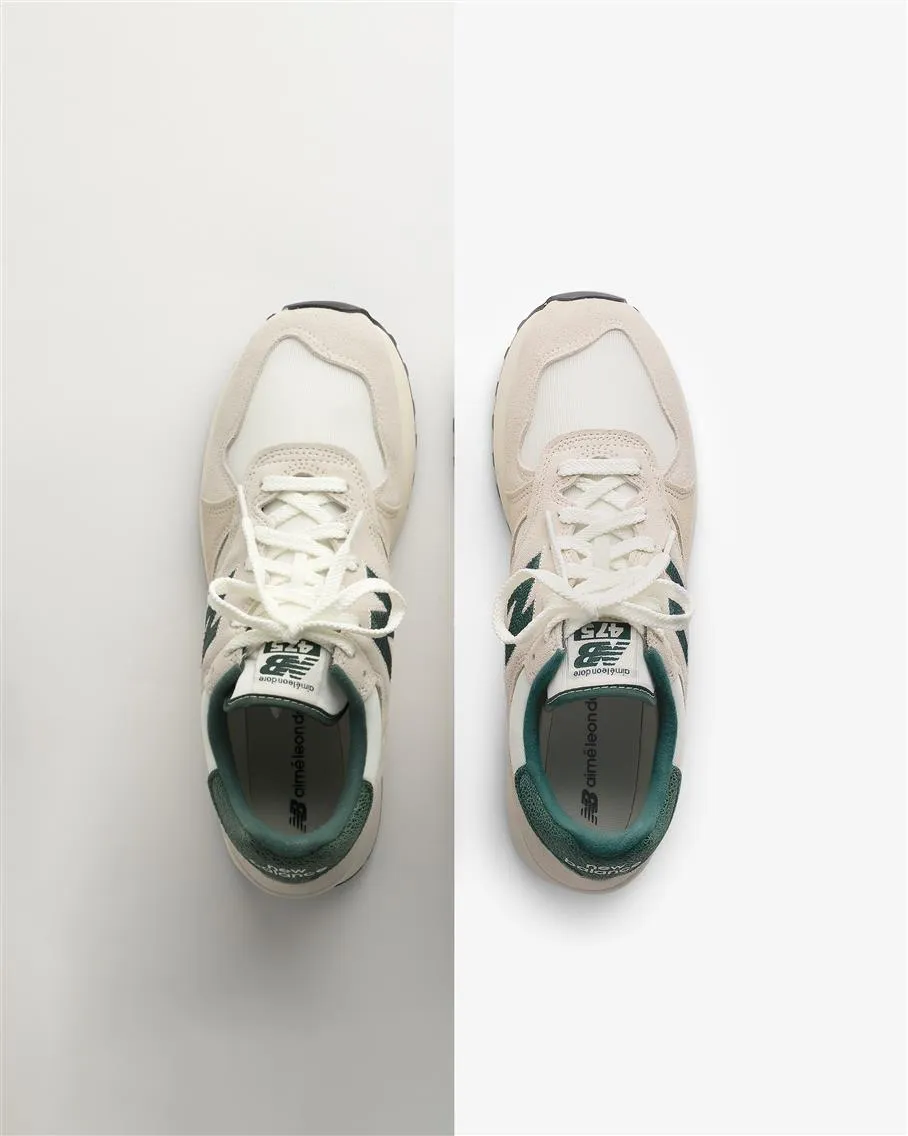
E-commerce success depends on conveying tactile qualities visually. Enhancing fabric textures helps bridge the gap between digital and physical shopping experiences, reducing return rates for your clients.
Texture enhancement directly impacts perceived product quality and can significantly influence purchasing decisions.
For fabric and apparel retouching techniques: Clothing and Fabric Retouching Techniques
Ensuring Consistency
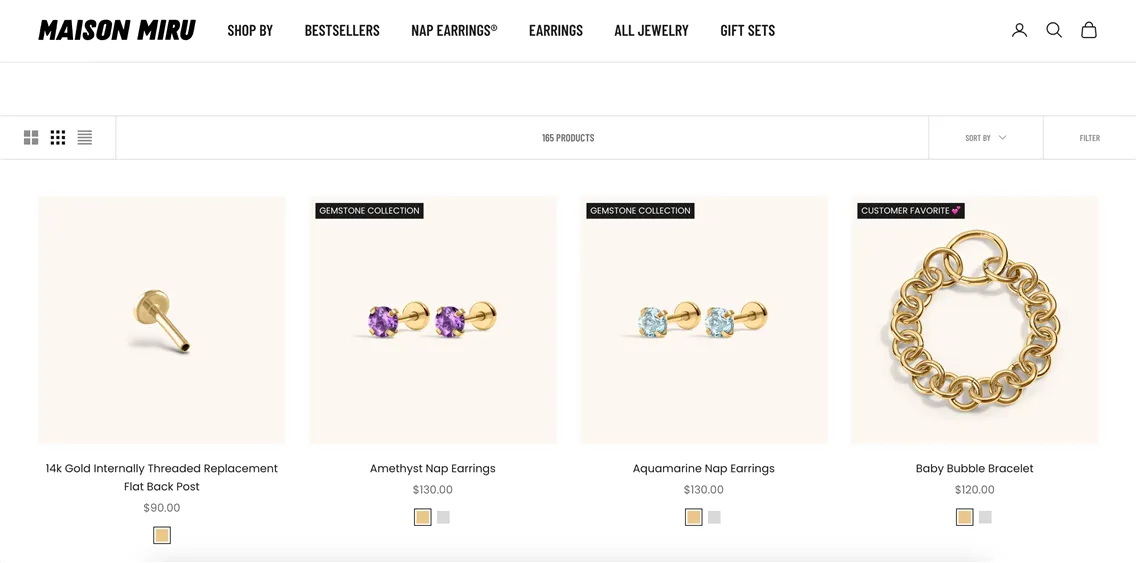
Maintaining visual consistency across hundreds of products is critical for a professional e-commerce presentation. Uniform lighting, white balance, shadows, and perspectives create a cohesive catalog that builds consumer trust.
Consistency may be the most valuable aspect of professional retouching for major brands and e-commerce operations. When product images are assembled into category pages, inconsistencies become immediately apparent and diminish perceived brand quality.
The Career Impact of Handling All Product Photo Retouching By Your Own
Lost Shooting Time
Every hour spent in Photoshop is an hour not spent shooting, finding new clients, or growing your business. Many product photographers find themselves spending 80% of their time editing and only 20% photographing, severely limiting their earning potential. The business impact includes:
- Reduced Portfolio Growth: Photographers trapped in retouching cycles struggle to explore new techniques, styles, and product categories that would expand their portfolio and attract new clients.
- Limited Client Capacity: Without delegation, most photographers hit a ceiling of 3-5 regular clients before delivery timelines become unmanageable.
- Stagnant Skill Development: Excessive time spent on routine retouching tasks limits opportunities for developing advanced lighting techniques, set design skills, and other photography-specific abilities.
- Creative Fatigue: The technical focus required for retouching often depletes creative energy that would otherwise fuel photographic innovation and artistic development.
- Business Development Neglect: Marketing, networking, and client relationship management are activities that directly generate new business and are frequently sacrificed to meet retouching deadlines.
Many photographers report that transitioning from handling retouching to outsourcing doubled or tripled their shooting capacity almost immediately.
Scaling Limitations
As your client base grows, retouching becomes the primary bottleneck. When you're handling 50+ images per client across multiple clients, handling retouching creates an unsustainable workload that prevents business growth. The barriers to scale include:
Turnaround Expectations: Modern e-commerce clients typically expect 24-72 hour turnaround times, which become impossible to meet with high volume and handling retouching.
Seasonal Volume Fluctuations: Retail clients often need large batches processed for seasonal catalogs and holiday promotions. These volume spikes can overwhelm individual capacity.
Team Management Challenges: Many photographers attempt to hire junior retouchers but struggle with training, quality control, and management skills different from photography.
Workflow Inefficiencies: Individual retouchers typically process images sequentially, while retouching teams can implement parallel workflows that dramatically reduce turnaround time.
Technology Investment Limitations: Professional retouching operations invest in specialized hardware, software, and automation tools that aren't economically viable for individual photographers.
Photographers who have scaled their businesses consistently identify retouching delegation as a turning point in that growth.
The Strategic Case for Delegating Product Retouching
Top-earning product photographers treat retouching as a strategic business decision rather than a creative necessity. Consider:
Opportunity Cost Analysis
The financial case for delegation becomes clear through detailed opportunity cost analysis:
Hourly Rate Comparison: If you can earn $150-250/hour shooting but spend time on retouching tasks that professionals can complete for $25-50/hour, the financial inefficiency is substantial.
Revenue Potential Calculation: Calculate potential annual revenue with and without retouching delegation:
- Handling retouching Model: 2 shoot days per week × 48 weeks × daily rate = maximum potential revenue
- Delegation Model: 4-5 shoot days per week – retouching cost × 48 weeks × daily rate = significantly higher revenue potential
Long-term Client Value: Faster turnaround times and higher volume capacity often lead to increased client retention and larger projects, further amplifying financial benefits.
Capital Investment Comparison: The cost of professional-grade retouching equipment and software updates can be eliminated when outsourcing to specialized services.
When analyzed comprehensively, most photographers discover that retouching delegation pays for itself through increased shooting capacity within 2-3 months.
Consistency at Scale
Professional retouching services maintain quality standards across large volumes through dedicated QC specialists, documented style guides, and multi-stage review processes. This is difficult to replicate when working solo through late nights on high-volume batches, and it becomes increasingly valuable as client project sizes grow.
Specialized Expertise
Different product categories require entirely different retouching approaches. Professional services employ retouchers who focus exclusively on specific categories — jewelry, apparel, beauty, tech — developing expertise that general retouchers working across everything cannot match. For brands evaluating this from an operational perspective: Outsourcing Photo Editing vs Hiring In-House
Competitive Turnaround
Meeting tight client deadlines becomes significantly easier when you can offload retouching hours to a team that works while you sleep. The timeline advantages include:
- 24/7 Processing Capability: International retouching services offer around-the-clock processing, allowing overnight turnaround for urgent projects.
- Parallel Processing: Multiple retouchers can work simultaneously on different images from the same project, reducing delivery time from days to hours.
- Scalable Capacity: Professional services can allocate additional resources to urgent projects, handling volume spikes without quality compromise.
- Predictable Delivery: Established retouching operations provide guaranteed turnaround times, allowing photographers to make reliable commitments to clients.
- Holiday and Weekend Coverage: Retouching services maintain operations during periods when independent photographers typically need breaks, ensuring continuous project flow.
| Handling Retouching | Delegating to Professionals |
|---|---|
Opportunity Cost | |
| Lower hourly earnings ($25-50/hour tasks) vs. shooting rate ($150-250/hour). Limits available shoot days. | Higher revenue potential due to more shooting days (4-5 per week). Delegation costs are quickly offset by increased income. |
Revenue Potential | |
| Limited by available shooting days (2 days/week), capping potential annual income. | Increased by expanding shoot days (4-5 days/week), significantly boosting potential annual revenue. |
Long-term Client Value | |
| Slower turnaround, potentially reducing repeat projects and volume of work. | Faster turnaround and higher capacity foster client retention, larger projects, and higher long-term revenue. |
Capital Investment | |
| Requires ongoing investment in retouching software and equipment upgrades. | Eliminates substantial retouching-specific equipment and software investments, reducing overhead. |
Consistency at Scale | |
| Inconsistent quality due to fatigue, limited QC, and lack of documented standards for large batches. | Consistent high quality with specialized QC, fatigue-free processing, documented standards, and multi-stage reviews across large image batches. |
Specialized Expertise | |
| Limited specialization; typically general skills without deep category-specific expertise. | Access to dedicated category experts, current trend awareness, technical specialization, cross-client insights, and continuous professional development. |
Turnaround & Timelines | |
| Limited by personal availability, potentially missing urgent client deadlines. | Competitive turnaround through 24/7 international coverage, parallel processing, scalable capacity, predictable timelines, and continuous coverage during weekends/holidays. |
Scalability | |
| Limited scalability due to personal time and energy constraints, especially with increased project volume. | High scalability with ability to handle volume spikes and rapid scaling of project capacity without sacrificing quality |
In competitive markets where clients have multiple photographer options, the ability to deliver quality images on accelerated timelines consistently creates a significant competitive advantage.
For how retouching standards and tools are evolving: New Trends in Retouching for eCommerce Product Photography
Finding Your Retouching Strategy
Consider these approaches based on your business stage:
Early Career Strategy
Handle your own retouching for creative control and to build fundamental skills, but establish relationships with retouching services for overflow work.
Implementation steps:
- Develop Core Competencies: Master the fundamental retouching skills most relevant to your specialty — clipping paths for product photographers, basic skin retouching for portrait photographers, etc.
- Create Personal Style Guides: Document your preferences for shadows, highlights, color treatment, and other stylistic elements to preserve consistency when you eventually delegate.
- Identify Peak Capacity: Determine your sustainable retouching capacity (e.g., 20 images per week) and develop plans for handling overflow.
- Test Outsourcing Partners: Send test projects to several retouching services to identify partners whose work aligns with your style and quality standards.
- Selective Delegation: Begin delegating routine aspects of retouching (e.g., background removal) while handling creative aspects yourself.
Early career photographers typically find that learning retouching fundamentals provides valuable insight into image creation, even if they later delegate most of this work.
Growth Stage Strategy
Outsource routine retouching (clipping paths, background removal) while handling creative aspects yourself. Use the freed time to book additional shooting days.
Implementation steps:
- Process Standardization: Create detailed documentation of your retouching preferences, including before/after examples for different product categories.
- Financial Analysis: Calculate your retouching hourly cost (including opportunity cost) and identify all tasks that can be economically outsourced.
- Category Prioritization: Determine which product categories benefit most from your personal touch versus which can be fully delegated.
- Client Communication: Develop language to communicate your quality control process to clients, emphasizing how your oversight ensures consistency.
- Workflow Integration: Implement systems for efficient file transfer, feedback, and revision with retouching partners to minimize administrative overhead.
Photographers in the growth stage typically find that strategic delegation of 60-70% of retouching work creates the optimal balance between quality control and business growth.
Established Business Strategy
Develop a complete workflow with trusted retouching partners, allowing you to focus exclusively on shooting and client relationships.
Implementation steps:
- Partnership Development: Form long-term relationships with retouching services that understand your style and can maintain consistent quality without constant oversight.
- Integrated Systems: Implement seamless workflow systems for file transfer, client approval, and delivery that minimize administrative overhead.
- Expanded Service Offerings: Leverage increased capacity to offer faster turnaround options, higher volume packages, and other premium services to clients.
- Quality Audit Process: Maintain quality control through systematic sampling and review rather than reviewing every image.
- Value-Added Focus: Shift personal focus to aspects of client service that add the most value — creative direction, conceptual development, and relationship management.
Established photographers typically delegate 80-90% of retouching tasks, intervening only for special projects or to address specific quality concerns.
Many successful product photographers find that outsourcing retouching was the single most impactful decision in scaling their business from occasional gigs to consistent studio work.
The key is making deliberate choices about where time and talent create the most value. For most working photographers, retouching is not that place.
Selecting the Right Retouching Partner
Before committing to a retouching service, review full batch sets rather than curated highlights, send a paid test project that reflects real production workload, confirm revision rounds are included in base pricing, and verify the service has specialists for the specific product categories the work involves. For a detailed guide to evaluating retouching providers: Outsourcing Photo Editing vs Hiring In-House