
The Overlooked Influence of Hair, Makeup, and Nail Artists in eCommerce Visual Production
Hair and makeup artists (HMUA) in commercial photography are not primarily doing what their titles suggest. They are managing consistency. On a catalog shoot with thirty looks across a ten-hour day, their job is to ensure the model looks the same in frame 300 as they did in frame one, under different lighting setups, after wardrobe changes, across a production timeline that rarely runs exactly as scheduled. When they do that well, post-production is faster and the final images read as a coherent set. When they don't, the retoucher inherits the inconsistency.
For eCommerce brands, the practical stakes are specific. Stray hair across a jewelry close-up requires retouching. Makeup that changes tone under different studio lighting creates color inconsistency across the catalog. Understanding what HMUA professionals do at each production stage helps brands know what to include in a brief and what to expect from a studio.
Part of our complete guide: Understanding the eCommerce Photography Creation Process and Team Involved
What HMUA professionals are responsible for
Before the shoot
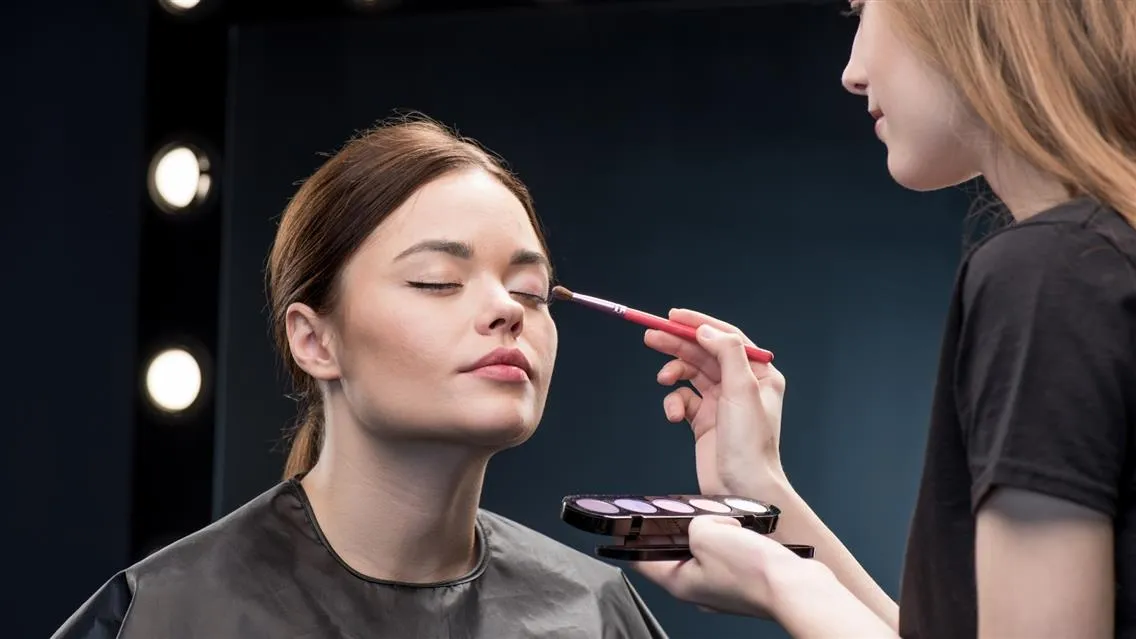
Before production day, the HMUA team reviews the creative director's brief and mood board to understand the look required for each shot or sequence. They prepare their kit accordingly: products matched to the lighting conditions of the studio, techniques suited to the shoot duration, and reference images from the brief to guide decisions on set.
For longer productions, the HMUA team also conducts pre-shoot tests with the model to confirm that the planned looks photograph correctly under the actual studio lighting. Makeup that reads correctly in natural light often needs adjustment under strobe systems, and catching that before production day prevents delays when the studio time starts running.
Nail artists play a crucial role too, especially in close-up photography for products like jewelry. Neat manicure enhances the overall aesthetic, making the visuals more appealing and polished. Even if it’s a simple manicure, the attention to detail in nail presentation can significantly elevate the perceived value of a product.
On set
On production day, the HMUA team's primary function is maintaining consistency. They dress the model for each look, monitor how makeup, hair, and nails read under each lighting setup, and make continuous adjustments between frames. For multi-look catalog shoots, this means managing transitions between setups without losing time, and catching accumulation of small issues — shifted hair, makeup that has moved under heat from lighting — before they reach the photographer's frame.
They work directly alongside the fashion stylist to ensure the complete look holds together: a bold lip color that works with one garment may need adjustment for the next. These decisions get made in real time, and the HMUA team coordinates them with the stylist so each look is coherent as a complete image rather than a set of separately considered elements.
For high-volume catalog shoots, a key part of on-set HMUA work is product knowledge: using long-lasting formulas that don't require constant touch-ups under studio conditions, hair products that maintain structure through a full day of shooting without becoming stiff or losing natural movement on camera. The less time spent on touch-ups, the more shooting time the production gets.
After the shoot
After the shoot wraps, the HMUA team can provide notes to the retouching team about what was intentional and what needs correction. If a hair flyaway was controlled on set but visible in certain frames, noting which frames is faster than the retoucher discovering it during review. This handoff reduces revision rounds. For more on how post-production works alongside photography: How to Choose the Best Product Photo Editing Services
How the HMUA fit into the production team
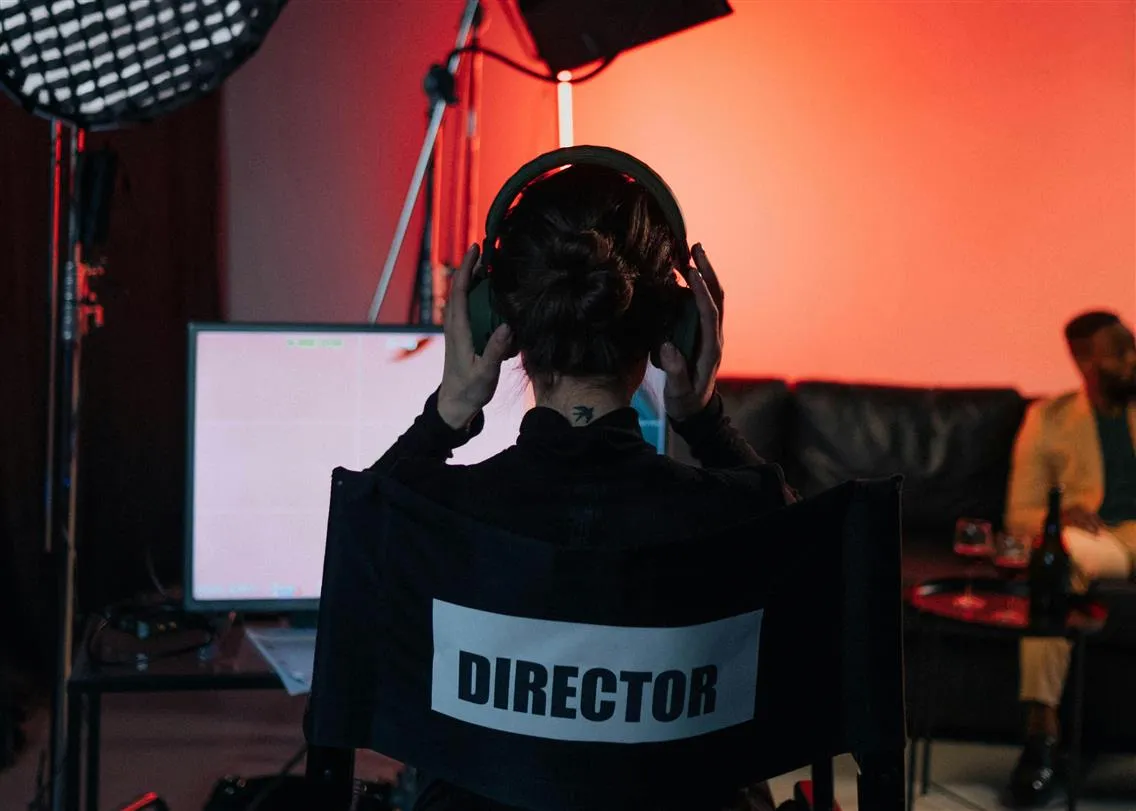
The HMUA team works within the same production structure as the fashion stylist, set designer, creative director, and producer. Their function is the model's appearance. The fashion stylist manages wardrobe and product presentation. The set designer manages the environment. The producer coordinates all of these specialists against the production schedule. When each role is clearly scoped and the brief is shared across the team before production day, the shoot runs without the delays and on-set decision-making that disrupt timelines and affect image quality.
For an overview of how all production roles work together: Understanding the eCommerce Photography Creation Process and Team Involved
How HMUA work affects different content types
On-Model Catalog Photography and Video
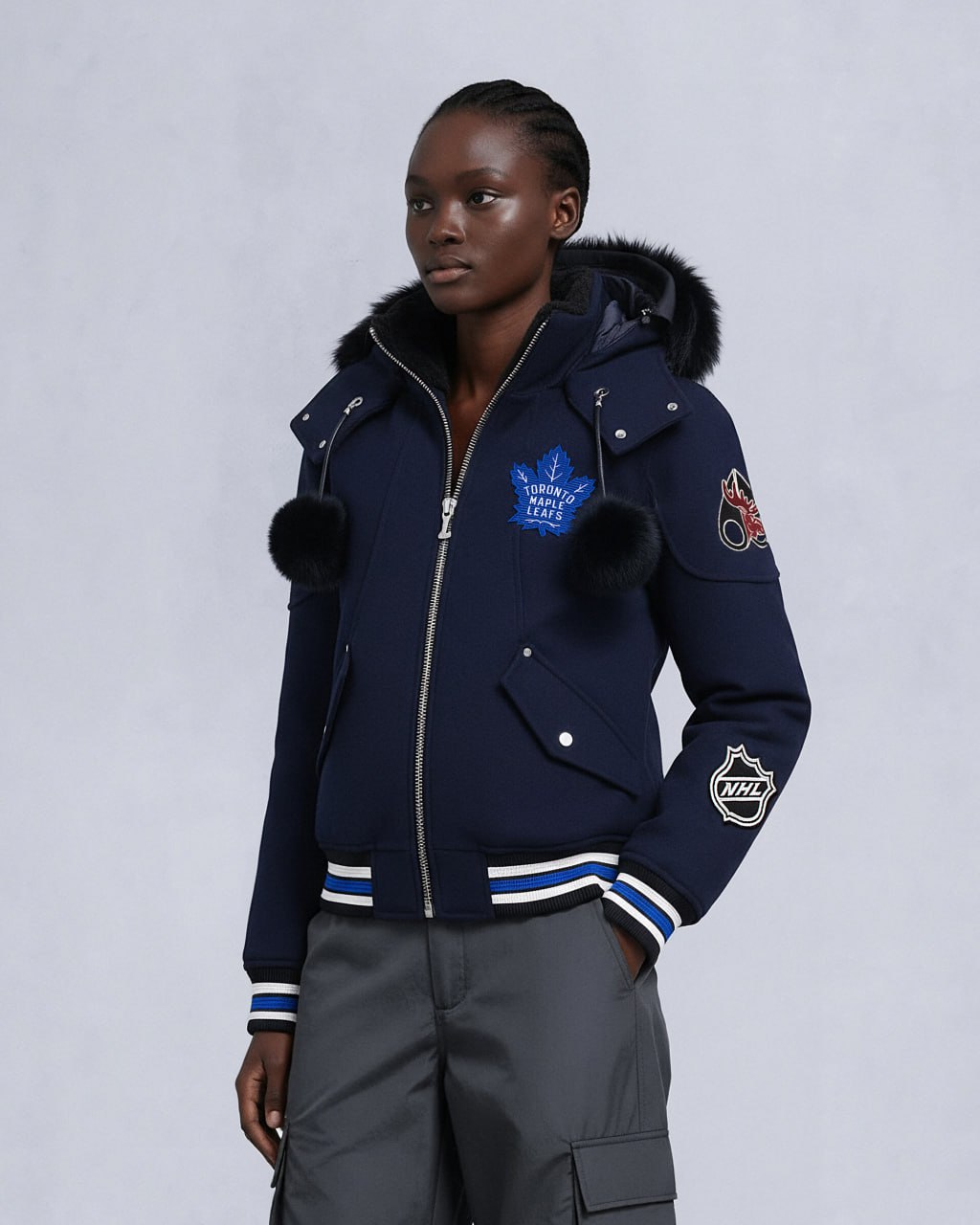
Consistent, Flawless Styling: In catalog photography, consistent and flawless styling is vital for showcasing products effectively. HMUAs ensure that models present a polished look that complements the products, creating an appealing visual narrative that attracts potential buyers.
Natural Makeup and Nails for Clean Looks: Natural makeup and nails are often preferred in catalog shoots to achieve a clean and professional appearance. This approach highlights the products without overshadowing them, allowing the viewer to focus on what’s being sold.
Product Videos Consistency: Professional styling is essential for maintaining consistency in product videos, ensuring that both motion and still visuals present a cohesive look. This consistency reinforces brand identity and quality.
Maintaining Visual Continuity: During filming, commercial artists are crucial for maintaining visual continuity. They make necessary adjustments to hairstyles and makeup throughout takes, ensuring that everything remains flawless on camera.
Fashion Photography
Enhancing Mood: HMUAs enhance the mood of fashion photography through creative makeup and hairstyling that aligns with the theme of the shoot. Their ability to interpret the photographer's vision translates into striking images that evoke emotion.
Aligning with Trends: By staying updated on current fashion trends, HMUAs ensure that hair and makeup reflect contemporary styles while also aligning with the brand identity. This synergy is crucial for maintaining relevance in a fast-paced industry.
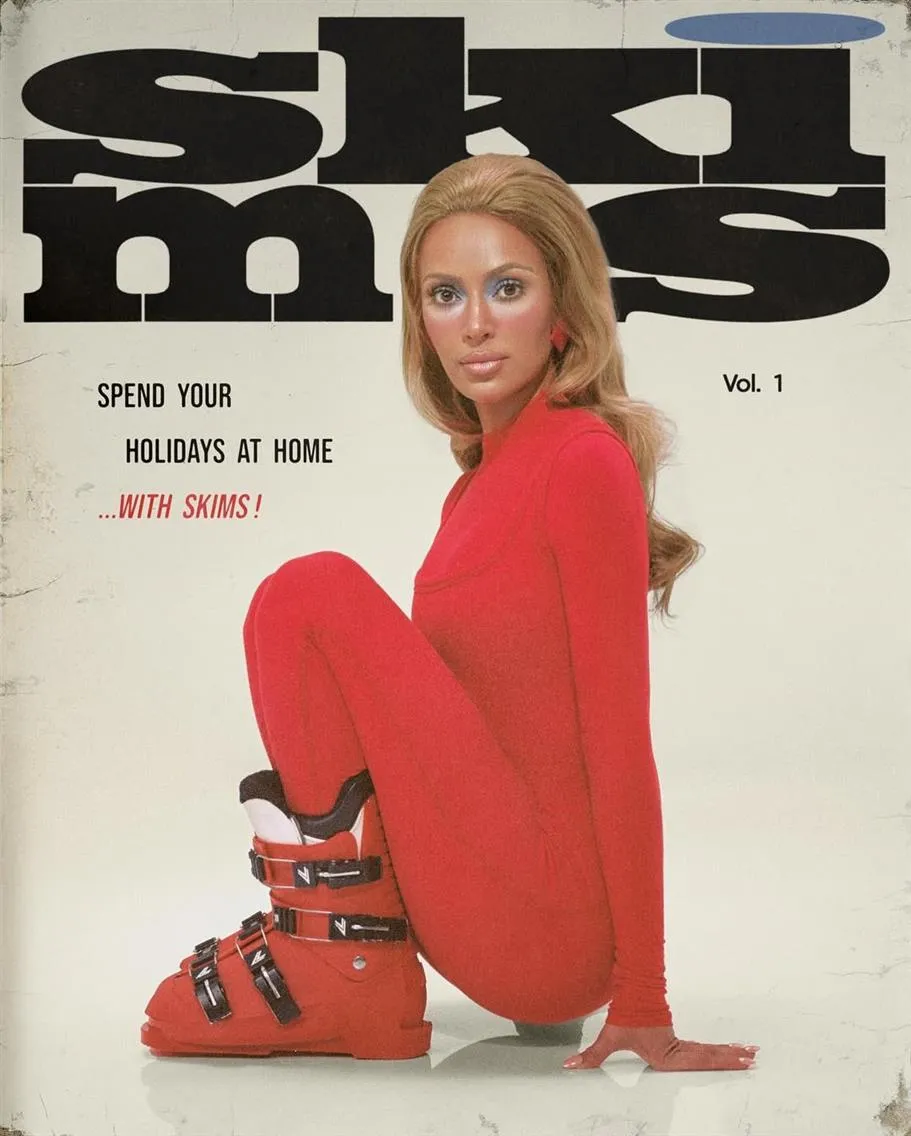
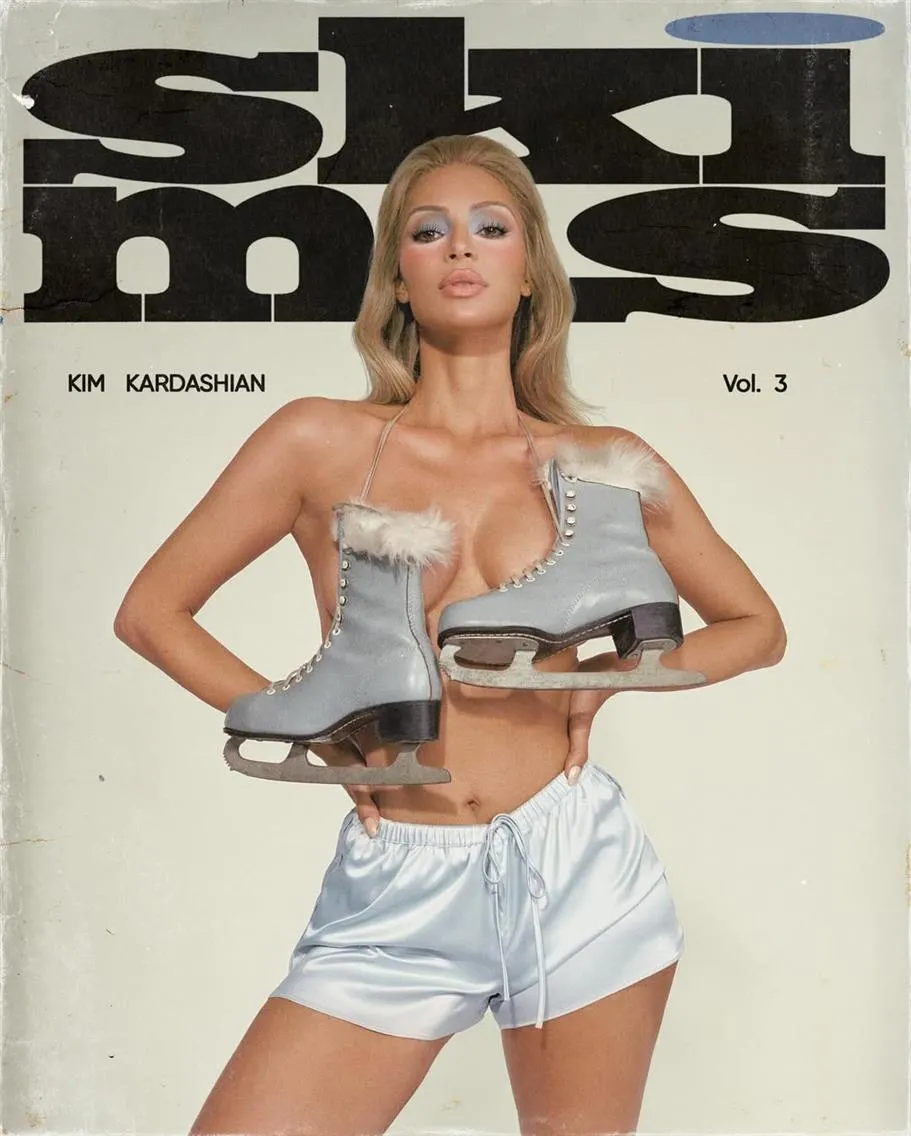
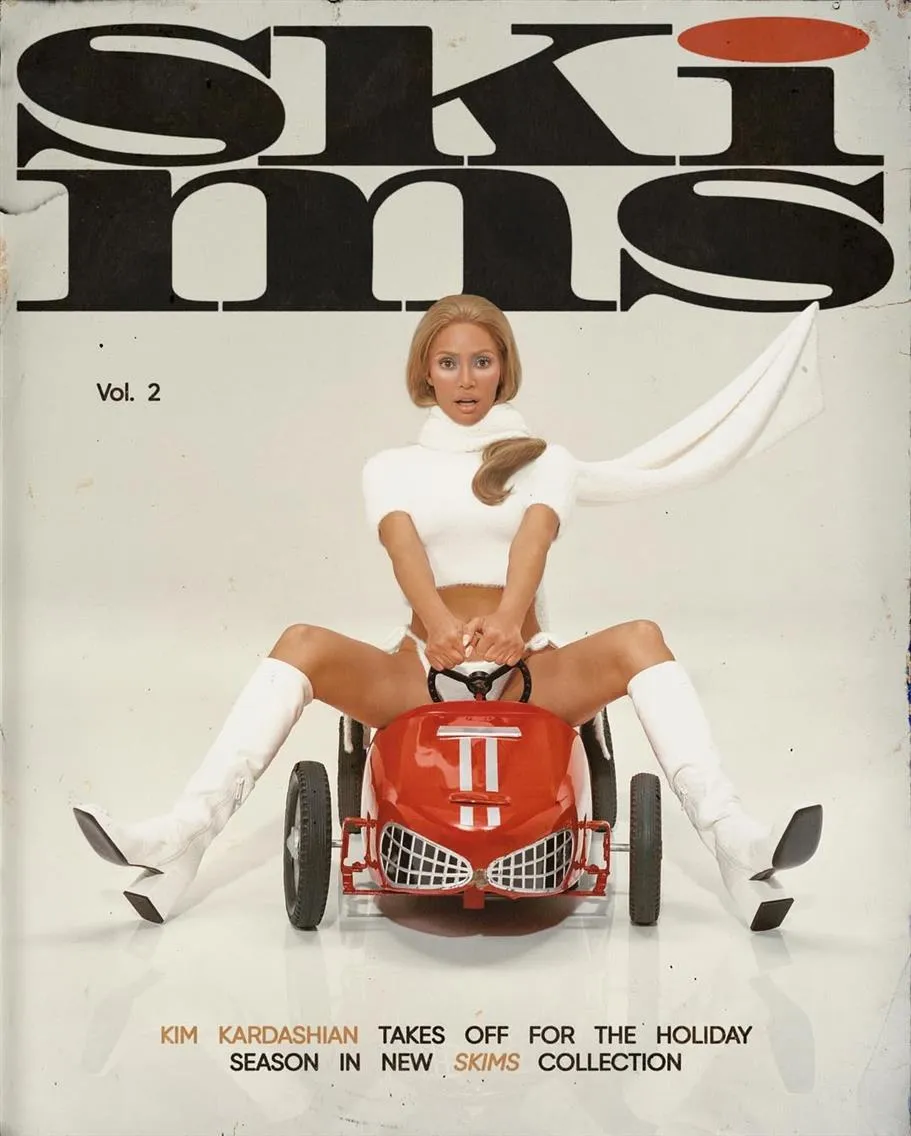
The SKIMS Holiday campaign featured Kim Kardashian styled in a way that blended vintage aesthetics with modern sensibilities. The HMUAs crafted looks reminiscent of classic pin-up styles, which reinforced the narrative of nostalgia while showcasing contemporary products.
This creative direction not only captured attention but also highlighted SKIMS' offerings in a way that resonated with both older and younger audiences, bridging generational gaps through visual storytelling.
Jewelry and close-up photography
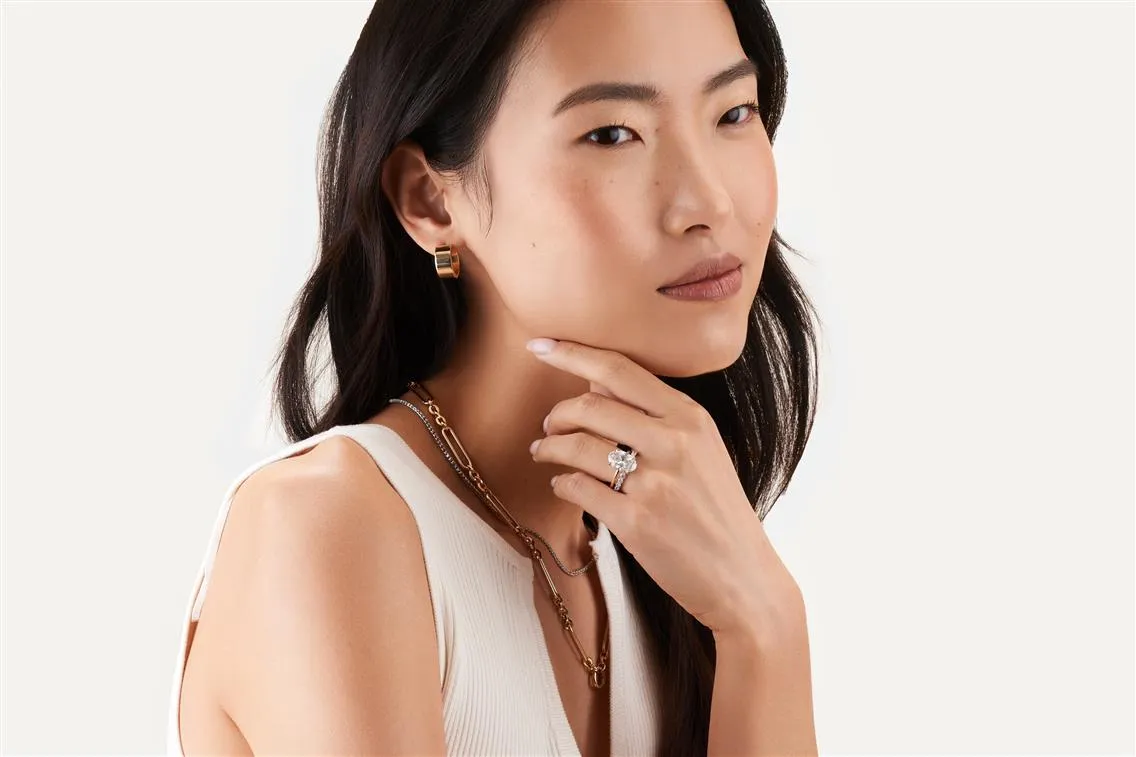
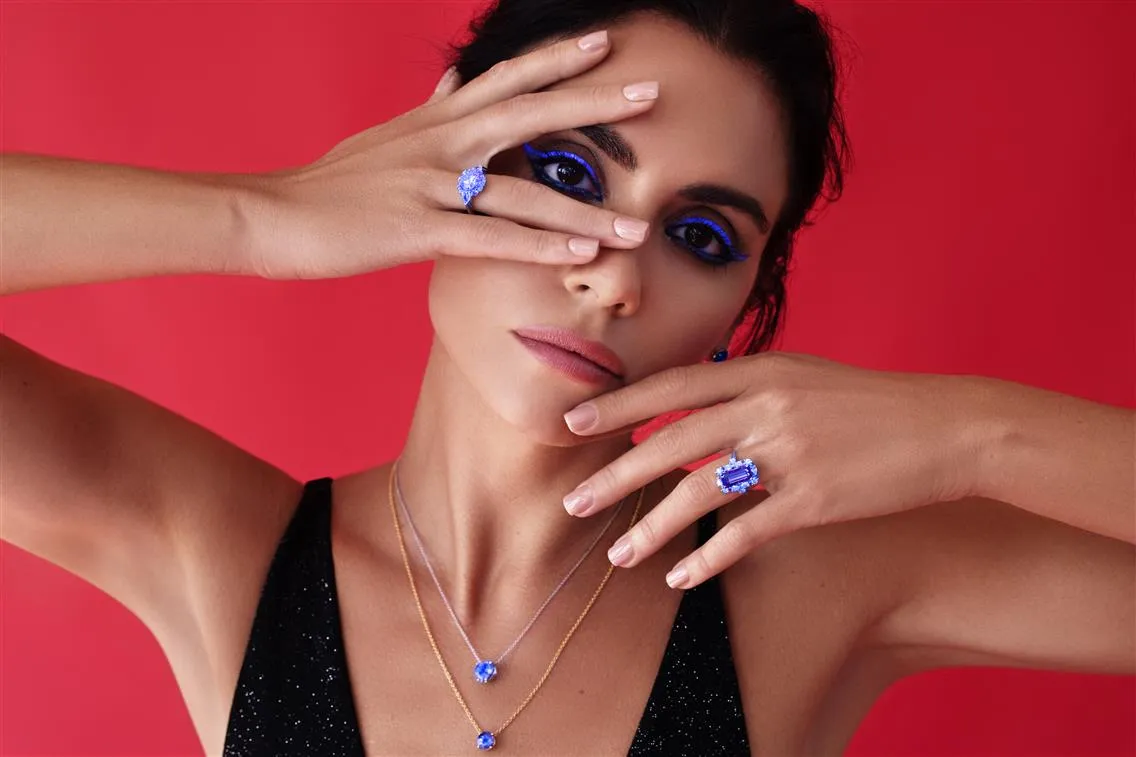
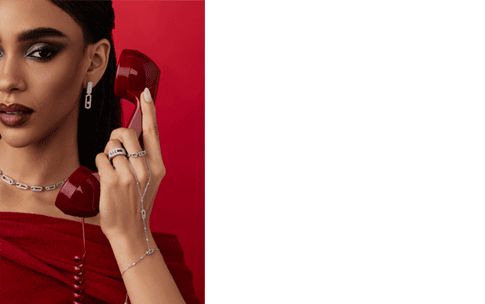
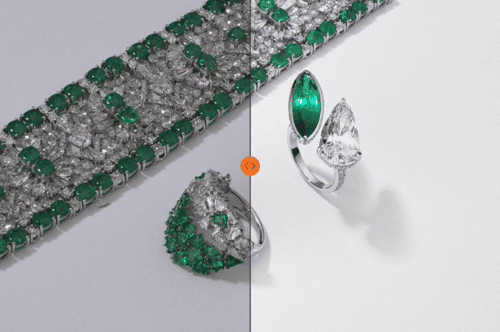
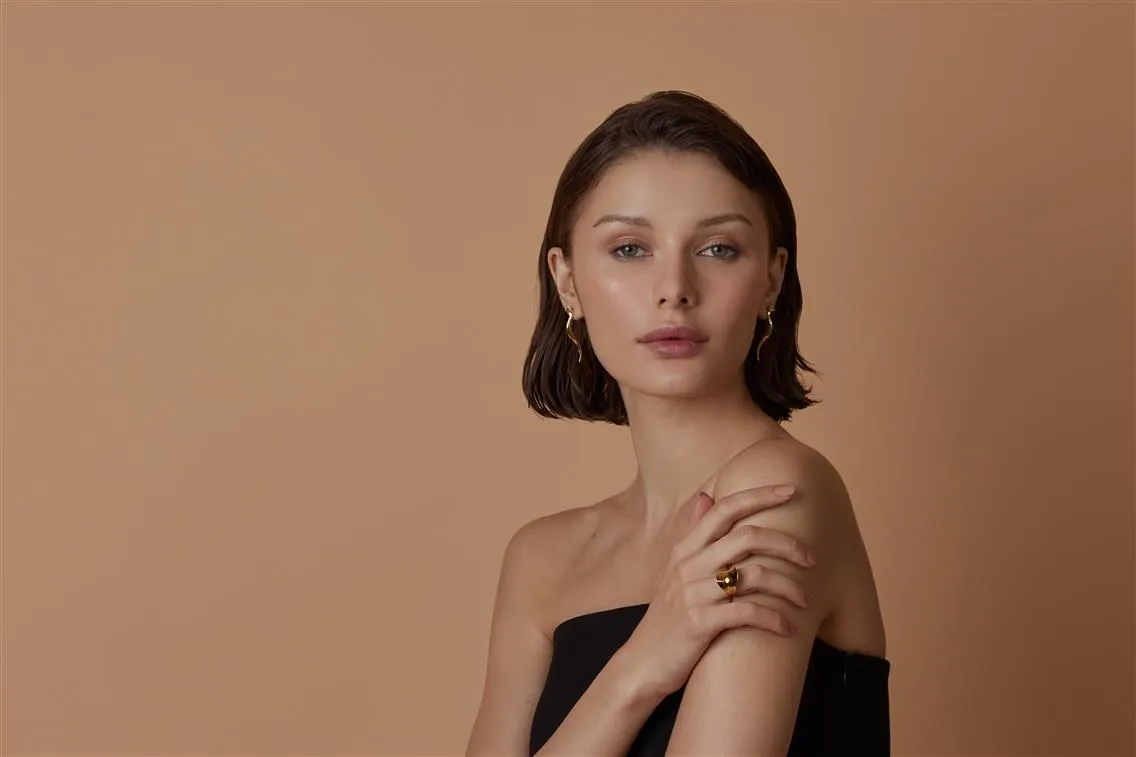
Nail presentation matters specifically in jewelry photography. Close-up shots of rings on a hand, necklaces against a neck, or bracelets on a wrist include nail detail in the frame whether or not the brief specifies it. A nail color or finish that doesn't align with the jewelry's price register, or an unprepared nail that draws the eye away from the piece, affects the image's ability to communicate the jewelry's value. Professional nail artists working in jewelry photography understand this dynamic: neutral finishes for most catalog work, more considered presentations for editorial or luxury content.
For more on jewelry photography production: eCommerce Brand's Guide to Jewelry Photography
Lifestyle Photography and Videos
In lifestyle photography, professional styling helps create relatable and aspirational images. HMUAs craft looks that resonate with target audiences, making the visuals more engaging and impactful. Makeup plays a significant role in storytelling within lifestyle campaigns. The right makeup can convey emotions and themes, enhancing the narrative and connecting with viewers on a deeper level.
Lifestyle videos are a powerful way to connect with audiences by showcasing products in relatable, real-world scenarios. Hair and makeup artists are critical in achieving the perfect balance between aspirational and natural looks. They craft styles that enhance the video’s storytelling without overshadowing the product or brand narrative.
For instance, an HMUA working on a lifestyle video will ensure that the models’ appearances align with the tone of the campaign, whether it’s casual and approachable or polished and professional. Their attention to detail ensures continuity across scenes, which is essential for maintaining viewer engagement and trust.
Additionally, lifestyle videos often involve dynamic movement and diverse lighting conditions. Professional HMUAs account for these factors by using long-lasting techniques and products that keep models looking fresh throughout the shoot. This reduces the need for frequent touch-ups, saving time on set and allowing for a smoother production process.
Creative Commercials
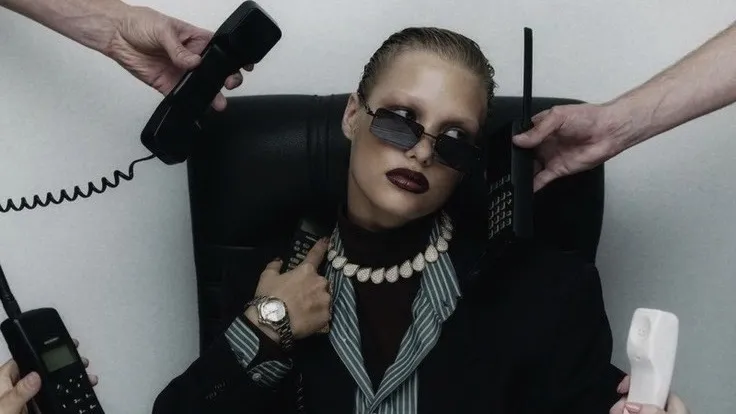
Bold and imaginative looks define creative commercials, making them memorable and impactful. Professional hair and makeup artists go beyond simply styling — they translate the campaign’s vision into visuals that resonate. Their ability to craft innovative, eye-catching styles reinforces the brand narrative, whether it’s through avant-garde makeup or intricate, artistic hairstyles. By tailoring their approach to the campaign’s goals, HMUAs ensure the visuals stand out in a competitive market, capturing audience attention and leaving a lasting impression.
The collaboration between HMUAs and the creative team plays a critical role in these commercials. By understanding the script, mood, and overall tone, they align their work to reflect the brand’s identity consistently across different shots and angles. Their contributions streamline the entire creative process, ensuring models are camera-ready with minimal delays and maximizing production efficiency.
How HMUA work reduces post-production time
Post-production retouching fixes problems. A well-executed HMUA job creates fewer problems to fix. The relationship is direct and measurable in production cost.
Makeup applied with products formulated for studio lighting and extended shoot duration stays consistent across a full production day without requiring correction in post. Hair styled with products that maintain structure without becoming rigid reads naturally on camera and doesn't generate stray-hair retouching tasks across hundreds of frames. Nail presentation that is correctly prepared before the shoot doesn't require cloning or color correction in post.
The cumulative effect of these small decisions across a high-volume catalog shoot is significant. Fewer retouching tasks per image, faster delivery, and lower post-production cost. For studios running continuous catalog production for fashion and jewelry brands, the efficiency difference between a production with a professional HMUA team and one without is visible in the delivery timeline and the revision count.
Choose a Content Production Studio with an Established In-House Team
When selecting a content production studio, it’s essential to choose one with a fully equipped in-house team that can coordinate the entire process seamlessly.
LenFlash full-service fashion and apparel shoots include professional hair, makeup, and nail artists as part of the production team. Bring us your brief and your products and our team handles everything from styling and HMUA through photography, retouching, and delivery.
By offering full production and post-production services, we simplify the process for clients, ensuring that all aspects of the shoot are harmonized from start to finish.