
What Is Set Design and Why Your eCommerce Photography Needs a Set Designer
Product visuals in eCommerce carry the entire burden of communicating value to a customer who cannot touch, try, or examine the product in person. Set design is the discipline that shapes the environment those visuals inhabit. It determines whether a product reads as premium or generic, whether an image feels considered or assembled, and whether the visual content produced in a single shoot can serve multiple channels and campaign moments or only one.
This article covers what set design is in commercial photography, how it shapes brand storytelling, what a set designer actually does on a production, and why it matters for eCommerce brands across every category.
Part of our complete guide: Understanding the eCommerce Photography Creation Process and Team
What a Set Designer Does
The set designer's process begins with conceptualization. Taking the creative director's guidelines, they develop preliminary designs that serve as the foundation for the visual project through brainstorming sessions with the creative team.
- Sketches — initial drawings that capture the layout, key elements, and overall atmosphere of the set, providing a visual reference that guides further development.
- Mood boards — curated collections of images, textures, colors, and materials that convey the aesthetic and emotional tone of the project, allowing all stakeholders to visualize the intended atmosphere before production begins.
- Floor plans — detailed layouts outlining where each element will be placed, ensuring the design is functional and conducive to shooting.
- Set elevations and 3D renders — comprehensive views of the set from multiple perspectives, helping directors and producers understand how different elements interact within the space.
Prop Sourcing and Crafting
Props add depth and context to product photography. Set designers source or create details that enhance storytelling and serve as visual cues that convey messages about products and brands.
The selection of props requires careful consideration of how each item contributes to the narrative. A vintage suitcase evokes wanderlust for a travel brand. Sleek gadgets emphasize modernity for tech products. A luxurious watch paired with minimalist decor emphasizes elegance. Careful prop selection ensures each element complements rather than distracts from the main subject.
Aligning Set Design with Brand Aesthetics and Marketing Goals
A successful set designer understands that their work must align with both brand aesthetics and marketing objectives. This requires a thorough understanding of the brand's identity — its values, target market, and overall messaging. This knowledge informs every decision made during the design process, from color choices to prop selection.
Set designers also consider how their designs support specific marketing goals. Whether the brand is aiming to boost engagement on social media or drive conversions on an eCommerce product page, every aspect of the set must be tailored to achieve those objectives.
The commercial value of this alignment is significant. A well-designed set produces a range of visual materials from a single shoot day. By designing a versatile environment, the production can shift moods, angles, and focal points to generate content for product listings, social media campaigns, editorial features, and paid advertising within the same physical space. This reduces production costs and ensures all assets share a coherent visual language.
Composition, Mood, and Color
Composition involves arranging elements within the frame to create specific emotional responses: order or chaos, warmth or coolness, intimacy or grandeur. A well-composed set guides viewers' emotional responses to the product being showcased. As scenes evolve during a shoot, set designers adapt their designs to ensure each shot aligns with the intended emotional tone.
Lighting is one of the most critical aspects of set design. It sets the mood, highlights products, and adds depth to images. Soft natural light creates a warm and inviting atmosphere. Harsh lighting introduces drama or emphasizes texture. Set designers always work in alignment with the creative director's lighting direction.
Color significantly influences how viewers perceive images and evokes specific emotions or associations. Color choices should align with brand identity and target audience preferences. Warm colors create urgency. Cooler tones convey trust and calm. Thoughtful color palettes reinforce the intended message rather than creating visual noise.
Background Selection
The background sets the scene for product photography and either enhances or detracts from the focal point. A cluttered background distracts viewers. A simple or thoughtfully designed backdrop highlights the product effectively. Choosing backgrounds that support the product's story is essential for creating visuals that communicate clearly.
Flexible Design for Camera Movement and Safety
Set designers must ensure their designs accommodate camera movement while maintaining stability. Everything on set must be secure and positioned to support the technical requirements of the shoot. This requires close coordination with production teams to identify potential hazards and ensure the set serves both aesthetic and operational needs.
How Set Design Drives Brand Storytelling
Set design provides the environment that conveys a brand's narrative, establishing context that the product alone cannot create. A handmade product in a rustic setting evokes nostalgia and authenticity. A sleek, modern environment conveys innovation and sophistication. By selecting colors, textures, and props that align with the brand's message and emotional tone, set designers create spaces that position products within a world the target customer recognizes and responds to.
Visual storytelling is emotionally driven. Set design creates atmospheres that elicit specific responses from the audience. Warm lighting and considered props create comfort and familiarity. A structured, minimal environment communicates precision and control. When consumers emotionally engage with a visual, they are more likely to remember it and develop a stronger affinity for the brand behind it.
For how visual strategy uses set design across marketing channels see: Visual Marketing Strategy for eCommerce Brands
The Set Designer's Role Within the Production Team
In commercial visual content production, set designers work within a broader team of specialists. Their ability to collaborate effectively with each department determines whether the visual elements of a production come together cohesively.
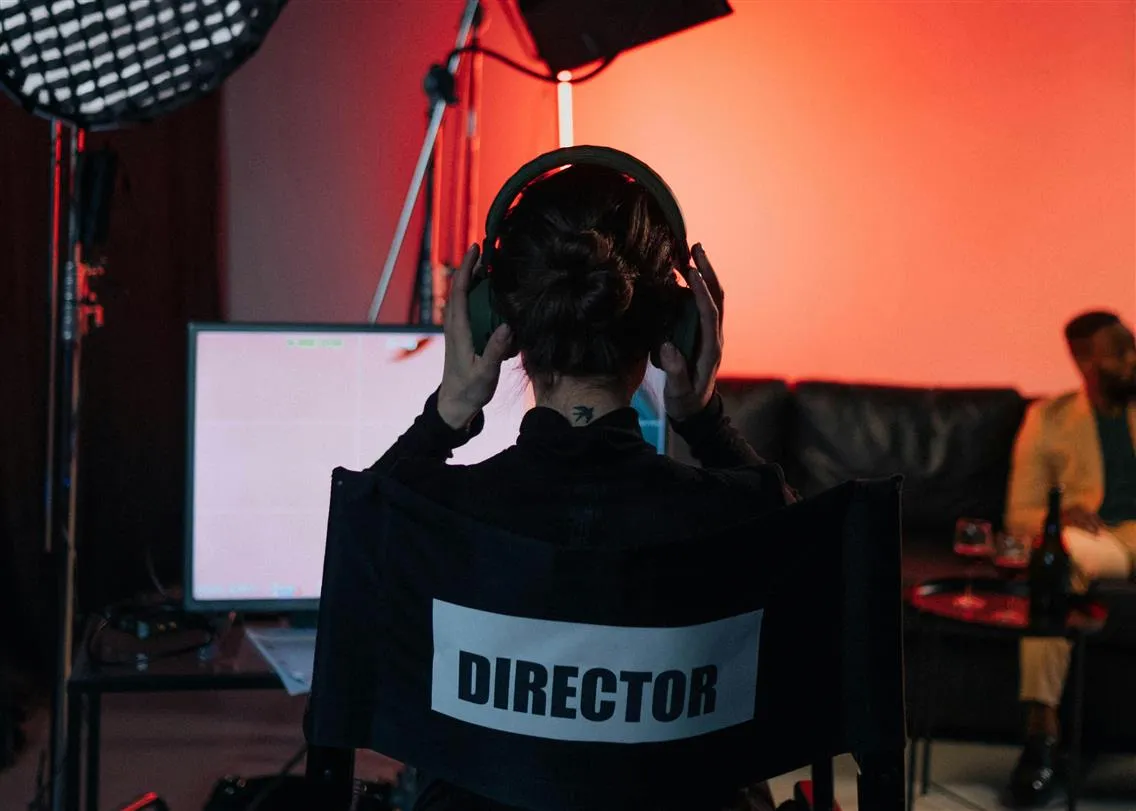
Set designers begin by working closely with directors and creative leaders. The director's vision shapes the narrative and aesthetic of the project, and the set designer interprets that vision into tangible designs that enhance storytelling. This requires active listening, adaptability, and a clear understanding of how the set will function within the story being told.
Art Directors — often working as the second-in-command to creative directors, art directors oversee specific aspects of set design. Set designers work alongside them to ensure aesthetic consistency across different sets and across the full content system being produced.
Cinematographers — the relationship between set designers and cinematographers is particularly important for lighting and camera angles. Set designers consider how their designs will interact with lighting setups and how different angles will affect the visual presentation of the set.
Lighting Technicians — lighting plays a critical role in set design, influencing mood and atmosphere. Set designers work with lighting technicians to understand how different light sources interact with their designs, ensuring the set accommodates various lighting techniques and enhances the overall visual impact.
Producers — collaboration with producers is essential for balancing creativity with financial realities. Set designers must be mindful of costs when selecting materials and props, ensuring their designs are both visually compelling and financially feasible.
For a complete breakdown of how all production team roles work together: Understanding the eCommerce Photography Creation Process and Team
Set Design in Fashion, Jewelry and Beauty Photography
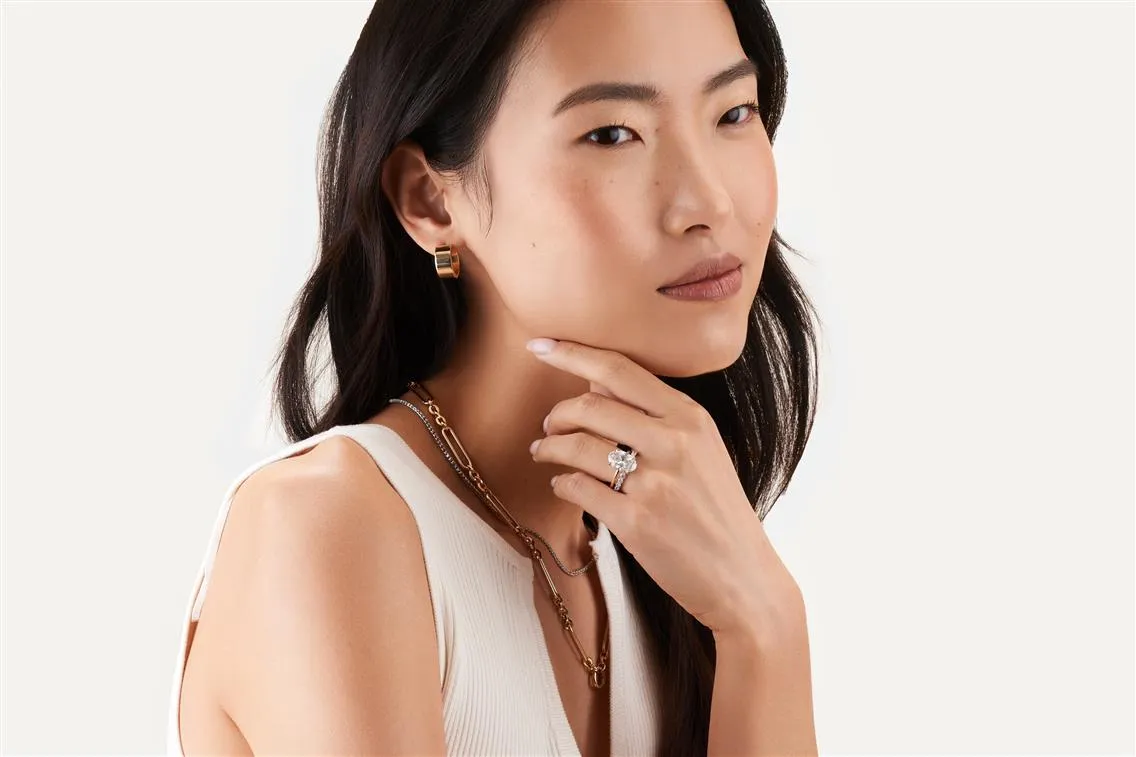
In the fashion industry, set design is a critical component of how themes and narratives are communicated through visual content. The right set creates an atmosphere that complements clothing styles and enhances the overall presentation and emotional impact of the images.
Set designers curate moods using props, furniture, and color palettes that resonate with the collection's positioning. A minimalist set with clean lines elevates high-fashion garments by removing all competition for attention. A vibrant and eclectic backdrop suits streetwear, reflecting the energy and cultural context the brand wants to communicate.
Beyond aesthetics, effective set design enables deeper storytelling in fashion editorials. Vintage furniture in a shoot for a retro-inspired collection reinforces the narrative behind the clothing rather than simply looking appropriate. This alignment between set design and creative concept creates images that remain in the memory after the viewer has moved on.
For how fashion photography uses set design in editorial and campaign work: Professional Fashion Photography for eCommerce Brands
How Set Design Shapes Stunning Fashion Campaigns: Real-World Examples
Set design has become an integral part of fashion campaigns, providing the backdrop that enhances storytelling and elevates the overall aesthetic. Here are some notable examples from 2020 to 2025 that illustrate how set design has shaped stunning fashion campaigns.
1. Bottega Veneta - Fall/Winter 2020 Campaign
Bottega Veneta's FW20 campaign, shot by Tyrone Lebon, featured models illuminated by raw flashes of light against a snowy backdrop. The minimalist yet dramatic set evoked a sense of isolation and introspection, resonating with the collection's themes. The stark contrast between the models and the environment created a powerful visual narrative that emphasized the elegance and simplicity of the designs.
2. Gucci Tailoring - Fall 2020 Campaign
The Gucci Tailoring campaign featured an eclectic mix of celebrities, including Tyler, The Creator, and A$AP Rocky, set against vibrant backdrops that reflected Alessandro Michele's whimsical aesthetic. The set design incorporated colorful props and dynamic layouts that enhanced the playful nature of the campaign, making it not just a showcase of clothing but a celebration of individuality and self-expression.
3. JW Anderson - Spring/Summer 2021 Campaign
In this campaign, JW Anderson employed a dreamy set filled with pastel colors and oversized props, including tricycles and whimsical furniture. Shot by Tyler Mitchell, the playful environment complemented the collection’s soft aesthetic, creating a sense of childlike wonder. The surreal set design allowed the garments to shine while immersing viewers in a fantastical world that captured the essence of the brand.
4. Loewe Spring/Summer 2025 Campaign
The Spring/Summer 2025 campaign, shot by David Sims, exemplifies Loewe's connection to nature and the artistic presentation of its products. Set against the lush backdrop of Catalonia’s countryside, the campaign features models interacting with their environment — crinoline dresses hang from branches, and bags like the Madrid bag and Featherlight Puzzle are placed among natural elements such as leaves and soil.
The campaign also incorporates still-life photography that presents these bags and shoes as if they were part of a naturalistic performance, blurring the lines between fashion and art. The careful arrangement of products within their surroundings creates a ritualistic quality, inviting viewers to appreciate the craftsmanship and artistry behind each piece.
5. Balenciaga - Fall/Winter 2022 Campaign
In Balenciaga's FW22 campaign, still-life photography was used to present products in unconventional ways. The set design featured surreal elements, such as distorted mirrors and abstract shapes, creating a dreamlike quality that challenged traditional fashion norms. This innovative approach not only showcased Balenciaga’s avant-garde aesthetic but also engaged viewers by inviting them to interpret the visuals in multiple ways.
6. Rhode's "Glazed Doughnut Skin" Campaign (2023)
The "Glazed Doughnut Skin" campaign showcased Rhode's skincare products with an emphasis on achieving a dewy, radiant look. The set design featured soft pastel colors and glossy surfaces that mimicked the aesthetic of glazed donuts. The products were arranged alongside playful props like actual donuts and vibrant sprinkles, creating a whimsical yet aspirational atmosphere. This clever integration of food elements not only highlighted the brand's unique positioning but also resonated with Gen Z's love for fun and nostalgia.
7. Adidas – "Ready for Sport" (2022)
Adidas launched this campaign with a bold set design featuring urban landscapes and dynamic sports environments. The visuals showcased athletes in action against striking backdrops — think graffiti-covered walls or rooftop courts — creating an energetic vibe that appealed to younger audiences. This approach not only highlighted product performance but also positioned Adidas as an integral part of street culture.
8. Patagonia – Environmental Focus
Patagonia’s product photography emphasizes its commitment to sustainability through thoughtful set designs that incorporate natural elements. By showcasing outdoor gear in rugged landscapes or serene natural settings, Patagonia reinforces its brand values while appealing to environmentally conscious consumers. This connection between product and environment enhances the narrative and emotional impact of the visuals.
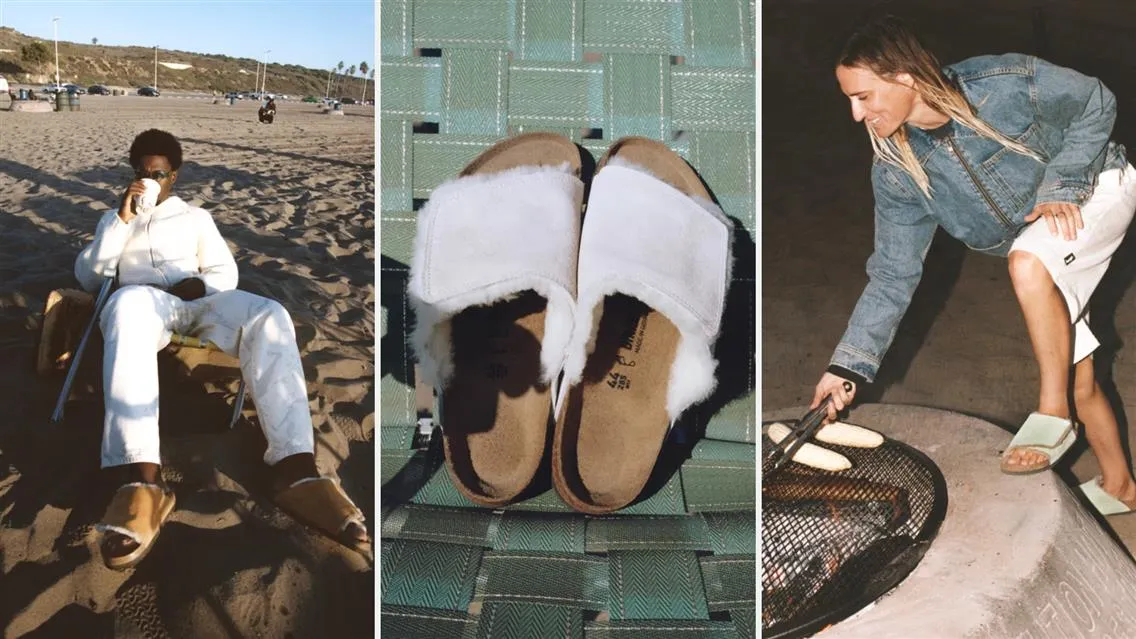
9. Stüssy x Birkenstock - Solana Collaboration (2023)
The Stüssy and Birkenstock collaboration introduced the Solana sandal, featuring a unique slip-on design with plush shearling lining. The set design for the campaign, photographed by Antosh Cimoszko, included vibrant backgrounds that complemented the earthy tones of the sandals. The combination of textured surfaces and playful props created an inviting atmosphere that highlighted the comfort and style of the product. This approach not only showcased the sandals effectively but also reinforced the laid-back, casual vibe associated with both brands.
10. Cartier – Summer Campaign (2023)
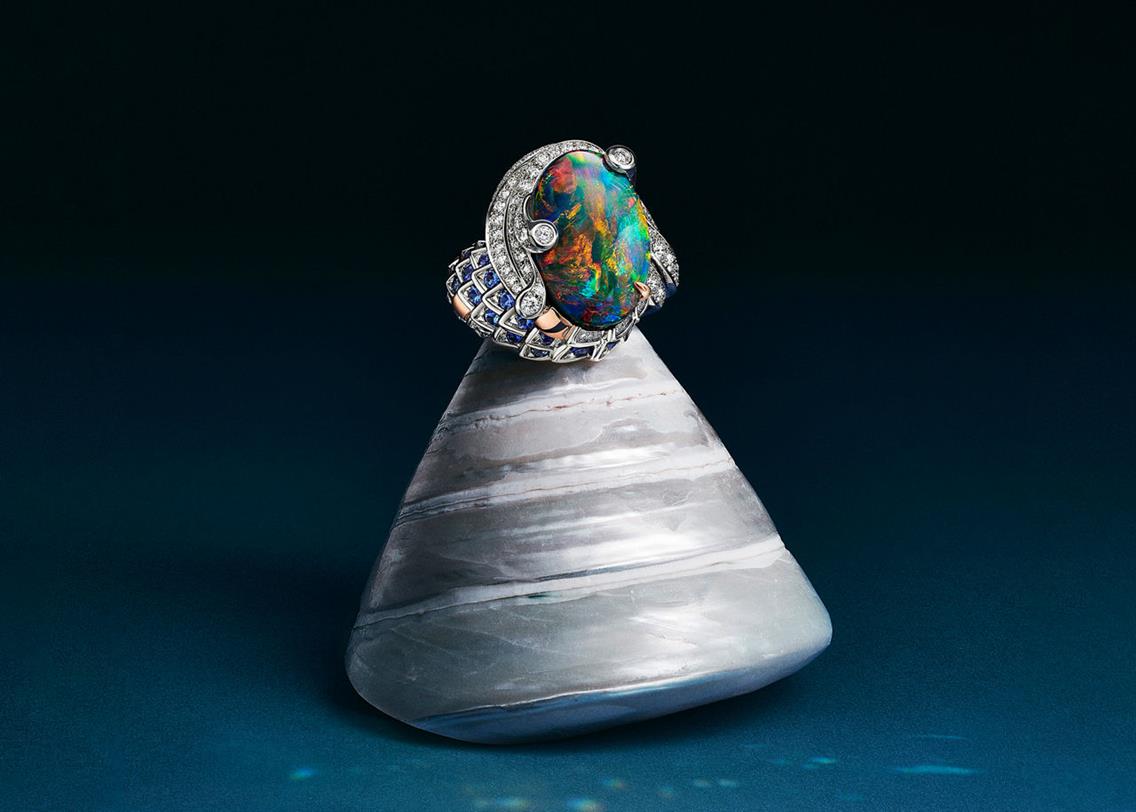
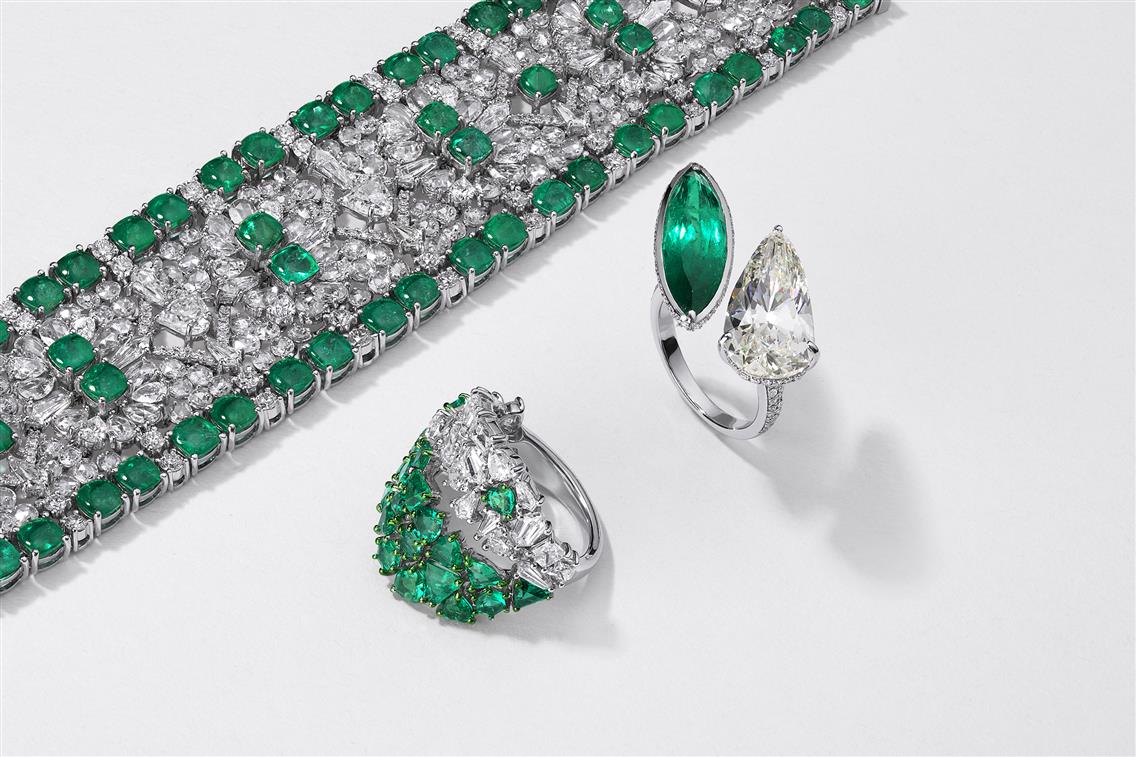
Cartier's summer campaign featured a luxurious set design that beautifully showcased its exquisite jewelry pieces. The campaign utilized vibrant colors and natural elements, such as lush greenery and soft lighting, to create an inviting and elegant atmosphere. The set design enhanced the visual appeal of the jewelry, allowing the pieces to shine against a backdrop that evoked a sense of summer luxury and sophistication. This approach not only highlighted the craftsmanship of Cartier's products but also created an aspirational lifestyle narrative that resonated with viewers.
Set Design in Still Life Photography
Set design is the foundation of still life photography for eCommerce. It transforms product photographs from documentation into compositions that communicate quality, lifestyle context, and brand identity.
Why Set Design Is the Foundation of Stunning Still Life Photography
Set design serves as the backbone of still-life photography, providing the context and environment that elevate the subject matter. Here’s how set design contributes to creating stunning visuals:
- Effective set design can turn mundane objects into compelling subjects. By thoughtfully arranging items, incorporating complementary props, and using creative backgrounds, photographers can create a narrative that draws viewers in. For example, a simple bottle of olive oil can be transformed into a gourmet product by placing it in a rustic kitchen setting with herbs and wooden utensils.
- In still life photography, it’s crucial to balance aesthetics with functionality. The set design should enhance the product's features without overshadowing them. This balance allows for clear visibility of product details while maintaining an engaging visual appeal. For instance, using soft, neutral backgrounds can help highlight the colors and textures of a product without distraction.
- Thoughtful set design adds depth to images through layers and varying heights. By arranging objects at different levels or using foreground and background elements, photographers can create a sense of three-dimensionality that makes the composition more dynamic and interesting.
Creative Set Design for E-Commerce Products
In e-commerce, effective set design is crucial for showcasing products in a way that attracts consumers and encourages purchases.
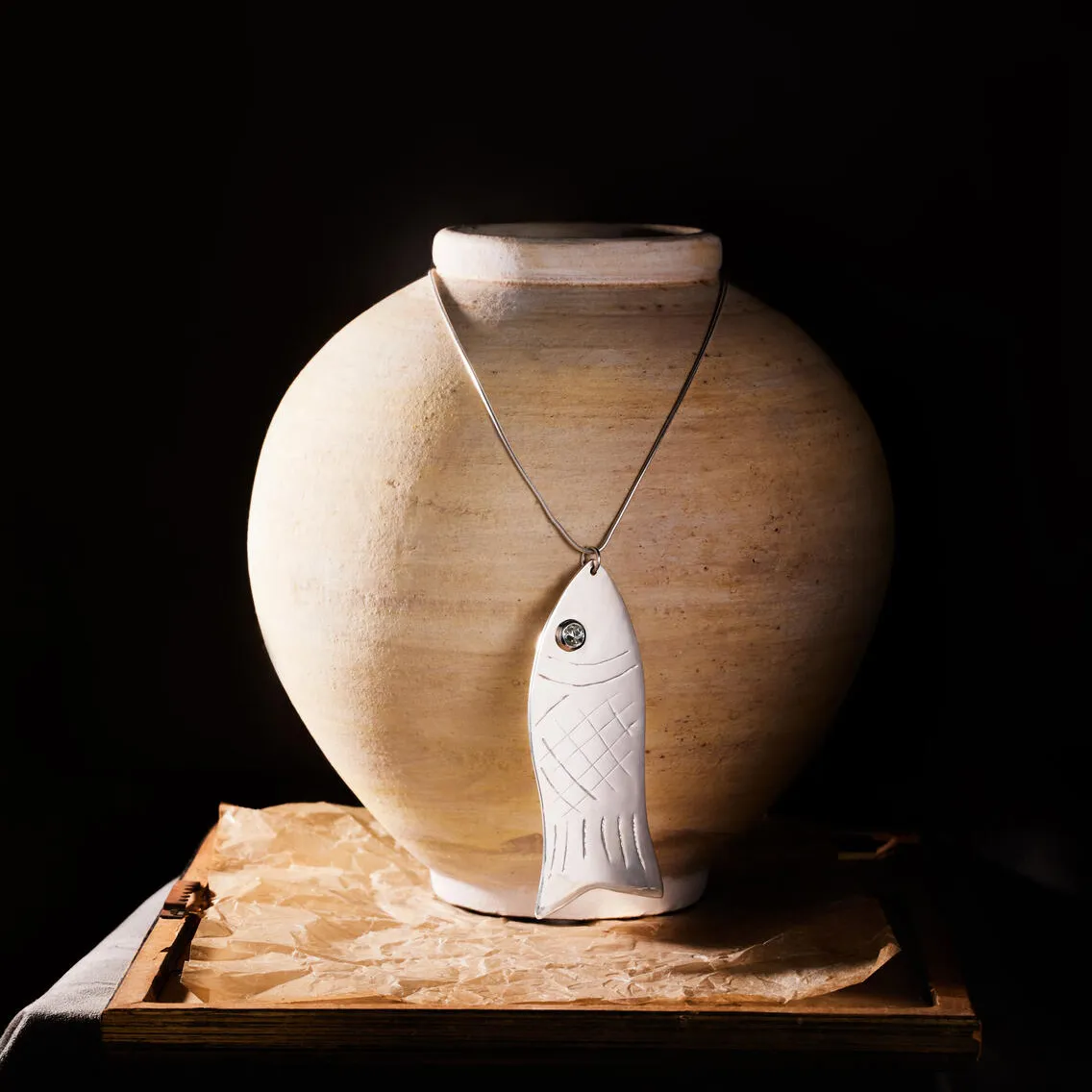
The use of props can enhance the narrative around a product. For example, when photographing skincare products, incorporating items like fresh flowers or natural elements can evoke feelings of freshness and purity, aligning with the brand's message.
Textures add visual interest and can influence how products are perceived. A rough wooden surface can suggest rustic charm for artisanal goods, while sleek marble might convey luxury for high-end products. Mixing different textures within the set design helps create a contrast that draws attention to the main subject.
Examples of Minimalist vs. Elaborate Still Life Set Designs
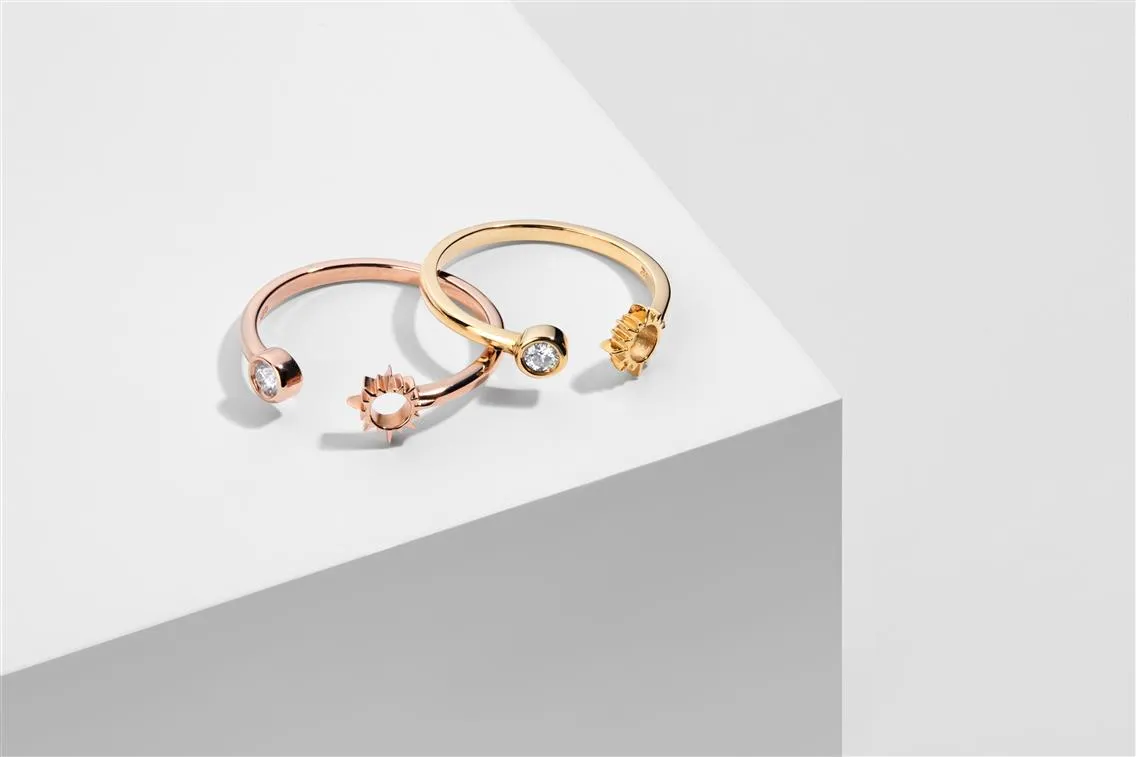
- Minimalist Set Design
A clean white backdrop with a single product on a simple pedestal emphasizes clarity and focuses all attention on the product itself. This approach is ideal for brands that want to convey simplicity and elegance. The minimalist environment communicates confidence in the product's inherent quality.
- Elaborate Set Design:
A richly textured background featuring various related props creates an immersive environment that tells a story about the product's lifestyle appeal. Luxury fragrances, home decor, and artisanal food products benefit from this approach because the elaborate setting communicates the world the product belongs to rather than simply documenting its existence.
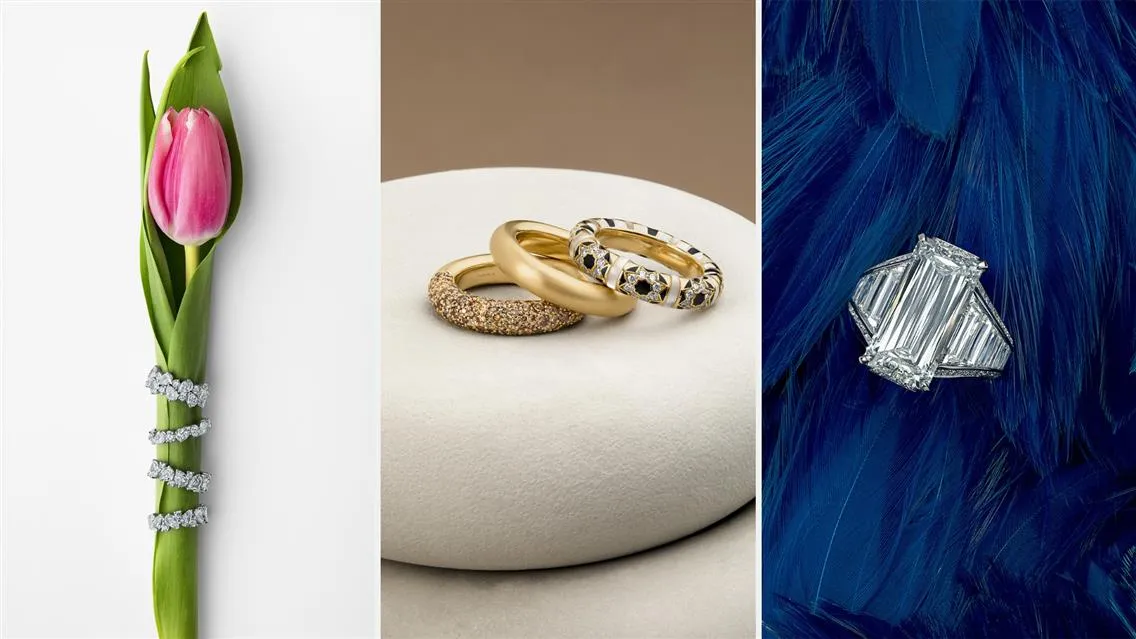
Textures add visual interest and influence how products are perceived. Rough wooden surfaces suggest rustic charm for artisanal goods. Sleek marble conveys luxury for high-end products. Mixing different textures within the set creates contrast that draws attention to the main subject.
For the complete technique guide to still life photography production: Product Still Life Photography for eCommerce Brands
FAQ: Set Design in eCommerce Photography
When does an eCommerce brand actually need a set designer?
A set designer adds the most value when the visual content needs to communicate something beyond the product itself: a lifestyle, a cultural reference, a brand world that the customer wants to be part of. For catalog photography where the goal is accurate documentation on a clean background, a set designer is not necessary. For campaign photography, editorial content, lookbooks, and any imagery intended to build brand identity rather than document products, a set designer is what separates content that feels considered from content that feels assembled.
What is the difference between a set designer and a prop stylist?
The roles overlap but are distinct. A prop stylist selects and sources individual props to enhance specific shots. A set designer designs and builds the entire environment the shoot takes place in, which includes the physical structure, surfaces, backgrounds, furniture, and the spatial logic of how everything relates to each other. On larger productions both roles exist simultaneously. On smaller productions one person often covers both.
How much does set design add to a photography production budget?
Set design costs vary significantly depending on the complexity of the environment being created. A minimal tabletop setup with curated props adds a modest amount to a production budget. A fully constructed environment with custom-built elements, sourced furniture, and location-level set dressing represents a significant line item. The relevant commercial question is not the cost of set design in isolation but what it returns in terms of visual content that performs across more channels and remains useful for longer than catalog photography alone.
Can set design be reused across multiple shoots?
Yes, and this is one of the primary commercial arguments for investing in thoughtful set design. A well-designed set can be modular, with core elements that remain consistent across shoots and smaller details that change to reflect seasonal or campaign-specific requirements. Brands that build a documented visual system including defined set design standards can reproduce consistent environments across multiple shoot sessions without starting from scratch each time.
How does set design connect to brand identity?
Set design is one of the most direct expressions of brand identity in visual content. Every decision, the materials on the surfaces, the colors of the props, the furniture, the spatial arrangement, communicates something about what the brand values and who it is speaking to. A brand that defines its set design standards as carefully as it defines its logo usage builds a visual consistency that customers recognize across channels even without seeing the brand name.
Does LenFlash provide set design as part of its photography services?
Yes. Set design is part of the production process at LenFlash across photography categories. For catalog and product photography, the studio manages surface, background, and prop selection as standard. For campaign and editorial productions, a dedicated set designer works with the creative director and photographer to build the environment the shoot requires.