


Product Photography for Kidswear and Children’s Accessories Brands
Kidswear photography is trickier than it looks. Kids grow fast, parents need to shop quickly, and the photos need to make a parent click buy now immediately instead of bouncing to the next brand.
This article covers the unique demands of photographing children's products, common pitfalls brands encounter, and practical solutions for building a visual presence that translates into measurable results.
Part of our complete guide: Product Photography for Clothing and Accessories Brands
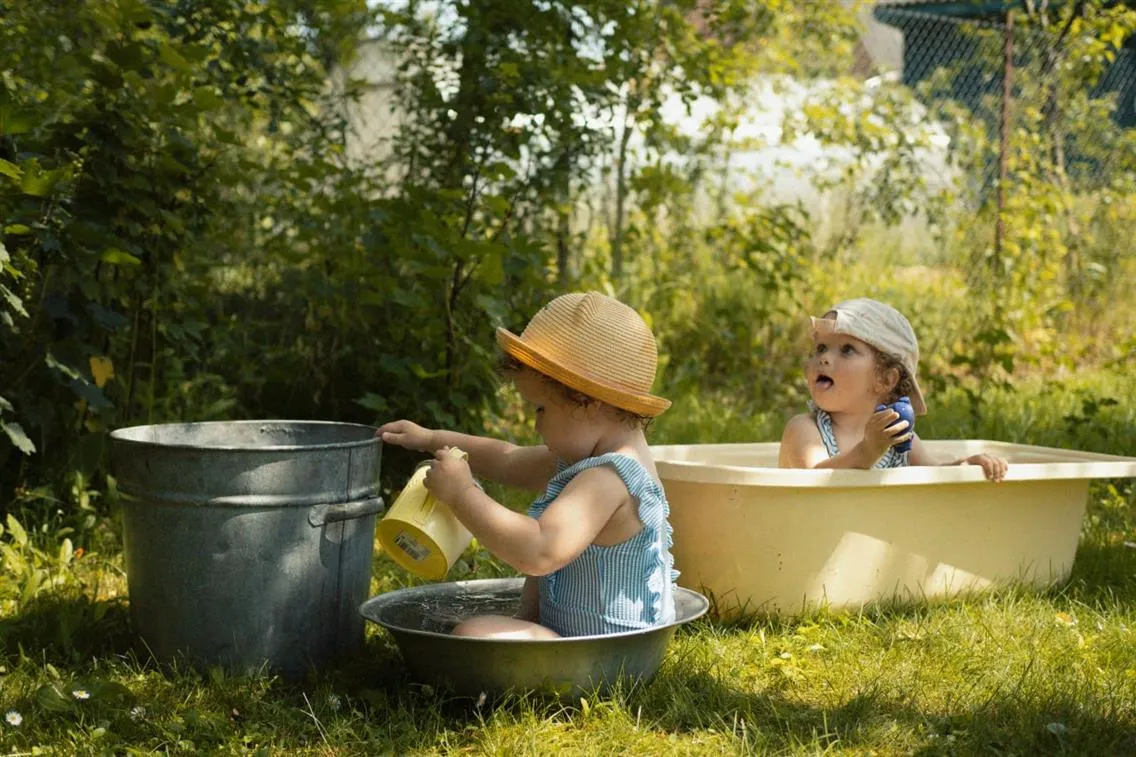
The Distinct Features of Kidswear and Children's Accessories Photography
Kidswear Photography That Aligns with Parental Decision-Making
Parents shop differently than other consumers, looking for specific signals in product images that address their primary concerns.
Comfort needs to be visually communicated through soft fabrics, non-restrictive designs, and wearability. Close-ups showing fabric texture and natural movement help parents imagine how garments will feel against their child's skin.
Safety is reassured through visual cues demonstrating secure closures, the absence of small detachable parts, and appropriate design features. Detailed shots of rounded edges, secure stitching, and child-friendly materials build the trust parents need before purchasing.
Durability needs to be visible. Parents need to see that products can withstand active play and frequent washing. Photography highlighting reinforced seams, quality fastenings, and robust construction communicates long-term value rather than a single-season purchase.
Unlike adult fashion photography, kidswear images that appear too perfectly styled or unnaturally posed often reduce parent trust. Authentic representation showing how products look, fit, and function consistently outperforms heavily edited or artistic shots in conversion rates. Parents are not just making aesthetic choices. They are making decisions about products that directly affect their child's comfort, safety, and daily experience.
How Children's Age Groups Influence Visual Style
Different developmental stages require distinct photography approaches to connect with both children's capabilities and parents' expectations. Kidswear brands that make clothing for various age groups use these distinct photography styles to appeal to their consumers, whether that consumer is the parent or the child.
Infants (0-12 months)
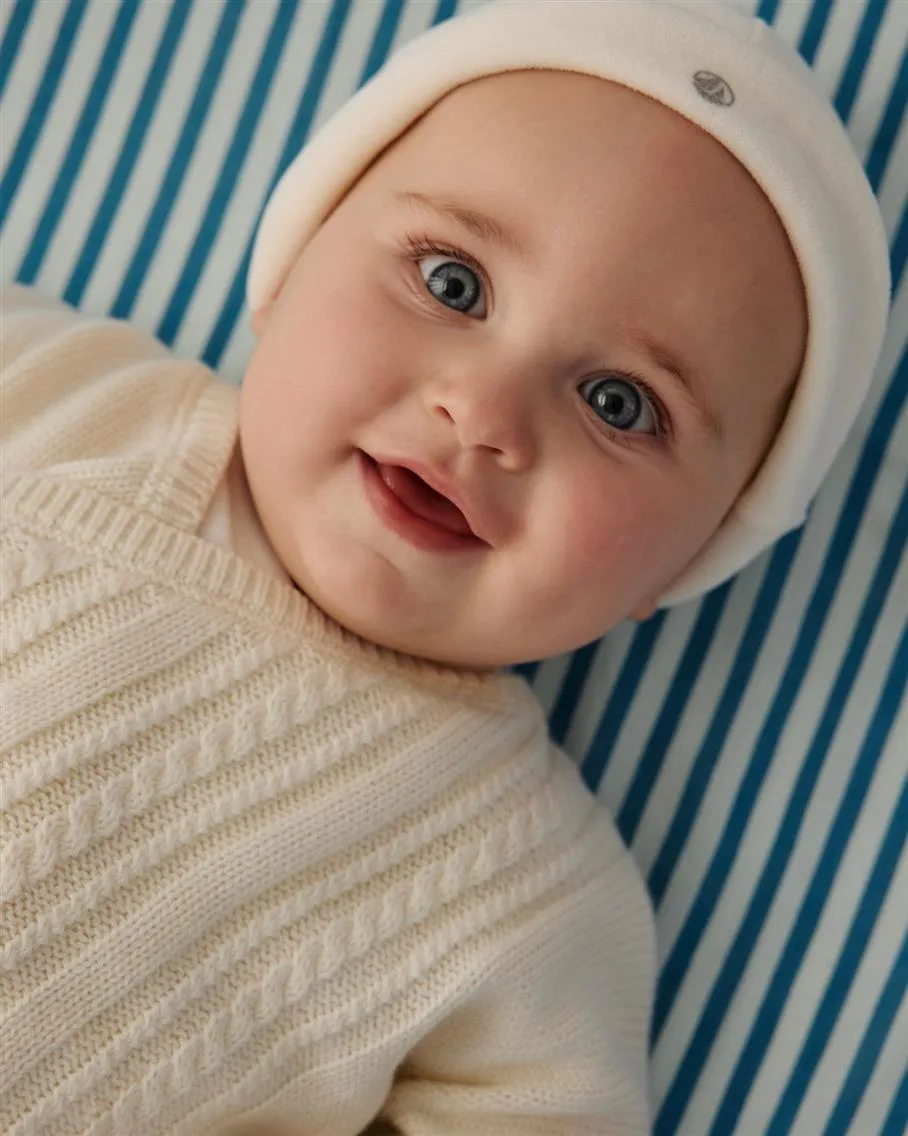
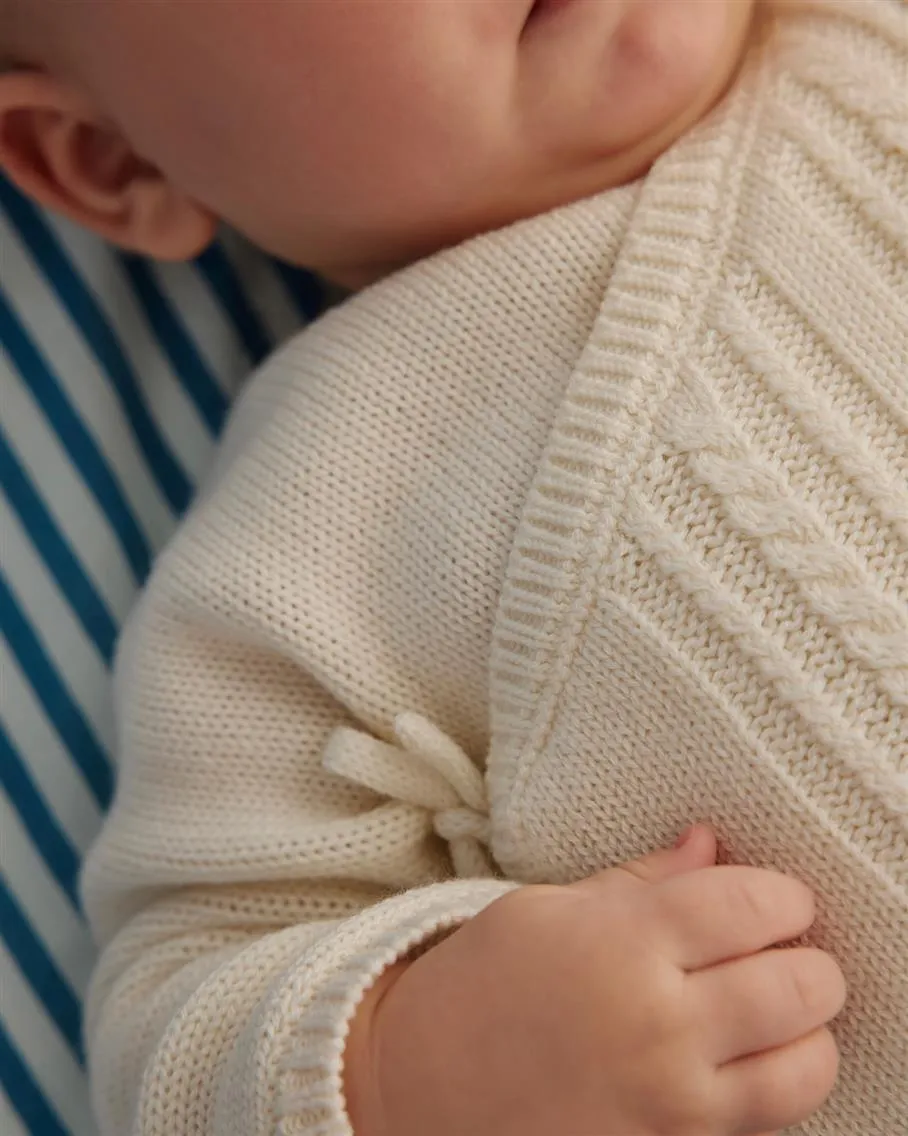
Brands like Petit Bateau employ soft, gentle lighting with pastel colors and minimal backgrounds. They use diffused, natural-looking light to create a dreamy atmosphere, featuring close-ups of organic cotton against the baby's skin and simple white backgrounds that emphasize comfort and safety.
This approach works because parents prioritize fabric quality and safety over style at this stage. A brand at this stage benefits from macro photography to highlight fabric texture, soft natural lighting, and clean backgrounds that keep focus on material quality.
Toddlers (1-3 years)
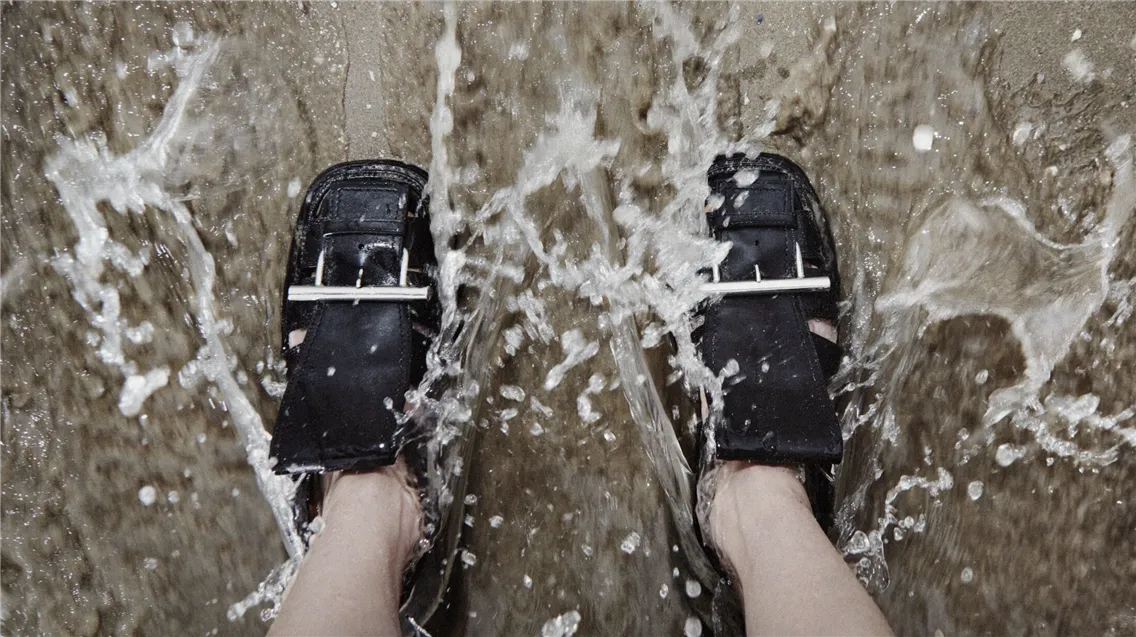
Frugi exemplifies this stage with dynamic compositions that capture movement and tactile play, such as toddlers touching leaves or splashing in puddles. They emphasize practical features like stretch panels, magnetic closures, and reinforced knees.
This visual style succeeds because parents need durable, functional clothing that withstands active exploration. A brand at this stage benefits from photographing children in authentic play scenarios and including close-ups of practical design elements like easy-grip zippers.
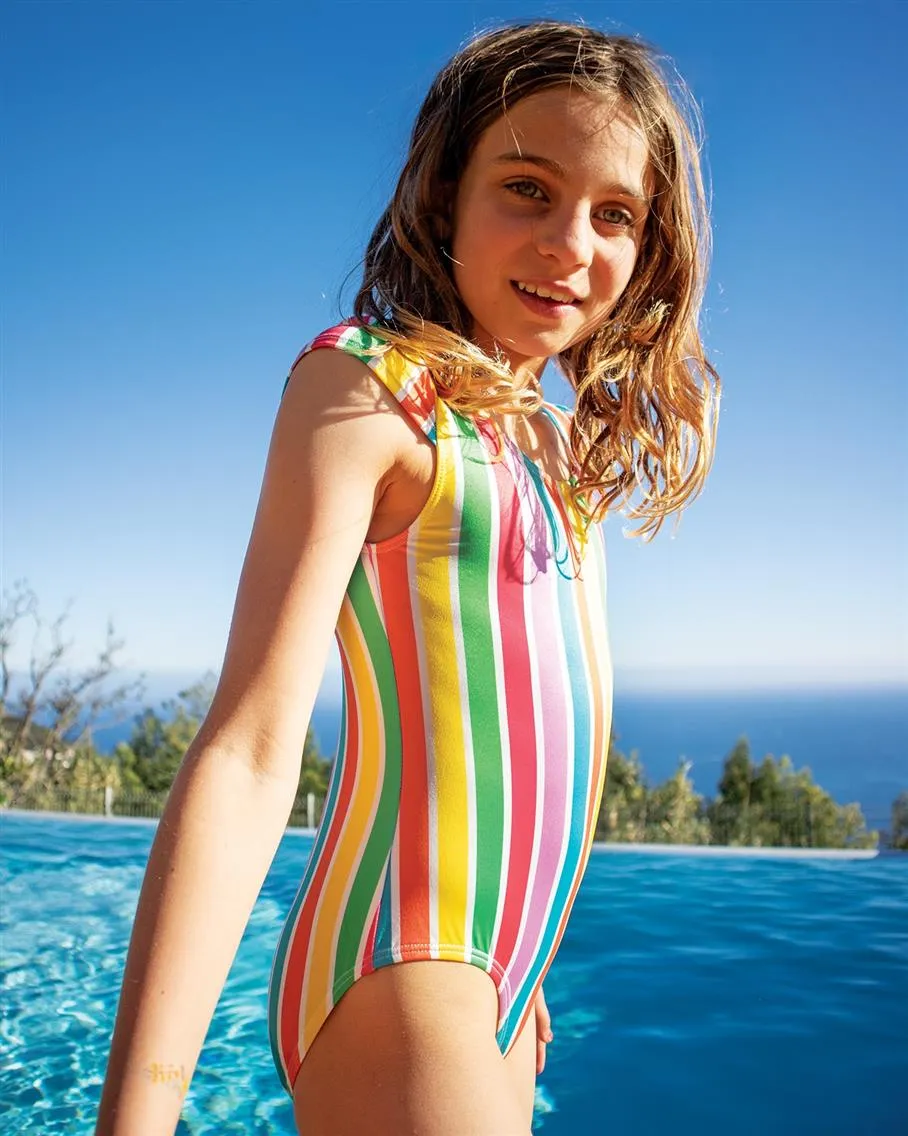
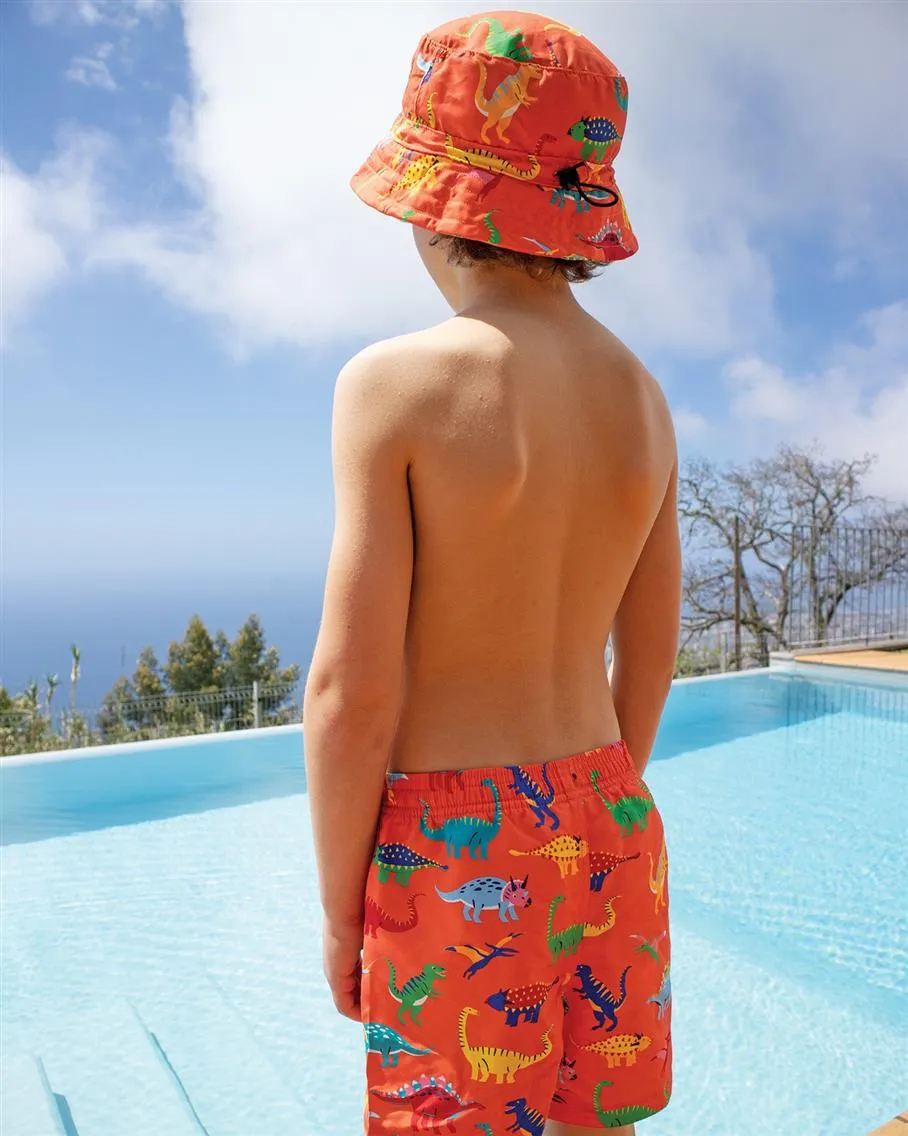
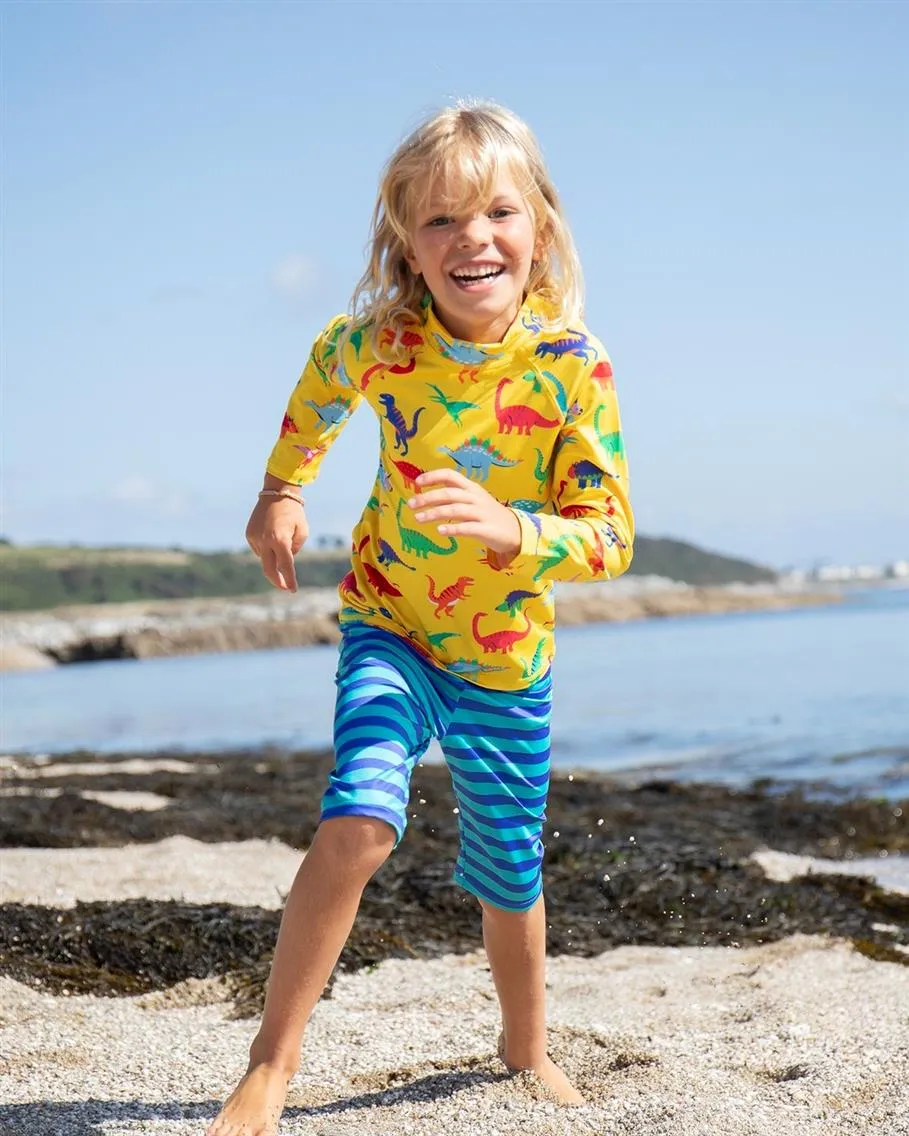
Kids (4-7 years)
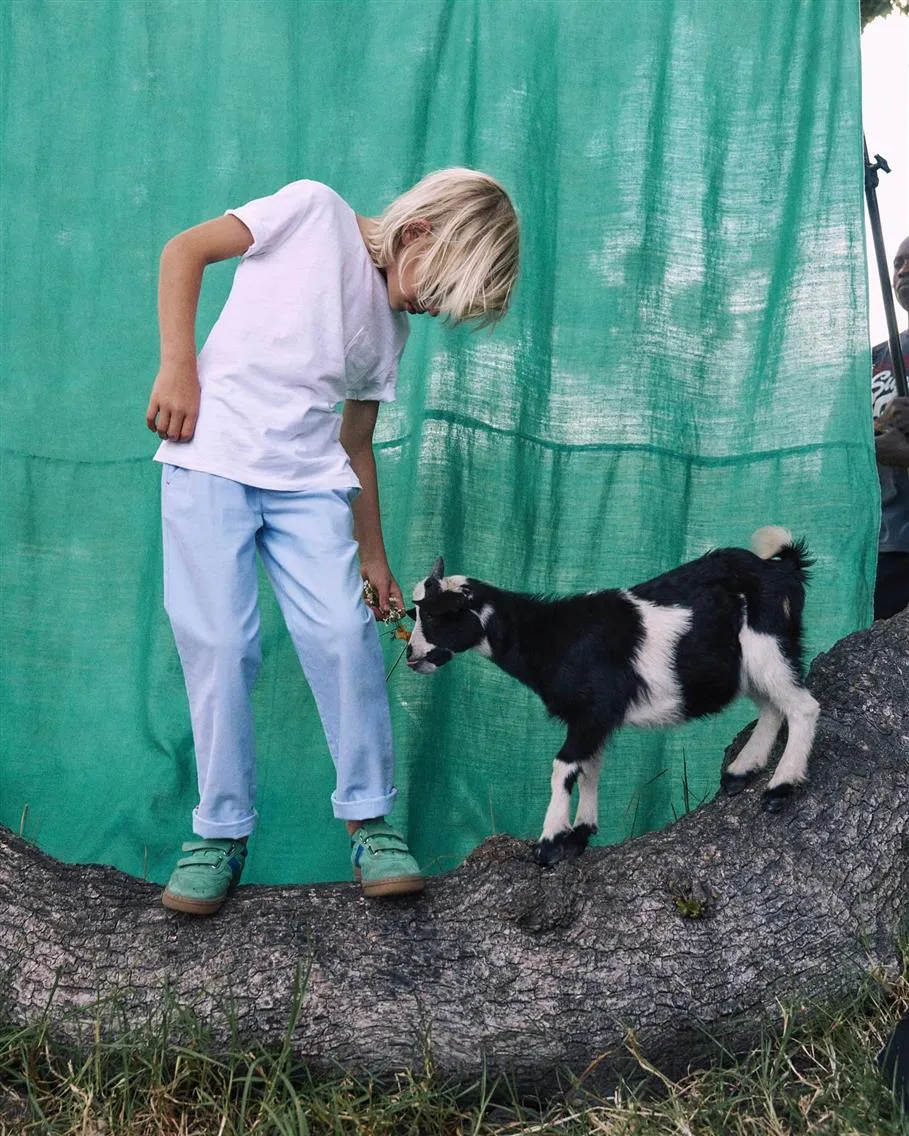
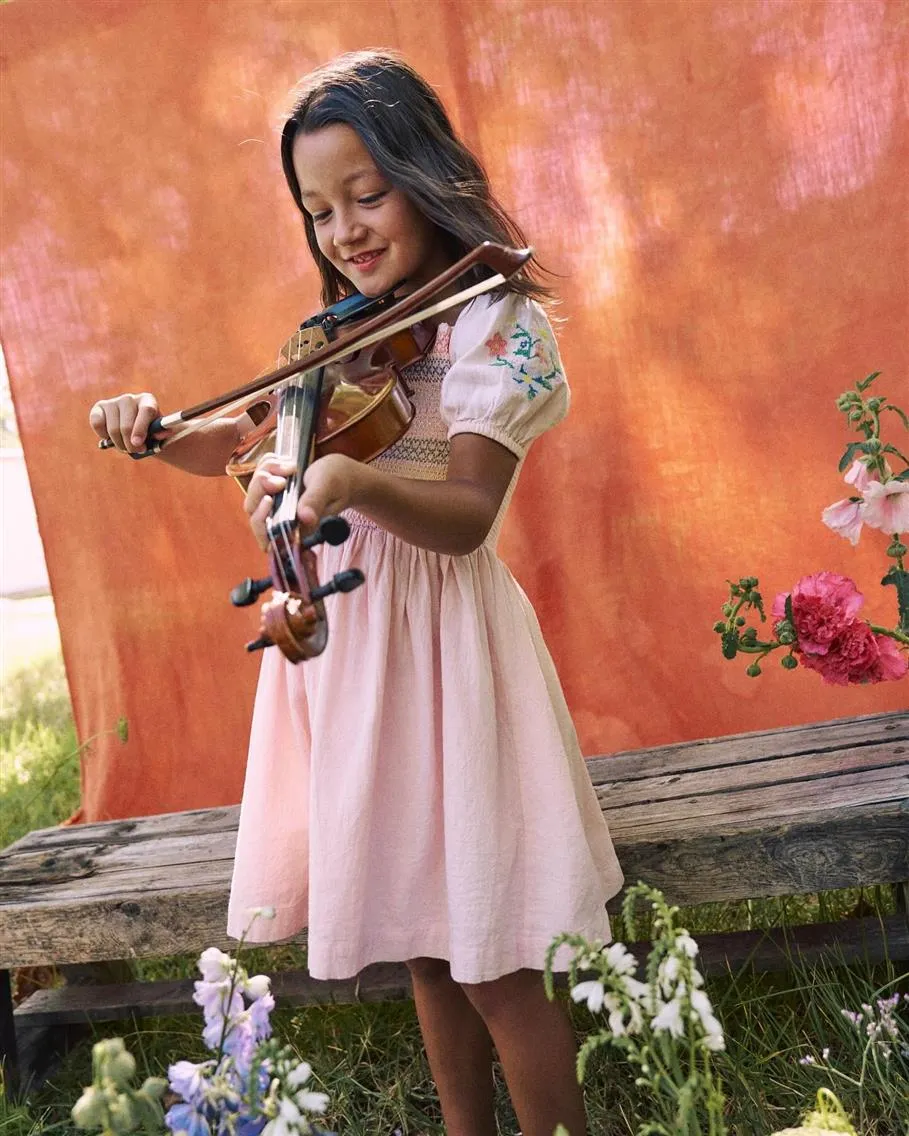
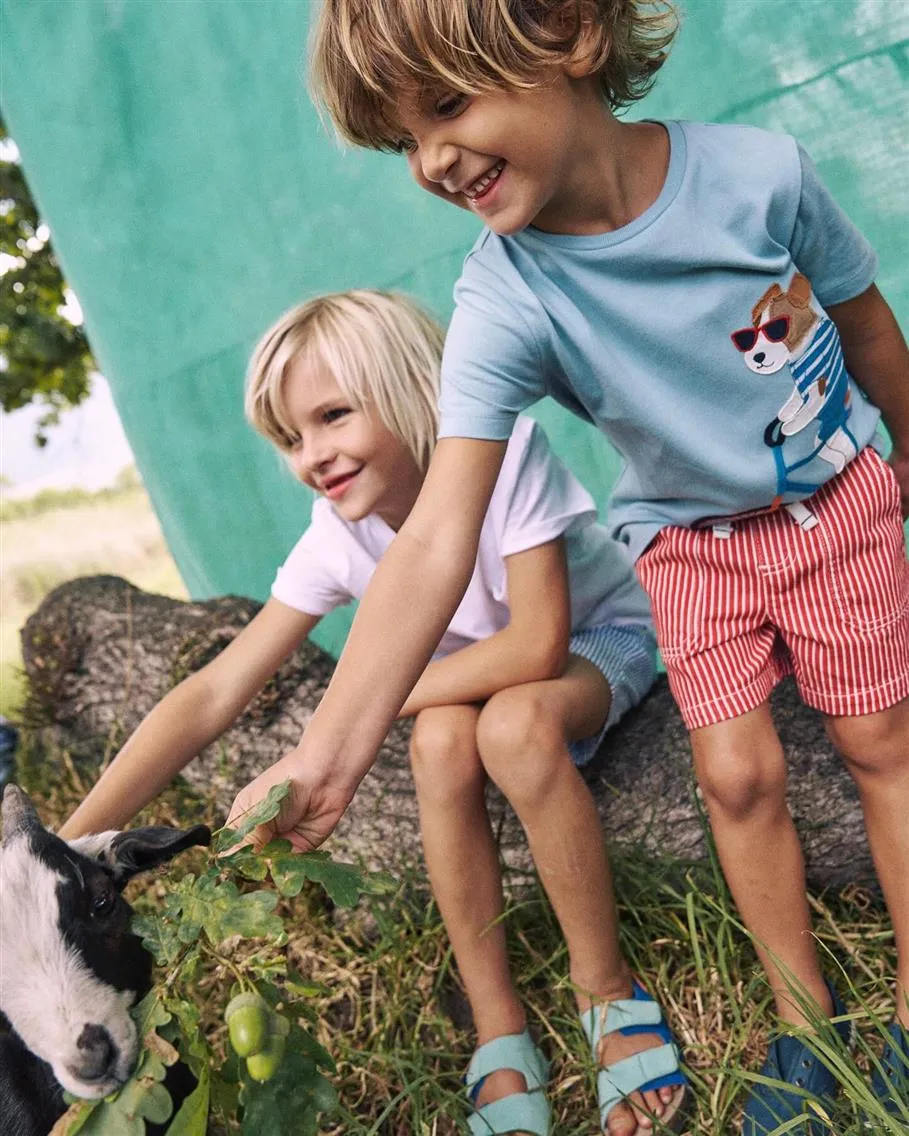
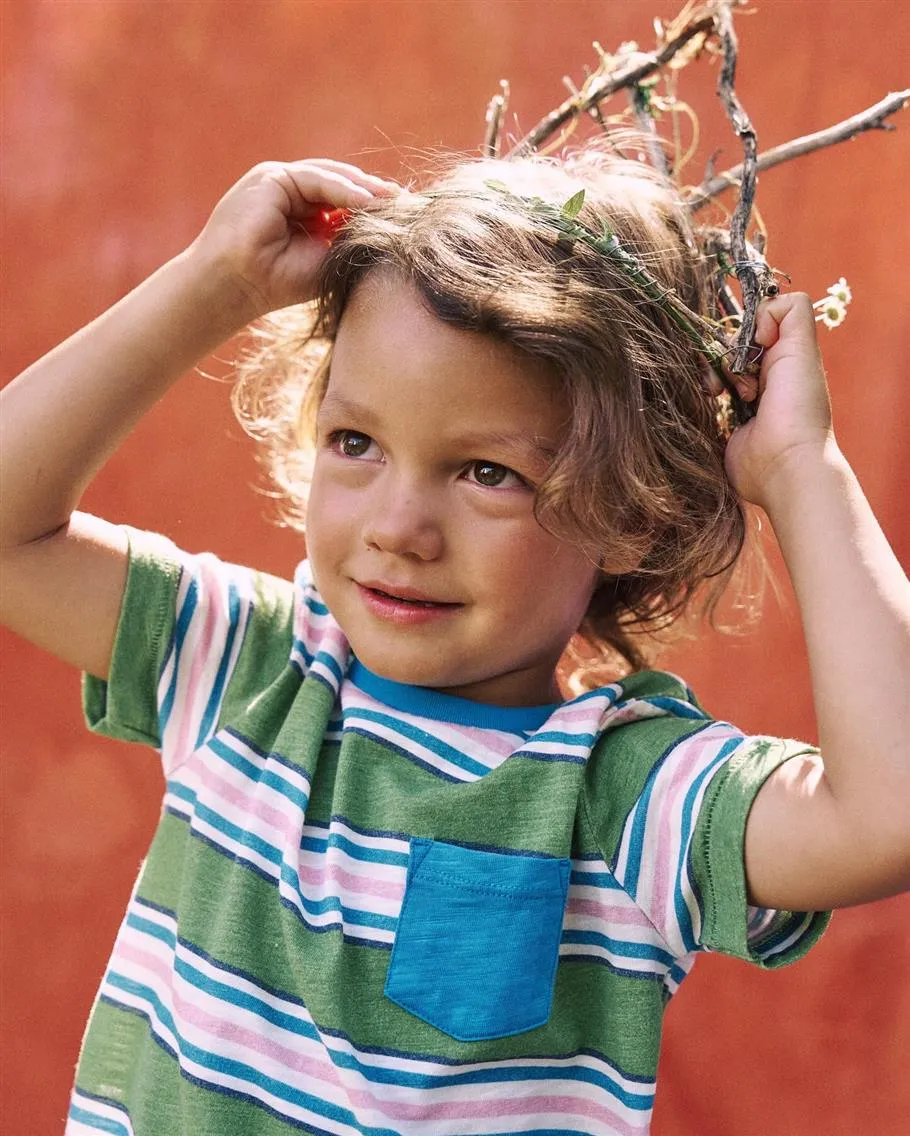
Structured activities showcase independence and versatility at this stage. Mini Boden creates narrative-driven photography with children engaged in crafting and outdoor adventures, demonstrating how the same dress works for the classroom and parties.
This resonates because parents want adaptable clothing while children begin expressing preferences of their own. A brand at this stage benefits from lifestyle scenarios showing outfit versatility and highlighting how pieces transition between different settings.
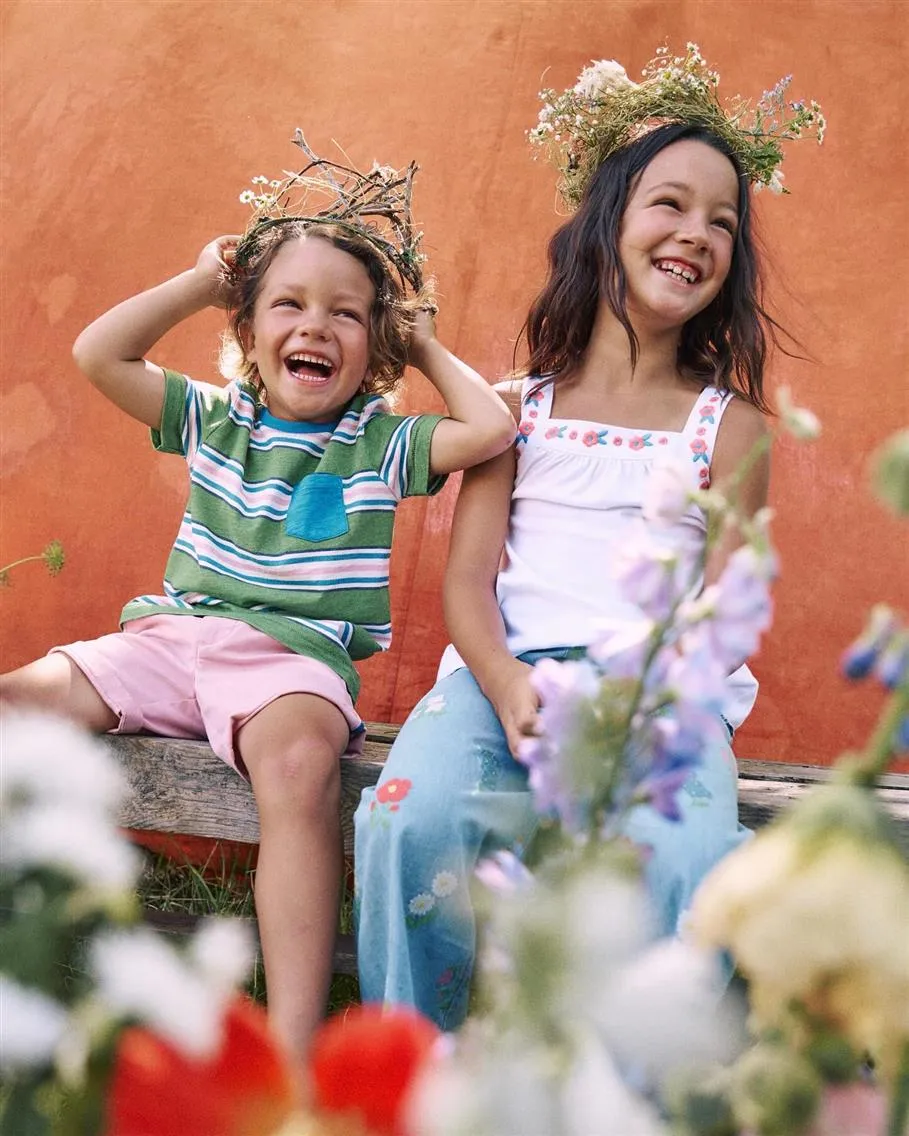
Tweens (8-12 years)
Style-forward imagery acknowledges growing fashion awareness at this stage. Crewcuts features tweens in age-appropriate yet trendy settings, highlighting cool graphics and trendy colors alongside quality construction.
This works because tweens influence purchase decisions while parents maintain final approval. A brand at this stage benefits from contemporary environments and trend-aware details that excite young customers while reassuring parents on quality.
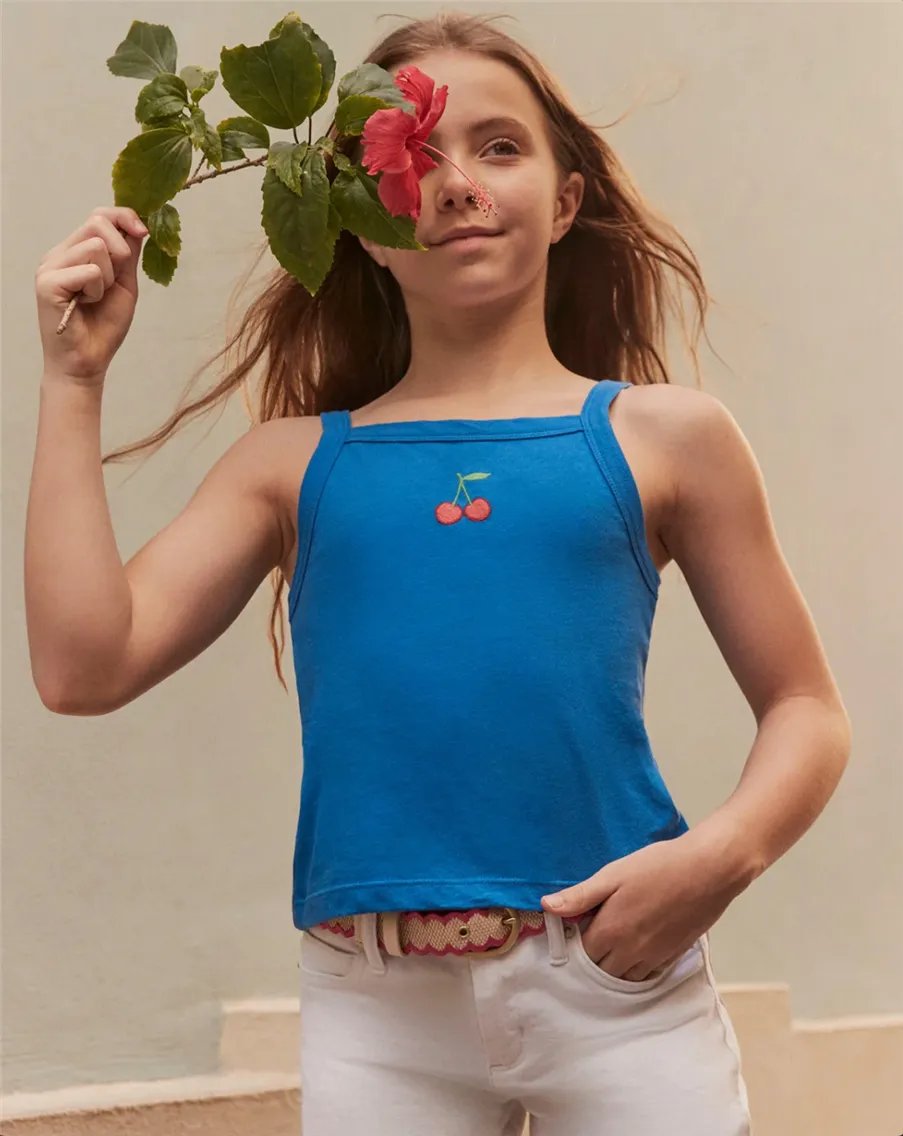
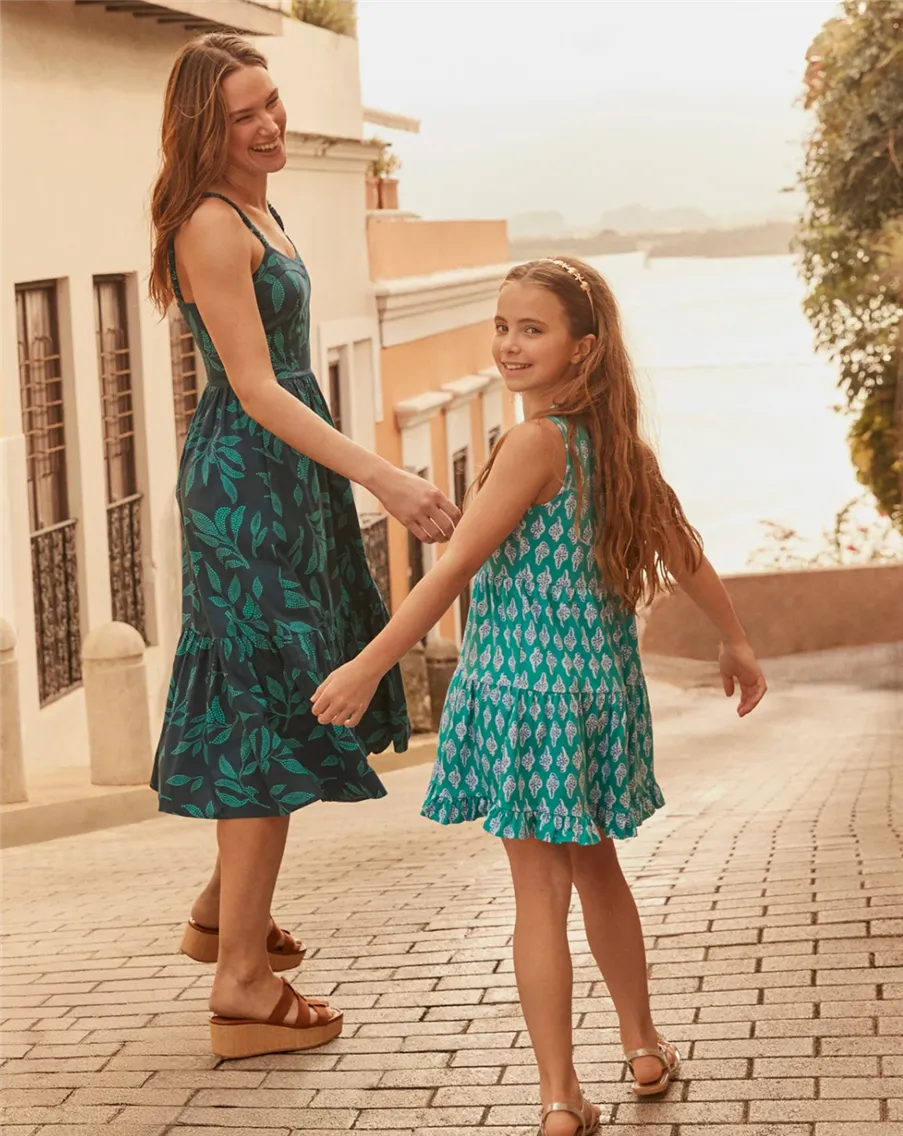
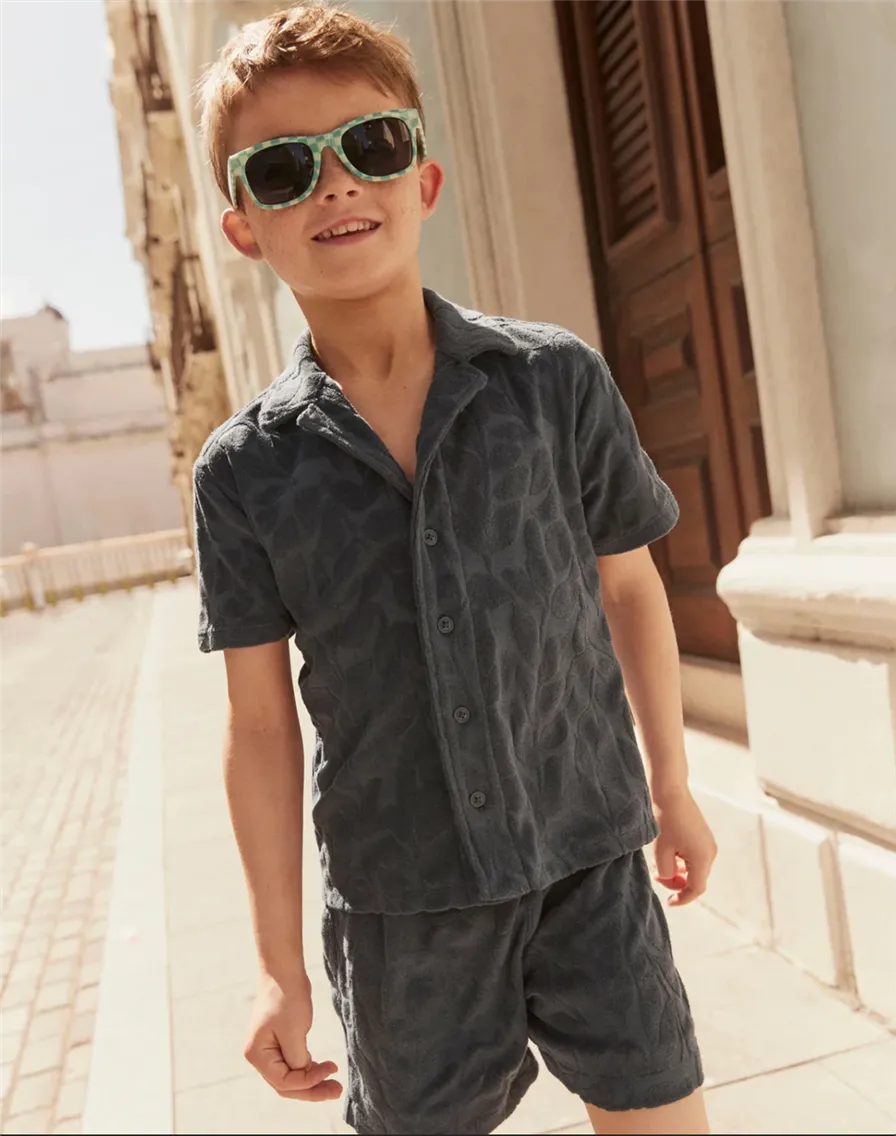
Capturing the Joyful Spirit of Childhood
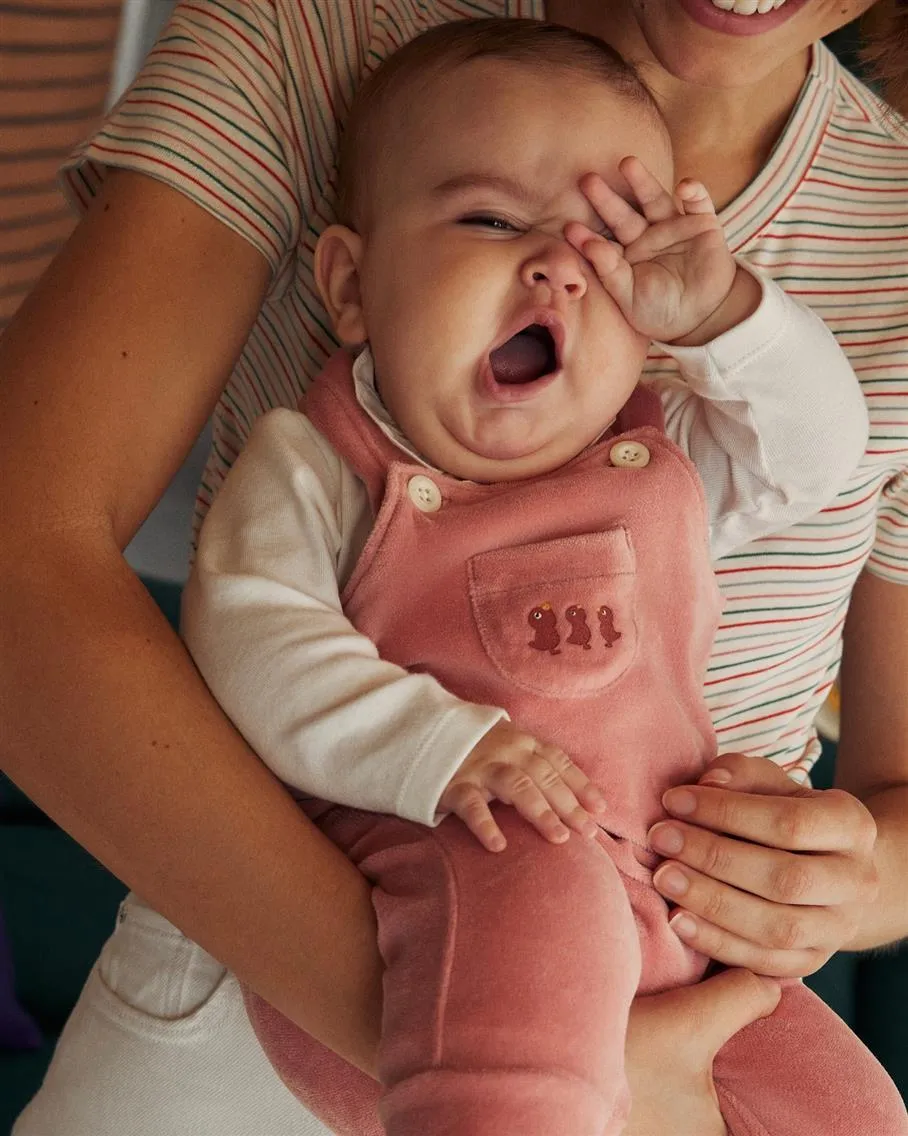
Authentic kidswear photography consistently outperforms posed shots in engagement and trust. Parents instinctively detect forced expressions, which makes genuine moments essential for building confidence in the brand.
Successful approaches prioritize movement over static poses, showing clothing in action during running, spinning, and jumping. Creating real play scenarios, building sand castles in swimwear or doing art projects in stain-resistant clothing, provides natural contexts for authentic interaction. The most compelling images capture spontaneous moments like an excited twirl or a focused moment of concentration.
Zara Kids leads in this approach by creating environments where genuine expressions naturally emerge. Their techniques include longer sessions with planned breaks, photographers who build rapport with children before shooting begins, minimal direction rather than posed instruction, and capturing three to four times more frames than needed to allow selection of the most authentic moments in post-production.
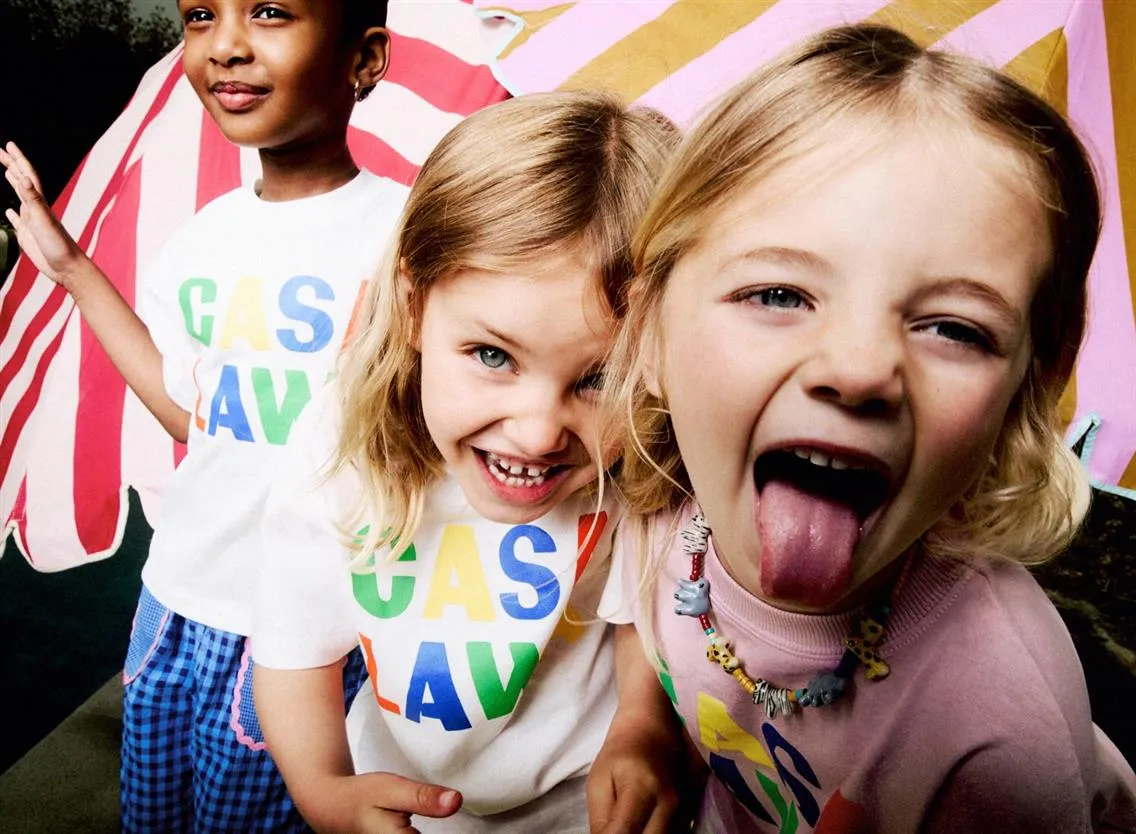
Authentic photography helps parents envision their own child in the products, builds confidence that items can withstand real play, creates an emotional connection, and accelerates the purchasing decision.
Core Visual Challenges in Kidswear and Accessories
In adult fashion, style often takes precedence. Children's clothing requires parents to quickly assess quality, fit, and practicality through visual cues alone. The challenge intensifies when parents cannot physically touch fabrics or gauge true-to-life colors and sizing. Leading children's brands have developed sophisticated visual strategies that address these unique parental concerns, transforming product photography from simple documentation into a tool that builds trust and drives conversions.
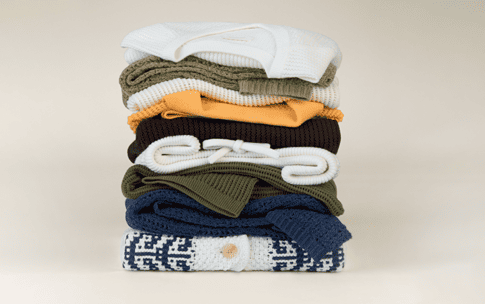
Material Quality and TextureParents judge products through visual texture cues. Burt's Bees Baby uses macro photography with soft lighting to showcase cotton softness in sleepwear. Hanna Andersson captures children mid-jump to demonstrate elastic movement in pajamas. Tea Collection employs backlighting to reveal the lightweight nature of summer dresses. | 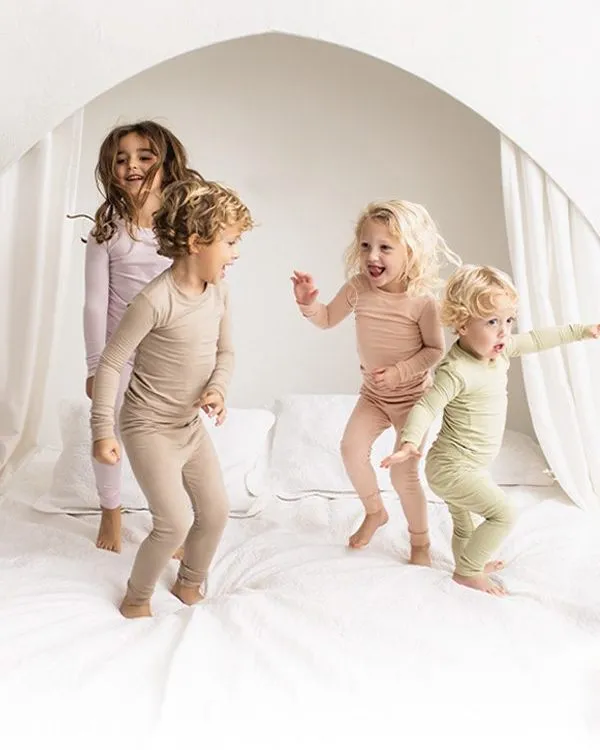 |
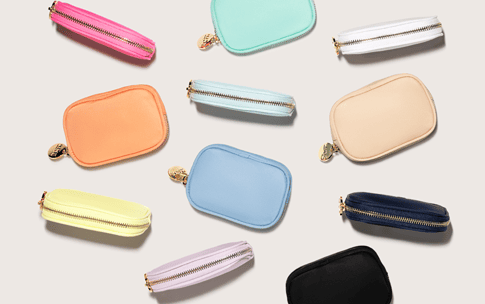
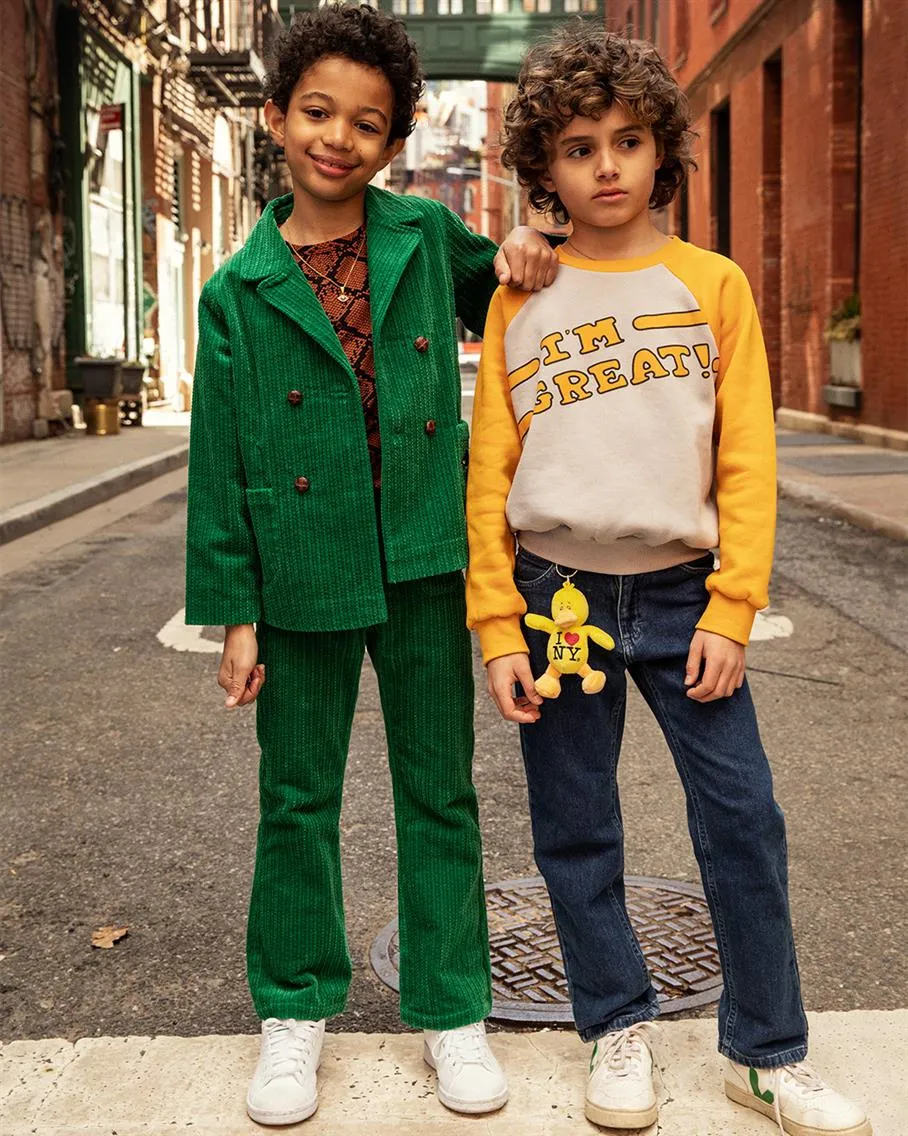 | Color AccuracyColor precision is crucial with pastels and primaries in children's fashion. Mini Rodini employs specialized color management to maintain consistency across its product range. Primary built its entire visual strategy around color accuracy, using custom fabric profiles and standardized lighting to reduce the color-related returns and disappointment that come from products arriving a noticeably different shade than expected on screen. |
Material-Specific Lighting
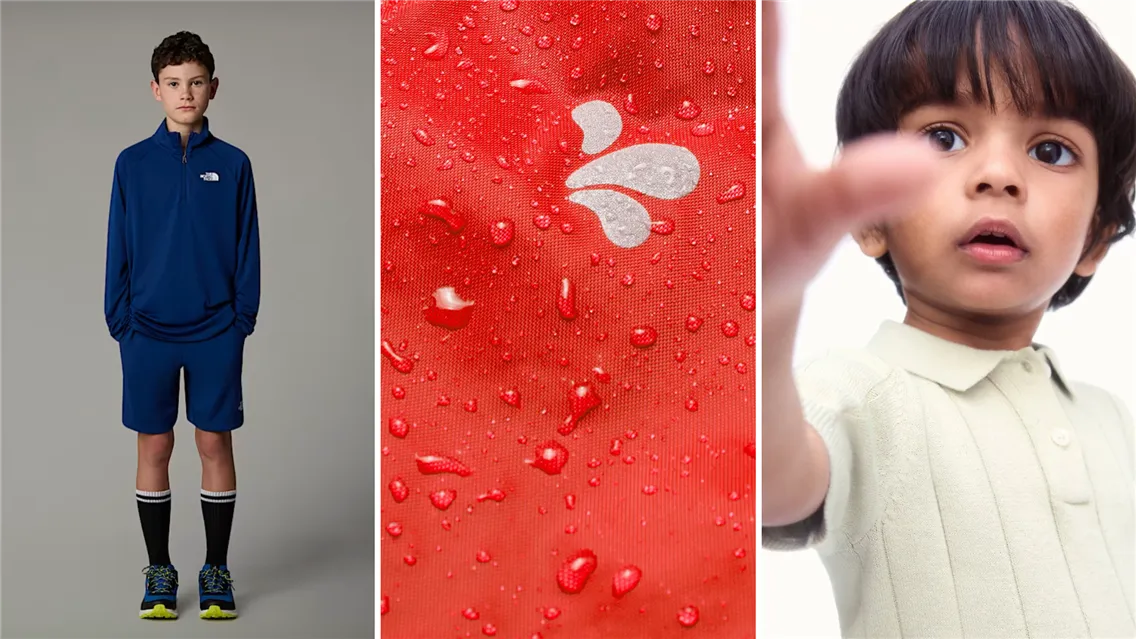
Different fabrics require tailored lighting approaches. The North Face Kids uses directional side lighting for fleece textures to reveal pile depth and warmth. Muddy Puddles positions softboxes to highlight water resistance without creating distracting reflections off treated fabric. H&M captures subtle movement to demonstrate fabric drape in lightweight cottons that would otherwise look static and stiff in a still frame.
Scale and Fit Representation
Small products often appear misleadingly large in close-up photography. Carter's addresses this by including scale references like adult hands holding baby items, which gives parents an immediate and accurate sense of true size. Gap Kids shows grow-with-me pants in both minimum and maximum settings so parents understand the adjustable range before purchasing. H&M maintains consistent camera positioning across baby accessories to create reliable size perception across the full catalog.
Types of Product Photography to Consider
Children's Fashion Lifestyle Photography
Lifestyle photography displays products in real-world settings, creating emotional connections and demonstrating how items integrate into children's daily lives. This approach is worth the investment because it allows parents to visualize their own children wearing the products, tells the brand story more effectively than product-only images, and shows how items look in motion during typical activities. Lifestyle photography also differentiates a brand from competitors and typically performs better on social media than studio shots alone.
For maximum impact, lifestyle images work well for website hero banners that immediately communicate brand personality. They generate higher engagement on social media platforms, grab attention in email marketing headers, provide cohesive storytelling in campaign materials, and inspire multiple-item purchases when featured in lookbooks.
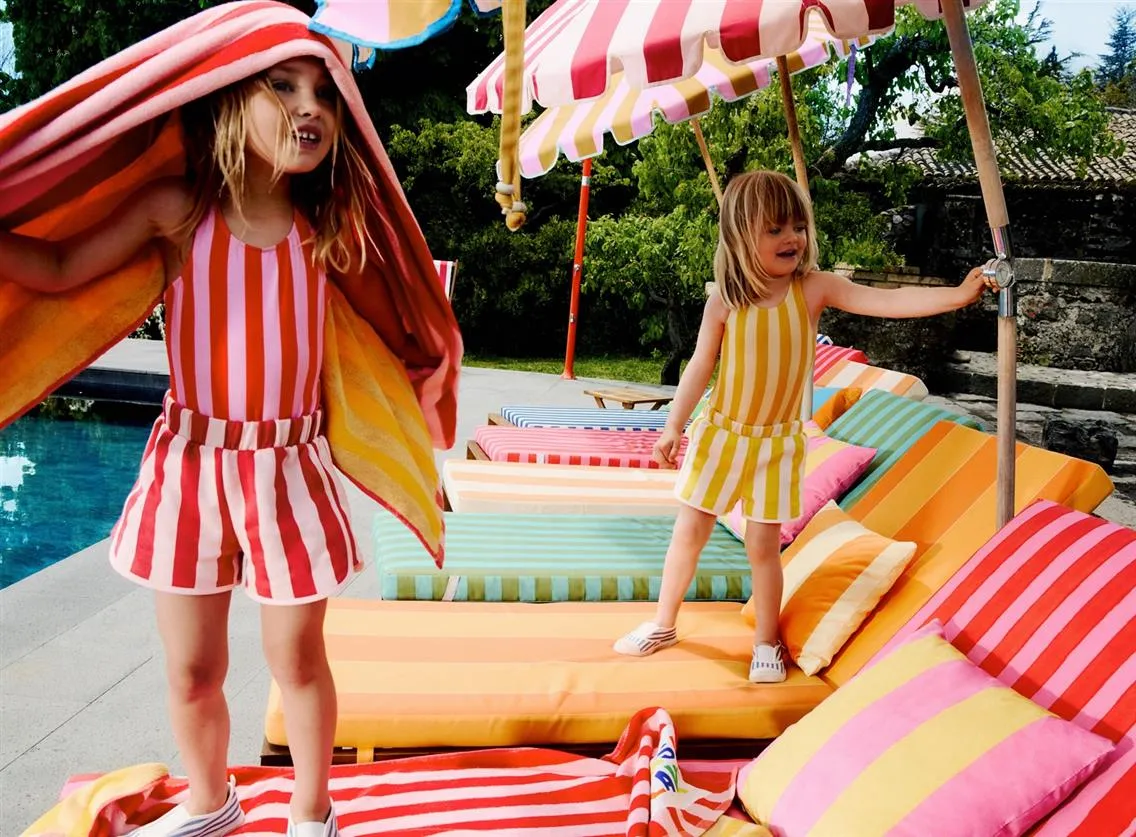
When planning lifestyle photography sessions, scheduling seasonal shoots that capture multiple outfits in complementary settings is the practical approach. A comprehensive shot list should include environmental scenes, interaction shots between children, and important product details, with different aspect ratios planned in advance for the various marketing channels the images will serve.
For how lifestyle photography serves eCommerce brands more broadly: Strategic Impact of Lifestyle Photography on eCommerce Business
Kidswear Studio and Product Shots
Professional studio photography consistently improves conversion and reduces returns relative to amateur or inconsistent imagery. Three approaches serve different purposes within a kidswear catalog.
Flat lay photography excels for multi-piece outfits and newborn clothing. It's cost-effective, shows outfit coordination, performs well on social media, and maintains consistent styling.
Ghost mannequin photography reveals garment structure without distractions. It creates a professional 3D representation without model costs, accurately shows shape, meets marketplace requirements, and provides a consistent appearance across sizes.
On-model studio photography demonstrates fit, movement, and scale. It helps customers visualize products for children, shows fabric drape, increases size selection confidence, and creates a cohesive brand presentation.
Related read: Flat Lay vs Ghost Mannequin vs On-Model Photography: Which is Better for Your Apparel Brand?
Marketplace Compliance Requirements
Each major marketplace has specific technical requirements that directly impact visibility and searchability:
Amazon:
- Minimum 1000×1000 pixels (preferably 2000×2000)
- Pure white background (RGB: 255,255,255)
- The product must fill 85% of the frame
- No props or models in the main image
Walmart:
- Minimum 2000×2000 pixels
- White background for main images
- Product-centered with consistent margins
- No overlays, watermarks or text
Macy's:
- Minimum 2400×2400 pixels
- Standardized crop specifications
- Specific color profile requirements
- Strict file naming conventions
For a complete breakdown of marketplace requirements across every major platform: Photography and Visual Content Requirements for Every Major eCommerce Marketplace
Production Efficiency Strategies
Leading children's brands optimize their studio photography process through standardized lighting setups for consistent appearance, template-based post-production for uniform results, and comprehensive shot lists that ensure all required angles are captured in a single session.
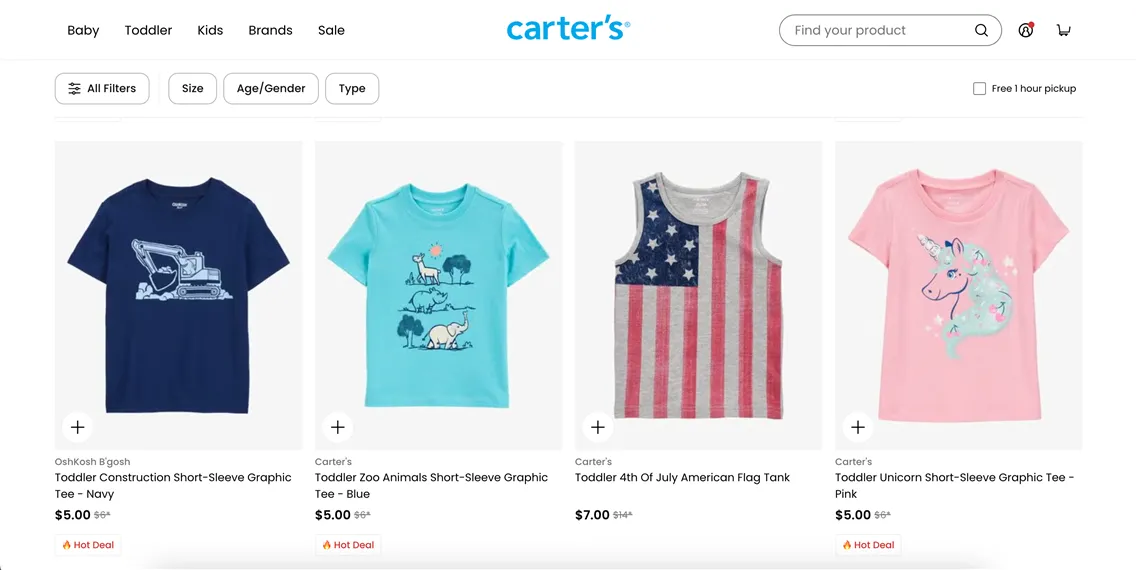
Carter's exemplifies this efficiency, capturing similar products in sequence with standardized camera positions, which significantly reduces setup time while maintaining consistent product representation across the catalog.
Quality Indicators in Studio Photography
The difference between amateur and professional kidswear studio photography is evident in color accuracy, particularly critical for matching sets, fabric texture representation, consistent lighting across product categories, clean and distraction-free editing without over-retouching, and proper exposure of both white and dark products in the same session.
These quality factors directly influence how customers perceive brand value and reliability.
Investment Planning
Professional studio photography is a foundational business investment. Planning should account for base product images, typically around seven images per item covering front, back, and detail shots, seasonal updates refreshed around major selling periods, and marketplace-specific versions formatted for each platform's requirements.
When budgeting, comparing the lifetime revenue of each product against photography cost is the right frame, since quality imagery continues generating sales throughout a product's market presence rather than depreciating immediately after launch.
Detail Shots for Children's Clothing and Accessories
Strategic detail photography provides a virtual touch and feel experience that builds purchase confidence and reduces returns driven by mismatched expectations.
Fabric texture close-ups show weave, thickness, and surface characteristics that help parents assess softness and comfort before purchasing. These images demonstrate quality differences that justify price points and reassure parents about materials that will be touching their child's skin.
Fastening mechanism shots highlight ease-of-use features for quick changes, secure closures that stay in place during play, and child-friendly design elements like easy-grip zippers or magnetic closures that children can manage independently as they grow.
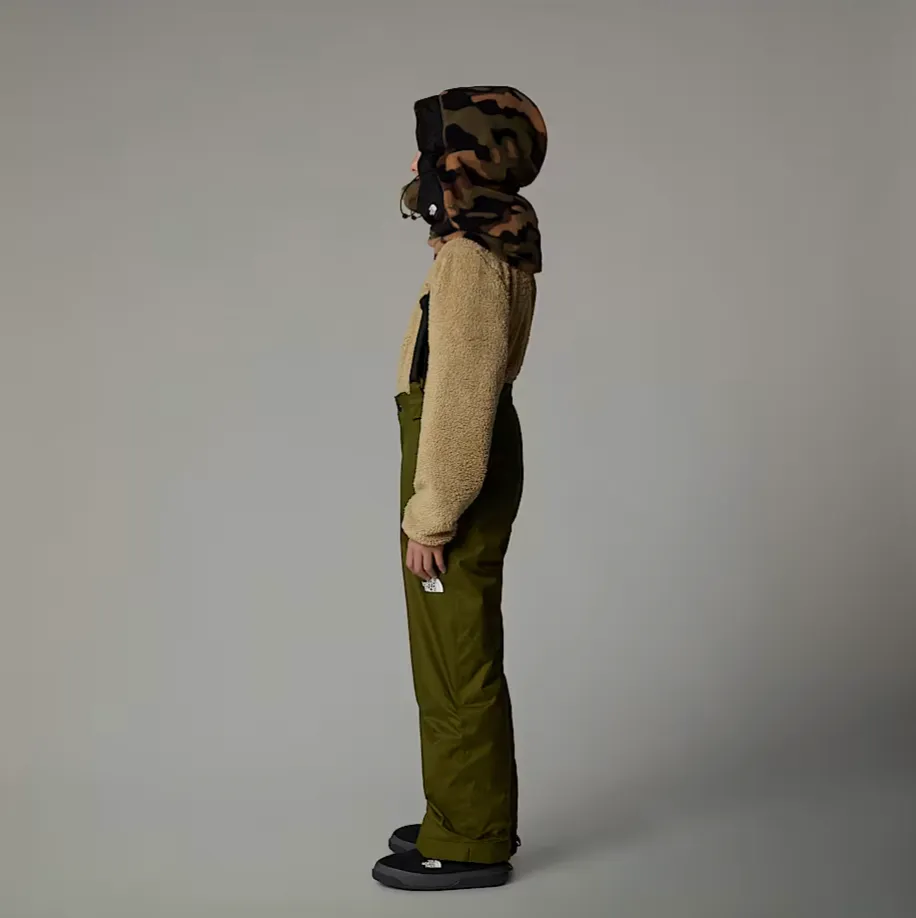
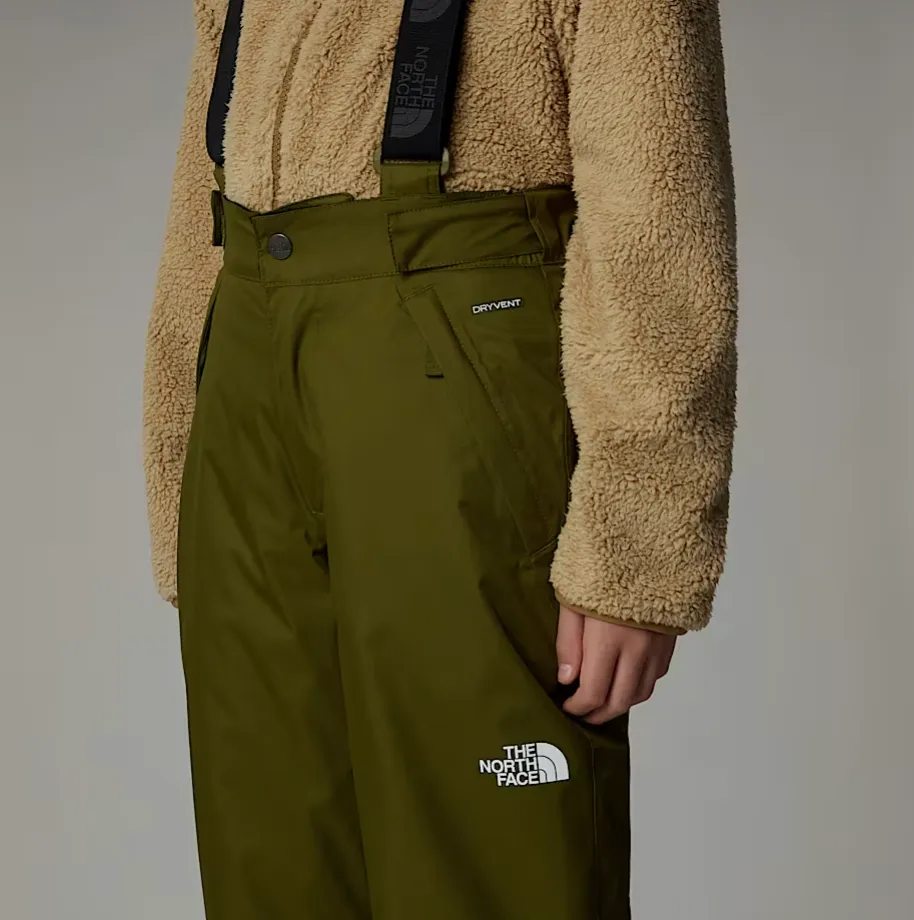
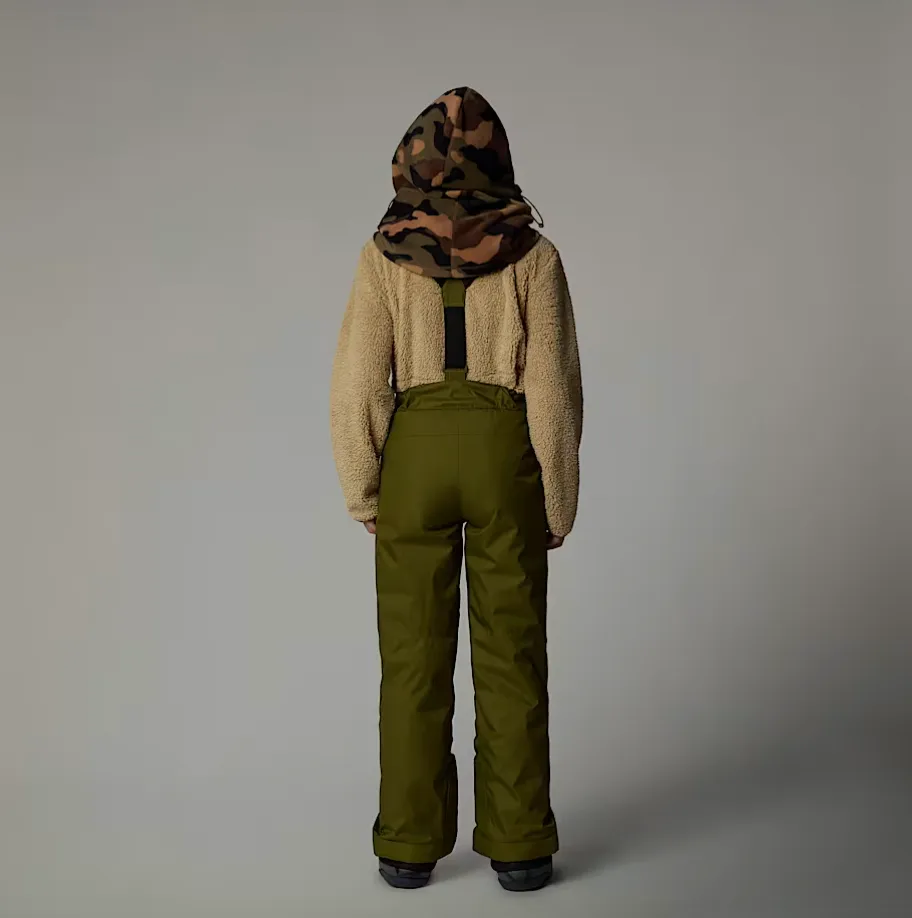
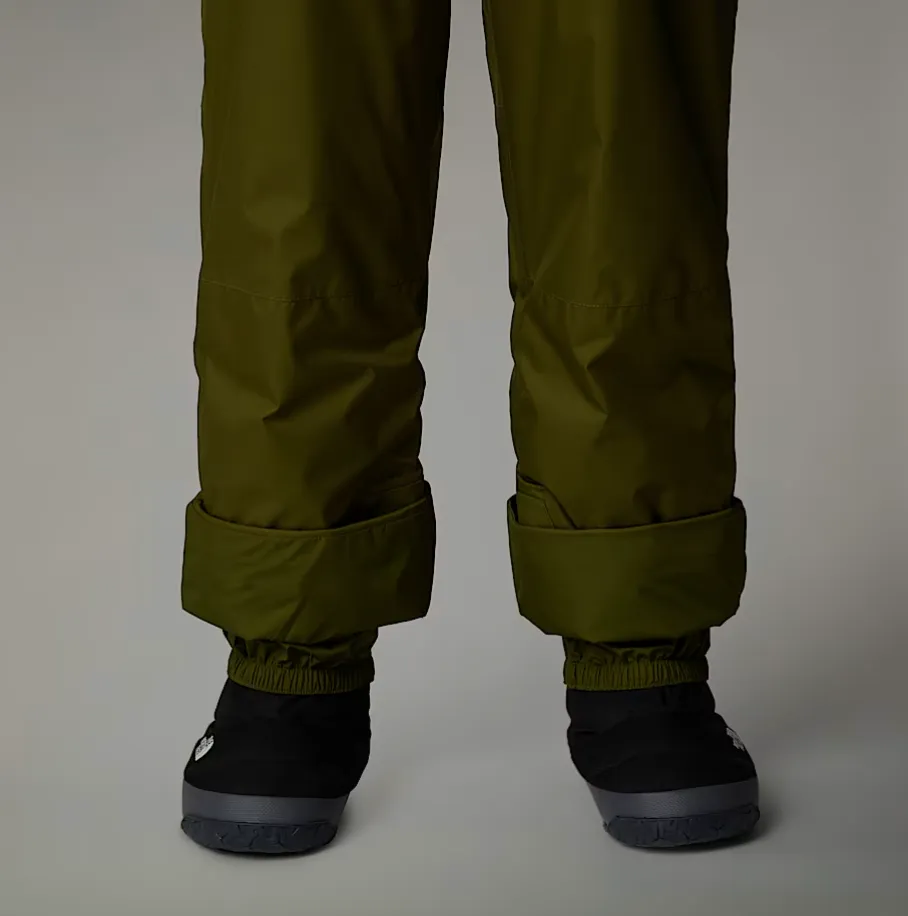
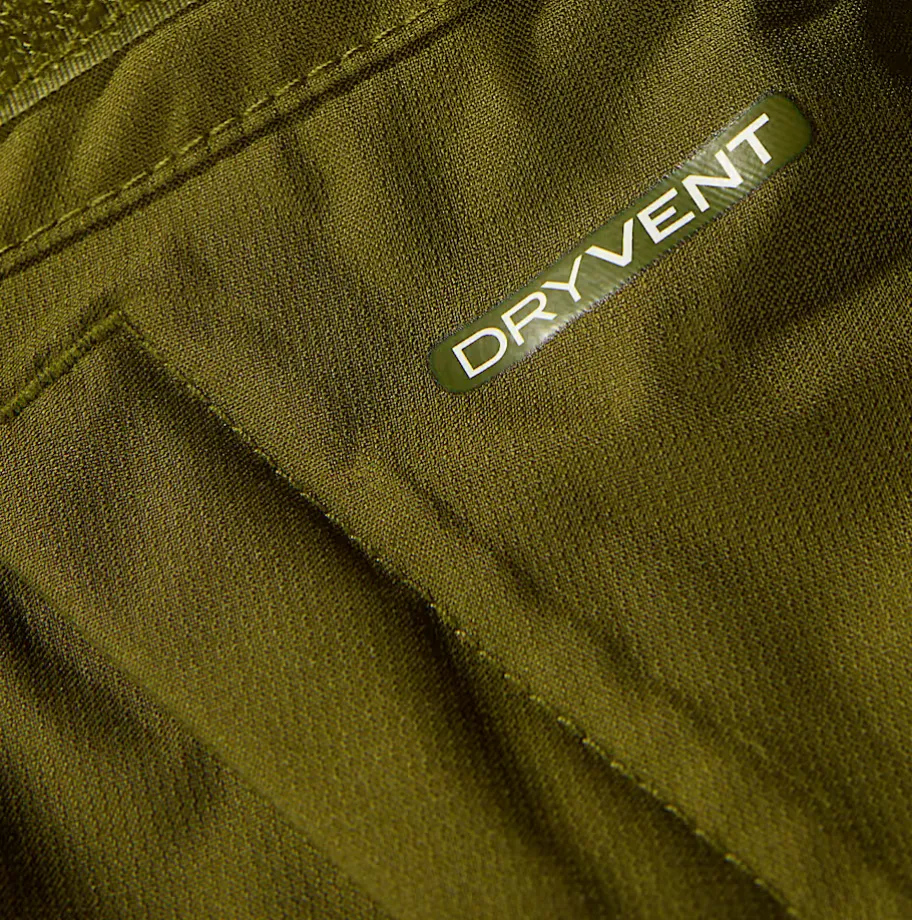
Adjustable feature photography showcases grow-with-me design elements, illustrates how adjustments work mechanically, and demonstrates minimum and maximum ranges. These images help parents understand product versatility and longevity, which significantly influences purchasing decisions for items meant to last across growth spurts.
Construction quality details reassure parents about durability and safety by showing reinforced seams, stress points, finishing details that prevent skin irritation, and important safety features like secure stitching or flame-resistant properties where relevant.
How to Prepare for a Kidswear Shoot
Successful kidswear photography begins with thorough preparation. Effective mood boards communicate the creative vision by showing desired lighting styles, complementary color palettes, posing preferences, background options, and overall mood. The best approach is developing these collaboratively with the photographer, combining brand vision with their technical expertise.
Comprehensive shot lists ensure every necessary image is captured by detailing product-specific requirements, key features to highlight, format specifications, and intended usage for each shot. Mini Boden exemplifies best practice by creating tiered shot lists that classify images as must-have, important, and if time permits, ensuring the critical shots are completed despite unexpected challenges that come with photographing children.
Practical preparation should include a detailed timeline accounting for child model breaks, product changes, styling time, and lighting adjustments. Shoots with children progress differently from adult photography, so building flexibility into the schedule is essential for success rather than optional.
For how to prepare products before any professional shoot: Preparing Your Products for a Photoshoot
Providing Product Information and Brand Guidelines
Thorough preparation helps photographers capture products accurately and align with brand identity. Sharing essential product specifications, including size ranges, materials, key features, and color requirements, gives the studio what it needs from the outset. Explaining functional aspects like movement, assembly, and typical usage scenarios fills in the context that specifications alone do not communicate.
Clear brand guidelines covering logo placement, color palette, and typography should be provided alongside a definition of the brand's personality and aesthetic, whether playful, premium, modern, or traditional. Specifying any prohibited elements that should never appear in the imagery prevents revision rounds later.
Reference materials significantly improve results. Sharing successful past campaigns, relevant competitor examples, and inspiration images showing the desired lighting, poses, and emotional tone gives the studio a clear target rather than an open interpretation.
Photoshoot Timing and Logistics
Plan photoshoots 3-4 months ahead for seasonal collections and allow 4-6 weeks between shoot completion and product launch for editing. Coordinate with manufacturing to ensure samples are available and build in buffer time for delays.
Choose appropriate locations with weather contingency plans, and book talent 6-8 weeks in advance. Prepare detailed shot lists with product codes and specifications to ensure comprehensive coverage.
For post-production, establish clear approval workflows, set realistic editing timelines (7-10 days), and specify required file formats.
Quality photography delivers returns through:
- Higher conversion rates and fewer returns
- Extended usage (2-3 seasons)
- Multi-platform application (website, social, marketplaces)
- Elevated brand perception that justifies premium pricing
Professional photography ultimately strengthens your brand positioning and improves bottom-line results.
Kidswear Brand with Photography That Connects and Converts
The kidswear and children's accessories market is one of the most emotional and sensitive fields in eCommerce. Parents are selecting items for their most precious people. Every visual presented must balance informative clarity with emotional resonance.
That means going beyond generic product photos. Highly professional product shots that accurately represent quality and safety, combined with authentic lifestyle imagery that connects on a human level, are both required simultaneously rather than one substituting for the other.
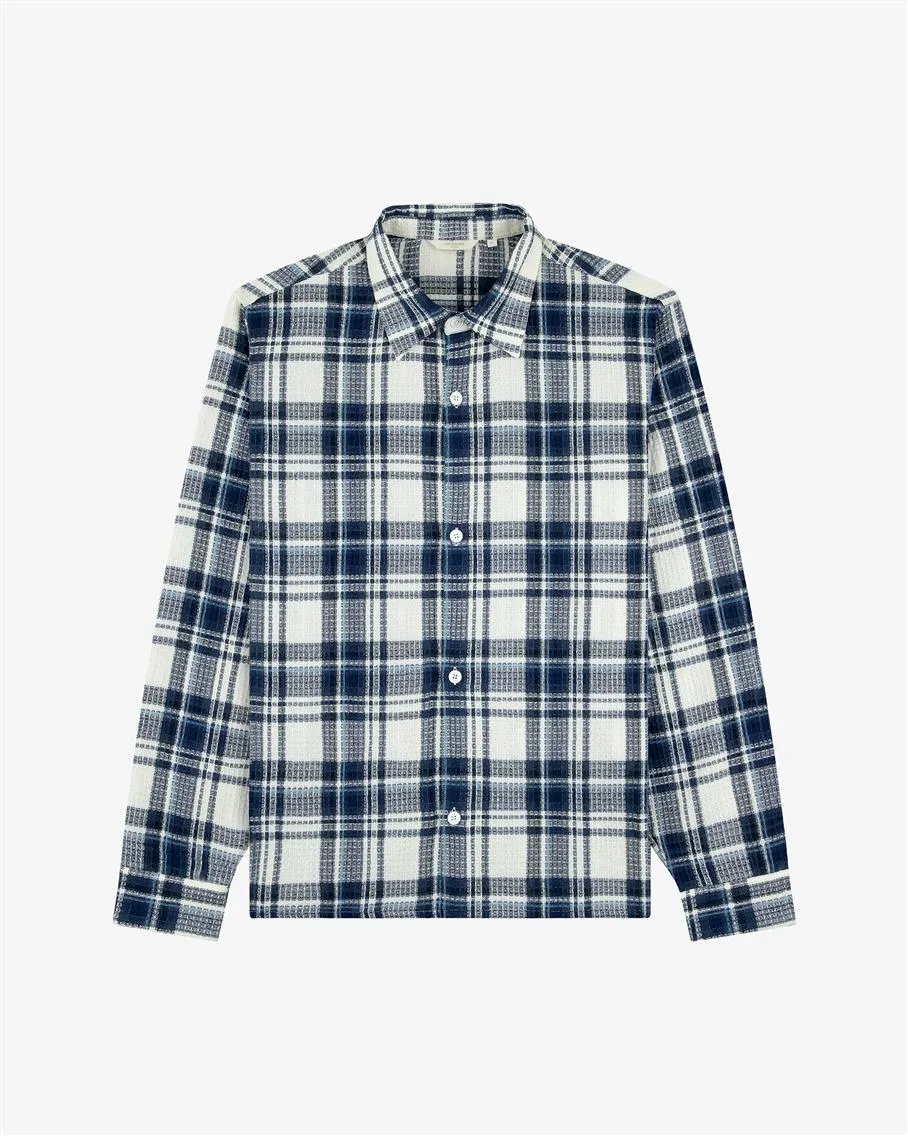
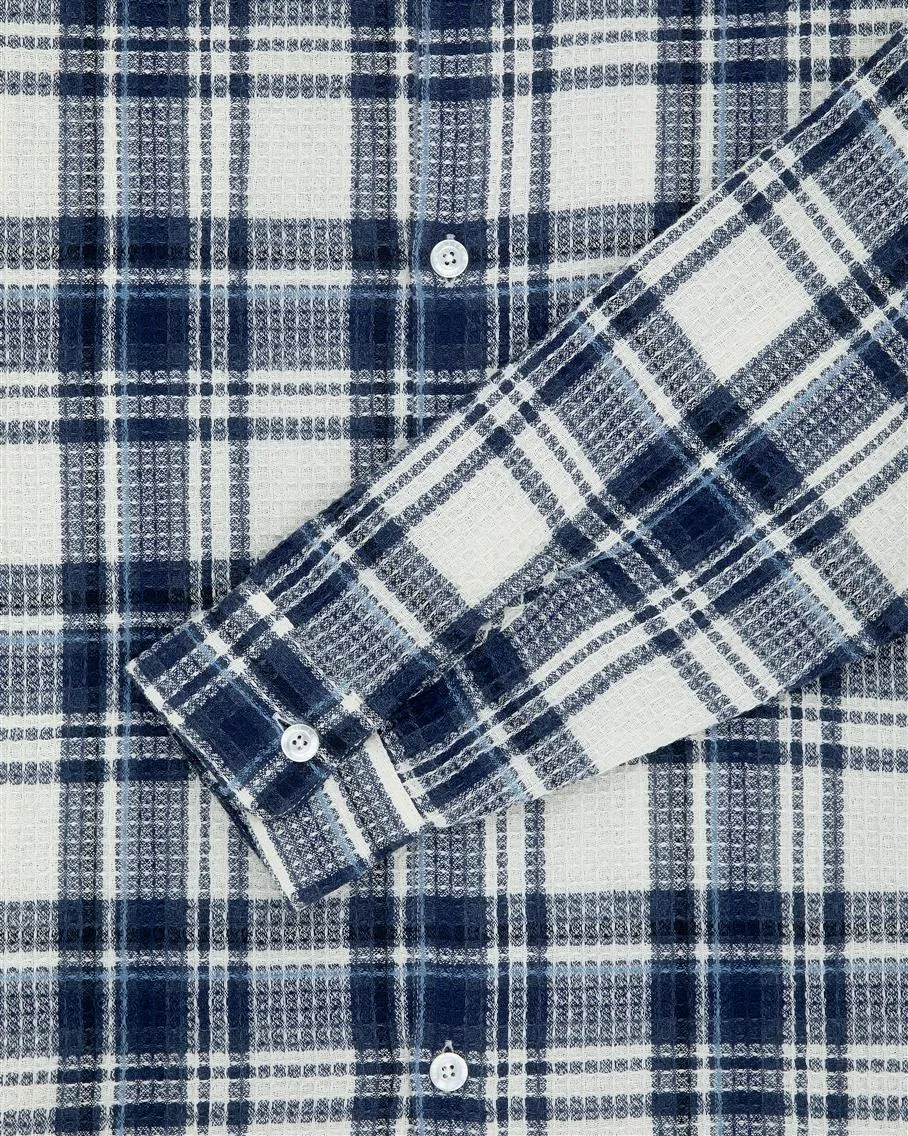
Experienced eCommerce photographers anticipate common challenges like capturing proper scale, maintaining child engagement on set, and highlighting safety features, ultimately delivering images that connect emotionally with parents while effectively showcasing the product's benefits.
LenFlash produces kidswear and children's accessories photography from our studio in New York. Flat lay, ghost mannequin, on-model, and lifestyle productions for children's apparel brands. Online ordering with real-time quotes.