


Professional Jewelry Photography: A Practitioner's Guide to Cameras, Lenses, Lighting, and Studio Workflow
Jewelry photography sits in a small category of commercial work where equipment decisions become decisive very quickly. At high magnification, every technical choice: sensor size, lens behavior, diffusion material, subject positioning — determines how far an image can realistically go before quality starts to collapse under the demands of post-production.
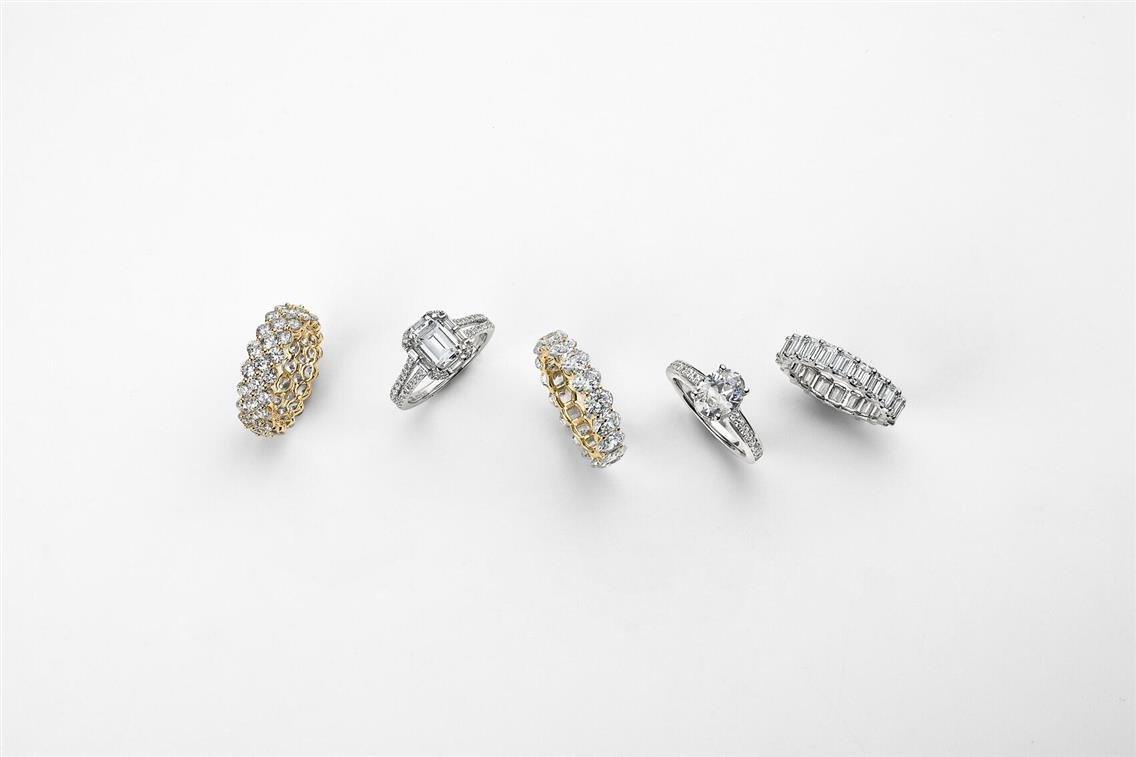
In lifestyle or campaign photography, small technical compromises often stay hidden. Jewelry behaves differently. Light interacting with metal and gemstones exposes even minor imprecision. Details that would pass unnoticed elsewhere become impossible to ignore once a jewelry image is examined at full resolution. Many capable product photographers run into difficulty here not because they lack skill, but because general-purpose setups reach their limits faster than expected.
This guide treats professional jewelry photography as a working system. Camera, lens, lighting, support gear, and post-production form a single chain. A weakness anywhere in that chain eventually shows up in the image, usually after the shoot, when fixing it becomes expensive.
Part of our guide: Product Photography Equipment: The Complete Gear Guide
Camera Choice for Professional Jewelry Photography
Camera choice in jewelry photography is often discussed in terms of brand loyalty or headline specifications. In practice, cameras earn their place in jewelry workflows through behavior, not reputation. What matters is how reliably a camera translates fine detail, handles reflective materials, and integrates into a controlled studio environment over long sessions.
Jewelry exposes cameras to situations where their weaknesses are difficult to conceal. Resolution alone does not solve this. Stability, color response, and predictability matter more once files are examined closely and prepared for delivery.
Sensor Resolution vs Real Usable Detail
High resolution is frequently treated as a guarantee of quality in jewelry photography. The reality is more nuanced — jewelry benefits from resolution only when the rest of the system can support it. Lens performance, stability, lighting precision, and focus accuracy all determine how much of that resolution is actually usable.
In full-frame systems, modern high-resolution sensors can deliver excellent results when paired with strong macro lenses and solid support gear. Medium format systems push this further by offering more tonal separation and smoother transitions, which can be especially noticeable in polished metals and subtle gemstone gradients. At the same time, medium format introduces slower workflows, heavier files, and higher demands on stability.
The practical question is not how many megapixels a camera offers, but how consistently those pixels translate into clean, controllable detail across repeated shoots.
Color Depth, Dynamic Range, and Metal Surfaces
Jewelry photography stresses cameras in ways that differ from most product work. In this context, highlight behavior becomes more important than shadow recovery.
Cameras that handle highlight roll-off smoothly provide more room to shape metal surfaces without harsh clipping. This affects how gold retains warmth, how white metals avoid dullness, and how gemstones maintain saturation without looking artificial. Color depth plays a critical role here. Subtle shifts in hue and luminance define perceived quality long before obvious sharpness does.
A camera’s color response also determines how predictable post-production becomes. Consistent color behavior across sessions reduces the need for corrective work later and makes it easier to maintain visual continuity across collections.
Tethering, Stability, and Studio Integration
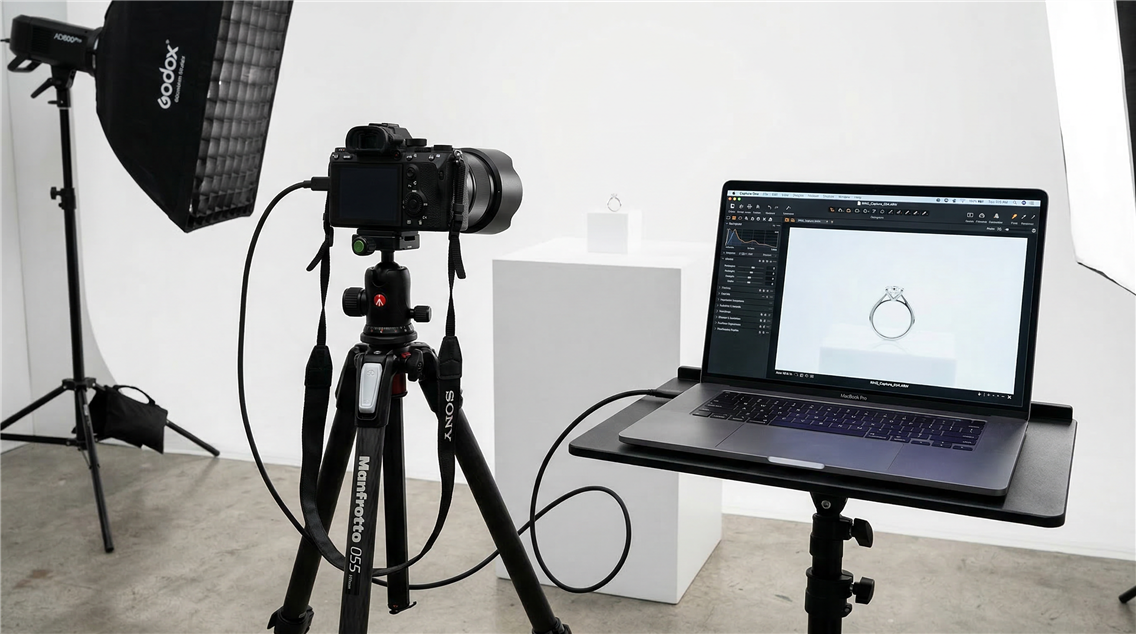
Shooting tethered allows for immediate evaluation of focus, reflections, and micro-detail that would be easy to miss on a camera screen. It also supports collaboration, whether that involves a stylist, art director, or retoucher reviewing files during capture.
And stability is critical. High magnification amplifies even minor vibrations, and camera systems that integrate well with solid tripods, rails, and tethering setups reduce both physical and cognitive strain during long shoots. Reliability matters here more than speed. A camera that behaves predictably under controlled conditions saves time overall, even if it is slower frame to frame. In jewelry photography, the camera is less a creative tool and more a measuring instrument. The best choice is the one that disappears into the workflow, producing files that behave consistently and leave fewer problems to solve later.
Lenses That Work Well for Jewelry Product Photography
In jewelry photography, the lens often has a huge impact on the final image, and this becomes obvious the moment files are reviewed at full resolution. Soft edges, field curvature, uneven sharpness, or subtle distortion all surface quickly, and once they do, they are difficult to hide without heavy post-production. What works beautifully for portraits or lifestyle products often breaks down under the demands of macro-level precision.
True Macro vs “Macro-Labeled” Lenses for Jewelry Photography
The word “macro” is used loosely. Many lenses carry the label while stopping short of true 1:1 reproduction. Rings, prongs, pavé settings, and fine engraving all demand reproduction ratios that allow detail to be resolved without cropping aggressively.
Beyond magnification, flat-field performance is critical. A lens that is sharp in the center but soft toward the edges creates uneven results, especially in symmetrical compositions. This softness may not be obvious during capture, yet it becomes a problem during retouching when uniform sharpness is expected across the piece.
Edge consistency also affects focus stacking. Lenses with field curvature introduce alignment issues between frames, increasing stacking errors and making the process slower and less reliable. A true macro lens designed for flat subjects reduces these problems before they start.
Focal Length Choices for Rings, Earrings, and Necklaces
Focal length shapes perspective, compression, and how reflections behave across metal surfaces. Shorter macro focal lengths tend to exaggerate perspective and increase the risk of distortion, especially noticeable in round forms like rings. Longer focal lengths compress perspective more gently and provide greater working distance, which can simplify lighting and reflection control.
For rings and small items, longer macro lenses often offer better control and cleaner geometry. Earrings and necklaces introduce different challenges, particularly when depth and layering come into play. The ability to maintain consistent proportions without stretching or compressing elements unevenly saves significant time later.
Choosing focal lengths strategically reduces the need for corrective editing. Perspective issues are among the hardest problems to fix convincingly in post-production, and they are best avoided at the capture stage.
For most studio jewelry work, a 100 mm macro lens is a reliable sweet spot: it gives a comfortable working distance, clean geometry, and enough magnification for small pieces. A 100 mm lens also makes it easier to manage reflections and flags around the setup, which becomes increasingly important with polished metals.
Focus Stacking In Practice
Focus stacking is a practical necessity in jewelry photography, not an advanced technique reserved for rare cases. The depth of field at high magnification is limited, even at smaller apertures. The lens plays a central role in how manageable stacking becomes.
Lenses with consistent focus behavior and minimal focus breathing produce stacks that align cleanly. Lenses with unpredictable focus shifts introduce micro-misalignment, edge artifacts, and haloing that must later be corrected manually. This turns stacking from a technical solution into a production bottleneck.
Lens sharpness wide open also matters more than many expect. Shooting at extreme apertures to chase depth of field often degrades image quality and increases diffraction. Lenses that remain sharp across a practical aperture range allow photographers to balance optical performance with stacking efficiency.
In professional jewelry photography, the best lens is the one that behaves consistently under pressure, produces files that stack cleanly, and preserves geometry without correction. When the lens does its job properly, the rest of the workflow becomes noticeably calmer.
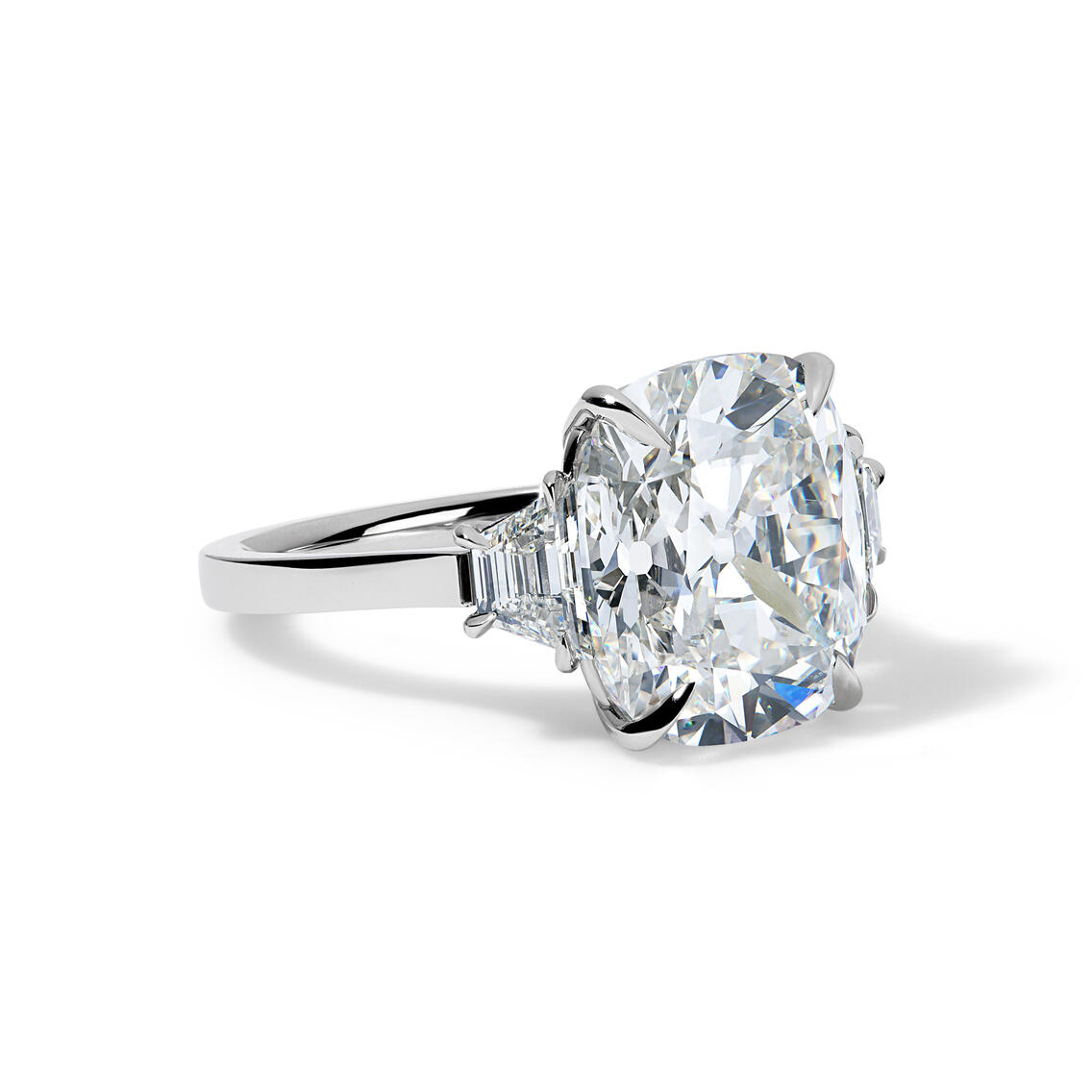
Professional Lighting Equipment for Jewelry Photography
Lighting is where most jewelry photographs are won or lost. More than the camera or the lens, lighting determines how metal surfaces read, how gemstones separate from their settings, and whether an image feels refined or unresolved.
Continuous vs Strobe Lighting for Jewelry
Continuous light falls short for jewelry photography. It's not bright enough to capture sharp details, highlights, or gem facets without noise or underexposure.
Strobes offer power and consistency. They allow smaller apertures, lower ISO values, and faster capture once the setup is locked in. In controlled environments with stable setups, strobes provide repeatable results across long sessions and large product batches.
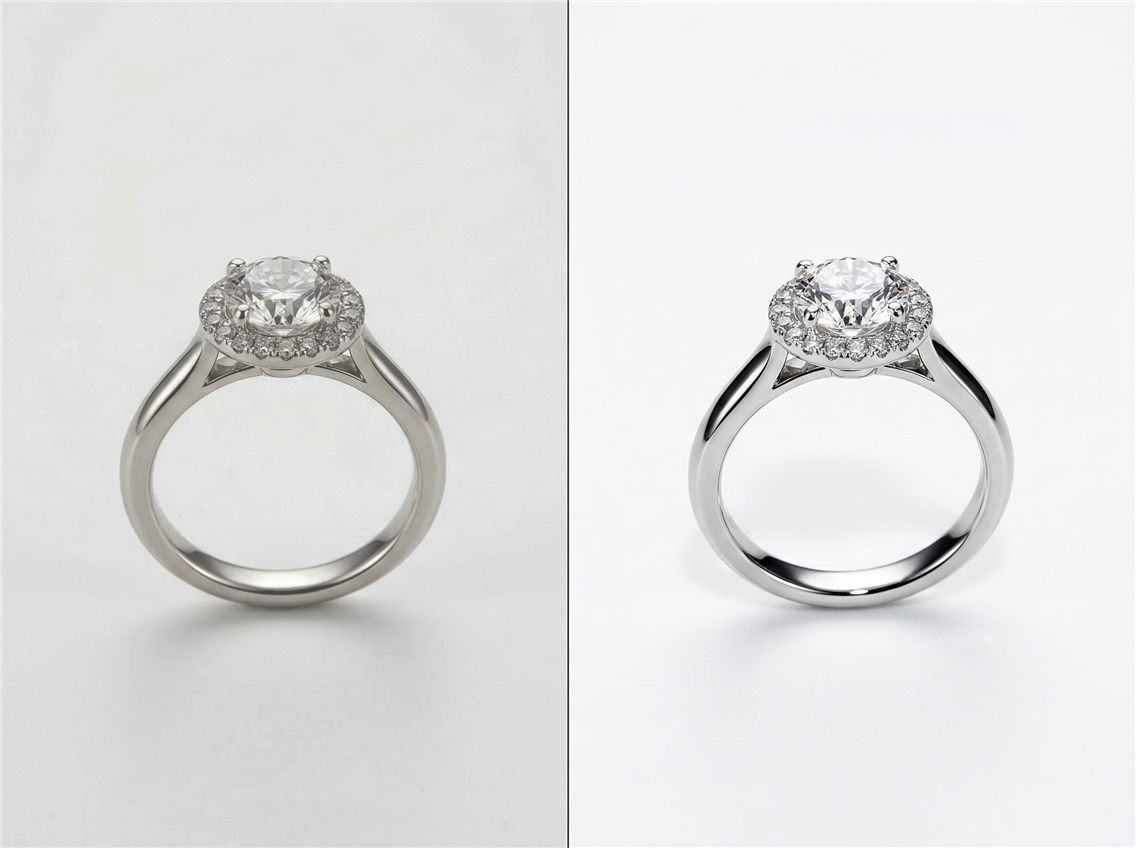
Light Modifiers That Matter More Than Lights
Diffusion materials, scrims, strip shapes, flags, light boxes, and cutters define how light wraps around the object and where reflections appear. Two identical lights can produce entirely different results depending on how they are modified.
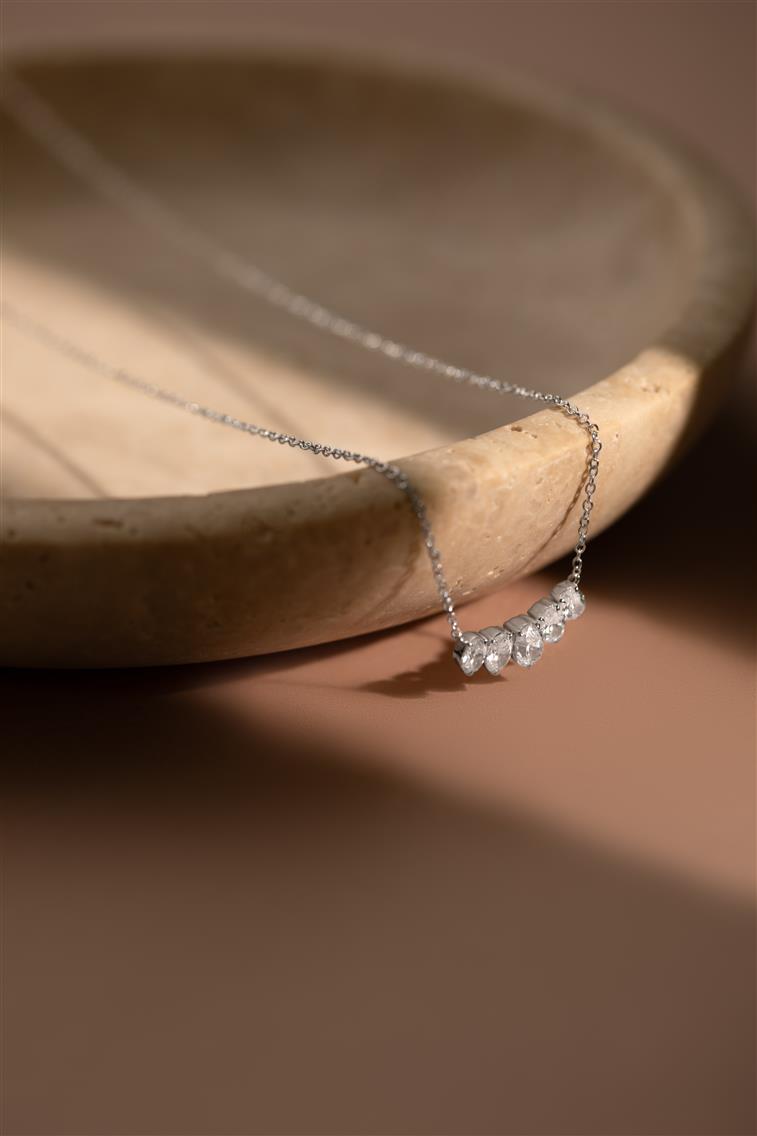
Large, even diffusion creates smooth gradients on metal surfaces and prevents harsh specular highlights. Narrow strips introduce controlled edge definition. Flags and cutters remove unwanted reflections rather than trying to overpower them with more light. These tools allow photographers to design reflections intentionally instead of reacting to them.
Brand names become secondary at this stage. A modest light source paired with thoughtful diffusion often outperforms a high-end light used without control. Professional jewelry lighting setups are built around shaping and subtracting light, not simply adding more of it.
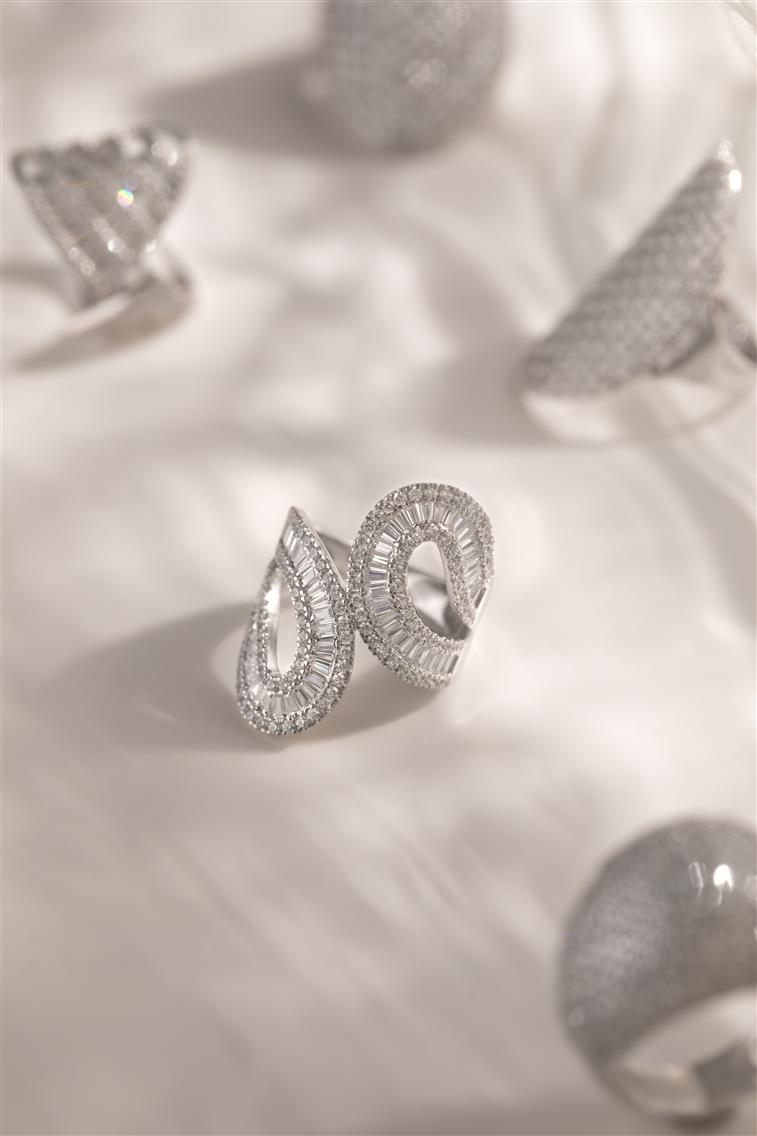
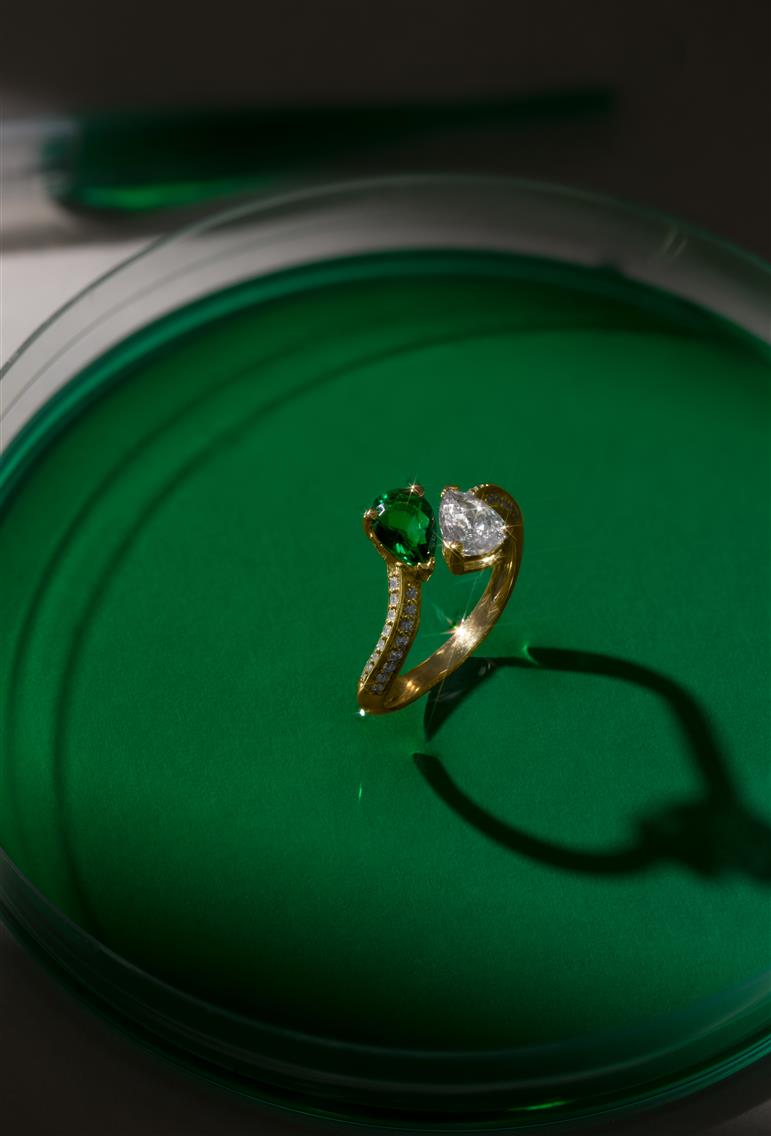
Reflection Design as a Technical Skill
Jewelry lighting is often described as painting with light, but in practice it resembles reflection design more closely.
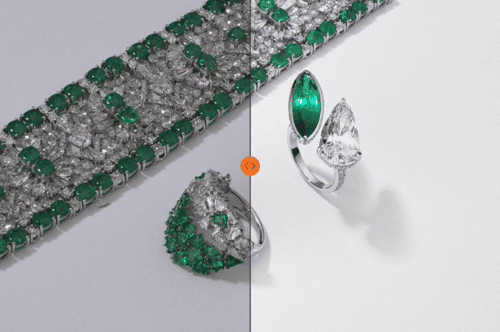
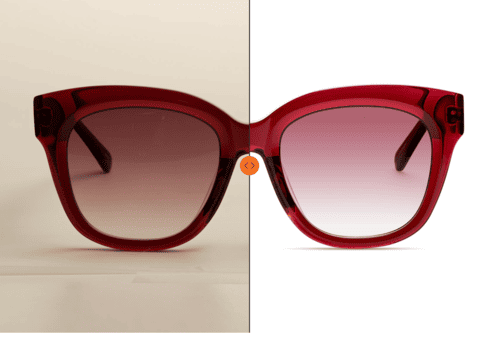
Poor reflection control creates problems that compound in post-production. Uneven gradients, broken highlight lines, and chaotic reflections are difficult to correct convincingly. They increase retouching time and often lead to images that feel overworked rather than refined. Strong lighting design reduces this burden. When reflections are clean and intentional, retouching becomes a process of refinement rather than reconstruction.
Studio Support Equipment That Separates Amateurs from Jewelry Photography Professionals
Support equipment rarely gets the same attention as cameras or lighting, yet it often determines whether a setup is usable at a professional level. But at high magnification, stability and micro-adjustment stop being conveniences and become requirements.
Tripods, Rails, and Micro-Adjustment Tools
Jewelry photography benefits from tripods that resist torsion and vibration, especially when focus stacking or working at longer focal lengths. Lightweight or travel-oriented supports often introduce subtle movement that only becomes visible during stacking or detailed review.
Focus rails add another layer of control. They allow precise forward and backward movement without touching the lens or camera body, reducing focus breathing and misalignment between frames. This precision simplifies stacking and produces cleaner transitions between focus planes.
Micro-adjustment tools extend beyond rails. Fine positioning of the subject relative to the camera and light sources reduces the need for constant re-framing. When these adjustments are mechanical rather than improvised, the workflow becomes quieter and more repeatable.
Styling Tools for Jewelry Product Photography
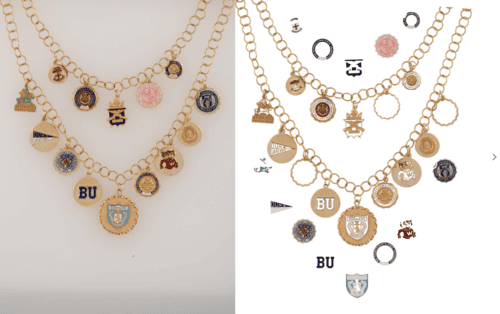
Jewelry styling tools rarely appear in final images, yet they influence nearly every frame. Wax, putty, fishing line, holders, and fine supports allow pieces to sit naturally, maintain symmetry, and present stones at optimal angles. The main challenge in jewelry photography is ensuring nothing extra reflects —careful angle selection and delicate retouching keep distractions out of the image.
Poor styling decisions create downstream problems. Jewelry that shifts between frames complicates stacking. Uneven positioning introduces asymmetry that must later be corrected digitally. Visible supports increase retouching time and limit how clean the final image can be. Professional setups treat styling as part of the technical workflow rather than an afterthought.
Backgrounds, Surfaces, and Material Behavior
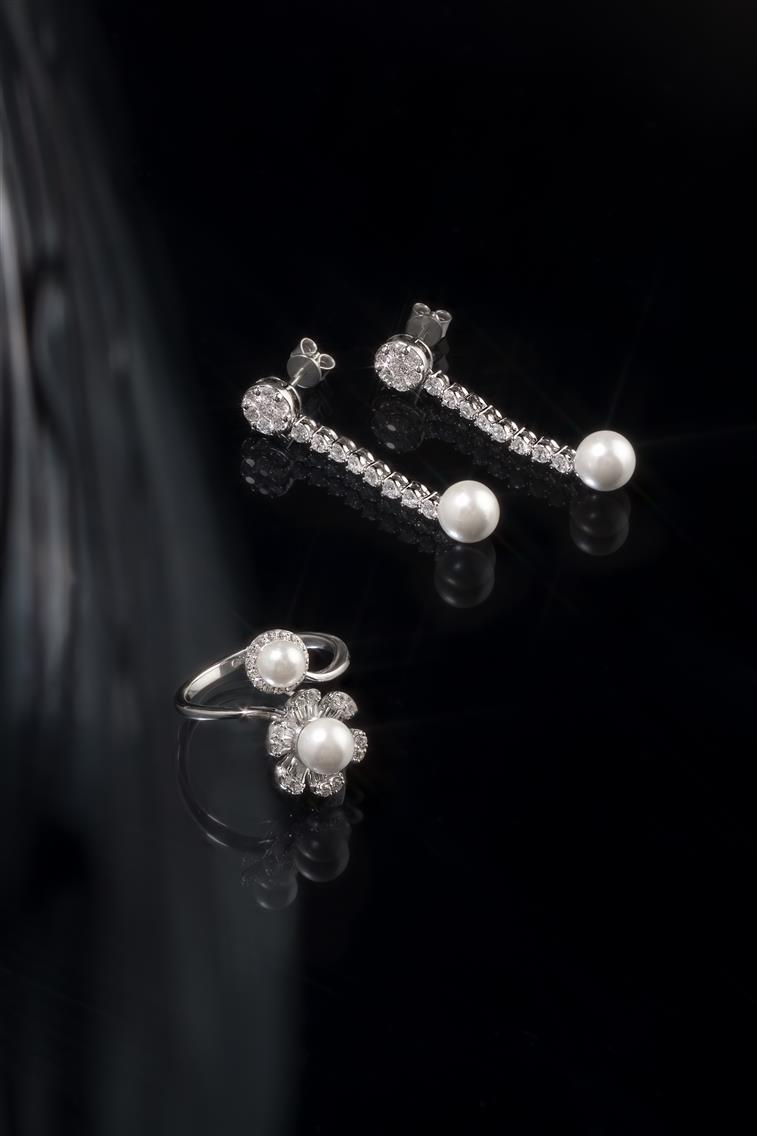
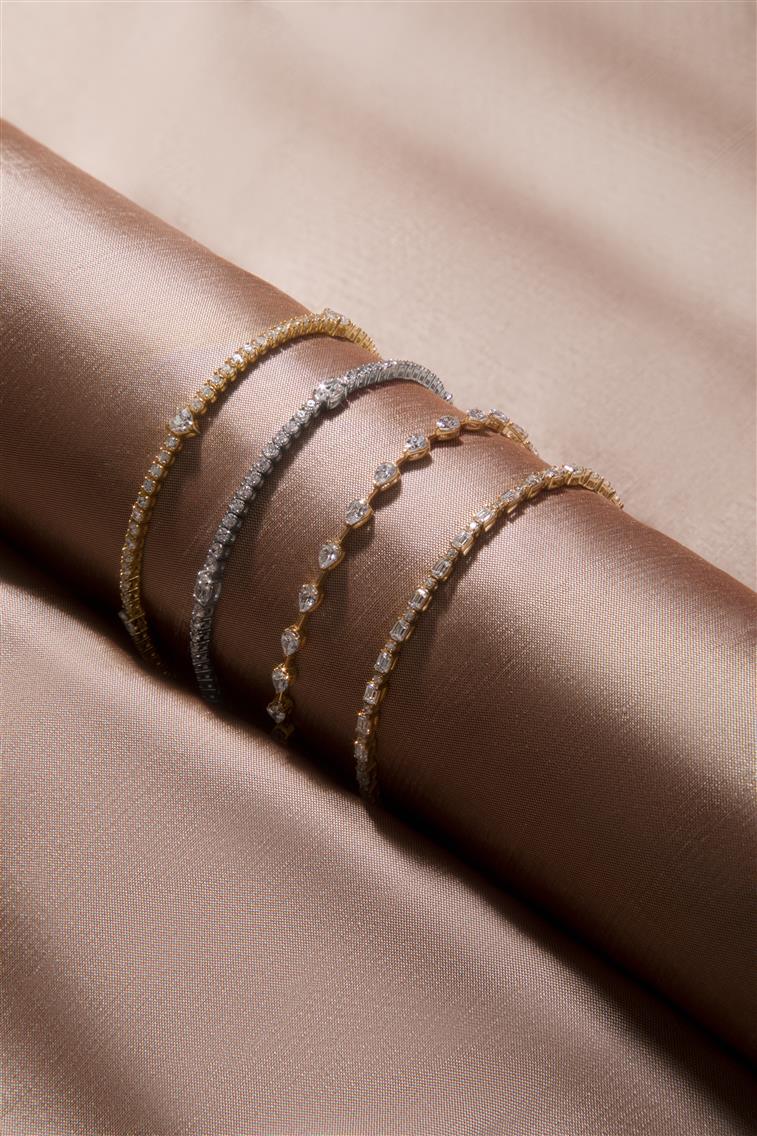
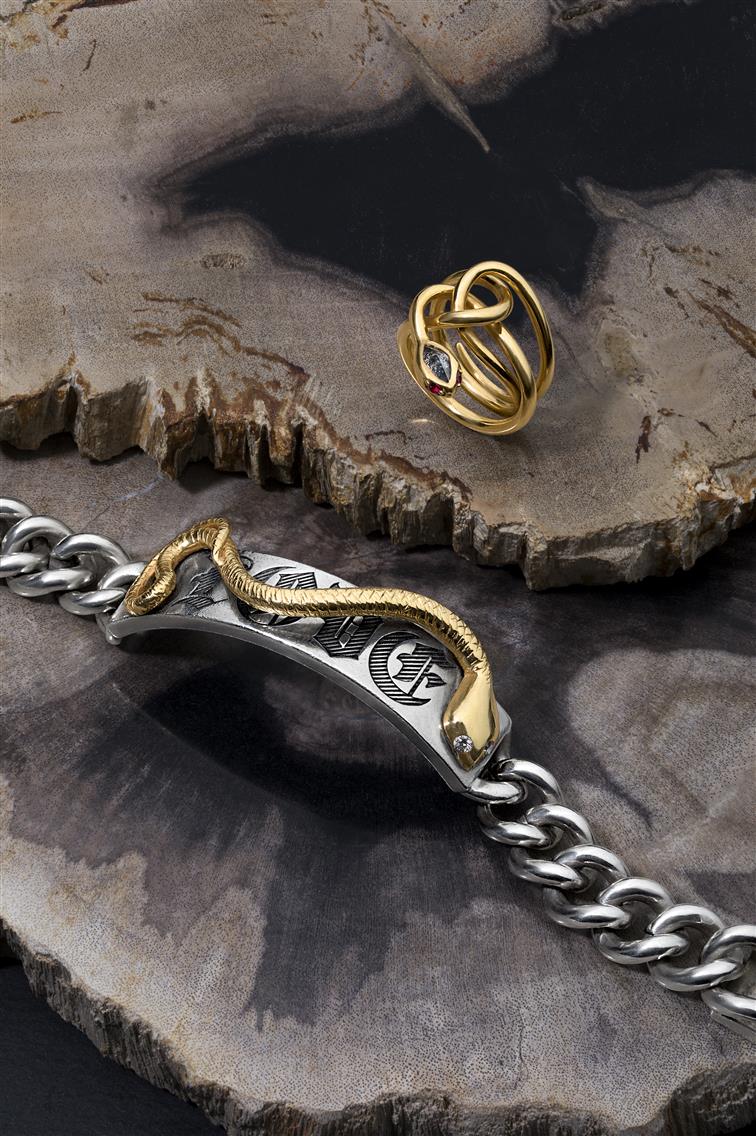
Background and surface choices influence the light and color. Acrylic, glass, stone, fabric, and metal each interact with light differently, affecting reflections, edge definition, and contrast. In jewelry photography, these interactions often matter more than the surface’s appearance on its own.
Glossy surfaces can amplify reflections and add depth, but they also introduce complexity. Matte surfaces reduce reflection chaos but may flatten metal if the lighting is not carefully designed.
Professional jewelry photographers select surfaces based on how they behave under light, not how they look in isolation. Understanding these behaviors allows photographers to anticipate reflection patterns and reduce corrective work later.
Taken together, support equipment forms the physical backbone of a jewelry photography setup. When these tools are chosen with the same care as cameras and lenses, the entire workflow becomes more stable, predictable, and scalable.
How Jewelry Photography Equipment Decisions Reduce Post-Production Hours
Equipment choices made during capture directly determine how much correction and cleanup will be required afterward. Some of these costs are obvious. Others only surface when images are pushed to their limits.
Dust behavior is a straightforward example. Certain lighting setups exaggerate every particle on a metal surface, turning routine cleanup into a time-consuming task across hundreds of frames. Uneven diffusion creates broken gradients that cannot be smoothed convincingly. Poor alignment between camera and subject introduces perspective issues that are difficult to correct without distorting the piece. Aggressive lighting increases contrast but often at the expense of surface continuity.
Each decision adds friction. Over a long session or across a large catalog shoot, that friction accumulates into hours of post-production that could have been avoided at the capture stage.
Shooting with post-production in mind
Experienced jewelry photographers shoot with retouching in mind, even when they handle post-production themselves. This does not mean under-lighting or avoiding detail. It means creating files that behave predictably once adjustments begin.
Clean, continuous reflections reduce the need for reconstruction. Stable focus stacks minimize edge artifacts. Consistent color response simplifies batch correction across collections. These outcomes are rarely accidental, they come from setups designed to cooperate with retouching rather than challenge it.
Why professional jewelry photographers work within a production pipeline
At a certain volume and quality level, jewelry photography stops being a solo craft and becomes a production pipeline. The complexity of the work, combined with client expectations for consistency and turnaround speed, makes it difficult for one person to control every stage without compromise.
Division of labor is a quality strategy, not a concession. Experienced jewelry photographers focus their attention on lighting design, composition, surface control, and capture decisions that cannot be delegated. Post-production, particularly the highly specialized retouching that jewelry requires benefits from dedicated systems and teams.
Time is finite. Hours spent reconstructing reflections or correcting avoidable capture problems are hours not spent refining lighting, testing new setups, or shooting additional pieces. As volume increases, this imbalance becomes harder to sustain.
LenFlash works as a retouching partner for professional jewelry photographers and studios. We handle post-production for photographers who want to focus on capture, upload directly through our online system.
See jewelry retouching services for photographers
For photographers working with jewelry brands on larger productions, our studio also handles full-service jewelry photography from our New York studio — online ordering, real-time quotes, and retailer-compliant output for Signet, Macy's, Nordstrom, Kohl's, and Amazon.