


How the Right Product Photography Drives Sales on Etsy
Etsy is a visual-first marketplace. The product photograph is the pitch — it earns the click, the time spent on the listing, and ultimately the conversion. On a platform where buyers scroll through hundreds of thumbnails, the photograph is what stops them. Price, title, and product description all come after.
For sellers with genuine business goals, product photography is a sales tool. Treating it as a side task is what keeps most Etsy shops from growing past a certain point.
Part of our complete guide: The Ultimate Guide to eCommerce Product Photography
Why Product Photography Is Critical to Your Sales Performance on Etsy
How Photography Drives Etsy Conversion
Unlike a branded website or a marketplace like Amazon, Etsy gives sellers no landing page, no branded funnel, and no homepage. Every listing competes directly with neighboring listings in search results. The single thumbnail image carries the full weight of the value proposition.
Buyers scroll search results quickly. Dark, cluttered, inconsistent, or technically weak images create immediate hesitation — questions about whether the seller is running a serious operation, whether the product will match its price, whether the shop can be trusted. Professional, well-lit, carefully styled photographs answer those questions before the buyer consciously asks them. This translates directly into higher click-through rates, longer time on listing, and stronger conversion rates, all signals that Etsy's search algorithm also rewards.
Photography is one of the few variables a seller controls entirely, and it affects every stage of the customer journey: search visibility, shopper trust, and final purchase.
What Etsy Buyers Expect That Other Platforms Do Not
Etsy buyers are specifically seeking handmade, artisanal, and independent brand products. They come to the platform expecting personality, originality, and a sense of the maker behind the product. Clinical white background photography that might perform well on Amazon often underperforms on Etsy, where lifestyle context, creative styling, and visual authenticity signal the handcrafted quality that buyers are paying a premium for.
This makes Etsy photography a different discipline from marketplace catalog photography. The goal is not just accurate documentation, it is communicating the character and craftsmanship of the product in a way that connects emotionally with a buyer who is actively looking for something that feels made with intention.
Etsy Technical Image Requirements
Etsy recommends a minimum image size of 2000 x 2000 pixels to support zoom functionality. Square format is preferred for thumbnails since Etsy displays square crops in search results, images that are not square will be cropped automatically, which can cut off important product detail. JPEG is the standard format for product photography. PNG works for images requiring transparent backgrounds. Each listing supports up to ten images, and using all available slots consistently outperforms listings with fewer images for most product categories.
Image Types That Drive Performance on Etsy
Every image type in a listing serves a distinct purpose. High-performing Etsy listings use a deliberate mix that guides buyers from initial interest through trust to purchase.
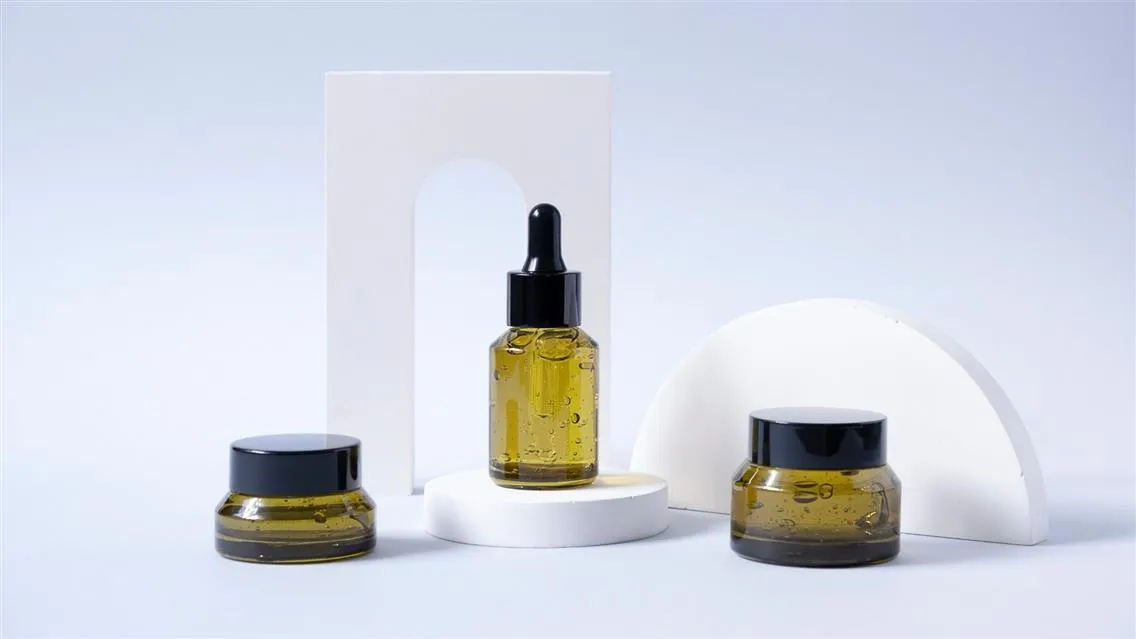
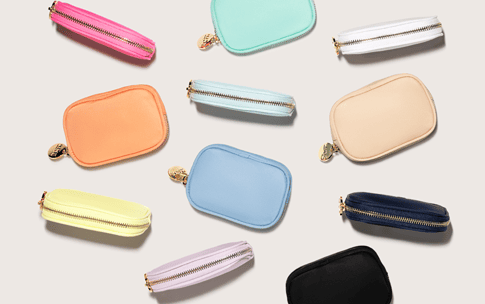
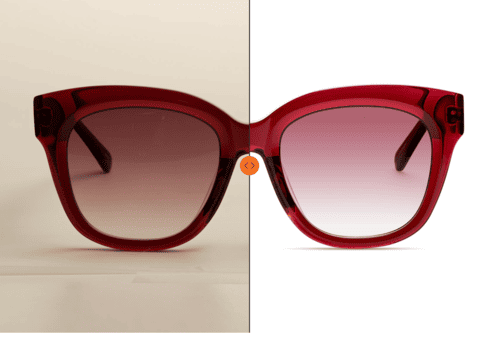
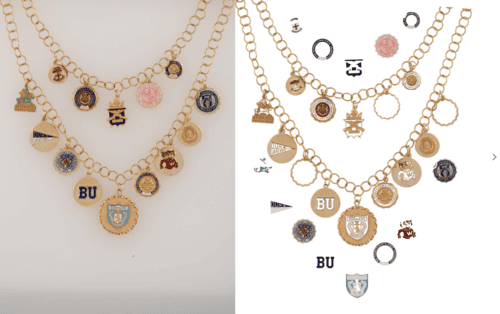
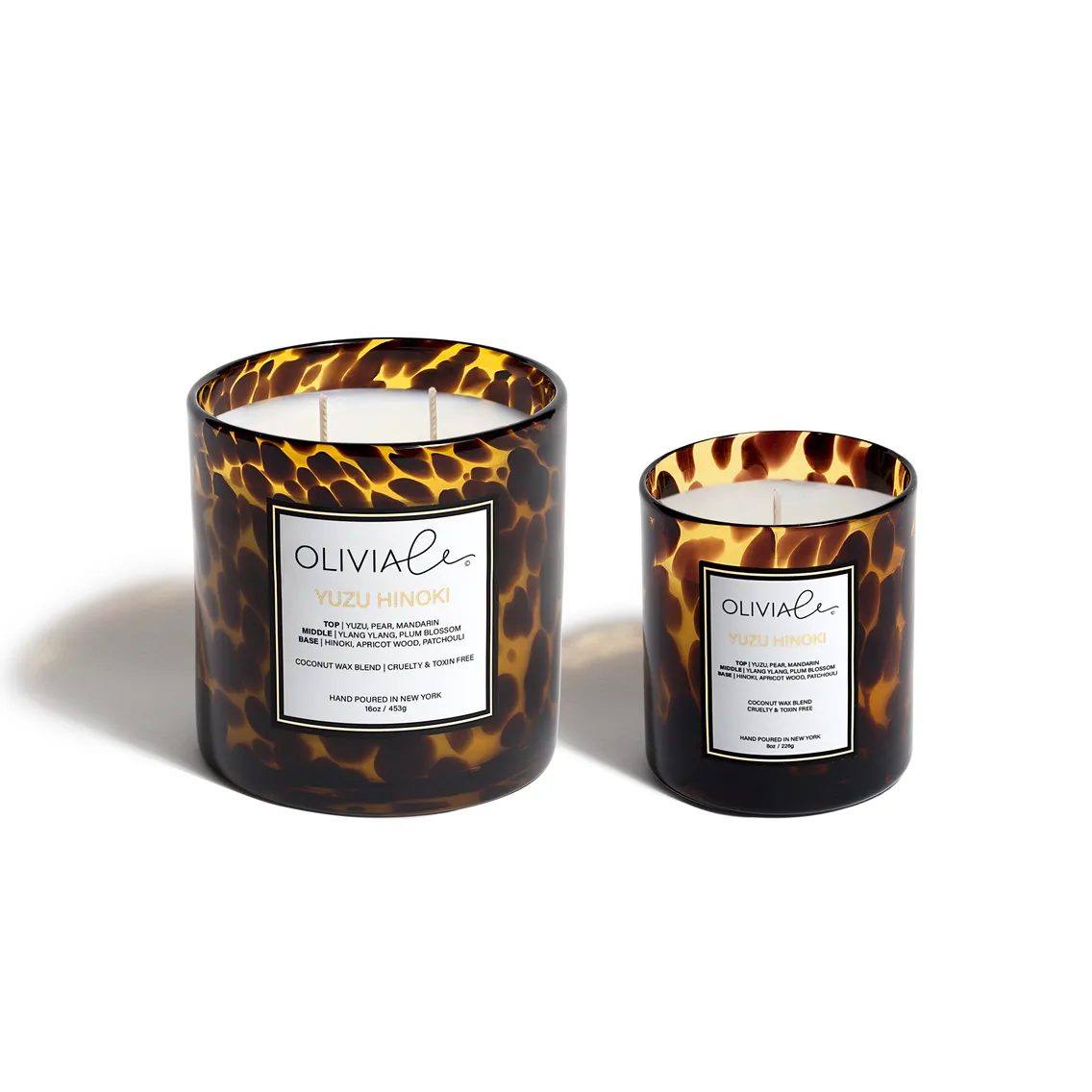
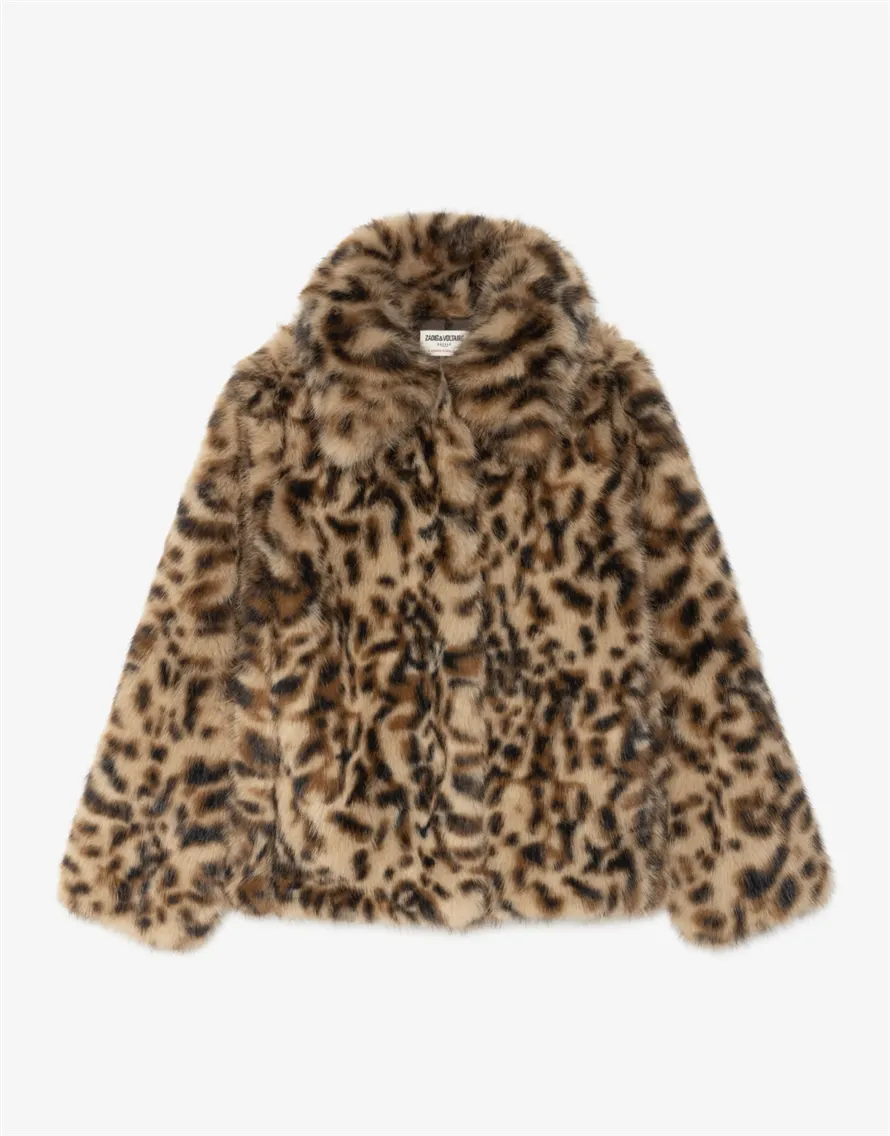
Catalog Product Photography for Etsy: Your Thumbnail WorkhorseYour first image, the one Etsy uses as a thumbnail in search, needs to be clean, high-contrast, and immediately legible. On-white photography is the gold standard here. It isolates the product. No distractions, no visual noise. It shows color and detail accurately. It looks polished, and that’s what builds trust instantly. Here’s what buyers don’t respond to: cluttered backgrounds, shadows that fight with the product, or low-light images that feel clumsy. Even if your item is beautiful, if the photo quality doesn’t match, the scroll continues. For how background choices affect platform performance and brand perception: Do You Need White Background Photos for an eCommerce Website? | 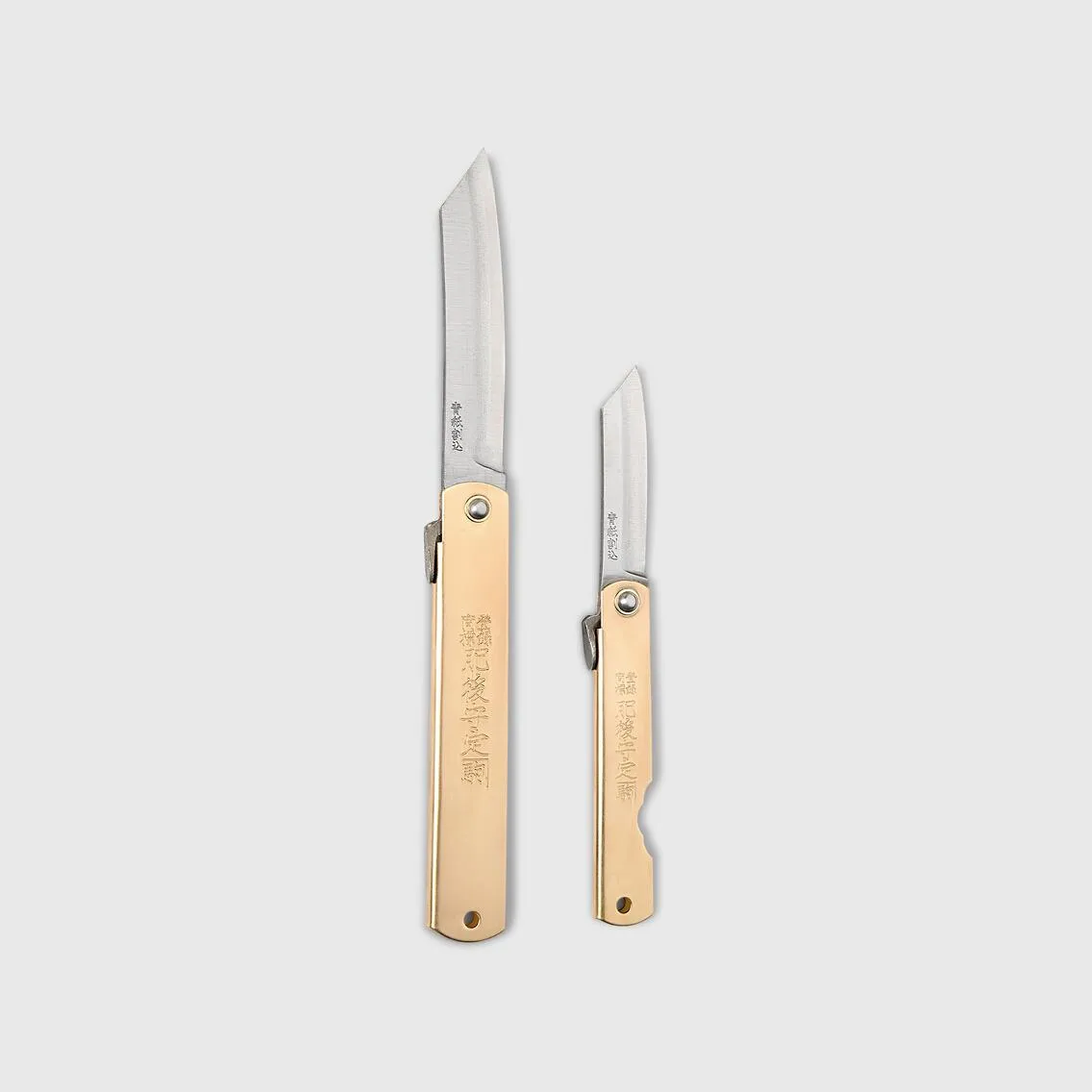 |
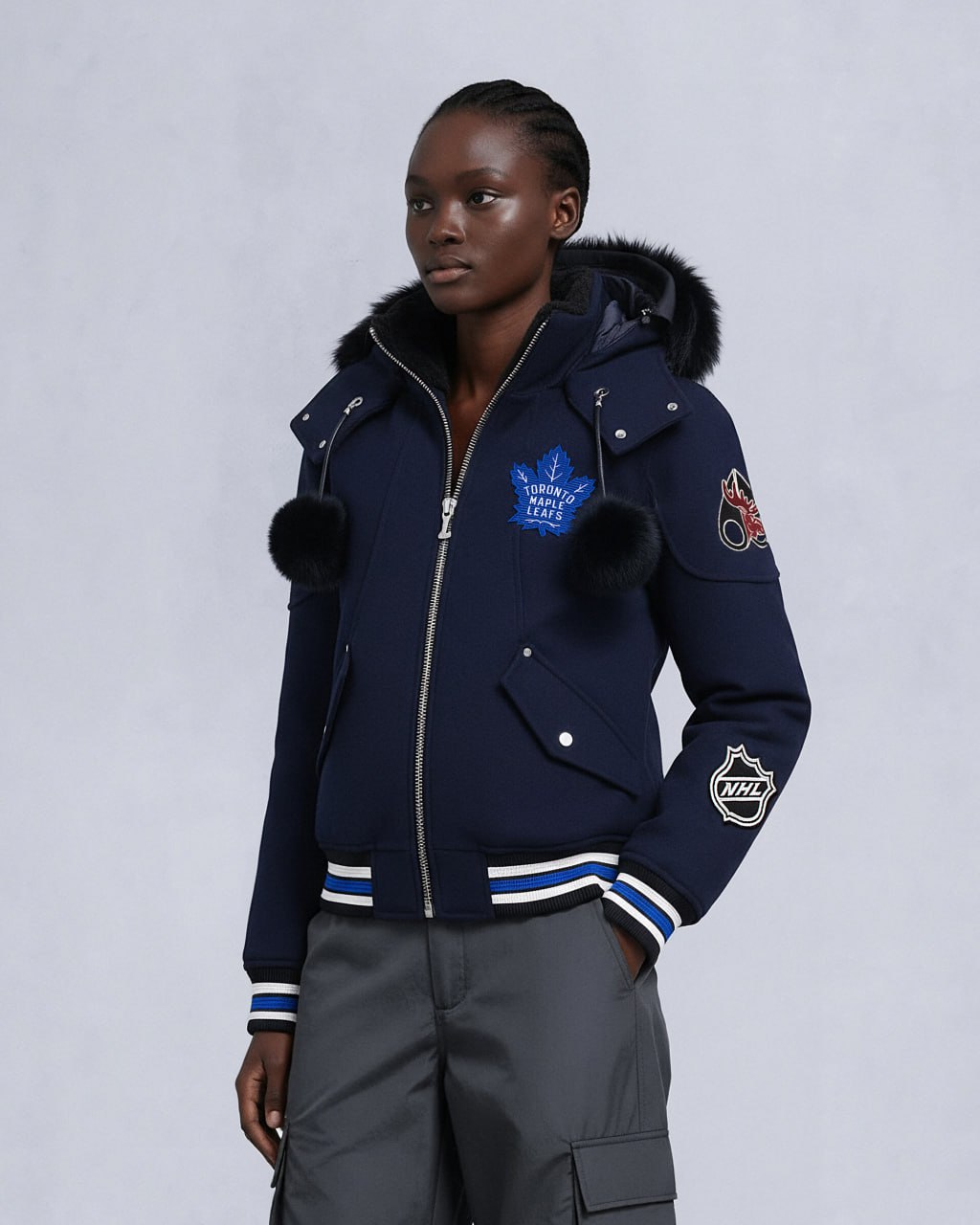
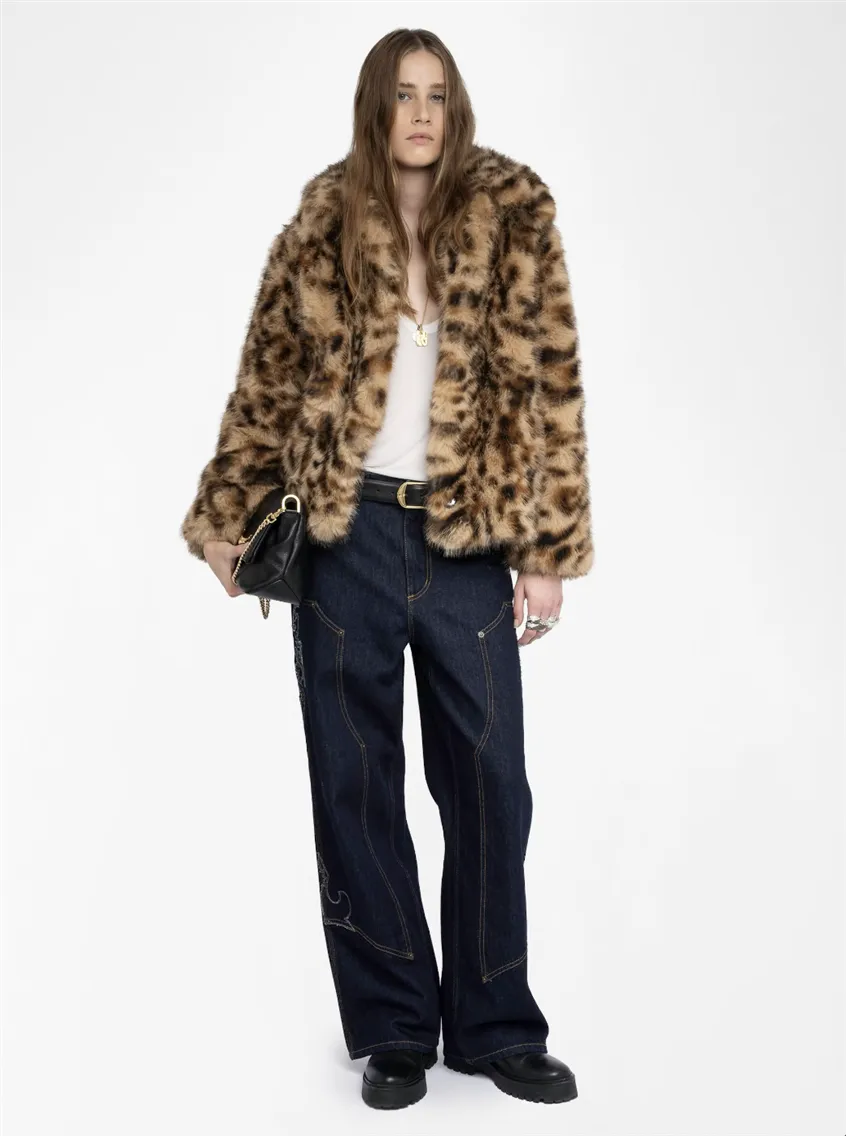
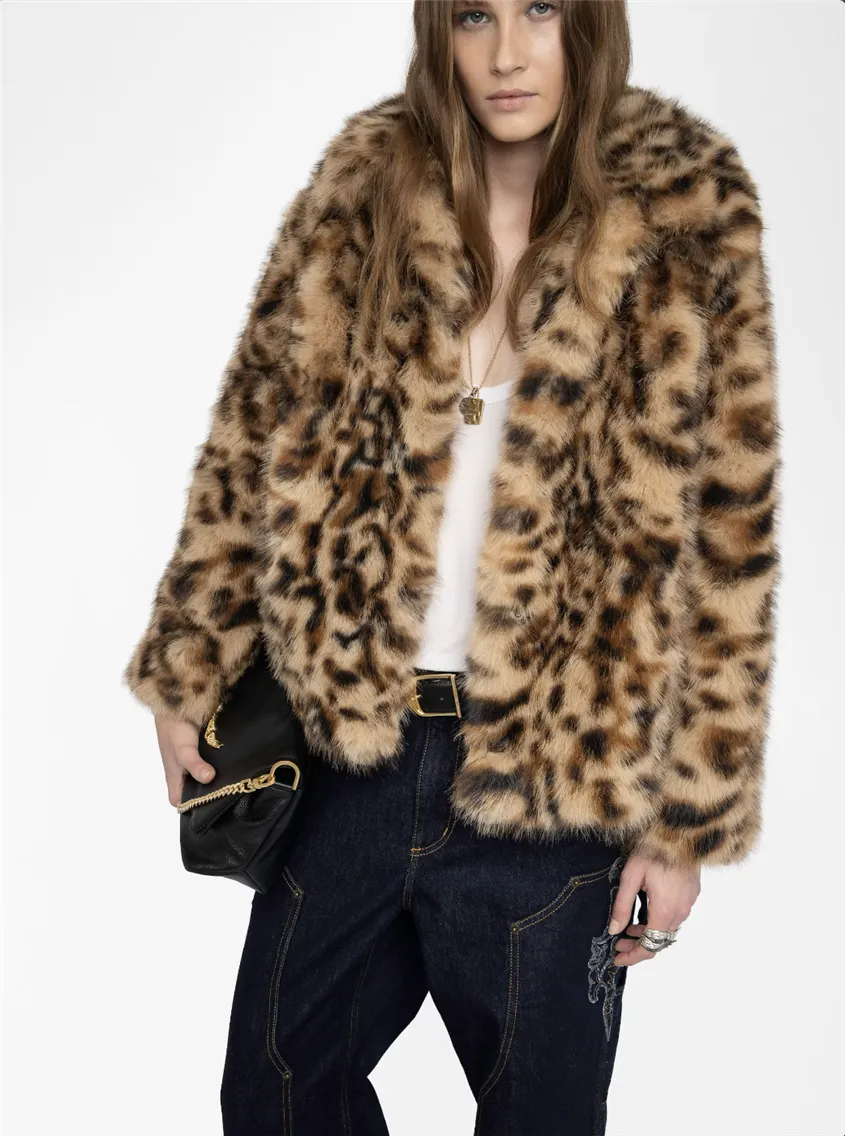
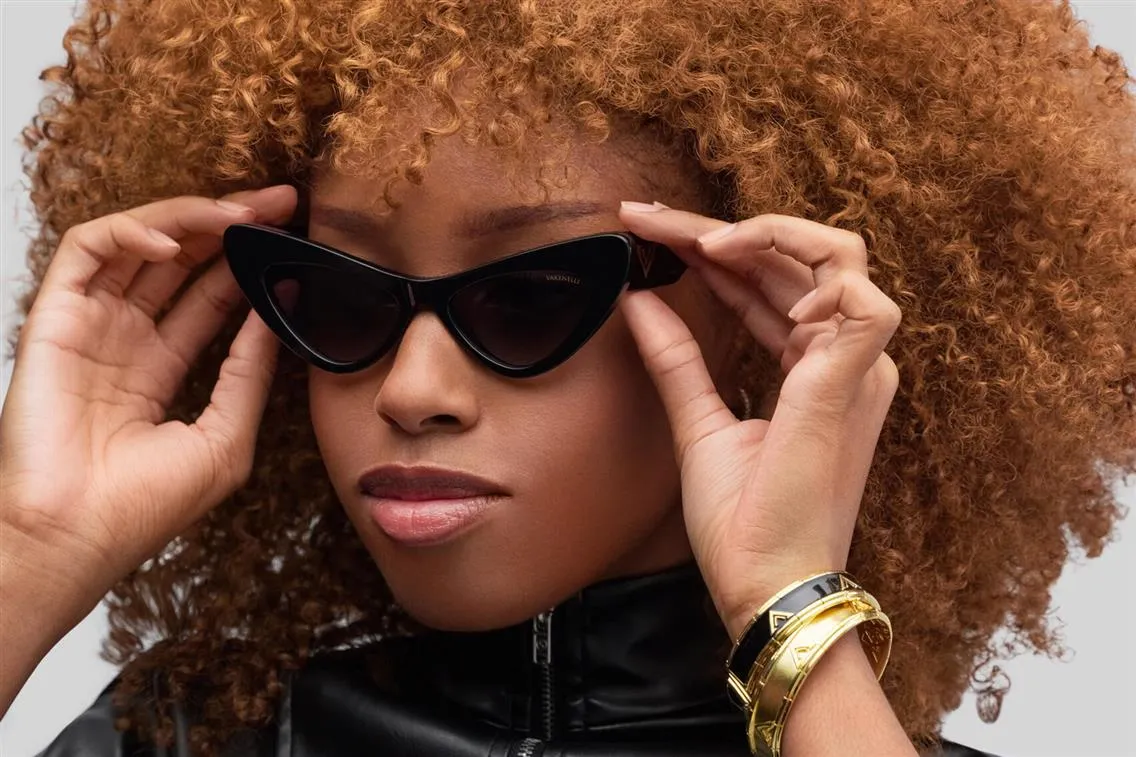 | On-Model Photography: Build Trust with People in the FrameThis one’s non-negotiable if you sell fashion, jewelry, or accessories. People need to see the product on a person to judge scale, fit, and vibe. Earrings need ears. Bags need shoulders. It’s about answering the buyer’s subconscious questions: Will this look good on me? Will it feel cheap or elevated? What size is it? Professional on-model photography solves these doubts before they become objections. And it makes your shop feel more legitimate. More brand than side hustle. Related read: Fashion Photography for eCommerce Brands |
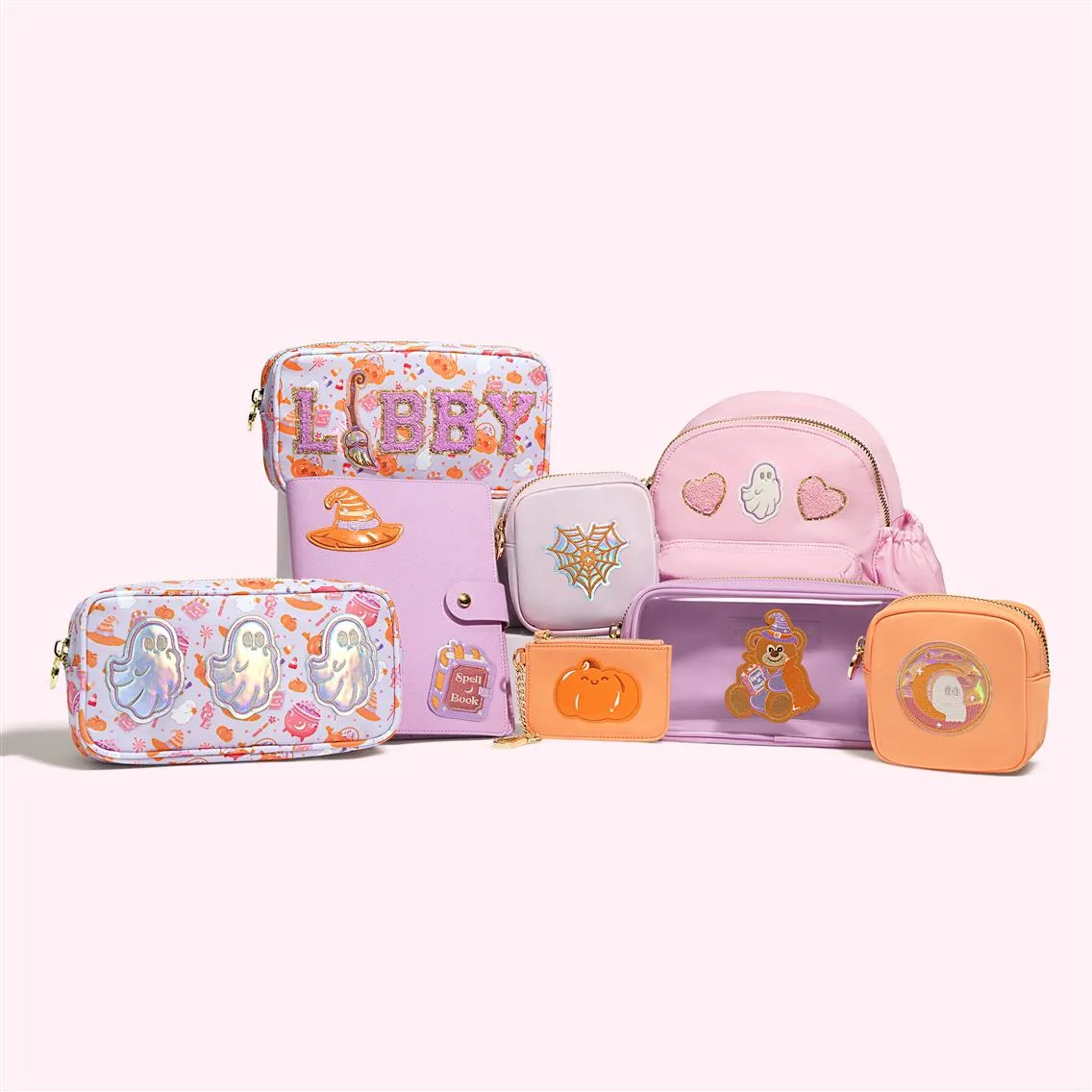
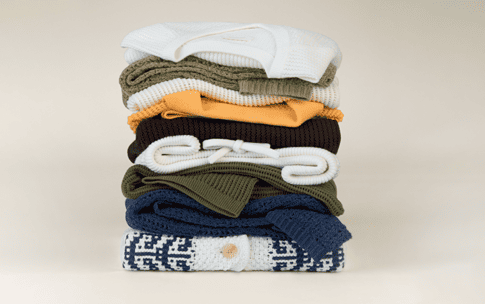
Lifestyle PhotographyLifestyle photography shows the product in context, worn, used, or placed within a setting that reflects the buyer's aspirations. A crossbody bag worn in motion. A sweater styled naturally. A candle on a bedside table alongside books and a ceramic mug. These images do two things simultaneously. They communicate practical information and they build desire by letting the buyer imagine the product in their own life. The best lifestyle images feel effortless but are carefully crafted: the styling, environment, pose, and lighting are all calibrated to align with the brand's identity and communicate the quality that justifies the price. Lifestyle photography also generates content that performs across channels beyond Etsy: social media, email marketing, and brand storytelling all benefit from the same images. For how lifestyle photography serves brand building across eCommerce channels: Strategic Impact of Lifestyle Photography on eCommerce Business |  |
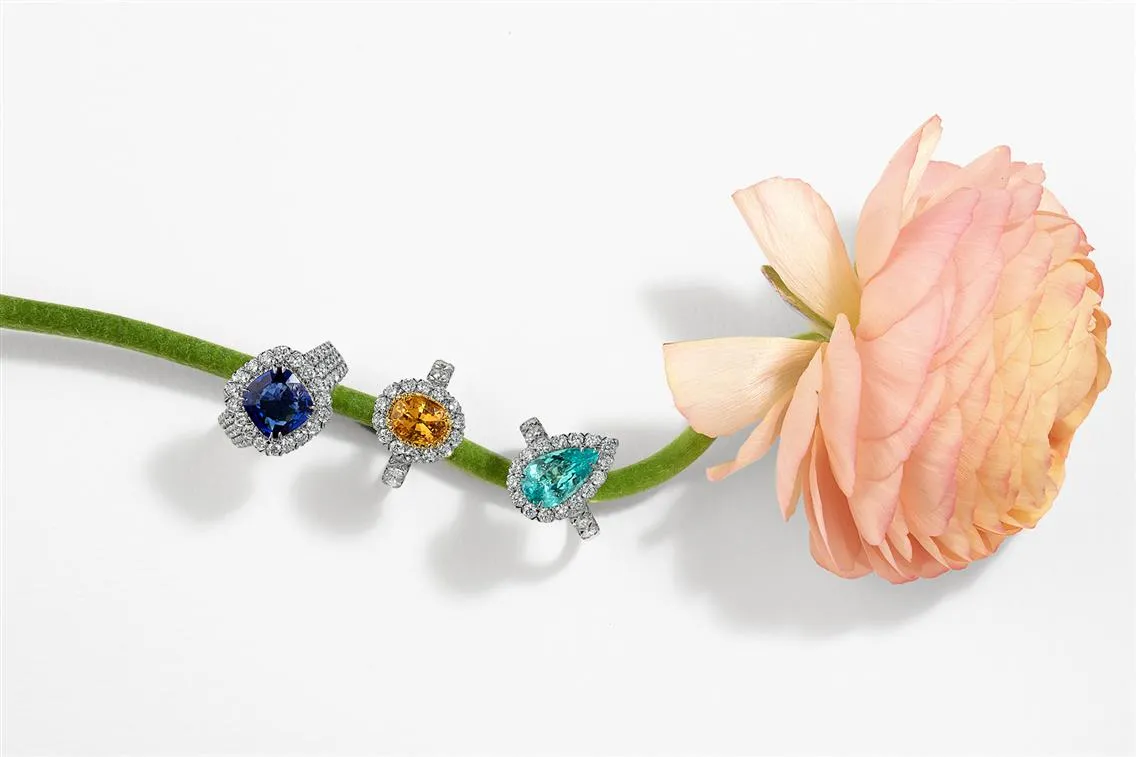
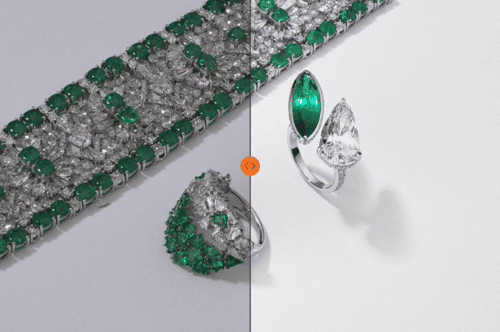
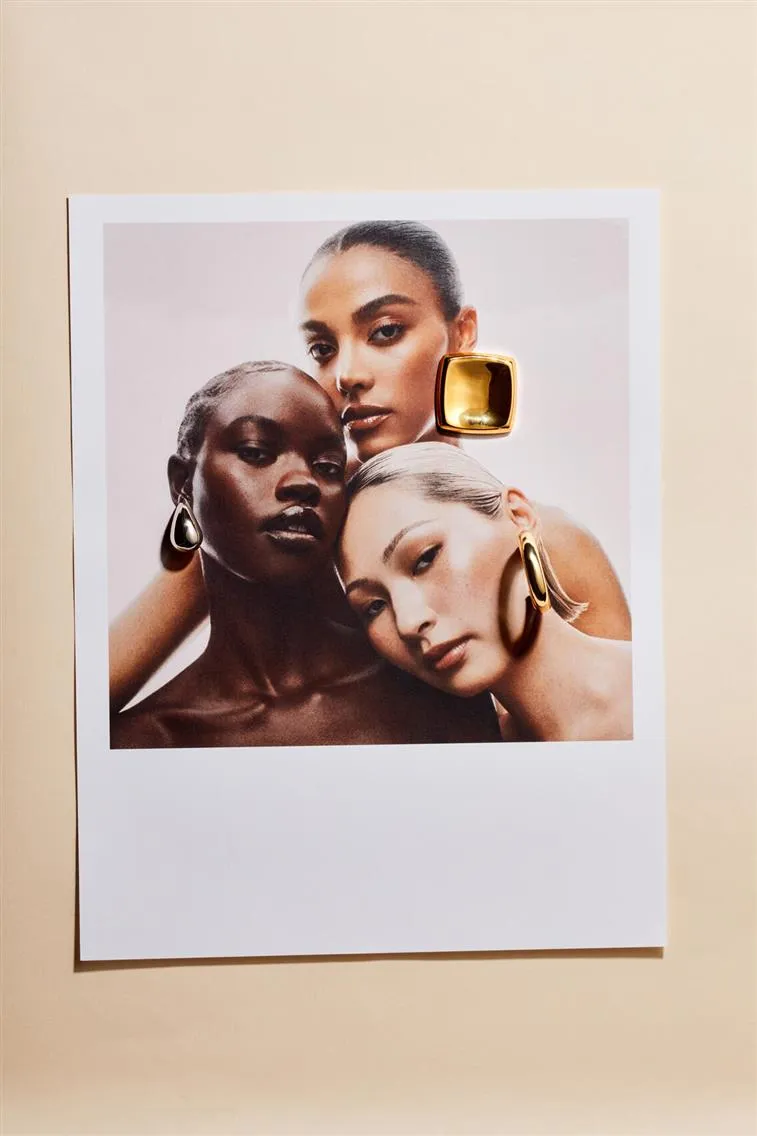
 | Still Life and Creative Product PhotographyStill life photography adds brand personality through props, textures, and creative arrangements. These images are not the primary product documentation images, they are supporting images that communicate brand character and provide visual variety within the listing gallery. Effective still life photography for Etsy balances visual interest with product clarity. The product remains the subject. Props and styling enhance it rather than competing with it. Creative arrangements that reflect the product's character (the materials it is made from, the occasions it is designed for, the aesthetic it belongs to) build the brand story that differentiates one Etsy shop from another selling a technically similar product. For how still life photography communicates product character and brand identity: Product Still Life Photography for eCommerce Brands |
How to Structure an Etsy Listing Photo Set
Etsy allows up to ten images per listing. How those slots are filled determines how effectively the listing communicates across the full customer journey. The goal is not to fill slots for the sake of it, it is to remove friction, build trust, and give buyers enough visual information to purchase confidently.
A high-performing Etsy listing typically follows this sequence:
- Hero image on clean background — the thumbnail workhorse, optimized for search visibility and click-through
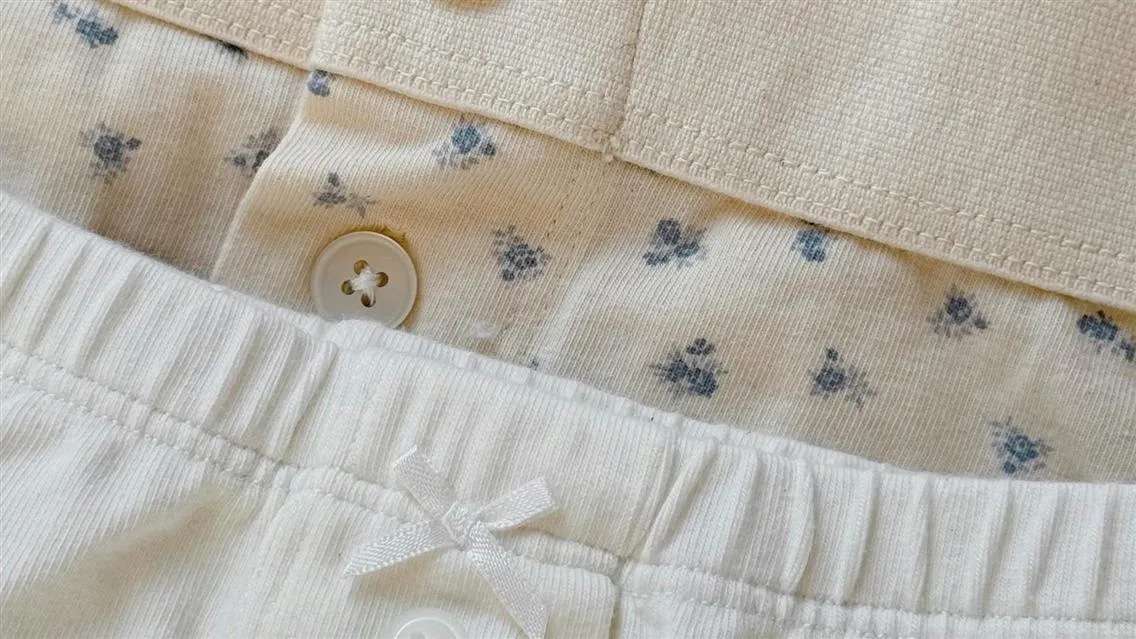
- Close-up detail shot — shows texture, materials, finish, and craftsmanship that are not visible in the wider hero shot
- On-model or lifestyle image — builds context, communicates scale and fit, creates emotional connection
- Scale reference — product held in a hand or shown alongside a familiar object to eliminate size uncertainty
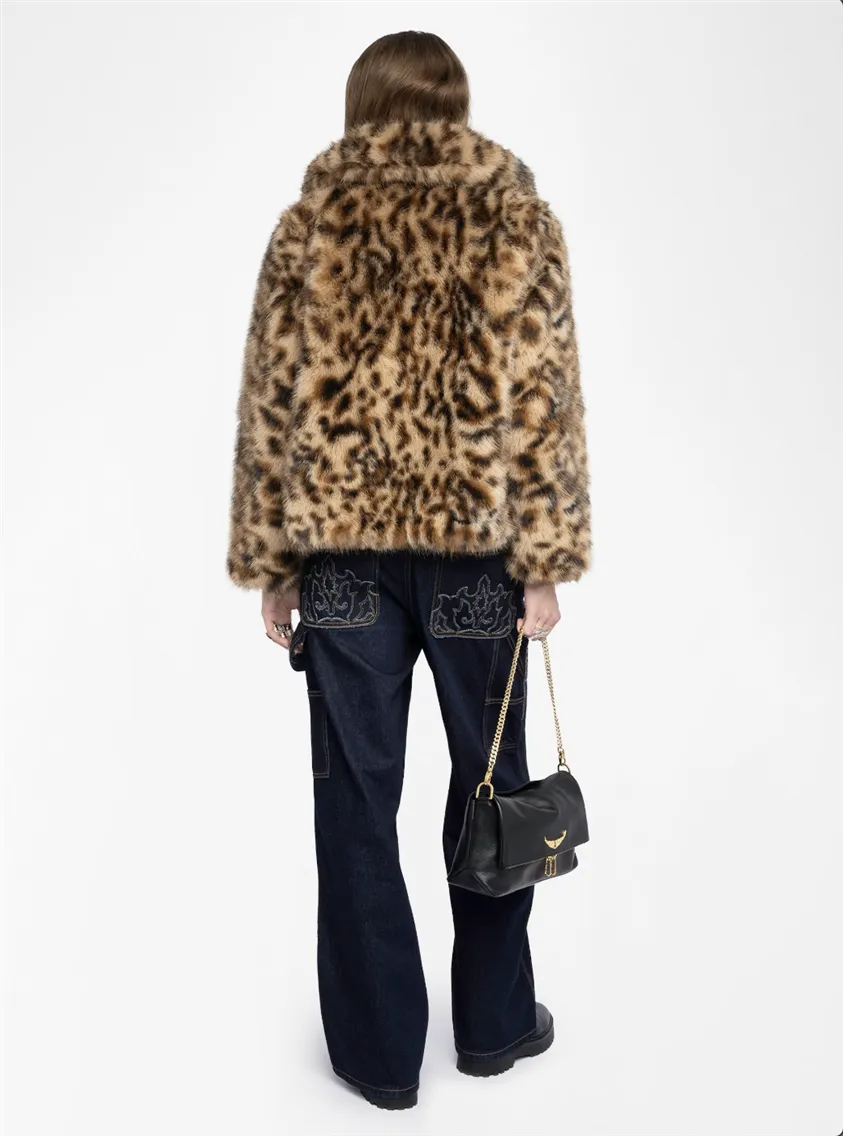
- Back or alternate angles — ensures no purchase-relevant information is missing from any angle
- Packaging image — particularly important for giftable products where presentation is part of the value
- Additional slots — styling variations, collection shots, instructional images, or mood-driven still life as relevant
The sequence walks the buyer through a visual journey from initial evaluation through trust-building to purchase confidence. Each image answers a different question that, left unanswered, becomes a reason not to buy.

How Consistency Builds Brand Recognition on Etsy
Consistent photography is brand identity on Etsy. When a shop shows a mix of different lighting setups, inconsistent backgrounds, and varying color temperatures across listings, buyers experience visual dissonance that registers as unprofessionalism even when they cannot articulate why.
When images are polished and coherent across every listing, the shop communicates that it is a professional operation worth the price being asked. Consistency also compounds over time: as new products are added, they slot seamlessly into an established visual system rather than disrupting it.
For how to document visual standards for consistent production: Art Direction Guidelines for Jewelry and Fashion Brand Photoshoots
Common Etsy Product Photography Mistakes That Hurt Sales
Inconsistent Lighting or Harsh Shadows
Uneven lighting across listings immediately communicates inconsistency. Harsh shadows, warm tones from household lights, and inconsistent color temperature between products all signal that the photography was not treated as a priority. Good lighting controls color accuracy, perceived quality, and visual trust. Professional photography production manages this through softboxes, diffusion panels, and calibrated editing workflows.
Visual Clutter and Background Noise
Etsy buyers evaluate quickly. Props that overwhelm the product, patterned backdrops, or extraneous objects in frame all signal inexperience. Even lifestyle and creative shots require clarity, the product should always remain the primary subject. Everything else in the frame should serve the story, not distract from it.
Lack of Scale or Human Reference
You’d be surprised how often buyers walk away simply because they can’t tell how big something is. Or how it wears. Or how it fits in context.
That’s why on-model lifestyle images and scale references are so effective, they answer unspoken questions before they become reasons to leave.
If your photos leave the buyer guessing, they’re likely to keep scrolling. It’s not personal. It’s friction, and friction kills conversion.
Lack of Creativity in a Creative Marketplace
Shoppers come to Etsy expecting personality, originality, and aesthetic. A grid of dull, flat, utilitarian photos may check the basics, but it won’t resonate.
Your visuals need soul. Buyers on Etsy are often creatives themselves, and they’re looking for more than just function. They want to connect with the maker's point of view. That doesn’t mean every photo needs a flower crown; it means intentional styling, color use, and a visual language that reflects your product’s spirit.
Professional photographers who understand e-commerce also understand brand, and that’s where the creative difference shows.
For how product photography accuracy affects returns and post-purchase satisfaction: Reducing Product Return Rates Through Accurate Photography
When to Move to Professional Photography
Most Etsy sellers begin with DIY photography because it is fast and accessible. This is a reasonable starting point for testing product-market fit and building an initial listing catalog. The limitations become apparent at scale.
DIY photography workflows break down as SKU count grows, seasonal collections are launched, and consistency across listings becomes impossible to maintain manually. Uneven quality, mismatched lighting, and a disjointed visual identity across the shop undermine the professionalism that buyers associate with price points worth paying.
The decision to move to professional photography is a systems decision as much as a quality decision. A professional studio brings controlled lighting environments, consistent production standards, retouching workflows, and asset delivery systems that scale with the catalog rather than requiring reinvention with each new product launch.
For how to evaluate a photography studio for Etsy and eCommerce production see: How to Choose an eCommerce Photography Studio
Etsy gives sellers creative freedom that Amazon and most retail platforms do not. The photography that performs best on the platform uses that freedom deliberately: lifestyle context, handmade aesthetic, and visual personality that communicates craft and intention. LenFlash produces product photography for Etsy sellers and eCommerce brands, with online ordering and real-time quotes before shipping anything.