


The Ultimate Guide to eCommerce Product Photography for Brands that Sell Online
Most brands that come to us for the first time are dealing with one of four problems — and none of them are what they think the problem is.
They think the issue is the photos themselves. In most cases, it's the decisions behind them.
Inconsistency across SKUs that makes a catalog look like it came from three different companies. Color temperature that turns gold greenish and beige fabric white, so the customer receives something that looks different from what they ordered, and sends it back. Or over-retouching that removes the actual texture of the material along with the dust, creating images that are too polished to be trusted. The slightly wrong angles on a jewelry submission that gets rejected by Signet or Helzberg.
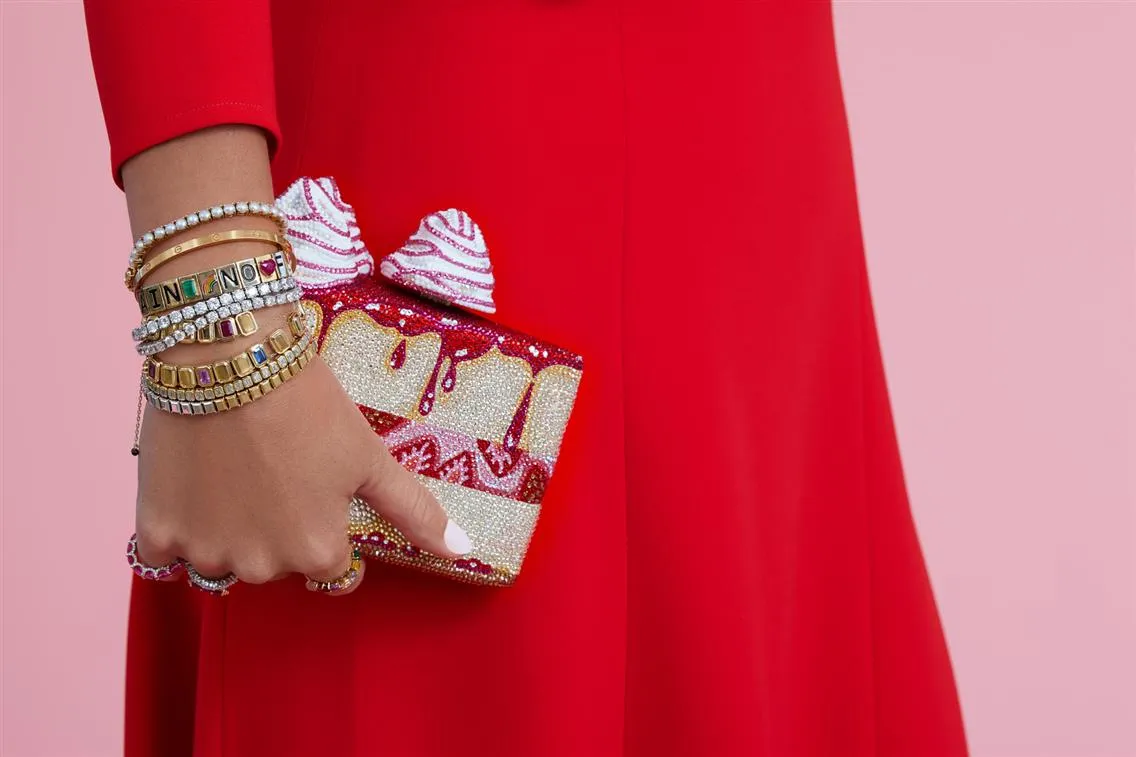
Good eCommerce photography isn't about making products look better than they are. It's about making them look exactly like they are — accurately, consistently, and in a format that every platform and retailer will accept without reshooting.
This guide covers the shot types that work for each product category, the technical requirements of the major platforms and retail chains, what professional studio production actually involves, and how to avoid the four problems above before they cost you a listing rejection or a spike in returns.
We've been shooting product lines for vendors supplying Nordstrom, Macy's, Signet Jewelers, and Amazon from our New York studio since 2004. Everything in this guide comes from that experience.
Types of E-Commerce Product Photography
E-commerce product photography isn’t one-size-fits-all. The approach varies greatly depending on the industry, as each category has unique requirements, consumer expectations, and visual priorities. From fashion and jewelry to electronics and home goods, different types of products demand different styles of presentation. Below are the main categories of e-commerce product photography based on industry:
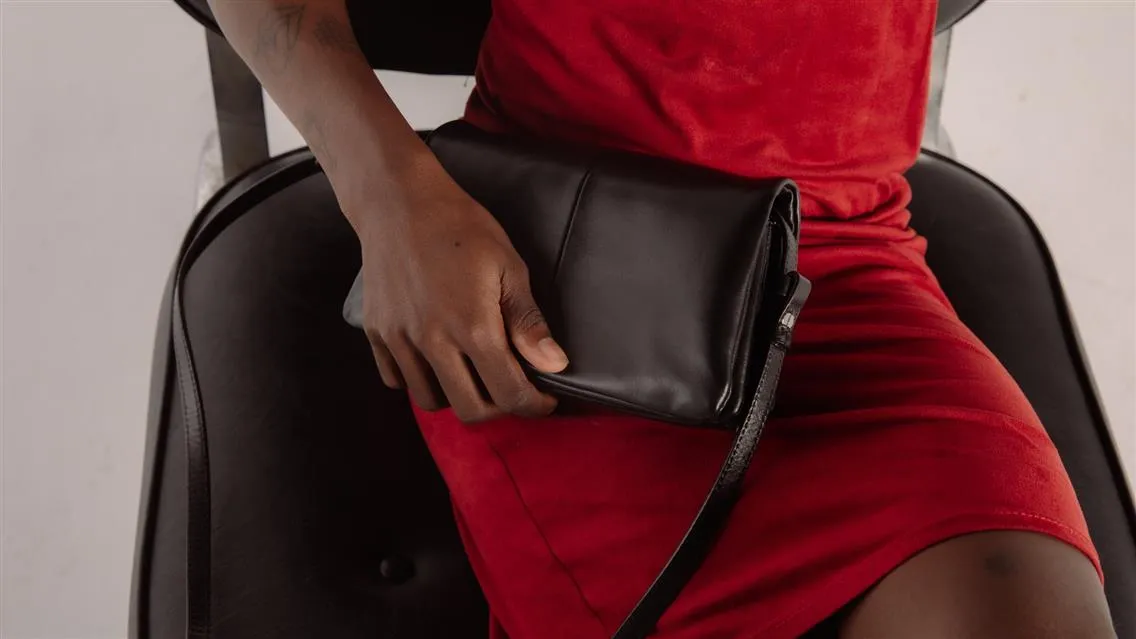
- Fashion and Apparel (Clothing, Accessories, Bags, Footwear)
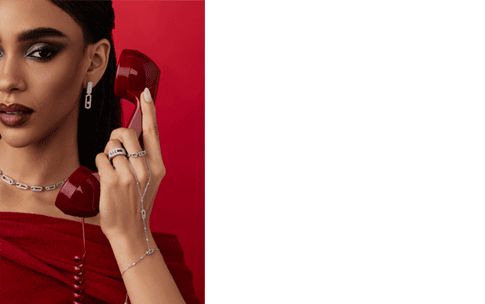
- Jewelry (Rings, Necklaces, Bracelets, Earrings)
- Beauty Products(Cosmetics, Skincare, Haircare)
- Electronics (Gadgets, Devices, Home Tech)
- Packaged Goods (Snacks, Beverages, Health Items)
- Home & Living (Furniture, Decor, Kitchenware)
Each of these categories has its own best practices, visual standards, and technical nuances. In the sections below, we’ll dive into each type to show how photography should be tailored to suit the products you’re selling.
1. Fashion Product Photography for Clothing, Accessories, and Footwear
Apparel photography splits into four distinct approaches depending on how the garment needs to be presented.
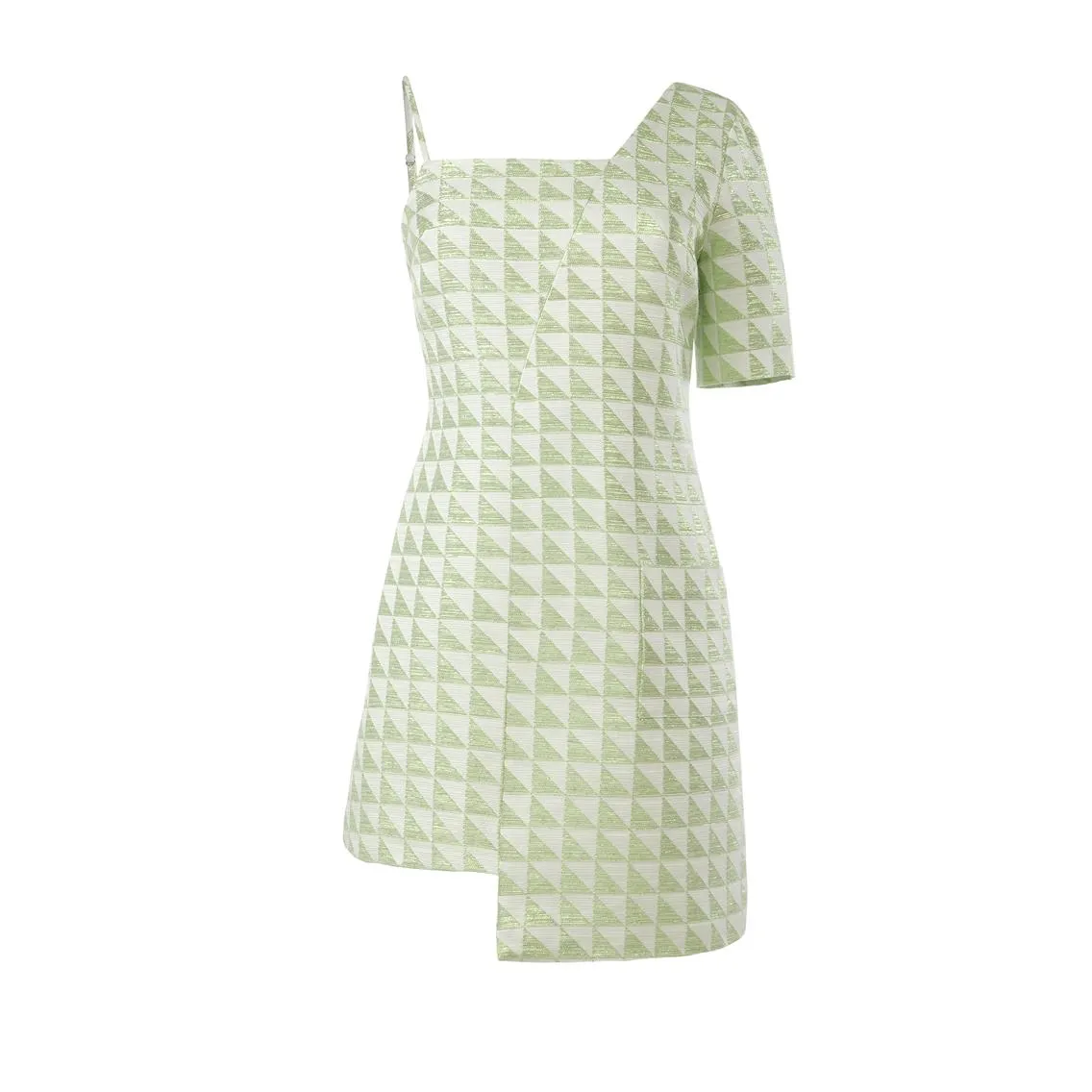
White Background Apparel Product Photography — flat lay or ghost mannequin against a pure white background — is the Amazon and mass-market retail standard. Consistent, efficient, and platform-compliant.
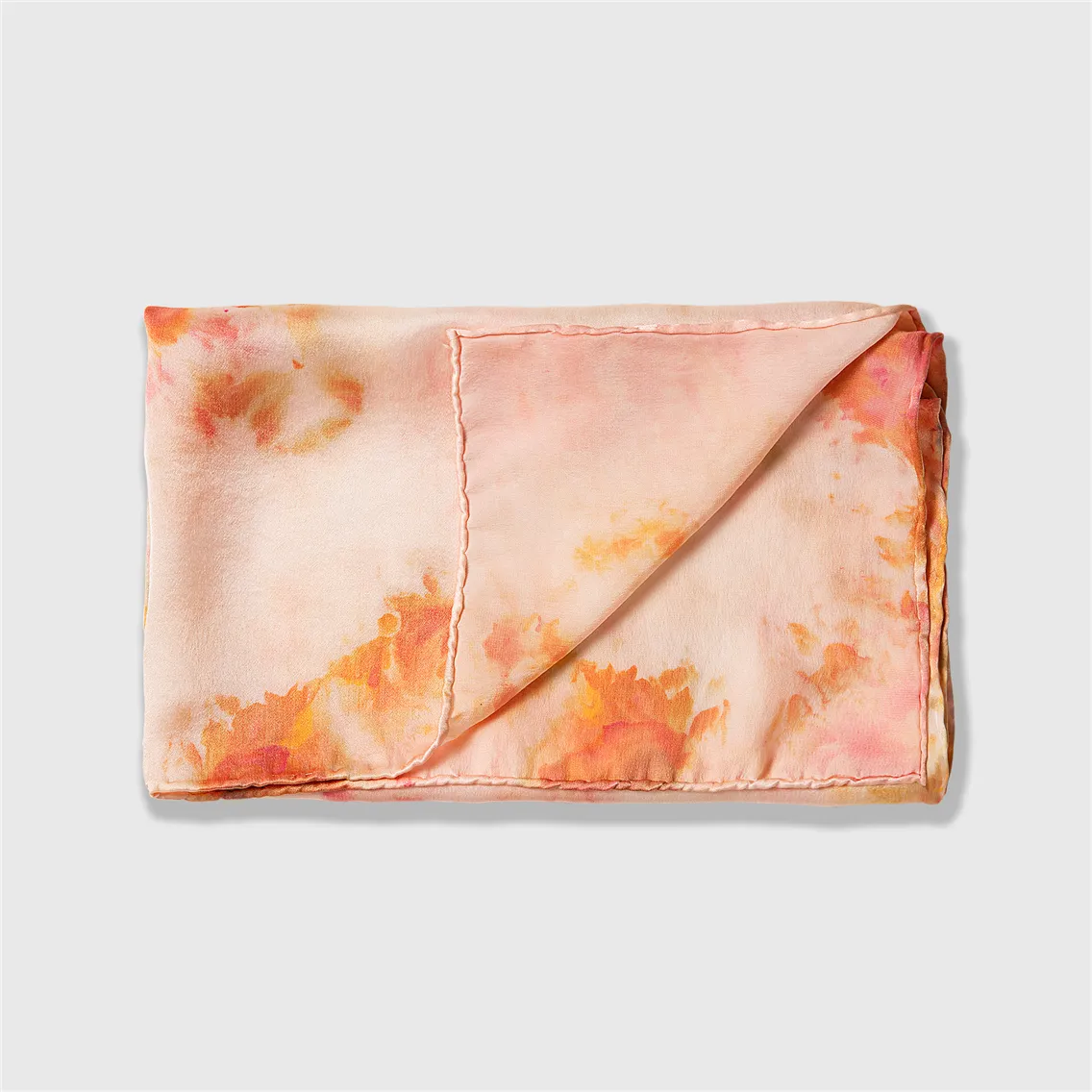
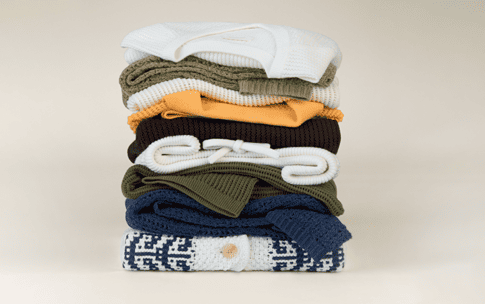
Flat lay — garment photographed from directly overhead on a flat surface — works well for accessories, folded items, and social media content. Faster and cheaper per image than ghost mannequin. Less effective for structured garments where the three-dimensional shape is part of the product.
Related Read: How to Use Flat Lay Photography for Your eCommerce Brand
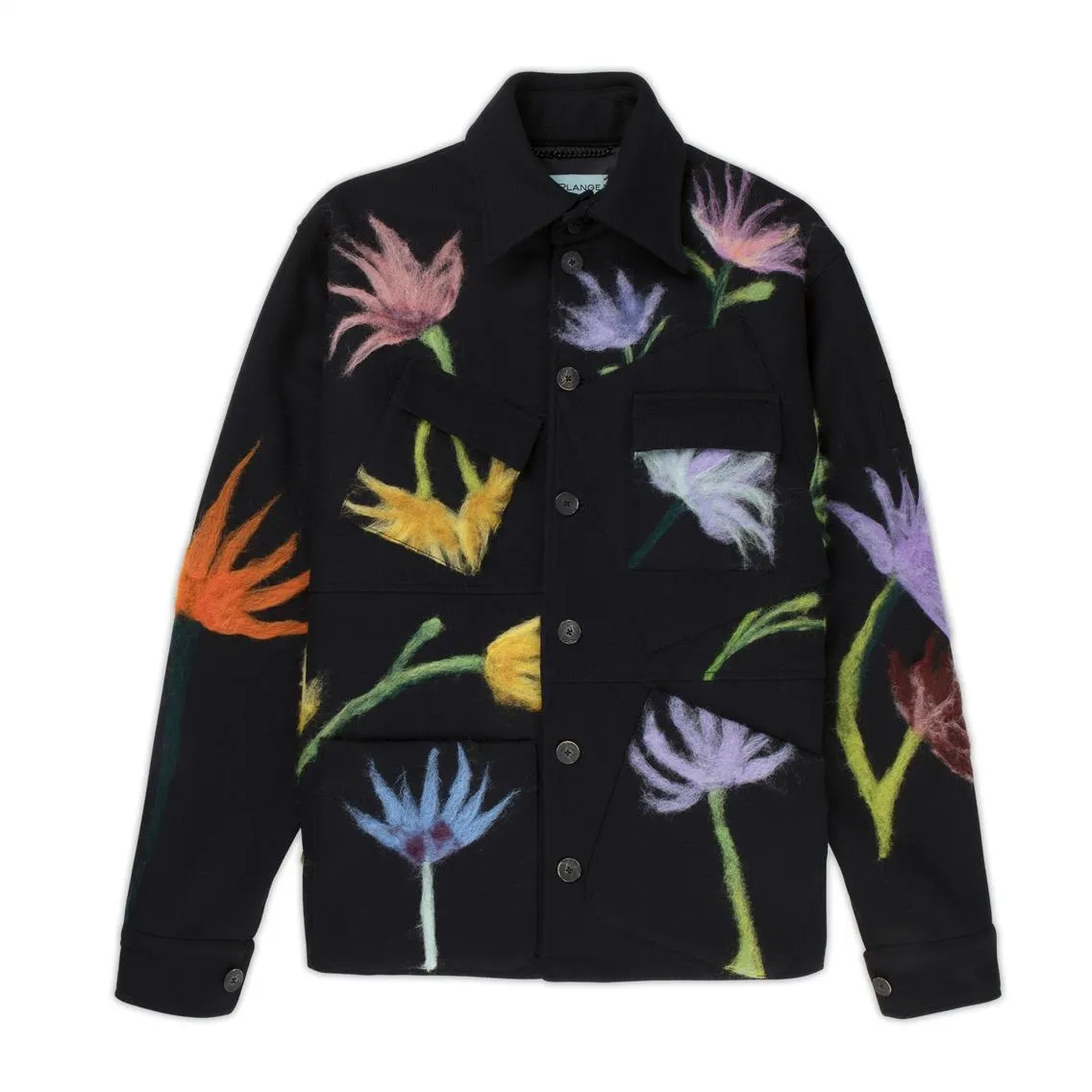
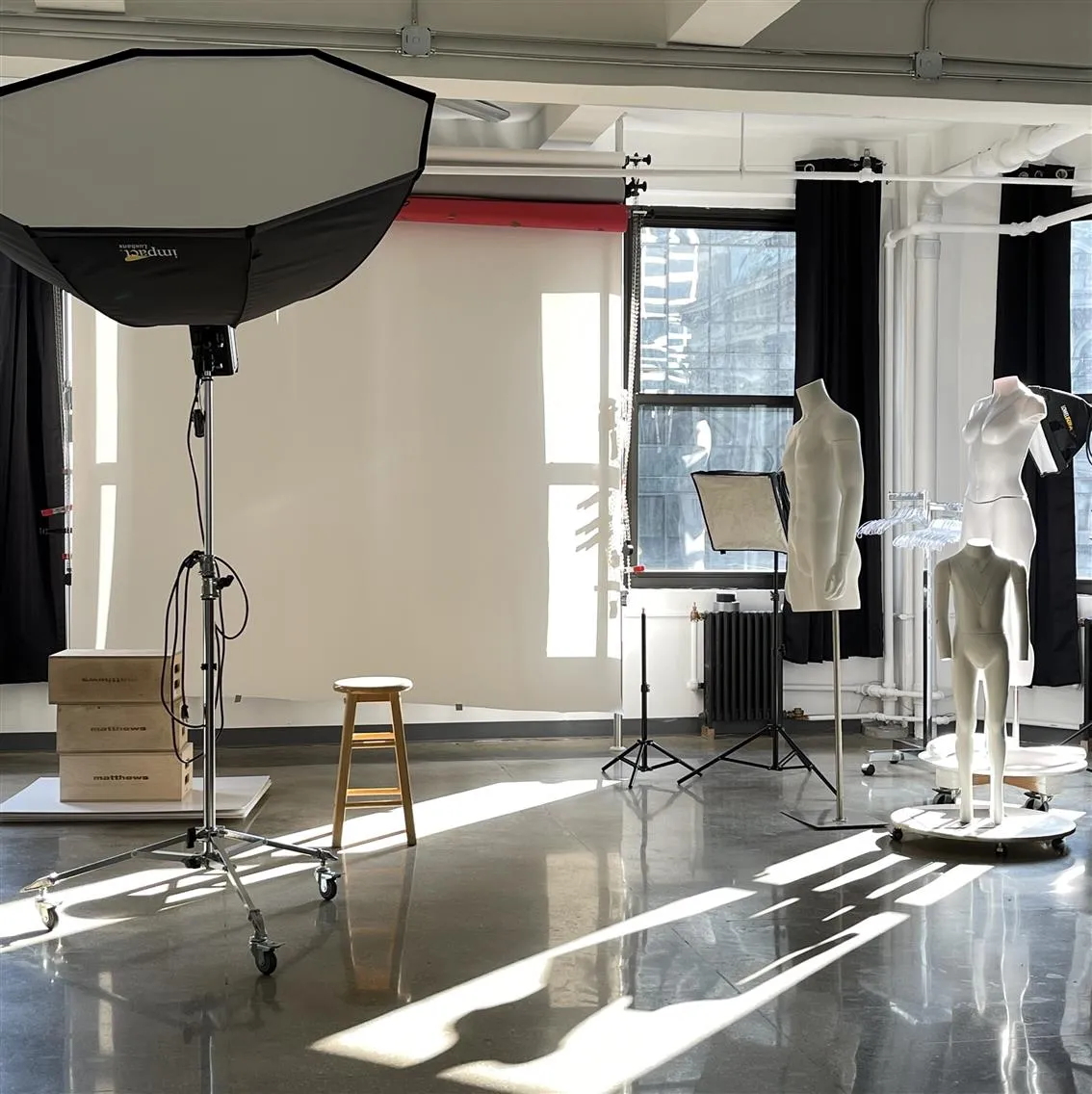
Ghost mannequin (invisible mannequin) gives clothing a three-dimensional shape without a visible mannequin. The mannequin is removed in post-production, leaving the garment appearing filled out. Standard for catalog photography where you need consistent product-forward images at volume. LenFlash maintains men's, women's, and children's mannequins in-studio.
Related Read: Flat Lay vs Ghost Mannequin Product Photography: Choosing the Best for Your Business
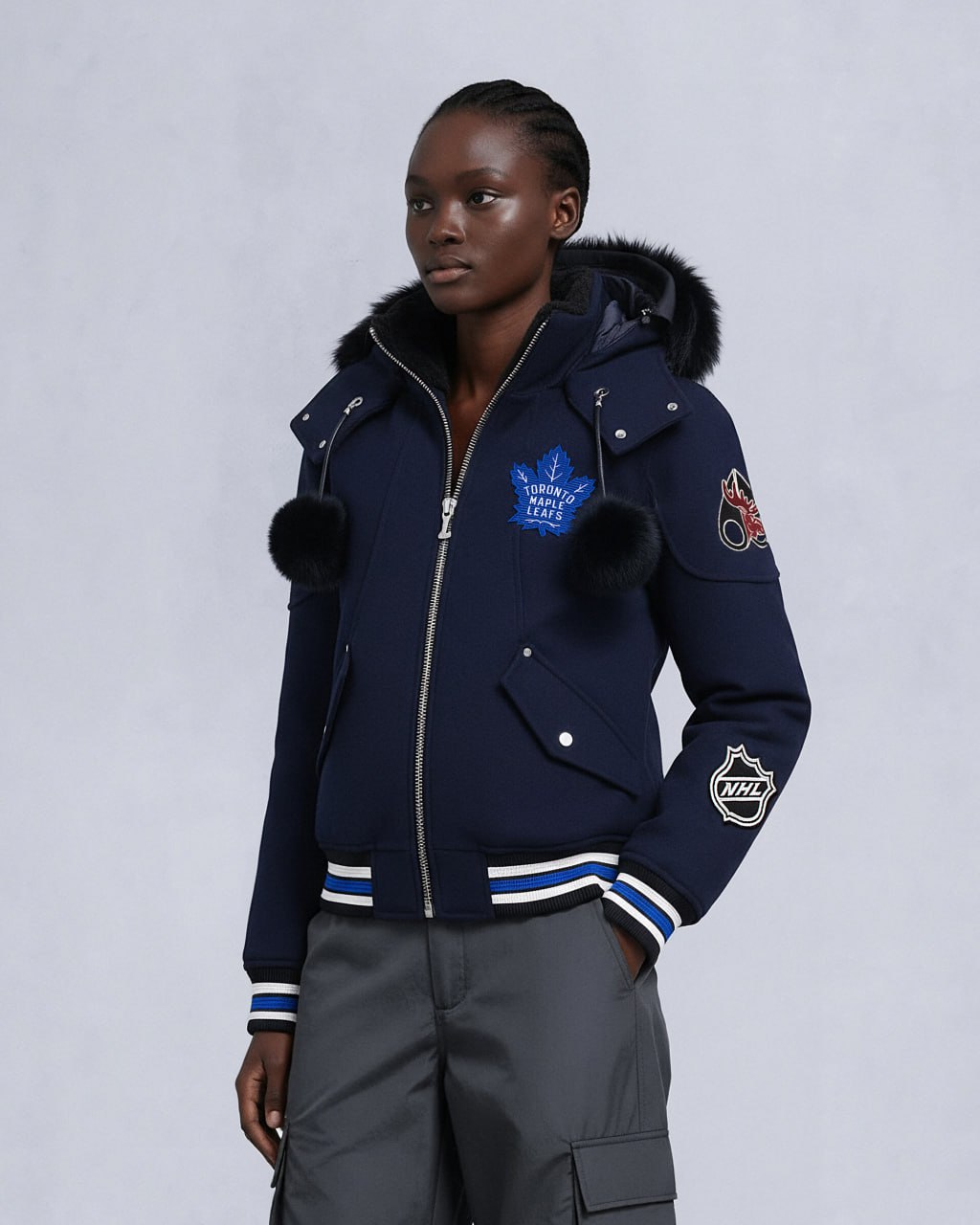
On-model photography shows the garment on a person, giving customers fit, drape, and scale context. Converts better than ghost mannequin or flat lay for fashion brands where the lifestyle context matters. Requires more pre-production (casting, styling, MUA) and costs more per image.
2. Jewelry Product Photography for Rings, Necklaces, Bracelets, Earrings, etc.
Jewelry photography is technically the most demanding category in eCommerce. Reflective metal surfaces, refractive gemstones, and small physical scale all create challenges that don't exist for other product types.
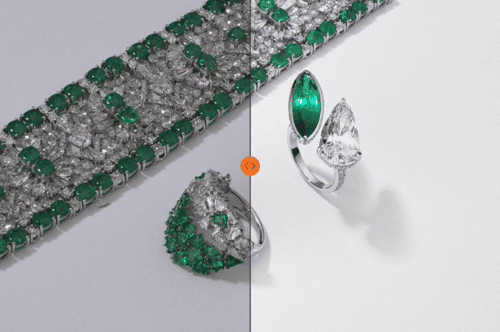
White and off-white background remains the standard for retailer submissions. Signet Jewelers (Zales, Kay, Jared), Macy's, Kohl's, JCPenney, Helzberg, Fred Meyer, and Sherwood all specify specific background requirements in their vendor guidelines. Pure white is the default; some retailers now accept off-white or gradient.

Open light photography uses harsh lighting to capture jewelry with natural reflections. Better for showing true depth of the item.
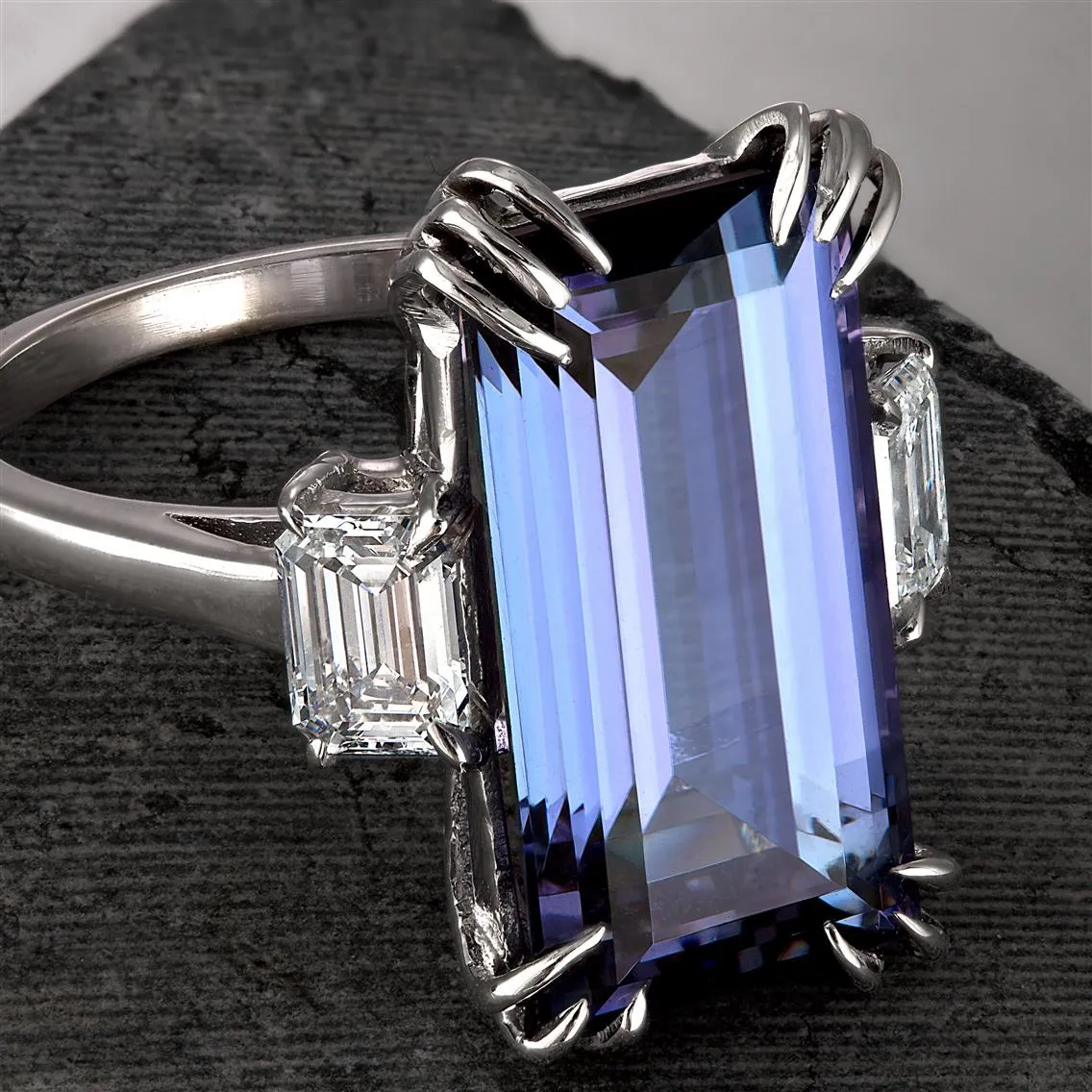
On-hand and on-model shots (ring on finger, necklace on neck, earrings on ear) give scale context and make jewelry feel wearable rather than abstract.
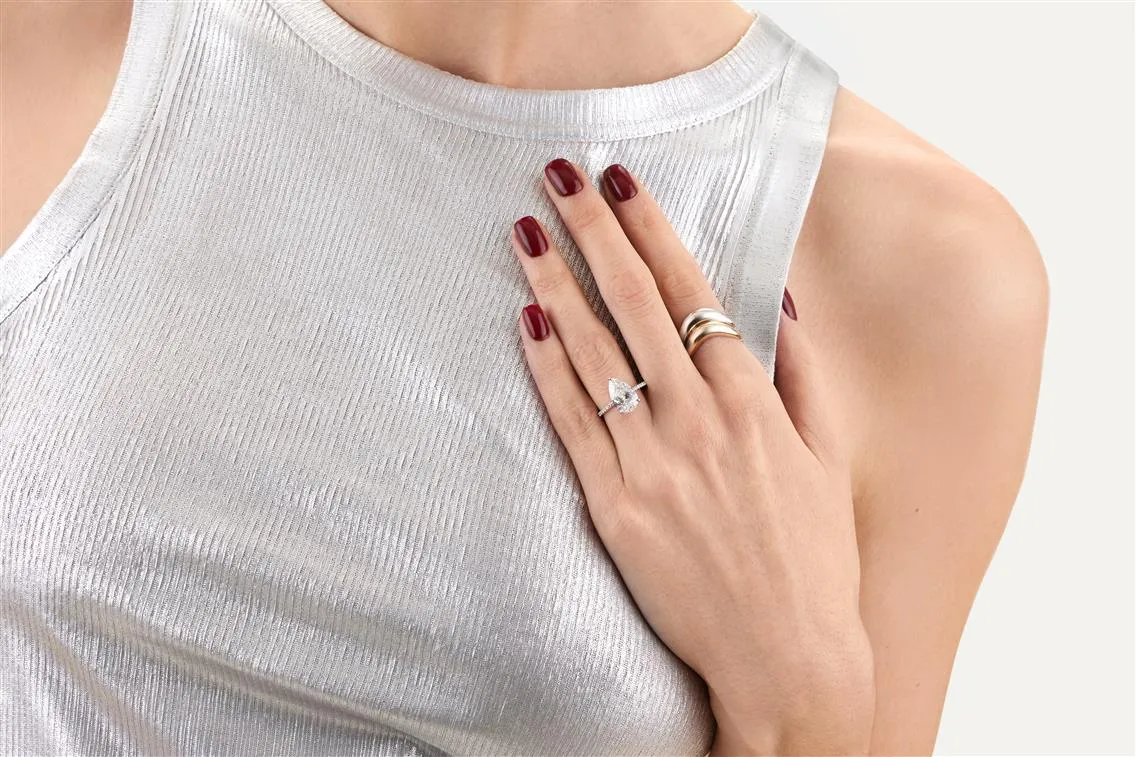
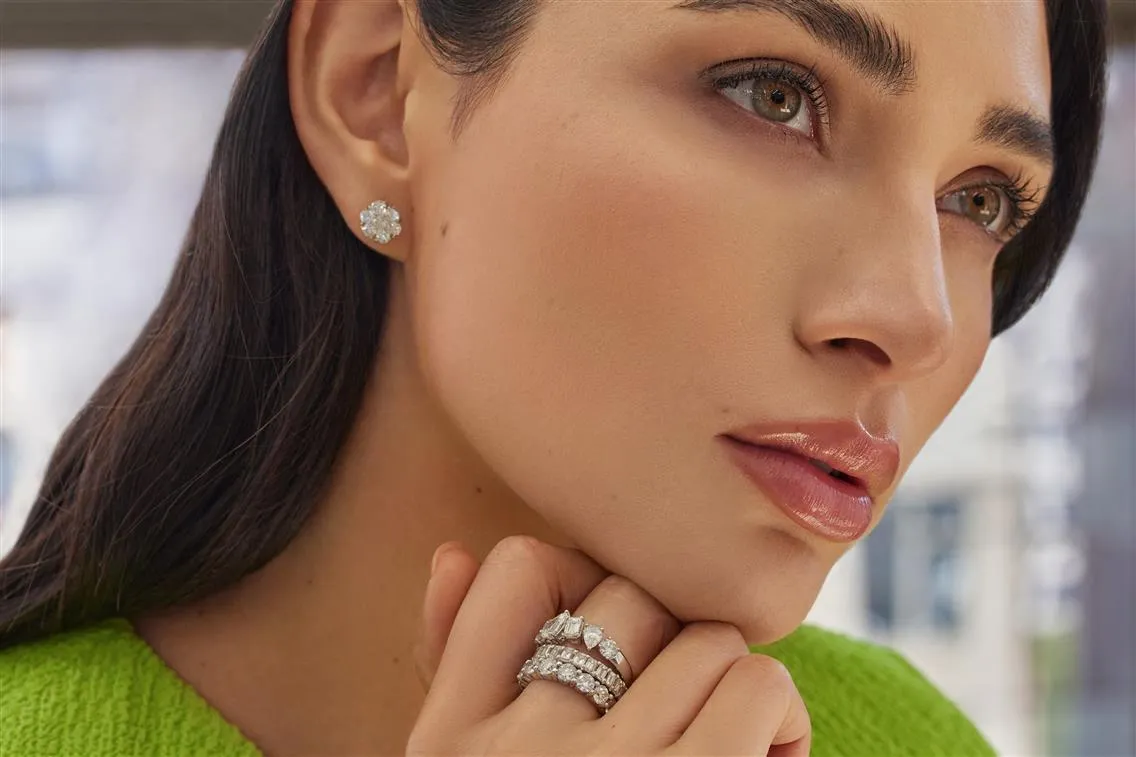
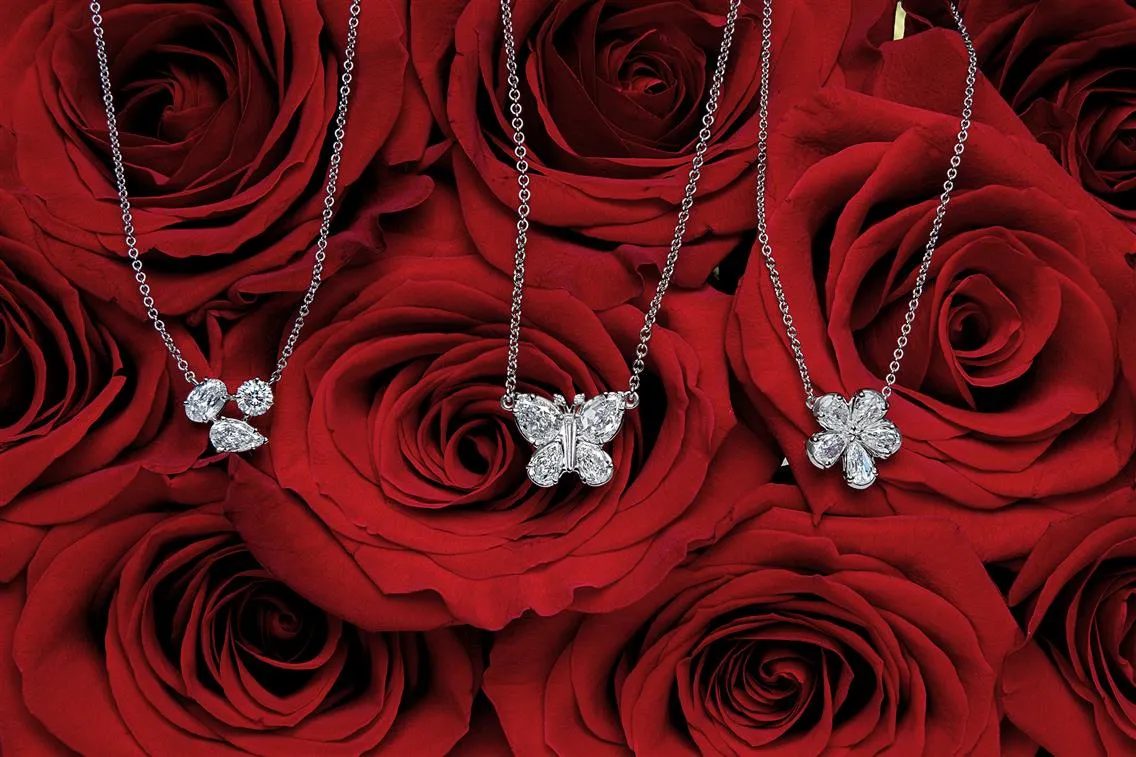
Lifestyle Jewelry Photography places jewelry in real-world settings, that tells a story, creating a luxurious or aspirational feeling that resonates emotionally with customers. It helps them picture the jewelry in their own lives, which is crucial for driving engagement and building brand identity.
Related Read: Strategic Impact of Lifestyle Photography on eCommerce Business
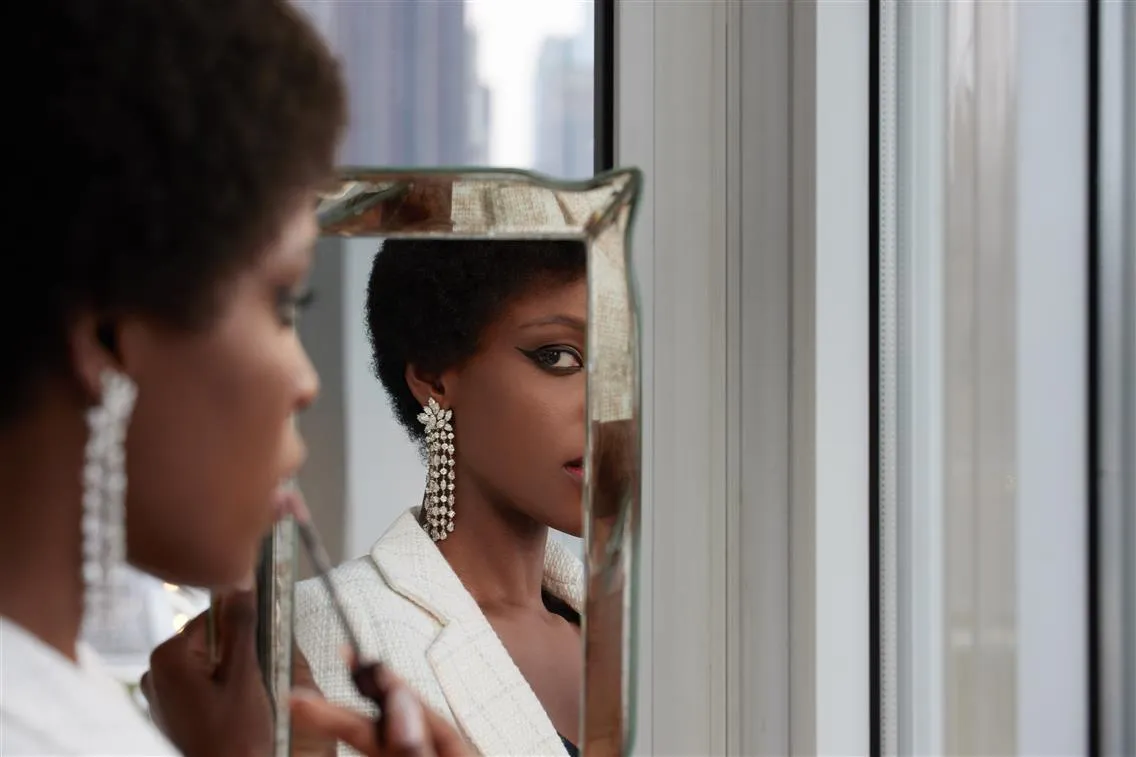
Still Life Jewelry Photography allows for more creative compositions, often used in marketing campaigns, catalogs, or social media to capture the essence of the brand while keeping the focus on the product’s luxurious appeal.
Related Read: eCommerce Still Life Photography for Fashion and Jewelry Brands
360 Spin Jewelry Photography offers a complete view of the jewelry. This interactive style allows users to rotate the product and examine it from all sides, giving them a better understanding of its dimensions and details. It’s particularly useful for high-end jewelry where every facet of the design is important to the customer.
Related Read: The Modern eCommerce Brand’s Guide to Jewelry Photography: Boost Sales with High-Quality Visuals
3. Beauty Product Photography for Cosmetics, Skincare, and Haircare
Beauty product photography focuses on packaging presentation and aspirational context. The brand's visual identity is often more visible in the packaging than in the product itself — the photography has to do justice to both.
White Background for platform compliance (Amazon, Ulta, Sephora). Primary image requirements are strict: no props, no lifestyle elements, product only.
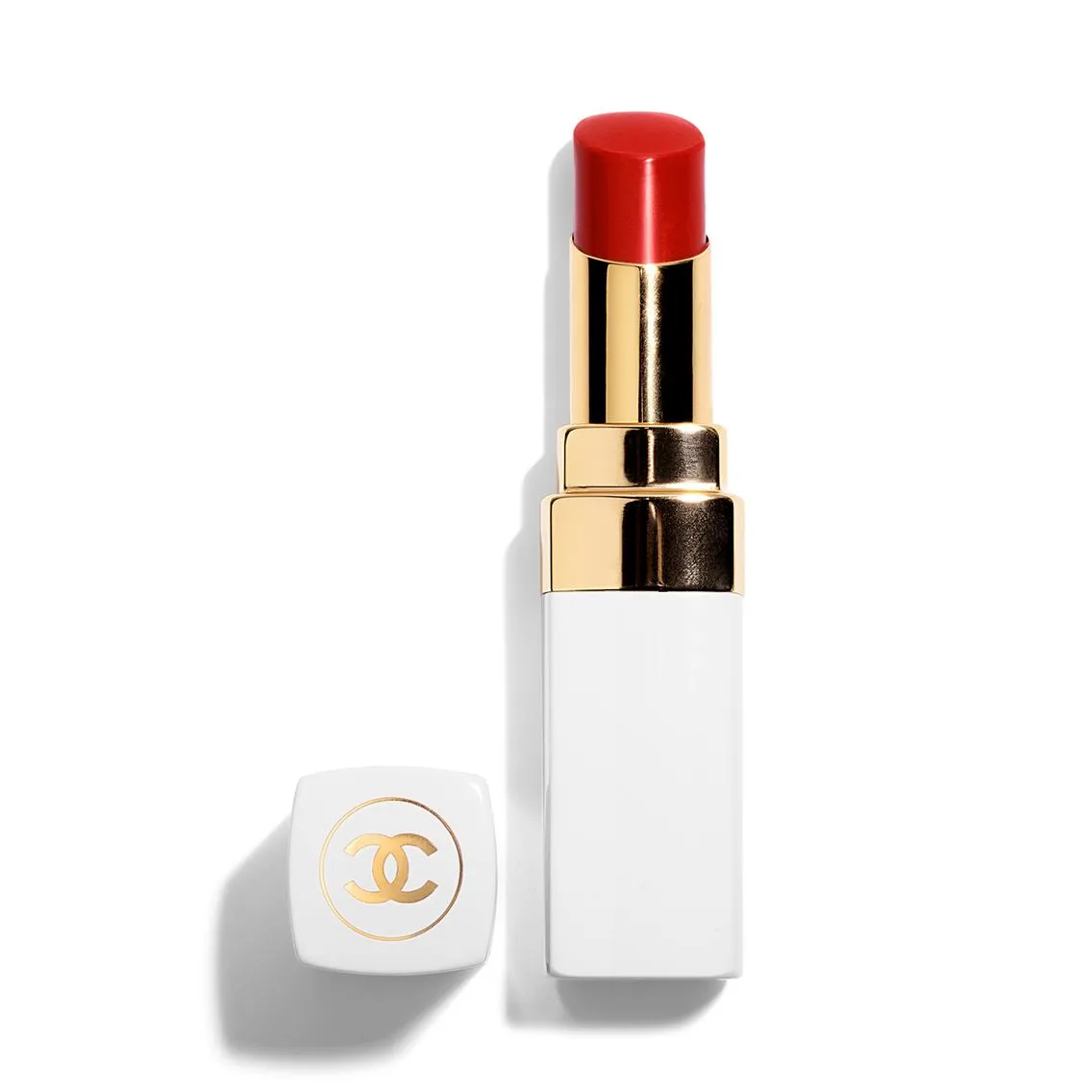
Flat lay group shots work well for skincare routines, gift sets, and collection launches. Effective on Instagram and Pinterest.
Macro shots of product texture (serum consistency, foundation coverage, powder shimmer) support purchase confidence, particularly for skincare and makeup.
In-set photography places beauty products in bathroom, vanity, or lifestyle settings. Builds brand world for DTC and editorial use.
On-model — foundation, lipstick, skincare on skin — shows product results rather than product packaging. Essential for cosmetics brands where the buyer decision depends on seeing the effect.
Read Also: Cosmetics Product Photography for Beauty eCommerce Decoded
4. Electronics Product Photography for Gadgets, Devices, and Home Electronics
Electronics photography prioritizes clarity of function and feature communication. Buyers want to see ports, screens, dimensions, and interface elements before purchasing.
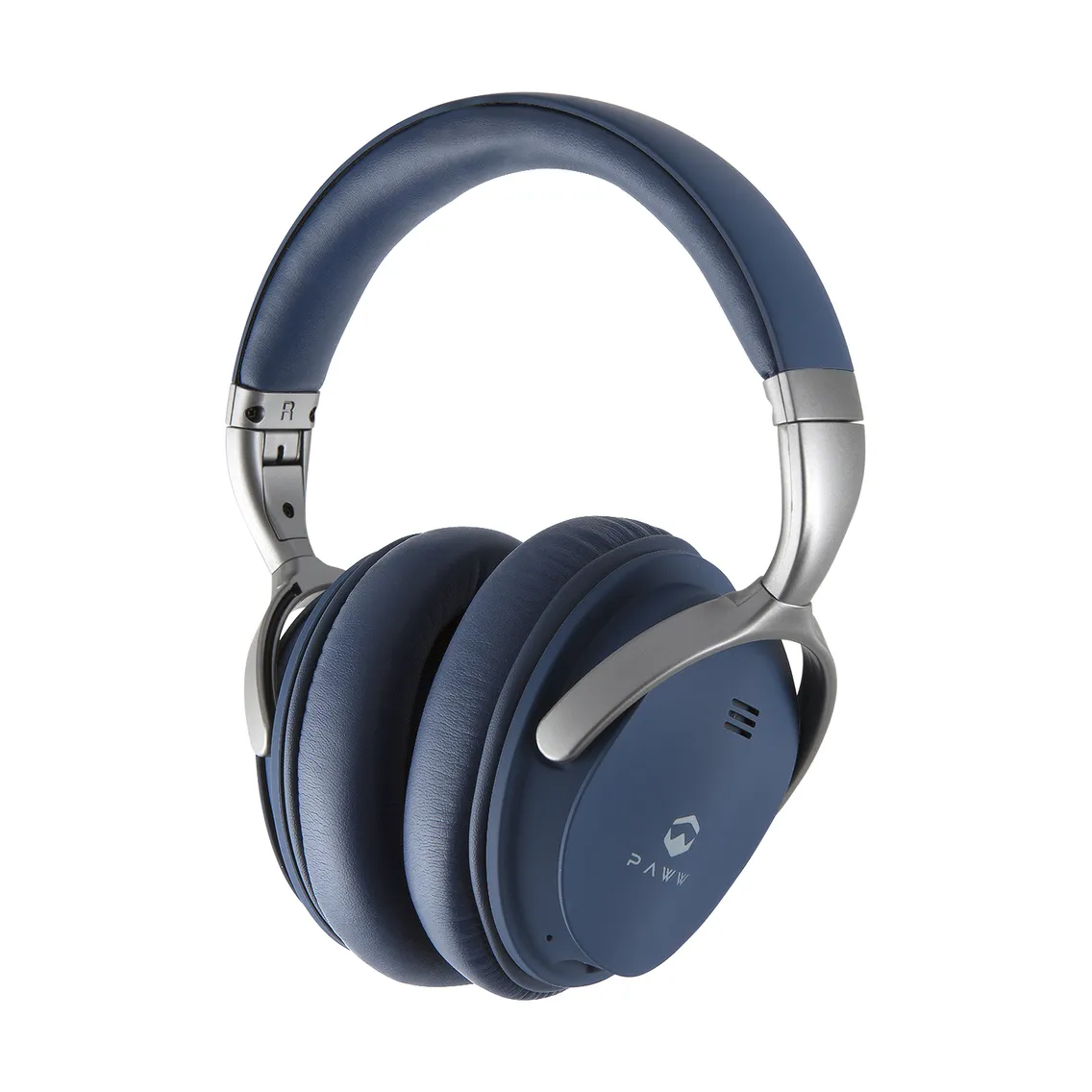
White background is the Amazon and marketplace standard. Screens should be either powered-on (showing the UI) or black — powered-off screens with visible reflections read as lower quality.
Still life and workspace shots show the product in context — laptop on a desk, speaker on a shelf, phone alongside accessories. Effective for A+ content and brand pages.
360-degree spin is particularly valuable for electronics where buyers examine form factor closely. Reduces the "it looked different in the picture" return reason.
5. Packaged Goods Product Photography
White Background Photography for packaged goods ensures that the focus remains on the packaging and branding, ideal for online listings where product clarity and consistency are crucial. This is especially important for consumable products like snacks, beverages, or health items.
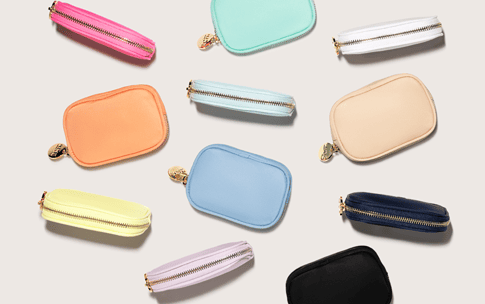
Group Product Photography is useful for presenting multiple items in one shot, creating a cohesive visual that shows off product bundles, family packs, or seasonal collections. This approach is particularly effective for showing the variety within a product line, whether it’s different flavors of a snack or various wellness products. Group shots also work well for promotional purposes, where brands want to highlight the range or value of their offerings.
6. Home & Living Product Photography
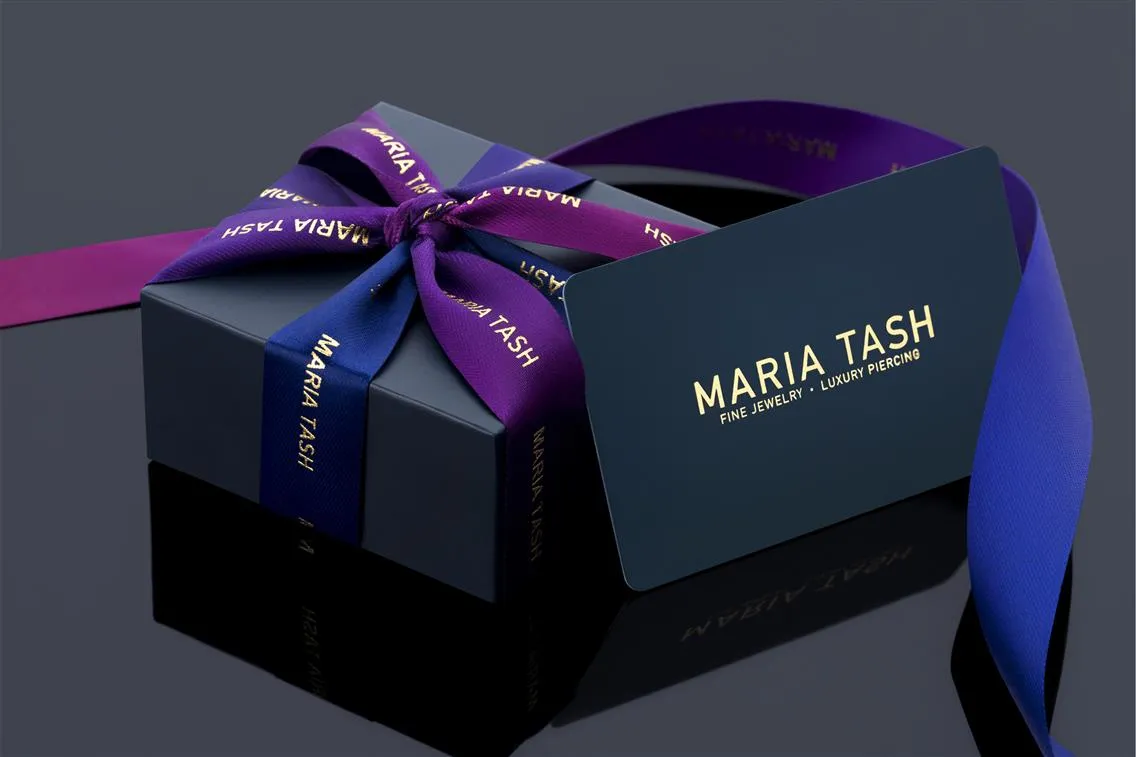
White Background Photography keeps the focus on the product’s design and features. Whether it’s a set of ceramic bowls or a decorative lamp, the simplicity of a white background allows customers to focus on the craftsmanship and details.
In-Set Photography (In Interior) is an effective way to help customers visualize how the product fits into their space. This approach enhances the emotional connection customers have with the product, making it easier for them to imagine incorporating it into their daily lives.
How to prepare your products for a shoot
Preparation directly affects the quality of the finished images and the speed of production. The most common issues we see:
Jewelry: tarnish that the client has stopped noticing, missing stones, scratched surfaces from improper storage. Inspect every piece under good light before shipping. Use anti-tarnish pouches for shipping.
Apparel: creases, loose threads, missing buttons, stains. Steam or press every garment. Ship on hangers in a garment bag, not folded in a box.
Products with packaging: fingerprints on clear packaging, dented corners, label misalignment. Clean with a microfibre cloth. Wrap individually.
All products: label each item clearly with your SKU. We process hundreds of products at a time — unlabelled items slow production significantly.
Full prep guide: How to prepare your products for a professional photoshoot
Choosing a product photography studio
The right studio for your brand depends on three things: whether they have experience with your product category, whether their turnaround works with your production calendar, and whether their pricing structure scales with your volume.
For brands working with major US retailers, retailer spec compliance matters as much as image quality. An image that looks great but fails Nordstrom's file spec requirements gets rejected and has to be reshot. Ask specifically about retailer experience before booking. That knowledge should come standard, not be something you have to supply.
For jewelry brands in particular, it goes one level deeper: the studio needs to understand how a piece is actually constructed: how it sits, where the design detail lives, how the metal behaves under light, because the difference between an approved submission and a rejection can be a matter of a few degrees that look identical to the untrained eye but read completely differently to a retailer's review team.
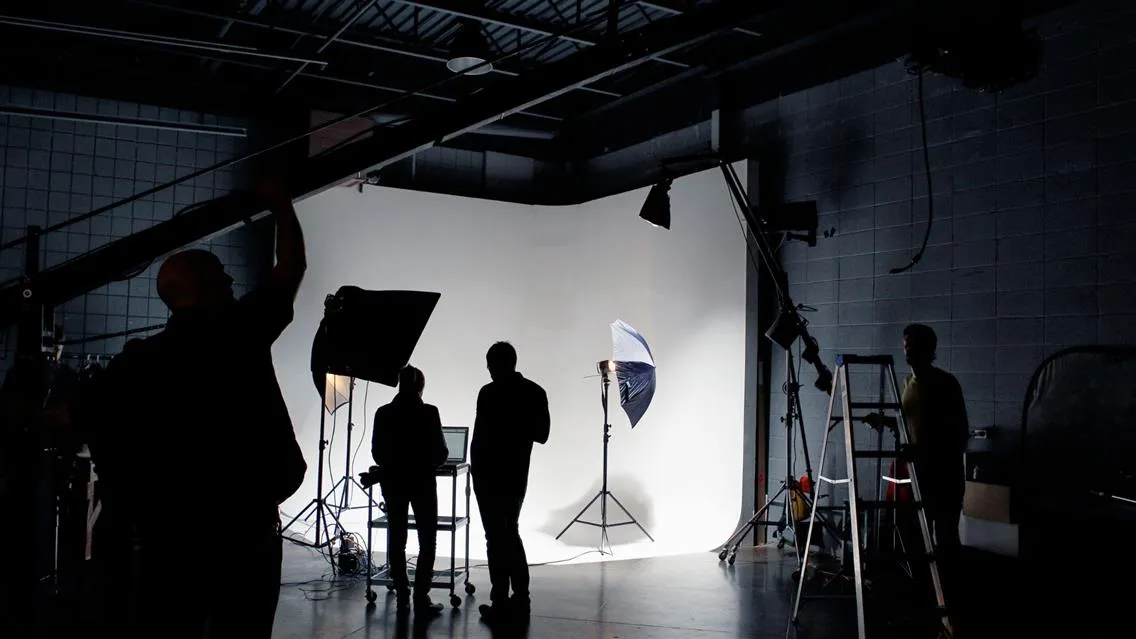
LenFlash has photographed product lines for vendors supplying Nordstrom, Macy's, Signet Jewelers, Kohl's, JCPenney, Helzberg, Amazon, QVC and others since 2004. Our studio is at 45 West 36th Street, New York, we offer online ordering, real-time quotes, cloud delivery.
Related read: Collaboration with a Professional Photo Studio: Setting Correct Assignments and Expectations
How much does eCommerce product photography cost?
Pricing in professional eCommerce photography is almost always per image or per angle, not per hour. Hourly rates apply to commercial and editorial shoots with more complex production.
At LenFlash all orders are quoted in real time through our online ordering system: you get a confirmed price before shipping anything. Standard turnaround is 7–8 business days. Rush delivery is available next business day.
Get a real-time quote for: