



How to Build and Maximize Your Commercial Photography Business: A Guide for Photographers
Most commercial photographers who stay stuck at the same level for years are not stuck because of their photography. The lighting is good. The portfolio is strong. The problem is usually that the business around the photography has no structure. Client acquisition is reactive. Pricing is inconsistent. Post-production is a bottleneck that limits how much work can be taken on. The workflow that worked for five clients a month breaks down at fifteen.
Building a photography business that grows requires treating each part of the operation as a system. The photography is one system. Client management is another. Post-production is another. Marketing is another. When these systems work together, the business has room to grow. When they do not, the photographer is the bottleneck in every single one of them.
This article covers the structural decisions that determine whether a commercial product photography business scales or stalls.

Choosing a Niche
The photographers who build real businesses are almost always specialists. Not because generalism is impossible but because specialization makes every other part of the business easier. The portfolio is more coherent. The client acquisition is more targeted. The pricing is easier to justify. The production workflow is more efficient because the same category of problems comes up repeatedly and the solutions become reliable.
Commercial product photography has several distinct niches, each with different technical demands and different client profiles.
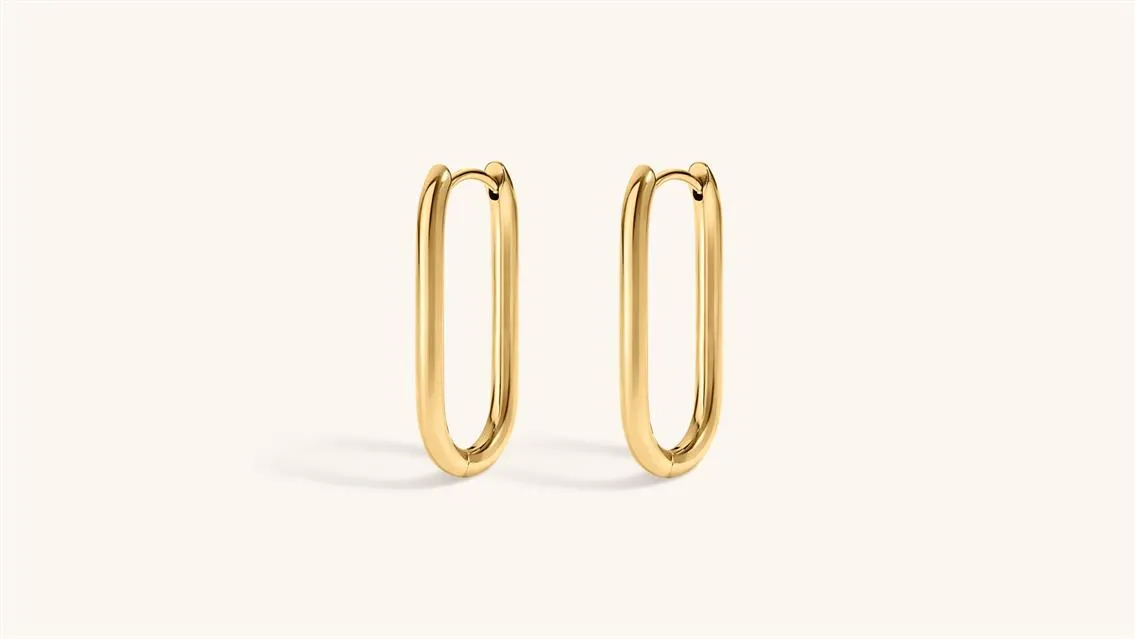
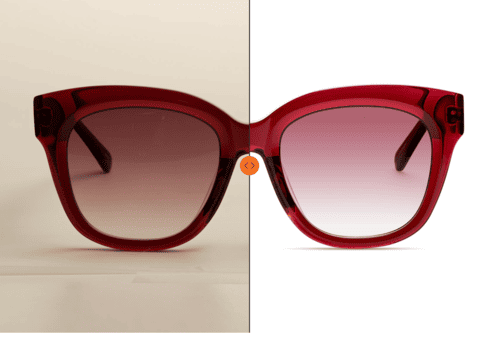
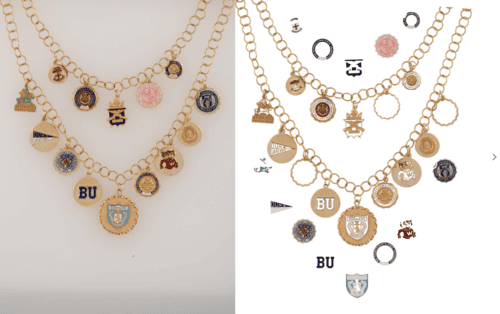
 | Product catalog photography is the foundation of eCommerce visual content. Clean, technically precise, consistent across large SKU sets. The primary client is any brand selling products online. The technical challenge is maintaining color accuracy and visual consistency across hundreds of images shot across multiple sessions. Clients commissioning this work need reliability and volume capacity above all else. Related Read: The Ultimate Guide to eCommerce Product Photography |
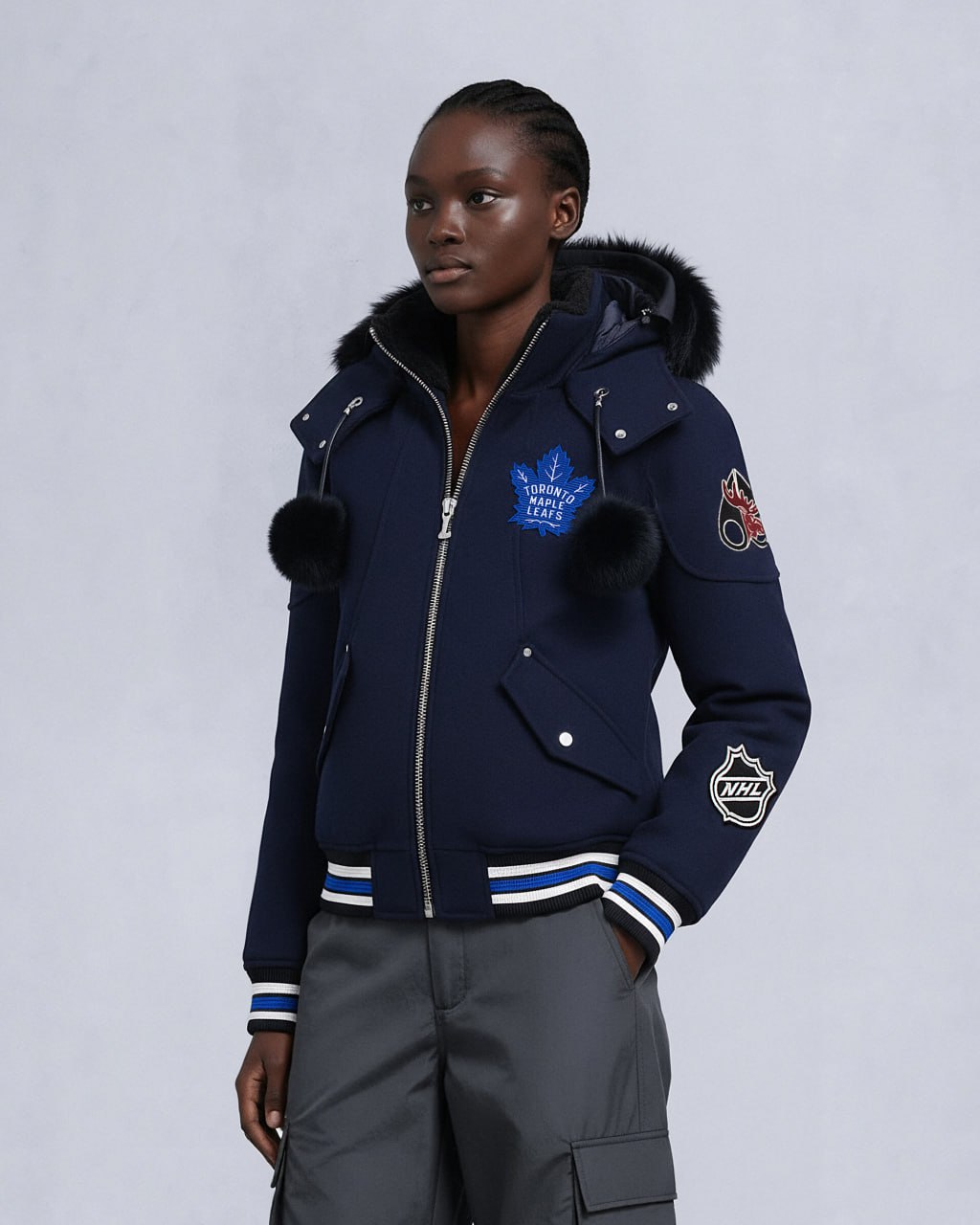
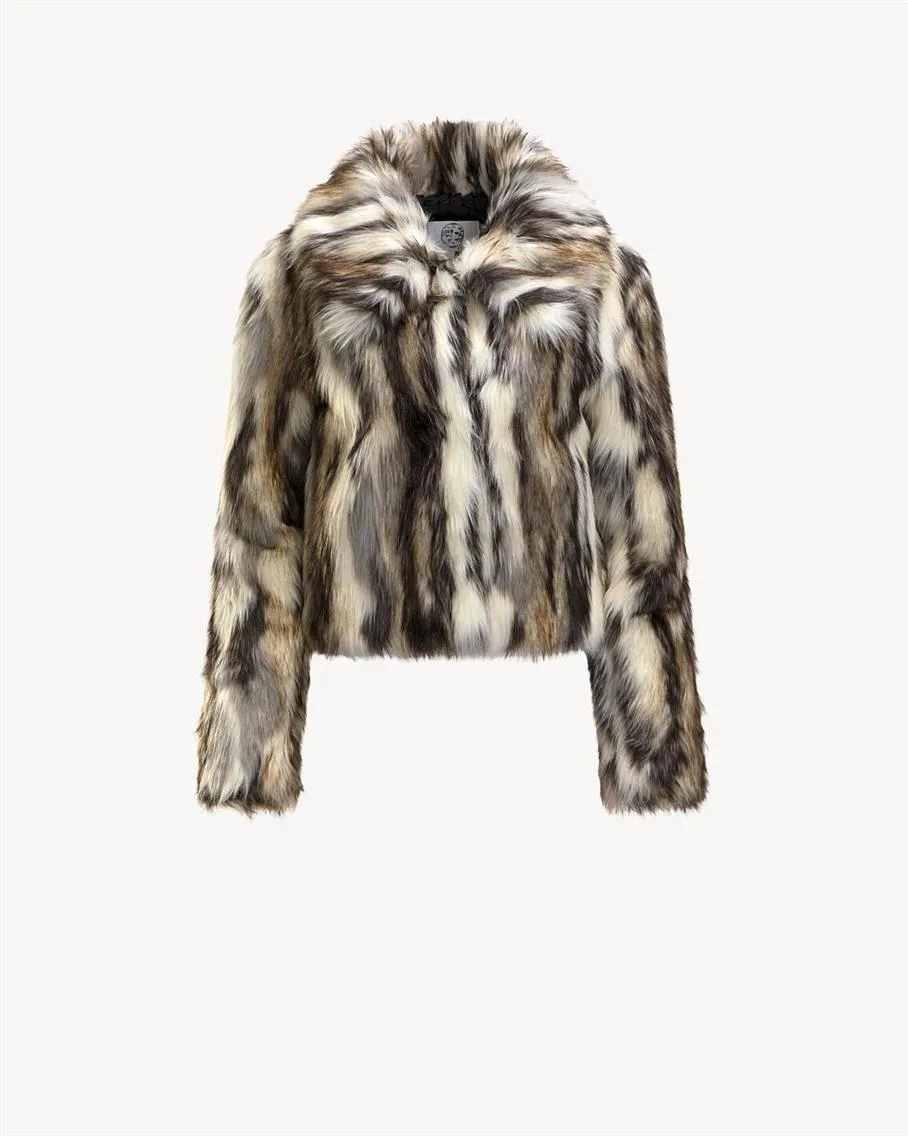
| On-Model catalog photography is about rhythm and consistency. You’re translating clothing or accessories into visuals that are both clear and cohesive across hundreds of SKUs. It’s fast-paced, production-heavy, and often collaborative with stylists, makeup artists, and art directors. The challenge here is maintaining uniformity and flow across entire collections. | 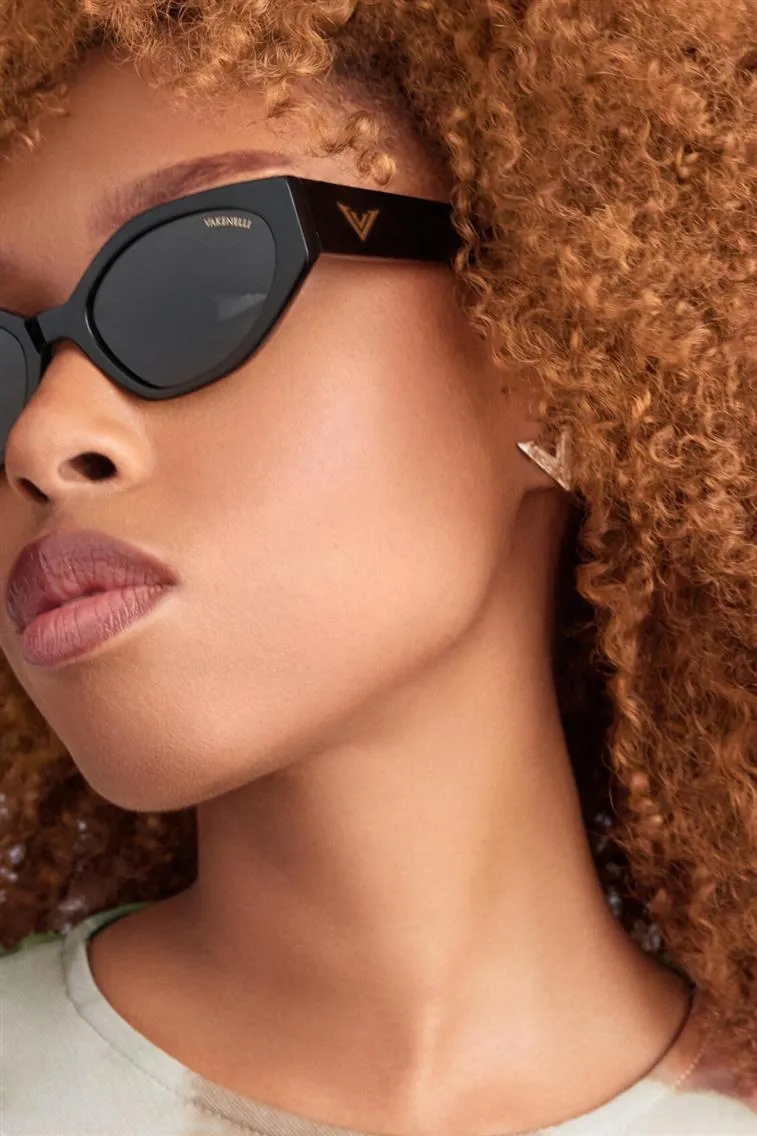 |
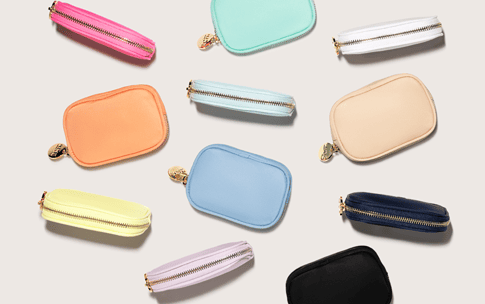
 | Still life and creative product photography is the most artistically demanding category. The photographer is building compositions, directing light as a design element, and making creative decisions that a purely technical shooter does not make. This category attracts brands that want visual content with personality rather than documentation. Budgets are higher for campaign-level still life work.
|
Lifestyle photography work is about emotion and timing. You’re creating small worlds that feel effortless but are carefully designed. If you enjoy building narratives, guiding models, and shaping brand moods, lifestyle work gives you the most creative freedom. Related Read: Strategic Impact of Lifestyle Photography on eCommerce Business |  |
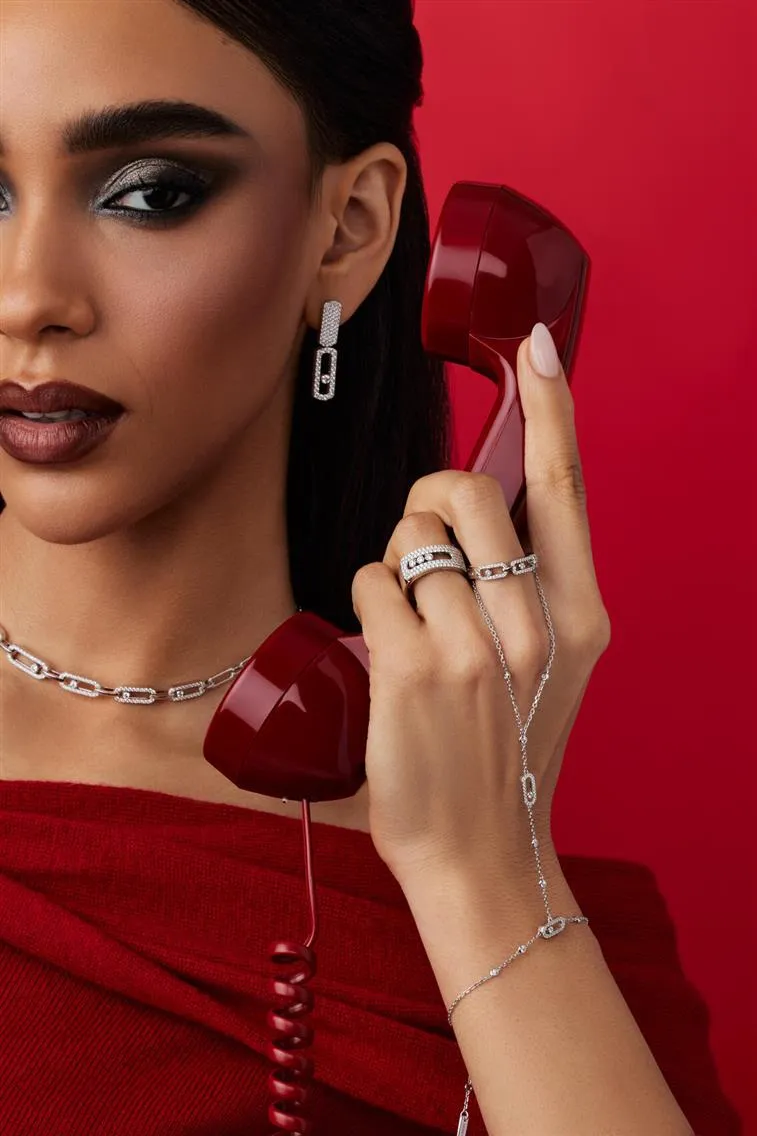 | Editorials are where you stretch creatively. You work with mood, symbolism, and direction rather than pure product clarity. These shoots often resemble short films, they are stylized, conceptual, and expressive. It’s the niche for photographers who want to lead visual direction and push their aesthetic further.
|
And then comes industry differentiation. A cosmetics brand and a jewelry brand might both need still-life photography, but the technical challenges, materials, and lighting approach will be completely different.
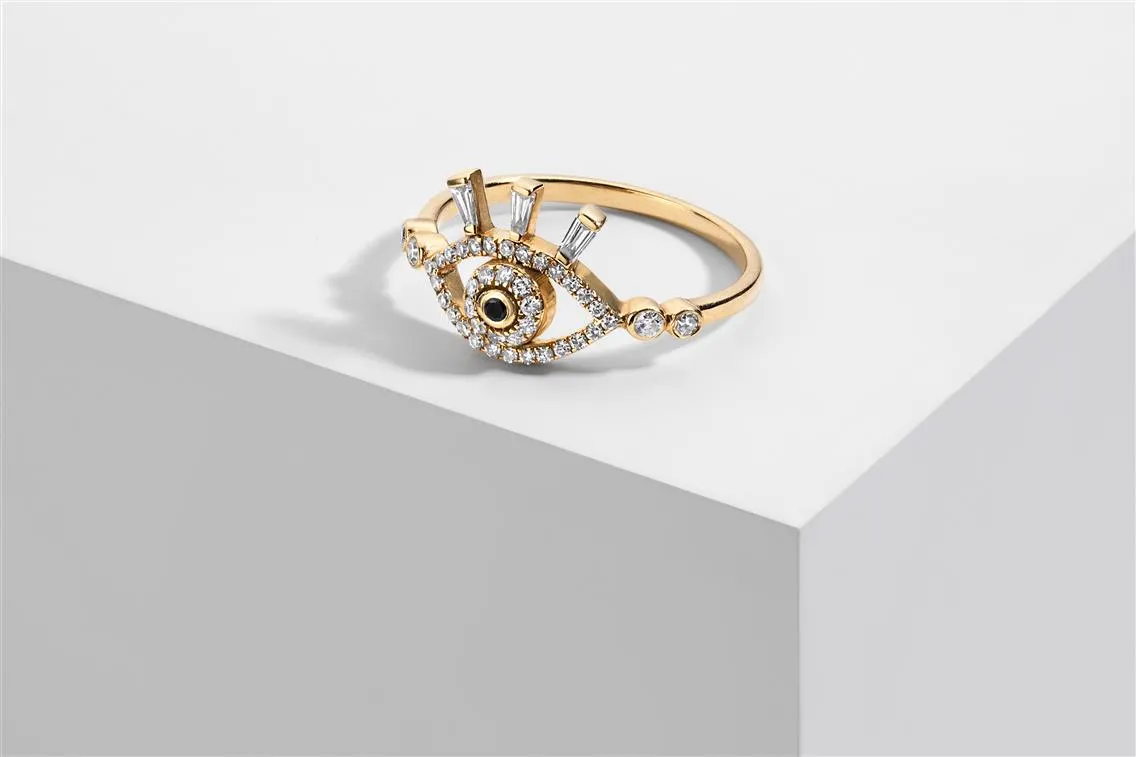
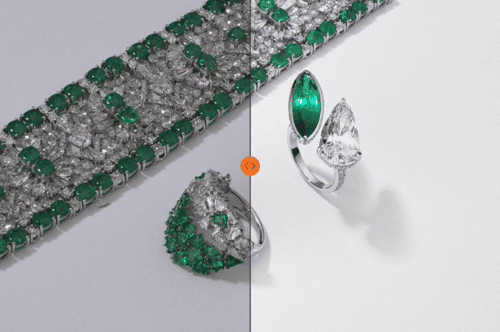
Jewelry and accessories require macro capability, reflections management, focus stacking, and a deep understanding of how different metals and stones interact with light. The client base skews toward premium and luxury brands where image quality directly signals product value. The technical ceiling is higher than most other categories and so is the rate ceiling.
Cosmetics and beauty demand precision at small scale. Packaging photography requires the same reflections management as jewelry. On-skin and texture photography requires lighting that renders product consistency accurately without looking clinical. Beauty brands are sophisticated visual clients who evaluate photography against a high standard.
Fashion and apparel is production-heavy and fast-paced. On-model catalog photography for a fashion brand covers dozens or hundreds of looks across a shoot day. The challenge is maintaining visual consistency at speed while managing a full production team. Lookbook and campaign work requires stronger creative direction and closer collaboration with art directors.
The niche decision should reflect both genuine technical interest and commercial opportunity. A photographer who finds jewelry photography intellectually engaging will improve faster in that category than one who shoots it reluctantly. But interest alone is not enough, the niche needs to have enough commercial volume in the photographer's market to build a sustainable client base.
For how different photography categories serve different commercial functions: The Ultimate Guide to eCommerce Product Photography
Create a Strong Visual and Brand Identity
A good portfolio can get you work. A strong identity makes people remember you, and that’s what turns work into a business. The most successful photographers in the commercial field have a signature. You can recognize their style and precision before you even see their name. It’s the result of consistent creative decisions, visual discipline, and clarity about what they stand for. Your brand identity is the perception people have when they hear your name.
Why Photographers Need a Brand, Not Just a Portfolio
When clients choose a photographer, they’re not only looking for technical quality. They’re choosing someone who can interpret their product through a lens that feels right.
That “right” look is what your brand communicates. It’s the bridge between your creative taste and your client’s expectations.
But in commercial photography, your brand identity isn’t limited to aesthetics. It’s also how you work. Your ability to deliver on time, maintain consistent quality across hundreds of images, communicate clearly with production teams, and keep the process smooth becomes an integral part of your reputation, sometimes even more important than your lighting setup or retouching style.
Think about it this way: your brand lives in every touchpoint: your website layout, your editing approach, your file structure, your tone in emails, your punctuality with deadlines. Each of these details silently communicates who you are as a professional.
If you consistently deliver projects that are visually strong, technically accurate, and logistically seamless, people will describe you that way. And that’s how brand reputation is built: it’s what people say about you when you’re not in the room.
Clients remember the experience of working with you, not just the final images. When your workflow feels organized, communication is clear, and your extended team (assistants, retouchers, stylists) operates smoothly, you become the photographer everyone wants to work with again.
That level of reliability and control is your true identity in commercial photography, the invisible quality that makes your brand professional.
Photographer Portfolio Curation That Sells Your Vision
Photographers often underestimate how much the selection of images defines how clients see them. When someone opens your portfolio, they should immediately understand three things:
- What kind of visuals do you specialize in?
- What tone or aesthetic defines your work?
- What level of production do you typically handle?
That means curating, not collecting. Remove anything that doesn’t represent where you want to go next. The goal is to position you as the go-to expert for a particular style or industry. Practical steps that help:
- Arrange your portfolio in projects, not categories. Each project should tell a mini-story.
- Maintain consistent color grading, lighting logic, and tonality across all images.
- Show variety within cohesion, different looks that still feel like “you.”
- Keep the user journey in mind: the flow of the website, the order of images, and the first impression.
Your photography style is your language. If every project looks like it was shot by a different person, clients can’t form an emotional connection with your work. Once you’ve established your signature, carry it everywhere from social media posts to PDF decks and client presentations.
Related read: Build a Strong Fashion Photographer Portfolio
Professionalism as Part of Identity
In commercial photography, creative quality gets you noticed, but professionalism keeps you booked. Simple things like file naming structure, organized folders, clear communication, and punctual delivery are part of your brand identity. They build trust. The smoother the collaboration feels, the more likely the client will come back.
Ultimately, your brand identity is the system that connects your creative world to your business world. It’s what turns your personal style into something clients can rely on and recommend.
Build a Professional Client Experience
The client relationship in commercial product photography starts before the shoot and ends after delivery. Every stage either builds confidence or erodes it.
The Intake Process
The first conversation with a potential client is also the first signal about how organized the photographer is. A photographer who asks the right questions before quoting communicates competence before a single image is taken.
For product photography specifically, the intake needs to capture:
- Product category and material (jewelry, apparel, cosmetics, electronics — each has different technical requirements)
- Number of SKUs and required angles per product
- Platform specifications (Amazon primary image requirements differ from Shopify DTC)
- Whether styling, models, or props are needed
- Turnaround requirement and intended usage
A photographer who asks these questions in a structured way, through a brief form or a defined intake call, immediately differentiates from one who responds to enquiries with "sure, what's the budget?" The brief also protects the photographer. Scope disputes almost always trace back to something that was not captured at intake.
Production Day Approvals
The most expensive problem in product photography is discovering an error after delivery. A color that does not match the physical product. An angle that shows a seam the brand does not want visible. A background tone that does not match the rest of the catalog.
These problems are easy to fix during the shoot and expensive to fix after. Building a review checkpoint into every production day — either through tethered shooting where the client or creative lead can review frames in real time, or through a mid-session approval where the first few looks are confirmed before the full production continues, eliminates most post-delivery correction requests.
Clients who experience this process trust the photographer more. Not because the photographer is infallible but because the system catches problems when they are still solvable.
Delivery Standards
Product photography clients are often uploading images directly to platforms with specific file requirements. Delivering files that require the client to rename, resize, or reorganize before they can use them adds friction at the last stage of the project.
Delivering files pre-named by SKU, organized into folders by platform or usage type, sized to platform specifications, and accessible through a link rather than a large email attachment communicates that the photographer understands the client's workflow. For clients managing large catalogs across multiple platforms, this level of organization is not a nice-to-have. It is a selection criterion.
LenFlash Cloud handles file delivery for all LenFlash productions, giving clients organized access to images and a structured approval workflow from shoot day through final delivery.
Repeat Work
The most efficient client acquisition is not finding new clients. It is keeping existing ones.
Commercial product photography clients who trust a photographer's process do not evaluate alternatives for the next project. They book ahead. The path to repeat work is not complicated: deliver what was agreed, deliver it on time, communicate clearly when something changes, and follow up after delivery to confirm the images are working for the client.
A short message after a project asking how the images performed and whether anything needs adjustment is the simplest retention tool in commercial photography. Most photographers skip it. The ones who do it consistently build client relationships that generate referrals without requiring any active sales effort.
Marketing Strategies That Actually Work for Photographers
The honest answer for most commercial product photographers: the first ten clients come from people they already know, and the next twenty come from the work those clients saw or were told about.
Cold outreach, paid advertising, and social media growth strategies almost never generate the clients that build a commercial photography business. Relationships and visible work do.
Getting the First Commercial Clients
Direct outreach to specific brands is the fastest path. Not a mass email campaign — five to ten carefully selected brands whose visual content has obvious gaps in the photographer's target category.
What works: a specific observation about what is missing from their current photography, plus a short portfolio link showing work in that exact category. "Your Amazon listing secondary images do not show scale reference or on-model wear — here are three examples of what that looks like for a similar brand" converts better than any generic pitch. The conversion rate is low but the quality of response is high.
Studio assistant and second-shooter work is underused as a starting point. Working in established commercial studios generates production experience, professional contacts, and visibility with the art directors and producers who hire independently.
Staying Visible to the Right People
The commercial photography world in any major market is smaller than it appears. The same art directors, creative directors, producers, and stylists work across multiple brands and agencies. Being known by twenty of the right people in a specific category is worth more than being known by two thousand people who cannot hire or refer.
Staying visible does not require constant contact. It requires occasional, relevant contact:
- Sending a short note when a new project finishes that is directly relevant to what they work on
- Congratulating them on a publicly credited campaign
- Sharing a technical observation or reference that is genuinely useful
Former clients are the most valuable and most neglected marketing asset. A brand that had a good experience six months ago is a prime candidate for the next seasonal drop. A message asking how the images performed and flagging upcoming availability is not a sales call. It is a service touchpoint that generates repeat bookings at a fraction of the cost of acquiring a new client.
Where Online Visibility Actually Matters
Search generates real inbound enquiries from small to mid-size brands actively looking for a photographer in a specific category and location. A website that clearly states the photographer's specialization, market, and product categories — with a portfolio organized by category — captures this traffic without ongoing effort once it is set up.
Social media matters at one specific moment: when a potential client who has already heard a name or received a referral looks up the photographer to confirm their current work. The portfolio or grid needs to communicate three things clearly: category expertise, production consistency, and current quality. Not range, not volume, not follower count.
Industry directories such as Agency Access and The Workbook are worth considering specifically for photographers targeting agency and production company clients, where directory presence is part of how photographers get into consideration sets.
Everything else generates marginal returns at this stage.
Boutique vs Scalable Studio
Before building systems, setting rates, or hiring anyone, a photographer needs to decide what kind of business they are building. The answer shapes every other decision.
The Boutique Practice
A boutique practice is built around one photographer's creative voice. Small by design. One shooter, possibly a regular retoucher and occasional assistant, a selective client list, and rates that reflect scarcity rather than volume.
What makes the boutique model work:
- Clients pay for access to a specific creative perspective, not a production service
- Consistent voice across every project builds the kind of recognizable portfolio that attracts premium clients
- Personal attention and direct communication become competitive advantages that a larger operation cannot replicate
- Overhead stays low, which means the revenue threshold for profitability is achievable without high volume
The income ceiling is real. A photographer working alone can only shoot so many days per year. But the rate ceiling is also higher than most photographers realize. A boutique practice known specifically for luxury jewelry or premium beauty packaging can charge rates that reflect expertise, not just time. Many boutique photographers earn more than photographers running larger operations because their positioning is precise enough to command a premium.
The Scalable Studio
A scalable studio brings in other photographers, builds a retouching team, and invests in systems that allow multiple productions to run in parallel. The revenue potential is higher. So is the complexity.
What the scalable model requires:
- A documented production workflow that other photographers can follow consistently
- Quality control systems that maintain standards across productions the owner is not personally shooting
- A management layer that handles scheduling, client communication, and team coordination
- Fixed overhead that creates real financial pressure during slow periods
The most significant shift in moving to a scalable studio is that the photographer's primary role changes. Creative execution becomes a smaller part of the job. Business operations, team management, and client relationships become the majority. This suits some photographers well and suits others not at all. Excellent shooting ability is not a reliable predictor of success in this model.
The Most Common Mistake
Most photographers who stall do so because they are trying to build both simultaneously. They want boutique creative control over every project while pursuing studio-level revenue. The result is an operation that is too big to deliver the personal attention a boutique commands and too disorganized to scale efficiently.
The decision should be made explicitly and early. Because the pricing strategy, the marketing, and the operational systems look completely different depending on the direction.
| Boutique | Scalable Studio | |
|---|---|---|
| Revenue driver | Rate per project | Volume across multiple productions |
| Competitive advantage | Personal creative voice | Production reliability at scale |
| Main constraint | Hours available to shoot | Systems and team quality |
| Management overhead | Minimal | Significant |
| Right fit | Photographer who values creative control | Photographer who wants to build a business beyond their own production capacity |
The goal at any scale is a business where the photographer's time is spent on the highest-value activities: creative direction, client relationships, and production quality. Everything else should be systematized, delegated, or outsourced.
When you’re ready to scale, whether it’s through a small team or external partners, Lenflash can help maintain your signature look while handling high-volume retouching and image preparation. That’s how many photographers expand capacity without losing personal style.
This article is part of our series for photographers building a career in commercial and fashion photography: