





The Real Cost of Product Photography: Financial Planning for your Brand
If you’ve ever tried to plan photography for your brand, you know how quickly the numbers start shifting. One moment it’s “just a few campaign shots,” and suddenly there’s a location fee, model day rates, a stylist, post-production, and endless revision requests from the team. By the time everything adds up, it’s hard to tell what the original plan even was.
That’s what happens when photography is budgeted as an afterthought, not because anyone does it wrong, but because some brands treat visual production without structure. In reality, it behaves much more like logistics. Once you see it that way, the process becomes predictable, scalable, and easier to control.
Financial planning for photography is about understanding what you’re actually paying for, how to structure that spend, and how to reuse what you already have. A well-built photography plan gives you transparency; you always know what content you’re producing, how often, and why.
In this article, we’ll break down how to plan and allocate a photography budget step by step: what goes into it, how to balance creative needs with business logic, and how to make sure every shoot supports your long-term marketing goals.
Understanding the Cost of Photography for Your Brand
When you look at a photography estimate, it can feel like a list written in another language: so many moving parts, so many unfamiliar fees. But once you understand what each layer actually covers, the picture becomes much clearer. Every photoshoot, big or small, is built on three essential stages: pre-production, production, and post-production. Treating any of them as unserious almost always costs more in the end.
The Three Layers of Photography Costs
- Pre-production is the planning phase, the foundation of everything that follows. It includes creative direction, location scouting, casting models, styling, and preparing moodboards. Think of it as blueprinting your shoot. Brands that try to save here usually pay later: unclear direction leads to reshoots, inconsistent visuals, or hours of unnecessary editing. The more organized this stage is, the smoother and cheaper the rest of the process becomes.
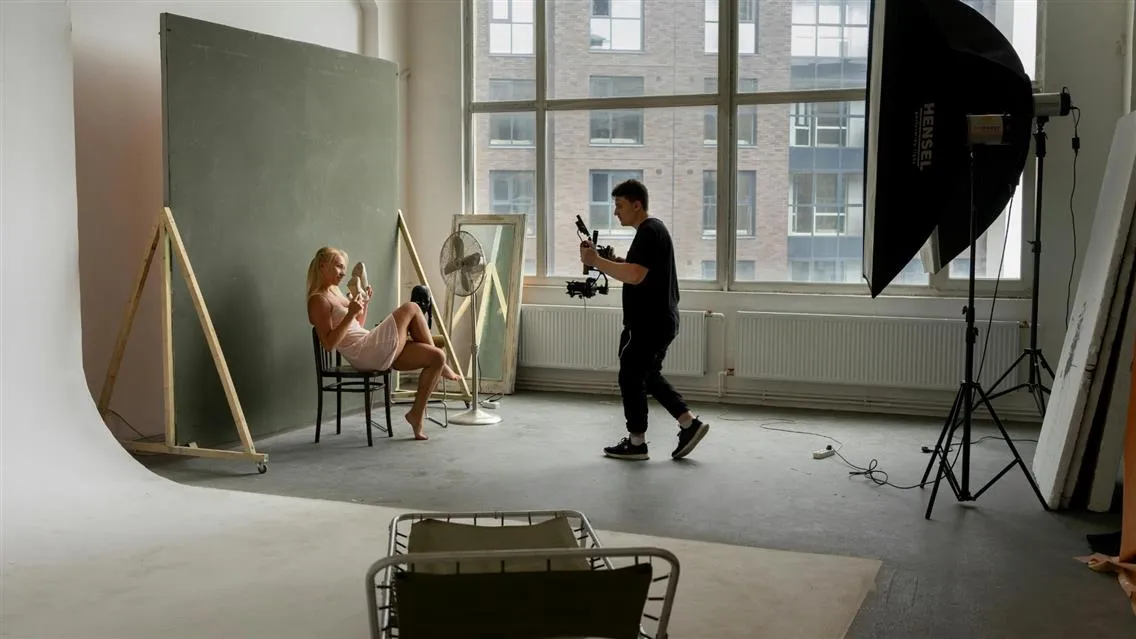
- Production is where the actual shoot happens, the most visible (and usually the most expensive) part. It involves the photographer, lighting setup, studio or location rental, assistants, makeup and hair artists, and the production coordinator who keeps everyone on schedule. Photography production is pretty similar to movie management: every hour counts. If your creative plan was solid, production runs efficiently. If it wasn’t, that’s when delays, overtime, and unnecessary costs appear.
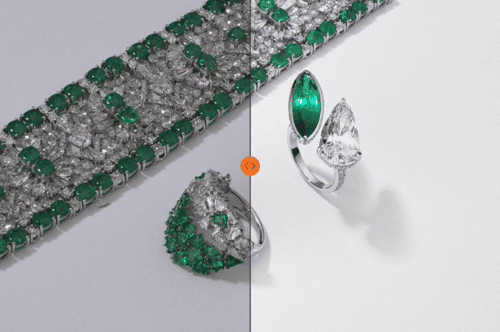
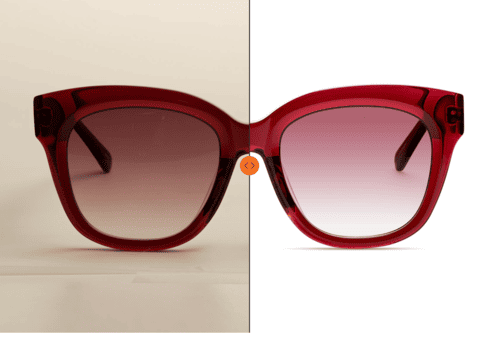
- Post-production is the stage after the shoot, where the images go through culling, clipping path, color correction, retouching, cropping, quality assurance, and delivery in required formats. This is also where your visuals are organized and archived, something many brands overlook.
Professional post-production is what gives images their final, consistent look. When brands cut corners here, the visuals lose polish and continuity, especially across platforms. It’s not where you want to “save.”
A complete production process feels expensive upfront, but it prevents the hidden costs of poor planning, like the reshoots, mismatched campaigns, and weak product imagery that dilute brand perception.
What Drives Pricing Differences in Professional Photography Services
Even when two photoshoots seem similar, the cost structure can differ dramatically. Here’s why:
- Type of visuals: A clean product shoot for an eCommerce catalog costs less than a lifestyle campaign with models, sets, and multiple lighting setups. Editorial and campaign shoots often involve more staff, logistics, and higher retouching standards.
- Frequency and scale: A brand that plans quarterly shoots with clear guidelines spends less per image than one doing one-offs throughout the year. Consistency brings efficiency, the team knows your brand, the workflow stabilizes, and content can be produced in volume.
- Market positioning: Luxury photography requires more investment in production design, lighting, and post-production precision. Mass-market photography focuses on producing larger batches of generic visuals quickly for multiple platforms.
- Team format: Working with freelancers can be flexible for smaller tasks, but it requires coordination on your side. In-house teams offer control but need ongoing maintenance costs and a huge initial investment. Professional studios combine both worlds: stable quality, predictable process, and less management time from your team.
Once you know these variables, budgeting stops feeling random. You can plan, decide where quality matters most, and allocate resources accordingly instead of reacting to every shoot as a new surprise.
Setting a Realistic Photography Budget That Aligns withYour Brand Goals
Photography budgets often get built backwards: someone asks for quotes, then tries to make the numbers fit into whatever marketing still has left. It works in the short term, but not for long. Without structure, costs jump from project to project, and visual consistency slowly erodes. The clearer your brand is about what it wants to communicate and where those visuals will be used, the easier it becomes to predict both cost and impact.
Start from Strategy in Visual Content Production Planning
Before you ever look at pricing, define what you need your visuals to do.
Ask a few simple questions:
- Are these images meant to drive awareness (campaigns, billboards, social ads)?
- Are they focused on conversion (product listings, Amazon pages, Shopify galleries)?
- Or maybe they are for brand storytelling — the lifestyle content that builds emotional connection?
Each goal demands a different level of production, style, and frequency. For example, ad visuals need variety and speed, while product listings require precision and consistency. When you define that early, you can align your budget to real objectives instead of guessing what each shoot should cost.
Next, list the deliverables by platform. A single campaign might need ten website banners, fifteen marketplace shots, a few short videos, and several lifestyle images for social media. Estimating volume helps you decide whether to plan one large shoot or several smaller ones spread through the year.
Brands that approach production this way usually save 20–30% of annual content spend, simply because they eliminate duplication. The same set design, lighting, and team can often cover multiple product lines or channels in one well-planned session.
Budget Allocation Framework for Visual Content
Once your goals are clear, you can structure your photography budget in a way that balances creative flexibility and financial predictability. A simple but effective model looks like this:
20% - Planning and Concept
This covers creative direction, moodboards, casting, set design, logistics, and pre-production coordination. It’s what ensures your shoot is thought through before anyone picks up a camera.
50% - Production
The core of the budget goes to the actual shoot — photographer, equipment, studio or location, lighting, assistants, stylists, models, and coordination. This is where your investment turns into tangible content.
30% - Post-production and Asset Management
Retouching, color correction, resizing, formatting, and organizing assets in your brand’s storage system. Many brands underestimate this part, yet it determines the final polish and usability of your visuals.
It’s also smart to leave a 10–15% flexibility buffer for unplanned needs: a reshoot, extra product, or quick seasonal update. This small margin prevents financial friction later without stretching your main budget.
Most importantly, don’t see post-production as an afterthought. It’s the stage that defines how premium your images feel. A strong retouching workflow and clean asset delivery system save countless hours later when your team needs to pull visuals for ads or marketplaces.


How to Stretch Your Photography Budget Without Sacrificing Quality
Every brand, even established ones, faces the same challenge: photography budgets never seem to stretch far enough. New collections launch faster, platforms demand more content formats, and teams expect everything yesterday. But maximizing your photography budget is really about producing smarter.
A single well-planned shoot can generate visuals for months if organized strategically. Here’s how to make your budget work harder without compromising quality.
Reuse, Repurpose, and Re-edit
The fastest way to save on photography is not by cutting production costs but by increasing content lifespan. Start planning shoots with repurposing in mind.
- Create assets for multiple campaigns and platforms. If you’re shooting a lookbook, also capture a few clean eCommerce angles and short lifestyle clips for ads. A few extra shots on set can replace an entire future shoot.
- Cover multiple product lines in one session. If the color palette or lighting setup works across several SKUs or collections, shoot them together. The team, studio, and lighting are already paid for.
- Re-edit existing assets. Often, brands already have great visuals buried in archives. With updated retouching or new crops, these can easily fit a fresh campaign or seasonal look.
- Invest in cloud-based asset management. Platforms like Lenflash Cloud allow your team to store, tag, and instantly access approved images from anywhere. It prevents duplication and ensures every department uses consistent, on-brand visuals.
- Finally, stay open to innovation. The industry evolves fast, and new workflows appear constantly. At Lenflash, for example, we integrate AI-assisted visual creation services, a blend of real photography and generative context imagery. It lets brands expand their content library faster, test new ideas, and reduce production costs without losing authenticity.
Evaluating ROI of Your Photography Investments
Every photo, video, or campaign visual is an asset designed to do a specific job: sell, attract, or communicate. Yet few brands track how well those visuals actually perform once they go live. Understanding the return on your photography investment starts with shifting perspective. Stop treating visuals as creative output and start viewing them as measurable tools just like ads or email campaigns.
Visuals as an Asset, Not an Expense
Here’s how to track its impact in real numbers:
- Engagement metrics: Compare how professionally shot visuals perform versus user-generated or older imagery. Higher-quality images often lead to 20–40% higher engagement on social media and ad click-throughs.
- Website behavior: Measure dwell time and conversion rate on product pages. Better visuals lead to fewer abandoned carts and reduced return rates because customers know exactly what they’re buying.
- Ad performance: Well-produced product visuals can lower your cost per acquisition (CPA) by improving ad relevance and CTR.
- Brand lift over time: Consistent imagery improves overall perception. Even if it’s harder to quantify short-term, long-term trust and recall come from recognizable visuals.
Brands that move from ad-hoc photography to a systematic production plan often see measurable growth within the first year, and not because they shoot more, but because they shoot smarter.
When to Outsource and When to Build In-House Visual Content Production
It’s tempting to think that building an in-house studio will eventually “save money.” In reality, it only works for a very narrow group of businesses.
In-house production makes sense mainly for two types of players: small brands that create handmade products usually shoot simple DIY visuals in small quantities and can work with minimal gear, or large eCommerce marketplaces or aggregators that photograph hundreds of SKUs per week and need strict, repetitive unification. Their goal is operational efficiency and consistency, so they invest in in-house production.
For most brands, however, building an internal photostudio quickly becomes a financial sink. Equipment, team, space, software, and payroll add up faster than expected, and the creative outcome rarely matches the quality of a professional studio.
Outsourcing is far more cost-effective when your goal is high-quality, brand-specific visuals that scale with campaigns. Working with a specialized studio gives you access to expert art direction, lighting, stylists, and retouchers without the fixed overhead, predictable timelines and consistent quality, and flexibility to scale production up or down depending on the season or launch calendar.
If you’re considering an internal setup, read our related piece on the real cost of building an in-house photography studio. It breaks down equipment, staffing, and space requirements in numbers most teams overlook.
Building Long-Term Visual Planning Into Your Annual Marketing Budget
Shoots happen reactively, deadlines overlap, and the same work gets repeated across seasons. But when visual production becomes part of your annual marketing budget, it turns from a recurring headache into a predictable, scalable system.
Integrating Visual Production Into Annual Marketing Cycles
Start by mapping your marketing year. Product launches, seasonal campaigns, promotions, and restocks all require visuals. Instead of approving shoots one by one, plan them as a sequence. This allows you to batch similar content, reuse setups, and lock in studio dates before the rush.
Many brands plan quarterly:
- Q1: New-year campaigns, eCommerce refresh, Valentine’s Day visuals
- Q2: Spring collections, social updates, influencer collaborations
- Q3: Summer lifestyle resort campaigns, ad tests
- Q4: Back to school, holiday visuals, gift sets, year-end lookbooks
Once these milestones are outlined, budgeting becomes simple math. You already know the type of content needed and can distribute resources evenly, avoiding the all-too-familiar “we ran out of budget in November” problem.
Planning Quarterly or Seasonal Shoots with Predictable Spend
Organize production in blocks. Instead of three separate shoots for each product line, plan one large production where the team covers multiple content types or collections. The setup is already paid for. The more efficient the day, the lower your cost per asset.
Seasonal planning also means you can negotiate better studio rates, secure your preferred team, and prepare pre-production calmly instead of in crisis mode. The result: lower costs, better visuals, and less stress.
Building Scalable Infrastructure
Strong visual systems include a reliable DAM (Digital Asset Management) system to store, categorize, and retrieve files instantly, naming conventions and version control to keep marketing and eCommerce teams aligned, consistent file formats, and color editing style calibration for seamless cross-platform use.
At Lenflash, we integrate this into every brand’s workflow through our LenFlash Cloud platform, giving teams organized access to every approved image without endless folder digging and instant chat with the creative team.
Related read: Digital Asset Management for eCommerce Business
Budget Forecasting and Content Calendar Coordination
Once your annual plan is in place, translate it into numbers. Identify recurring costs (like catalog shoots) and one-time expenses (new campaigns, models, or locations). Add a small buffer 10 to 15 percent for unplanned launches or urgent updates.
Finally, align your visual calendar with your marketing calendar. When your photography, design, and ad teams work from the same plan, the entire production chain runs smoothly. There are no last-minute rushes, no duplicated work, and your budget stays transparent.
Photography Planning as a Competitive Advantage
When you treat visual content as a structured business process, you gain the most valuable advantage: control. Not just over costs, but over timing, quality, and a consistent visual language.
A systematic approach removes chaos. You always know what will be produced, when it will be delivered, and how it supports your campaigns. This clarity makes brands scale faster and keeps teams from scrambling for assets at the last minute.
If you’re looking for a studio that works this way, LenFlash offers a full-stack model: production, retouching, and delivery of high-end product, lifestyle, and campaign imagery for brands that value quality and consistency.