





Macro Product Photography for Makeup, Cosmetics, and Skincare Brands
Macro beauty photography is where technical precision meets emotional storytelling. A millimeter can change perception, the texture of a lipstick or the glow on a cheek does not just sell a product, it defines how a brand feels.
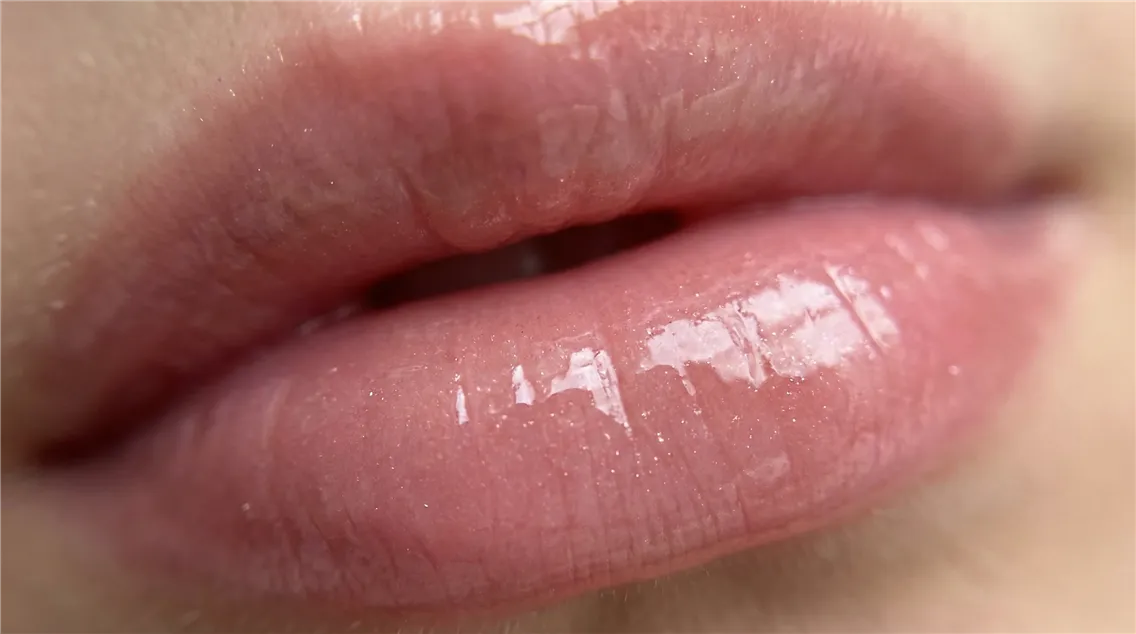
Brands rely on macro shots to communicate efficacy: that their skincare really works, that their foundation truly blends, that their lip gloss actually shines. What makes macro beauty imagery stand out is not just sharpness or lighting — it is intention. It is knowing how to translate the sensory qualities of touch, glow, and texture into a still image that feels alive.
Achieving that requires collaboration between photographers who understand how surfaces behave, makeup artists who can prep each shot with precision, and retouchers who know exactly how much detail to preserve and where to stop.
Part of our complete guide: The Ultimate Guide to eCommerce Product Photography
What Makes Macro Beauty Photography Unique
The closer you get, the more every choice matters. Lighting, lens, model prep, product consistency — all of it becomes part of the image's credibility.
In fashion or lifestyle work, small flaws often add authenticity. In macro beauty, they quietly destroy it. A single spec of lint on a lipstick bullet, uneven skin prep under foundation, or a fingerprint on a serum bottle instantly shifts the perception of quality. The best macro setups treat surface preparation as carefully as lighting.
At its best, macro work captures a brand's sensory identity. The creamy density of a moisturizer, the shimmer of crushed pigment, the sheen of healthy skin, these are tactile experiences translated into pixels. When executed well, the image does not document a product. It communicates the brand's material honesty.
Texture as the Language of Trust
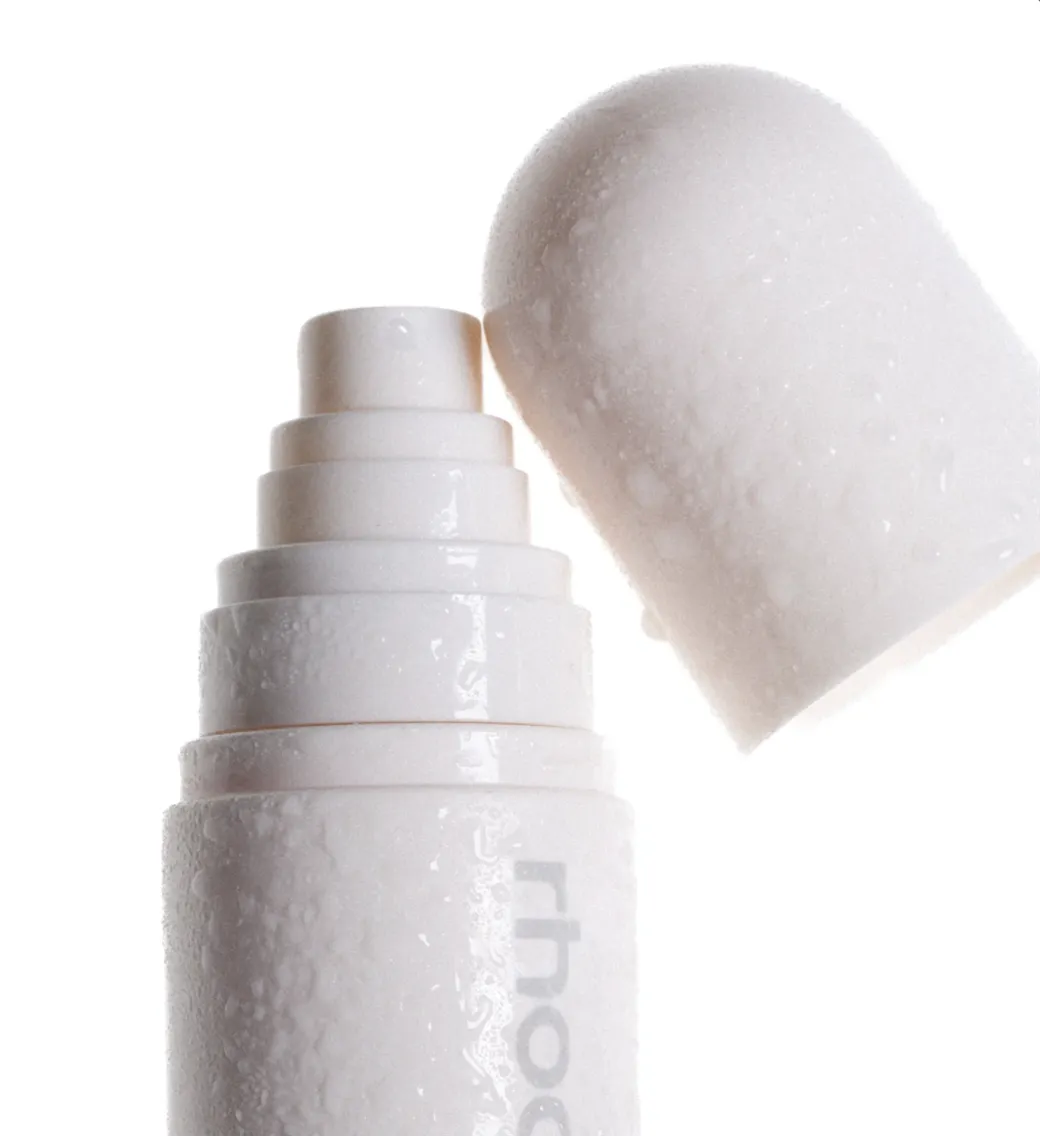
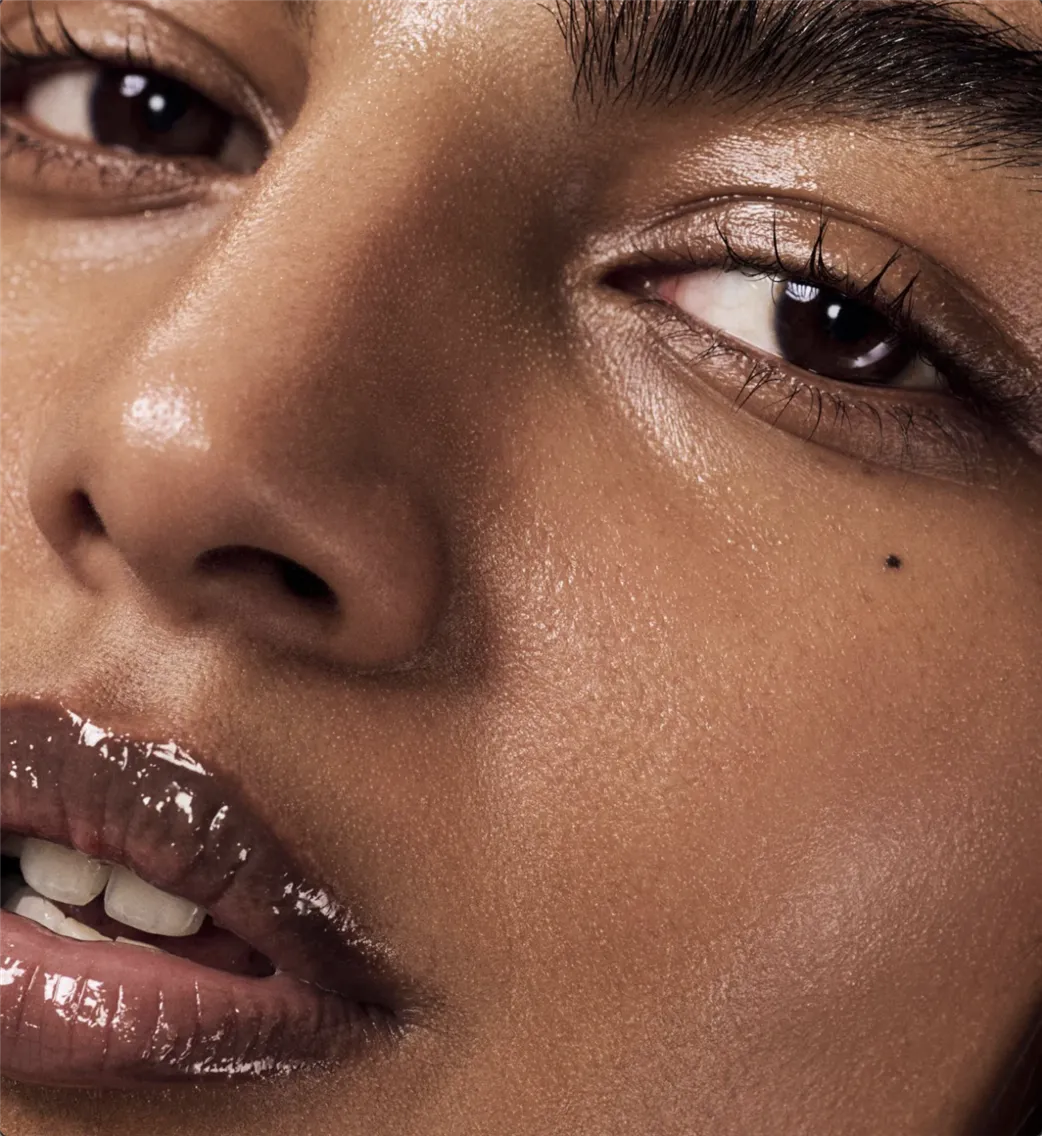
Texture is the language of trust in beauty imagery. When customers can almost feel what they see, they believe in the product. Over-retouched pores or plastic-looking surfaces instantly break that belief.
The goal is not to eliminate natural surface detail but to control it, so it reads as intentional, refined, and brand-appropriate. Real skin has pores and tonal variation. Real cream has small air bubbles. Real shimmer catches light unevenly. These are not problems to remove. They are properties to manage.
Macro beauty photography is fundamentally a study in restraint.
Lighting Techniques for Beauty Macro Work
In macro beauty photography, light defines truth. Every gradient, pore, and micro-reflection exists only because of how light hits the surface. The job of a photographer is to decide which version of that truth serves the brand.
Lighting for macro beauty is a language of control. Unlike full-face or editorial beauty, where light can be broad and forgiving, macro demands precision down to millimeters. Too hard, and skin looks rough. Too soft, and you lose the tactile dimension that gives products realism. The magic lies in shaping light that reveals without exposing.
Light Placement and Texture Reveal
Macro shots exaggerate surface behavior. A single point light can make an even complexion look uneven, while flat lighting turns luminous skin into plastic. For foundations, serums, and skincare visuals, diffused light with a directional edge works best, softboxes combined with small reflectors or grids maintain definition while allowing skin to breathe in the frame.
With glossy or high-shine products specular highlights need to look intentional rather than chaotic. Controlling them means angling light rather than softening it. Subtle adjustments, a few degrees of tilt or a bounce card repositioned, can transform how a gloss reads entirely.
This is where close collaboration with the makeup artist or stylist on set becomes essential. The lighting may be technically correct, but if the product's sheen feels inconsistent with how it actually looks in person, that accuracy does not serve the brand. Macro lighting is half optics, half negotiation between what the camera sees and what the product genuinely is.
Color Accuracy and Skin Tone Fidelity
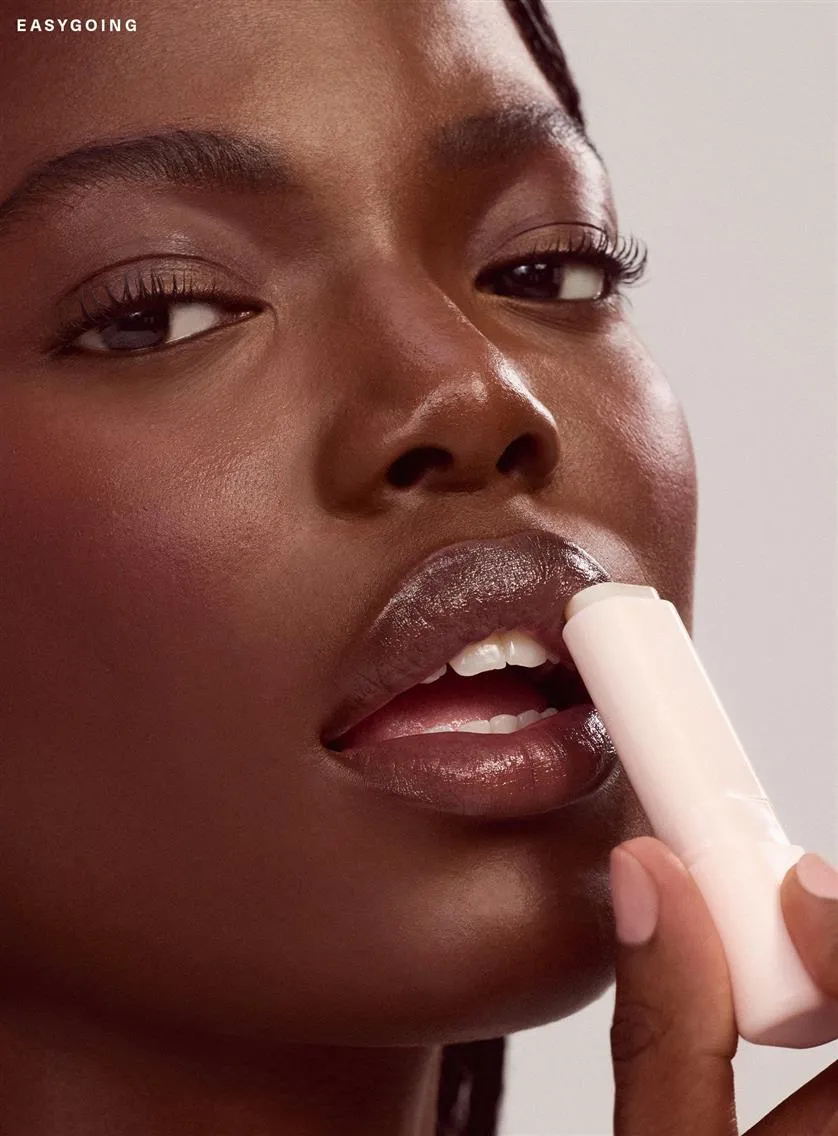
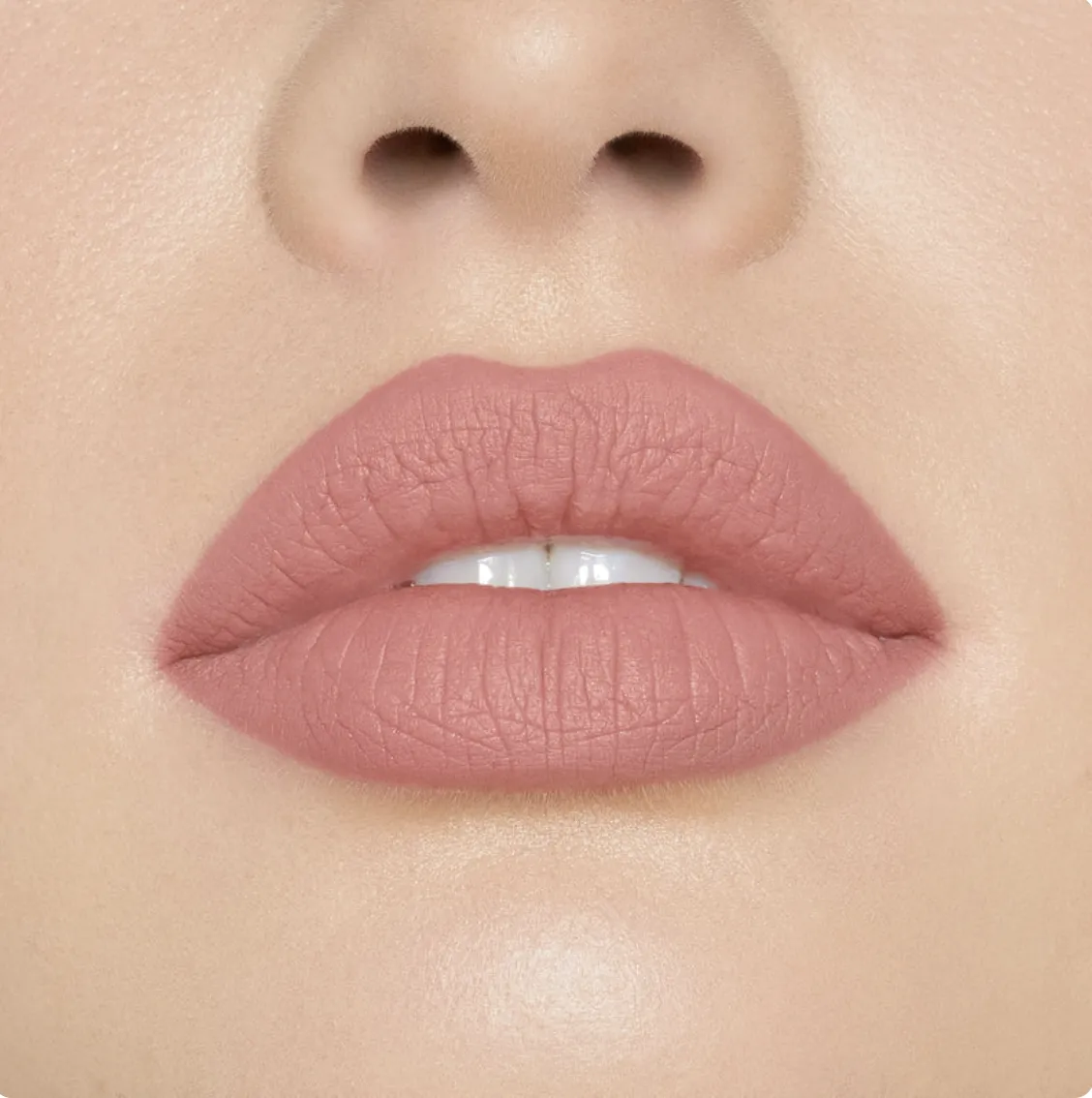
In beauty campaigns, color truth equals brand integrity. Consumers notice the difference between rosy beige and warm ivory, even on a subconscious level.
Shooting RAW and using color checkers are standard practice. Beyond that, the way light temperature interacts with product tones determines how believable the image feels. A cool LED can neutralize warmth in a cream. A slightly warmer fill light makes a serum appear more radiant. Getting color right on set saves hours in post-production and preserves the brand's formula identity. When lighting is consistent, retouching becomes refinement rather than correction.
The best macro lighting setups are disciplined. Every modifier, every reflection, every shadow exists for a reason, because in this category, light is proof of quality.
Macro Still-Life in Beauty Photography
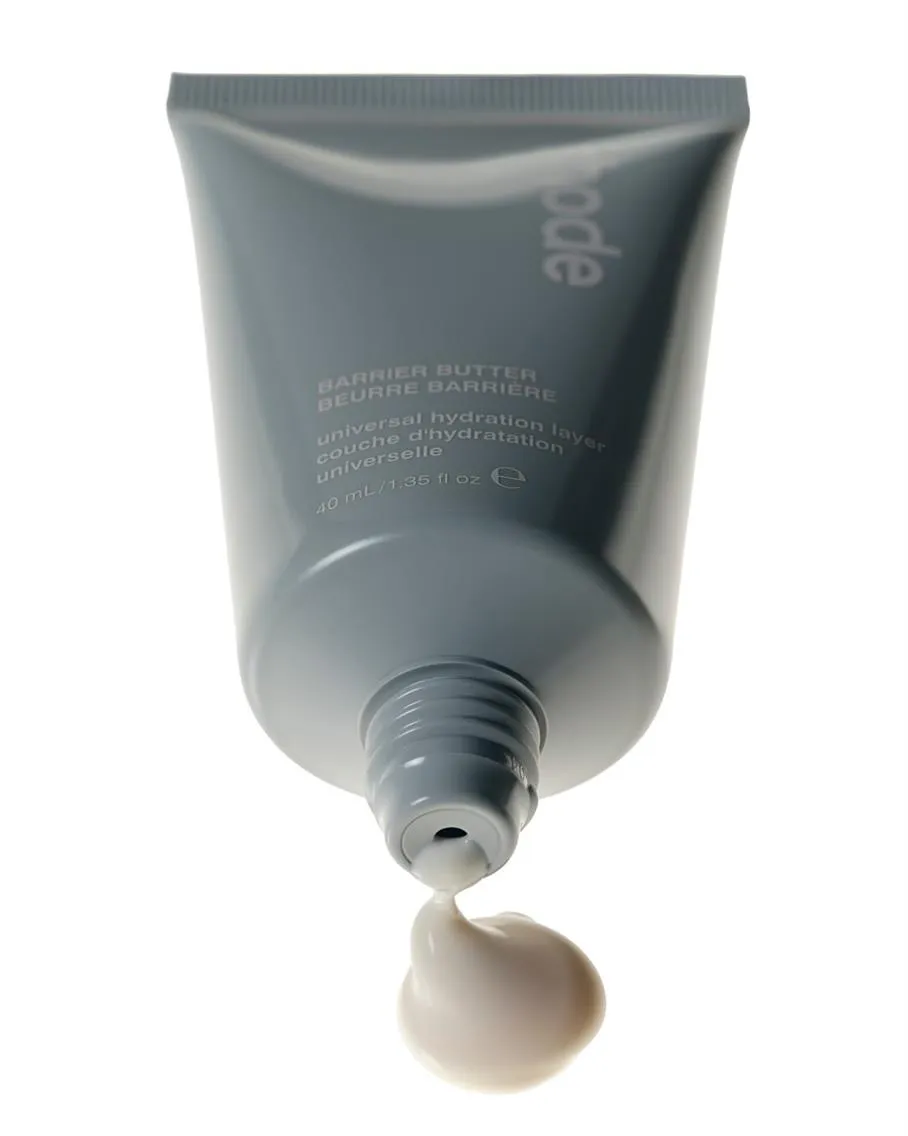
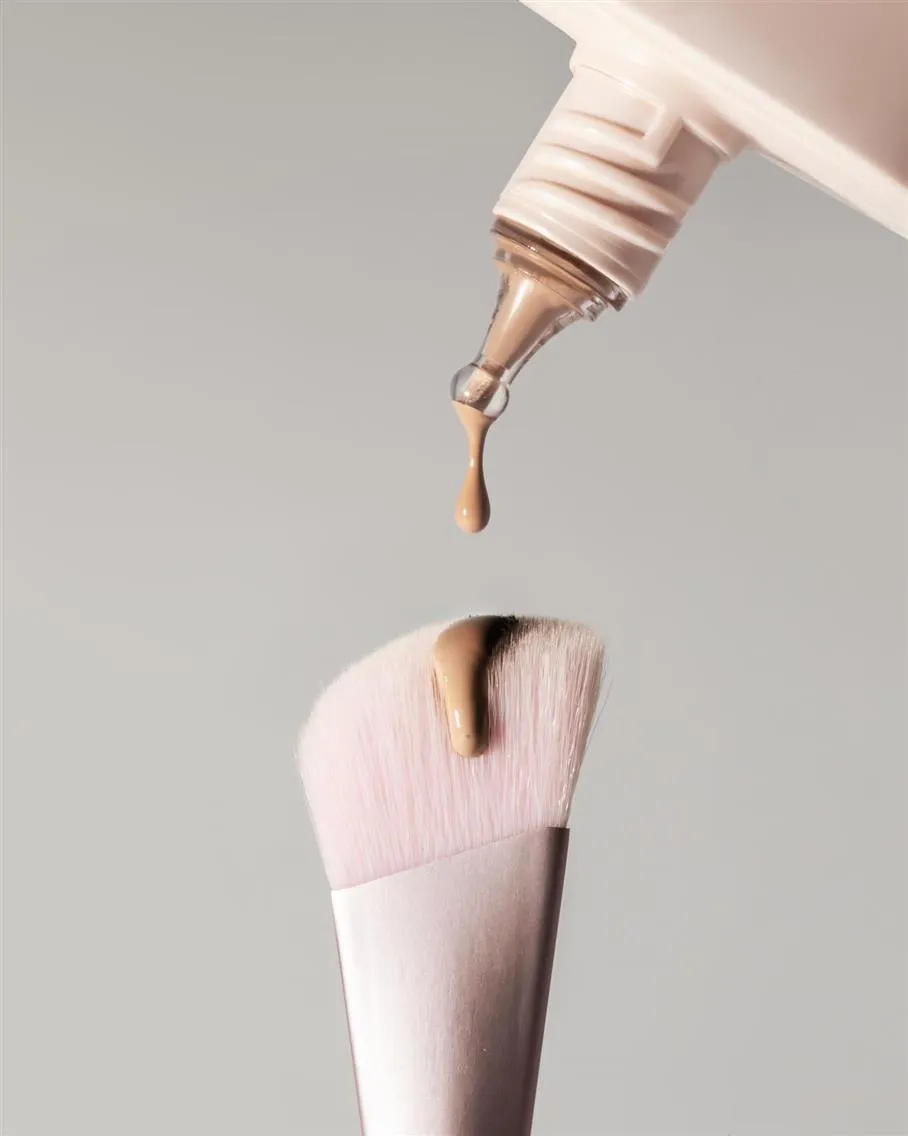
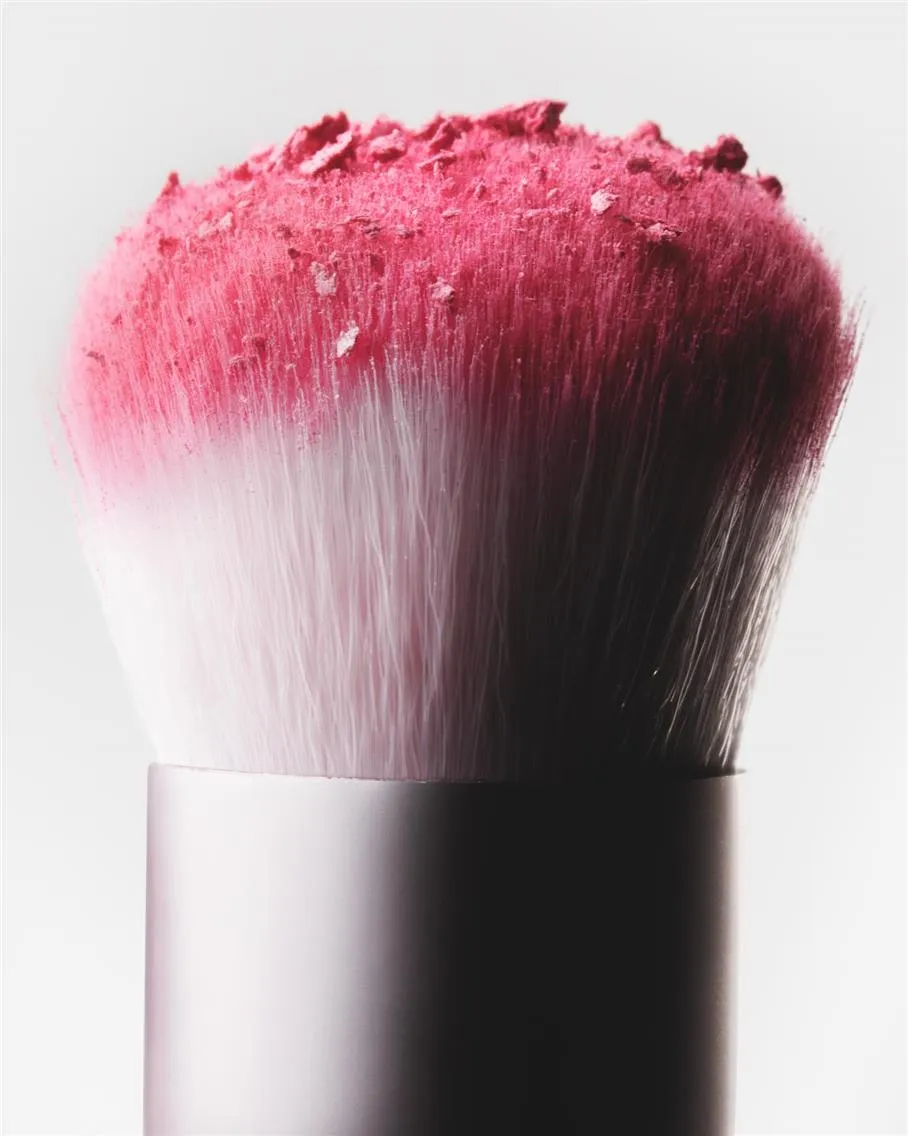
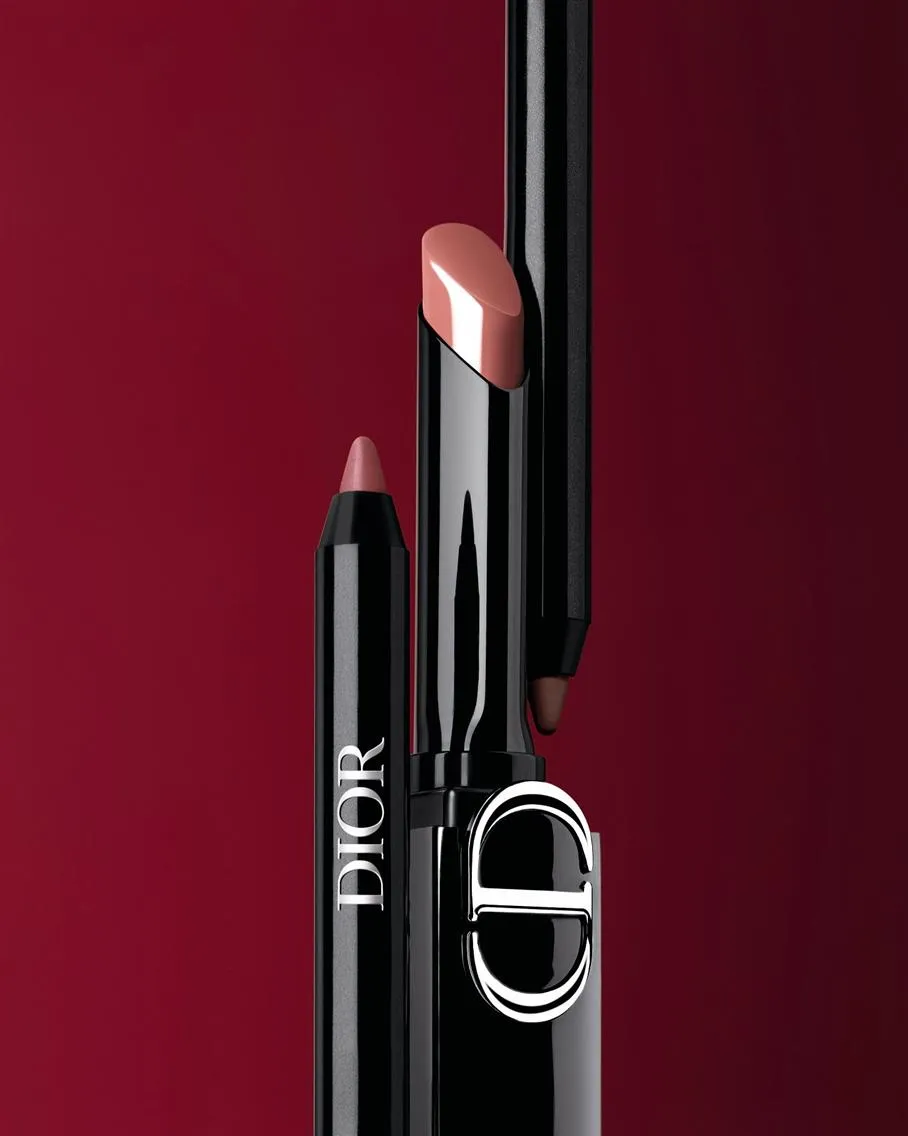
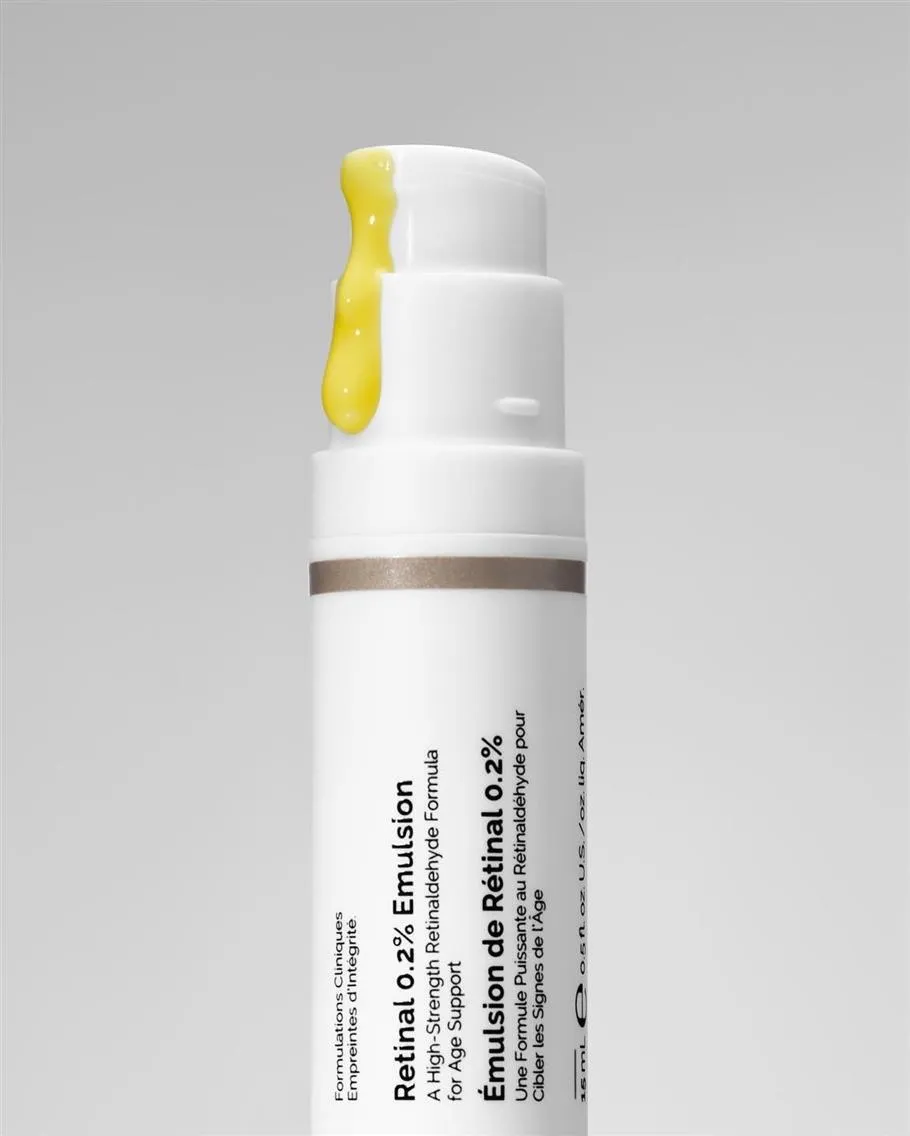
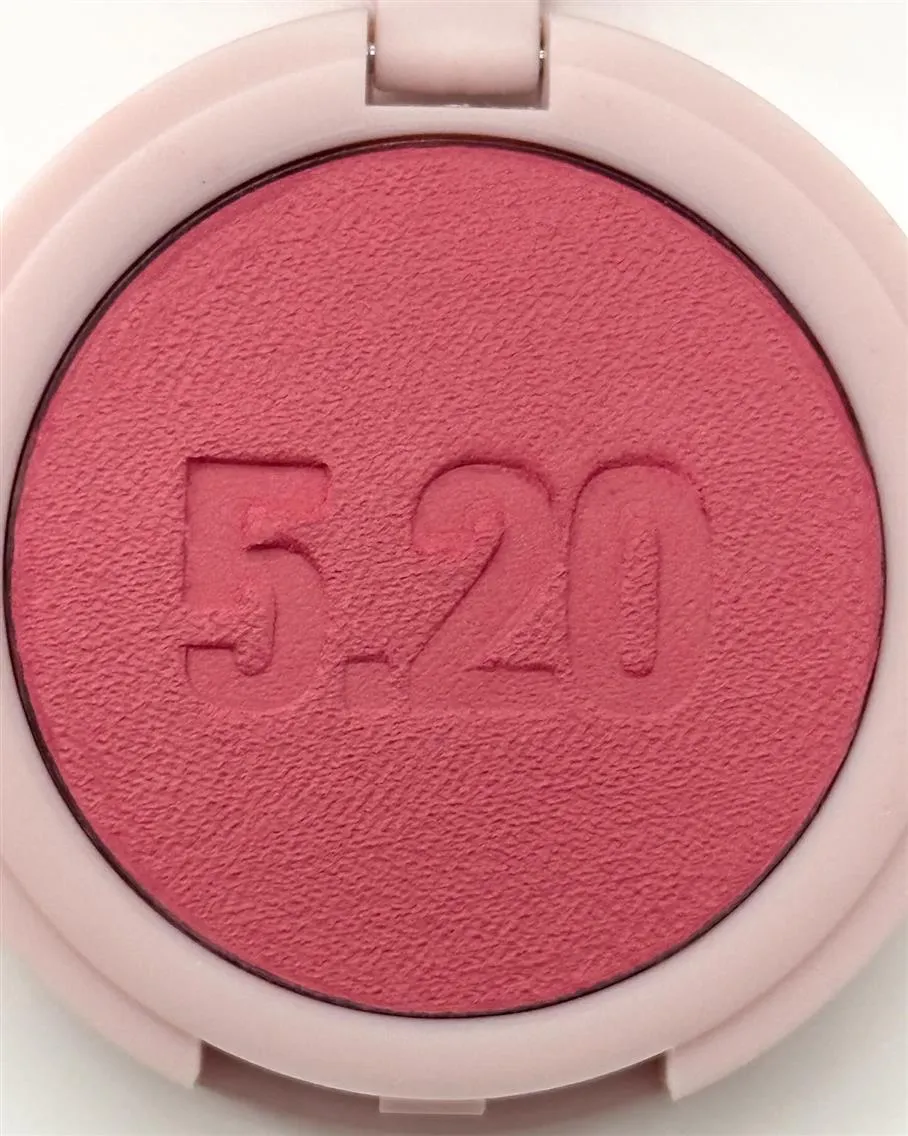
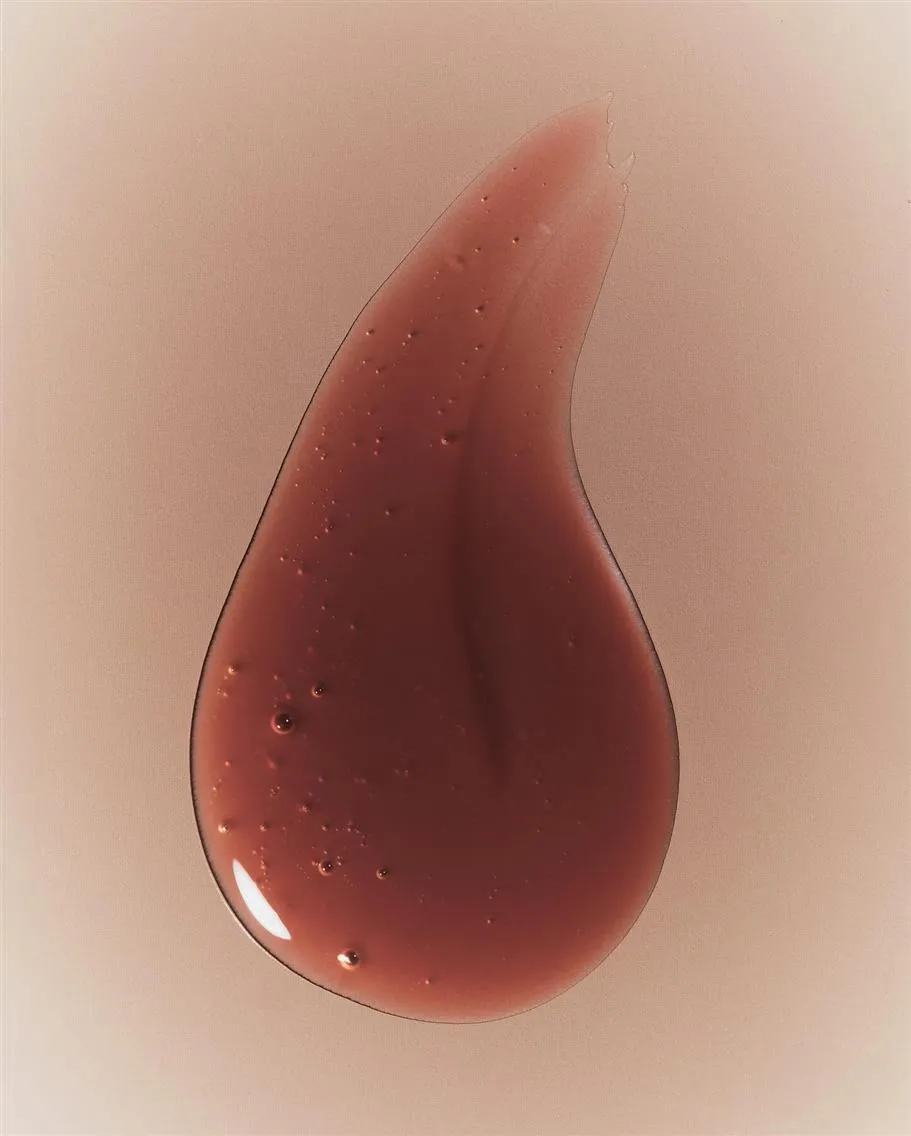
Some of the most powerful beauty visuals zoom directly into the essence of texture, color, and formula. A serum drop suspended mid-slide, a crushed blush pigment, a glossy lipstick smear on glass — these images function as sensory metaphors. They make the viewer imagine the product's temperature, scent, or density. That level of sensory recall is what makes beauty imagery memorable.
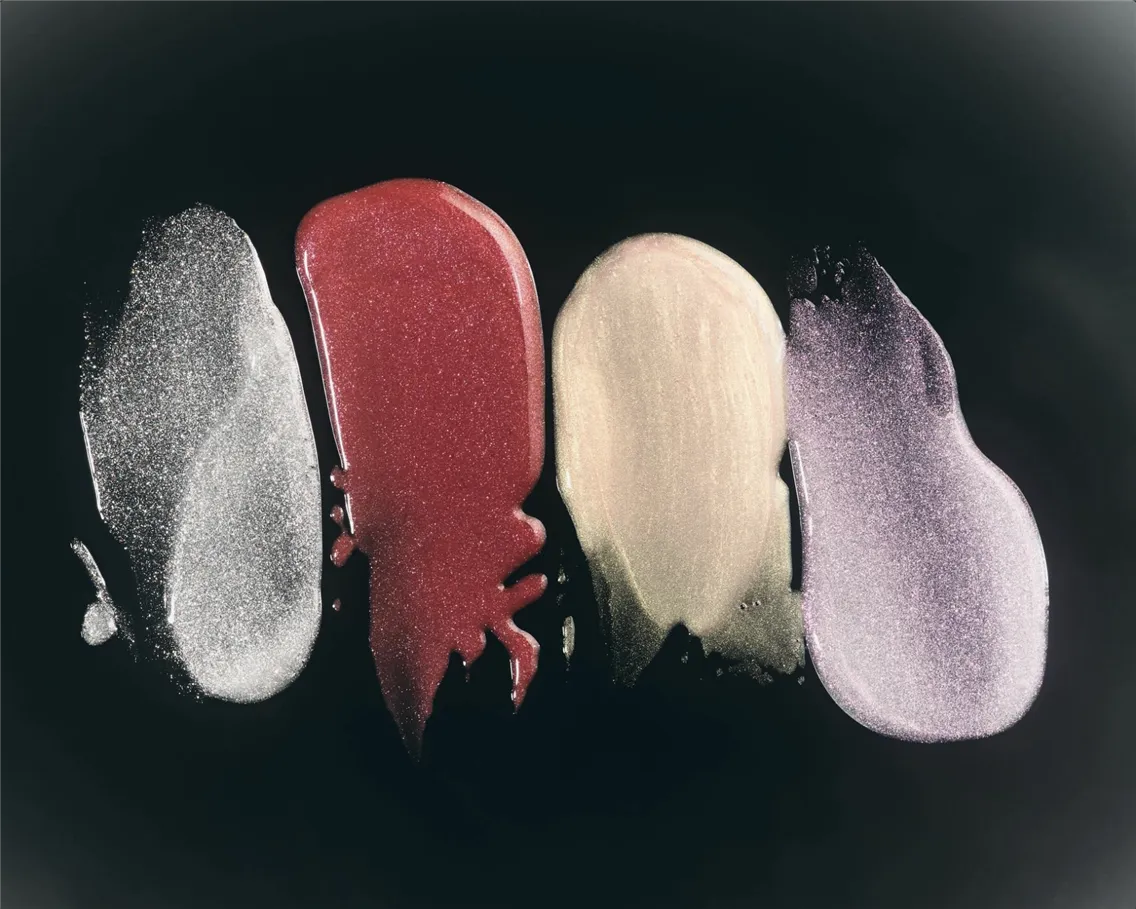
Texture as Brand Voice
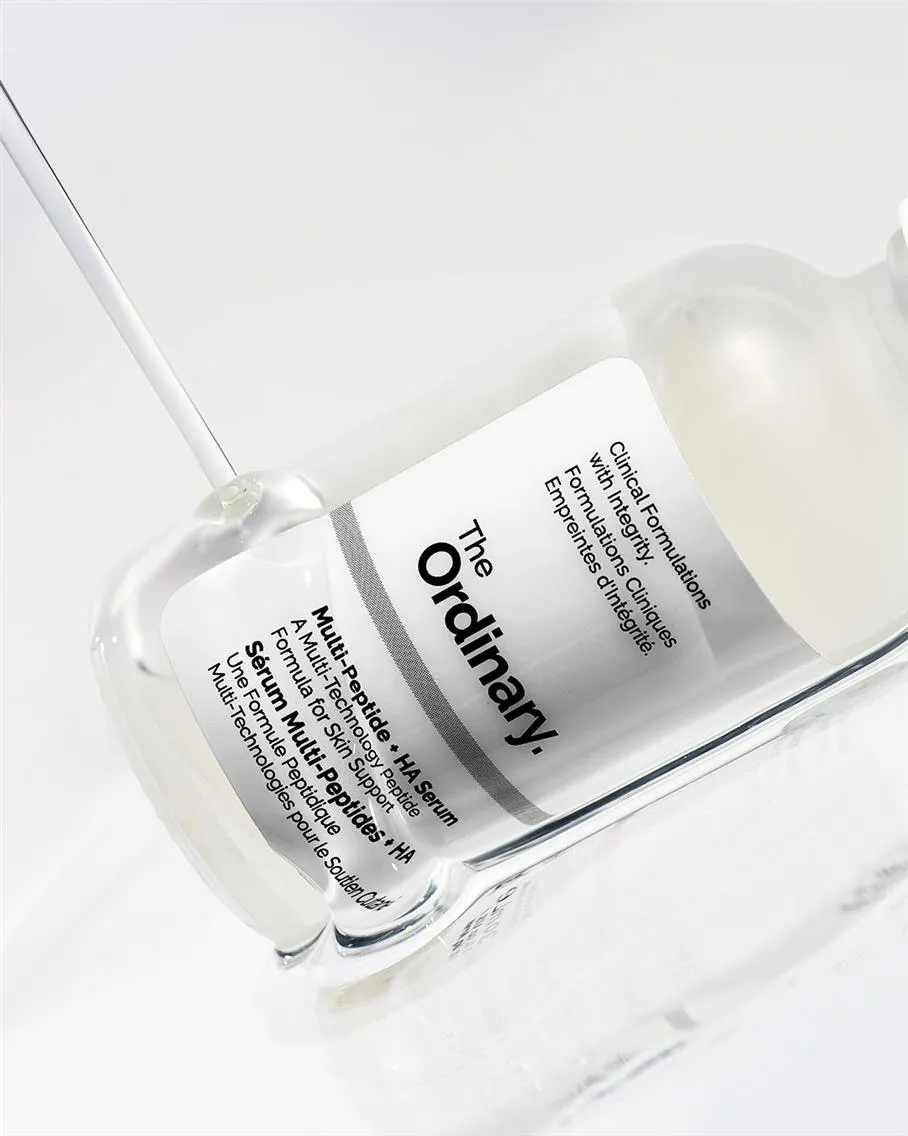
Clean, translucent serum visuals suggest purity and innovation — right for skincare brands built around science and efficacy. Velvet-like creams or soft, diffused powders convey comfort and luxury. Metallic or wet textures signal boldness and modernity.
Every choice of surface, angle, and color tells a story. The same serum can look medical or sensual depending on background tone, droplet shape, and lighting temperature. These are not aesthetic preferences. They are positioning decisions.
Composition and Visual Rhythm
Composition in macro still life is less about balance and more about energy, the rhythm between curves, edges, and negative space. A single droplet or pigment stroke can carry as much emotional weight as an entire face in a portrait.
Effective beauty still life compositions often use repetition and flow. Scattered powder patterns mimicking brush strokes, or a single streak of gloss cutting diagonally across the frame — these gestures create directionality, guiding the eye while maintaining the sense of controlled imperfection that feels organic.
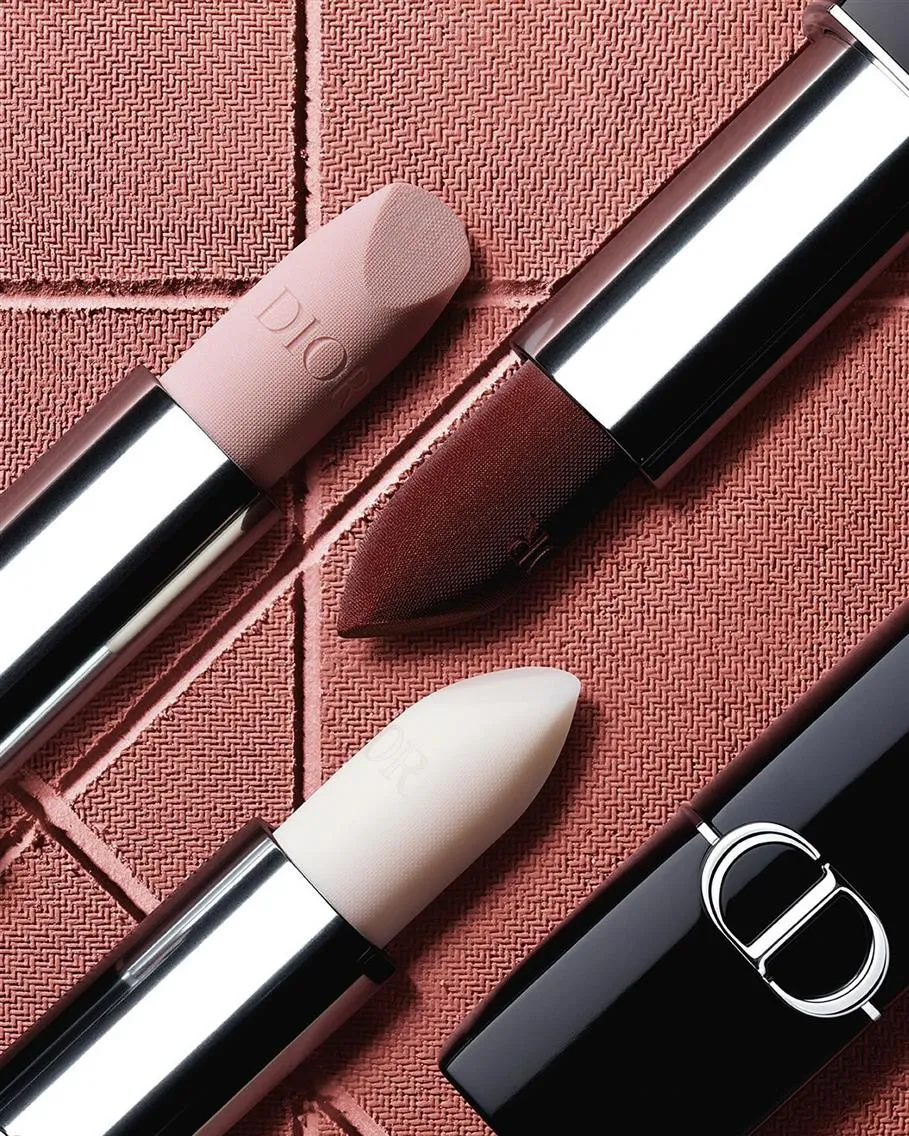
Clean backgrounds like acrylic sheets, mirrored plates, and frosted glass enhance texture visibility without competing with the product. The most refined setups introduce gentle asymmetry, allowing the product's natural form to dictate the scene rather than forcing it into a rigid layout.
The Role of Color Harmony
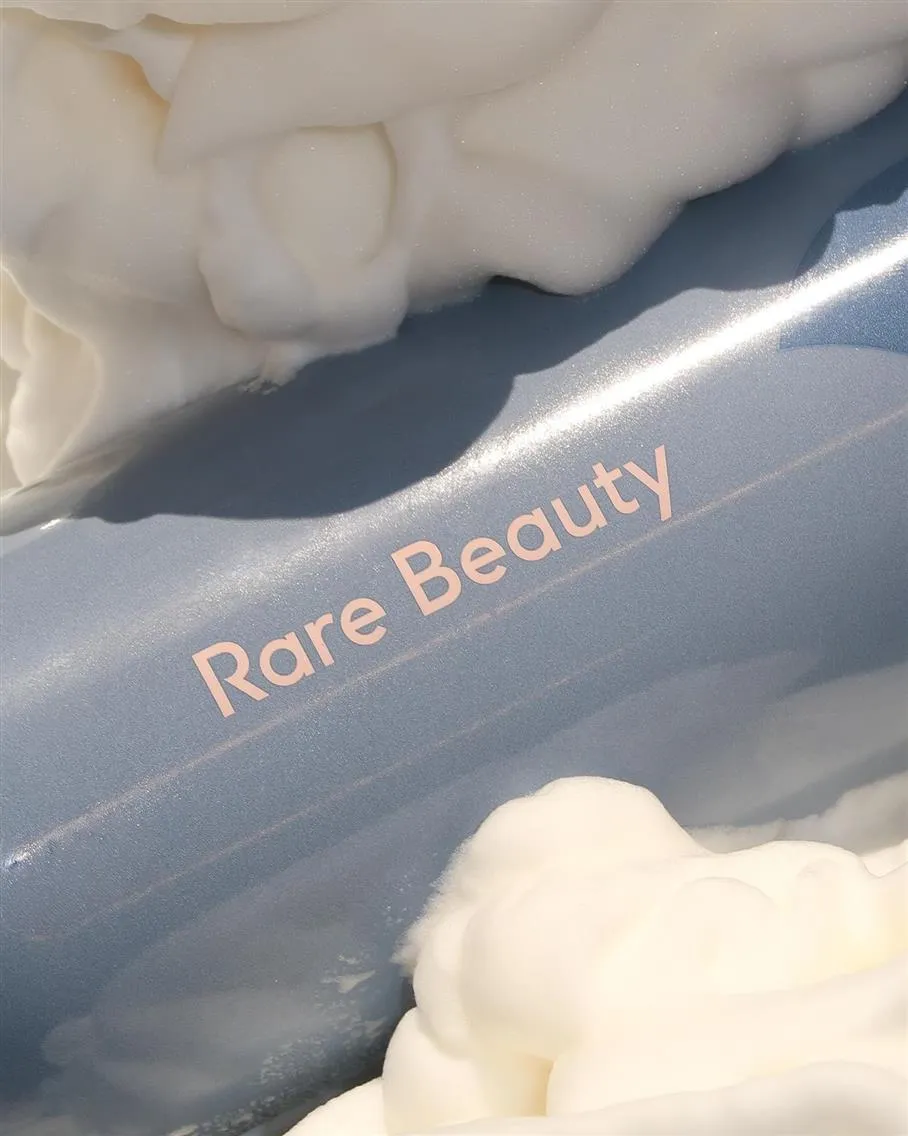
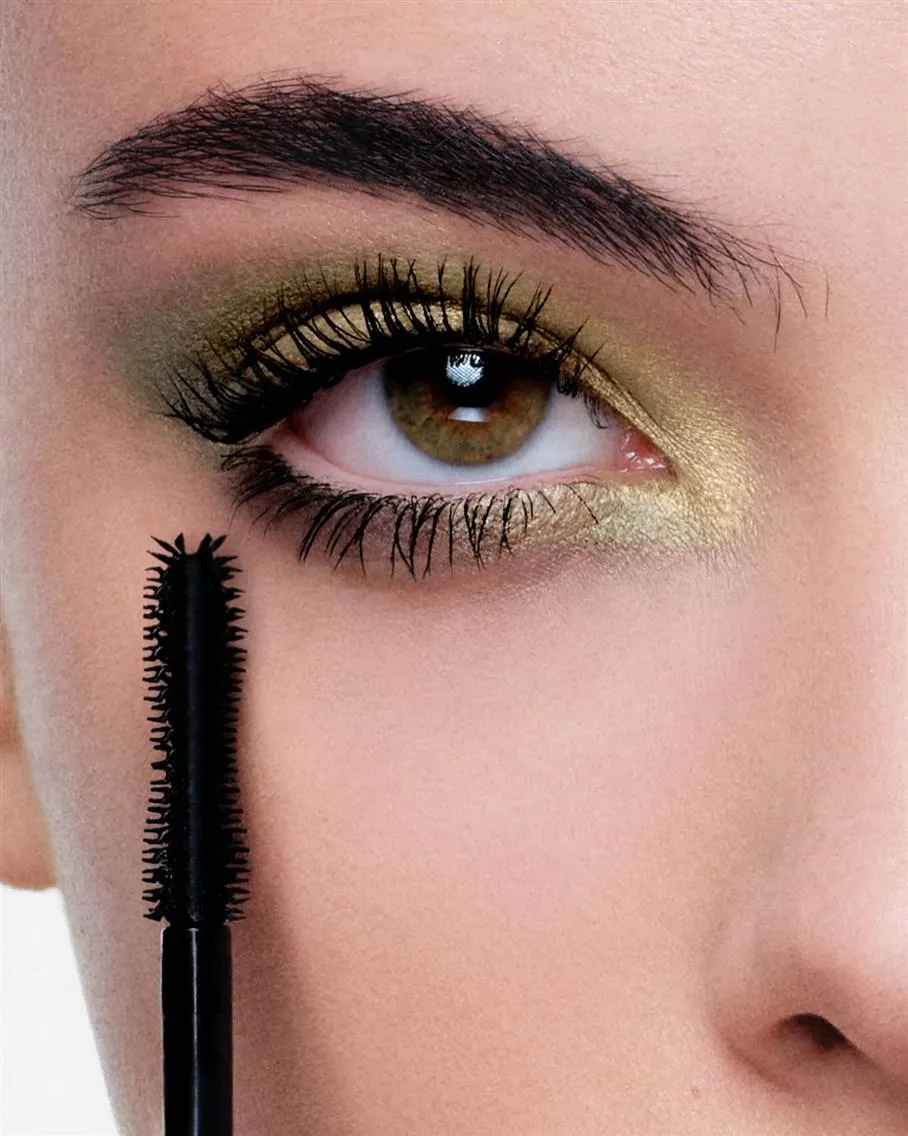
Background tone should support, not compete. Beige tones amplify warmth in foundation shades. Pale blue reflects clinical purity. Soft gradients add modernity without distraction. The most powerful compositions rely on two dominant hues: one defines the product, the other sets the emotional context.
Working with Makeup and Skincare Products on Set
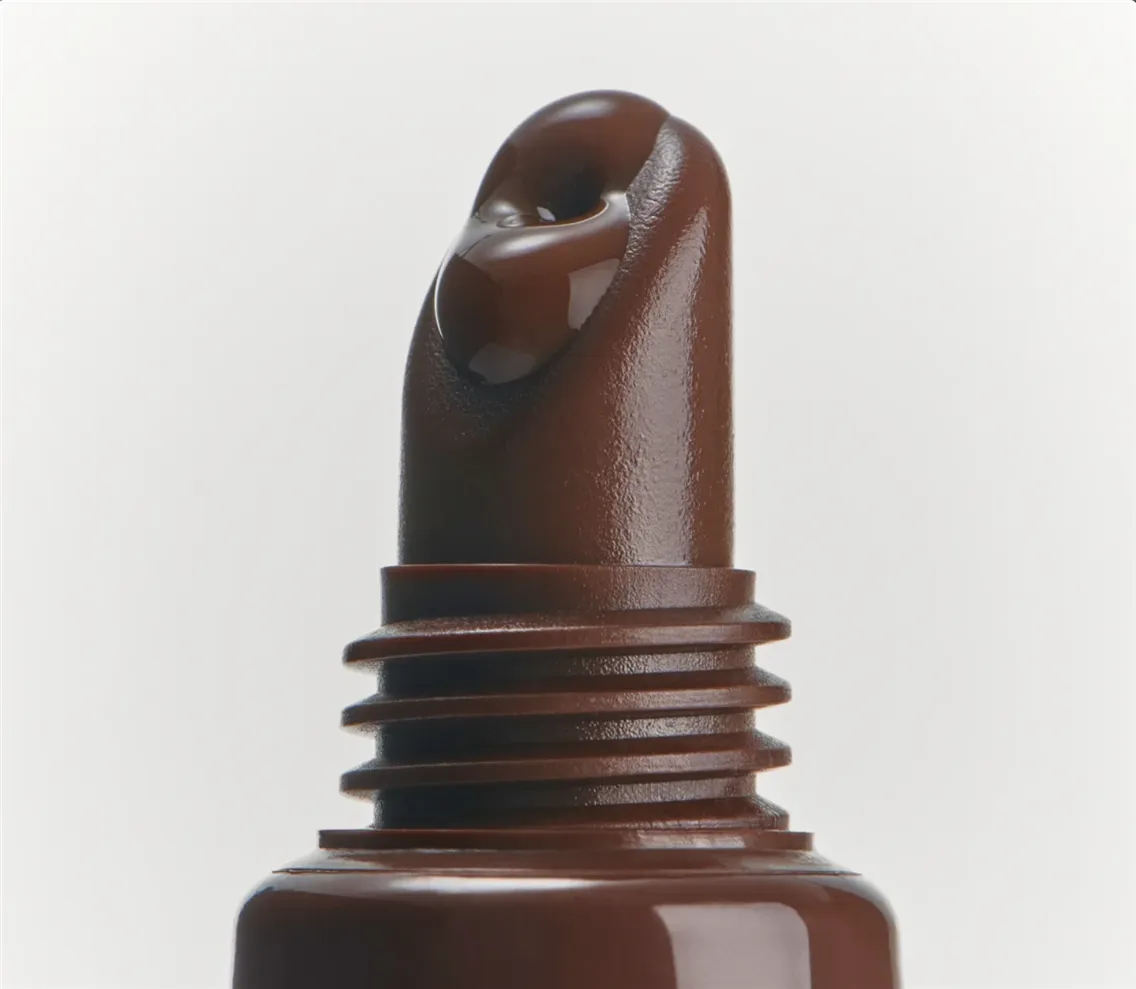
Every beauty product has its own physical logic. Skincare formulas oxidize. Creams melt. Powders scatter at the slightest movement. Lip gloss attracts dust continuously. These are living properties of the product, and the best macro setups account for all of them.
Understanding how serums flow, how foundation settles, how pigments change tone under heat shapes every decision: choice of background material, ambient temperature, and how long the product can sit under lights before it begins to degrade.
A standard prep kit on a beauty macro set includes tweezers, cotton buds, alcohol wipes, small spatulas, and microfiber cloth. It functions as a miniature lab designed to protect texture integrity between frames.
The Timing Problem
The window when a texture looks perfect can be seconds. Serum drops flatten. Cream edges dry. Lip gloss loses its surface tension. Shooting tethered helps maintain pace and accuracy, the team evaluates texture in real time rather than discovering problems after the session.
Small environmental adjustments extend that window. Lowering ambient temperature keeps creams from softening. Switching from continuous light to flash prevents products from heating under sustained exposure. The difference between a sharp, luminous droplet and a melted streak often comes down to nothing more than discipline around timing.
Post-Production for Macro Beauty Photography
In macro beauty photography, retouching is a continuation of intent. The camera reveals, the retoucher refines. What makes a macro image feel premium is rarely how much was cleaned up — it is how much texture was preserved.
Retouching That Stays Invisible
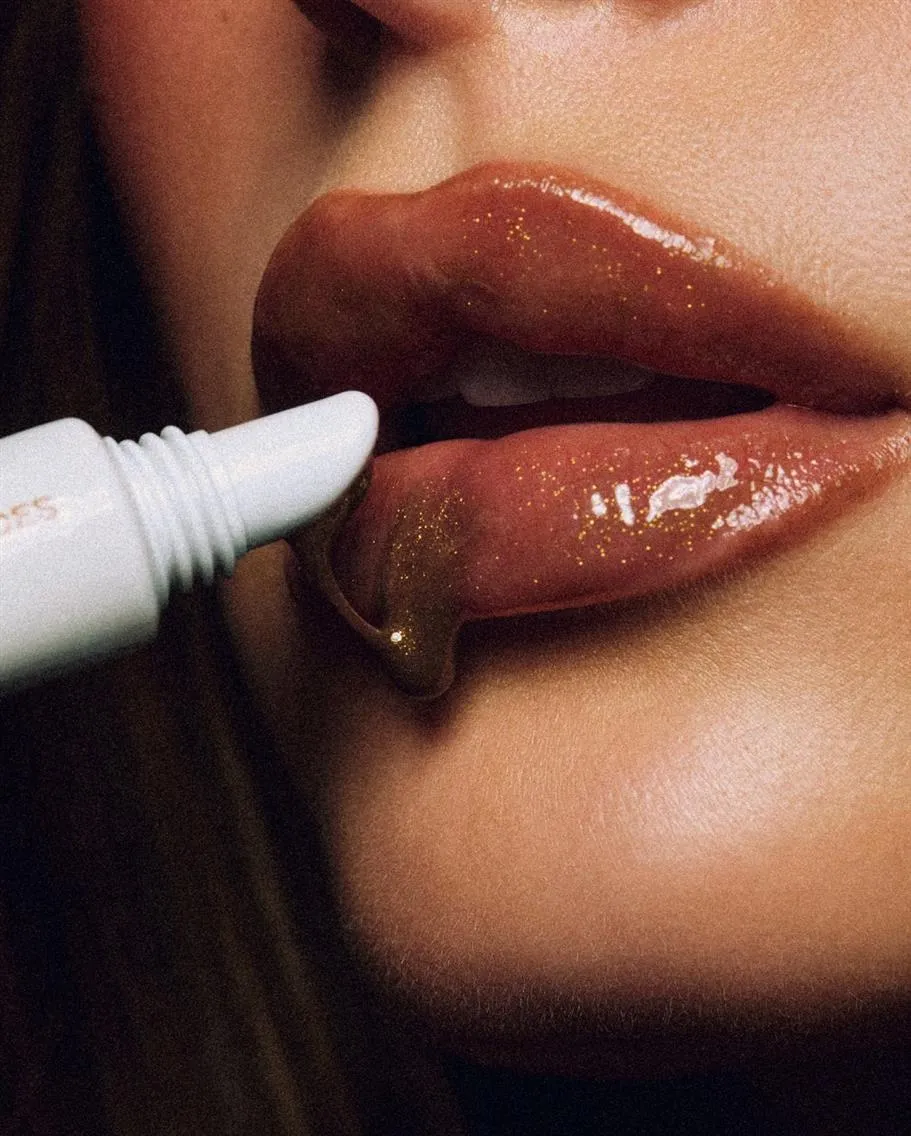
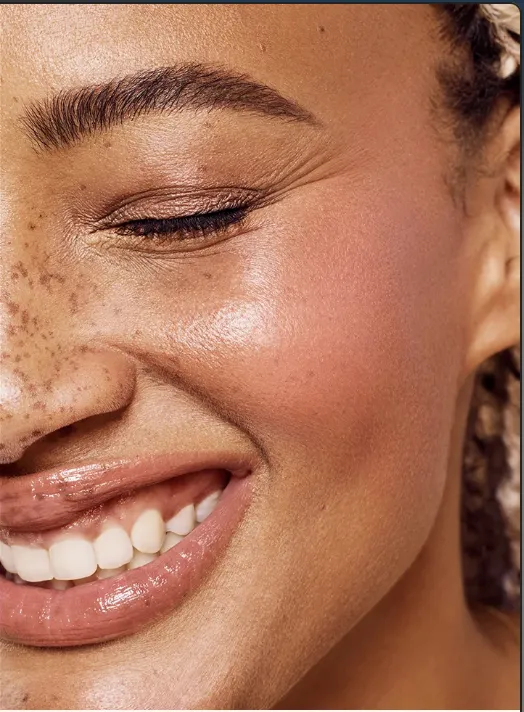
When skin or product is magnified this closely, every adjustment leaves a trace. Heavy blurring or cloning does not just remove imperfections — it erases dimension. Overworked macro images are immediately recognizable: skin resembles wax, powder loses granularity, reflections flatten into uniform surfaces.
Strong macro retouching enhances what already exists. Selective cleanup instead of blanket smoothing. Precise dodge and burn rather than broad filters. Respect for the product's material truth. Skin should feel alive. Foundation should look like it is sitting on the skin, not fused into it. A gloss highlight should still show its subtle surface movement.
Color and Contrast
Macro photography reveals more tonal nuance than the eye perceives in real life — small color shifts that can make two foundations from the same product line appear mismatched. For beauty brands, that is a significant problem.
Color management in post means working within calibrated reference files aligned with physical samples. Retouchers match product hue, skin tone, and packaging tone across entire campaigns to create visual harmony.
Contrast is also part of storytelling. Skincare imagery is often kept low-contrast to emphasize purity and softness. Makeup imagery benefits from higher micro-contrast — the fine separation that gives pigments and metallics their impact. Balancing these contrasts correctly is what turns a technically correct image into an emotionally effective one.
When to Outsource Post-Production
Macro beauty retouching is specialized work that requires both speed and deep aesthetic sensitivity. For beauty brands managing large campaign volumes, working with a dedicated retouching partner keeps quality consistent across collections and reduces the turnaround between shoot and delivery.
LenFlash retouches beauty and cosmetics photography for brands and photographers. We work from calibrated reference files, preserve texture integrity throughout, and maintain consistent color standards across collections and seasonal campaigns.
See beauty retouching at LenFlash or Order Professional Beauty Product Photography
Macro Beauty Photography FAQ
What focal length works best for macro beauty photography?
For close-up beauty work, lenses in the 90–105 mm range are ideal. They provide enough working distance to avoid distortion while maintaining intimacy and clarity. Shorter lenses can exaggerate features, while longer ones reduce the sense of presence that beauty brands often want in their imagery.
How do you manage focus and depth of field when shooting macro portraits?
Macro depth of field is razor-thin. Even a few millimeters can shift focus from pore texture to eyelash tips. Most photographers work between f/8 and f/11 for controlled sharpness, using manual focus or focus stacking for critical details. Tethered capture also helps verify focus accuracy in real time.
What’s the biggest lighting mistake photographers make in macro beauty?
Over-softening. While soft light flatters skin, excessive diffusion kills texture. Macro beauty photography thrives on micro-contrast, that fine interplay of light and shadow that gives surfaces life. The goal is balance: diffused light with a defined edge that maintains realism.
How can photographers keep product textures looking realistic?
Start with perfect product prep. Keep tools and surfaces spotless, monitor temperature (especially under lights), and refresh the product between frames. Avoid over-stirring or over-touching textures, since real material behavior should guide the shot. If it looks too clean to be real, it probably is.
How much retouching is acceptable in macro beauty work?
The best macro retouching is nearly invisible: removing dust or distractions without disturbing the natural texture. Over-retouched skin or smoothed-out pigment reads as fake. Authenticity is what sells skincare and makeup, not digital perfection.
What’s different about macro still-life vs macro portrait beauty photography?
Macro still-life focuses solely on product character, texture, color, and light interaction, rather than skin tone or anatomy. The lighting is often more controlled, and composition becomes a form of design. In still-life, you’re not photographing how it looks on people, but visualizing what it feels like to use.
How do you maintain color accuracy for cosmetic products?
Work with a calibrated workflow from start to finish. Use color charts during shooting, neutralize light temperature, and apply ICC profiles in post. Small color shifts can misrepresent a foundation or lipstick shade, leading to client rejections and inconsistent campaigns.
What’s the role of collaboration on set in macro beauty photography?
Critical. The makeup artist, stylist, and photographer share equal responsibility for realism. The artist controls surface prep, the stylist manages placement, and the photographer interprets both through lighting. When that alignment happens, the retoucher only enhances, not rescues in pain, the final result.
Can macro beauty photography be done effectively without a large studio setup?
Yes, but with limitations. A clean, well-lit tabletop space, a macro lens, a tripod, and controlled lighting environment are enough for small-scale work. However, high-end campaigns benefit from controlled studio setups: consistent light calibration, specialized diffusion, and space for collaboration.
Why do luxury beauty brands invest heavily in macro imagery?
Because macro photography translates product efficacy into emotion. It makes the invisible visible: the fine shimmer of pigment, the dewy film of a serum, the micro-texture of skin. Those details communicate quality and care better than any slogan.