


Luxury Product Photography: What It Is, What It Takes, and What It Costs
Here's what kills a luxury brand's online sales faster than anything else: beautiful products, mediocre photography.
We've seen brands spend six figures developing a handbag, then photograph it like it's going on eBay. The leather is exceptional, the hardware is custom-milled, the construction took 40 hours, and the image looks like every other bag on page three of a Shein search.
Luxury brands exist in a specific visual register. Miss that register by even a small margin, and the brand isn't competing on value anymore — it's competing on price. And that's a competition no one in the luxury segment can win.
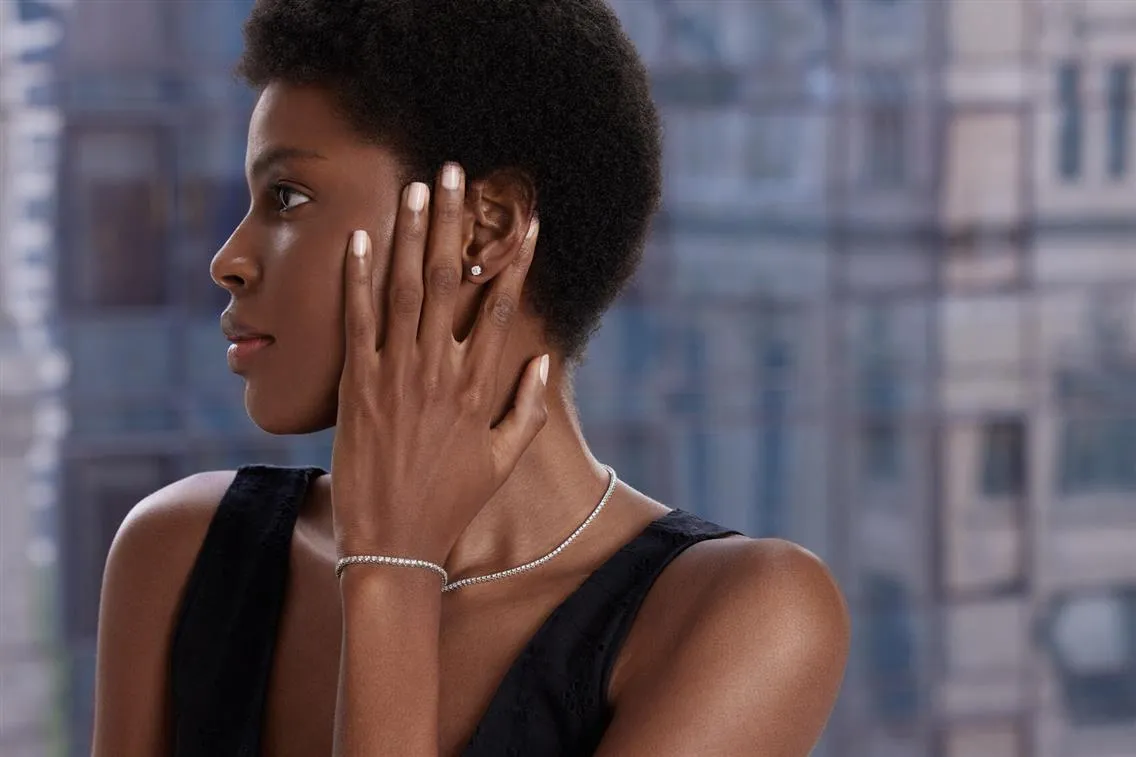
Luxury photography shows what owning a product feels like. What it signals. What world it belongs to. Hermès doesn't photograph a saddle. They photograph a specific relationship to craft, tradition, and understated wealth. Bottega Veneta doesn't shoot a Cassette Bag. They shoot a point of view on contemporary luxury that feels knowing, quiet, and exclusive.
This matters because photography directly controls three things: how much people believe a product is worth, how much they're willing to pay for it, and whether they remember the brand exists next season. Get it wrong and it's just another brand asking for premium prices without the visual authority to support them. Get it right and the images do the selling before anyone reads a single word.
For a broader look at visual content strategy for luxury brands, including how visual direction separates luxury from mass-market positioning: How Luxury and Mass-Market Brands Differ in Visual Strategy
What Defines Luxury Product Photography
Luxury product photography operates at a level where technical perfection is assumed, and the challenge lies in creating emotion without losing discipline. A luxury image has to perform two roles at once: it must sell through precision and persuade through feeling.
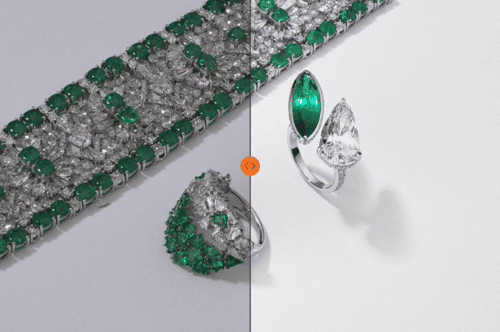
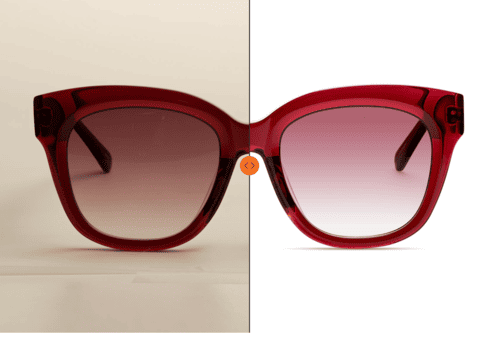
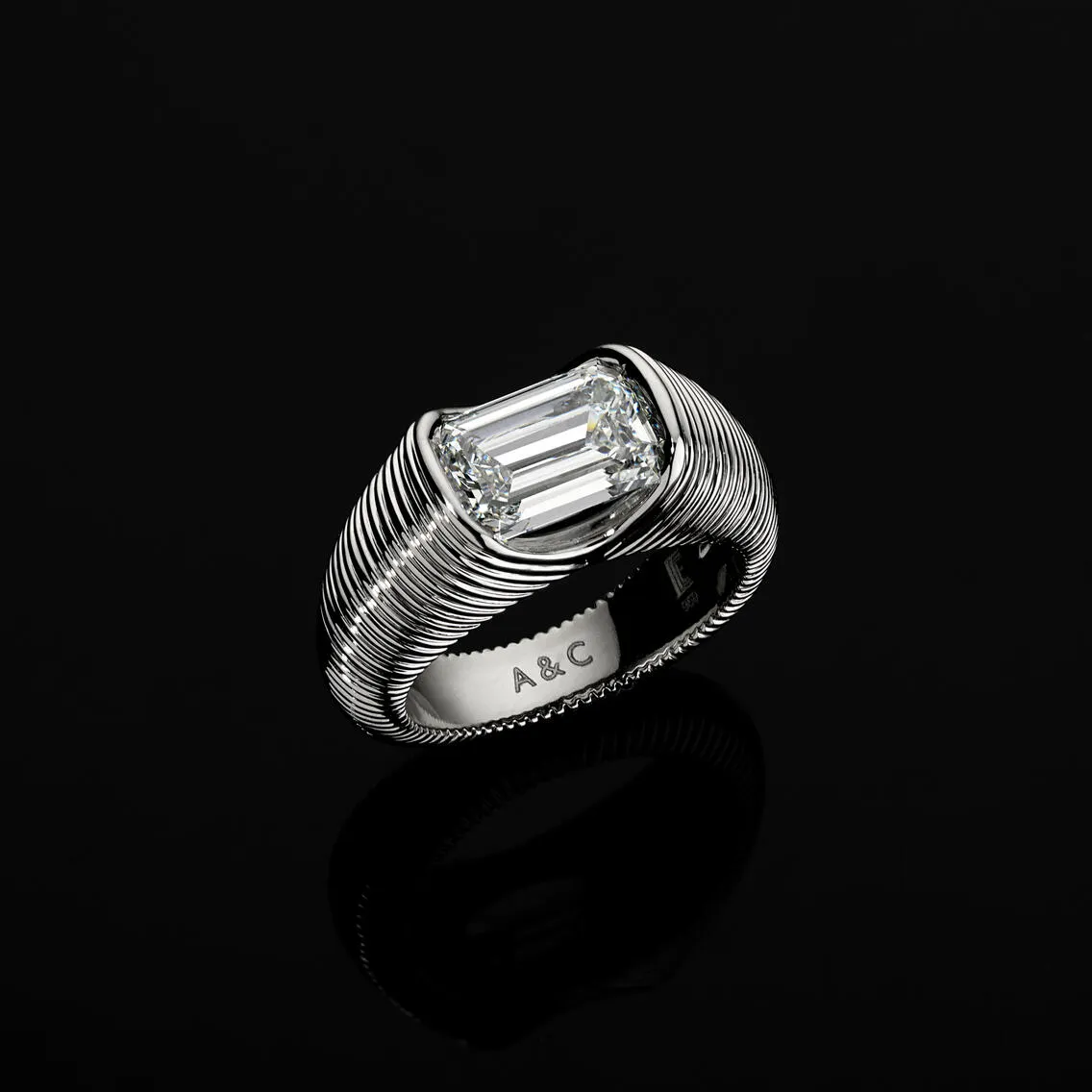
The lighting, color balance, and post-production all exist to serve one thing and this is the product’s inherent value. The goal is to reveal. When a material is truly premium, the photographer’s job is to honor it. Every reflection, gradient, and edge transition needs to communicate craftsmanship, not trend.
Fine photography as the foundation
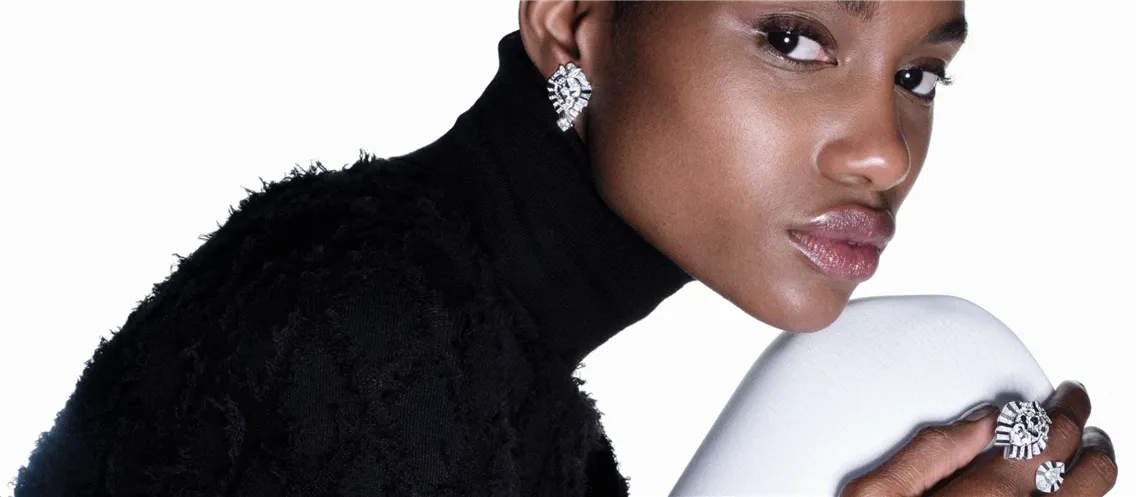
Luxury imagery borrows heavily from the discipline of fine photography, and that foundation matters. Most top-tier photographers working in this space came from art schools, studied composition, light theory, or even painting. That education trains the eye to think beyond exposure and focus. It builds sensitivity to proportion, rhythm, and visual silence, the same qualities that define timeless design. This is why every LenFlash photographer holds a degree in fine photography, ensuring that the work we produce is grounded in the same discipline and artistic rigor that shapes the industry’s best.
In luxury photography, this artistic literacy shows up everywhere. The frame is built, not improvised. The photographer understands how a curve interacts with negative space, how texture carries emotion, and how minimalism only works when it’s intentional.
Every detail is controlled: surface cleanliness, texture balance, microcontrast. There’s never anything accidental in a great luxury frame. The background tone is measured, highlights sculpted, and color accuracy treated as brand identity.
That’s why fine product photography feels quiet. It doesn’t fight for attention, but still holds it. It leaves breathing space, allowing the product to speak, not scream. The artistry is invisible, but unmistakable.
Why luxury photography is difficult and expensive to produce
Producing this level of control is not about hiring a skilled photographer. It requires a full team: art director, set designer, lighting technicians, stylists, and retouchers who understand how different materials behave. Photographing silk, glass, metal, and skin each require a different lighting setup, different tools, and different post-production logic.
A single luxury image might involve half a day of adjustments. The difference between acceptable and exceptional often comes down to a one-degree light shift or a subtle change in reflection angle. Multiply that across a campaign and the scale of expertise, timing, and budget becomes clear.
Luxury imagery costs more because it demands orchestration. Every department must align to one creative vision, one tone, one texture standard. It's the same reason a couture garment takes hundreds of hours of labor. Precision doesn't scale cheaply.
The Role of Art Direction in High-End Photography
Art direction is the architecture of visual storytelling. In luxury, it's what separates a set of images from a brand world. You can have perfect lighting, flawless retouching, and a stunning subject, but without coherent direction the result is just noise. Luxury visuals need hierarchy, rhythm, and emotional consistency. That's what art direction provides.
An art director doesn't think in single frames. They think in systems: tone, narrative, character. They define the reason behind every frame — how the product should make the viewer feel, how light defines its character, and how color and texture carry the brand's DNA. The decision to shoot a perfume bottle in fog or a watch in architectural light is not a styling choice. It is a statement about brand identity.
A brand with defined art direction doesn't rebuild its visual identity each season — it compounds recognition over time. For a deeper look at how creative and art direction differ in commercial photography and how each contributes to brand equity →
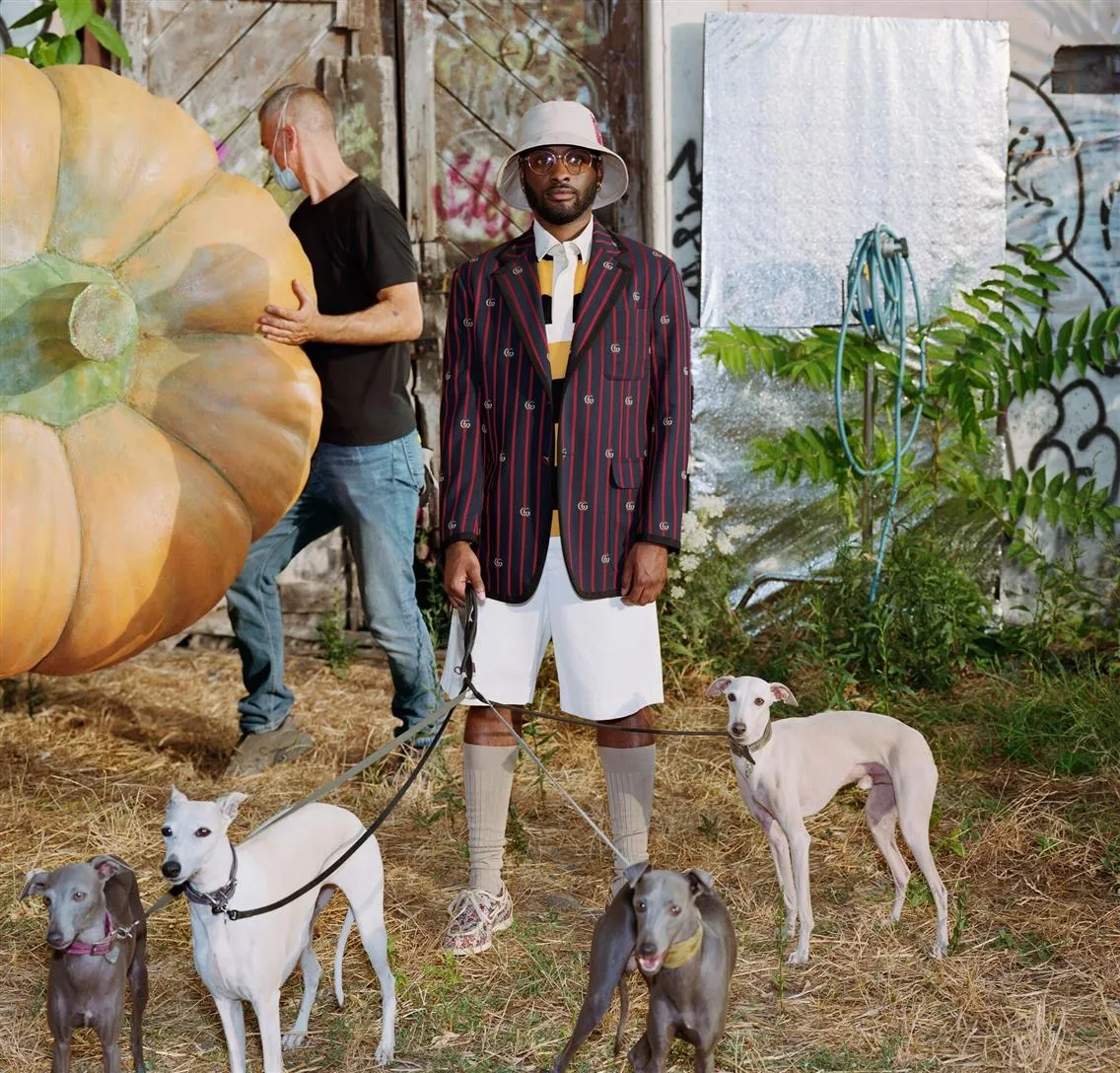
Visual direction in practice: Chanel, Gucci, and Bottega Veneta
These three brands demonstrate what it looks like when visual direction becomes philosophy rather than aesthetic preference.
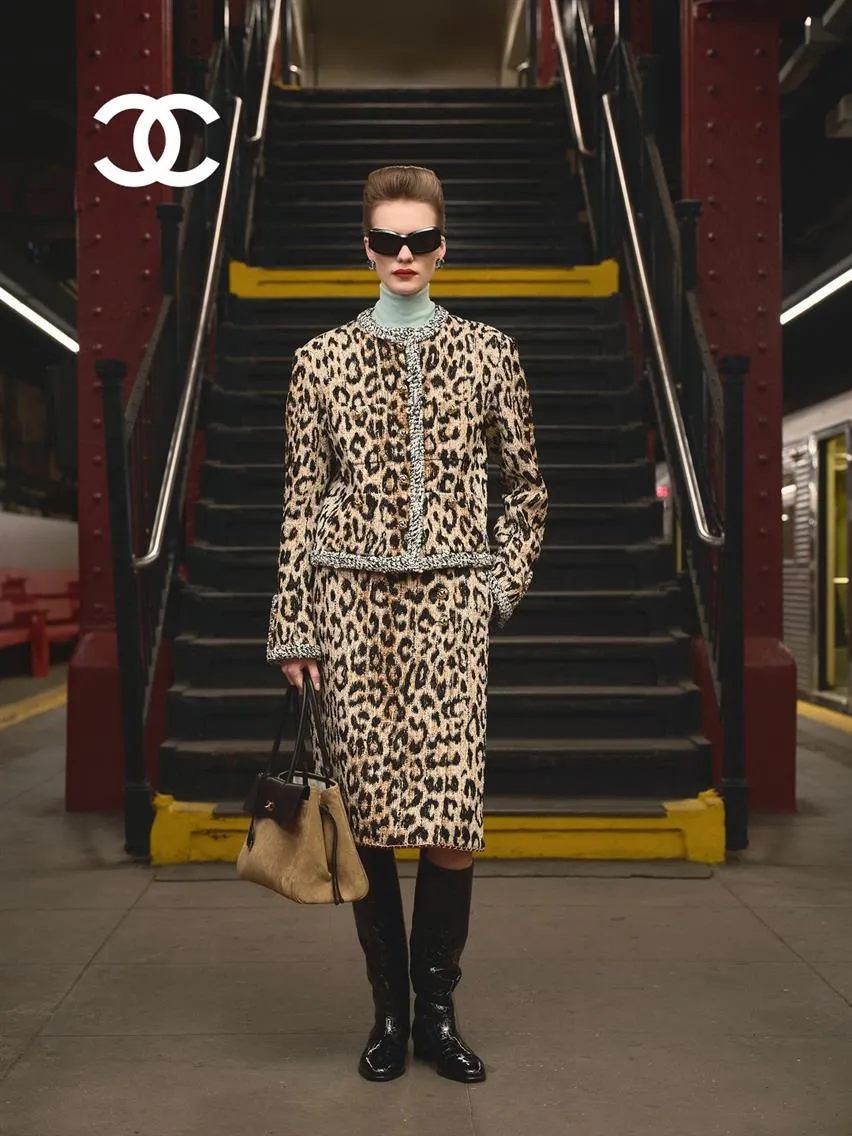
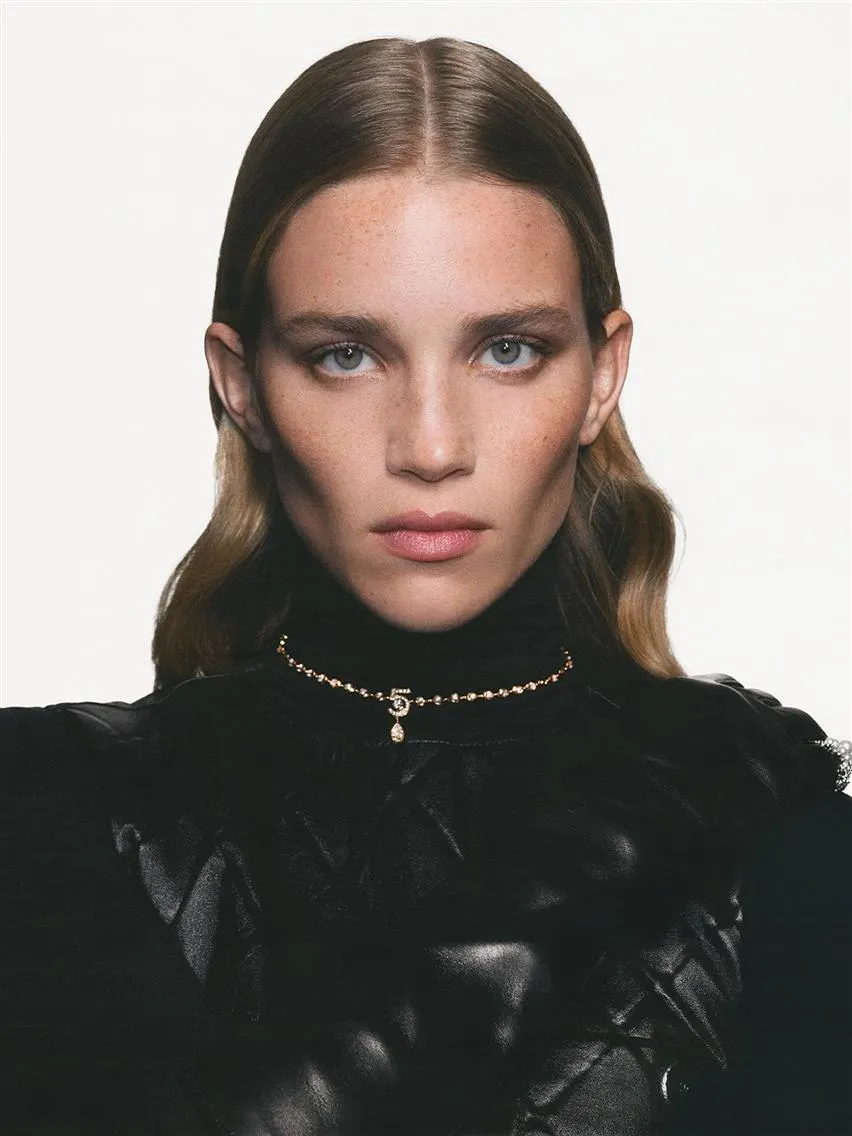
Chanel’s universe is all about composure and proportion. Light feels clean and intelligent, never indulgent. The mood mirrors the brand’s quiet self-assurance.
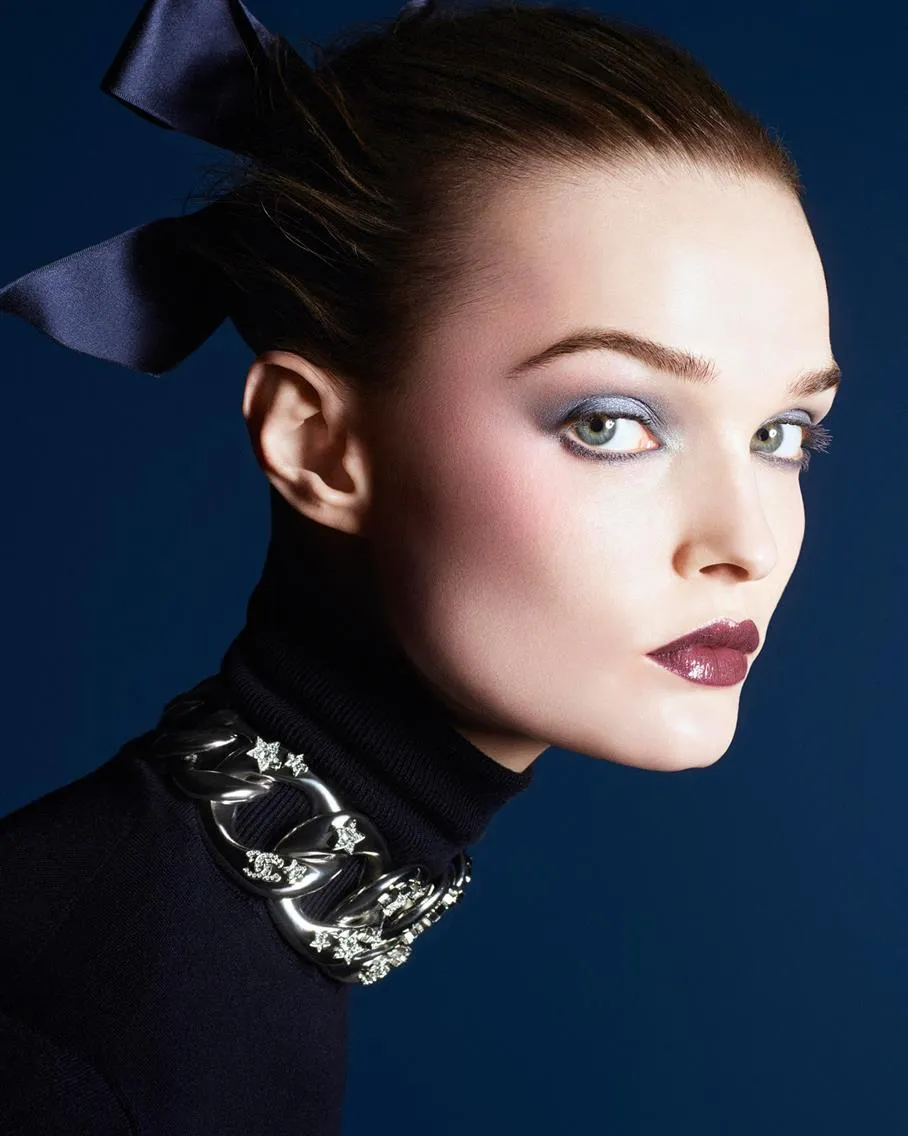
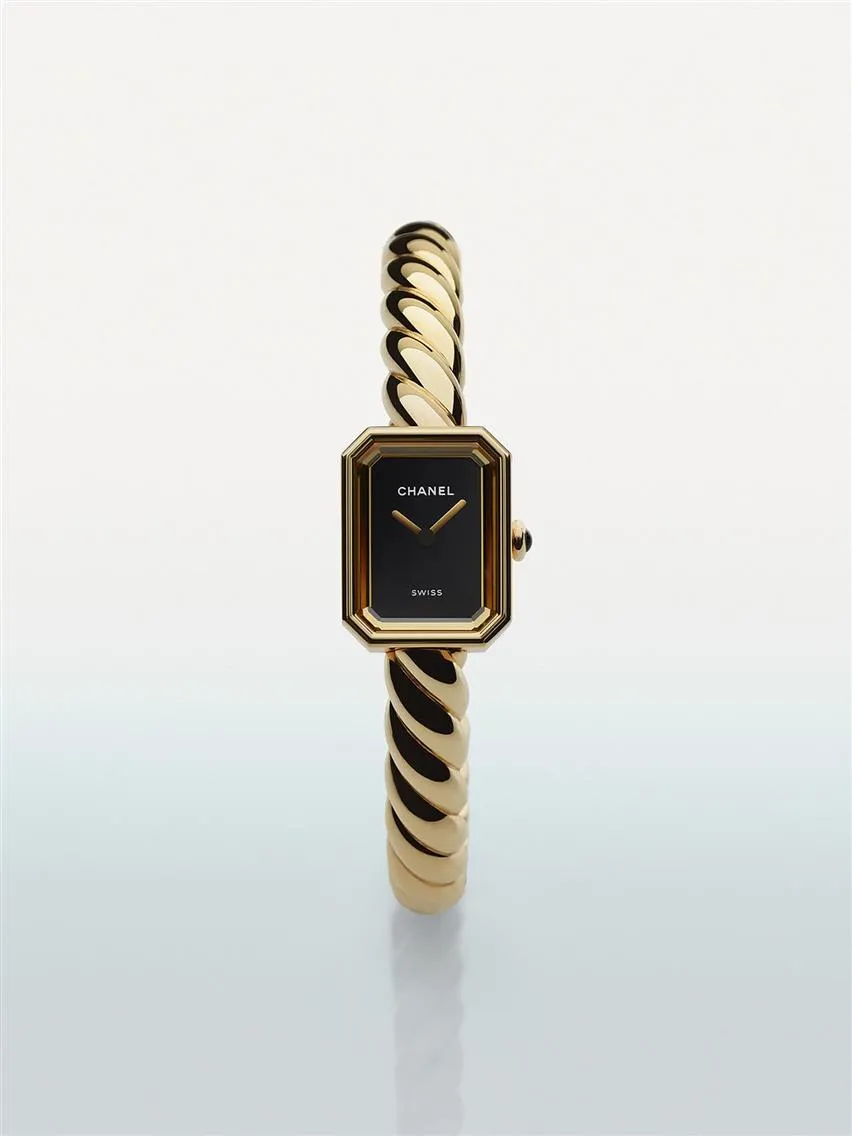
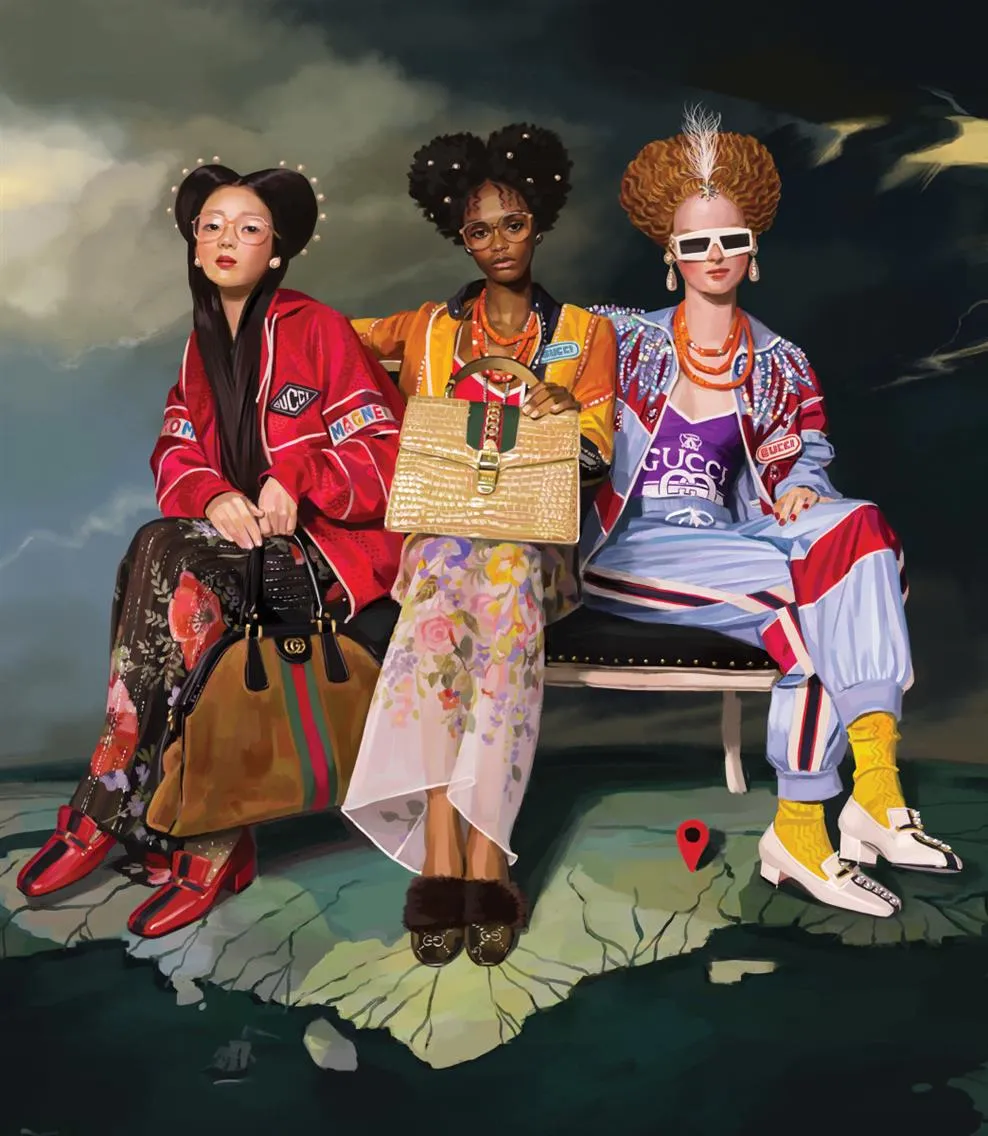
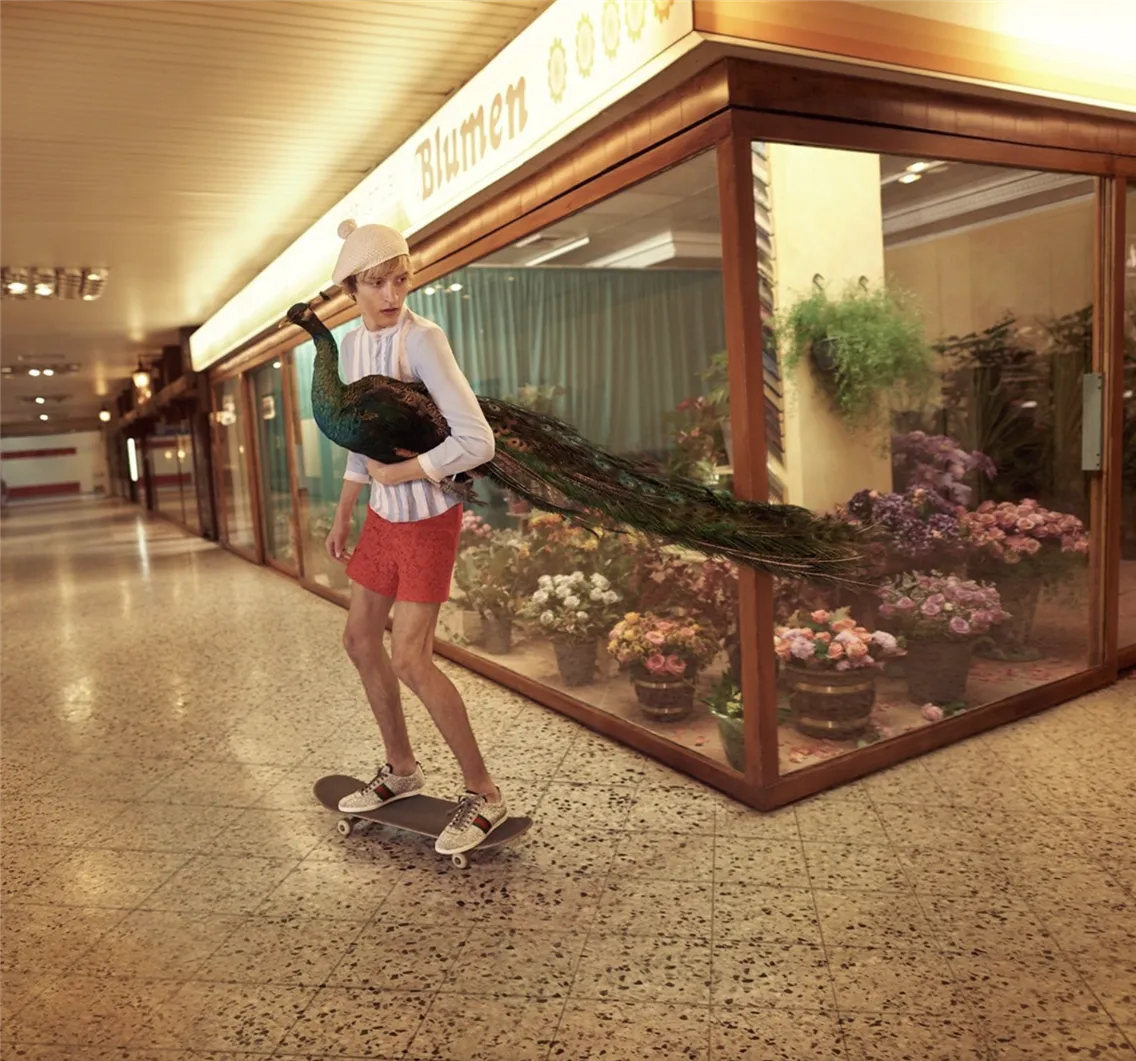
Gucci, under Alessandro Michele, went the opposite way — maximalist storytelling, saturated frames, deliberate chaos. The visual excess was still directionally consistent because it was rooted in a single idea: individuality.
Bottega Veneta speaks through silence. The tone is architectural, the compositions built like still-life paintings. The absence of noise is the message.
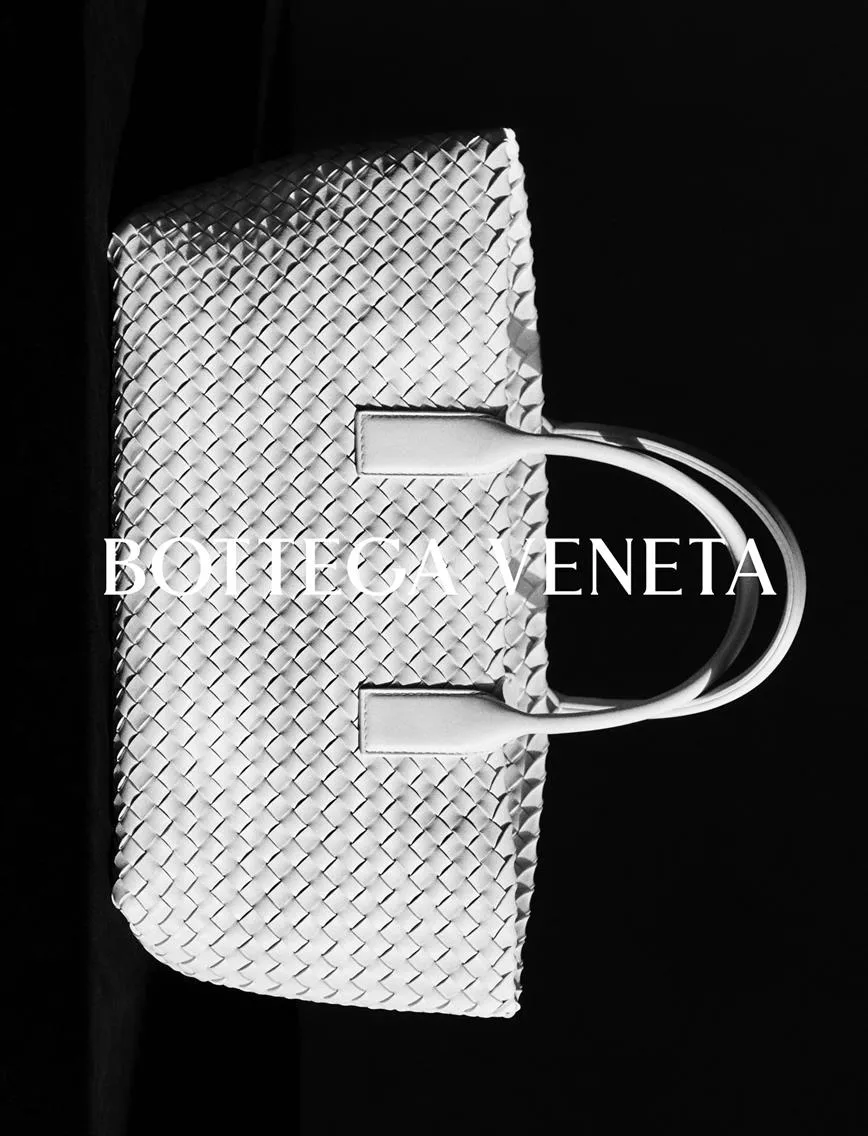
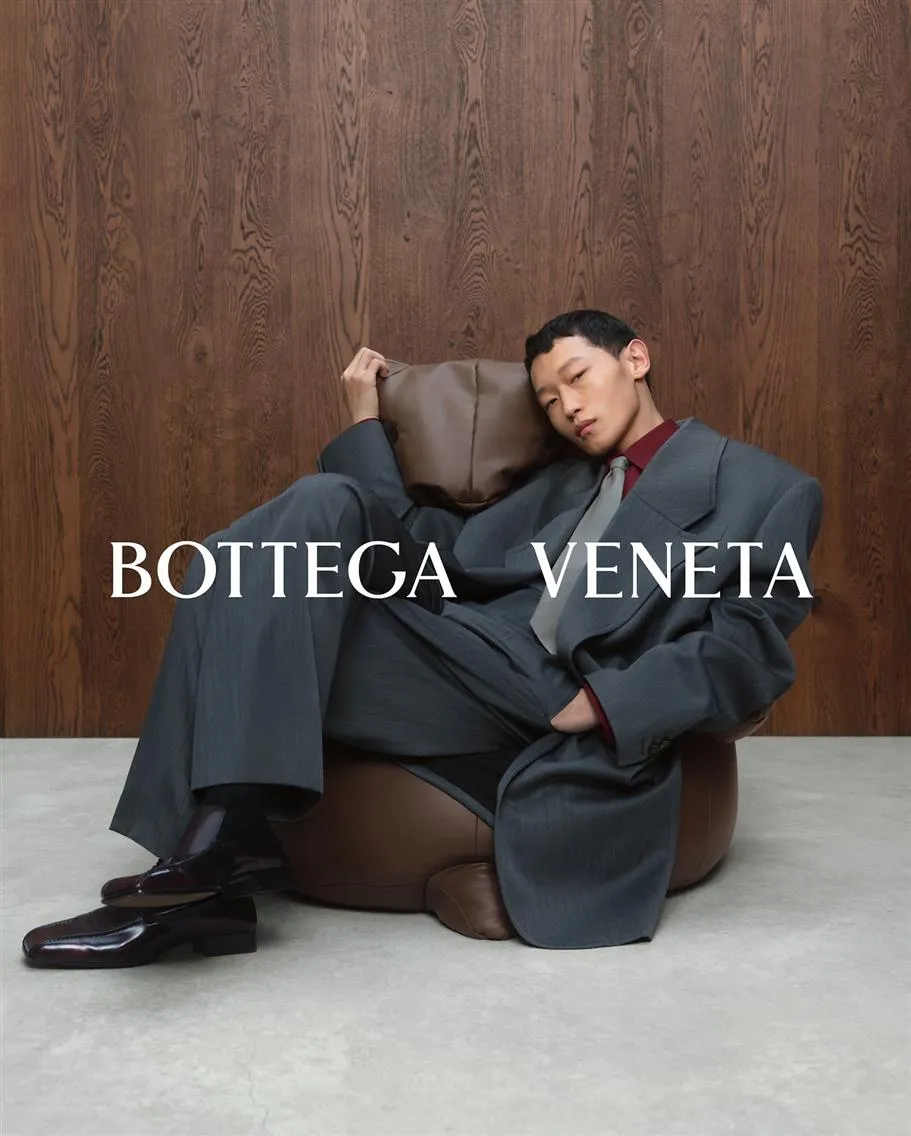
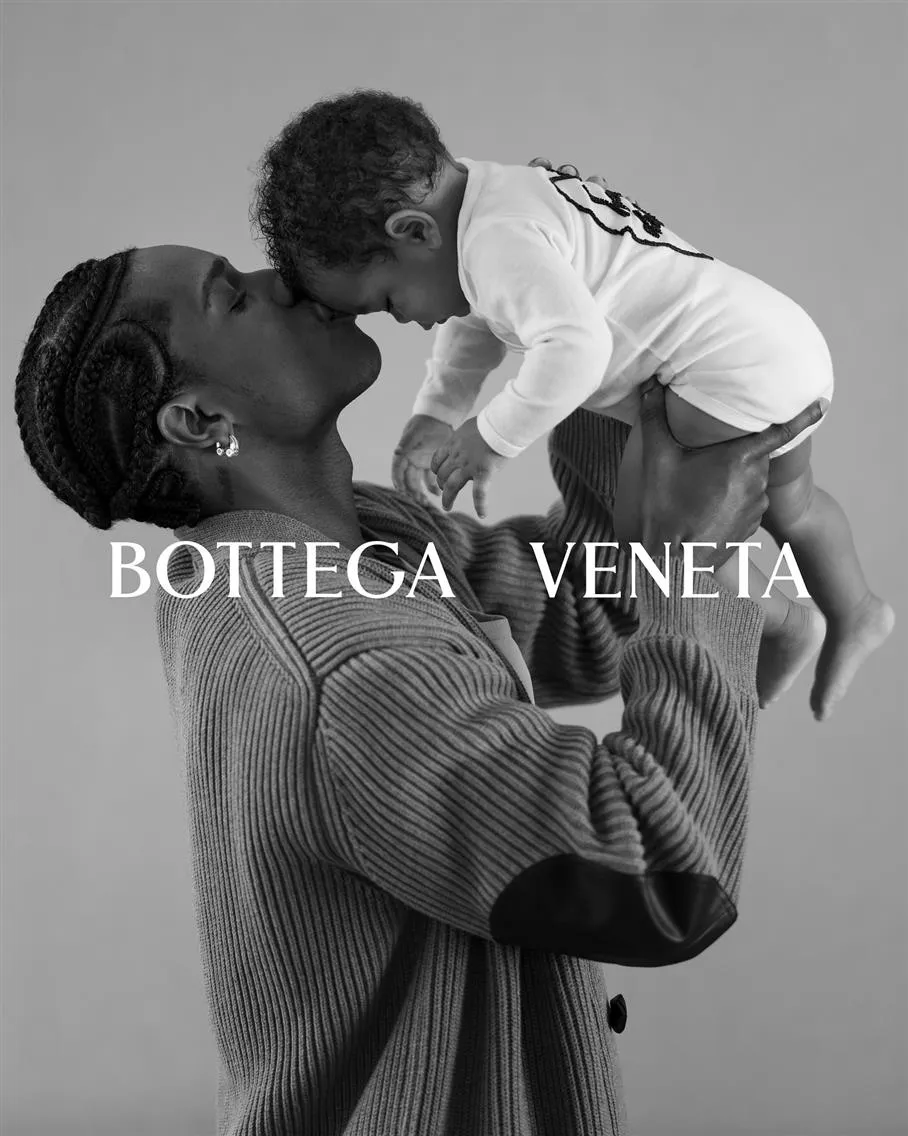
Each of these brands demonstrates the same core principle: in luxury, visual direction doesn't follow aesthetics — it defines them. The photography isn't illustrating the brand. It is the brand.
The Cinematic Approach at Luxurious Photography Studios
Every project begins with concept and mood, then moves through pre-lighting, prop styling, and technical tests before the first frame is captured. Nothing happens by chance.
A team operates like a film crew: photographers, lighting designers, stylists, and retouchers work in sync, each focusing on precision within their layer of the process. The coordination is what gives the final image its cinematic feel: detailed, structured, and emotionally consistent.
Luxury imagery requires that level of production management. The timing, hierarchy, and technical accuracy mirror what happens in a film production, and so do the expectations. When lighting, styling, and post-production all align under a single art direction, the result feels immersive and unmistakably premium.
At LenFlash, the studio is structured as a production house. Every project follows a defined creative process under a singular vision, so the final images carry the consistency that luxury brands require across every channel they appear in.
Convenient Photography Production Workflow for Busy Brand Teams
Luxury brands move quickly: new collections, capsule drops, collaborations, pre-orders. The visuals must match that rhythm without losing the precision that defines the brand. Production workflow matters as much as creative direction. A brilliant image loses its value if it takes weeks to deliver, gets lost in feedback loops, or arrives out of sync with campaign timing.
Precision in execution
Luxury clients expect from their creative partners the same level of organization they demand from suppliers and manufacturers. This means clear pre-production schedules, punctual delivery, and proactive communication. A high-end studio is not a space for creative improvisation. It is a precise production ecosystem.
At LenFlash, each project follows a structured flow: pre-production consultation, styling, shooting, editing, retouching, quality review, revisions, and delivery. Deadlines are commitments. Campaigns, catalogs, and social drops stay synchronized with brand calendars.
Feedback and revisions are managed through LenFlash Cloud, where clients can review images, approve selections, and request adjustments directly within their project environment. Files are versioned, organized, and accessible to the entire brand team in real time. For global teams with multiple departments involved — creative, eCommerce, PR — centralizing feedback prevents conflicting edits and visual drift.
Integrated production without overhead
Building luxury visuals with a patchwork of freelancers almost always breaks visual consistency. Each specialist brings a different tone, and without someone overseeing the whole process, the brand ends up with images that look like they came from multiple vendors.
An integrated studio solves this. At LenFlash, creative direction, photography, styling, and post-production operate under one roof, following the same visual brief and lighting standards. This alignment creates the visual coherence that professional brands require. Decision-makers don't micromanage the process — the studio functions as an extension of the brand team, translating the creative vision into structured, predictable execution.
When to bring the studio in
Luxury campaigns are rarely spontaneous. The earlier a studio joins the process, the better the creative control. Bringing in the production partner at the concept stage allows lighting, materials, and set design to be developed in harmony with the campaign mood. It prevents expensive reshoots caused by unclear expectations or technical limitations discovered after production begins.
Involving the studio early turns production from a reactive service into a creative partnership.
Cost of Luxury Product Photography
Luxury photography is labor- and knowledge-intensive. The investment covers not only creative talent but also the infrastructure that makes precision repeatable.
The cost typically reflects:
- Creative direction — developing the concept, mood, and brand alignment.
- Team expertise — art director, producer, photographers, stylists, lighting designers, retouchers, and project managers.
- Location, set design and materials — backgrounds, surfaces, and props carefully sourced or built for each shoot, location rental costs are astronomical both outdoors and indoors, especially in NYC and LA.
- Equipment — high-end cameras, macro lenses, and calibrated lighting systems.
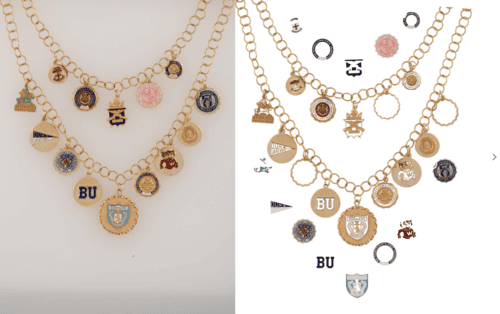
- Post-production — advanced retouching that protects texture fidelity and material realism.
A single shot may require hours of lighting tests or days of micro-adjustments in post. That’s why high-end imagery is less about “per image” pricing and more about what that image does for brand positioning and long-term sales.
Cutting corners here often backfires. Poor lighting or over-retouched textures instantly reduce perceived value, even if the viewer can’t explain why. For a luxury brand, that visual inconsistency translates directly to lost credibility and lower pricing power.
High-end photography should be treated as a brand investment, not an expense. When done well, it pays back in consistency, higher perceived value, and stronger conversions across all visual channels — from website to retail.
Affordable Alternatives: AI-Powered Photography by LenFlash
For smaller, niche, or emerging luxury brands, full-scale productions can feel out of reach. That’s where hybrid, AI-assisted workflows come in, not as a replacement for real photography, but as a complementary solution for scaling visual content.
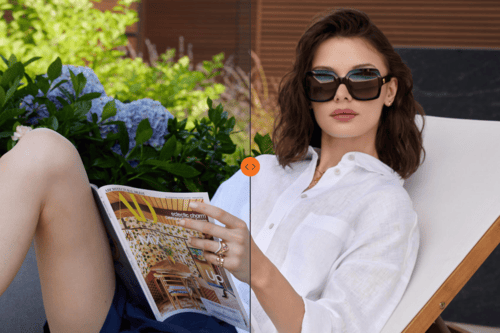
LenFlash developed an AI-powered approach that helps us to generate catalog, editorial, and lifestyle visuals in alignment with brand standards. The process starts with real product catalog shots: standalone shots, flat lays, or mannequin photos, which are then placed into cohesive AI-generated environments and realistic-looking models.
This hybrid system achieves two critical things:
- Consistency at scale. Every generated scene follows the same lighting and tone logic as the original photography.
- Creative flexibility. Brands can maintain visual freshness by producing lifestyle and editorial visuals regularly without the cost and logistics of full production.
It’s especially effective for lookbooks, e-commerce updates, and social storytelling. Our know-how AI workflow allows us to deliver cohesive, art-directed imagery that feels cinematic but remains accessible for smaller teams.
By combining human direction with AI precision, luxury photography becomes scalable. The craftsmanship remains; the process becomes smarter.
Luxury Product Photography FAQ
How is luxury product photography different from standard eCommerce photography?
Standard eCommerce photography focuses on accurate, platform-compliant representation of the product. Luxury photography adds a layer of emotional and aspirational communication — the image doesn't just show the product, it conveys the value system the brand represents. The production process, team size, and post-production standards all reflect that difference.
What’s included in luxury product photography services?
A full luxury production includes concept development and art direction, pre-production planning, on-set styling and lighting design, photography, post-production retouching, and delivery through a structured review process. At LenFlash, all of these stages operate under one roof.
Does luxury photography work for emerging brands?
Yes. The principles of luxury photography — material fidelity, deliberate composition, visual coherence — apply regardless of brand size. The production scale adjusts to budget. A smaller team executing a clear creative direction produces stronger results than a large team working without one.
How much does luxury product photography cost?
Pricing varies depending on the complexity of the project, the number of products, and the level of creative direction required. Full-scale luxury campaigns with specialized setups, stylists, and retouchers typically start around the same range as small film productions. Smaller catalog sessions or AI-powered projects can be priced more flexibly.
How long does a luxury photography project take?
Turnaround depends on scope. Because LenFlash integrates photography, retouching, and delivery within one system (LF Cloud), approval cycles are faster and more transparent than in traditional multi-vendor setups.
Can AI replace real luxury photography?
AI cannot replicate the 100% authenticity of physical materials. However, it can expand your visual library by creating lifestyle or editorial scenes from real product photography.
LenFlash uses AI to build cohesive environments and variations that complement genuine photography, not replace it. The result is consistent, brand-true imagery at scale.