


Luxury Fine Jewelry Photography: What Actually Works
Luxury jewelry buyers make purchasing decisions at a distance, through a screen, without the physical experience of the piece. The photography is doing the work that a flagship boutique would normally do — communicating quality, heritage, and desirability through material evidence rather than atmosphere. When photography fails at this, the price point becomes harder to justify, not because the product is wrong but because the visual proof is absent.
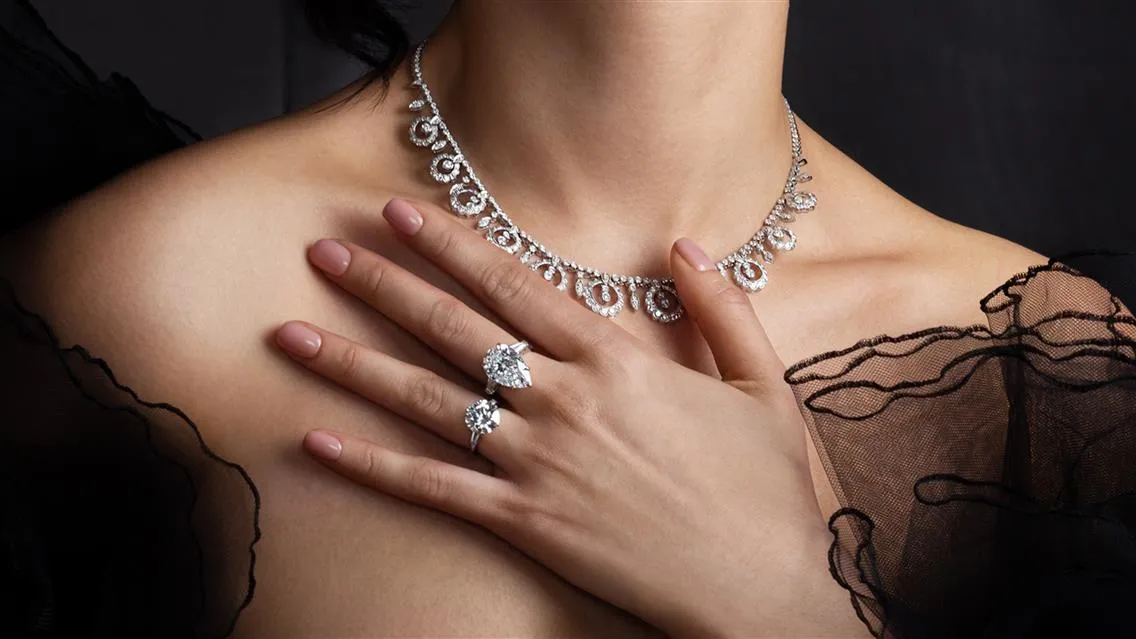
What follows is a breakdown of what that visual proof actually requires, technically and creatively.
Part of our complete guides: eCommerce Brand's Guide to Jewelry Photography and Luxury Product Photography: What It Is, What It Takes, and What It Costs
Why Generic Photography Damages Luxury Brands
Generic photography in the luxury segment does not simply fail to impress. It actively erodes trust. A discerning buyer who has handled real pieces in real stores has a calibrated sense of what fine jewelry looks like. Photography that misrepresents color, flattens material texture, or applies the same lighting approach used for mass-market products registers as a mismatch between the brand's stated positioning and its actual execution.
The most common failures:
- Color inaccuracy — yellow gold reading greenish, white metals reading blue-toned under incorrect light temperature
- Overlit surfaces — blown-out highlights that eliminate facet and setting detail
- Catalog inconsistency — one collection looking visually disconnected from another
- Over-retouching — stones appearing artificial because the facet behavior that demonstrates quality has been removed
None of these are dramatic failures. They are quiet ones — the kind a buyer cannot always articulate but registers as doubt.
Related read: What Defines Watch Photography from Product Photography
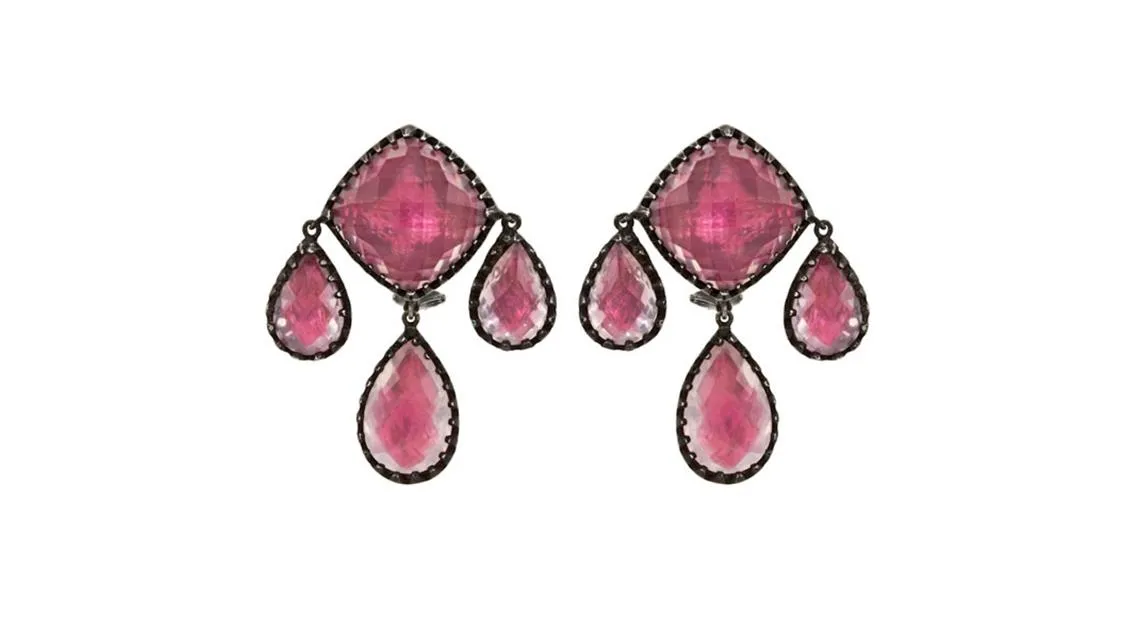
Signature Elements of Luxury Fine Jewelry Photography
Impeccable Visual Appeal and Detail
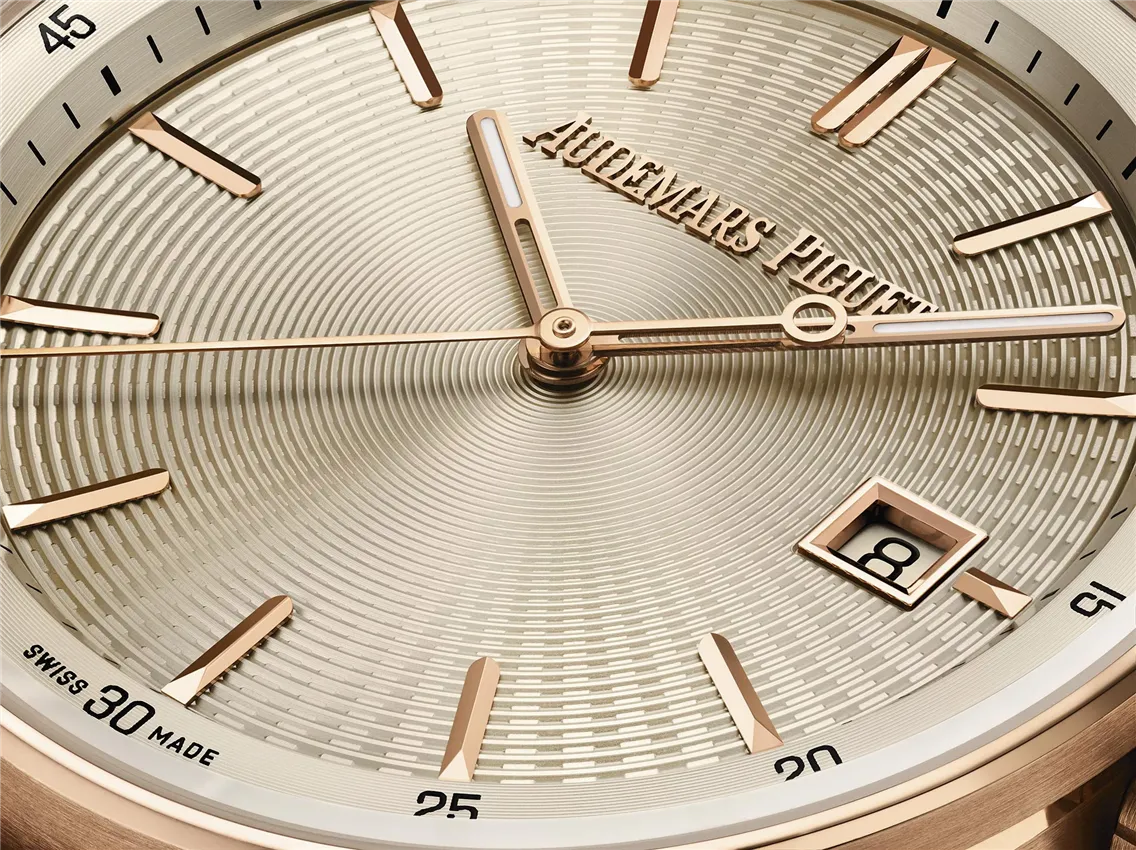
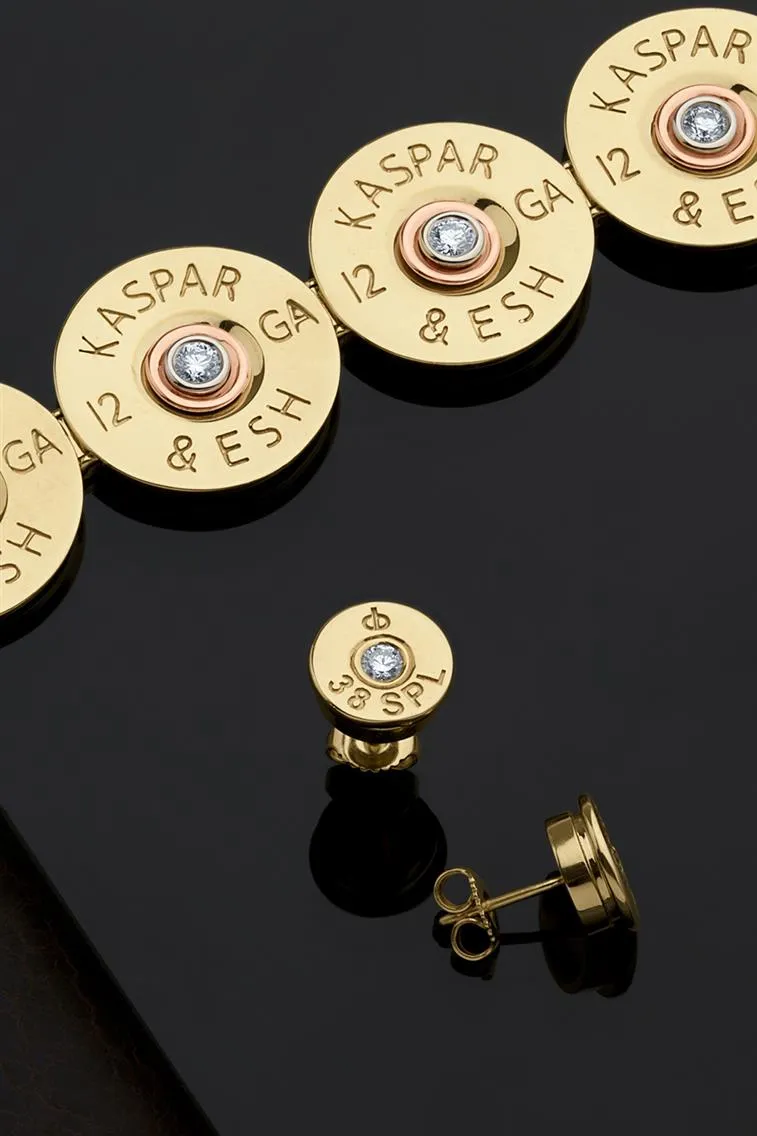
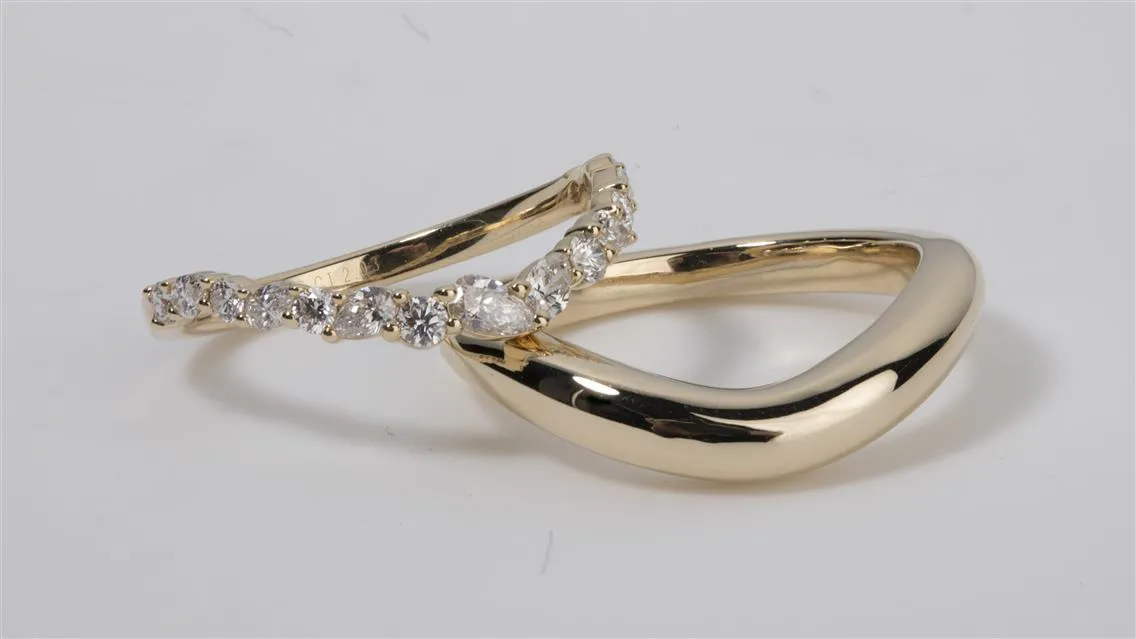
At the luxury level, there’s no room for approximation. Every image must be razor-sharp, with crystal-clear focus on the piece’s craftsmanship. Think of it as a virtual loupe for your customer.
- Facets, gemstone clarity, prong settings, engraving — all must be visible and tactile through the screen.
- Close-ups and macro shots aren’t just aesthetic — they build confidence and reinforce quality.
Luxury buyers expect this level of intimacy and transparency. It’s proof of authenticity and artisanship.
Consistent Brand Aesthetics
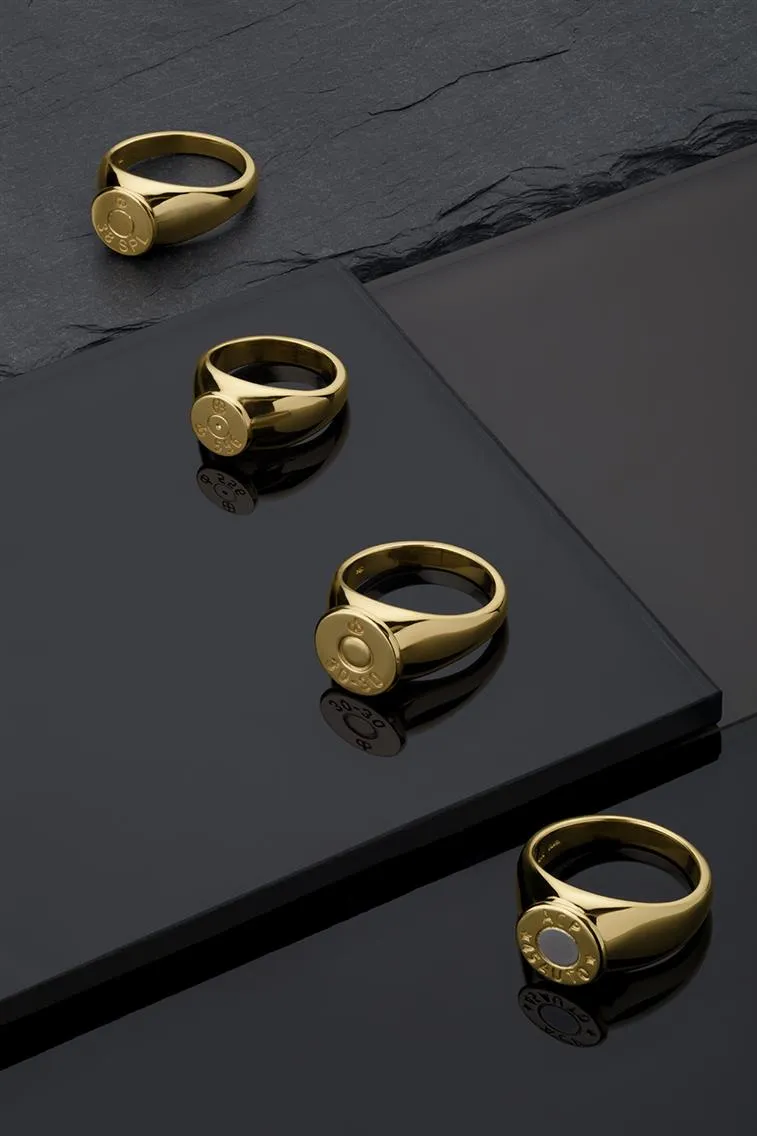
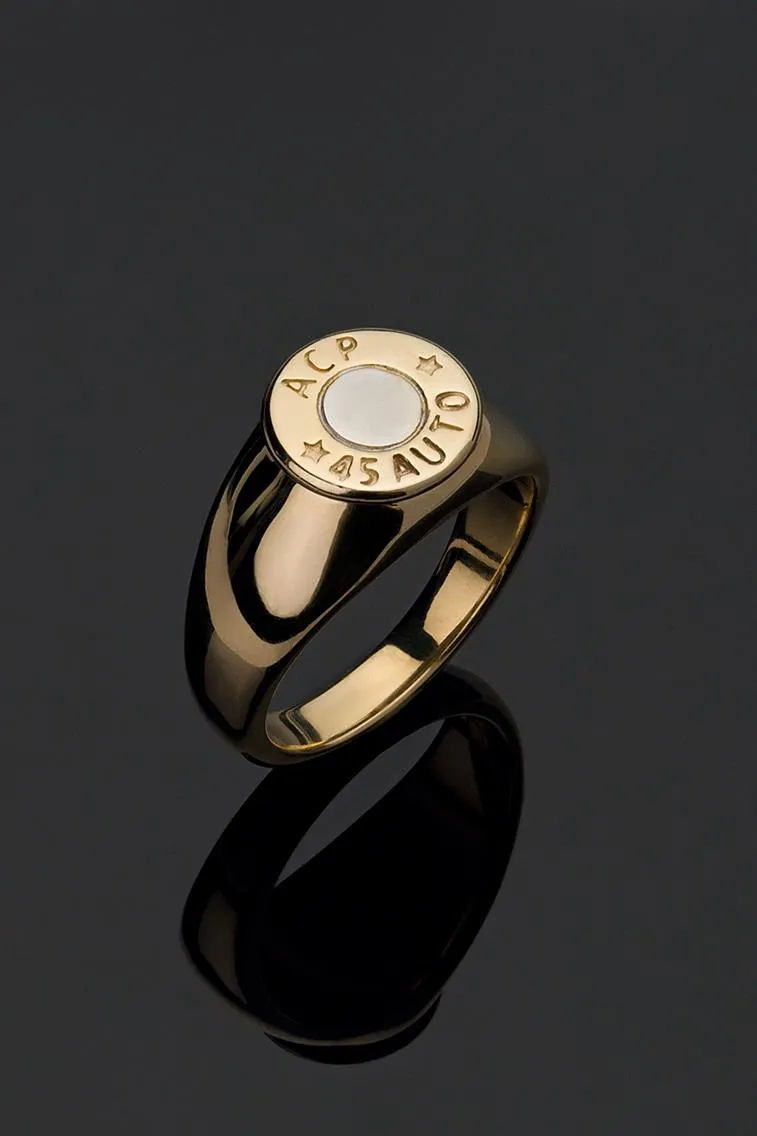
Your photography should look unique, unlike your competitors, and not like a generic template.
- Consistency in lighting, composition, and tone makes your collection instantly recognizable, even when viewed out of context.
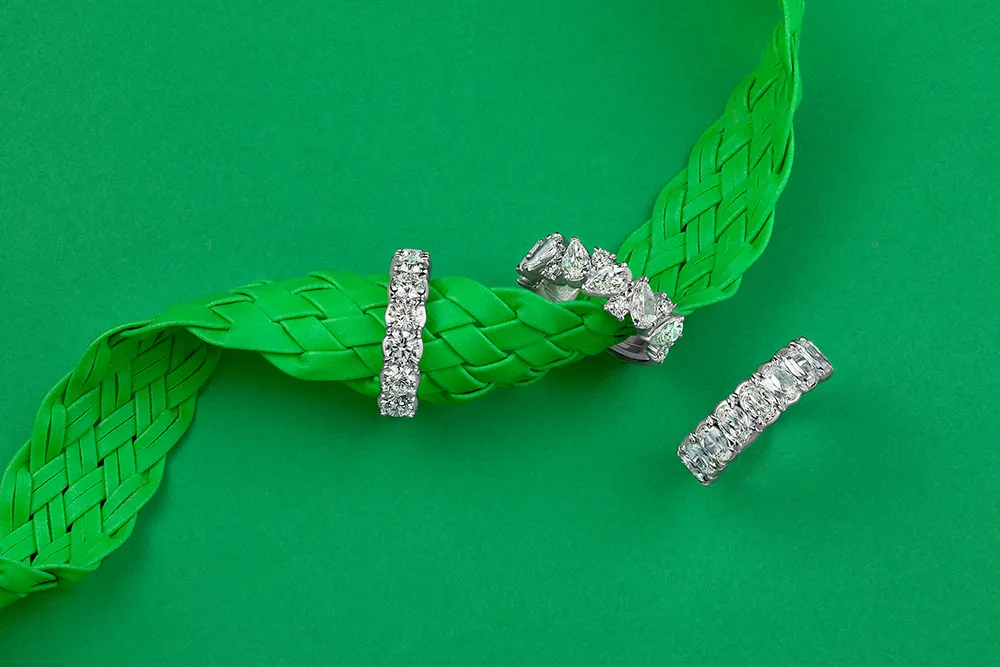
- Use signature elements: a recurring background material, a particular hue, a stylized hand position — all of these quietly tell your audience, you’re looking at our world.
When visuals are cohesive, they elevate brand memorability. When they’re scattered and inconsistent, they erode it.
Related read: Visual Branding for Jewelry Companies
Aspirational Storytelling
Luxury photography invites the buyer into a narrative. For example:
- An engagement ring shot on a velvet tray by candlelight.
- A delicate bracelet slipped on before a formal event.
- Everyday fine jewelry paired with a luxurious but attainable morning ritual.
These photos become emotional entry points by letting the buyer imagine owning the piece and the lifestyle that comes with it. Aspiration is a powerful sales tool, and photography is how you fuel it, visually.
Sophisticated Styling and Backgrounds
Every texture and surface in your frame influences perception.
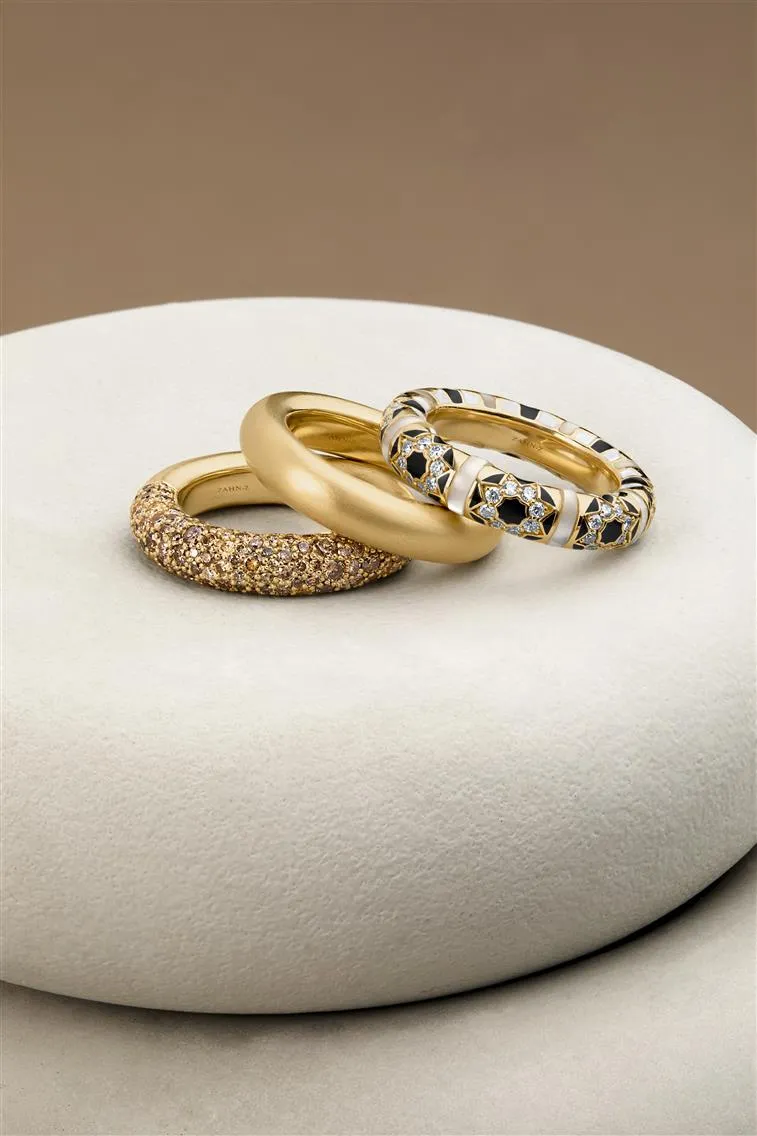
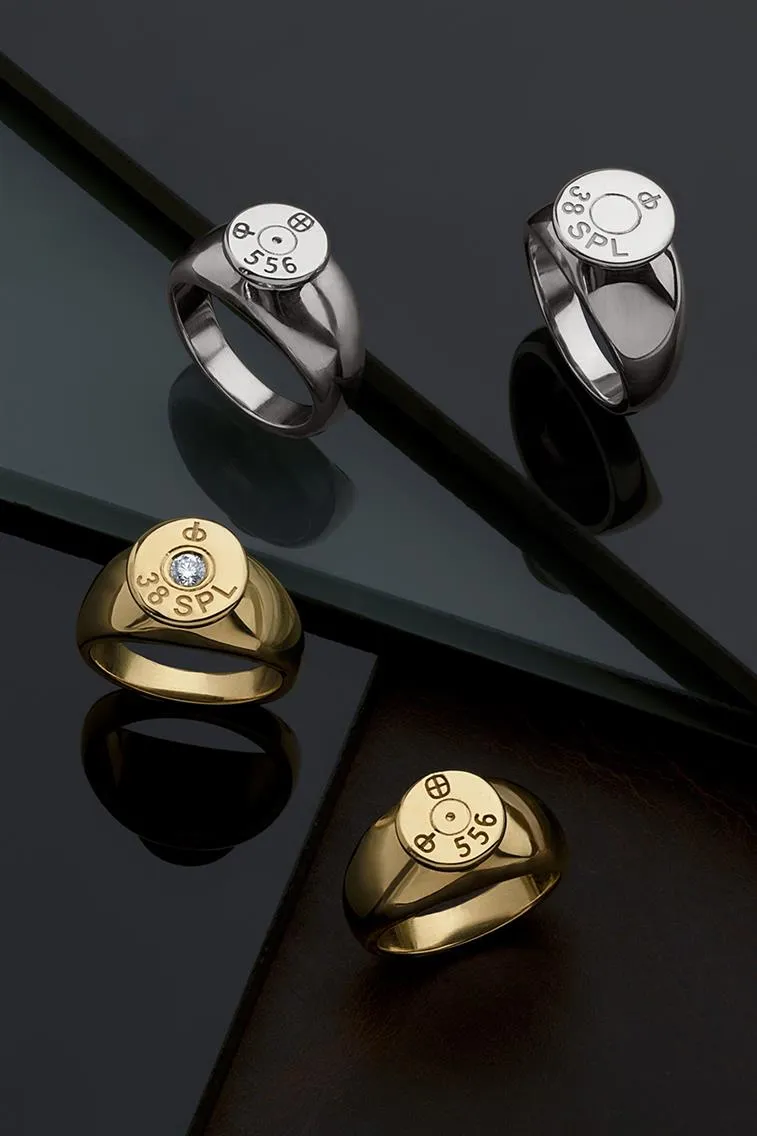
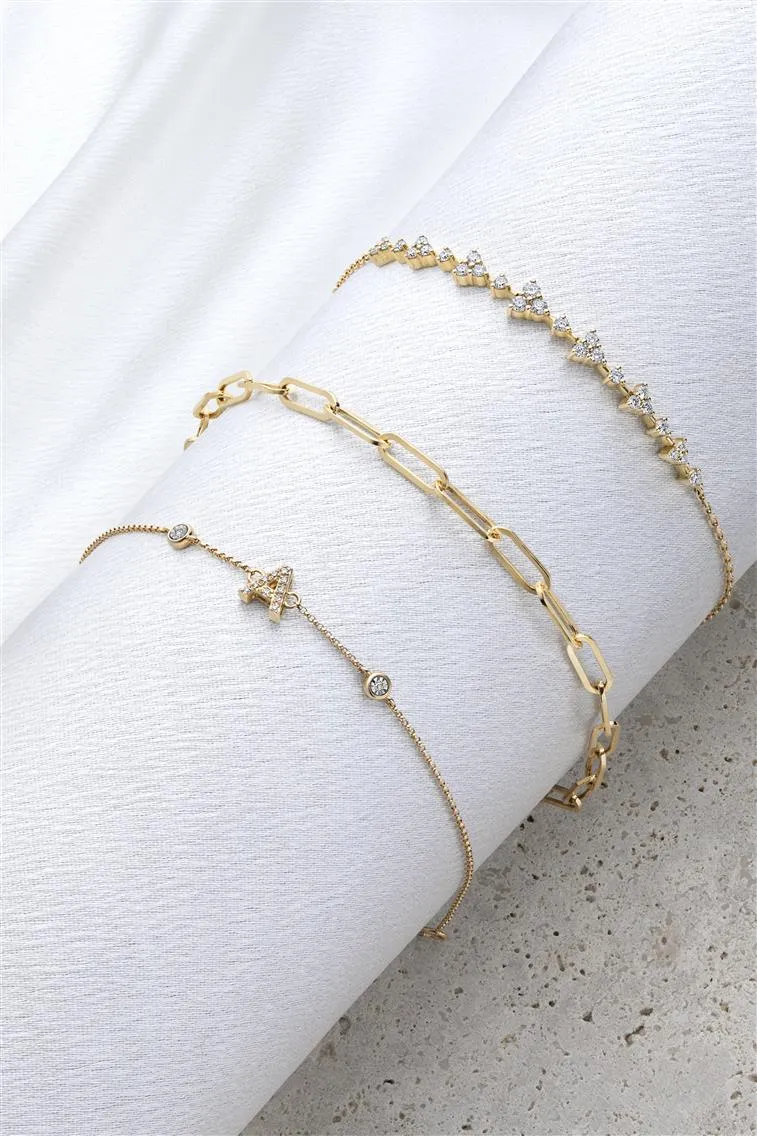
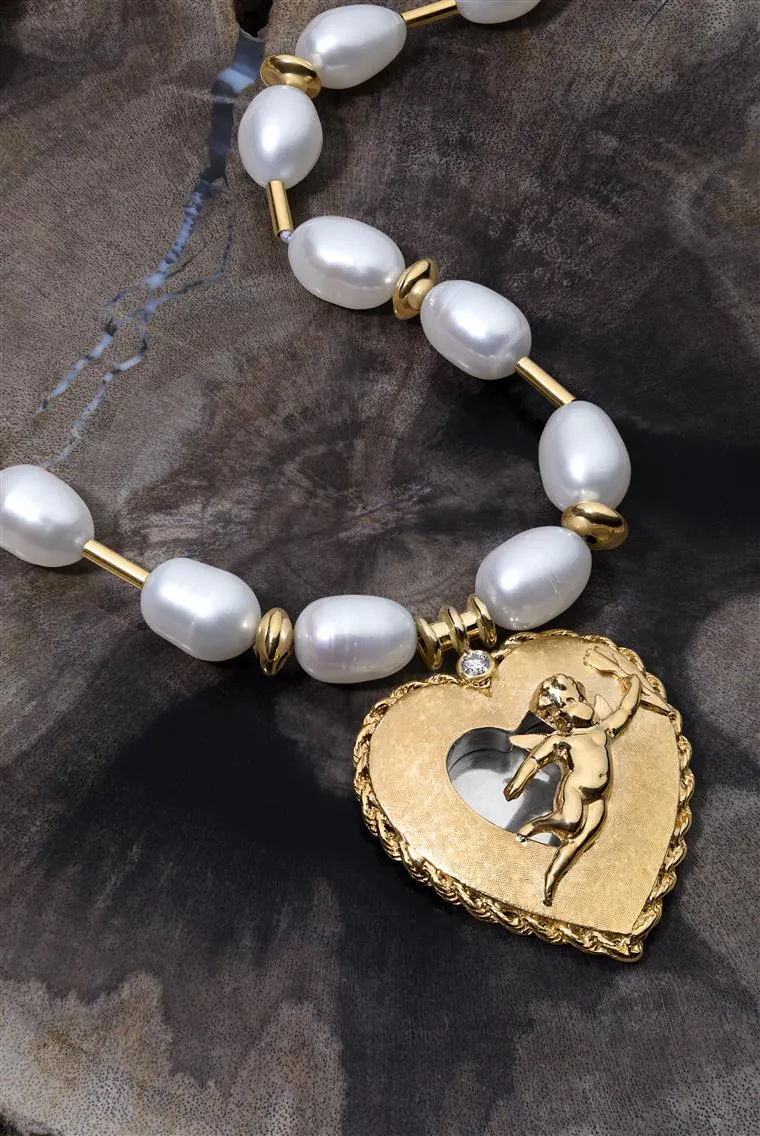
- Velvet in your brand color, Italian marble, silk drapes, hand-made ceramic trays — these aren’t just beautiful props. They’re strategic cues that suggest exclusivity, artistry, and value.
- But balance is everything. The styling should always frame the product, not compete with it.
For bold or intricate pieces, minimalist backgrounds often work best. For heirloom or editorial pieces, layered materials can elevate depth and mood.
Controlled Lighting and Reflections
Light is one of the most powerful tools in luxury photography — and one of the easiest to misuse.
- Harsh reflections or blown-out highlights can cheapen even the most expensive piece.
- Instead, opt for soft, diffused lighting in your creative direction to enhance shimmer without overpowering.
- Strategic highlights can draw attention to the most valuable or intricate areas — a stone’s depth, a metal’s polish, a rare texture.
Human Element and Lifestyle Context
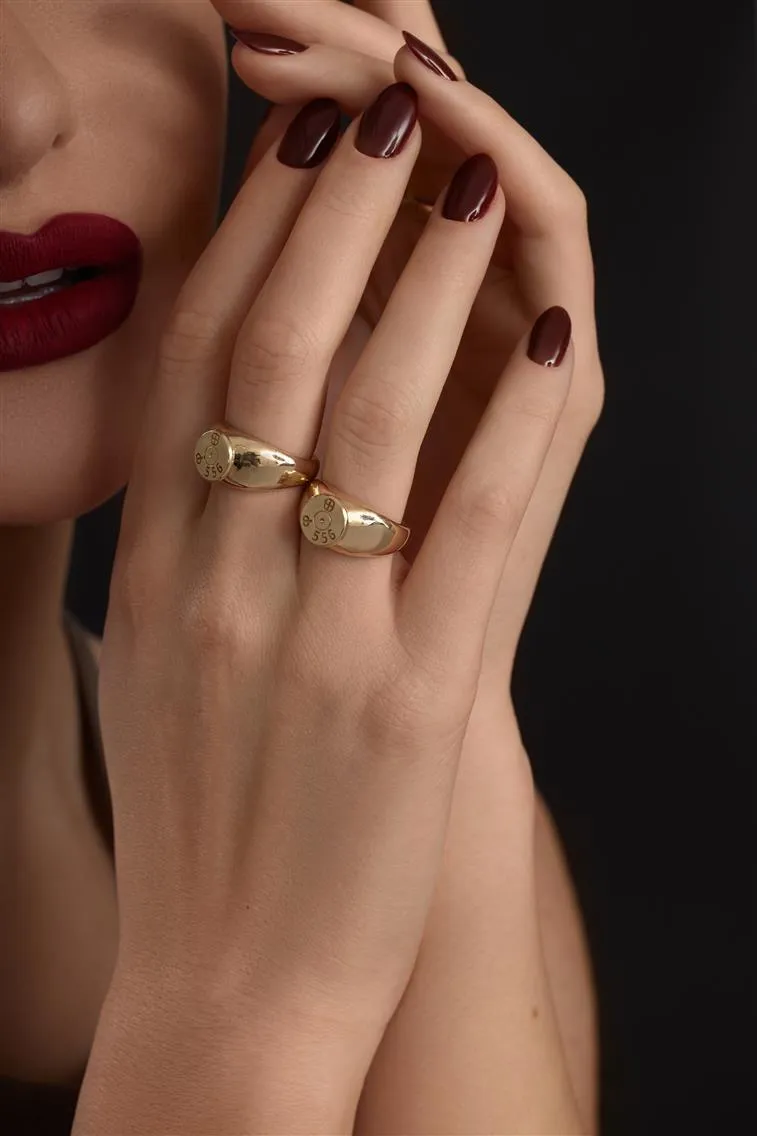
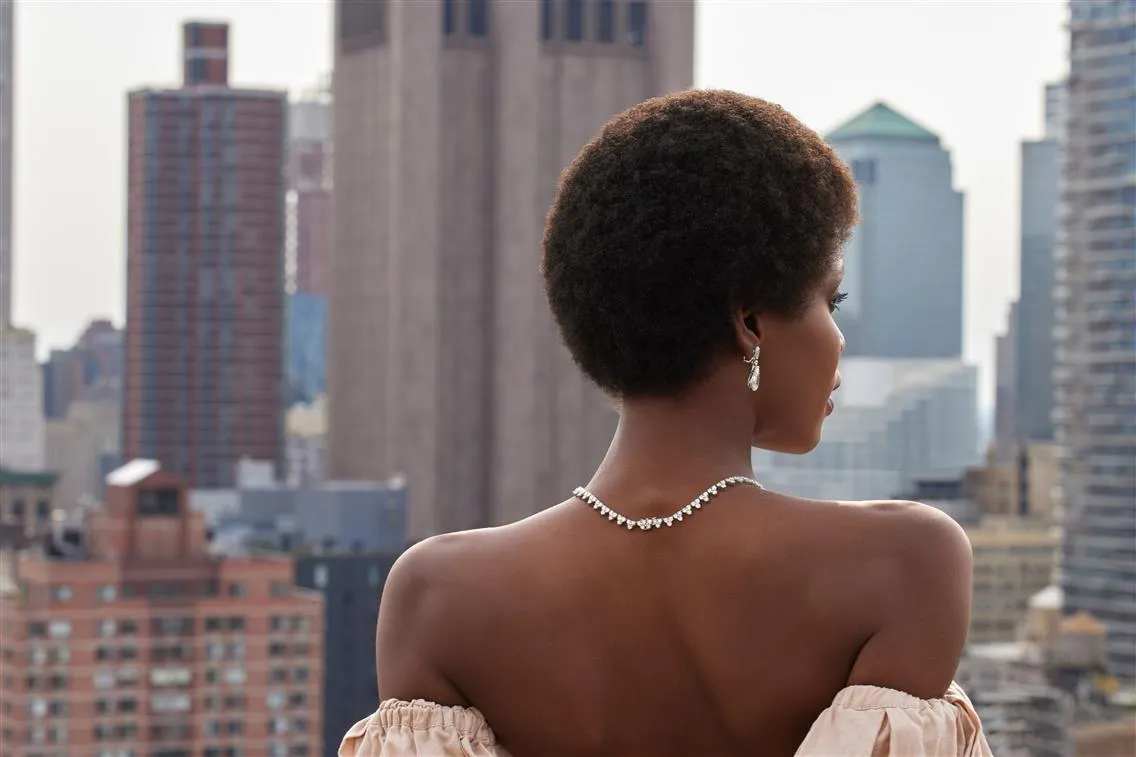
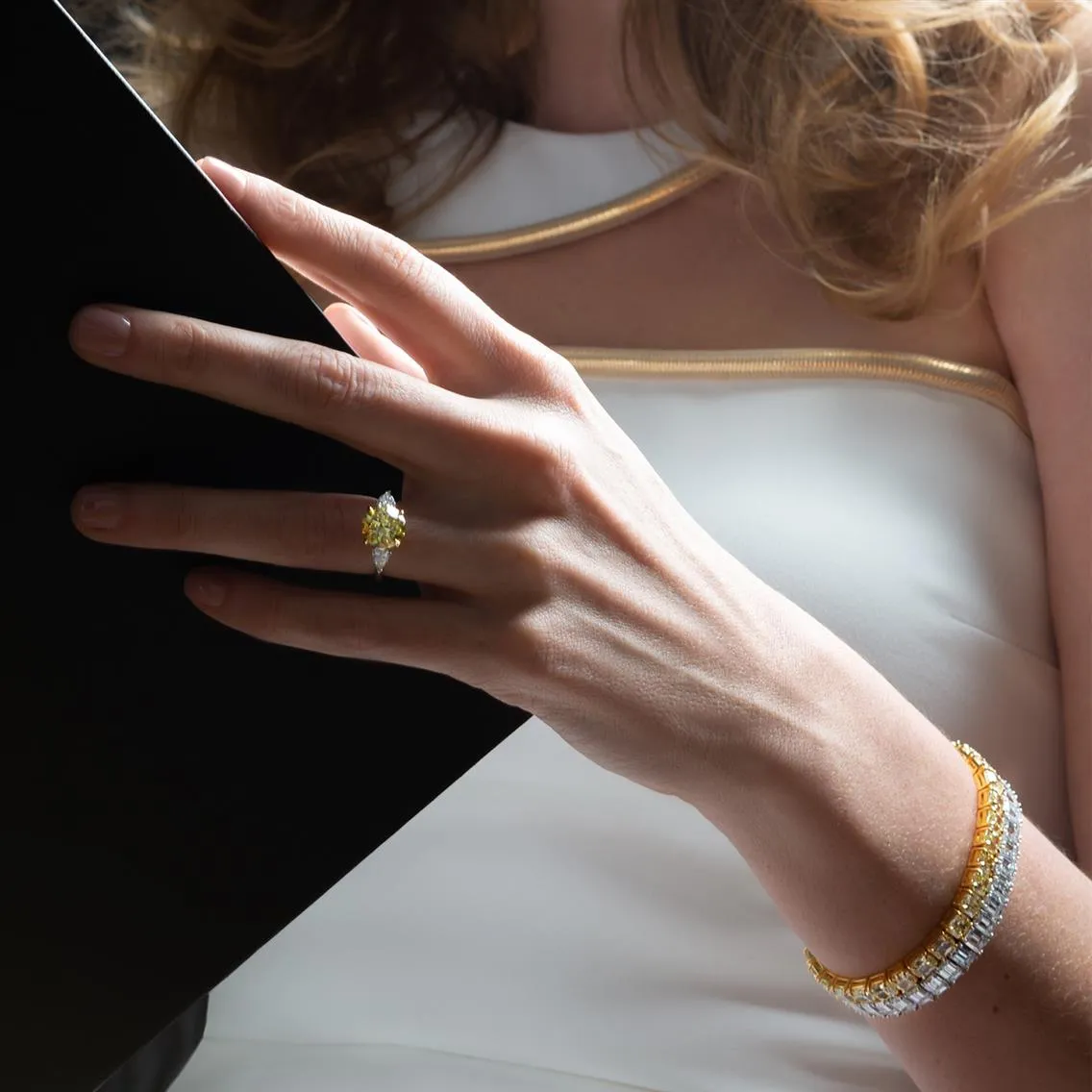
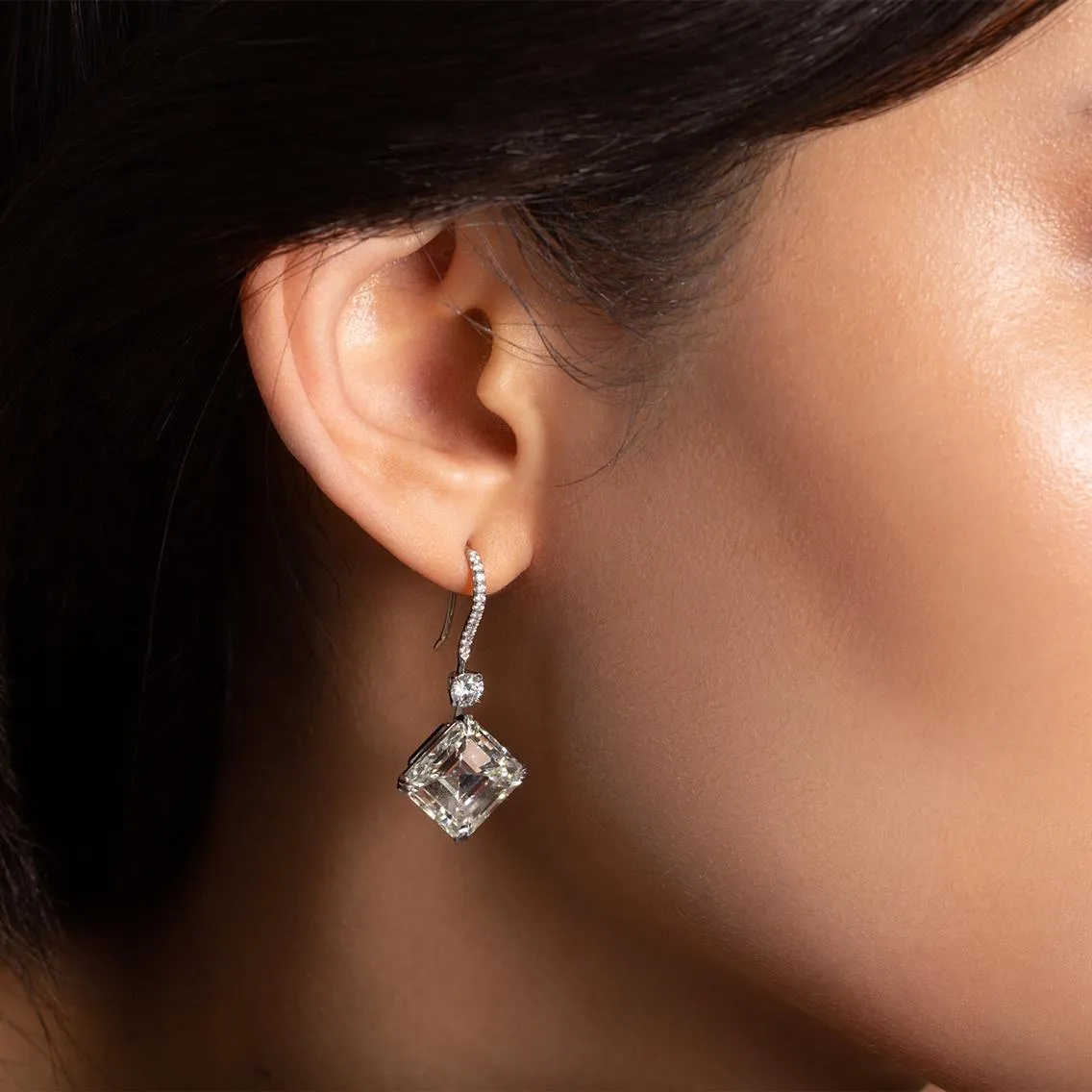
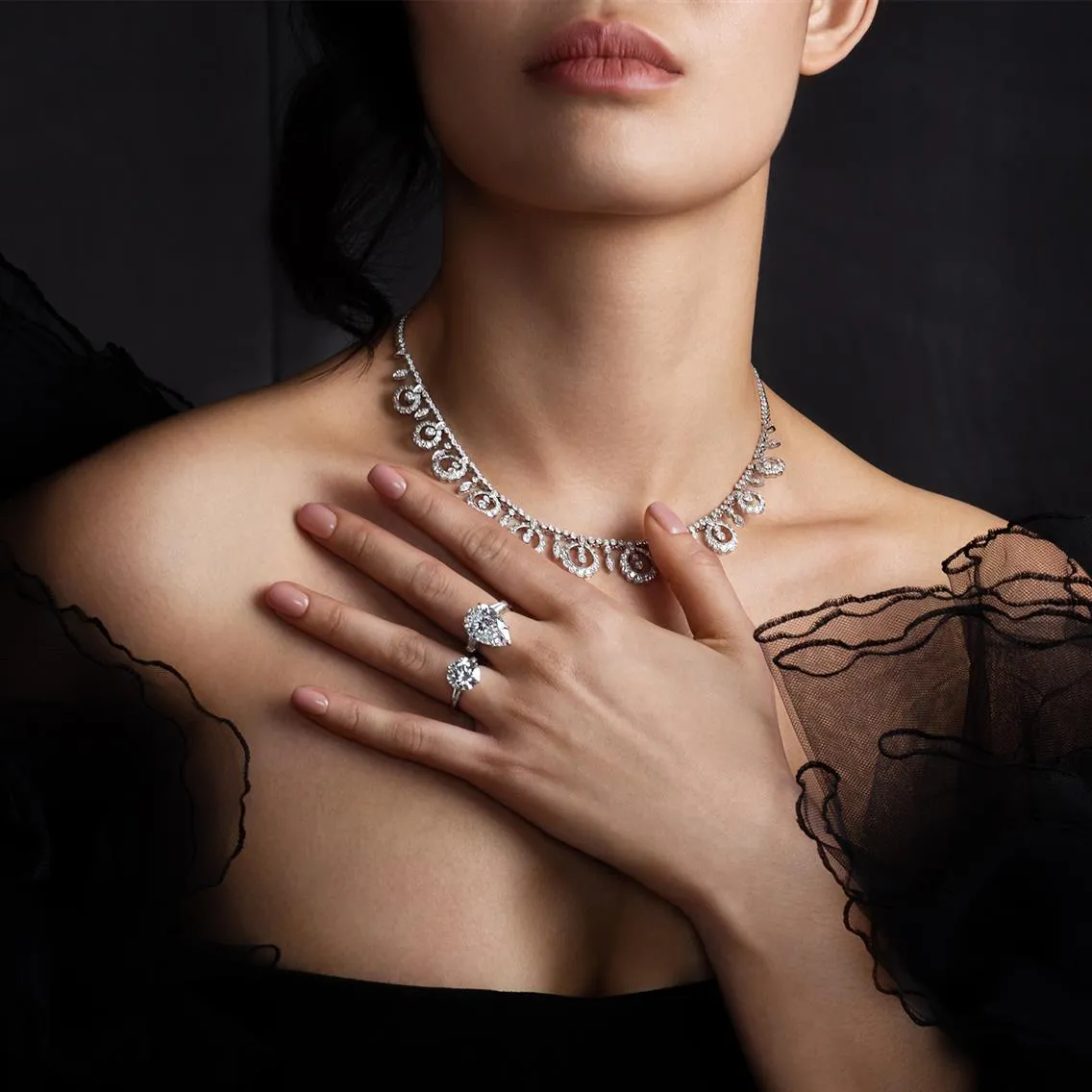
Nothing sells a piece like seeing it worn, but not just worn. Felt.
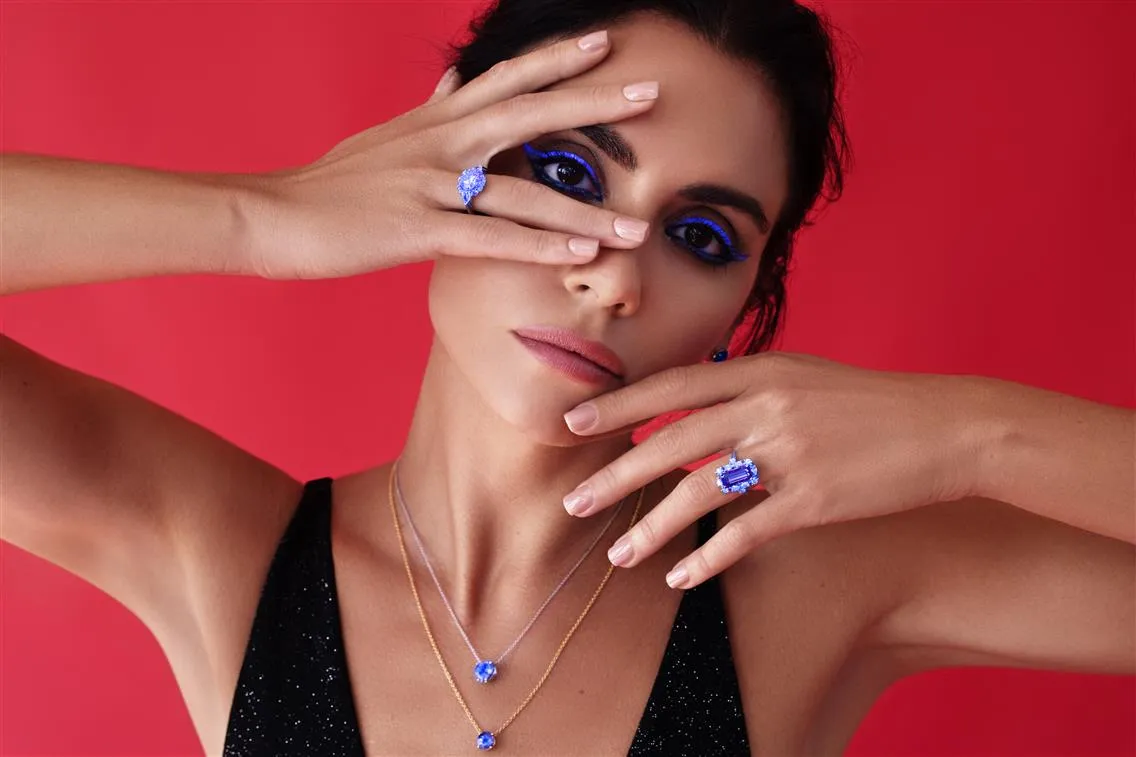
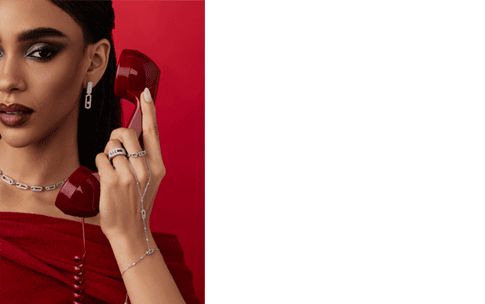
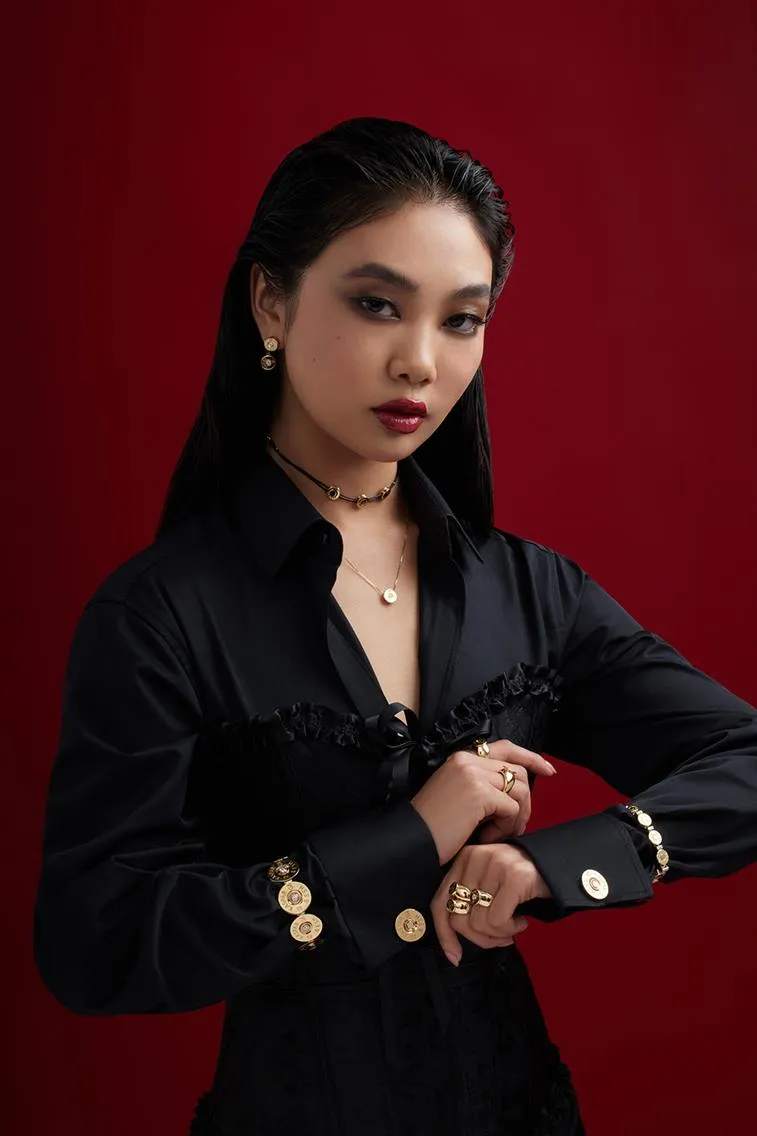
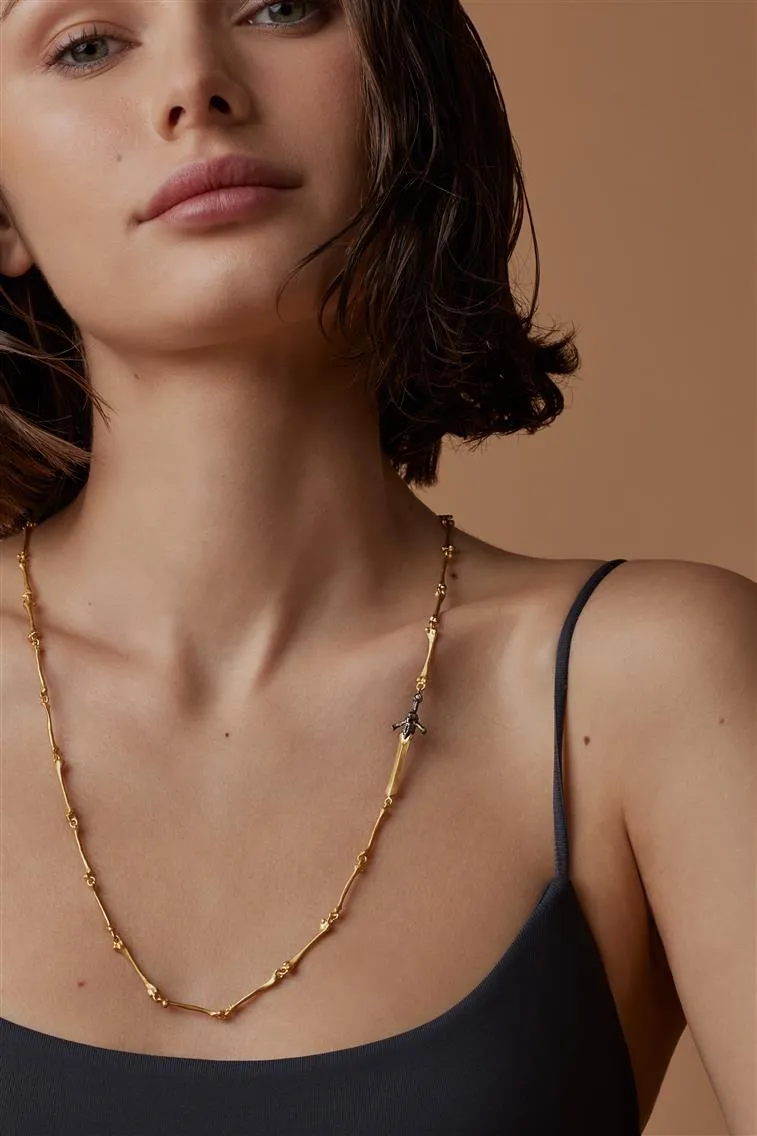
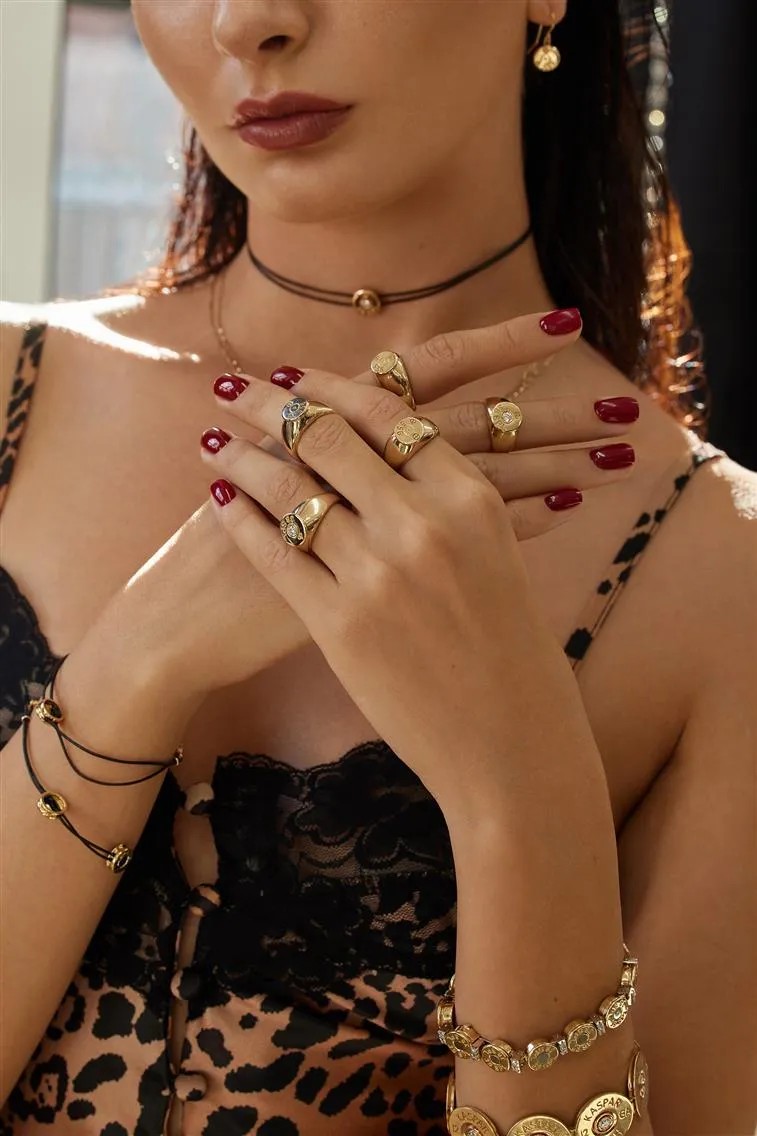
- Including hands, necks, or ears in close-up shots helps show scale and elegance, and triggers the “I can see myself in this” moment.
- Use casting and styling that aligns with your brand voice. Luxury doesn’t always mean hyper-formal — it means thoughtful, intentional, aspirational.
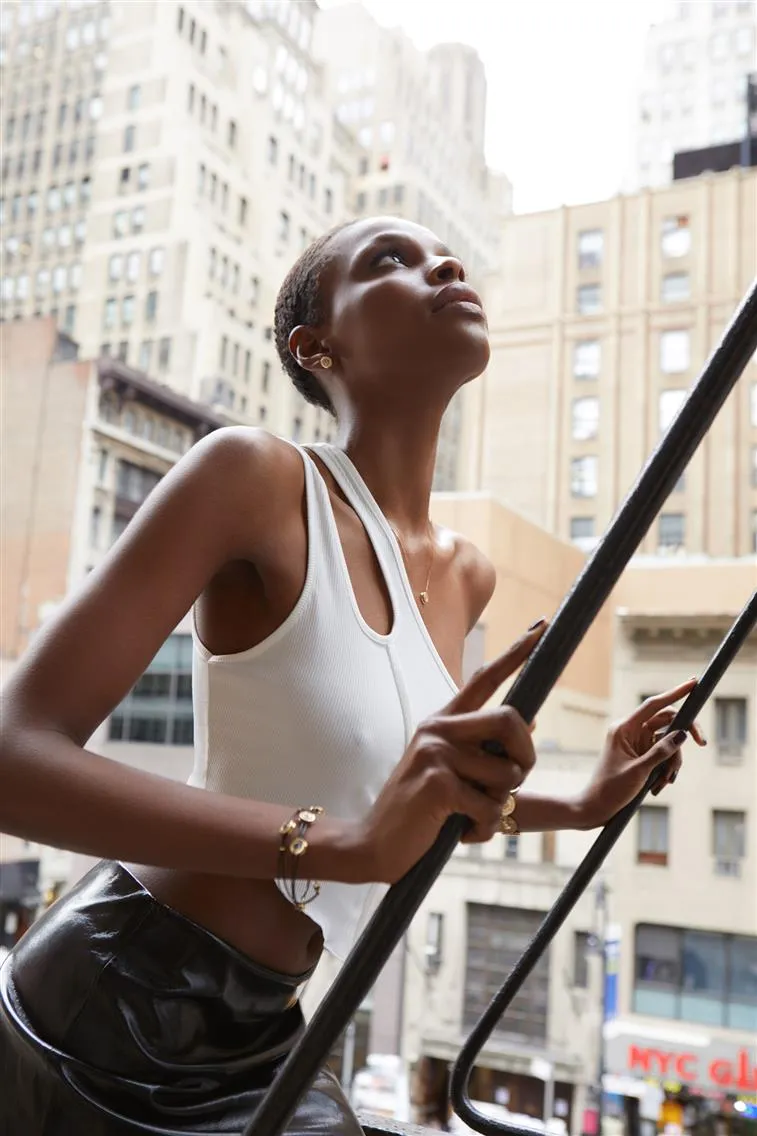
Lifestyle photography can show jewelry in motion, with meaning, and in context — whether it’s a gala or a Sunday morning in silk.
Post-Production Excellence
Post-production is where it’s preserved and polished.
- Dust removal, tone correction, sparkle enhancement — every pixel counts.
- But restraint is key. Over-editing breaks trust. Artificial sparkle, plastic-skin retouching, or oversaturated stones can alienate buyers.
- The goal is flawless reality — clean, consistent, and confidently understated.
Uniformity in retouching also reinforces brand integrity across platforms.
Related read: Reducing Product Return Rates in eCommerce Through Accurate Photography and Ethical Retouching
Brand Integration
Luxury brands succeed when every visual is a brand statement.
- That might mean subtle inclusions: a recognizable box, embossed logo, or signature prop.
- It’s not about overbranding — it’s about weaving brand presence into the photography naturally and consistently.
When done right, every photo feels like a chapter in your brand’s story, reinforcing values like heritage, innovation, exclusivity, or sustainability.
Related read: The Secrets of 5 Successful Jewelry Marketing Campaigns
On-Model Luxury Jewelry Photography That Reinforces Aspirational Identity
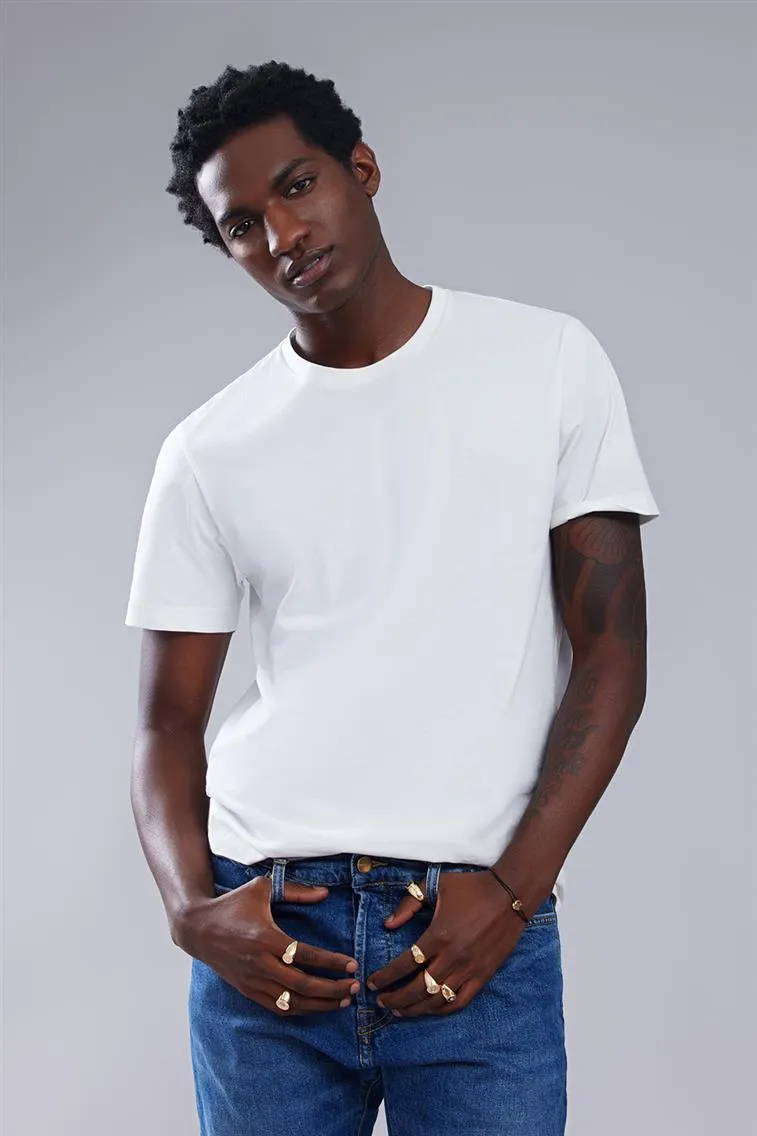
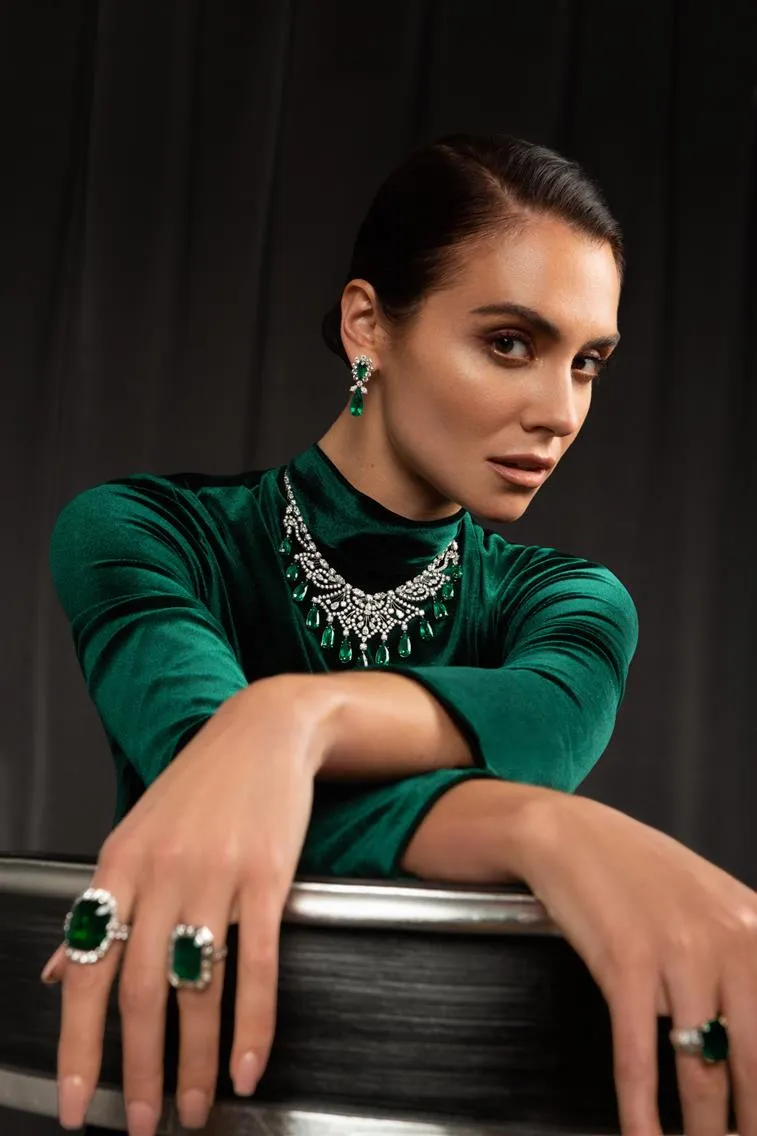
On-model photography addresses the questions still life cannot answer: how does the piece sit on a person, what is its actual scale, does it look right in the context of a real life?
Casting is a creative direction decision, not a logistics decision. Hand structure matters for rings. Neck length and skin tone matter for necklaces. The overall styling communicates the brand's cultural position with more precision than any description.
The objective is specific: the viewer should understand, from the image, what it feels like to wear the piece.
Related read: Professional Fashion Photography for eCommerce Brands
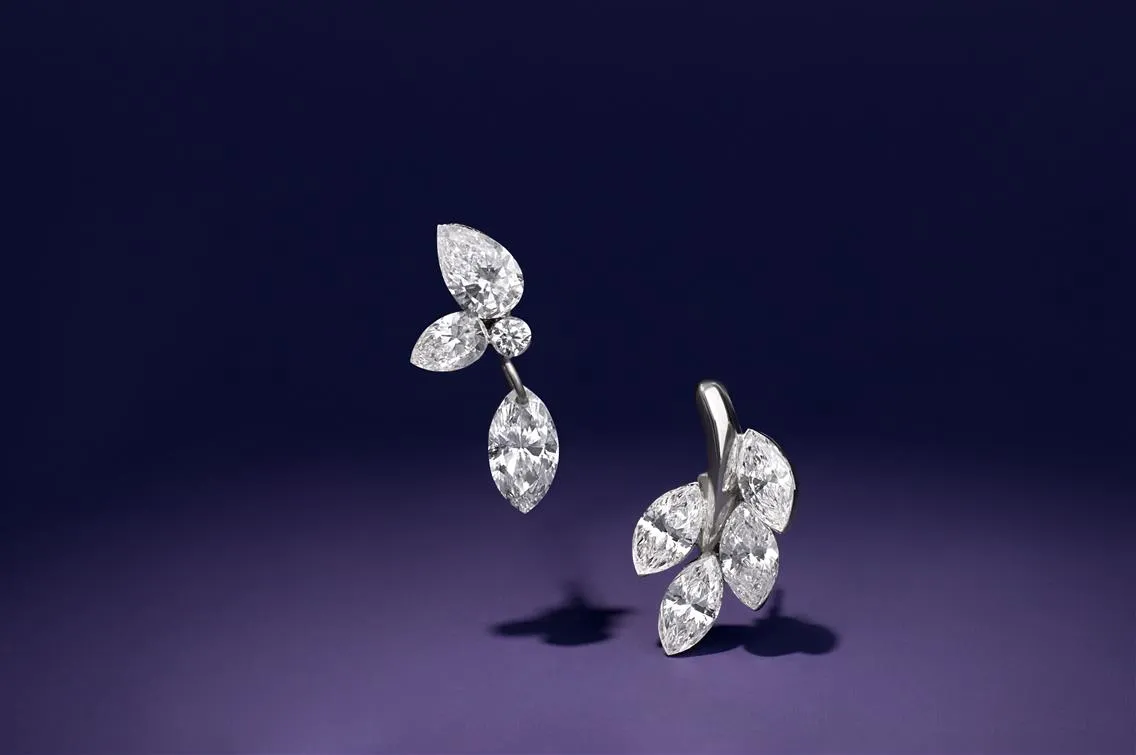
High-End Jewelry Still Life Photo That Radiates Prestige
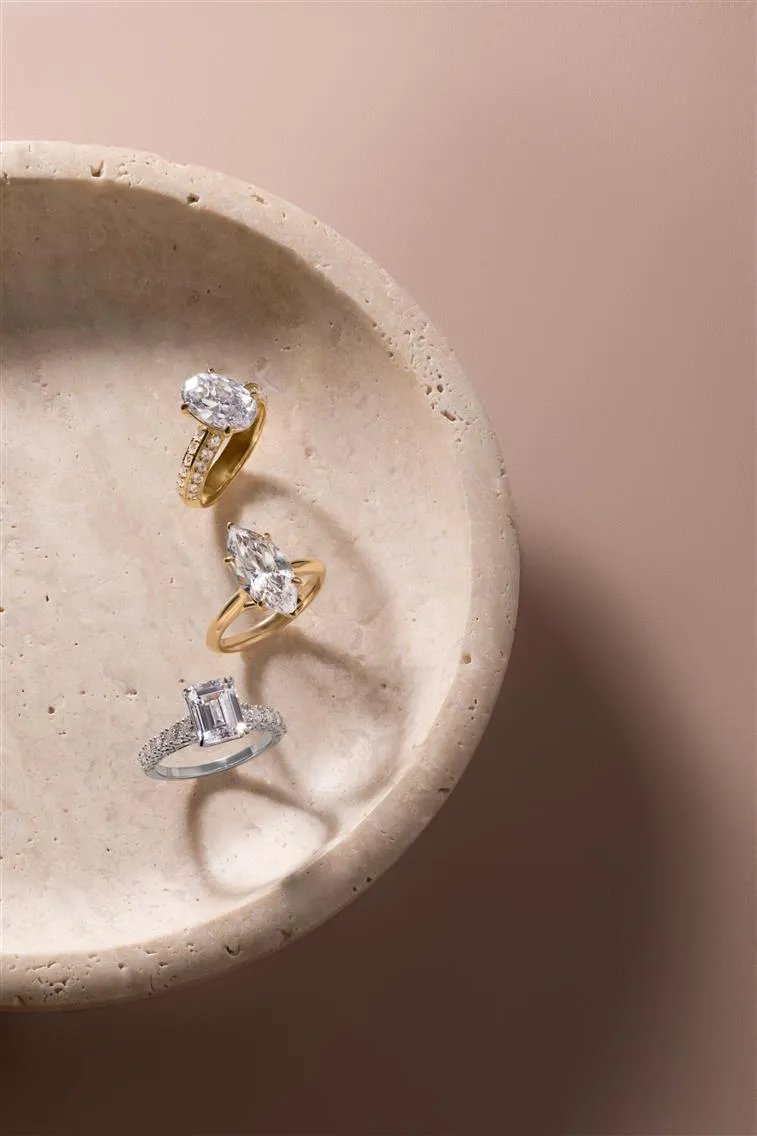
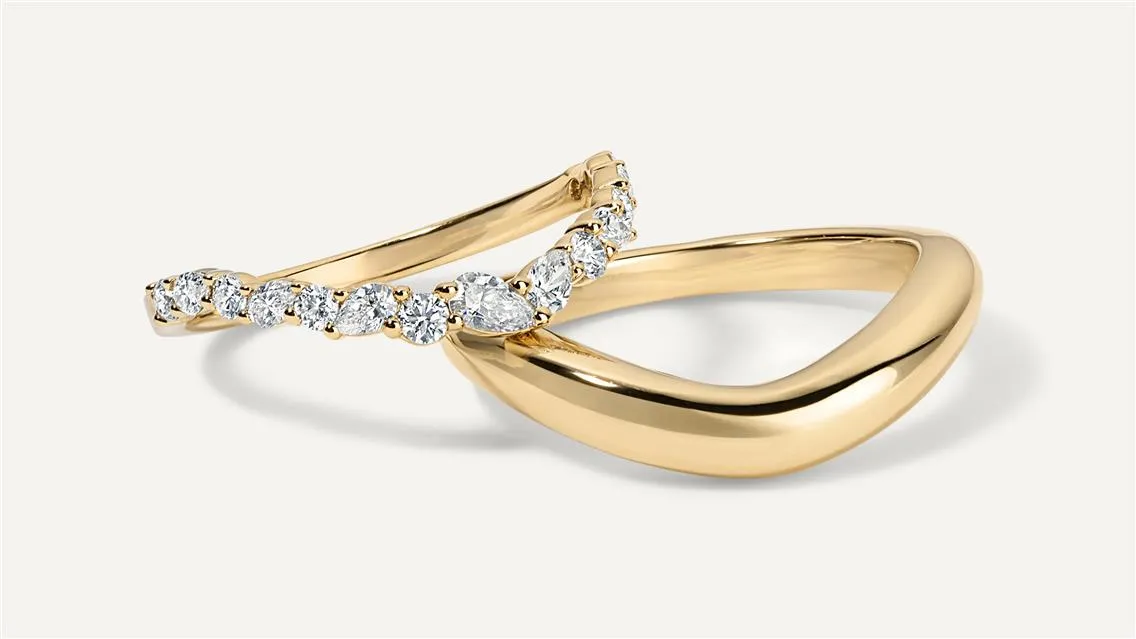
Where catalog photography communicates specification, still life photography communicates meaning. Every element in the frame is a brand signal — surface, background tone, props, shadow behavior. These communicate positioning before the viewer has consciously processed them.
The best luxury still life setups imply a moment rather than simply displaying a product. A ring against the edge of an open book. A pendant resting on silk with a trace of natural light crossing the frame. The piece becomes part of a world rather than an object on a background, and the viewer completes the story.
Negative space is a tool here, not a problem. A composition that gives the piece room signals confidence in the product rather than a need to fill the frame with decoration. In luxury still life, restraint and intention carry more weight than abundance.
Related read: Professional Still Life Photography for Fashion and Jewelry Brands
Post-Production Standards
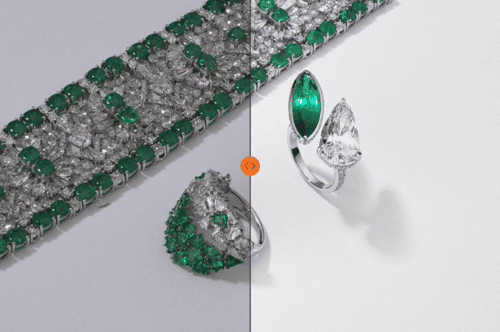
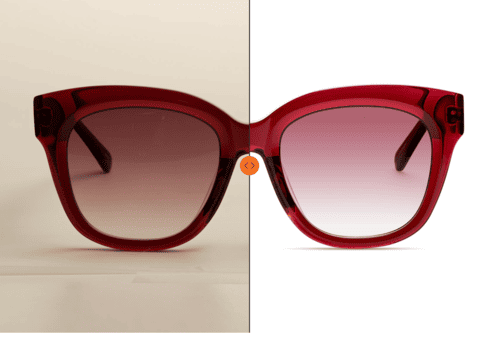
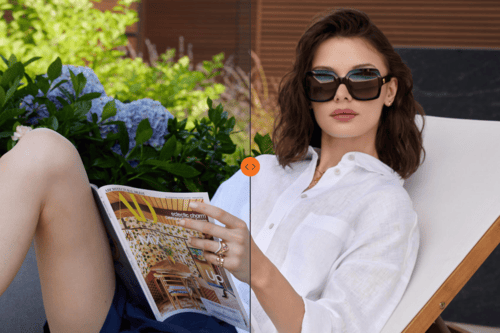
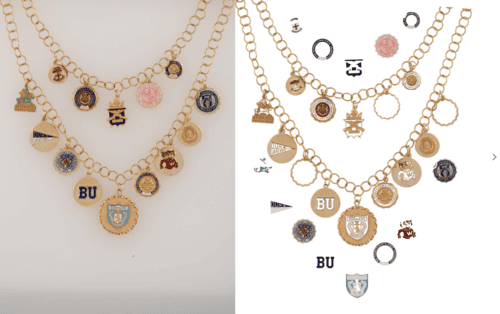
Post-production for luxury jewelry has a clear objective: the finished image should look like the physical piece, photographed under ideal conditions, with distractions removed. Not a digitally perfected version of the piece — the actual piece.
Standard work includes dust removal, minor surface reflection correction, and tonal consistency across a collection. Color correction referenced against the physical sample under calibrated conditions is essential, particularly for pieces where the color difference between collections matters commercially.
What to avoid:
- Artificial sparkle added to stones the original photography did not capture
- On-model skin retouching so complete that it reads as unrealistic
- Metal surfaces smoothed to the point where material character is lost
Over-retouching is immediately recognizable to experienced buyers and signals that the photography is compensating for something. At this level, that signal is damaging.
Consistency across collections and seasons matters here as much as the quality of individual images. A piece retouched to a different color standard than the surrounding catalog creates visual discontinuity that erodes brand cohesion.
For a complete guide to jewelry retouching technique and standards: Jewelry and Watch Retouching Guide
Common Photography Mistakes That Undermine Luxury Jewelry Brand Perception
One of the most common mistakes is misaligned model casting and influencer partnerships. You could have the perfect lighting and a beautifully styled shoot, but if the model doesn’t reflect your brand ethos, the whole image feels off.
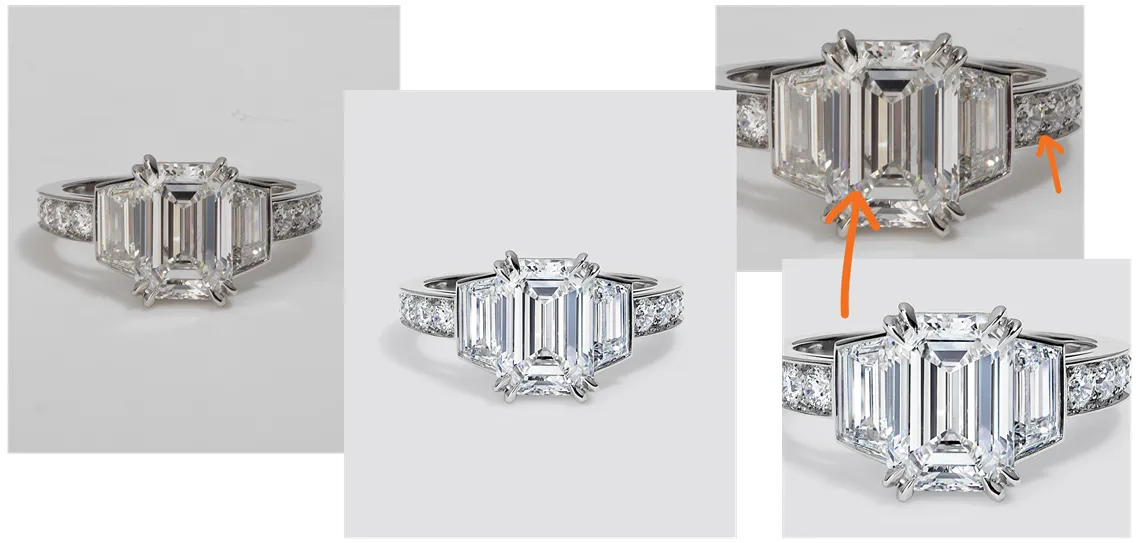
Overediting is another trap. Luxury buyers know what genuine gemstone brilliance looks like. When images are oversaturated, unnaturally sharpened, or loaded with digital glow, it raises red flags. The best retouching doesn’t make jewelry look “better” — it makes it look like its best real-world self.
Skipping professional retouching altogether is just as dangerous. Overediting, fingerprints, uneven tones, removed reflections — these things quietly destroy the sense of care and craftsmanship that luxury products promise.
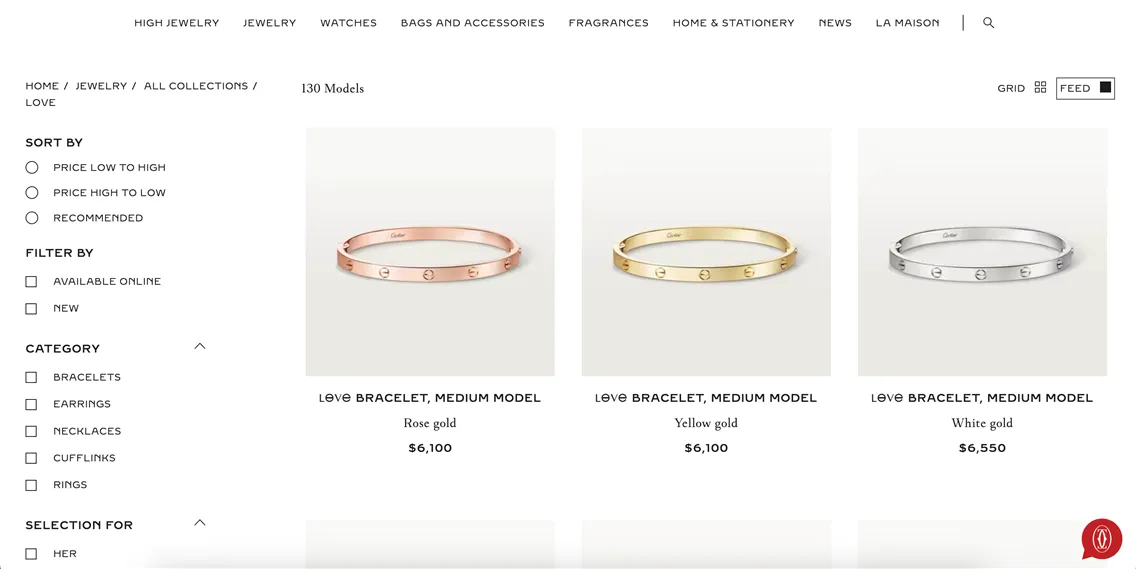
Then there’s the overuse of white backgrounds. Sure, they are necessary, especially for clean eCommerce navigation. But if your entire visual identity relies on white-on-white packshots, your brand starts to feel more functional than aspirational. Cartier doesn’t depend on a plain white cutout only. Neither should you. White can be the foundation, but it should never be the full experience.
Elevate Your Jewelry Brand Through Photography That Speaks Luxury
The brands that hold positioning over time are the ones where every image, across every channel and season, looks like it came from the same deliberate place. That consistency is built shoot by shoot, through defined standards applied to lighting, retouching, and catalog structure — not through a single exceptional campaign.
LenFlash has photographed fine jewelry for brands supplying Signet Jewelers, Macy's, Nordstrom, Kohl's, and Amazon from our New York studio since 2004. Online ordering, real-time quotes, 7 to 8 business day turnaround.