
Why Choose Lifestyle Photography for Your Brand's Social Media
Social media is where lifestyle brands get tested. The Instagram feed is not a product catalog but a preview of the life someone could have if they chose the brand. TikTok is cultural positioning. Pinterest is where purchase intent takes shape through inspiration and aspiration.
This is why lifestyle photography matters so much on social media specifically. Product shots communicate what something is. Lifestyle photography communicates what owning it means — and that is a different and more powerful purchase signal on discovery platforms.
Part of our complete guide: Strategic Impact of Lifestyle Photography on eCommerce Business
Lifestyle Photography as the First Social Media Touchpoint
Social media algorithms reward content that stops the scroll. What actually stops someone mid-swipe is recognition, the moment when someone sees an image and thinks, unconsciously, "that could be me" or "I want that life."
Some lifestyle brands lead with function when their audience is looking for aspiration. They showcase features when their audience is shopping for identity. They optimize for product visibility when they should be optimizing for lifestyle clarity.
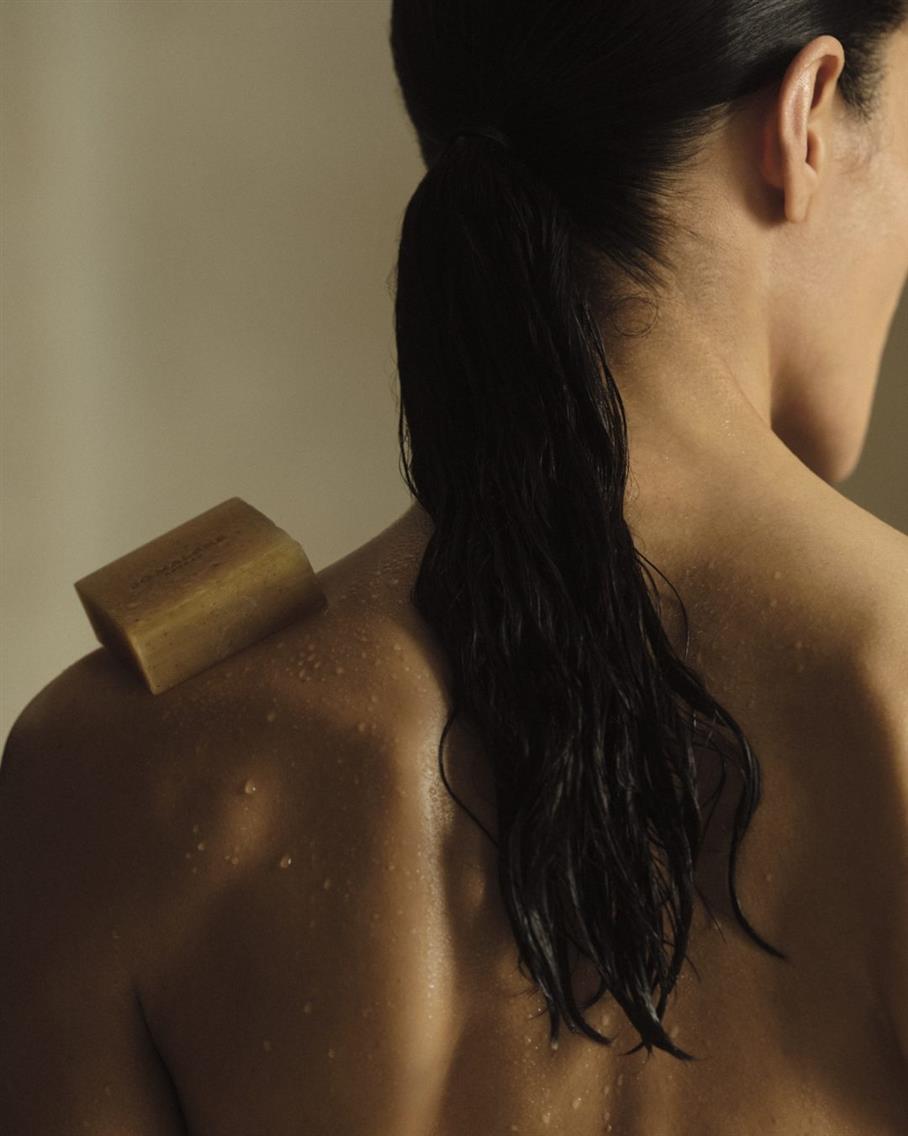
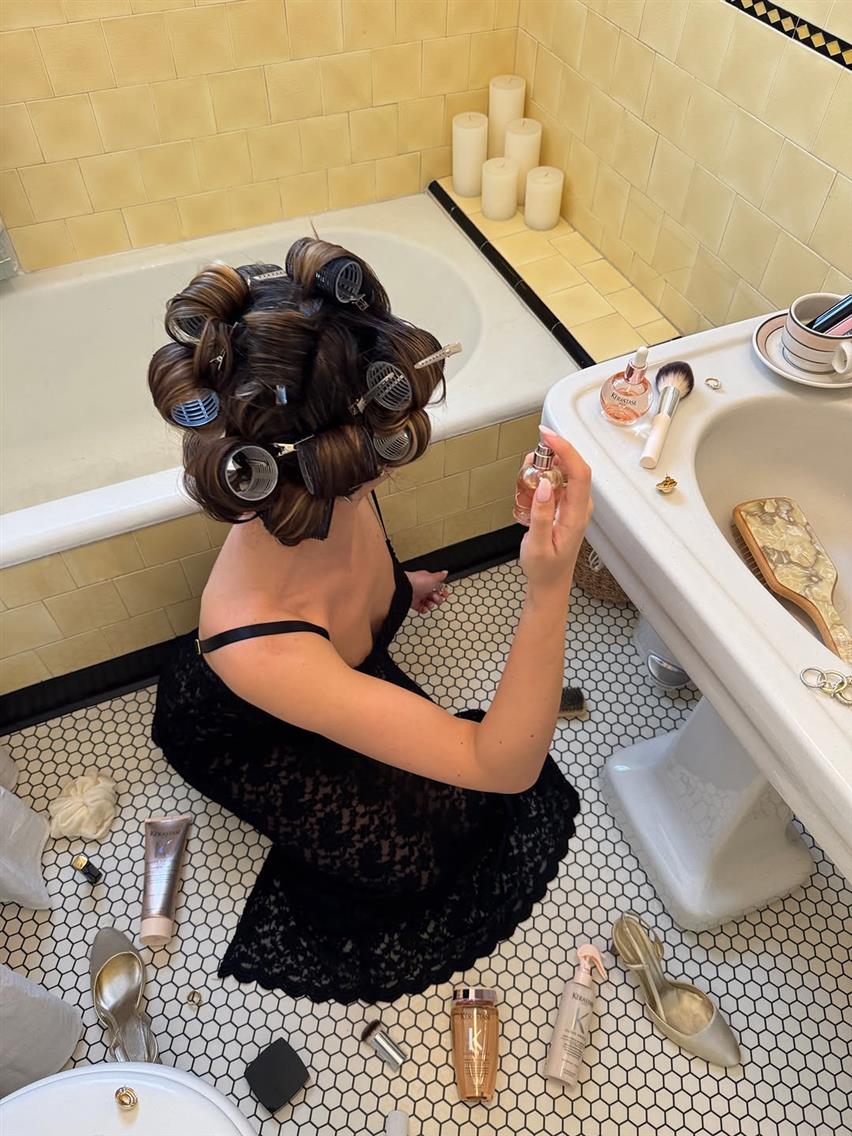
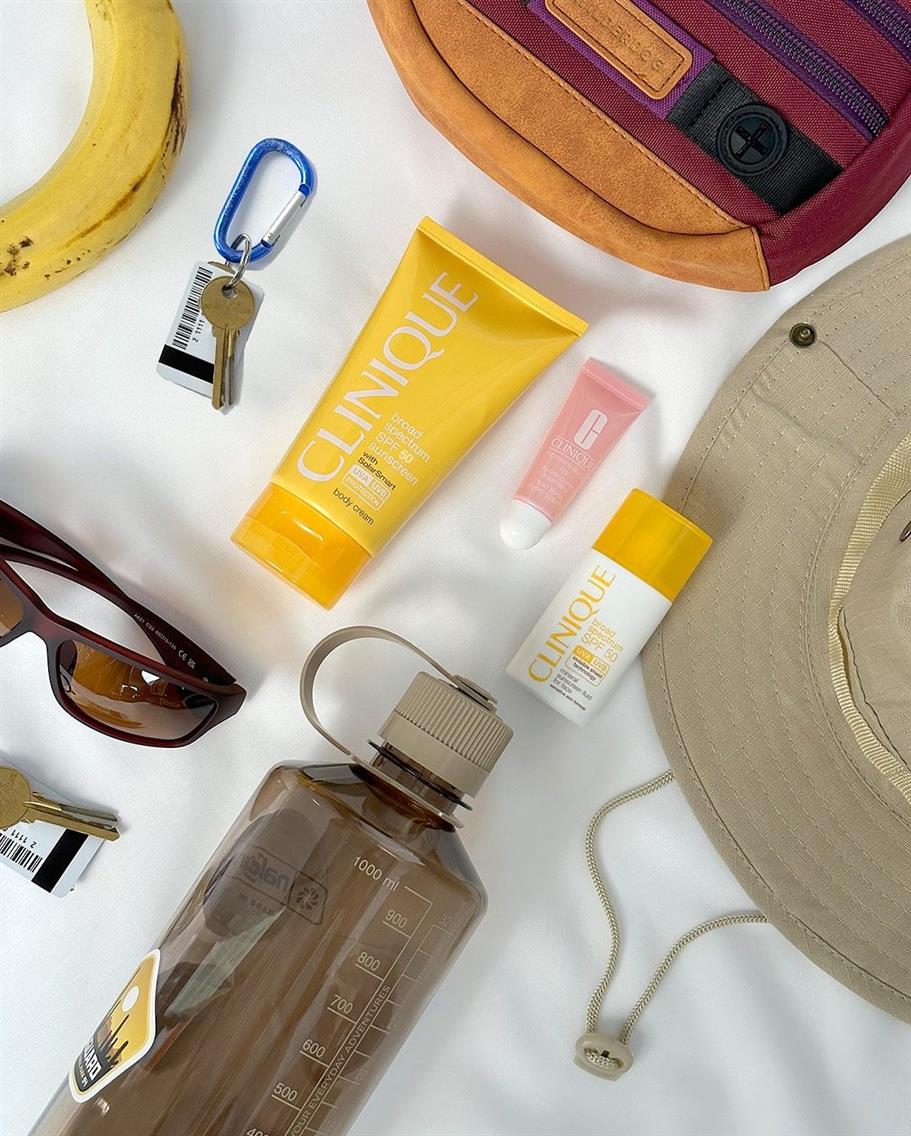
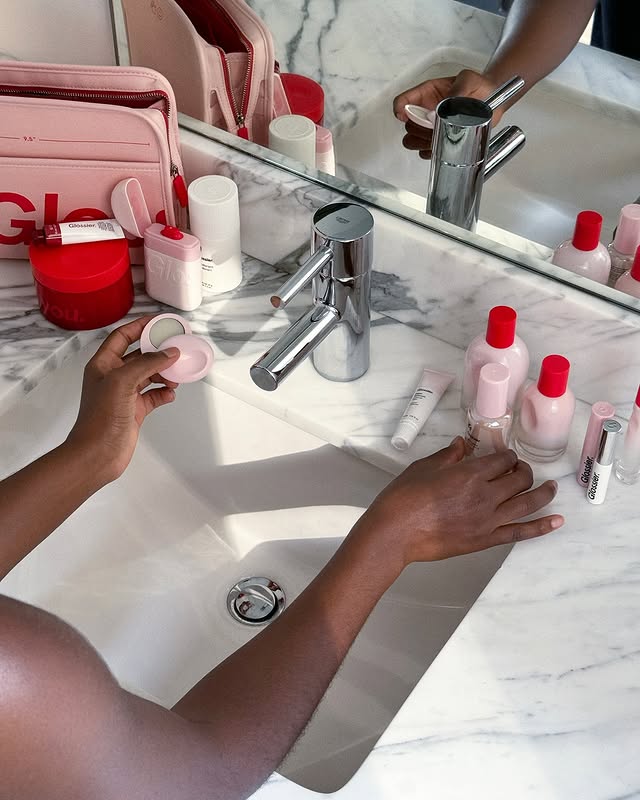
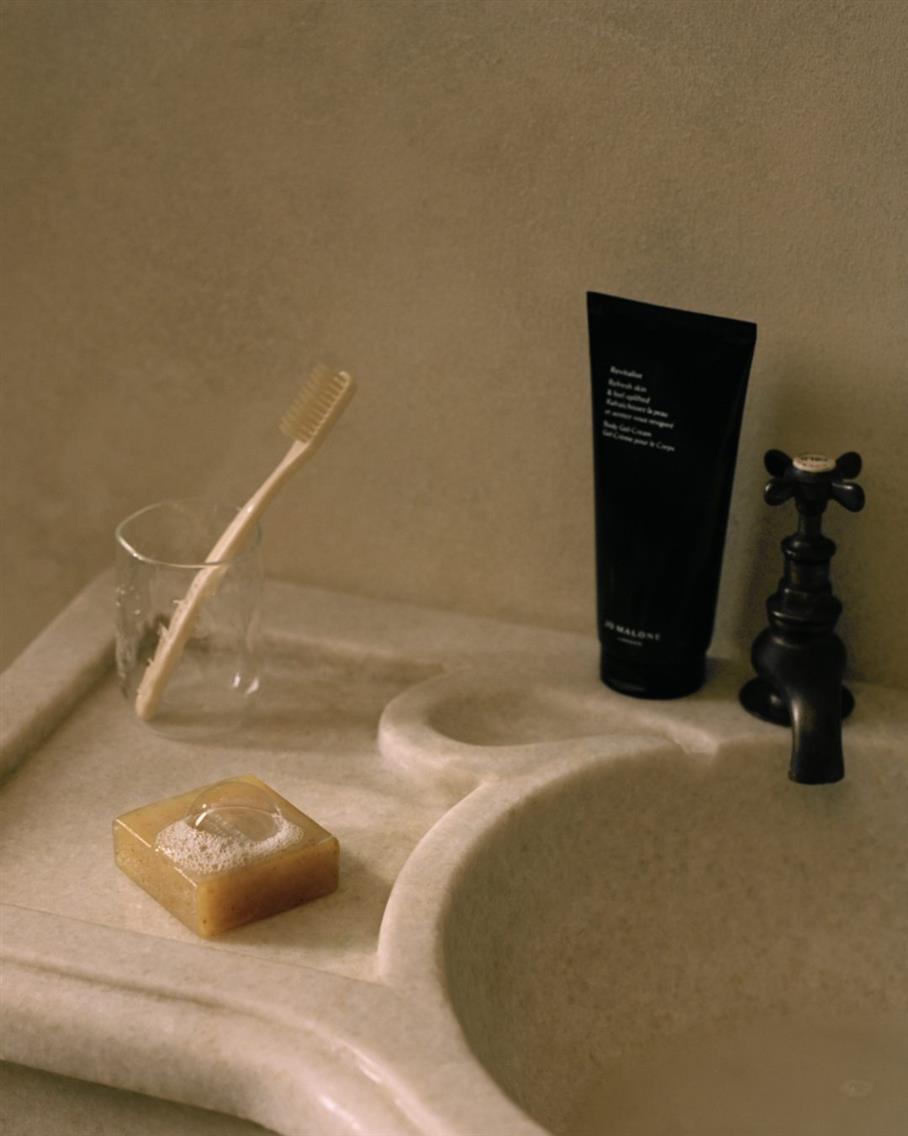
Consider skincare brands on Instagram. Brands that struggle show before-and-after shots and ingredient close-ups. Brands that dominate show morning rituals in perfect light, bathroom counters that look like wellness sanctuaries, women who seem to have figured out that elusive balance between work and rest. Same product category, completely different strategy. One is selling skincare solutions. The other is selling entry into a lifestyle where taking care of yourself is a daily practice that makes you feel centered and intentional.
Both strategies can work, but brands must understand who they are speaking to. Some shoppers are looking for inspiration. Others already have the intent to buy and are searching for solutions. Product photography has its place on eCommerce product pages and in retargeting strategies, in the final stages of the purchase funnel. On social media discovery feeds, it works against platform mechanics.
The Psychology of Social Media Visual Communication
Social media platforms are identity performance spaces. People curate feeds that represent who they are or who they want to be. When lifestyle photography aligns with this curatorial instinct, it becomes part of their self-expression toolkit.
This is why saves are often more valuable than likes for lifestyle brands. A like is a momentary approval. A save is a bookmark for future self-actualization and purchase. It is someone saying "I want this feeling, this aesthetic, this way of living."
Lifestyle photography needs to be save-worthy. That means creating images with enough aspirational pull that people want to reference them later, but enough specificity that they feel actionable rather than impossible.
Why Lifestyle Photography Outperforms Product Shots on Social Media
Traditional advertising puts the product at the center of the frame, both literally and conceptually. Social media lifestyle photography shifts this dynamic.
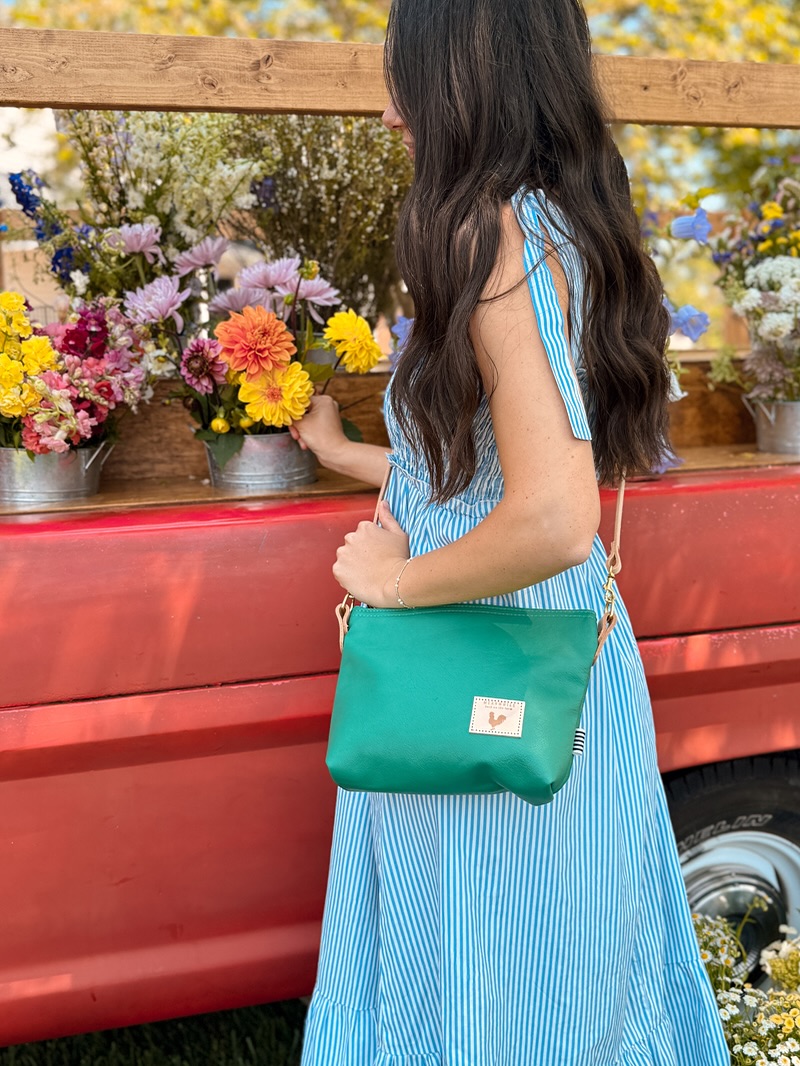
A leather bag is slung over the shoulder of someone walking through a farmer's market, surrounded by seasonal flowers and natural light that suggests unhurried Saturday mornings. The bag is there, clearly visible, but the real subject is the lifestyle moment it enables.
This contextual approach works because social media users are scrolling through lifestyle content already. A product needs to feel native to that environment, not like an interruption of it.

Platform-Specific Lifestyle Strategies
Instagram Curated Aesthetics Territories
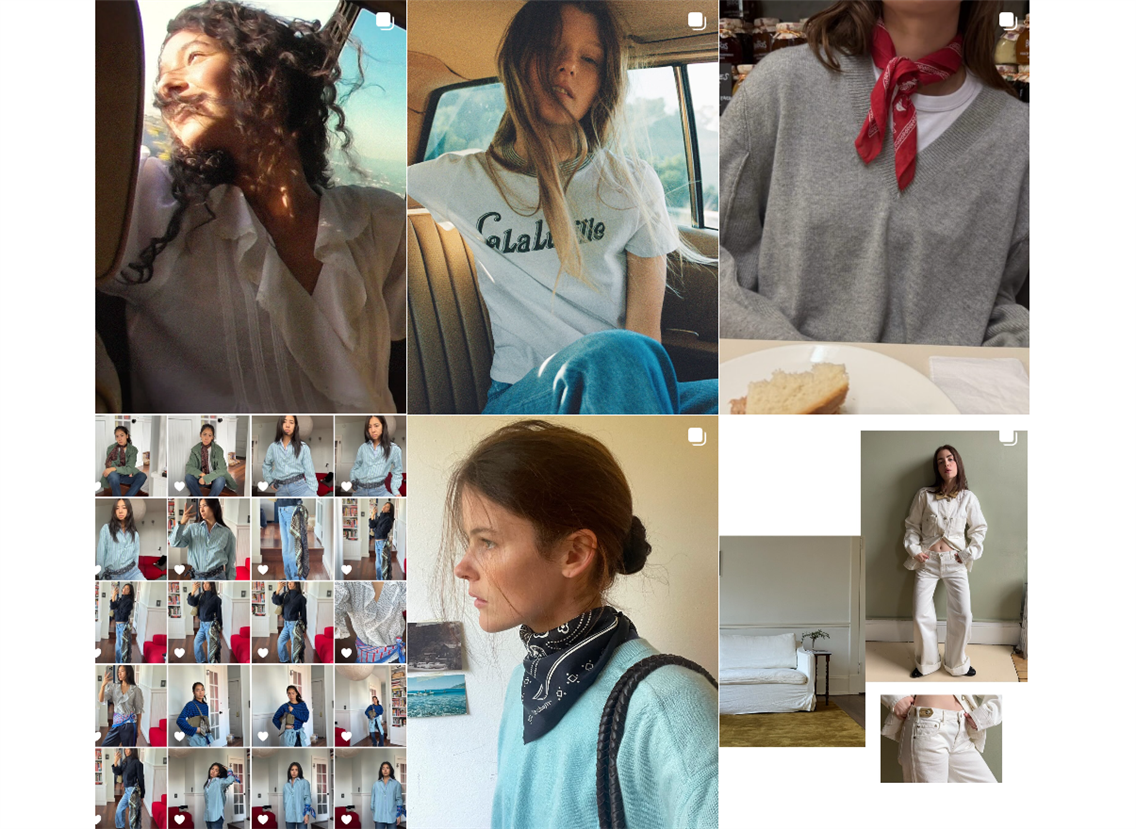
Instagram rewards visual coherence over time. Your lifestyle photography needs to build a recognizable world that viewers want to return to. This doesn't mean every image needs to be identical, but it means every image should feel like it belongs to the same lifestyle universe.
Successful lifestyle brands on Instagram create what we call "aesthetic territories": recognizable combinations of color palettes, styling approaches, and lifestyle scenarios that become shorthand for their brand values.
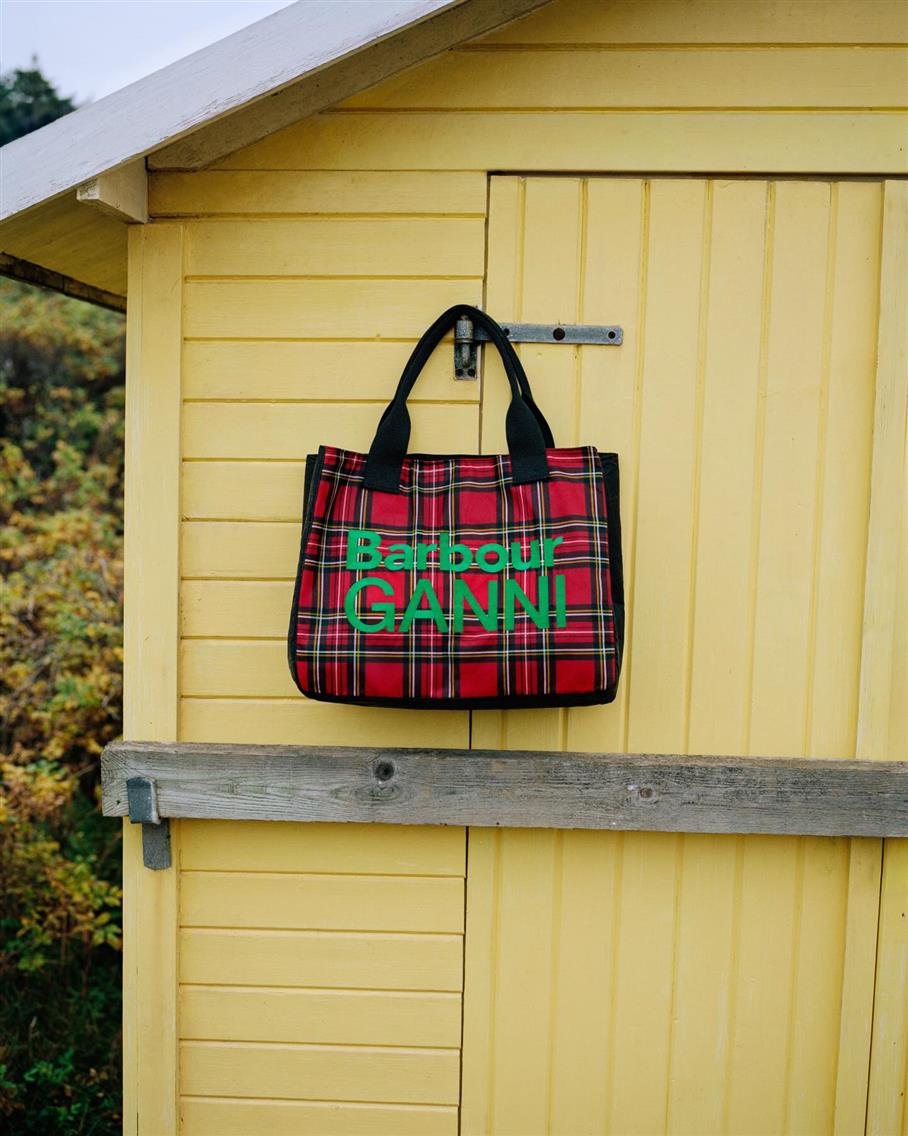
Glossier built their aesthetic territory around the bathroom mirror. Ganni around colorful maximalism meeting Scandinavian functionality. Outdoor Voices around "doing things" rather than athletic performance. Each territory is specific enough to be ownable but flexible enough to evolve. Too rigid and it produces creative repetition. Too flexible and it loses brand recognition.
For platform-specific photography strategy across fashion categories: Social Media Photography for Fashion Brands

TikTok Real Moments in Lifestyle Visuals
TikTok lifestyle content works differently from static platforms. The key is authentic momentum, lifestyle moments that feel caught rather than constructed.
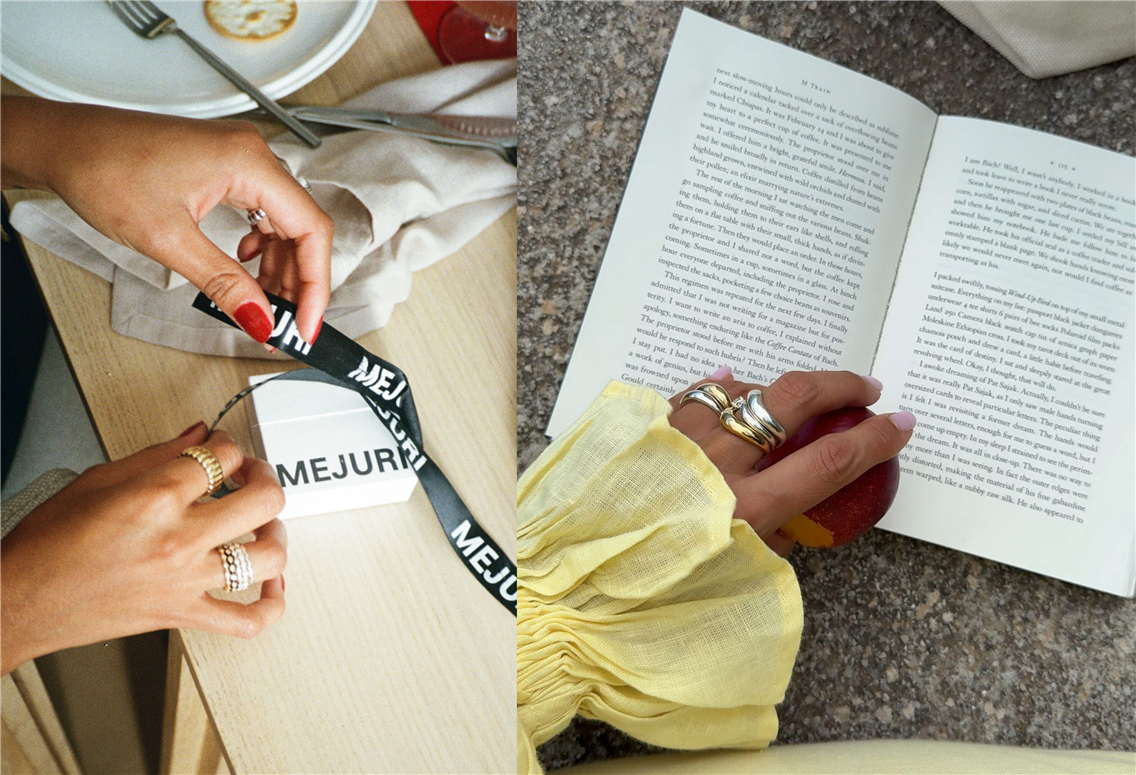
Effective lifestyle content on TikTok shows the process, not just the result. Getting ready using a skincare routine, styling an outfit with accessories, setting up a workspace. The product is demonstrated naturally without direct selling. This process-focused approach serves two purposes simultaneously: it demonstrates product usage naturally and gives viewers a tutorial they can follow.
Ana Luisa
Pinterest As The Lifestyle Visual Search Engine
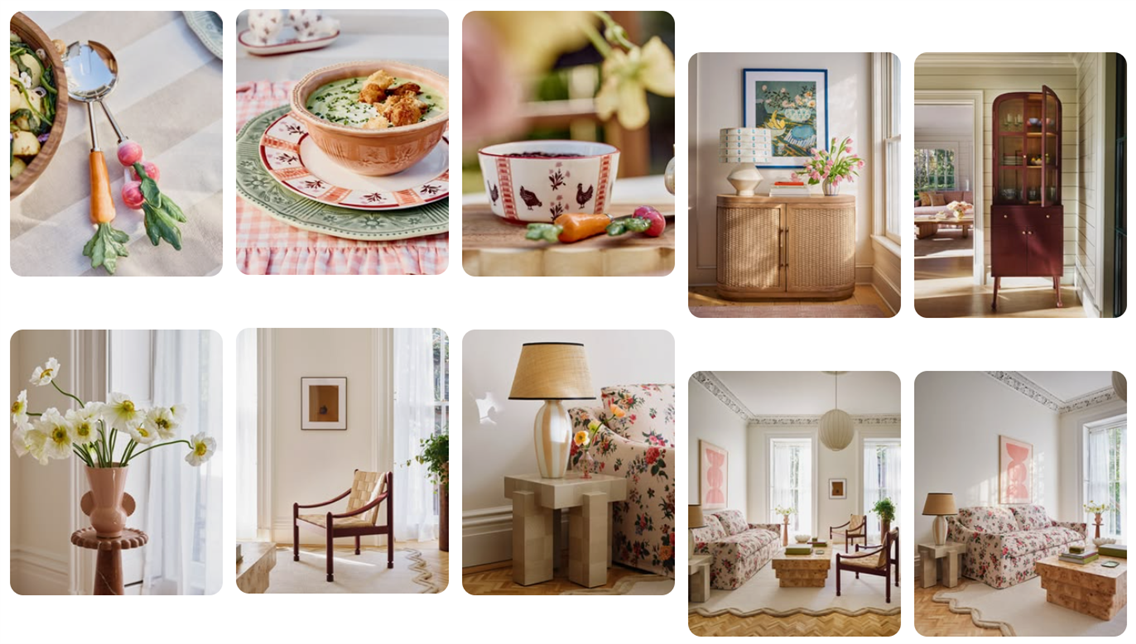
Pinterest users are actively hunting for lifestyle inspiration with purchase intent. They're researching future versions of themselves. This creates unique opportunities for lifestyle photography that bridge aspiration and utility.
Lifestyle images on Pinterest answer specific lifestyle questions: "How do I create a coffee bar in a small kitchen?" "What does minimalist holiday decor look like?" "How do I style oversized blazers for work?"
Your lifestyle photography should anticipate these searches. Not just showing your products in beautiful contexts, but showing them solving specific lifestyle challenges that your target customer faces.
Creative Direction for Social Media Lifestyle Photography
Creative direction for social media lifestyle photography involves decisions about casting, location, and lighting that determine whether the final images communicate the right brand signal. These decisions are made before the shoot begins, not during it.
For the creative director's specific role in developing the visual brief and overseeing execution: What Does a Creative Director Do in eCommerce Photography?
Casting
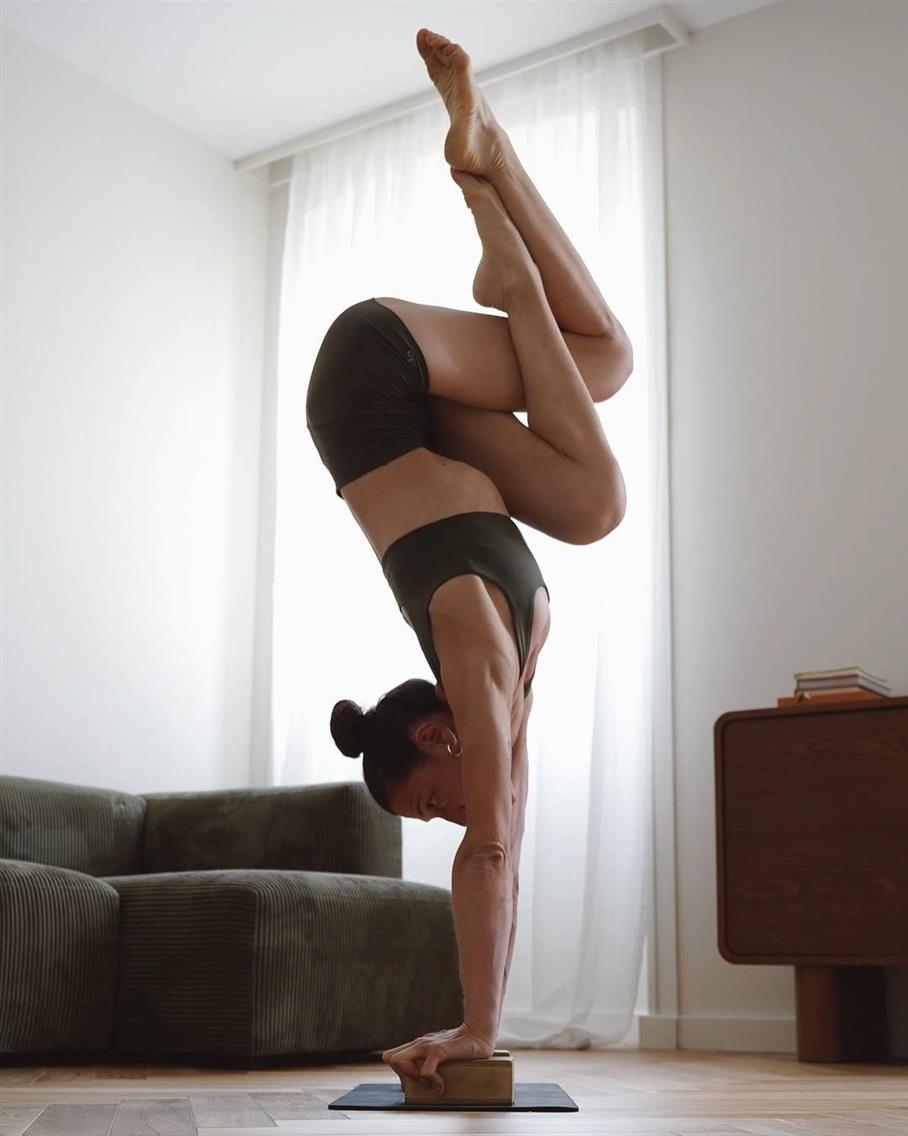
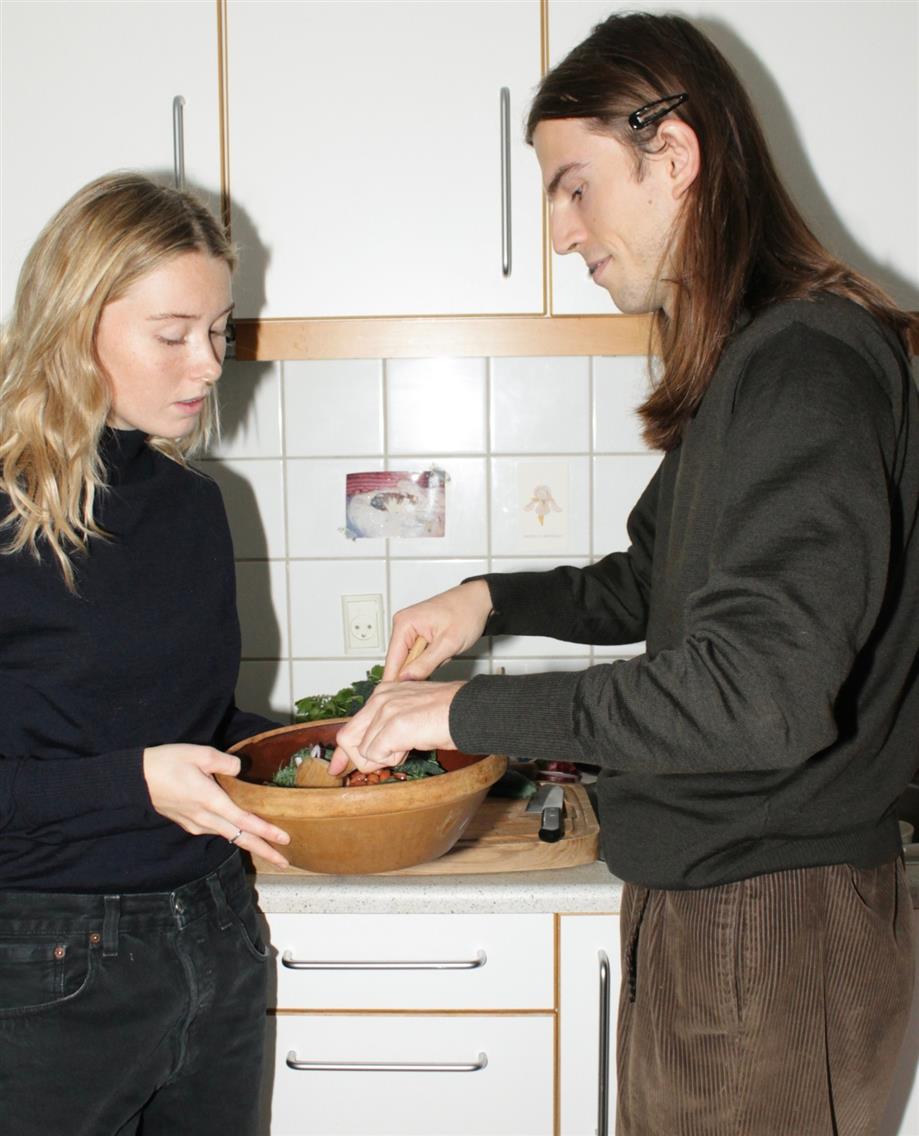
Age, gender, and ethnicity matter for representation, but they do not determine lifestyle alignment. A brand's ideal customer might be 32 or 47, but both share the same approach to morning routines, the same aesthetic preferences, and the same values around quality and sustainability. Cast for these shared attitudes rather than shared demographics.
This means selecting models who naturally embody the brand's lifestyle approach. Someone who genuinely engages with the lifestyle the brand represents — the authenticity shows up in micro-expressions, body language, and interaction with props in ways that directed performance cannot replicate.
For guidance on model selection and casting decisions: The Smart Way to Find and Choose Models for Your Brand Photoshoot
Location
Location choice defines psychological associations that reinforce brand positioning.
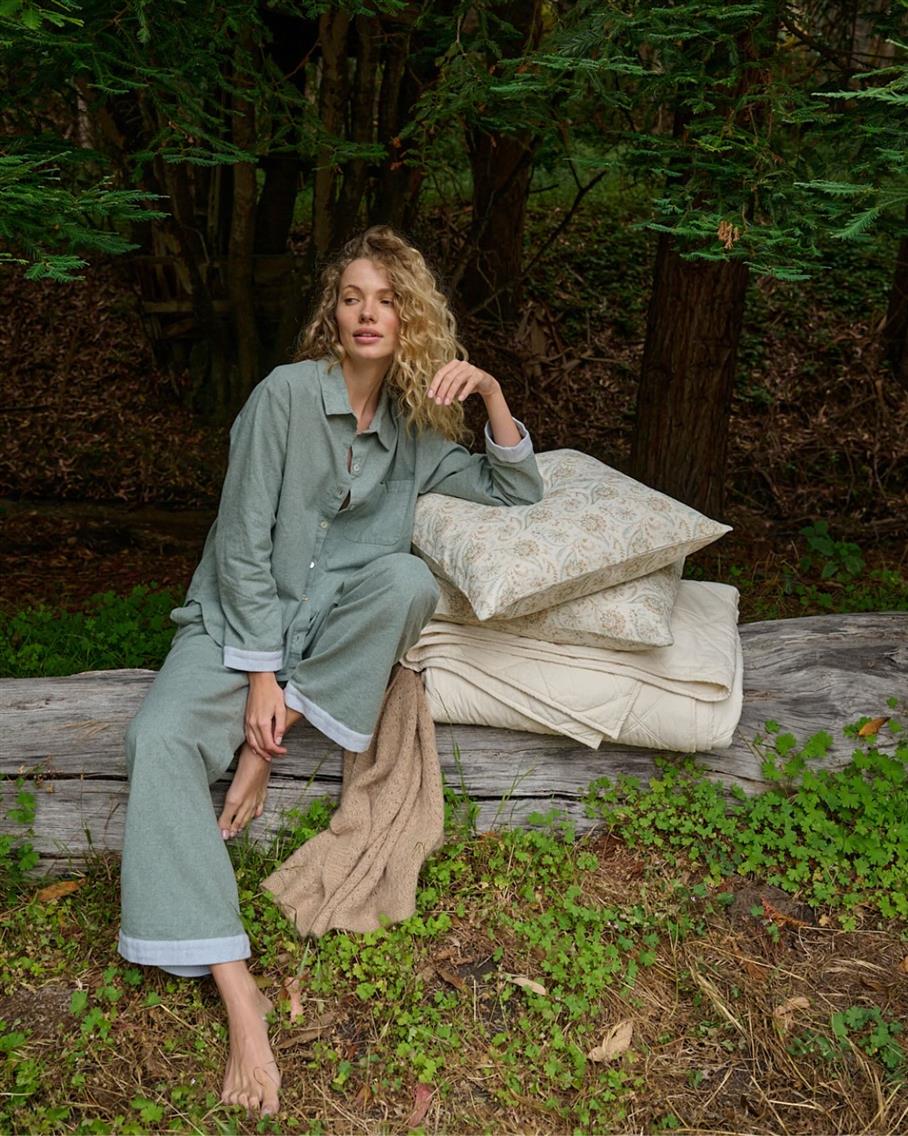
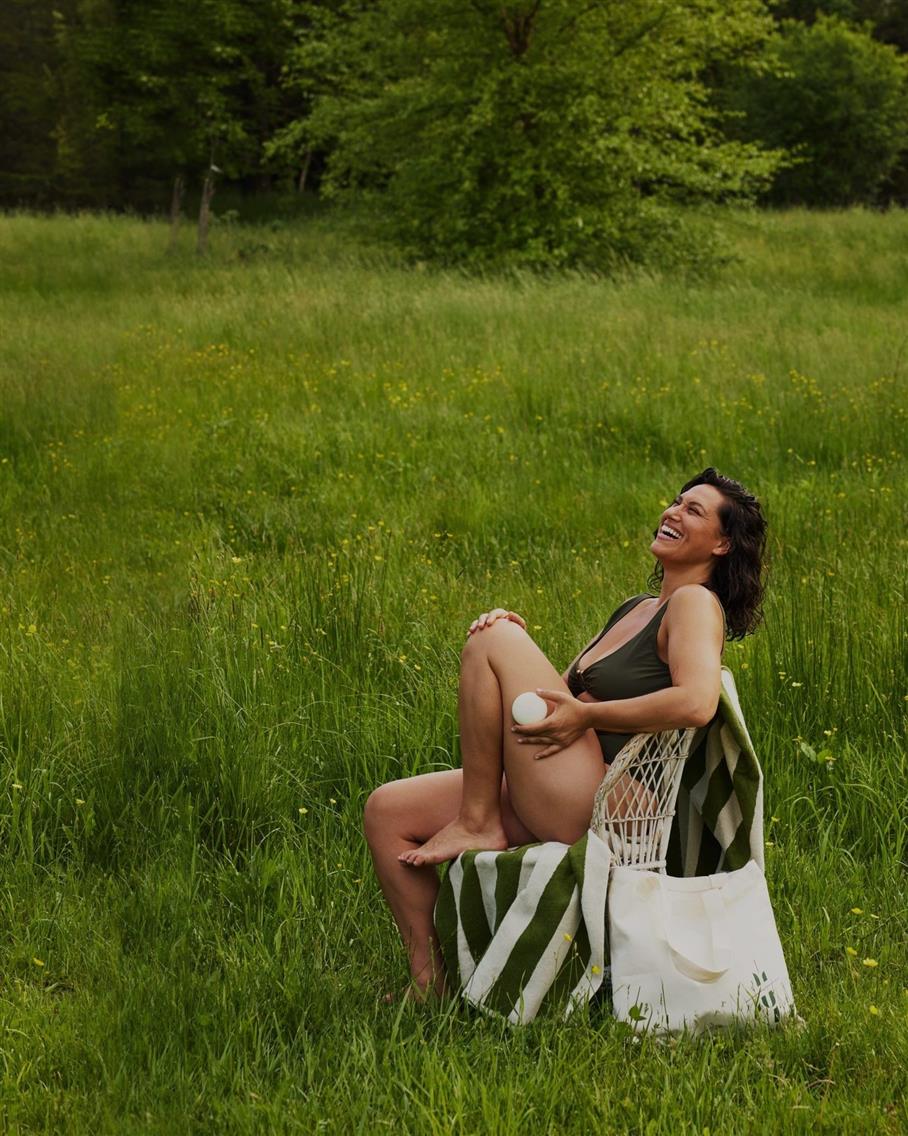
Natural settings activate values around wellness, sustainability, and authenticity. They work well for brands positioned around natural ingredients, slow living, or environmental consciousness.
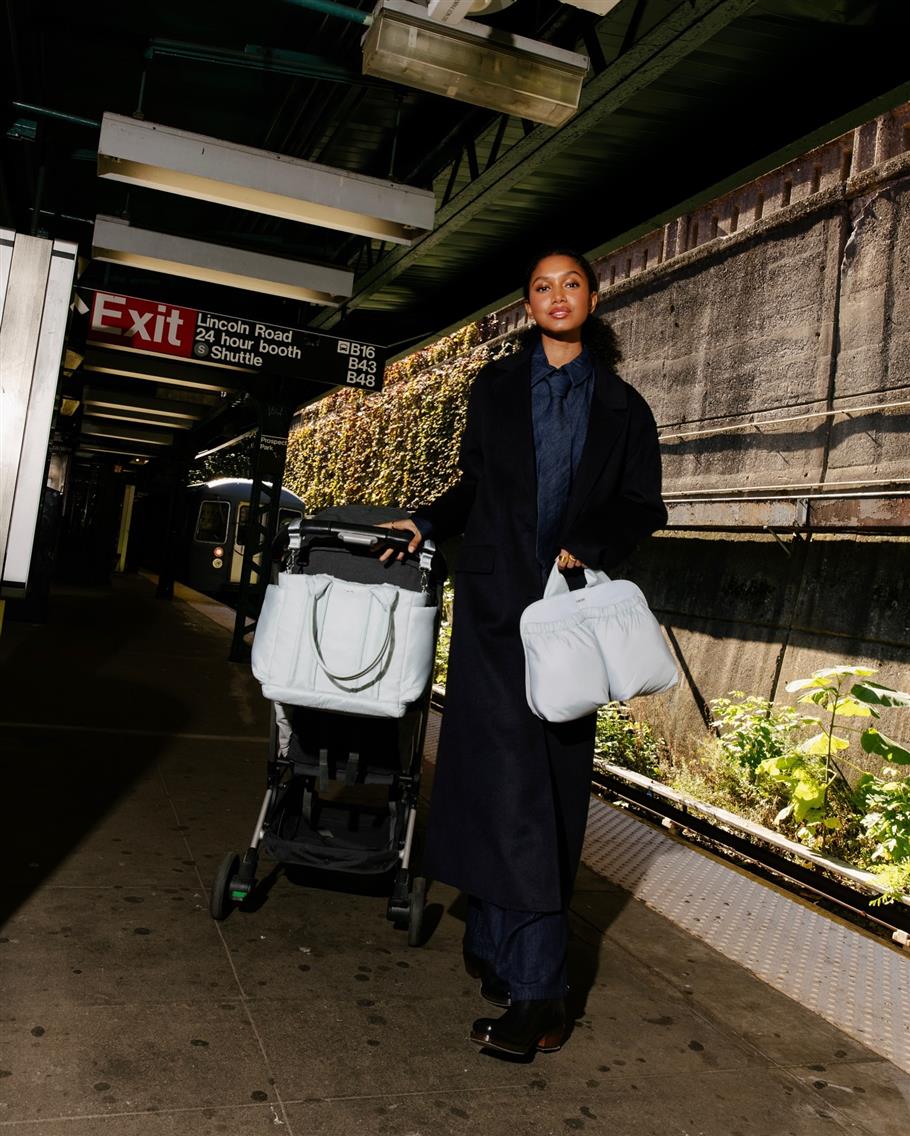
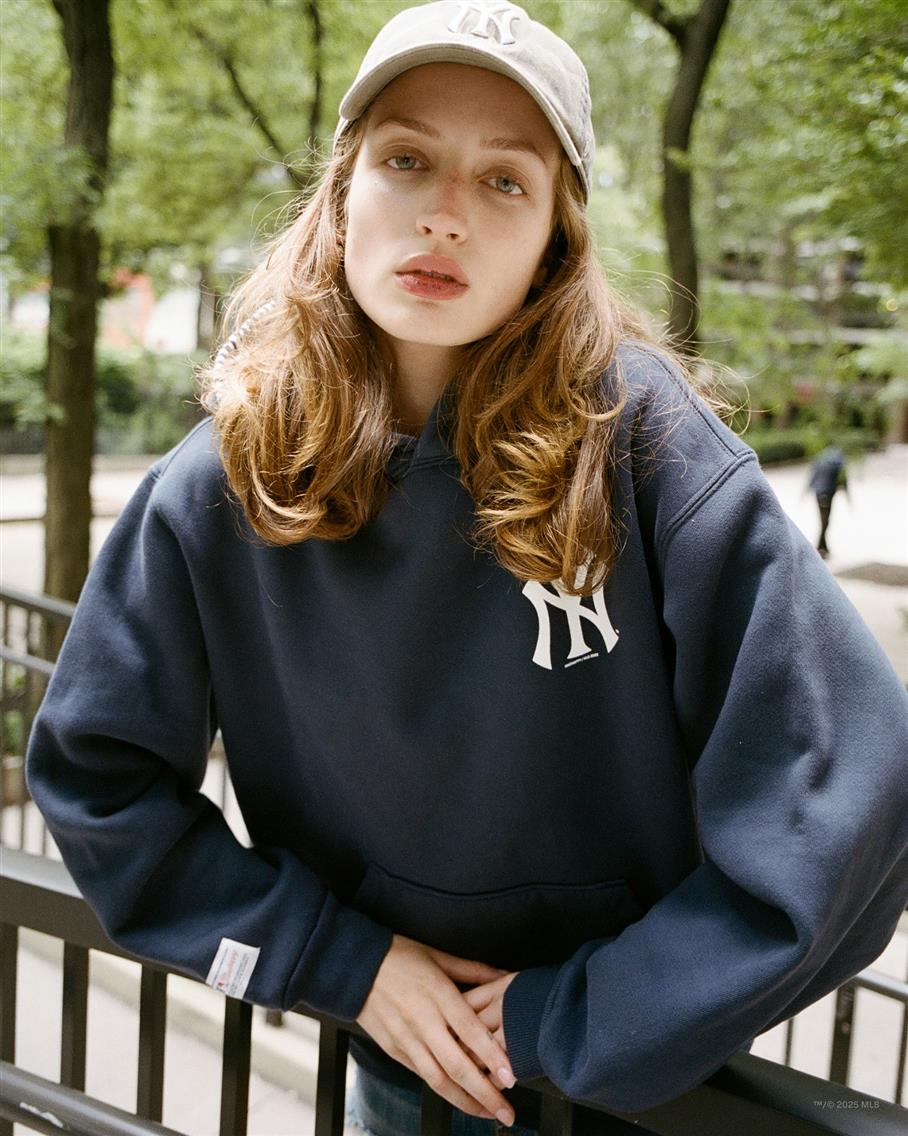
Urban environments suggest energy, ambition, and cultural engagement. They suit brands targeting career-focused customers or those who see themselves as early adopters.
Indoor spaces require the most careful calibration. Too perfect and they feel unachievable. Too ordinary and they do not provide lifestyle elevation. The most effective indoor lifestyle settings show spaces the target customer could realistically access but might not have optimized yet — a coffee shop they could discover, an apartment setup that is within reach but requires intention.
For building a complete shoot brief that covers location, casting, and visual references before production begins: Art Direction Guidelines for Jewelry and Fashion Brand Photoshoots
Lighting
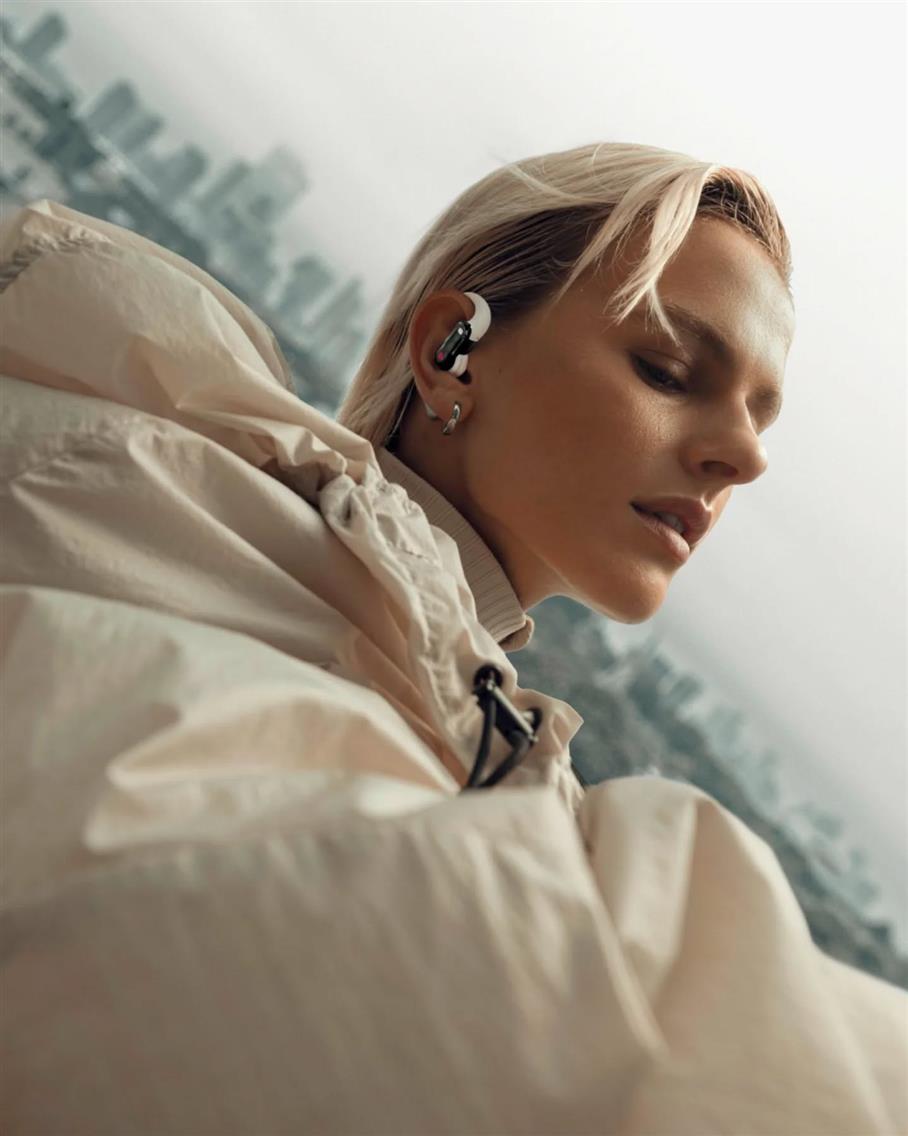
Lighting communicates price point and brand positioning more effectively than almost any other single element in lifestyle photography.
Golden hour light suggests luxury and leisure — the time freedom that comes with financial security. It works for premium brands but can alienate middle-market customers who associate it with influencer culture rather than real life.
Soft, diffused natural light reads as approachable and authentic. It is the most versatile lighting approach for lifestyle photography because it is aspirational enough to be appealing but realistic enough to feel achievable.
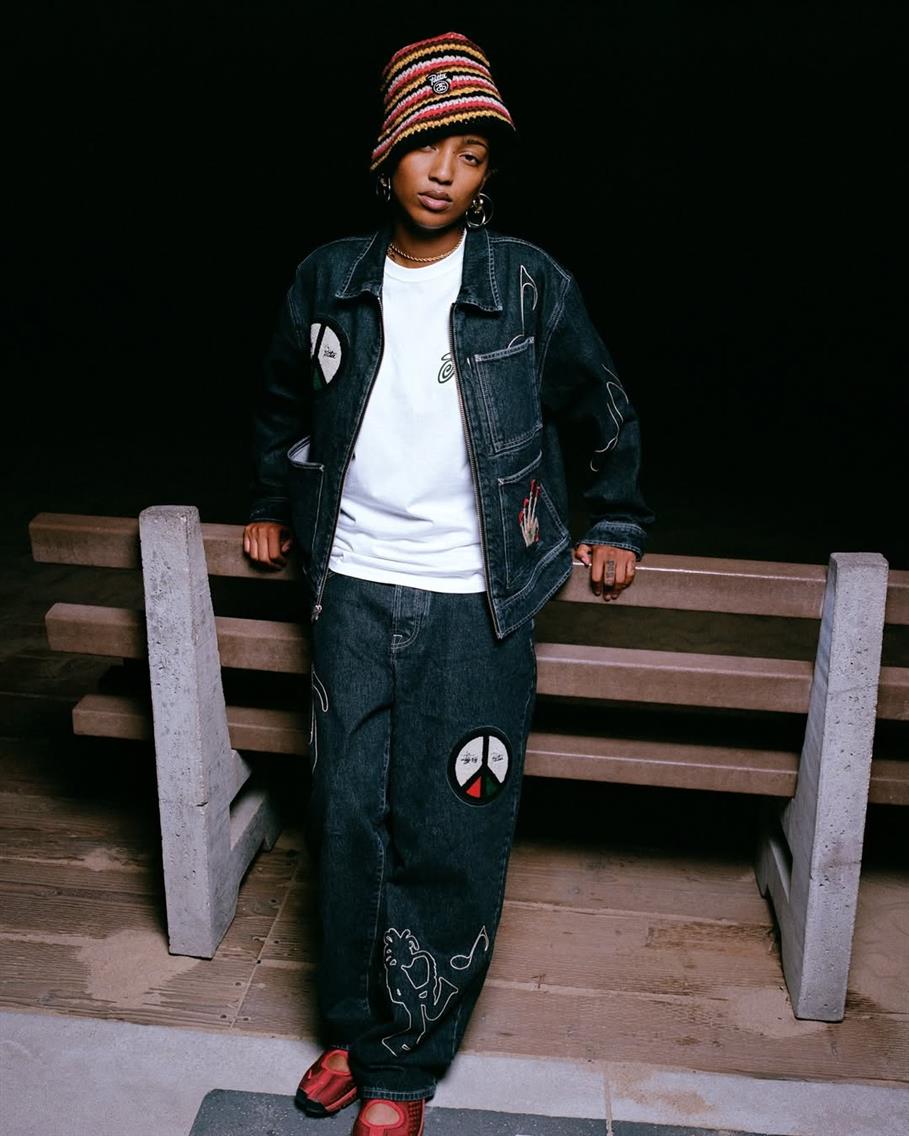
Harsh, direct light communicates energy, urgency, and urban edge. It suits fitness brands, streetwear, and productivity-focused products.
Consistency in lighting choices reinforces brand positioning across all lifestyle imagery, building subconscious associations that compound over time.
For how the full production team works together to execute a lifestyle shoot: Understanding the eCommerce Photography Creation Process and Team Involved
Measuring the Impact of Lifestyle Photography
Likes and follows matter less for brands than behavioral metrics that indicate lifestyle alignment. Saves, shares, and profile visits signal that viewers want to integrate the brand's aesthetic into their own identity.
Story mentions and user-generated content show that the brand is inspiring audience participation. When people recreate lifestyle scenarios with their own products and credit the brand, that is the strongest social signal available, genuine cultural influence rather than paid reach.
Attribution Challenges
Lifestyle photography's business impact often shows up in assisted conversions rather than direct clicks. Someone sees content on Instagram, saves it, and remembers the feeling, then searches for the brand name when they are ready to purchase.
This delayed attribution requires longer measurement windows and attribution models that account for multi-touch customer journeys. The most reliable indicators are brand search volume increases, organic traffic growth, and customer surveys that ask about discovery touchpoints.
Testing different lifestyle contexts reveals strategic preferences: whether the audience responds to productivity-focused scenarios or relaxation-focused ones, whether they connect with urban aesthetics or outdoor comfort. These insights inform not just social media content but the entire brand's visual positioning.
For how lifestyle photography fits into the complete visual content strategy: Visual Marketing Strategy for eCommerce Brands