
The Smart Way to Find and Choose Models for Your Brand Photoshoot
The model you choose for a brand photoshoot shapes how customers perceive the product before they read a single word. Their look, presence, and ability to inhabit the brand's world determines whether the image builds desire or leaves the viewer indifferent. For jewelry, the right casting makes a piece feel like it belongs to a specific kind of life. For fashion, it determines whether a garment reads as aspirational or generic.
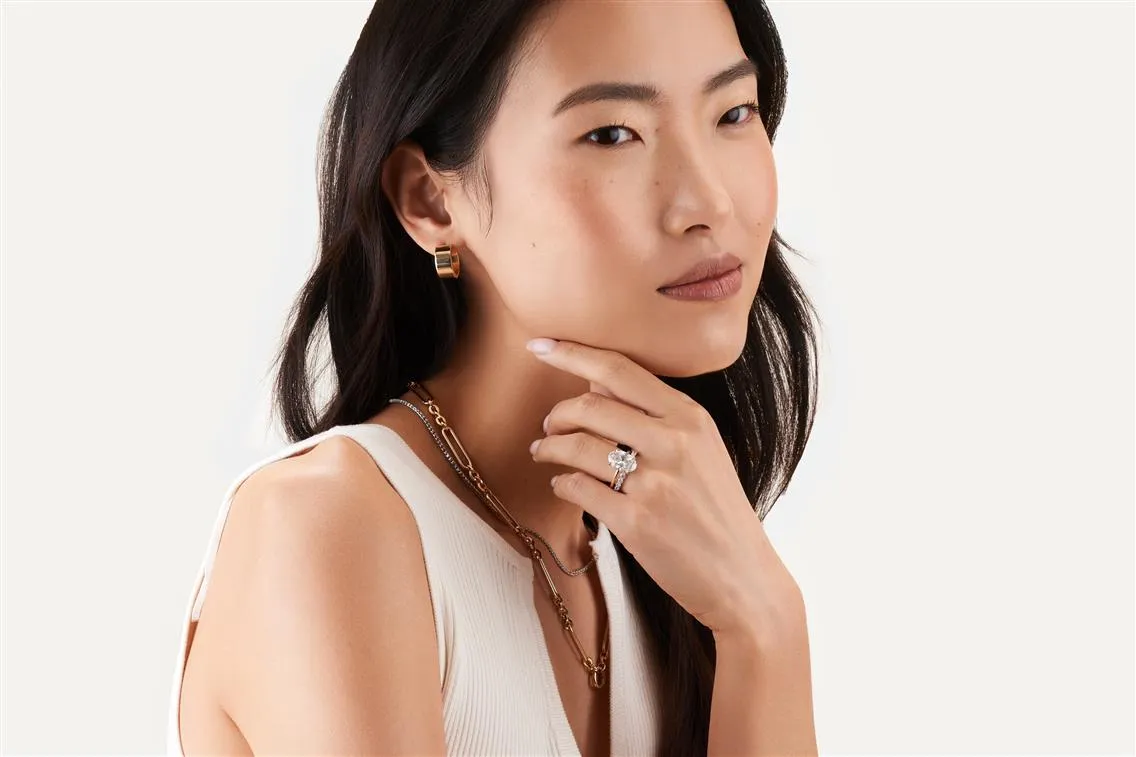
This guide covers the full casting process — from clarifying your vision through a moodboard, to sourcing talent, to evaluating agency versus freelance models, to understanding what specific physical attributes matter for different product categories.
Part of our complete guide: Professional eCommerce Fashion Photographer
Start with a Mood Board Creation to Clarify Your Vision for the Photoshoot
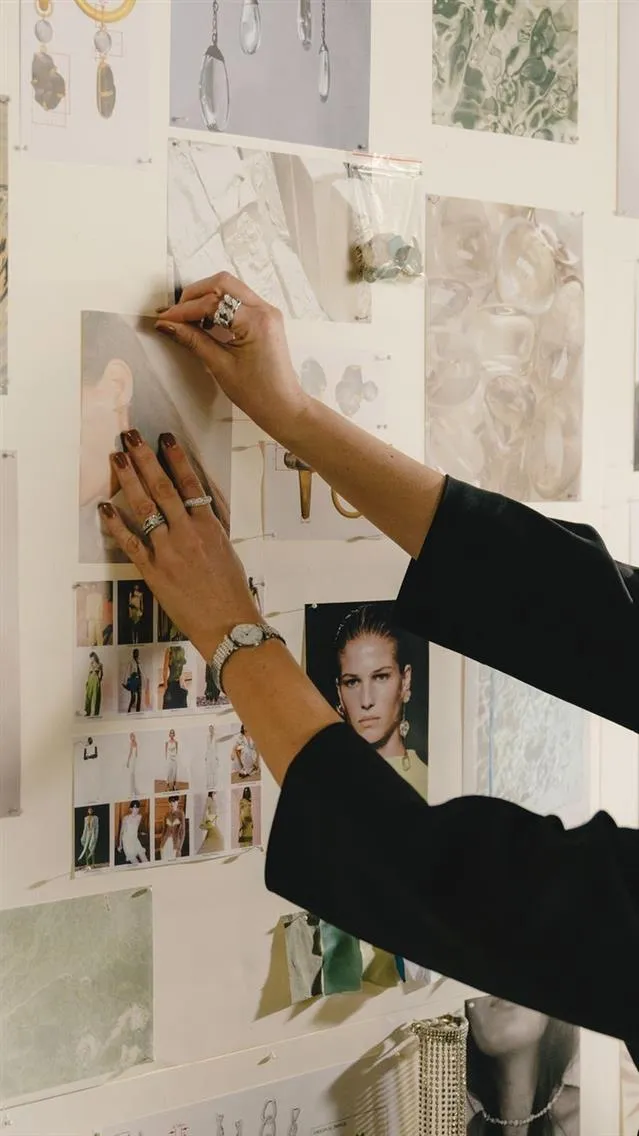
Before searching for models, the visual direction needs to be defined. A moodboard establishes the aesthetic, emotional register, and model type before casting begins — which prevents the common mistake of selecting a model who looks right in isolation but does not fit the campaign's world.
A casting moodboard should include lighting references, color palette, model examples showing the gesture, posture, and energy you are looking for, and styling references. Share it with your photographer and creative team early so everyone is evaluating candidates against the same standard.
For a complete guide to building a moodboard and developing art direction for a jewelry or fashion shoot: Art Direction Guidelines for Jewelry and Fashion Brand Photoshoots
How to Find Models for Your Brand
Modeling agencies
For most brand photoshoots, a modeling agency is the most reliable casting route. Agencies provide access to vetted, professional talent whose portfolios are already organized by look, experience, and category. They handle contracts, manage availability, and provide replacements quickly if a booking falls through.
When selecting an agency to work with, consider their specialization — some focus on fashion and editorial, others on commercial and eCommerce work, others on specific demographics. Look for portfolio diversity that reflects your brand's audience. Assess how clearly they communicate in early conversations — that quality will carry through the booking process.
For brands in New York, agencies including Wilhelmina, Ford Models, and State Management represent a range of talent from high-fashion editorial to commercial eCommerce. Niche agencies specializing in plus-size, mature, or character models are also worth considering depending on the campaign.
Booking Platforms
For smaller brands or shoots where agency fees are outside the budget, booking platforms offer direct access to models without going through an agency. The main options:
Ubooker — connects brands with models, photographers, and stylists. Brands post jobs, browse talent, and book directly. The platform saves on agency commission and allows models to manage their own scheduling.
Swipecast — focuses on streamlining the casting and booking process. Brands browse talent and communicate directly without an intermediary.
ModelMayhem — a large community of freelance models across all categories. Useful for finding niche talent or models with specific looks not represented by mainstream agencies.
Newbook Models — a directory of local models and influencers available for photoshoots and events. Useful for location-specific casting.
Using Social Media
Social media has become a powerful tool for discovering potential models. While brands may not scout directly, they can still use social media platforms to identify potential talent. Leverage social media to identify promising talent and then pass along these leads to professional scouts or agencies for further vetting and management. This approach ensures professionalism, saves time, and aligns with industry best practices. Some ways to find faces on social media
- Search Relevant Hashtags: Use hashtags like #newface, #modelsearch, #fashionmodel, or niche-specific tags (e.g., #fitnessmodel or #beautymodel) to find individuals who align with your brand’s aesthetic.
- Explore Geotags: If your shoot is location-specific, search geotags for your city or region (e.g., #NYCmodels or #LondonModels) to find local talent.
- Follow Modeling Communities: Many aspiring models showcase their portfolios on Instagram or TikTok. Following modeling communities or model agencies’ accounts that feature up-and-coming talent can help you discover fresh faces.
- Engage with Content Creators: Some influencers or micro-influencers with modeling aspirations may also fit your brand’s needs. Their existing audience can add an extra layer of value if they align with your target demographic.
Once you’ve identified potential candidates on social media, the next step is to pass their profiles or contact details to professional scouts or agencies for evaluation.
Agency vs Freelance: Which Is Right for Your Project
When deciding whether to work with a modeling agency or to hire freelance models, it’s essential to weigh the pros and cons of each option. Both paths offer unique advantages and challenges that can significantly impact your brand's modeling needs, budget, and overall project goals.
Working with a Modeling Agency
Advantages
- Professionalism and Experience: Agencies provide access to experienced models who are trained to represent brands effectively. This is particularly useful for complex shoots requiring specific skills, such as acting or posing in challenging ways.
- Reliability: Agencies ensure professionalism, punctuality, and consistency. If a model cancels, agencies often provide replacements quickly, minimizing disruptions.
- Portfolio and Expertise Matching: Agencies can recommend models whose portfolios align with your brand’s identity and target audience, saving time in the selection process.
- Legal and Contractual Support: Agencies handle contracts, ensuring compliance with industry standards and protecting both your brand and the model
- Streamlined Process: Agencies manage all logistics related to hiring models, saving you time and effort. From scheduling fittings to negotiating rates, they handle the administrative workload so you can focus on creative direction.
Disadvantages
- Higher Cost: Agency models typically come with higher fees due to commissions and agency overheads, which may not suit smaller budgets.
- Less Flexibility: Agencies often have strict policies regarding model availability or exclusivity. If your shoot requires last-minute changes or unconventional requests, working through an agency may limit your options.
- Standardized Contracts: While agencies provide legal support, their contracts may be less flexible to accommodate unique needs (e.g., extended usage rights or specific licensing terms).
Hiring Freelance Models
Advantages
- Cost-Effectiveness: Freelance models are often more budget-friendly, making them ideal for smaller brands or projects with tight financial constraints.
- Direct Communication: You can work directly with freelance models, allowing for more flexibility in discussing creative ideas and expectations.
- Diverse Talent Pool: Freelancers often promote themselves on platforms like Instagram or modeling websites, giving you access to a wide range of talent that may not be tied to agencies.
- Flexibility in Negotiations: Freelance models are often more open to negotiating rates, usage rights, or specific project requirements compared to agency-represented talent.
Disadvantages
- Vetting Process: Freelancers require thorough vetting to ensure they have the skills and professionalism needed for your shoot. This can be time-consuming
- Risk of Unreliability: Without agency backing, there is a higher risk of cancellations or unprofessional behavior that could disrupt your shoot.
- Limited Experience: Some freelance models may lack experience in representing brands effectively or working in professional settings.
Whether you choose an agency or freelancer, ensure the model aligns with your brand’s image, values, and target audience. Their look, persona, and ability to embody your brand’s story are critical for creating impactful visuals. Weigh the cost against the value the model brings to your campaign.
For high-stakes projects where quality is paramount, an agency model may be worth the investment; for smaller campaigns, freelancers might suffice. For intricate shoots requiring acting skills or challenging poses, agency models are often better equipped due to their training and experience. For simpler shoots, freelance models can be a cost-effective option.
If your brand prioritizes professionalism, reliability, and alignment with a specific vision, working with an agency is likely the better choice. However, if you have budget constraints or prefer more flexibility and direct collaboration, freelance models can be a viable alternative.
What to Consider Before You Start Casting
Know your audience
The model should reflect the demographic the brand is speaking to. Age, lifestyle presentation, and cultural relevance all affect how customers relate to the imagery. A model who looks like the target customer or like the aspirational version of who that customer wants to be — builds the connection that drives conversion.
Consider diversity actively rather than as an afterthought. A range of skin tones, body types, and ages across a catalog communicates inclusivity and also reflects the actual diversity of most brands' customer bases.
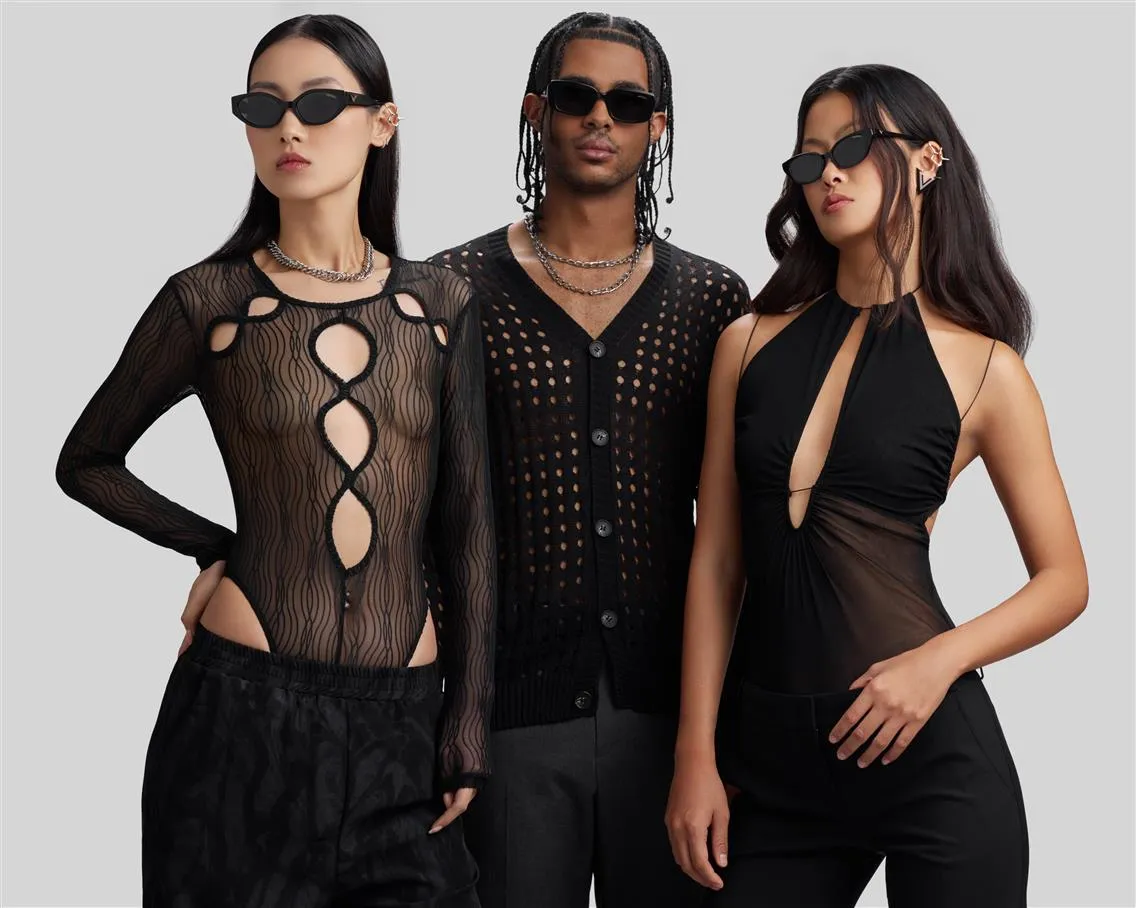
Align the model with the product category
Different product categories have specific requirements that go beyond general aesthetic fit.
Clothing
The model's body type should reflect the target customer demographic or the brand's size range. For plus-size ranges, the model's measurements should accurately represent those sizes — customers notice when garments are pinned or altered heavily to fit. For activewear, the ability to demonstrate movement convincingly matters alongside physical presentation. Look for models who can show the fabric's drape and fit naturally rather than holding static poses.
Footwear
Foot size should match the sample sizes available for the shoot. Models with longer legs help elongate the visual appeal of heels and ankle boots. For casual or athletic footwear, a more relatable leg proportion often serves the product better. The model should be comfortable walking and posing in the shoes — hesitation or discomfort reads clearly in the images.
Jewelry
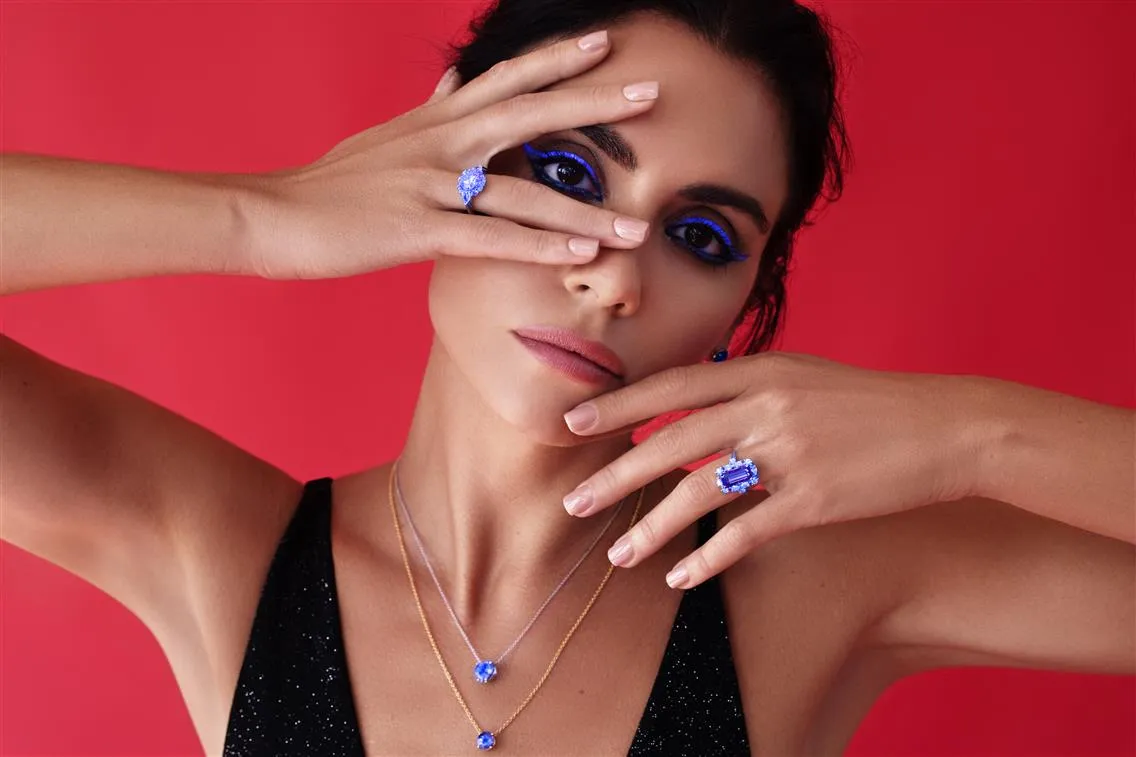
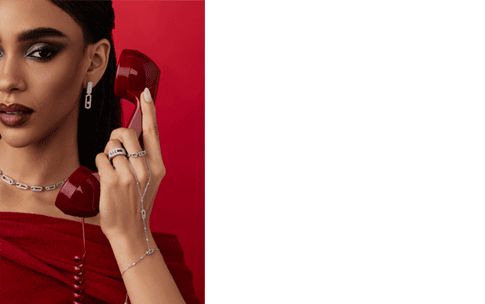
For rings and bracelets, hand shape, skin tone, and nail presentation all contribute to the final image. Slender fingers with well-maintained nails typically photograph well for fine jewelry, though this depends on the brand's positioning — a heritage artisan brand may specifically want hands that look lived-in rather than manicured. For necklaces and earrings, neck length and skin tone affect how the piece reads against the body. For close-up jewelry shots, the model's specific features matter as much as their overall look.
Define Your Photoshoot Objectives
Your objectives will guide the selection of models, the types of shots you need, and how you intend to use the images. Understanding the primary purpose of your photoshoot is essential. Different objectives will dictate different modeling styles and characteristics:
E-commerce Product Photography: If your goal is to create catalog images for online listings, you’ll need models who can showcase products effectively. This often requires models who can demonstrate the fit and functionality of clothing or accessories, so look for individuals with relatable body types that reflect your target demographic.
Lifestyle Campaigns: For dynamic lifestyle shots intended for social media or advertising, choose models who can convey emotion and authenticity. These models should be able to interact naturally with the environment and product, showcasing a lifestyle that resonates with your audience.
Editorial Shoots: If you’re aiming for high-fashion editorial images, select models who can embody artistic concepts and portray a range of emotions. This requires versatility and an ability to adapt to various themes, so consider models with experience in editorial work.
You also need to define what message you want to convey through the images. For example, if you're promoting an activewear line, you may need models who can demonstrate athletic movement effectively.
How to Choose the Right Models
The model you choose can significantly influence how your products are perceived, making it essential to approach this decision thoughtfully.
Knowing the main model appearance types helps narrow casting decisions before reviewing individual portfolios. Each type brings specific visual qualities that serve different brand contexts.
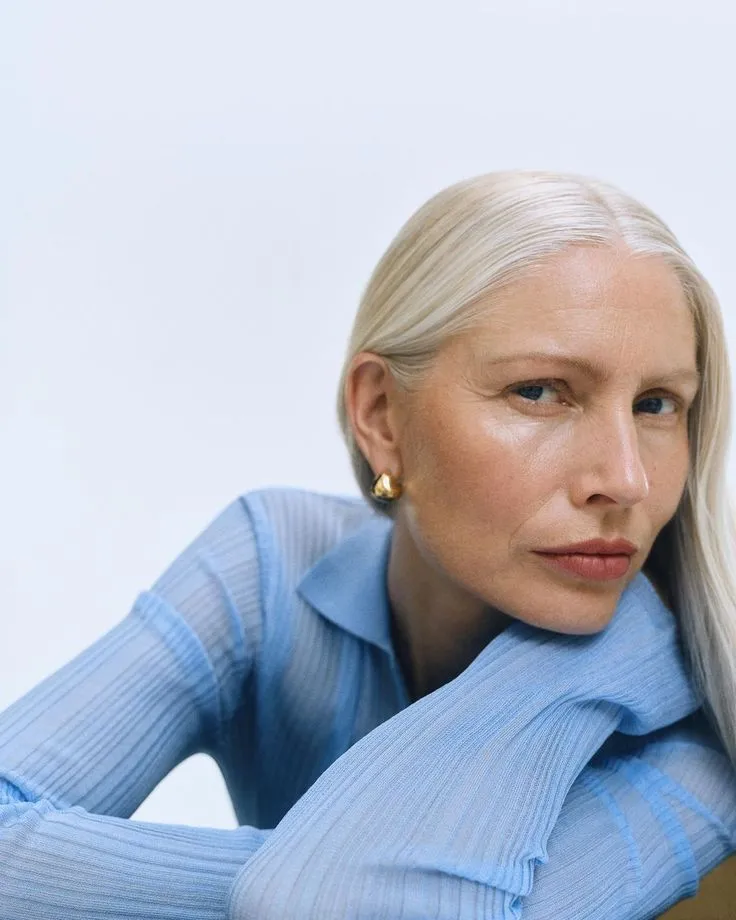 | Mature ModelsMature models are typically aged 45 and above and are increasingly sought after by brands targeting older demographics or promoting inclusivity. Mature models often have well-maintained skin, a confident demeanor, and a polished appearance. They exude sophistication and experience, which can connect with audiences seeking aspirational yet relatable imagery. Best For: Skincare products (anti-aging), luxury goods, financial services, wellness brands, and fashion lines catering to older consumers. Why Choose Them: They resonate with older audiences who want to see themselves represented in advertising. Their confidence and life experience add authenticity to campaigns. |
Alien-Type ModelsAlien-type models are known for their unconventional beauty and strikingly unique features that stand out in high-fashion or avant-garde campaigns. Distinctive facial structures (e.g., sharp cheekbones, wide-set eyes), unusual proportions, or otherworldly aesthetics. Their look often challenges traditional beauty norms. Best For: High-fashion editorials, luxury campaigns, artistic projects, or brands aiming to disrupt conventional advertising trends. Why Choose Them: Alien-type models create intrigue and help brands stand out by pushing creative boundaries. They appeal to audiences looking for bold and unconventional visuals. | 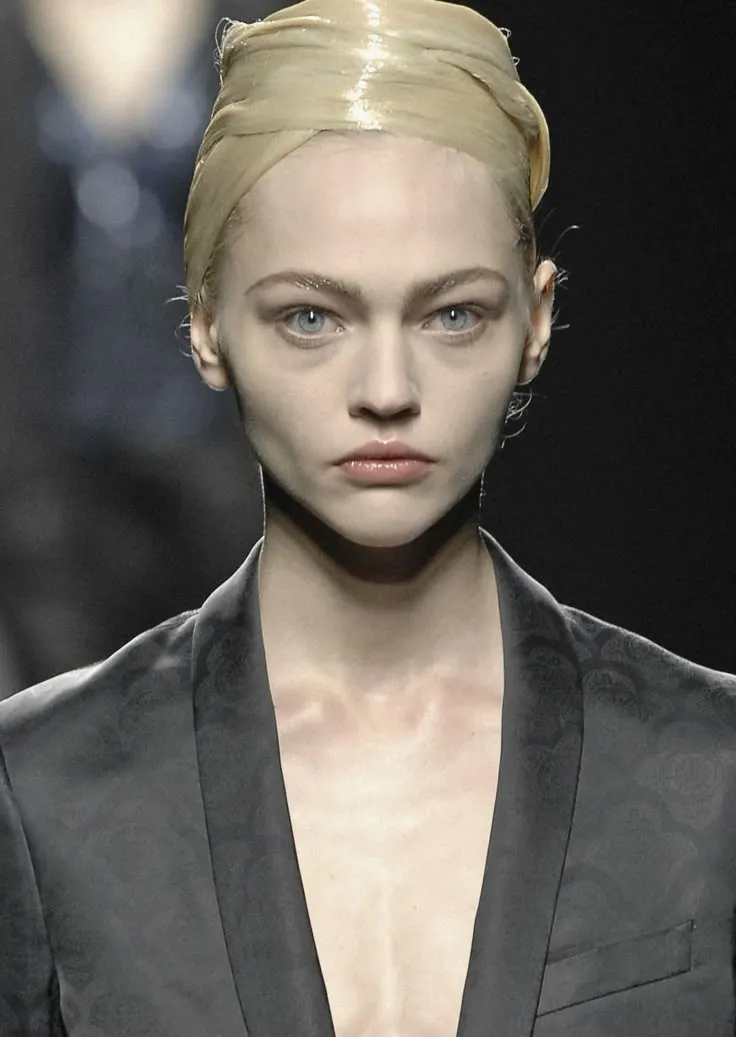 |
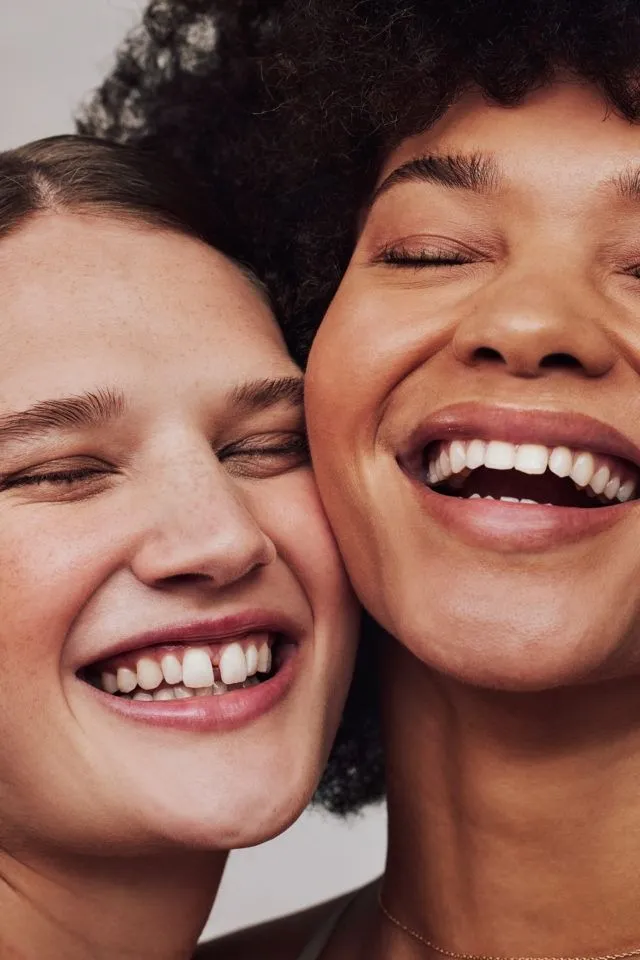 | Relatable ModelsThe relatable type embodies approachability and relatability. Their charm lies in their natural beauty and everyday appeal. Friendly smiles, soft features, minimal makeup, and a casual vibe. They often look like someone you’d know personally — accessible and warm. Best For: Lifestyle brands, family-oriented products, casual fashion lines, food & beverage campaigns, or any product that benefits from a relatable image. Why Choose Them: This type of model builds trust with consumers by presenting an authentic connection to real-life scenarios. |
Alternative ModelsAlternative models represent subcultures or niche aesthetics that deviate from mainstream trends. Tattoos, piercings, bold hair colors/styles, or edgy fashion sense. They often have a rebellious or countercultural vibe. Best For: Streetwear brands, music-related campaigns (e.g., rock or punk), niche lifestyle products (e.g., skateboards), or brands targeting Gen Z audiences who value individuality. Why Choose Them: Alternative models resonate with younger audiences who prioritize self-expression and authenticity over traditional beauty standards. | 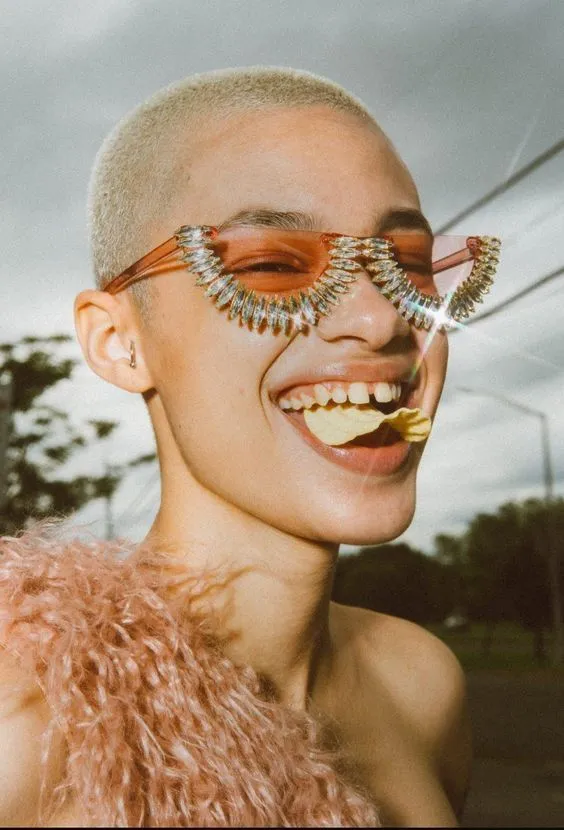 |
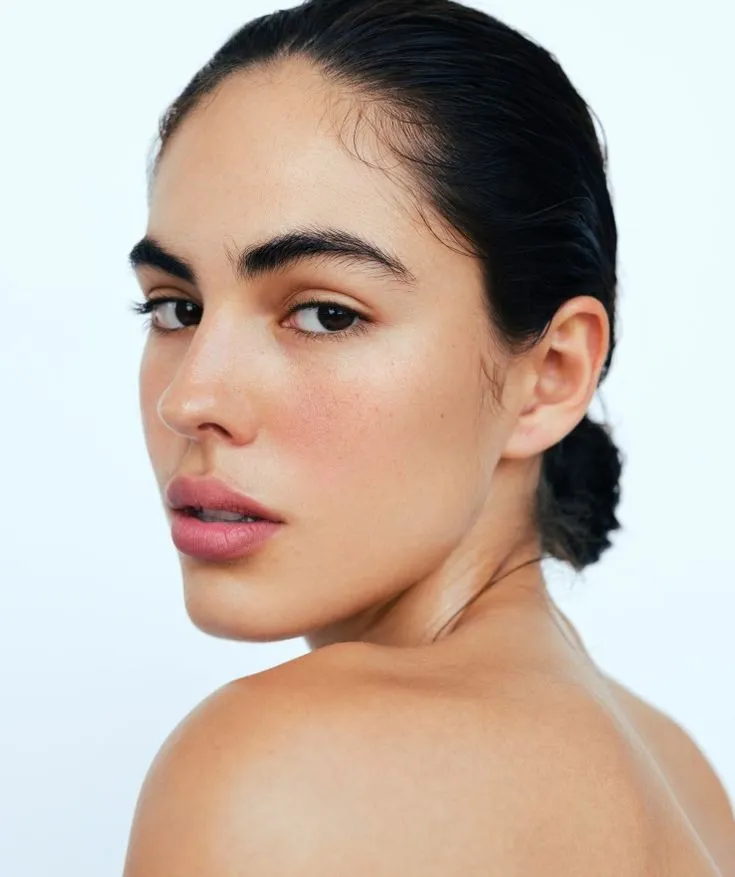 | Natural ModelsNatural models focus on minimal styling to emphasize authenticity and unfiltered beauty. Clear skin, natural hair textures (e.g., curls or waves), minimal makeup— or no makeup at all — and an effortless look. Best For: Skincare products (clean beauty), eco-friendly brands, health & wellness campaigns, sustainable fashion lines. Why Choose Them: Natural models align with the growing demand for authenticity in advertising. They appeal to eco-conscious consumers who value transparency and simplicity. |
Fitness ModelsFitness models embody health and athleticism while showcasing an active lifestyle. Lean physiques with defined muscle tone; glowing skin; confident posture; high energy levels. Height requirements are flexible but proportionality is key. Best For: Activewear brands (e.g., Nike or Lululemon), fitness equipment (e.g., Peloton), health supplements (e.g., protein powders), or sports-related campaigns. Why Choose Them: Fitness models inspire audiences by representing strength and vitality. Their ability to demonstrate physical activities (e.g., running or lifting) adds dynamism to product presentations. | 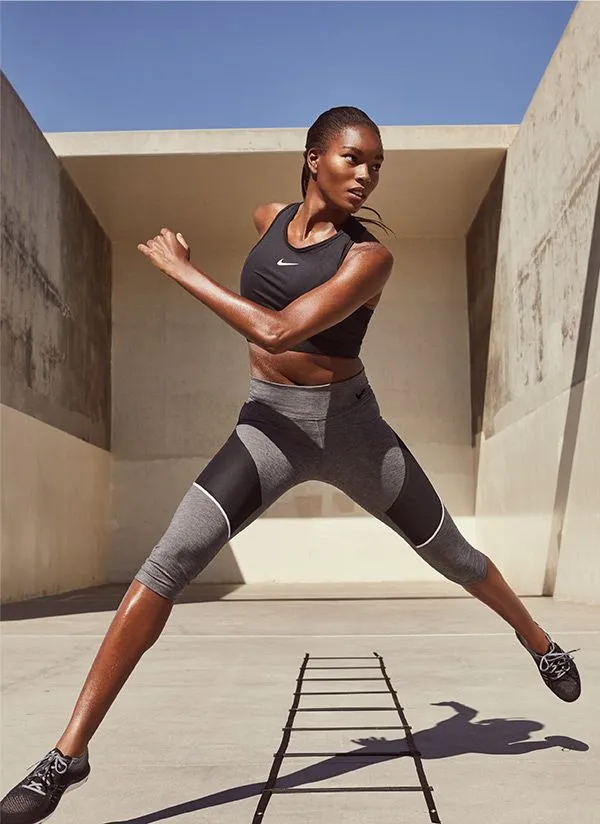 |
Evaluating a Model's Portfolio and Experience
When selecting a model for your brand, evaluating their portfolio and experience is crucial to ensure they align with your brand’s identity and the specific needs of your campaign. Here’s a comprehensive guide on how to effectively assess a model's portfolio and experience.
A model’s portfolio serves as a visual resume, showcasing their previous work and versatility. Here are key elements to consider during the review:
- Diversity of Work: Look for a range of styles and themes in the model's portfolio. A diverse portfolio indicates adaptability across different types of shoots (e.g., commercial, editorial, lifestyle). This versatility is particularly important if your campaign requires varied looks or settings.
- Relevance to Your Brand: Ensure that the model’s previous work aligns with your brand’s aesthetic and target audience. For instance, if you’re a luxury brand, look for models who have experience in high-end fashion campaigns.
- Specific Product Representation: If your campaign involves specific products (e.g., jewelry, activewear), check for past work where the model has successfully represented similar items. This experience can indicate their ability to showcase your products effectively.
The experience level of a model can greatly influence their performance during shoots. Consider how long the model has been in the industry and their previous engagements. Models with more experience are often better at taking direction and adapting to various shooting conditions.
Evaluate the type of modeling work they have done. Models who have worked with reputable brands or in high-profile campaigns may bring added credibility and professionalism to your project.
If possible, seek references or testimonials from photographers or brands that have previously worked with the model. Positive feedback can provide insight into their reliability, professionalism, and work ethic.
Fitting day
A fitting before the shoot day is the most reliable way to evaluate how a model works with the specific products. Assess how garments drape and fit on the model's actual proportions — not how they look on a hanger or in a portfolio shot with different sizing. Observe how comfortable the model is handling and wearing the products, since that comfort level translates directly into how naturally they present items on camera. Use the fitting to align the creative team on hair, makeup, and styling adjustments before production day.
Attitude and professionalism
A model's attitude affects the entire atmosphere of a shoot. Punctuality, preparedness, and responsiveness during casting and fittings indicate how they will perform under production conditions. Positive energy improves collaboration across the full team. Genuine alignment with the brand's aesthetic — rather than a generic professional approach applied to any client — produces images where the model inhabits the product's world rather than simply standing near it.
Contracts and Usage Rights
When working with freelance models outside of an agency relationship, a written agreement is essential. The key elements to cover are scope of work and shoot dates, compensation and payment terms, usage rights specifying which channels and for how long the images can be used, exclusivity or non-compete terms if relevant, confidentiality covering unreleased campaign material, and a termination clause for both parties.
Usage rights are the area where disputes most commonly arise. Images shot for eCommerce use on a brand's own website carry different terms than images used in paid advertising or licensed to retail partners. Define this clearly before the shoot, not after delivery.
When working through a modeling agency, contracts are handled with standard industry terms and the agency manages enforcement. This is one of the practical reasons brands working at volume or on high-stakes campaigns default to agency models even when freelance talent might offer flexibility on rate.
Working with a Studio on Casting
For brands shooting at a professional studio, casting support is often part of the production relationship. A studio experienced in jewelry and fashion photography will have established relationships with agencies and freelance talent, understand which model profiles work for specific product categories, and be able to advise on casting based on the brief.
LenFlash works with model agencies and casting platforms as part of apparel and fashion shoot production. Bring the brand brief and the visual direction — casting recommendations are part of the pre-production process.
For a full overview of the production team involved in a commercial photoshoot: Understanding the eCommerce Photography Creation Process and Team Involved
For the role of styling alongside casting in fashion production: Why Your Shoot Needs a Professional Fashion Stylist