





AI vs Traditional Product Photography for E-Commerce: What Businesses Need to Know
AI photography promises to revolutionize e-commerce visuals with faster turnaround times and lower costs per image. Traditional photography still dominates most product catalogs with its proven accuracy and customer trust-building capabilities. But which approach actually drives better business results?
The answer isn't straightforward. Some brands report significant cost savings and creative flexibility with AI implementation, while others have experienced unexpected challenges with customer returns and overall brand perception. The difference lies in understanding when each technology excels and when it falls short.

Why Accurate Traditional Product Photography Still Matters
Traditional product photography involves capturing real products with professional lighting, cameras, and staging in controlled studio environments. While this approach requires more upfront coordination and cost per image, it delivers unmatched accuracy in color reproduction, texture representation, and dimensional details.
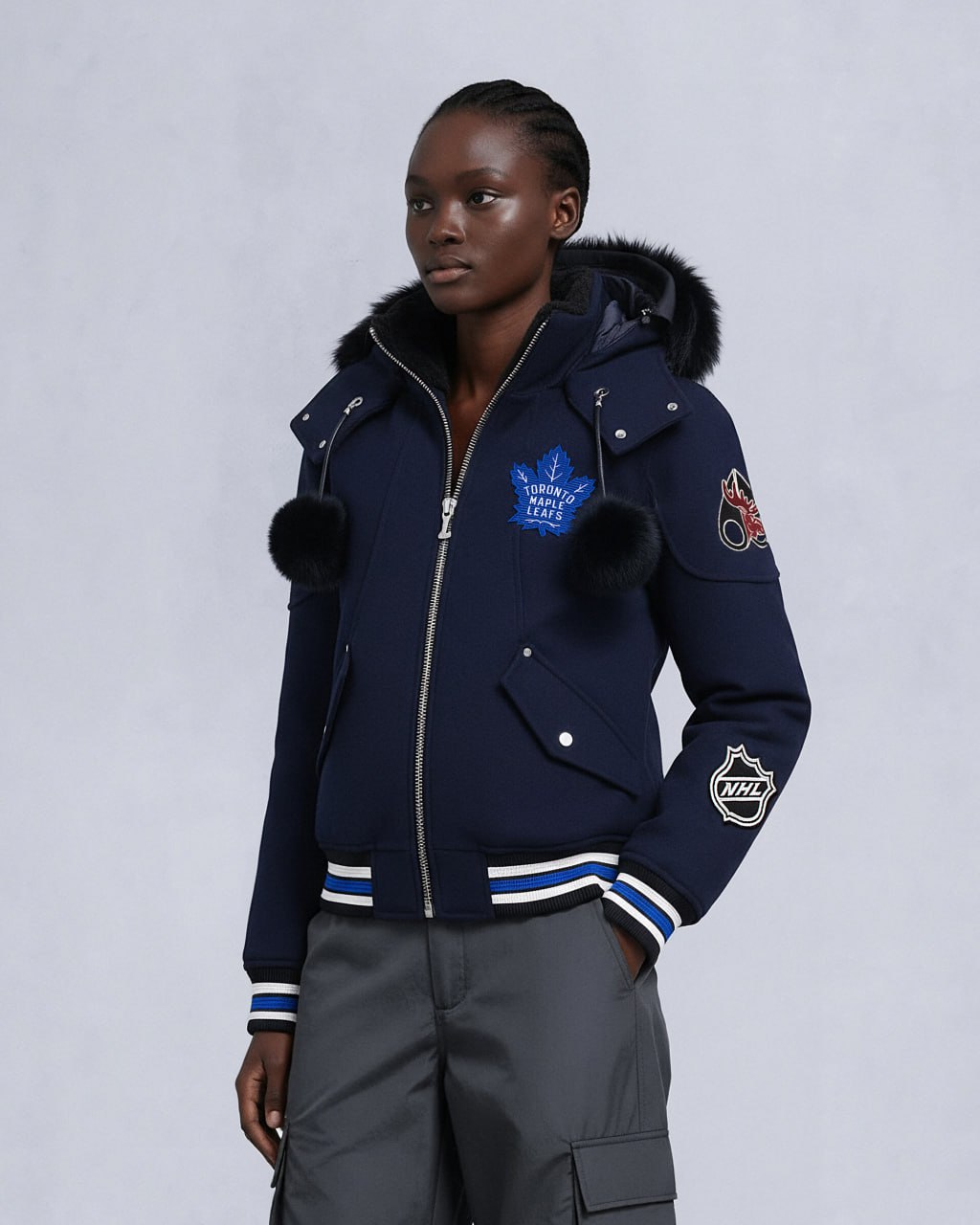
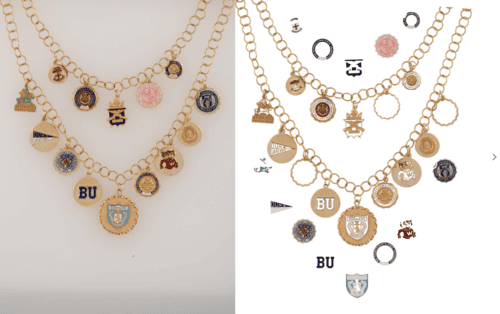
AI photography is powerful and efficient, but it is not magic. It cannot 100% reproduce all intricate details like exact product shapes, fine texts, logos, or other delicate design elements. These details are often imperfect or distorted in AI-generated images because AI models rely on learned patterns rather than actual physical reality.
Traditional photography remains irreplaceable for showcasing authentic product quality that builds shopper trust and confidence.
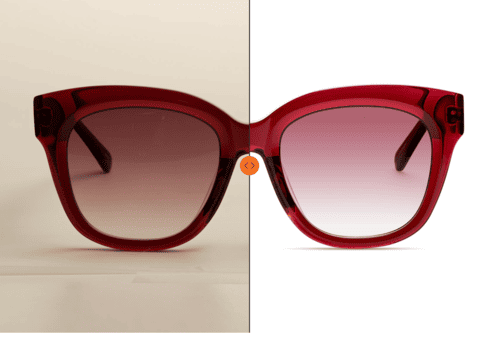
Color Accuracy and Product Return PreventionColor accuracy directly impacts return rates and customer satisfaction. Research indicates that inaccurate color representation accounts for a significant portion of returned items in fashion categories (UPS Consumer Shopping Study, Narvar Consumer Report). Electronics retailers face similar challenges when screen colors, case materials, or button details appear different than photographed. Traditional photography's controlled lighting and color calibration processes ensure that what customers see matches what they receive. This accuracy becomes crucial for categories where color precision affects functionality, such as makeup matching skin tones, home decor coordinating with existing furnishings, or automotive parts requiring exact specifications. |  |
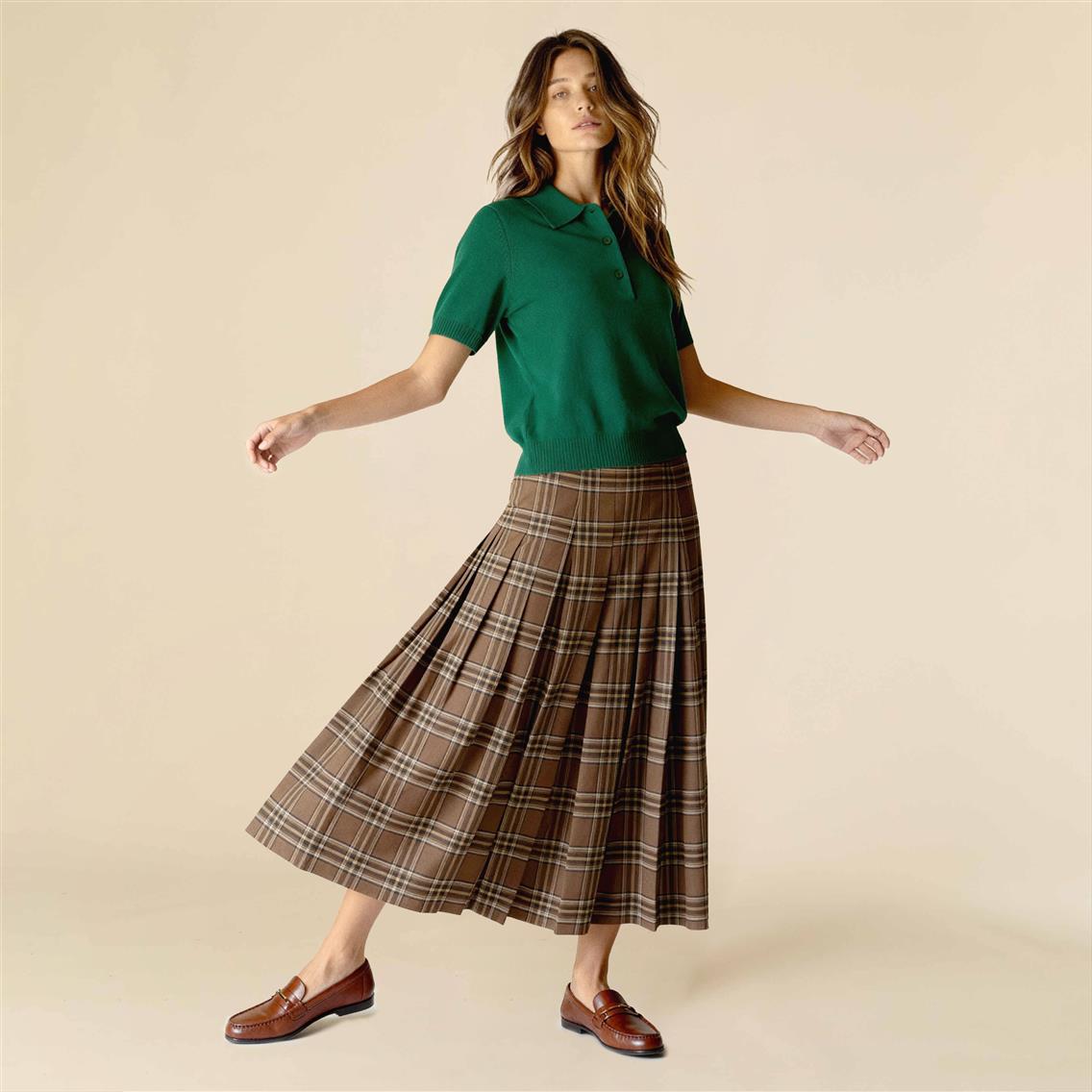
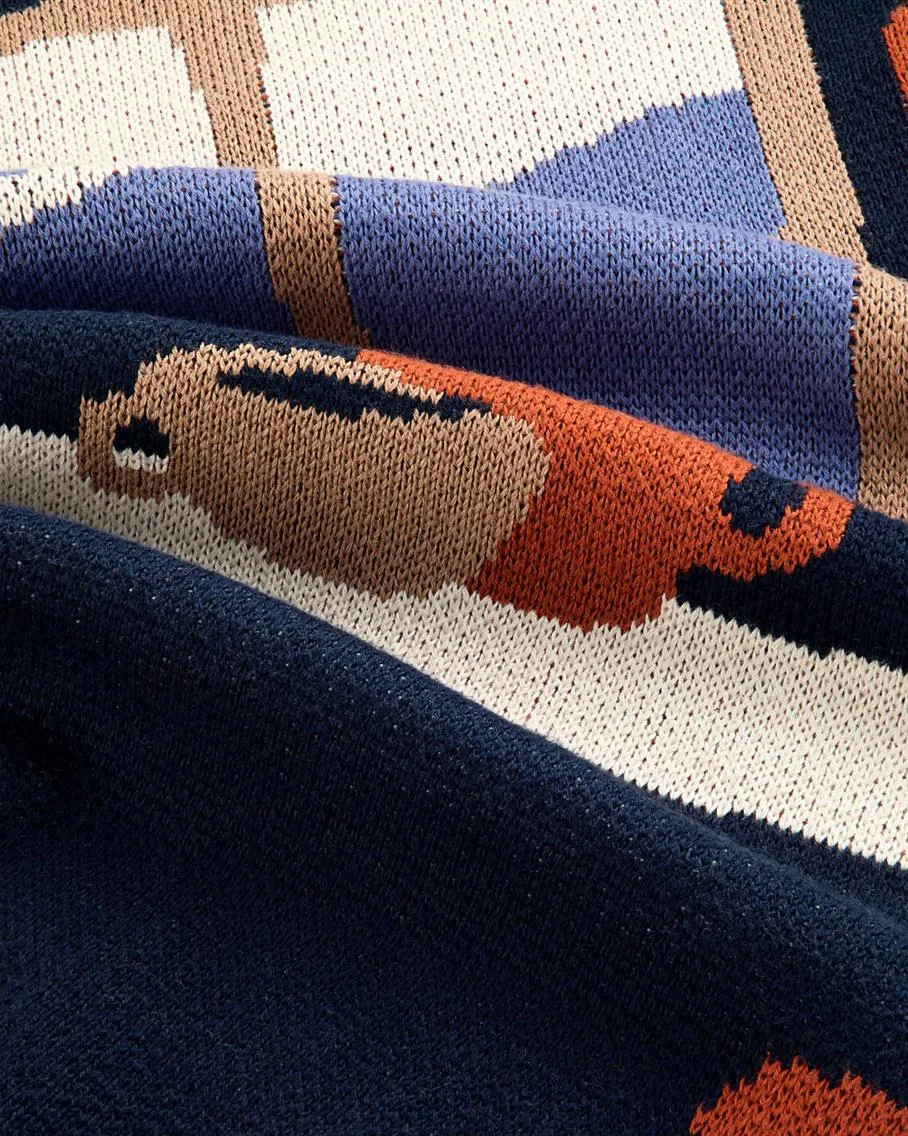 | Material, Emboedery, and Texture RepresentationFabric weight, surface texture, and finish quality significantly influence purchase decisions, especially in fashion, furniture, and luxury goods categories. Traditional photography captures these subtle details through proper lighting techniques, lens selection, and staging that reveals material properties clearly. Customers use these visual cues to assess product quality and suitability. When photos accurately convey scaling and proportions, whether a sweater feels substantial or lightweight, whether leather appears smooth or textured, or whether fabric has stretch properties, customers make informed decisions that reduce returns and increase satisfaction. |
How to Add AI Product Photography to Your Strategy?
When you already have real professional product shots, AI adds context. Advanced AI workflow gives an opportunity to place products in different environments, on various models, or within lifestyle contexts without additional photography sessions.
Current AI technology excels at environmental changes, background replacements, and contextual storytelling. A single traditional product shot can generate dozens of marketing variations: set design for creative product still life generations, different demographic representations, editorial styling, or aspirational lifestyle settings.
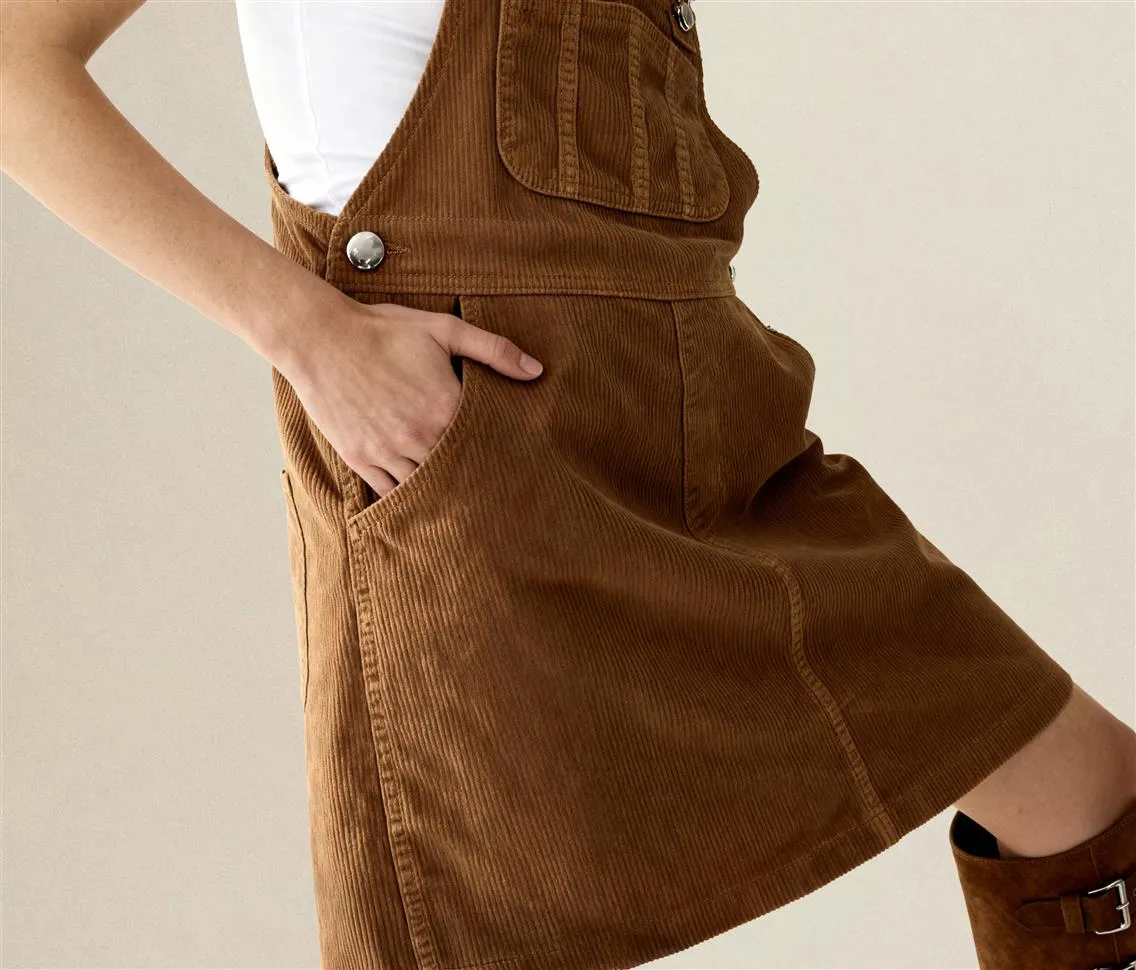
Rapid and Cost-Effective Content Creation for Marketing Campaigns
Marketing teams traditionally faced weeks-long timelines for creating campaign imagery. Coordinating models, locations, styling, and photography sessions for seasonal campaigns or product launches required extensive planning and significant budgets.
AI photography compresses these timelines dramatically. Based on existing product catalog images, you can generate lifestyle content, seasonal variations, and demographic-specific marketing materials within days rather than weeks. This speed enables responsive marketing strategies and faster time-to-market for new products.
Traditional photography costs scale proportionally with content needs. More shots require more studio time, model fees, styling costs, and production coordination. For brands needing extensive visual libraries: multiple lifestyle contexts, seasonal variations, or demographic representations, these costs compound quickly.
AI photography inverts this cost structure. After the initial traditional photography investment, additional variations are affordable even for brands with a small production budget. Brands can create comprehensive visual libraries without proportional budget increases, making extensive creative testing and market-specific content economically viable.
Creative Flexibility and Market Testing
AI enables rapid creative experimentation without traditional production constraints. Brands can test different lifestyle contexts, seasonal themes, or demographic representations to identify what resonates with specific customer segments.
This flexibility supports data-driven creative decisions. Instead of committing to expensive photoshoots based on assumptions, brands can test multiple creative approaches quickly and invest in traditional production only for proven concepts.
Strategic Application: When to Use Each Approach
At LenFlash, we implement hybrid strategies that combine traditional and AI photography, where each delivers optimal results. This approach prevents common implementation mistakes that compromise either customer trust or operational efficiency.
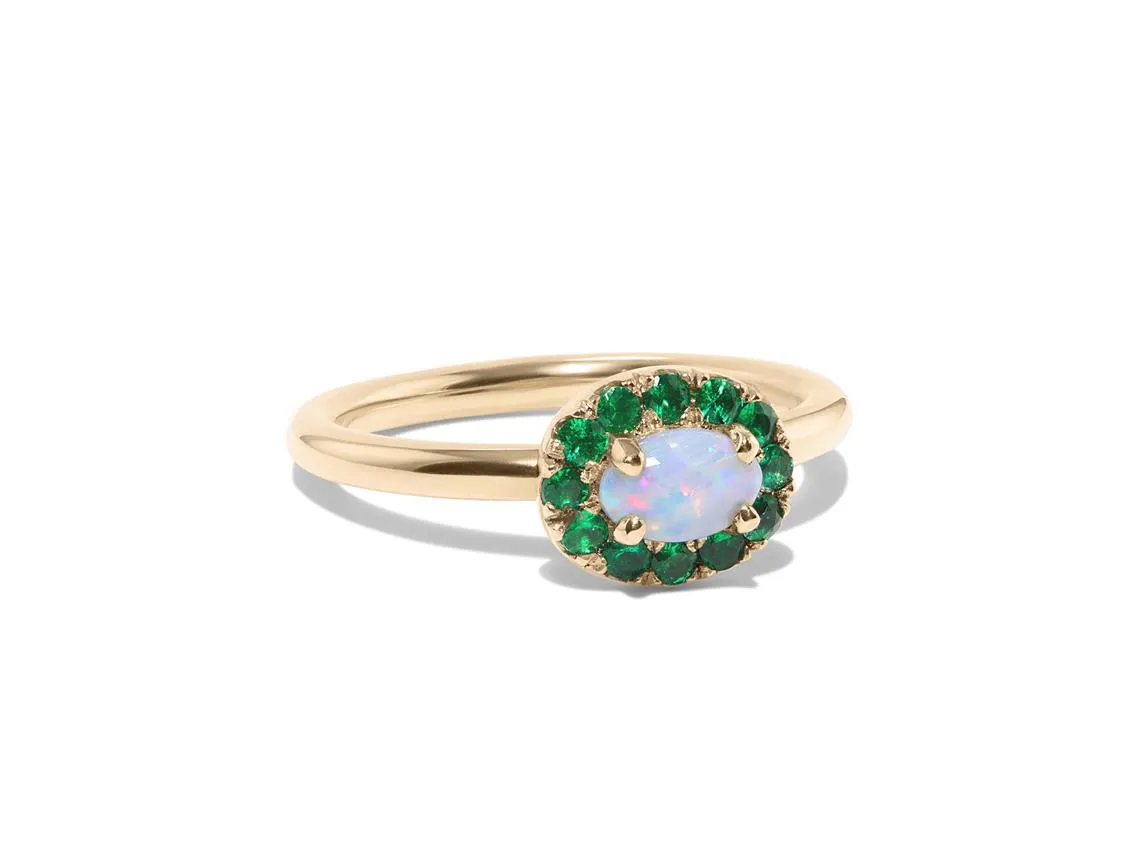
Traditional Photography for Product EvaluationProduct catalog images should always use traditional photography to show accurate shape, texture, and color for matching purposes. Categories particularly dependent on this traditional accuracy include jewelry gemstones, cosmetics color matching, furniture scale and finish representation, and electronics showing actual interfaces and build quality. Customer purchase confidence depends on visual accuracy that only traditional photography reliably provides. | 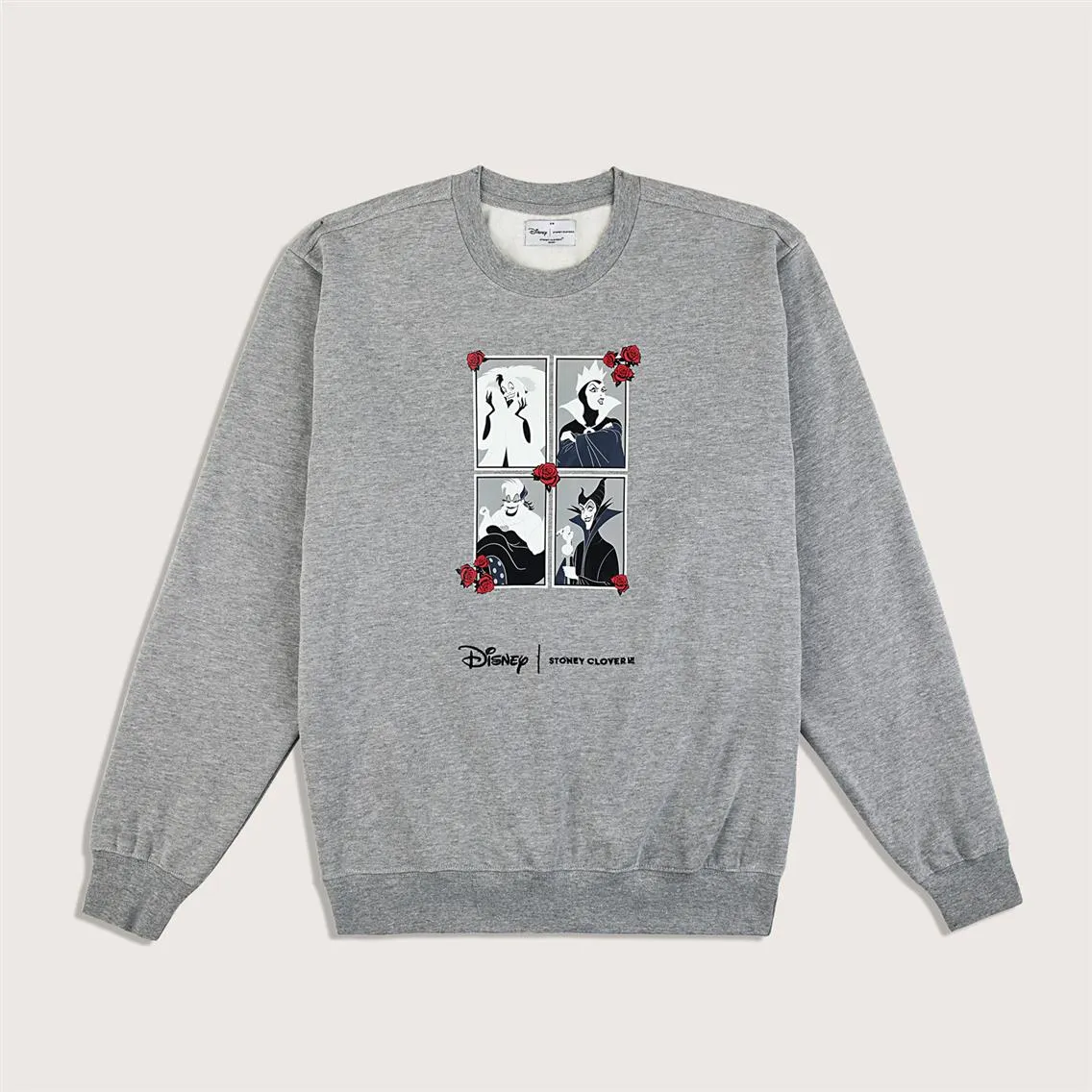 |
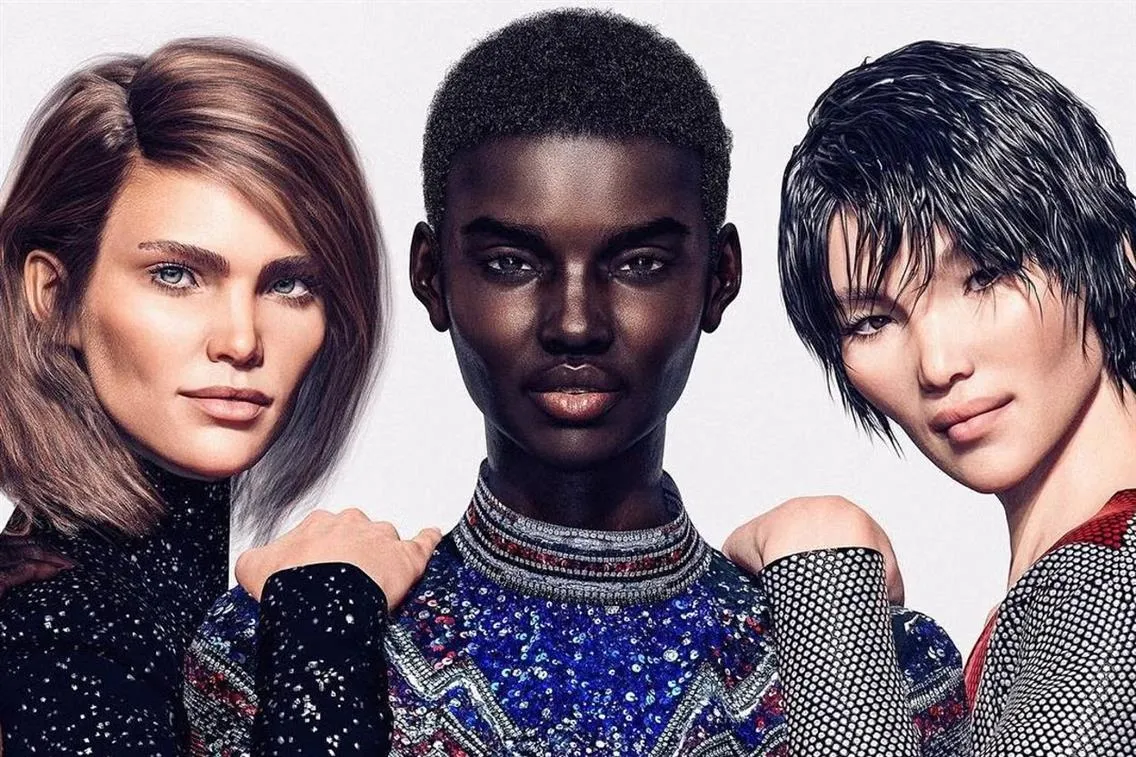
 | On-Model AI Catalog PhotographyUsing traditional product photos as a reference, professional AI photography service providers like LenFlash can create accurate on-model catalog representations. By training proprietary AI models on authentic, high-quality traditional images, and using multilayered professional prompting and expert human oversight, LenFlash ensures AI-generated images faithfully represent product details such as shape, proportions, colors, logos, and textures. This hybrid approach leverages traditional photography’s realism as the gold standard while benefiting from AI’s scalability, consistency, and adaptability, enabling brands to maintain visual accuracy across large catalogs and multiple platforms without sacrificing quality or consumer trust. |
AI Lifestyle Photography for Better SalesOnce accurate catalog foundations exist, AI excels at creating content that tells brand stories without compromising product accuracy. Lifestyle imagery, on-model studio catalog, seasonal campaign content, editorial compositions, and aspirational brand positioning benefit from AI's creative flexibility and cost efficiency. AI-generated lifestyle content works effectively because it builds on accurate traditional product foundations. Customers can evaluate product specifics from catalog images while experiencing emotional connection through AI-enhanced lifestyle contexts.
|  |
Effective hybrid workflows start with comprehensive traditional product catalog photography that covers all accuracy-critical needs. These images serve dual purposes: they provide customer evaluation tools and supply high-quality inputs for AI generation.
Business Impact and Performance Metrics
The way photography is done has a direct impact on measurable business results. Brands that use a smart mix of traditional and AI photography usually see better performance on many important indicators.
Conversion Rate Optimization
Conversion rates go up when customers get accurate product images to evaluate alongside engaging lifestyle content that creates emotional appeal. Traditional photography builds trust by showing true product details, while AI-generated lifestyle photos help customers connect emotionally and want to buy.
Brands that combine traditional and AI photography generally see clear improvements in conversion rates compared to using only one method. This combined approach meets customers’ logical need to evaluate products accurately and their emotional motivation to purchase effectively.
This has been shown by reports from Adobe Digital Economy Index and Salesforce Commerce Cloud, making balanced photography strategies a proven way to boost sales and customer satisfaction.
Product Return Rate Reduction
Return rates correlate directly with visual accuracy expectations. Traditional photography for product evaluation images significantly reduces returns by setting accurate customer expectations about color, fit, quality, and functionality.
Studies show that brands implementing accurate product photography experience substantially lower return rates compared to those using heavily processed or enhanced imagery (National Retail Federation, Appriss Retail Returns Study).
Operational Efficiency and Time-to-Market
Hybrid approaches improve operational efficiency by focusing expensive traditional photography resources on essential accuracy needs while using AI for volume creative content generation. New products can move from catalog photography to full marketing campaigns within days rather than weeks.
This efficiency enables more responsive seasonal marketing, faster product launch cycles, and more extensive creative testing without proportional budget increases.
Quality Control and Professional AI Product Photography Implementation
Successfully implementing AI product photography strategies requires professional oversight, ensuring consistency, brand alignment, and quality standards across all generated content.
Maintaining Brand Consistency
Brand guidelines must extend across both traditional and AI-generated content. Visual consistency in lighting styles, color grading, composition principles, and overall aesthetic requires professional coordination between traditional photography direction and AI generation parameters.
LenFlash's professional photography team establishes visual standards in traditional and then successfully replicates and extends them in an AI workflow, maintaining brand coherence across all customer touchpoints.
Avoiding Implementation Pitfalls
Common AI photography mistakes include unrealistic lighting combinations, inconsistent product proportions, or lifestyle contexts that undermine product credibility. Professional oversight prevents these issues through proper input image selection, generation parameter control, and quality review processes.
LenFlash's experience with both traditional and AI photography workflows enables us to structure processes that maximize AI advantages while avoiding quality compromises that damage customer trust.
Making Strategic Photography Decisions
Business leaders evaluating visual content strategies should focus on customer behavior patterns, business metrics, and operational requirements rather than technology preferences. Traditional and AI photography each solve specific business problems effectively when applied strategically.
Implementation of the hybrid photography strategy requires a deep understanding of both traditional photography principles and AI generation capabilities. LenFlash stands as the industry leader in creating both traditional and AI photography specifically designed for e-commerce businesses, combining technical expertise with proven e-commerce performance optimization.
LenFlash's approach begins with establishing high-quality traditional product foundations, then leverages proprietary AI workflows to scale creative content efficiently while maintaining brand consistency and customer trust. This methodology has already helped numerous e-commerce brands across categories optimize their visual content strategies for measurable business results.
For businesses ready to elevate product photography strategically, we offer expert traditional product and AI context photography services. Choose LenFlash as your visual content contractor to redefine your ecommerce presence!