



AI Product Photo Editing for eCommerce: Where a Human Still Decides
A retoucher opening a product shot is not thinking about buttons or gemstones. They are deciding what to keep: which shadow holds the shape, whether the scuff on the leather is a flaw or the reason it looks real. AI never asks those questions. It applies patterns fast and calls it done, and on the images that carry a sale, that is not the same job.
What Is AI Photo Editing
AI editing is not one thing. There is a kind that keeps your real pixels and a kind that replaces them, and the two do opposite things to your product.
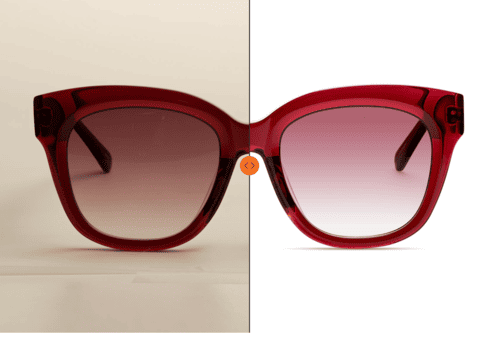
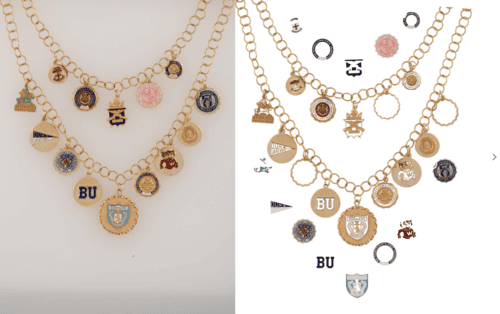
The first works on top of the pixels your camera captured. Background removal traces the product with semantic segmentation and lifts it off the set, pixels intact, ready to composite onto clean white. Content-aware healing rebuilds a dust speck from the real pixels around it instead of inventing new ones. Denoise, sharpening, color correction, upscaling: all of it processes the capture you already made. The product in the file stays the product you shot.
The second kind synthesizes. Generative fill, inpainting, background generation, and describe-the-change-and-let-it-redraw tools build fresh image data, so a redrawn product is never quite the real one. (How generation rebuilds an image, and whether it threatens shooting altogether, belongs to will AI replace product photography). Synthesis is fine far from the product: a distant backdrop, an ambient reflection nobody zooms into. On the product itself, it is the wrong tool for the job.
An honest caveat: the boundary is a spectrum, not a wall. Background removers reach for generation at the hardest edges (a wisp of hair, fur, refraction through glass), and upscalers invent microdetail that was never in the file. Even the pixel-safe layer deserves a look before an image ships as a hero.
 |  |
Retouching Is a Decision Process
At the high end, retouching is a series of judgment calls before it is anything technical. The retoucher is deciding what serves the image. What to leave. What to adjust. When a shadow is doing structural work and shouldn't be touched. When a jewelry texture that technically reads as an imperfection is actually part of what makes a product real. AI doesn't have taste or thinking. It has patterns, and it applies those patterns consistently, which is a different thing entirely from applying them wisely.
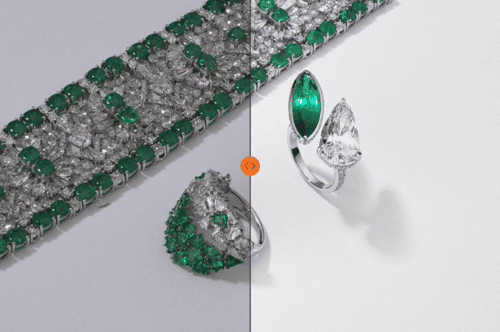
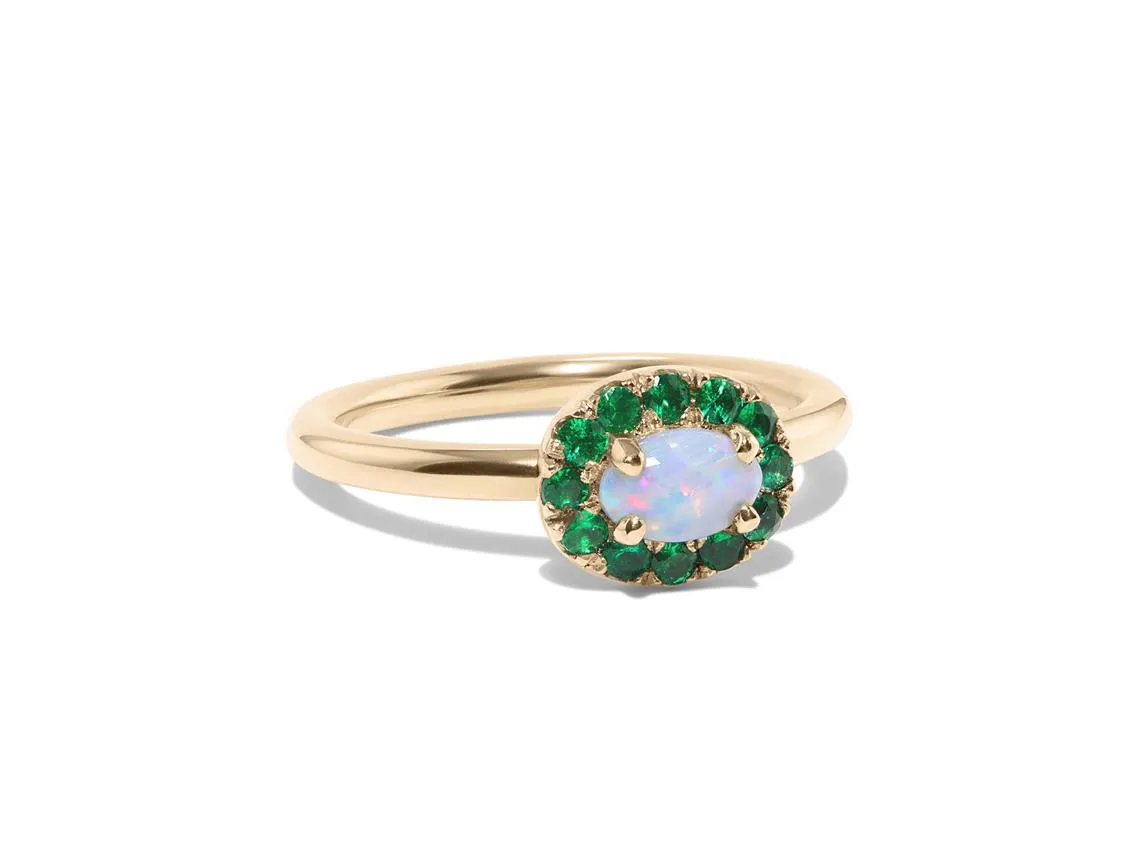
Watch a retoucher spend twenty minutes on a pavé ring and most of that time is not brushwork. It is deciding which of the 35 reflections in the stones are information and which are noise. Software would clean all 35 in seconds. Roughly half of them were the sparkle.
Where AI Retouching Costs You
Put a pattern engine in charge of those calls, and the cost shows up in 3 places.
Real Materials Lose Their Texture
Leather with genuine grain and wear, the particular sheen of heavy silk, the way raw denim loses detail at the fold, brushed metal that needs to feel cold: these are the material qualities that make products feel real in a photograph, and they are exactly what current AI retouching tools tend to flatten.
The failure is predictable once you know what these models learned to prefer: smooth, even, clean. A system trained to read texture variation as defect treats the pore structure of full-grain leather the way it treats a scratch. Shoppers cannot name what went missing, but they feel it. The photo starts to read like a render, and $400 boots that read like a render convert like $80 boots.
Consistency Slips Across a Catalog
The subtler cost is consistency. AI retouching tools do not know your brand's visual language, your preferred skin tone treatment, your established approach to shadow and highlight. Applied at scale without careful oversight, inconsistencies accumulate in ways that are hard to catch in a standard QA pass and that gradually erode the coherence of a brand's visual identity.
The dangerous version is not the obviously bad image; QA catches those. It is the batch where skin runs a touch warmer than last season and shadows fall a stop softer, and no single file looks wrong. Stack 6 months of that on a category page and your catalog looks like it was shot by 3 different studios.
The Over-Processed, Synthetic Look
AI retouching also tends to over-process, which can make a photo feel synthetic even though nothing was generated. For brands whose positioning rests on looking authentic and credible, that is a real risk, and an underrated one.
Shoppers have spent the past 3 years learning to spot generated images, and the tells they learned (plastic surfaces, weightless shadows, materials with no history) are what an aggressive automated retouch produces from a real photograph. You pay for a real shoot and inherit the skepticism anyway. Disclosure rules for synthetic imagery are tightening as well, which our guide to AI photography covers, but the market punishes the look long before any regulator does.
So, Overall
Be honest about how much of the work AI takes off your plate: the decisions still fall to a person. Where it earns a place is narrower than the marketing suggests, and it comes down to what you are willing to trade.
If you're a small or new brand and the retouching budget is tight, AI is a fair compromise. Let it crop, remove backgrounds, and handle the mechanical cleanup, and accept that the result trades some realism for the saving. For plenty of simple catalog shots, that is a fine place to land.
For high-end products, where the look of the real material and the trust of the shopper are the sale, that trade does not pay. This is manual work: a retoucher deciding what to keep and what to fix, frame by frame, so the product stays real. That is the retouching LenFlash does, for brands that already hold their images to that standard and mean to keep them there. If that is how you work, let's talk.